From 11:00 pm to 12:00 pm EST ( 8:00 pm to 9:00 pm PST ) on January 6th, the website will be under maintenance. We are sorry for the inconvenience. Please arrange your schedule properly.
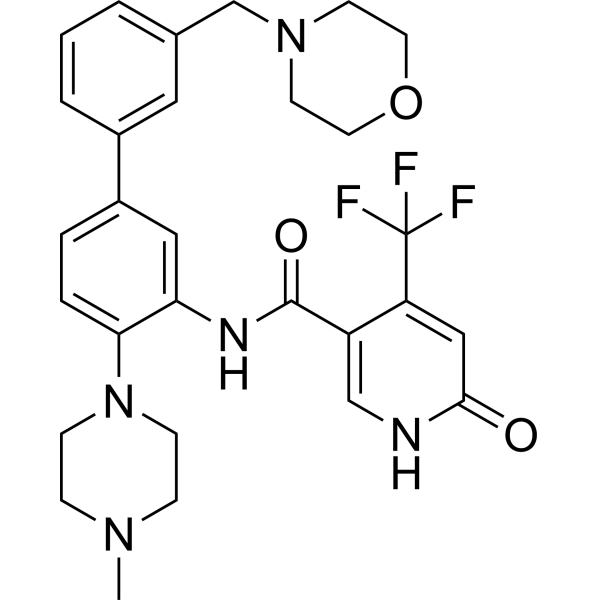
OICR-9429, a chemical probe, is high affinity WD repeat domain 5 (WDR5) inhibitor, competitively blocks WDR5 interaction with MLL protein via binding the central peptide-binding pocket of WDR5. OICR-9429 can suppress histone H3K4 trimethylation and can be used for the research of various cancers including non-MLL-rearranged leukaemia, colon, pancreatic, prostate cancer and bladder cancer (BCa) .
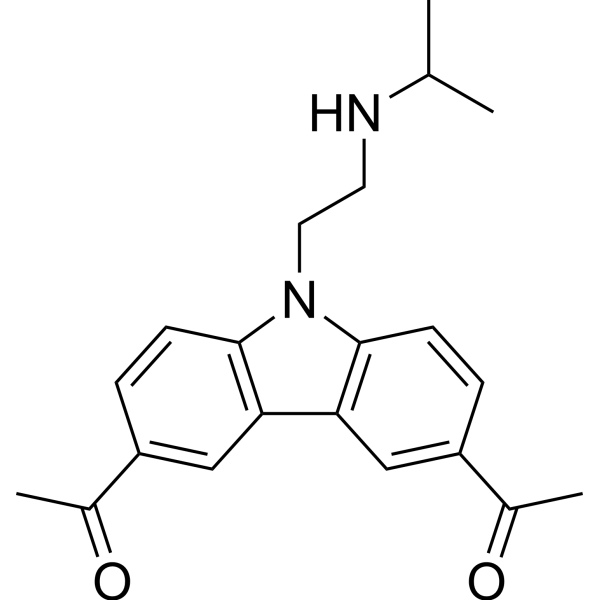
CBL0137, a curaxin compound, is a histone chaperone facilitates chromatin transcription (FACT) inhibitor. CBL0137 downregulates NF-κB and activates p53. CBL0137 restores both histone H3 acetylation and trimethylation. CBL0137 is an anticancer agent. CBL0137 induces cancer cell apoptosis .
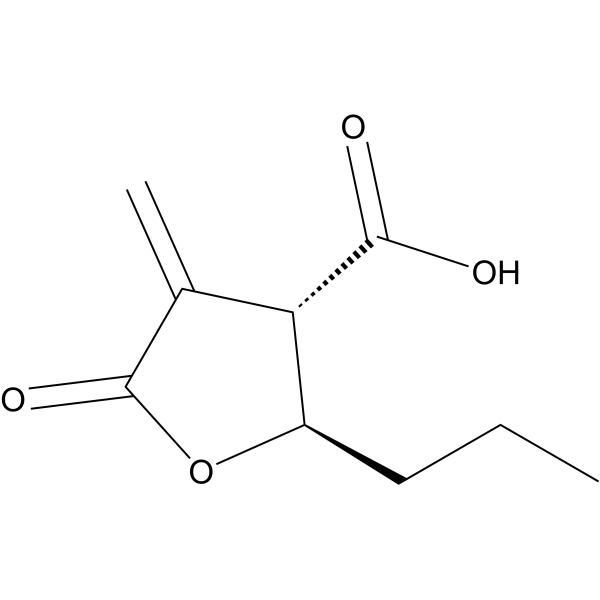
Butyrolactone 3 (MB-3) is a specifical small-molecule inhibitor of the histone acetyltransferase Gcn5 (IC50=100 μM), which has a high affinity to the Gcn5 enzyme comparable to that of its natural substrate, histone H3. Butyrolactone 3 shows weak inhibitory on CBP (IC50=0.5 mM). Butyrolactone 3 can be used in studies of cancer, metabolic, autoimmune and neurological diseases [3].
CHR-6494 is a potent inhibitor of haspin, with an IC50 of 2 nM. CHR-6494 inhibits histone H3T3 phosphorylation. CHR-6494 can be used in the research of cancer .
CPTH2 is a potent histone acetyltransferase (HAT) inhibitor. CPTH2 selectively inhibits the acetylation of histone H3 by Gcn5. CPTH2 induces apoptosis and decreases the invasiveness of a clear cell renal carcinoma (ccRCC) cell line through the inhibition of acetyltransferase p300 (KAT3B) .
GSK484 is a PAD4 inhibitor that effectively inhibits protein citrullination and the formation of neutrophil extracellular traps (NETs) by blocking the catalytic activity of PAD4. GSK484 suppresses the production of histone H3, MHC-I expression, CD8 + T cell activation, proliferation and inflammatory cytokine release. GSK484 reduces inflammation and bone destruction in collagen-induced rheumatoid arthritis, alleviates pain and mast cell activation in sickle cell disease, and improves myocardial ischemia-reperfusion injury and experimental colitis. In addition, GSK484 restores intestinal microbial homeostasis by reversing ferroptosis-induced dysbiosis. GSK484 can be used to study the disease mechanisms of rheumatoid arthritis, sickle cell disease, thrombosis, myocardial injury, colitis and other conditions [3] .
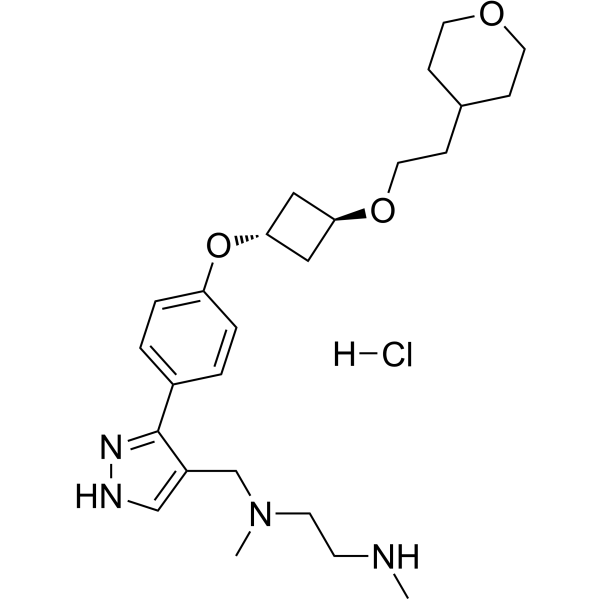
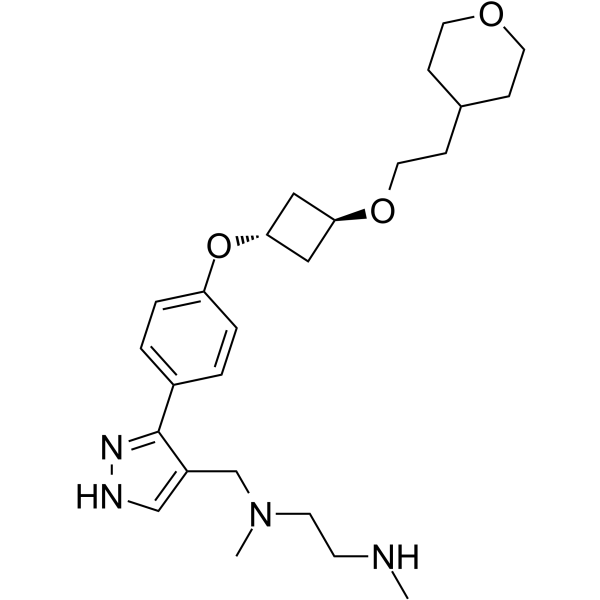
BRD4770 is a histone methyltransferase G9a inhibitor. BRD4770 reduces di- and trimethylation of lysine 9 on histone H3(H3K9) with an EC50 of 5 μM, and has less or little effect toward H3K27me3, H3K36me3, H3K4me3, and H3K79me3. BRD4770 can activate the ataxia telangiectasia mutated (ATM) pathway and induce cell senescence .
TAS-119 is a potent, selective and orally active Aurora A inhibitor with an IC50 of 1.0 nM. TAS-119 shows high selectivity for Aurora A over other protein kinases, including Aurora B (IC50 of 95 nM). TAS-119 has potent antitumor activites .
EEDi-5273 (APG-5918) is a potent and orally active embryonic ectoderm development (EED) inhibitor with an IC50 of 0.2 nM. EEDi-5273 can inhibit the polycomb repressive complex 2 (PRC2) activity and block trimethylation of histone H3 lysine 27. EEDi-5273 can be used for the research of cancer, such as ovarian cancer .
Cephaeline ((-)-Cephaeline), a desmethyl analog of Emetine, is a phenolic alkaloid in Indian Ipecac roots isolated from the Cephaelis ipecacuanha. Cephaeline exhibits potent inhibition of both Zika virus (ZIKV) and Ebola virus (EBOV) infections. Cephaeline is an inductor of histone H3 acetylation and an inhibitor of mucoepidermoid carcinoma cancer stem cells (MEC), which promotes ferroptosis by inhibiting NRF2 to exert anti-lung cancer efficacy [3] .
WIZ degrader 9 is an orally active molecular glue degrader of the WIZ transcription factor. As a molecular glue, WIZ degrader 9 recruits WIZ to the cereblon E3 ubiquitin ligase complex via its ZF7 domain, driving proteasome-dependent degradation of WIZ. WIZ degrader 9 induces hemoglobin production, reduces the level of H3K9 dimethylation across the whole genome and at the β-globin locus, upregulates the transcription of γ-globin and BGLT3, and increases the level of histone H3K9 acetylation in the promoter region of HBG1/2. WIZ degrader 9 effectively induces fetal hemoglobin production in both mice and cynomolgus monkeys. WIZ degrader 9 can be used for research on sickle cell disease .
SETDB1-TTD-IN-1 is a SETDB1 methyltransferase activator and SETDB1-TTD competitive inhibitor (Kd of 88 nM), and selectivity for SETDB1-TTD over other tudor and bromodomain proteins. SETDB1-TTD-IN-1 stimulates methyltransferase activity via increased catalytic activity, promotes Akt1 Lys64 methylation, Akt1 Thr308 phosphorylation and activation. SETDB1-TTD-IN-1 prevents SETDB1-TTD-histone H3 peptide association, induces global gene expression changes, exhibits cellular target engagement, and acts as a tool compound for SETDB1-TTD function exploration. SETDB1-TTD-IN-1 can be used for the research of breast cancer .
MS147 is a VHL-based PROTAC degrader of BMI1 and RING1B (polycomb repressive complex 1 core components). MS147 directly binds EED and VHL E3 ligase, recruiting the ligase to the EED-BMI1/RING1B complex to induce time-dependent, ubiquitination-mediated degradation of BMI1 and RING1B. MS147 reduces histone H2A Lys119 mono-ubiquitination without altering histone H3 Lys27 tri-methylation and inhibits cancer cells proliferation. MS147 can be used for the research of cancer, such as chronic myelogenous leukemia and b-cell lymphoma . (Pink: BMI1/RING1B ligand (HY-183634); Blue: VHL ligand (HY-125845); Black: linker)
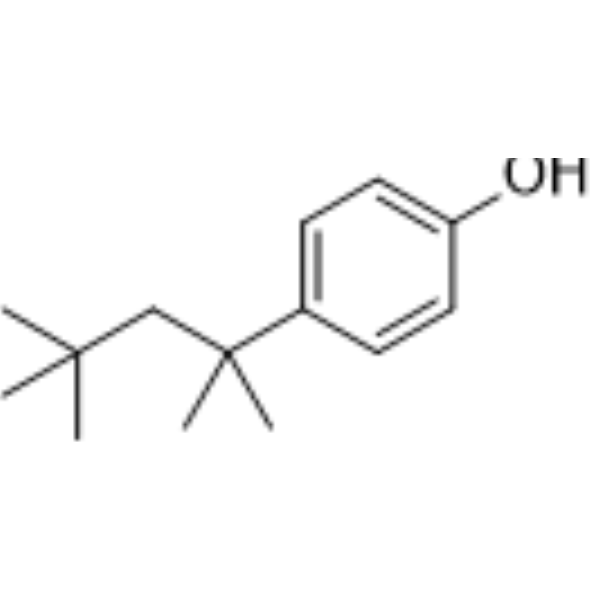
4-tert-Octylphenol, a endocrine-disrupting chemical, is an estrogenic agent. 4-tert-Octylphenol is also a biodegradation product of non-ionic surfactants alkylphenol polyethoxylates. 4-tert-Octylphenol induces apoptosis in neuronal progenitor cells in offspring mouse brain. 4-tert-Octylphenol reduces bromodeoxyuridine (BrdU), mitotic marker Ki67, and phospho-histone H3 (p-Histone-H3), resulting in a reduction of neuronal progenitor proliferation. 4-tert-Octylphenol disrupts brain development and behavior in mice, which is promising for reserch of immune response, neuro-related diseases and ethology [3] .
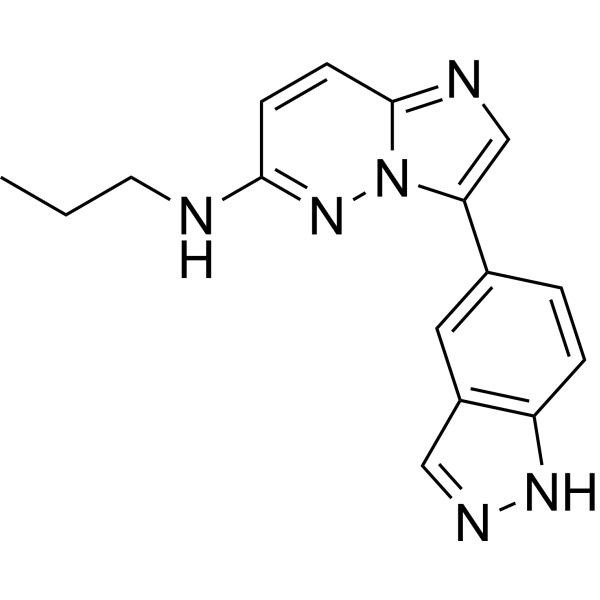
OTS193320, a imidazo[1,2-a]pyridine compound, is a SUV39H2 methyltransferase activity inhibitor. OTS193320 decreases global histone H3 lysine 9 tri-methylation levels in breast cancer cells and triggers apoptotic cell death. Combination of OTS193320 with Doxorubicin (HY-15142A) results in reduction of γ-H2AX levels as well as cancer cell viability compared to a single agent OTS193320 or DOX .
GSK699 is a KAT2A/B/PCAF/GCN5PROTAC degrader . GSK699 induces proteasome-dependent degradation of KAT2A, KAT2B, PCAF and GCN5, regulates the histone acetyltransferase activity of the SAGA complex, and reduces the level of histone H3K9ac. GSK699 inhibits the growth of neuroblastoma, acute myeloid leukemia and small cell lung cancer cells. GSK699 reduces the production of inflammatory cytokines and chemokines, and impairs LPS-stimulated immune cell responses. GSK699 is applicable to research related to acute myeloid leukemia, small cell lung cancer, neuroblastoma and inflammatory diseases .
Alteminostat (CKD-581) is a potent HDAC inhibitor. Alteminostat inhibits the class I-II HDAC family via histone H3 and tubulin acetylation. Alteminostat can be used for lymphoma and multiple myeloma research .
Histone H3 (1-35) TFA is a 35-residue peptide of histone H3. Histone H3 is one of the five main histones involved in the structure of chromatin in eukaryotic cells .
Crebinostat is a potent histone deacetylase (HDAC) inhibitor with IC50 values of 0.7 nM, 1.0 nM, 2.0 nM and 9.3 nM for HDAC1, HDAC2, HDAC3 and HDAC6, respectively. Crebinostat potently induces acetylation of both histone H3 and histone H4 as well as enhances the expression of the cAMP response element-binding protein (CREB) target gene Egr1. Crebinostat increases the density of synapsin-1 punctae along dendrites in cultured neurons. Crebinostat can modulate chromatin-mediated neuroplasticity and exhibits enhanced memory in mice .
Histone H3 (1-34) is a peptide derived from human histone isotype 3.1. Histones are the main protein components of eukaryotic chromatin. Histone variants and histone modifications modulate chromatin structure, ensuring the precise operation of cellular processes associated with genomic DNA .
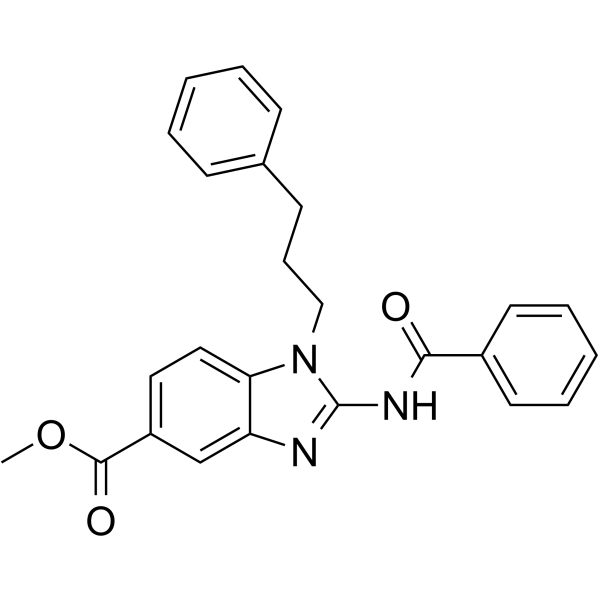
MTBT is an anticancer agent and p38 MAPK activator. MTBT can inhibit tumor cell proliferation, induce cell cycle arrest and apoptosis. MTBT increases the phosphorylation of histone H3 serine in cancer cells, thereby arresting the cell cycle in the M phase. The specific inhibitor of p38 MAPK, Adezmapimod (HY-10256), can abrogate the cell cycle arrest induced by MTBT .
AAPK-25 is a potent and selective Aurora/PLK dual inhibitor with anti-tumor activity, which can cause mitotic delay and arrest cells in a prometaphase, reflecting by the biomarker histone H3Ser10 phosphorylation and followed by a surge in apoptosis. AAPK-25 targets Aurora-A, -B, and -C with Kd values ranging from 23-289 nM, as well as PLK-1, -2, and -3 with Kd values ranging from 55-456 nM .
G9a-IN-1 (Compound 113) is a G9a protein inhibitor. G9A/EHMT2 is a nuclear histone lysine methyltransferase that catalyzes histone H3 lysine 9 dimethylation (H3K9me2), which is a reversible modification generally associated with transcriptional gene silencing. G9a-IN-1 can be used for the research of autoimmune disorders or cancer .
NSD-IN-3 (compound 3) is a potent nuclear receptor binding SET domain (NSD) inhibitor. NSD-IN-3 inhibits NSD2-SET and NSD3-SET with IC50 values of 0.81 μM and 0.84 μM, respectively. NSD-IN-3 inhibits histone H3K36 dimethylation and decreases the expression of NSDs-targeted genes in non-small cell lung cancer cells. NSD-IN-3 induces s-phase cell cycle arrest and apoptosis .
Ivaltinostat (CG-200745) is an orally active, potent pan-HDAC inhibitor which has the hydroxamic acid moiety to bind zinc at the bottom of catalytic pocket. Ivaltinostat inhibits deacetylation of histone H3 and tubulin. Ivaltinostat induces the accumulation of p53, promotes p53-dependent transactivation, and enhances the expression of MDM2 and p21 (Waf1/Cip1) proteins. Ivaltinostat enhances the sensitivity of Gemcitabine-resistant cells to Gemcitabine (HY-16138) and 5-Fluorouracil (5-FU; HY-90006). Ivaltinostat induces apoptosis and has anti-tumour effects [3] .
Ivaltinostat (CG-200745) formic is an orally active, potent pan-HDAC inhibitor which has the hydroxamic acid moiety to bind zinc at the bottom of catalytic pocket. Ivaltinostat formic inhibits deacetylation of histone H3 and tubulin. Ivaltinostat formic induces the accumulation of p53, promotes p53-dependent transactivation, and enhances the expression of MDM2 and p21 (Waf1/Cip1) proteins. Ivaltinostat formic enhances the sensitivity of Gemcitabine-resistant cells to Gemcitabine (HY-16138) and 5-Fluorouracil (5-FU; HY-90006). Ivaltinostat formic induces apoptosis and has anti-tumour effects [3].
ssK36 is a supersubstrate peptide of the histone methyltransferase (SET) domain protein 2 (SETD2), and ssK36 is designed for the SETD2 protein, a specific PKMT. ssK36 is responsible in human cells for adding methyl groups to the 36th lysine residue of histone H3(H3K36) to form H3K36me3. ssK36 can be methylated by SETD2 at a rate more than 100 times faster than the natural substrate H3K36. ssK36 can be used to study the catalytic mechanism of PKMTs, especially substrate specificity and catalytic efficiency .
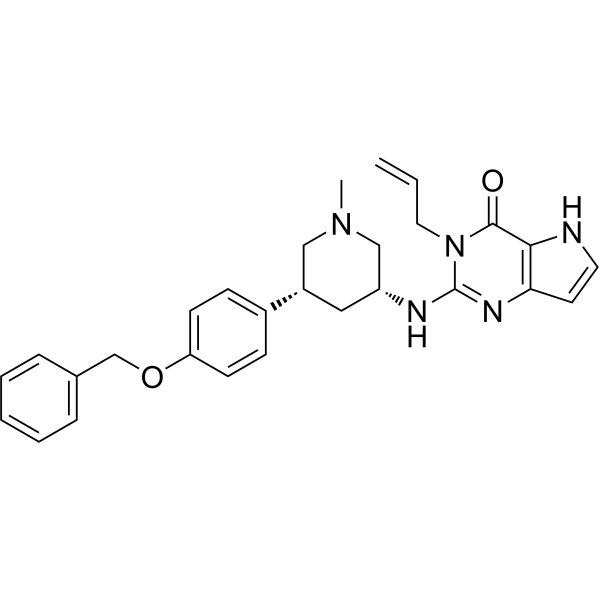
RK-0080552 (RK-552) is a NSD2 inhibitor with an IC50 of 0.11 μM, and it exhibits selectivity over histone methyltransferases G9a (IC50: 1.2 μM) and SET7/9 (IC50: >50 μM). RK-0080552 functionally inhibits NSD2 histone methyltransferase activity, reduces the dimethylation level of histone H3 lysine 36, suppresses IRF4 transcription, induces apoptosis and triggers cell death. RK-0080552 inhibits the growth of xenograft tumors and prolongs host survival. RK-0080552 is available for the research of multiple myeloma .
MS7131 is a USP1-recruiting DUBTACs. MS7131 effectively reduces histone H3 lysine 27 trimethylation and significantly suppresses the proliferation and clonogenicity of cancer cells .
Histone H3 (1-35) is a 35-residue peptide of histone H3. Histone H3 is one of the five main histones involved in the structure of chromatin in eukaryotic cells .
The Anti-Histone H3 Antibody is a CHO-expressed humanized antibody that targets Histone H3. The Anti-Histone H3 Antibody has a huIgG1 heavy chain and a huκ light chain, with a predicted molecular weight (MW) of 150 kDa. The isotype control for the Anti-Histone H3 Antibody can refer to Human IgG1 kappa, Isotype Control (HY-P99001).
LSD1-IN-5 (Compound 4e) is a potent and reversible inhibitor of lysine-specific demethylase 1 (LSD1), with an IC50 of 121 nM. LSD1-IN-5 increases dimethylated Lys4 of histone H3, shows no effect on expression of LSD1 .
CHR-6494 TFA is a potent inhibitor of haspin, with an IC50 of 2 nM. CHR-6494 TFA inhibits histone H3T3 phosphorylation. CHR-6494 TFA induces the apoptosis of cancer cells, including melanoma and breast cancer. CHR-6494 TFA can be used in the research of cancer [3].
ssK36 TFA is a supersubstrate peptide of the histone methyltransferase (SET) domain protein 2 (SETD2) , and ssK36 TFA is designed for the SETD2 protein, a specific PKMT. ssK36 TFA is responsible in human cells for adding methyl groups to the 36th lysine residue of histone H3(H3K36) to form H3K36me3. ssK36 TFA can be methylated by SETD2 at a rate more than 100 times faster than the natural substrate H3K36. ssK36 TFA can be used to study the catalytic mechanism of PKMTs, especially substrate specificity and catalytic efficiency .
HDAC6-IN-65 is a selective HDAC6 inhibitor (IC50 = 0.9 nM) and also exhibits a certain suppressive effect on HDAC3 (IC50 = 39.4 nM). HDAC6-IN-65 can induce the accumulation of α-tubulin (ac-tubulin) and acetylated histone H3(ac-histone H3, a class I HDAC inhibition marker) in Neuro-2a cells. HDAC6-IN-65 can be used for the study of melanoma .
H3K4(Me3) (1-20) is a histone peptide. Trimethylation of histone H3 on lysine 4 (H3K4 me3) is found in active euchromatin but not in silent heterochromatin .
LSD1-IN-6 (Compound 4m) is a potent and reversible inhibitor of lysine-specific demethylase 1 (LSD1), with an IC50 of 123 nM. LSD1-IN-6 increases dimethylated Lys4 of histone H3, shows no effect on expression of LSD1 .
HDAC6-IN-66 is a potent and selective histone deacetylase (HDAC) 6 inhibitor with an IC50 of 1.8 nM. HDAC6-IN-66 induces α-tubulin acetylation over histone H3. HDAC6-IN-66 can be used for the research of cancer .
Histone H3 (21-44), derived from histone H3 21-44 amino acids, is usually used as a substrate (such as protein arginine methyltransferases) for methylation assays .
Cephaeline ((-)-Cephaeline), a desmethyl analog of Emetine, is a phenolic alkaloid in Indian Ipecac roots isolated from the Cephaelis ipecacuanha. Cephaeline exhibits potent inhibition of both Zika virus (ZIKV) and Ebola virus (EBOV) infections. Cephaeline is an inductor of histone H3 acetylation and an inhibitor of mucoepidermoid carcinoma cancer stem cells (MEC), which promotes ferroptosis by inhibiting NRF2 to exert anti-lung cancer efficacy [3] .
DCG066 is an inhibitor of lysine methyltransferase G9a. DCG066 can bind directly to G9a and inhibit methyltransferase activity in vitro. DCG066 decreases di-methylation levels of histone H3 lysine 9 (H3K9Me2), inhibits cell proliferation and induces cell apoptosis. DCG066 displays low cytotoxicity in leukemia cell lines with high levels of G9a expression, including K562 .
PHA-680626 is an effective inhibitor of the interaction between Aurora-A and N-Myc. PHA-680626 inhibits kinase activity of AURKA and Bcr-Abl, and induces N-Myc degradation. PHA-680626 decreases phosphorylation of CrkL and histone H3. PHA-680626 shows anti-proliferative and pro-apoptotic activity on Imatinib (HY-15463)-resistant chronic myeloid leukemia cell lines and primary CD34+ cells .
PF-7006 is an Mps1 kinase inhibitor with a Ki value of 0.27 nM and an IC50 value of 2.5 nM. PF-7006 interferes with cell cycle checkpoints by inhibiting the catalytic activity of Mps1, reducing histone H3 levels, and shortening the duration of mitosis, leading to apoptosis in cancer cells. Combined use of PF-7006 with Palbociclib (HY-50767) increases cancer cell tolerance to PF-7006. PF-7006 can be used for breast cancer research .
SIRT2-IN-18 (Compound 8) is a SIRT2 inhibitor with IC50s of 5.3 and 12.3 μM for SmSIRT2 and hSIRT2, respectively. SIRT2-IN-18 shows potent antischistosomal activities against both Liberian and Puerto Rican strains of Schistosoma mansoni and reduces schistosomula and adult worm pair viability, pairing, and egg production, with low cytotoxicity in mammalian cells. SIRT2-IN-18 increases histone H3 hyperacetylation and induces cytochrome c-mediated apoptosis .
Rodin-A is an orally active, brain-penetrant and selective histone deacetylase (HDAC)-co-repressor of repressor element-1 silencing transcription factor (CoREST) complex inhibitor with an IC50 value of 1.80 μM for the CoREST complex, 0.15 μM for HDAC1, and 0.43 μM for HDAC2. Rodin-A increases the acetylation level of histone H3K9, upregulates the expression of neuron-related genes, thereby promoting the increase in dendritic spine density, the colocalization of synaptic proteins (SV2A and PSD95), and the improvement of hippocampal long-term potentiation (LTP), exerting synaptic protection and repair activity. Rodin-A is promising for research of neurodegenerative diseases related to synaptic dysfunction, especially Alzheimer’s disease .
HDAC6-IN-67 is a selective HDAC6 inhibitor (IC50 = 17.15 nM) that exhibits 19-fold selectivity over HDAC1. HDAC6-IN-67 selectively inhibits HDAC6 by interacting with Ser531 and His614. HDAC6-IN-67 induces apoptosis by inducing the cleavage of caspases 9, 8, 3, and PARP, upregulating Bax expression, and downregulating Bcl-2 expression. HDAC6-IN-67 effectively induces the acetylation of α-tubulin, without affecting histone H3 acetylation in MCF-7/ADR cells. HDAC6-IN-67 can be used for the study of breast cancer .
SJY26 is a PI3K/HDAC dual-target inhibitor with IC50s of 0.59 nM (PI3Kα and PI3Kδ), 2.02 nM (PI3Kγ), 12.69 nM (PI3Kβ) and 114 nM (HDAC1). SJY26 exhibits potent broad-spectrum anti-proliferative activity, and is particularly sensitive to Jurkat and PC9R cells. SJY26 inhibited the migration of PC9R cells, arrested the cell cycle and induced cell apoptosis. SJY26 reduces AKT phosphorylation, and decreases histone H3 deacetylation (Ac-H3). SJY26 can be used for the studies of non-small cell lung cancer and leukemia .
LSD1/HDAC-IN-3 is a inhibitor targeting class I HDAC and LSD1 enzymes. LSD1/HDAC-IN-3 inhibits HDAC1, HDAC2, HDAC3, and LSD1 with IC50 values of 1702 nM, 842 nM, 358 nM, and 1074 nM, respectively. LSD1/HDAC-IN-3 exhibits antioxidant effects in H2O2-stressed ARPE-19 and 661W retinal cells, increasing levels of acetylated and methylated histone H3. LSD1/HDAC-IN-3 enhances photoreceptor survival in the rd10 mouse model of retinitis pigmentosa. LSD1/HDAC-IN-3 can be used for the study of inherited retinal diseases such as retinitis pigmentosa (RP) .
PI3Kδ/HDAC6-IN-1 (Compound 22E) is an orally active and dual inhibitor of PI3Kδ and HDAC6 with IC50 values of 2.4 nM and 6.2 nM, respectively. PI3Kδ/HDAC6-IN-1 exhibits potent antiproliferative effects on non-Hodgkin lymphoma (NHL) cells and possesses in vivo antitumor activity without significant toxicity. PI3Kδ/HDAC6-IN-1 arrests the cell cycle at the G0/G1 phase and induces apoptosis. PI3Kδ/HDAC6-IN-1 blocks the PI3K/AKT/mTOR signaling pathway and increases the acetylation levels of α-tubulin and histone H3 .
Histone H3K9me3 (1-15) (H3(1-15)K9me3) TFA is used as substrate. Histone H3K9me3 is a histone posttranslational modification (PTM) that has emerged as hallmark of pericentromeric heterochromatin .
E67-2, as the E67 derivative, is a low-toxicity, selective KIAA1718 Jumonji domain inhibitor with an IC50 value of 3.4 µM. E67-2 selectively inhibits histone H3 lysine 9 (H3K9) Jumonji demethylase as well as histone H3 lysine 4 (H3K4) demethylase .
Histone H3 (73-83) is a histone H3 fragment. Histone H3 (73-83) can be obtained from incomplete tryptic digestion of underivatized wild-type histone H3. Histone H3 (73-83) can be used in the research of yeast infection .
SK-7041 is a HDAC inhibitor with the IC50 of 172 nM. SK-7041 induces the hyperacetylation of histones H3 and H4 .SK-7041 inhibits tumor cell growth in vivo and in vitro, induces cell apoptosis, and arrests cell cycle at the G1 phase .
HDAC-IN-82 (Compound 18b) is a histone deacetylase (HDAC) inhibitor with selective antiplasmodial and anticancer activity. HDAC-IN-82 shows potent antiproliferative activity and caspase 3/7 activation in cancer cells. HDAC-IN-82 causes hyperacetylation of histone H3 and α-tubulin .
CPTH2 hydrochloride is a potent histone acetyltransferase (HAT) inhibitor. CPTH2 hydrochloride selectively inhibits the acetylation of histone H3 by Gcn5. CPTH2 hydrochloride induces apoptosis and decreases the invasiveness of a clear cell renal carcinoma (ccRCC) cell line through the inhibition of acetyltransferase p300 (KAT3B) .
PAD2-IN-2 (cis-isomer of 1) is a protein arginine deiminase 2 (PAD2) inhibitor. PAD2-IN-2 possess an azobenzene photoswitch to optically control PAD activity. PAD2-IN-2 inhibits histone H3-citrullination .
4-tert-Octylphenol (Standard) is the analytical standard of 4-tert-Octylphenol. This product is intended for research and analytical applications. 4-tert-Octylphenol, a endocrine-disrupting chemical, is an estrogenic agent. 4-tert-Octylphenol is also a biodegradation product of non-ionic surfactants alkylphenol polyethoxylates. 4-tert-Octylphenol induces apoptosis in neuronal progenitor cells in offspring mouse brain. 4-tert-Octylphenol reduces bromodeoxyuridine (BrdU), mitotic marker Ki67, and phospho-histone H3 (p-Histone-H3), resulting in a reduction of neuronal progenitor proliferation. 4-tert-Octylphenol disrupts brain development and behavior in mice, which is promising for reserch of immune response, neuro-related diseases and ethology [3] .
PAD2-IN-2 (cis-isomer of 1) TFA is a protein arginine deiminase 2 (PAD2) inhibitor. PAD2-IN-2 TFA possess an azobenzene photoswitch to optically control PAD activity. PAD2-IN-2 TFA inhibits histone H3-citrullination .
HOI-07 is a selective Aurora B kinase inhibitor. HOI-07 blocks phosphorylation of histone H3 on Ser10 in
lung cancer cells. HOI-07 induces cell-cycle arrest, and apoptosis. HOI-07 has antitumor activity, and suppresses the tumor growth of A549, 143B and KHOS xenografts .
Tinostamustine hydrochloride (EDO-S101 hydrochloride) is a compound with anti-multiple myeloma activity and the ability to promote CD38 expression. Tinostamustine hydrochloride enhances the sensitivity of tumor cells to the anti-CD38 monoclonal antibody daratumumab by increasing the acetylation level of histone H3. Tinostamustine hydrochloride can increase the expression of MICA and MICB, thereby activating NK cells. Tinostamustine hydrochloride can significantly delay tumor growth and improve the survival rate of mice .
HDAC1-IN-5 is a potent HDAC1 inhibitor with IC50 values of 15 nM and 20 nM for HDAC1 and HDAC6, respectively. HDAC1-IN-5 can enhance the acetylation of histone H3 and α-tubulin, as well as promote the activation of caspase 3 in cancer cells, thereby inducing apoptosis. HDAC1-IN-5 induces chromatin damage by binding with DNA. HDAC1-IN-5 has strong inhibitory activity against tumor growth in xenograft mice .
WJ35435 is a dual-targeted anticancer hybrid that induces anti-HDAC (in particular HDAC1 and HDAC6) and anti-topoisomerase I activities that causes DNA damage associated with a low DNA repair capability and induces cell cycle arrest at G1- and G2-phase to apoptosis. WJ35435 induces histone H3 acetylation and phosphorylation, α-tubulin acetylation and γ-H2AX formation to achieve anti-HDAC effect. WJ35435 is promising for research of cancer .
cis-4-Br-2,5-F2-PCPA (S1024) is a selective inhibitor of lysine-specific demethylase 1 (LSD1), with a Ki value of 94 nM instead of 8.4 μM for LSD2. There is aberrant expression of LSD1 in cancer stem cells, cis-4-Br-2,5-F2-PCPA inhibits LSD1 cell proliferation and by increasing the level of dimethylated histone H3 at K4 (H3K4) in CCRF-CEM cells .
JMJD3/HDAC-IN-1 (compound A5b) is a dual inhibitor targeting Jumonji domain-containing protein demethylase 3 (JMJD3) and histone deacetylase (HDAC1, IC50=16 nM). JMJD3/HDAC-IN-1 promotes hypermethylation of histone H3K27 and hyperacetylation of H3K9, and also cleaves caspase-7 and PARP to induce apoptosis. JMJD3/HDAC-IN-1 effectively inhibits cancer cell cloning, migration, and invasion .
PI3Kα/HDAC6-IN-1 (compound 21j) is a dual PI3Kα/HDAC6 inhibitor with IC50 of 2.9 and 26 nM, respectively. PI3Kα/HDAC6-IN-1 also inhibits AKT(Ser473) phosphorylation and induces the accumulation of acetylated α-tubulin without affecting acetylated histones H3 and H4. PI3Kα/HDAC6-IN-1 efficiently inhibits L-363 cell line (IC50=0.17 μM) and has good anti-cancer activity .
Rodin-B is a selective histone deacetylase (HDAC)-co-repressor of repressor element-1 silencing transcription factor (CoREST) complex inhibitor with an IC50 value of 0.50 μM for the CoREST complex, 0.27 μM for HDAC1, and 0.28 μM for HDAC2. Rodin-B increases the acetylation level of histone H3K9, upregulates the expression of neuron-related genes, thereby promoting the increase in dendritic spine density, the colocalization of synaptic proteins (SV2A and PSD95), and the improvement of hippocampal long-term potentiation (LTP), exerting synaptic protection and repair activity. Rodin-B is promising for research of neurodegenerative diseases related to synaptic dysfunction, especially Alzheimer’s disease .
BAY-7728 is an orally active and selective dual inhibitor of KAT6A (IC50: 45 nM)/KAT6B (IC50: 95 nM). BAY-7728 can effectively inhibit tumor growth and regulate the acetylation level of histone H3K23. BAY-7728 can be used for tumor research.
CCT077791 is a PCAF (IC50: 7.3 μM (FlashPlate); 2.2 μM (Filter assay)) and p300 histone acetyltransferase inhibitor. CCT077791 reduces total acetylation of histones H3 and H4, levels of specific acetylated lysine marks, and acetylation of α-tubulin. CCT077791 can be used in the research of colorectal cancer .
EPZ020411 dihydrochloride is a selective, blood-brain barrier-permeable PRMT6 inhibitor with an IC50 of 0.010 μM. EPZ020411 dihydrochloride blocks PRMT6-mediated histone H3R2 methylation, reduces ROS production, and inhibits Apoptosis. EPZ020411 dihydrochloride is applicable to research related to neuropathic pain, colorectal cancer, ototoxicity, hearing loss and glioblastoma [3] .
AcdK is a non-natural amino acid and a precursor of allysine. AcdK allows site-specific incorporation into target proteins in E. coli via the amber suppression strategy. AcdK enables site-specific lysine dimethylation or monomethylation modification of target proteins. AcdK can synthesize site-specific lysine-methylated variants of histone H3 and p53, which is applicable for investigating the substrate specificity and catalytic function of epigenetic enzymes .
MHY219 is a histone deacetylase (HDAC) inhibitor with an IC50 of 0.276 μM. MHY219 inhibits total HDAC enzyme activity, increases histone H3 and H4 hyperacetylation. MHY219 induces cance cells phase arrest, apoptosis and inhibits proliferationin. MHY219 increases cleavage of PARP, Bax, cytochrome c levels, androgen receptor expression and decreases Bcl-2 expression. MHY219 can be used for the research of prostate cancer .
HDAC1-IN-12 is a Plasmodium falciparum HDAC1 (PfHDAC1) inhibitor with an IC50 of 4.1 nM against Pf3D7. HDAC1-IN-12 inhibits PfHDAC1, upregulates histone H3 acetylation in P. falciparum parasites, downregulates malaria invasion-related gene expression, and exhibits favorable safety profiles, improved physicochemical properties, and potent in vivo antimalarial activity. HDAC1-IN-12 can be used for the research of malaria .
A-395N serves as a control probe for A-395, a highly potent and selective chemical probe targeting the polycomb protein EED, a key player in Polycomb repressive complex 2 (PRC2) responsible for transcriptional repression via histone H3K27 methylation. While A-395N bears structural similarities to A-395, it demonstrates no pharmacological activity in biochemical or cellular assays, making it an ideal control compound.
HDAC-IN-54 is a HDAC inhibitor with an IC50 of 25 nM against human HDAC1, 66 nM against HDAC2, 6.5 nM against HDAC3, and 281 nM against HDAC6. HDAC-IN-54 induces acetylation of α-tubulin and histone H3. HDAC-IN-54 acts synergistically with cisplatin to induce cancer cell apoptosis. HDAC-IN-54 can be used in research related to head and neck cancer, ovarian cancer, and tongue squamous cell carcinoma .
TAS1440 is an orally active LSD1/KDM1A inhibitor with a human IC50 of 4.8 nM. TAS1440 non-covalently binds to the histone H3-binding pocket of LSD1, inhibiting demethylase activity and disrupting repressive complexes with INSM1 and SMAD2. TAS1440 activates tumor-suppressive TGF-β and NOTCH signaling pathways via transcriptional reprogramming. TAS1440 can be used for the research of small cell lung cancer, specifically the SCLC-A subtype .
FT108 is a selective HDAC6 inhibitor with an IC50 of 0.026 μM. FT108 exhibits only modest in vitro activity against HDAC3 and HDAC8 with IC50 values of 6.68 and 4.07 μM. FT108 increases acetylation of tubulin and has little to no effect on acetylated histone H3 levels. FT108 lacks activity against myeloproliferative neoplasm cell lines, and does not suppress JAK2 phosphorylation or its downstream targets pSTAT3 and pSTAT5 .
TAS1440 benzoate is an orally active LSD1/KDM1A inhibitor with a human IC50 of 4.8 nM. TAS1440 benzoate non-covalently binds to the histone H3-binding pocket of LSD1, inhibiting demethylase activity and disrupting repressive complexes with INSM1 and SMAD2. TAS1440 benzoate activates tumor-suppressive TGF-β and NOTCH signaling pathways via transcriptional reprogramming. TAS1440 benzoate can be used for the research of small cell lung cancer, specifically the SCLC-A subtype .
HDAC6-IN-79 is a HDAC6 inhibitor with an IC50 of 98.40 nM, and it also exhibits inhibitory activity against other HDAC subtypes (HDAC1: 639.0 nM, HDAC2: 798.9 nM, HDAC8: 865.7 nM, HDAC4: 1187 nM). HDAC6-IN-79 induces acetylation of α-tubulin and histone H3, reduces the viability of cancer cells, activates the autophagy pathway and induces apoptosis. HDAC6-IN-79 can be used for research related to urothelial carcinoma (bladder cancer) .
HDAC/HSP90-IN-1 (compound 20) is a potent dual inhibitor of HDAC (IC50 = 194 nM) and HSP90 (HSP90αIC50 = 153 nM). HDAC/HSP90-IN-1 induces HSP70 expression, downregulates HSP90 client proteins, and promotes acetylation of α-tubulin and histone H3 in cancer cells. HDAC/HSP90-IN-1 reduces PD-L1 expression in IFN-γ treated H1975 cells. HDAC/HSP90-IN-1 can be used for cancer research, such as lung and colon cancer .
HDAC/HSP90-IN-2 (compound 26) is a potent dual inhibitor of HDAC (IC50 = 360 nM) and HSP90 (HSP90αIC50 = 77 nM). HDAC/HSP90-IN-2 induces HSP70 expression, downregulates HSP90 client proteins, and promotes acetylation of α-tubulin and histone H3 in cancer cells. HDAC/HSP90-IN-2 reduces PD-L1 expression in IFN-γ treated H1975 cells. HDAC/HSP90-IN-2 can be used for cancer research, such as lung and colon cancer .
Aurora kinase/HDAC-IN-1 is an orally active dual Aurora kinase and HDAC inhibitor that inhibits Aurora A (IC50 = 116 nM), Aurora B (IC50 = 225 nM), HDAC1 (IC50 = 164 nM), and HDAC2 (IC50 = 346 nM).Aurora kinase/HDAC-IN-1 promotes histone H3 acetylation, inhibits Aurora A phosphorylation and downstream signaling, and induces apoptosis via G2/M cell-cycle arrest. Aurora kinase/HDAC-IN-1 exhibits potent antiproliferative activity in colorectal cancer cells, with an IC50 value of 30.2 nM in HCT-116 cells.Aurora kinase/HDAC-IN-1 significantly suppresses tumor growth in an HCT-116 colorectal cancer xenograft mouse model .
HDAC-IN-99 is a histone deacetylase (HDAC) inhibitor with an IC50 of 37.73 nM, and it exhibits potent inhibitory activity against HDAC1 (IC50 = 48.09 nM), HDAC2 (IC50 = 300.28 nM) and HDAC6 (IC50 = 9.16 nM). HDAC-IN-99 exerts broad-spectrum antiproliferative activity in various cancer cell lines. HDAC-IN-99 induces S-phase cell cycle arrest and apoptosis in colon cancer cells, increases the acetylation levels of histone H3, histone H4 and α-tubulin, and upregulates the expression of p21 as well as the cleavage of caspase-3. HDAC-IN-99 displays antitumor activity in colon cancer xenograft models. HDAC-IN-99 can be used for the research of colon cancer .
PRMT/HKMT-IN-1 is an epigenetic multi-target protein arginine methyltransferases (PRMTs) and histone lysine methyltransferases (HKMTs) inhibitor. PRMT/HKMT-IN-1 inhibits Aspergillus nidulans RmtA with an IC50 of 29 μM. PRMT/HKMT-IN-1 inhibits human PRMT1, p300/CBP HAT, CARM1, SET7, SIRT1 and SIRT2. PRMT/HKMT-IN-1 inhibits methylation of histone H3K4,H4R3, and H3R17 residues. CBP/p300-IN-23 induces apoptosis, arrests cell cycle in S phase, and triggers granulocytic differentiation in leukemia cells. PRMT/HKMT-IN-1 can be used for the research of leukemia .
Histone H3 (1-35) TFA is a 35-residue peptide of histone H3. Histone H3 is one of the five main histones involved in the structure of chromatin in eukaryotic cells .
Histone H3 (1-34) is a peptide derived from human histone isotype 3.1. Histones are the main protein components of eukaryotic chromatin. Histone variants and histone modifications modulate chromatin structure, ensuring the precise operation of cellular processes associated with genomic DNA .
Histone H3 (1-21), derived from Histone H3 1-21 amino acids, is usually used as a substrate for methyltransferase (Histone3 K4 and K9) and acetyltransferase (Histone3 K9 and K14) assays .
Histone H3 (1-20) is a polypeptide that can be found by peptide screening. Peptide screening is a research tool that pools active peptides primarily by immunoassay. Peptide screening can be used for protein interaction, functional analysis, epitope screening, especially in the field of agent research and development .
ssK36 is a supersubstrate peptide of the histone methyltransferase (SET) domain protein 2 (SETD2), and ssK36 is designed for the SETD2 protein, a specific PKMT. ssK36 is responsible in human cells for adding methyl groups to the 36th lysine residue of histone H3(H3K36) to form H3K36me3. ssK36 can be methylated by SETD2 at a rate more than 100 times faster than the natural substrate H3K36. ssK36 can be used to study the catalytic mechanism of PKMTs, especially substrate specificity and catalytic efficiency .
Histone H3 (1-21)-Gly-Gly-Lys(biotinyl) amide TFA is a polypeptide that can be found by peptide screening. Peptide screening is a research tool that pools active peptides primarily by immunoassay. Peptide screening can be used for protein interaction, functional analysis, epitope screening, especially in the field of agent research and development .
(Lys(Me)327)-Histone H3 (21-44)-Gly-Lys(biotinyl) is a polypeptide that can be found by peptide screening. Peptide screening is a research tool that pools active peptides primarily by immunoassay. Peptide screening can be used for protein interaction, functional analysis, epitope screening, especially in the field of agent research and development .
(Lys(Me,Me)27)-Histone H3 (21-44)-Gly-Lys(Biotinyl) is a polypeptide that can be found by peptide screening. Peptide screening is a research tool that pools active peptides primarily by immunoassay. Peptide screening can be used for protein interaction, functional analysis, epitope screening, especially in the field of agent research and development .
(Lys(Me)34)-Histone H3 (1-21)-Gly-Gly-Lys(biotinyl) amide is a polypeptide that can be found by peptide screening. Peptide screening is a research tool that pools active peptides primarily by immunoassay. Peptide screening can be used for protein interaction, functional analysis, epitope screening, especially in the field of agent research and development .
Histone H3 (1-25), amide is an N-terminal peptide fragment of histone H3. Histone H3 (1-25), amide can be used to identify the substrate for histone methyltransferases (HMTs). Histone H3 (1-25), amide, as a substrate for HMT G9a, shows more efficient than histone H3 (15-39) and full-length histone H3 .
Histone H3 (1-35) is a 35-residue peptide of histone H3. Histone H3 is one of the five main histones involved in the structure of chromatin in eukaryotic cells .
ssK36 TFA is a supersubstrate peptide of the histone methyltransferase (SET) domain protein 2 (SETD2) , and ssK36 TFA is designed for the SETD2 protein, a specific PKMT. ssK36 TFA is responsible in human cells for adding methyl groups to the 36th lysine residue of histone H3(H3K36) to form H3K36me3. ssK36 TFA can be methylated by SETD2 at a rate more than 100 times faster than the natural substrate H3K36. ssK36 TFA can be used to study the catalytic mechanism of PKMTs, especially substrate specificity and catalytic efficiency .
Histone H3 (1-21)-Gly-Gly-Lys(biotinyl) amide is a polypeptide that can be found by peptide screening. Peptide screening is a research tool that pools active peptides primarily by immunoassay. Peptide screening can be used for protein interaction, functional analysis, epitope screening, especially in the field of agent research and development .
(Lys(Me)29)-Histone H3 (1-21)-Gly-Gly-Lys(biotinyl) is a polypeptide that can be found by peptide screening. Peptide screening is a research tool that pools active peptides primarily by immunoassay. Peptide screening can be used for protein interaction, functional analysis, epitope screening, especially in the field of agent research and development .
Histone H3 (23-34) is the histone H3 amino acid residues 23 to 34. Histone H3 (23-34) contains lysine residues at positions 23 and 27 that are subject to methylation and acetylation .
H3K4(Me3) (1-20) is a histone peptide. Trimethylation of histone H3 on lysine 4 (H3K4 me3) is found in active euchromatin but not in silent heterochromatin .
Histone H3 (21-44), derived from histone H3 21-44 amino acids, is usually used as a substrate (such as protein arginine methyltransferases) for methylation assays .
Histone H3K9me3 (1-15) (H3(1-15)K9me3) is a histone posttranslational modification (PTM) that has emerged as hallmark of pericentromeric heterochromatin. Trimethylation of histone H3 at lysine 9 is associated with gene repression, prevents transcription factor binding .
Histone H3K9me3 (1-15) (H3(1-15)K9me3) TFA is used as substrate. Histone H3K9me3 is a histone posttranslational modification (PTM) that has emerged as hallmark of pericentromeric heterochromatin .
(Lys(Me)24)-Histone H3 (1-21)-Gly-Gly-Lys(biotinyl) is a polypeptide that can be found by peptide screening. Peptide screening is a research tool that pools active peptides primarily by immunoassay. Peptide screening can be used for protein interaction, functional analysis, epitope screening, especially in the field of agent research and development .
Histone H3 (73-83) is a histone H3 fragment. Histone H3 (73-83) can be obtained from incomplete tryptic digestion of underivatized wild-type histone H3. Histone H3 (73-83) can be used in the research of yeast infection .
(Lys(Me)39)-Histone H3 (1-21)-Gly-Gly-Lys(biotinyl) amide is a polypeptide that can be found by peptide screening. Peptide screening is a research tool that pools active peptides primarily by immunoassay. Peptide screening can be used for protein interaction, functional analysis, epitope screening, especially in the field of agent research and development .
The Anti-Histone H3 Antibody is a CHO-expressed humanized antibody that targets Histone H3. The Anti-Histone H3 Antibody has a huIgG1 heavy chain and a huκ light chain, with a predicted molecular weight (MW) of 150 kDa. The isotype control for the Anti-Histone H3 Antibody can refer to Human IgG1 kappa, Isotype Control (HY-P99001).
Cephaeline ((-)-Cephaeline), a desmethyl analog of Emetine, is a phenolic alkaloid in Indian Ipecac roots isolated from the Cephaelis ipecacuanha. Cephaeline exhibits potent inhibition of both Zika virus (ZIKV) and Ebola virus (EBOV) infections. Cephaeline is an inductor of histone H3 acetylation and an inhibitor of mucoepidermoid carcinoma cancer stem cells (MEC), which promotes ferroptosis by inhibiting NRF2 to exert anti-lung cancer efficacy [3] .
4-tert-Octylphenol, a endocrine-disrupting chemical, is an estrogenic agent. 4-tert-Octylphenol is also a biodegradation product of non-ionic surfactants alkylphenol polyethoxylates. 4-tert-Octylphenol induces apoptosis in neuronal progenitor cells in offspring mouse brain. 4-tert-Octylphenol reduces bromodeoxyuridine (BrdU), mitotic marker Ki67, and phospho-histone H3 (p-Histone-H3), resulting in a reduction of neuronal progenitor proliferation. 4-tert-Octylphenol disrupts brain development and behavior in mice, which is promising for reserch of immune response, neuro-related diseases and ethology [3] .
Cephaeline ((-)-Cephaeline), a desmethyl analog of Emetine, is a phenolic alkaloid in Indian Ipecac roots isolated from the Cephaelis ipecacuanha. Cephaeline exhibits potent inhibition of both Zika virus (ZIKV) and Ebola virus (EBOV) infections. Cephaeline is an inductor of histone H3 acetylation and an inhibitor of mucoepidermoid carcinoma cancer stem cells (MEC), which promotes ferroptosis by inhibiting NRF2 to exert anti-lung cancer efficacy [3] .
4-tert-Octylphenol (Standard) is the analytical standard of 4-tert-Octylphenol. This product is intended for research and analytical applications. 4-tert-Octylphenol, a endocrine-disrupting chemical, is an estrogenic agent. 4-tert-Octylphenol is also a biodegradation product of non-ionic surfactants alkylphenol polyethoxylates. 4-tert-Octylphenol induces apoptosis in neuronal progenitor cells in offspring mouse brain. 4-tert-Octylphenol reduces bromodeoxyuridine (BrdU), mitotic marker Ki67, and phospho-histone H3 (p-Histone-H3), resulting in a reduction of neuronal progenitor proliferation. 4-tert-Octylphenol disrupts brain development and behavior in mice, which is promising for reserch of immune response, neuro-related diseases and ethology [3] .
Histone H3 proteins are critical in nucleosomes, which compact DNA into chromatin and regulate DNA accessibility. Histone H3 Protein, Human (His) is the recombinant human-derived Histone H3 protein, expressed by E. coli , with N-His labeled tag.
Histone H3 proteins are critical in nucleosomes, which compact DNA into chromatin and regulate DNA accessibility. Histone H3 Protein, Human is the recombinant human-derived Histone H3 protein, expressed by E. coli , with tag free.
Histone H3 proteins are critical in nucleosomes, which compact DNA into chromatin and regulate DNA accessibility. Histone H3 Protein, Human (98a.a, His) is the recombinant human-derived Histone H3 protein, expressed by E. coli , with C-6*His labeled tag.
Histone H3 Protein constitutes a core element in the nucleosome, an octamer comprising H2A, H2B, H3, and H4. The assembly forms a histone octamer with one H3-H4 heterotetramer and two H2A-H2B heterodimers, serving as a molecular spool that wraps around 147 base pairs of DNA. This compact organization contributes to chromatin structure, and Histone H3, as part of this assembly, plays a crucial role in chromatin structure and gene regulation. Histone H3 Protein, Xenopus laevis (135a.a) is the recombinant Xenopus laevis-derived Histone H3 protein, expressed by E. coli , with tag free.
The PHF8 protein is a histone lysine demethylase that plays a key role in cell cycle progression, rDNA transcription, and brain development. It selectively demethylates H3 'Lys-9' (H3K9Me1 and H3K9Me2), H3 'Lys-27' (H3K27Me2) and H4 'Lys-20' (H4K20Me1). PHF8 Protein, Human is the recombinant human-derived PHF8 protein, expressed by E. coli , with tag free.
The PHF8 protein is a histone lysine demethylase that plays a key role in cell cycle progression, rDNA transcription, and brain development. It selectively demethylates H3 'Lys-9' (H3K9Me1 and H3K9Me2), H3 'Lys-27' (H3K27Me2) and H4 'Lys-20' (H4K20Me1). PHF8 Protein, Human (His) is the recombinant human-derived PHF8 protein, expressed by E. coli , with N-6*His labeled tag.
The JMJD2A protein is a central histone demethylase in the histone code that specifically targets "Lys-9" and "Lys-36" of histone H3. It excludes demethylation of H3 "Lys-4", "Lys-27" and H4 "Lys-20". JMJD2A Protein, Human is the recombinant human-derived JMJD2A protein, expressed by E. coli , with tag free.
Histone H3 Protein constitutes a core element in the nucleosome, an octamer comprising H2A, H2B, H3, and H4. The assembly forms a histone octamer with one H3-H4 heterotetramer and two H2A-H2B heterodimers, serving as a molecular spool that wraps around 147 base pairs of DNA. This compact organization contributes to chromatin structure, and Histone H3, as part of this assembly, plays a crucial role in chromatin structure and gene regulation. Histone H3 Protein, Xenopus laevis (98a.a, His) is the recombinant Xenopus laevis-derived Histone H3 protein, expressed by E. coli , with tag free.
The DOT1L protein, a histone methyltransferase, methylates lysine-79 of histone H3. It shows high activity against nucleosomes but not free core histones. It is broadly expressed, particularly in tissues like the testis, bone marrow, and 22 other tissues. DOT1L Protein, Human is the recombinant human-derived DOT1L protein, expressed by E. coli , with tag free.
KDM6B protein is a histone demethylase targeting "Lys-27" of histone H3, which mainly affects the histone code. Demethylates H3 "Lys-27" to shape the epigenetic landscape. KDM6B Protein, Human (sf9) is the recombinant human-derived KDM6B protein, expressed by sf9 insect cells , with tag free.
KDM6B protein is a histone demethylase targeting "Lys-27" of histone H3, which mainly affects the histone code. Demethylates H3 "Lys-27" to shape the epigenetic landscape. KDM6B Protein, Human (sf9, His) is the recombinant human-derived KDM6B protein, expressed by sf9 insect cells , with N-8*His labeled tag.
KMT1E; histone-lysine N-methyltransferase SETDB1; ERG-associated protein with SET domain (ESET); histoneH3-K9 methyltransferase 4 (H3-K9-HMTase 4); Lysine N-methyltransferase 1E; SET domain bifurcated 1; SETDB1; ESET
KDM2A; Lysine-specific demethylase 2A; CXXC-type zinc finger protein 8; F-box and leucine-rich repeat protein 11; F-box protein FBL7; F-box protein Lilina; F-box/LRR-repeat protein 11; JmjC domain-containing histone demethylation protein 1A; [histone-H3]-lysine-36 demethylase 1A
The KDM2A protein is a histone demethylase targeting "Lys-36" of histone H3. It plays a key role in the histone code, especially the demethylation of dimethylated H3 "Lys-36". Methylation. In addition to histone demethylation, KDM2A also recognizes and binds phosphorylated proteins, promoting their ubiquitination and degradation. KDM2A Protein, Human is the recombinant human-derived KDM2A protein, expressed by E. coli , with tag free.
KDM2A; Lysine-specific demethylase 2A; CXXC-type zinc finger protein 8; F-box and leucine-rich repeat protein 11; F-box protein FBL7; F-box protein Lilina; F-box/LRR-repeat protein 11; JmjC domain-containing histone demethylation protein 1A; [histone-H3]-lysine-36 demethylase 1A
The KDM2A protein is a histone demethylase targeting "Lys-36" of histone H3. It plays a key role in the histone code, especially the demethylation of dimethylated H3 "Lys-36". Methylation. In addition to histone demethylation, KDM2A also recognizes and binds phosphorylated proteins, promoting their ubiquitination and degradation. KDM2A Protein, Human (His) is the recombinant human-derived KDM2A protein, expressed by E. coli , with N-6*His labeled tag.
Histone H3 Antibody is a non-conjugated and Rabbit origined IgG monoclonal antibody, targeting to Histone H3. It can be used as a loading control antibody.
Acetyl-Histone H3 (Lys9) Antibody (YA7423) is a Rabbit-derived and non-conjugated IgG, Kappa monoclonal antibody, targeting to Acetyl-Histone H3 (Lys9).
Phospho-Histone H3 (Thr3) Antibody (YA7457) is a Rabbit-derived and non-conjugated IgG, Kappa monoclonal antibody, targeting to Phospho-Histone H3 (Thr3).
TriMethyl-Histone H3 (Lys27) Antibody (YA030) is a Rabbit-derived and non-conjugated IgG monoclonal antibody, targeting to TriMethyl-Histone H3 (Lys27).
TriMethyl-Histone H3 (Lys27) Antibody (YA9825) is a Rabbit-derived and non-conjugated IgG Recombinant, Monoclonal antibody, targeting to TriMethyl-Histone H3 (Lys27).
WB, ICC/IF, IHC-P, IF-Tissue, FC, ChIP, Dot Blot, IP
Human, Mouse, Rat
Acetyl-Histone H3 (Lys9) Antibody (YA9827) is a Rabbit-derived and non-conjugated IgG Recombinant, Monoclonal antibody, targeting to Acetyl-Histone H3 (Lys9).
DiMethyl-Histone H3 (Lys27) Antibody (YA9831) is a Rabbit-derived and non-conjugated IgG Recombinant, Monoclonal antibody, targeting to DiMethyl-Histone H3 (Lys27).
MonoMethyl-Histone H3 (Lys4) Antibody (YA9833) is a Rabbit-derived and non-conjugated IgG Recombinant, Monoclonal antibody, targeting to MonoMethyl-Histone H3 (Lys4).
MonoMethyl-Histone H3 (Lys79) Antibody (YA9839) is a Rabbit-derived and non-conjugated IgG Recombinant, Monoclonal antibody, targeting to MonoMethyl-Histone H3 (Lys79).
TriMethyl-Histone H3 (Lys36) Antibody (YA9840) is a Rabbit-derived and non-conjugated IgG Recombinant, Monoclonal antibody, targeting to TriMethyl-Histone H3 (Lys36).
MonoMethyl-Histone H3 (Lys9) Antibody (YA9826) is a Rabbit-derived and non-conjugated IgG Recombinant, Monoclonal antibody, targeting to MonoMethyl-Histone H3 (Lys9).
Phospho-Histone H3 (Ser28) Antibody (YA9829) is a Rabbit-derived and non-conjugated IgG Recombinant, Monoclonal antibody, targeting to Phospho-Histone H3 (Ser28).
Acetyl-Histone H3 (Lys4) Antibody (YA9830) is a Rabbit-derived and non-conjugated IgG Recombinant, Monoclonal antibody, targeting to Acetyl-Histone H3 (Lys4).
Acetyl-Histone H3 (Lys23) Antibody (YA9832) is a Rabbit-derived and non-conjugated IgG Recombinant, Monoclonal antibody, targeting to Histone H3 (acetyl Lys23).
Acetyl-Histone H3 (Lys36) Antibody (YA9834) is a Rabbit-derived and non-conjugated IgG Recombinant, Monoclonal antibody, targeting to Acetyl-Histone H3 (Lys36).
Phospho-Histone H3 (Ser10) Antibody (YA9835) is a Rabbit-derived and non-conjugated IgG Recombinant, Monoclonal antibody, targeting to Phospho-Histone H3 (Ser10).
DiMethyl-Histone H3 (Lys4) Antibody (YA9836) is a Rabbit-derived and non-conjugated IgG Recombinant, Monoclonal antibody, targeting to DiMethyl-Histone H3 (Lys4).
MonoMethyl-Histone H3 (Lys14) Antibody (YA9837) is a Rabbit-derived and non-conjugated IgG Recombinant, Monoclonal antibody, targeting to MonoMethyl-Histone H3 (Lys14).
Mono+Di+TriMethyl-Histone H3 (Lys36) Antibody (YA9828) is a Rabbit-derived and non-conjugated IgG Recombinant, Monoclonal antibody, targeting to Mono+Di+TriMethyl-Histone H3 (Lys36).
Mono+Di+TriMethyl-Histone H3 (Lys4) Antibody (YA9838) is a Rabbit-derived and non-conjugated IgG Recombinant, Monoclonal antibody, targeting to Mono+Di+TriMethyl-Histone H3 (Lys4).
TriMethyl-Histone H3 (Lys27) Antibody (YA030) is a Rabbit-derived and non-conjugated IgG monoclonal antibody, targeting to TriMethyl-Histone H3 (Lys27).
AcdK is a non-natural amino acid and a precursor of allysine. AcdK allows site-specific incorporation into target proteins in E. coli via the amber suppression strategy. AcdK enables site-specific lysine dimethylation or monomethylation modification of target proteins. AcdK can synthesize site-specific lysine-methylated variants of histone H3 and p53, which is applicable for investigating the substrate specificity and catalytic function of epigenetic enzymes .
Inquiry Online
Your information is safe with us. * Required Fields.
Western blot analysis of extracts from THP-1(lane 2(20μg), Jurkat (lane 3(20μg) and NIH3T3(lane 4(20μg) using FOXO1A (HY-P80132) Rabbit mAb. Proteins were transferred
to a PVDF membrane and blocked with 5% non-fat milk in TBST for 2 hour at room temperature. The primary antibody (1/1000) and Loading control antibody (Beta Actin, HY-P80438, 1/10000) was
used in 5% non-fat milk in TBST at 4°C overnight. Goat Anti-Mouse/Rabbit IgG-HRP Secondary Antibody (1/10000) was used for 1 hour at room temperature.
Western blot analysis of extracts from THP-1(lane 2(20μg), Jurkat (lane 3(20μg) and NIH3T3(lane 4(20μg) using FOXO1A (HY-P80132) Rabbit mAb. Proteins were transferred
to a PVDF membrane and blocked with 5% non-fat milk in TBST for 2 hour at room temperature. The primary antibody (1/1000) and Loading control antibody (Beta Actin, HY-P80438, 1/10000) was
used in 5% non-fat milk in TBST at 4°C overnight. Goat Anti-Mouse/Rabbit IgG-HRP Secondary Antibody (1/10000) was used for 1 hour at room temperature.
Western blot analysis of extracts from THP-1(lane 2(20μg), Jurkat (lane 3(20μg) and NIH3T3(lane 4(20μg) using FOXO1A (HY-P80132) Rabbit mAb. Proteins were transferred
to a PVDF membrane and blocked with 5% non-fat milk in TBST for 2 hour at room temperature. The primary antibody (1/1000) and Loading control antibody (Beta Actin, HY-P80438, 1/10000) was
used in 5% non-fat milk in TBST at 4°C overnight. Goat Anti-Mouse/Rabbit IgG-HRP Secondary Antibody (1/10000) was used for 1 hour at room temperature.
Western blot analysis of extracts from THP-1(lane 2(20μg), Jurkat (lane 3(20μg) and NIH3T3(lane 4(20μg) using FOXO1A (HY-P80132) Rabbit mAb. Proteins were transferred
to a PVDF membrane and blocked with 5% non-fat milk in TBST for 2 hour at room temperature. The primary antibody (1/1000) and Loading control antibody (Beta Actin, HY-P80438, 1/10000) was
MedchemExpress Validation 03
Western blot analysis of extracts from THP-1(lane 2(20μg), Jurkat (lane 3(20μg) and NIH3T3(lane 4(20μg) using FOXO1A (HY-P80132) Rabbit mAb. Proteins were transferred
MedchemExpress Validation 04
Western blot analysis of extracts from THP-1(lane 2(20μg), Jurkat (lane 3(20μg) and NIH3T3(lane 4(20μg) using FOXO1A (HY-P80132) Rabbit mAb. Proteins were transferred
to a PVDF membrane and blocked with 5% non-fat milk in TBST for 2 hour at room temperature. The primary antibody (1/1000) and Loading control antibody (Beta Actin, HY-P80438, 1/10000) was
used in 5% non-fat milk in TBST at 4°C overnight. Goat Anti-Mouse/Rabbit IgG-HRP Secondary Antibody (1/10000) was used for 1 hour at room temperature.
MedchemExpress Validation
Western blot analysis of extracts from THP-1(lane 2(20μg), Jurkat (lane 3(20μg) and NIH3T3(lane 4(20μg) using FOXO1A (HY-P80132) Rabbit mAb. Proteins were transferred
to a PVDF membrane and blocked with 5% non-fat milk in TBST for 2 hour at room temperature. The primary antibody (1/1000) and Loading control antibody (Beta Actin, HY-P80438, 1/10000) was
used in 5% non-fat milk in TBST at 4°C overnight. Goat Anti-Mouse/Rabbit IgG-HRP Secondary Antibody (1/10000) was used for 1 hour at room temperature.
Western blot analysis of extracts from THP-1(lane 2(20μg), Jurkat (lane 3(20μg) and NIH3T3(lane 4(20μg) using FOXO1A (HY-P80132) Rabbit mAb. Proteins were transferred
to a PVDF membrane and blocked with 5% non-fat milk in TBST for 2 hour at room temperature. The primary antibody (1/1000) and Loading control antibody (Beta Actin, HY-P80438, 1/10000) was
used in 5% non-fat milk in TBST at 4°C overnight. Goat Anti-Mouse/Rabbit IgG-HRP Secondary Antibody (1/10000) was used for 1 hour at room temperature.
MedchemExpress Validation
Western blot analysis of extracts from THP-1(lane 2(20μg), Jurkat (lane 3(20μg) and NIH3T3(lane 4(20μg) using FOXO1A (HY-P80132) Rabbit mAb. Proteins were transferred
to a PVDF membrane and blocked with 5% non-fat milk in TBST for 2 hour at room temperature. The primary antibody (1/1000) and Loading control antibody (Beta Actin, HY-P80438, 1/10000) was
used in 5% non-fat milk in TBST at 4°C overnight. Goat Anti-Mouse/Rabbit IgG-HRP Secondary Antibody (1/10000) was used for 1 hour at room temperature.
MedchemExpress Validation
Western blot analysis of extracts from THP-1(lane 2(20μg), Jurkat (lane 3(20μg) and NIH3T3(lane 4(20μg) using FOXO1A (HY-P80132) Rabbit mAb. Proteins were transferred
to a PVDF membrane and blocked with 5% non-fat milk in TBST for 2 hour at room temperature. The primary antibody (1/1000) and Loading control antibody (Beta Actin, HY-P80438, 1/10000) was
used in 5% non-fat milk in TBST at 4°C overnight. Goat Anti-Mouse/Rabbit IgG-HRP Secondary Antibody (1/10000) was used for 1 hour at room temperature.
MedchemExpress Validation
Western blot analysis of extracts from THP-1(lane 2(20μg), Jurkat (lane 3(20μg) and NIH3T3(lane 4(20μg) using FOXO1A (HY-P80132) Rabbit mAb. Proteins were transferred
to a PVDF membrane and blocked with 5% non-fat milk in TBST for 2 hour at room temperature. The primary antibody (1/1000) and Loading control antibody (Beta Actin, HY-P80438, 1/10000) was
used in 5% non-fat milk in TBST at 4°C overnight. Goat Anti-Mouse/Rabbit IgG-HRP Secondary Antibody (1/10000) was used for 1 hour at room temperature.
MedchemExpress Validation
Western blot analysis of extracts from THP-1(lane 2(20μg), Jurkat (lane 3(20μg) and NIH3T3(lane 4(20μg) using FOXO1A (HY-P80132) Rabbit mAb. Proteins were transferred
to a PVDF membrane and blocked with 5% non-fat milk in TBST for 2 hour at room temperature. The primary antibody (1/1000) and Loading control antibody (Beta Actin, HY-P80438, 1/10000) was
used in 5% non-fat milk in TBST at 4°C overnight. Goat Anti-Mouse/Rabbit IgG-HRP Secondary Antibody (1/10000) was used for 1 hour at room temperature.
MedchemExpress Validation
Western blot analysis of extracts from THP-1(lane 2(20μg), Jurkat (lane 3(20μg) and NIH3T3(lane 4(20μg) using FOXO1A (HY-P80132) Rabbit mAb. Proteins were transferred
to a PVDF membrane and blocked with 5% non-fat milk in TBST for 2 hour at room temperature. The primary antibody (1/1000) and Loading control antibody (Beta Actin, HY-P80438, 1/10000) was
used in 5% non-fat milk in TBST at 4°C overnight. Goat Anti-Mouse/Rabbit IgG-HRP Secondary Antibody (1/10000) was used for 1 hour at room temperature.
MedchemExpress Validation
Western blot analysis of extracts from THP-1(lane 2(20μg), Jurkat (lane 3(20μg) and NIH3T3(lane 4(20μg) using FOXO1A (HY-P80132) Rabbit mAb. Proteins were transferred
to a PVDF membrane and blocked with 5% non-fat milk in TBST for 2 hour at room temperature. The primary antibody (1/1000) and Loading control antibody (Beta Actin, HY-P80438, 1/10000) was
used in 5% non-fat milk in TBST at 4°C overnight. Goat Anti-Mouse/Rabbit IgG-HRP Secondary Antibody (1/10000) was used for 1 hour at room temperature.
MedChemExpress values your privacy and your trust is important to us. We use cookies to enhance your website experience. Some cookies are necessary to run the website.
Privacy and Cookie Policy

