Search Result
Results for "
homodimer
" in MedChemExpress (MCE) Product Catalog:
| Cat. No. |
Product Name |
Target |
Research Areas |
Chemical Structure |
-
- HY-D0844
-
|
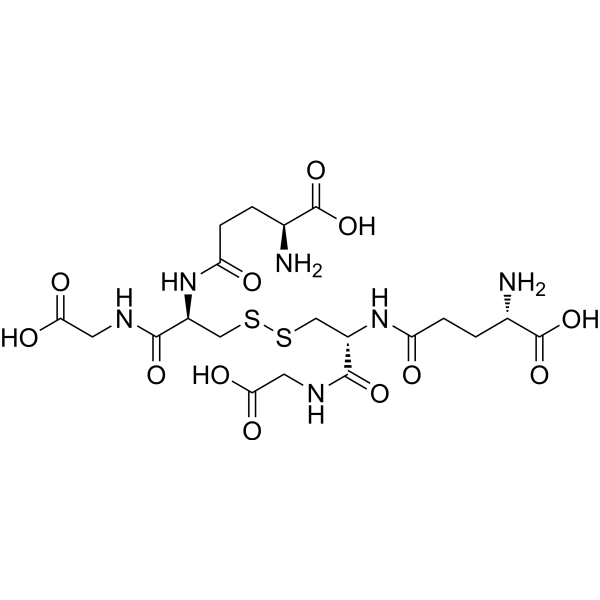
L-Glutathione oxidized; GSSG; Oxiglutatione
|
Endogenous Metabolite
Reactive Oxygen Species (ROS)
|
Metabolic Disease
|
|
Glutathione oxidized (L-Glutathione oxidized) is produced by the oxidation of glutathione. Detoxification of reactive oxygen species is accompanied by production of glutathione oxidized. Glutathione oxidized can be used for the research of sickle cells and erythrocytes .
|
-
-
- HY-D0093
-
|
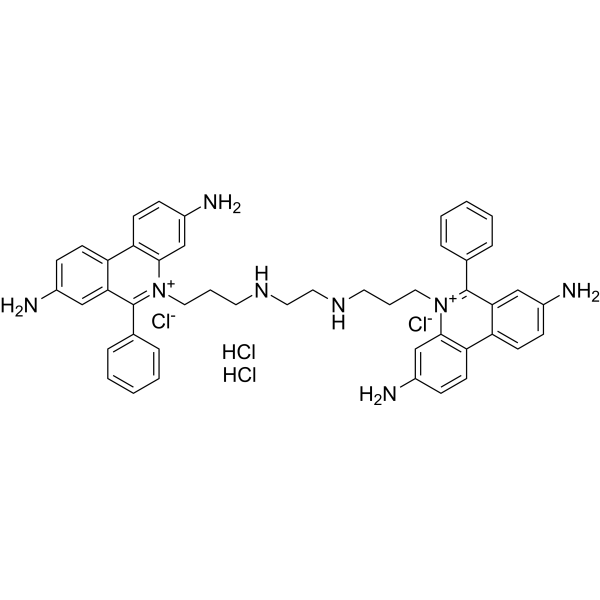
EthD-1
|
DNA Stain
|
Others
|
|
Ethidium homodimer (EthD-1) is a high-affinity fluorescent nucleic acid dye commonly used to stain mammals, bacteria, yeast, and fungi. Ethidium homodimer binds to DNA or RNA, enhancing fluorescence more than 30 times. The Ethidium homodimer has a strong positive charge, so it cannot cross cell membranes and stain living cells; But the Ethidium homodimer can cross the disordered region of the dead cell membrane to reach the nucleus and embed the DNA double strand to produce red fluorescence. Therefore, Ethidium homodimer is a relatively sensitive nucleic acid stain that can accurately detect nucleic acids in solution or in decomposing cells. Ethidium homodimer binds DNA, Ex/Em=528/617 nm .
|
-
-
- HY-106723A
-
|
|
HSP
|
Cancer
|
|
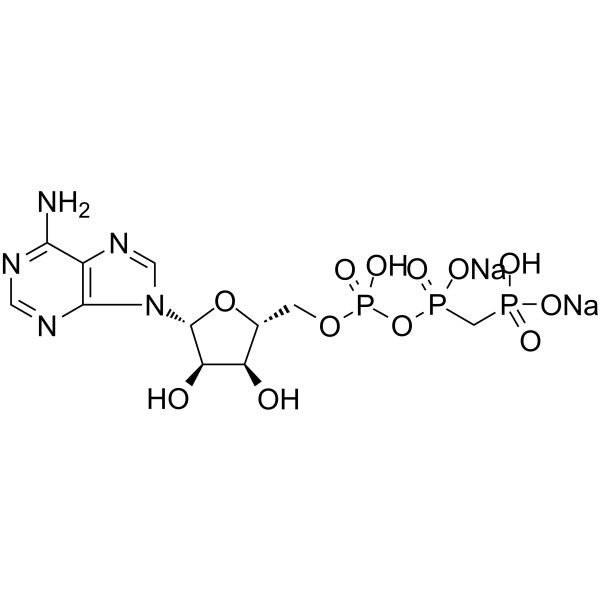
AMP-PCP disodium is an ATP analogue and can bind to Hsp90 N-terminal domain with a Kd value of 3.8 μM. AMP-PCP disodium binding favors the formation of the active homodimer of Hsp90 .
|
-
-
- HY-15340
-
|
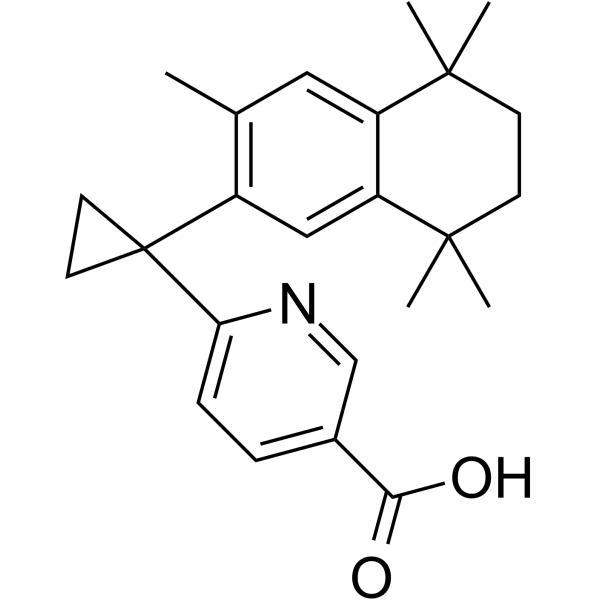
LG268
|
RAR/RXR
Autophagy
|
Metabolic Disease
|
|
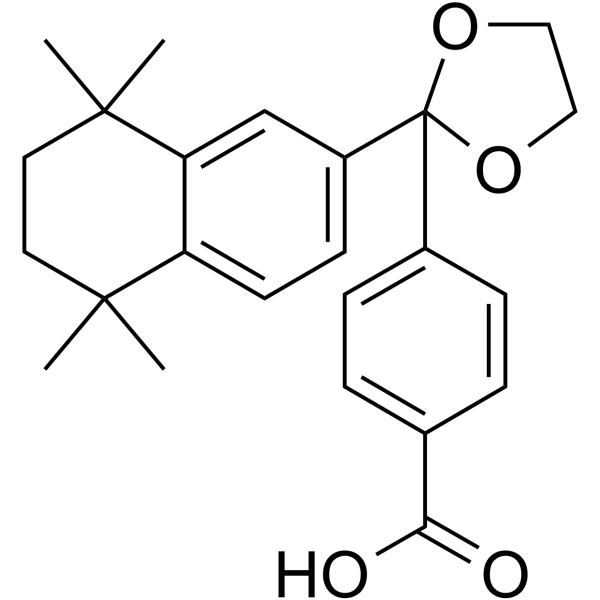
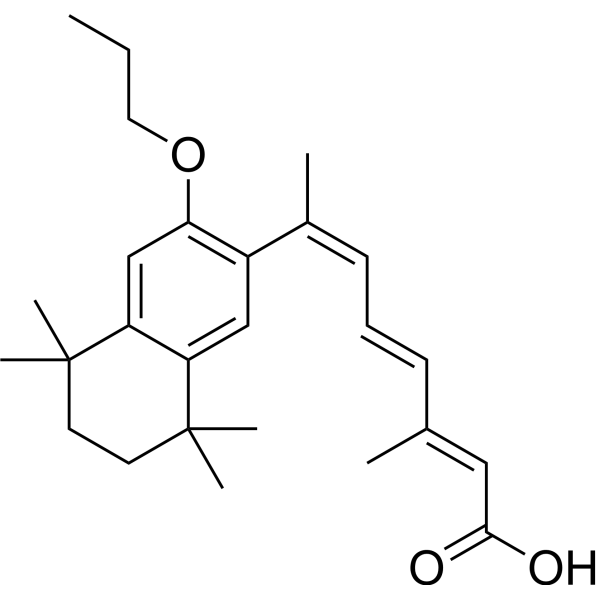
LG100268 (LG268) is a potent, selective and orally active retinoid X receptor (RXR) agonist with EC50 values of 4 nM, 3 nM, and 4 nM for RXR-α, RXR-β, and RXR-γ, respectively . LG100268 displays >1000-fold selectivity for RXR over RAR, the Ki values are 3.4 nM, 6.2 nM and 9.2 nM for RXR-α, RXR-β, and RXR-γ, respectively . LG100268 activates RXR homodimers to induce transcriptional activation. LG100268 can be used for the study of lung carcinogenesisy .
|
-
-
- HY-107413
-
|
BMS-649
|
RAR/RXR
Tyrosine Hydroxylase
|
Cancer
|
|
SR11237 (BMS-649) GMP is SR11237 (HY-107413) produced by using GMP guidelines. GMP small molecules works appropriately as an auxiliary reagent for cell therapy manufacture. SR11237 is a RXR activator and lipid metabolism regulator that promotes the differentiation of induced neural stem cells into dopaminergic (TH-positive) neurons. SR11237 induces transcriptional regulation of lipogenic genes and cholesterol transporters, increases glycosaminoglycan release, and elevates total cellular triglyceride levels. SR11237 promotes heterodimerization of RXR with Nurr1, thereby enhancing tyrosine hydroxylase expression and facilitating dopamine release. SR11237 produces a synergistic effect when used in combination with bFGF/EGF. SR11237 is mainly used in studies related to osteoarthritis and Parkinson's disease .
|
-
-
- HY-116274
-
BMS-8
1 Publications Verification
|
PD-1/PD-L1
|
Cancer
|
|
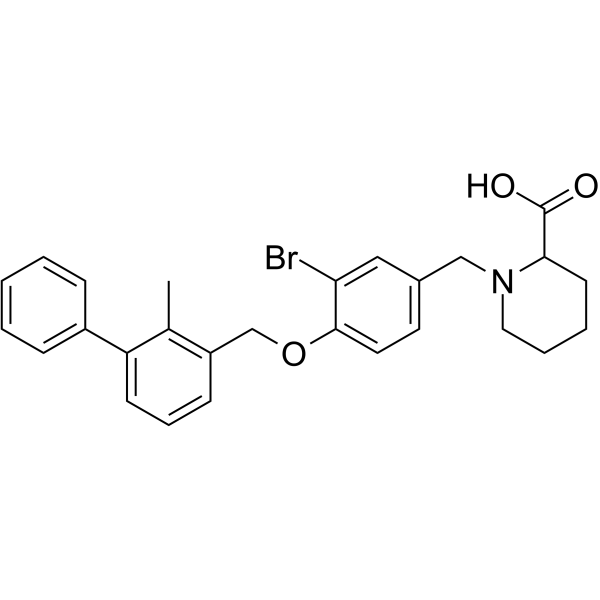
BMS-8 inhibits the PD-1/PD-L1 interaction with IC50 of 7.2 μM. BMS-8, binds directly to PD-L1 and induces formation of PD-L1 homodimers, which in turn prevents the interaction with PD-1 .
|
-
-
- HY-108523
-
|
UVI 2112
|
RAR/RXR
|
Metabolic Disease
|
|
LG100754 (UVI 2112) is a RXR dimers modulater. LG100754 acts as a RXR:RXR homodimer antagonist, but functions as a agonist towards RXR:PPARα and RXR:PPARγ heterodimers. LG100754 is an insulin sensitizer that functions through RXR .
|
-
-
- HY-D1773
-
|
|
Fluorescent Dye
DNA Alkylator/Crosslinker
|
Others
|
|
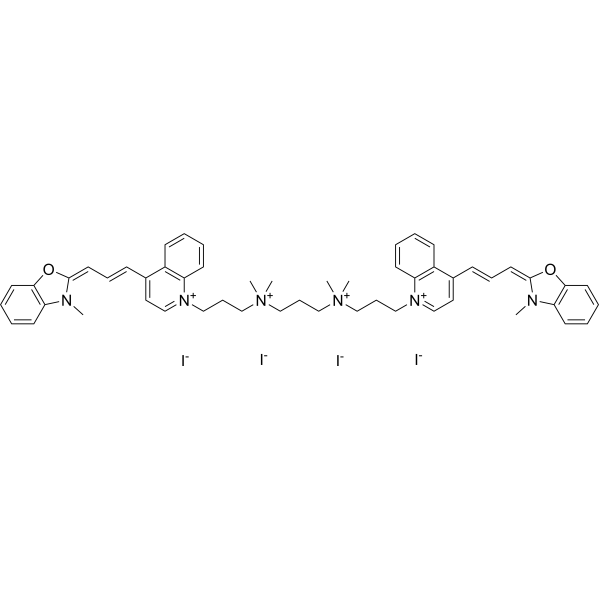
YOYO-3 is a trimethine cyanine homodimer dye. YOYO-3 intercalates into AF488-tagged dsDNA molecules at the single-molecule level. YOYO-3 has a greater affinity for DNA than do EB and other Cyanine dyes .
|
-
-
- HY-159768A
-
|
|
Radionuclide-Drug Conjugates (RDCs)
FAP
|
Neurological Disease
Cancer
|
|
DOTAGA.Glu.(FAPi) 2 is a FAPI homodimer in which a central glutamic acid (Glu) linker connects FAPI and a chelator. Radiolabeled with gallium- 68, lutetium- 177 or terbium- 161, DOTAGA.Glu.(FAPi) 2 is applicable to FAP-positive cancer PET imaging studies. DOTAGA.Glu.(FAPi) 2 is suitable for research related to prostate adenocarcinoma and recurrent glioblastoma multiforme .
|
-
-
- HY-E70715
-
|
|
EGFR
|
Cancer
|
|
The erbB family comprises 4 structurally related receptors: ErbB1 (EGFR), ErbB2 (HER2-neu), ErbB3 and ErbB4. On ligand stimulation, the receptor forms either homodimers or heterodimers, which activate their cytoplasmic domain. ERBB2 775YVMA776 Recombinant Human Active Protein Kinase is a recombinant ERBB2 775YVMA776 protein that can be used to study ERBB2 775YVMA776-related functions .
|
-
-
- HY-106723
-
|
|
HSP
|
Cancer
|
|
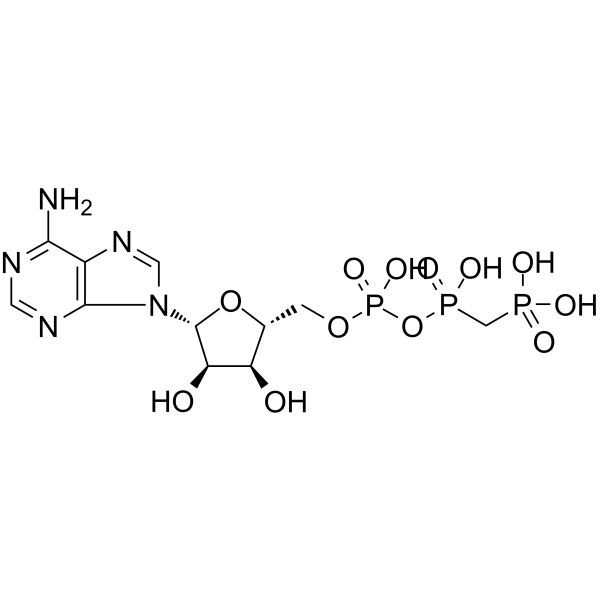
AMP-PCP is an ATP analogue and can bind to Hsp90 N-terminal domain with a Kd value of 3.8 μM. AMP-PCP binding favors the formation of the active homodimer of Hsp90 .
|
-
-
- HY-P10772
-
|
|
Peptide-Drug Conjugates (PDCs)
EBV
|
Cancer
|
|
L2P4 is a peptide-based and EBNA1 targeting fluorescent probe, which inhibits the EBNA1 homodimer formation and selectively inhibits EBV+ tumor growth. L2P4 exhibits cytotoxicity in EBV-positive C666-1 cell with LC50 of 46.4 μM .
|
-
-
- HY-P10772A
-
|
|
Peptide-Drug Conjugates (PDCs)
EBV
|
Cancer
|
|
L2P4 TFA is a peptide-based and EBNA1 targeting fluorescent probe, which inhibits the EBNA1 homodimer formation and selectively inhibits EBV+ tumor growth. L2P4 TFA exhibits cytotoxicity in EBV-positive C666-1 cell with LC50 of 46.4 μM .
|
-
-
- HY-168207
-
|
|
Toll-like Receptor (TLR)
NF-κB
|
Inflammation/Immunology
|
|
TH023 is an inhibitor for the TLR4 signaling pathway, that targets especially the formation of TLR4 homodimer. TH023 inhibits secreted embryonic alkaline phosphatase in cell HEK-Blue hTLR4 with an IC50 of 0.354 μM, and inhibits the NO expression in RAW264.7 with an IC50 of 1.61μM. TH023 also inhibits the activation of NF-κB, reduces the nuclear translocation of NF-κB p65. TH023 exhibits anti-inflammatory efficacy in LPS (HY-D1056)-induced mouse acute sepsis model, and ameliorates the mouse lung injury .
|
-
-
- HY-155539
-
|
|
IKZF Family
Zinc Finger Protein
|
Inflammation/Immunology
|
|
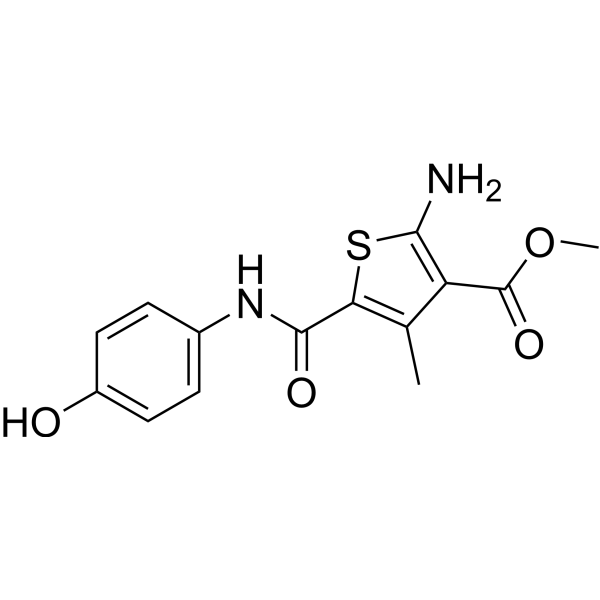
Cisd2 agonist 2 (compound 6) is a Cisd2 activator (EC50=191 nM), and Cisd2 levels are associated with non-alcoholic fatty liver disease (NAFLD). Cisd2 agonist 2 has no significant in vivo toxicity in Cisd2hKO-het mice (heterozygous hepatocyte-specific Cisd2 knockout). Cisd2 (CDGSH iron sulfur domain 2) is a zinc finger protein that is mainly localized in the endoplasmic reticulum or mitochondrial membrane. Cisd2 participates in mitochondrial function by forming homodimers containing two redox-active 2Fe-2S clusters .
|
-
-
- HY-RS13559
-
|
|
Small Interfering RNA (siRNA)
|
Others
|
|
SOD1 Human Pre-designed siRNA Set A contains three designed siRNAs for SOD1 gene (Human), as well as a negative control, a positive control, and a FAM-labeled negative control.
|
-
SOD1 Human Pre-designed siRNA Set A
-
- HY-P99772
-
|
L19TNF
|
TNF Receptor
|
Cancer
|
|
Onfekafusp alfa (L19TNF) is a homotrimer that forms from engineered peptides for the L19 antibody in scFv format fused to human TNF. Onfekafusp alfa can be used for malignant glioma research .
|
-
-
- HY-178690
-
|
|
MyD88
IFNAR
|
Infection
Inflammation/Immunology
|
|
MyD88-IN-4 is a MyD88 inhibitor. MyD88-IN-4 exerts antiviral effects by up-regulating IFN-β, and anti-inflammatory effects by inhibiting pro-inflammatory cytokine production. MyD88-IN-4 prevents MyD88 homodimer formation and its interaction with IRF3/IRF7. MyD88-IN-4 demonstrates efficacy against encephalitic alphavirus infections by reducing viral replication and improving survival in VEEV TC-83-infected mouse models. MyD88-IN-4 can be used for the study of alphavirus infections, bacterial toxin-related diseases, and sepsis .
|
-
-
- HY-D1660
-
|
NSC 219743
|
DNA Stain
|
Others
|
|
Acridine homodimer (NSC 219743), acridine dimer, is a fluorescence dye. Acridine homodimer emits a blue-green fluorescence when bound to DNA. Acridine homodimer has extremely high affinity for AT-rich regions of nucleic acids, can be used for chromosome banding .
|
-
-
- HY-P991091
-
-
-
- HY-159756B
-
|
|
c-Myc
|
Cancer
|
|
KI-MS2-008 is a selective Max binder. KI-MS2-008 results in the stabilization of Max homodimers and the attenuation of Myc. KI-MS2-008 has anticancer activity against Myc-dependent cancer .
|
-
-
- HY-P3223A
-
|
|
Opioid Receptor
|
Neurological Disease
|
|
Biphalin acetate, a BBB-penetrable opioid peptide analog, contains two active enkephalin pharmacophores.Biphalin acetate has high affinity for opioid receptors. Biphalin acetate shows analgesic effect in acute, neuropathic, and chronic animal pain models. Biphalin acetate is also an antiviral, antiproliferative, anti-inflammatory, and neuroprotective agent .
|
-
-
- HY-163801
-
|
|
Nuclear Hormone Receptor 4A/NR4A
|
Neurological Disease
|
|
Nurr1 agonist 9 (Compound 36) is an agonist for Nurr1 with an EC50 of 0.090 µM and a Kd of 0.17 µM. Nurr1 agonist 9 activates the Nurr1 homodimer (NurRE, EC50=0.094 µM) and the Nurr1-RXR heterodimer (DR5, EC50=0.165 µM). Nurr1 agonist 9 induces the expression of Nurr1-regulated tyrosine hydroxylase (TH) in organoid Parkinson's Disease model. Nurr1 agonist 9 is human brain endothelial cell barrier prmeable .
|
-
-
- HY-149536
-
|
|
Potassium Channel
|
Neurological Disease
|
|
TWIK-1/TREK-1-IN-1 (compound 2a) is an inhibitor of the TWIK-related potassium channel (Potassium Channel) TREK-1. TREK-1 contains a two-pore domain potassium (K2p) channel that dimerizes into TREK-1 homodimer and TWIK-1/TREK-1 heterodimer, and is an important antidepressant target. TWIK-1/TREK-1-IN-3 targets TREK-1 homodimer and TWIK-1/TREK-1 heterodimer with IC50s of 9.36 μM and 14.6 μM, respectively, and has antidepressant-like effects .
|
-
-
- HY-149537
-
|
|
Potassium Channel
|
Neurological Disease
|
|
TWIK-1/TREK-1-IN-2 (Compound 2g) is a TWIK-1/TREK-1 inhibitor. TWIK-1/TREK-1-IN-2 inhibits TREK-1 homodimer and TWIK-1/TREK-1 heterodimer with IC50s of 10.13 μM and 15.5 μM. TWIK-1/TREK-1-IN-2 is an antidepressant .
|
-
-
- HY-121736
-
|
AGI-026
|
Isocitrate Dehydrogenase (IDH)
|
Neurological Disease
|
|
AGI-12026 is brain-penetrant dual inhibitor of mutant IDH1 and 2. AGI-12026 shows partial inhibition of the IDH1-R132H homodimer as allosteric modulators. AGI-12026 has the potential for research of glioma .
|
-
-
- HY-125690
-
-
-
- HY-174669
-
|
|
mRNA
|
Cancer
|
|
Human HNF1A mRNA encodes the human HNF1 homeobox A (HNF1A) protein, a transcription factor that required for the expression of several liver-specific genes. HNF1A functions as a homodimer and binds to the inverted palindrome 5''-GTTAATNATTAAC-3''.
|
-
-
- HY-149538
-
|
|
Potassium Channel
|
Neurological Disease
|
|
TWIK-1/TREK-1-IN-3 (compound 2h) is an inhibitor of TWIK-related potassium channel (Potassium Channel) TREK-1. TREK-1 contains a two-pore domain potassium (K2p) channel that dimerizes into TREK-1 homodimer and TWIK-1/TREK-1 heterodimer, and is an important antidepressant target. TWIK-1/TREK-1-IN-3 targets TREK-1 homodimer and TWIK-1/TREK-1 heterodimer with IC50s of 9.74 μM and 16.5 μM, respectively, and has antidepressant-like effects .
|
-
-
- HY-126743
-
|
|
Proteasome
|
Others
|
|
JBIR-22 is a protein-protein interaction inhibitor of proteasome assembly factor 3 homodimer, which has the activity of inhibiting this interaction and exerting long-term cytotoxicity against human cervical cancer cell lines, and its stereochemical structure has been determined by total synthesis.
|
-
-
- HY-174662
-
|
|
mRNA
|
Inflammation/Immunology
|
|
Human IFNG mRNA encodes the human interferon gamma (IFNG) protein, a member of the type II interferon class. IFNG is secreted by cells of both the innate and adaptive immune systems. The active protein is a homodimer that binds to the interferon gamma receptor which triggers a cellular response to viral and microbial infections.
|
-
-
- HY-P3223
-
|
|
Opioid Receptor
|
Neurological Disease
|
|
Biphalin TFA, a BBB-penetrable opioid peptide analog, contains two active enkephalin pharmacophores. Biphalin TFA has high affinity for opioid receptors. Biphalin TFA shows analgesic effect in acute, neuropathic, and chronic animal pain models. Biphalin TFA is also an antiviral, antiproliferative, anti-inflammatory, and neuroprotective agent .
|
-
-
- HY-15340R
-
|
LG268 (Standard)
|
RAR/RXR
Autophagy
Reference Standards
|
Metabolic Disease
|
|
LG100268 (Standard) is the analytical standard of LG100268. This product is intended for research and analytical applications. LG100268 (LG268) is a potent, selective and orally active retinoid X receptor (RXR) agonist with EC50 values of 4 nM, 3 nM, and 4 nM for RXR-α, RXR-β, and RXR-γ, respectively . LG100268 displays >1000-fold selectivity for RXR over RAR, the Ki values are 3.4 nM, 6.2 nM and 9.2 nM for RXR-α, RXR-β, and RXR-γ, respectively . LG100268 activates RXR homodimers to induce transcriptional activation. LG100268 can be used for the study of lung carcinogenesisy .
|
-
-
- HY-180336
-
-
-
- HY-E71291
-
|
|
Biochemical Assay Reagents
|
Others
|
|
β-Enolase, Human is one of the three enolase isoenzymes found in mammals. This isoenzyme, a homodimer, is found in skeletal muscle cells in the adult.
|
-
-
- HY-E70923
-
|
|
Biochemical Assay Reagents
|
Metabolic Disease
|
|
Xanthine dehydrogenase, Microorganism (EC 1.17.1.4) belongs to the molybdenum-containing hydroxylase family and participates in the oxidative metabolism of purines. Xanthine dehydrogenase, Microorganism (EC 1.17.1.4) is a homodimer and can be converted into xanthine oxidase through reversible thiol oxidation or irreversible proteolytic modification.
|
-
-
- HY-107413R
-
|
BMS-649 (Standard)
|
Reference Standards
RAR/RXR
Tyrosine Hydroxylase
|
Neurological Disease
Inflammation/Immunology
|
|
SR11237 (Standard) is the analytical standard of SR11237 (HY-107413). This product is intended for research and analytical applications. SR11237 is a RXR activator and lipid metabolism regulator that promotes the differentiation of induced neural stem cells into dopaminergic (TH-positive) neurons. SR11237 induces transcriptional regulation of lipogenic genes and cholesterol transporters, increases glycosaminoglycan release, and elevates total cellular triglyceride levels. SR11237 promotes heterodimerization of RXR with Nurr1, thereby enhancing tyrosine hydroxylase expression and facilitating dopamine release. SR11237 produces a synergistic effect when used in combination with bFGF/EGF. SR11237 is mainly used in studies related to osteoarthritis and Parkinson's disease .
|
-
-
- HY-P2893C
-
|
|
Biochemical Assay Reagents
|
Metabolic Disease
|
|
Creatinase, Flavobacterium sp. (EC 3.5.3.3) belongs to the hydrolase family and acts on carbon-nitrogen bonds other than peptide bonds, especially in linear amidine compounds. Creatinase, Flavobacterium sp. (EC 3.5.3.3) accelerates the conversion of creatine and water molecules into sarcosine and urea. Creatinase, Flavobacterium sp. (EC 3.5.3.3) functions as a homodimer.
|
-
-
- HY-108523R
-
|
UVI 2112 (Standard)
|
Reference Standards
RAR/RXR
|
Metabolic Disease
|
|
LG100754 (Standard) is the analytical standard of LG100754 (HY-108523). This product is intended for research and analytical applications. LG100754 (UVI 2112) is a RXR dimers modulater. LG100754 acts as a RXR:RXR homodimer antagonist, but functions as a agonist towards RXR:PPARα and RXR:PPARγ heterodimers. LG100754 is an insulin sensitizer that functions through RXR .
|
-
-
- HY-180576
-
|
|
Nuclear Hormone Receptor 4A/NR4A
RAR/RXR
|
Neurological Disease
|
|
Nurr1/RXR dual agonist 1 is a dual activator of Nurr1 (EC50 = 2.6 µM) and RXR with K s of 0.6 and 1.1 µM, respectively. Nurr1/RXR dual agonist 1 exclusively activates the heterodimer response element DR5 by selectively destabilizing the Nurr1 homodimer and stabilizing the Nurr1:RXR heterodimer. Nurr1/RXR dual agonist 1 enhances expression of a specific subset of neuroprotective Nurr1 target genes while avoiding induction of genes associated with potential off-target effects in neuronal cells. Nurr1/RXR dual agonist 1 can be used for neurodegenerative diseases research .
|
-
-
- HY-181588
-
|
|
Nuclear Hormone Receptor 4A/NR4A
|
Neurological Disease
Inflammation/Immunology
|
|
NR4A agonist-2 is a selective pan-NR4A agonist designed based on Vidofludimus (HY-14908), with a Kd of 0.10 μM against NR4A1, and EC50 values of 0.098 μM, 0.092 μM and 0.09 μM against Nur77, Nurr1, NOR-1, respectively. NR4A agonist-2 exhibits 47-fold selectivity over DHODH, and shows no cytotoxic activity at concentrations up to 10 μM. By binding to a specific surface pocket in the ligand-binding domain of Nurr1, NR4A agonist-2 inhibits the formation of Nurr1 homodimers, activates response elements such as NBRE, NurRE, DR5, and then potently induces the expression of neuroprotective genes including BDNF, SOD2, thereby exerting neuroprotective activity. NR4A agonist-2 can be used in the research of neurodegenerative diseases such as Parkinson's disease, dementia and multiple sclerosis .
|
-
-
- HY-181827
-
-
-
-
HY-L906
-
|
|
647 compounds
|
|
On May 15, 2024, "Dimerization and antidepressant recognition at noradrenaline transporter" was published online by Nature. The research findings were an effort from Shanghai Institute of Materia Medica, Chinese Academy of Sciences. This study unraveled the important neural system target - the noradrenaline transporter (NET), obtaining the binding modes of human NET homodimers with the natural substrate norepinephrine (NE) and six selective antidepressants. It laid an important theoretical foundation for understanding the physiological regulation mechanisms of NET and other monoamine transporters.
The Norepinephrine Transporter (NET) Compound Library is obtained by computer-aided virtual screening based on the HY-L901 compound library . The specific screening process includes molecular docking screening, key pharmacophore screening, and CNS-MPO screening, which can be used for new drug discovery targeting the noradrenaline transporter.
|
| Cat. No. |
Product Name |
Type |
-
- HY-D0093
-
|
EthD-1
|
Fluorescent Dye
|
|
Ethidium homodimer (EthD-1) is a high-affinity fluorescent nucleic acid dye commonly used to stain mammals, bacteria, yeast, and fungi. Ethidium homodimer binds to DNA or RNA, enhancing fluorescence more than 30 times. The Ethidium homodimer has a strong positive charge, so it cannot cross cell membranes and stain living cells; But the Ethidium homodimer can cross the disordered region of the dead cell membrane to reach the nucleus and embed the DNA double strand to produce red fluorescence. Therefore, Ethidium homodimer is a relatively sensitive nucleic acid stain that can accurately detect nucleic acids in solution or in decomposing cells. Ethidium homodimer binds DNA, Ex/Em=528/617 nm .
|
-
- HY-D1773
-
|
|
Fluorescent Dye
|
|
YOYO-3 is a trimethine cyanine homodimer dye. YOYO-3 intercalates into AF488-tagged dsDNA molecules at the single-molecule level. YOYO-3 has a greater affinity for DNA than do EB and other Cyanine dyes .
|
| Cat. No. |
Product Name |
Target |
Research Area |
-
- HY-D0844
-
|
L-Glutathione oxidized; GSSG; Oxiglutatione
|
Endogenous Metabolite
Reactive Oxygen Species (ROS)
|
Metabolic Disease
|
|
Glutathione oxidized (L-Glutathione oxidized) is produced by the oxidation of glutathione. Detoxification of reactive oxygen species is accompanied by production of glutathione oxidized. Glutathione oxidized can be used for the research of sickle cells and erythrocytes .
|
-
- HY-P10772
-
|
|
Peptide-Drug Conjugates (PDCs)
EBV
|
Cancer
|
|
L2P4 is a peptide-based and EBNA1 targeting fluorescent probe, which inhibits the EBNA1 homodimer formation and selectively inhibits EBV+ tumor growth. L2P4 exhibits cytotoxicity in EBV-positive C666-1 cell with LC50 of 46.4 μM .
|
-
- HY-P10772A
-
|
|
Peptide-Drug Conjugates (PDCs)
EBV
|
Cancer
|
|
L2P4 TFA is a peptide-based and EBNA1 targeting fluorescent probe, which inhibits the EBNA1 homodimer formation and selectively inhibits EBV+ tumor growth. L2P4 TFA exhibits cytotoxicity in EBV-positive C666-1 cell with LC50 of 46.4 μM .
|
-
- HY-P3223A
-
|
|
Opioid Receptor
|
Neurological Disease
|
|
Biphalin acetate, a BBB-penetrable opioid peptide analog, contains two active enkephalin pharmacophores.Biphalin acetate has high affinity for opioid receptors. Biphalin acetate shows analgesic effect in acute, neuropathic, and chronic animal pain models. Biphalin acetate is also an antiviral, antiproliferative, anti-inflammatory, and neuroprotective agent .
|
-
- HY-P3223
-
|
|
Opioid Receptor
|
Neurological Disease
|
|
Biphalin TFA, a BBB-penetrable opioid peptide analog, contains two active enkephalin pharmacophores. Biphalin TFA has high affinity for opioid receptors. Biphalin TFA shows analgesic effect in acute, neuropathic, and chronic animal pain models. Biphalin TFA is also an antiviral, antiproliferative, anti-inflammatory, and neuroprotective agent .
|
| Cat. No. |
Product Name |
Target |
Research Area |
Image |
-
- HY-P99772
-
|
L19TNF
|
TNF Receptor
|
Cancer
|
|
Onfekafusp alfa (L19TNF) is a homotrimer that forms from engineered peptides for the L19 antibody in scFv format fused to human TNF. Onfekafusp alfa can be used for malignant glioma research .
|
-
(5)
-
- HY-P991091
-
-
(5)
| Cat. No. |
Product Name |
Category |
Target |
Chemical Structure |
| Cat. No. |
Product Name |
|
Classification |
-
- HY-RS13559
-
|
|
|
siRNAs
Human Pre-designed siRNA Sets
|
|
SOD1 Human Pre-designed siRNA Set A contains three designed siRNAs for SOD1 gene (Human), as well as a negative control, a positive control, and a FAM-labeled negative control.
|
-
- HY-174669
-
|
|
|
mRNA
Transcription Factors
|
|
Human HNF1A mRNA encodes the human HNF1 homeobox A (HNF1A) protein, a transcription factor that required for the expression of several liver-specific genes. HNF1A functions as a homodimer and binds to the inverted palindrome 5''-GTTAATNATTAAC-3''.
|
-
- HY-174662
-
|
|
|
mRNA
Interferon & Receptors
|
|
Human IFNG mRNA encodes the human interferon gamma (IFNG) protein, a member of the type II interferon class. IFNG is secreted by cells of both the innate and adaptive immune systems. The active protein is a homodimer that binds to the interferon gamma receptor which triggers a cellular response to viral and microbial infections.
|
Your information is safe with us. * Required Fields.
Inquiry Information
- Product Name:
- Cat. No.:
- Quantity:
- MCE Japan Authorized Agent:

