


1. Search Result
Search Result
Results for "

human leukocytes

" in MedChemExpress (MCE) Product Catalog:

88

Inhibitors & Agonists

1

Screening Libraries

4

Fluorescent Dyes

1

Biochemical Assay Reagents

14

Peptides

14

Inhibitory Antibodies

9

Natural
Products

2

Recombinant Proteins

7

Oligonucleotides

Cat. No. Product Name Target Research Areas Chemical Structure
  • HY-129905
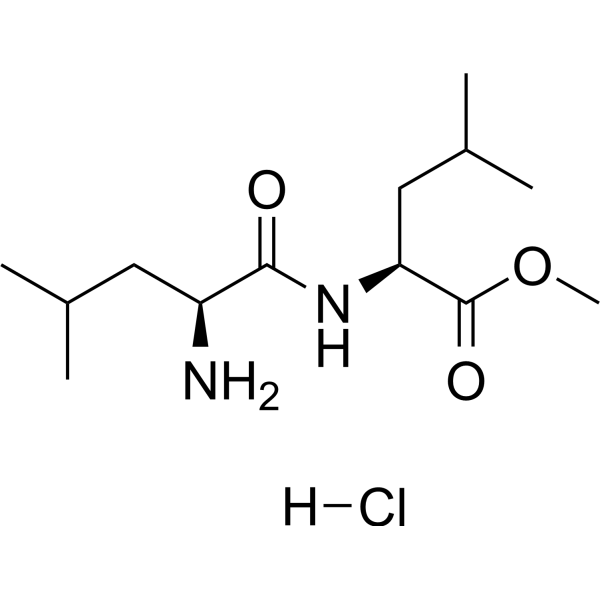
    L-Leucyl-L-Leucine methyl ester hydrochloride
    Maximum Cited Publications
    18 Publications Verification

    LLOMe hydrochloride; Leu-Leu methyl ester hydrochloride; H-Leu-Leu-OMe hydrochloride

    Endogenous Metabolite Inflammation/Immunology
    L-Leucyl-L-Leucine methyl ester (LLOMe) hydrochloride, a dipeptide condensation product of L-leucine methyl ester generated by human monocytes or polymorphonuclear leukocytes, selectively eliminates lymphocytes with cytotoxic potential. L-Leucyl-L-Leucine methyl ester hydrochloride also can induce endolysosomal pathway stress .
    L-Leucyl-L-Leucine methyl ester hydrochloride
  • HY-129905A
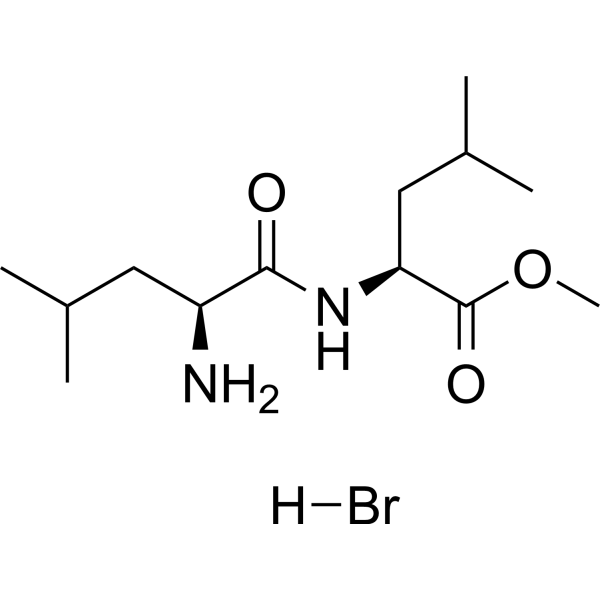
    L-Leucyl-L-Leucine methyl ester hydrobromide
    Maximum Cited Publications
    18 Publications Verification

    LLOMe hydrobromide; Leu-Leu methyl ester hydrobromide; H-Leu-Leu-OMe hydrobromide

    Endogenous Metabolite Inflammation/Immunology
    L-Leucyl-L-Leucine methyl ester (LLOMe) hydrobromide, a dipeptide condensation product of L-leucine methyl ester generated by human monocytes or polymorphonuclear leukocytes, selectively eliminates lymphocytes with cytotoxic potential. L-Leucyl-L-Leucine methyl ester hydrobromide also can induce endolysosomal pathway stress .
    L-Leucyl-L-Leucine methyl ester hydrobromide
  • HY-N7038
    Phytohemagglutinin
    5+ Cited Publications

    PHA-M

    NF-κB COX Interleukin Related Reactive Oxygen Species (ROS) Neurological Disease Inflammation/Immunology Cancer
    Phytohemagglutinin (PHA-M), the major seed lectin of the common bean, Phaseolus vulgaris, is a T-cell activator. Phytohemagglutinin stimulates human mononuclear leukocytes, inducing the expression of ChAT mRNA and potentiating ACh synthesis. Phytohemagglutinin induces dose- and time-dependent toxicity in THP-1 monocytes/macrophages, alters cellular morphology, causes organelle dysfunction, and increases the expression of NF-κB, COX2, IL-1β .
    Phytohemagglutinin
  • HY-14166
    MK-886
    10+ Cited Publications

    L 663536

    FLAP Leukotriene Receptor PPAR Apoptosis Cancer
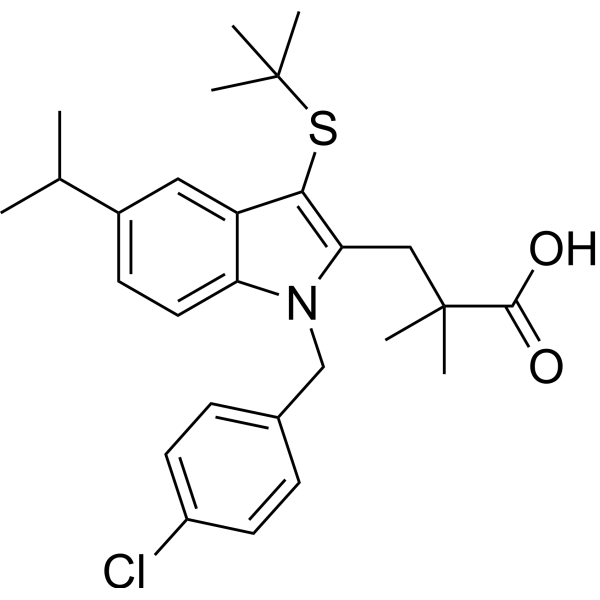
    MK-886 (L 663536) is a potent, cell-permeable and orally active FLAP (IC50 of 30 nM) and leukotriene biosynthesis (IC50s of 3 nM and 1.1 μM in intact leukocytes and human whole blood, respectively) inhibitor. MK-886 is also a non-competitive PPARα antagonist and can induce apoptosis .
    MK-886
  • HY-136865

    Fluorescent Dye Others
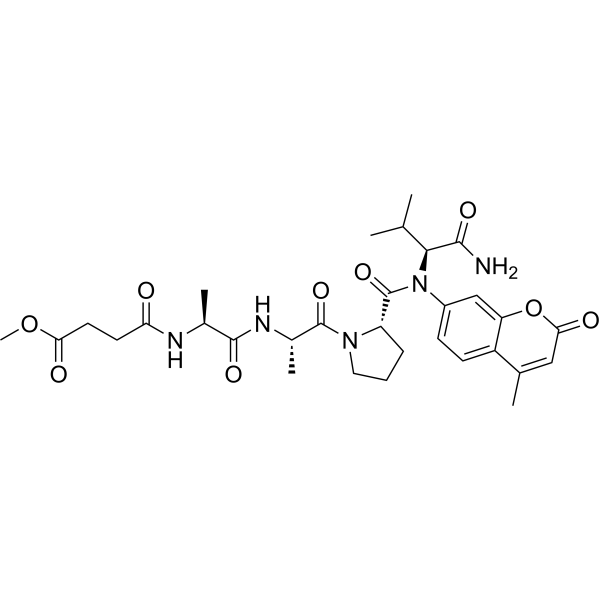
    MeOSuc-AAPV-AMC is a fluorogenic substrate for human leukocyte and porcine pancreatic elastase (Km: 362 μM, Ex=380 nm, Em=460 nm) .
    MeOSuc-AAPV-AMC
  • HY-75957
    DMP 777
    5 Publications Verification

    L-694458

    Elastase Inflammation/Immunology
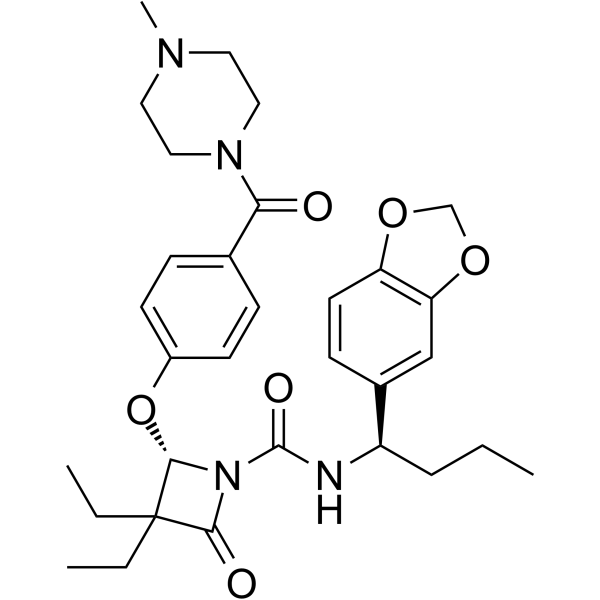
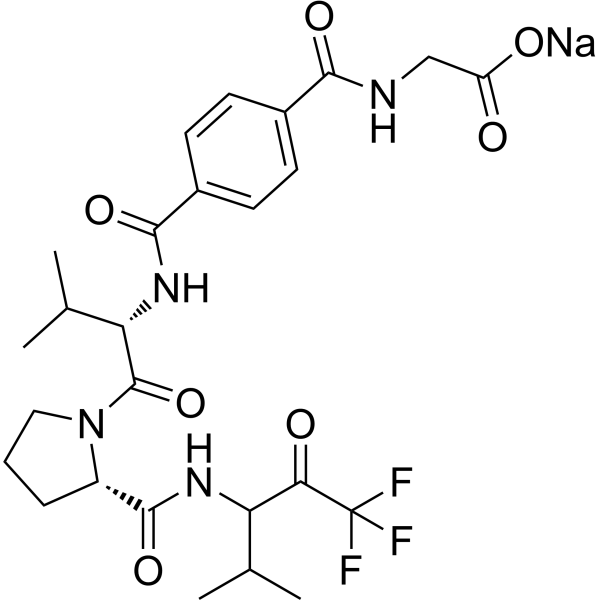
    DMP 777 is a potent, selective, and orally active human leukocyte elastase (HLE) inhibitor.
    DMP 777
  • HY-P2685

    Fluorescent Dye Others
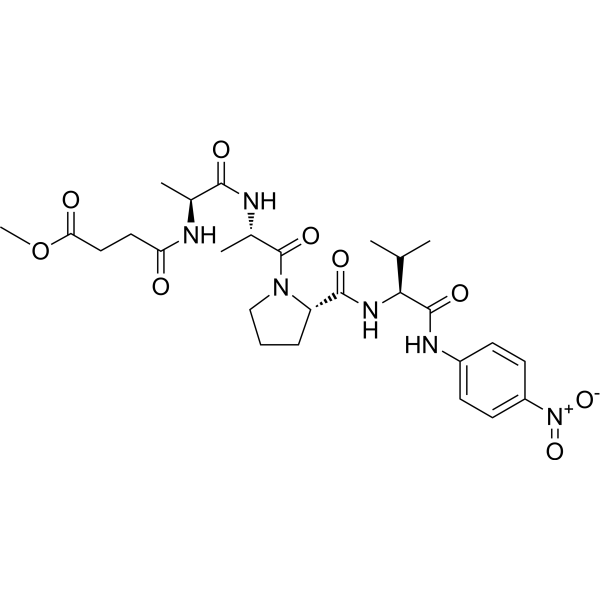
    MeOSuc-Ala-Ala-Pro-Val-pNA is a sensitive chromogenic substrate for human leukocyte and porcine pancreatic elastase .
    MeOSuc-Ala-Ala-Pro-Val-pNA
  • HY-N3945

    O,O-Dimethylisoboldine; S-(+)-Glaucine; NSC 34396

    Phosphodiesterase (PDE) Calcium Channel MMP NF-κB Inflammation/Immunology Cancer
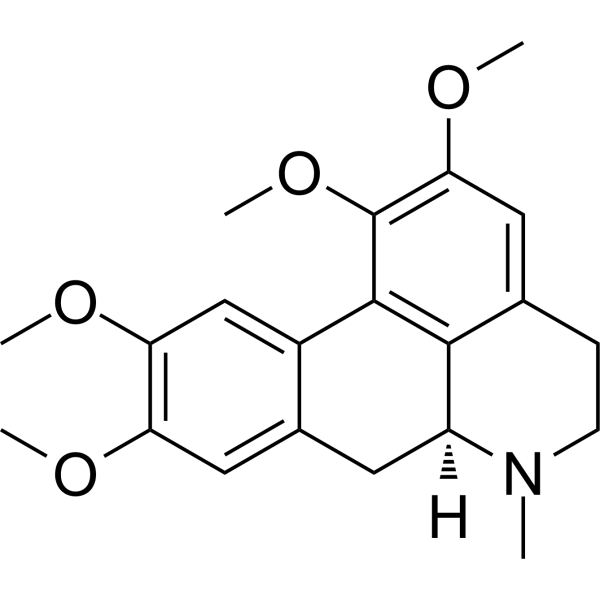
    Glaucine (O,O-Dimethylisoboldine) is an alkaloid extracted from Glaucium flavum that possesses various activities, including cough relief, bronchodilation, anti-inflammatory effects, analgesia, antipyretic properties, and anticancer effects. Glaucine acts as a selective and orally active inhibitor of phosphodiesterase 4 (PDE4), with a Ki of 3.4 µM in human bronchial tissues and polymorphonuclear leukocytes. Glaucine induces relaxation of human isolated bronchi by antagonizing calcium channels. Additionally, Glaucine inhibits the activation of NF-κB, leading to a reduction in the expression of the MMP-9 gene, thereby suppressing the migration and invasion of breast cancer cells. Therefore, Glaucine holds potential for research in asthma and breast cancer .
    Glaucine
  • HY-P99336

    BI-RR 0001; Anti-human IL6 Recombinant Antibody

    Integrin Neurological Disease Inflammation/Immunology
    Enlimomab (BI-RR 0001), a murine IgG2a monoclonal antibody to the human ICAM-1, inhibits leukocyte adhesion to the vascular endothelium, thereby decreasing leukocyte extravasation and inflammatory tissue injury. Enlimomab has anti-inflammatory effects, and can be used for stroke research .
    Enlimomab
  • HY-105028

    CP-66248

    COX Lipoxygenase Potassium Channel MMP Inflammation/Immunology
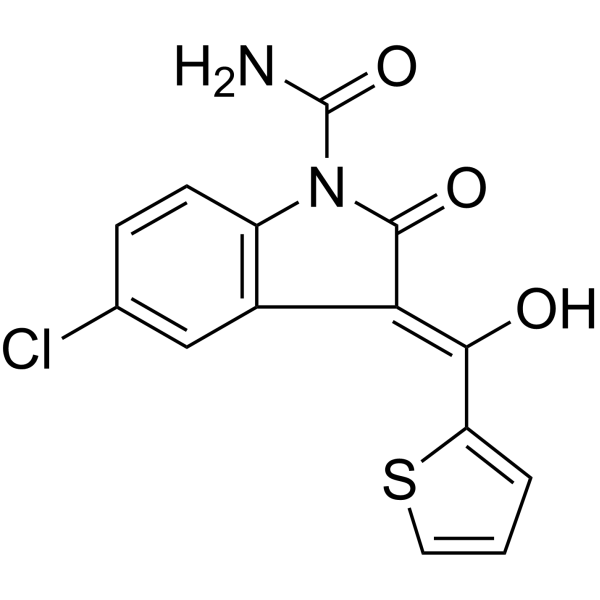
    Tenidap (CP-66248) is an orally active dual inhibitor of 5-LOX and COX with anti-inflammatory and immunomodulatory properties. Tenidap downregulates the expression of IL-1 receptors in chondrocytes, reduces the release of pro-inflammatory cytokines such as IL-1, IL-6 and TNF-α, and inhibits MMP production and cartilage degradation. Tenidap also blocks bone resorption and leukocyte adhesion to vascular endothelium, interferes with ion and pH changes associated with mouse sperm capacitation, and selectively enhances the activity of hKir2.3 channels (EC50=1.3 μM). Tenidap is applicable to research related to rheumatoid arthritis .
    Tenidap
  • HY-19393

    Phosphodiesterase (PDE) Cardiovascular Disease Inflammation/Immunology Cancer
    SCH 351591 is a highly selective, orally active PDE4 inhibitor, with IC50 values of 58 nM and 153 nM in humans and rats, respectively. SCH 351591 effectively inhibits pathological processes such as cytokine production, eosinophilia, airway hyperresponsiveness and bronchospasm. SCH 351591 also induces microvascular injury, activates mast cells and endothelial cells, and causes increases in serum histamine and various inflammatory factors, leading to early vascular damage. SCH 351591 has been widely used in studies related to asthma, chronic obstructive pulmonary disease and drug-induced vascular injury .
    SCH 351591
  • HY-P1117
    MMK1
    1 Publications Verification

    Formyl Peptide Receptor (FPR) Calcium Channel Neurological Disease Inflammation/Immunology
    MMK1 is a potent and selective human formyl peptide receptor like-1 (FPRL-1/FPR2) agonist with EC50s of <2 nM and >10000 nM for FPRL-1 and FPR1, respectively. MMK1 is a potent chemotactic and calcium-mobilizing agonist. MMK1 potently activates phagocytic leukocytes and enhances Pertussis Toxin-sensitive production by human monocytes of proinflammatory cytokines IL-1b and IL-6. MMK1 exerts anxiolytic-like activity .
    MMK1
  • HY-P99039
    Oleclumab
    1 Publications Verification

    MEDI9447

    CD73 Cancer
    Oleclumab (MEDI9447) is a human IgG1λ monoclonal antibody targeting CD73 and inhibits the exonuclease activity of the extracellular enzyme CD73. Oleclumab can adjust the composition of bone marrow and lymphoid infiltrating leukocyte populations in the tumor microenvironment and has anti-tumor activity .
    Oleclumab
  • HY-19269

    Elastase Inflammation/Immunology
    FK706 is a potent, slow-binding and competitive inhibitor of human neutrophil elastase with an IC50 of 83 nM and a Ki of 4.2 nM. FK706 also inhibits mouse neutrophil elastase and porcine pancreatic elastase with IC50s of 22 nM and 100 nM, respectively, and has no inhibitory activity against other serine proteinases such as human pancreatic trypsin, human pancreatic α-chymotrypsin and human leukocyte cathepsin G. FK706 has anti-inflammatory effect .
    FK706
  • HY-10242

    BILN 2061; BILN 2061ZW

    HCV HCV Protease DNA/RNA Synthesis Infection
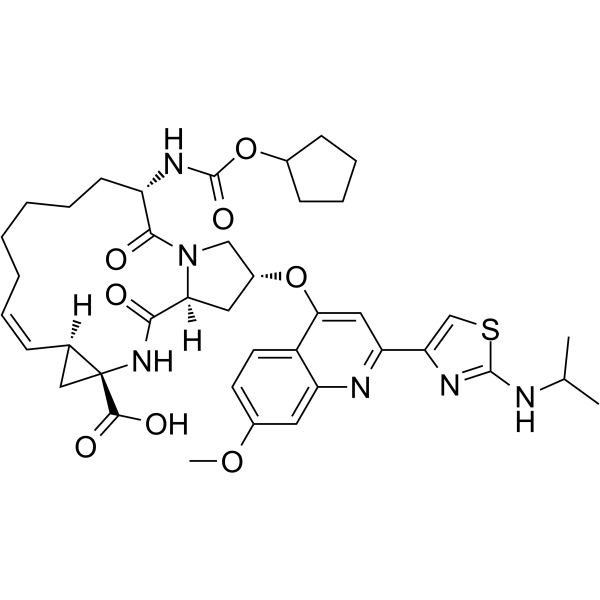
    Ciluprevir (BILN 2061; BILN 2061ZW) is an orally active macrocyclic peptide inhibitor of hepatitis C virus (HCV)NS3 protease, with an IC50 of 3 nM. Ciluprevir has Kᵢ values of 0.66 nM and 0.30 nM against genotypes 1b and 1a, respectively. Ciluprevir inhibits HCV RNA replication with an EC50 of 1.2 nM, and its EC50 values against genotypes 1b and 1a are 3 nM and 4 nM, respectively. Ciluprevir shows no significant inhibition against human leukocyte elastase and hepatic cathepsin B. Ciluprevir can be used for genotype 1 HCV infection .
    Ciluprevir
  • HY-145726

    TNF Receptor Cardiovascular Disease Inflammation/Immunology
    ISIS 104838 is an antisense oligonucleotide targeting TNF-α. ISIS 104838 specifically binds to human TNF-α mRNA via Watson-Crick base pairing to form a DNA:RNA hybrid duplex, thereby recruiting the ubiquitously expressed intracellular enzyme RNase H to degrade the target mRNA and inhibit TNF-α protein synthesis at the transcriptional level. ISIS 104838 induces moderate, self-limiting thrombocytopenia in cynomolgus monkeys. ISIS 104838 can be used for the study of inflammatory diseases .
    ISIS 104838
  • HY-125527A
    17(R)-Resolvin D1
    1 Publications Verification

    17(R)-RvD1; AT-RvD1

    TRP Channel Inflammation/Immunology
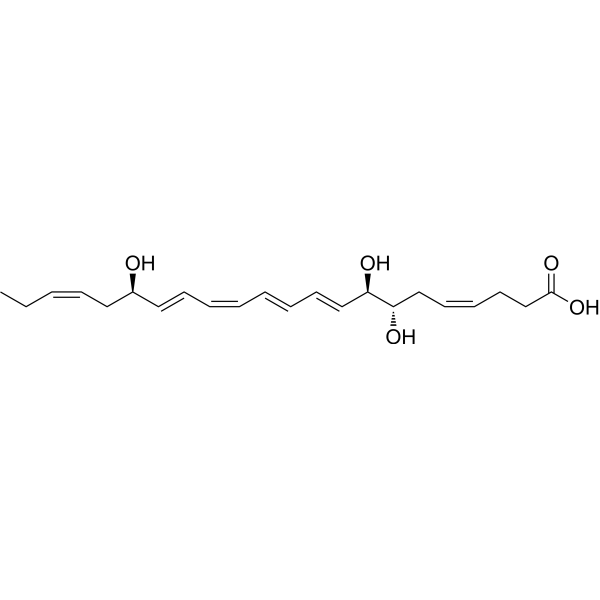
    17R-Resolvin D1 (17R-RvD1; AT-RvD1) is an aspirin-triggered epimer of Resolvin D1, which exhibits anti-inflammatory activity in mice and human PMNs cells . 17R-Resolvin D1 specificially inhibits TRPV3 with an IC50 of 398 nM and exhibits peripheral anti-nociceptive efficacy .
    17(R)-Resolvin D1
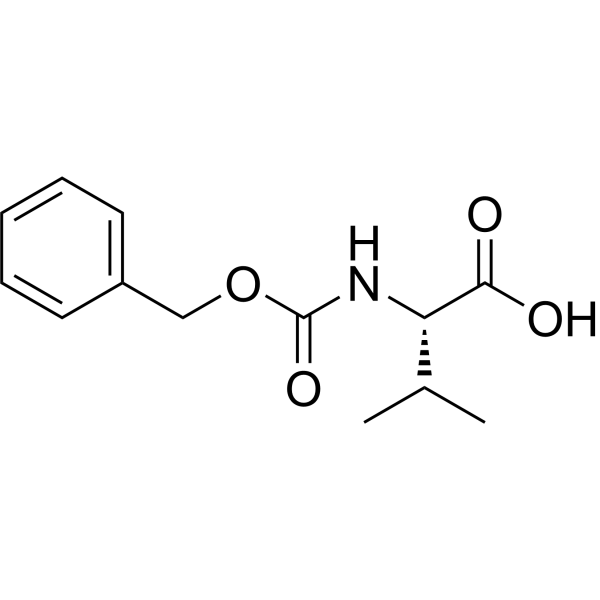
  • HY-W008753

    N-Cbz-L-valine

    Biochemical Assay Reagents Drug Intermediate Amino Acid Derivatives Infection
    Z-L-Val-OH (N-Cbz-L-valine) is an amino acid derivative and key intermediate in organic synthesis. Z-L-Val-OH can be used in the synthesis of anti-cytomegalovirus compounds and peptide inhibitors of human spleen plasminogen activator (SFP) and human leukocyte elastase-like protease (ELP) .
    Z-L-Val-OH
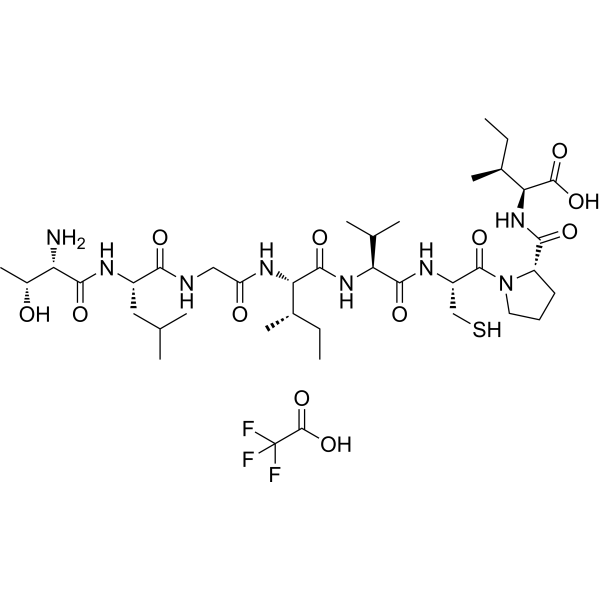
  • HY-P1778A

    HPV Infection
    HPV16 E7 (86-93) TFA is a human leukocyte antigen (HLA)-A2.1 restricted HPV16 E7-derived peptide. HPV16 E7 (86-93) TFA is immunogenic in cervical carcinomas .
    HPV16 E7 (86-93) TFA
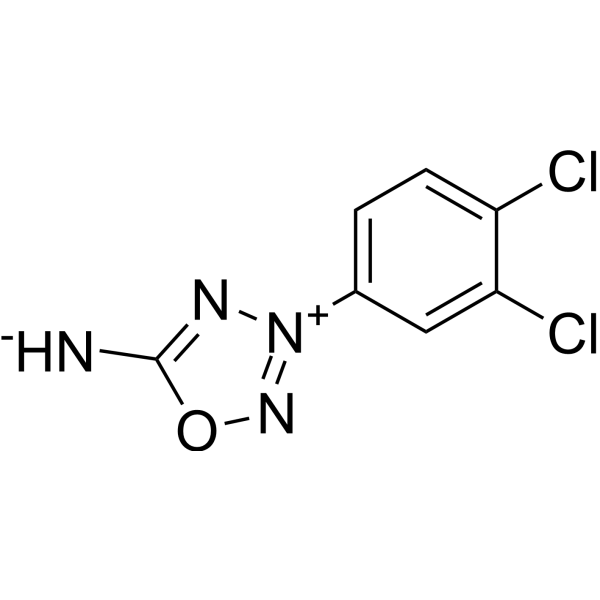
  • HY-120314

    Apoptosis Caspase Endogenous Metabolite Inflammation/Immunology
    GEA 3162 is an orally active compound that acts as a NO/ONOO⁻ donor. GEA 3162 significantly inhibits the activation of human polymorphonuclear leukocytes (PMNs) through the cGMP pathway, inhibits the release of inflammatory mediators, and exerts anti-inflammatory and protective effects. GEA 3162 induces apoptosis of neutrophils and bone marrow cells by activating caspase-2/3/8/9 through the ONOO⁻ pathway. GEA 3162 has a bidirectional effect in the rat gastric ulcer model: at low doses, it significantly reduces gastric mucosal damage, while at high doses, it aggravates the ulcer area. GEA 3162 can be used for research on inflammatory conditions such as gastric ulcers .
    GEA 3162
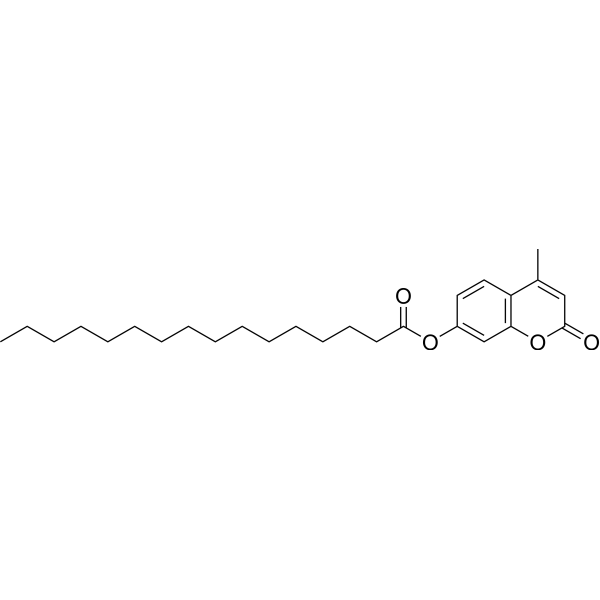
  • HY-W010947

    Fluorescent Dye Inflammation/Immunology
    4-Methylumbelliferyl palmitate is an excellent fluorophore for measuring acid lipase in human leukocytes. Acidity and solvent have important influence on its fluorescence. 4-Methylumbelliferyl palmitate exists mainly as neutral molecular form which can be produced strong fluorescence at 445 nm in near neutral aqueous solutions, and exist mainly as anion form which can be produced stronger fluorescence at 445 nm in weak alkaline solutions .
    4-Methylumbelliferyl palmitate
  • HY-N6927

    Coleonol B

    TNF Receptor Interleukin Related Inflammation/Immunology
    Isoforskolin is the principle active component of C. forskohlii native to China. Isoforskolin reduces the secretion of lipopolysaccharide (LPS)-induced cytokines, namely TNF-α, IL-1β, IL-6 and IL-8, in human mononuclear leukocytes. Isoforskolin acts as an anti-inflammatory agent for the treatment of Lyme arthritis .
    Isoforskolin
  • HY-P991532

    MEMD; EJ212/007-Cl2-5

    ALCAM/CD166 Inflammation/Immunology Cancer
    AT002 (CBAS-173, EJ212/007-Cl2-5) is a recombinant human IgG1 monoclonal antibody. AT002 targets the cell surface protein activated leukocyte adhesion molecule (ALCAM)/CD166. AT002 can be used in the research of cancer, autoimmune diseases and inflammatory diseases.
    AT002
  • HY-P3483

    PACAP Receptor Caspase Apoptosis PKA Interleukin Related TNF Receptor Cardiovascular Disease Neurological Disease
    Maxadilan is a specific irreversible PAC1 receptor agonist and a potent vasodilator peptide present in the salivary glands of sand flies. Maxadilan exhibits anti-apoptotic activity in hADSCs. Maxadilan inhibits pro-inflammatory cytokines (TNF-α) and enhances anti-inflammatory mediators (IL-10). Maxadilan can activate leukocytes and inhibit vascular permeability through PAC1 receptors. Maxadilan promotes neural differentiation of human adipose-derived stem cells. Maxadilan can be used to study endotoxin shock, atherosclerosis, and neurodegenerative diseases [1] [2] [3] [4] [5].
    Maxadilan
  • HY-130046

    16-epi-Estriol; 16β,17β-Estriol

    UGT Bacterial Infection Inflammation/Immunology
    16-Epiestriol (16-epi-Estriol; 16β,17β-Estriol) is a natural stereoisomer of estriol and an anti-inflammatory agent that targets UGT. The Ki values of 16-Epiestriol against human UGT1A10 and UGT2B7 are 98.1 μM and 162 μM, respectively. As a glucuronidation substrate, 16-Epiestriol can be modified at the 3-OH, 16-OH and 17-OH sites by various UGT enzymes; in liver microsomes, the modification mainly occurs at the 16-OH and 17-OH sites, while reactions take place at all three sites in intestinal microsomes. 16-Epiestriol acts on the phase II inflammatory process by blocking edema mediated by prostaglandins and leukocyte infiltration. It lacks glycogenic activity or any effect on blood glucose levels, and serves as an important candidate molecule in the research of inflammatory diseases .
    16-Epiestriol
  • HY-145604

    RG7774

    Cannabinoid Receptor Cardiovascular Disease Neurological Disease Metabolic Disease Inflammation/Immunology
    Vicasinabin (RG7774) is an orally active, selective, and full CB2R agonist, with EC50 values of 2.81 nM and 2.60 nM for human CB2R and mouse CB2R, respectively. Vicasinabin inhibits inflammation, reduces leukocyte adhesion and decreases vascular permeability by selectively activating CB2R. Vicasinabin can be used in the researches for diabetic retinopathy, uveitis and laser-induced choroidal neovascularization .
    Vicasinabin
  • HY-P4126

    Elastase Others
    Suc-Ala-Ala-Pro-Val-AMC is a fluorescent substrate for elastase. Suc-Ala-Ala-Pro-Val-AMC can be hydrolyzed by these elastases to release the fluorescent substance 7-amino-4-methylcoumarin. Suc-Ala-Ala-Pro-Val-AMC is used for in vitro elastase activity assays and can also be applied in studies related to chronic wounds .
    Suc-Ala-Ala-Pro-Val-AMC
  • HY-105382

    Others Others
    L-683845 is an orally active inhibitor of human leukocyte elastase. L-683845 can be used in the research of physiological and pathological processes related to human leukocyte elastase .
    L 683845
  • HY-P4971

    Complement System Inflammation/Immunology
    C5a Anaphylatoxin (human) is a pro-inflammatory peptide and a leukocyte chemoattractant. C5a Anaphylatoxin (human) can be used to study inflammation and immunity, such as allergic asthma .
    C5a Anaphylatoxin (human)
  • HY-118621

    Elastase Parasite Infection
    JCP174 is an inhibitor of palmitoyl protein thioesterase-1 (TgPPT1), a depalmitoylase in the parasite T. gondii . JCP174 is also an inhibitor of porcine pancreatic elastase and human leukocyte elastase .
    JCP174
  • HY-P99442

    Hu1D10

    Apoptosis Inflammation/Immunology Cancer
    Apolizumab (Hu1D10) is a humanized monoclonal anti-Human leukocyte antigen-DR beta-chain antibody. Apolizumab can mediate apoptosis of chronic lymphocytic leukemia (CLL) cells in vitro .
    Apolizumab
  • HY-P1778

    HPV Infection
    HPV16 E7 (86-93) is a human leukocyte antigen (HLA)-A2.1 restricted HPV16 E7-derived peptide. HPV16 E7 (86-93) is immunogenic in cervical carcinomas .
    HPV16 E7 (86-93)
  • HY-14166A

    L 663536 sodium salt

    PPAR Apoptosis Leukotriene Receptor FLAP Cancer
    MK-886 (L 663536) sodium salt is a potent, cell-permeable and orally active FLAP (IC50 of 30 nM) and leukotriene biosynthesis (IC50s of 3 nM and 1.1 μM in intact leukocytes and human whole blood, respectively) inhibitor. MK-886 sodium salt is also a non-competitive PPARα antagonist and can induce apoptosis .
    MK-886 sodium salt
  • HY-14166R

    L 663536 (Standard)

    FLAP Leukotriene Receptor PPAR Apoptosis Reference Standards Cancer
    MK-886 (Standard) is the analytical standard of MK-886. This product is intended for research and analytical applications. MK-886 (L 663536) is a potent, cell-permeable and orally active FLAP (IC50 of 30 nM) and leukotriene biosynthesis (IC50s of 3 nM and 1.1 μM in intact leukocytes and human whole blood, respectively) inhibitor. MK-886 is also a non-competitive PPARα antagonist and can induce apoptosis .
    MK-886 (Standard)
  • HY-N3945R

    O,O-Dimethylisoboldine (Standard); S-(+)-Glaucine (Standard); NSC 34396 (Standard)

    Reference Standards Phosphodiesterase (PDE) Calcium Channel Adrenergic Receptor Dopamine Receptor Influenza Virus Infection Inflammation/Immunology
    Glaucine (Standard) is the analytical standard of Glaucine. This product is intended for research and analytical applications. Glaucine (O,O-Dimethylisoboldine) is an alkaloid isolated from Glaucium flavum with antitussive, bronchodilation and anti-inflammatory properties. Glaucine is a selective and orally active phosphodiesterase 4 (PDE4) inhibitor with Kis of 3.4 μM in human bronchus and polymorphonuclear leukocytes. Glaucine is also a non-selective α-adrenoceptor antagonist, a Ca2+ entry blocker, and a weak dopamine D1 and D2 receptor antagonist. Glaucine has antioxidative and antiviral activities .
    Glaucine (Standard)
  • HY-106899

    Platelet-activating Factor Receptor (PAFR) Cardiovascular Disease
    MK 287 is a potent, selective and orally active antagonist of platelet-activating factor receptor (PAFR). MK 287 can inhibit [3H]C18-PAF binding to human platelet, polymorphonuclear leukocyte (PMN) and lung membranes with K1 values of 6.1, 3.2, and 5.49 nM, respectively. MK 287 can inhibit PAF-induced aggregation of platelets in plasma or gel-filtered platelets and elastase release from PMNs with ED50 values of 56, 1.5 and 4.4 nM. MK 287 can be used for the research of cardiovascular disease, such as thrombosis .
    MK 287
  • HY-P2858

    Glycosidase Metabolic Disease
    β-Mannosidase is a lysosomal exo‑acting enzyme. β-Mannosidase catalyzes hydrolysis of β‑1,4‑linked mannosides, non‑reducing terminal mannoses in N‑glycoproteins, and Man‑β‑1,4‑GlcNAc linkages to release mannose. β-Mannosidase contributes to glycoprotein catabolism and supports Bifidobacteria colonization via N‑glycan depolymerization. β-Mannosidase can be used for the research of β-mannosidosis and β-mannosidase deficiency .
    β-Mannosidase
  • HY-15616

    Melanocortin Receptor Cancer
    BMS-470539 is a synthetic MC-1R agonist with potent anti-inflammatory properties. BMS-470539 selectively activates human and murine MC-1R with EC50 values ??of 16.8 nM and 11.6 nM, respectively. In vitro studies have shown that BMS-470539 is able to dose-dependently inhibit TNF-alpha-induced NF-kB activation in human melanoma cells expressing MC-1R. In vivo, subcutaneous injection of BMS-470539 into BALB/c mice effectively inhibited LPS-induced TNF-alpha production with an ED50 of approximately 10 μmol/kg and a pharmacodynamic half-life of approximately 8 hours. It also significantly reduced leukocyte infiltration in a lung inflammation model and attenuated paw swelling in a delayed-type hypersensitivity model, highlighting its efficacy as an anti-inflammatory agent through MC-1R modulation .
    BMS-470539
  • HY-120876

    Beta-lactamase Elastase Inflammation/Immunology
    L-680833 is a monocyclic β-lactam inhibitor of human polymorphonuclear leukocyte elastase (PMNE) inhibitor. L-680833 can be used for the study of PMNE-damaged tissue diseases .
    L-680833
  • HY-105933

    Lipoxygenase COX Leukotriene Receptor Inflammation/Immunology
    L-652343 is a dual cyclooxygenase/lipoxygenase inhibitor. L-652343 can inhibit the production of LTB4 in isolated human polymorphonuclear leukocytes treated with Calcimycin (HY-N6687) (IC50: 1.4 μM), but it is inactive in whole blood. L-652343 can be used in the research of inflammatory and immune diseases .
    L-652343
  • HY-P1117A

    Formyl Peptide Receptor (FPR) Calcium Channel Neurological Disease Inflammation/Immunology
    MMK1 TFA is a potent and selective human formyl peptide receptor like-1 (FPRL-1/FPR2) agonist with EC50s of <2 nM and >10000 nM for FPRL-1 and FPR1, respectively. MMK1 TFA is a potent chemotactic and calcium-mobilizing agonist. MMK1 TFA potently activates phagocytic leukocytes and enhances Pertussis Toxin-sensitive production by human monocytes of proinflammatory cytokines IL-1b and IL-6. MMK1 TFA exerts anxiolytic-like activity .
    MMK1 TFA
  • HY-113826

    Lipoxygenase Others
    L-656224 is an orally active, potent and selective inhibitor of leukotriene biosynthesis in intact rat and human leukocytes and CXBG mastocytoma cells (IC50 values, 18-240 nM) and of human leukocyte and porcine leukocyte 5-lipoxygenase (IC50, 4 x 10 -7 M). L-656224 is promising for research of asthma and peripheral analgesic agents .
    L-656224
  • HY-N11691

    Thapsigargicine

    Others Inflammation/Immunology
    Thapsigargicin (Thapsigargicine) is a activator of mast cells and leukocytes. Thapsigargicin induces histamine release from rat peritoneal mast cells and human basophil leukocytes. Thapsigargicin increases the cytoplasmic free calcium level in intact human blood platelets .
    Thapsigargicin
  • HY-112553

    Lipoxygenase Inflammation/Immunology
    HZ52 is a potent, reversible 5-lipoxygenase inhibitor, blocking leukotriene synthesis with an IC50 of 0.7 μM in intact human polymorphonuclear leukocytes .
    HZ52
  • HY-118261

    Elastase Inflammation/Immunology
    L 659286 is an inhibitor of human polymorphonuclear leukocyte elastase (PMN elastase) (Ki=0.4 μM). Intratracheal injection of L 659286 can induce lung injury in hamsters.
    L 659286
  • HY-174546

    mRNA Inflammation/Immunology
    Human PECAM1 mRNA encodes the human platelet and endothelial cell adhesion molecule 1 (PECAM1) protein, a member of the immunoglobulin superfamily. PECAM1 is likely involved in leukocyte migration, angiogenesis, and integrin activation.
    Human PECAM1 mRNA
  • HY-138570

    Elastase Inflammation/Immunology
    HLE-IN-1 (Compound 4) is a human leukocyte elastase HLE inhibitor (Ki=1.8 nM). HLE-IN-1 is used in emphysema and inflammamry pulmonary research .
    HLE-IN-1
  • HY-105176A

    (R)-BIRM-270

    Leukotriene Receptor Inflammation/Immunology
    (R)-Ontazolast ((R)-BIRM-270) is a potent inhibitor of leukotriene biosynthesis, effectively blocking the release of arachidonic acid and demonstrating an impressive IC50 value of 0.001 microM in human polymorphonuclear leukocytes.
    (R)-Ontazolast
  • HY-134123

    LXB4 methyl ester

    Drug Intermediate Leukotriene Receptor Metabolic Disease
    Lipoxin B4 (LXB4) methyl ester is a lipid soluble prodrug form of the transcellular metabolite LXB4. LXB4 is a positional isomer of LXA4 produced by the metabolism of 15-HETE or 15-HpETE by human leukocytes. At a concentration of 100 nM, LXB4 inhibits polymorphonuclear leukocyte (PMN) migration stimulated by leukotriene B4 (LTB4; Item No. 20110) and inhibits LTB4-induced adhesion of PMNs with an IC50 value of 0.3 nM.
    Lipoxin B4 methyl ester
  • HY-174540

    mRNA Cancer
    Human SERPINA1 mRNA encodes the human serpin family A member 1 (SERPINA1) protein, a serine protease inhibitor belonging to the serpin superfamily. SERPINA1’s major physiological function is the protection of the lower respiratory tract against proteolytic destruction by human leukocyte elastase (HLE).
    Human SERPINA1 mRNA

Inquiry Online

Your information is safe with us. * Required Fields.

Salutation


Country or Region *

Applicant Name *


Organization Name *

Department *


Email Address *


Product Name *

Cat. No.


Requested quantity *

Phone Number *


Remarks

Inquiry Online

Inquiry Information

Product Name:
Cat. No.:
Quantity:
MCE Japan Authorized Agent:

