120 Results for "

hydrogen bonding

" in MedChemExpress (MCE) Product Catalog:
Products (120)

120 Results for "hydrogen bonding" in MCE Product Catalog:

4
4 Cited Publications
Cat. No.: HY-107207
CAS No.: 32602-81-6
Purity:  99.68%
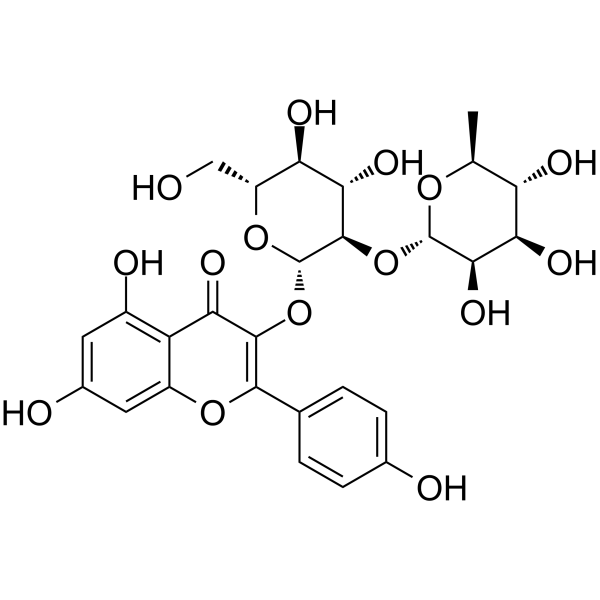
Synonyms: Kaempferol 3-O-neohesperidoside
Kaempferol 3-neohesperidoside (Kaempferol 3-O-neohesperidoside) is a flavonoid. Kaempferol 3-neohesperidoside mimics insulin action via the PI3K/PKC pathway, significantly promoting glucose uptake and increasing muscle glycogen content in rat soleus muscles. Kaempferol 3-neohesperidoside also exhibits anti-glycation activity. Kaempferol 3-neohesperidoside binds to albumin through hydrogen bonding and hydrophobic interactions, and inhibits the formation of advanced glycation end products. Kaempferol 3-neohesperidoside can be used in studies of diabetes and its related complications .
loading...
    loading...
1
1 Cited Publications
Cat. No.: HY-N2414
CAS No.: 514-39-6
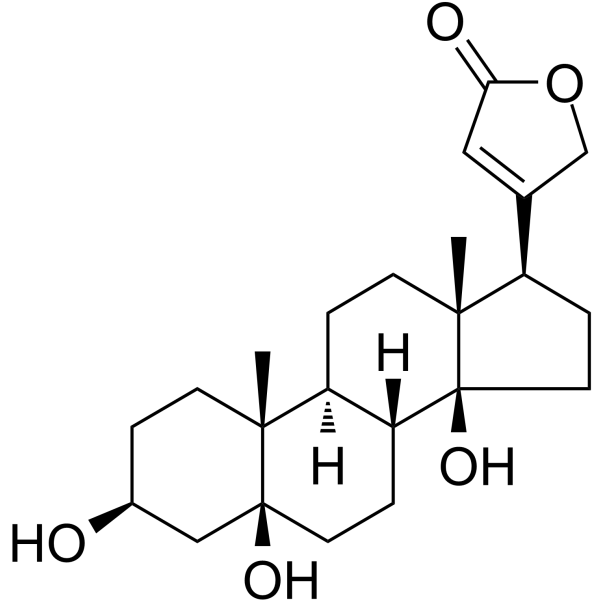
Periplogenin is an orally active cardiac glycoside found in Cortex periplocae. Periplogenin can induce ROS production and necroptosis and cause G0/G1 phase arrest. Periplogenin can inhibit pyroptosis by regulating the NLRP3/Caspase-1/GSDMD signaling. Periplogenin suppresses growth of prostate carcinoma cells by docking to an ATP1A1 protein pocket and forming a hydrogen bond with T804. Periplogenin can be used for the researches of cancer, inflammation and immunology, such as prostate carcinoma, rheumatoid arthritis and psoriasis .
loading...
    loading...
1
1 Cited Publications
Cat. No.: HY-151108
CAS No.: 461424-21-5
Purity:  99.74%
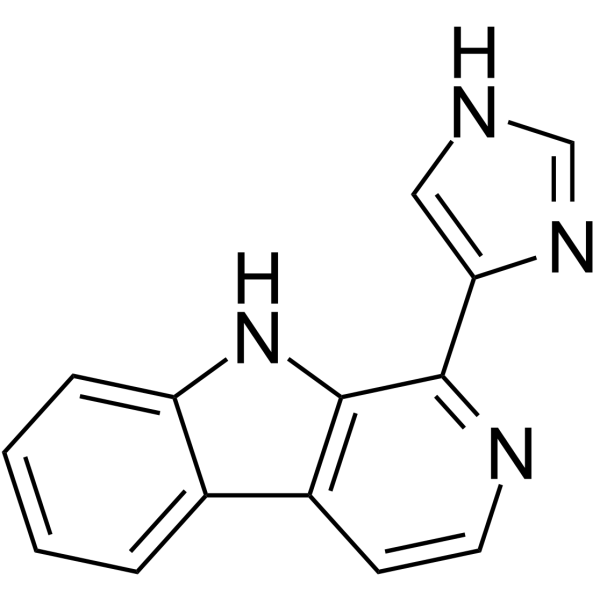
IDO1/TDO-IN-4 is a potent IDO1/TDO dual inhibitor, with IC50 values of 3.53 μM (IDO1) and 1.15 μM (TDO). IDO1/TDO-IN-4 forms hydrogen bond with IDO1, and π−π stacking interaction with TDO. IDO1/TDO-IN-4 can be used in the research of depression, and depression-induced infectious, metabolic, and autoimmune disorders .
loading...
    loading...
1
1 Cited Publications
Cat. No.: HY-N0913
CAS No.: 13382-86-0
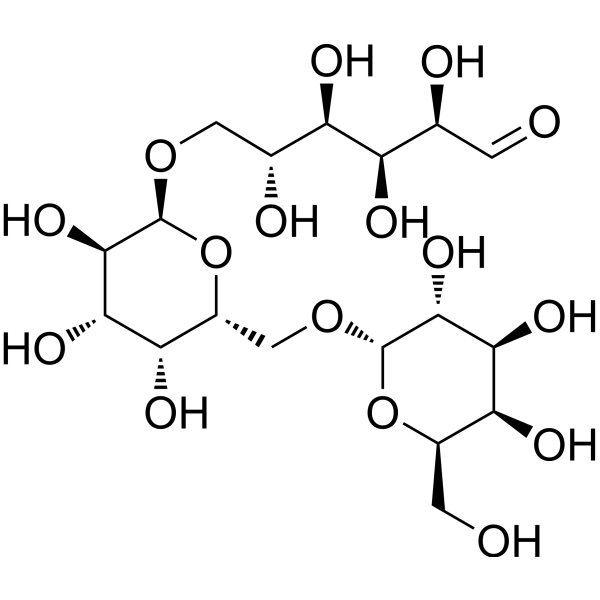
Manninotriose is a natural functional trisaccharide composed of three mannose molecules. Manninotriose binds to dihydrofolate reductase via hydrogen bond formation with Arg28. Manninotriose binds to thymidylate synthase via hydrogen bond formation with Arg50. Manninotriose acts as a membrane protectant and helps improve stress tolerance. Manninotriose can be used in research related to acute lymphoblastic leukemia .
loading...
    loading...
1
1 Cited Publications
Cat. No.: HY-N7922
CAS No.: 91485-02-8
Synonyms: Decarboxyellagic acid
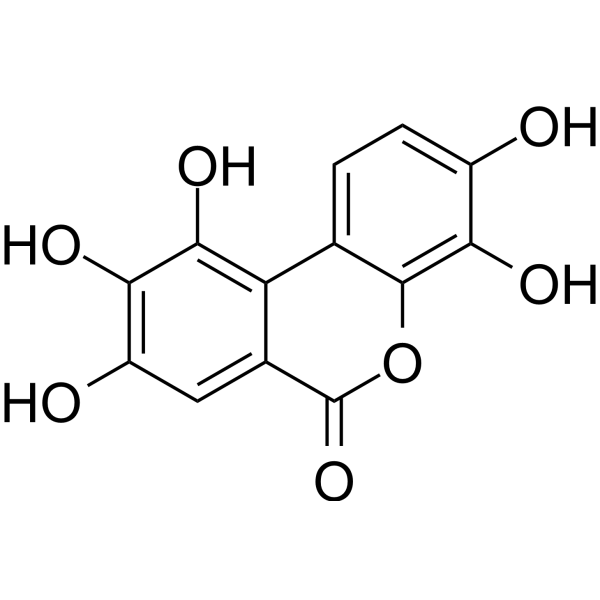
Urolithin M5 (Decarboxyellagic acid) is an orally active influenza virus neuraminidase inhibitor and neuroprotective agent, with IC50 values of 174.8 μM (HK68), 191.5 μM (pdm09), 243.2 μM (WSN) and 257.1 μM (PR8) against four influenza virus neuraminidases, respectively. Urolithin M5 inhibits viral neuraminidase activity, thereby blocking influenza virus replication (including oseltamivir (HY-13317)-resistant strains), protecting infected mammals from death and improving pulmonary edema. Urolithin M5 forms a hydrogen-bond stabilized complex with IGF1R, and binds to MAPK14, AKT1, NFKB1 and EGFR. Urolithin M5 reduces reactive oxygen species production, inhibits neuronal apoptosis, restores mitochondrial transmembrane potential, and promotes neurite outgrowth of damaged neuronal cells. Urolithin M5 can be used in research related to influenza virus infection and Alzheimer's disease .
loading...
    loading...
1
1 Cited Publications
Cat. No.: HY-W039897
CAS No.: 617-04-9
Synonyms: α-Methyl-D-mannoside
Research Areas:  

Infection

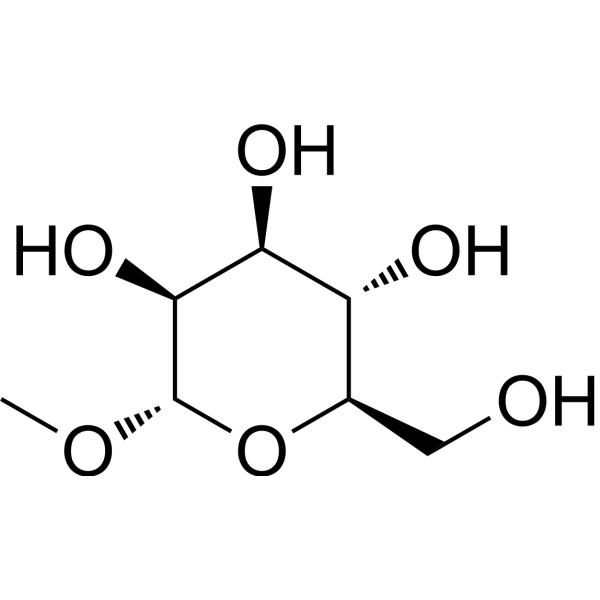
Methyl α-D-mannopyranoside (α-Methyl-D-mannoside) is a methyl glycoside derivative and conformational stabilizer of α-D-mannopyranose. The glycosidic bond conformation of Methyl α-D-mannopyranoside is significantly affected by the environment. In aqueous solution, Methyl α-D-mannopyranoside stabilizes into a trans conformation via intermolecular hydrogen bonds; in the gas phase, however, steric interactions drive Methyl α-D-mannopyranoside to prefer a clockwise gauche conformation. Methyl α-D-mannopyranoside also serves as a major component of secondary cell wall polymers in some bacteria and an active precursor site for virus-targeted glycoproteins. Methyl α-D-mannopyranoside acts as an acceptor substrate for alternansucrase, mediating the transfer of D-glucopyranosyl groups to generate a variety of glycosylated oligosaccharide products, with methyl α-D-glucopyranosyl-(1→6)-α-D-mannopyranoside as the main component. Methyl α-D-mannopyranoside is applicable to studies on bacterial pathogenic mechanisms associated with mannose-specific fimbrial lectins .
loading...
    loading...
Cat. No.: HY-112624J
CAS No.: 9004-54-0
Synonyms: Dextran 4; Dextran D4; Dextran T4(MW 3200-4800)
Dextran 4,000 is a mucus rheology modifier. The dextran molecules in Dextran 4,000 can reduce the cross-link density of mucus through osmotic effects and hydrogen bond substitution, and reduce viscoelasticity and improve the mucociliary/cough clearance index by destroying the DNA-mucin network structure in mucus. Dextran 4,000 has the ability to improve the rheological properties and clearance ability of cystic fibrosis (CF) sputum, and can be used in the study of inhalation therapy or aerosol delivery of mucostatic respiratory diseases. The Dextran series of compounds are also natural polysaccharide drug carriers that can be connected to drugs through covalent bonding methods such as ester bonds, amide bonds or click chemistry, or self-assembled to form carriers such as nanoparticles and hydrogels. Dextran is biodegradable and biocompatible, and can achieve targeted delivery and controlled release of drugs. Dextran derivatives can prolong the half-life of drugs, increase local concentrations, and reduce the activity of immune clearance .
loading...
    loading...
Cat. No.: HY-154659
CAS No.: 9003-97-8
Research Areas:  

Others

Polycarbophil is an orally active hydrophilic polymer. Polycarbophil achieves bioadhesion through hydrogen bonding between carboxyl groups and mucosal surfaces, and prolongs compound retention time and regulates compound release through swelling properties. Polycarbophil relieves constipation and diarrhea .
loading...
    loading...
Cat. No.: HY-W127329
CAS No.: 106-14-9
Category:  

Microorganisms

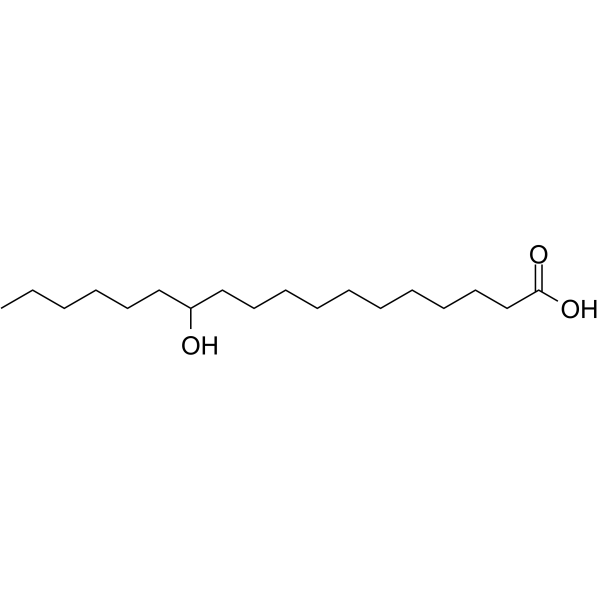
12-Hydroxystearic acid is a structurally simple and cost-effective low molecular weight organogelator, and its metal salts and derivatives find roles in many important applications .
loading...
    loading...
Cat. No.: HY-76440
CAS No.: 6704-31-0
Synonyms: Oxetan-3-one
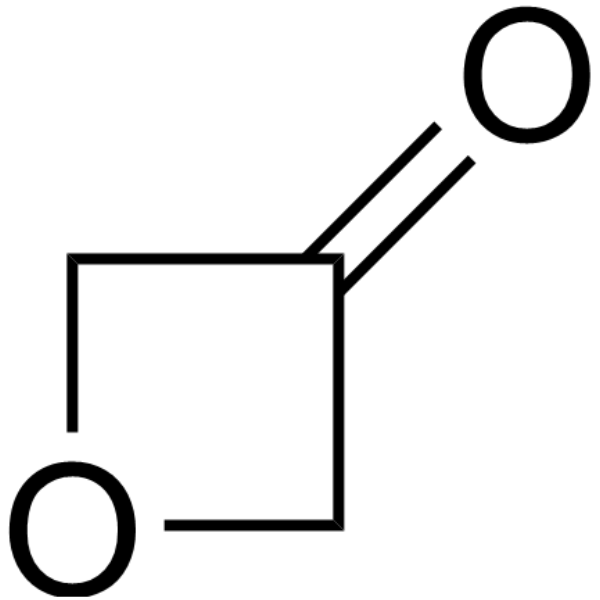
3-Oxetanone (Oxetan-3-one) is a four-membered cyclic ketone and strained cyclic ether derivative with measurable molecular g-value, magnetic susceptibility anisotropy and molecular quadrupole moment. 3-Oxetanone acts not only as a hydrogen bond acceptor, a tetrel donor and a weak hydrogen bond acceptor, but also forms a classic O-H···O hydrogen bond with H2O via the ether oxygen atom. Alternatively, it forms a C···O tetrel bond with formaldehyde using its carbonyl group as a tetrel donor, while acting as a proton acceptor to form a C-H···O weak hydrogen bond with formaldehyde. 3-Oxetanone can be used to prepare various oxetanes .
loading...
    loading...
Cat. No.: HY-W127776
CAS No.: 176736-49-5
Synonyms: Ethylenediaminetetraacetic acid zinc disodium tetrahydrate
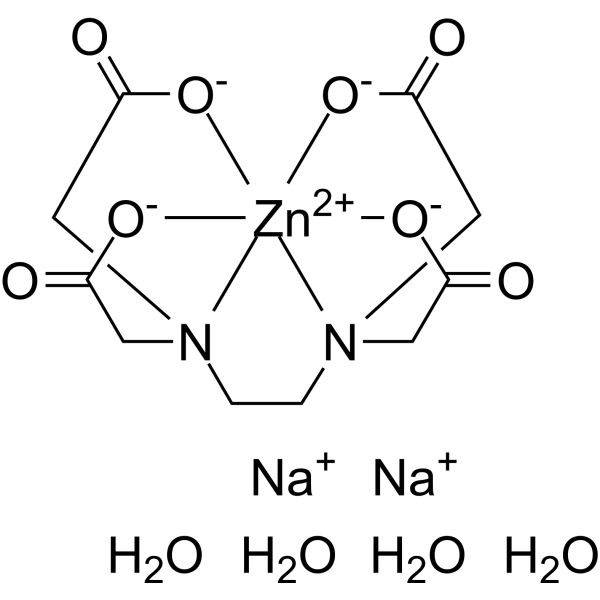
Zn(II)-EDTA (Ethylenediaminetetraacetic acid zinc) disodium tetrahydrate is a coordinating agent. Zn(II)-EDTA disodium tetrahydrate coordinates with Zn 2+ to modify its solvated structure, provides pre-synthesized EDTA-Zn complexes that release Zn 2+ to repair zinc anode defects under interfacial electric field, adsorbs onto zinc anode surface to block oxygen and water molecules, inhibits corrosion and hydrogen evolution reactions, promotes uniform Zn 2+ deposition, suppresses zinc dendrite formation, and modulates the hydrogen bonding network within the electrolyte. Zn(II)-EDTA disodium tetrahydrate acts as an electrolyte additive to enhance reversibility and stability of zinc anodes in aqueous zinc-ion batteries .
loading...
    loading...
Cat. No.: HY-121930
CAS No.: 58336-35-9
Purity:  99.63%
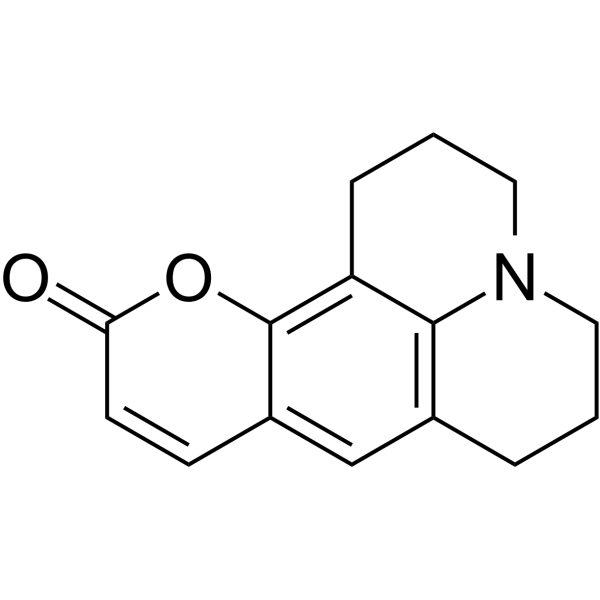
Coumarin 6H, a Coumarin (HY-N0709) derivative, is a laser dye. The fluorescence emission of Coumarin 6H can be enhanced by hydrogen bonding interactions .
loading...
    loading...
Cat. No.: HY-W012161
CAS No.: 3061-90-3
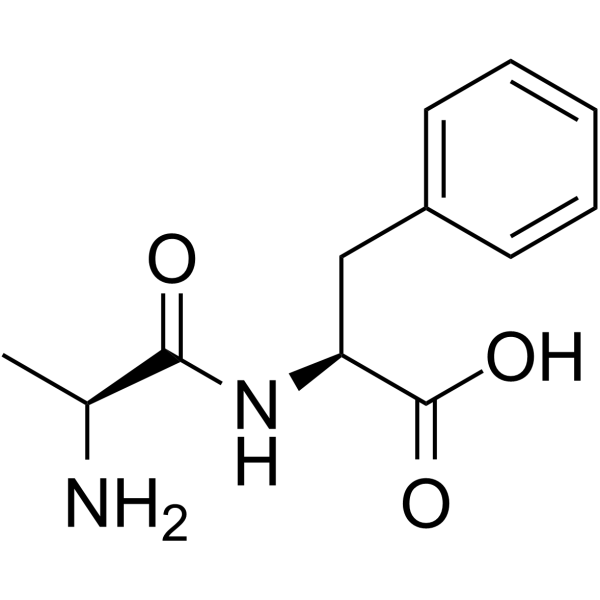
Synonyms: L-Alanyl-L-phenylalanine; H-Ala-Phe-OH
Alanylphenylalanine (L-Alanyl-L-phenylalanine) is a dipeptide. Alanylphenylalanine forms a mononuclear Au (III) complex through bidentate coordination via its carboxyl oxygen atom and deprotonated amide nitrogen atom .
loading...
    loading...
Cat. No.: HY-120972
CAS No.: 728912-45-6
Purity:  98.30%
Target:  

Fluorescent Dye

Research Areas:  

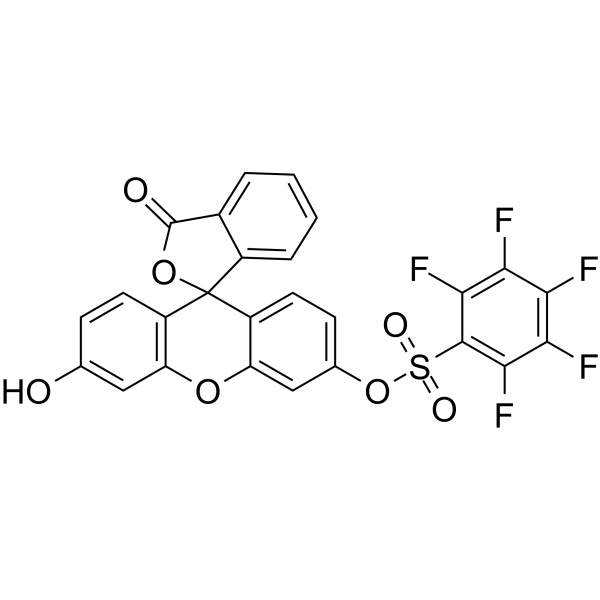
Others

Pentafluorobenzenesulfonyl fluorescein is a H2O2-selective sensor that can be used to detect H2O2 levels in cells. Pentafluorobenzenesulfonyl fluorescein is generally non-fluorescent, but emits fluorescence when its sulfonyl bond undergoes perhydrolysis by H2O2 . Pentafluorobenzenesulfonyl fluorescein undergoes slight cleavage of its sulfonate ester bond by [Cu (phen)2] 2+, and can detect hydrogen peroxide around the ablation sites of fin tissues and keratinocytes in zebrafish larvae .
loading...
    loading...
Cat. No.: HY-W019872
CAS No.: 7722-76-1
Ammonium dihydrogen phosphate is an ammonium phosphate salt with both hydrogenation and dehydration properties. Ammonium dihydrogen phosphate decomposes to form phosphoric acid and ammonia upon heating, and serves as a main component of fertilizers. Ammonium dihydrogen phosphate promotes glycosidic bond cleavage, formation of dehydrated sugars and furans, biomass carbonization, hydrogen donor reactions, and lignin bond weakening. Ammonium dihydrogen phosphate selectively promotes the production of furfural and levoglucosenone during the pyrolysis of lignocellulosic biomass. Ammonium dihydrogen phosphate can be used as a nitrogen/phosphorus source and activator for the preparation of nitrogen-phosphorus co-doped activated carbon. Ammonium dihydrogen phosphate acts as a sucrose conversion catalyst in sustainable wood adhesive formulations. Ammonium dihydrogen phosphate is applicable to related research in various fields such as agriculture and electronics .
loading...
    loading...
Cat. No.: HY-177063
CAS No.: 296790-70-0
Target:  

Interleukin Related

Research Areas:  

Infection Inflammation/Immunology

IL-6-IN-2 is an interleukin-6 (IL-6) inhibitor. IL-6-IN-2 binds to IL-6 at Lys66, Phe74, Gln175, Ser176, and Arg179 via π-π, π-alkyl, hydrogen bond, and hydrophobic interactions to block IL-6/IL-6R heterocomplex formation. IL-6-IN-2 exhibits low gastrointestinal absorption rate. IL-6-IN-2 can be used for the research of cytokine release syndrome, covid-19 .
loading...
    loading...
Cat. No.: HY-172997
CAS No.: 1147526-22-4
Target:  

iGluR

Research Areas:  

Neurological Disease

GluN1/3A-IN-1 (Compound GM-10) is a GluN1/GluN3A NMDA receptor inhibitor. GluN1/3A-IN-1 exhibits potent inhibitory activity against GluN1/GluN3A (IC50: 0.98 µM). GluN1/3A-IN-1 exerts its inhibitory effect by targeting the pre-M1 region and forming hydrogen bond interactions with key residues. GluN1/3A-IN-1 can be used to study GluN1/GluN3A-related neurological diseases .
loading...
    loading...
Cat. No.: HY-136276
CAS No.: 780009-55-4
Purity:  99.48%
Research Areas:  

Others

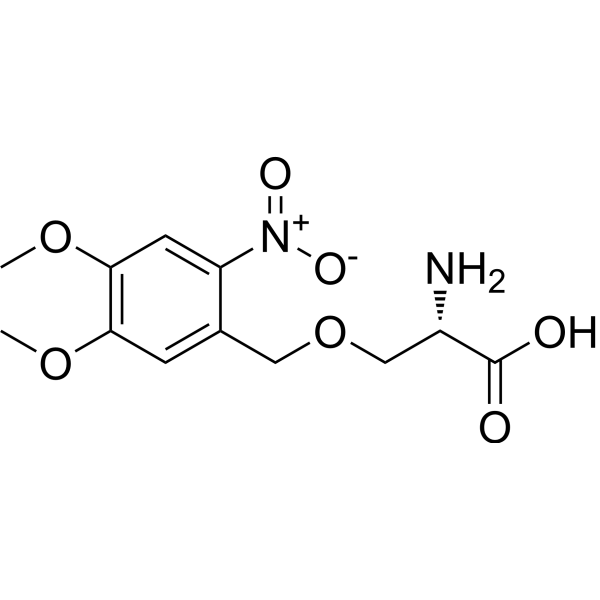
DMNB-caged-Serine is a photocaged amino acid. DMNB-caged-Serine can be used as a catalytic residue, hydrogen bonding partner or site of post-translational modification. DMNB-caged-Serine can be used for the control of protein phosphorylation .
loading...
    loading...
Cat. No.: HY-W094712
CAS No.: 6487-48-5
Potassium oxalate monohydrate is a biochemical reagent that can be used as a biological material or organic compound for life science related research .
loading...
    loading...
Cat. No.: HY-W013330
CAS No.: 3608-58-0
Synonyms: Guanosine, 3'-deoxy-
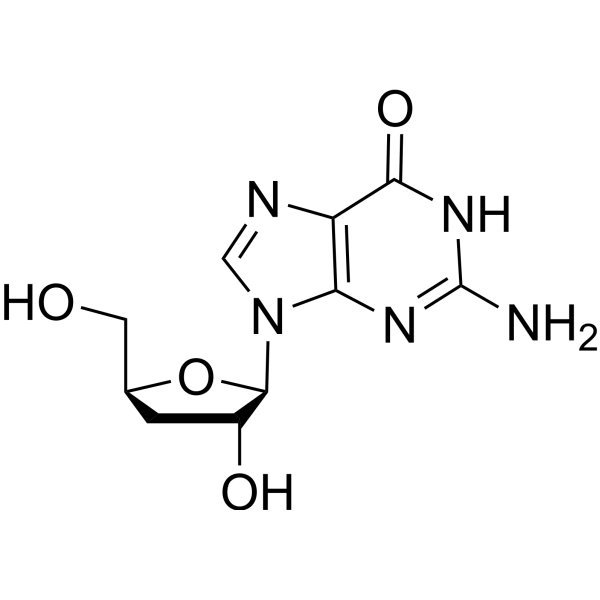
3′-Deoxyguanosine (Guanosine, 3'-deoxy-) is a derivative of Guanosine (HY-N0097). 3′-Deoxyguanosine interacts with human purine nucleoside phosphorylase via hydrogen bonding with residues such as Glu201 and Asn243. 3′-Deoxyguanosine exhibits moderate displacement activity for [ 3H]-guanosine in rat meninges. 3′-Deoxyguanosine is useful for studying the mechanism of guanosine receptors and purine metabolism .
loading...
    loading...

