1. Search Result
Search Result
Results for "

hydroxylation

" in MedChemExpress (MCE) Product Catalog:

87

Inhibitors & Agonists

1

Screening Libraries

3

Biochemical Assay Reagents

11

Peptides

23

Natural
Products

9

Isotope-Labeled Compounds

Cat. No. Product Name Target Research Areas Chemical Structure
  • HY-17508
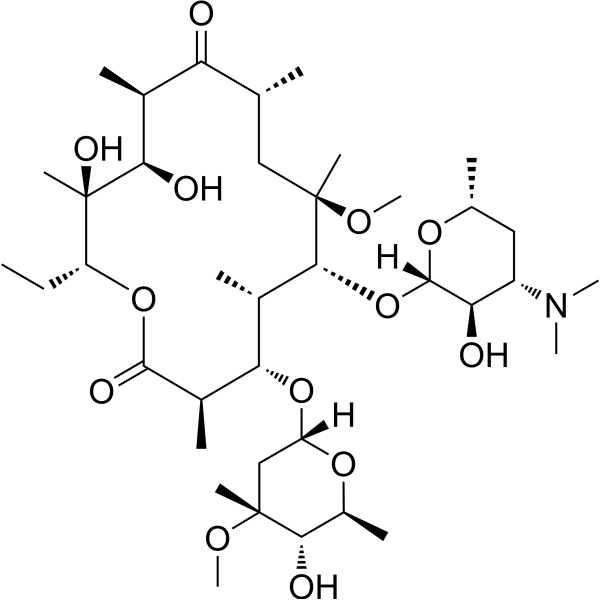
    Clarithromycin
    Maximum Cited Publications
    21 Publications Verification

    Bacterial Cytochrome P450 Autophagy Antibiotic Infection Cancer
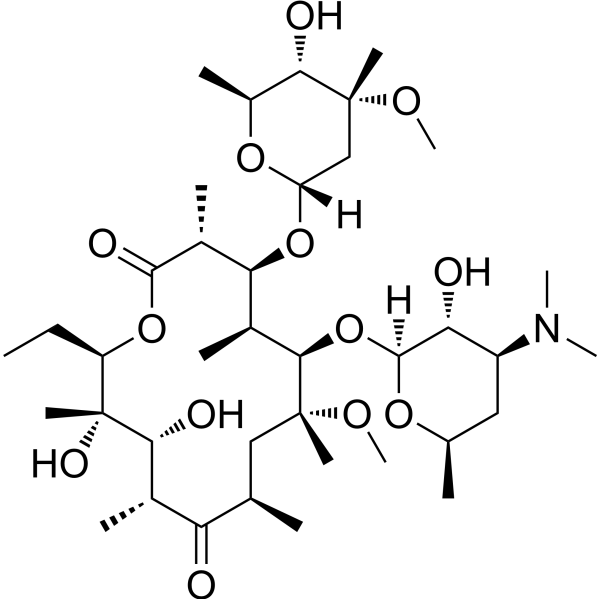
    Clarithromycin has a broad spectrum of antimicrobial activity. Clarithromycin inhibits the CYP3A4-catalyzed triazolam alpha-hydroxylation with the IC50 (Ki) value of 56 (43) μM . Clarithromycin significantly inhibits the HERG potassium current .Clarithromycin affects the autophagic flux by impairing the signaling pathway linking hERG1 and PI3K .
    Clarithromycin
  • HY-17365
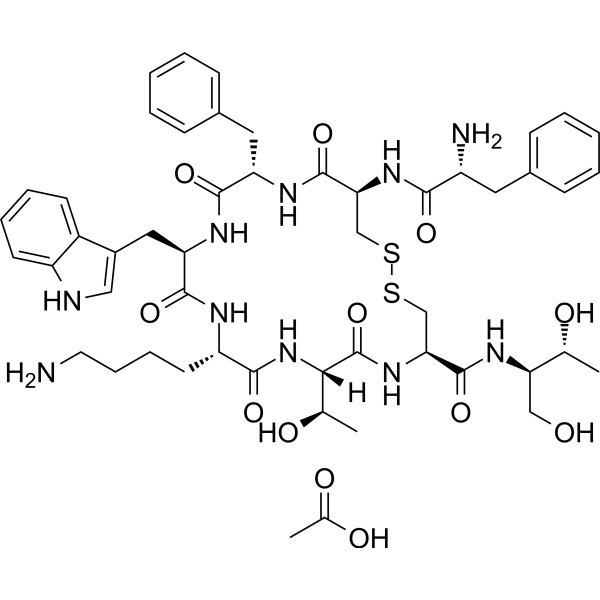
    Octreotide acetate
    15+ Cited Publications

    SMS 201-995 acetate

    Somatostatin Receptor Cardiovascular Disease Inflammation/Immunology Endocrinology Cancer
    Octreotide acetate, a long-acting synthetic analog of native somatostatin, inhibits growth hormone, glucagon, and insulin more potently.
    Octreotide acetate
  • HY-W018781
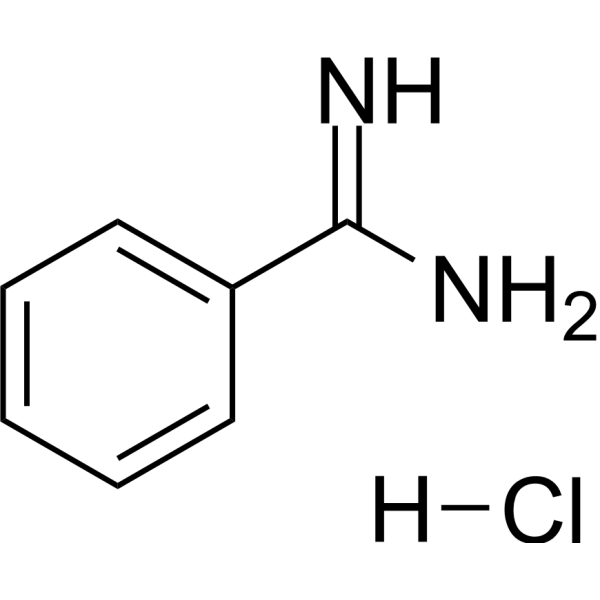
    Benzamidine hydrochloride
    3 Publications Verification

    Ser/Thr Protease Cancer
    Benzamidine hydrochloride is a competitive protease inhibitor that blocks the hydrolytic cleavage of glucagon by plasmin, trypsin and thrombin. Benzamidine hydrochloride effectively inhibits the degradation of glucagon by relevant proteases during the collection, storage and analysis of human plasma and blood samples. During in vivo metabolism, Benzamidine hydrochloride undergoes N-hydroxylation and produces multiple metabolites, exhibiting characteristics of delayed excretion or biphasic elimination. Benzamidine hydrochloride only induces slight single-strand DNA breaks at high concentrations and shows no significant genotoxic potential overall. Benzamidine hydrochloride may interfere with the detection of some glucagon antisera, but does not affect key antigen-antibody affinity at specific concentrations. Benzamidine hydrochloride can be used as a stabilizer in glucagon radioimmunoassays to ensure the accuracy and recovery rate of detection results .
    Benzamidine hydrochloride
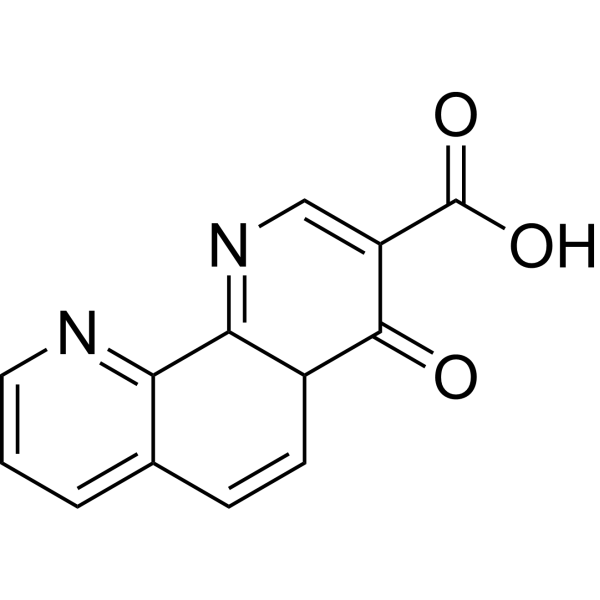
  • HY-121172
    1,4-DPCA
    1 Publications Verification

    HIF/HIF Prolyl-Hydroxylase Cancer
    1,4-DPCA, a potent prolyl-4-hydroxylase inhibitor, is a collagen hydroxylation inhibitor in human foreskin fibroblasts with an IC50 of 2.4 µM. 1,4-DPCA inhibits prolyl-4-hydroxylases α isoforms stabilizes HIF-1α protein. 1,4-DPCA also inhibits factor inhibiting HIF (FIH) with an IC50 of 60 μM .
    1,4-DPCA
  • HY-125586

    DNA/RNA Synthesis ADC Payload Cancer
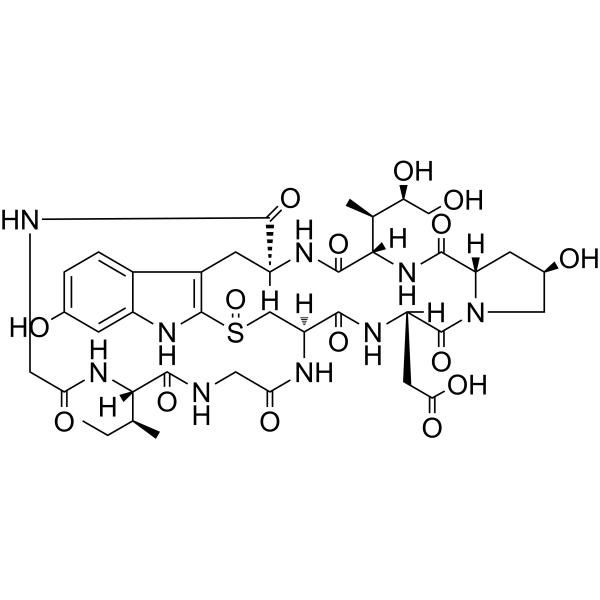
    β-Amanitin is a cyclic peptide toxin in the poisonous Amanita phalloides mushroom. β-Amanitin inhibits inhibits eukaryotic RNA polymerase II and III. β-Amanitin inhibits protein synthesis. β-Amanitin can be used as a cytotoxic component of antibody-drug conjugates (ADCs) .
    β-Amanitin
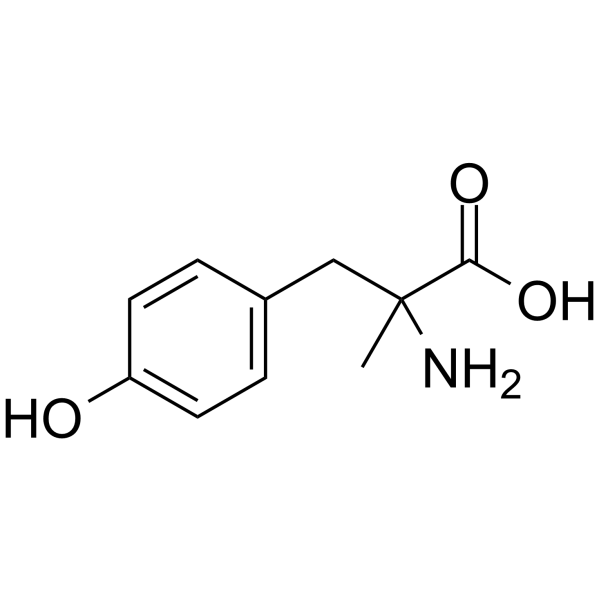
  • HY-33549
    α-Methyl-p-tyrosine
    2 Publications Verification

    Tyrosine Hydroxylase Neurological Disease Cancer
    α-Methyl-p-tyrosine is a competitive inhibitor of tyrosine hydroxylase, which converts tyrosine into DOPA. α-Methyl-p-tyrosine is also an orally active inhibitor of catecholamine synthesis, inhibiting the hydroxylation of tyrosine into DOPA. α-Methyl-p-tyrosine can be used in research related to epilepsy, glaucoma, cancer, and other related diseases .
    α-Methyl-p-tyrosine
  • HY-W040047

    Endogenous Metabolite Metabolic Disease
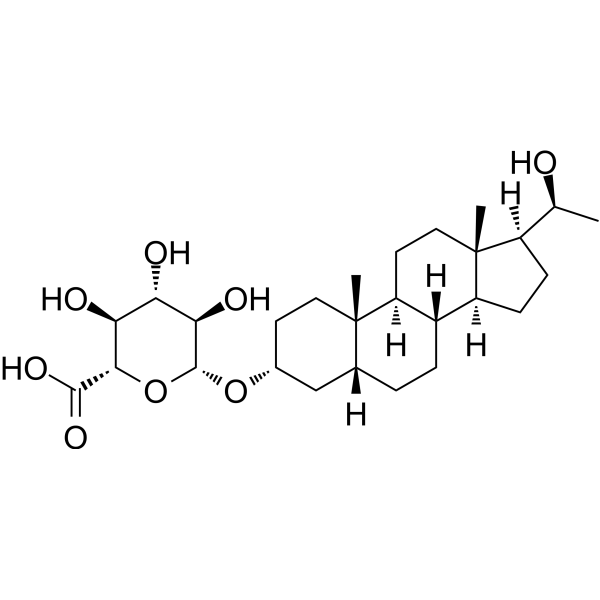
    Pregnanediol 3-glucuronide is the main terminal metabolite of Progesterone (HY-N0437). Pregnanediol 3-glucuronide is the metabolite of Progesterone produced in the liver through hydroxylation and glucuronidation, with high hydrophilicity and easy excretion through urine. A decrease in the level of Pregnanediol 3-glucuronide is associated with an increased risk of thyroid cancer, while an increase is associated with the state of pregnancy. Pregnanediol 3-glucuronide is of great significance in the monitoring of female reproductive health, pregnancy assessment, and the diagnosis of endocrine diseases .
    Pregnanediol 3-glucuronide
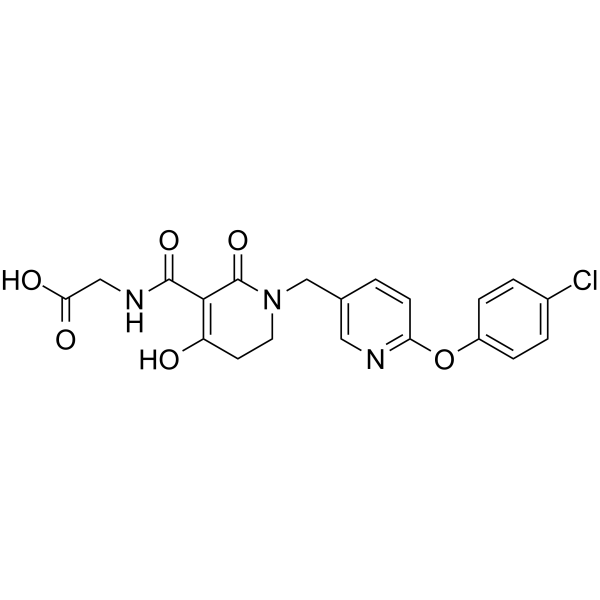
  • HY-112144
    TP0463518
    1 Publications Verification

    HIF/HIF Prolyl-Hydroxylase Metabolic Disease Inflammation/Immunology
    TP0463518 is an orally active, competitive pan-inhibitor of hypoxia-inducible factor prolyl hydroxylases PHD1/2/3. TP0463518 competitively inhibits human PHD1 (IC50=18 nM), PHD2 (Ki=5.3 nM), and PHD3 (IC50=63 nM), and targets monkey PHD2 with an IC50 of 22 nM. TP0463518 inhibits PHD-catalyzed hydroxylation to stabilize HIFα, thereby upregulating erythropoietin (EPO) expression and enhancing intestinal iron absorption (such as increased DMT-1 and dCYTb expression), improving anemia. TP0463518 is mainly used for the research of renal anemia and inflammatory anemia .
    TP0463518
  • HY-125913
    Benzamidine
    3 Publications Verification

    Ser/Thr Protease Inflammation/Immunology
    Benzamidine is a competitive protease inhibitor that blocks the hydrolytic cleavage of glucagon by plasmin, trypsin and thrombin. Benzamidine effectively inhibits the degradation of glucagon by relevant proteases during the collection, storage and analysis of human plasma and blood samples. During in vivo metabolism, Benzamidine undergoes N-hydroxylation and produces multiple metabolites, exhibiting characteristics of delayed excretion or biphasic elimination. Benzamidine only induces slight single-strand DNA breaks at high concentrations and shows no significant genotoxic potential overall. Benzamidine may interfere with the detection of some glucagon antisera, but does not affect key antigen-antibody affinity at specific concentrations. Benzamidine can be used as a stabilizer in glucagon radioimmunoassays to ensure the accuracy and recovery rate of detection results .
    Benzamidine
  • HY-W016409
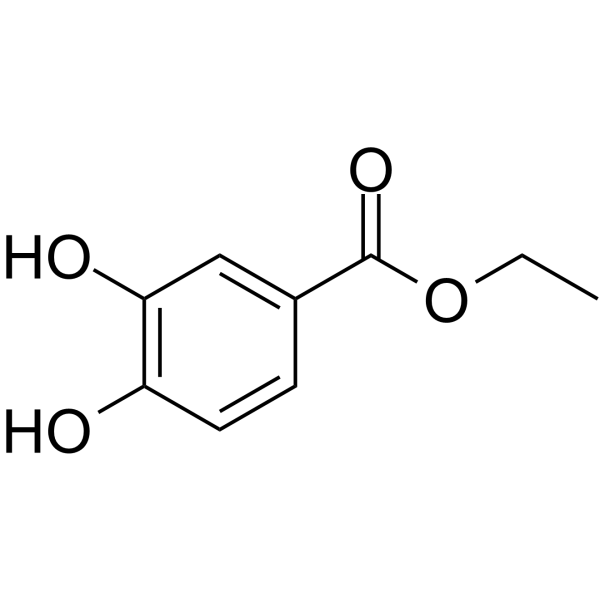
    Ethyl 3,4-dihydroxybenzoate
    1 Publications Verification

    Protocatechuic acid ethyl ester

    HIF/HIF Prolyl-Hydroxylase Reactive Oxygen Species (ROS) NO Synthase Autophagy Apoptosis Metabolic Disease Cancer
    Ethyl 3,4-dihydroxybenzoate (Protocatechuic acid ethyl ester) is an orally effective, blood-brain barrier-permeable, competitive prolyl hydroxylase (PHD) inhibitor that inhibits the hydroxylation modification of hypoxia-inducible factor (HIF) by PHD. Ethyl 3,4-dihydroxybenzoate stabilizes HIF-1α by inhibiting PHD, activates downstream pathways to induce autophagy and apoptosis of tumor cells, and regulates inflammatory responses, inhibits the NF-κB pathway, improves vascular permeability, and promotes osteoblast differentiation. Ethyl 3,4-dihydroxybenzoate has anti-tumor, anti-hypoxic injury, and bone metabolism regulation effects. It can also be used in the research of cardiovascular protection (such as reducing myocardial ischemic damage), bone tissue engineering (promoting osteogenesis/inhibiting osteoclast differentiation), and prevention and treatment of high-altitude cerebral edema .
    Ethyl 3,4-dihydroxybenzoate
  • HY-N1407

    Cytochrome P450 STAT Infection Inflammation/Immunology
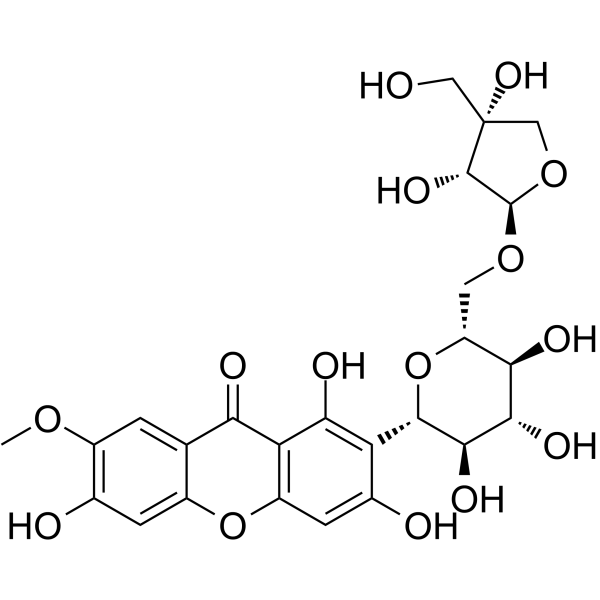
    Polygalaxanthone III is a representative xanthone component of Polygala tenuifolia. Polygalaxanthone III inhibits chlorzoxazone 6-hydroxylation catalyzed by CYP2E1, with an IC50 of 50.56 μM. Polygalaxanthone III repairs skin damage induced by M. furfur via activating STAT3 phosphorylation and exerts anti-inflammatory effects. Polygalaxanthone III can be used for research on M. furfur-related skin damage .
    Polygalaxanthone III
  • HY-66008

    N-Acetyl-5-aminosalicylic acid; N-Acetyl-ASA

    Drug Metabolite Inflammation/Immunology Cancer
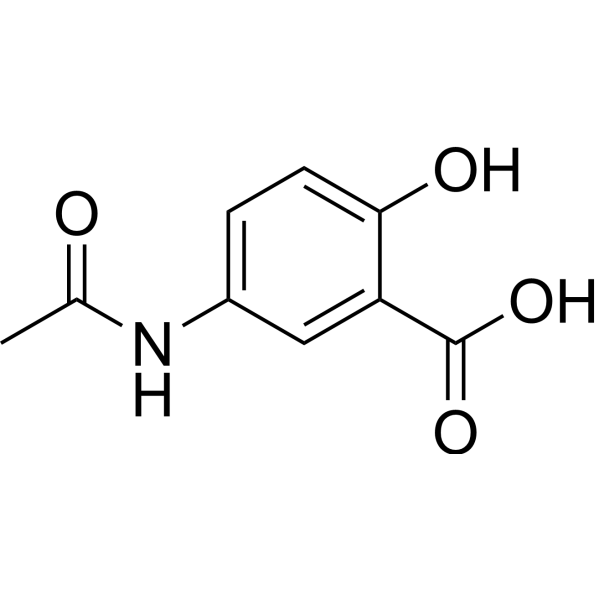
    N-Acetyl mesalazine (N-Acetyl-5-aminosalicylic acid) is the primary intestinal metabolite of 5-Aminosalicylic Acid (HY-15027) and serves as a biomarker for evaluating the efficacy of 5-Aminosalicylic Acid (HY-15027). N-Acetyl mesalazine can scavenge free radicals, reduce DNA base hydroxylation, and ameliorate mucosal inflammation. N-Acetyl mesalazine can be used in the study of diseases such as colitis and colon cancer .
    N-Acetyl mesalazine
  • HY-A0069

    Histamine Receptor Cytochrome P450 Neurological Disease Metabolic Disease
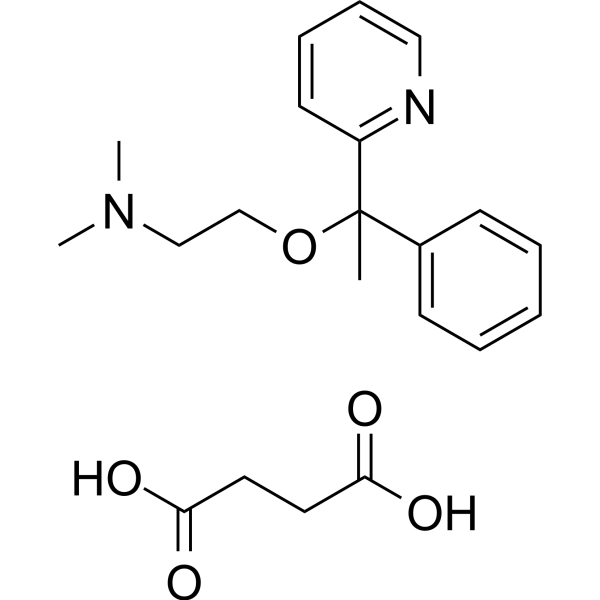
    Doxylamine succinate is a first-generation antihistamine and acts as a histamine H1 receptor antagonist. Doxylamine succinate is orally active, possessing analgesic and hypnotic activities. Doxylamine succinate enhances the activities of CYP2B, CYP2A, CYP3A and thyroxine-glucuronosyltransferase via promoting substrate hydroxylation and thyroxine metabolic pathways. Doxylamine succinate decreases serum thyroxine (T4) level and elevates serum thyroid-stimulating hormone (TSH) level. Doxylamine succinate induces liver enlargement and increases the activities of hepatic microsomal cytochrome P450, cytochrome b5 and NADPH-cytochrome c reductase. Doxylamine succinate can be used for the research of nausea, allergy, insomnia .
    Doxylamine succinate
  • HY-N5132

    Cytochrome P450 Others
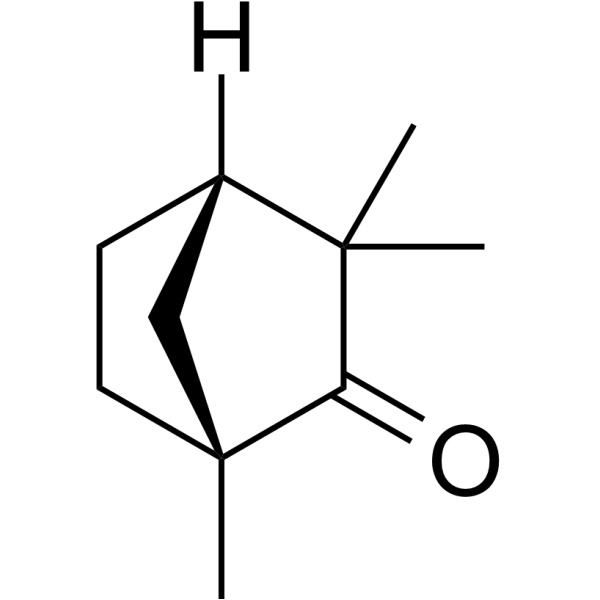
    (-)-Fenchone is a bicyclic monoterpene and serves as a substrate for human liver microsomal cytochrome P450 enzymes CYP2A6 and CYP2B6. (-)-Fenchone is not metabolized by human CYP1A1, CYP1A2, CYP1B1, CYP2C8, CYP2C9, CYP2C19, CYP2D6, CYP2E1, or CYP3A4 enzymes. (-)-Fenchone undergoes hydroxylation to produce 6-exo-hydroxyfenchone, 6-endo-hydroxyfenchone, and 10-hydroxyfenchone. During the metabolism of (-)-Fenchone, CYP2A6 may play a more important role than CYP2B6 .
    (-)-Fenchone
  • HY-106019

    R75251

    Cytochrome P450 RAR/RXR Metabolic Disease Inflammation/Immunology Cancer
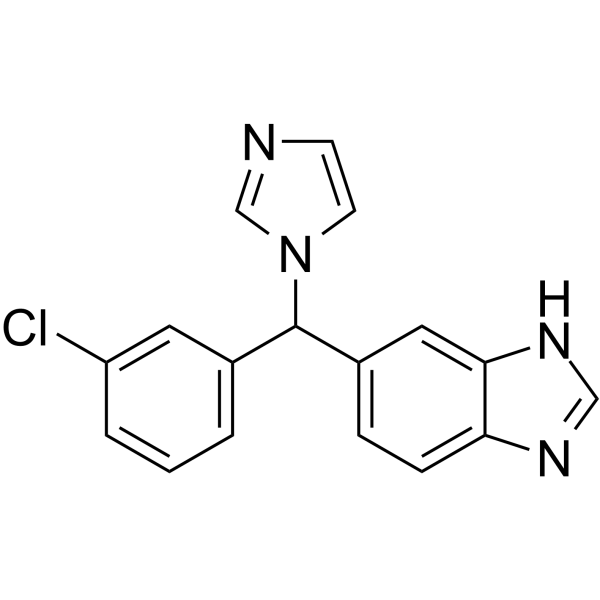
    Liarozole (R75251; R85246) is an imidazole derivative and orally active retinoic acid (RA) metabolism-blocking agent (RAMBA). Liarozole inhibits the cytochrome P450 (CYP26)-dependent 4-hydroxylation of retinoic acid (IC50=7 μM), resulting in increased tissue levels of retinoic acid. Liarozole shows antitumoral properties .
    Liarozole
  • HY-17508R
    Clarithromycin (Standard)
    Maximum Cited Publications
    21 Publications Verification

    Reference Standards Bacterial Cytochrome P450 Autophagy Antibiotic Infection Cancer
    Clarithromycin (Standard) is the analytical standard of Clarithromycin. This product is intended for research and analytical applications. Clarithromycin has a broad spectrum of antimicrobial activity. Clarithromycin inhibits the CYP3A4-catalyzed triazolam alpha-hydroxylation with the IC50 (Ki) value of 56 (43) μM . Clarithromycin significantly inhibits the HERG potassium current .Clarithromycin affects the autophagic flux by impairing the signaling pathway linking hERG1 and PI3K .
    Clarithromycin (Standard)
  • HY-100991

    ZK 39106; LSU-65

    GABA Receptor Neurological Disease
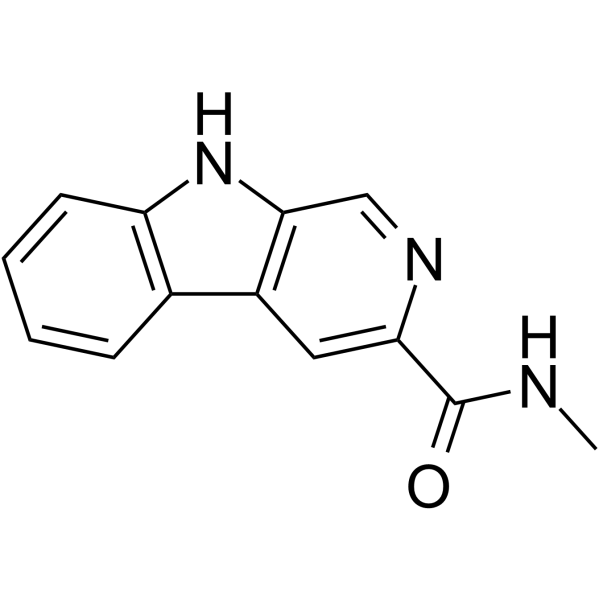
    FG 7142 (ZK 39106; LSU-65), a non-selectively benzodiazepine inverse agonist, has high affinity for the α1 subunit-containing GABAA receptor (Ki=91 nM). FG 7142 (ZK 39106; LSU-65) also modulates GABA-induced chloride flux at GABAA receptors expressing the α1 subunit (EC50= 137 nM). FG 7142 (ZK 39106; LSU-65) can increase tyrosine hydroxylation and cause upregulation of β-adrenoceptors in mouse cerebral cortex .
    FG 7142
  • HY-113020
    21-Hydroxypregnenolone
    1 Publications Verification

    Endogenous Metabolite Cytochrome P450 Metabolic Disease
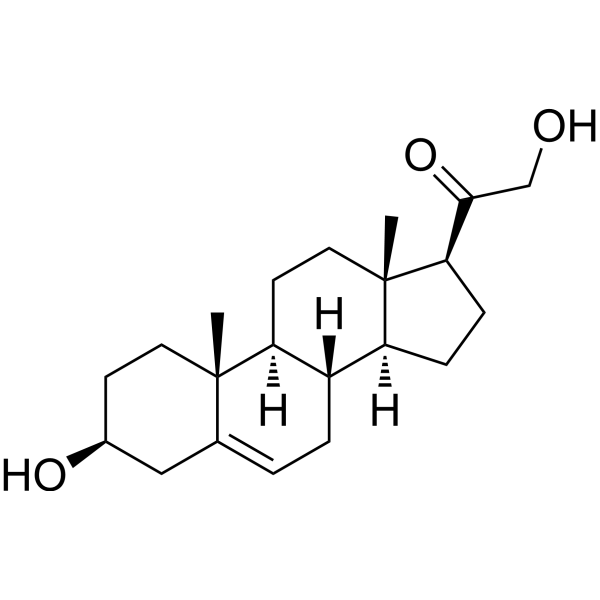
    21-Hydroxypregnenolone is a CYP17 inhibitor. 21-Hydroxypregnenolone competitively inhibits CYP17-mediated 17α-hydroxylation activity of progesterone, with a Ki value of 36.4 μM .
    21-Hydroxypregnenolone
  • HY-15439

    (24S)-24,25-Dihydroxycholecalciferol

    VD/VDR Others
    (24S)-24,25-Dihydroxyvitamin D3 ((24S)-24,25-Dihydroxycholecalciferol) is an inactive form of vitamin D3 which undergoes various levels of hydroxylation to form active vitamin D3 analogs.
    (24S)-24,25-Dihydroxyvitamin D3
  • HY-17508S1

    Isotope-Labeled Compounds Bacterial Antibiotic Autophagy Cytochrome P450 Others
    Clarithromycin-d3 is the deuterium labeled Clarithromycin (HY-17508) . Clarithromycin has a broad spectrum of antimicrobial activity. Clarithromycin inhibits the CYP3A4-catalyzed triazolam alpha-hydroxylation with the IC50 (Ki) value of 56 (43) μM . Clarithromycin significantly inhibits the HERG potassium current .Clarithromycin affects the autophagic flux by impairing the signaling pathway linking hERG1 and PI3K .
    Clarithromycin-d3
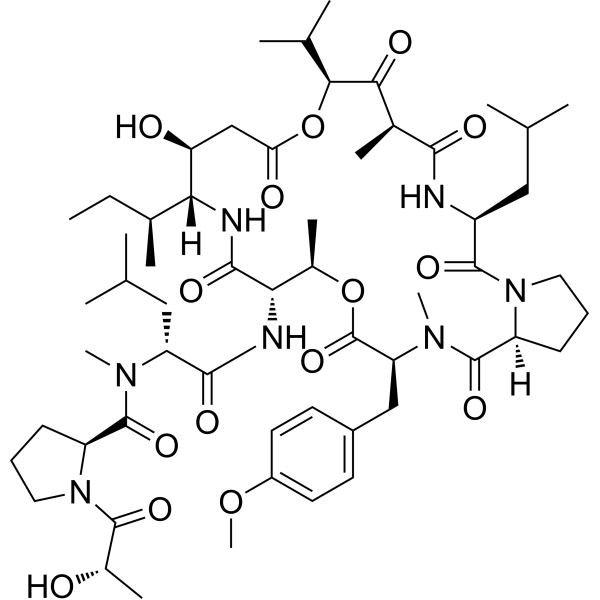
  • HY-P10447

    Fengycin IX; SNA-60-367-3

    Phospholipase Fungal Infection
    Plipastatin A1 (Fengycin IX; SNA-60-367-3) is a lipopeptide with phospholipase A2 inhibitory activity. Plipastatin A1 inhibits conidial germination of Botrytis cinerea in vitro and reduces the incidence of gray mold on tomato leaves. Plipastatin A1 is applicable to research related to gray mold [1][2].
    Plipastatin A1
  • HY-135560

    Nicotellin

    Cytochrome P450 Neurological Disease
    Nicotelline (Nicotellin) is a nicotine-related alkaloid, as well as a weak inhibitor of human cDNA-expressed cytochrome P-450 2A6 (CYP2A6). CYP2A6 mediates coumarin 7-hydroxylation, while Nicotelline fails to exhibit inhibition at 300 μM. Nicotelline can be used as a tracer and biomarker of particulate matter (PM) derived from tobacco smoke .
    Nicotelline
  • HY-113031

    16α-Hydroxy-DHEA; 16α-OH-DHEA; 16α-hydroxy DHEA

    Cytochrome P450 Endocrinology
    16a-Hydroxydehydroisoandrosterone (16α-Hydroxy-DHEA) is a metabolite of the endogenous steroid hormone dehydroepiandrosterone. 16α-hydroxy Dehydroepiandrosterone is formed from dehydroepiandrosterone via 16-hydroxylation by the cytochrome P450 (CYP) isoforms CYP3A4 and CYP3A5 in adult human liver microsomes, as well as by fetal recombinant CYP3A7. It is a precursor to fetal estrogens, including estriol.
    16a-Hydroxydehydroisoandrosterone
  • HY-154825

    20(OH)D3; 20S-Hydroxyvitamin D3

    VD/VDR Aryl Hydrocarbon Receptor NF-κB Cytochrome P450 Inflammation/Immunology Cancer
    20-Hydroxyvitamin D3 (20(OH)D3), a product of vitamin D3 hydroxylation, is a noncalcemic immunomodulator. 20-Hydroxyvitamin D3 binds to vitamin D receptor (VDR), activates VDR and aryl hydrocarbon receptor (AhR) signaling, stimulates CYP24A1 expression, and drives VDR nuclear translocation. 20-Hydroxyvitamin D3 inhibits NF-κB activity via IκBα upregulation. 20-Hydroxyvitamin D3 acts as a substrate for CYP27B1 and rat CYP24A1, undergoing hydroxylation to form dihydroxy-derivatives. 20-Hydroxyvitamin D3 inhibits cell proliferation, colony formation, migration, and tumor growth, and induces cell differentiation in cancer cells. 20-Hydroxyvitamin D3 can be used for the research of inflammatory and autoimmune diseases, melanoma, breast carcinomas, and hepatocarcinoma .
    20-Hydroxyvitamin D3
  • HY-W087937
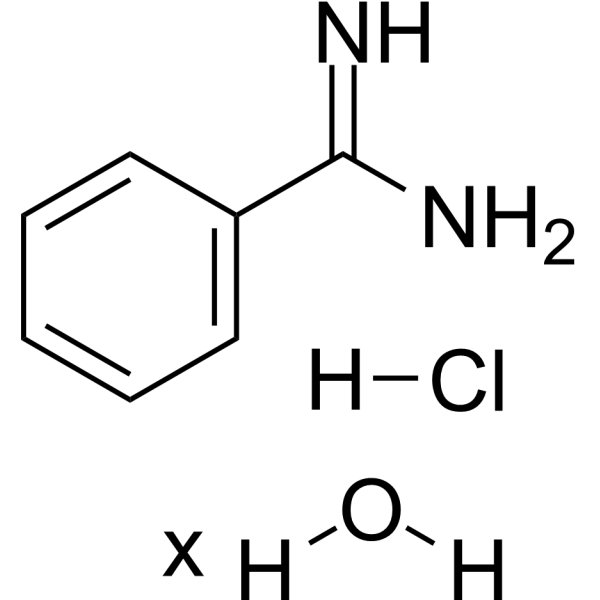
    Benzamidine hydrochloride hydrate
    3 Publications Verification

    Benzenecarboximidamide hydrochloride hydrate

    Ser/Thr Protease Cancer
    Benzamidine (Benzenecarboximidamide) hydrochloride hydrate is a competitive protease inhibitor that blocks the hydrolytic cleavage of glucagon by plasmin, trypsin and thrombin. Benzamidine hydrochloride hydrate effectively inhibits the degradation of glucagon by relevant proteases during the collection, storage and analysis of human plasma and blood samples. During in vivo metabolism, Benzamidine hydrochloride hydrate undergoes N-hydroxylation and produces multiple metabolites, exhibiting characteristics of delayed excretion or biphasic elimination. Benzamidine hydrochloride hydrate only induces slight single-strand DNA breaks at high concentrations and shows no significant genotoxic potential overall. Benzamidine hydrochloride hydrate may interfere with the detection of some glucagon antisera, but does not affect key antigen-antibody affinity at specific concentrations. Benzamidine hydrochloride hydrate can be used as a stabilizer in glucagon radioimmunoassays to ensure the accuracy and recovery rate of detection results .
    Benzamidine hydrochloride hydrate
  • HY-106019C

    R75251 dihydrochloride

    Cytochrome P450 RAR/RXR Metabolic Disease Inflammation/Immunology Cancer
    Liarozole (R75251) dihydrochloride is an imidazole derivative and orally active retinoic acid (RA) metabolism-blocking agent (RAMBA). Liarozole dihydrochloride inhibits the cytochrome P450 (CYP26)-dependent 4-hydroxylation of RA (IC50=7 μM), resulting in increased tissue levels of RA. Liarozole dihydrochloride shows antitumoral properties .
    Liarozole dihydrochloride
  • HY-N7697E

    Others Others
    Chitotriose trihydrochloride is an orally active chitooligosaccharide with antioxidant activities. Chitotriose trihydrochloride inhibits hydroxylation of benzoate to salicylate by H2O2 in the presence of Cu 2+ (IC50 value of 80 μM) .
    Chitotriose trihydrochloride
  • HY-139067

    LXR Cardiovascular Disease
    25(S)-27-Hydroxy cholesterol is a metabolite of CYP27A1 mediated cholesterol hydroxylation. 25(S)-27-Hydroxy cholesterol inhibits melanoma cell proliferation .
    25(S)-27-Hydroxy cholesterol
  • HY-W007501

    Drug Intermediate Others
    2-Bromo-3-methoxypyridine is a drug intermediate that can be used for the synthesis of the metabolite of Piroxicam (HY-B0253) .
    2-Bromo-3-methoxypyridine
  • HY-N7372

    Apoptosis Infection Inflammation/Immunology
    Licoisoflavanone is an orally active isoflavane-based immunomodulator with multiple activities including antiviral, anti-inflammatory, cytoprotective and cancer cell apoptosis-inducing effects. Licoisoflavanone can be isolated from the roots and rhizomes of Glycyrrhiza uralensis Fisch. Licoisoflavanone not only enhances the body's immunity, but also effectively prevents acute respiratory distress syndrome and multiple organ damage by alleviating cytokine storm, thereby reducing the degree of inflammation. In rats, Licoisoflavanone undergoes multiple metabolic transformation processes such as glucuronidation, hydroxylation, sulfation, methylation and dehydrogenation. Licoisoflavanone has become an important candidate molecule for research on COVID-19 and related inflammatory diseases .
    Licoisoflavanone
  • HY-W414548

    Others Neurological Disease Metabolic Disease
    7α,27-Dihydroxycholesterol is an oxysterol characterized by its oxidized side chains and is produced through the hydroxylation of 27-Hydroxycholesterol (27-OHC); it serves as a metabolite of interest in lipidomic analyses of various pathological conditions, including neurological diseases, Smith-Lemli-Opitz syndrome, obesity metabolic syndrome, and diabetes. Notably, levels of 7α,27-di-OHC decrease following lipopolysaccharide activation, and it also functions as a ligand for Epstein-Barr virus-induced gene 2 (EBI2). Additionally, 7α,27-di-OHC exists as a structural isomer of 7α,25-dihydroxycholesterol (7α25-OHC).
    7α,27-Dihydroxycholesterol
  • HY-119963A

    Bacterial Infection Inflammation/Immunology
    trans-β-Terpineol is a cyclic monoterpene alcohol present in Greek propolis and the essential oil of Peganum harmala seeds, with biological activities. trans-β-Terpineol serves as a substrate for biotransformation in tobacco suspension cells, where allylic hydroxylation occurs at specific sites. trans-β-Terpineol can be isolated from the leaves of Euryops arabicus. Terpineol (HY-N7851) exhibits antioxidant and antibacterial activities, and trans-β-terpineol is the bioactive compound responsible for the antibacterial effect in Euryops arabicus .
    trans-β-Terpineol
  • HY-N9434

    Cytochrome P450 Metabolic Disease
    5,7,2',6'-Tetrahydroxyflavone is a natural flavonoid that inhibits hepatic testosterone 6β-hydroxylation (CYP3A4) activity with an IC50 of 7.8 μM .
    5,7,2',6'-Tetrahydroxyflavone
  • HY-113025A

    (2S,5R)-5-Hydroxylysine dihydrochloride

    Endogenous Metabolite Others
    L-hydroxylysine dihydrochloride ((2S,5R)-5-Hydroxylysine dihydrochloride), an amino acid, is exclusive to collagen protein, which is formed by posttranslational hydroxylation of some lysine residues .
    L-hydroxylysine dihydrochloride
  • HY-N11677

    Drug Metabolite Others
    7-Hydroxy-TSU-68 is a derivative of TSU-68 (HY-10517). It is a metabolite of the biotransformation pathway of TSU-68 in human liver microsomes. The content represents the self-induced hydroxylation level of TSU-68 .
    7-Hydroxy-TSU-68
  • HY-P3100

    Parasite Infection
    Orfamide A is a major metabolite of insecticidal biosurfactant in Pseudomonas sp. F6 and has aphidicidal activity. Orfamide A can be used for aphid control in organic agriculture. Orfamide A exhibits dose-dependent mortality against aphids with an LC50 value of 34.5 μg/mL .
    Orfamide A
  • HY-129756

    N-Phenylthioacetamide

    Biochemical Assay Reagents Metabolic Disease
    Thioacetanilide (N-Phenylthioacetamide) is a sulfur-containing thioamide derivative of acetanilide. Thioacetanilide displays a solvent‑dependent Z/E isomeric distribution, preferring the E conformation in polar hydrogen‑bonding solvents and the Z conformation in halogenated solvents. Thioacetanilide serves as a substrate for metabolic desulfurization and aromatic hydroxylation. Thioacetanilide is mainly metabolized via desulfurization and 4hydroxylation of the aromatic ring in Rattus norvegicus, and the released sulfur integrates into the total body sulfur pool. Thioacetanilide is well absorbed in rats, and more than 90% of the dose is excreted in urine as conjugated metabolites after oral administration .
    Thioacetanilide
  • HY-W025062

    Drug Intermediate Others
    Diethyl pyridine-2,4-dicarb is a potent prolyl 4-hydroxylase-directed proinhibitor. Diethyl pyridine-2,4-dicarb inhibits prolyl hydroxylation and procollagen processing in chick-embryo calvaria .
    Diethyl pyridine-2,4-dicarboxylate
  • HY-Y0531

    Tricyclo[3.3.1.1~3,7~]decan-1-ol

    Drug Intermediate Bacterial Infection
    1-Adamantanol (Tricyclo[3.3.1.1~3,7~]decan-1-ol) is a hydroxylated derivative of Adamantane (HY-N2427). 1-Adamantanol serves as a substrate for regioselective hydroxylation reactions in Streptomyces strain SA8. 1-Adamantanol can form acrylate derivatives, which are used as photoresist layer materials .
    1-Adamantanol
  • HY-W746957

    Drug Intermediate Others
    GA44 is a C20-gibberellin and is an intermediate in the early 13-hydroxylation pathway .
    GA44
  • HY-N2586

    Others Inflammation/Immunology
    Tenuifoliside C, isolated from polygala tenuifolia willd, significantly inhibits chlorzoxazone 6-hydroxylation catalyzed by CYP2E1 .
    Tenuifoliside C
  • HY-135004

    Adrenergic Receptor Endocrinology
    Su-4029 is an agent that interacts with alpha receptors. It negates the blockade of norepinephrine by the reversible adrenergic blocker phentolamine but not by the irreversible blocker Dibenamine, suggesting Su-4029 acts at the same site as these blockers. Su-4029 pretreatment results in three categories of responses to pressor phenylalkylamines: irreversible blockade of amines with no or only p-hydroxylation, reversible blockade of amines with beta-carbon hydroxylation, and no blockade or augmentation of amines with m and p-hydroxylation or m or p plus beta-hydroxylation. Su-4029 may deform the alpha receptor site affected by adrenergic blocking agents .
    SU-4029 dihydrochloride
  • HY-N16572

    Drug Intermediate Drug Metabolite Others
    5-endo-Hydroxyborneol is a hydroxylation metabolite of a monoterpene compound. 5-endo-Hydroxyborneol can be used as a drug intermediate to synthesize optically pure compounds .
    5-endo-Hydroxyborneol
  • HY-W010282

    Drug Derivative Cancer
    1,2-Dimethylindole is an indole derivative. 1,2-Dimethylindole involves cytochrome P450-mediated oxidative reactions (e.g., hydroxylation, oxidative demethylation). 1,2-Dimethylindole is promising for research of antitumor agents and enzyme inhibitors .
    1,2-Dimethylindole
  • HY-158104

    ATF6 Others
    LPPM-8 is a ligand of Med25 and an inhibitor of Med25 protein-protein interactions (PPIs). LPPM-8 engages Med25 through interaction with the H2 face of its Activator Interaction Domain and stabilizes full-length protein in the cellular proteome. LPPM-8 is an orthosteric inhibitor of H2-binding transcriptional activators (such as ATF6a). LPPM-8 can be used for studying Med25 and Mediator complex biology .
    LPPM-8
  • HY-33549R

    Tyrosine Hydroxylase Neurological Disease Cancer
    α-Methyl-p-tyrosine (Standard) is the analytical standard of α-Methyl-p-tyrosine. This product is intended for research and analytical applications. α-Methyl-p-tyrosine is a competitive inhibitor of tyrosine hydroxylase, which converts tyrosine into DOPA. α-Methyl-p-tyrosine is also an orally active inhibitor of catecholamine synthesis, inhibiting the hydroxylation of tyrosine into DOPA. α-Methyl-p-tyrosine can be used in research related to epilepsy, glaucoma, cancer, and other related diseases .
    α-Methyl-p-tyrosine (Standard)
  • HY-W040047S

    Endogenous Metabolite Isotope-Labeled Compounds Endocrinology
    Pregnanediol 3-glucuronide is the main end-metabolite of Progesterone (HY-N0437). Pregnanediol 3-glucuronide is a metabolite of Progesterone formed by hydroxylation and glucuronidation in the liver, with high hydrophilicity and easy excretion through urine. Pregnanediol 3-glucuronide excretion rate of ≥ 9 μmol/24 h can serve as biochemical evidence of ovulation. Pregnanediol 3-glucuronide reflects the quality of the luteal phase, and a level of < 7 μmol/24 h may indicate anovulation or luteal insufficiency. Pregnanediol 3-glucuronide holds significant importance in monitoring female reproductive health, assessing pregnancy, and diagnosing endocrine disorders.
    Pregnanediol 3-glucuronide-13C5
  • HY-A0069A

    Histamine Receptor Cytochrome P450 Neurological Disease Metabolic Disease
    Doxylamine is a first-generation antihistamine and acts as a histamine H1 receptor antagonist. Doxylamine is orally active, possessing analgesic and hypnotic activities. Doxylamine enhances the activities of CYP2B, CYP2A, CYP3A and thyroxine-glucuronosyltransferase via promoting substrate hydroxylation and thyroxine metabolic pathways. Doxylamine decreases serum thyroxine (T4) level and elevates serum thyroid-stimulating hormone (TSH) level. Doxylamine induces liver enlargement and increases the activities of hepatic microsomal cytochrome P450, cytochrome b5 and NADPH-cytochrome c reductase. Doxylamine can be used for the research of nausea, allergy, insomnia .
    Doxylamine
  • HY-A0069R

    Reference Standards Histamine Receptor Cytochrome P450 Neurological Disease Metabolic Disease
    Doxylamine succinate (Standard) is the analytical standard of Doxylamine succinate (HY-A0069). This product is intended for research and analytical applications. Doxylamine succinate is a first-generation antihistamine and acts as a histamine H1 receptor antagonist. Doxylamine succinate is orally active, possessing analgesic and hypnotic activities. Doxylamine succinate enhances the activities of CYP2B, CYP2A, CYP3A and thyroxine-glucuronosyltransferase via promoting substrate hydroxylation and thyroxine metabolic pathways. Doxylamine succinate decreases serum thyroxine (T4) level and elevates serum thyroid-stimulating hormone (TSH) level. Doxylamine succinate induces liver enlargement and increases the activities of hepatic microsomal cytochrome P450, cytochrome b5 and NADPH-cytochrome c reductase. Doxylamine succinate can be used for the research of nausea, allergy, insomnia .
    Doxylamine succinate (Standard)
  • HY-106019A

    R75251 hydrochloride

    Cytochrome P450 RAR/RXR Metabolic Disease Inflammation/Immunology Cancer
    Liarozole hydrochloride is an imidazole derivative and orally active retinoic acid (RA) metabolism-blocking agent (RAMBA). Liarozole hydrochloride inhibits the cytochrome P450 (CYP26)-dependent 4-hydroxylation of retinoic acid (IC50=7 μM), resulting in increased tissue levels of retinoic acid. Liarozole hydrochloride shows antitumoral properties .
    Liarozole hydrochloride

Inquiry Online

Your information is safe with us. * Required Fields.

Salutation


Country or Region *

Applicant Name *


Organization Name *

Department *


Email Address *


Product Name *

Cat. No.


Requested quantity *

Phone Number *


Remarks

Inquiry Online

Inquiry Information

Product Name:
Cat. No.:
Quantity:
MCE Japan Authorized Agent:

