

Search Result
Results for "
hyperglycemia
" in MedChemExpress (MCE) Product Catalog:
2
Biochemical Assay Reagents
| Cat. No. |
Product Name |
Target |
Research Areas |
Chemical Structure |
-
- HY-10358
-
|
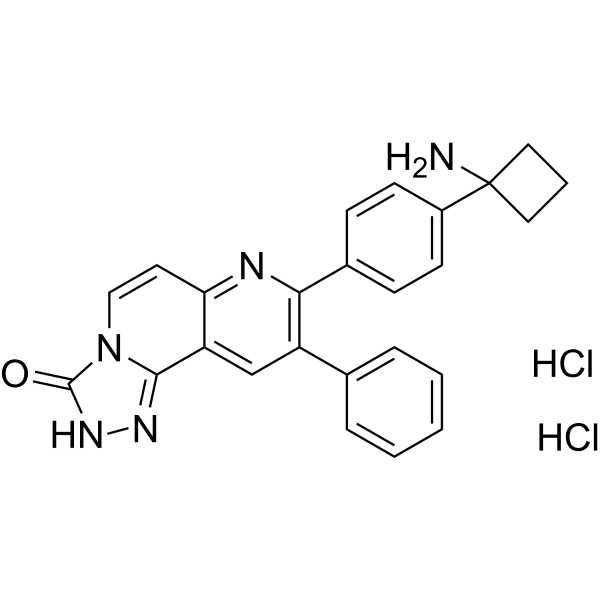
MK-2206 (2HCl)
|
Bcl-2 Family
Apoptosis
mTOR
Akt
GSK-3
|
Cardiovascular Disease
Inflammation/Immunology
Cancer
|
|
MK-2206 dihydrochloride (MK-2206 2HCl) is an orally active pan-AKT inhibitor, with IC50 values of 8 nM, 12 nM and 65 nM against AKT1, AKT2 and AKT3, respectively. MK-2206 dihydrochloride inhibits the Akt/mTOR signaling pathway and reduces the levels of downstream GSK3β and Mcl-1 via proteasomal degradation. MK-2206 dihydrochloride induces G1-phase cell cycle arrest, apoptosis, epithelial-mesenchymal transition, fibroblast activation and extracellular matrix deposition. MK-2206 dihydrochloride causes transient hyperglycemia and hyperinsulinemia in animals. MK-2206 dihydrochloride can be used in research related to solid tumors, renal fibrosis and hypercholesterolemia .
|
-
-
- HY-14452
-
|
125B11
|
Fatty Acid Synthase (FASN)
|
Cancer
|
|
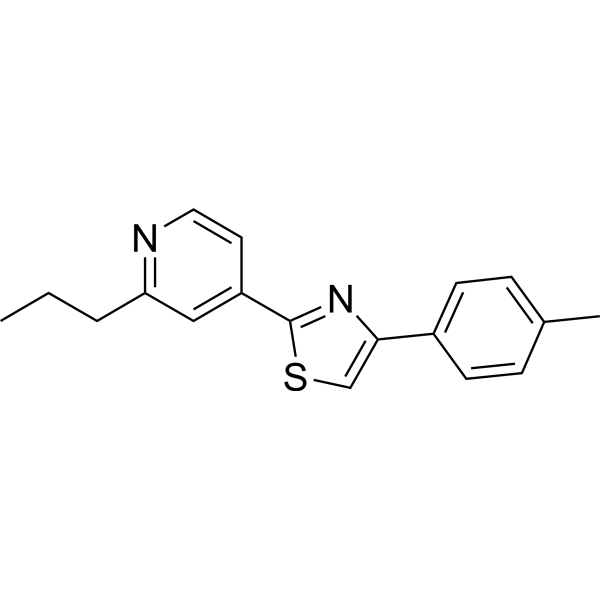
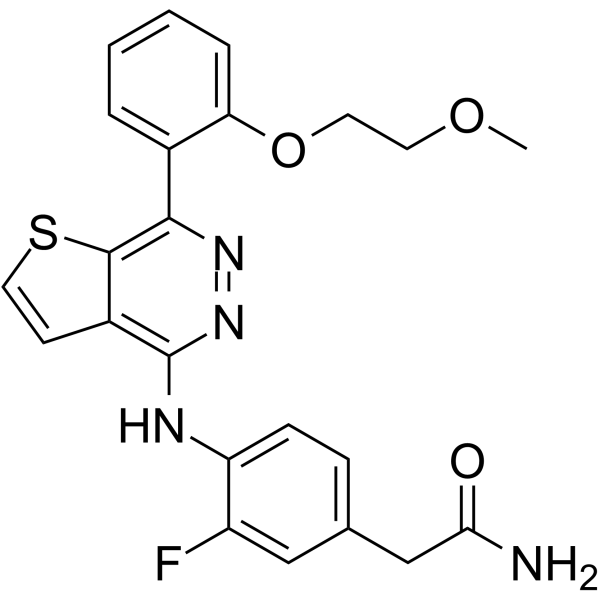
Fatostatin (125B11), a specific inhibitor of SREBP activation, impairs the activation of SREBP-1 and SREBP-2. Fatostatin binds to SCAP (SREBP cleavage-activating protein), and inhibits the ER-Golgi translocation of SREBPs. Fatostatin decreases the transcription of lipogenic genes in cells. Fatostatin possesses antitumor properties, and lowers hyperglycemia in ob/ob mice .
|
-
-
- HY-108232
-
MK-2206
Maximum Cited Publications
462 Publications Verification
|
Bcl-2 Family
Apoptosis
mTOR
Akt
GSK-3
|
Metabolic Disease
Inflammation/Immunology
Cancer
|
|
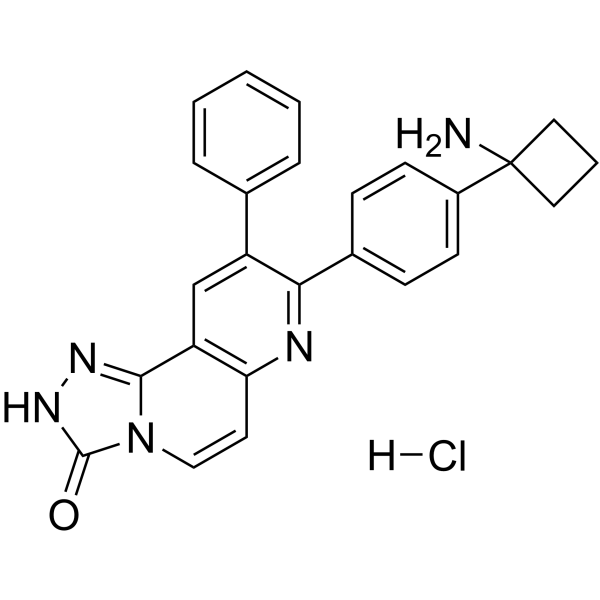
MK-2206 is an orally active pan-AKT inhibitor, with IC50 values of 8 nM, 12 nM and 65 nM against AKT1, AKT2 and AKT3, respectively. MK-2206 inhibits the Akt/mTOR signaling pathway and reduces the levels of downstream GSK3β and Mcl-1 via proteasomal degradation. MK-2206 induces G1-phase cell cycle arrest, apoptosis, epithelial-mesenchymal transition, fibroblast activation and extracellular matrix deposition. MK-2206 causes transient hyperglycemia and hyperinsulinemia in animals. MK-2206 can be used in research related to solid tumors, renal fibrosis and hypercholesterolemia .
|
-
-
- HY-111431
-
|
p-Tolyl sulfate
|
JNK
p38 MAPK
Reactive Oxygen Species (ROS)
|
Metabolic Disease
|
|
p-Cresyl sulfate (p-Tolyl sulfate) is a uremic toxin, that can cause renal damage and dysfunction. p-Cresyl sulfate shows antiproliferation activity. p-Cresyl sulfate increases the protein expression of HIF-1α and VHL, decreases the protein expression of HIF-2α. p-Cresyl sulfate induces epithelial-mesenchymal transition (EMT). p-Cresyl sulfate activates the JNK and p38 MAPK signaling pathways .
|
-
-
- HY-B0457A
-
|
Chlorimipramine; G-34586; NSC-169865
|
Serotonin Transporter
|
Neurological Disease
|
|
Clomipramine (Chlorimipramine) is a potent 5-HT reuptake blocker with the IC50 value of 1.5 nM. Clomipramine is a tricyclic antidepressant that can be used for the research of depression and obsessive compulsive disorder (OCD) .
|
-
-
- HY-B0457
-
|
Chlorimipramine hydrochloride; G-34586 hydrochloride; NSC-169865 hydrochloride
|
Serotonin Transporter
|
Neurological Disease
|
|
Clomipramine (Chlorimipramine) hydrochloride is a potent 5-HT reuptake blocker with the IC50 value of 1.5 nM. Clomipramine hydrochloride is a tricyclic antidepressant that can be used for the research of depression and obsessive compulsive disorder (OCD) .
|
-
-
- HY-128574
-
|
DS11252927
|
GLUT
PI3K
Akt
|
Metabolic Disease
|
|
D927 (DS11252927) is an orally active glucose transporter type 4 (GLUT4) translocation activator with an EC50 of 0.14 μM. D927 enhances the binding affinity of PI3Kα catalytic subunit p110α to canonical RAS proteins (KRAS4A, KRAS4B) and RRAS, RRAS2, MRAS. D927 activates the PI3Kα-AKT pathway (increasing phosphorylation of AKT, p70S6 kinase) without affecting the RAF-ERK1/2 pathway. D927 improves hyperglycemia in type 1 and type 2 diabetes mice model. D927 can be used for the study of glucose homeostasis disorders and diabetes .
|
-
-
- HY-108743
-
|
|
Insulin Receptor
|
Endocrinology
|
|
Insulin degludec is an ultra-long-acting form of insulin used for the research of hyperglycemia caused by type 1 and type 2 dabetes. Insulin degludec shows binding efficiency with an IC50 value of 19.59 nM for insulin receptor. Insulin degludec can be used for the research of type 1 and type 2 diabetes .
|
-
-
- HY-121401A
-
|
(1R)-(−)-Myrtenal; (−)-(1R,5S)-Myrtenal
|
Akt
|
Metabolic Disease
Cancer
|
|
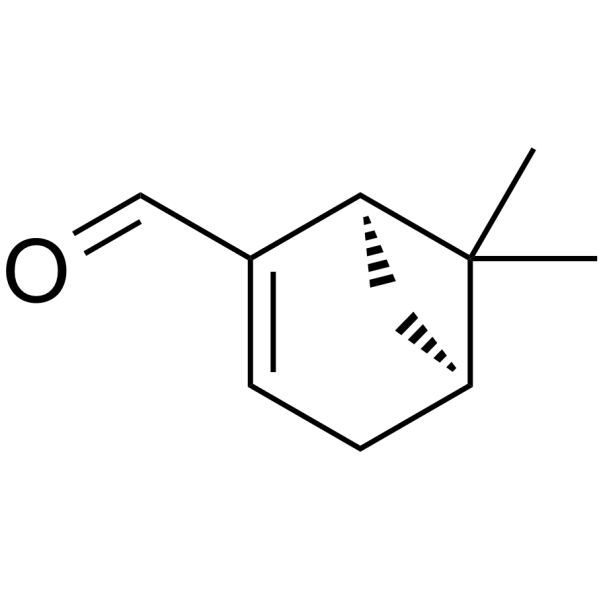
(-)-Myrtenal ((1R)-(-)-Myrtenal) is an orally active terpene with antitumour activity. (-)-Myrtenal ameliorates hyperglycemia by enhancing GLUT2 through Akt in the skeletal muscle and liver of diabetic rats .
|
-
-
- HY-N9914
-
|
D-Allulose
|
p38 MAPK
NF-κB
|
Metabolic Disease
|
|
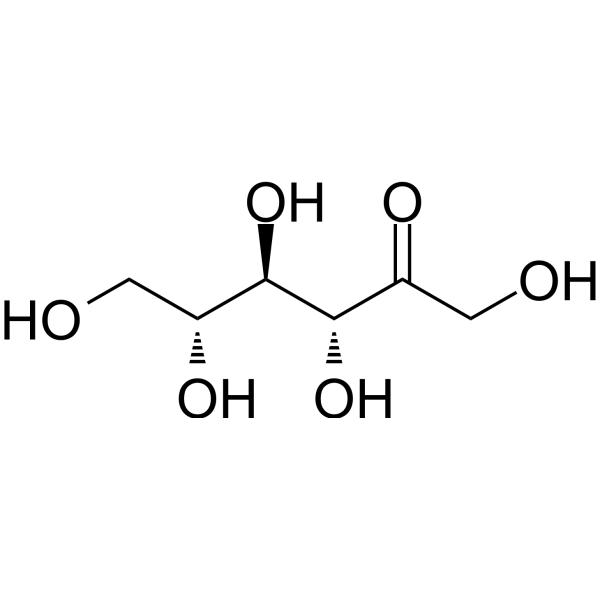
D-psicose is an orally active rare sugar. D-psicose inhibits p38-MAPK phosphorylation and MCP-1 expression. D-psicose inhibits the AGEs/RAGE/NF-κB pathway. D-psicose protects pancreatic β-islets, improves hyperglycemia and high-fat diet-induced non-alcoholic fatty liver disease .
|
-
-
- HY-14452A
-
|
125B11 hydrobromide
|
Fatty Acid Synthase (FASN)
|
Cancer
|
|
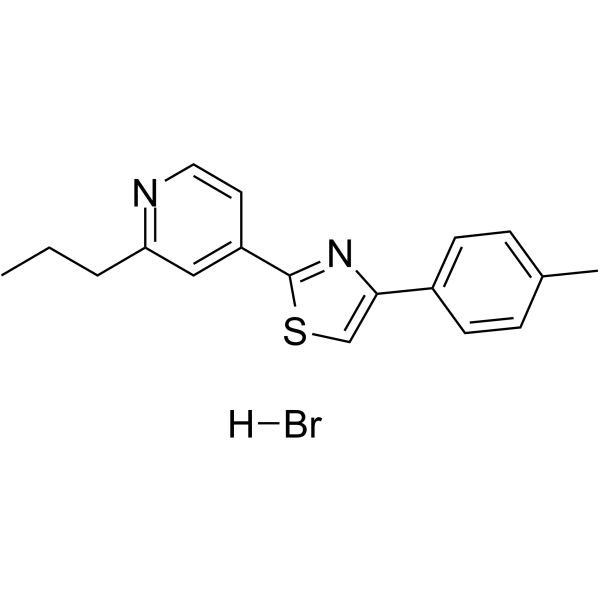
Fatostatin hydrobromide (125B11 hydrobromide), a specific inhibitor of SREBP activation, impairs the activation of SREBP-1 and SREBP-2. Fatostatin hydrobromide binds to SCAP (SREBP cleavage-activating protein), and inhibits the ER-Golgi translocation of SREBPs. Fatostatin hydrobromide decreases the transcription of lipogenic genes in cells. Fatostatin hydrobromide possesses antitumor properties, and lowers hyperglycemia in ob/ob mice .
|
-
-
- HY-77813
-
|
|
Bacterial
Apoptosis
Antibiotic
Parasite
Autophagy
Reactive Oxygen Species (ROS)
|
Infection
Endocrinology
Cancer
|
|
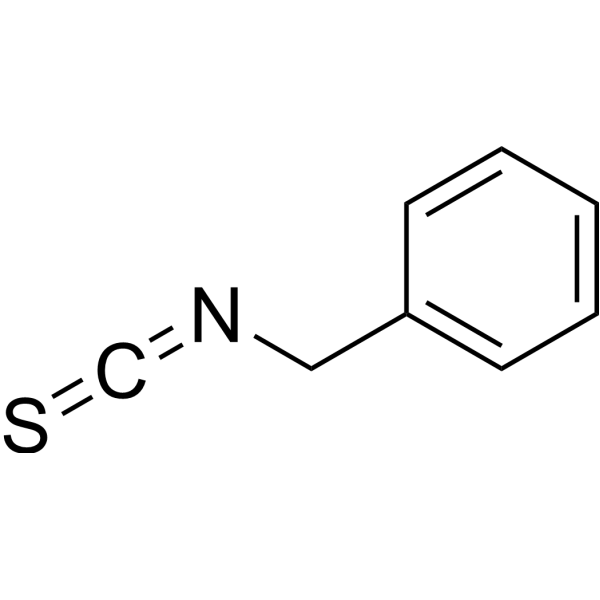
Benzyl isothiocyanate is an orally available isothiocyanate with bactericidal, anticancer, antiangiogenic and anthelmintic activities. Benzyl isothiocyanate exerts anticancer functions by regulating multiple signaling pathways, including apoptosis, cell proliferation, cell cycle arrest, metastasis, angiogenesis, and autophagy. In addition, Benzyl isothiocyanate can enhance muscle insulin sensitivity to improve obesity-induced hyperglycemia .
|
-
-
- HY-B0920
-
|
U-17835
|
Potassium Channel
|
Metabolic Disease
Endocrinology
|
|
Tolazamide (U-17835) is an orally active sulfonylurea agent that inhibits sulfonylurea receptor 1 (SUR1) linked to the inwardly rectifying potassium channel (IC50 = 4.2 µM in HEK293 cells transfected with the human receptor). Tolazamide has anti-diabetic properties. Tolazamide can lower blood glucose in sulfonylurea class. Tolazamide decreases insulin dose while continuing to maintain adequate metabolic control. Tolazamide is able to improve or normalize hyperglycemia and HbA .
|
-
-
- HY-172371
-
|
|
Hemoglobin
|
Neurological Disease
Metabolic Disease
Inflammation/Immunology
|
|
Hypoxystat is an orally active hypoxia mimetic. HypoxyStat increases Hemoglobin’s oxygen affinity, limiting oxygen offloading to the tissues and inducing local tissue hypoxia. Hypoxystat reduces Iba1 + cells. HypoxyStat causes systemic hypoxia. Hypoxystat effectively rescues hyperglycemia in mouse models of type 1 and type 2 diabetes. HypoxyStat not only extends lifespan but also rescues key neuropathological and behavioral deficits in the premier mouse model of Leigh syndrome .
|
-
-
- HY-P2917
-
|
GyK
|
Nuclear Hormone Receptor 4A/NR4A
|
Metabolic Disease
Inflammation/Immunology
|
|
Glycerol kinase, microorganism (GyK) acts as a NR4A1 inhibitor with enzymatic activity. It directly binds to and inhibits the transcription factor NR4A1, thereby negatively regulating hepatic gluconeogenesis and reducing blood glucose levels. Glycerol kinase, microorganism positively regulates UCP1 expression via partial dependence on the β-adrenergic receptor-cAMP-CREB pathway, promotes browning of white adipose tissue and thermogenesis, and further modulates intracellular fatty acid composition and energy metabolism. In diabetic mouse models, overexpression of Glycerol kinase effectively antagonizes NR4A1-induced hyperglycemia, demonstrating potential for improving glucose homeostasis. Glycerol kinase, microorganism can be used for studies on diabetes and obesity .
|
-
-
- HY-N3021
-
|
|
Endogenous Metabolite
NF-κB
TNF Receptor
FOXO
Microtubule/Tubulin
|
Metabolic Disease
|
|
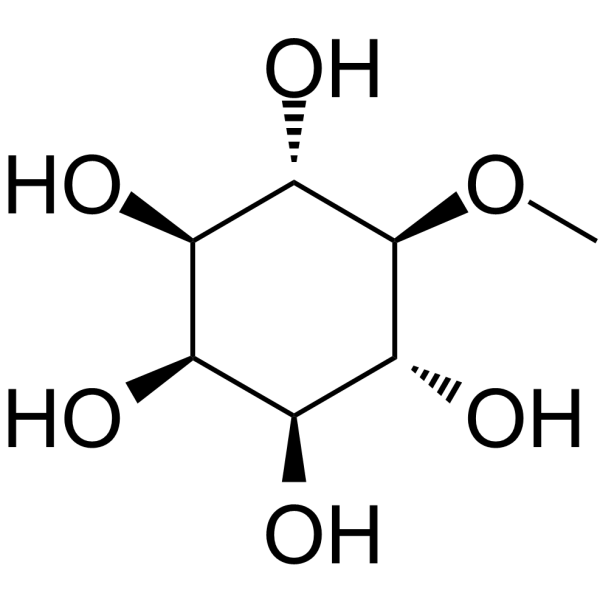
D-chiro-Inositol is a stereoisomer of inositol that exhibits activities such as improving glucose metabolism, anti-tumor effects, anti-inflammatory properties, and antioxidant activity. D-chiro-Inositol effectively alleviates cholestasis by enhancing bile acid secretion and reducing oxidative stress. D-chiro-Inositol improves insulin resistance, lowers hyperglycemia and circulating insulin levels, reduces serum androgen levels, and ameliorates some metabolic abnormalities associated with X syndrome by mimicking the action of insulin. Additionally, D-chiro-Inositol can induce a reduction in pro-inflammatory factors (such as Nf-κB) and cytokines (such as TNF-α), thereby exerting anti-inflammatory effects. D-chiro-Inositol may be used in the study of liver cirrhosis, breast cancer, type 2 diabetes, and polycystic ovary syndrome .
|
-
-
- HY-145157
-
|
|
Biochemical Assay Reagents
|
Metabolic Disease
Cancer
|
|
Ferric nitrilotriacetate (Fe-NTA), a complexation of nitriloacetic acid with iron, is a highly reactive compound used to induce degenerative disorders through oxidative stress (OS). Ferric nitrilotriacetate is also used in several studies to induce hyperglycemia, glycosuria, and both renal and liver carcinogenesis .
|
-
-
- HY-N0171B
-
|
β-Sitosterol (purity>75%); 22,23-Dihydrostigmasterol (purity>75%)
|
Apoptosis
|
Cardiovascular Disease
Inflammation/Immunology
Cancer
|
|
Beta-Sitosterol (purity>75%) is a phytosterol with oral activity. Beta-Sitosterol (purity>75%) interferes with a variety of cell signaling pathways, including the cell cycle, apoptosis and cell proliferation. Beta-Sitosterol (purity>75%) has anti-inflammatory, antioxidant, and antitumor activities .
|
-
-
- HY-17553
-
|
MKC-231
|
iGluR
|
Neurological Disease
|
|
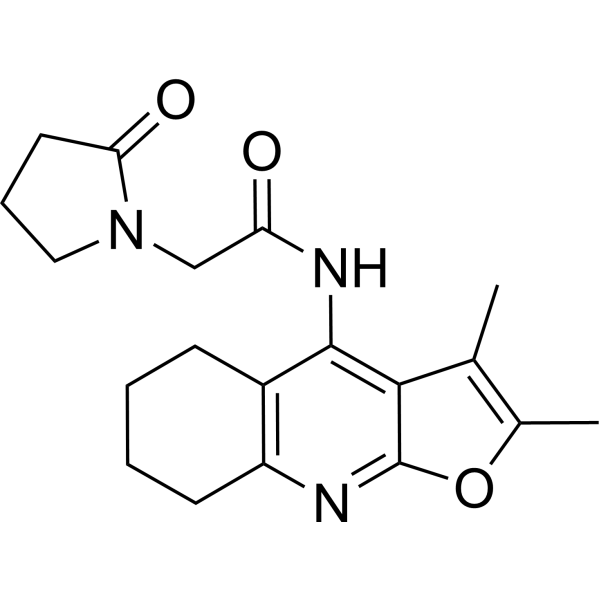
Coluracetam (MKC-231) is an orally taken choline uptake enhancer. Coluracetam can improve the reduced acetylcholine levels in the hippocampus of rats and mice, enhancing learning difficulties, memory deficits, and cognitive impairments. Coluracetam induces a lower degree of hepatic venous hyperglycemia .
|
-
-
- HY-109555
-
|
HMR 1964
|
Insulin Receptor
|
Metabolic Disease
Inflammation/Immunology
|
|
Insulin glulisine (HMR 1964) is a rapid-acting insulin analog whose pharmacokinetic and pharmacodynamic properties mimic physiological insulin secretion in humans, with a rapid onset of action. Insulin glulisine controls hyperglycemia. Insulin glulisine is applicable to research related to type 1 diabetes and type 2 diabetes .
|
-
-
- HY-W006957
-
-
-
- HY-123797
-
|
|
SGLT
|
Metabolic Disease
|
|
KGA-2727 is a first selective, high-affinity and orally active SGLT1 inhibitor with Kis of 97.4 nM and 43.5 nM for human and rat SGLT1, respectively. The selectivity ratios (Ki for SGLT2/Ki for SGLT1) of KGA-2727 are 140 (human) and 390 (rat). KGA-2727 has antidiabetic efficacy .
|
-
-
- HY-120380
-
|
|
MOFs
PARP
|
Neurological Disease
|
|
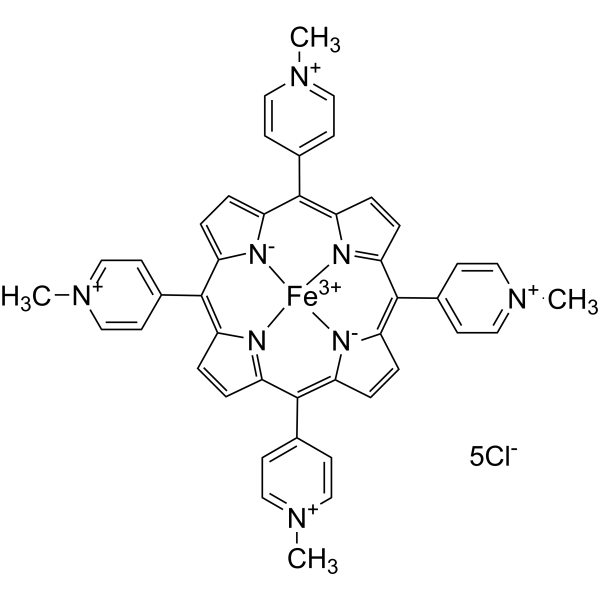
FeTMPyP is an orally active poly (ADP-ribose) polymerase (PARP) inhibitor. FeTMPyP inhibits cell death, nitrotyrosine formation, and depolarization of mitochondrial transmembrane potential. FeTMPyP reduces homocysteine-induced nitrosative stress and partially restores TFEB protein and mRNA levels. FeTMPyP improves functional and behavioral deficits caused by chronic constriction injury in rats. FeTMPyP alleviates acute cerebral infarction in a rat model of middle cerebral artery occlusion with mild hyperglycemia. FeTMPyP can be used in studies related to neuropathic pain, renal aging, ischemic penumbra, and hyperglycemic stroke .
|
-
-
- HY-142162
-
|
|
GCGR
|
Metabolic Disease
|
|
LSN3318839 is an orally active positive modulator of the glucagon-like peptide-1 receptor (GLP-1R). LSN3318839 can increase the secretion of insulin and has the effect of lowering blood sugar .
|
-
-
- HY-W704574
-
|
|
Carboxypeptidase
Bradykinin Receptor
Interleukin Related
|
Cardiovascular Disease
Metabolic Disease
|
|
Mergetpa is a reversible Arg-carboxypeptidase inhibitor with high affinity. Mergetpa reduces B1R. Mergetpa blocks the overexpression of IL-1β protein and mRNA in glucose-fed rats. Mergetpa significantly increases the expression of IL-1β protein in the renal cortex. Mergetpa is used to block the conversion of kinins and B2 receptor antagonists into metabolites lacking the C-terminal arginine. Mergetpa inhibits the time-dependent enhancement of the response of isolated rabbit aorta to bradykinin. Mergetpa preserves the chemotactic activity of full-length SDF-1α on cells. Mergetpa reverses hyperglycemia, excessive weight gain, elevated levels of oxidative stress markers and overexpression of inflammatory markers in glucose-fed rats .
|
-
-
- HY-121006
-
|
|
Mitochondrial Metabolism
AMPK
Insulin Receptor
|
Metabolic Disease
Cancer
|
|
Biguanide is an orally active antihyperglycemic agent. Biguanide inhibits mitochondrial ATP production, activates the LKB1-AMPK signaling pathway, and damages the energy homeostasis. Biguanide enhances insulin-receptor activation and downstream signaling. Biguanide exhibits potential in ameliorating the type 2 diabetes and the insulin-associated cancers.
|
-
-
- HY-173527
-
|
|
Mitochondrial Metabolism
|
Metabolic Disease
|
|
PSSI-51 is an orally active, peripherally selective inhibitor of succinyl-CoA:3-ketoacid-CoA transferase (SCOT). PSSI-51 inhibits SCOT activity in peripheral tissues (such as muscle and kidney) but does not affect SCOT activity in brain tissue. PSSI-51 reduces ketone body oxidation by inhibiting SCOT, thereby improving obesity-related hyperglycemia. PSSI-51 can be used in the study of type 2 diabetes (T2D) and has the potential to improve obesity-related metabolic disorders .
|
-
-
- HY-162713
-
|
|
EGFR
PI3K
PPAR
|
Cancer
|
|
MTX-531 is an oral drug that inhibits EGFR (with an IC50 of 14.7 nM) and PI3K (with IC50 values of 6.4, 233, 8.3, and 1.1 nM for PI3Kα, PI3Kβ, PI3Kγ, and PI3Kδ respectively), and it has anti-tumor effects. MTX-531 also acts as a weak agonist of PPARγ, with an IC50 of 2.5 µM, helping to alleviate hyperglycemia induced by PI3K inhibitors .
|
-
-
- HY-10581A
-
|
AM-1155 hydrochloride; BMS-206584 hydrochloride; PD135432 hydrochloride
|
Bacterial
Topoisomerase
Antibiotic
|
Infection
|
|
Gatifloxacin hydrochloride (AM-1155; BMS-206584; PD135432) is a potent fluoroquinolone antibiotic with broad-spectrum antibacterial activity. Gatifloxacin hydrochloride inhibits bacterial type II topoisomerases (IC50=13.8 μg/ml for S. aureus topoisomerase IV) and E. coli DNA gyrase (IC50 = 0.109 μg/ml) . Gatifloxacin hydrochloride can be used to treat bacterial conjunctivitis in vivo.
|
-
-
- HY-N7912
-
|
(2S)-Pterosin A
|
AMPK
PEPCK
GSK-3
GLUT
Akt
p38 MAPK
Reactive Oxygen Species (ROS)
|
Metabolic Disease
|
|
Pterosin A ((2S)-Pterosin A) is a sesquiterpene compound. Pterosin A is an orally active AMPK activator with anti-diabetic effect. Pterosin A can promote glucose uptake, increase serum insulin, and improve hyperglycemia and glucose intolerance. Pterosin A can prevent insulin-secreting cells death and reduce ROS production. Pterosin A can be used for the research of metabolic disease, such as diabetes .
|
-
-
- HY-N2821
-
|
|
Glycosidase
|
Metabolic Disease
|
|
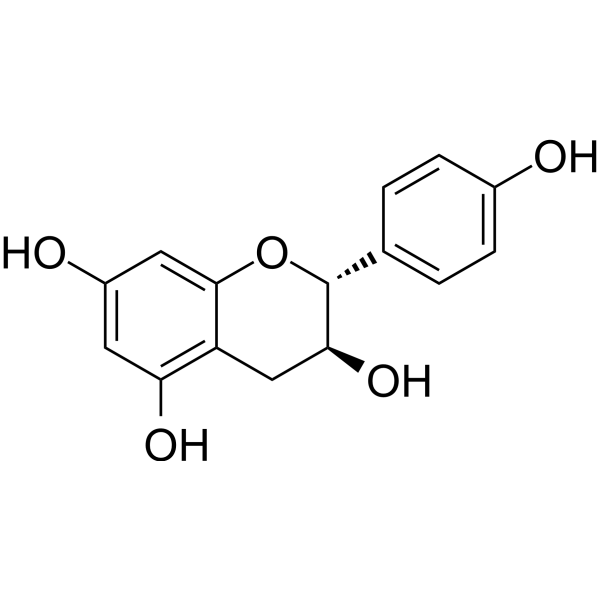
(+)-Afzelechin, isolated from rhizomes of Bergenia ligulata, is an alpha-glucosidase activity inhibitor with an ID50 (50% inhibition dose) value of 0.13 mM. (+)-Afzelechin can delay the absorption of carbohydrates in food to suppress postprandial hyperglycemia and hyperinsulinemia .
|
-
-
- HY-117912
-
|
|
Endogenous Metabolite
|
Cardiovascular Disease
|
|
TRC210258 is a TGR5 agonist with activity to improve diabetes-associated hyperglycemia and dyslipidemia. TRC210258 promotes energy expenditure by enhancing the release of glucagon-like peptide-1. TRC210258 is able to improve glucose metabolic control in high-fat diet-induced obese mice. TRC210258 also showed improvement in lipid parameters in high-fat-fed hamsters, including reductions in plasma triglyceride and low-density lipoprotein cholesterol levels. TRC210258 improved emerging lipid-related cardiovascular risk parameters including remnant cholesterol and triglyceride clearance .
|
-
-
- HY-N0946
-
|
(-)-Pinoresinol 4-O-β-D-glucopyranoside
|
Glycosidase
|
Metabolic Disease
|
|
(-)-Pinoresinol 4-O-glucoside ((-)-Pinoresinol 4-O-β-D-glucopyranoside) is a potent and orally active α-glucosidase inhibitor with an IC50 value of 48.13 µM. (-)-Pinoresinol 4-O-glucoside increases cell migration and early differentiation of pre-osteoblasts. (-)-Pinoresinol 4-O-glucoside increases protein level of BMP2, p-Smad1/5/8, RUNX2. (-)-Pinoresinol 4-O-glucoside attenuates oxidative stress, hyperglycemia and hepatic toxicity. (-)-Pinoresinol 4-O-glucoside has the potential for the research of osteoporosis and periodontal disease .
|
-
-
- HY-116930
-
|
|
Melatonin Receptor
|
Metabolic Disease
|
|
S-20928 is an antagonist for melatonin receptor through inhibition of binding of melatonin to its receptors. S-20928 enhances the 2-Deoxy-D-glucose (2DG) (HY-13966)-induced increase in blood glucose and glucagon levels in rats brain .
|
-
-
- HY-N9914R
-
|
D-Allulose (Standard)
|
Reference Standards
p38 MAPK
NF-κB
|
Metabolic Disease
|
|
D-Psicose (Standard) is the analytical standard of D-Psicose (HY-N9914). This product is intended for research and analytical applications. D-psicose is an orally active rare sugar. D-psicose inhibits p38-MAPK phosphorylation and MCP-1 expression. D-psicose inhibits the AGEs/RAGE/NF-κB pathway. D-psicose protects pancreatic β-islets, improves hyperglycemia and high-fat diet-induced non-alcoholic fatty liver disease .
|
-
-
- HY-B0457R
-
|
Chlorimipramine hydrochloride (Standard); G-34586 hydrochloride (Standard); NSC-169865 hydrochloride (Standard)
|
Reference Standards
Serotonin Transporter
|
Neurological Disease
|
|
Clomipramine (hydrochloride) (Standard) is the analytical standard of Clomipramine (hydrochloride). This product is intended for research and analytical applications. Clomipramine (Chlorimipramine) hydrochloride is a potent 5-HT reuptake blocker with the IC50 value of 1.5 nM. Clomipramine hydrochloride is a tricyclic antidepressant that can be used for the research of depression and obsessive compulsive disorder (OCD) .
|
-
-
- HY-116392E
-
|
|
Glucosylceramide Synthase (GCS)
Apoptosis
|
Neurological Disease
Metabolic Disease
Cancer
|
|
D-threo-PDMP is a potent glucoceramide synthase (GCS) inhibitor, which reduces the glycosphingolipids (such as GM3 and GD3) on the cell surface by inhibiting glycosylation, reduces the total length of the axon plexus and the number of axon branch points, and inhibits neurite growth. D-threo-PDMP inhibits the synthesis of GM3, thereby reducing the adhesion ability of B16 melanoma cells and mimicking the pathological effects of hyperglycemia/TGF-β1. D-threo-PDMP inhibits the synthesis of GD3, thereby protecting liver cells from apoptosis induced by TNF-α. D-threo-PDMP can be used to study diseases related to targeted glycosphingolipid metabolism .
|
-
-
- HY-116392F
-
|
|
Glucosylceramide Synthase (GCS)
|
Neurological Disease
Metabolic Disease
Cancer
|
|
D-threo-PDMP hydrochloride is a potent glucoceramide synthase (GCS) inhibitor, which reduces the glycosphingolipids (such as GM3 and GD3) on the cell surface by inhibiting glycosylation, reduces the total length of the axon plexus and the number of axon branch points, and inhibits neurite growth. D-threo-PDMP hydrochloride inhibits the synthesis of GM3, thereby reducing the adhesion ability of B16 melanoma cells and mimicking the pathological effects of hyperglycemia/TGF-β1. D-threo-PDMP hydrochloride inhibits the synthesis of GD3, thereby protecting liver cells from apoptosis induced by TNF-α. D-threo-PDMP hydrochloride can be used to study diseases related to targeted glycosphingolipid metabolism .
|
-
-
- HY-19522C
-
|
MBX-8025 (lysine dihydrate); RWJ-800025 (lysine dihydrate)
|
PPAR
|
Metabolic Disease
|
|
Seladelpar (MBX-8025) Lysine dihydrate is the Lysine dihydrate salt form of Seladelpar (HY-19522). Seladelpar Lysine dihydrate is an orally active agonist for potent PPAR-δ, with EC50 of 2 nM. Seladelpar Lysine dihydrate shows more than 750-fold and 2500-fold selectivity over the PPARα and PPARγ receptors, respectively. Seladelpar Lysine dihydrate can be used for the study of primary biliary cholangitis. Seladelpar Lysine dihydrate normalizes hyperglycemia, hyperinsulinemia, glucose, serum lipids and cholesterol levels, ameliorates the nonalcoholic steatohepatitis in mouse model .
|
-
-
- HY-14728
-
|
R1439; RO0728804
|
PPAR
|
Metabolic Disease
|
|
Aleglitazar (R1439) is a potent dual PPARα/γ agonist, with IC50s of 38 nM and 19 nM for human PPARa and PPARγ, respectively. Aleglitazar can be used for the research of type II diabetes .
|
-
-
- HY-101292
-
|
|
PPAR
|
Metabolic Disease
|
|
FK614 is an orally active, non-thiazolidinedione (TZD) type, and selective PPARγ modulator (SPPARM). FK614 functions as a PPARγ agonist with potent anti-diabetic activity in vivo. FK614 has different effects on the activation of PPARγ at each stage of adipocyte differentiation. FK614 can be used for the research of hyperglycemia, hypertriglyceridemia, glucose intolerance and type 2 diabetes .
|
-
-
- HY-P3841
-
|
|
PKC
|
Others
|
|
Protein Kinase C β Peptide is a peptide fragment of Protein Kinase Cβ. Protein Kinase Cβ is related with hyperglycemia decreases endothelium-derived nitric oxide. Inhibition of Protein kinase Cβ prevents the reduction in endothelium-dependent vasodilation induced by acute hyperglycemia .
|
-
-
- HY-Q40876
-
|
|
Calcium Channel
|
Metabolic Disease
|
|
BBT is an enhancer of impaired glucose-stimulated insulin secretion (GSIS). BBT exhibits anti-hyperglycemia activity, and protects β-cells from cytokine- or streptozotocin (STZ (HY-13753))-induced cell death in type 2 diabetes models. BBT acts function via cAMP/PKA and long-lasting (L-type) voltage-dependent Ca2+ channel/CaMK2 pathway .
|
-
-
- HY-111431AR
-
|
p-Tolyl sulfate potassium (Standard)
|
JNK
p38 MAPK
Reactive Oxygen Species (ROS)
Reference Standards
|
Metabolic Disease
|
|
p-Cresyl sulfate (potassium) (Standard) is the analytical standard of p-Cresyl sulfate (potassium). This product is intended for research and analytical applications. p-Cresyl sulfate (p-Tolyl sulfate) potassium is a uremic toxin, that can cause renal damage and dysfunction. p-Cresyl sulfate potassium shows antiproliferation activity. p-Cresyl sulfate potassium increases the protein expression of HIF-1α and VHL, decreases the protein expression of HIF-2α. p-Cresyl sulfate potassium induces epithelial-mesenchymal transition (EMT). p-Cresyl sulfate potassium activates the JNK and p38 MAPK signaling pathways .
|
-
-
- HY-174829
-
|
|
Protease Activated Receptor (PAR)
NF-κB
Reactive Oxygen Species (ROS)
Calcium Channel
Akt
ERK
p38 MAPK
PKC
|
Cardiovascular Disease
Metabolic Disease
|
|
7,4'-Dimethoxy-3-hydroxyflavone is an orally active PAR4 antagonist. 7,4'-Dimethoxy-3-hydroxyflavone inhibits PAR4-mediated human platelet aggregation with an IC50 of 1.4 μM. 7,4'-Dimethoxy-3-hydroxyflavone inhibits PAR4-mediated human platelet aggregation and PAR4 signaling pathways, including NF-κB, Ca 2+/protein kinase C, Akt, ERK and p38. 7,4'-Dimethoxy-3-hydroxyflavone prevents vascular PAR4 expression, endothelial dysfunction and ameliorates oxidative stress in Streptozotocin (STZ) (HY-13753)-induced diabetic mice.
7,4'-Dimethoxy-3-hydroxyflavone prevents thrombosis in mice without affecting bleeding time [1][2].
|
-
-
- HY-10357
-
|
|
Akt
mTOR
Apoptosis
GSK-3
Bcl-2 Family
|
Metabolic Disease
Inflammation/Immunology
Cancer
|
|
MK-2206 free base is an orally active pan-AKT inhibitor, with IC50 values of 8 nM, 12 nM and 65 nM against AKT1, AKT2 and AKT3, respectively. MK-2206 free base inhibits the Akt/mTOR signaling pathway and reduces the levels of downstream GSK3β and Mcl-1 via proteasomal degradation. MK-2206 free base induces G1-phase cell cycle arrest, apoptosis, epithelial-mesenchymal transition, fibroblast activation and extracellular matrix deposition. MK-2206 free base causes transient hyperglycemia and hyperinsulinemia in animals. MK-2206 free base can be used in research related to solid tumors, renal fibrosis and hypercholesterolemia .
|
-
-
- HY-N3021R
-
|
|
Reference Standards
Endogenous Metabolite
NF-κB
TNF Receptor
FOXO
Microtubule/Tubulin
|
Metabolic Disease
|
|
D-chiro-Inositol is a stereoisomer of inositol that exhibits activities such as improving glucose metabolism, anti-tumor effects, anti-inflammatory properties, and antioxidant activity. D-chiro-Inositol effectively alleviates cholestasis by enhancing bile acid secretion and reducing oxidative stress. D-chiro-Inositol improves insulin resistance, lowers hyperglycemia and circulating insulin levels, reduces serum androgen levels, and ameliorates some metabolic abnormalities associated with X syndrome by mimicking the action of insulin. Additionally, D-chiro-Inositol can induce a reduction in pro-inflammatory factors (such as Nf-κB) and cytokines (such as TNF-α), thereby exerting anti-inflammatory effects. D-chiro-Inositol may be used in the study of liver cirrhosis, breast cancer, type 2 diabetes, and polycystic ovary syndrome .
|
-
-
- HY-W010655
-
|
TAK-875 hemihydrate
|
Free Fatty Acid Receptor
|
Metabolic Disease
|
|
Fasiglifam (TAK-875) hemihydrate is a potent, selective and orally active GPR40 agonist with EC50 of 72 nM. Fasiglifam enhances glucose-dependent insulin secretion and improves hyperglycemia in type 2 diabetic rats. Fasiglifam can induce liver injury .
|
-
-
- HY-N2953
-
|
|
Fatty Acid Synthase (FASN)
|
Metabolic Disease
|
|
Borapetoside E can be isolated from T. crispa. Borapetoside E improves hyperglycemia, insulin resistance, hepatic steatosis, hyperlipidemia, and oxygen consumption in obese mice. Borapetoside E also inhibits SREBPs expression in the liver and adipose tissue .
|
-
-
- HY-147037
-
|
|
AMPK
|
Cardiovascular Disease
Metabolic Disease
|
|
AMPK activator 7 (compound I-3-24) is a an AMPK activator with the EC50 of 8.8 nM. AMPK activator 7 can be used for the research of diseases involving AMPK, particularly diseases such as type 2 diabetes, hyperglycemia, metabolic syndrome, obesity, hypercholesterolemia and/or hypertension .
|
-
- HY-15383
-
|
|
Biochemical Assay Reagents
|
Metabolic Disease
|
|
Glyparamide is an orally active hypoglycemic compound that serves as an auxiliary active ingredient in anti-diabetic agents. Glyparamide can be used in combination with preparations of Rhodamnia cinerea extract and is applicable to the study of hyperglycemia-related disorders-specifically those involving carbohydrate metabolism disturbances-including Type 2 diabetes, metabolic syndrome, and postprandial hyperglycemia. Other notable hypoglycemic agents of significant interest include: Tolbutamide (HY-B0401), Chlorpropamide (HY-B1429), Metformin (HY-B0627), and Glimepiride (HY-B0104) .
|
-
- HY-P4815
-
|
|
Endogenous Metabolite
|
Neurological Disease
Metabolic Disease
|
|
Prokineticin 2 Isoform 2 (human) is a hypothalamic neuropeptide. Prokineticin 2 Isoform 2 (human) decreases food intake and involves in thermoregulation and energy metabolism in rodents. Prokineticin 2 has the potential for the research of hyperglycemia, metabolic syndrome (MetS) and obesity .
|
-
- HY-111899
-
|
|
Others
|
Cancer
|
|
7-Ethoxyrosmanol is a phenolic diterpene that is isolated from Salvia chamelaeagnea. 7-Ethoxyrosmanol has antioxidant activity in vitro and antitumor effects on neuroblastoma cells. 7-Ethoxyrosmanol alleviates hyperglycemia-induced endothelial cell dysfunction via regulating FBXL7 .
|
-
- HY-W587784
-
|
|
PPAR
|
Metabolic Disease
|
|
Norbixin is a carotenoid that has been found in B. orellana.It binds to PPARγ in a cell-free assay (Ki = 1.15 μM) . Norbixin attenuates hyperglycemia, hyperinsulinemia, and insulin resistance, as well as decreases serum lipid levels and cardiac levels of thiobarbituric acid reactive substances (TBARS) and glutathione (GSH) in a rat model of cardio-metabolic syndrome .
|
-
- HY-N11728
-
|
|
Amylases
Glycosidase
|
Metabolic Disease
|
|
2,7"-Phloroglucinol-6,6'-bieckol is an orally active dual α-amylase/α-glucosidase inhibitor with IC50 values of 6.94 μM and 23.35 μM respectively. 2,7"-Phloroglucinol-6, 6'-bieckol alleviates postprandial hyperglycemia in diabetic mice. 2,7"-Phloroglucinol-6,6'-bieckol can be used in diabetes research .
|
-
- HY-100446
-
|
|
Glutaminase
Apoptosis
|
Metabolic Disease
Inflammation/Immunology
|
|
NTU281 is a potent transglutaminase-2 inhibitor. NTU281 can reduce the increases in serum creatinine and albuminuria in diabetic rats. NTU281 can also reduce glomerular collagen I accumulation, Hic-5 and α-SMA expression, and apoptosis. NTU281 can be used for researching glomerulosclerosis caused by diabetes .
|
-
- HY-111431R
-
|
p-Tolyl sulfate (Standard)
|
Reference Standards
JNK
p38 MAPK
Reactive Oxygen Species (ROS)
|
Metabolic Disease
|
|
Platycodin D (Standard) is the analytical standard of Platycodin D. This product is intended for research and analytical applications. Platycodin D is a saponin isolated from Platycodon grandiflorus, acts as an activator of AMPKα, with anti-obesity property. WNT/β-catenin pathway mediates the anti-adipogenic effect of platycodin D .
|
-
- HY-W997026
-
|
|
Glucokinase
|
Metabolic Disease
|
|
Glucokinase activator 7 is a Glucokinase activator. Glucokinase activator 7 can be used for research of diabetes, hyperglycemia and other diseases (Compound in Page 176 of Ref.) .
|
-
- HY-N10017
-
-
- HY-126221B
-
|
Emeriamine TFA
|
Biochemical Assay Reagents
|
Metabolic Disease
|
|
(R)-Aminocarnitine (Emeriamine) TFA is a fatty acid oxidation inhibitor that reduces hyperglycemia and ketosis. (R)-Aminocarnitine TFA can be used in the study of metabolic diseases .
|
-
- HY-W324220
-
|
|
11β-HSD
|
Metabolic Disease
|
|
11β-HSD1-IN-10 (compound c3a) is a potent 11β-HSD1 inhibitor (IC50=1.8 µM for human). 11β-HSD1-IN-10 can be used in studies of obesity, hyperglycemia and cognitive impairment .
|
-
- HY-W324243
-
|
|
11β-HSD
|
Metabolic Disease
|
|
11β-HSD1-IN-9 (compound c4a) is a potent 11β-HSD1 inhibitor with IC50 values of 0.48 and 1.3 µM for human and murine 11β-HSD1, respectively. 11β-HSD1-IN-9 competitively interacts with rat 11β-HSD1. 11β-HSD1-IN-19 can be used in studies of obesity, hyperglycemia and cognitive impairment .
|
-
- HY-175263
-
|
|
GABA Receptor
5-HT Receptor
Reactive Oxygen Species (ROS)
|
Neurological Disease
Metabolic Disease
|
|
Aminochalcone 4AAF is a neuroprotective agent that exerts anxiolytic effects through GABAA and 5-HT receptors. Aminochalcone 4AAF has high selectivity for 5-HT3A and 5-HT2C receptors, and stimulates allosteric behavior toward the 5-HT2A receptor. Aminochalcone 4AAF shows hypoglycemic effects and reduces the level of ROS in the liver. Aminochalcone 4AAF delays the clonic stage of the epileptic seizures . Aminochalcone 4AAF can be used in the study of anxiety, hyperglycemia, and seizures .
|
-
- HY-N3185
-
|
|
Cholinesterase (ChE)
|
Infection
Metabolic Disease
Inflammation/Immunology
Cancer
|
|
N-Methylcalycinine is a nature product with AChE inhibitory activity. N-Methylcalycinine can be isolated from the roots of Stephania epigaea. N-Methylcalycinine can be used for the research of asthma, cancer, dysentery, fever, hyperglycemia, intestinal complaints, inflammation, sleep disturbances, tuberculosis and so on .
|
-
- HY-169545
-
-
- HY-77813R
-
|
|
Reference Standards
Bacterial
Apoptosis
Antibiotic
Parasite
Autophagy
Reactive Oxygen Species (ROS)
|
Infection
Endocrinology
Cancer
|
|
Benzyl isothiocyanate (Standard) is the analytical standard of Benzyl isothiocyanate. This product is intended for research and analytical applications. Benzyl isothiocyanate is an orally available isothiocyanate with bactericidal, anticancer, antiangiogenic and anthelmintic activities. Benzyl isothiocyanate exerts anticancer functions by regulating multiple signaling pathways, including apoptosis, cell proliferation, cell cycle arrest, metastasis, angiogenesis, and autophagy. In addition, Benzyl isothiocyanate can enhance muscle insulin sensitivity to improve obesity-induced hyperglycemia[1][2][3][4][5][6][7][8][9].
|
-
- HY-149533
-
|
|
Glycosidase
|
Metabolic Disease
|
|
α-Glucosidase-IN-34 (compound 7f) is a potent α-glucosidase inhibitor (IC50: 2.90 μM) and can be used in the study of type 2 diabetes and hyperglycemia .
|
-
- HY-149532
-
|
|
Glycosidase
|
Metabolic Disease
|
|
α-Glucosidase-IN-33 (compound 7c) is a potent α-glucosidase inhibitor (IC50: 2.39 μM) and can be used in the study of type 2 diabetes and hyperglycemia .
|
-
- HY-161411
-
|
|
Glycosidase
|
Metabolic Disease
|
|
α-Glucosidase-IN-60 (Compound 5k) exhibits a competitive inhibitory efficacy against α-Glucosidase, with IC50 of 10.8 μM .
|
-
- HY-117597
-
|
|
PPAR
|
Metabolic Disease
|
|
YM440 is an orally active oxadiazolidinedione analog. YM440 ameliorates hyperglycemia without changing PPARy activity, adipocyte differentiation, or fat weight. YM440 is used in the study for non-insulin-dependent diabetes mellitus (NIDDM) .
|
-
- HY-P3608
-
|
|
GCGR
|
Metabolic Disease
|
|
[Des-His1,Glu9] Glucagon is a potent glucagon receptor system peptide antagonist. [Des-His1,Glu9] Glucagon enhances the glucose-stimulated release of insulin from pancreatic islet cells. [Des-His1,Glu9] Glucagon can be used to research diabetes .
|
-
- HY-146225
-
|
|
Glycosidase
|
Metabolic Disease
|
|
α-Amylase/α-Glucosidase-IN-2 (compound 5) is a potent α-amylase and α-glucosidase dual inhibitor with IC50 values of 13.02, 13.09 µM for α-amylase and α-glucosidase, respectively. α-Amylase/α-Glucosidase-IN-2 has the potential for the research of diabetic complications .
|
-
- HY-147711
-
|
|
Glycosidase
|
Metabolic Disease
|
|
α-Amylase/α-Glucosidase-IN-1 (compound 33) is a potent α-amylase/α-glucosidase inhibitor with IC50s of 2.01, 2.09 µM for α-amylase and α-glucosidase, respectively. Kinetic studies predict that α-Amylase/α-Glucosidase-IN-1 has the potential of anti hyperglycemia .
|
-
- HY-N9075
-
|
|
Glycosidase
|
Cancer
|
|
9-(4′-Hydroxyphenyl)-2-methoxyphenalen-1-one is a phytoalexin and mixed competitive α-glucosidase inhibitor of Bacillus stearothermophilus (IC50: 3.86 mg/L) .
|
-
- HY-163005
-
|
|
Glycosidase
|
Metabolic Disease
|
|
α-Glucosidase-IN-43 (compound AS14) is an α-glucosidase inhibitor (IC50: 4.32 μM) with acute hypoglycemic activity. α-Glucosidase-IN-43 exhibits safety and in vivo efficacy, is nontoxic to normal mouse fibroblasts, and is able to rescue streptozotocin (HY-13753)-induced diabetic rats. α-Glucosidase-IN-43 can be used to study postprandial hyperglycemia in diabetic patients .
|
-
- HY-171793
-
|
|
PPAR
|
Metabolic Disease
|
|
DN-108, a thiazolidinedione derivative, is an orally active peroxisome proliferator-activated receptor γ (PPARγ) agonist with antidiabetic effects. DN-108 improves hyperglycemia, hypertriglyceridemia and hyperinsulinemia in diabetic mouse models. DN-108 enhances tissue glucose uptake (e.g., increasing 2-deoxyglucose uptake in L6 muscle cells) and inhibits fatty acid synthase activity. DN-108 is promising for research of type 2 diabetes .
|
-
- HY-B0920R
-
|
U-17835 (Standard)
|
Reference Standards
Potassium Channel
|
Metabolic Disease
Endocrinology
|
|
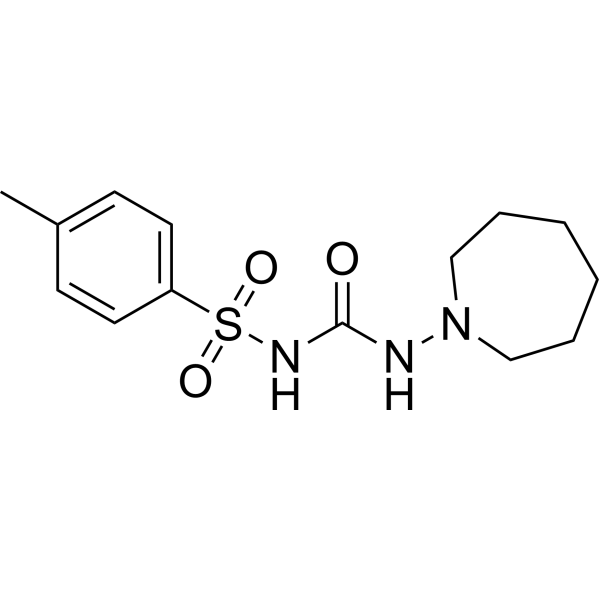
Tolazamide (U-17835) (Standard) is the analytical standard of Tolazamide. This product is intended for research and analytical applications. Tolazamide is an orally active sulfonylurea agent that inhibits sulfonylurea receptor 1 (SUR1) linked to the inwardly rectifying potassium channel (IC50 = 4.2 µM in HEK293 cells transfected with the human receptor). Tolazamide has anti-diabetic properties. Tolazamide can lower blood glucose in sulfonylurea class. Tolazamide decreases insulin dose while continuing to maintain adequate metabolic control. Tolazamide is able to improve or normalize hyperglycemia and HbA .
|
-
- HY-147678
-
|
|
Free Fatty Acid Receptor
|
Metabolic Disease
|
|
GPR40 agonist 5 (compound I-14) is an orally active and potent GPR40 (G protein coupled receptor 40) agonist, with an EC50 of 47 nM. GPR40 agonist 5 decreases the levels of blood glucose and improves the glucose tolerance. GPR40 agonist 5 has sufficient effectiveness for the control of hyperglycemia state in type 2 diabetic mice . GPR40 agonist 5 is a click chemistry reagent, it contains an Alkyne group and can undergo copper-catalyzed azide-alkyne cycloaddition (CuAAc) with molecules containing Azide groups.
|
-
- HY-10289
-
|
RO-4876904
|
Dipeptidyl Peptidase
GLP Receptor
P-glycoprotein
|
Metabolic Disease
|
|
Carmegliptin (RO-4876904) is an orally active and potent DPP IV inhibitor with a human DPP IV IC50 of 6.8 nM. Carmegliptin binds to the S1 pocket of DPP IV, blocks the degradation of GLP 1, potentiates endogenous GLP 1, increases plasma insulin levels, alleviates hyperglycemia, improves glucose tolerance. Carmegliptin acts as a substrate for human P glycoprotein without inhibiting the transporter, shows low in vitro cell permeability. Carmegliptin can be used for the research of type 2 diabetes, non insulin dependent diabetes mellitus .
|
-
- HY-176214
-
|
|
PPAR
COX
|
Metabolic Disease
|
|
PPARγ agonist 19 (Compound 5e) is a PPARγ agonist. PPARγ agonist 19 has an IC50 of 11.27 μM against COX-1 and an IC50 of 0.05 μM against COX-1. PPARγ agonist 19 increases glucose uptake in rat hemidiaphragm assay and is superior to pioglitazone (HY-13956). PPARγ agonist 19 alleviates hyperglycemia and insulin resistance in an in vivo model of type 2 diabetes in rats and protects against renal and lipidemia damage caused by metabolic dysfunction .
|
-
- HY-B0457AR
-
|
Chlorimipramine (Standard); G-34586 (Standard); NSC-169865 (Standard)
|
Reference Standards
Serotonin Transporter
|
Neurological Disease
|
|
Clomipramine (Standard) is the analytical standard of Clomipramine. This product is intended for research and analytical applications. Clomipramine (Chlorimipramine) is a potent 5-HT reuptake blocker with the IC50 value of 1.5 nM. Clomipramine is a tricyclic antidepressant that can be used for the research of depression and obsessive compulsive disorder (OCD) .
|
-
- HY-125327
-
|
|
SGLT
|
Metabolic Disease
|
|
YM-543 is a selective SGLT2 inhibitor that effectively reduces hyperglycemia in type 2 diabetic mice through increased urinary glucose excretion. YM-543 demonstrates potent inhibition of both mouse and human SGLT2 activities at nanomolar concentrations. YM-543, when administered orally, significantly improves glucose tolerance in diabetic models and sustains its effects for over 12 hours. YM-543, in combination with other antidiabetic agents like rosiglitazone or metformin, enhances the therapeutic effects on diabetic symptoms. YM-543 does not affect blood glucose levels in normal mice, indicating its specificity for diabetic conditions.
|
-
- HY-10581B
-
|
AM-1155 mesylate; BMS-206584 mesylate; PD135432 mesylate
|
Bacterial
Topoisomerase
Antibiotic
|
Infection
|
|
Gatifloxacin mesylate (AM-1155; BMS-206584; PD135432) is a potent fluoroquinolone antibiotic with broad-spectrum antibacterial activity. Gatifloxacin mesylate inhibits bacterial type II topoisomerases (IC50=13.8 μg/ml for S. aureus topoisomerase IV) and E. coli DNA gyrase (IC50 = 0.109 μg/ml) . Gatifloxacin mesylate can be used to treat bacterial conjunctivitis in vivo.
|
-
- HY-10581AR
-
|
AM-1155 hydrochloride (Standard); BMS-206584 hydrochloride (Standard); PD135432 hydrochloride (Standard)
|
Reference Standards
Bacterial
Topoisomerase
Antibiotic
|
Infection
|
|
Gatifloxacin (hydrochloride) (Standard) is the analytical standard of Gatifloxacin (hydrochloride). This product is intended for research and analytical applications. Gatifloxacin hydrochloride (AM-1155; BMS-206584; PD135432) is a potent fluoroquinolone antibiotic with broad-spectrum antibacterial activity. Gatifloxacin hydrochloride inhibits bacterial type II topoisomerases (IC50=13.8 μg/ml for S. aureus topoisomerase IV) and E. coli DNA gyrase (IC50 = 0.109 μg/ml)[1]. Gatifloxacin hydrochloride can be used to treat bacterial conjunctivitis in vivo.
|
-
- HY-N17925
-
|
|
Glycosidase
|
Metabolic Disease
|
|
Falandioside B is an α-glucosidase inhibitor with an IC50 of 107.52 μM. Falandioside B scavenges ABTS radical cations. Falandioside B is applicable to research related to postprandial hyperglycemia .
|
-
- HY-186155
-
|
|
AMPK
|
Metabolic Disease
|
|
AMPK activator 19 (Compound 57), alkene oxindole derivative, is an AMPK activator. AMPK activator 19 can be used for the research of diseases that are related to AMPK regulation, such as obesity, dyslipidemia, hyperglycemia, type 1 or type 2 diabetes .
|
-
- HY-178383
-
|
|
Glycosidase
|
Metabolic Disease
|
|
α-Glucosidase-IN-98 is a potent orally active α-Glucosidase inhibitor with an IC50 of 18.1 μM. α-Glucosidase-IN-98 reversibly binds with α-Glucosidase via hydrogen bonds, electrostatic interactions and hydrophobic effects, which induces significant conformational alterations in the secondary structure of α-Glucosidase. α-Glucosidase-IN-98 decreases postprandial hyperglycemia in Starch (HY-B2225B)/Sucrose (HY-B1779)-challenged mice. α-Glucosidase-IN-98 can be used for type 2 diabetes mellitus (T2DM) research .
|
-
- HY-101292R
-
|
|
PPAR
Reference Standards
|
Metabolic Disease
|
|
FK614 (Standard) is the analytical standard of FK614 (HY-101292). This product is intended for research and analytical applications. FK614 is an orally active, non-thiazolidinedione (TZD) type, and selective PPARγ modulator (SPPARM). FK614 functions as a PPARγ agonist with potent anti-diabetic activity in vivo. FK614 has different effects on the activation of PPARγ at each stage of adipocyte differentiation. FK614 can be used for the research of hyperglycemia, hypertriglyceridemia, glucose intolerance and type 2 diabetes .
|
-
- HY-182289
-
|
|
Glycosidase
|
Metabolic Disease
|
|
LY-23 is an orally active α-glucosidase inhibitor (Ki = 0.05 μM), with IC50 values of 0.18 μM, 0.14 μM and 0.51 μM against maltase, sucrase and isomaltase, respectively. LY-23 reduces the level of postprandial blood glucose elevation. LY-23 is applicable to research related to postprandial hyperglycemia .
|
-
- HY-19904B
-
|
(+)-LY2409021
|
Endogenous Metabolite
|
Metabolic Disease
|
|
(+)-Adomeglivant ((+)-LY2409021) is a potent and selective glycogenotropin receptor antagonist with glucose-lowering activity. (+)-Adomeglivant reduces fasting blood glucose levels in both healthy subjects and patients with type 2 diabetes. The use of (+)-Adomeglivant can help investigate the mechanisms of hyperglycemia in type 2 diabetes. The antagonistic effect of (+)-Adomeglivant makes it challenging to assess the metabolic consequences of postprandial hyperglycemia .
|
-
- HY-W343043
-
|
PZG
|
Drug Derivative
|
Cardiovascular Disease
Metabolic Disease
|
|
Pyrazinoylguanidine (PZG) is an analogue of the potassium sparing diuretic, Amiloride (HY-B0285). Pyrazinoylguanidine can lower the systolic and diastolic blood pressure of patients with primary hypertension, has a certain effect on reducing heart rate, and does not affect the concentrations of electrolytes such as sodium, potassium, and chloride in the blood serum. Pyrazinoylguanidine can reduce the hyperglycemia and hyperinsulinemia in type 2 diabetes, reduce the levels of triglycerides, cholesterol, and free fatty acids, and reverse the hyperglycemia and hyperlipidemia induced by thiazide diuretics, such as Hydrochlorothiazide (HY-B0252). Pyrazinoylguanidine ican nhibit the reabsorption of urea by the renal tubules, thereby increasing the clearance rate and excretion volume of urea, reducing the serum urea concentration, and minimizing its toxic accumulation .
|
-
- HY-N19794
-
|
|
Drug Derivative
|
Cardiovascular Disease
Metabolic Disease
|
|
Derrisaponin A is an oleanane-type triterpenoid saponin and sweetener found in the stems of Derris eriocarpa, with sweetness intensity approximately 80 times that of Sucrose (HY-B1779) at 1% concentration. Derrisaponin A shows no acute toxic activity. Derrisaponin A can be used for research on hypertension, hyperglycemia, and obesity .
|
-
- HY-114506
-
|
|
Drug Derivative
Glycosidase
HIV
|
Infection
Metabolic Disease
|
|
trans-2-Methoxycinnamic acid (Compound 6) is a trans-cinnamic acid (HY-N0610) derivative. trans-2-Methoxycinnamic acid inhibits α-glucosidase with an IC50 of 4.34 mM. trans-2-Methoxycinnamic acid can be used in the research of HIV infection and hyperglycemia .
|
-
- HY-N19793
-
|
|
Drug Derivative
|
Cardiovascular Disease
Metabolic Disease
|
|
Derrisaponin B is an oleanane-type triterpenoid saponin and sweetener found in the stems of Derris eriocarpa How, with sweetness intensity approximately 2 times that of Sucrose (HY-B1779) at 1% concentration. Derrisaponin B exhibits sweet taste activity. Derrisaponin B can be used for research on hypertension, hyperglycemia, and obesity .
|
-
- HY-N17761A
-
|
|
Others
|
Metabolic Disease
|
|
Tetrandrine 2'-N-β-oxide is an anti-hyperglycemic dibenzylisoquinoline alkaloid. At a dose of 1 mg/kg, Tetrandrine 2'-N-β-oxide can reduce hyperglycemia levels in streptozotocin (HY-13753)-induced diabetic mice to nearly 50% of their original levels. Tetrandrine 2'-N-β-oxide is primarily used in research related to the anti-hyperglycemic of type 2 diabetes.
|
-
- HY-182580
-
|
|
GPR119
Dipeptidyl Peptidase
|
Metabolic Disease
Inflammation/Immunology
|
|
HBK001 is an orally active and selective dual GPR119 agonist and DPP-IV inhibitor. HBK001 triggers cAMP production, PKA activation, CREB phosphorylation, glucose-stimulated insulin secretion, plasma incretin elevation, β-cell proliferation, and β-cell function gene up-regulation. HBK001 reduces blood glucose, ameliorates hyperglycemia, improves glucose tolerance, and enhances islet morphology. HBK001 can be used for the research of type 2 diabetes mellitus .
|
-
- HY-182386
-
|
|
NKCC
|
Metabolic Disease
Endocrinology
|
|
Triflocin is an orally active diuretic and Na +-K +-2Cl − cotransporter inhibitor with an IC50 of 3×10 -5 M. Triflocin inhibits the outward basolateral electrogenic Na-(HCO3) n>1 cotransport in the proximal tubule. Triflocin has no tendency to induce hyperglycemia, and its blood glucose-elevating effect is extremely weak, such that an increase in blood glucose levels can only be detected under special conditions such as glucose loading. Triflocin is more prone to induce hypoglycemia .
|
-
- HY-10289A
-
|
RO-4876904 hydrochloride
|
Dipeptidyl Peptidase
GLP Receptor
P-glycoprotein
|
Metabolic Disease
|
|
Carmegliptin hydrochloride (RO-4876904 hydrochloride) is an orally active and potent DPP‑IV inhibitor with a human DPP‑IV IC50 of 6.8 nM. Carmegliptin hydrochloride binds to the S1 pocket of DPP‑IV, blocks the degradation of GLP‑1, potentiates endogenous GLP‑1, increases plasma insulin levels, alleviates hyperglycemia, improves glucose tolerance. Carmegliptin hydrochloride acts as a substrate for human P‑glycoprotein without inhibiting the transporter, shows low in vitro cell permeability. Carmegliptin hydrochloride can be used for the research of type 2 diabetes, non‑insulin‑dependent diabetes mellitus .
|
-
- HY-N19401
-
|
|
Cholinesterase (ChE)
Carbonic Anhydrase
Glycosidase
JNK
p38 MAPK
|
Metabolic Disease
Inflammation/Immunology
|
|
Vescalagin is a hexahydroxyphenol. Vescalagin is isolable from Camu-camu (Myrciaria dubia) and immature wax apple fruits. Vescalagin exhibits inhibitory activity against a variety of enzymes, with a Ki value of 5.87 nM against AChE, 3.89 nM against BChE, 11.75 nM against hCA I, 16.23 nM against hCA II, and 16.08 nM against α-glucosidase. Vescalagin inhibits hCA I, hCA II and α-glucosidase in a non-competitive manner. Vescalagin downregulates JNK/p38 MAPK to protect pancreatic β-cells and improve insulin secretion in methylglyoxal-treated rats. Vescalagin reduces hyperglycemia and hypertriglyceridemia in rats fed a high-fructose diet. Vescalagin possesses anti-inflammatory and antioxidant properties .
|
-
- HY-119396
-
|
|
Endogenous Metabolite
|
Cancer
|
|
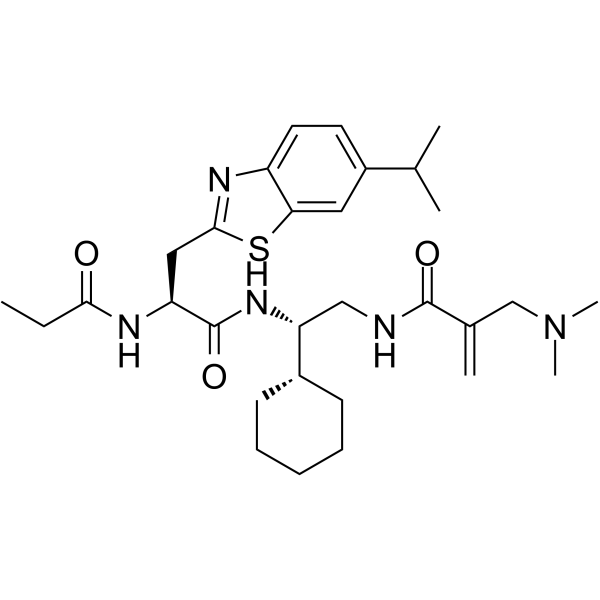
DY3002 is a selective and highly potent EGFR inhibitor with activity in overcoming T790M-mediated drug resistance in non-small cell lung cancer. DY3002 exhibited superior inhibitory effects against EGFR T790M mutants in kinase assays (IC50 = 0.71 nM), compared to weaker inhibitory effects against wild-type EGFR (IC50 = 448.7 nM). DY3002 was significantly superior to rociletinib and osimertinib in selectivity, showing an extremely high selectivity index (SI = 632.0). In cell experiments, DY3002 had an IC50 value of 0.037 μM against H1975 cells, showing enhanced inhibitory potency. In addition, DY3002 was superior to other alternative compounds in terms of biological properties and did not cause hyperglycemia .
|
-
- HY-10581
-
|
AM-1155; BMS-206584; PD135432
|
Bacterial
Topoisomerase
Antibiotic
|
Infection
Neurological Disease
Cancer
|
|
Gatifloxacin (AM-1155; BMS-206584; PD135432) is a potent fluoroquinolone antibiotic that can cross the blood-brain barrier, with broad-spectrum antibacterial activity. Gatifloxacin inhibits bacterial type II topoisomerases (IC50=13.8 μg/ml for S. aureus topoisomerase IV) and E. coli DNA gyrase (IC50=0.109 μg/ml) . Gatifloxacin can be used to treat bacterial conjunctivitis in vivo.
|
-
- HY-10581R
-
|
AM-1155 (Standard); BMS-206584 (Standard); PD135432 (Standard)
|
Reference Standards
Bacterial
Topoisomerase
Antibiotic
|
Infection
|
|
Gatifloxacin (Standard) is the analytical standard of Gatifloxacin. This product is intended for research and analytical applications. Gatifloxacin (AM-1155; BMS-206584; PD135432) is a potent fluoroquinolone antibiotic with broad-spectrum antibacterial activity. Gatifloxacin inhibits bacterial type II topoisomerases (IC50=13.8 μg/ml for S. aureus topoisomerase IV) and E. coli DNA gyrase (IC50=0.109 μg/ml) . Gatifloxacin can be used to treat bacterial conjunctivitis in vivo.
|
-
- HY-10581C
-
|
AM-1155 sesquihydrate; BMS-206584 sesquihydrate; PD135432 sesquihydrate
|
Bacterial
Topoisomerase
Antibiotic
|
Infection
Inflammation/Immunology
|
|
Gatifloxacin sesquihydrate (AM-1155; BMS-206584; PD135432) is a potent fluoroquinolone antibiotic with broad-spectrum antibacterial activity. Gatifloxacin sesquihydrate inhibits bacterial type II topoisomerases (IC50=13.8 μg/ml for S. aureus topoisomerase IV) and E. coli DNA gyrase (IC50 = 0.109 μg/ml) . Gatifloxacin sesquihydrate can be used to treat bacterial conjunctivitis in vivo.
|
-
- HY-10581CR
-
|
AM-1155 sesquihydrate (Standard); BMS-206584 sesquihydrate (Standard); PD135432 sesquihydrate (Standard)
|
Reference Standards
Bacterial
Topoisomerase
Antibiotic
|
Infection
Inflammation/Immunology
|
|
Gatifloxacin (sesquihydrate) (Standard) is the analytical standard of Gatifloxacin (sesquihydrate). This product is intended for research and analytical applications. Gatifloxacin sesquihydrate (AM-1155; BMS-206584; PD135432) is a potent fluoroquinolone antibiotic with broad-spectrum antibacterial activity. Gatifloxacin sesquihydrate inhibits bacterial type II topoisomerases (IC50=13.8 μg/ml for S. aureus topoisomerase IV) and E. coli DNA gyrase (IC50 = 0.109 μg/ml) . Gatifloxacin sesquihydrate can be used to treat bacterial conjunctivitis?in vivo.
|
-
- HY-10358R
-
|
MK-2206 (2HCl) (Standard)
|
Organoid
Reference Standards
Akt
Autophagy
Apoptosis
|
Cardiovascular Disease
Inflammation/Immunology
Cancer
|
|
MK-2206 dihydrochloride (MK-2206 2HCl) (Standard) is the analytical standard of MK-2206 dihydrochloride (HY-10358). This product is intended for research and analytical applications. MK-2206 dihydrochloride is an orally active pan-AKT inhibitor, with IC50 values of 8 nM, 12 nM and 65 nM against AKT1, AKT2 and AKT3, respectively. MK-2206 dihydrochloride inhibits the Akt/mTOR signaling pathway and reduces the levels of downstream GSK3β and Mcl-1 via proteasomal degradation. MK-2206 dihydrochloride induces G1-phase cell cycle arrest, apoptosis, epithelial-mesenchymal transition, fibroblast activation and extracellular matrix deposition. MK-2206 dihydrochloride causes transient hyperglycemia and hyperinsulinemia in animals. MK-2206 dihydrochloride can be used in research related to solid tumors, renal fibrosis and hypercholesterolemia .
|
-
- HY-160631
-
|
|
Free Fatty Acid Receptor
|
Metabolic Disease
|
|
GPR40 agonist 9 (Example 21) is a G protein-coupled receptor 40 (GPR40) agonist with an EC50 of 0.21 nM. GPR40 agonist 9 is applicable to research related to type 2 diabetes, obesity, and other associated conditions .
|
-
- HY-179623
-
|
|
PI3K
mTOR
Akt
CDK
Cadherin
|
Cancer
|
|
PI3Kα-IN-29 is a potent, orally active and selective PI3Kα with an IC50 of 2.5 nM. PI3Kα-IN-29 exhibits >400-fold selectivity over PI3Kβ/δ/γ/mTOR. PI3Kα-IN-29 selectively degrades the H1047R mutant p110α protein and inhibits PI3Kα kinase activity. PI3Kα-IN-29 suppresses PI3K/AKT/mTOR signaling, induces G1 arrest, and inhibits migration. PI3Kα-IN-29 inhibits tumor growth in a T47 mouse model. PI3Kα-IN-29 can be used for the research of breast cancer .
|
-
- HY-175862
-
|
|
Aldose Reductase
Reactive Oxygen Species (ROS)
PI3K
Akt
SOD
p38 MAPK
Keap1-Nrf2
|
Metabolic Disease
|
|
ALR2-IN-9 is a potent ALR2 inhibitor (IC50 = 21.8 nM) with excellent antioxidant activity (EC50 for DPPH radical scavenging = 2.8 μM). ALR2-IN-9 interacts directly with Reactive Oxygen Species (ROS)/Reactive Nitrogen Species (RNS) and interrupts the free radical chain reactions, and as an endogenous enzymatic antioxidant regulator, which regulates enzyme functions of CAT and SOD. ALR2-IN-9 regulates PI3K/Akt/Nrf2 pathway to attenuate hyperglycemia-mediated mitochondrial superoxide overproduction in vitro, and ameliorates CuSO4- and H2O2-induced oxidative stress in vivo. ALR2-IN-9 prolongs lifespan of C. elegans via the regulation of stress response genes such as PMK-1. ALR2-IN-9 is a promising anti-aging drug candidate. ALR2-IN-9 can be used for diabetic complication research .
|
-
- HY-108767
-
|
B28Asp; B28-Asp-insulin; INA-X 14; Insulin X 14
|
Insulin Receptor
Drug Derivative
|
Metabolic Disease
|
|
Insulin aspart (B28Asp) is a rapid-acting h-Insulin (HY-P0035) analog. Insulin aspart induces a faster hypoglycemic effect. Insulin aspart can be used in diabetes-related research .
|
-
- HY-121811
-
|
Lanceolatin C
|
Glycosidase
Phosphatase
Interleukin Related
TNF Receptor
COX
Beclin1
GLUT
FAK
Akt
mTOR
p38 MAPK
Keap1-Nrf2
Apoptosis
Amyloid-β
Tau Protein
Autophagy
|
Neurological Disease
Inflammation/Immunology
Cancer
|
|
Pongamol is an orally active flavonoid with an IC50 of 75 μM and a Ki of 58 μM against PTPase-1B, and an IC50 of 103.5 μM against intestinal α-Glycosidase. Pongamol reduces the release of IL‑1β, TNF‑α, COX‑2 and iNOS in cells, reverses the nuclear translocation of NF‑κB, and upregulates the levels of Beclin 1 and LC3 Ⅱ/LC3 Ⅰ. Pongamol promotes glucose uptake by increasing the level of GLUT4 on the surface of skeletal muscle cells. Pongamol inhibits epithelial-mesenchymal transition by suppressing the FAK/Akt-mTOR signaling pathway. Pongamol inhibits neuronal cytotoxicity, suppresses cell apoptosis and extends the lifespan of Caenorhabditis elegans by activating the MAPKs/Nrf2 signaling pathway. Pongamol exerts hypoglycemic effects in diabetic mouse models. Pongamol alleviates oxidative stress, neuroinflammation, Aβ deposition and excessive phosphorylation of Tau Protein, and restores autophagy function in Alzheimer's disease mouse models by inhibiting the Akt/mTOR signaling pathway. Pongamol is applicable to research related to Alzheimer's disease, type 2 diabetes, non-small cell lung cancer and postprandial hyperglycemia .
|
-
- HY-144035
-
|
|
GCGR
|
Metabolic Disease
Inflammation/Immunology
|
|
GLP-1R agonist 4 is a glucagon-like peptide-1 (GLP-1) receptor agonist. GLP-1 is an intestinal hypoglycemic hormone secreted by L-cells in the lower gastrointestinal tract. GLP-1R agonist 4 can be used for the research of type 2 diabetes mellitus, obesity, non-alcoholic steatohepatitis, insulin resistance and etc .
|
-
| Cat. No. |
Product Name |
Type |
-
- HY-N9914
-
|
D-Allulose
|
Biochemical Assay Reagents
|
|
D-psicose is an orally active rare sugar. D-psicose inhibits p38-MAPK phosphorylation and MCP-1 expression. D-psicose inhibits the AGEs/RAGE/NF-κB pathway. D-psicose protects pancreatic β-islets, improves hyperglycemia and high-fat diet-induced non-alcoholic fatty liver disease .
|
-
- HY-N9914R
-
|
D-Allulose (Standard)
|
Biochemical Assay Reagents
|
|
D-Psicose (Standard) is the analytical standard of D-Psicose (HY-N9914). This product is intended for research and analytical applications. D-psicose is an orally active rare sugar. D-psicose inhibits p38-MAPK phosphorylation and MCP-1 expression. D-psicose inhibits the AGEs/RAGE/NF-κB pathway. D-psicose protects pancreatic β-islets, improves hyperglycemia and high-fat diet-induced non-alcoholic fatty liver disease .
|
| Cat. No. |
Product Name |
Target |
Research Area |
-
- HY-108743
-
|
|
Insulin Receptor
|
Endocrinology
|
|
Insulin degludec is an ultra-long-acting form of insulin used for the research of hyperglycemia caused by type 1 and type 2 dabetes. Insulin degludec shows binding efficiency with an IC50 value of 19.59 nM for insulin receptor. Insulin degludec can be used for the research of type 1 and type 2 diabetes .
|
-
- HY-109555
-
|
HMR 1964
|
Insulin Receptor
|
Metabolic Disease
Inflammation/Immunology
|
|
Insulin glulisine (HMR 1964) is a rapid-acting insulin analog whose pharmacokinetic and pharmacodynamic properties mimic physiological insulin secretion in humans, with a rapid onset of action. Insulin glulisine controls hyperglycemia. Insulin glulisine is applicable to research related to type 1 diabetes and type 2 diabetes .
|
-
- HY-108767
-
|
B28Asp; B28-Asp-insulin; INA-X 14; Insulin X 14
|
Insulin Receptor
Drug Derivative
|
Metabolic Disease
|
|
Insulin aspart (B28Asp) is a rapid-acting h-Insulin (HY-P0035) analog. Insulin aspart induces a faster hypoglycemic effect. Insulin aspart can be used in diabetes-related research .
|
-
- HY-P3841
-
|
|
PKC
|
Others
|
|
Protein Kinase C β Peptide is a peptide fragment of Protein Kinase Cβ. Protein Kinase Cβ is related with hyperglycemia decreases endothelium-derived nitric oxide. Inhibition of Protein kinase Cβ prevents the reduction in endothelium-dependent vasodilation induced by acute hyperglycemia .
|
-
- HY-P4815
-
|
|
Endogenous Metabolite
|
Neurological Disease
Metabolic Disease
|
|
Prokineticin 2 Isoform 2 (human) is a hypothalamic neuropeptide. Prokineticin 2 Isoform 2 (human) decreases food intake and involves in thermoregulation and energy metabolism in rodents. Prokineticin 2 has the potential for the research of hyperglycemia, metabolic syndrome (MetS) and obesity .
|
-
- HY-P3608
-
|
|
GCGR
|
Metabolic Disease
|
|
[Des-His1,Glu9] Glucagon is a potent glucagon receptor system peptide antagonist. [Des-His1,Glu9] Glucagon enhances the glucose-stimulated release of insulin from pancreatic islet cells. [Des-His1,Glu9] Glucagon can be used to research diabetes .
|
-
- HY-P10492
-
|
|
Peptides
|
Others
Metabolic Disease
|
|
Tregitope 289 is a peptide derived from the Fc region of immunoglobulin G (IgG) and is a highly conserved T cell epitope that stimulates the expansion of natural regulatory T cells. Co-delivery of Tregitope 289 with type 1 diabetes (T1D) antigens delays the development of hyperglycemia and reduces the incidence of diabetes in the NOD mouse model. Tregitope 289 can be used to study T1D and other autoimmune diseases .
|
| Cat. No. |
Product Name |
Category |
Target |
Chemical Structure |
-
- HY-111431
-
-
-
- HY-121401A
-
-
-
- HY-N9914
-
-
-
- HY-77813
-
-
-
- HY-N3021
-
|
|
Natural Products
Classification of Application Fields
Metabolic Disease
Endogenous metabolite
Disease Research Fields
Source Classification
|
Endogenous Metabolite
NF-κB
TNF Receptor
FOXO
Microtubule/Tubulin
|
|
D-chiro-Inositol is a stereoisomer of inositol that exhibits activities such as improving glucose metabolism, anti-tumor effects, anti-inflammatory properties, and antioxidant activity. D-chiro-Inositol effectively alleviates cholestasis by enhancing bile acid secretion and reducing oxidative stress. D-chiro-Inositol improves insulin resistance, lowers hyperglycemia and circulating insulin levels, reduces serum androgen levels, and ameliorates some metabolic abnormalities associated with X syndrome by mimicking the action of insulin. Additionally, D-chiro-Inositol can induce a reduction in pro-inflammatory factors (such as Nf-κB) and cytokines (such as TNF-α), thereby exerting anti-inflammatory effects. D-chiro-Inositol may be used in the study of liver cirrhosis, breast cancer, type 2 diabetes, and polycystic ovary syndrome .
|
-
-
- HY-N0171B
-
-
-
- HY-N7912
-
-
-
- HY-N2821
-
-
-
- HY-121811
-
|
Lanceolatin C
|
Structural Classification
Pongamia pinnata (L.) Pierre
Leguminosae
Ketones, Aldehydes, Acids
Derris trifoliata Lour.
Plants
Source Classification
|
Glycosidase
Phosphatase
Interleukin Related
TNF Receptor
COX
Beclin1
GLUT
FAK
Akt
mTOR
p38 MAPK
Keap1-Nrf2
Apoptosis
Amyloid-β
Tau Protein
Autophagy
|
|
Pongamol is an orally active flavonoid with an IC50 of 75 μM and a Ki of 58 μM against PTPase-1B, and an IC50 of 103.5 μM against intestinal α-Glycosidase. Pongamol reduces the release of IL‑1β, TNF‑α, COX‑2 and iNOS in cells, reverses the nuclear translocation of NF‑κB, and upregulates the levels of Beclin 1 and LC3 Ⅱ/LC3 Ⅰ. Pongamol promotes glucose uptake by increasing the level of GLUT4 on the surface of skeletal muscle cells. Pongamol inhibits epithelial-mesenchymal transition by suppressing the FAK/Akt-mTOR signaling pathway. Pongamol inhibits neuronal cytotoxicity, suppresses cell apoptosis and extends the lifespan of Caenorhabditis elegans by activating the MAPKs/Nrf2 signaling pathway. Pongamol exerts hypoglycemic effects in diabetic mouse models. Pongamol alleviates oxidative stress, neuroinflammation, Aβ deposition and excessive phosphorylation of Tau Protein, and restores autophagy function in Alzheimer's disease mouse models by inhibiting the Akt/mTOR signaling pathway. Pongamol is applicable to research related to Alzheimer's disease, type 2 diabetes, non-small cell lung cancer and postprandial hyperglycemia .
|
-
-
- HY-N0946
-
|
(-)-Pinoresinol 4-O-β-D-glucopyranoside
|
Cicer arietinum L.
Plants
Compositae
Saccharides
Monosaccharides
Source Classification
|
Glycosidase
|
|
(-)-Pinoresinol 4-O-glucoside ((-)-Pinoresinol 4-O-β-D-glucopyranoside) is a potent and orally active α-glucosidase inhibitor with an IC50 value of 48.13 µM. (-)-Pinoresinol 4-O-glucoside increases cell migration and early differentiation of pre-osteoblasts. (-)-Pinoresinol 4-O-glucoside increases protein level of BMP2, p-Smad1/5/8, RUNX2. (-)-Pinoresinol 4-O-glucoside attenuates oxidative stress, hyperglycemia and hepatic toxicity. (-)-Pinoresinol 4-O-glucoside has the potential for the research of osteoporosis and periodontal disease .
|
-
-
- HY-N9914R
-
-
-
- HY-111431AR
-
-
-
- HY-N3021R
-
|
|
Structural Classification
Natural Products
Endogenous metabolite
Source Classification
|
Reference Standards
Endogenous Metabolite
NF-κB
TNF Receptor
FOXO
Microtubule/Tubulin
|
|
D-chiro-Inositol is a stereoisomer of inositol that exhibits activities such as improving glucose metabolism, anti-tumor effects, anti-inflammatory properties, and antioxidant activity. D-chiro-Inositol effectively alleviates cholestasis by enhancing bile acid secretion and reducing oxidative stress. D-chiro-Inositol improves insulin resistance, lowers hyperglycemia and circulating insulin levels, reduces serum androgen levels, and ameliorates some metabolic abnormalities associated with X syndrome by mimicking the action of insulin. Additionally, D-chiro-Inositol can induce a reduction in pro-inflammatory factors (such as Nf-κB) and cytokines (such as TNF-α), thereby exerting anti-inflammatory effects. D-chiro-Inositol may be used in the study of liver cirrhosis, breast cancer, type 2 diabetes, and polycystic ovary syndrome .
|
-
-
- HY-N2953
-
-
-
- HY-111899
-
-
-
- HY-W587784
-
|
|
Bixaceae
Bixa orellana Linn.
Ketones, Aldehydes, Acids
Plants
Source Classification
|
PPAR
|
|
Norbixin is a carotenoid that has been found in B. orellana.It binds to PPARγ in a cell-free assay (Ki = 1.15 μM) . Norbixin attenuates hyperglycemia, hyperinsulinemia, and insulin resistance, as well as decreases serum lipid levels and cardiac levels of thiobarbituric acid reactive substances (TBARS) and glutathione (GSH) in a rat model of cardio-metabolic syndrome .
|
-
-
- HY-N11728
-
|
|
Microorganisms
Phenols
Polyphenols
Source Classification
|
Amylases
Glycosidase
|
|
2,7"-Phloroglucinol-6,6'-bieckol is an orally active dual α-amylase/α-glucosidase inhibitor with IC50 values of 6.94 μM and 23.35 μM respectively. 2,7"-Phloroglucinol-6, 6'-bieckol alleviates postprandial hyperglycemia in diabetic mice. 2,7"-Phloroglucinol-6,6'-bieckol can be used in diabetes research .
|
-
-
- HY-111431R
-
-
-
- HY-N10017
-
-
-
- HY-N3185
-
-
-
- HY-77813R
-
-
-
- HY-N9075
-
-
-
- HY-N17925
-
-
-
- HY-N19794
-
-
-
- HY-114506
-
-
-
- HY-N19793
-
-
-
- HY-N17761A
-
-
-
- HY-N19401
-
|
|
Structural Classification
Phenols
Polyphenols
Myrciaria dubia (Kunth) McVaugh
Myrtaceae
Plants
Source Classification
|
Cholinesterase (ChE)
Carbonic Anhydrase
Glycosidase
JNK
p38 MAPK
|
|
Vescalagin is a hexahydroxyphenol. Vescalagin is isolable from Camu-camu (Myrciaria dubia) and immature wax apple fruits. Vescalagin exhibits inhibitory activity against a variety of enzymes, with a Ki value of 5.87 nM against AChE, 3.89 nM against BChE, 11.75 nM against hCA I, 16.23 nM against hCA II, and 16.08 nM against α-glucosidase. Vescalagin inhibits hCA I, hCA II and α-glucosidase in a non-competitive manner. Vescalagin downregulates JNK/p38 MAPK to protect pancreatic β-cells and improve insulin secretion in methylglyoxal-treated rats. Vescalagin reduces hyperglycemia and hypertriglyceridemia in rats fed a high-fructose diet. Vescalagin possesses anti-inflammatory and antioxidant properties .
|
-
| Cat. No. |
Product Name |
|
Classification |
-
- HY-N0171B
-
|
β-Sitosterol (purity>75%); 22,23-Dihydrostigmasterol (purity>75%)
|
|
Cholesterol
|
|
Beta-Sitosterol (purity>75%) is a phytosterol with oral activity. Beta-Sitosterol (purity>75%) interferes with a variety of cell signaling pathways, including the cell cycle, apoptosis and cell proliferation. Beta-Sitosterol (purity>75%) has anti-inflammatory, antioxidant, and antitumor activities .
|
Your information is safe with us. * Required Fields.
Inquiry Information
- Product Name:
- Cat. No.:
- Quantity:
- MCE Japan Authorized Agent:

