Search Result
Results for "
hypnotic
" in MedChemExpress (MCE) Product Catalog:
6
Isotope-Labeled Compounds
| Cat. No. |
Product Name |
Target |
Research Areas |
Chemical Structure |
-
- HY-B0649
-
-
-
- HY-B1367
-
|
|
Gap Junction Protein
Orthopoxvirus
11β-HSD
|
Infection
Inflammation/Immunology
|
|
Carbenoxolone disodium is the active metabolite of Glycyrrhizic acid (HY-N0184) and the inhibitor of human 11β-HSD and bacterial 3α, 20β-HSD . Carbenoxolone disodium is an uncoupling agent for gap junctions and a potent inhibitor of Vaccinia virus replication . Carbenoxolone disodium is used for the study of peptic, esophageal and oral ulceration and inflammation. Carbenoxolone disodium inhibits Vaccinia virus replication.
|
-
-
- HY-Y0546
-
|
|
Environmental Pollutants
Endogenous Metabolite
Photosensitizer
|
Cancer
|
|
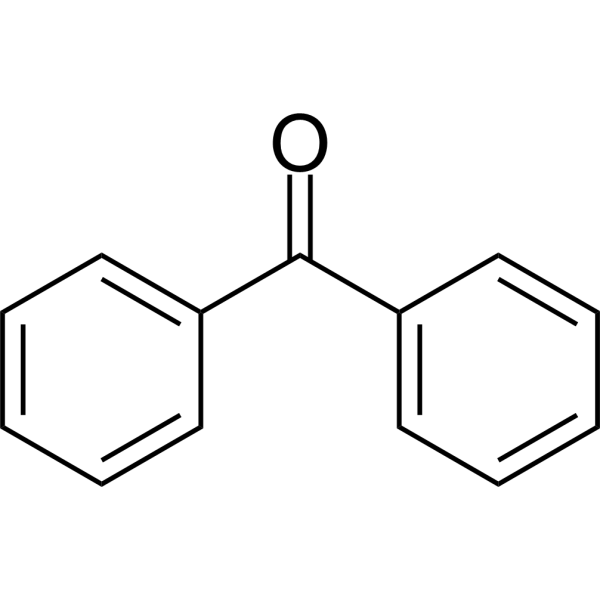
Benzophenone is an endogenous metabolite. Benzophenone is a photosensitizer, that absorbs UV light, transfers its energy to DNA, and triggers DNA damage. Benzophenone can be used as the fragrance enhancer, ultraviolet curing agent, additive in plastics, or the flavor ingredient. Benzophenone can also be used in the manufacturing of insecticides, agricultural chemicals, hypnotics, antihistamines, and other pharmaceuticals. Benzophenone exhibits certain carcinogenicity in mouse/rat models under long term exposure. Benzophenone exhibits estrogenic activity .
|
-
-
- HY-12752A
-
|
Trimeprazine hemitartrate
|
Histamine Receptor
Influenza Virus
|
Neurological Disease
Inflammation/Immunology
Cancer
|
|
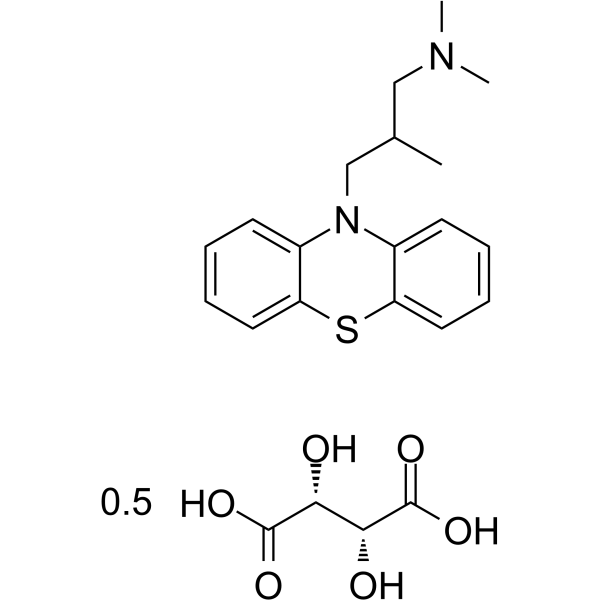
Alimemazine hemitartrate (Trimeprazine hemitartrate) is an antagonist of the histamine (HA) receptor that can be taken orally and also acts as a partial agonist at other GPCR receptors. Alimemazine hemitartrate has effects that include anti-serotonin, antispasmodic, antihistamine, sedation, hypnotic, antiviral, and anti-nausea properties. Alimemazine hemitartrate promotes the growth of pancreatic β-cells in mice and improves diabetes in mice .
|
-
-
- HY-10233
-
|
Lu 02-030 hydrochloride; THIP hydrochloride
|
GABA Receptor
|
Neurological Disease
|
|
Gaboxadol hydrochloride (Lu 02-030 hydrochloride) is a potent agonist of the GABAA receptor and an antagonist of GABAC receptors (IC50=25 μM). Gaboxadol hydrochloride displays a partial agonist efficacy on subunit α1β2γ2 with an ED50 value of 143 μM, a full agonist efficacy at α5 subunit (ED50=28-129 μM) and a superagonist efficacy at α4β3δ (ED50=6 μM). Gaboxadol hydrochloride is a non-opioid agent .
|
-
-
- HY-B1229
-
|
3-Methylbutanamide
|
GABA Receptor
|
Neurological Disease
Metabolic Disease
|
|
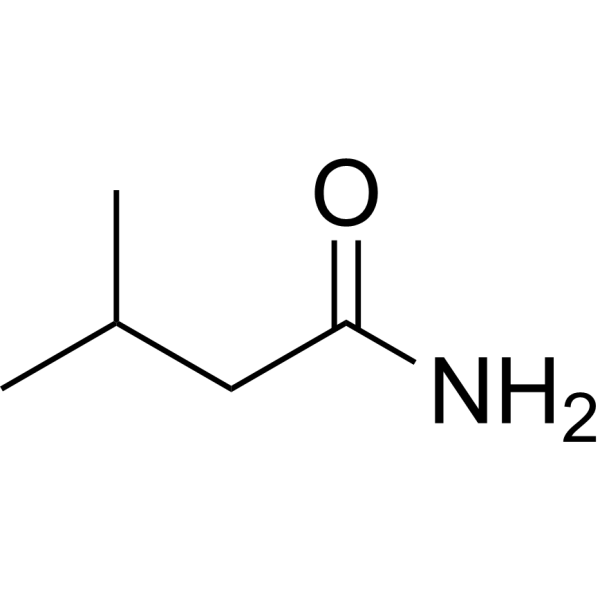
Isovaleramide (3-Methylbutanamide) is an orally active anticonvulsant. Isovaleramide inhibits alcohol dehydrogenase (ADH) activity and regulates GABAergic system. Isovaleramide reduces acute kidney injury. Isovaleramide has antiepileptic, anxiolytic, sedative and hypnotic effects[1] .
|
-
-
- HY-B0900
-
|
Anise camphor; p-Propenylanisole; Isoestragole
|
Environmental Pollutants
Apoptosis
NF-κB
Fungal
Bacterial
MMP
|
Infection
Neurological Disease
Inflammation/Immunology
Cancer
|
|
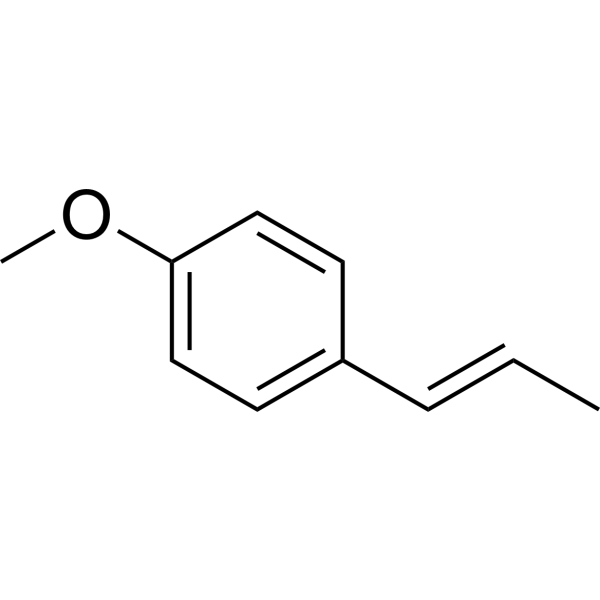
Anethole is a type of orally active aromatic compound that is widely found in nature and used as a flavoring agent. Anethole possesses anticancer, anti-inflammatory, antioxidant, antibacterial, antifungal, anesthetic, estrogenic, central nervous system depressant, hypnotic, insecticidal, and gastroprotective effects. Anethole can be used in the study of oxidative stress-related skin diseases and prostate cancer .
|
-
-
- HY-B1500
-
-
-
- HY-A0069
-
|
|
Histamine Receptor
Cytochrome P450
|
Neurological Disease
Metabolic Disease
|
|
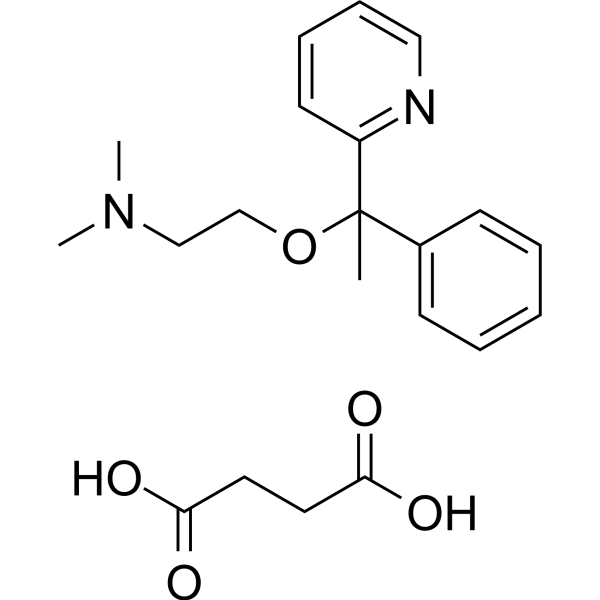
Doxylamine succinate is a first-generation antihistamine and acts as a histamine H1 receptor antagonist. Doxylamine succinate is orally active, possessing analgesic and hypnotic activities. Doxylamine succinate enhances the activities of CYP2B, CYP2A, CYP3A and thyroxine-glucuronosyltransferase via promoting substrate hydroxylation and thyroxine metabolic pathways. Doxylamine succinate decreases serum thyroxine (T4) level and elevates serum thyroid-stimulating hormone (TSH) level. Doxylamine succinate induces liver enlargement and increases the activities of hepatic microsomal cytochrome P450, cytochrome b5 and NADPH-cytochrome c reductase. Doxylamine succinate can be used for the research of nausea, allergy, insomnia .
|
-
-
- HY-B0971
-
|
Prophenpyridamine maleate; Tripoton maleate
|
Histamine Receptor
Apoptosis
|
Inflammation/Immunology
Endocrinology
|
|
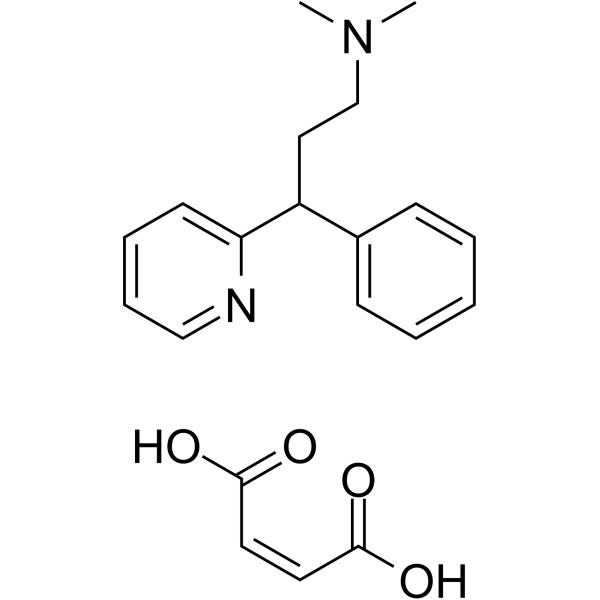
Pheniramine (Prophenpyridamine; Tripoton) maleate is a first-generation histamine H1 receptor antagonist, acts on the central nervous system (CNS) with sedative and hypnotic effect. Pheniramine maleate displays antitumor effect and induces leukemia cells apoptosis. Pheniramine maleate is also a safe and effective local agent that can suppress or relieve pain, with antipruritic effects .
|
-
-
- HY-Y0546S
-
|
|
Isotope-Labeled Compounds
Endogenous Metabolite
Photosensitizer
|
Cancer
|
|
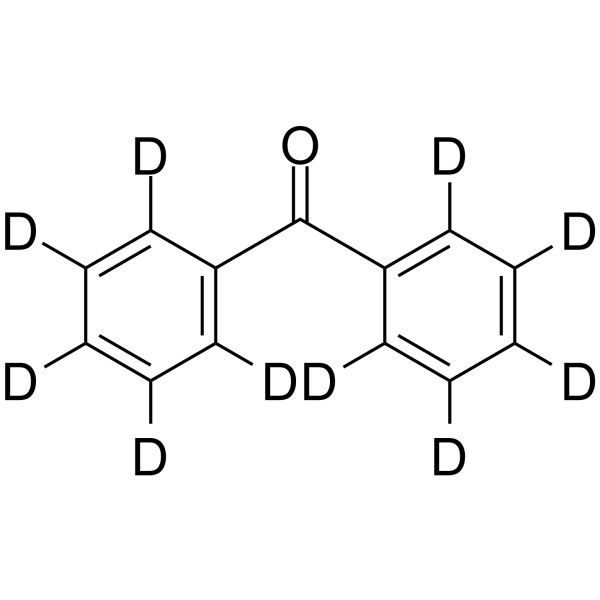
Benzophenone-d10 is the deuterium labeled Benzophenone (HY-Y0546). Benzophenone is an endogenous metabolite. Benzophenone is a photosensitizer, that absorbs UV light, transfers its energy to DNA, and triggers DNA damage. Benzophenone can be used as the fragrance enhancer, ultraviolet curing agent, additive in plastics, or the flavor ingredient. Benzophenone can also be used in the manufacturing of insecticides, agricultural chemicals, hypnotics, antihistamines, and other pharmaceuticals. Benzophenone exhibits certain carcinogenicity in mouse/rat models under long term exposure. Benzophenone exhibits estrogenic activity .
|
-
-
- HY-W008645
-
|
|
GABA Receptor
|
Neurological Disease
|
|
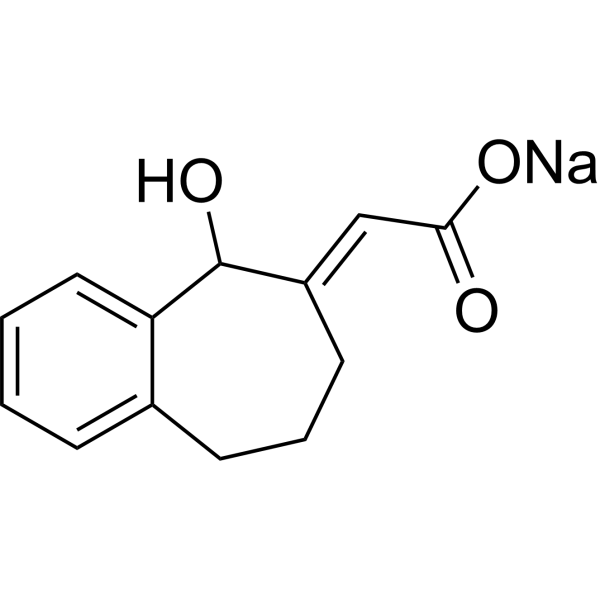
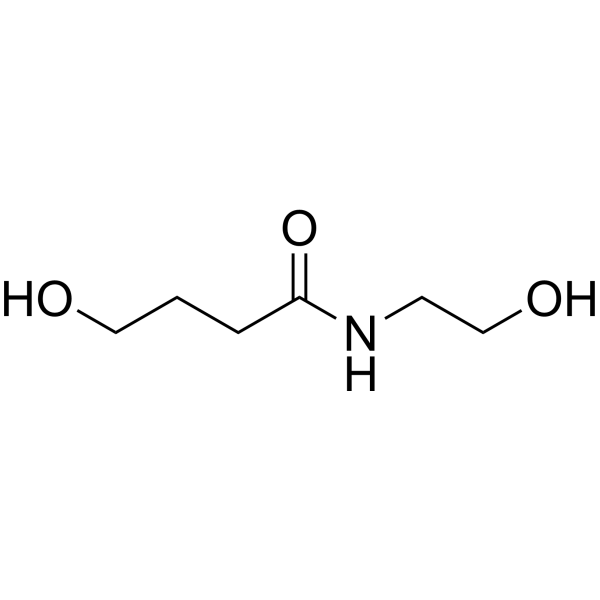
NCS-382 (sodium) is a potent GABA receptor antagonist. NCS-382 (sodium) has anti-sedative and anti-hypnotic activities and can be used in research related to neurological diseases .
|
-
-
- HY-B0971A
-
|
Prophenpyridamine; Tripoton; Pheniramine solution
|
Histamine Receptor
Apoptosis
|
Inflammation/Immunology
Cancer
|
|
Pheniramine (Prophenpyridamine;Tripoton) is a first-generation histamine H1 receptor antagonist, acts on the central nervous system (CNS) with sedative and hypnotic effect. Pheniramine displays antitumor effect and induces leukemia cells apoptosis. Pheniramine is also a safe and effective local agent that can suppress or relieve pain, with antipruritic effects .
|
-
-
- HY-B0649R
-
|
2,6-Diisopropylphenol (Standard)
|
Reference Standards
GABA Receptor
Endogenous Metabolite
|
Neurological Disease
Cancer
|
|
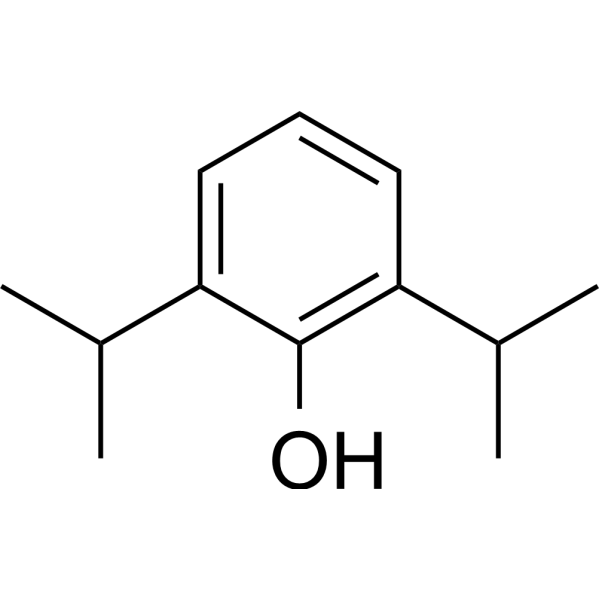
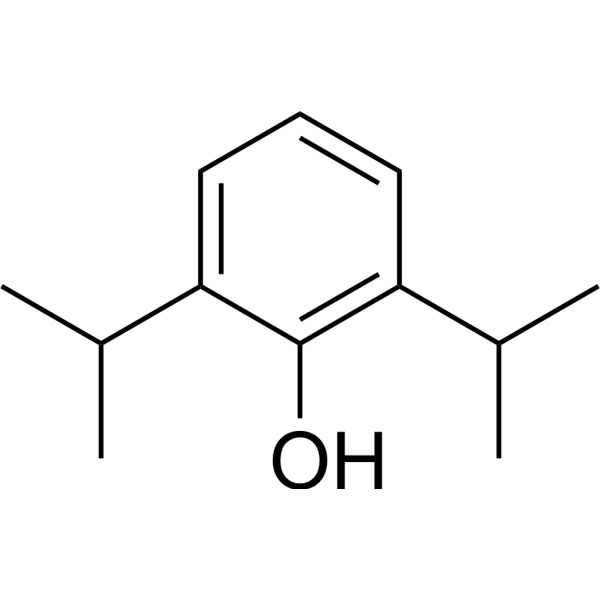
Propofol (Standard) is the analytical standard of Propofol. This product is intended for research and analytical applications. Propofol potently and directly activates GABAA receptor and inhibits glutamate receptor mediated excitatory synaptic transmission. Propofol has antinociceptive properties and is used for sedation and hypnotic .
|
-
-
- HY-Y0546S2
-
|
|
Isotope-Labeled Compounds
Endogenous Metabolite
Photosensitizer
|
Cancer
|
|
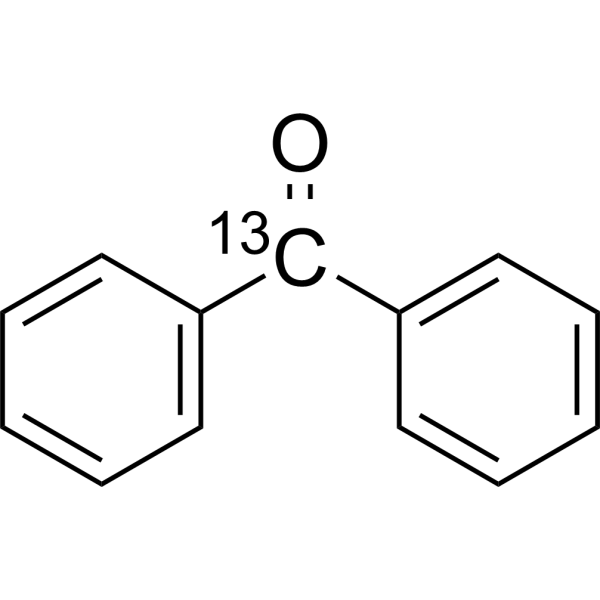
Benzophenone- 13C is the 13C labeled Benzophenone (HY-Y0546). Benzophenone is an endogenous metabolite. Benzophenone is a photosensitizer, that absorbs UV light, transfers its energy to DNA, and triggers DNA damage. Benzophenone can be used as the fragrance enhancer, ultraviolet curing agent, additive in plastics, or the flavor ingredient. Benzophenone can also be used in the manufacturing of insecticides, agricultural chemicals, hypnotics, antihistamines, and other pharmaceuticals. Benzophenone exhibits certain carcinogenicity in mouse/rat models under long term exposure. Benzophenone exhibits estrogenic activity .
|
-
-
- HY-100377
-
|
Anticonvulsant 7903
|
Others
|
Neurological Disease
|
|
Lvguidingan is a potent anticonvulsant agent. Lvguidingan also has sedative-hypnotic, tranquilizing, and muscle-relaxing actions. Lvguidingan can be used as antiepileptic agent .
|
-
-
- HY-B0900R
-
|
Anise camphor (Standard); p-Propenylanisole (Standard); Isoestragole (Standard)
|
Apoptosis
Fungal
Bacterial
MMP
NF-κB
Reference Standards
|
Infection
Neurological Disease
Inflammation/Immunology
Cancer
|
|
Anethole (Standard) is the analytical standard of Anethole. This product is intended for research and analytical applications. Anethole is a type of orally active aromatic compound that is widely found in nature and used as a flavoring agent. Anethole possesses anticancer, anti-inflammatory, antioxidant, antibacterial, antifungal, anesthetic, estrogenic, central nervous system depressant, hypnotic, insecticidal, and gastroprotective effects. Anethole can be used in the study of oxidative stress-related skin diseases and prostate cancer .
|
-
-
- HY-A0069A
-
|
|
Histamine Receptor
Cytochrome P450
|
Neurological Disease
Metabolic Disease
|
|
Doxylamine is a first-generation antihistamine and acts as a histamine H1 receptor antagonist. Doxylamine is orally active, possessing analgesic and hypnotic activities. Doxylamine enhances the activities of CYP2B, CYP2A, CYP3A and thyroxine-glucuronosyltransferase via promoting substrate hydroxylation and thyroxine metabolic pathways. Doxylamine decreases serum thyroxine (T4) level and elevates serum thyroid-stimulating hormone (TSH) level. Doxylamine induces liver enlargement and increases the activities of hepatic microsomal cytochrome P450, cytochrome b5 and NADPH-cytochrome c reductase. Doxylamine can be used for the research of nausea, allergy, insomnia .
|
-
-
- HY-A0069R
-
|
|
Reference Standards
Histamine Receptor
Cytochrome P450
|
Neurological Disease
Metabolic Disease
|
|
Doxylamine succinate (Standard) is the analytical standard of Doxylamine succinate (HY-A0069). This product is intended for research and analytical applications. Doxylamine succinate is a first-generation antihistamine and acts as a histamine H1 receptor antagonist. Doxylamine succinate is orally active, possessing analgesic and hypnotic activities. Doxylamine succinate enhances the activities of CYP2B, CYP2A, CYP3A and thyroxine-glucuronosyltransferase via promoting substrate hydroxylation and thyroxine metabolic pathways. Doxylamine succinate decreases serum thyroxine (T4) level and elevates serum thyroid-stimulating hormone (TSH) level. Doxylamine succinate induces liver enlargement and increases the activities of hepatic microsomal cytochrome P450, cytochrome b5 and NADPH-cytochrome c reductase. Doxylamine succinate can be used for the research of nausea, allergy, insomnia .
|
-
-
- HY-121890
-
-
-
- HY-B1504
-
-
-
- HY-168986
-
-
-
- HY-106716
-
-
-
- HY-125508
-
|
|
GABA Receptor
|
Neurological Disease
|
|
CCD-3693 is an orally active GABA receptor agonist. CCD-3693 has anxiolytic, anticonvulsant and sedative hypnotic activities and can be used in research related to neurological diseases .
|
-
-
- HY-116629
-
|
|
Drug Derivative
|
Neurological Disease
|
|
Dactylyne is an ethyl dibromochloroether isolated from the sea hare Dactylomela. Dactylyne has the ability to inhibit Pentobarbital (PTB) metabolism and potentiate the effects of other hypnotic drugs .
|
-
-
- HY-129451
-
|
|
GABA Receptor
|
Others
|
|
HIE-124 is a potent ultra-short acting hypnotic that exhibits a rapid onset of action and a shorter duration of action with no acute tolerance or noticeable side effects. HIE-124 is promising for research of preanesthetic medication and anesthesia inducer .
|
-
-
- HY-B1375
-
-
-
- HY-B0971R
-
|
Prophenpyridamine maleate (Standard); Tripoton maleate (Standard); Pheniramine maleate (Standard)
|
Reference Standards
Histamine Receptor
Apoptosis
|
Inflammation/Immunology
Endocrinology
|
|
Pheniramine (maleate) (Standard) is the analytical standard of Pheniramine (maleate). This product is intended for research and analytical applications. Pheniramine (Prophenpyridamine; Tripoton) maleate is a first-generation histamine H1 receptor antagonist, acts on the central nervous system (CNS) with sedative and hypnotic effect. Pheniramine maleate displays antitumor effect and induces leukemia cells apoptosis. Pheniramine maleate is also a safe and effective local agent that can suppress or relieve pain, with antipruritic effects .
|
-
-
- HY-B0971AR
-
|
Prophenpyridamine (Standard); Tripoton (Standard); Pheniramine solution (Standard)
|
Reference Standards
Histamine Receptor
Apoptosis
|
Inflammation/Immunology
Cancer
|
|
Pheniramine (Standard) is the analytical standard of Pheniramine. This product is intended for research and analytical applications. Pheniramine (Prophenpyridamine;Tripoton) is a first-generation histamine H1 receptor antagonist, acts on the central nervous system (CNS) with sedative and hypnotic effect. Pheniramine displays antitumor effect and induces leukemia cells apoptosis. Pheniramine is also a safe and effective local agent that can suppress or relieve pain, with antipruritic effects .
|
-
-
- HY-129105A
-
-
-
- HY-108204
-
|
THRX 918661
|
GABA Receptor
|
Others
|
|
AZD 3043 (THRX 918661) is a positive allosteric modulator of GABA(A) receptors with sedative and hypnotic activity. AZD 3043 can enhance GABA(A) receptor-mediated chloride currents in vitro and produce hypnotic and electroencephalographic inhibitory effects in vivo. Due to its esterase-dependent metabolic pathway, it has a short duration of action and can be quickly cleared even after long-term infusion, which may have clinical application potential.
|
-
-
- HY-N8763
-
|
Guaianin A
|
Others
|
Neurological Disease
|
|
Ciwujianoside E is a triterpene saponin that can be isolated from Acanthopanax senticosus. Ciwujianoside E can be used in study sedative-hypnotic drug .
|
-
-
- HY-W171071
-
|
|
Biochemical Assay Reagents
|
Neurological Disease
|
|
Phenylethynylcarbinol carbamate is a agent used for neurology disease . Phenylethynylcarbinol carbamate is a click chemistry reagent, it contains an Alkyne group and can undergo copper-catalyzed azide-alkyne cycloaddition (CuAAc) with molecules containing Azide groups.
|
-
-
- HY-N1514R
-
|
|
Reference Standards
P-glycoprotein
|
Cancer
|
|
Doxylamine (succinate) (Standard) is the analytical standard of Doxylamine (succinate). This product is intended for research and analytical applications. Doxylamine (succinate), a first generation antihistamine, is a histamine (H1) receptor antagonist. Doxylamine is also a local analgesic agent and effective hypnotic agent .
|
-
-
- HY-169432
-
|
|
GABA Receptor
|
Neurological Disease
|
|
TET-13 is a positive allosteric modulator of GABAA receptor with an EC50 of 5.65 μM, lower than that of Etomidate (EC50: 9.29 μM). TET-13 shows potent anesthetic effects in both mice and rats (ED50: 0.48 mg/kg and 0.69 mg/kg, respectively) .
|
-
-
- HY-10233R
-
|
Lu 02-030 hydrochloride (Standard); THIP hydrochloride (Standard)
|
Reference Standards
GABA Receptor
|
Neurological Disease
|
|
Gaboxadol (hydrochloride) (Standard) is the analytical standard of Gaboxadol (hydrochloride). This product is intended for research and analytical applications. Gaboxadol hydrochloride (Lu 02-030 hydrochloride) is a potent agonist of the GABAA receptor and an antagonist of GABAC receptors (IC50=25 μM). Gaboxadol hydrochloride displays a partial agonist efficacy on subunit α1β2γ2 with an ED50 value of 143 μM, a full agonist efficacy at α5 subunit (ED50=28-129 μM) and a superagonist efficacy at α4β3δ (ED50=6 μM). Gaboxadol hydrochloride is a non-opioid agent .
|
-
-
- HY-W707528
-
|
2,6-Diisopropylphenol-d14
|
Isotope-Labeled Compounds
GABA Receptor
Endogenous Metabolite
|
Neurological Disease
|
|
Propofol-d14 (2,6-Diisopropylphenol-d14) is the deuterium labeled Propofol (HY-B0649). Propofol potently and directly activates GABAA receptor and inhibits glutamate receptor mediated excitatory synaptic transmission. Propofol has antinociceptive properties and is used for sedation and hypnotic .
|
-
-
- HY-119256
-
|
|
GABA Receptor
|
Neurological Disease
|
|
COR627 is a GABA receptor positive allosteric modulator with the ability to enhance GABA activity. COR627 exhibits effects on GABA and baclofen stimulation in rat cortical membranes and can increase its affinity for GABA(B) receptors. In vivo experiments have shown that COR627 can enhance the sedative/hypnotic effects of baclofen at pretreatment ineffective doses .
|
-
-
- HY-163978
-
|
|
Adenosine Receptor
|
Neurological Disease
|
|
YGZ-331 is a sedative with a calming effect. YGZ-331 is a derivative of the adenosine nucleoside NGBA, which can increase GABA levels. YGZ-331 exerts a sedative-hypnotic effect by activating A1R and A2aR, and inhibiting CaMKII phosphorylation (pCaMKII) levels. YGZ-331 can reduce the spontaneous motor activity of mice .
|
-
-
- HY-106917
-
|
Ro 41-3696
|
GABA Receptor
|
Neurological Disease
|
|
Lirequinil (Ro 41-3696) is an orally active partial agonist of the benzodiazepine (BDZ) receptor. Lirequinil has the effect of promoting sleep .
|
-
-
- HY-N7814R
-
|
|
Reference Standards
Endogenous Metabolite
|
Others
|
|
Pheniramine (maleate) (Standard) is the analytical standard of Pheniramine (maleate). This product is intended for research and analytical applications. Pheniramine (Prophenpyridamine; Tripoton) maleate is a first-generation histamine H1 receptor antagonist, acts on the central nervous system (CNS) with sedative and hypnotic effect. Pheniramine maleate displays antitumor effect and induces leukemia cells apoptosis. Pheniramine maleate is also a safe and effective local agent that can suppress or relieve pain, with antipruritic effects .
|
-
-
- HY-103496
-
|
|
GABA Receptor
|
Neurological Disease
|
|
U-90042 is a gamma-aminobutyric acidA receptor agonist of α1, α3 and α6 subtypes with Ki values of 7.8 nM, 9.5 nM and 11.0 nM, respectively. U-90042 suppresses locomotor activity and impairs rotarod performance in mice. U-90042 produces sedation and ataxia and prolongs sleeping time in mice, rats and monkeys. U-90042 can be used as a sedative and hypnotic agent .
|
-
-
- HY-115861
-
|
|
Endogenous Metabolite
|
Neurological Disease
|
|
UCM765 is a selective MT2-type melatonin receptor ligand with hypnotic, analgesic and anxiolytic activities. The partial agonist effect of UCM765 has attracted attention in pharmacological studies. By structurally modifying UCM765, its water solubility and metabolic stability can be improved, thereby increasing its bioavailability. The biological activity of UCM765 has been verified in a rat model, supporting its potential for further pharmacological studies .
|
-
-
- HY-12140
-
|
GW597599
|
Neurokinin Receptor
|
Neurological Disease
|
|
Vestipitant (GW597599) is a neurokinin-1 receptor antagonist (pKi: 9.4, hNK1) with hypnotic effects and the ability to suppress primary insomnia. Vestipitant can effectively block substance P-mediated extracellular regulated kinase phosphorylation and relieve anxiety and possible depression induced by the agonist GR73632 (HY-P1192) in gerbils. Vestipitant can also improve functional dyspnea, anxiety, insomnia, irritable bowel disease, gastroesophageal reflux disease, tinnitus and antiemetic effects .
|
-
-
- HY-Y0546S1
-
|
|
Isotope-Labeled Compounds
Endogenous Metabolite
Photosensitizer
|
Cancer
|
|
Benzophenone-d5 is the deuterium labeled Benzophenone (HY-Y0546). Benzophenone is an endogenous metabolite. Benzophenone is a photosensitizer, that absorbs UV light, transfers its energy to DNA, and triggers DNA damage. Benzophenone can be used as the fragrance enhancer, ultraviolet curing agent, additive in plastics, or the flavor ingredient. Benzophenone can also be used in the manufacturing of insecticides, agricultural chemicals, hypnotics, antihistamines, and other pharmaceuticals. Benzophenone exhibits certain carcinogenicity in mouse/rat models under long term exposure. Benzophenone exhibits estrogenic activity .
|
-
-
- HY-162620
-
|
|
Adrenergic Receptor
|
Cancer
|
|
α2A-AR agonist 1 (Compound B9) is a selective agonist for α2-adrenergic receptor (α2A-AR) with EC50 of 0.23 nM. α2A-AR agonist 1 exhibits a hypnotic effect, with ED50 of 0.138 mg/kg in the loss of righting reflex (LORR) experiment. α2A-AR agonist 1 exhibits metabolic stability in mouse liver microsomes .
|
-
-
- HY-Y0546R
-
|
|
Reference Standards
Endogenous Metabolite
Photosensitizer
|
Cancer
|
|
Benzophenone (Standard) is the analytical standard of Benzophenone. This product is intended for research and analytical applications. Benzophenone standard is a photosensitizer, that absorbs UV light, transfers its energy to DNA, and triggers DNA damage. Benzophenone standard can be used as the fragrance enhancer, ultraviolet curing agent, additive in plastics, or the flavor ingredient. Benzophenone standard can also be used in the manufacturing of insecticides, agricultural chemicals, hypnotics, antihistamines, and other pharmaceuticals. Benzophenone standard exhibits certain carcinogenicity in mouse/rat models under long term exposure. Benzophenone standard exhibits estrogenic activity .
|
-
-
- HY-B1500R
-
-
-
- HY-A0069AS
-
|
|
Isotope-Labeled Compounds
Histamine Receptor
Cytochrome P450
|
Neurological Disease
Metabolic Disease
|
|
Doxylamine-d5 is deuterium labeled Doxylamine (HY-A0069A). Doxylamine is a first-generation antihistamine and acts as a histamine H1 receptor antagonist. Doxylamine is orally active, possessing analgesic and hypnotic activities. Doxylamine enhances the activities of CYP2B, CYP2A, CYP3A and thyroxine-glucuronosyltransferase via promoting substrate hydroxylation and thyroxine metabolic pathways. Doxylamine decreases serum thyroxine (T4) level and elevates serum thyroid-stimulating hormone (TSH) level. Doxylamine induces liver enlargement and increases the activities of hepatic microsomal cytochrome P450, cytochrome b5 and NADPH-cytochrome c reductase. Doxylamine can be used for the research of nausea, allergy, insomnia .
|
-
-
- HY-A0069S
-
|
|
Isotope-Labeled Compounds
Histamine Receptor
Cytochrome P450
|
Neurological Disease
Metabolic Disease
|
|
Doxylamine-d5 succinate is deuterium labeled Doxylamine succinate (HY-A0069A). Doxylamine succinate is a first-generation antihistamine and acts as a histamine H1 receptor antagonist. Doxylamine succinate is orally active, possessing analgesic and hypnotic activities. Doxylamine succinate enhances the activities of CYP2B, CYP2A, CYP3A and thyroxine-glucuronosyltransferase via promoting substrate hydroxylation and thyroxine metabolic pathways. Doxylamine succinate decreases serum thyroxine (T4) level and elevates serum thyroid-stimulating hormone (TSH) level. Doxylamine succinate induces liver enlargement and increases the activities of hepatic microsomal cytochrome P450, cytochrome b5 and NADPH-cytochrome c reductase. Doxylamine succinate can be used for the research of nausea, allergy, insomnia .
|
-
- HY-N13715
-
-
- HY-105881
-
|
Biglumide; K 2004
|
Others
|
Neurological Disease
|
|
Taglutimide (Biglumide; K 2004) is an orally active hypnotic agent. Taglutimide lowers plasma levels of diphenhydramine in rats and shortens the duration of anesthesia. Taglutimide is used in research on neurological disorders such as sedation and hypnosis .
|
-
- HY-169651
-
|
|
GABA Receptor
|
Neurological Disease
|
|
GABA-IN-4 (Compound 17) is a N-(indol-3-ylglyoxylyl)benzylamine derivative. GABA-IN-4 exhibits high affinity for the benzodiazepine receptor (BzR) (binding site in GABAA receptor complex) with Ki value of 67 nM. Benzodiazepines are widely used as antianxiety, sedative-hypnotic and anticonvulsant agents .
|
-
| Cat. No. |
Product Name |
Category |
Target |
Chemical Structure |
-
- HY-B0649
-
-
-
- HY-Y0546
-
|
|
Structural Classification
Microorganisms
Classification of Application Fields
Ketones, Aldehydes, Acids
Metabolic Disease
Endogenous metabolite
Disease Research Fields
Source Classification
|
Environmental Pollutants
Endogenous Metabolite
Photosensitizer
|
|
Benzophenone is an endogenous metabolite. Benzophenone is a photosensitizer, that absorbs UV light, transfers its energy to DNA, and triggers DNA damage. Benzophenone can be used as the fragrance enhancer, ultraviolet curing agent, additive in plastics, or the flavor ingredient. Benzophenone can also be used in the manufacturing of insecticides, agricultural chemicals, hypnotics, antihistamines, and other pharmaceuticals. Benzophenone exhibits certain carcinogenicity in mouse/rat models under long term exposure. Benzophenone exhibits estrogenic activity .
|
-
-
- HY-B1229
-
-
-
- HY-B0900
-
|
Anise camphor; p-Propenylanisole; Isoestragole
|
Structural Classification
Classification of Application Fields
Simple Phenylpropanols
Leguminosae
Phenylpropanoids
Umbelliferae
Plants
Vernonia Schreb.
Glycyrrhiza uralensis Fisch.
Disease Research Fields
Source Classification
Cancer
|
Environmental Pollutants
Apoptosis
NF-κB
Fungal
Bacterial
MMP
|
|
Anethole is a type of orally active aromatic compound that is widely found in nature and used as a flavoring agent. Anethole possesses anticancer, anti-inflammatory, antioxidant, antibacterial, antifungal, anesthetic, estrogenic, central nervous system depressant, hypnotic, insecticidal, and gastroprotective effects. Anethole can be used in the study of oxidative stress-related skin diseases and prostate cancer .
|
-
-
- HY-B1500
-
-
-
- HY-B0649R
-
-
-
- HY-B0900R
-
|
Anise camphor (Standard); p-Propenylanisole (Standard); Isoestragole (Standard)
|
Structural Classification
Simple Phenylpropanols
Leguminosae
Phenylpropanoids
Umbelliferae
Plants
Vernonia Schreb.
Glycyrrhiza uralensis Fisch.
Source Classification
|
Apoptosis
Fungal
Bacterial
MMP
NF-κB
Reference Standards
|
|
Anethole (Standard) is the analytical standard of Anethole. This product is intended for research and analytical applications. Anethole is a type of orally active aromatic compound that is widely found in nature and used as a flavoring agent. Anethole possesses anticancer, anti-inflammatory, antioxidant, antibacterial, antifungal, anesthetic, estrogenic, central nervous system depressant, hypnotic, insecticidal, and gastroprotective effects. Anethole can be used in the study of oxidative stress-related skin diseases and prostate cancer .
|
-
-
- HY-N8763
-
-
-
- HY-N1514R
-
-
-
- HY-N7814R
-
|
|
Structural Classification
Microorganisms
Ketones, Aldehydes, Acids
Source Classification
|
Reference Standards
Endogenous Metabolite
|
|
Pheniramine (maleate) (Standard) is the analytical standard of Pheniramine (maleate). This product is intended for research and analytical applications. Pheniramine (Prophenpyridamine; Tripoton) maleate is a first-generation histamine H1 receptor antagonist, acts on the central nervous system (CNS) with sedative and hypnotic effect. Pheniramine maleate displays antitumor effect and induces leukemia cells apoptosis. Pheniramine maleate is also a safe and effective local agent that can suppress or relieve pain, with antipruritic effects .
|
-
-
- HY-Y0546R
-
|
|
Structural Classification
Microorganisms
Ketones, Aldehydes, Acids
Endogenous metabolite
Source Classification
|
Reference Standards
Endogenous Metabolite
Photosensitizer
|
|
Benzophenone (Standard) is the analytical standard of Benzophenone. This product is intended for research and analytical applications. Benzophenone standard is a photosensitizer, that absorbs UV light, transfers its energy to DNA, and triggers DNA damage. Benzophenone standard can be used as the fragrance enhancer, ultraviolet curing agent, additive in plastics, or the flavor ingredient. Benzophenone standard can also be used in the manufacturing of insecticides, agricultural chemicals, hypnotics, antihistamines, and other pharmaceuticals. Benzophenone standard exhibits certain carcinogenicity in mouse/rat models under long term exposure. Benzophenone standard exhibits estrogenic activity .
|
-
-
- HY-B1500R
-
-
-
- HY-N13715
-
-
| Cat. No. |
Product Name |
Chemical Structure |
-
- HY-Y0546S
-
|
|
|
Benzophenone-d10 is the deuterium labeled Benzophenone (HY-Y0546). Benzophenone is an endogenous metabolite. Benzophenone is a photosensitizer, that absorbs UV light, transfers its energy to DNA, and triggers DNA damage. Benzophenone can be used as the fragrance enhancer, ultraviolet curing agent, additive in plastics, or the flavor ingredient. Benzophenone can also be used in the manufacturing of insecticides, agricultural chemicals, hypnotics, antihistamines, and other pharmaceuticals. Benzophenone exhibits certain carcinogenicity in mouse/rat models under long term exposure. Benzophenone exhibits estrogenic activity .
|
-
-
- HY-Y0546S2
-
|
|
|
Benzophenone- 13C is the 13C labeled Benzophenone (HY-Y0546). Benzophenone is an endogenous metabolite. Benzophenone is a photosensitizer, that absorbs UV light, transfers its energy to DNA, and triggers DNA damage. Benzophenone can be used as the fragrance enhancer, ultraviolet curing agent, additive in plastics, or the flavor ingredient. Benzophenone can also be used in the manufacturing of insecticides, agricultural chemicals, hypnotics, antihistamines, and other pharmaceuticals. Benzophenone exhibits certain carcinogenicity in mouse/rat models under long term exposure. Benzophenone exhibits estrogenic activity .
|
-
-
- HY-W707528
-
|
|
|
Propofol-d14 (2,6-Diisopropylphenol-d14) is the deuterium labeled Propofol (HY-B0649). Propofol potently and directly activates GABAA receptor and inhibits glutamate receptor mediated excitatory synaptic transmission. Propofol has antinociceptive properties and is used for sedation and hypnotic .
|
-
-
- HY-Y0546S1
-
|
|
|
Benzophenone-d5 is the deuterium labeled Benzophenone (HY-Y0546). Benzophenone is an endogenous metabolite. Benzophenone is a photosensitizer, that absorbs UV light, transfers its energy to DNA, and triggers DNA damage. Benzophenone can be used as the fragrance enhancer, ultraviolet curing agent, additive in plastics, or the flavor ingredient. Benzophenone can also be used in the manufacturing of insecticides, agricultural chemicals, hypnotics, antihistamines, and other pharmaceuticals. Benzophenone exhibits certain carcinogenicity in mouse/rat models under long term exposure. Benzophenone exhibits estrogenic activity .
|
-
-
- HY-A0069AS
-
|
|
|
Doxylamine-d5 is deuterium labeled Doxylamine (HY-A0069A). Doxylamine is a first-generation antihistamine and acts as a histamine H1 receptor antagonist. Doxylamine is orally active, possessing analgesic and hypnotic activities. Doxylamine enhances the activities of CYP2B, CYP2A, CYP3A and thyroxine-glucuronosyltransferase via promoting substrate hydroxylation and thyroxine metabolic pathways. Doxylamine decreases serum thyroxine (T4) level and elevates serum thyroid-stimulating hormone (TSH) level. Doxylamine induces liver enlargement and increases the activities of hepatic microsomal cytochrome P450, cytochrome b5 and NADPH-cytochrome c reductase. Doxylamine can be used for the research of nausea, allergy, insomnia .
|
-
-
- HY-A0069S
-
|
|
|
Doxylamine-d5 succinate is deuterium labeled Doxylamine succinate (HY-A0069A). Doxylamine succinate is a first-generation antihistamine and acts as a histamine H1 receptor antagonist. Doxylamine succinate is orally active, possessing analgesic and hypnotic activities. Doxylamine succinate enhances the activities of CYP2B, CYP2A, CYP3A and thyroxine-glucuronosyltransferase via promoting substrate hydroxylation and thyroxine metabolic pathways. Doxylamine succinate decreases serum thyroxine (T4) level and elevates serum thyroid-stimulating hormone (TSH) level. Doxylamine succinate induces liver enlargement and increases the activities of hepatic microsomal cytochrome P450, cytochrome b5 and NADPH-cytochrome c reductase. Doxylamine succinate can be used for the research of nausea, allergy, insomnia .
|
-
| Cat. No. |
Product Name |
|
Classification |
-
- HY-116629
-
|
|
|
Alkynes
|
|
Dactylyne is an ethyl dibromochloroether isolated from the sea hare Dactylomela. Dactylyne has the ability to inhibit Pentobarbital (PTB) metabolism and potentiate the effects of other hypnotic drugs .
|
-
- HY-W171071
-
|
|
|
Alkynes
|
|
Phenylethynylcarbinol carbamate is a agent used for neurology disease . Phenylethynylcarbinol carbamate is a click chemistry reagent, it contains an Alkyne group and can undergo copper-catalyzed azide-alkyne cycloaddition (CuAAc) with molecules containing Azide groups.
|
Your information is safe with us. * Required Fields.
Inquiry Information
- Product Name:
- Cat. No.:
- Quantity:
- MCE Japan Authorized Agent:

