539 Results for "

immune activity

" in MedChemExpress (MCE) Product Catalog:
Products (539)

539 Results for "immune activity" in MCE Product Catalog:

213
213 Publications Verification
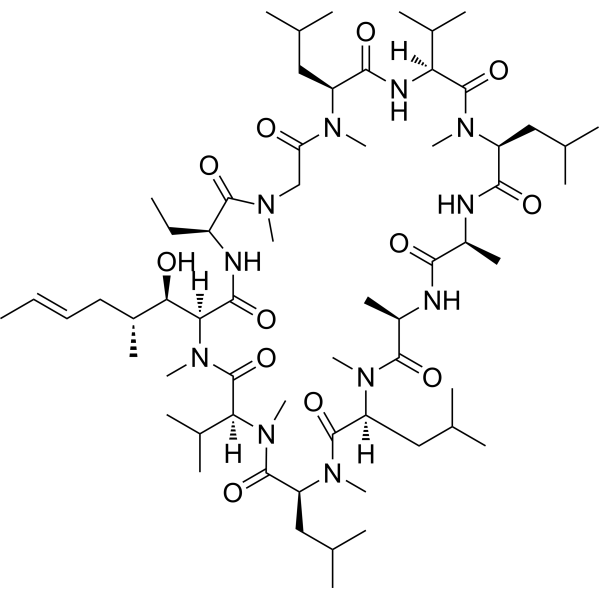
Cat. No.: HY-B0579
CAS No.: 59865-13-3
Synonyms: Cyclosporine A; Ciclosporin A; CsA
Cyclosporin A (Cyclosporine A) is an immunosuppressant which binds to the cyclophilin and inhibits phosphatase activity of protein phosphatase 2B (PP2B/calcineurin) with an IC50 of 5 nM . Cyclosporin A is a molecular glue, binds to cyclophilin and calcineurin, leading to inactivation of nuclear Factor of activated T Cells (NFAT) and a subsequent decrease in the immune response. Cyclosporin A also inhibits CD11a/CD18 adhesion .
loading...
    loading...
147
147 Cited Publications
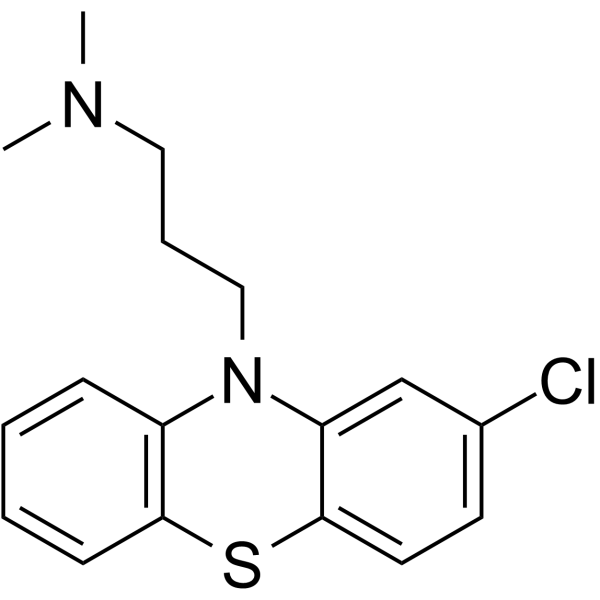
Cat. No.: HY-12708
CAS No.: 50-53-3
Purity:  99.75%
Chlorpromazine is an orally active, blood-brain barrier-transparent antipsychotic agent that effectively antagonises D2 dopamine receptors and 5-HT2A, which is widely used in schizophrenia and other psychiatric disorders. Chlorpromazine exerts anti-cancer activity through a variety of pathways, including anti-proliferation, induction of autophagy and cycle arrest (G2-M phase), inhibition of cytochrome c oxidase (CcO), inhibition of tumour growth and metastasis, and inhibition of tumour immune escape. Chlorpromazine also blocks hNav1.7 channels (IC50=25.9 μM; concentration-dependent) and HERG potassium channels (IC50=21.6 μM), which has potential for analgesic and cardiac arrhythmic studies. Chlorpromazine also can inhibit clathrin-mediated endocytosis .
loading...
    loading...
147
147 Cited Publications
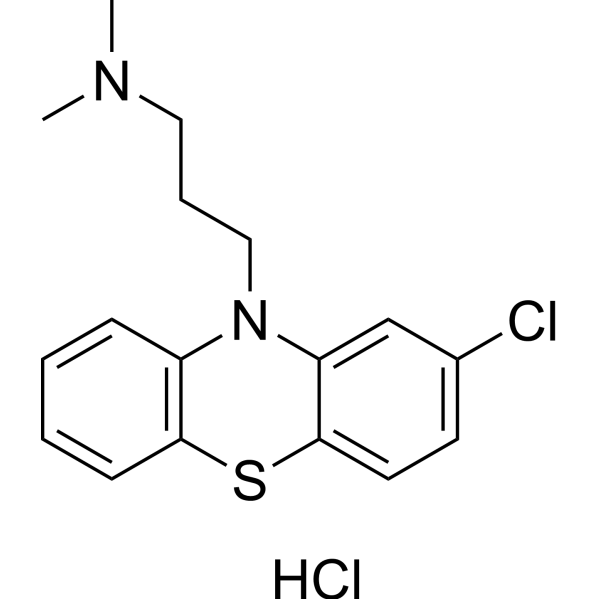
Cat. No.: HY-B0407A
CAS No.: 69-09-0
Chlorpromazine hydrochloride is an orally active, blood-brain barrier-transparent antipsychotic agent that effectively antagonises D2 dopamine receptors and 5-HT2A, which is widely used in schizophrenia and other psychiatric disorders. Chlorpromazine hydrochloride exerts anti-cancer activity through a variety of pathways, including anti-proliferation, induction of autophagy and cycle arrest (G2-M phase), inhibition of cytochrome c oxidase (CcO), inhibition of tumour growth and metastasis, and inhibition of tumour immune escape. Chlorpromazine hydrochloride also blocks hNav1.7 channels (IC50=25.9 μM; concentration-dependent) and HERG potassium channels (IC50=21.6 μM), which has potential for analgesic and cardiac arrhythmic studies. Chlorpromazine hydrochloride also can inhibit clathrin-mediated endocytosis .
loading...
    loading...
64
64 Cited Publications
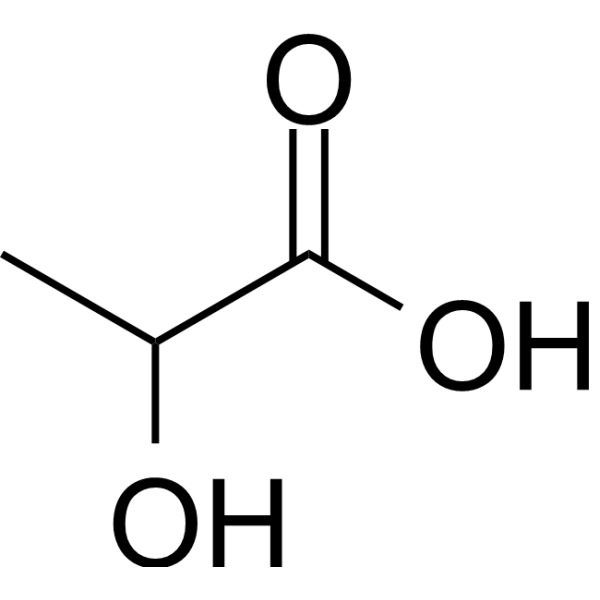
Cat. No.: HY-B2227
CAS No.: 50-21-5
Synonyms: DL-Lactic acid; E-270
Lactic acid (DL-Lactic acid) is a hydroxycarboxylic acid receptor 1 (HCAR1) activator and an epigenetic modulator inducing lysine residues lactylation. Lactic acid is a glycolysis end-product, bridging the gap between glycolysis and oxidative phosphorylation. Lactic acid is an oncometabolite and has immune protective role of lactate in anti-tumor immunity . Lactic acid also has antimicrobial activity, which can be used as a food preservative .
loading...
    loading...
64
64 Cited Publications
Cat. No.: HY-135748A
Poly (I:C):Kanamycin (1:1) sodium is an isometric complex of Poly (I:C) (HY-135748) and Kanamycin (HY-16566). Poly(I:C) sodium, a synthetic analog of double-stranded RNA, is a TLR3 and retinoic acid-inducible gene I receptor (RIG-I and MDA5) agonist. Poly(I:C) sodium can be used as a vaccine adjuvant to enhance innate and adaptive immune responses and induce apoptosis in cancer cells . Kanamycin is an orally active antibacterial agent (Gram-negative/positive bacteria) that inhibits translocation and causes miscoding by binding to the 70S ribosomal subunit. Kanamycin shows good inhibitory activity against Mycobacterium tuberculosis (susceptible and drug-resistant) and Klebsiella pneumoniae, and can be used in the research of tuberculosis and pneumonia .
loading...
    loading...
63
63 Cited Publications
Cat. No.: HY-B2227C
CAS No.: 996-31-6
Synonyms: DL-Lactic acid potassium; E-270 potassium
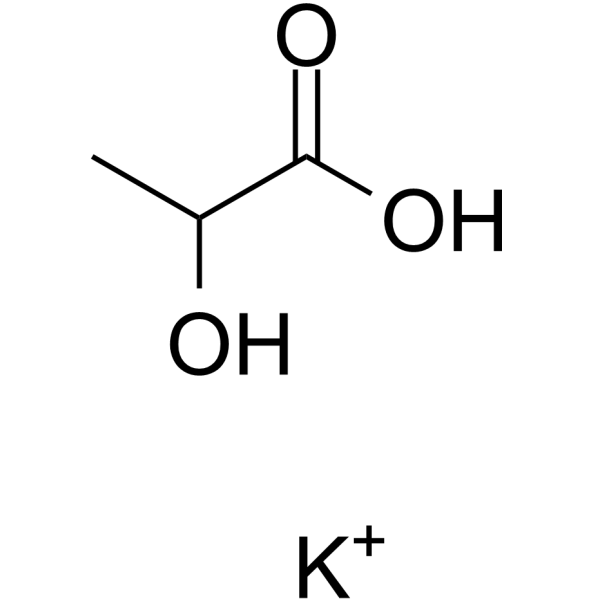
Lactic acid (DL-Lactic acid) potassium is a hydroxycarboxylic acid receptor 1 (HCAR1) activator and an epigenetic modulator inducing lysine residues lactylation. Lactic acid potassium is a glycolysis end-product, bridging the gap between glycolysis and oxidative phosphorylation. Lactic acid potassium is an oncometabolite and has immune protective role of lactate in anti-tumor immunity . Lactic acid also potassium has antimicrobial activity, which can be used as a food preservative .
loading...
    loading...
63
63 Cited Publications
Cat. No.: HY-B2227A
CAS No.: 814-80-2
Synonyms: DL-Lactic acid calcium; E-270 calcium
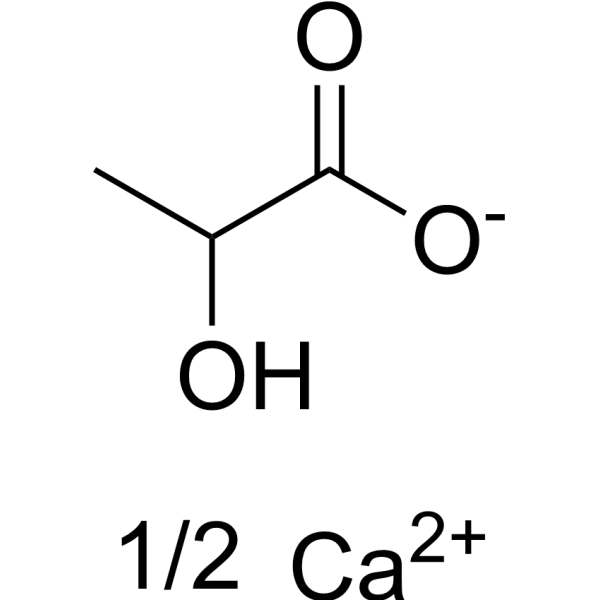
Lactic acid (DL-Lactic acid) calcium is a hydroxycarboxylic acid receptor 1 (HCAR1) activator and an epigenetic modulator inducing lysine residues lactylation. Lactic acid calcium is a glycolysis end-product, bridging the gap between glycolysis and oxidative phosphorylation. Lactic acid calcium is an oncometabolite and has immune protective role of lactate in anti-tumor immunity . Lactic acid calcium also has antimicrobial activity, which can be used as a food preservative .
loading...
    loading...
63
63 Cited Publications
Cat. No.: HY-B2227B
CAS No.: 72-17-3
Synonyms: DL-Lactic acid sodium; E-270 sodium
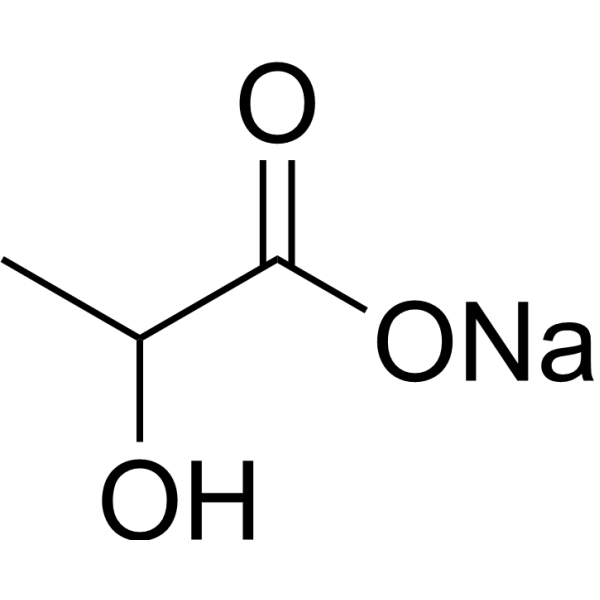
Lactic acid (DL-Lactic acid) sodium (60% w/w in water) is a hydroxycarboxylic acid receptor 1 (HCAR1) activator and an epigenetic modulator inducing lysine residues lactylation. Lactic acid sodium (60% w/w in water) is a glycolysis end-product, bridging the gap between glycolysis and oxidative phosphorylation. Lactic acid sodium (60% w/w in water) is an oncometabolite and has immune protective role of lactate in anti-tumor immunity . Lactic acid sodium (60% w/w in water) also has antimicrobial activity, which can be used as a food preservative .
This product has a content (w/w) of 60%, and 1 mL of the system contains 798 mg of Lactic acid sodium, i.e., a concentration of 798 mg/mL (i.e., 7.12 M).
loading...
    loading...
37
37 Cited Publications
Cat. No.: HY-12067
CAS No.: 841290-81-1
Purity:  96.70%
Target:  

Syk FLT3 Apoptosis

Research Areas:  

Inflammation/Immunology Cancer

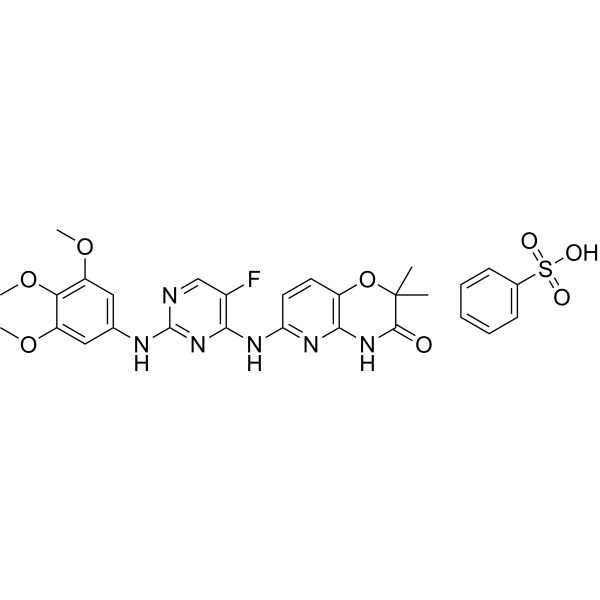
R406 is an orally available and competitive Syk/FLT3 inhibitor for ATP binding with a Ki of 30 nM, potently inhibits Syk kinase activity in vitro with an IC50 of 41 nM, measured at an ATP concentration corresponding to its Km value. R406 reduces immune complex-mediated inflammation . R406 also inhibits Lyn (IC50=63 nM) and Lck (IC50=37 nM) .
loading...
    loading...
37
37 Cited Publications
Cat. No.: HY-11108
CAS No.: 841290-80-0
Purity:  99.80%
Target:  

Syk FLT3 Apoptosis

Research Areas:  

Inflammation/Immunology Cancer

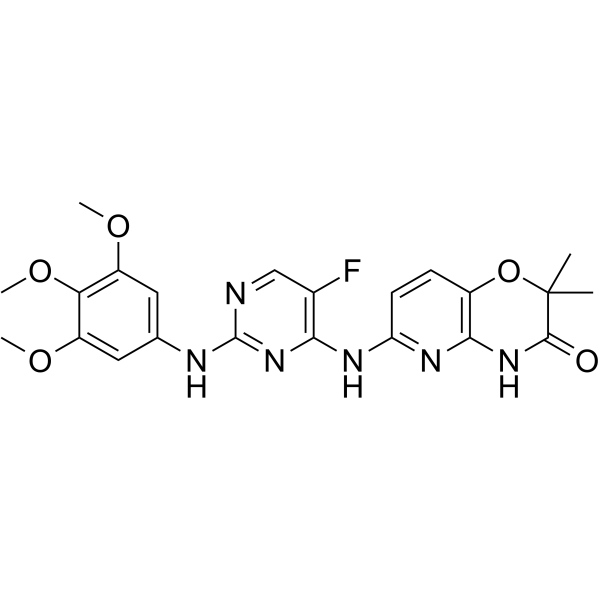
R406 free base is an orally available and competitive Syk/FLT3 inhibitor for ATP binding with a Ki of 30 nM, potently inhibits Syk kinase activity in vitro with an IC50 of 41 nM, measured at an ATP concentration corresponding to its Km value. R406 free base reduces immune complex-mediated inflammation . R406 free base also inhibits Lyn (IC50=63 nM) and Lck (IC50=37 nM) .
loading...
    loading...
34
34 Cited Publications
Cat. No.: HY-111789
CAS No.: 1858276-04-6
Purity:  98.56%
Synonyms: TAK-981
Target:  

E1/E2/E3 Enzyme

Research Areas:  

Inflammation/Immunology Cancer

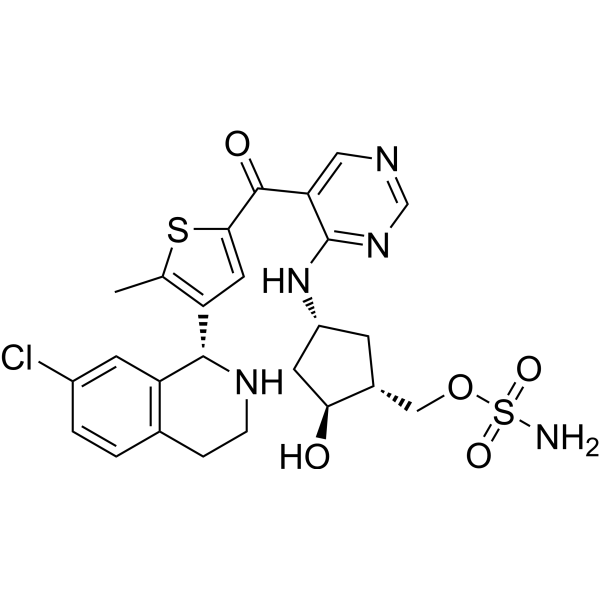
Subasumstat (TAK-981) is a first in class and selective inhibitor of the SUMOylation enzymatic cascade, with potential immune-activating and antineoplastic activities .
loading...
    loading...
24
24 Cited Publications
Cat. No.: HY-15306
CAS No.: 496775-61-2
Purity:  99.94%
Synonyms: SB-497115
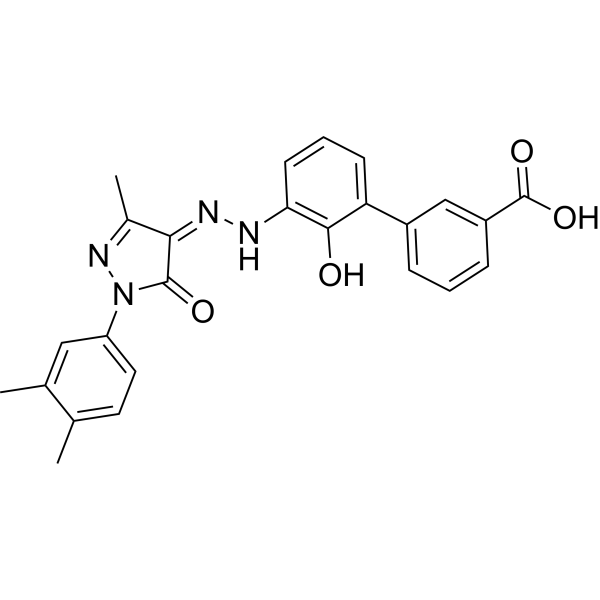
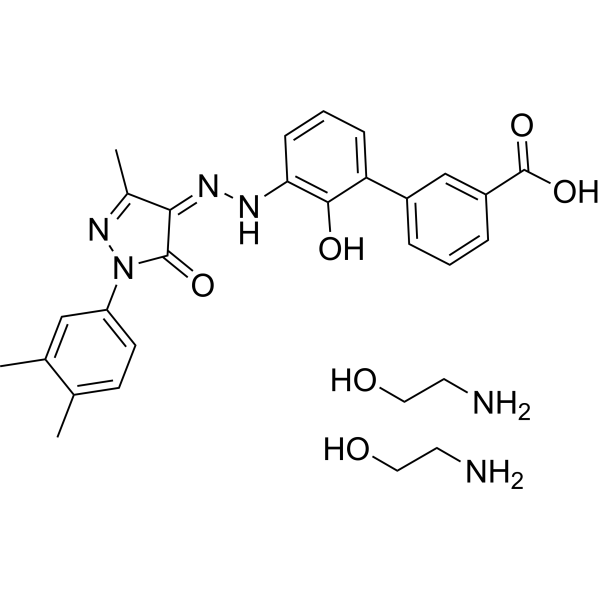
Eltrombopag (SB-497115) is an orally active thrombopoietin receptor nonpeptide agonist. Eltrombopag owns thrombopoietic activity, and has been used to research low blood platelet counts with chronic immune thrombocytopenia. Eltrombopag can be used for the research of cardiovascular. Eltrombopag also has highly inhibitory effects against multidrug resistant Staphylococcus aureus. Eltrombopag can induce apoptosis in hepatocellular carcinomab (HCC) as well .
loading...
    loading...
24
24 Cited Publications
Cat. No.: HY-15306A
CAS No.: 496775-62-3
Purity:  99.96%
Synonyms: Eltrombopag diethanolamine salt; SB-497115GR
Eltrombopag Olamine (Eltrombopag diethanolamine salt) is an orally active thrombopoietin receptor nonpeptide agonist. Eltrombopag Olamine owns thrombopoietic activity, and has been used to research low blood platelet counts with chronic immune thrombocytopenia. Eltrombopag Olamine can be used for the research of cardiovascular. Eltrombopag Olamine also has highly inhibitory effects against multidrug resistant Staphylococcus aureus. Eltrombopag Olamine can induce apoptosis in hepatocellular carcinomab (HCC) as well .
loading...
    loading...
24
24 Cited Publications
Cat. No.: HY-13032B
CAS No.: 1895049-20-3
Purity:  97.04%
Synonyms: GSK 525762C; I-BET 762 besylate
Research Areas:  

Cancer

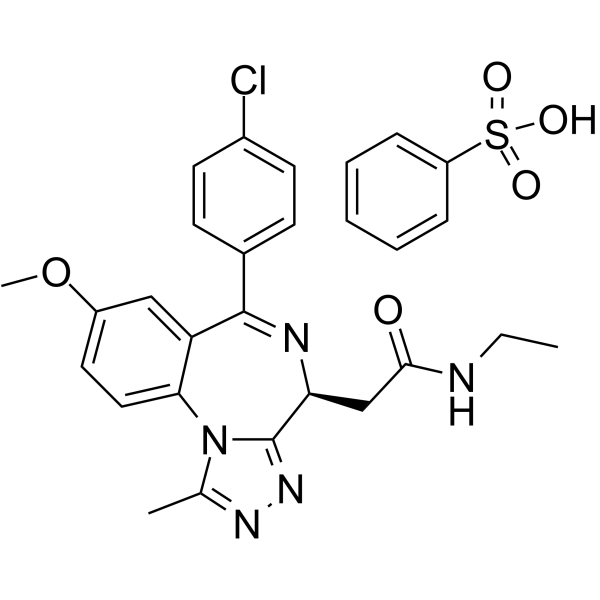
Molibresib besylate (GSK 525762C; I-BET 762 besylate) is an orally active pan-BET inhibitor that targets and binds to BRD2, BRD3, BRD4 and BRDT. By competitively occupying acetylated lysine binding sites, Molibresib besylate disrupts the interaction between BET proteins and chromatin, thereby effectively inhibiting MYC expression and target gene transcription. Molibresib besylate exhibits broad antiproliferative activity, which not only inhibits cancer cell growth and induces growth arrest, but also downregulates mitosis-related genes and upregulates the level of p-ERK1/2. When combined with MEK inhibitors, Molibresib besylate shows a significant synergistic effect, reduces tumor burden in mouse models of leukemia, modulates the immune microenvironment and prolongs survival. Molibresib besylate is widely applicable to research related to acute myeloid leukemia, multiple myeloma, triple-negative breast cancer, small-cell lung cancer and various advanced refractory solid tumors .
loading...
    loading...
21
21 Cited Publications
Cat. No.: HY-A0129
CAS No.: 51-74-1
Synonyms: Histamine diphosphate
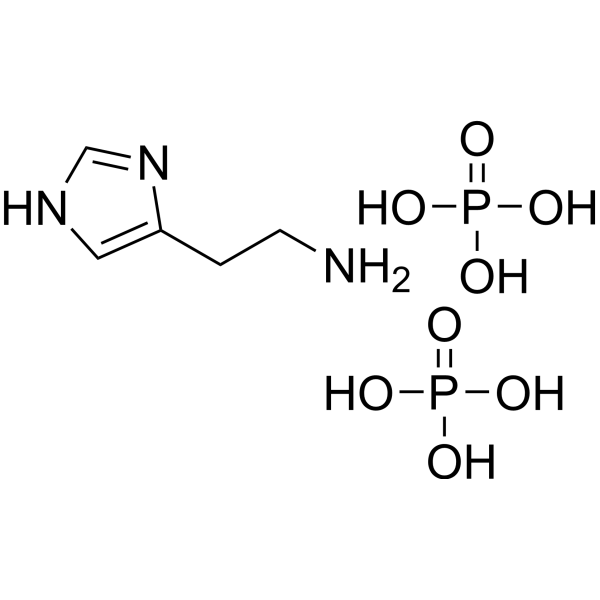
Histamine phosphate is the agonist for histamine receptor and a vasodilator. Histamine phosphate is an organic nitrogen compound that participates in local immune responses, regulates intestinal physiological functions, and acts as a neurotransmitter. Histamine phosphate affects p38 MAPK/Akt signaling pathway, exhibits antitumor, antioxidant and anti-inflammatory activities. Histamine phosphate can be used in the research of acute myeloid leukemia, malignant melanoma, and renal cell carcinoma .
loading...
    loading...
21
21 Cited Publications
Cat. No.: HY-B0722
CAS No.: 56-92-8
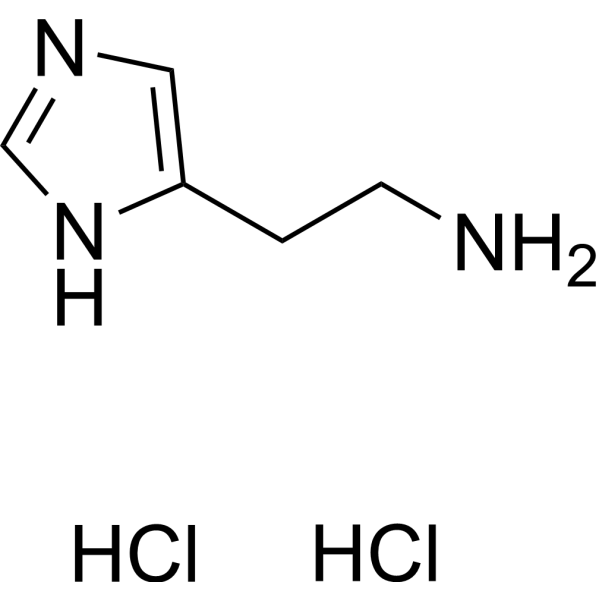
Histamine dihydrochloride is the agonist for histamine receptor and a vasodilator. Histamine dihydrochloride is an organic nitrogen compound that participates in local immune responses, regulates intestinal physiological functions, and acts as a neurotransmitter. Histamine dihydrochloride affects p38 MAPK/Akt signaling pathway, exhibits antitumor, antioxidant and anti-inflammatory activities. Histamine dihydrochloride can be used in the research of acute myeloid leukemia, malignant melanoma, and renal cell carcinoma .
loading...
    loading...
21
21 Cited Publications
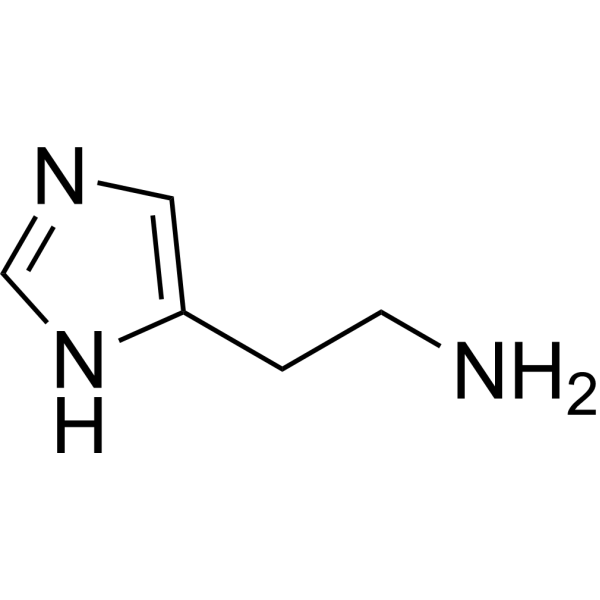
Cat. No.: HY-B1204
CAS No.: 51-45-6
Synonyms: Ergamine
Histamine is the agonist for histamine receptor and a vasodilator. Histamine is an organic nitrogen compound that participates in local immune responses, regulates intestinal physiological functions, and acts as a neurotransmitter. Histamine affects p38 MAPK/Akt signaling pathway, exhibits antitumor, antioxidant and anti-inflammatory activities. Histamine can be used in the research of acute myeloid leukemia, malignant melanoma, and renal cell carcinoma .
loading...
    loading...
20
20 Cited Publications
Cat. No.: HY-113324
CAS No.: 53-57-6
Purity:  99.49%
NADPH is a coenzyme of glutathione reductase (GR), thioredoxin reductase (TrxR) and NADPH oxidase (NOX), and participates in redox reactions as a hydrogen donor. NADPH has the characteristic of selectively participating in the regulation of cellular redox homeostasis. NADPH exerts antioxidant activity and resists reactive oxygen species (ROS) damage by providing reducing equivalents for the regeneration of glutathione (GSH) and thioredoxin (Trx); at the same time, it acts as a substrate of NOX to generate superoxide anions, mediating oxidative stress and immune response. NADPH participates in maintaining the intracellular reducing environment, biosynthesis and regulating gene expression (such as the Nrf2 pathway), and is mainly used in the study of oxidative stress-related diseases (such as cardiovascular diseases, neurodegenerative diseases, cancer) and immune regulation mechanisms .
loading...
    loading...
16
16 Cited Publications
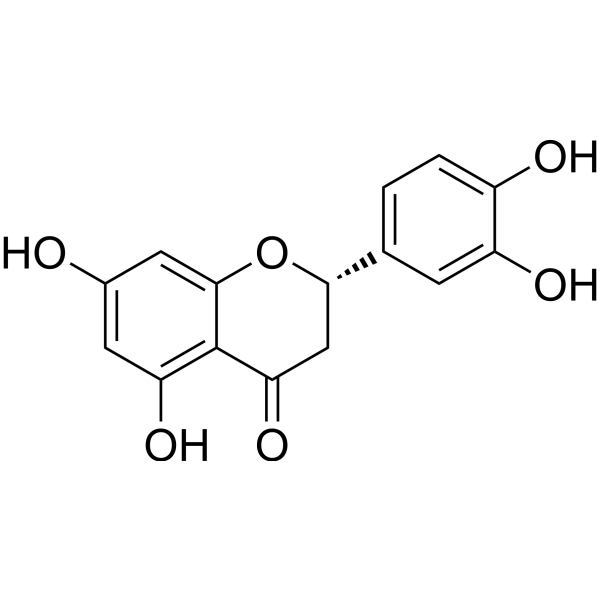
Cat. No.: HY-N0637
CAS No.: 552-58-9
Synonyms: Huazhongilexone
Eriodictyol ((±)-Huazhongilexone; Dihydroluteolin) is an orally active TRPV1 receptor antagonist (IC50=44-47 nM, rTRPV1) with antioxidant and anti-inflammatory activities. Eriodictyol effectively inhibits lipid peroxidation and the release of proinflammatory cytokines by specifically antagonizing the TRPV1 receptor and activating the Nrf2 signaling pathway. Eriodictyol reduces the levels of ICAM-1, VEGF, eNOS and TNF-α in the retina and maintains the integrity of the blood-retinal barrier. Eriodictyol alleviates oxidative stress-induced apoptosis and hyperalgesia, enhances the activity and cytotoxicity of immune cells (such as B lymphocytes, NK cells and macrophages), and increases the levels of antioxidant enzymes simultaneously. Eriodictyol can be used in the research of diabetic retinopathy, acute lung injury and various pain-related diseases .
loading...
    loading...
14
14 Cited Publications
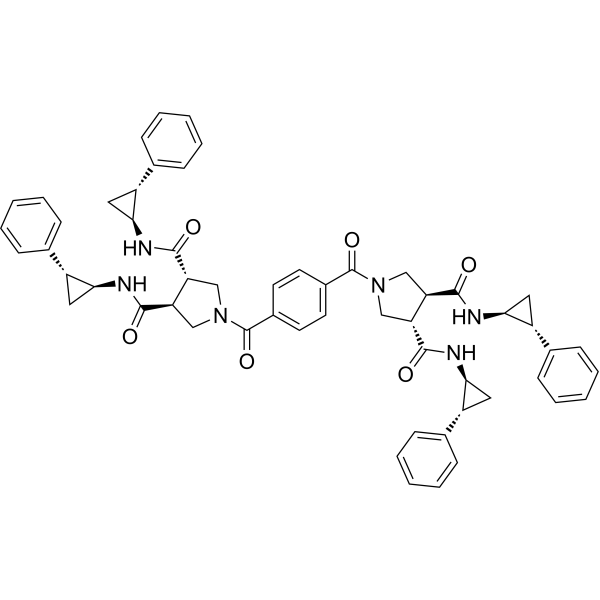
Cat. No.: HY-123942
CAS No.: 2170867-89-5
Purity:  98.82%
Diprovocim is a potent TLR1/TLR2 agonist. Diprovocim elicits full agonist activity in human THP-1 cells (EC50=110 pM). Diprovocim stimulates the release of TNF-α from mouse macrophages (EC50=1.3 nM). Diprovocim activates downstream MAPK and NF-κB signaling pathway. Diprovocim displays strong adjuvant activity in mice, particularly abetting cellular immune responses .
loading...
    loading...

