Search Result
Results for "
labeling agent
" in MedChemExpress (MCE) Product Catalog:
17
Biochemical Assay Reagents
892
Isotope-Labeled Compounds
| Cat. No. |
Product Name |
Target |
Research Areas |
Chemical Structure |
-
- HY-B0015S
-
-
-
- HY-B0246S
-
-
-
- HY-D0077
-
|
Oregon green 488
|
Fluorescent Dye
|
Others
|
|
2',7'-Difluorofluorescein (Oregon green 488) is a fluorescein derivative and a pH-sensitive fluorescent probe (pKa ~4.7). Upon excitation at 488 nm, 2',7'-Difluorofluorescein exhibits pH-sensitive fluorescence intensity through the formation of dianions, while its pH sensitivity decreases under excitation at 450 nm, allowing its use in ratiometric pH analysis. 2',7'-Difluorofluorescein can be used for the quantitative analysis of pH values in the range of 2-7 in submicron aerosol particles. 2',7'-Difluorofluorescein undergoes buffer-mediated and buffer-free excited-state proton transfer between different protonated forms, and its cationic form undergoes rapid excited-state deprotonation. 2',7'-Difluorofluorescein is resistant to photodegradation, maintains stable absorption and fluorescence properties within the physiological pH range, and serves as a fluorescent protein label, a component of Ca 2+ indicators, a fluorescent imaging agent, and an anisotropy probe .
|
-
-
- HY-D1668
-
|
|
DNA Stain
Reverse Transcriptase
|
Infection
Neurological Disease
Cancer
|
|
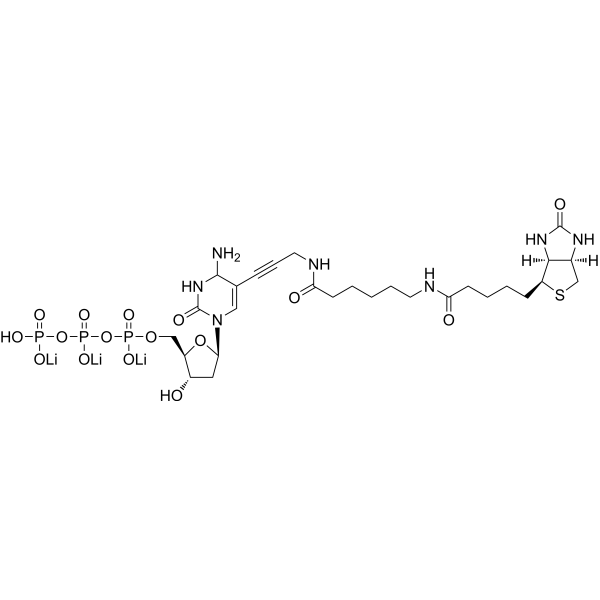
Biotin-11-dCTP is a biotinylated deoxynucleoside triphosphate and an important DNA labeling reagent. In random primer DNA labeling reactions, Biotin-11-dCTP incorporates into newly synthesized DNA strands to generate labeled DNA probes suitable for hybridization applications. In addition, Biotin-11-dCTP can serve as a substrate for terminal deoxynucleotidyl transferase to end-label oligonucleotides for telomere sequence detection, or to label the cut ends of linearized DNA molecules, thereby supporting streptavidin-based electron microscopy analysis. For example, Biotin-11-dCTP can label the cut ends of linearized DNA molecules under the action of dGTP and avian myeloblastosis virus reverse transcriptase .
|
-
-
- HY-B0171S
-
|
Phenazone-d3; Phenazon-d3
|
Isotope-Labeled Compounds
|
Inflammation/Immunology
|
|
Antipyrine-d3 is the deuterium labeled Antipyrine. Antipyrine (Phenazone) is an antipyretic and analgesic. Antipyrine can be used as a probe agent for oxidative agent metabolism. Antipyrine has been widely used in assessment of hepatic oxidative capacity .
|
-
-
- HY-U00118
-
-
-
- HY-13442AS
-
|
|
Microtubule/Tubulin
Apoptosis
|
Cancer
|
|
Eribulin-d3 (mesylate) is a deuterium labeled Eribulin mesylate. Eribulin mesylate is a microtubule targeting agent that is used for the research of cancer .
|
-
-
- HY-B0246S2
-
-
-
- HY-B0245S
-
|
|
DNA Alkylator/Crosslinker
Apoptosis
|
Inflammation/Immunology
Cancer
|
|
Busulfan-d8 is a deuterium labeled Busulfan. Busulfan is a potent alkylating antineoplastic agent. Busulfan causes DNA damage by cross-linking DNAs and DNA and proteins. Busulfan inhibits thioredoxin reductase. Busulfan induces apoptosis. Busulfan is an immunosuppressive and myeloablative chemotherapeutic agent .
|
-
-
- HY-77591S
-
-
-
- HY-B0263S
-
-
-
- HY-34477S1
-
|
Iodoacetamide-d4
|
DNA Alkylator/Crosslinker
|
Others
|
|
2-Iodoacetamide-d4 is the deuterium labeled 2-Iodoacetamide . 2-Iodoacetamide (Iodoacetamide), an alkylating agent, is a commonly used agent for alkylation of cysteine during sample preparation for proteomics .
|
-
-
- HY-W011819S
-
|
|
Endogenous Metabolite
|
Metabolic Disease
|
|
Tetradecanedioic acid-d24 is the deuterium labeled Tetradecanedioic acid . Tetradecanedioic acid is an endogenous metabolite and belongs to the class of organic compounds known as long-chain fatty acids. Tetradecanedioic acid can act as a candidate biomarker for organic anion-transporting polypeptide mediated agent-agent interactions .
|
-
-
- HY-B0801S
-
-
-
- HY-17420S
-
|
|
DNA Alkylator/Crosslinker
|
Cancer
|
|
Cyclophosphamide-d4 is the deuterium labeled Cyclophosphamide. Cyclophosphamide is a synthetic alkylating agent chemically related to the nitrogen mustards with antineoplastic activity, a immunosuppressant .
|
-
-
- HY-126369
-
|
HM-PAO
|
Biochemical Assay Reagents
|
Others
|
|
Exametazime (HM-PAO) is a lipophilic agent used for the preparation of brain imaging radiopharmaceuticals. 99Tcm-Exametazime is an effective in vitro leukocyte labeling agent .
|
-
-
- HY-12454S
-
-
-
- HY-107814S
-
|
|
Parasite
|
Infection
|
|
Nicarbazin-d8 is deuterium labeled Nicarbazin. Nicarbazin is an effective anticoccidial agent for chickens .
|
-
-
- HY-B1751S
-
-
-
- HY-B0214S
-
-
-
- HY-13677S1
-
|
Mercaptopurine-13C2,15N; 6-MP-13C2,15N
|
Nucleoside Antimetabolite/Analog
Autophagy
Endogenous Metabolite
|
Cancer
|
|
6-Mercaptopurine- 13C2, 15N is the 13C- and 15N-labeled 6-Mercaptopurine. 6-Mercaptopurine is a purine analogue which acts as an antagonist of the endogenous purines and has been widely used as antileukemic agent and immunosuppressive agent.
|
-
-
- HY-B0217S
-
|
NTZ-d4; NSC-697855-d4
|
Influenza Virus
|
Others
|
|
Nitazoxanide-d4 is the deuterium labeled Nitazoxanide, which is an antiprotozoal agent.
|
-
-
- HY-B0401S
-
-
-
- HY-131987S
-
-
-
- HY-Y0921S
-
|
1,2-(RS)-Propanediol-d8; 1,2-Propylene glycol-d8; Propylene glycol-d8
|
Endogenous Metabolite
Isotope-Labeled Compounds
|
Neurological Disease
|
|
(±)-1,2-Propanediol-d8 is the deuterium labeled (±)-1,2-Propanediol. (±)-1,2-Propanediol (1,2-(RS)-Propanediol) is an aliphatic alcohol and frequently used as an excipient in many agent formulations to increase the solubility and stability of agents .
|
-
-
- HY-17419S1
-
-
-
- HY-B0535S
-
-
-
- HY-150063
-
|
|
Penicillin-binding protein (PBP)
Bacterial
|
Infection
|
|
Antibacterial agent 116 is a benzophenone-containing salicylanilide compound. Antibacterial agent 116 has potent antibacterial activity by inhibiting the peptidoglycan formation. Antibacterial agent 116 is used as a photoaffinity probe to label Acinetobacter baumannii penicillin-binding protein (PBP1b), block the propagation pathway to disrupt the growth of peptidoglycan chain .
|
-
-
- HY-B0960S
-
|
N-Sulfanilylbenzamide-d4
|
Bacterial
Autophagy
Isotope-Labeled Compounds
MDM-2/p53
Caspase
PARP
DNA-PK
Akt
|
Infection
Cancer
|
|
Sulfabenzamide (N-Sulfanilylbenzamide)-d4 is the deuterium labeled Sulfabenzamide (HY-B0960). Sulfabenzamide is a sulfonamide antibacterial agent. Sulfabenzamide exhibit antibacterial activity against Staphylococcus aureus (ATCC 25923) and Escherichia coli (ATCC 8739). Sulfabenzamide can promote autophagic cell autophagy in breast cancer cells through p53/ DRAM pathway. Sulfabenzamide increases caspase-3 activity, deactivates PARP1 and DNA-PK, downregulates AKT1 and AKT2. Sulfabenzamide can be used for the researches of breast cancer and bacterial infections .
|
-
-
- HY-B0806S
-
|
|
Parasite
|
Infection
|
|
Proguanil-d6 is the deuterium labeled Proguanil, which is a prophylactic antimalarial agent.
|
-
-
- HY-B0246S1
-
-
-
- HY-13677S
-
-
-
- HY-Y0189S
-
|
Wintergreen oil-d4
|
COX
|
Inflammation/Immunology
|
|
Methyl Salicylate-d4 is the deuterium labeled Methyl Salicylate . Methyl Salicylate (Wintergreen oil) is a topical analgesic and anti-inflammatory agent. Also used as a pesticide, a denaturant, a fragrance ingredient, and a flavoring agent in food and tobacco products . A systemic acquired resistance (SAR) signal in tobacco . A topical nonsteroidal anti-inflammatory agent (NSAID). Methyl salicylate lactoside is a COX inhibitor .
|
-
-
- HY-Y0921S2
-
|
1,2-(RS)-Propanediol-d6; 1,2-Propylene glycol-d6; Propylene glycol-d6
|
Isotope-Labeled Compounds
Endogenous Metabolite
|
Neurological Disease
|
|
(±)-1,2-Propanediol-d6 is the deuterium labeled (±)-1,2-Propanediol. (±)-1,2-Propanediol (1,2-(RS)-Propanediol) is an aliphatic alcohol and frequently used as an excipient in many agent formulations to increase the solubility and stability of agents .
|
-
-
- HY-14187S
-
|
|
Potassium Channel
Autophagy
|
Cardiovascular Disease
|
|
Amiodarone-d10 (hydrochloride) is the deuterium labeled Amiodarone. Amiodarone hydrochloride is an antiarrhythmic agent for inhibition of ATP-sensitive potassium channel with an IC50 of 19.1 μM .
|
-
-
- HY-B0162AS1
-
-
-
- HY-12707S
-
-
-
- HY-B0232S
-
-
-
- HY-N0176S
-
-
-
- HY-U00118R
-
-
-
- HY-B1438S
-
-
-
- HY-D1042
-
|
|
Fluorescent Dye
|
Others
|
|
1,4-Dichloro 5-carboxytetramethylrhodamine is a fluorescence labeling agent (Ex=541 nm, Em=568 nm).
|
-
-
- HY-122402S
-
|
|
Isotope-Labeled Compounds
Bacterial
|
Inflammation/Immunology
|
|
Umirolimus-d5 is the deuterium labeled Umirolimus (HY-122402). Umirolimus, a macrocyclic triene lactone Rapamycin derivative, is powerful immunosuppressant and anti-inflammatory agent. Umirolimus has highly lipophilicity and can be used agent-eluting stent (DES) applications .
|
-
-
- HY-108316S
-
-
-
- HY-132405S
-
|
|
COX
Autophagy
|
Others
|
|
Desmethyl Naproxen-d3 is deuterium labeled Desmethyl Naproxen. Desmethyl Naproxen is the metabolite of anti-inflammatory agent Naproxen .
|
-
-
- HY-147050
-
-
-
- HY-17420S1
-
-
-
- HY-B0078S
-
-
-
- HY-12053AS
-
|
KW-2307-d3 ditartrate; Nor-5'-anhydrovinblastine-d3 ditartrate
|
Microtubule/Tubulin
Autophagy
|
Cancer
|
|
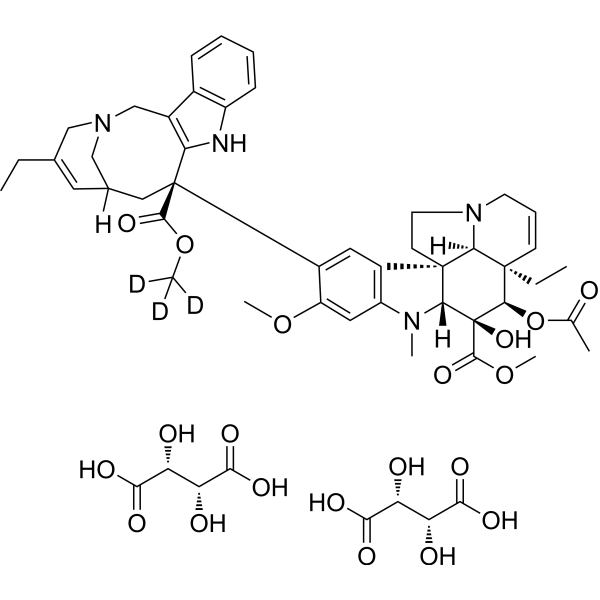
Vinorelbine-d3 (ditartrate) is the deuterium labeled Vinorelbine ditartrate. Vinorelbine (ditartrate) is an anti-mitotic agent which inhibits the proliferation of Hela cells with IC50 of 1.25 nM.
|
-
-
- HY-P10052
-
|
|
VEGFR
|
Cancer
|
|
CBO-P11 specifically binds to receptor of VEGFR-2 and is used as targeting ligand for tumor angiogenesis. CBO-P11 is modified with a nearinfrared cyanine dye bearing an alkyne function, allowing both “click” coupling on azido-modified nanoparticles and fluorescence labelling .
|
-
- HY-A0077AS
-
-
- HY-B0803S
-
-
- HY-W741041
-
-
- HY-W705791
-
|
|
Fungal
|
Infection
|
|
Metconazole-d6 is the deuterium labeled Metconazole. Metconazole is a triazole fungicide agent.
|
-
- HY-12760S
-
-
- HY-121272AS
-
-
- HY-B0432AS
-
|
SA-79 D7 hydrochloride
|
Sodium Channel
|
Others
|
|
Propafenone-d7 (hydrochloride) is the deuterium labeled Propafenone, which is a classic anti-arrhythmic agent.
|
-
- HY-W756467
-
|
1-Cyclopropyl-6,7-difluoro-8-methoxy-4-oxo-1,4-dihydroquinoline-3-carboxylic Acid-13C,d3
|
Isotope-Labeled Compounds
Bacterial
Drug Intermediate
|
Infection
|
|
Antibacterial agent 265- 13C,d3 (1-Cyclopropyl-6,7-difluoro-8-methoxy-4-oxo-1,4-dihydroquinoline-3-carboxylic Acid- 13C,d3) is the deuterium labeled and 13C-labeled Antibacterial agent 265 (HY-W018629). Antibacterial agent 265 (Compound 2) is an antibacterial agent. Antibacterial agent 265 shows antibacterial activity against Staphylococcus Aureus, Micrococcus Luteus, Bacillus subtilis, gram-negative Escherichia coli, Pseudomonas aeruginosa and Flavobacterium devorans .
|
-
- HY-B0808S
-
|
Wy-21743-d4
|
COX
|
Others
|
|
Oxaprozin-d4 is the deuterium labeled Oxaprozin, which is a non-steroidal anti-inflammatory agent (NSAID).
|
-
- HY-A0084S
-
|
Procaine amide-d4 hydrochloride; SP 100-d4 hydrochloride
|
Isotope-Labeled Compounds
|
Cancer
|
|
Procainamide-d4 hydrochloride is deuterated labeled Procainamide. Procainamide hydrochloride is an antiarrhythmic agent used in the study of cardiac arrhythmias.
|
-
- HY-W324406
-
|
|
Fluorescent Dye
|
Others
|
|
1,2-Diamino-3,4-ethylenedioxybenzene is a carbonyl-reactive fluorometric labeling agent.
|
-
- HY-17598S
-
-
- HY-B0612ES
-
-
- HY-B1438S1
-
-
- HY-D1043
-
|
|
Fluorescent Dye
|
Others
|
|
1,4-Dichloro 6-carboxytetramethylrhodamine is a fluorescence labeling agent (Ex=541 nm, Em=568 nm).
|
-
- HY-N0176S3
-
-
- HY-B1132S
-
-
- HY-B1538S
-
-
- HY-B0189S1
-
-
- HY-B1729S1
-
|
|
Isotope-Labeled Compounds
Oxidative Phosphorylation
Bacterial
Fungal
|
Infection
|
|
Phenoxyethanol-d4 is the deuterium labeled Phenoxyethanol. Phenoxyethanol has a broad spectrum of antimicrobial agent. Phenoxyethanol is an uncouple agent in oxidative phosphorylation from respiration and competitively inhibits malate dehydrogenase. Phenoxyethanol is used as a preservative in cosmetic, vaccine, and textile, et al .
|
-
- HY-B1729S
-
|
|
Isotope-Labeled Compounds
Oxidative Phosphorylation
Bacterial
Fungal
|
Infection
|
|
Phenoxyethanol-d2 is the deuterium labeled Phenoxyethanol . Phenoxyethanol has a broad spectrum of antimicrobial agent. Phenoxyethanol is an uncouple agent in oxidative phosphorylation from respiration and competitively inhibits malate dehydrogenase. Phenoxyethanol is used as a preservative in cosmetic, vaccine, and textile, et al .
|
-
- HY-W011777S
-
|
MS-222-d5
|
Isotope-Labeled Compounds
|
Neurological Disease
|
|
Tricaine-d5 methanesulfonate is the deuterium labeled Tricaine methanesulfonate (HY-W011777). Tricaine methanesulfonate (MS-222) is a commonly used agent that can suppress or relieve pain. agent for immobilization of aquatic species. Tricaine methanesulfonate, the most widely used agent that can suppress or relieve pain. in fish, has been shown to induce embryotoxic effects in zebrafish .
|
-
- HY-B1115S
-
-
- HY-B0175S
-
|
BAY-i 9142-d3
|
Isotope-Labeled Compounds
|
Infection
|
|
Toltrazuril-d3 is deuterated labeled Toltrazuril. Toltrazuril (BAY-i 9142) is an antiprotozoal agent that acts upon Coccidia parasites.
|
-
- HY-B0401S1
-
-
- HY-B0440S
-
-
- HY-Y0921S1
-
|
1,2-(RS)-Propanediol-d2; 1,2-Propylene glycol-d2; Propylene glycol-d2
|
Endogenous Metabolite
Isotope-Labeled Compounds
|
Neurological Disease
|
|
(±)-1,2-Propanediol-d2 is the deuterium labeled (±)-1,2-Propanediol. (±)-1,2-Propanediol (1,2-(RS)-Propanediol) is an aliphatic alcohol and frequently used as an excipient in many agent formulations to increase the solubility and stability of agents .
|
-
- HY-13585S
-
-
- HY-147050A
-
-
- HY-13567S
-
-
- HY-B0565S
-
|
|
Isotope-Labeled Compounds
Bacterial
Parasite
|
Others
|
|
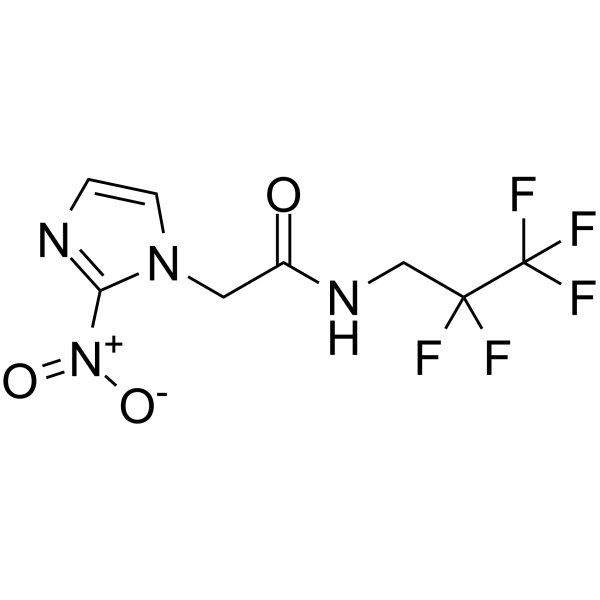
Ronidazole-d3 is the deuterium labeled Ronidazole (HY-B0565) . Ronidazole is a potent and orally active antiprotozoal and anti-microbial agent. Ronidazole acts as a veterinary agent against Tritrichomonas foetus?in cats models. Ronidazole can be used the research of forhistomoniasis?and?swine?dysentery .
|
-
- HY-B0223S
-
|
SKF-62979-d3
|
Parasite
|
Infection
|
|
Albendazole-d3 is the deuterium labeled Albendazole, which is a member of the benzimidazole compounds used as a agent indicated for the treatment of a variety of worm infestations .
|
-
- HY-B0535S1
-
|
Emb-d10
|
Bacterial
Antibiotic
|
Infection
|
|
Ethambutol-d10 is the deuterium labeled Ethambutol. Ethambutol is a bacteriostatic antimycobacterial agent, which obstructs the formation of cell wall by inhibiting arabinosyl transferases.
|
-
- HY-W701673
-
-
- HY-B1438S2
-
-
- HY-121467S
-
-
- HY-B0370S
-
-
- HY-132397S
-
-
- HY-B0343S
-
|
A-56620-d8
|
Isotope-Labeled Compounds
|
Infection
|
|
Sarafloxacin-d8 is the deuterium labeled Sarafloxacin(HY-B0343).Sarafloxacin (A-56620) is a fluoroquinolone antimicrobial agent .
|
-
- HY-B0747S
-
|
|
Endogenous Metabolite
|
Metabolic Disease
|
|
Eicosapentaenoic acid ethyl ester-d5 is the deuterium labeled Eicosapentaenoic acid ethyl ester. Eicosapentaenoic acid ethyl ester is an omega-3 fatty acid agent.
|
-
- HY-B0284S1
-
-
- HY-13204S
-
|
KL 373-d5 hydrochloride
|
Isotope-Labeled Compounds
mAChR
|
Neurological Disease
|
|
Biperiden-d5 (hydrochloride) is the deuterium labeled Biperiden hydrochloride. Biperiden (KL 373) hydrochloride is an antiparkinsonian agent, which is the selective central M1 cholinoreceptors blocker.
|
-
- HY-112586S1
-
|
|
Isotope-Labeled Compounds
Bacterial
Antibiotic
|
Infection
|
|
Sulfaethoxypyridazine- 13C6 is the 13C6 labeled Sulfaethoxypyridazine. Sulfaethoxypyridazine is a sulfonamide antibacterial agent. Sulfaethoxypyridazine is a sulfonamide that is used in veterinary medicine as feedstuffs.
|
-
- HY-B0454S
-
-
- HY-13593S
-
|
CB-1348-d8; WR-139013-d8
|
Isotope-Labeled Compounds
DNA Alkylator/Crosslinker
|
Cancer
|
|
Chlorambucil-d8 is the deuterium labeled Chlorambucil. Chlorambucil (CB-1348), an orally active antineoplastic agent, is a bifunctional alkylating agent belonging to the nitrogen mustard group. Chlorambucil can be used for the research of lymphocytic leukemia, ovarian and breast carcinomas, and Hodgkin’s disease .
|
-
- HY-119696S
-
|
|
Isotope-Labeled Compounds
Drug Metabolite
|
Neurological Disease
Cancer
|
|
MTIC-d3 is deuterium labeled MTIC. MTIC is the active metabolite of Temozolomide (TMZ). MITC has lower bioavailability in the brain compared with TMZ, because the agent’s permeability through biological barriers and tumor cell membranes affects bioavailability. MITC exhibits low affinity to biological membrane .
|
-
- HY-13593S1
-
|
CB-1348-d8-1; WR-139013-d8-1
|
Isotope-Labeled Compounds
DNA Alkylator/Crosslinker
|
Cancer
|
|
Chlorambucil-d8-1 is the deuterium labeled Chlorambucil. Chlorambucil (CB-1348), an orally active antineoplastic agent, is a bifunctional alkylating agent belonging to the nitrogen mustard group. Chlorambucil can be used for the research of lymphocytic leukemia, ovarian and breast carcinomas, and Hodgkin’s disease .
|
-
- HY-100635S
-
-
- HY-131987S1
-
-
- HY-W004295S
-
-
- HY-B0162AS
-
-
- HY-101890
-
|
DABS-Cl
|
Fluorescent Dye
|
Others
|
|
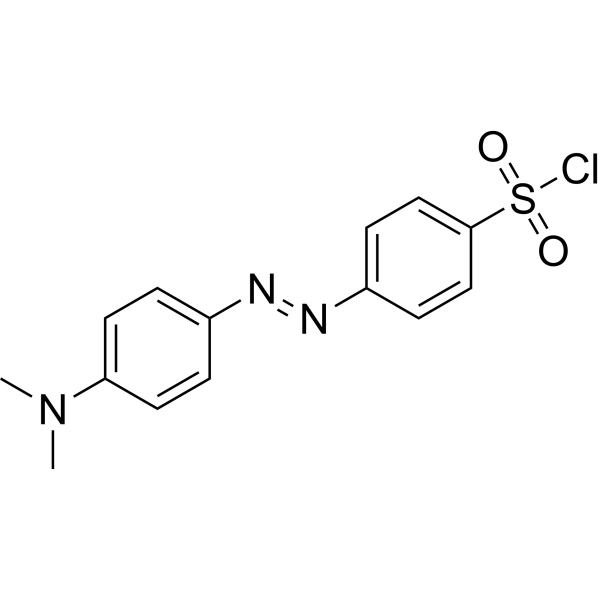
Dabsyl chloride is an amine derivatizing agent, able to give rise to stable products that can be easily monitored spectrophotometrically at 460 nm; Dabsyl chloride also used for labeling amino acids.
|
-
- HY-106579S
-
|
|
COX
|
Inflammation/Immunology
|
|
Tiaprofenic acid-d3 is a deuterium labeled Tiaprofenic acid. Tiaprofenic acid is a nonsteroidal anti-inflammatory agent (NSAID) mainly used in the treatment of rheumatic diseases .
|
-
- HY-17420AS
-
|
Cyclophosphamide-d8 monohydrate
|
Isotope-Labeled Compounds
DNA Alkylator/Crosslinker
|
Cancer
|
|
Cyclophosphamide-d8 (hydrate) is the deuterium labeled Cyclophosphamide hydrate. Cyclophosphamide hydrate is a synthetic alkylating agent chemically related to the nitrogen mustards with antineoplastic and immunosuppressive activities .
|
-
- HY-B0454S1
-
-
- HY-B0198S
-
-
- HY-W011500S
-
|
|
Isotope-Labeled Compounds
|
Others
|
|
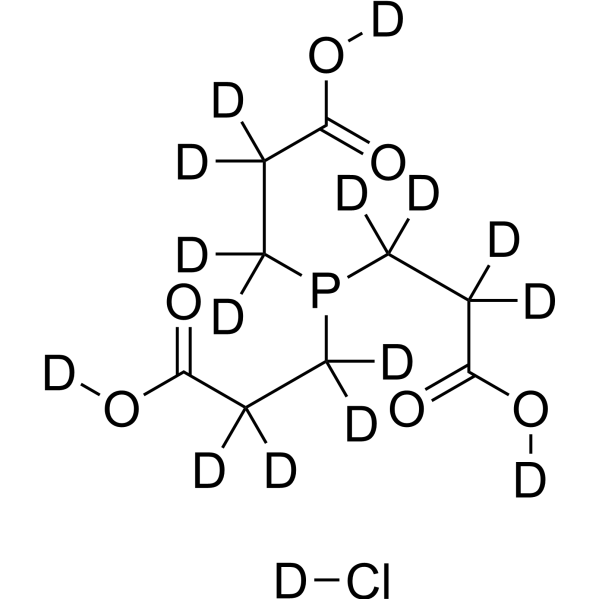
TCEP-d16 (hydrochloride) is the deuterium labeled TCEP hydrochloride . TCEP hydrochloride (Tris(2-carboxyethyl)phosphine hydrochloride) is a non-thiol reducing agent that is more stable and produces a faster S-S reductive reaction than other chemical reductants. TCEP hydrochloride is a trialkylphosphine, selectively reduces protein disuldes without altering the properties or interacting with thiol-directed agents in the reaction mixture. TCEP hydrochloride is also a commonly used reducing agent in the DNA/AuNP chemistry .
|
-
- HY-B0106S
-
|
UCB L059-d6
|
Isotope-Labeled Compounds
DNA Methyltransferase
|
Neurological Disease
Cancer
|
|
Levetiracetam-d6 is the deuterium labeled Levetiracetam. Levetiracetam, an antiepileptic agent, binds the synaptic vesicle protein SV2A. Levetiracetam enhances Temozolomide effect on glioblastoma stem cell proliferation and apoptosis. Levetiracetam modulates HDAC levels ultimately silencing MGMT, thus increasing Temozolomide effectiveness. A chemosensitizer agent .
|
-
- HY-B0106S1
-
|
UCB L059-d3
|
DNA Methyltransferase
|
Neurological Disease
Cancer
|
|
Levetiracetam-d3 is the deuterium labeled Levetiracetam. Levetiracetam, an antiepileptic agent, binds the synaptic vesicle protein SV2A. Levetiracetam enhances Temozolomide effect on glioblastoma stem cell proliferation and apoptosis. Levetiracetam modulates HDAC levels ultimately silencing MGMT, thus increasing Temozolomide effectiveness. A chemosensitizer agent .
|
-
- HY-B0437S
-
-
- HY-W754303
-
|
Dihydroqinghaosu-13C,d5; β-Dihydroartemisinin-13C,d5; Artenimol-13C,d5
|
Isotope-Labeled Compounds
Apoptosis
Autophagy
Parasite
NF-κB
|
Cancer
|
|
Dihydroartemisinin- 13C,d5 (Dihydroqinghaosu- 13C,d5) is the deuterium labeled and 13C-labeled Dihydroartemisinin (HY-N0176). Dihydroartemisinin is a potent anti-malaria agent.
|
-
- HY-121046S
-
|
Sch 14714-d3
|
COX
|
Inflammation/Immunology
|
|
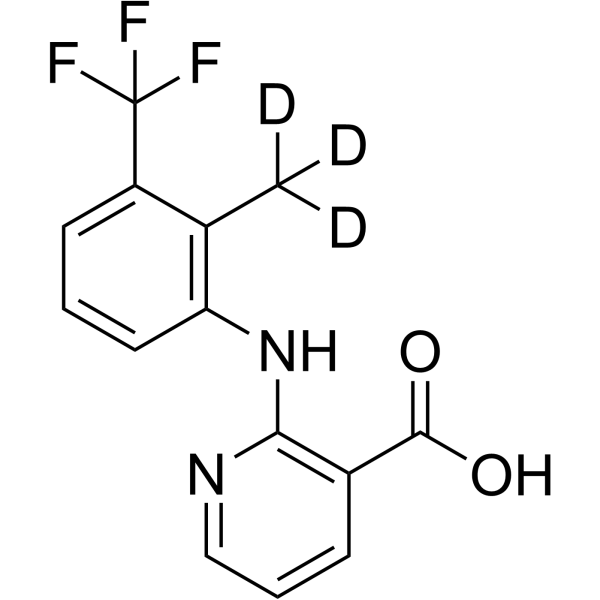
Flunixin-d3 is the deuterium labeled Flunixin. Flunixin Meglumine is a potent inhibitor of COX used as analgesic agent with anti-inflammatory and antipyretic activity .
|
-
- HY-B0330S
-
|
(-)-Ofloxacin-d8
|
Bacterial
Antibiotic
|
Infection
|
|
Levofloxacin-d8 is the deuterium labeled Levofloxacin. Levofloxacin, a synthetic fluoroquinolone, is an antibacterial agent that inhibits the supercoiling activity of bacterial DNA gyrase, halting DNA replication.
|
-
- HY-B0224S
-
-
- HY-131101S
-
-
- HY-14187S1
-
-
- HY-D0875S
-
|
1,4-Piperazinediethanesulfonic acid-d18
|
Isotope-Labeled Compounds
|
Others
|
|
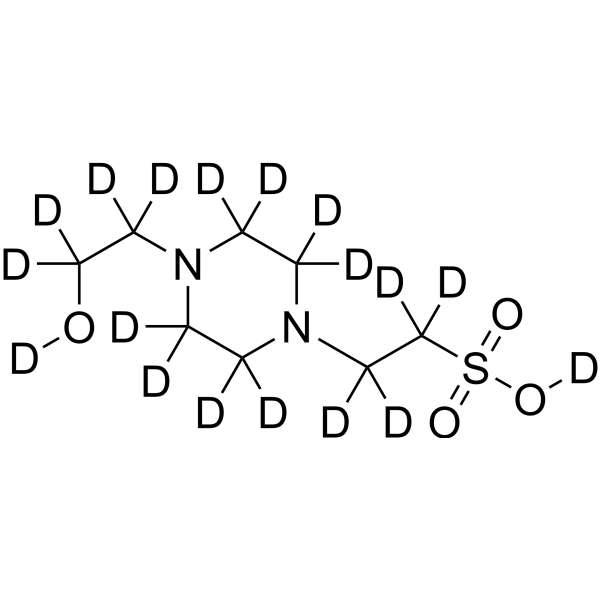
PIPES-d18 is the deuterium labeled PIPES . PIPES (1,4-Piperazinediethanesulfonic acid) is an important component of PIPES buffer agent used in biochemistry .
|
-
- HY-17426S
-
|
BRL 42810-d4
|
Isotope-Labeled Compounds
HSV
VZV
|
Infection
|
|
Famciclovir-d4 is the deuterium labeled Famciclovir. Famciclovir (BRL 42810) is a guanine analogue antiviral agent used for the treatment of various herpesvirus infections .
|
-
- HY-N0370S
-
-
- HY-B1896S
-
|
|
Parasite
|
Infection
|
|
Piperaquine-d6 is the deuterium labeled Piperaquine . Piperaquine is a bisquinoline antimalarial agent. Piperaquine can be used in antimalarial research in combination with Artemisinin .
|
-
- HY-B0454S2
-
|
R18134-d2
|
Fungal
Bacterial
Antibiotic
|
Infection
|
|
Miconazole-d2 is the deuterium labeled Miconazole . Miconazole (R18134) is an imidazole antifungal agent. Miconazole also has antibacterial effects .
|
-
- HY-A0130S
-
-
- HY-17419S
-
-
- HY-W744029
-
-
- HY-W998680
-
|
5-FITC-Maleimide
|
Fluorescent Dye
|
Others
|
|
Fluorescein-maleimide (5-FITC-Maleimide) is a thiol-reactive fluorescent derivatization reagent and non-specific protein labeling reagent. Fluorescein-maleimide covalently binds to protein thiol groups for protein labeling. Fluorescein-maleimide covalently binds to protein amino and imidazole groups under neutral pH conditions. Fluorescein-maleimide is used for fluorescent labeling of proteins, nucleic acids or other molecules containing one or more thiol groups (Ex/Em = 494/519 nm) .
|
-
- HY-14519S1
-
|
|
Isotope-Labeled Compounds
|
Metabolic Disease
Inflammation/Immunology
Cancer
|
|
Methotrexate-d3 diammonium is the deuterium labeled Methotrexate diammonium. Methotrexate (Amethopterin), an antimetabolite and antifolate agent, inhibits the enzyme dihydrofolate reductase, thereby preventing the conversion of folic acid into tetrahydrofolate, and inhibiting DNA synthesis. Methotrexate, also an immunosuppressant and antineoplastic agent, is used for the research of rheumatoid arthritis and a number of different cancers (such as acute lymphoblastic leukemia) .
|
-
- HY-17427S
-
|
BW1592-15N,d2
|
HIV
Reverse Transcriptase
Endogenous Metabolite
|
Infection
|
|
Emtricitabine- 15N,d2 is a 15N-labeled and deuterium labeled Emtricitabine. Emtricitabine is a nucleoside reverse transcriptase inhibitor (NRTI) with an EC50 of 0.01 μM in PBMC cell. It is an antiviral agent for the treatment of HIV infection.
|
-
- HY-D1352
-
|
|
Fluorescent Dye
|
Others
|
|
Sulfo-Cyanine7 NHS ester potassium is an amine-reactive succinimide ester. Sulfo-Cyanine7 NHS ester reagent allows to prepare sulfo-Cyanine7-labeled biomolecules, such as proteins, with ease. Dye labeled molecules can be subsequently used for various research and agent design related experiments.
|
-
- HY-B0330S1
-
|
|
Bacterial
Antibiotic
|
Infection
|
|
(S)-Ofloxacin-d3 is the deuterium labeled Levofloxacin. Levofloxacin, a synthetic fluoroquinolone, is an antibacterial agent that inhibits the supercoiling activity of bacterial DNA gyrase, halting DNA replication.
|
-
- HY-W042301S
-
-
- HY-Y0262S
-
|
|
Endogenous Metabolite
|
Metabolic Disease
|
|
Oxalic Acid-d2 is the deuterium labeled Oxalic Acid. Oxalic Acid is a strong dicarboxylic acid occurring in many plants and vegetables and can be used as an analytical reagent and general reducing agent.
|
-
- HY-B0594S
-
|
|
Isotope-Labeled Compounds
Autophagy
Mitophagy
|
Cancer
|
|
Iohexol-d5 is deuterium labeled Iohexol. Iohexol is a radiographic contrast agent and can be applied for myelography, computerized tomography?(cisternography, ventriculography) and MicroCT imaging in vivo .
|
-
- HY-B1895S
-
-
- HY-114750S
-
|
|
Isotope-Labeled Compounds
Drug Metabolite
|
Others
|
|
Mebendazole-amine- 13C6 is the 13C6 labeled Mebendazole-amine. Mebendazole-amine is a metabolite of Mebendazole. Mebendazole is a broad-spectrum benzimidazole anti-helminthic agent.
|
-
- HY-B0367S
-
-
- HY-14272S
-
|
|
Isotope-Labeled Compounds
Fungal
|
Infection
|
|
Ravuconazole-d4 is the deuterium labeled Ravuconazole. Ravuconazole (BMS-207147) is an orally available triazoleantifungle agent that potently inhibits a wide range of fungi .
|
-
- HY-W745719
-
-
- HY-B0105S1
-
|
Ketoconazol-d4; R 41400-d4
|
Fungal
Cytochrome P450
Ras
|
Infection
Cancer
|
|
Ketoconazole-d4 is the deuterium labeled Ketoconazole. Ketoconazole (R-41400) is an imidazole anti-fungal agent, a CYP3A4 and CYP24A1 inhibitor.
|
-
- HY-B0388S1
-
-
- HY-B0105S
-
-
- HY-106577AS
-
|
Escibenzoline-d4; (-)-(S)-Cifenline-d4; (-)-(S)-Ro 22-7796-d4
|
Isotope-Labeled Compounds
Potassium Channel
|
Metabolic Disease
|
|
(-)-(S)-Cibenzoline-d4 (Escibenzoline-d4) is deuterium labeled (-)-(S)-Cibenzoline. (-)-(S)-Cibenzoline (Escibenzoline), a S(+)-enantiomer of Cibenzoline, is an antiarrhythmic agent .
|
-
- HY-B0177S
-
|
|
Isotope-Labeled Compounds
Bacterial
|
Infection
|
|
Tinidazole-d5 is the deuterium labeled Tinidazole. Tinidazole, an orally available antibacterial agent, is a 5-nitroimidazole with selective activity against anaerobic bacteria and protozoa .
|
-
- HY-B1642S
-
|
Peganone-d5
|
Isotope-Labeled Compounds
|
Neurological Disease
|
|
Ethotoin-d5 is the deuterium labeled Ethotoin . Ethotoin (Peganone) is an orally active anticonvulsant agent used in epilepsy research, Ethotoin is a hydantoin, similar to phenytoin .
|
-
- HY-B0300S
-
-
- HY-B1188S
-
|
|
mAChR
|
Neurological Disease
|
|
Propantheline-d3 (bromide) is the deuterium labeled Propantheline bromide. Propantheline bromide is an antimuscarinic agent, used for the treatment of hyperhidrosis, cramps or spasms of the stomach, intestines or bladder, and enuresis.
|
-
- HY-W030778S
-
|
|
Isotope-Labeled Compounds
|
Others
|
|
Nitrilotriacetic acid-d9 is the deuterium labeled Nitrilotriacetic acid . Nitrilotriacetic acid is an aminotricarboxylic acid. Nitrilotriacetic acid can be used as a chelating agent, forming coordination compounds with metal ions .
|
-
- HY-B1114S
-
|
AR-DF 26-d6
|
Isotope-Labeled Compounds
|
Metabolic Disease
|
|
Gliquidone-d6 is deuterium labeled Gliquidone. Gliquidone (AR-DF 26) is an anti-diabetic agent in the sulfonylurea class, used in the treatment of diabetes mellitus type 2.
|
-
- HY-17583S
-
-
- HY-12772S
-
|
R-63373-d8
|
Fungal
|
Infection
|
|
Hydroxy Itraconazole-d8 is the deuterium labeled Hydroxy Itraconazole (HY-12772). Hydroxy Itraconazole is an active metabolite of Itraconazole (ITZ), which is a triazole antifungal agent.
|
-
- HY-B0402S
-
|
1-Adamantanamine-d15; 1-Aminoadamantane-d15
|
Influenza Virus
Orthopoxvirus
SARS-CoV
Apoptosis
|
Infection
Neurological Disease
Cancer
|
|
Amantadine-d15 is the deuterium labeled Amantadine. Amantadine (1-Adamantanamine) is an antiviral agent with activity against influenza A viruses. Amantadine blocks the proton flow through the M2 ion channel (M2 proton channel of influenza A) and thus prevents the release of viral RNA into the cytoplasm of the infected cells. Amantadine is an antiparkinsonian agent .
|
-
- HY-123193S
-
|
Pro-diazepam-d5 dihydrobromide
|
Isotope-Labeled Compounds
Drug Intermediate
|
Neurological Disease
|
|
Avizafone-d5 dihydrobromide is the deuterium labeled Avizafone dihydrobromide . Avizafone (Pro-diazepam) dihydrobromide, a pro-drug of Diazepam, is an anticonvulsant agent. Avizafone dihydrobromide can be used as an antidote of nerve agent poisoning. In vivo, Avizafone is rapidly hydrolyzed by aminopeptidase to produce lysine and diazepam. Avizafone dihydrobromide has research areas including neurological disease, such as epilepsy.
|
-
- HY-14881S2
-
|
|
Isotope-Labeled Compounds
Bacterial
Antibiotic
|
Infection
|
|
Bedaquiline impurity 2-d6 is deuterium labeled Bedaquiline. Bedaquiline (TMC207) is a diarylquinoline agent and inhibits Mycobacterium tuberculosis (Mtb) F1FO-ATP synthase through targeting of both the c- and the ε-subunit . Bedaquiline has uncoupler activity. Bedaquiline is used for the multi-agent resistant tuberculosis .
|
-
- HY-14519S
-
|
|
Antifolate
DNA/RNA Synthesis
ADC Payload
Apoptosis
|
Inflammation/Immunology
Cancer
|
|
Methotrexate-d3 (Amethopterin-d3) is the deuterium labeled Methotrexate. Methotrexate (Amethopterin), an antimetabolite and antifolate agent, inhibits the enzyme dihydrofolate reductase, thereby preventing the conversion of folic acid into tetrahydrofolate, and inhibiting DNA synthesis. Methotrexate, also an immunosuppressant and antineoplastic agent, is used for the research of rheumatoid arthritis and a number of different cancers (such as acute lymphoblastic leukemia) .
|
-
- HY-B0267AS
-
-
- HY-Y1362S
-
-
- HY-128890
-
|
|
ADC Linker
|
Cancer
|
|
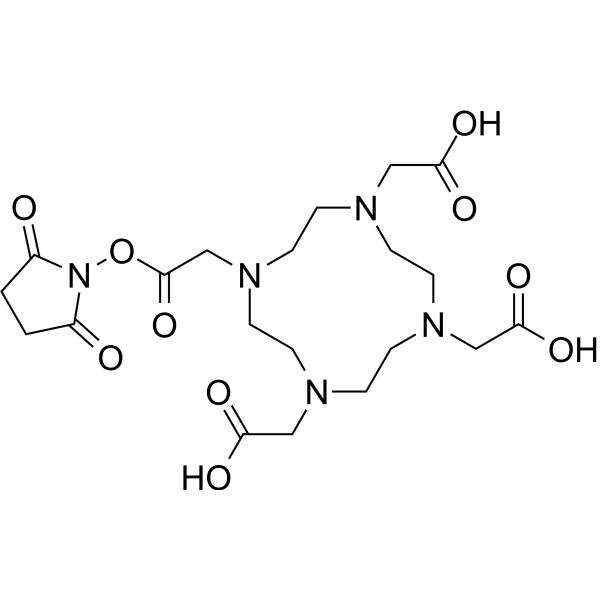
DOTA-NHS-ester is a linker for affibody molecules and is applied in small animals PET, SPECT, and CT. DOTA-NHS-ester can be used to label radiotherapeutic agents or imaging probes for the detection of tumors .
|
-
- HY-118865S
-
|
|
Isotope-Labeled Compounds
Parasite
|
Infection
|
|
Piperaquine-d6 (tetraphosphate) is the deuterium labeled Piperaquine tetraphosphate. Piperaquine tetraphosphate is a bisquinoline antimalarial agent. Piperaquine phosphate can be used in antimalarial research in combination with Artemisinin .
|
-
- HY-B0434S
-
-
- HY-41877S
-
|
|
Isotope-Labeled Compounds
|
Others
|
|
Succinimide- 15N is the 15N labeled Succinimide. Succinimide rapidly hydrolyzes into aspartic acid and aspartic acid during the reduction/alkylation process. Succinimide is utilized in the development of antiepileptic agent .
|
-
- HY-B0284S2
-
-
- HY-76585
-
|
|
VD/VDR
|
Metabolic Disease
|
|
Paricalcitol-d6 is the deuterium labeled Paricalcitol. Paricalcitol is a agent used for the prevention and treatment of secondary hyperparathyroidism (excessive secretion of parathyroid hormone) associated with chronic renal failure .
|
-
- HY-100561S1
-
|
4-Hydroxy-TEMPO-d17
|
Autophagy
Reactive Oxygen Species (ROS)
|
Cancer
|
|
Tempol-d17 is the deuterium labeled Tempol . Tempol is a general superoxide dismutase (SOD)-mimetic agent that efficiently neutralizes reactive oxygen species (ROS) .
|
-
- HY-B2184S
-
-
- HY-B1119S
-
|
|
Bacterial
Fungal
Autophagy
Antibiotic
|
Infection
Cancer
|
|
Triclosan-d3 is the deuterium labeled Triclosan. Triclosan is an antibacterial and antifungal agent found in consumer products, including soaps, detergents, toys, and surgical cleaning treatments .
|
-
- HY-119696S1
-
-
- HY-D1352A
-
|
|
Fluorescent Dye
|
Others
|
|
Sulfo-Cyanine7 NHS ester (TEA) is an amine-reactive succinimide ester. Sulfo-Cyanine7 NHS ester (TEA) reagent allows to prepare sulfo-Cyanine7-labeled biomolecules, such as proteins, with ease. Dye labeled molecules can be subsequently used for various research and agent design related experiments.
|
-
- HY-N0111S2
-
-
- HY-W018008
-
|
Ferrocenylacetylene; Ferrocenylethyne
|
Biochemical Assay Reagents
|
Others
|
|
Ethynylferrocene (Ferrocenylacetylene) is a click chemistry agent. Ethynylferrocene can be used for labeling of hairpin DNA probes to monitor the DNA hybridization via the Cu(I)-catalyzed azide-alkyne cycloaddition (CuAAC) .
|
-
- HY-13562S
-
|
AQ4N d12
|
Isotope-Labeled Compounds
Topoisomerase
|
Cancer
|
|
Banoxantrone-d12 is the deuterium labeled banoxantrone. Banoxantrone is a novel bioreductive agent that can be reduced to a stable, DNA-affinic compound AQ4, which is a potent topoisomerase II inhibitor.
|
-
- HY-B1151S
-
|
BAY-e 6975-d4
|
Isotope-Labeled Compounds
Fungal
|
Infection
|
|
Climbazole-d4 is the deuterium labeled Climbazole. Climbazole (BAY-e 6975) is a potent antifungal agent. Climbazole also is a potent inducer of rat hepatic cytochrome P450 .
|
-
- HY-W018677S
-
|
|
Antibiotic
|
Infection
|
|
Quinoxaline-d4 is the deuterium labeled Quinoxaline . Quinoxaline is a chemical compound that acts as an intermediate for anti-tuberculosis agent Pyrazinamide. Quinoxaline presents a structure that is similar to quinolone antibiotics .
|
-
- HY-B0388S
-
-
- HY-A0108S
-
|
|
Isotope-Labeled Compounds
|
Others
|
|
Trimethyl phosphate-d9 is the deuterium labeled Trimethyl phosphate (HY-A0108A). Trimethyl phosphate is a methylating agent. Trimethyl phosphate transfers methyl groups to aliphatic alcohols, phenols, and amines .
|
-
- HY-B0546AS
-
-
- HY-108251S
-
-
- HY-13562AS
-
|
AQ4N-d12 dihydrochloride
|
Topoisomerase
|
Cancer
|
|
Banoxantrone-d12 (dihydrochloride) is the deuterium labeled Banoxantrone dihydrochloride. Banoxantrone is a novel bioreductive agent that can be reduced to a stable, DNA-affinic compound AQ4, which is a potent topoisomerase II inhibitor.
|
-
- HY-B0409S
-
-
- HY-N0111S
-
-
- HY-100662S
-
|
Bisdesethylchloroquine-d4
|
Isotope-Labeled Compounds
Drug Metabolite
|
Cardiovascular Disease
|
|
Didesethyl chloroquine-d4 is the deuterium labeled Didesethyl chloroquine. Didesethyl chloroquine (Bisdesethylchloroquine) is a major metabolite of the antimalarial agent Chloroquine. Didesethyl chloroquine is a potent myocardial depressant .
|
-
- HY-A0057S
-
|
|
Calcium Channel
|
Neurological Disease
|
|
Gabapentin-d4 is the deuterium labeled Gabapentin. Gabapentin (Neurontin) is a pharmaceutical agent, specifically a GABA analog. It was originally developed to treat epilepsy, and currently is also used to relieve neuropathic pain.
|
-
- HY-W724344
-
|
Benzyldimethylhexadecylammonium-d5 chloride
|
Isotope-Labeled Compounds
Bacterial
|
Infection
Inflammation/Immunology
|
|
Cetalkonium-d5 chloride (Benzyldimethylhexadecylammonium-d5 chloride) is the deuterium labeled Cetalkonium chloride (HY-B1597). Cetalkonium chloride is an ammonium antiseptic agent used in many topical agents for infections of mouth, throat and eye. Cetalkonium chloride acts as anti-inflammatory amphiphilic agent. Cetalkonium chloride is a cationic surfactant, that improves the precorneal residence time and bioavailability of drugs. Cetalkonium chloride interacts with the negative charges on the bacterial cell membrane, disrupts the integrity of the cell membrane, causes leakage of cell contents and ultimately leading to bacterial death .
|
-
- HY-15583S
-
|
|
Isotope-Labeled Compounds
ADC Payload
Microtubule/Tubulin
|
Cancer
|
|
Auristatin F-d8 is deuterium labeled Auristatin F (HY-15583). Auristatin F is a potent cytotoxin in antibo-conjugated agents and an analogue of MMAF. Auristatin F is a potent microtubule inhibitor and vascular damaging agent (VDA). Auristatin F inhibits cell division by preventing tubulin aggregation.Auristatin F can be used in antibody-drug conjugates (ADC) .
|
-
- HY-14881S1
-
|
|
Isotope-Labeled Compounds
Bacterial
Antibiotic
|
Others
|
|
(Rac)-Bedaquiline-d6 is the deuterium labeled Bedaquiline (HY-14881) . Bedaquiline (TMC207) is a diarylquinoline agent and inhibits Mycobacterium tuberculosis (Mtb) F1FO-ATP synthase through targeting of both the c- and the ε-subunit . Bedaquiline has uncoupler activity. Bedaquiline is used for the multi-agent resistant tuberculosis .
|
-
- HY-Y0271S1
-
|
Carbonyl diamide-d4
|
Endogenous Metabolite
|
Others
|
|
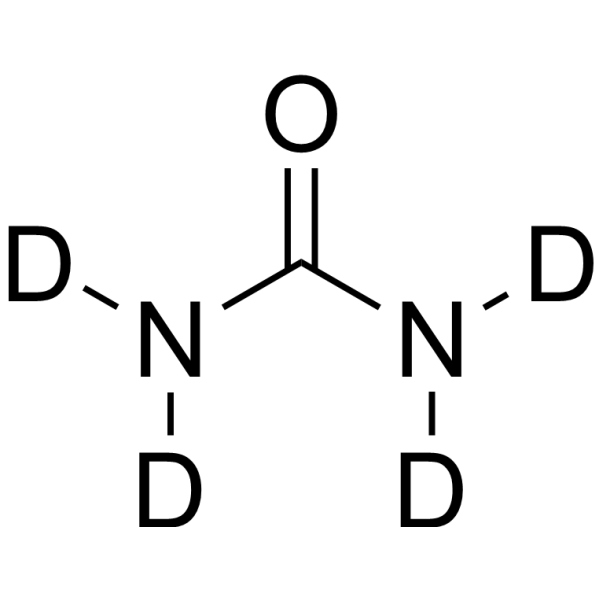
Urea-d4 is the deuterium labeled Urea . Urea is a powerful protein denaturant via both direct and indirect mechanisms . A potent emollient and keratolytic agent . Used as a diuretic agent. Blood urea nitrogen (BUN) has been utilized to evaluate renal function . Widely used in fertilizers as a source of nitrogen and is an important raw material for the chemical industry.
|
-
- HY-158125
-
|
|
PSMA
|
Cancer
|
|
PSMA binder-2 is a ligand for PSMA and can be used to synthesize Ac-PSMA-trillium. Ac-PSMA-trillium is a suitable PSMA-targeting compound with improved PSMA binding properties and pharmacokinetic properties. PSMA ligands have different biological applications after being modified with different radioactive isotopes. If labeled with 111In, it can be used as DOTA chelating agent and imaging agent. Or labeled with 225Ac as a Macropa chelator for targeted radionuclide therapy (TRT) in the study of metastatic castration-resistant prostate cancer (mCRPC) .
|
-
- HY-B0945S
-
|
3,5-Dinitrobenzamide-13C6
|
Isotope-Labeled Compounds
|
Infection
|
|
Nitromide- 13C6 (3,5-Dinitrobenzamide- 13C6) is the 13C-labeled Nitromide (HY-B0945). Nitromide is an anti-parasitic agent .
|
-
- HY-B1059S
-
-
- HY-B2157S
-
|
|
Bacterial
Parasite
|
Infection
|
|
Robenidine-d8 (hydrochloride) is the deuterium labeled Robenidine hydrochloride. Robenidine hydrochloride is an anticoccidial agent which is also active against MRSA and VRE with MIC50s of 8.1 and 4.7 μM, respectively.
|
-
- HY-B0008S
-
-
- HY-B1267S
-
|
|
Isotope-Labeled Compounds
Bacterial
Antibiotic
|
Infection
|
|
Sulfaguanidine-d4 is the deuterium labeled Sulfaguanidine. Sulfaguanidine, belongs to the class of sulfonamide agent, is an orally active antibiotic. Sulfaguanidine can be used for the research of enteric infections such as bacillary dysentery .
|
-
- HY-W747332
-
-
- HY-13702S
-
-
- HY-W744275
-
-
- HY-N0453S
-
|
|
Isotope-Labeled Compounds
Apoptosis
Influenza Virus
|
Cancer
|
|
Hypericin-d10 is the deuterium labeled Hypericin. Hypericin is a photosensitive antiviral with anticancer and antidepressant agent derived from Hypericum perforatum. It can inhibit tyrosine kinases with IC50 of 7.5 μM.
|
-
- HY-B1267S1
-
|
|
Isotope-Labeled Compounds
Bacterial
Antibiotic
|
Infection
|
|
Sulfaguanidine- 13C6 is the 13C6 labeled Sulfaguanidine. Sulfaguanidine is an orally active antimicrobial agent/antibiotic of sulfonamide class. Sulfaguanidine can be used for the research of enteric infections such as bacillary dysentery.
|
-
- HY-W699643
-
-
- HY-100561S
-
|
4-Hydroxy-TEMPO-d17,15N
|
Autophagy
Reactive Oxygen Species (ROS)
|
Cancer
|
|
Tempol-d17, 15N is the deuterium labeled Tempol . Tempol is a general superoxide dismutase (SOD)-mimetic agent that efficiently neutralizes reactive oxygen species (ROS) .
|
-
- HY-B0520AS1
-
|
|
Dopamine Receptor
Histamine Receptor
mAChR
|
Cancer
|
|
Benztropine-d3 (mesylate) is the deuterium labeled Benztropine mesylate . Benztropine mesylate (Benzatropine mesylate) is an orally active centrally acting anticholinergic agent that can be used for Parkinson's disease research. Benztropine mesylate is an anti-histamine agent and a dopamine re-uptake inhibitor. Benztropine mesylate is also a human D2 dopamine receptor allosteric antagonist. Benztropine mesylate also has anti-CSCs (cancer stem cells) effects .
|
-
- HY-B0280S2
-
|
|
Sodium Channel
Calcium Channel
|
Cardiovascular Disease
Cancer
|
|
Ranolazine-d3 is the deuterium labeled Ranolazine. Ranolazine (CVT 303) is an anti-angina agent that achieves its effects by inhibiting the late phase of inward sodium current (INa and IKr with IC50 values of 6 μM and 12 μM, respectively) without affecting heart rate or blood pressure (BP) . Ranolazine is also a partial fatty acid oxidation (FAO) inhibitor . Antianginal agent.
|
-
- HY-B0280S1
-
|
|
Isotope-Labeled Compounds
Sodium Channel
Calcium Channel
|
Cardiovascular Disease
Cancer
|
|
Ranolazine-d8 is the deuterium labeled Ranolazine. Ranolazine (CVT 303) is an anti-angina agent that achieves its effects by inhibiting the late phase of inward sodium current (INa and IKr with IC50 values of 6 μM and 12 μM, respectively) without affecting heart rate or blood pressure (BP) . Ranolazine is also a partial fatty acid oxidation (FAO) inhibitor . Antianginal agent.
|
-
- HY-Y0271S
-
|
Carbonyl diamide-15N2
|
Endogenous Metabolite
|
Cardiovascular Disease
Cancer
|
|
Urea- 15N2 is the 15N-labeled Urea. Urea is a powerful protein denaturant via both direct and indirect mechanisms . A potent emollient and keratolytic agent . Used as a diuretic agent. Blood urea nitrogen (BUN) has been utilized to evaluate renal function . Widely used in fertilizers as a source of nitrogen and is an important raw material for the chemical industry.
|
-
- HY-13690S1
-
|
2,4′-DDD-13C6; o,p'-DDD-13C6
|
Apoptosis
|
Cancer
|
|
Mitotane- 13C6 is the 13C labeled Mitotane . Mitotane (2,4′-DDD), an isomer of DDD and derivative of dichlorodiphenyltrichloroethane (DDT), is an antineoplastic agent, can be used to research adrenocortical carcinoma. Mitotane exert its adrenocorticolytic effect at least in part through lipotoxicity induced by intracellular free cholesterol (FC) accumulation. Mitotane can have direct pituitary effects on corticotroph cells. Mitotane can induce CYP3A4 gene expression via steroid and xenobiotic receptor (SXR) activation, and has agent-agent interactions .
|
-
- HY-W700621
-
|
Tris(2-carboxyethyl)phosphine hydrochloride-d12
|
Isotope-Labeled Compounds
Others
|
Others
|
|
TCEP-d12 (hydrochloride) (Tris(2-?carboxyethyl)?phosphine hydrochloride-d12) is deuterium labeled TCEP (hydrochloride). TCEP hydrochloride (Tris(2-carboxyethyl)phosphine hydrochloride) is a non-thiol reducing agent that is more stable and produces a faster S-S reductive reaction than other chemical reductants. TCEP hydrochloride is a trialkylphosphine, selectively reduces protein disuldes without altering the properties or interacting with thiol-directed agents in the reaction mixture. TCEP hydrochloride is also a commonly used reducing agent in the DNA/AuNP chemistry .
|
-
- HY-13690S2
-
|
2,4′-DDD-d8; o,p'-DDD-d8
|
Apoptosis
|
Cancer
|
|
Mitotane-d8 is the deuterium labeled Mitotane . Mitotane (2,4′-DDD), an isomer of DDD and derivative of dichlorodiphenyltrichloroethane (DDT), is an antineoplastic agent, can be used to research adrenocortical carcinoma. Mitotane exert its adrenocorticolytic effect at least in part through lipotoxicity induced by intracellular free cholesterol (FC) accumulation. Mitotane can have direct pituitary effects on corticotroph cells. Mitotane can induce CYP3A4 gene expression via steroid and xenobiotic receptor (SXR) activation, and has agent-agent interactions .
|
-
- HY-W725543
-
-
- HY-B1046S
-
|
|
Bacterial
Antibiotic
|
Inflammation/Immunology
|
|
Clofazimine-d7 is deuterium labeled Clofazimine. Clofazimine is an iminophenazine dye, has a marked anti-inflammatory effect, has been used in combination with other antimycobacterial agents to treat AIDS and Crohn's disease.
|
-
- HY-B2156S1
-
|
Vitamin K2(MK-4)-13C6; Menaquinone K4-13C6
|
Isotope-Labeled Compounds
Endogenous Metabolite
|
Cancer
|
|
Menaquinone-4- 13C6 is the 13C-labeled Menaquinone-4. Menaquinone-4 is a vitamin K, used as a hemostatic agent, and also a adjunctive therapy for the pain of osteoporosis.
|
-
- HY-B0083S1
-
-
- HY-17390BS
-
-
- HY-D0021S
-
|
EtBr-d5; Homidium-d5 bromide
|
Isotope-Labeled Compounds
DNA Stain
|
Others
|
|
EthD-d5 bromide is the deuterium labeled Ethidium bromide. EthD bromide is an intercalating agent commonly used as a fluorescent tag (nucleic acid stain) in molecular biology laboratories for techniques such as agarose gel electrophoresis.
|
-
- HY-135407S
-
|
|
Isotope-Labeled Compounds
Drug Metabolite
|
Neurological Disease
|
|
N-Desethyl Oxybutynin-d5 (hydrochloride) is deuterium labeled N-Desethyl Oxybutynin hydrochloride. N-Desethyl Oxybutynin is the the active metabolite Oxybutynin. Oxybutynin is an anticholinergic agent that inhibits voltage-dependent K+ channels .
|
-
- HY-P0058S
-
-
- HY-W740764
-
|
Isopropyl-d7 Paraben
|
Isotope-Labeled Compounds
Bacterial
|
Infection
|
|
Isopropyl 4-hydroxybenzoate-d7 is the deuterium labeled Isopropyl 4-hydroxybenzoate (HY-W016491). Isopropyl 4-hydroxybenzoate (Isopropylparaben) is an antimicrobial and antioxidant agent .
|
-
- HY-N0172S
-
|
3,4-Dihydroxycinnamic acid-13C3
|
Bacterial
Fungal
|
Infection
|
|
Caffeic acid- 13C3 is an 13C labeled caffeic acid. Caffeic acid is a phytonutrient belonging to the flavonoids. Caffeic acid and its derivatives, are potential antimicrobial agents, chronic infection induced by microbes such as bacteria, fungi, and viruses .
|
-
- HY-16980S
-
-
- HY-B0191S
-
|
AGN 192024 d5
|
Prostaglandin Receptor
|
Endocrinology
|
|
Bimatoprost-d5 is a deuterium labeled Bimatoprost. Bimatoprost is a prostaglandin analog and is a topical hypotensive agent frequently used for treating ocular hypertension and glaucoma. Bimatoprost also has an antiadipogenic effect .
|
-
- HY-166670S
-
-
- HY-13694S
-
-
- HY-B0493S1
-
-
- HY-13694S1
-
|
MRX-1024-d4; D-Methionine-d4
|
GABA Receptor
Endogenous Metabolite
|
Cancer
|
|
Methionine-d4 is the deuterium labeled Methionine. Methionine (MRX-1024; D-Methionine) is an effective chemoprotective agent which can also inhibit the neuronal activity through GABAA receptor activation.
|
-
- HY-113251S
-
-
- HY-17364S
-
|
|
DNA Alkylator/Crosslinker
Autophagy
Apoptosis
|
Cancer
|
|
Temozolomide-d3 is the deuterium labeled Temozolomide. Temozolomide (NSC 362856) is an oral active DNA alkylating agent that crosses the blood-brain barrier. Temozolomide is also a proautophagic and proapoptotic agent. Temozolomide is effective against tumor cells that are characterized by low levels of O6-alkylguanine DNA alkyltransferase (OGAT) and a functional mismatch repair system. Temozolomide has antitumor and antiangiogenic effects .
|
-
- HY-10984S2
-
-
- HY-133694S
-
|
|
Isotope-Labeled Compounds
Drug Metabolite
|
Others
|
|
2-Aminoflubendazole- 13C6 is the 13C6 labeled 2-Aminoflubendazole. 2-Aminoflubendazole is the metabolite of Benzimidazoles. Benzimidazoles (BZ) are a class of agents with activities against fungi, protozoa, and helminthes.
|
-
- HY-B0647S1
-
|
3-n-Butylphthalide-d3; 3-Butylphthalide-d3
|
Isotope-Labeled Compounds
|
Neurological Disease
|
|
Butylphthalide-d3 is the deuterium labeled Butylphthalide. Butylphthalide(3-n-Butylphthalide), an anti-cerebral-ischemia agent, is first isolated from the seeds of celery and showes efficacy in animal models of stroke.
|
-
- HY-W740341
-
-
- HY-N0543S
-
|
5-Ureidohydantoin-13C2,15N4
|
Imidazoline Receptor
Endogenous Metabolite
|
Cancer
|
|
Allantoin- 13C2, 15N4 is the 13C and 15N labeled Allantoin . Allantoin is a skin conditioning agent that promotes healthy skin, stimulates new and healthy tissue growth .
|
-
- HY-W008772S
-
|
|
Drug Metabolite
|
Others
|
|
4-Hydroxymephenytoin-d3 is the deuterium labeled 4-Hydroxymephenytoin. 4-Hydroxymephenytoin is a metabolism of an antiepileptic agent mephenytoin, which is used as a CYP2C19 substrate .
|
-
- HY-133115AS
-
|
|
Isotope-Labeled Compounds
β-catenin
|
Neurological Disease
|
|
N-Desmethylnefopam-d5 (hydrochloride) is a deuterium labeled N-Desmethylnefopam hydrochloride. N-Desmethylnefopam hydrochloride is the main metabolite of Nefopam. N-Desmethylnefopam hydrochloride is a centrally-acting but non-opioid analgesic agent, for the relief of moderate to severe pain .
|
-
- HY-B0703S
-
-
- HY-P11837
-
|
|
Biochemical Assay Reagents
|
Cancer
|
|
NECT-224 is a bifunctional chelator and a nectin-4 targeting peptide conjugate. NECT-224 can be used as a PET imaging agent when labeled with 64Cu or 68Ga .
|
-
- HY-N7125S
-
|
|
Bacterial
Isotope-Labeled Compounds
|
Others
|
|
Cinnamyl acetate- 13C2 is 13C labeled Cinnamyl acetate (HY-N7125). Cinnamyl acetate has a wide application in the flavor and fragrance industry . Cinnamyl acetate is a new broad spectrum antibacterial agent .
|
-
- HY-B0493S
-
-
- HY-136201
-
|
|
Biochemical Assay Reagents
|
Cancer
|
|
Sodium Glucoheptonate is used as a kit for radio-labeling with Tc-99m. Tc-99m glucoheptonate is kidney- and brain-imaging agent, and can be used in brain-tumor detection .
|
-
- HY-W744147
-
|
|
Isotope-Labeled Compounds
Bacterial
|
Infection
|
|
4-Glycidyloxycarbazole-d5 is the deuterium labeled 4-Glycidyloxycarbazole (HY-W013429). 4-Glycidyloxycarbazole (compound 8) is an antimicrobial agent that disrupts bacterial biofilm formation .
|
-
- HY-W744263
-
-
- HY-10984S
-
-
- HY-B1378S1
-
-
- HY-Y0271S2
-
|
Carbonyl diamide-13C,15N2
|
Endogenous Metabolite
|
Cardiovascular Disease
|
|
Urea- 13C, 15N2 is the 13C and 15N labeled Urea . Urea is a powerful protein denaturant via both direct and indirect mechanisms . A potent emollient and keratolytic agent . Used as a diuretic agent. Blood urea nitrogen (BUN) has been utilized to evaluate renal function . Widely used in fertilizers as a source of nitrogen and is an important raw material for the chemical industry.
|
-
- HY-B0520AS
-
|
|
Isotope-Labeled Compounds
Dopamine Receptor
mAChR
Histamine Receptor
|
Neurological Disease
Cancer
|
|
Benztropine- 13C,d3 (mesylate) is the 13C- and deuterium labeled Benztropine (mesylate). Benztropine mesylate (Benzatropine mesylate) is an orally active centrally acting anticholinergic agent that can be used for Parkinson's disease research. Benztropine mesylate is an anti-histamine agent and a dopamine re-uptake inhibitor. Benztropine mesylate is also a human D2 dopamine receptor allosteric antagonist. Benztropine mesylate also has anti-CSCs (cancer stem cells) effects .
|
-
- HY-B1028S
-
|
D-Pantethine-15N2; LBF disulfide-15N2
|
Isotope-Labeled Compounds
|
Neurological Disease
Metabolic Disease
Inflammation/Immunology
Endocrinology
Cancer
|
|
Pantethine- 15N2 is the 15N2 labeled Pantethine. Pantethine is an orally active lipid-lowering agent. Pantethine has anti-tumor, anti-inflammatory and anti-SARS-COV virus activities. Pantethine is also a neuroprotective agent. Pantethine can be used in the study of Alzheimer's disease, Parkinson's disease, major depression, systemic sclerosis and pantothenate kinase-related neurodegeneration .
|
-
- HY-W717743
-
-
- HY-135389S
-
|
|
Isotope-Labeled Compounds
Drug Metabolite
Antibiotic
|
Infection
|
|
Desmethyl Levofloxacin-d8 hydrochloride is the deuterium labeled Desmethyl Levofloxacin. Desmethyl Levofloxacin is a metabolite of Levofloxacin. Levofloxacin, a synthetic fluoroquinolone, is an antibacterial agent that inhibits the supercoiling activity of bacterial DNA gyrase, halting DNA replication .
|
-
- HY-W753904S
-
|
|
Isotope-Labeled Compounds
Bacterial
|
Infection
|
|
Pradofloxacin-d4 is the deuterium labeled Pradofloxacin (HY-W753904). Pradofloxacin, a third-generation fluoroquinolone antibacterial agent. Pradofloxacin can be used for the study of bacterial infections in the dog and cat, such as skin infections .
|
-
- HY-Y0262S1
-
|
|
Isotope-Labeled Compounds
Endogenous Metabolite
|
Others
|
|
Oxalic acid- 13C2 is the deuterium labeled Oxalic acid, 99% (HY-Y0262) . Oxalic Acid is a strong dicarboxylic acid occurring in many plants and vegetables and can be used as an analytical reagent and general reducing agent .
|
-
- HY-W744340
-
|
|
Isotope-Labeled Compounds
|
Others
|
|
2-Oxo Clopidogrel-d3 is the deuterium labeled (±)-2-Oxo clopidogrel (HY-118025). (±)-2-Oxo clopidogrel is a metabolite of the antiplatelet agent Clopidogrel (HY-15283) .
|
-
- HY-B1137S
-
|
|
Isotope-Labeled Compounds
Bacterial
|
Inflammation/Immunology
|
|
Ramifenazone-d7 is the deuterium labeled Ramifenazone. Ramifenazone (Isopropylaminoantipyrine) is a pyrazole derivative and acts as a non-steroidal anti-inflammatory agent (NSAID). Ramifenazone has analgesic, antipyretic, anti-inflammatory and antimicrobial activities .
|
-
- HY-N8443S
-
|
|
Isotope-Labeled Compounds
Bacterial
|
Infection
|
|
Isoaltenuene-d6 is deuterium labeled Isoaltenuene. Isoaltenuene is an anti-bacterial agent with moderate activity against Staphylococcus aureus. Isoaltenuene can be isolated from fungus Alternaria alternate cib-137 .
|
-
- HY-135389S1
-
|
|
Isotope-Labeled Compounds
Drug Metabolite
Antibiotic
|
Infection
|
|
Desmethyl Levofloxacin-d8 is deuterium labeled Desmethyl Levofloxacin. Desmethyl Levofloxacin is a metabolite of Levofloxacin. Levofloxacin, a synthetic fluoroquinolone, is an antibacterial agent that inhibits the supercoiling activity of bacterial DNA gyrase, halting DNA replication .
|
-
- HY-113251S1
-
-
- HY-B1148AS
-
|
Altafur-d5
|
Bacterial
Isotope-Labeled Compounds
|
Others
|
|
Furaltadone-d5 is the deuterium labeled Furaltadone (HY-B1148A). Furaltadone, a nitrofuran agent, has the potential for the study in infections of chickens with salmonella enteritidis. Furaltadone is inhibitory and bactericidal in vitro for staphylococci .
|
-
- HY-D2435
-
|
|
Fluorescent Dye
|
Inflammation/Immunology
Cancer
|
|
CDDP-PEG-Cy3 is a MTX-PEG conjugate labeled with Cy3 (HY-D0822). The Cy3 fluorophore is commonly used in applications such as immunolabeling, nucleic acid labeling, fluorescence microscopy, and flow cytometry. The maximum emission wavelength of Cy3 is approximately 562-570 nm. Methotrexate (Amethopterin; MTX) (HY-14519), an antimetabolite and antifolate agent, inhibits the enzyme dihydrofolate reductase, thereby preventing the conversion of folic acid into tetrahydrofolate, and inhibiting DNA synthesis. Methotrexate, also an immunosuppressant and antineoplastic agent, is used for the research of rheumatoid arthritis and a number of different cancers (such as acute lymphoblastic leukemia) .
|
-
- HY-B0580S
-
|
|
COX
|
Inflammation/Immunology
|
|
Ketorolac-d5 is a deuterium labeled Ketorolac. Ketorolac is a non-steroidal anti-inflammatory agent, acting as a nonselective COX inhibitor, with IC50s of 20 nM for COX-1 and 120 nM for COX-2 .
|
-
- HY-W704876
-
-
- HY-B0083S
-
|
|
Dihydroorotate Dehydrogenase
|
Cancer
|
|
Leflunomide-d4 (HWA486-d4) is the deuterium labeled Leflunomide. Leflunomide is a pyrimidine synthesis inhibitor, inhibiting dihydroorotate dehydrogenase (DHODH), and acts as a disease-modifying antirheumatic agent .
|
-
- HY-W012835S
-
|
4-Methoxytoluene-d4
|
Isotope-Labeled Compounds
|
Others
|
|
4-Methylanisole-d4 is the deuterium labeled 4-Methylanisole . 4-Methylanisole (4-Methoxytoluene) is food flavoring agent and can be naturally found in Ylang Ylang fragrance oil .
|
-
- HY-B0214S2
-
-
- HY-W741411
-
-
- HY-B0208S
-
-
- HY-B0672S1
-
|
β-Estradiol 17-valerate-d4
|
Isotope-Labeled Compounds
Estrogen Receptor/ERR
|
Endocrinology
Cancer
|
|
Estradiol valerianate-d4 is the deuterium labeled Estradiol valerianate. Estradiol valerianate (β-estradiol 17-valerate) is a synthetic estrogen widely used in combination with other steroid hormones in hormone replacement therapy agents.
|
-
- HY-B0634S
-
|
|
Isotope-Labeled Compounds
COX
|
Inflammation/Immunology
|
|
Aceclofenac-d4 is the deuterium labeled Aceclofenac. Aceclofenac is an orally active nonsteroidal anti-inflammatory agent (NSAID), with analgesic and anti-inflammatory properties. Aceclofenac is used for the research of osteoarthritis, ankylosing spondylitis, rheumatoid arthritis .
|
-
- HY-B1378S
-
|
|
Isotope-Labeled Compounds
Calcium Channel
|
Neurological Disease
|
|
Ethosuximide-d3 is the deuterium labeled Ethosuximide. Ethosuximide, a widely prescribed anti-epileptic agent, improves the phenotypes of multiple neurodegenerative disease models and blocks the low voltage activated T-type calcium channel .
|
-
- HY-W012835S2
-
|
4-Methoxytoluene-13C
|
Isotope-Labeled Compounds
|
Others
|
|
4-Methylanisole- 13C is the 13C-labeled 4-Methylanisole. 4-Methylanisole (4-Methoxytoluene) is food flavoring agent and can be naturally found in Ylang Ylang fragrance oil .
|
-
- HY-W040073S
-
|
|
Isotope-Labeled Compounds
Parasite
Lactate Dehydrogenase
|
Infection
Cancer
|
|
Nifurtimox-d4 is deuterium labeled Nifurtimox. Nifurtimox, an antiprotozoal agent, which is generally used for the treatment of infections with Trypanosoma cruzi, has been used in the therapy of neuroblastoma. Nifurtimox affects enzyme activity of lactate dehydrogenase (LDH).
|
-
- HY-B0214S1
-
-
- HY-12753S
-
|
SR35021-d7
|
Isotope-Labeled Compounds
Drug Metabolite
|
Cardiovascular Disease
|
|
Debutyldronedarone-d7 is deuterium labeled Debutyldronedarone. Debutyldronedarone is a major circulating active metabolite of dronedarone (HY-A0016) in humans.Debutyldronedarone exhibits a potency that is 1/10 to 1/3 of that of the parent agent .
|
-
- HY-10984S1
-
|
CC-4047-d3
|
Ligands for E3 Ligase
Molecular Glues
Apoptosis
|
Cancer
|
|
Pomalidomide-d3 is the deuterium labeled Pomalidomide. Pomalidomide, the third-generation immunomodulatory agent, acts as molecular glue. Pomalidomide interacts with the E3 ligase cereblon and induces degradation of essential Ikaros transcription factors .
|
-
- HY-B0672S
-
-
- HY-12753S1
-
|
SR35021 D6 hydrochloride
|
Isotope-Labeled Compounds
Drug Metabolite
|
Cardiovascular Disease
|
|
Debutyldronedarone-d6 (hydrochloride) is deuterium labeled Debutyldronedarone. Debutyldronedarone is a major circulating active metabolite of dronedarone (HY-A0016) in humans. Debutyldronedarone exhibits a potency that is 1/10 to 1/3 of that of the parent agent .
|
-
- HY-W012835S1
-
|
4-Methoxytoluene-d3
|
Virus Protease
|
Others
|
|
4-Methylanisole-d3 is the deuterium labeled 4-Methylanisole . 4-Methylanisole (4-Methoxytoluene) is food flavoring agent and can be naturally found in Ylang Ylang fragrance oil .
|
-
- HY-Y0271S3
-
|
Carbonyl diamide-13C,15N
|
Isotope-Labeled Compounds
Carbonic Anhydrase
Endogenous Metabolite
ERK
Apoptosis
|
Cardiovascular Disease
Cancer
|
|
Urea- 13C, 15N is the 13C- and 15N-labeled Urea (HY-Y0271). Urea is a powerful protein denaturant via both direct and indirect mechanisms. A potent emollient and keratolytic agent. Used as a diuretic agent. Blood urea nitrogen (BUN) has been utilized to evaluate renal function. Widely used in fertilizers as a source of nitrogen and is an important raw material for the chemical industry .
|
-
- HY-79096S2
-
-
- HY-B1902S
-
|
EGIS-5645-d6
|
Isotope-Labeled Compounds
Antifolate
Bacterial
|
Infection
|
|
Diaveridine-d6 (EGIS-5645-d6) is deuterium labeled Diaveridine. Diaveridine (EGIS-5645) is a dihydrofolate reductase (DHFR) inhibitor with a Ki of 11.5 nM for the wild type DHFR and also an antibacterial agent .
|
-
- HY-79096S1
-
-
- HY-14749AS
-
|
|
Parasite
|
Infection
|
|
Pyronaridine-d4 (tetraphosphate) is the deuterium labeled Pyronaridine tetraphosphate . Pyronaridine tetraphosphate is an orally active Mannich base anti-malarial agent. Pyronaridine tetraphosphate is active against P. falciparum and Echinococcus granulosus infection .
|
-
- HY-N0709S1
-
|
|
Bacterial
Fungal
Isotope-Labeled Compounds
|
Cancer
|
|
Coumarin-d6 is deuterated labeled Coumarin (HY-N0709). Coumarin is a potent and orally active anti-inflammatory agent. Coumarin shows an antinociceptive effect. Coumarin shows antibacterial, antifungal and anticancer activity .
|
-
- HY-B0801AS
-
|
MDL-16455-d10 hydrochloride; Terfenadine carboxylate-d10 hydrochloride
|
Isotope-Labeled Compounds
Histamine Receptor
|
Inflammation/Immunology
Endocrinology
|
|
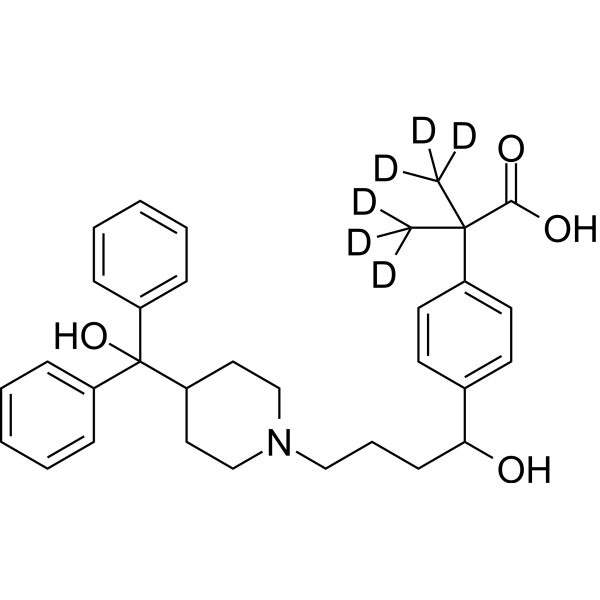
Fexofenadine-d10 (hydrochloride) is deuterium labeled Fexofenadine (hydrochloride). Fexofenadine hydrochloride (MDL-16455 hydrochloride), a H1R antagonist, is an anti-allergic agent used in seasonal allergic rhinitis and chronic idiopathic urticarial (person aged ≥16 years) .
|
-
- HY-136441S
-
|
|
Bacterial
|
Infection
|
|
Triclosan-methyl-d3 is the deuterium labeled Triclosan-methyl. Triclosan-methyl is a transformation product of triclosan. Triclosan is a bactericide in personal care products such as toothpaste, shampoos, and soaps. Triclosan is also a stabilizing agent in a multitude of detergents and cosmetics .
|
-
- HY-W035361S1
-
-
- HY-B0439S
-
|
Sulphadoxine-d4
|
Parasite
HIV
Antibiotic
Endogenous Metabolite
|
Infection
|
|
Sulfadoxine-d4 is the deuterium labeled Sulfadoxine. Sulfadoxine(Sulphadoxine) is a long acting sulfonamide that is used, usually in combination with other agents, for respiratory, urinary tract and malarial infections. Sulfadoxine inhibits HIV replication in peripheral blood mononuclear cells.
|
-
- HY-B1895S1
-
-
- HY-B0968S
-
|
|
Autophagy
|
Cardiovascular Disease
|
|
Trimetazidine-d8 (dihydrochloride) is the deuterium labeled Trimetazidine dihydrochloride. Trimetazidine dihydrochloride is a selective long chain 3-ketoyl coenzyme A thiolase inhibitor with an IC50 of 75 nM, which can inhibit β-oxidation of free fatty acid (FFA). Trimetazidine dihydrochloride is an effective antianginal agent and a cytoprotective agent, has anti-oxidant, anti-inflammatory, antinociceptive and gastroprotective properties. Trimetazidine dihydrochloride triggers autophagy. Trimetazidine dihydrochloride is also a 3-hydroxyacyl-CoA dehydrogenase (HADHA) inhibitor .
|
-
- HY-B0968S1
-
|
|
Isotope-Labeled Compounds
Autophagy
|
Cardiovascular Disease
|
|
Trimetazidine-d9 (dihydrochloride) is deuterium labeled Trimetazidine (dihydrochloride). Trimetazidine dihydrochloride is a selective long chain 3-ketoyl coenzyme A thiolase inhibitor with an IC50 of 75 nM, which can inhibit β-oxidation of free fatty acid (FFA). Trimetazidine dihydrochloride is an effective antianginal agent and a cytoprotective agent, has anti-oxidant, anti-inflammatory, antinociceptive and gastroprotective properties. Trimetazidine dihydrochloride triggers autophagy. Trimetazidine dihydrochloride is also a 3-hydroxyacyl-CoA dehydrogenase (HADHA) inhibitor .
|
-
- HY-W012788S
-
|
|
Isotope-Labeled Compounds
Endogenous Metabolite
Apoptosis
|
Infection
Neurological Disease
|
|
Maltol-d3 is a deuterium labeled Maltol (HY-W012788). Maltol, a type of aromatic compound, is an antioxidant agent. Maltol enhances neural function by mitigating oxidative stress and cell apoptosis. Maltol is an inhibitor of oxidative damage in nerve cells and is effective in preventing diabetic peripheral neuropathy (DPN). Maltol is used extensively as a safe flavoring agent and food preservative. Maltol is a metal ion chelator that can be used in the field of catalysis, cosmetics, and medicine .
|
-
- HY-N1096S1
-
|
|
Isotope-Labeled Compounds
Bacterial
Parasite
|
Infection
|
|
Veratraldehyde-d3 is the deuterium labeled Veratraldehyde (HY-N1096). Veratraldehyde is an orally active aromatic compound and antibacterial agent. Veratraldehyde can be isolated from essential oils of plants such as peppermint and ginger. Veratraldehyde targets the PilY1 protein. Veratraldehyde has antibacterial activity against Pseudomonas aeruginosa. Veratraldehyde has a repellent effect against mosquitoes and ticks. Veratraldehyde can be used as a flavoring agent .
|
-
- HY-151704
-
|
|
Fluorescent Dye
|
Cancer
|
|
ICG-alkyne is a short-wave infrared (SWIR)-emitting cyanine fluorescent probe based on alkyne-derivatized indocyanine green. ICG-alkyne can undergo click chemistry reaction to conjugate with antibody molecules via binding to the azide groups introduced into antibodies. ICG-alkyne enables SWIR fluorescent molecular imaging of breast tumors in living mice. ICG-alkyne can be used in breast cancer-related research .
|
-
- HY-17393S
-
-
- HY-B0454AS
-
|
R18134-d5 nitrate (2,4-Dichlorobenzyloxy-d5)
|
Fungal
Bacterial
Antibiotic
|
Infection
|
|
Miconazole-d5 (nitrate) (2,4-Dichlorobenzyloxy-d5) is the deuterium labeled Miconazole nitrate. Miconazole nitrate (R18134 nitrate) is an imidazole antifungal agent. Miconazole nitrate also has antibacterial effects .
|
-
- HY-172205
-
|
|
Cytochrome P450
|
Cancer
|
|
CHL2310 is the inhibitor for CYP46A1 with an IC50 of 0.11 nM, and a Kd of 0.37 nM. CHL2310 can cross blood-brain barrier. CHL2310 can be used as a PET imaging agent, when labeled with radioactive 18F .
|
-
- HY-17427S4
-
-
- HY-W012835S3
-
|
4-Methoxytoluene-d7
|
Isotope-Labeled Compounds
|
Others
|
|
4-Methylanisole-d7 is the deuterium labeled 4-Methylanisole[1]. 4-Methylanisole (4-Methoxytoluene) is food flavoring agent and can be naturally found in Ylang Ylang fragrance oil[2].
|
-
- HY-79096S
-
-
- HY-W777836
-
-
- HY-131838A
-
|
6-AB-ADP trisodium
|
Nucleoside Antimetabolite/Analog
DNA/RNA Synthesis
|
Others
|
|
N6-4-aminobutyl-ADP (6-AB-ADP) trisodium is an ADP derivative that can be used as a nucleotide mimetic or coupling agent for labeling enzyme substrates (such as kinases), constructing biological probes, or functionalizing nucleotide chains .
|
-
- HY-B1189S
-
|
Dicrotalic acid-d3; 3-Hydroxy-3-methylglutaric acid-d3
|
Autophagy
HMG-CoA Reductase (HMGCR)
Endogenous Metabolite
|
Cardiovascular Disease
|
|
Meglutol-d3 is the deuterium labeled Meglutol . Meglutol is an antilipemic agent which lowers cholesterol, triglycerides, serum beta-lipoproteins and phospholipids, and inhibits the activity of hydroxymethylglutarryl CoA reductases, which is the rate limiting enzyme in the biosynthesis of cholesterol.
|
-
- HY-B0517S
-
|
|
Sodium Channel
|
Neurological Disease
|
|
Mepivacaine-d3 is the deuterium labeled Mepivacaine. Mepivacaine is an amide-type local anesthetic agent. Mepivacaine binds to specific voltage-gated sodium ion channels in neuronal cell membranes, which inhibits both sodium influx and membrane depolarization .
|
-
- HY-B0360S
-
-
- HY-B0532S
-
-
- HY-17006S
-
|
MK-0991-d4 diacetate; L-743872-d4 diacetate
|
Fungal
Bacterial
Antibiotic
|
Infection
|
|
Caspofungin-d4 (acetate) is the deuterium labeled Caspofungin diacetate . Caspofungin (MK-0991) diacetate is a potent antifungal agent. Caspofungin diacetate inhibits the synthesis of the fungal cell wall component β-(l,3)-D-glucan .
|
-
- HY-B1751S1
-
-
- HY-B0015S1
-
-
- HY-13690S3
-
|
2,4′-DDD-13C12; o,p'-DDD-13C12
|
Isotope-Labeled Compounds
Apoptosis
|
Cancer
|
|
Mitotane- 13C12 (2,4′-DDD- 13C12) is 13C labeled Mitotane. Mitotane (2,4′-DDD), an isomer of DDD and derivative of dichlorodiphenyltrichloroethane (DDT), is an antineoplastic agent, can be used to research adrenocortical carcinoma. Mitotane exert its adrenocorticolytic effect at least in part through lipotoxicity induced by intracellular free cholesterol (FC) accumulation. Mitotane can have direct pituitary effects on corticotroph cells. Mitotane can induce CYP3A4 gene expression via steroid and xenobiotic receptor (SXR) activation, and has agent-agent interactions .
|
-
- HY-15142AS1
-
|
Hydroxydaunorubicin-13C,d3 TFA
|
Isotope-Labeled Compounds
Antibiotic
Endogenous Metabolite
|
Infection
Cancer
|
|
Doxorubicin- 13C,d3 TFA is the deuterium and 13C labeled Doxorubicin. Doxorubicin (Hydroxydaunorubicin), a cytotoxic anthracycline antibiotic, is an anti-cancer chemotherapy agent. Doxorubicin inhibits topoisomerase II with an IC50 of 2.67 μM, thus stoppin
|
-
- HY-B0211S1
-
-
- HY-B0261S1
-
|
|
COX
Autophagy
Apoptosis
|
Inflammation/Immunology
Cancer
|
|
Meloxicam-d3-1 is the deuterium labeled Meloxicam. Meloxicam is a non-steroidal antiinflammatory agent, inhibits COX activity, with IC50s of 0.49 µM and 36.6 µM for COX-2 and COX-1, respectively.
|
-
- HY-B0261S
-
-
- HY-N1150S2
-
-
- HY-B0077S1
-
|
SDX-105-d8
|
Isotope-Labeled Compounds
DNA Alkylator/Crosslinker
Apoptosis
|
Cancer
|
|
Bendamustine-d8 (hydrochloride) is deuterium labeled Bendamustine (hydrochloride). Bendamustine hydrochloride (SDX-105), a purine analogue, is a DNA cross-linking agent. Bendamustine hydrochloride activats DNA-damage stress response and apoptosis. Bendamustine hydrochloride has potent alkylating, anticancer and antimetabolite properties .
|
-
- HY-78131S1
-
-
- HY-W012835S4
-
|
4-Methoxytoluene-d7
|
Isotope-Labeled Compounds
|
Others
|
|
4-Methylanisole-d7-1 is the deuterium labeled 4-Methylanisole[1]. 4-Methylanisole (4-Methoxytoluene) is food flavoring agent and can be naturally found in Ylang Ylang fragrance oil[2].
|
-
- HY-B0003S
-
|
LY 188011-13C,15N2 hydrochloride
|
Apoptosis
Nucleoside Antimetabolite/Analog
DNA/RNA Synthesis
Autophagy
|
Cancer
|
|
Gemcitabine- 13C, 15N2 (hydrochloride) is the 13C and 15N labeled Gemcitabine hydrochloride . Gemcitabine Hydrochloride (LY 188011 Hydrochloride) is a pyrimidine nucleoside analog antimetabolite and an antineoplastic agent. Gemcitabine Hydrochloride inhibits DNA synthesis and repair, resulting in autophagyand apoptosis .
|
-
- HY-W190940
-
|
|
Biochemical Assay Reagents
|
Others
|
|
Biotin-PEG4-S-S-acid is a cleavable reagent which can efficiently introduce a biotin moiety to amine-containing biomolecules. The disulfide bond in this linker can be cleaved using reducing agents such as DTT, BME and TCEP to remove the biotin label.
|
-
- HY-W702303
-
|
|
Isotope-Labeled Compounds
Bacterial
|
Infection
|
|
Terizidone- 15N2,d6 is the deuterium and 15N-labeled Terizidone (HY-112324). Terizidone is an antibacterial agent, and shows bacteriostatic activity. Terizidone can be used in tuberculosis (TB) research .
|
-
- HY-W109812S
-
|
|
Isotope-Labeled Compounds
COX
|
Inflammation/Immunology
|
|
Sinapyl alcohol-d3 is the deuterated labeled Sinapyl alcohol (HY-W109812). Sinapyl alcohol is an orally active anti-inflammatory and antinociceptive agent. Sinapyl alcohol reduces the expression level of inducible NO synthase and COX-2 .
|
-
- HY-B0373S1
-
|
|
Isotope-Labeled Compounds
|
Metabolic Disease
|
|
Tiopronin-d3 is the deuterium labeled Tiopronin. Tiopronin is a diffusible antioxidant, an antidote to heavy metal poisoning and a radioprotective agent. Tiopronin can control the rate of cystine precipitation and excretion and has the potential for cystinuria, rheumatoid arthritis and hepatic disorders .
|
-
- HY-B0413S
-
|
|
HIF/HIF Prolyl-Hydroxylase
Parasite
Microtubule/Tubulin
Antibiotic
|
Infection
|
|
Fenbendazole-d3 is a deuterium labeled Fenbendazole. Fenbendazole-d3 is a HIF-1α agonist and activates the HIF-1α-related GLUT1 pathway. Fenbendazole is an orally active benzimidazole anthelmintic agent, with a broad antiparasitic range. Fenbendazole is a microtubule destabilizing agent. Fenbendazole causes cell-cycle arrest and mitotic cell death, and has antitumor activity in mice xenografted with wild-type p53 .
|
-
- HY-186189
-
|
|
Biochemical Assay Reagents
|
Infection
Cancer
|
|
OPA-S-S-alkyne is a cell surface protein-selective labeling agent. OPA-S-S-alkyne selectively labels hyper-reactive extracellular lysines including ROR2 K382 and ENG K285, blocks ENG-BMP9 interaction, and labels purified human serum albumin with minimal bias. OPA-S-S-alkyne can be used for the research of hematologic and influenza A virus infection .
|
-
- HY-12772S3
-
|
R-63373-d6
|
Isotope-Labeled Compounds
Fungal
|
Others
|
|
Hydroxy Itraconazole-d6 (R-63373-d6) is deuterium labeled Hydroxy Itraconazole. Hydroxy Itraconazole (Itraconazole metabolite Hydroxy Itraconazole; R-63373) is an active metabolite of Itraconazole (ITZ), which is a triazole antifungal agent.
|
-
- HY-101890R
-
|
DABS-Cl (Standard)
|
Fluorescent Dye
Reference Standards
|
Others
|
|
Dabsyl chloride (Standard) is the analytical standard of Dabsyl chloride (HY-101890). This product is intended for research and analytical applications. Dabsyl chloride is an amine derivatizing agent, able to give rise to stable products that can be easily monitored spectrophotometrically at 460 nm; Dabsyl chloride also used for labeling amino acids.
|
-
- HY-W008814S
-
|
Benzylphenyl-d2
|
Isotope-Labeled Compounds
Drug Intermediate
|
Others
|
|
Diphenylmethane-d2 (Benzylphenyl-d2) is the deuterium labeled Diphenylmethane (HY-W008814). Diphenylmethane (Benzylphenyl) is an aromatic compound used as a drug intermediate. Diphenylmethane in the fragrance industry is used as an oxidizing agent and in soaps; in pesticides, as a synergist; and in dyes, as a plasticizer.
|
-
- HY-B0400S7
-
|
Sorbitol-d1-2; D-Glucitol-d1-2
|
Endogenous Metabolite
|
Others
|
|
D-Sorbitol-d-2 is the deuterium labeled D-Sorbitol. D-Sorbitol (Sorbitol) is a six-carbon sugar alcohol and can used as a sugar substitute. D-Sorbitol can be used as a stabilizing excipient and/or isotonicity agent, sweetener, humectant, thickener and di
|
-
- HY-A0161S
-
|
Clofedanol-13C6; Calmotusin-13C6; NSC 113595-13C6
|
Isotope-Labeled Compounds
|
Infection
|
|
Chlophedianol- 13C6 is the 13C labeled Chlophedianol (HY-A0161). Chlophedianol is an orally active and potent antitussive agent. Chlophedianol can be used for the research of acute cough due to upper respiratory tract infections (URIs) .
|
-
- HY-116152S
-
-
- HY-W017401S
-
|
BIT-13C6
|
Isotope-Labeled Compounds
Bacterial
|
Others
|
|
Benzisothiazolinone-13C5 (1,2-Benzothiazol-3-one-13C5) is a 13C-labeled Benzisothiazolinone. Benzisothiazolinone is widely used as an antiseptic and antibacterial agent .
|
-
- HY-B0400S10
-
|
Sorbitol-d4; D-Glucitol-d4
|
Endogenous Metabolite
|
Others
|
|
D-Sorbitol-d4 is the deuterium labeled D-Sorbitol. D-Sorbitol (Sorbitol) is a six-carbon sugar alcohol and can used as a sugar substitute. D-Sorbitol can be used as a stabilizing excipient and/or isotonicity agent, sweetener, humectant, thickener and diet
|
-
- HY-B0400S4
-
|
Sorbitol-d2; D-Glucitol-d2
|
Isotope-Labeled Compounds
Endogenous Metabolite
|
Others
|
|
D-Sorbitol-d2 is the deuterium labeled D-Sorbitol. D-Sorbitol (Sorbitol) is a six-carbon sugar alcohol and can used as a sugar substitute. D-Sorbitol can be used as a stabilizing excipient and/or isotonicity agent, sweetener, humectant, thickener and diet
|
-
- HY-W744578
-
|
|
Isotope-Labeled Compounds
Apoptosis
Bacterial
Autophagy
Antibiotic
|
Cancer
|
|
Taurolidine-d6 is the deuterium labeled Taurolidine (HY-W011522). Taurolidine is a potent antimicrobial and anticancer agent. Taurolidine inhibits cell proliferation. Taurolidine induces apoptosis and autophagy. Taurolidine rescues mice from sepsis-associated lethality .
|
-
- HY-W765881
-
|
|
Isotope-Labeled Compounds
Drug Intermediate
|
Cancer
|
|
Capecitabine 2',3'-diacetate-d11 is the deuterium labeled Capecitabine 2',3'-diacetate (HY-W099488). Capecitabine 2',3'-diacetate (Compound 10b) is the prodrug for the antitumor agent Capecitabine (HY-B0016) .
|
-
- HY-N1150S6
-
-
- HY-16569S
-
-
- HY-B0259S
-
|
|
Isotope-Labeled Compounds
Potassium Channel
|
Cardiovascular Disease
|
|
(rac)-Indapamide-d3 is a labelled racemic Indapamide. Indapamide is an orally active sulphonamide diuretic agent, that can reduce blood pressure by decreasing vascular reactivity and peripheral vascular resistance. Indapamide is also can reduce left ventricular hypertrophy .
|
-
- HY-16569S1
-
-
- HY-W716688
-
|
|
Isotope-Labeled Compounds
|
Metabolic Disease
|
|
Isosorbide-d8 is the deuterium labeled Isosorbide (HY-B1469). Isosorbide (D-Isosorbide), an orally active vasodilating agent that can be used for the research of heart failure and angina (chest pain). Isosorbide is also an oral hyperosmotic diuretic .
|
-
- HY-17399S
-
|
Acetorphan-d5
|
Isotope-Labeled Compounds
Neprilysin
|
Metabolic Disease
|
|
Racecadotril-d5 is the deuterium labeled Racecadotril. Racecadotril (Acetorphan) is a neutral endopeptidase (NEP) inhibitor. Racecadotril and its active metabolite Thiorphan inhibits purified NEP activity from mouse brain with Kis of 4500 and 6.1 nM, , respectively. Antidiarrheal agent .
|
-
- HY-14655S
-
-
- HY-W768912
-
-
- HY-W776820
-
|
OXYL-1-NHS
|
Biochemical Assay Reagents
|
Others
|
|
1-Oxyl-2,2,5,5-tetramethylpyrroline-3-carboxylate NHS ester (OXYL-1-NHS) is an active acylating agent that can be used to spin label proteins and aminoacylated RNA species .
|
-
- HY-12515AS
-
|
YC-93-d3
|
Calcium Channel
|
Neurological Disease
|
|
Nicardipine-d3 hydrochloride (YC-93 D3) is the deuterium labeled Nicardipine hydrochloride. Nicardipine hydrochloride is a calcium channel blocker with an IC50 of 1 μM for blocking cardiac calcium channels. Nicardipine hydrochloride acts as an agent for chronic stable angina and for controlling blood pressure .
|
-
- HY-113352S
-
|
|
Endogenous Metabolite
|
Others
|
|
7-Methylguanine-d3 is the deuterium labeled 7-Methylguanine . 7-Methylguanine is a metabolite of DNA methylation. It can be generated by methylating agents, and used as a probe of protein–DNA interactions and a key component of DNA sequencing method .
|
-
- HY-B0259S3
-
|
|
Isotope-Labeled Compounds
Potassium Channel
|
Cardiovascular Disease
|
|
Indapamide-d6 is a deuterated labeled Indapamide . Indapamide is an orally active sulphonamide diuretic agent, that can reduce blood pressure by decreasing vascular reactivity and peripheral vascular resistance. Indapamide is also can reduce left ventricular hypertrophy .
|
-
- HY-W015007S
-
|
|
COX
|
Cardiovascular Disease
|
|
Metyrosine- 13C9, 15N,d7 is the deuterium, 13C-, and 15-labeled Metyrosine. Metyrosine is a selective tyrosine hydroxylase enzyme inhibitor. Metyrosine exerts anti-inflammatory and anti-ulcerative effects. Metyrosine significantly inhibits high COX-2 activity . Metyrosine is a very effective agent for blood pressure control .
|
-
- HY-D1052
-
|
|
Fluorescent Dye
|
Cancer
|
|
Cy7-YNE is a fluorescence labeling agent (Ex=700-770 nm,Em=790 nm). Cyanine dyes are used to label proteins, antibodies, and peptides. Cy7-YNE is a click chemistry reagent, it contains an Alkyne group and can undergo copper-catalyzed azide-alkyne cycloaddition (CuAAc) with molecules containing Azide groups.
|
-
- HY-B0261S4
-
-
- HY-W704787
-
-
- HY-N1150S5
-
-
- HY-B0339S
-
-
- HY-N1150S1
-
|
DThyd-d4; NSC 21548-d4
|
DNA/RNA Synthesis
Endogenous Metabolite
|
Others
|
|
Thymidine-d4 is the deuterium labeled Thymidine. Thymidine, a specific precursor of deoxyribonucleic acid, is used as a cell synchronizing agent. Thymidine is a DNA synthesis inhibitor that can arrest cell at G1/S boundary, prior to DNA replication .
|
-
- HY-W767656
-
|
(±)-Dropropizine-d4; UCB-196-d4
|
Isotope-Labeled Compounds
Others
|
Neurological Disease
|
|
Dropropizine-d4 ((±)-Dropropizine-d4) is deuterium labeled Dropropizine. Dropropizine ((±)-Dropropizine) belongs to the phenylpiperazine group of organic compounds. Dropropizine is a peripheral antitussive agent that acts by inhibiting cough reflex through its action on the peripheral receptors and their afferent conductors .
|
-
- HY-135473S
-
|
|
Isotope-Labeled Compounds
Androgen Receptor
|
Metabolic Disease
|
|
Chlormadinone-d6 is the deuterium labeled Chlormadinone (HY-135473). Chlormadinone is an orally active anti-androgen agent. Chlormadinone improves intermittency, terminal dribbling, and urinary stream size and force. Chlormadinone can be used for the research of benign prostatic hyperplasia .
|
-
- HY-B0411S
-
|
|
Isotope-Labeled Compounds
Dopamine Receptor
|
Neurological Disease
|
|
Domperidone-d6 is the deuterium labeled Domperidone. Domperidone (R33812) is a selective dopamine-2 receptor antagonist. Domperidone acts as an antiemetic and a prokinetic agent through its effects on the chemoreceptor trigger zone and motor function of the stomach and small intestine .
|
-
- HY-B0580S1
-
|
|
Isotope-Labeled Compounds
COX
|
Inflammation/Immunology
|
|
Ketorolac-d4 (RS37619 D4) is the deuterium labeled Ketorolac. Ketorolac is a non-steroidal anti-inflammatory agent, acting as a nonselective COX inhibitor, with IC50s of 20 nM for COX-1 and 120 nM for COX-2 .
|
-
- HY-B0211S
-
|
PK 26124-13C,15N2
|
GABA Receptor
Sodium Channel
|
Neurological Disease
|
|
Riluzole- 13C, 15N2 is the 13C and 15N labeled Riluzole . Riluzole is an anticonvulsant agent and belongs to the family of use-dependent Na+ channel blocker which can also inhibit GABA uptake with an IC50 of 43 μM .
|
-
- HY-D0857S
-
|
|
Isotope-Labeled Compounds
|
Others
|
|
HEPES-d18 is the deuterium labeled HEPES . HEPES, a nonvolatile zwitterionic chemical buffering agent, is broadly applied in cell culture. HEPES is effective at pH 6.8 to 8.2. HEPES is also a potent inducer of lysosome biogenesis .
|
-
- HY-W011690S
-
|
|
Endogenous Metabolite
|
Metabolic Disease
|
|
L-Homocystine-d8 is the deuterium labeled L-Homocystine. L-Homocystine is the oxidized member of the L-homocysteine. Homocysteine is a pro-thrombotic factor, vasodilation impairing agent, pro-inflammatory factor and endoplasmatic reticulum-stress inducer used to study cardiovascular disease mechanisms.
|
-
- HY-B0400S9
-
|
Sorbitol-d2-2; D-Glucitol-d2-2
|
Endogenous Metabolite
|
Others
|
|
D-Sorbitol-d2-2 is the deuterium labeled D-Sorbitol. D-Sorbitol (Sorbitol) is a six-carbon sugar alcohol and can used as a sugar substitute. D-Sorbitol can be used as a stabilizing excipient and/or isotonicity agent, sweetener, humectant, thickener and di
|
-
- HY-B0400S8
-
|
Sorbitol-d2-1; D-Glucitol-d2-1
|
Endogenous Metabolite
|
Others
|
|
D-Sorbitol-d2-1 is the deuterium labeled D-Sorbitol. D-Sorbitol (Sorbitol) is a six-carbon sugar alcohol and can used as a sugar substitute. D-Sorbitol can be used as a stabilizing excipient and/or isotonicity agent, sweetener, humectant, thickener and di
|
-
- HY-130353S
-
|
|
Isotope-Labeled Compounds
Potassium Channel
Autophagy
|
Cardiovascular Disease
|
|
Desethyl Amiodarone-d4 (hydrochloride) is the deuterium labeled Desethylamiodarone hydrochloride. Desethylamiodarone hydrochloride (N-desethylamiodarone hydrochloride) is a major active metabolite of Amiodarone. Desethylamiodarone hydrochloride is formed by CYP3A isoenzymes. Amiodarone is an antiarrhythmic agent for inhibition of ATP-sensitive potassium channel with an IC50 of 19.1 μM .
|
-
- HY-12515AS2
-
|
YC-93-d4
|
Autophagy
Calcium Channel
Isotope-Labeled Compounds
|
Neurological Disease
Cancer
|
|
Nicardipine-d4 hydrochloride is deuterated labeled Nicardipine hydrochloride (HY-12515A). Nicardipine hydrochloride (YC-93) is a calcium channel blocker with an IC50 of 1 μM for blocking cardiac calcium channels. Nicardipine hydrochloride acts as an agent for chronic stable angina and for controlling blood pressure .
|
-
- HY-100657S
-
|
meta-MDL-16455-d6; meta-Terfenadine carboxylate-d6
|
Isotope-Labeled Compounds
|
Inflammation/Immunology
|
|
Meta-Fexofenadine-d6 is the deuterium labeled meta-Fexofenadine. meta-Fexofenadine (meta-MDL-16455) is an impurity of Fexofenadine . Fexofenadine, a H1R antagonist, is an anti-allergic agent used in seasonal allergic rhinitis and chronic idiopathic urticarial .
|
-
- HY-B0261S2
-
-
- HY-182387
-
|
|
Radionuclide-Drug Conjugates (RDCs)
|
Cancer
|
|
NM404 is a targeted radionuclide processing agent with slow clearance. Radioiodine-labeled NM404 is a small-molecule phospholipid ether analog that exhibits significant tumor uptake capacity and persistent tumor retention properties in more than 45 spontaneous and xenograft tumor models .
|
-
- HY-10984S4
-
-
- HY-B0149S3
-
|
Cyclocapron-13C2,15N
|
Isotope-Labeled Compounds
|
Inflammation/Immunology
|
|
Tranexamic acid- 13C2, 15N (Cyclocapron- 13C2, 15N) is the 13C2 and 15N labeled Tranexamic acid. Tranexamic acid is an antifibrinolytic agent that alleviates liver damage and fibrosis in mouse models of chronic bile duct injury .
|
-
- HY-N1150S
-
|
DThyd-d3; NSC 21548-d3
|
Isotope-Labeled Compounds
DNA/RNA Synthesis
Endogenous Metabolite
|
Others
|
|
Thymidine-d3 is the deuterium labeled Thymidine. Thymidine, a specific precursor of deoxyribonucleic acid, is used as a cell synchronizing agent. Thymidine is a DNA synthesis inhibitor that can arrest cell at G1/S boundary, prior to DNA replication .
|
-
- HY-N0420S2
-
|
Wormwood acid-13C4
|
Endogenous Metabolite
|
Neurological Disease
|
|
Succinic acid- 13C4 is the 13C labeled Succinic acid . Succinic acid is a potent and orally active anxiolytic agent. Succinic acid is an intermediate product of the tricarboxylic acid cycle. Succinic acid can be used as a precursor of many industrially important chemicals in food, chemical and pharmaceutical industries .
|
-
- HY-B1378S2
-
|
|
Isotope-Labeled Compounds
Calcium Channel
|
Neurological Disease
Cancer
|
|
Ethosuximide- 13C, d3 is the 13C- and deuterium labeled Ethosuximide (HY-B1378). Ethosuximide, a widely prescribed anti-epileptic agent, improves the phenotypes of multiple neurodegenerative disease models and blocks the low voltage activated T-type calcium channel.
|
-
- HY-W008216S
-
|
Hydroxy Dimetridazole-d3
|
Drug Metabolite
Isotope-Labeled Compounds
Parasite
|
Infection
|
|
HMMNI-d3 (Hydroxy Dimetridazole-d3) is deuterium labeled HMMNI (HY-W008216). HMMNI (Hydroxy dimetridazole) is a hydroxy metabolite of Dimetridazol (HY-B1244). Dimetridazole is a nitroimidazole class agent that combats protozoan infections .
|
-
- HY-B0400S1
-
|
Sorbitol-13C; D-Glucitol-13C
|
Endogenous Metabolite
|
Others
|
|
D-Sorbitol- 13C is the 13C labeled D-Sorbitol. D-Sorbitol (Sorbitol) is a six-carbon sugar alcohol and can used as a sugar substitute. D-Sorbitol can be used as a stabilizing excipient and/or isotonicity agent, sweetener, humectant, thickener and dietary s
|
-
- HY-W108801S
-
|
|
Isotope-Labeled Compounds
Biochemical Assay Reagents
|
Others
|
|
α-D-Glucoheptonic acid-d7 sodium is the deuterium labeled α-D-Glucoheptonic acid sodium (HY-W108801). α-D-Glucoheptonic acid sodium is a compound that modulates the immune system, has chelating activity, and can be used in the preparation of cleaning agents.
|
-
- HY-108256S
-
|
|
Isotope-Labeled Compounds
5-HT Receptor
|
Neurological Disease
|
|
Melitracen-d6 (hydrochloride) is the deuterium labeled Melitracen hydrochloride. Melitracen hydrochloride is an orally active biphasic antidepressant and antianxiety agent. Melitracen hydrochloride can inhibit the uptake of Norepinephrine and 5-HT (serotonin) through the presynaptic membrane inducing the increase of monoamine transmitters in synaptic space .
|
-
- HY-180533
-
-
- HY-W064342S
-
|
|
Isotope-Labeled Compounds
Endogenous Metabolite
Aminoacyl-tRNA Synthetase
|
Cancer
|
|
L-Histidinol-d3 ((S)-2-Amino-3-(1H-imidazol-5-yl)propan-1-ol-d3) is the deuterium labeled L-Histidinol (HY-W014233). L-Histidinol is an orally active histidyl-tRNA synthetase inhibitor. L-Histidinol interferes with the initiation stage of protein synthesis, thus affecting cell proliferation and metabolism. L-Histidinol has the effect of modulating the sensitivity of tumor cells to chemotherapeutic agents. L-Histidinol reduces the toxicity of certain chemotherapeutic agents to normal tissues and enhance the sensitivity of tumor cells to chemotherapeutic agents .
|
-
- HY-14763S
-
|
RGH-188-d6
|
Dopamine Receptor
5-HT Receptor
|
Neurological Disease
|
|
Cariprazine-d6 is a deuterium labeled Cariprazine. Cariprazine Cariprazine is an antipsychotic agent that exhibits high affinity for the D3 (Ki of 0.085 nM) and D2 (Ki of 0.49 nM) receptors, and moderate affinity for the 5-HT1A receptor (Ki of 2.6 nM) .
|
-
- HY-N1150S4
-
-
- HY-66005S2
-
|
Paracetamol-d7; 4-Acetamidophenol-d7; 4'-Hydroxyacetanilide-d7
|
COX
Endogenous Metabolite
Histone Acetyltransferase
|
Inflammation/Immunology
|
|
Acetaminophen-d7 is the deuterium labeled Acetaminophen. Acetaminophen (Paracetamol) is a selective cyclooxygenase-2 (COX-2) inhibitor with an IC50 of 25.8 μM; is a widely used antipyretic and analgesic agent. Acetaminophen is a potent hepatic N-acetyltransferase 2 (NAT2) inhibitor.
|
-
- HY-B1191S
-
|
2,6-Lupetidine-d2
|
Isotope-Labeled Compounds
nAChR
|
Cardiovascular Disease
|
|
Nanofin-d2 (2,6-Lupetidine-d2) is the deuterium labeled Nanofin (HY-B1191). Nanofin (2,6-Lupetidine) is a neuro-blocking agent with antihypertensive effects, which can be used for the study of mild to moderate hypertension.
|
-
- HY-W703629
-
|
|
Isotope-Labeled Compounds
Potassium Channel
|
Metabolic Disease
|
|
Acetohexamide-d11 is the deuterium labeled Acetohexamide (HY-B0881). Acetohexamide is a first-generation sulfonylurea agent used in research related to type 2 diabetes; it stimulates the pancreas to secrete insulin.Acetohexamide inhibits ATP-sensitive potassium channels in the β cells of the pancreas .
|
-
- HY-17556S1
-
|
Leucovorin-d4 calcium hydrate
|
Isotope-Labeled Compounds
Endogenous Metabolite
Antifolate
|
Cancer
|
|
Folinic acid-d4-1 (Leucovorin-d4-1) calcium hydrate is deuterated labeled Folinic acid (HY-17556). Folinic acid (Leucovorin) is a biological folic acid and is generally administered along with Methotrexate (HY-14519) as a rescue agent to decrease Methotrexate-induced toxicity.
|
-
- HY-W770677
-
|
|
Isotope-Labeled Compounds
HSV
Drug Metabolite
|
Infection
|
|
9-Carboxymethoxymethylguanine- 13C2, 15N is the 13C- and 15N-labeled 9-Carboxymethoxymethylguanine (HY-137181). 9-Carboxymethoxymethylguanine is the main metabolite of Aciclovir. Acyclovir (Aciclovir) is a guanosine analogue and an orally active antiviral agent .
|
-
- HY-B0400S
-
|
Sorbitol-d8; D-Glucitol-d8
|
Endogenous Metabolite
|
Others
|
|
D-Sorbitol-d8 is the deuterium labeled D-Sorbitol. D-Sorbitol (Sorbitol) is a six-carbon sugar alcohol and can used as a sugar substitute. D-Sorbitol can be used as a stabilizing excipient and/or isotonicity agent, sweetener, humectant, thickener and dietary supplement .
|
-
- HY-B0227S1
-
|
RP-19583-d4
|
COX
Apoptosis
|
Inflammation/Immunology
|
|
Ketoprofen-d4 is the deuterium labeled Ketoprofen. Ketoprofen (RP-19583) is a non-steroidal antiinflammatory agent, acting as a potent inhibitor of COX, with IC50s of 2 nM and 26 nM for COX-1 and COX-2 in human blood monocytes, respectively .
|
-
- HY-B0548AS2
-
|
|
Isotope-Labeled Compounds
Histamine Receptor
|
Inflammation/Immunology
Endocrinology
|
|
Hydroxyzine-d8 (dihydrochloride) is the deuterium labeled Hydroxyzine dihydrochloride. Hydroxyzine dihydrochloride, a benzodiazepine antihistamine agent, acts as a orally active histamine?H1-receptor and serotonin antagonist. Hydroxyzine dihydrochloride has anxiolytic effect and can be used forthe research of generalised anxiety disorder .
|
-
- HY-W745771
-
|
|
Isotope-Labeled Compounds
Biochemical Assay Reagents
|
Metabolic Disease
|
|
D-Penicillamine-d6 is the deuterium labeled L-Penicillamine (HY-116073). L-Penicillamine is a mechanism-based inhibitor of serine palmitoyltransferase by forming a pyridoxal-5 '-phosphate-thiazolidine adduct. L-Penicillamine is a metal chelating agent of intermediate strength .
|
-
- HY-B1191S1
-
|
2,6-Lupetidine-d5
|
Isotope-Labeled Compounds
nAChR
|
Cardiovascular Disease
|
|
Nanofin-d5 (2,6-Lupetidine-d5) is the deuterium labeled Nanofin (HY-B1191). Nanofin (2,6-Lupetidine) is a neuro-blocking agent with antihypertensive effects, which can be used for the study of mild to moderate hypertension.
|
-
- HY-B0548AS1
-
|
Vistaril-d4' dihydrochloride; Atarax-d4' dihydrochloride
|
Histamine Receptor
|
Inflammation/Immunology
Endocrinology
|
|
Hydroxyzine-d4 (dihydrochloride) is the deuterium labeled Hydroxyzine dihydrochloride. Hydroxyzine dihydrochloride, a benzodiazepine antihistamine agent, acts as a orally active histamine?H1-receptor and serotonin antagonist. Hydroxyzine dihydrochloride has anxiolytic effect and can be used forthe research of generalised anxiety disorder .
|
-
- HY-N1150S3
-
-
- HY-W707099
-
|
|
Isotope-Labeled Compounds
Bacterial
|
Infection
|
|
Ro 20-0657/000-d3 is the deuterium labeled Ro 20-0657/000 (HY-100622). Ro 20-0657/000 is a metabolite of Trimethoprim. Trimethoprim is a dihydrofolate reductase inhibitor, used as an antibacterial agent in human and veterinary medicine .
|
-
- HY-B1191SA
-
|
2,6-Lupetidine-d2 hydrochloride
|
Isotope-Labeled Compounds
nAChR
|
Cardiovascular Disease
|
|
Nanofin-d2 (2,6-Lupetidine-d2) hydrochloride is the deuterium labeled Nanofin (HY-B1191). Nanofin (2,6-Lupetidine) is a neuro-blocking agent with antihypertensive effects, which can be used for the study of mild to moderate hypertension.
|
-
- HY-13567S1
-
|
SDX-105-d8 free base
|
DNA Alkylator/Crosslinker
Apoptosis
|
Cancer
|
|
Bendamustine-d8 is the deuterium labeled Bendamustine . Bendamustine (SDX-105 free base), a purine analogue, is a DNA cross-linking agent. Bendamustine activates DNA-damage stress response and apoptosis. Bendamustine has potent alkylating, anticancer and antimetabolite properties .
|
-
- HY-15287S1
-
|
|
HIV
HIV Protease
Isotope-Labeled Compounds
|
Infection
Cancer
|
|
Nelfinavir-d4 is deuterated labeled Nelfinavir (HY-15287). Nelfinavir (AG-1341) is a potent and orally bioavailable HIV-1 protease inhibitor (Ki=2 nM) for HIV infection. Nelfinavir is a broad-spectrum, anticancer agent .
|
-
- HY-W740777
-
|
|
Isotope-Labeled Compounds
Drug Metabolite
|
Others
|
|
4-Hydroxyphenylbutazone-d9 is the deuterium labeled 4-Hydroxyphenylbutazone (HY-139199). 4-Hydroxyphenylbutazone is a metabolite of Phenylbutazone. Phenylbutazone, a nonsteroidal anti-inflammatory agent (NSAID), is an efficient reducing cofactor for the peroxidase activity of prostaglandin H synthase (PHS) .
|
-
- HY-B0227S
-
|
RP-19583-d3
|
COX
Apoptosis
|
Inflammation/Immunology
|
|
Ketoprofen-d3 is the deuterium labeled Ketoprofen. Ketoprofen (RP-19583) is a non-steroidal antiinflammatory agent, acting as a potent inhibitor of COX, with IC50s of 2 nM and 26 nM for COX-1 and COX-2 in human blood monocytes, respectively .
|
-
- HY-10984S3
-
-
- HY-14596S
-
|
NPI 031L-d4
|
EGFR
Autophagy
Apoptosis
Endogenous Metabolite
|
Cancer
|
|
Genistein-d4 is the deuterium labeled Genistein. Genistein, a soy isoflavone, is a multiple tyrosine kinases (e.g., EGFR) inhibitor which acts as a chemotherapeutic agent against different types of cancer, mainly by altering apoptosis, the cell cycle, and angiogenesis and inhibiting metastasis .
|
-
- HY-135336S
-
|
(R)-(+)-Verapamil D7 hydrochloride
|
P-glycoprotein
Isotope-Labeled Compounds
Apoptosis
|
Cancer
|
|
(R)-Verapamil-d7 (hydrochloride) is a deuterium labeled (R)-Verapamil hydrochloride. (R)-Verapamil hydrochloride ((R)-(+)-Verapamil hydrochloride) is a P-Glycoprotein inhibitor. (R)-Verapamil hydrochloride blocks MRP1 mediated transport, resulting in chemosensitization of MRP1-overexpressing cells to anticancer agents .
|
-
- HY-B0400S2
-
|
Sorbitol-13C-1; D-Glucitol-13C-1
|
Isotope-Labeled Compounds
Endogenous Metabolite
|
Others
|
|
D-Sorbitol- 13C-1 is the 13C labeled D-Sorbitol. D-Sorbitol (Sorbitol) is a six-carbon sugar alcohol and can used as a sugar substitute. D-Sorbitol can be used as a stabilizing excipient and/or isotonicity agent, sweetener, humectant, thickener and dietary
|
-
- HY-172367
-
|
|
Fluorescent Dye
|
Cancer
|
|
Tc-BQ0413 exhibits binds specifically to prostate-specific membrane antigen (PSMA) with good affinity. Tc-BQ0413 can be used as a single-photon emission computed tomography (SPECT) imaging agent, when labeled with technetium-99m .
|
-
- HY-B0400S15
-
|
Sorbitol-18O-1; D-Glucitol-18O-1
|
Endogenous Metabolite
|
Others
|
|
D-Sorbitol- 18O-1 is the 18O labeled D-Sorbitol. D-Sorbitol (Sorbitol) is a six-carbon sugar alcohol and can used as a sugar substitute. D-Sorbitol can be used as a stabilizing excipient and/or isotonicity agent, sweetener, humectant, thickener and dietary
|
-
- HY-B0166S6
-
-
- HY-B0352S
-
|
Org3770 d3; 6-Azamianserin d3
|
5-HT Receptor
|
Neurological Disease
|
|
Mirtazapine-d3 is a deuterium labeled Mirtazapine. Mirtazapine is a 5-HT receptor inhibitor. Mirtazapine is a potent and orally active noradrenergic and specific serotonergic antidepressant (NaSSA) agent by blocking 5-HT2 and 5-HT3 receptors .
|
-
- HY-Y1718S1
-
|
N-Tridecanoic acid-d25
|
Isotope-Labeled Compounds
Endogenous Metabolite
Bacterial
|
Cancer
|
|
Tridecanoic acid-d25 is the deuterium labeled Tridecanoic acid. Tridecanoic acid (N-Tridecanoic acid), a 13-carbon medium-chain saturated fatty acid, can serve as an antipersister and antibiofilm agent that may be applied to research bacterial infections. Tridecanoic acid inhibits Escherichia coli persistence and biofilm formation .
|
-
- HY-W750625
-
|
|
Isotope-Labeled Compounds
Insecticide
|
Others
|
|
1,4-Dichlorobenzene- 13C6 is the 13C-labeled 1,4-Dichlorobenzene. 1,4-Dichlorobenzene is used as an intermediate product in the manufacture of pigments, pesticides and disinfectants. 1,4-Dichlorobenzene is also employed as a moth control agent .
|
-
- HY-Y1718S
-
|
N-Tridecanoic acid-d2
|
Isotope-Labeled Compounds
Endogenous Metabolite
Bacterial
|
Infection
|
|
Tridecanoic acid-d2 is the deuterium labeled Tridecanoic acid. Tridecanoic acid (N-Tridecanoic acid), a 13-carbon medium-chain saturated fatty acid, can serve as an antipersister and antibiofilm agent that may be applied to research bacterial infections. Tridecanoic acid inhibits Escherichia coli persistence and biofilm formation .
|
-
- HY-W653912A
-
|
|
Isotope-Labeled Compounds
|
Cancer
|
|
Leucovorin-d4 (Leucovorin-d4) calcium hydrate, >90% is a deuterated labeled Folinic acid (Leucovorin, HY-17556). Folinic acid (Leucovorin) is a biological folic acid and is generally administered along with Methotrexate (MTX) (HY-14519) as a rescue agent to decrease MTX-induced toxicity .
|
-
- HY-B0406AS
-
|
Carbamyl-β-methylcholine-d6 chloride
|
Isotope-Labeled Compounds
mAChR
|
Neurological Disease
|
|
Bethanechol-d6 (chloride) is the deuterium labeled Bethanechol chloride. Bethanechol chloride (Carbamyl-β-methylcholine chloride), a parasympathomimetic agent, is a mAChR agonist that exerts its effects via directly stimulating the mAChR (M1, M2, M3, M4, and M5) of the parasympathetic nervous system .
|
-
- HY-17429S
-
|
R-818-d4
|
Sodium Channel
|
Cardiovascular Disease
|
|
Flecainide-d4 (acetate) is the deuterium labeled Flecainide acetate. Flecainide acetate (R-818) is a class 1C antiarrhythmic agent especially used for the management of supraventricular arrhythmia; works by blocking the Nav1.5 sodium channel in the heart, causing prolongation of the cardiac action potential .
|
-
- HY-116152S2
-
-
- HY-17426S1
-
|
BRL 42810-d6
|
Isotope-Labeled Compounds
HSV
HBV
VZV
|
Infection
|
|
Famciclovir-d6 (BRL 42810-d6) is deuterium labeled Famciclovir. Famciclovir (BRL 42810) is an orally active nucleoside analogue. Famciclovir is an antiviral agent with potent activities against HBV, HSV and VZV. Famciclovir can be used for the research of herpesvirus infection .
|
-
- HY-148185S
-
|
KL610023-d5
|
Isotope-Labeled Compounds
ADC Payload
|
Cancer
|
|
T01-1-d5 (KL610023-d5) is the deuterium labeled T01-1 (HY-148185). T01-1 is an anticancer agent (camptothecin derivative) with good anti-proliferative activity.
|
-
- HY-B1217S
-
|
BNPD-d4; BNPK-d4
|
Isotope-Labeled Compounds
Bacterial
|
Infection
|
|
Bronopol-d4 is deuterium labeled Bronopol. Bronopol is an antibacterial agent with low toxicity (to mammals) and high activity (especially against Gram-negative bacteria). Bronopol oxidizes protein thiols, inhibits enzymatic activity, and exhibits antibacterial activity. Bronopol is also a formaldehyde releaser .
|
-
- HY-136610S
-
|
|
Isotope-Labeled Compounds
Cholinesterase (ChE)
|
Neurological Disease
|
|
Chlorpyrifos-oxon-d10 is the deuterium labeled Chlorpyrifos-oxon. Chlorpyrifos-oxon, an active metabolite of Chlorpyrifos, is a potent phosphorylating agent that potently inhibits AChE. Chlorpyrifos-oxon can induce cross-linking between subunits of tubulin and disrupt microtubule function .
|
-
- HY-172366
-
|
|
PSMA
|
Cancer
|
|
BQ0413 exhibits good affinity to PSMA with a KD of 89 pM. BQ0413 exhibits good uptake and internalization property with an internalization rate of 44% in PC3-pip cell. BQ0413 can be used as tumor imaging agent when labeled with 99mTc .
|
-
- HY-B0400S3
-
|
Sorbitol-13C-2; D-Glucitol-13C-2
|
Isotope-Labeled Compounds
Endogenous Metabolite
|
Others
|
|
D-Sorbitol- 13C-2 is the 13C labeled D-Sorbitol. D-Sorbitol (Sorbitol) is a six-carbon sugar alcohol and can used as a sugar substitute. D-Sorbitol can be used as a stabilizing excipient and/or isotonicity agent, sweetener, humectant, thickener and dietary
|
-
- HY-Y1718S2
-
|
N-Tridecanoic acid-d9
|
Isotope-Labeled Compounds
Endogenous Metabolite
Bacterial
|
Infection
|
|
Tridecanoic acid-d9 is the deuterium labeled Tridecanoic acid. Tridecanoic acid (N-Tridecanoic acid), a 13-carbon medium-chain saturated fatty acid, can serve as an antipersister and antibiofilm agent that may be applied to research bacterial infections. Tridecanoic acid inhibits Escherichia coli persistence and biofilm formation .
|
-
- HY-N1150S9
-
|
DThyd-15N2; NSC-15N2
|
DNA/RNA Synthesis
Endogenous Metabolite
Orthopoxvirus
|
Cancer
|
|
Thymidine- 15N2 is the 15N labeled Thymidine . Thymidine, a specific precursor of deoxyribonucleic acid, is used as a cell synchronizing agent. Thymidine is a DNA synthesis inhibitor that can arrest cell at G1/S boundary, prior to DNA replication .
|
-
- HY-W702292
-
|
|
Isotope-Labeled Compounds
Apoptosis
P-glycoprotein
|
Cancer
|
|
(R)-(+)-Verapamil-d6 (hydrochloride) is deuterium labeled (R)-Verapamil (hydrochloride). (R)-Verapamil hydrochloride ((R)-(+)-Verapamil hydrochloride) is a P-Glycoprotein inhibitor. (R)-Verapamil hydrochloride blocks MRP1 mediated transport, resulting in chemosensitization of MRP1-overexpressing cells to anticancer agents .
|
-
- HY-B0434S1
-
-
- HY-B0437AS
-
|
MJ 1999-d6 hydrochloride
|
Adrenergic Receptor
Potassium Channel
|
Cardiovascular Disease
Endocrinology
|
|
Sotalol-d6 (hydrochloride) is a deuterium labeled Sotalol hydrochloride. Sotalol hydrochloride is an orally active, non-selective competitive β-adrenergic receptor blocker. Sotalol hydrochloride is a potent antiarrhythmic agent that can be used for the research of pediatric arrhythmias. Sotalol hydrochloride blocks β-receptors, and potassium KCNH2 channels .
|
-
- HY-109128S
-
|
MYK-491-d6
|
Isotope-Labeled Compounds
Myosin
|
Cardiovascular Disease
|
|
Danicamtiv-d6 (MYK-491-d6) is a deuterated labeled Danicamtiv (HY-109128). Danicamtiv (MYK-491), an inotropic agent, is a selective allosteric activator of cardiac myosin. Danicamtiv increases cardiac systolic function and preserves mechanical efficiency .
|
-
- HY-B0126S
-
|
|
Isotope-Labeled Compounds
Bacterial
Antibiotic
|
Infection
|
|
Marbofloxacin-d8 is the deuterium labeled Marbofloxacin. Marbofloxacin is a third generation fluoroquinolone and orally active antimicrobial agent, which has a broad spectrum bactericidal activity and good efficacy. Marbofloxacin can be used for the research of infections by Gram-positive and Gram-negative bacteria and Mycoplasma .
|
-
- HY-17416S
-
-
- HY-W778225
-
|
|
Isotope-Labeled Compounds
|
Infection
|
|
Vanillic acid- 13C6 is the 13C labeled isotope of Vanillic acid- 13C6(HY-N0708 ).Vanillic acid is a flavoring agent found in edible plants and fruits, and in the root of angelica. Vanillic acid inhibits NF-κB activation. It has anti-inflammatory and antimicrobial activities.
|
-
- HY-N0420S4
-
|
Wormwood acid-13C2
|
Endogenous Metabolite
|
Neurological Disease
|
|
Succinic acid- 13C2 is the 13C labeled Succinic acid[1]. Succinic acid is a potent and orally active anxiolytic agent. Succinic acid is an intermediate product of the tricarboxylic acid cycle. Succinic acid can be used as a precursor of many industrially important chemicals in food, chemical and pharmaceutical industries[2][3].
|
-
- HY-B2156S
-
|
Vitamin K2(MK-4)-d7; Menaquinone K4-d7
|
Isotope-Labeled Compounds
Endogenous Metabolite
|
Cancer
|
|
Menaquinone-4-d7 (Vitamin K2(MK-4)-d7) is the deuterium labeled Menaquinone-4. Menaquinone-4 is a vitamin K, used as a hemostatic agent, and also a adjunctive therapy for the pain of osteoporosis.
|
-
- HY-100665S
-
|
OPC-14857-d8; DM-14857-d8
|
Isotope-Labeled Compounds
5-HT Receptor
|
Neurological Disease
|
|
Dehydroaripiprazole-d8 is deuterium labeled Dehydroaripiprazole. Dehydroaripiprazole (OPC-14857) is an active metabolite of Aripiprazole. Aripiprazole is an antipsychotic agent and is metabolized by CYP3A4 and CYP2D6 forming mainly Dehydroaripiprazole. Dehydroaripiprazole has with antipsychotic activity equivalent to Aripiprazole .
|
-
- HY-14889
-
|
|
ASCT
Amino acid Transporter
Amino Acid Derivatives
|
Cancer
|
|
Fluciclovine is an amino acid analogue that can enter cells by targeting the amino acid transporters on the cell surface (mainly ASCT2 and LAT1). After being labeled with ¹⁸F, ¹⁸F-fluciclovine can be used as an imaging agent for positron emission tomography (PET) for prostate diagnosis imaging .
|
-
- HY-N0420S3
-
|
Wormwood acid-13C2
|
Endogenous Metabolite
|
Neurological Disease
|
|
Butanedioic acid- 13C2 is the 13C labeled Succinic acid[1]. Succinic acid is a potent and orally active anxiolytic agent. Succinic acid is an intermediate product of the tricarboxylic acid cycle. Succinic acid can be used as a precursor of many industrially important chemicals in food, chemical and pharmaceutical industries[2][3].
|
-
- HY-W010950S
-
|
|
Potassium Channel
Sodium Channel
Isotope-Labeled Compounds
|
Cardiovascular Disease
|
|
Flecainide-d3 is the deuterium labeled Flecainide. Flecainide is an orally active antiarrhythmic agent. Flecainide can block sodium channels and inhibit calcium ion release mediated by the cardiac ryanodine receptor (RyR2). Flecainide can be used in the research of diseases such as catecholaminergic polymorphic ventricular tachycardia (CPVT) .
|
-
- HY-B0400S16
-
|
Sorbitol-13C6; D-Glucitol-13C6
|
Bacterial
Endogenous Metabolite
|
Others
|
|
D-Sorbitol- 13C6 is the 13C labeled D-Sorbitol . D-Sorbitol (Sorbitol) is a six-carbon sugar alcohol and can used as a sugar substitute. D-Sorbitol can be used as a stabilizing excipient and/or isotonicity agent, sweetener, humectant, thickener and dietary supplement .
|
-
- HY-130569S1
-
|
|
Isotope-Labeled Compounds
Drug Metabolite
|
Metabolic Disease
|
|
7-Hydroxymethotrexate-d3 is the deuterium labeled 7-Hydroxymethotrexate. 7-Hydroxymethotrexate is a major metabolite of Methotrexate (HY-14519). Methotrexate, an antimetabolite and antifolate agent, inhibits the enzyme dihydrofolate reductase, thereby preventing the conversion of folic acid into tetrahydrofolate, and inhibiting DNA synthesis .
|
-
- HY-17361S
-
|
|
Isotope-Labeled Compounds
COX
|
Inflammation/Immunology
|
|
Etofenamate-d4 is the deuterium labeled Etofenamate. Etofenamate, a non-steroid anti-inflammatory agent (NSAID) and a non-selective COX inhibitor, possesses analgesic, anti-rheumatic, antipyretic and anti-inflammatory properties. Etofenamate is used in the research for osteoarthritis, arthritis and other inflammatory diseases .
|
-
- HY-B0553S
-
|
L584601-d6
|
Isotope-Labeled Compounds
Carbonic Anhydrase
|
Inflammation/Immunology
|
|
Methazolamide-d6 is the deuterium labeled Methazolamide. Methazolamide (L584601) is a sulfonamide derivative used as a carbonic anhydrase inhibitor with a Ki of 14 nM for human carbonic anhydrase II. Methazolamide, an intraocular pressure-lowering agent, reduces intraocular pressure elevations associated with glaucoma and other ocular disorders .
|
-
- HY-W013186S
-
|
AG-1777-d4
|
Proton Pump
Bacterial
|
Inflammation/Immunology
|
|
Lansoprazole sulfide-d4 is a deuterium labeled Lansoprazole Sulfide. Lansoprazole Sulfide is an active metabolite of the proton pump inhibitor Lansoprazole. Lansoprazole Sulfide is an orally active anti-TB (Mycobacterium tuberculosis) agent with IC50 values of 0.59 μM intracellularly and 0.46 μM in broth .
|
-
- HY-B0476S
-
|
Acetophenetidin-d5
|
COX
|
Inflammation/Immunology
|
|
Phenacetin-d5 is the deuterium labeled Phenacetin. Phenacetin (Acetophenetidin) is a non-opioid analgesic/antipyretic agent. Phenacetin is a selective COX-3 inhibitor. Phenacetin is used as probe of cytochrome P450 enzymes CYP1A2 in human liver microsomes and in rats .
|
-
- HY-109128S1
-
|
MYK-491-d3
|
Isotope-Labeled Compounds
Myosin
|
Cardiovascular Disease
|
|
Danicamtiv-d3 (MYK-491-d3) is a deuterated labeled Danicamtiv (HY-109128). Danicamtiv (MYK-491), an inotropic agent, is a selective allosteric activator of cardiac myosin. Danicamtiv increases cardiac systolic function and preserves mechanical efficiency .
|
-
- HY-130569S
-
|
|
Isotope-Labeled Compounds
Drug Metabolite
|
Inflammation/Immunology
Cancer
|
|
7-Hydroxymethotrexate-d3 (sodium) is deuterium labeled 7-Hydroxymethotrexate. 7-Hydroxymethotrexate is a major metabolite of Methotrexate (HY-14519). Methotrexate, an antimetabolite and antifolate agent, inhibits the enzyme dihydrofolate reductase, thereby preventing the conversion of folic acid into tetrahydrofolate, and inhibiting DNA synthesis .
|
-
- HY-13580S
-
|
|
Glucocorticoid Receptor
|
Inflammation/Immunology
Cancer
|
|
Budesonide-d8 is the deuterium labeled Budesonide. Budesonide, an inhaled glucocortical steroid, is an orally active glucocorticoid receptor agonist. Budesonide decreases the size of lung tumors, reverses DNA hypomethylation and modulates mRNA expression of genes. Budesonide is an anti-inflammatory agent used for asthma .
|
-
- HY-W738270
-
|
3,4-Dimethoxy[7-13C]-benzaldehyde
|
Isotope-Labeled Compounds
Bacterial
Parasite
|
Infection
|
|
Veratraldehyde- 13C (3,4-Dimethoxy[7- 13C]-benzaldehyde) is the 13C-labeled Veratraldehyde (HY-N1096). Veratraldehyde is an orally active aromatic compound and antibacterial agent. Veratraldehyde can be isolated from essential oils of plants such as peppermint and ginger. Veratraldehyde targets the PilY1 protein. Veratraldehyde has antibacterial activity against Pseudomonas aeruginosa. Veratraldehyde has a repellent effect against mosquitoes and ticks. Veratraldehyde can be used as a flavoring agent .
|
-
- HY-18981S
-
|
(+)-Decursin-d6
|
Isotope-Labeled Compounds
PKC
Apoptosis
CXCR
|
Neurological Disease
Inflammation/Immunology
Cancer
|
|
Decursin-d6 ((+)-Decursin-d6) is the deuterium labeled Decursin (HY-18981). Decursin ((+)-Decursin) is a potent anti-tumor agent. Decursin also is a cytotoxic agent and a potent protein kinase C activator. Decursin induces apoptosis and cell cycle arrest at G1 phase. Decursin decreases the expression of CDK2, CDK4, CDK6, cyclin D1 protein at 48 h. Decursin inhibits cell proliferation and migration. Decursin shows anti-tumor, anti-inflammatory and analgesic activities .
|
-
- HY-17459S
-
|
(S)-(+)-Clopidogrel bisulfate-d3; (S)-(+)-Clopidogrel-d3 hydrogen sulfate
|
P2Y Receptor
Cytochrome P450
|
Cardiovascular Disease
|
|
Clopidogrel-d3 (hydrogen sulfate) is the deuterium labeled Clopidogrel hydrogen sulfate . Clopidogrel hydrogen sulfate is an antiplatelet agent to prevent blood clots. Clopidogrel hydrogen sulfate inhibits CYP2B6 and CYP2C19 with IC50s of 18.2 nM and 524 nM, respectively. Clopidogrel hydrogen sulfate is a potent antithrombotic agent that inhibits ADP-induced platelet aggregation.Clopidogrel hydrogen sulfate also is an orally active P2Y(12) inhibitor .
|
-
- HY-W031727S1
-
|
|
Autophagy
SARS-CoV
Toll-like Receptor (TLR)
Parasite
|
Cancer
|
|
Hydroxychloroquine-d5 is the deuterium labeled Hydroxychloroquine . Hydroxychloroquine is a synthetic antimalarial agent which can also inhibit Toll-like receptor 7/9 (TLR7/9) signaling. Hydroxychloroquine is efficiently inhibits SARS-CoV-2 infection in vitro .
|
-
- HY-D0859S
-
|
|
Isotope-Labeled Compounds
|
Others
|
|
MOPS-d15 is the deuterium labeled MOPS (HY-D0859). MOPS is a buffering agent used in biology. MOPS buffer maintains the pH of mammalian cell culture media. MOPS significantly improves the thermal stability of BSA (HY-D0842) .
|
-
- HY-B0126AS
-
|
|
Isotope-Labeled Compounds
Antibiotic
Bacterial
|
Infection
|
|
Marbofloxacin-d8 (hydrochloride) is deuterium labeled Marbofloxacin (hydrochloride). Marbofloxacin hydrochloride is a third generation fluoroquinolone and orally active antimicrobial agent, which has a broad spectrum bactericidal activity and good efficacy. Marbofloxacin hydrochloride can be used for the research of infections by Gram-positive and Gram-negative bacteria and Mycoplasma .
|
-
- HY-B0750S1
-
|
MDL-73147-d5
|
5-HT Receptor
Isotope-Labeled Compounds
|
Cancer
|
|
Dolasetron (MDL-73147)-d5 is deuterated labeled Dolasetron (HY-B0750). Dolasetron is a serotonin 5-HT3 receptor antagonist. Dolasetron acts as an antiemetics agent and can be used for the research of chemotherapy-induced nausea and vomiting in cancer .
|
-
- HY-W742981
-
-
- HY-B0476S1
-
|
|
COX
|
Inflammation/Immunology
|
|
Phenacetin- 13C is the 13C labeled Phenacetin . Phenacetin (Acetophenetidin) is a non-opioid analgesic/antipyretic agent. Phenacetin is a selective COX-3 inhibitor. Phenacetin is used as probe of cytochrome P450 enzymes CYP1A2 in human liver microsomes and in rats .
|
-
- HY-B0259S1
-
|
|
Isotope-Labeled Compounds
Potassium Channel
|
Cardiovascular Disease
|
|
Indapamide- 13C,d3 is 13C and deuterium labeled Indapamide. Indapamide is an orally active sulphonamide diuretic agent, that can reduce blood pressure by decreasing vascular reactivity and peripheral vascular resistance. Indapamide is also can reduce left ventricular hypertrophy .
|
-
- HY-W777317
-
|
|
Isotope-Labeled Compounds
P-glycoprotein
BCRP
|
Cancer
|
|
Elacridar-d4(Major) is the deuterium labeled Elacridar (HY-50879). Elacridar is an orally active P-glycoprotein (Pgp) and breast cancer resistance protein (BCRP) inhibitor. Elacridar can be used to examine the influence of efflux transporters on agent distribution to brain and the research of cancer .
|
-
- HY-B0166S5
-
-
- HY-W019726S1
-
|
BAY-b 4759-13C,d3
|
Isotope-Labeled Compounds
Drug Metabolite
|
Cancer
|
|
Dehydro Nifedipine-13C,d3 is a deuterated labeled Dehydro Nifedipine . Dehydro nifedipine (BAY-b 4759) is a metabolite of Nifedipine (HY-B0284). Nifedipine (BAY-a-1040) is a potent calcium channel blocker and an agent of choice for cardiac insufficiencies .
|
-
- HY-B0578S
-
|
|
Isotope-Labeled Compounds
COX
|
Inflammation/Immunology
|
|
Loxoprofen-d4 is deuterium labeled Loxoprofen. Loxoprofen is a non-steroidal anti-inflammatory agent with analgesic and anti-pyretic properties. Loxoprofen sodium is a nonselective COX inhibitor with IC50s of 6.5 and 13.5 μM for COX-1 and COX-2, respectively .
|
-
- HY-17461S1
-
-
- HY-B1227S
-
-
- HY-B0166S2
-
-
- HY-B1474S1
-
|
|
Isotope-Labeled Compounds
Fungal
|
Infection
Cancer
|
|
Alexidine-d10 is the deuterium labeled Alexidine (HY-B1474). Alexidine, a bis-biguanide, exhibits antifungal and antibiofilm activity against a diverse range of fungal pathogens. Alexidine is an anticancer agent that targets a mitochondrial tyrosine phosphatase, PTPMT1, in mammalian cells and causes mitochondrial apoptosis .
|
-
- HY-B0574S1
-
|
|
Isotope-Labeled Compounds
COX
|
Inflammation/Immunology
|
|
Mefenamic Acid-d3 is the deuterium labeled Mefenamic acid. Mefenamic acid is a BBB-permeable non-steroidal anti-inflammatory agent, acting as a competitive inhibitor of hCOX-1 and hCOX-2, with IC50s of 40 nM and 3 μM for hCOX-1 and hCOX-2, respectively.
|
-
- HY-N2086S
-
|
Ethyl hexadecanoate-d31
|
Isotope-Labeled Compounds
|
Others
|
|
Ethyl palmitate-d31 is the deuterium labeled Ethyl palmitate. Ethyl palmitate, a fatty acid ethyl ester (FAEE), shows a marked preference for the synthesis of ethyl palmitate and ethyl oleate over other FAEEs in human subjects after ethanol consumption. Ethyl palmitate is used as a hair- and skin-conditioning agent .
|
-
- HY-B0225AS
-
|
L-(-)-α-Methyldopa-d3 hydrochloride; MK-351-d3 hydrochloride
|
Isotope-Labeled Compounds
Adrenergic Receptor
Endogenous Metabolite
|
Cardiovascular Disease
Endocrinology
|
|
Methyldopa-d3 (hydrochloride) is deuterium labeled Methyldopa (hydrochloride). Methyldopa hydrochloride (L-(-)-α-Methyldopa hydrochloride) hydrochloride, a potent antihyoertensive agent, is an alpha-adrenergic agonist (selective for α2-adrenergic receptors). Methyldopa hydrochloride is a proagent and is metabolized (α-Methylepinephrine) in the central nervous system .
|
-
- HY-16046S
-
|
AP1903-d4
|
Isotope-Labeled Compounds
FKBP
Apoptosis
|
Cancer
|
|
Rimiducid-d4 (AP1903-d4) is the deuterium labeled Rimiducid (HY-16046). Rimiducid (AP1903) is a dimerizer agent that acts by cross-linking the FKBP domains. Rimiducid (AP1903) dimerizes the Caspase 9 suicide switch and rapidly induces apoptosis.
|
-
- HY-B0450S1
-
|
|
Isotope-Labeled Compounds
Fungal
Bacterial
Ferroptosis
Autophagy
|
Infection
Cancer
|
|
Ciclopirox-d11 (sodium) is deuterium labeled Ciclopirox. Ciclopirox (HOE296b) is a synthetic antifungal agent that can be used for superficial mycoses reseaech. Ciclopirox olamine has a very broad spectrum of activity and inhibits dermatophytes, yeasts, molds, and many Gram-positive and Gram-negative species pathogenic .
|
-
- HY-B0357S
-
|
R-64433-d4
|
Isotope-Labeled Compounds
Parasite
Antibiotic
|
Infection
|
|
Diclazuril-d4 is deuterium labeled Diclazuril. Diclazuril (R-64433), a benzeneacetonitrile derivative, is a potent and orally active anticoccidial agent. Diclazuril can be used for the research of certain infectious and parasitic diseases, including coccidiosis, acute toxoplasmosis, equine protozoal pyoencephalitis (EPM) et.al .
|
-
- HY-B0166S4
-
-
- HY-B0166S3
-
-
- HY-B0750S
-
|
MDL-73147-d4
|
Isotope-Labeled Compounds
5-HT Receptor
|
Cancer
|
|
Dolasetron (MDL-73147)-d4 is deuterium labeled Dolasetron (HY-B0750). Dolasetron is a serotonin 5-HT3 receptor antagonist. Dolasetron acts as an antiemetics agent and can be used for the research of chemotherapy-induced nausea and vomiting in cancer .
|
-
- HY-30151S
-
|
8-Methoxypsoralen-d3; Xanthotoxin-d3; 8-MOP-d3
|
Cytochrome P450
|
Inflammation/Immunology
|
|
Methoxsalen-d3 is the deuterium labeled Methoxsalen[1]. Methoxsalen (8-Methoxypsoralen) is a potent tricyclic furocoumarin suicide inhibitor of CYP (cytochrome P-450), is an agent used to treat psoriasis, eczema, vitiligo and some cutaneous Lymphomas in conjunction with exposing the skin to sunlight[2].
|
-
- HY-136201R
-
|
|
Biochemical Assay Reagents
Reference Standards
|
Cancer
|
|
Sodium Glucoheptonate (Standard) is the analytical standard of Sodium Glucoheptonate. This product is intended for research and analytical applications. Sodium Glucoheptonate is used as a kit for radio-labeling with Tc-99m. Tc-99m glucoheptonate is kidney- and brain-imaging agent, and can be used in brain-tumor detection[1][2].
|
-
- HY-B0450S
-
|
HOE296b-d11
|
Fungal
Bacterial
Ferroptosis
Autophagy
|
Infection
Cancer
|
|
Ciclopirox-d11 is the deuterium labeled Ciclopirox. Ciclopirox (HOE296b) is a synthetic antifungal agent that can be used for superficial mycoses reseaech. Ciclopirox olamine has a very broad spectrum of activity and inhibits dermatophytes, yeasts, molds, and many Gram-positive and Gram-negative species pathogenic .
|
-
- HY-128554S
-
|
|
Isotope-Labeled Compounds
Parasite
|
Infection
|
|
N-Desethyl amodiaquine-d5 is the deuterium labeled N-Desethyl amodiaquine. N-Desethyl amodiaquine is the major biologically active metabolite of Amodiaquine. N-Desethyl amodiaquine is an antiparasitic agent. IC50 values for strains V1/S and 3D7 are 97 nM and 25 nM, respectively .
|
-
- HY-W703632
-
-
- HY-W031727S
-
-
- HY-B0947S1
-
|
|
P-glycoprotein
Bacterial
|
Infection
|
|
Sulfanitran- 13C6 is the 13C labeled Sulfanitran. Sulfanitran is an antibacterial and anticoccidial agent used in poultry feeds. Sulfanitran also is a multidrug resistance protein 2 (MRP2) stimulator that can increase the affinity of MRP2 for estradiol-17-β-D-glucuronide (E217βG).
|
-
- HY-66005S1
-
|
Paracetamol-d3; 4-Acetamidophenol-d3; 4'-Hydroxyacetanilide-d3
|
COX
Histone Acetyltransferase
Endogenous Metabolite
|
Inflammation/Immunology
Cancer
|
|
Acetaminophen-d3 is the deuterium labeled Acetaminophen. Acetaminophen (Paracetamol) is a selective cyclooxygenase-2 (COX-2) inhibitor with an IC50 of 25.8 μM; is a widely used antipyretic and analgesic agent . Acetaminophen is a potent hepatic N-acetyltransferase 2 (NAT2) inhibitor .
|
-
- HY-128554S1
-
|
|
Isotope-Labeled Compounds
Parasite
|
Infection
|
|
N-Desethyl amodiaquine-d5 dihydrochloride is the deuterium labeled N-Desethyl amodiaquine dihydrochloride. N-Desethyl amodiaquine dihydrochloride is the major biologically active metabolite of Amodiaquine. N-Desethyl amodiaquine dihydrochloride is an antiparasitic agent. IC50 values for strains V1/S and 3D7 are 97 nM and 25 nM, respectively .
|
-
- HY-W779404
-
|
Ribasphere-13C2
|
Isotope-Labeled Compounds
RSV
HCV
Antibiotic
Orthopoxvirus
|
Cancer
|
|
Ribavirin- 13C2 (Ribasphere- 13C2) is the 13C-labeled Ribavirin (HY-B0434). Ribavirin (ICN-1229) is an antiviral agent against a broad spectrum of viruses including HCV, HIVl, and RSV. Ribavirin also has anti-orthopoxvirus and anti-variola activities.
|
-
- HY-109128S2
-
|
MYK-491-d3-1
|
Isotope-Labeled Compounds
Myosin
|
Cardiovascular Disease
|
|
Danicamtiv-d3-1 (MYK-491-d3-1) is a deuterated labeled Danicamtiv (HY-109128). Danicamtiv (MYK-491), an inotropic agent, is a selective allosteric activator of cardiac myosin. Danicamtiv increases cardiac systolic function and preserves mechanical efficiency .
|
-
- HY-126373S1
-
|
SN-38G-13C6
|
Isotope-Labeled Compounds
|
Others
|
|
SN-38 glucuronide- 13C6 is the 13C labeled SN-38 glucuronide (HY-126373) . SN-38 glucuronide is an inactive metabolite of the cancer agent Irinotecan. Irinotecan is a topoisomerase I inhibitor which can be used for researching colon and rectal cancer .
|
-
- HY-66005S
-
|
Paracetamol-d4; 4-Acetamidophenol-d4; 4'-Hydroxyacetanilide-d4
|
COX
Histone Acetyltransferase
Endogenous Metabolite
|
Inflammation/Immunology
|
|
Acetaminophen-d4 is the deuterium labeled Acetaminophen. Acetaminophen (Paracetamol) is a selective cyclooxygenase-2 (COX-2) inhibitor with an IC50 of 25.8 μM; is a widely used antipyretic and analgesic agent . Acetaminophen is a potent hepatic N-acetyltransferase 2 (NAT2) inhibitor .
|
-
- HY-118827S
-
|
|
Isotope-Labeled Compounds
COX
|
Inflammation/Immunology
|
|
Vedaprofen-d3 is the deuterium labeled Vedaprofen. Vedaprofen (Quadrisol) is a COX-1 selective nonsteroidal anti-inflammatory agent (NSAID) for serum TxB2 and exudate PGE2 inhibition . Vedaprofen is a Escherichia coli (E. coli) sliding clamp (SC) inhibitor with the IC50 of 222 μM .
|
-
- HY-14771S
-
-
- HY-D2741
-
|
|
Fluorescent Dye
|
Others
|
|
MB 488 NHS ester is a fluroescent agent with a terminal NHS ester group. MB 488 NHS ester is a green fluorescent, very hydrophilic dye molecule that has a maximal absorption of 501 nm and emission at 524 nm. The NHS ester can be applied to label the primary amines (-NH2) of proteins, amine-modified oligonucleotides, and other amine-containing molecules.
|
-
- HY-B0574S2
-
|
|
Isotope-Labeled Compounds
COX
|
Inflammation/Immunology
|
|
Mefenamic acid- 13C6 is the 13C-labeled Mefenamic acid. Mefenamic acid is a BBB-permeable non-steroidal anti-inflammatory agent, acting as a competitive inhibitor of hCOX-1 and hCOX-2, with IC50s of 40 nM and 3 μM for hCOX-1 and hCOX-2, respectively.
|
-
- HY-17461S3
-
|
17-Hydroxy-11-dehydrocorticosterone-d2; Kendall's compound E-d2
|
Isotope-Labeled Compounds
Glucocorticoid Receptor
Endogenous Metabolite
|
Endocrinology
|
|
Cortisone-d2 is the deuterium labeled Cortisone. Cortisone (17-Hydroxy-11-dehydrocorticosterone), an oxidized metabolite of Cortisol (a Glucocorticoid). Cortisone acts as an immunosuppressant and anti-inflammatory agent. Cortisone can partially intervene in binding of Glucocorticoid to Glucocorticoid-receptor at high concentrations .
|
-
- HY-108449S
-
|
WS-12-d3; AR-15512-d3; AVX-012-d3
|
Isotope-Labeled Compounds
TRP Channel
|
Neurological Disease
|
|
Acoltremon-d3 (WS-12-d3) is the deuterium labeled Acoltremon (HY-108449). Acoltremon is a potent and selective TRPM8 agonist, the menthol derivative, as a cooling agent. Acoltremon shows analgesic effect, and can be used in chronic neuropathic pain research .
|
-
- HY-15895S
-
|
ACT-132577-d4
|
Isotope-Labeled Compounds
Endothelin Receptor
|
Cardiovascular Disease
Endocrinology
|
|
Aprocitentan-d4 is a deuterium labeled Aprocitentan. Aprocitentan is a major and pharmacologically active metabolite of Macitentan. Aprocitentan is an orally active dual ETA/ETB antagonist with IC50s of 3.4 nM and 987 nM, and pA2 valus of 6.7 and 5.5, respectively. Aprocitentan is an antihypertensive agent .
|
-
- HY-130569S2
-
|
|
Isotope-Labeled Compounds
Drug Metabolite
|
Metabolic Disease
|
|
7-Hydroxymethotrexate-d3 (ammonium) is the deuterium labeled 7-Hydroxymethotrexate ammonium. 7-Hydroxymethotrexate is a major metabolite of Methotrexate (HY-14519). Methotrexate, an antimetabolite and antifolate agent, inhibits the enzyme dihydrofolate reductase, thereby preventing the conversion of folic acid into tetrahydrofolate, and inhibiting DNA synthesis .
|
-
- HY-D2767
-
|
|
Fluorescent Dye
|
Others
|
|
MB 660R NHS Ester is a fluroescent agent with a terminal NHS ester group.MB 660R NHS Ester is a far-red fluorescent dye that has a maximal absorption of 665 nm and emission at 690 nm. The NHS ester can be applied to label the primary amines (-NH2) of proteins, amine-modified oligonucleotides, and other amine-containing molecules.
|
-
- HY-A0090S
-
|
|
Isotope-Labeled Compounds
Antibiotic
Bacterial
|
Others
|
|
Nitrofurantoin- 13C3 is the 13C labeled Nitrofurantoin (HY-A0090) . Nitrofurantoin is a potent and orally active broad-spectrum beta-lactamase antimicrobial agent. Nitrofurantoin acts as an antibiotic and can be used for the study of urinary tract infections (UTIs), including cystitis and kidney infections .
|
-
- HY-114376
-
|
BSH-10B12
|
Isotope-Labeled Compounds
Biochemical Assay Reagents
|
Cancer
|
|
Borocaptate-10B12 (BSH-10B12) sodium is a boron-10 labeled Borocaptate (HY-142041). Borocaptate sodium is a boron-containing compound that can be used as a therapeutic agent in boron neutron capture therapy (BNCT), exhibiting anticancer activity .
|
-
- HY-14655S1
-
-
- HY-17427S2
-
-
- HY-B0947S
-
|
|
Isotope-Labeled Compounds
Bacterial
|
Infection
|
|
Sulfanitran-d4 is the deuterium labeled Sulfanitran. Sulfanitran is an antibacterial and anticoccidial agent used in poultry feeds. Sulfanitran also is a multidrug resistance protein 2 (MRP2) stimulator that can increase the affinity of MRP2 for estradiol-17-β-D-glucuronide (E217βG) .
|
-
- HY-P11718
-
-
- HY-14763S1
-
-
- HY-D3411
-
|
|
Fluorescent Dye
|
Others
|
|
Rhobo6 is a cell-impermeable glycan-binding, fluorescence turn-on imaging agent with a Kd of 53 µM for glycans. Rhobo6 reversibly binds target glycans and enables wash-free live ECM visualization. Rhobo6 can be used for fluorescent labeling of ECM in living samples or decellularized tissues (Ex/Em = 488/561 nm) .
|
-
- HY-13629S1
-
-
- HY-13762S
-
|
|
Isotope-Labeled Compounds
Cytochrome P450
|
Cancer
|
|
Tesmilifene-d4 is the deuterium labeled Tesmilifene (HY-13762). Tesmilifene is an antihistamine agent and a chemical sensitizer. Tesmilifene targets cytochrome P450, exhibits hormonal effects on DNA synthesis in MCF-7 cells, and stimulates the tumor growth in mouse/rat models. Tesmilifene overcomes multidrug resistance .
|
-
- HY-132426S
-
|
|
Fungal
Reactive Oxygen Species (ROS)
|
Infection
|
|
Thiram-d12 is the deuterium labeled Thiram. Thiram, a fungicides, is widely used on seeds and as foliar agent on turf, vegetables and fruit.Thiram acts as a vulcanization accelerator in the rubber industry . Thiram induces antioxidant defense and oxidative stress. Thiram can act as a prooxidant resulting in the formation of reactive oxygen species (ROS) .
|
-
- HY-12769S1
-
|
Mebeverine metabolite Mebeverine acid-d5 hydrochloride
|
Isotope-Labeled Compounds
Drug Metabolite
|
Neurological Disease
|
|
Mebeverine acid-d5 (Mebeverine metabolite Mebeverine acid-d5) hydrochloride is deuterium labeled Mebeverine acid hydrochloride. Mebeverine acid hydrochloride is a secondary metabolite of the intestinal antispasmodic agent Mebeverine (HY-A0078). Mebeverine acid hydrochloride is generated by the hydrolysis of Mebeverine in the body and is considered a key circulating metabolite. Mebeverine acid hydrochloride is an important marker for oral Mebeverine.
|
-
- HY-B0317AS
-
|
|
Isotope-Labeled Compounds
Calcium Channel
|
Cardiovascular Disease
Cancer
|
|
Amlodipine-d4 (maleate) is the deuterium labeled Amlodipine maleate. Amlodipine maleate is a dihydropyridine calcium channel blocker, acts as an orally active antianginal agent. Amlodipine maleate blocks the voltage-dependent L-type calcium channels, thereby inhibiting the initial influx of calcium. Amlodipine maleate can be used for the research of high blood pressure and cancer .
|
-
- HY-14749AS1
-
|
|
Isotope-Labeled Compounds
Parasite
|
Cancer
|
|
Pyronaridine tetraphosphate- 13C2,d4 is the deuterium and 13C-labeled Pyronaridine tetraphosphate (HY-14749A). Pyronaridine tetraphosphate is an orally active Mannich base anti-malarial agent. Pyronaridine tetraphosphate is active against P. falciparum and Echinococcus granulosus infection .
|
-
- HY-B0089S
-
|
BAY g 5421-d4
|
Isotope-Labeled Compounds
Glycosidase
|
Metabolic Disease
Cancer
|
|
Acarbose-d4 (BAY g 5421-d4) is deuterium labeled Acarbose. Acarbose (BAY g 5421), antihyperglycemic agent, is an orally active alpha-glucosidase inhibitor (IC50=11 nM). Acarbose can potentiate the hypoglycemic effects of sulfonylureas or insulin .
|
-
- HY-W741434
-
|
|
Isotope-Labeled Compounds
Dopamine Receptor
|
Neurological Disease
|
|
Acetophenazine dimaleate-d4 is the deuterium labeled Acetophenazine (dimaleate) (HY-B1262). Acetophenazine dimaleate, a phenothiazine derivative, is an antipsychotic agent. Acetophenazine dimaleate primarily blocks dopamine D2 receptors in the brain. Acetophenazine dimaleate can be used for researching psychotic disorders such as schizophrenia and anxious depression .
|
-
- HY-W654227
-
|
|
Isotope-Labeled Compounds
Drug Metabolite
|
Inflammation/Immunology
|
|
7-Hydroxy methotrexate-d3 (ammonium salt) is deuterium labeled 7-Hydroxymethotrexate. 7-Hydroxymethotrexate is a major metabolite of Methotrexate (MTX; HY-14519). Methotrexate, an antimetabolite and antifolate agent, inhibits the enzyme dihydrofolate reductase, thereby preventing the conversion of folic acid into tetrahydrofolate, and inhibiting DNA synthesis .
|
-
- HY-B0230S2
-
|
|
COX
|
Inflammation/Immunology
|
|
Phenylbutazone- 13C12 is the 13C12 labeled Phenylbutazone. Phenylbutazone is an efficient reducing cofactor for the peroxidase activity of prostaglandin H synthase (PHS). Phenylbutazone, a hepatotoxin, is a nonsteroidal anti-inflammatory agent (NSAID). Phenylbutazone induces muscle blind-like protein 1 (MBNL1) expression and has the potential for ankylosing spondylitis research.
|
-
- HY-D0711S2
-
|
Foxgreen-d7; IC Green-d7; Cardiogreen-d7
|
Isotope-Labeled Compounds
Fluorescent Dye
|
Others
|
|
Indocyanine green-d7 (Foxgreen-d7) is the deuterium labeled Indocyanine green (HY-D0711). Indocyanine green is a low toxicic fluorescent agent that has been widely used in medical diagnostics, such as determining cardiac output, hepatic function, and liver blood flow, and for ophthalmic angiography .
|
-
- HY-B0230S1
-
|
|
Isotope-Labeled Compounds
COX
|
Inflammation/Immunology
|
|
Phenylbutazone-d9 is the deuterium labeled Phenylbutazone. Phenylbutazone is an efficient reducing cofactor for the peroxidase activity of prostaglandin H synthase (PHS). Phenylbutazone, a hepatotoxin, is a nonsteroidal anti-inflammatory agent (NSAID). Phenylbutazone induces muscle blind-like protein 1 (MBNL1) expression and has the potential for ankylosing spondylitis research .
|
-
- HY-B0574S
-
|
|
COX
|
Inflammation/Immunology
|
|
Mefenamic acid-d4 is a deuterium labeled Mefenamic acid. Mefenamic acid is a BBB-permeable non-steroidal anti-inflammatory agent, acting as a competitive inhibitor of hCOX-1 and hCOX-2, with IC50s of 40 nM and 3 μM for hCOX-1 and hCOX-2, respectively .
|
-
- HY-13629S
-
-
- HY-17425AS
-
|
|
HSV
Antibiotic
|
Infection
|
|
Valacyclovir-d8 (hydrochloride) is the deuterium labeled Valacyclovir hydrochloride. Valacyclovir hydrochloride (Valaciclovir hydrochloride) is an orally active antiviral agent for herpes simplex, herpes zoster, and herpes B. Valacyclovir hydrochloride inhibits HSV-1 W (50=2.9 μg/ml). Valacyclovir hydrochloride is a proagent of Aciclovir (HY-17422) .
|
-
- HY-B0615AS
-
|
EN 313-d8; Ethmozin-d8; Moracizine-d8
|
Isotope-Labeled Compounds
|
Cardiovascular Disease
|
|
Moricizine-d8 Hydrochloride is the deuterium labeled Moricizine Hydrochloride (HY-B0615A). Moricizine Hydrochloride is an orally active Class I antiarrhythmic agent. Moricizine Hydrochloride decreases the maximum rate of phase 0 depolarization; increases rates of phase 2 and 3 repolarization, decreases action potential duration, and decreases effective refractory period .
|
-
- HY-117275S1
-
|
Meclofenamate-13C6
|
Isotope-Labeled Compounds
Gap Junction Protein
Endogenous Metabolite
|
Inflammation/Immunology
|
|
Meclofenamic acid- 13C6 is the 13C6 labeled Meclofenamic acid. Meclofenamic Acid (Meclofenamate), a non-steroidal, anti-inflammatory agent, is a highly selective fat mass and obesity-associated (FTO) enzyme inhibitor. Meclofenamic Acid competes with FTO binding for the m(6)A-containing nucleic acid. Meclofenamic acid is a non-selective gap-junction blocker.
|
-
- HY-17461S
-
-
- HY-17425AS1
-
|
|
Isotope-Labeled Compounds
HSV
Antibiotic
|
Infection
|
|
Valacyclovir-d4 (hydrochloride) is the deuterium labeled Valacyclovir hydrochloride. Valacyclovir hydrochloride (Valaciclovir hydrochloride) is an orally active antiviral agent for herpes simplex, herpes zoster, and herpes B. Valacyclovir hydrochloride inhibits HSV-1 W (50=2.9 μg/ml). Valacyclovir hydrochloride is a proagent of Aciclovir (HY-17422) .
|
-
- HY-137989S
-
|
Voriconazole oxynitride-d3
|
Isotope-Labeled Compounds
Fungal
|
Infection
|
|
Voriconazole N-oxide-d3 (Voriconazole oxynitride-d3) is deuterium labeled Voriconazole N-oxide. Voriconazole N-oxide (Voriconazole oxynitride) is a potent antifungal agent. Voriconazole N-oxide has phototoxicity and photocarcinogenicity. Voriconazole N-oxide does not sensitize keratinocytes to ultraviolet B (UVB) .
|
-
- HY-W767936
-
-
- HY-B0227S2
-
|
RP-19583-13C,d3
|
Isotope-Labeled Compounds
COX
Apoptosis
|
Inflammation/Immunology
|
|
Ketoprofen- 13C,d3 is the 13C- and deuterium labeled Ketoprofen. Ketoprofen (RP-19583) is a non-steroidal antiinflammatory agent, acting as a potent inhibitor of COX, with IC50s of 2 nM and 26 nM for COX-1 and COX-2 in human blood monocytes, respectively .
|
-
- HY-B0411S2
-
|
R33812-13C6
|
Isotope-Labeled Compounds
Dopamine Receptor
|
Neurological Disease
|
|
Domperidone- 13C6 (R33812- 13C6) is 13C labeled Domperidone. Domperidone (R33812) is an orally active and selective dopamine-2 receptor antagonist. Domperidone acts as an antiemetic and a prokinetic agent through its effects on the chemoreceptor trigger zone and motor function of the stomach and small intestine .
|
-
- HY-W747737
-
|
(E)-5-(2-Bromovinyl)-dUTP; BVdUTP
|
VZV
DNA/RNA Synthesis
HSV
|
Infection
|
|
BVDU 5′-Triphosphate is an antivirus agent with 5′-Triphosphate label, targeting viral DNA polymerase. BVDU 5′-Triphosphate shows excellent selectivity against varicella-zoster virus (VZV) and herpes simplex virus type 1 (HSV-1), due to a specific phosphorylation by the virus-encoded thymidine kinase.
|
-
- HY-W004702S
-
-
- HY-B0684S
-
|
|
Isotope-Labeled Compounds
|
Others
|
|
Iopamidol-d8 (B-15000-d8) is the deuterium labeled Iopamidol. Iopamidol is a nonionic, X-Ray iodinated contrast agent (CA) for a wide variety of diagnostic applications. Iopamidol contains amide and hydroxyl functionalities that can be exploited for the generation of the chemical exchange saturation transfer (CEST) contrast .
|
-
- HY-10392S
-
|
PNU-100480-13C4; U-100480-13C4; PF-02341272-13C4
|
Isotope-Labeled Compounds
Antibiotic
Bacterial
|
Infection
|
|
Sutezolid- 13C4 (PNU-100480- 13C4) is 13C labeled Sutezolid. Sutezolid (PNU-100480), an orally active oxazolidinone antimicrobial agent, acts by inhibiting bacterial protein synthesis. Sutezolid has potent activity against mycobacteria, and is used for the research of drug-resistant tuberculosis .
|
-
- HY-D2335
-
|
|
Fluorescent Dye
|
Neurological Disease
|
|
SERTlight is a fluorescent agent that can specifically label serotonergic neuronal cell bodies, dendrites, and axonal projections as fluorescent substrates of the serotonin transporter (SERT). SERTlight is orthogonal to various genetically encoded sensors in terms of optics, pharmacology, and operation, enabling multiple imaging. SERTlight allows the use of GRAB5HT sensors to label distal 5HT axonal projections and simultaneously image the release of endogenous 5HT, providing a new multifunctional molecular tool for studying serotonergic systems .
|
-
- HY-P11143A
-
|
|
Interleukin Related
Liposome
|
Cancer
|
|
IL4RPep-1 acetate is an interleukin-4 receptor (IL-4R) binding agent. IL4RPep-1 acetate preferentially binds to cells with high levels of IL-4R expression compared to those with low levels of expression. IL4RPep-1-labeled liposomes containing Doxorubicin (HY-15142A) are internalized by cells more efficiently. IL4RPep-1-labeled liposomes accumulate more effectively within H226 tumors .
|
-
- HY-112624M
-
|
Dextran 150; Dextran D150; Dextran T150(MW 130000-170000)
|
Biochemical Assay Reagents
|
Others
|
|
Dextran T150 (Dextran 150; Dextran D150) (MW 150,000) is a dehydrated glucose polymer with an average molecular weight of 150,000. Dextran T150 (MW 150,000) has excellent biodegradability and good biocompatibility, and can be used as a fluorescent labeling tracer and a high-molecular cross-linking agent .
|
-
- HY-B0149S2
-
|
Cyclocapron-13C6
|
Isotope-Labeled Compounds
MMP
Mitophagy
IGF-1R
AMPK
|
Cardiovascular Disease
Neurological Disease
Cancer
|
|
Tranexamic acid- 13C6 (Cyclocapron- 13C6) is 13C labeled Tranexamic acid. Tranexamic acid (cyclocapron), a cyclic analog of lysine, is an orally active antifibrinolytic agent. Tranexamic acid attenuates the effects of severe trauma, inhibits urokinase plasminogen activator and ameliorates dry wrinkles. Tranexamic acid can used for the research of hemostasis .
|
-
- HY-176206E
-
|
|
Biochemical Assay Reagents
|
Others
|
|
Biotin-PEG20000-COOH is a linear heterobifunctional PEG compound with biotin and carboxylic acid functional groups. Biotin can bind to avidin and streptavidin with high specificity and affinity. Biotin-PEG20000-COOH can be used to biotin-label antibodies, proteins and other macromolecules containing primary amines in the presence of a condensing agent .
|
-
- HY-13685S1
-
|
HePC-d4; Hexadecyl phosphocholine-d4
|
Isotope-Labeled Compounds
Akt
Parasite
HIV
|
Infection
Cancer
|
|
Miltefosine-d4 (HePC-d4) is deuterium labeled Miltefosine. Miltefosine is a broad spectrum antimicrobial, anti-leishmanial, phospholipid agent acting by inhibiting the PI3K/Akt activity . Miltefosine is an inhibitor of CTP-phosphocholine cytidyltransferase (CCT) .
|
-
- HY-B1487S1
-
|
Tricyclamol-d5; (±)-Procyclidine-d5
|
Isotope-Labeled Compounds
iGluR
mAChR
|
Neurological Disease
|
|
Procyclidine-d5 (Tricyclamol-d5) is deuterium labeled Procyclidine (hydrochloride). Procyclidine (Tricyclamol, (±)-Procyclidine) hydrochloride , an anticholinergic agent, is a muscarinic receptor antagonist that also has the properties of an N-methyl-D-aspartate (NMDA) antagonist. Procyclidine hydrochloride can be used in studies of Parkinson's disease and related psychiatric disorders such as Soman-induced epilepsy .
|
-
- HY-B1684
-
|
SQ 26962
|
Biochemical Assay Reagents
|
Others
|
|
Mebrofenin (SQ 26962) is a type of iminodiacetic acid (IDA). Mebrofenin is available as a ready to use the kit for radio-labeling with Tc-99m. Tc-99m Mebrofenin, a diagnostic agent, is used for hepatobiliary imaging. Tc-99m Mebrofenin is the radiopharmaceutical of choice for the evaluation of hepatic function .
|
-
- HY-12769S2
-
|
Mebeverine metabolite Mebeverine acid-d3
|
Isotope-Labeled Compounds
Drug Derivative
|
Neurological Disease
|
|
Mebeverine acid-d3 (Mebeverine metabolite Mebeverine acid-d3) is the deuterium labeled Mebeverine Acid (HY-12769). Mebeverine acid is a secondary metabolite of the intestinal antispasmodic agent Mebeverine (HY-A0078). Mebeverine acid is generated by the hydrolysis of Mebeverine in the body and is considered a key circulating metabolite. Mebeverine acid is an important marker for oral Mebeverine.
|
-
- HY-12651S
-
|
|
Isotope-Labeled Compounds
Parasite
|
Infection
|
|
Primaquine-d3 (diphosphate) is the deuterium labeled Primaquine diphosphate. Primaquine Diphosphate (Primaquine phosphate), an 8-aminoquinoline, exerts a broad spectrum of activities against various stages of parasitic malaria. Primaquine Diphosphate remains as the only agent that destroys late hepatic stages and latent tissue forms of Plasmodium vivax and Plasmodium ovale .
|
-
- HY-114299S
-
|
SNAC-d4 sodium
|
Isotope-Labeled Compounds
|
Others
|
|
Salcaprozate-d4 (sodium) is a deuterated labeled Salcaprozate (sodium) . Salcaprozate sodium (SNAC), an oral absorption promoter, and has the potential as a delivery agent for oral forms of heparin and insulin. Salcaprozate sodium could increase passive transcellular permeation across small intestinal epithelia based on increased lipophilicity arising from non-covalent macromolecule complexation .
|
-
- HY-B1370S
-
-
- HY-W008351S
-
|
|
Isotope-Labeled Compounds
Biochemical Assay Reagents
Drug Intermediate
|
Others
|
|
L-Ribose- 13C is the 13C labeled L-Ribose (HY-W008351). L-Ribose, a non-naturally occurring pentose, is an ideal starting material for use in synthesizing L-nucleosides analogues. L-Ribose can be used for the synthesis of various anticancer and antiviral agents such as Telbivudine (HY-B0017) .
|
-
- HY-A0061S
-
|
Trifluorothymidine-13C,15N2; 5-Trifluorothymidine-13C,15N2; TFT-13C,15N2
|
Thymidylate Synthase
Nucleoside Antimetabolite/Analog
HSV
Orthopoxvirus
|
Cancer
|
|
Trifluridine- 13C, 15N2 is the 13C and 15N labeled Trifluridine . Trifluridine (Trifluorothymidine;5-Trifluorothymidine;TFT) is an irreversible thymidylate synthase inhibitor, and thereby suppresses DNA synthesis. Trifluridine is an antiviral agent for herpes simplex virus (HSV) infection. Trifluorothymidine also has anti-orthopoxvirus activity .
|
-
- HY-176206D
-
|
|
Biochemical Assay Reagents
|
Others
|
|
Biotin-PEG10000-COOH is a linear heterobifunctional PEG compound with biotin and carboxylic acid functional groups. Biotin can bind to avidin and streptavidin with high specificity and affinity. Biotin-PEG10000-COOH can be used to biotin-label antibodies, proteins and other macromolecules containing primary amines in the presence of a condensing agent .
|
-
- HY-B0258S
-
|
CI-719-d6
|
PPAR
Cytochrome P450
|
Cardiovascular Disease
Metabolic Disease
|
|
Gemfibrozil-d6 is the deuterium labeled Gemfibrozil. Gemfibrozil is an activator of PPAR-α, used as a lipid-lowering agent; Gemfibrozil is also a nonselective inhibitor of several P450 isoforms, with Ki values for CYP2C9, 2C19, 2C8, and 1A2 of 5.8, 24, 69, and 82 μM, respectively.
|
-
- HY-W702966
-
|
Ethyl pabate-d5
|
Isotope-Labeled Compounds
Parasite
|
Infection
|
|
Ethopabate-d5 (Ethyl pabate-d5) is the deuterium labeled Ethopabate (HY-B2138). Ethopabate (Ethyl pabate) is an orally active antiparasitic agent. Ethopabate is often used in combination with Amprolium hydrochloride (HY-B0937A) and others to prevent and treat poultry coccidiosis, leucosis, and other diseases .
|
-
- HY-176206H
-
|
|
Biochemical Assay Reagents
|
Others
|
|
Biotin-PEG40000-COOH is a linear heterobifunctional PEG compound with biotin and carboxylic acid functional groups. Biotin can bind to avidin and streptavidin with high specificity and affinity. Biotin-PEG40000-COOH can be used to biotin-label antibodies, proteins and other macromolecules containing primary amines in the presence of a condensing agent .
|
-
- HY-B0230S
-
|
|
COX
|
Inflammation/Immunology
|
|
Phenylbutazone(diphenyl-d10) is the deuterium labeled Phenylbutazone. Phenylbutazone is an efficient reducing cofactor for the peroxidase activity of prostaglandin H synthase (PHS). Phenylbutazone, a hepatotoxin, is a nonsteroidal anti-inflammatory agent (NSAID). Phenylbutazone induces muscle blind-like protein 1 (MBNL1) expression and has the potential for ankylosing spondylitis research .
|
-
- HY-N1150S8
-
|
DThyd-13C10,15N2; NSC-13C10,15N2
|
DNA/RNA Synthesis
Endogenous Metabolite
Orthopoxvirus
|
Cancer
|
|
Thymidine- 13C10, 15N2 is the 13C and 15N labeled Thymidine[1]. Thymidine, a specific precursor of deoxyribonucleic acid, is used as a cell synchronizing agent. Thymidine is a DNA synthesis inhibitor that can arrest cell at G1/S boundary, prior to DNA replication[2][3][4].
|
-
- HY-W747737A
-
|
(E)-5-(2-Bromovinyl)-dUTP ammonium; BVdUTP ammonium
|
VZV
DNA/RNA Synthesis
HSV
|
Infection
|
|
BVDU 5′-Triphosphate ammonium is an antivirus agent with 5′-Triphosphate label, targeting viral DNA polymerase. BVDU 5′-Triphosphate ammonium shows excellent selectivity against varicella-zoster virus (VZV) and herpes simplex virus type 1 (HSV-1), due to a specific phosphorylation by the virus-encoded thymidine kinase.
|
-
- HY-12769S
-
|
Mebeverine metabolite Mebeverine acid-d5
|
Isotope-Labeled Compounds
Drug Metabolite
|
Neurological Disease
|
|
Mebeverine acid-d5 (Mebeverine metabolite Mebeverine acid-d5) is the deuterium labeled Mebeverine Acid (HY-12769). Mebeverine acid is a secondary metabolite of the intestinal antispasmodic agent Mebeverine (HY-A0078). Mebeverine acid is generated by the hydrolysis of Mebeverine in the body and is considered a key circulating metabolite. Mebeverine acid is an important marker for oral Mebeverine.
|
-
- HY-66005S5
-
-
- HY-101277S1
-
|
PG-1016548-13C6; AKB-6548-13C6
|
Isotope-Labeled Compounds
HIF/HIF Prolyl-Hydroxylase
|
Cardiovascular Disease
|
|
Vadadustat- 13C6 (PG-1016548- 13C6) is 13C labeled Vadadustat. Vadadustat (PG-1016548) is a titratable, oral hypoxia-inducible factor prolyl hydroxylase (HIF-PH) inhibitor . Vadadustat is an erythropoiesis-stimulating agent and has the potential for anemia treatment in chronic kidney disease in vivo .
|
-
- HY-176206
-
|
|
Biochemical Assay Reagents
|
Others
|
|
Biotin-PEG1000-COOH is a linear heterobifunctional PEG compound with biotin and carboxylic acid functional groups. Biotin can bind to avidin and streptavidin with high specificity and affinity. Biotin-PEG1000-COOH can be used to biotin-label antibodies, proteins and other macromolecules containing primary amines in the presence of a condensing agent .
|
-
- HY-B0233S1
-
|
PN 200-110-d6
|
Calcium Channel
Autophagy
|
Neurological Disease
|
|
Isradipine-d6 is the deuterium labeled Isradipine . Isradipine (PN 200-110) is an orally active L-type calcium channel blocker. Isradipine, as a powerful peripheral vasodilator, is a dihydropyridine calcium antagonist with selective actions on the heart as well as the peripheral circulation. Isradipine is a potentially viable neuroprotective agent for Parkinson's disease .
|
-
- HY-176206A
-
|
|
Biochemical Assay Reagents
|
Others
|
|
Biotin-PEG2000-COOH is a linear heterobifunctional PEG compound with biotin and carboxylic acid functional groups. Biotin can bind to avidin and streptavidin with high specificity and affinity. Biotin-PEG2000-COOH can be used to biotin-label antibodies, proteins and other macromolecules containing primary amines in the presence of a condensing agent .
|
-
- HY-B0309S1
-
|
|
Isotope-Labeled Compounds
Calcium Channel
Autophagy
|
Cardiovascular Disease
|
|
Felodipine-d5 is deuterium labeled Felodipine. Felodipine, a dihydropyridine, is a potent, vasoselective calcium channel antagonist. Felodipine lowers blood pressure (BP) by selective action on vascular smooth muscle, especially in the resistance vessels. Felodipine, an anti-hypertensive agent, induces autophagy. Felodipine can cross the blood-brain barrier .
|
-
- HY-176206B
-
|
|
Biochemical Assay Reagents
|
Others
|
|
Biotin-PEG3400-COOH is a linear heterobifunctional PEG compound with biotin and carboxylic acid functional groups. Biotin can bind to avidin and streptavidin with high specificity and affinity. Biotin-PEG3400-COOH can be used to biotin-label antibodies, proteins and other macromolecules containing primary amines in the presence of a condensing agent .
|
-
- HY-117275S
-
|
Meclofenamate-d4
|
Isotope-Labeled Compounds
Gap Junction Protein
Endogenous Metabolite
|
Inflammation/Immunology
|
|
Meclofenamic acid-d4 is the deuterium labeled Meclofenamic acid. Meclofenamic Acid (Meclofenamate), a non-steroidal, anti-inflammatory agent, is a highly selective fat mass and obesity-associated (FTO) enzyme inhibitor. Meclofenamic Acid competes with FTO binding for the m(6)A-containing nucleic acid. Meclofenamic acid is a non-selective gap-junction blocker .
|
-
- HY-176206C
-
|
|
Biochemical Assay Reagents
|
Others
|
|
Biotin-PEG5000-COOH is a linear heterobifunctional PEG compound with biotin and carboxylic acid functional groups. Biotin can bind to avidin and streptavidin with high specificity and affinity. Biotin-PEG5000-COOH can be used to biotin-label antibodies, proteins and other macromolecules containing primary amines in the presence of a condensing agent .
|
-
- HY-W094510
-
|
|
Biochemical Assay Reagents
|
Inflammation/Immunology
|
|
Sodium pyrophosphate decahydrate is a phosphate donor and mild chelating agent. Sodium pyrophosphate decahydrate serves as a phosphate source for Pseudomonas aeruginosa acid phosphatase and its Q6 variant, enabling phosphorylation of L‑ascorbic acid to L‑ascorbate‑2‑phosphate. Sodium pyrophosphate decahydrate facilitates 99mTc labeling of human polyclonal IgG. Sodium pyrophosphate decahydrate can be used in research on musculoskeletal infections .
|
-
- HY-76200S
-
|
UK-109496-d3
|
Fungal
|
Infection
|
|
Voriconazole-d3 is the deuterium labeled Voriconazole. Voriconazole (UK-109496) is a second-generation, broad-spectrum triazole antifungal agent that inhibits fungal ergosterol biosynthesis. Voriconazole exerts its antifungal activity by inhibition of 14-α-lanosterol demethylation, which is mediated by fungal cytochrome P450 enzymes .
|
-
- HY-B0422S
-
|
A4166 d5; Senaglinide d5
|
Potassium Channel
Dipeptidyl Peptidase
|
Metabolic Disease
|
|
Nateglinide-d5 is a deuterium labeled Nateglinide. Nateglinide, a D-phenylalanine derivative, is an orally active and short-acting insulinotropic agent and a DPP IV inhibitor. Nateglinide inhibits ATP-sensitive K+ channels in pancreatic β-cells. Nateglinide is used for the treatment of type 2 (non-insulin-dependent) diabetes mellitus[1][2].
|
-
- HY-107116S
-
|
|
Isotope-Labeled Compounds
Microtubule/Tubulin
|
Neurological Disease
|
|
MAP4343-d4 is the deuterium labeled MAP4343. MAP4343 is the 3-methylether derivative of Pregnenolone. MAP4343 binds in vitro to microtubule-associated protein 2 (MAP2), stimulates the polymerization of tubulin, enhances the extension of neurites and protects neurons against neurotoxic agents .
|
-
- HY-B0309S2
-
|
|
Calcium Channel
Autophagy
|
Cardiovascular Disease
|
|
Felodipine-d3 is the deuterium labeled Felodipine. Felodipine, a dihydropyridine, is a potent, vasoselective calcium channel antagonist. Felodipine lowers blood pressure (BP) by selective action on vascular smooth muscle, especially in the resistance vessels. Felodipine, an anti-hypertensive agent, induces autophagy. Felodipine can cross the blood-brain barrier .
|
-
- HY-182499
-
|
|
PARP
|
Cancer
|
|
PARP1-IN-56 (Compound RCY) is an I-labeled poly(ADP−ribose) polymerase (PARP1) inhibitor. PARP1-IN-56 can be radiolabeled with 211At or 125I for use as an α-emitting radiotherapeutic agent. PARP1-IN-56 can be used for the research of cancer .
|
-
- HY-B0495S5
-
|
LTG-d3; BW430C-d3
|
Autophagy
Sodium Channel
|
Neurological Disease
|
|
Lamotrigine-d3 is the deuterium labeled Lamotrigine . Lamotrigine (BW430C) is a potent and orally active anticonvulsant or antiepileptic agent. Lamotrigine selectively blocks voltage-gated Na+ channels, stabilizing presynaptic neuronal membranes and inhibiting glutamate release. Lamotrigine can be used for the research of epilepsy, focal seizure, et al .
|
-
- HY-B0101S
-
|
UK-49858-d4
|
Isotope-Labeled Compounds
Fungal
Antibiotic
|
Infection
|
|
Fluconazole-d4 is the deuterium labeled Fluconazole. Fluconazole (UK-49858) is a triazole antifungal agent with excellent activities against a broad range of fungi, especially against Candida albicans. Fluconazole inhibits C. albicans and Candida kefyr with IC99s range from 0.20 μg/mL to 0.39 μg/mL .
|
-
- HY-179762
-
|
|
Others
|
Metabolic Disease
|
|
16:0 Tempo PC is a phosphocholine with a TEMPO group. (2,2,6,6-tetramethylpiperidin-1-yl)oxyl (TEMPO) is commonly used as a spin-label for lipid membrane studies. TEMPO alwayss acts as a spin probe are in electron resonance spectroscopy, as a paramagnetic contrast agent in NMR, and as oxygen-sensitive probes in biological systems.
|
-
- HY-B0926S
-
|
Diatrizoate-d6; Amidotrizoic acid-d6
|
Isotope-Labeled Compounds
Apoptosis
|
Inflammation/Immunology
|
|
Diatrizoic acid-d6 (Diatrizoate-d6; Amidotrizoic acid-d6) is the deuterium labeled Diatrizoic acid (HY-B0926). Diatrizoic acid (Diatrizoate) is an iodinated radiocontrast agent and has the potential for radiographic imaging of the airways. Diatrizoic acid induces mitochondrial turnover and oxidative stress, and activating apoptosis by dysregulating calcium .
|
-
- HY-131326
-
|
|
Biochemical Assay Reagents
|
Cancer
|
|
DOTA-tris(tBu)ester NHS ester is a bifunctional precursor to a DOTA-based chelating agent. DOTA-tris(tBu)ester NHS ester can be used to label primary amines (R-NH2) of proteins, amine-modified oligonucleotides, and other amine-containing molecules, and upon deprotection forms stable complexes with metal ions for applications in molecular imaging .
|
-
- HY-W738282
-
|
SDX-105-d7
|
Isotope-Labeled Compounds
DNA Alkylator/Crosslinker
Apoptosis
|
Cancer
|
|
Bendamustine-d7 hydrochloride (SDX-105-d7) is the deuterium labeled Bendamustine hydrochloride (HY-B0077). Bendamustine hydrochloride (SDX-105), a purine analogue, is a DNA cross-linking agent. Bendamustine hydrochloride activats DNA-damage stress response and apoptosis. Bendamustine hydrochloride has potent alkylating, anticancer and antimetabolite properties .
|
-
- HY-B0214S3
-
-
- HY-W710279
-
|
|
Isotope-Labeled Compounds
Biochemical Assay Reagents
|
Others
|
|
N-ethyl-N-oxido-dodecan-1-amine-d6 is the deuterium labeled N-ethyl-N-oxido-dodecan-1-amine (HY-W127785). N-ethyl-N-oxido-dodecan-1-amine is an amine oxide surfactant commonly used as a detergent, emulsifier and wetting agent in various industrial processes, especially in personal care products and household cleaning in the production of agents. N,N-Dimethyldodecylamine N-oxide has unique chemical properties that make it an effective ingredient in many product formulations to help reduce surface tension and enhance cleaning power.
|
-
- HY-15321S
-
|
MK-0663-d4; L-791456-d4
|
COX
|
Others
|
|
Etoricoxib-d4 (MK-0663-d4) is a deuterium labeled Etoricoxib. Etoricoxib is a non steroidal anti-inflammatory agent, acting as a selective and orally active COX-2 inhibitor, with IC50s of 1.1 μM and 116 μM for COX-2 and COX-1 in human whole blood.
|
-
- HY-B0256S
-
|
BW 57-322-d3
|
Isotope-Labeled Compounds
|
Others
|
|
Azathioprine-d3 (BW 57-322-d3) is the deuterium labeled Azathioprine (HY-B0256). Azathioprine (BW 57-322) is an orally active immunosuppressive agent. Azathioprine can be converted in vivo to the active metabolite 6-mercaptopurine (6-MP). Azathioprine has myelosuppressive effects and induces apoptosis .
|
-
- HY-B0495S4
-
|
LTG-13C3; BW430C-13C3
|
Sodium Channel
Autophagy
|
Neurological Disease
|
|
Lamotrigine- 13C3 is the 13C-labeled Lamotrigine. Lamotrigine (BW430C) is a potent and orally active anticonvulsant or antiepileptic agent. Lamotrigine selectively blocks voltage-gated Na+ channels, stabilizing presynaptic neuronal membranes and inhibiting glutamate release. Lamotrigine can be used for the research of epilepsy, focal seizure, et al .
|
-
- HY-B0637S1
-
|
BM15075-d4
|
Isotope-Labeled Compounds
PPAR
|
Cardiovascular Disease
Metabolic Disease
|
|
Bezafibrate-d4 is deuterium labeled Bezafibrate. Bezafibrate is an agonist of PPAR, with EC50s of 50 μM, 60 μM, 20 μM for human PPARα, PPARγ and PPARδ, and 90 μM, 55 μM, 110 μM for murine PPARα, PPARγ and PPARδ, respectively; Bezafibrate is used as an hypolipidemic agent.
|
-
- HY-B0495S7
-
|
LTG-13C; BW430C-13C
|
Isotope-Labeled Compounds
|
Neurological Disease
Cancer
|
|
Lamotrigine- 13C (LTG- 13C) is 13C labeled Lamotrigine. Lamotrigine (BW430C) is a potent and orally active anticonvulsant or antiepileptic agent. Lamotrigine selectively blocks voltage-gated Na + channels, stabilizing presynaptic neuronal membranes and inhibiting glutamate release. Lamotrigine can be used for the research of epilepsy,?focal seizure, et al .
|
-
- HY-15321S2
-
|
MK-0663-d3; L-791456-d3
|
COX
|
Inflammation/Immunology
|
|
Etoricoxib-d3 is the deuterium labeled Etoricoxib . Etoricoxib (MK-0663) is a non steroidal anti-inflammatory agent, acting as a selective and orally active COX-2 inhibitor, with IC50s of 1.1 μM and 116 μM for COX-2 and COX-1 in human whole blood .
|
-
- HY-Y0378S
-
|
(R)-Leucine-d10
|
Isotope-Labeled Compounds
Endogenous Metabolite
|
Neurological Disease
|
|
D-Leucine-d10 is the deuterium labeled D-Leucine. D-Leucine is a more potent anti-seizure agent than L-leucine. D-leucine potently terminates seizures even after the onset of seizure activity. D-leucine, but not L-leucine, reduces long-term potentiation but had no effect on basal synaptic transmission in vitro .
|
-
- HY-W766305
-
-
- HY-P11613
-
|
|
EGFR
|
Cancer
|
|
DOTA-WC8 is a HER2-targeting peptide probe with a KD of 61.20 nM. 68Ga-labeled DOTA-WC8 serves as a PET imaging agent for the specific identification of HER2-positive breast cancer. DOTA-WC8 is applicable to breast cancer-related research .
|
-
- HY-B2099S
-
|
1-Butylbiguanide-d9 hydrochloride
|
Isotope-Labeled Compounds
AMPK
|
Metabolic Disease
Cancer
|
|
Buformin-d9 (hydrochloride) is the deuterium labeled Buformin. Buformin (1-Butylbiguanide), a potent AMPK activator, acts as an orally active biguanide antidiabetic agent. Buformin decreases hepatic gluconeogenesis and lowers blood glucose production in vivo. Buformin also has anti-cancer activities and is applied in cancer study (such as, cervical cancer and breast cancer, et al) .
|
-
- HY-N15829
-
|
|
Fluorescent Dye
|
Metabolic Disease
|
|
Cholyl-Lys-fluorescein sodium is a fluorescein-labeled bile acid analog. Cholyl-Lys-fluorescein sodium mimics the physiological hepatobiliary properties of glycocholic acid. Cholyl-Lys-fluorescein sodium is efficiently taken up by the liver and rapidly excreted into bile in intact form in rats. Cholyl-Lys-fluorescein sodium can serve as a liver function assessment agent, bile salt transport probe, and liver-targeted carrier .
|
-
- HY-13676S
-
|
|
Isotope-Labeled Compounds
Progesterone Receptor
Autophagy
HIV
|
Endocrinology
Cancer
|
Megestrol acetate-d3 is the deuterium labeled Megestrol acetate. Megestrol acetate is a synthetic and orally active progesteronal agent. Megestrol acetate is effective as an appetite stimulant for wasting syndromes such as cachexia. Megestrol acetate decreases nuclear and cytosol androgen receptors human BPH tissue. Megestrol acetate has the potential for HIV study and downregulates autophagic catabolic pathway .
|
-
- HY-B0033S
-
|
γ-Vinyl-GABA-13C,d2 hydrochloride
|
Isotope-Labeled Compounds
GABA Receptor
|
Neurological Disease
|
|
Vigabatrin- 13C,d2 (hydrochloride) is the 13C- and deuterium labeled Vigabatrin (hydrochloride). Vigabatrin hydrochloride (γ-Vinyl-GABA hydrochloride), a inhibitory neurotransmitter GABA vinyl-derivative, is an orally active and irreversible GABA transaminase inhibitor. Vigabatrin hydrochloride is an antiepileptic agent, which acts by increasing GABA levels in the brain by inhibiting the catabolism of GABA by GABA transaminase .
|
-
- HY-13676S1
-
|
|
Isotope-Labeled Compounds
Progesterone Receptor
Autophagy
HIV
|
Endocrinology
Cancer
|
Megestrol acetate-d3-1 is deuterium labeled Megestrol acetate. Megestrol acetate is a synthetic and orally active progesteronal agent. Megestrol acetate is effective as an appetite stimulant for wasting syndromes such as cachexia. Megestrol acetate decreases nuclear and cytosol androgen receptors human BPH tissue. Megestrol acetate has the potential for HIV study and downregulates autophagic catabolic pathway .
|
-
- HY-I0447S
-
|
|
Isotope-Labeled Compounds
Antibiotic
Bacterial
|
Infection
Inflammation/Immunology
|
|
4-Aminosalicylic acid-d6 is the deuterium labeled 4-Aminosalicylic acid (HY-I0447). 4-Aminosalicylic acid is an inhibitor for dihydrofolate reductase (DHFR) and an antituberculous agent. 4-Aminosalicylic acid exhibits anti-inflammatory activity and can be used in research of inflammatory bowel disease (IBD). 4-Aminosalicylic acid is orally active .
|
-
- HY-66005S4
-
|
Paracetamol-13C2,15N; 4-Acetamidophenol-13C2,15N; 4'-Hydroxyacetanilide-13C2,15N
|
COX
Bacterial
Histone Acetyltransferase
Parasite
Endogenous Metabolite
|
Inflammation/Immunology
|
|
Acetaminophen- 13C2, 15N is the 13C and 15N labeled Acetaminophen . Acetaminophen (Paracetamol) is a selective cyclooxygenase-2 (COX-2) inhibitor with an IC50 of 25.8 μM;is a widely used antipyretic and analgesic agent . Acetaminophen is a potent hepatic N-acetyltransferase 2 (NAT2) inhibitor .
|
-
- HY-B0421S
-
|
Mycophenolate-d3
|
Bacterial
Apoptosis
Fungal
Antibiotic
Endogenous Metabolite
Isotope-Labeled Compounds
Flavivirus
|
Others
|
|
Mycophenolic acid-d3 (Mycophenolate-d3) is deuterium labeled Mycophenolic acid (HY-B0421). Mycophenolic acid is a potent uncompetitive inosine monophosphate dehydrogenase (IMPDH) inhibitor with an EC50 of 0.24 μM. Mycophenolic acid demonstrates antiviral effects against a wide range of RNA viruses including influenza. Mycophenolic acid is an immunosuppressive agent. Antiangiogenic and antitumor effects.
|
-
- HY-133115S
-
|
|
Isotope-Labeled Compounds
β-catenin
|
Neurological Disease
|
|
N-Desmethylnefopam-d5 is the deuterium labeled N-Desmethylnefopam (HY-133115). N-Desmethylnefopam is the main metabolite of Nefopam. N-Desmethylnefopam is a centrally-acting but non-opioid analgesic agent, for the relief of moderate to severe pain. Nefopam targets β-catenin protein level in mesenchymal cells in-vitro and in-vivo .
|
-
- HY-I0508S
-
-
- HY-113354S
-
|
|
Endogenous Metabolite
|
Neurological Disease
|
|
Anserine-d4 is the deuterium labeled Anserine. Anserine, a methylated form of Carnosine, is an orally active, natural Histidine-containing dipeptide found in skeletal muscle of vertebrates. Anserine is not cleaved by serum carnosinase and act as biochemical buffers, chelators, antioxidants, and anti-glycation agents. Anserine improves memory functions in Alzheimer's disease (AD)-model mice .
|
-
- HY-179880
-
|
|
Others
|
Metabolic Disease
|
|
16:0-18:1 Tempo PC is a phosphocholine with a TEMPO group. (2,2,6,6-tetramethylpiperidin-1-yl)oxyl (TEMPO) is commonly used as a spin-label for lipid membrane studies. TEMPO alwayss acts as a spin probe are in electron resonance spectroscopy, as a paramagnetic contrast agent in NMR, and as oxygen-sensitive probes in biological systems.
|
-
- HY-W654156
-
|
|
Isotope-Labeled Compounds
Parasite
Antibiotic
|
Infection
|
|
Diclazuril- 13C3, 15N 2 is 13C and 15N labeled Diclazuril. Diclazuril (R-64433), a benzeneacetonitrile derivative, is a potent and orally active anticoccidial agent. Diclazuril can be used for the research of certain infectious and parasitic diseases, including coccidiosis, acute toxoplasmosis, equine protozoal pyoencephalitis (EPM) et.al .
|
-
- HY-B0637S
-
|
|
PPAR
|
Cardiovascular Disease
Metabolic Disease
|
|
Bezafibrate-d6 is the deuterium labeled Bezafibrate. Bezafibrate is an agonist of PPAR, with EC50s of 50 μM, 60 μM, 20 μM for human PPARα, PPARγ and PPARδ, and 90 μM, 55 μM, 110 μM for murine PPARα, PPARγ and PPARδ, respectively; Bezafibrate is used as an hypolipidemic agent.
|
-
- HY-B0317AS1
-
|
|
Calcium Channel
Isotope-Labeled Compounds
|
Cardiovascular Disease
|
|
Amlodipine-d9 maleate is deuterated labeled Amlodipine maleate (HY-B0317A). Amlodipine maleate is a dihydropyridine calcium channel blocker, acts as an orally active antianginal agent. Amlodipine maleate blocks the voltage-dependent L-type calcium channels, thereby inhibiting the initial influx of calcium. Amlodipine maleate can be used for the research of high blood pressure and cancer .
|
-
- HY-W758425
-
-
- HY-132451S
-
|
|
Isotope-Labeled Compounds
|
Cancer
|
|
(R,S)-4-Hydroxy Cyclophosphamide-d4 Preparation Kit is the deuterium labeled (R,S)-4-Hydroxy Cyclophosphamide Preparation Kit. (R,S)-4-Hydroxy Cyclophosphamide is an isomer of 4-Hydroxycyclophosphamide, the active metabolite of the cytotoxic alkylating agent Cyclophosphamide (HY-17420) .
|
-
- HY-B0317BS
-
|
Amlodipine benzenesulfonate-d4 besylate
|
Isotope-Labeled Compounds
Calcium Channel
|
Cardiovascular Disease
Cancer
|
|
Amlodipine-d4 (besylate) is the deuterium labeled Amlodipine besylate. Amlodipine besylate (Amlodipine benzenesulfonate), an antianginal agent and an orally active dihydropyridine calcium channel blocker, works by blocking the voltage-dependent L-type calcium channels, thereby inhibiting the initial influx of calcium. Amlodipine besylate can be used for the research of high blood pressure and cancer .
|
-
- HY-17006AS
-
|
MK-0991-d4; L-743872-d4
|
Isotope-Labeled Compounds
Fungal
Antibiotic
Bacterial
|
Infection
|
|
Caspofungin-d4 (MK-0991-d4; L-743872-d4) is a deuterium labeled Caspofungin (HY-17006A). Caspofungin is a potent antifungal agent. Caspofungin inhibits the synthesis of the fungal cell wall component β-(l,3)-D-glucan .
|
-
- HY-N1150S10
-
-
- HY-B0233S2
-
|
PN 200-110-d7
|
Calcium Channel
Autophagy
Isotope-Labeled Compounds
|
Cardiovascular Disease
Neurological Disease
|
|
Isradipine-d7 is deuterated labeled Isradipine (HY-B0233). Isradipine (PN 200-110) is an orally active L-type calcium channel blocker. Isradipine, as a powerful peripheral vasodilator, is a dihydropyridine calcium antagonist with selective actions on the heart as well as the peripheral circulation. Isradipine is a potentially viable neuroprotective agent for Parkinson's disease .
|
-
- HY-B0317S1
-
|
|
Isotope-Labeled Compounds
Calcium Channel
|
Cancer
|
|
Amlodipine-d4 is a deuterium labeled Amlodipine (HY-B0317). Amlodipine, an antianginal agent and an orally active dihydropyridine calcium channel blocker, works by blocking the voltage-dependent L-type calcium channels, thereby inhibiting the initial influx of calcium. Amlodipine can be used for the research of high blood pressure and cancer .
|
-
- HY-B0094S
-
|
Qinghaosu-d3; NSC 369397-d3
|
Akt
Ferroptosis
HCV
Parasite
|
Infection
Neurological Disease
Cancer
|
|
Artemisinin-d3 is the deuterium labeled Artemisinin. Artemisinin (Qinghaosu), a sesquiterpene lactone, is an anti-malarial agent isolated from the aerial parts of Artemisia annua L. plants . Artemisinin inhibits AKT signaling pathway by decreasing pAKT in a dose-dependent manner. Artemisinin reduces cancer cell proliferation, migration, invasion, tumorigenesis and metastasis and has neuroprotective effects .
|
-
- HY-19542S1
-
|
C6-Cer-d11; N-Hexanoylsphingosine-d11
|
Apoptosis
Isotope-Labeled Compounds
|
Cancer
|
|
C6 Ceramide-d11 is deuterated labeled C6 Ceramide (HY-19542). C6-ceramide, a ceramide pathway activator, shows activity against a variety of cancer cell lines. C6-ceramide can be used as an adjuvant for chemotherapeutic agents, to enhance anti-tumor effects .
|
-
- HY-W782213
-
-
- HY-121364
-
|
|
Histamine Receptor
Fluorescent Dye
|
Others
|
|
Bodilisant is a histamine H3 receptor (hH3R) ligand and imaging/labeling agent, with a Ki value of 6.51 nM for hH3R. Bodilisant binds to hH3R to produce strong green fluorescence, localizes to the extracellular membrane without internalization, and generates clear, displaceable fluorescent labeling of hH3R in native human brain tissues. Bodilisant serves as a pharmacological tool to visualize the distribution of hH3R via fluorescence confocal laser scanning microscopy .
|
-
- HY-D2438
-
|
|
Fluorescent Dye
|
Cancer
|
|
CDDP-PEG-Cy3 is a CDDP-PEG conjugate labeled with Cy3 (HY-D0822). The Cy3 fluorophore is commonly used in applications such as immunolabeling, nucleic acid labeling, fluorescence microscopy, and flow cytometry. The maximum emission wavelength of Cy3 is approximately 562-570 nm. Cisplatin (CDDP) (HY-17394) is an antineoplastic chemotherapy agent by cross-linking with DNA and causing DNA damage in cancer cells. Cisplatin activates ferroptosis and induces autophagy .
|
-
- HY-79647
-
|
N-(Fmoc-oxy)succinimide
|
Biochemical Assay Reagents
|
Others
|
|
Fmoc-OSu (N-(Fmoc-oxy)succinimide) is an acylating agent that targets amino groups (-NH2). It can selectively protect the amino groups of amino acids by covalently binding with primary or secondary amines through nucleophilic substitution reactions. Fmoc-OSu forms a stable amide bond with the amino group to avoid side reactions of the amino group in peptide synthesis. It can also be used as a fluorescent labeling reagent to react with glycosylamines for efficient labeling of N-sugar chains. Fmoc-OSu can be used as an Fmoc protection strategy in peptide synthesis, and as a fluorescent labeling and analysis method for N-sugar chains .
|
-
- HY-W127785S
-
|
N,N-Dimethyldodecylamine N-oxide-d31; Dodecyldimethylamine oxide-d31
|
Isotope-Labeled Compounds
|
Others
|
|
N-Ethyl-N-oxido-dodecan-1-amine-d31 (N,N-Dimethyldodecylamine N-oxide-d31) is the deuterium labeled N-Ethyl-N-oxido-dodecan-1-amine. N-ethyl-N-oxido-dodecan-1-amine is an amine oxide surfactant commonly used as a detergent, emulsifier and wetting agent in various industrial processes, especially in personal care products and household cleaning in the production of agents. N,N-Dimethyldodecylamine N-oxide has unique chemical properties that make it an effective ingredient in many product formulations to help reduce surface tension and enhance cleaning power.
|
-
- HY-B0256S1
-
|
BW 57-322-13C4
|
Isotope-Labeled Compounds
|
Others
|
|
Azathioprine- 13C4 (BW 57-322- 13C4) is the 13C labeled Azathioprine (HY-B0256). Azathioprine (BW 57-322) is an orally active immunosuppressive agent. Azathioprine can be converted in vivo to the active metabolite 6-mercaptopurine (6-MP). Azathioprine has myelosuppressive effects and induces apoptosis .
|
-
- HY-B1322AS
-
|
|
Parasite
Histone Methyltransferase
|
Infection
Neurological Disease
Inflammation/Immunology
|
|
Amodiaquine-d10 is the deuterium labeled Amodiaquine. Amodiaquine (Amodiaquin), a 4-aminoquinoline class of antimalarial agent, is a potent and orally active histamine N-methyltransferase inhibitor. Amodiaquine is also a Nurr1 agonist and specifically binds to Nurr1-LBD (ligand binding domain) with an EC50 of ~20 μM. Anti-inflammatory effect .
|
-
- HY-N1150S11
-
-
- HY-15321S1
-
|
MK-0663-13C,d3; L-791456-13C,d3
|
Isotope-Labeled Compounds
COX
|
Inflammation/Immunology
Cancer
|
|
Etoricoxib- 13C,d3 is the 13C- and deuterium labeled Etoricoxib. Etoricoxib (MK-0663) is a non steroidal anti-inflammatory agent, acting as a selective and orally active COX-2 inhibitor, with IC50s of 1.1 μM and 116 μM for COX-2 and COX-1 in human whole blood.
|
-
- HY-B1227S1
-
|
|
FAAH
COX
Autophagy
Endogenous Metabolite
|
Inflammation/Immunology
|
|
Carprofen- 13C,d3 is the deuterium and 13C labeled Carprofen . Carprofen is a nonsteroid anti-inflammatory agent, acts as a multi-target FAAH/COX inhibitor, with IC50s of 3.9 μM, 22.3 μM and 78.6 μM for COX-2, COX-1 and FAAH, respectively .
|
-
- HY-B0682S2
-
|
|
Isotope-Labeled Compounds
Potassium Channel
|
Metabolic Disease
|
|
Mitiglinide-d5 (calcium) is deuterium labeled Mitiglinide. Mitiglinide (KAD-1229), an insulinotropic agent, is an ATP-sensitive K+ (KATP) channel antagonist. Mitiglinide is highly specific to the Kir6.2/SUR1 complex (the pancreatic beta-cell KATP channel). Mitiglinide can be used for the research of type 2 diabetes .
|
-
- HY-15660S
-
|
KP-103-d4
|
Isotope-Labeled Compounds
Fungal
|
Infection
|
|
Efinaconazole-d4 is the deuterium labeled Efinaconazole. Efinaconazole (KP-103) is a triazole antifungal agent and againsts T. mentagrophytes SM-110 and C. albicans ATCC 10231 with MICs of 0.0039 μg/mL and 0.00098 μg/mL, respectively . Efinaconazole has a potent in vitro activity against fungal pathogens including dermatophytes, Candida and Malassezia species .
|
-
- HY-N0349S
-
|
Methyl 4-hydroxybenzoate-d4
|
Bacterial
Endogenous Metabolite
|
Infection
|
|
Methyl paraben-d4 is the deuterium labeled Methyl Paraben . Methyl Paraben, isolated from the barks of Tsuga dumosa the methyl ester of p-hydroxybenzoic acid, is a standardized chemical allergen. Methyl Paraben is a stable, non-volatile compound used as an antimicrobial preservative in foods, agents and cosmetics. The physiologic effect of Methyl Paraben is by means of increased histamine release, and cell-mediated immunity .
|
-
- HY-U00051AS1
-
|
|
Isotope-Labeled Compounds
|
Neurological Disease
|
|
(R)-Propiomazine-d6 hydrochloride is deuterium labeled Propiomazine hydrochloride. Propiomazine hydrochloride is an orally active antihistamine agent. Propiomazine hydrochloride is a potent prolactin (PRL) release stimulant, whose effect depends on the antagonism of the dopaminergic system and can inhibit the secretion of luteinizing hormone (LH). Propiomazine hydrochloride is mainly used for anesthesia assistance, mental disorders and anxiety-induced sedation, and can also be used in research related to insomnia.
|
-
- HY-B0317S
-
|
|
Isotope-Labeled Compounds
Calcium Channel
|
Cardiovascular Disease
Cancer
|
|
Amlodipine-1,1,2,2-d4 (maleate) is the deuterium labeled Amlodipine. Amlodipine, an antianginal agent and an orally active dihydropyridine calcium channel blocker, works by blocking the voltage-dependent L-type calcium channels, thereby inhibiting the initial influx of calcium. Amlodipine can be used for the research of high blood pressure and cancer .
|
-
- HY-N2044S
-
|
|
Isotope-Labeled Compounds
|
Others
|
|
Methyl 3,4,5-trimethoxybenzoate-d9 is the deuterium labeled Methyl 3,4,5-trimethoxybenzoate . Methyl 3,4,5-trimethoxybenzoate can be synthesized from Gallic acid. Methyl 3,4,5-trimethoxybenzoate is mainly used in the production of Trimethoprim (TMP), Sulfa synergistic intermediates, and many other agents .
|
-
- HY-10582S
-
|
dl-Flurbiprofen-d3
|
COX
Apoptosis
|
Inflammation/Immunology
Cancer
|
|
Flurbiprofen-d3 is the deuterium labeled Flurbiprofen. Flurbiprofen (dl-Flurbiprofen) is a potent, orally active nonsteroidal anti-inflammatory agent (NSAIA/NSAID), with antipyretic and analgesic activities. Flurbiprofen is commonly used for the research of inflammatory diseases, including osteoarthritis and rheumatoid arthritis. Flurbiprofen is a non-selective cyclooxygenase (COX) inhibitor that can be used for the research of colorectal cancer .
|
-
- HY-10582S1
-
|
dl-Flurbiprofen-d5
|
COX
Apoptosis
|
Inflammation/Immunology
Cancer
|
|
Flurbiprofen-d5 is the deuterium labeled Flurbiprofen. Flurbiprofen (dl-Flurbiprofen) is a potent, orally active nonsteroidal anti-inflammatory agent (NSAIA/NSAID), with antipyretic and analgesic activities. Flurbiprofen is commonly used for the research of inflammatory diseases, including osteoarthritis and rheumatoid arthritis. Flurbiprofen is a non-selective cyclooxygenase (COX) inhibitor that can be used for the research of colorectal cancer .
|
-
- HY-10450S5
-
|
|
Isotope-Labeled Compounds
SGLT
|
Metabolic Disease
Cancer
|
|
Dapagliflozin- 13C6-1 is 13C labeled Dapagliflozin. Dapagliflozin (BMS-512148), a new type of agent used to treat diabetes mellitus (DM), is a competitive sodium/glucose cotransporter 2 (SGLT2) inhibitor, which results in excretion of glucose into the urine . Dapagliflozin induces HIF1 expression and attenuates renal IR injury .
|
-
- HY-W766751
-
|
5,10-Methylenetetrafolate-d4; ANX-510 free acid-d4
|
Isotope-Labeled Compounds
Endogenous Metabolite
|
Cancer
|
|
Folitixorin-d4 (5,10-Methylenetetrafolate-d4; ANX-510 (free acid)-d4) is the deuterium labeled Folitixorin (HY-14769). Folitixorin (5,10-methylenetetrahydrofolate) is a cofactor and an analog of leucovorin. Folitixorin is a promising agent for modulation of 5-FU cytotoxicity in adjuvant cancer research .
|
-
- HY-B1290S3
-
|
Phenylethyl alcohol-13C2; Phenethyl alcohol-13C2; Benzyl carbinol-13C2
|
Bacterial
Virus Protease
Isotope-Labeled Compounds
|
Infection
|
|
2-Phenylethanol- 13C2 is 13C labeled 2-Phenylethanol (HY-B1290). 2-Phenylethanol (Phenethyl alcohol) is an aromatic alcohol with a rose-like odour. 2-Phenylethanol is a flavour and fragrance compound, and can be used as a preservative and anti-microbial agent. 2-Phenylethanol has antityrosinase and antimicrobial activities .
|
-
- HY-143690S
-
|
|
Isotope-Labeled Compounds
|
Others
|
|
Oxybutynin-d10 hydrochloride is the deuterium labeled Oxybutynin (HY-B0267). Oxybutynin is an anticholinergic agent, which inhibits vascular Kv channels in a concentration-dependent manner, with an IC50 of 11.51 μM . Oxybutynin is a click chemistry reagent, it contains an Alkyne group and can undergo copper-catalyzed azide-alkyne cycloaddition (CuAAc) with molecules containing Azide groups.
|
-
- HY-B0294S
-
|
|
Parasite
Microtubule/Tubulin
Apoptosis
|
Infection
Cancer
|
|
Flubendazole-d3 is the deuterium labeled Flubendazole. Flubendazole is a safe and efficacious anthelmintic agent, which is widely used for anthelmintic to human, rodents and ruminants. Flubendazole exerts anticancer activities by mechanisms including inhibition of microtubule function. Flubendazole induces p53-mediated apoptosis and arrests G2/M cell cycle .
|
-
- HY-13679S
-
|
Mesnum-d4 sodium
|
Isotope-Labeled Compounds
Glutathione Peroxidase
|
Cancer
|
|
2-Mercaptoethanesulfonate-d4 sodium (Mesnum-d4 sodium) is the deuterium labeled Sodium 2-mercaptoethanesulfonate (HY-13679). Mesna (Sodium 2-mercaptoethanesulfonate) is an antioxidant which has cytoprotective effects. Mesna is widely used as a systemic protective agent against chemotherapy toxicity. Mesna is also used to reduce hemorrhagic cystitis induced by cyclophosphamide .
|
-
- HY-14188S
-
|
|
Potassium Channel
Autophagy
|
Cardiovascular Disease
Cancer
|
|
Amiodarone-d4 (hydrochloride) is the deuterium labeled Amiodarone hydrochloride. Amiodarone hydrochloride, a benzofuran-based Class III antiarrhythmic agent, inhibits WT outwardIhERG tails with an IC50 of ~45 nM . Amiodarone hydrochloride induces cell proliferation and myofibroblast differentiation via ERK1/2 and p38 MAPK signaling in fibroblasts . Amiodarone hydrochloride can be used in the research of both supraventricular and ventricular arrhythmias .
|
-
- HY-110234
-
|
McN 4853 D12 ; RWJ 17021 D12
|
iGluR
GABA Receptor
Sodium Channel
Calcium Channel
Potassium Channel
Carbonic Anhydrase
|
Neurological Disease
|
|
Topiramate D12 (McN 4853 D12) is a deuterium labeled Topiramate. Topiramate is a broad-spectrum antiepileptic agent. Topiramate is a GluR5 receptor antagonist. Topiramate produces its antiepileptic effects through enhancement of GABAergic activity, inhibition of kainate/AMPA receptors, inhibition of voltage-sensitive sodium and calcium channels, increases in potassium conductance, and inhibition of carbonic anhydrase .
|
-
- HY-B0252S
-
|
HCTZ-d2
|
TGF-beta/Smad
Potassium Channel
|
Cardiovascular Disease
Metabolic Disease
|
|
Hydrochlorothiazid-d2 is the deuterium labeled Hydrochlorothiazide. Hydrochlorothiazide (HCTZ), an orally active diuretic agent of the thiazide class, inhibits transforming TGF-β/Smad signaling pathway. Hydrochlorothiazide has direct vascular relaxant effects via opening of the calcium-activated potassium (KCA) channel. Hydrochlorothiazide improves cardiac function, reduces fibrosis and has antihypertensive effect .
|
-
- HY-103392S
-
|
|
Isotope-Labeled Compounds
Cytochrome P450
|
Neurological Disease
|
|
Stiripentol-d9 is the deuterium labeled Stiripentol. Stiripentol (STP) is an anticonvulsant agent, which can inhibit N-demethylation of CLB to NCLB mediatated by CYP3A4 (noncompetitively) and CYP2C19 (competitively) with Kis of 1.59±0.07 and 0.516±0.065 μM and IC50 of 1.58 and 3.29 μM, respectively .
|
-
- HY-W740048
-
-
- HY-14264S
-
|
|
Isotope-Labeled Compounds
5-HT Receptor
|
Neurological Disease
|
|
Cyamemazine-d6 is the deuterium labeled Cyamemazine. Cyamemazine is a neuroleptic agent that contains the phenothiazine chromophore. Cyamemazine is often used as an anxiolytic. Cyamemazine is a potent 5-HT3 (Ki of 12 nM), 5-HT2A (Ki = 1.5 nM) and 5-HT2C (Ki of 75 nM) receptors antagonist with antipsychotic activity .
|
-
- HY-B0335S1
-
|
GEA 6414-13C6
|
Isotope-Labeled Compounds
COX
|
Inflammation/Immunology
Cancer
|
|
Tolfenamic acid- 13C6 is the 13C6 labeled Tolfenamic acid. Tolfenamic Acid (GEA 6414) is a non-steroidal anti-inflammatory and anti-cancer agent, selectively inhibits COX-2, with an IC50 of 13.49 μM (3.53 μg/mL) in LPS-treated (COX-2) canine DH82 monocyte/macrophage cells, but shows no effect on COX-1.
|
-
- HY-W010575S
-
|
|
Isotope-Labeled Compounds
|
Others
|
|
(2R)-3-Amino-2-fluoropropanoic acid- 13C3 is a 13C-labeled (2R)-3-Amino-2-fluoropropanoic acid. (2R)-3-Amino-2-fluoropropanoic acid is the catabolism of anticancer agent 5-Fluorouracil .
|
-
- HY-W017522S3
-
|
Hexanedioic acid-13C
|
Isotope-Labeled Compounds
Endogenous Metabolite
HSV
|
Infection
Metabolic Disease
|
|
Adipic acid- 13C (Hexanedioic acid- 13C) is the 13C labeled Adipic acid (HY-W017522). Adipic acid (Hexanedioic acid) is an orally active compound with anti-HSV-1 activity. Adipic acid has low toxicity and can be used as a food additive and a gelling agent. Adipic acid can also be used in the synthesis of lubricants, artificial resins, plastics, etc .
|
-
- HY-B1810S
-
|
C-78-d9
|
Isotope-Labeled Compounds
Adrenergic Receptor
|
Inflammation/Immunology
Endocrinology
|
|
Tulobuterol-d9 (hydrochloride) is the deuterium labeled Tulobuterol. Tulobuterol (C-78 free base) is a long-acting β2-adrenoceptor agonist, which reduces the frequency of exacerbations of chronic obstructive pulmonary disease and bronchial asthma. Tulobuterol is also a sympathomimetic agent used as a transdermal patch, and increases normal diaphragm muscle strength .
|
-
- HY-U00051AS
-
|
|
Isotope-Labeled Compounds
Histamine Receptor
|
Neurological Disease
|
|
Propiomazine-d6 hydrochloride is deuterium labeled Propiomazine hydrochloride. Propiomazine hydrochloride is an orally active antihistamine agent. Propiomazine hydrochloride is a potent prolactin (PRL) release stimulant, whose effect depends on the antagonism of the dopaminergic system and can inhibit the secretion of luteinizing hormone (LH). Propiomazine hydrochloride is mainly used for anesthesia assistance, mental disorders and anxiety-induced sedation, and can also be used in research related to insomnia.
|
-
- HY-17401S
-
|
CVT 303-d8 dihydrochloride; RS 43285-d8
|
Calcium Channel
Sodium Channel
Autophagy
|
Cardiovascular Disease
Cancer
|
|
Ranolazine-d8 (dihydrochloride) is the deuterium labeled Ranolazine dihydrochloride. Ranolazine dihydrochloride (CVT 303 dihydrochloride) is an anti-angina agent that achieves its effects by inhibiting the late phase of inward sodium current (INa and IKr with IC50 values of 6 μM and 12 μM, respectively) without affecting heart rate or blood pressure (BP) . Ranolazine dihydrochloride is also a partial fatty acid oxidation inhibitor .
|
-
- HY-23196S
-
|
|
Potassium Channel
|
Neurological Disease
|
|
Minoxidil-d10 (U10858-d10) is the deuterium labeled Minoxidil. Minoxidil (U10858) is an ATP-sensitive potassium (KATP) channel opener, a potent oral antihypertensive agent and a peripheral vasodilator that promotes vasodilation also affects hair growth. Minoxidil is also a potent inhibitor of soybean lipoxygenaseare with an IC50 of 20 μM[1][2][3].
|
-
- HY-B0495S1
-
|
LTG-13C,d3; BW430C-13C,d3
|
Isotope-Labeled Compounds
Sodium Channel
Autophagy
|
Neurological Disease
|
|
Lamotrigine- 13C,d3 is the 13C- and deuterium labeled Lamotrigine. Lamotrigine (BW430C) is a potent and orally active anticonvulsant or antiepileptic agent. Lamotrigine selectively blocks voltage-gated Na+ channels, stabilizing presynaptic neuronal membranes and inhibiting glutamate release. Lamotrigine can be used for the research of epilepsy,?focal seizure, et al .
|
-
- HY-W441011
-
|
|
Liposome
|
Neurological Disease
Inflammation/Immunology
Cancer
|
|
DSPE-NHS is a bioconjugation phospholipid molecule with two hydrophobic lipid tails. DSPE-NHS is a self-assembling reagent which forms lipid bilayer in aqueous solution. The NHS-ester is reactive with N-terminal of protein/peptide or other amine molecule to form a stable amide linkage. DSPE-NHS labels antibodies. DSPE-NHS can be used to prepare liposomes as agent nanocarrier .
|
-
- HY-U00051AS2
-
|
|
Isotope-Labeled Compounds
|
Neurological Disease
|
|
(S)-Propiomazine-d6 hydrochloride is deuterium labeled Propiomazine hydrochloride. Propiomazine hydrochloride is an orally active antihistamine agent. Propiomazine hydrochloride is a potent prolactin (PRL) release stimulant, whose effect depends on the antagonism of the dopaminergic system and can inhibit the secretion of luteinizing hormone (LH). Propiomazine hydrochloride is mainly used for anesthesia assistance, mental disorders and anxiety-induced sedation, and can also be used in research related to insomnia.
|
-
- HY-D2186
-
|
|
Biochemical Assay Reagents
|
Others
|
|
BTD probe-1 is a benzothiazine-based chemoproteomic probe and selective protein S-sulfenic acid (Cys-SOH) labeling agent. BTD probe-1 labels protein S-sulfenic acids in vitro in cell and tissue samples, and in situ in intact cells, enabling detection or enrichment of modified proteins/peptides. BTD probe-1 exhibits no cytotoxicity in cells at concentrations ≤1 mM. BTD probe-1 enables global, site-specific mapping and quantification of cysteine S-sulfenylation in complex proteomes with lower input material .
|
-
- HY-D0163
-
|
|
DNA Stain
|
Others
|
|
Methyl Green is a non-intercalating fluorescent labeling agent that selectively binds to the major groove of DNA. Methyl Green electrostatically interacts with the major groove of DNA through positively charged groups, exhibiting key activities such as high affinity, resistance to photobleaching, and stable fluorescence emission. Methyl Green can be directly measured by microscopy and flow cytometry, with peaks at 633 and 677 nm. Methyl Green can be used for fluorescent labeling of the nuclei of embryonic tissues or cells, or DNA staining and cell activity detection in gel electrophoresis[1][2][3].
|
-
- HY-17514S
-
|
R51211-d5
|
Fungal
Hedgehog
Cytochrome P450
Autophagy
Antibiotic
|
Infection
Cancer
|
|
Itraconazole-d5 is the deuterium labeled Itraconazole. Itraconazole (R51211) is a triazole antifungal agent and a potent and orally active Hedgehog (Hh) signaling pathway antagonist with an IC50 of ~800 nM. Itraconazole potently inhibits lanosterol 14α-demethylase (cytochrome P450 enzyme), thereby inhibits the oxidative conversion of lanosterol to ergosterol. Itraconazole has anticancer and antiangiogenic effects .
|
-
- HY-B0006S
-
-
- HY-B0497BS
-
|
BAY2353-13C6 monohydrate
|
STAT
Parasite
Antibiotic
|
Cancer
|
|
Niclosamide- 13C6 (monohydrate) is the 13C labeled Niclosamide monohydrate . Niclosamide (BAY2353) monohydrate is an orally active antihelminthic agent used in parasitic infection research . Niclosamide monohydrate is a STAT3 inhibitor with an IC50 of 0.25 μM in HeLa cells . Niclosamide monohydrate has biological activities against cancer, and inhibits DNA replication in Vero E6 cells .
|
-
- HY-111614S
-
|
|
Isotope-Labeled Compounds
Progesterone Receptor
|
Metabolic Disease
Cancer
|
|
Melengestrol acetate-d6 is the deuterium labeled Melengestrol acetate. Melengestrol acetate is a progesterone derivative, acts as an orally active corticosteroid hormone to promote endometrial proliferation, pregnancy maintenance, and delay of menstrual activity . Melengestrol Acetate is used as a contraceptive agent for growth promoting effects and suppression of estrus in animals. Melengestrol acetate inhibits both the androgen-dependent and -independent prostatic tumors in vivo and can be used for cancer research .
|
-
- HY-111614S2
-
|
|
Isotope-Labeled Compounds
Progesterone Receptor
|
Metabolic Disease
Cancer
|
|
Melengestrol acetate-d3 is the deuterium labeled Melengestrol acetate. Melengestrol acetate is a progesterone derivative, acts as an orally active corticosteroid hormone to promote endometrial proliferation, pregnancy maintenance, and delay of menstrual activity . Melengestrol Acetate is used as a contraceptive agent for growth promoting effects and suppression of estrus in animals. Melengestrol acetate inhibits both the androgen-dependent and -independent prostatic tumors in vivo and can be used for cancer research .
|
-
- HY-B0006S1
-
|
BM 14190-d4
|
Adrenergic Receptor
Autophagy
|
Cardiovascular Disease
Inflammation/Immunology
Cancer
|
|
Carvedilol-d4 is the deuterium labeled Carvedilol. Carvedilol (BM 14190) is a non-selective β/α-1 blocker . Carvedilol inhibits lipid peroxidation in a dose-dependent manner with an IC50 of 5 μM. Carvedilol is a multiple action antihypertensive agent with potential use in angina and congestive heart failure . Carvedilol is an autophagy inducer that inhibits the NLRP3 inflammasome .
|
-
- HY-132670S
-
|
|
Isotope-Labeled Compounds
Calcium Channel
Autophagy
|
Cardiovascular Disease
|
|
(R)-(-)-Felodipine-d5 is the deuterium labeled (R)-(-)-Felodipine. (R)-(-)-Felodipine is the S enantiomer of Felodipine. Felodipine, a dihydropyridine, is a potent, vasoselective calcium channel antagonist. Felodipine lowers blood pressure (BP) by selective action on vascular smooth muscle, especially in the resistance vessels. Felodipine, an anti-hypertensive agent, induces autophagy. Felodipine can cross the blood-brain barrier .
|
-
- HY-B0335S
-
|
|
COX
|
Inflammation/Immunology
Cancer
|
|
Tolfenamic acid-d4 is the deuterium labeled Tolfenamic Acid. Tolfenamic Acid (GEA 6414) is a non-steroidal anti-inflammatory and anti-cancer agent, selectively inhibits COX-2, with an IC50 of 13.49 μM (3.53 μg/mL) in LPS-treated (COX-2) canine DH82 monocyte/macrophage cells, but shows no effect on COX-1 .
|
-
- HY-10119S
-
|
SCH 530348-d5
|
Protease Activated Receptor (PAR)
Isotope-Labeled Compounds
|
Cardiovascular Disease
|
|
Vorapaxar-d5 is deuterated labeled Vorapaxar (HY-10119). Vorapaxar (SCH 530348), an antiplatelet agent, is a selective, orally active, and competitive thrombin receptor protease-activated receptor (PAR-1) antagonist (Ki=8.1 nM). Vorapaxar (SCH 530348) inhibits thrombin receptor-activating peptide (TRAP)-induced platelet aggregation in a dose-dependent manner .
|
-
- HY-B0006S2
-
-
- HY-B0254S
-
|
|
Isotope-Labeled Compounds
Potassium Channel
|
Metabolic Disease
|
|
Glipizide-d11 is the deuterium labeled Glipizide. Glipizide (CP 2872; K 4024)?a potent, orally active and sulfonylurea class anti-diabetic agent and can be used for type 2?diabetes mellitus research but not type 1. Glipizide acts by partially blocking ATP-sensitive potassium?(KATP) channels among β cells of pancreatic islets of Langerhans .
|
-
- HY-B0122S1
-
-
- HY-17474S
-
|
SC 69124-d3
|
Isotope-Labeled Compounds
COX
|
Inflammation/Immunology
Cancer
|
|
Parecoxib-d3 is the deuterium labeled Parecoxib. Parecoxib (SC 69124) is a highly selective and orally active COX-2 inhibitor, the proagent of Valdecoxib (HY-15762). Parecoxib Sodium is a nonsteroidal anti-inflammatory agent (NSAID) and inhibits prostaglandin (PG) synthesis. Parecoxib can be used for the relief of acute postoperative pain and symptoms of chronic inflammatory conditions such as osteoarthritis and rheumatoid arthritis in vivo.
|
-
- HY-B0227S3
-
|
RP-19583-13C6
|
Isotope-Labeled Compounds
COX
|
Metabolic Disease
Inflammation/Immunology
Cancer
|
|
Ketoprofen- 13C6 (RP-19583- 13C6) is 13C labeled Ketoprofen. Ketoprofen (RP-19583) is a non-steroidal anti-inflammatory agent. Ketoprofen can inhibits the activity of cyclooxygenase with IC50 values of 2 nM (COX-1) and 26 nM (COX-2). which is potential in the research of inflammation, immunology, and metabolic disease such as obesity .
|
-
- HY-W701814
-
|
|
Isotope-Labeled Compounds
Drug Metabolite
|
Neurological Disease
|
|
Mazindol metabolite-d4 hydrochloride is the deuterium labeled 2-(2-Aminoethyl)-3-(4-chlorophenyl)-3-hydroxyisoindol-1-one hydrochloride (HY-W700741). 2-(2-Aminoethyl)-3-(4-chlorophenyl)-3-hydroxyisoindol-1-one hydrochloride is a metabolite of the anorectic agent Mazindol.
|
-
- HY-Y0842S3
-
|
Methanamide-15N; Formimidic acid-15N
|
Isotope-Labeled Compounds
Biochemical Assay Reagents
Apoptosis
|
Cardiovascular Disease
Cancer
|
|
Formamide- 15N is the 15N labeled Formamide (HY-Y0842). Formamide is an effective DNA denaturant that significantly reduces the stability of DNA in buffer solutions. Formamide can also be used as a decalcifying agent for rat cardiac cells. Additionally, formamide is widely used as a solvent or chemical raw material for ion compounds, resins, and plasticizers.
|
-
- HY-W743198
-
|
|
Isotope-Labeled Compounds
|
Inflammation/Immunology
|
|
Adenosine N1-oxide- 15N is the 15N-labeled Adenosine N1-oxide (HY-102082). Adenosine N1-oxide is an oral active anti-inflammatory agent, and can be isolated from royal jelly. Adenosine N1-oxide promotes osteogenic and adipocyte differentiation .
|
-
- HY-Y0842S5
-
|
|
Isotope-Labeled Compounds
Biochemical Assay Reagents
Apoptosis
|
Cardiovascular Disease
Cancer
|
|
Formamide-d2 is the deuterium labeled Formamide (HY-Y0842). Formamide is an effective DNA denaturant that significantly reduces the stability of DNA in buffer solutions. Formamide can also be used as a decalcifying agent for rat cardiac cells. Additionally, formamide is widely used as a solvent or chemical raw material for ion compounds, resins, and plasticizers.
|
-
- HY-B0814S
-
|
(R)-Cetirizine-d4 dihydrochloride
|
Isotope-Labeled Compounds
Histamine Receptor
|
Inflammation/Immunology
Endocrinology
|
|
Levocetirizine-d4 (dihydrochloride) is the deuterium labeled Levocetirizine. Levocetirizine ((R)-Cetirizine) is a third-generation peripheral H1-receptor antagonist. Levocetirizine is an antihistaminic agent which is the R-enantiomer of Cetirizine. Levocetirizine has a higher affinity for the histamine H1-receptor than (S)-Cetirizine and can effectively treat allergic rhinitis and chronic idiopathic urticaria[1].
|
-
- HY-B0233S
-
|
|
Isotope-Labeled Compounds
Calcium Channel
Autophagy
|
Cardiovascular Disease
Neurological Disease
|
|
Isradipine-d3 (PN 200-110-d3) is the deuterium labeled Isradipine. Isradipine (PN 200-110) is an orally active L-type calcium channel blocker. Isradipine, as a powerful peripheral vasodilator, is a dihydropyridine calcium antagonist with selective actions on the heart as well as the peripheral circulation. Isradipine is a potentially viable neuroprotective agent for Parkinson's disease .
|
-
- HY-B0715S
-
|
BL-191-d6; PTX-d6; Oxpentifylline-d6
|
Phosphodiesterase (PDE)
Autophagy
HIV
|
Cardiovascular Disease
Cancer
|
|
Pentoxifylline-d6 is the deuterium labeled Pentoxifylline. Pentoxifylline (BL-191), a haemorheological agent, is an orally active non-selective phosphodiesterase (PDE) inhibitor, with immune modulation, anti-inflammatory, hemorheological, anti-fibrinolytic and anti-proliferation effects. Pentoxifylline can be used for the research of peripheral vascular disease, cerebrovascular disease and a number of other conditions involving a defective regional microcirculation .
|
-
- HY-17589S
-
-
- HY-N0192S
-
|
β-Arbutin-d4
|
Isotope-Labeled Compounds
Tyrosinase
Endogenous Metabolite
|
Cancer
|
|
Arbutin-d4 is deuterium labeled Arbutin. Arbutin (β-Arbutin) is a competitive inhibitor of tyrosinase in melanocytes, with Kiapp values of 1.42 mM for monophenolase; 0.9 mM for diphenolase. Arbutin is also used as depigmenting agents . Arbutin is a natural polyphenol isolated from the bearberry plant Arctostaphylos uvaursi, possesses with anti-oxidant, anti-inflammatory and anti-tumor properties .
|
-
- HY-D2165
-
|
|
Fluorescent Dye
|
Others
|
|
AF 594 streptavidin is a bioconjugating agent. It consists of AF 594 and streptomycin, a streptomycin derivative of the red fluorescent dye AF 594. AF 594 has high fluorescence quantum yield and high photostability (Ex=594 nm, Em=615 nm). AF 594 streptavidin can be selectively conjugated to streptavidin-modified molecules via a streptomycin-modifying group for fluorescent labeling and spectroscopic analysis .
|
-
- HY-B0495S3
-
|
|
Autophagy
Sodium Channel
|
Neurological Disease
|
|
Lamotrigine- 13C2, 15N is the 13C and 15N labeled Lamotrigine . Lamotrigine (BW430C) is a potent and orally active anticonvulsant or antiepileptic agent. Lamotrigine selectively blocks voltage-gated Na+ channels, stabilizing presynaptic neuronal membranes and inhibiting glutamate release. Lamotrigine can be used for the research of epilepsy, focal seizure, et al .
|
-
- HY-B0280S
-
|
CVT 303-d5; RS 43285-003-d5
|
Isotope-Labeled Compounds
Sodium Channel
Calcium Channel
|
Cardiovascular Disease
Cancer
|
|
Ranolazine-d5 is the deuterium labeled Ranolazine. Ranolazine (CVT 303) is an anti-angina drug that achieves its effects by inhibiting the late phase of inward sodium current (INa and IKr with IC50 values of 6 μM and 12 μM, respectively) without affecting heart rate or blood pressure (BP) . Ranolazine is also a partial fatty acid oxidation (FAO) inhibitor . Antianginal agent.
|
-
- HY-W756637
-
|
Dytransin-13C6
|
Isotope-Labeled Compounds
COX
|
Inflammation/Immunology
|
|
Ibufenac-13C6 (Dytransin-13C6) is the 13C-labeled Ibufenac (HY-W040672). Ibufenac (Dytransin) is an orally active nonsteroidal anti-inflammatory agent. Ibufenac exerts anti-inflammatory, analgesic and antipyretic effects. Ibufenac is being studied for the treatment of rheumatic diseases such as rheumatoid arthritis .
|
-
- HY-B0252S2
-
|
HCTZ-13C6
|
TGF-beta/Smad
Potassium Channel
|
Metabolic Disease
|
|
Hydrochlorothiazide- 13C6 is the 13C labeled Hydrochlorothiazide . Hydrochlorothiazide (HCTZ), an orally active diuretic agent of the thiazide class, inhibits transforming TGF-β/Smad signaling pathway. Hydrochlorothiazide has direct vascular relaxant effects via opening of the calcium-activated potassium (KCA) channel. Hydrochlorothiazide improves cardiac function, reduces fibrosis and has antihypertensive effect .
|
-
- HY-128995AS
-
|
Glycyl-DX-8951-d5 hydrochloride; Exatecan analog 2-d5 hydrochloride
|
Isotope-Labeled Compounds
ADC Payload
Topoisomerase
|
Cancer
|
|
Glycyl-Exatecan-d5 (Glycyl-DX-8951-d5) hydrochloride is deuterium labeled Glycyl-Exatecan (HY-128995A). Glycyl-Exatecan (Glycyl-DX-8951), a derivative of Exatecan (HY-13631), is an anticancer agent. Glycyl-Exatecan has significantly antitumor activity. Glycyl-Exatecan can be used for cancers like solid tumors research.
|
-
- HY-Y0842S4
-
|
|
Isotope-Labeled Compounds
Biochemical Assay Reagents
Apoptosis
|
Cardiovascular Disease
Cancer
|
|
Formamide-d1 is the deuterium labeled Formamide (HY-Y0842). Formamide is an effective DNA denaturant that significantly reduces the stability of DNA in buffer solutions. Formamide can also be used as a decalcifying agent for rat cardiac cells. Additionally, formamide is widely used as a solvent or chemical raw material for ion compounds, resins, and plasticizers.
|
-
- HY-10528S
-
|
ABR-215050-d3
|
HDAC
Isotope-Labeled Compounds
|
Cancer
|
|
Tasquinimod-d3 (ABR-215050-d3) is the deuterium labeled Tasquinimod (HY-10528). Tasquinimod is an oral antiangiogenic agent, which plays an important role in castration-resistant prostate cancer. Tasquinimod binds to the regulatory Zn 2+ binding domain of HDAC4 with Kd of 10-30 nM. Tasquinimod also is a S100A9 inhibitor .
|
-
- HY-W017522S
-
|
Hexanedioic acid-d10
|
Isotope-Labeled Compounds
Endogenous Metabolite
HSV
|
Infection
Metabolic Disease
|
|
Adipic acid-d10 (Hexanedioic acid-d10) is the deuterium labeled Adipic acid (HY-W017522). Adipic acid (Hexanedioic acid) is an orally active compound with anti-HSV-1 activity. Adipic acid has low toxicity and can be used as a food additive and a gelling agent. Adipic acid can also be used in the synthesis of lubricants, artificial resins, plastics, etc .
|
-
- HY-W017522S6
-
|
Hexanedioic acid-13C2
|
Isotope-Labeled Compounds
Endogenous Metabolite
HSV
|
Infection
Metabolic Disease
|
|
Adipic acid- 13C2 (Hexanedioic acid- 13C2) is 13C labeled Adipic acid (HY-W017522). Adipic acid (Hexanedioic acid) is an orally active compound with anti-HSV-1 activity. Adipic acid has low toxicity and can be used as a food additive and a gelling agent. Adipic acid can also be used in the synthesis of lubricants, artificial resins, plastics, etc .
|
-
- HY-W740498
-
|
Frambione-d5; 4-(4-Hydroxyphenyl)-2-butanone-d5
|
Isotope-Labeled Compounds
PPAR
|
Metabolic Disease
|
|
Raspberry ketone-d5 (Frambione-d5; 4-(4-Hydroxyphenyl)-2-butanone-d5) is the deuterium labeled Raspberry ketone (HY-N1426). Raspberry ketone is a major aromatic compound of red raspberry, widely used as a fragrance in cosmetics and as a flavoring agent in foodstuff; also shows PPAR-α agonistic activity.
|
-
- HY-W017522S2
-
|
Hexanedioic acid-d4
|
Isotope-Labeled Compounds
Endogenous Metabolite
HSV
|
Infection
Metabolic Disease
|
|
Adipic acid-d4 (Hexanedioic acid-d4) is the deuterium labeled Adipic acid (HY-W017522). Adipic acid (Hexanedioic acid) is an orally active compound with anti-HSV-1 activity. Adipic acid has low toxicity and can be used as a food additive and a gelling agent. Adipic acid can also be used in the synthesis of lubricants, artificial resins, plastics, etc .
|
-
- HY-113354S1
-
|
|
Isotope-Labeled Compounds
|
Neurological Disease
|
|
Anserine-d4 hydrochloride is the deuterium labeled Anserine (HY-113354). Anserine, a methylated form of Carnosine, is an orally active, natural Histidine-containing dipeptide found in skeletal muscle of vertebrates. Anserine is not cleaved by serum carnosinase and act as biochemical buffers, chelators, antioxidants, and anti-glycation agents. Anserine improves memory functions in Alzheimer's disease (AD)-model mice .
|
-
- HY-B0559S
-
|
BRL14777-d3
|
Isotope-Labeled Compounds
COX
|
Inflammation/Immunology
Cancer
|
|
Nabumetone-d3 is the deuterium labeled Nabumetone (HY-B0559). Nabumetone is an orally active non-acidic anti-inflammatory agent, acts as a potent and selective COX-2 inhibitor, and is the proagent of the active metaboliteα-Demethylnaproxen (HY-W086896). Nabumetone can inhibit cancer cells proliferation and relieve gastric ulcers .
|
-
- HY-14149S
-
|
R51619-d6; (±)-Cisaprid-d6
|
Isotope-Labeled Compounds
5-HT Receptor
Potassium Channel
|
Neurological Disease
|
|
Cisapride-d6 (R51619-d6) is deuterium labeled Cisapride. Cisapride (R 51619) is an orally active 5-HT4 receptor agonist with an EC50 value of 140 nM. Cisapride is a hERG blocker with an IC50 value of 9.4 nM. Cisapride is a gastroprokinetic agent that stimulates gastrointestinal motor activity .
|
-
- HY-B0715S2
-
|
BL-191-d5; PTX-d5; Oxpentifylline-d5
|
Phosphodiesterase (PDE)
Autophagy
HIV
|
Cardiovascular Disease
Cancer
|
|
Pentoxifylline-d5 is the deuterium labeled Pentoxifylline. Pentoxifylline (BL-191), a haemorheological agent, is an orally active non-selective phosphodiesterase (PDE) inhibitor, with immune modulation, anti-inflammatory, hemorheological, anti-fibrinolytic and anti-proliferation effects. Pentoxifylline can be used for the research of peripheral vascular disease, cerebrovascular disease and a number of other conditions involving a defective regional microcirculation .
|
-
- HY-14904AS
-
|
|
Isotope-Labeled Compounds
Influenza Virus
SARS-CoV
CHIKV
|
Infection
|
|
Umifenovir-d6 (hydrochloride) is the deuterium labeled Umifenovir hydrochloride. Umifenovir hydrochloride is a potent, orally active broad-spectrum antiviral with activity against a number of enveloped and non-enveloped viruses. Umifenovir hydrochloride is used as an anti-influenza virus agent. Umifenovir hydrochloride could effectively inhibit the fusion of virus with host cells . Umifenovir hydrochloride is an efficient inhibitor of SARS-CoV-2 in vitro. Anti-inflammatory activity .
|
-
- HY-107322S
-
|
Mepirodipine-d5 hydrochloride; YM-09730-5-d5 hydrochloride
|
Isotope-Labeled Compounds
Calcium Channel
|
Cardiovascular Disease
|
|
Barnidipine-d5 (hydrochloride) is the deuterium labeled Barnidipine hydrochloride. Barnidipine hydrochloride (Mepirodipine hydrochloride) is an L-type calcium antagonist (CaA) with high affinity for [3H] initrendipine binding sites (Ki=0.21 nmol/l), has selective action against CaA receptors .Barnidipine hydrochloride (Mepirodipine hydrochloride) is an antihypertensive agent and acts by the reduction of peripheral vascular resistance secondary to its vasodilatory action .
|
-
- HY-132561S
-
|
APC-d3
|
Isotope-Labeled Compounds
Topoisomerase
Cholinesterase (ChE)
|
Cancer
|
|
RPR121056-d3 is the deuterium labeled RPR121056. RPR121056 is a metabolite of Irinotecan (HY-16562), which is generated by CYP3A4. Irinotecan (CPT-11) is an antineoplastic agent that inhibits topoisomerase type I, causing cell death, and is widely used in the study of colorectal cancer. Irinotecan also directly inhibits AChE .
|
-
- HY-17589S1
-
-
- HY-W017522S1
-
|
Hexanedioic acid-13C6
|
Isotope-Labeled Compounds
Endogenous Metabolite
HSV
|
Infection
Metabolic Disease
|
|
Adipic acid- 13C6 (Hexanedioic acid- 13C6) is the 13C labeled Adipic acid (HY-W017522). Adipic acid (Hexanedioic acid) is an orally active compound with anti-HSV-1 activity. Adipic acid has low toxicity and can be used as a food additive and a gelling agent. Adipic acid can also be used in the synthesis of lubricants, artificial resins, plastics, etc .
|
-
- HY-111614S1
-
|
|
Isotope-Labeled Compounds
Progesterone Receptor
|
Metabolic Disease
Cancer
|
|
Melengestrol acetate-d2 is the deuterium labeled Melengestrol acetate. Melengestrol acetate is a progesterone derivative, acts as an orally active corticosteroid hormone to promote endometrial proliferation, pregnancy maintenance, and delay of menstrual activity . Melengestrol Acetate is used as a contraceptive agent for growth promoting effects and suppression of estrus in animals. Melengestrol acetate inhibits both the androgen-dependent and -independent prostatic tumors in vivo and can be used for cancer research .
|
-
- HY-Y0842S1
-
|
Methanamide-d3; Formimidic acid-d3
|
Isotope-Labeled Compounds
Biochemical Assay Reagents
Apoptosis
|
Cardiovascular Disease
Cancer
|
|
Formamide-d3 is the deuterium labeled Formamide (HY-Y0842). Formamide is an effective DNA denaturant that significantly reduces the stability of DNA in buffer solutions. Formamide can also be used as a decalcifying agent for rat cardiac cells. Additionally, formamide is widely used as a solvent or chemical raw material for ion compounds, resins, and plasticizers.
|
-
- HY-W017522S4
-
|
Hexanedioic acid-d8
|
Isotope-Labeled Compounds
Endogenous Metabolite
HSV
|
Infection
Metabolic Disease
|
|
Adipic acid-d8 (Hexanedioic acid-d8) is the deuterium labeled Adipic acid (HY-W017522). Adipic acid (Hexanedioic acid) is an orally active compound with anti-HSV-1 activity. Adipic acid has low toxicity and can be used as a food additive and a gelling agent. Adipic acid can also be used in the synthesis of lubricants, artificial resins, plastics, etc .
|
-
- HY-10582S3
-
|
dl-Flurbiprofen-d4
|
COX
Apoptosis
Isotope-Labeled Compounds
|
Inflammation/Immunology
Cancer
|
|
Flurbiprofen-d4 is deuterated labeled Flurbiprofen (HY-10582). Flurbiprofen (dl-Flurbiprofen) is a potent, orally active nonsteroidal anti-inflammatory agent (NSAIA/NSAID), with antipyretic and analgesic activities. Flurbiprofen is commonly used for the research of inflammatory diseases, including osteoarthritis and rheumatoid arthritis. Flurbiprofen is a non-selective cyclooxygenase (COX) inhibitor that can be used for the research of colorectal cancer .
|
-
- HY-158118
-
|
|
DNA-PK
|
Cancer
|
|
Lys(CO-C3-p-I-Ph)-OMe is a pharmacokinetic modifier (PK modifier) that can improve the PK properties of PSMA ligand molecules (such as Ac-PSMA-trillium). Lys(CO-C3-p-I-Ph)-OMe can increase the residence time of Ac-PSMA-trillium in plasma by increasing its binding capacity to albumin. Lys(CO-C3-p-I-Ph)-OMe also reduces salivary gland absorption of Ac-PSMA-trillium, potentially extending its half-life. Ac-PSMA-trillium is a suitable PSMA-targeting compound that has different biological applications after modification with different radioactive isotopes. If labeled with 111In, it can be used as DOTA chelating agent and imaging agent. Or labeled with 225Ac as a Macropa chelator for targeted radionuclide therapy (TRT) in the study of metastatic castration-resistant prostate cancer (mCRPC) .
|
-
- HY-B0653AS
-
|
(S)-(–)-Bupivacaie-d9hydrochloride
|
Isotope-Labeled Compounds
Ferroptosis
Sodium Channel
|
Cardiovascular Disease
Neurological Disease
Cancer
|
|
Levobupivacaine-d9 ((S)-(–)-Bupivacaie-d9) hydrochloride is deuterium labeled Levobupivacaine hydrochloride (HY-B0653A). Levobupivacaine hydrochloride ((S)-(-)-Bupivacaine monohydrochloride) is a long-acting amide local agent that can suppress or relieve pain. Levobupivacaine hydrochloride exerts agent that can suppress or relieve pain. and analgesic effects through reversible blockade of neuronal sodium channel. Levobupivacaine hydrochloride can inhibit impulse transmission and conduction in cardiovascular and other tissues, possessing certain cardiac and CNS toxicity. Levobupivacaine hydrochloride is metabolized by hepatic cytochrome P450 (CYP450) enzymes in vivo. Levobupivacaine hydrochloride can also induce ferroptosis by miR-489-3p/SLC7A11 signaling in gastric cancer .
|
-
- HY-W744953
-
|
|
Isotope-Labeled Compounds
p38 MAPK
|
Neurological Disease
Endocrinology
|
|
Carbimazole-d3 is deuterium labeled Carbimazole. Carbimazole is an orally active antithyroid agent which rapidly converts to Methimazole after absorption and prevents thyroid peroxidase enzyme from iodinating and coupling the tyrosine residues on thyroglobulin, hence reducing the production of thyroxine. Carbimazole also displays anti-inflammatory and neuronal-protective activities, suggesting its application for hyperthyroidism and neurological research .
|
-
- HY-10450S3
-
|
BMS-512148-13C6
|
Isotope-Labeled Compounds
|
Metabolic Disease
Cancer
|
|
Dapagliflozin- 13C6 (BMS-512148- 13C6) is 13C labeled Dapagliflozin. Dapagliflozin (BMS-512148), a new type of agent used to treat diabetes mellitus (DM), is a competitive sodium/glucose cotransporter 2 (SGLT2) inhibitor, which results in excretion of glucose into the urine . Dapagliflozin induces HIF1 expression and attenuates renal IR injury .
|
-
- HY-B0185AS1
-
|
Lignocaine-d6 hydrochloride
|
Sodium Channel
MEK
ERK
NF-κB
Apoptosis
|
Cardiovascular Disease
Cancer
|
|
Lidocaine-d6 (hydrochloride) is deuterium labeled Lidocaine (hydrochloride). Lidocaine hydrochloride (Lignocaine hydrochloride) inhibits sodium channels involving complex voltage and using dependence . Lidocaine hydrochloride decreases growth, migration and invasion of gastric carcinoma cells via up-regulating miR-145 expression and further inactivation of MEK/ERK and NF-κB signaling pathways. Lidocaine hydrochloride is an amide derivative and a agent to treat ventricular arrhythmia and an effective tumor-inhibitor .
|
-
- HY-17474AS
-
|
SC 69124A-d5
|
Isotope-Labeled Compounds
COX
|
Inflammation/Immunology
Cancer
|
|
Parecoxib-d5 sodium is the deuterium labeled Parecoxib sodium. Parecoxib Sodium (SC 69124A) is a highly selective and orally active COX-2 inhibitor, the proagent of Valdecoxib (HY-15762). Parecoxib Sodium is a nonsteroidal anti-inflammatory agent (NSAID) and inhibits prostaglandin (PG) synthesis. Parecoxib Sodium can be used for the relief of acute postoperative pain and symptoms of chronic inflammatory conditions such as osteoarthritis and rheumatoid arthritis in vivo .
|
-
- HY-Y0842S
-
|
Methanamide-13C; Formimidic acid-13C
|
Isotope-Labeled Compounds
Biochemical Assay Reagents
Apoptosis
|
Cardiovascular Disease
Cancer
|
|
Formamide- 13C is the 13C-labeled Formamide (HY-Y0842). Formamide is an effective DNA denaturant that significantly reduces the stability of DNA in buffer solutions. Formamide can also be used as a decalcifying agent for rat cardiac cells. Additionally, formamide is widely used as a solvent or chemical raw material for ion compounds, resins, and plasticizers.
|
-
- HY-B1085S
-
|
|
Isotope-Labeled Compounds
|
Infection
|
|
Cinoxacin-d5 is the deuterium-labeled Cinoxacin (HY-B1085) . Cinoxacin (Compound 64716),a synthetic antimicrobial related to the quinolone class of orally active antibacterial agent. Cinoxacin has antibacterial activity against many gram-negative aerobic bacteria and inhibits bacterial DNA synthesis. Cinoxacin can be used for the research of urinary tract infections and bacterial prostatitis .
|
-
- HY-B0682S1
-
|
|
Isotope-Labeled Compounds
Potassium Channel
|
Metabolic Disease
|
|
(2R)-Mitiglinide-d5 (calcium) is deuterium labeled Mitiglinide. Mitiglinide (KAD-1229), an insulinotropic agent, is an ATP-sensitive K+ (KATP) channel antagonist. Mitiglinide is highly specific to the Kir6.2/SUR1 complex (the pancreatic beta-cell KATP channel). Mitiglinide can be used for the research of type 2 diabetes .
|
-
- HY-W766130
-
|
Pregneninolone-13C2; 17α-Ethynyltestosterone-13C2
|
Isotope-Labeled Compounds
Estrogen Receptor/ERR
|
Metabolic Disease
|
|
Ethisterone- 13C2 (Pregneninolone- 13C2) is the 13C-labeled Ethisterone (HY-B0487). Ethisterone (Pregneninolone; 17α-Ethynyltestosterone) is a synthetic steroidal estrogen, is an orally active steroidal contraceptive agent. Ethisterone has almost no effect on the phagocytic activity of the reticuloendothelial system in male guinea pigs, while in utero exposure can induce abnormalities in the urogenital system of offspring.
|
-
- HY-B0673S1
-
|
LYT-100; AMR69-d3
|
Isotope-Labeled Compounds
|
Others
|
|
Deupirfenidone-d3 is the deuterium labeled Pirfenidone (HY-B0673). Pirfenidone (AMR69) is an antifibrotic agent that attenuates CCL2 and CCL12 production in fibrocyte cells. Pirfenidone has growth-inhibitory effect and reduces TGF-β2 protein levels in human glioma cell lines. Pirfenidone also has anti-inflammatory activities .
|
-
- HY-10582S2
-
|
dl-Flurbiprofen-13C,d3
|
Isotope-Labeled Compounds
COX
Apoptosis
|
Inflammation/Immunology
Cancer
|
|
Flurbiprofen- 13C,d3 is the 13C- and deuterium labeled Flurbiprofen. Flurbiprofen (dl-Flurbiprofen) is a potent, orally active nonsteroidal anti-inflammatory agent (NSAIA/NSAID), with antipyretic and analgesic activities. Flurbiprofen is commonly used for the research of inflammatory diseases, including osteoarthritis and rheumatoid arthritis. Flurbiprofen is a non-selective cyclooxygenase (COX) inhibitor that can be used for the research of colorectal cancer .
|
-
- HY-147168
-
|
|
Biochemical Assay Reagents
|
Others
|
|
Biocytin hydrazide is a long-chain biotin-containing hydrazide, serving as a biotin-derived active coupling reagent, selective labeling agent and biotinylating reagent. Biocytin hydrazide targets aldehyde, carboxyl, amino and guanidino groups to biotinylate glycoconjugates, K99 lectin, peptides and proteins through its hydrazide moiety, and achieves nonradioactive detection of sialic acid- and galactose-containing glycoconjugates via the avidin–biotin system .
|
-
- HY-12752BS
-
|
Trimeprazine-d6 hydrochloride
|
Histamine Receptor
Isotope-Labeled Compounds
|
Neurological Disease
Inflammation/Immunology
Cancer
|
|
Alimemazine-d6 hydrochloride (Trimeprazine-d6 hydrochloride) is the deuterium labeled Alimemazine (HY-12752). Alimemazine is a phenothiazine derivative that is generally used as an antipruritic agent and also a hemagglutinin (HA)-receptor antagonist.Alimemazine (Trimeprazine) is also acts as a partial agonist against the histamine H1 receptor (H1R) and other GPCRs. Alimemazine displays antiserotonin, antispasmodic, and antiemetic properties .
|
-
- HY-117756
-
|
DCFPYL
|
PSMA
|
Cancer
|
|
Piflufolastat (DCFPYL) can be used for the preparation of piflufolastat F 18 (DCFPyL F-18). Piflufolastat F-18 (DCFPyL F-18) is an 18F-labeled imaging agent. Piflufolastat F-18 can be used for positron emission tomography (PET) targeting prostate-specific membrane antigen (PSMA). Piflufolastat can be used for imaging of prostate cancer .
|
-
- HY-B0673S
-
|
AMR69-d5
|
TGF-beta/Smad
CCR
|
Inflammation/Immunology
Cancer
|
|
Pirfenidone-d5 (AMR69-d5) is a deuterium labeled Pirfenidone. Pirfenidone is an antifibrotic agent that attenuates CCL2 and CCL12 production in fibrocyte cells. Pirfenidone has growth-inhibitory effect and reduces TGF-β2 protein levels in human glioma cell lines. Pirfenidone also has anti-inflammatory activities .
|
-
- HY-B1833S
-
|
HQ-495-d7
|
Isotope-Labeled Compounds
GABA Receptor
|
Neurological Disease
|
|
Afloqualone-d7 (HQ-495-d7) is deuterium labeled Afloqualone. Afloqualone (HQ-495) is an orally active central muscle relaxant and antivertiginous agent that can increase the sensitivity of GABA receptors in neurons of the lateral vestibular nucleus. Afloqualone (HQ-495) can be used in the research of low back pain and neck-arm-shoulder syndrome .
|
-
- HY-66005S3
-
-
- HY-B0558S
-
|
|
Isotope-Labeled Compounds
|
Neurological Disease
Endocrinology
|
|
Carbimazole-d5 is deuterium labeled Carbimazole. Carbimazole is an orally active antithyroid agent which rapidly converts to Methimazole after absorption and prevents thyroid peroxidase enzyme from iodinating and coupling the tyrosine residues on thyroglobulin, hence reducing the production of thyroxine. Carbimazole also displays anti-inflammatory and neuronal-protective activities, suggesting its application for hyperthyroidism and neurological research .
|
-
- HY-W710915
-
|
|
Isotope-Labeled Compounds
Potassium Channel
|
Cardiovascular Disease
|
|
Aprindine hydrochloride-d10 is the deuterium labeled Aprindine hydrochloride (HY-A0236A). Aprindine hydrochloride is a class I-b anti-arrhythmic agent and a hERG channel blocker with an IC50 of 0.23 μM. Aprindine hydrochloride has inhibitory effects on Na+/Ca2+ exchanger currents, which is partly responsible for their antiarrhythmic and cardioprotective effects. Aprindine hydrochloride is widely used for trial and ventricular tachyarrhythmias research research.
|
-
- HY-W653989
-
|
|
Isotope-Labeled Compounds
|
Others
|
|
Desonide- 13C3 is the 13C labeled isotope of Desonide (HY-B0248). Desonide is a non-fluorinated corticosteroid anti-inflammatory agent that acts on the glucocorticoid receptor. Desonide can also specifically bind to the mutant huntingtin protein (mHTT), reducing the level and toxicity of mHTT. Desonide can be used in the research of Huntington's disease and inflammatory diseases such as atopic dermatitis .
|
-
- HY-10450S2
-
|
BMS-512148-d4
|
Isotope-Labeled Compounds
SGLT
|
Metabolic Disease
Cancer
|
|
Dapagliflozin-d4 (BMS-512148-d4) is deuterium labeled Dapagliflozin. Dapagliflozin (BMS-512148), a new type of agent used to treat diabetes mellitus (DM), is a competitive sodium/glucose cotransporter 2 (SGLT2) inhibitor, which results in excretion of glucose into the urine . Dapagliflozin induces HIF1 expression and attenuates renal IR injury .
|
-
- HY-B0637S2
-
|
BM15075-13C6
|
Isotope-Labeled Compounds
PPAR
|
Cardiovascular Disease
Metabolic Disease
|
|
Bezafibrate- 13C6 (BM15075- 13C6) is 13C labeled Bezafibrate. Bezafibrate is an agonist of PPAR, with EC50s of 50 μM, 60 μM, 20 μM for human PPARα, PPARγ and PPARδ, and 90 μM, 55 μM, 110 μM for murine PPARα, PPARγ and PPARδ, respectively; Bezafibrate is used as an hypolipidemic agent.
|
-
- HY-B0252S1
-
|
HCTZ-13C,d2
|
Isotope-Labeled Compounds
TGF-beta/Smad
Potassium Channel
|
Cardiovascular Disease
Metabolic Disease
|
|
Hydrochlorothiazid- 13C,d2 is the 13C- and deuterium labeled Hydrochlorothiazide. Hydrochlorothiazide (HCTZ), an orally active diuretic agent of the thiazide class, inhibits transforming TGF-β/Smad signaling pathway. Hydrochlorothiazide has direct vascular relaxant effects via opening of the calcium-activated potassium (KCA) channel. Hydrochlorothiazide improves cardiac function, reduces fibrosis and has antihypertensive effect .
|
-
- HY-B1322AS1
-
-
- HY-W778008
-
|
|
Isotope-Labeled Compounds
GABA Receptor
|
Neurological Disease
|
|
Rac-Vigabatrin- 13C,d2 (Major) is the deuterium and 13C labeled Vigabatrin (HY-15399). Vigabatrin (γ-Vinyl-GABA), an inhibitory neurotransmitter GABA vinyl-derivative, is an orally active and irreversible GABA transaminase inhibitor. Vigabatrin is an antiepileptic agent, which acts by increasing GABA levels in the brain by inhibiting the catabolism of GABA by GABA transaminase .
|
-
- HY-W747797
-
|
|
Isotope-Labeled Compounds
Apoptosis
|
Cancer
|
|
Cinobufagine-d3 is the deuterium labeled Cinobufagin (HY-N0421). Cinobufagin is an anticancer agent that can be secreted by the Asiatic toad Bufo gargarizans. Cinobufagin induces the cell cycle arrests in the G1 phase or G2/M phase, leading to apoptosis in cancer cells. Cinobufagin inhibits tumor growth in melanoma and glioblastoma multiforme xenograft mouse models .
|
-
- HY-W017522S5
-
|
Hexanedioic acid-d4-1
|
Isotope-Labeled Compounds
Endogenous Metabolite
HSV
|
Infection
Metabolic Disease
|
|
Adipic acid-d4-1 (Hexanedioic acid-d4-1) is the deuterium labeled Adipic acid (HY-W017522). Adipic acid (Hexanedioic acid) is an orally active compound with anti-HSV-1 activity. Adipic acid has low toxicity and can be used as a food additive and a gelling agent. Adipic acid can also be used in the synthesis of lubricants, artificial resins, plastics, etc .
|
-
- HY-W654009
-
|
|
Isotope-Labeled Compounds
COX
|
Inflammation/Immunology
|
|
Loxoprofen-d3 is deuterium labeled Loxoprofen. Loxoprofen is a non-steroidal, orally active anti-inflammatory agent with analgesic and anti-pyretic properties. Loxoprofen is a nonselective COX inhibitor with IC50s of 6.5 and 13.5 μM for COX-1 and COX-2, respectively. Loxoprofen can reduce atherosclerosis and shows antitumor activity .
|
-
- HY-17589AS
-
-
- HY-W005355S12
-
|
|
Isotope-Labeled Compounds
Biochemical Assay Reagents
|
Others
|
|
Sodium 2-oxobutanoate-d5 is the deuterium labeled Sodium 2-oxobutanoate (HY-W005355). Sodium 2-oxobutanoate is an organic compound commonly used as a food additive and industrial raw material. It can be used as an acidity regulator, leavening agent and preservative, and is often used in the fields of bread, baked goods and canning. In addition, the compound is used in the production of certain industrial products, such as in plastics, textiles and dyes.
|
-
- HY-B0495S
-
|
LTG-13C3,d3; BW430C-13C3,d3
|
Isotope-Labeled Compounds
Sodium Channel
Autophagy
|
Neurological Disease
|
|
Lamotrigine- 13C3,d3 is the 13C-labeled Lamotrigine. Lamotrigine (BW430C) is a potent and orally active anticonvulsant or antiepileptic agent. Lamotrigine selectively blocks voltage-gated Na+ channels, stabilizing presynaptic neuronal membranes and inhibiting glutamate release. Lamotrigine can be used for the research of epilepsy,?focal seizure, et al .
|
-
- HY-W707708
-
|
|
Isotope-Labeled Compounds
COX
|
Inflammation/Immunology
|
|
N-(4-Ethoxyphenyl)acetamide-2,2,2-d3 is the deuterium labeled Phenacetin (HY-B0476). Phenacetin (Acetophenetidin) is a non-opioid analgesic/antipyretic agent. Phenacetin is a selective COX-3 inhibitor. Phenacetin is used as probe of cytochrome P450 enzymes CYP1A2 in human liver microsomes and in rats .
|
-
- HY-B0421S2
-
|
Mycophenolate-13C17
|
Isotope-Labeled Compounds
Flavivirus
|
Cancer
|
|
Mycophenolic acid-13C17 (Mycophenolate-13C17) is the 13C labeled Mycophenolic acid (HY-B0421). Mycophenolic acid is a potent uncompetitive inosine monophosphate dehydrogenase (IMPDH) inhibitor with an EC50 of 0.24 μM. Mycophenolic acid demonstrates antiviral effects against a wide range of RNA viruses including influenza. Mycophenolic acid is an immunosuppressive agent. Antiangiogenic and antitumor effects.
|
-
- HY-16397AS
-
|
Phenethylbiguanide-d5 hydrochloride
|
Isotope-Labeled Compounds
Apoptosis
mTOR
Autophagy
Mitochondrial Metabolism
AMPK
|
Neurological Disease
Metabolic Disease
Cancer
|
|
Phenformin-d5 (Phenethylbiguanide-d5) hydrochloride is the deuterium labeled Phenformin hydrochloride. Phenformin hydrochloride is an orally active biguanide hypoglycemic agent. Phenformin hydrochloride inhibits mitochondrial respiratory chain complex I, leading to an increased AMP/ATP ratio, activation of AMPK, and subsequent inhibition of the mTOR pathway, thereby suppressing cell proliferation, inducing apoptosis and autophagy. Phenformin hydrochloride inhibits cancer stem cells (CSCs) and possesses potent antitumor potential.
|
-
- HY-B0684S1
-
|
B-15000-d3; SQ-13396-d3
|
Isotope-Labeled Compounds
Biochemical Assay Reagents
|
Cancer
|
|
Iopamidol-d3 (B-15000-d3; SQ-13396-d3) is the deuterium labeled Iopamidol (HY-B0684). Iopamidol is a nonionic, X-Ray iodinated contrast agent (CA) for a wide variety of diagnostic applications. Iopamidol contains amide and hydroxyl functionalities that can be exploited for the generation of the chemical exchange saturation transfer (CEST) contrast .
|
-
- HY-W716520
-
-
- HY-W009310R
-
|
|
Reference Standards
Endogenous Metabolite
Organoid
|
Others
|
|
Mebrofenin (Standard) is the analytical standard of Mebrofenin. This product is intended for research and analytical applications. Mebrofenin (SQ 26962) is a type of iminodiacetic acid (IDA). Mebrofenin is available as a ready to use the kit for radio-labeling with Tc-99m. Tc-99m Mebrofenin, a diagnostic agent, is used for hepatobiliary imaging. Tc-99m Mebrofenin is the radiopharmaceutical of choice for the evaluation of hepatic function .
|
-
- HY-A0019S
-
|
|
Dopamine Receptor
5-HT Receptor
Adrenergic Receptor
|
Neurological Disease
|
|
Paliperidone-d4 is the deuterium labeled Paliperidone. Paliperidone (9-Hydroxyrisperidone), the major active metabolite of Risperidone, is a dopamine D2 antagonist and 5-HT2A antagonist. Paliperidone is also active as an antagonist at α1 and α2 adrenergic receptors and H1-histaminergic receptors. Paliperidone, a antipsychotic agent, shows efficacy against schizophrenia .
|
-
- HY-118189S
-
|
|
Isotope-Labeled Compounds
Prostaglandin Receptor
|
Inflammation/Immunology
|
|
Misoprostol acid-d5 is deuterium labeled Misoprostol acid. Misoprostol acid is an active metabolite of Misoprostol. Misoprostol is a synthetic analogue of prostaglandin E1 (PGE1), extensively absorbed, and undergoes rapid de-esterification to Misoprostol acid in the gastrointestinal tract after oral administration. Misoprostol can be used for non-steroidal anti-inflammatory drug-induced (NSAID) gastric ulcers . Misoprostol is an oral agent used to induce labor .
|
-
- HY-B0763S1
-
|
|
Isotope-Labeled Compounds
Phosphodiesterase (PDE)
|
Inflammation/Immunology
Cancer
|
|
Ibudilast-d7 is the deuterium labeled Ibudilast. Ibudilast (KC-404; AV-411; MN-166) is a cyclic AMP phosphodiesterase (PDE) inhibitor. Ibudilast has platelet anti-aggregatory effects. Ibudilast can be used for the research of asthma for its inhibitory effects on tracheal smooth muscle contractility. Ibudilast may be a useful neuroprotective and anti-dementia agent counteracting neurotoxicity in activated microglia .
|
-
- HY-135731AS
-
|
|
Isotope-Labeled Compounds
COX
Drug Metabolite
|
Inflammation/Immunology
|
|
4-Methylamino antipyrine-d3 (hydrochloride) is deuterium labeled 4-Methylamino antipyrine (hydrochloride). 4-Methylamino antipyrine hydrochloride is an active metabolite of Metamizole. Metamizole is a pyrazolone non-steroidal anti-inflammatory drug (NSAID) and inhibits COX. Metamizole is an nonopioid analgesic agent and can be used for pain and fever . 4-Methylamino antipyrine hydrochloride has analgesic, antipyretic, and relatively weak antiinflammatory properties .
|
-
- HY-B1684R
-
|
SQ 26962 (Standard)
|
Biochemical Assay Reagents
Reference Standards
|
Others
|
|
Mebrofenin (Standard) is the analytical standard of Mebrofenin. This product is intended for research and analytical applications. Mebrofenin (SQ 26962) is a type of iminodiacetic acid (IDA). Mebrofenin is available as a ready to use the kit for radio-labeling with Tc-99m. Tc-99m Mebrofenin, a diagnostic agent, is used for hepatobiliary imaging. Tc-99m Mebrofenin is the radiopharmaceutical of choice for the evaluation of hepatic function .
|
-
- HY-109523S
-
|
|
Ferroptosis
HMG-CoA Reductase (HMGCR)
Isotope-Labeled Compounds
|
Cardiovascular Disease
Cancer
|
|
Cerivastatin-d3 sodium is deuterated labeled Cerivastatin sodium (HY-109523). Cerivastatin sodium is a synthetic lipid-lowering agent and a highly potent, well-tolerated and orally active HMG-CoA reductase inhibitor, with a Ki of 1.3 nM/L. Cerivastatin sodium reduces low-density lipoprotein cholesterol levels. Cerivastatin sodium also inhibits proliferation and invasiveness of MDA-MB-231 cells, mainly by RhoA inhibition, and has anti-cancer effect .
|
-
- HY-18660S
-
|
PER977-d8 tetrahydrochloride diacetate
|
Isotope-Labeled Compounds
Factor Xa
Thrombin
|
Cardiovascular Disease
|
|
Ciraparantag-d8 (PER977-d8) tetrahydrochloride diacetate is the deuterium labeled Ciraparantag (HY-18660). Ciraparantag is a thrombin and factor Xa inhibitor. Ciraparantag is a broad-spectrum reversal agent for anticoagulants, including low-molecular-weight heparin, unfractionated heparin, and certain direct oral anticoagulants. It is reported to antagonize the effects of all coagulants except VKAs and agratroban .
|
-
- HY-B0497S2
-
|
BAY2353-d3
|
Isotope-Labeled Compounds
Antibiotic
STAT
Parasite
|
Infection
Cancer
|
|
Niclosamide-d3 (BAY2353-d3) is deuterium labeled Niclosamide. Niclosamide (BAY2353) is an orally active antihelminthic agent used in parasitic infection research . Niclosamide is a STAT3 inhibitor with an IC50 of 0.25 μM in HeLa cells . Niclosamide has biological activities against cancer, inhibits DNA replication in Vero E6 cells .
|
-
- HY-114518S2
-
|
KP363-d4
|
Fungal
Isotope-Labeled Compounds
|
Infection
|
|
Butenafine-d4 (KP363-d4) is the deuterium labeled Butenafine (HY-114518). Butenafine (KP363) is a potent and broad spectrum benzylamine antifungal agent . Butenafine inhibits fungal ergosterol biosynthesis at the point of squalene epoxidation, leading to a deficiency of the fungal cell membranes. Butenafine is effective against dermatophytes infections, such as ?tinea pedis, ?tinea cruris, tinea versicolor .
|
-
- HY-W744243
-
-
- HY-13832S2
-
|
Atavaquone-d5
|
Isotope-Labeled Compounds
Parasite
Cytochrome P450
Antibiotic
|
Infection
|
|
Atovaquone-d5 is the deuterium labeled Atovaquone. Atovaquone (Atavaquone) is a potent, selective and orally active inhibitor of the parasite’s mitochondrial cytochrome?bc1?complex. Atovaquone is against human and ?P. falciparum?cytochrome?bc1?activity with IC50 values of 460 nM and 2.0 nM, respectively. Atovaquone is an antimalarial agent and has the potential for the investigation of neumocystis pneumonia, toxoplasmosis, malaria, and babesia .
|
-
- HY-B0976AS
-
|
|
Isotope-Labeled Compounds
Adrenergic Receptor
|
Inflammation/Immunology
Endocrinology
|
|
Fenoterol-d6 (hydrobromide) (Th-1165a-d6) is the deuterium labeled Fenoterol hydrobromide. Fenoterol hydrobromide (Th-1165a), a sympathomimetic agent, is a selective and orally active β2-adrenoceptor agonist. Fenoterol hydrobromide is an effective bronchodilator and can be used for bronchospasm associated with asthma, bronchitis and other obstructive airway diseases research .
|
-
- HY-B1888AS
-
|
|
Isotope-Labeled Compounds
COX
|
Inflammation/Immunology
|
|
Bromfenac-d4 (sodium) is deuterium labeled Bromfenac (sodium). Bromfenac sodium is a potent and orally active inhibitor of COX, with IC50s of 5.56 and 7.45 nM for COX-1 and COX-2, respectively. Bromfenac sodium is a brominated non-steroidal anti-inflammatory/analgesic agent (NSAID), and it is commonly used for the research of postoperative inflammation and pain following cataract surgery, and pseudophakic cystoid macular edema (CME) .
|
-
- HY-B1901S
-
|
|
Isotope-Labeled Compounds
|
Neurological Disease
|
|
Eperisone-d10 (hydrochloride) is the deuterium labeled Eperisone hydrochloride. Eperisone Hydrochloride ((±)-Eperisone hydrochloride) is an antispastic agent used for treatment of diseases characterized by muscle stiffness and pain. It works by relaxing both skeletal muscles and vascularsmooth muscles, thus demonstrating avariety of effects such as reduction ofmyotonia, improvement of circulationand suppression of the pain reflex. Eperisone Hydrochloride ((±)-Eperisone hydrochloride) is a centrally acting muscle relaxant inhibiting the pain reflex pathway, having a vasodilator effect [2 .
|
-
- HY-B0495S8
-
|
LTG-13C7,15N; BW430C-13C7,15N
|
Isotope-Labeled Compounds
Autophagy
Sodium Channel
|
Neurological Disease
Cancer
|
|
Lamotrigine- 13C7, 15N (LTG- 13C7, 15N) is 13C and 15N labeled Lamotrigine. Lamotrigine (BW430C) is a potent and orally active anticonvulsant or antiepileptic agent. Lamotrigine selectively blocks voltage-gated Na + channels, stabilizing presynaptic neuronal membranes and inhibiting glutamate release. Lamotrigine can be used for the research of epilepsy,?focal seizure, et al .
|
-
- HY-153127
-
|
AV-133
|
Biochemical Assay Reagents
|
Neurological Disease
|
|
Florbenazine (AV-133) is a diagnostic imaging agent targeting the central nervous system monoamine transporter VMAT2, and its F-18 labeled form can be used for PET scanning. The biodistribution of [18F]Florbenazine in mice shows a high striatum/cerebellum ratio (0.48), which can be used for the diagnostic research of neurodegenerative diseases (including dementia with Lewy bodies and Parkinson's disease) .
|
-
- HY-90006S
-
-
- HY-B1804S1
-
|
Trioctanoin-d50; Glyceryl trioctanoate-d50
|
Isotope-Labeled Compounds
Endogenous Metabolite
|
Neurological Disease
Inflammation/Immunology
|
|
Tricaprilin-d50 (Trioctanoin-d50) is the deuterium labeled Tricaprilin (HY-B1804). Tricaprilin is an orally active and well tolerated ketogenic agent that safely induces ketosis. Tricaprilin restores brain electrical activity and metabolism to help counteract neuroinflammation in migraine. Tricaprilin is promising for research of migraine prevention and Alzheimer’s disease (AD). Tricaprilin is a pure C8 medium chain triglyceride (MCT) .
|
-
- HY-13832S3
-
|
cis-Atavaquone-d4
|
Isotope-Labeled Compounds
Parasite
Cytochrome P450
Antibiotic
|
Infection
|
|
cis-Atovaquone-d4 is deuterium labeled Atovaquone. Atovaquone (Atavaquone) is a potent, selective and orally active inhibitor of the parasite’s mitochondrial cytochrome bc1 complex. Atovaquone is against human and P. falciparum cytochrome bc1 activity with IC50 values of 460 nM and 2.0 nM, respectively. Atovaquone is an antimalarial agent and has the potential for the investigation of neumocystis pneumonia, toxoplasmosis, malaria, and babesia[1][2].
|
-
- HY-B0094S3
-
|
Qinghaosu-13C,d4; NSC 369397-13C,d4
|
Ferroptosis
Akt
Parasite
HCV
Isotope-Labeled Compounds
|
Infection
Neurological Disease
Cancer
|
|
Artemisinin- 13C,d4 is 13C and deuterated labeled Artemisinin (HY-B0094). Artemisinin (Qinghaosu), a sesquiterpene lactone, is an anti-malarial agent isolated from the aerial parts of Artemisia annua L. plants . Artemisinin inhibits AKT signaling pathway by decreasing pAKT in a dose-dependent manner. Artemisinin reduces cancer cell proliferation, migration, invasion, tumorigenesis and metastasis and has neuroprotective effects .
|
-
- HY-17474S1
-
|
SC 69124-d5
|
Isotope-Labeled Compounds
COX
|
Inflammation/Immunology
Cancer
|
|
Parecoxib-d5 (SC 69124-d5) is deuterium labeled Parecoxib. Parecoxib (SC 69124) is a highly selective and orally active COX-2 inhibitor, the proagent of Valdecoxib (HY-15762). Parecoxib Sodium is a nonsteroidal anti-inflammatory agent (NSAID) and inhibits prostaglandin (PG) synthesis. Parecoxib can be used for the relief of acute postoperative pain and symptoms of chronic inflammatory conditions such as osteoarthritis and rheumatoid arthritis in vivo.
|
-
- HY-113212S
-
|
|
Isotope-Labeled Compounds
Apoptosis
Endogenous Metabolite
|
Metabolic Disease
Inflammation/Immunology
|
|
Ursocholic acid-d4 is deuterium labeled Ursocholic acid. Ursocholic acid, a bile acid present in mammalian bile, is converted to deoxycholic acid (UDC) by the mouse intestinal flora. Ursocholic acid acts as a gallstone dissolving agent in the liver through anti-apoptosis, anti-inflammatory, immunomodulatory, bile regulation, and coordinated changes in mitochondrial integrity and cell signaling, Ursocholic acid also has favorable effects on bones in patients with chronic cholestasis .
|
-
- HY-G0021S
-
|
Norclozapine-d8; Desmethylclozapine-d8; Normethylclozapine-d8
|
mAChR
Opioid Receptor
Drug Metabolite
Virus Protease
|
Infection
|
|
N-Desmethylclozapine-d8 is the deuterium labeled N-Desmethylclozapine. N-Desmethylclozapine is a major active metabolite of the atypical antipsychotic agent Clozapine. N-Desmethylclozapine is a potent, allosteric and partial M1 receptors agonist (EC50=115 nM) and is able to potentiate hippocampal N-methyl-d-aspartate (NMDA) receptor currents through M1 receptor activation. N-Desmethylclozapine is also a δ-opioid agonist .
|
-
- HY-B1804S2
-
|
Trioctanoin-d15; Glyceryl trioctanoate-d15
|
Isotope-Labeled Compounds
Endogenous Metabolite
|
Neurological Disease
Inflammation/Immunology
|
|
Tricaprilin-d15 (Trioctanoin-d15) is the deuterium labeled Tricaprilin (HY-B1804). Tricaprilin is an orally active and well tolerated ketogenic agent that safely induces ketosis. Tricaprilin restores brain electrical activity and metabolism to help counteract neuroinflammation in migraine. Tricaprilin is promising for research of migraine prevention and Alzheimer’s disease (AD). Tricaprilin is a pure C8 medium chain triglyceride (MCT) .
|
-
- HY-W010589S2
-
|
H-Abu-OH-d6
|
Isotope-Labeled Compounds
Endogenous Metabolite
Drug Intermediate
|
Metabolic Disease
|
|
L-2-Aminobutyric acid-d6 is the deuterium labeled L-2-Aminobutyric acid. L-2-Aminobutyric acid is a non-proteinogenic amino acid that exists in human tissues and body fluids. L-2-Aminobutyric acid is formed by the transamination of oxobutyric acid. L-2-Aminobutyric acid can serve as a precursor for anticonvulsant and anti-tuberculosis agents and is a key intermediate in the chemical and pharmaceutical industries.
|
-
- HY-B1826S2
-
|
GS-0393-d4; PMEA-d4
|
Isotope-Labeled Compounds
HBV
Reverse Transcriptase
|
Infection
|
|
Adefovir-d4 is the deuterium labeled Adefovir. Adefovir (GS-0393) is an adenosine monophosphate analog antiviral agent that after intracellular conversion to Adefovir diphosphate inhibits HBV DNA polymerase. Adefovir has an IC50 of 0.7 μM against HBV in the HepG2.2.15 cell line. Adefovir has good antiviral activity against several viruses, including HBV and herpesviruses .
|
-
- HY-W010589S
-
|
H-Abu-OH-d3
|
Isotope-Labeled Compounds
Endogenous Metabolite
Drug Intermediate
|
Metabolic Disease
|
|
L-2-Aminobutyric acid-d3 is the deuterium labeled L-2-Aminobutyric acid. L-2-Aminobutyric acid is a non-proteinogenic amino acid that exists in human tissues and body fluids. L-2-Aminobutyric acid is formed by the transamination of oxobutyric acid. L-2-Aminobutyric acid can serve as a precursor for anticonvulsant and anti-tuberculosis agents and is a key intermediate in the chemical and pharmaceutical industries.
|
-
- HY-106161S1
-
|
AG7088-d7
|
Isotope-Labeled Compounds
Enterovirus
Virus Protease
|
Infection
|
|
Rupintrivir-d7 is a deuterated labeled Rupintrivir . Rupintrivirvr (AG7088), an antiviral agent, is a potent, selective and irreversible inhibitor of human rhinovirus (HRV) 3C protease. Rupintrivirvr inhibits replication of a panel of 48 different HRV serotypes in H1-HeLA and MRC-5 cell protection assays, with a mean EC50 of 0.023 μM. Rupintrivirvr shows immune-modulatory effect .
|
-
- HY-B0352S2
-
-
- HY-B0763S
-
|
|
Isotope-Labeled Compounds
Phosphodiesterase (PDE)
|
Inflammation/Immunology
Cancer
|
|
Ibudilast-d3 (KC-404-d3) is the deuterium labeled Ibudilast. Ibudilast (KC-404) is a cyclic AMP phosphodiesterase (PDE) inhibitor. Ibudilast has platelet anti-aggregatory effects. Ibudilast can be used for the research of asthma for its inhibitory effects on tracheal smooth muscle contractility. Ibudilast may be a useful neuroprotective and anti-dementia agent counteracting neurotoxicity in activated microglia .
|
-
- HY-A0077S1
-
|
|
5-HT Receptor
Adrenergic Receptor
Apoptosis
Autophagy
Dopamine Receptor
Histamine Receptor
|
Neurological Disease
Endocrinology
|
|
Perphenazine-d4 is the deuterium labeled Perphenazine. Perphenazine is a typical antipsychotic agent, inhibits 5-HT2Areceptor, Alpha-1A adrenergic receptor, Dopamine receptor D2/D3, D2L receptor, and Histamine H1 receptor, with Ki values of 5.6, 10, 0.765/0.13, 3.4, and 8 nM, respectively.
|
-
- HY-59137S1
-
|
|
Isotope-Labeled Compounds
Drug Intermediate
|
Cancer
|
|
1-Methylimidazole-d3 is the deuterium labeled 1-Methylimidazole. 1-Methylimidazole acts as a membrane performance regulator that promotes the formation of reverse osmosis membranes with a dense ultra-thin polyamide layer. Such membranes exhibit higher flux and salt rejection rate, while also conferring excellent pH stability to the membrane. 1-Methylimidazole can serve as a ligand for ruthenium (II) complexes to construct metal-based anticancer agents.
|
-
- HY-14894S2
-
|
ASP1941-13C6
|
Isotope-Labeled Compounds
SGLT
|
Metabolic Disease
|
|
Pragliflozin- 13C6 (ASP1941- 13C6) is 13C labeled Ipragliflozin. Ipragliflozin (ASP1941) is an orally active and selective SGLT2 inhibitor with IC50s of 7.38 and 1876 nM, 6.73 and 1166 nM, 5.64 and 1380 nM for human SGLT2 and SGLT1, rat SGLT2 and SGLT1, mouse SGLT2 and SGLT1, respectively. Antidiabetic agent .
|
-
- HY-78131S2
-
|
|
Isotope-Labeled Compounds
COX
Apoptosis
Parasite
|
Infection
Neurological Disease
Inflammation/Immunology
Cancer
|
|
Ibuprofen-d4 is a deuterium labeled Ibuprofen (HY-78131). Ibuprofen is a potent, orally active, selective COX-1 inhibitor with an IC50 value of 13 μM. Ibuprofen inhibits cell proliferation, angiogenesis, and induces cell apoptosis. Ibuprofen is a nonsteroidal anti-inflammatory agent and a nitric oxide (NO) donor. Ibuprofen ((±)-Ibuprofen) can be used in the research of pain, swelling, inflammation, infection, immunology, cancers .
|
-
- HY-W751669
-
|
9-Hydroxyfluorene-d9
|
Isotope-Labeled Compounds
Dopamine Receptor
Drug Metabolite
|
Neurological Disease
|
|
9-Fluorenol-d9 (9-Hydroxyfluorene-d9) is the deuterium labeled 9-Fluorenol (HY-W016388). 9-Fluorenol (9-Hydroxyfluorene; compound 3) is a dopamine (DAT) inhibitor with IC50 value of 9 μM. 9-Fluorenol is a major metabolite of compound developed as a wake promoting agent. 9-Fluorenol shows wake promotion activity in vivo .
|
-
- HY-W088065S2
-
|
|
Isotope-Labeled Compounds
|
Others
|
|
Sodium formate-d is the deuterium labeled Sodium formate.Sodium formate is a biochemical assay reagent. Sodium formate can react with zinc sources (such as ZnCl2) on the surface of alpha alumina support to form a zinc oxide layer. Sodium formate acts as a deprotonating agent, promoting the deprotonation of ligands (such as 2-methylimidazole) at high temperatures. Sodium formate provides the required reducing force in the catalytic oxidation of methane to methanol by methane monooxygenase (sMMO) and inhibits further oxidation of methanol .
|
-
- HY-59137S
-
|
|
Isotope-Labeled Compounds
Drug Intermediate
|
Cancer
|
|
1-Methylimidazole-d6 is the deuterium labeled 1-Methylimidazole. 1-Methylimidazole acts as a membrane performance regulator that promotes the formation of reverse osmosis membranes with a dense ultra-thin polyamide layer. Such membranes exhibit higher flux and salt rejection rate, while also conferring excellent pH stability to the membrane. 1-Methylimidazole can serve as a ligand for ruthenium (II) complexes to construct metal-based anticancer agents.
|
-
- HY-107322AS1
-
|
Mepirodipine-d5; YM-09730-5-d5 Free base
|
Isotope-Labeled Compounds
|
Others
|
|
Barnidipine-d5 is the deuterium-labeled Barnidipine (HY-107322A). Barnidipine-d5 (Mepirodipine) is an L-type calcium antagonist (CaA) with high affinity for [ 3H] initrendipine binding sites (Ki=0.21 nmol/l), has selective action against CaA receptors . Barnidipine-d5 (Mepirodipine) is an antihypertensive agent and acts by the reduction of peripheral vascular resistance secondary to its vasodilatory action .
|
-
- HY-W777545
-
|
|
Isotope-Labeled Compounds
SARS-CoV
Toll-like Receptor (TLR)
|
Others
|
|
4-[(7-Chloro-4-quinolinyl)amino]-1-pentanol-d4 is the deuterium labeled Hydroxychloroquine Impurity E (HY-131262). Hydroxychloroquine Impurity E is the impurity of Hydroxychloroquine. Hydroxychloroquine is a synthetic antimalarial agent which can also inhibit Toll-like receptor 7/9 (TLR7/9) signaling. Hydroxychloroquine is efficiently inhibits SARS-CoV-2 infection in vitro .
|
-
- HY-W653905
-
|
1-Adamantanamine hydrochloride-d15
|
Isotope-Labeled Compounds
|
Infection
Neurological Disease
Cancer
|
|
Amantadine-d15 hydrochloride is deuterated labeled Amantadine. Amantadine (1-Adamantanamine) is an orally avtive and potent antiviral agent with activity against influenza A viruses. Amantadine inhibits several ion channels such as NMDA and M2, and also inhibits Coronavirus ion channels. Amantadine also has anti-orthopoxvirus and anticancer activity. Amantadine can be used for Parkinson's disease, postoperative cognitive dysfunction (POCD) and COVID-19 research .
|
-
- HY-78131CS
-
|
(±)-Ibuprofen-d3 sodium
|
Apoptosis
COX
Isotope-Labeled Compounds
Parasite
|
Infection
Neurological Disease
Inflammation/Immunology
Cancer
|
|
Ibuprofen-d3 ((±)-Ibuprofen-d3) sodium is the deuterium labeled Ibuprofen sodium (HY-78131C). Ibuprofen sodium is an orally active, selective COX-1 inhibitor with an IC50 value of 13 μM. Ibuprofen sodium inhibits cell proliferation, angiogenesis, and induces cell apoptosis. Ibuprofen sodium is a nonsteroidal anti-inflammatory agent and a nitric oxide (NO) donor. Ibuprofen sodium can be used in the research of pain, swelling, inflammation, infection, immunology, cancers .
|
-
- HY-13317S
-
|
|
Influenza Virus
|
Infection
|
|
Oseltamivir-d3 is a deuterium labeled Oseltamivir. Oseltamivir is an influenza virus neuraminidase inhibitor (NAI). Oseltamivir inhibits influenza A/H3N2, A/H1N2, A/H1N1, and B viruses with mean IC50s of 0.67, 0.9, 1.34 and 13 nM, respectively. Anti-influenza A and B agent .
|
-
- HY-90006S2
-
|
|
Exosomes
Nucleoside Antimetabolite/Analog
HIV
Apoptosis
Endogenous Metabolite
|
Cancer
|
|
5-Fluorouracil- 15N2 is the 15N-labeled 5-Fluorouracil. 5-Fluorouracil (5-FU) is an analogue of uracil and a potent antitumor agent. 5-Fluorouracil affects pyrimidine synthesis by inhibiting thymidylate synthetase thus depleting intracellular dTTP pools. 5-Fluorouracil induces apoptosis and can be used as a chemical sensitizer . 5-Fluorouracil also inhibits HIV .
|
-
- HY-B0715S3
-
|
BL-191-d3; PTX-d3; Oxpentifylline-d3
|
Isotope-Labeled Compounds
Autophagy
Phosphodiesterase (PDE)
HIV
|
Cardiovascular Disease
Cancer
|
|
Pentoxifylline-d3 (BL-191-d3) is deuterium labeled Pentoxifylline. Pentoxifylline (BL-191), a haemorheological agent, is an orally active non-selective phosphodiesterase (PDE) inhibitor, with immune modulation, anti-inflammatory, hemorheological, anti-fibrinolytic and anti-proliferation effects. Pentoxifylline can be used for the research of peripheral vascular disease, cerebrovascular disease and a number of other conditions involving a defective regional microcirculation .
|
-
- HY-13317S3
-
|
|
Influenza Virus
|
Infection
|
|
Oseltamivir-d5 is the deuterium labeled Oseltamivir . Oseltamivir is an influenza virus neuraminidase inhibitor (NAI). Oseltamivir inhibits influenza A/H3N2, A/H1N2, A/H1N1, and B viruses with mean IC50 of 0.67, 0.9, 1.34 and 13 nM, respectively. Anti-influenza A and B agent .
|
-
- HY-B0532AS
-
|
|
Isotope-Labeled Compounds
Dopamine Receptor
Adrenergic Receptor
CaMK
P-glycoprotein
Influenza Virus
Autophagy
|
Neurological Disease
Cancer
|
|
Trifluoperazine-d3 (dihydrochloride) is deuterium labeled Trifluoperazine (dihydrochloride). Trifluoperazine dihydrochloride, an antipsychotic agent, acts by blocking central dopamine receptors. Trifluoperazine dihydrochloride is a potent α1-adrenergic receptor antagonist. Trifluoperazine dihydrochloride is a potent NUPR1 inhibitor exerting anticancer activity. Trifluoperazine dihydrochloride is a calmodulin inhibitor, and also inhibits P-glycoprotein. Trifluoperazine dihydrochloride can be used for the research of schizophrenia. Trifluoperazine dihydrochloride acts as a reversible inhibitor of influenza virus morphogenesis .
|
-
- HY-B0148S
-
|
Risedronate-d4
|
Isotope-Labeled Compounds
Parasite
Apoptosis
|
Infection
Metabolic Disease
Cancer
|
|
Risedronic acid-d4 (Risedronate-d4) is the deuterium labeled Risedronic acid (HY-B0148). Risedronic acid (Risedronate) is a bisphosphonate and potent antiresorptive agent. Risedronic acid induces Apoptosis. Risedronic acid inhibits the transfer of farnesyl pyrophosphate groups to parasite proteins. Risedronic acid inhibits osteoclast-mediated bone resorption and alters bone metabolism. Risedronic acid inhibits blood-stage Plasmodium falciparum (IC50 of 20.3 μM) .
|
-
- HY-17368S1
-
|
(Rac)-ENA 713-d6 free base; (Rac)-SDZ-ENA 713-d6 free base
|
Isotope-Labeled Compounds
Cholinesterase (ChE)
|
Neurological Disease
|
|
(Rac)-Rivastigmine-d6 is a labelled racemic Rivastigmine. Rivastigmine (ENA 713 free base) is an orally active and potent cholinesterase (ChE) inhibitor and inhibits butyrylcholinesterase (BChE) and acetylcholinesteras (AChE) with IC50s of 0.037 μM , 4.15 μM, respectively. Rivastigmine can pass the blood brain barrier (BBB). Rivastigmine is a parasympathomimetic or cholinergic agent used for the research of mild to moderate dementia of the Alzheimer's type and dementia due to Parkinson's disease .
|
-
- HY-12772S4
-
|
(2S)-R-63373-d8
|
Fungal
|
Infection
|
|
(2S)-Hydroxy Itraconazole-d8 ((2S)-R-63373-d8) is the enantiomer of Hydroxy Itraconazole-d8 (R-63373-d8) (HY-12772S). Hydroxy Itraconazole-d8 is the deuterium labeled Hydroxy Itraconazole (HY-12772). Hydroxy Itraconazole is an active metabolite of Itraconazole (ITZ), which is a triazole antifungal agent.
|
-
- HY-B0352S3
-
-
- HY-B0236S
-
|
EACA-d6; Epsilon-Amino-n-caproic acid-d6; 6-Aminohexanoic acid-d6
|
Isotope-Labeled Compounds
|
Metabolic Disease
|
|
6-Aminocaproic acid-d6 is deuterium labeled 6-Aminocaproic acid. 6-Aminocaproic acid (EACA), a monoamino carboxylic acid, is a potent and orally active inhibitor of plasmin and plasminogen. 6-Aminocaproic acid is a potent antifibrinolytic agent. 6-Aminocaproic acid prevents clot lysis through the competitive binding of lysine residues on plasminogen, inhibiting plasmin formation and reducing fibrinolysis. 6-Aminocaproic acid can be used for the research of bleeding disorders .
|
-
- HY-B0537AS
-
|
MP-601205-d4 dihydrochloride
|
Isotope-Labeled Compounds
Parasite
Fungal
Phosphatase
Bacterial
Antibiotic
|
Infection
Cancer
|
|
Pentamidine-d4 (dihydrochloride) is the deuterium labeled Pentamidine dihydrochloride. Pentamidine dihydrochloride (MP-601205 dihydrochloride) is an antimicrobial agent and interferes with DNA biosynthetics. Pentamidine dihydrochloride inhibits parasite Leishmania infantum with an IC50 of 2.5 μM. Pentamidine dihydrochloride is a potent and selective protein tyrosine phosphatases (PTPases) and phosphatase of regenerating liver (PRL) inhibitor. Pentamidine dihydrochloride has the potential for Gambian trypanosomiasis, antimony-resistant leishmaniasis, and Pneumocystis carinii pneumonia treatment. Antitumor and antibacterial activities .
|
-
- HY-B1221S1
-
|
|
Isotope-Labeled Compounds
COX
AMPK
Potassium Channel
Chloride Channel
Calcium Channel
Parasite
|
Inflammation/Immunology
|
|
Flufenamic acid- 13C6 is the 13C6 labeled Flufenamic acid. Flufenamic acid is a non-steroidal anti-inflammatory agent, inhibits cyclooxygenase (COX), activates AMPK, and also modulates ion channels, blocking chloride channels and L-type Ca 2+ channels, modulating non-selective cation channels (NSC), activating K+ channels. Flufenamic acid binds to the central pocket of TEAD2 YBD and inhibits both TEAD function and TEAD-YAP-dependent processes, such as cell migration and proliferation.
|
-
- HY-59137S2
-
|
|
Isotope-Labeled Compounds
Drug Intermediate
|
Cancer
|
|
1-Methylimidazole-d3-1 is the deuterium labeled 1-Methylimidazole. 1-Methylimidazole acts as a membrane performance regulator that promotes the formation of reverse osmosis membranes with a dense ultra-thin polyamide layer. Such membranes exhibit higher flux and salt rejection rate, while also conferring excellent pH stability to the membrane. 1-Methylimidazole can serve as a ligand for ruthenium (II) complexes to construct metal-based anticancer agents.
|
-
- HY-P4473S
-
|
|
Isotope-Labeled Compounds
|
Others
|
|
H-Phe-Ile-OH- 13C6, 15N TFA is the 13C- and 15N-labeled H-Phe-Ile-OH (HY-P4473). H-Phe-Ile-OH is a polypeptide that can be found by peptide screening. Peptide screening is a research tool that pools active peptides primarily by immunoassay. Peptide screening can be used for protein interaction, functional analysis, epitope screening, especially in the field of agent research and development .
|
-
- HY-G0021S1
-
|
Norclozapine-d8 hydrochloride; Desmethylclozapine-d8 hydrochloride; Normethylclozapine-d8 hydrochloride
|
mAChR
Opioid Receptor
Drug Metabolite
Virus Protease
|
Infection
|
|
N-Desmethylclozapine-d8 (hydrochloride) is the deuterium labeled N-Desmethylclozapine hydrochloride. N-Desmethylclozapine hydrochloride is a major active metabolite of the atypical antipsychotic agent Clozapine. N-Desmethylclozapine hydrochloride is a potent, allosteric and partial M1 receptors agonist (EC50=115 nM) and is able to potentiate hippocampal N-methyl-d-aspartate (NMDA) receptor currents through M1 receptor activation. N-Desmethylclozapine hydrochloride is also a δ-opioid agonist .
|
-
- HY-182272
-
|
|
FAP
|
Cancer
|
|
FAP-IN-9 (compound P12) is a fibroblast activation protein (FAP) inhibitor with an IC50 of 0.38 nM against human FAP. FAP-IN-9 functionally inhibits FAP activity, and its specific binding is verified by in vitro and in vivo blocking assays. FAP-IN-9 forms stable complexes and acts as a tumor-targeting agent. When labeled with 99mTc, FAP-IN-9 serves as a SPECT probe and is applicable to research related to glioblastoma .
|
-
- HY-B1339AS
-
|
Dicycloverine-d4
|
mAChR
|
Neurological Disease
|
|
Dicyclomine-d4 is the deuterium labeled Dicyclomine . Dicyclomine (Dicycloverine) is a potent and orally active muscarinic cholinergic receptors antagonist. Dicyclomine (Dicycloverine) shows high affinity for muscarinic M1 receptor subtype (Ki=5.1 nM) and M2 receptor subtype (Ki=54.6 nM) in brush-border membrane and basal plasma membranes, respectively . Dicyclomine is an antispasmodic agent and relieves smooth muscle spasm of the gastrointestinal tract in vivo .
|
-
- HY-15037S2
-
|
GP 45840-13C6
|
Isotope-Labeled Compounds
COX
Apoptosis
|
Inflammation/Immunology
|
|
Diclofenac- 13C6 (Sodium) is the 13C6 labeled Diclofenac (Sodium). Diclofenac Sodium (GP 45840) is a potent and nonselective anti-inflammatory agent, acts as a COX inhibitor, with IC50s of 4 and 1.3 nM for human COX-1 and COX-2 in CHO cells, and 5.1 and 0.84 μM for ovine COX-1 and COX-2, respectively. Diclofenac Sodium induces apoptosis of neural stem cells (NSCs) via the activation of the caspase cascade.
|
-
- HY-D0948
-
|
|
Fluorescent Dye
|
Infection
|
|
Celestine Blue is a electroactive indicator in DNA biosensors. Celestine Blue is strongly adsorbed on the spinel phases and CNT (carbon nanotubes), facilitates dispersion, acts as a capping agent and allows for the fabrication of spinel decorated CNT. Celestine Blue is an efficient charge transfer mediator, which allows for significant improvement of capacitive behavior. TiO2 nanoparticles doped with Celestine Blue can be used as a label in a sandwich immunoassay for the hepatitis C virus (HCV) core antigen .
|
-
- HY-15036S1
-
|
|
Isotope-Labeled Compounds
COX
Apoptosis
|
Inflammation/Immunology
|
|
Diclofenac- 13C6 is the 13C6 labeled Diclofenac. Diclofenac is a potent and nonselective anti-inflammatory agent, acts as a COX inhibitor, with IC50s of 4 and 1.3 nM for human COX-1 and COX-2 in CHO cells, and 5.1 and 0.84 μM for ovine COX-1 and COX-2, respectively. Diclofenac induces apoptosis of neural stem cells (NSCs) via the activation of the caspase cascade.
|
-
- HY-W653969
-
|
|
Isotope-Labeled Compounds
Adrenergic Receptor
5-HT Receptor
|
Cardiovascular Disease
|
|
Arotinolol-d5 (hydrochloride) is deuterium labeled Arotinolol. Arotinolol is a nonselective α/β-adrenergic receptor blocker and a vasodilating β-blocker . Arotinolol also shows potency for inhibiting the binding of the radioligand 125I-ICYP to 5HT1B-serotonergic receptor sites. Arotinolol is an antihypertensive agent for the treatment of a variety of cardiovascular pathologies as well as non-cardiovascular diseases .
|
-
- HY-B0368S
-
|
SQ 14225-d3
|
Isotope-Labeled Compounds
Angiotensin-converting Enzyme (ACE)
|
Cardiovascular Disease
|
|
Captopril-d3 is deuterium labeled Captopril. Captopril (SQ 14225), antihypertensive agent, is a thiol-containing competitive, orally active angiotensin-converting enzyme (ACE) inhibitor (IC50=0.025 μM) and has been widely used for research of hypertension and congestive heart failure. Captopril is also a New Delhi metallo-β-lactamase-1 (NDM-1) inhibitor with an IC50 of 7.9 μM .
|
-
- HY-B0258S1
-
-
- HY-W777120
-
|
R 51619-13C,d3; (±)-Cisaprid-13C,d3
|
Isotope-Labeled Compounds
5-HT Receptor
Potassium Channel
|
Neurological Disease
|
|
Cisapride- 13C,d3 (R 51619- 13C,d3) is the deuteriumand 13C-labeled Cisapride (HY-14149). Cisapride (R 51619) is an orally active 5-HT4 receptor agonist with an EC50 value of 140 nM. Cisapride is a hERG blocker with an IC50 value of 9.4 nM. Cisapride is a gastroprokinetic agent that stimulates gastrointestinal motor activity .
|
-
- HY-Y1313S
-
|
m-Carboxynitrobenzene-d4; m-Nitrobenzenecarboxylic acid-d4; m-Nitrobenzoic acid-d4
|
Isotope-Labeled Compounds
Bacterial
Fungal
|
Infection
|
|
3-Nitrobenzoic acid-d4 (m-Carboxynitrobenzene-d4; m-Nitrobenzenecarboxylic acid-d4; m-Nitrobenzoic acid-d4) is the deuterium labeled 3-Nitrobenzoic acid (HY-Y1313). 3-Nitrobenzoic acid is an antioxidant and antibacterial agent that can kill bacteria and fungi. 3-Nitrobenzoic acid can be degraded or reduced by certain bacteria (such as Pseudomonas) and fungi (such as white rot fungi) into aldehydes and alcohols.
|
-
- HY-B0763S2
-
|
KC-404-d7-1; AV-411-d7-1; MN-166-d7-1
|
Phosphodiesterase (PDE)
|
Inflammation/Immunology
|
|
Ibudilast-d7-1 is the deuterium labeled Ibudilast . Ibudilast (KC-404;AV-411;MN-166) is a cyclic AMP phosphodiesterase (PDE) inhibitor. Ibudilast has platelet anti-aggregatory effects. Ibudilast can be used for the research of asthma for its inhibitory effects on tracheal smooth muscle contractility. Ibudilast may be a useful neuroprotective and anti-dementia agent counteracting neurotoxicity in activated microglia .
|
-
- HY-W654336
-
|
|
Isotope-Labeled Compounds
Cholinesterase (ChE)
|
Neurological Disease
|
|
(S)-Rivastigmine-d4 is deuterium labeled Rivastigmine. Rivastigmine (ENA 713 free base) is an orally active and potent cholinesterase (ChE) inhibitor and inhibits butyrylcholinesterase (BChE) and acetylcholinesteras (AChE) with IC50s of 0.037 μM , 4.15 μM, respectively. Rivastigmine can pass the blood brain barrier (BBB). Rivastigmine is a parasympathomimetic or cholinergic agent used for the research of mild to moderate dementia of the Alzheimer's type and dementia due to Parkinson's disease .
|
-
- HY-A0027AS
-
|
|
Isotope-Labeled Compounds
Histamine Receptor
Phosphodiesterase (PDE)
|
Inflammation/Immunology
|
|
Fenspiride-d5 is the deuterium labeled Fenspiride. Fenspiride, an orally active non-steroidal antiinflammatory agent, is an antagonist of H1-histamine receptor. Fenspiride inhibites phosphodiesterase 3 (PDE3), phosphodiesterase 4 (PDE4) and phosphodiesterase 5 (PDE5) activities with -log IC50 values of 3.44, 4.16 and approximately 3.8, respectively. Fenspiride can be used for the research of respiratory diseases .
|
-
- HY-W716702
-
|
Lexamine M-13-d6; MAPD-d6
|
Isotope-Labeled Compounds
Fungal
Bacterial
Antibiotic
Biochemical Assay Reagents
Insecticide
|
Inflammation/Immunology
|
|
Aldox-d6 (Lexamine M-13-d6; MAPD-d6) is the deuterium labeled Myristamidopropyl dimethylamine (HY-W099582). Myristamidopropyl dimethylamine (MAPD) is an antimicrobial agent (including against bacteria and fungi) and an insecticide, exhibiting inhibitory activity against Pseudomonas aeruginosa, Staphylococcus aureus, Candida albicans, Fusarium solani, and Acanthamoeba polyphaga. Myristamidopropyl dimethylamine can be used in research on microbial-induced keratitis .
|
-
- HY-W088065S
-
|
Sodium [13C]formate; Sodium formate-13C
|
Isotope-Labeled Compounds
|
Others
|
|
Formate- 13C (sodium) is the 13C labeled Sodium formate.Sodium formate is a biochemical assay reagent. Sodium formate can react with zinc sources (such as ZnCl2) on the surface of alpha alumina support to form a zinc oxide layer. Sodium formate acts as a deprotonating agent, promoting the deprotonation of ligands (such as 2-methylimidazole) at high temperatures. Sodium formate provides the required reducing force in the catalytic oxidation of methane to methanol by methane monooxygenase (sMMO) and inhibits further oxidation of methanol .
|
-
- HY-B0252S3
-
|
HCTZ-15N2,13C,d2
|
Potassium Channel
TGF-beta/Smad
Isotope-Labeled Compounds
|
Cardiovascular Disease
Metabolic Disease
Cancer
|
|
Hydrochlorothiazide- 15N2, 13C,d2 is 15N and deuterated labeled Hydrochlorothiazide (HY-B0252). Hydrochlorothiazide (HCTZ), an orally active diuretic agent of the thiazide class, inhibits transforming TGF-β/Smad signaling pathway. Hydrochlorothiazide has direct vascular relaxant effects via opening of the calcium-activated potassium (KCA) channel. Hydrochlorothiazide improves cardiac function, reduces fibrosis and has antihypertensive effect .
|
-
- HY-B0814S1
-
|
(R)-Cetirizine-d4
|
Isotope-Labeled Compounds
|
Inflammation/Immunology
|
|
Levocetirizine-d4 ((R)-Cetirizine-d4) is the deuterium-labeled Levocetirizine (HY-B0814) . Levocetirizine ((R)-Cetirizine) is a third-generation peripheral H1-receptor antagonist. Levocetirizine is an antihistaminic agent which is the R-enantiomer of Cetirizine. Levocetirizine has a higher affinity for the histamine H1-receptor than (S)-Cetirizine and can effectively treat allergic rhinitis and chronic idiopathic urticaria .
|
-
- HY-B1221S
-
|
|
Isotope-Labeled Compounds
COX
AMPK
Potassium Channel
Chloride Channel
Calcium Channel
Parasite
|
Inflammation/Immunology
|
|
Flufenamic acid-d4 is deuterium labeled Flufenamic acid. Flufenamic acid is a non-steroidal anti-inflammatory agent, inhibits cyclooxygenase (COX), activates AMPK, and also modulates ion channels, blocking chloride channels and L-type Ca 2+ channels, modulating non-selective cation channels (NSC), activating K+ channels. Flufenamic acid binds to the central pocket of TEAD2 YBD and inhibits both TEAD function and TEAD-YAP-dependent processes, such as cell migration and proliferation.
|
-
- HY-B0236S1
-
|
EACA-d10; Epsilon-Amino-n-caproic Acid-d10; 6-Aminohexanoic acid-d10
|
Isotope-Labeled Compounds
|
Metabolic Disease
|
|
6-Aminocaproic acid-d10 is the deuterium labeled 6-Aminocaproic acid. 6-Aminocaproic acid (EACA), a monoamino carboxylic acid, is a potent and orally active inhibitor of plasmin and plasminogen. 6-Aminocaproic acid is a potent antifibrinolytic agent. 6-Aminocaproic acid prevents clot lysis through the competitive binding of lysine residues on plasminogen, inhibiting plasmin formation and reducing fibrinolysis. 6-Aminocaproic acid can be used for the research of bleeding disorders .
|
-
- HY-N2007S
-
|
3,4-Dimethoxybenzoic acid-d6
|
Isotope-Labeled Compounds
COX
Reactive Oxygen Species (ROS)
|
Cardiovascular Disease
Inflammation/Immunology
|
|
Veratric acid-d6 is deuterium labeled Veratric acid. Veratric acid (3,4-Dimethoxybenzoic acid) is an orally active phenolic compound derived from vegetables and fruits, has antioxidant and anti-inflammatory activities . Veratric acid also acts as a protective agent against hypertension-associated cardiovascular remodelling . Veratric acid reduces upregulated COX-2 expression, and levels of PGE2, IL-6 after UVB irradiation .
|
-
- HY-W701503
-
|
|
Isotope-Labeled Compounds
COX
Drug Metabolite
|
Inflammation/Immunology
|
|
4-Methylamino antipyrine-d3-1 is the deuterium labeled 4-Methylamino antipyrine-1. 4-Methylamino antipyrine is an active metabolite of Metamizole. Metamizole is a pyrazolone non-steroidal anti-inflammatory drug (NSAID) and inhibits COX. Metamizole is an nonopioid analgesic agent and can be used for pain and fever . 4-Methylamino antipyrine has analgesic, antipyretic, and relatively weak antiinflammatory properties .
|
-
- HY-B0682S
-
|
|
Potassium Channel
|
Metabolic Disease
|
|
Mitiglinide-d8 calcium hydrate (KAD-1229-d8) is the deuterium labeled Mitiglinide calcium hydrate. Mitiglinide calcium hydrate (KAD-1229), an insulinotropic agent, is an ATP-sensitive K+ (KATP) channel antagonist. Mitiglinide calcium hydrate is highly specific to the Kir6.2/SUR1 complex (the pancreatic beta-cell KATP channel). Mitiglinide Calcium hydrate can be used for the research of type 2 diabetes .
|
-
- HY-B0732AS
-
|
HSR803-d6 free base
|
Isotope-Labeled Compounds
Dopamine Receptor
Bacterial
Cholinesterase (ChE)
|
Others
|
|
Itopride-d6 (HSR803-d6 (free base)) is deuterium labeled Itopride. Itopride (HSR803 free base) is a potent and orally active dopamine-2 antagonist and an acetylcholine esterase (AChE) inhibitor. Itopride enhances gastric motility through both antidopaminergic and anti-acetylcholinesterasic actions, can be used as a gastrointestinal prokinetic agent. Itopride can be used for researching gastro-esophageal reflux disease (GERD) .
|
-
- HY-W150903S
-
|
p-Oxybenzoesaureheptylester [German]-d4
|
Isotope-Labeled Compounds
Fungal
Bacterial
|
Infection
|
|
N-Heptyl 4-hydroxybenzoate-d4 is the deuterium labeled N-Heptyl 4-hydroxybenzoate (HY-W150903) . N-Heptyl 4-hydroxybenzoate (p-Oxybenzoesaureheptylester) is an antimicrobial agent that inhibits S. aureus with MIC of 12.5 μg/mL. N-Heptyl 4-hydroxybenzoate also against plant pathogenic fungi, such as Alternaria brassicicola, F. solani, C. dematium and C. acutatum .
|
-
- HY-B0495S6
-
|
LTG-13C2,15N2,d3; BW430C-13C2,15N2,d3
|
Autophagy
Sodium Channel
Isotope-Labeled Compounds
|
Neurological Disease
Cancer
|
|
Lamotrigine- 13C2, 15N2,d3 is 15N and deuterated labeled Lamotrigine (HY-B0495). Lamotrigine (BW430C) is a potent and orally active anticonvulsant or antiepileptic agent. Lamotrigine selectively blocks voltage-gated Na + channels, stabilizing presynaptic neuronal membranes and inhibiting glutamate release. Lamotrigine can be used for the research of epilepsy, focal seizure, et al .
|
-
- HY-W777434
-
|
|
Isotope-Labeled Compounds
Potassium Channel
|
Metabolic Disease
|
|
Mitiglinide (calcium hydrate)-d8 is the deuterium labeled Mitiglinide (calcium hydrate) (HY-B0682A). Mitiglinide calcium hydrate (KAD-1229), an insulinotropic agent, is an ATP-sensitive K+ (KATP) channel antagonist. Mitiglinide calcium hydrate is highly specific to the Kir6.2/SUR1 complex (the pancreatic beta-cell KATP channel). Mitiglinide Calcium hydrate can be used for the research of type 2 diabetes .
|
-
- HY-178398S
-
|
|
Isotope-Labeled Compounds
Ser/Thr Protease
Interleukin Related
Thrombin
Endogenous Metabolite
|
Others
|
|
Nonadecanoic acid-d3 is the deuterium labeled Nonadecanoic acid (HY-W004261). Nonadecanoic acid is a 19-carbon long saturated fatty acid. Nonadecanoic acid is the major constituent of the substance secreted by Rhinotermes marginalis. Nonadecanoic acid can be isolated from several sources, including fungus, plant, and marine sponge. Nonadecanoic acid exhibits inhibitory effects on fibrinolysis and plasmin activity. Nonadecanoic acid produced from Streptomyces is an anti-tumor agent and inhibits IL-12 production .
|
-
- HY-126937S
-
|
|
Isotope-Labeled Compounds
Parasite
SARS-CoV
|
Infection
|
|
Ivermectin B1a-d2-1 is the deuterium labeled Ivermectin B1a (HY-126937). Ivermectin B1a, a derivative of Avermectin B1a (HY-15308), is a main component of Ivermectin (HY-15310) . Ivermectin (MK-933) is a broad-spectrum anti-parasite agent. Ivermectin is a candidate therapeutic against SARS-CoV-2/COVID-19 .
|
-
- HY-A0016S
-
|
|
Isotope-Labeled Compounds
mAChR
Sodium Channel
Calcium Channel
Adrenergic Receptor
Cytochrome P450
Autophagy
|
Cardiovascular Disease
|
|
Dronedarone-d6 (hydrochloride) is the deuterium labeled Dronedarone. Dronedarone hydrochloride, a derivative of Amiodarone (HY-14187), is a class III antiarrhythmic agent for the study of atrial fibrillation (AF) and atrial flutter. Dronedarone hydrochloride is a potent blocker of multiple ion currents, including potassium current, sodium current, and L-type calcium current, and exhibits antiadrenergic effects by noncompetitive binding to β-adrenergic receptors. Dronedarone hydrochloride is a substrate for and a moderate inhibitor of CYP3A4 .
|
-
- HY-17514S2
-
|
R51211-d9
|
Fungal
Hedgehog
Bacterial
Autophagy
Cytochrome P450
Antibiotic
|
Infection
|
|
Itraconazole-d9 is the deuterium labeled Itraconazole . Itraconazole (R51211) is a triazole antifungal agent and a potent and orally active Hedgehog (Hh) signaling pathway antagonist with an IC50 of ~800 nM. Itraconazole potently inhibits lanosterol 14α-demethylase (cytochrome P450 enzyme), thereby inhibits the oxidative conversion of lanosterol to ergosterol. Itraconazole has anticancer and antiangiogenic effects. Itraconazole is a oxysterol-binding protein (OSBP) inhibitor .
|
-
- HY-W015273S
-
|
|
Isotope-Labeled Compounds
Reactive Oxygen Species (ROS)
|
Metabolic Disease
|
|
3-Indoleacrylic acid-d4 is deuterium labeled 3-Indoleacrylic acid (HY-W015273). 3-Indoleacrylic acid is a high-efficient antialgal agent. 3-Indoleacrylic acid increases reactive oxygen species (ROS) production, and inhibits the functions of all the nutrient assimilating genes, down-regulated ribulose-1,5-bisphosphate carboxylase/oxygenase II, and cytochrome f genes in P. donghaiense .
|
-
- HY-N0349S1
-
|
Methyl 4-hydroxybenzoate-13C6
|
Isotope-Labeled Compounds
Bacterial
Endogenous Metabolite
|
Infection
|
|
Methyl Paraben- 13C6 (Methyl 4-hydroxybenzoate- 13C6) is a 13C labeled Methyl Paraben (HY-N0349) . Methyl Paraben, isolated from the barks of Tsuga dumosa the methyl ester of p-hydroxybenzoic acid, is a standardized chemical allergen. Methyl Paraben is a stable, non-volatile compound used as an antimicrobial preservative in foods, agents and cosmetics. The physiologic effect of Methyl Paraben is by means of increased histamine release, and cell-mediated immunity .
|
-
- HY-B0011AS
-
|
RP-56976-d5 trihydrate
|
Isotope-Labeled Compounds
Microtubule/Tubulin
Apoptosis
|
Cancer
|
|
Docetaxel-d5 (trihydrate) is the deuterium labeled Docetaxel (Trihydrate). Docetaxel Trihydrate (RP-56976 Trihydrate) is an antineoplastic agent and inhibits microtubule?depolymerization with an IC50 value of 0.2 μM . Docetaxel Trihydrate is a semisynthetic analog of taxol and attenuates the effects of?bcl-2?and?bcl-xL?gene expression. Docetaxel Trihydrate arrests the cell cycle at G2/M and leads to cell apoptosis .
|
-
- HY-15036S
-
|
|
Isotope-Labeled Compounds
COX
Apoptosis
|
Inflammation/Immunology
|
|
Diclofenac-d4 is the deuterium labeled Diclofenac. Diclofenac is a potent and nonselective anti-inflammatory agent, acts as a COX inhibitor, with IC50s of 4 and 1.3 nM for human COX-1 and COX-2 in CHO cells , and 5.1 and 0.84 μM for ovine COX-1 and COX-2, respectively . Diclofenac induces apoptosis of neural stem cells (NSCs) via the activation of the caspase cascade .
|
-
- HY-B1804S
-
|
Trioctanoin-13C3; Glyceryl trioctanoate-13C3
|
Isotope-Labeled Compounds
Endogenous Metabolite
|
Neurological Disease
Inflammation/Immunology
|
|
Tricaprilin- 13C3 (Trioctanoin- 13C3) is a 13C-labeled Tricaprilin (HY-B1804) . Tricaprilin is an orally active and well tolerated ketogenic agent that safely induces ketosis. Tricaprilin restores brain electrical activity and metabolism to help counteract neuroinflammation in migraine. Tricaprilin is promising for research of migraine prevention and Alzheimer’s disease (AD). Tricaprilin is a pure C8 medium chain triglyceride (MCT) .
|
-
- HY-178399S
-
|
Pelargonic acid methyl ester-d17
|
Isotope-Labeled Compounds
Endogenous Metabolite
Biochemical Assay Reagents
|
Others
|
|
Methyl nonanoate-d17 (Pelargonic acid methyl ester-d17) is the deuterium labeled Methyl nonanoate (HY-W015308). Methyl nonanoate is an ester compound obtained by the reaction of methanol and nonanoic acid. It has a fruity aroma and is commonly used as a flavoring agent in a variety of foods such as baked goods, confectionary and beverages. Methyl nonanoate is also used as a fragrance ingredient in the manufacture of perfume, cologne and personal care products. Furthermore, it has applications in industrial settings, for example in the production of solvents, resins and plasticizers.
|
-
- HY-D0205AS2
-
|
Carbocysteine-d3
|
Isotope-Labeled Compounds
|
Infection
Inflammation/Immunology
|
|
Carbocisteine-d3 (Carbocysteine-d3) is deuterium labeled Carbocisteine. Carbocisteine is an orally active mucolytic agent. Carbocisteine attenuates the phosphorylation of NF-κB p65 and ERK1/2. Carbocisteine modulates Nrf2/HO-1 and NFκB interplay. Carbocisteine inhibits Apoptosis. Carbocisteine is used in chronic obstructive pulmonary disease (COPD) research .
|
-
- HY-P10913
-
|
|
Bacterial
|
Infection
|
|
HYNIC-UBI29-41 is composed of a bifunctional chelator HYNIC and an antimicrobial peptide UBI 29-41 (HY-P10364) (HY-P10364). HYNIC-UBI29-41 retains the antibacterial properties of UBI 29-41, and exhibits good affinity to Gram-positive and Gram-negative bacteria. HYNIC-UBI29-41 can be used as an imaging agent for bacterial infection detection in mouse models, when labeled with the radioactive element technetium (99mTc) .
|
-
- HY-17368S2
-
|
ENA 713-d3 hydrochloride; SDZ-ENA 713-d3 hydrochloride
|
Cholinesterase (ChE)
Isotope-Labeled Compounds
|
Neurological Disease
|
|
Rivastigmine-d3 hydrochloride is deuterated labeled Rivastigmine (HY-17368). Rivastigmine (ENA 713 free base) is an orally active and potent cholinesterase (ChE) inhibitor and inhibits butyrylcholinesterase (BChE) and acetylcholinesteras (AChE) with IC50s of 0.037 μM , 4.15 μM, respectively. Rivastigmine can pass the blood brain barrier (BBB). Rivastigmine is a parasympathomimetic or cholinergic agent used for the research of mild to moderate dementia of the Alzheimer's type and dementia due to Parkinson's disease .
|
-
- HY-W004303S
-
|
Tetradecyl Aldehyde-d27
|
Isotope-Labeled Compounds
|
Others
|
|
Tetradecanal-d27 (Tetradecyl Aldehyde-d27) is the deuterium labeled Tetradecanal. Tetradecanal is a compound belonging to the class of fatty aldehydes. It is an aldehyde with a 14-carbon chain that occurs naturally in certain plant and animal sources, such as coconut oil and butter. Due to its unique properties, Tetradecanal has several uses in industry, such as a flavoring agent in certain foods and as a precursor for the production of perfumes and other cosmetics. It is also used as an insecticide and insecticide due to its ability to repel certain types of insects.
|
-
- HY-N1428S2
-
-
- HY-N1428S3
-
-
- HY-B0402S1
-
|
1-Adamantanamine-d6; 1-Aminoadamantane-d6
|
Apoptosis
CDK
SARS-CoV
Bcl-2 Family
Influenza Virus
Orthopoxvirus
|
Cancer
|
|
Amantadine-d6 is the deuterium labeled Amantadine . Amantadine (1-Adamantanamine) is an orally avtive and potent antiviral agent with activity against influenza A viruses. Amantadine inhibits several ion channels such as NMDA and M2, and also inhibits Coronavirus ion channels. Amantadine also has anti-orthopoxvirus and anticancer activity. Amantadine can be used for Parkinson's disease, postoperative cognitive dysfunction (POCD) and COVID-19 research .
|
-
- HY-N1428S
-
-
- HY-N0589S
-
-
- HY-15037S
-
|
|
Isotope-Labeled Compounds
COX
Apoptosis
|
Inflammation/Immunology
|
|
Diclofenac- 13C6 (sodium heminonahydrate) is the 13C-labeled Diclofenac Sodium. Diclofenac Sodium (GP 45840) is a potent and nonselective anti-inflammatory agent, acts as a COX inhibitor, with IC50s of 4 and 1.3 nM for human COX-1 and COX-2 in CHO cells , and 5.1 and 0.84 μM for ovine COX-1 and COX-2, respectively . Diclofenac Sodium induces apoptosis of neural stem cells (NSCs) via the activation of the caspase cascade .
|
-
- HY-W001189S
-
|
|
Isotope-Labeled Compounds
Bacterial
|
Infection
|
|
1,3-Dithiane-d2 is the deuterium labeled 1,3-Dithiane (HY-W001189). 1,3-Dithiane is a protected formaldehyde anion equivalent and a sulfur-containing Maillard reaction product. 1,3-Dithiane is found in cooked beef extracts. 1,3-Dithiane is a potent mutagenic agent against S. typhimurium TA98 and TA100. 1,3-Dithiane can be used as a useful marker synthon .
|
-
- HY-B0166S1
-
-
- HY-P10913A
-
|
|
Bacterial
|
Infection
|
|
HYNIC-UBI29-41 TFA is composed of a bifunctional chelator HYNIC and an antimicrobial peptide UBI 29-41 (HY-P10364). HYNIC-UBI29-41 TFA retains the antibacterial properties of UBI 29-41, and exhibits good affinity to Gram-positive and Gram-negative bacteria. HYNIC-UBI29-41 TFA can be used as an imaging agent for bacterial infection detection in mouse models, when labeled with the radioactive element technetium (99mTc) .
|
-
- HY-90006S3
-
|
5-FU-13C4,15N2
|
Exosomes
Apoptosis
Nucleoside Antimetabolite/Analog
HIV
Endogenous Metabolite
|
Cancer
|
|
5-Fluorouracil- 13C4, 15N2 is the 13C and 15N labeled 5-Fluorouracil . 5-Fluorouracil (5-FU) is an analogue of uracil and a potent antitumor agent. 5-Fluorouracil affects pyrimidine synthesis by inhibiting thymidylate synthetase thus depleting intracellular dTTP pools. 5-Fluorouracil induces apoptosis and can be used as a chemical sensitizer . 5-Fluorouracil also inhibits HIV .
|
-
- HY-N1428S1
-
-
- HY-13317S4
-
|
|
Isotope-Labeled Compounds
|
Infection
|
|
Oseltamivir-d3 hydrochloride is the deuterium-labeled Oseltamivir (HY-13317) . Oseltamivir is an influenza virus neuraminidase inhibitor (NAI). Oseltamivir inhibits influenza A/H3N2, A/H1N2, A/H1N1, and B viruses with mean IC50s of 0.67, 0.9, 1.34 and 13 nM, respectively. Anti-influenza A and B agent .
|
-
- HY-100490S
-
|
|
Isotope-Labeled Compounds
Imidazoline Receptor
Adrenergic Receptor
Apoptosis
Autophagy
|
Cardiovascular Disease
Cancer
|
|
Rilmenidine-d4 is the deuterium labeled Rilmenidine. Rilmenidine, an innovative antihypertensive agent, is an orally active, selective I1 imidazoline receptor agonist. Rilmenidine is an alpha 2-adrenoceptor agonist. Rilmenidine induces autophagy. Rilmenidine acts both centrally by reducing sympathetic overactivity and in the kidney by inhibiting the Na+/H+ antiport. Rilmenidine modulates proliferation and stimulates the proapoptotic protein Bax thus inducing the perturbation of the mitochondrial pathway and apoptosis in human leukemic K562 cells .
|
-
- HY-16305S1
-
|
1263W94-d6 TFA; BW1263W94-d6 TFA; GW257406X-d6 TFA
|
Bacterial
|
Infection
|
|
Maribavir-d6 TFA (1263W94-d6 TFA; BW1263W94-d6 TFA; GW257406X-d6 TFA) is a deuterium labeled Maribavir (HY-16305). Maribavir is an orally active antiviral agent for cytomegalovirus (CMV) through inhibition of protein kinase UL97 and the following CMV DNA replication .
|
-
- HY-128387S
-
|
|
Isotope-Labeled Compounds
Endogenous Metabolite
|
Infection
|
|
2,3-Butanediol-d6 is the deuterium labeled 2,3-Butanediol (HY-128387) . 2,3-Butanediol is microbially derived compound that is a discriminating urinary biomarker of Fmo5 -/- mice. 2,3-Butanediol prevents age-related increases in the plasma concentration of cholesterol. 2,3-Butanediol has potential applications in the manufacture of printing inks, perfumes, fumigants, moistening and softening agents, plasticizers, and as a carrier for pharmaceuticals .
|
-
- HY-119521S
-
|
KOE-1173-d3
|
Isotope-Labeled Compounds
|
Cardiovascular Disease
Neurological Disease
|
|
Mexiletine-d3 (KOE-1173-d3) is deuterium labeled Mexiletine. Mexiletine is an orally effective antiarrhythmic agent which has also been found to be effective for myotonia and neuropathic pain. Mexiletine exerts its efficacy through blocking sodium channels (IC50 : 75±8 μM for tonic block, 23.6±2.8 μM for use-dependent block), therefore can be used for cardiovascular and neurological research .
|
-
- HY-13317S1
-
|
|
Influenza Virus
|
Infection
|
|
Oseltamivir-d3-1 is the deuterium labeled Oseltamivir . Oseltamivir is an influenza virus neuraminidase inhibitor (NAI). Oseltamivir inhibits influenza A/H3N2, A/H1N2, A/H1N1, and B viruses with mean IC50s of 0.67, 0.9, 1.34 and 13 nM, respectively. Anti-influenza A and B agent .
|
-
- HY-10227S
-
|
PS-341-d8; LDP-341-d8; NSC 681239-d8
|
Isotope-Labeled Compounds
Proteasome
NF-κB
Apoptosis
Autophagy
TREM receptor
|
Cancer
|
|
Bortezomib-d8 is the deuterium labeled Bortezomib. Bortezomib (PS-341) is a reversible and selective proteasome inhibitor, and potently inhibits 20S proteasome (Ki=0.6 nM) by targeting a threonine residue. Bortezomib disrupts the cell cycle, induces apoptosis, and inhibits NF-κB. Bortezomib is the first proteasome inhibitor anticancer agent. Bortezomib can be used for the study of multiple myeloma (MM) . Bortezomib effectively inhibits TREM2 expression in tumor-associated macrophages (TAMs) .
|
-
- HY-17514S1
-
|
R51211-d3
|
Antibiotic
Autophagy
Bacterial
Cytochrome P450
Fungal
Hedgehog
|
Infection
Cancer
|
|
Itraconazole-d3 (R51211-d3) is the deuterium labeled Itraconazole (HY-17514) . Itraconazole (R51211) is a triazole antifungal agent and a potent and orally active Hedgehog (Hh) signaling pathway antagonist with an IC50 of ~800 nM. Itraconazole potently inhibits lanosterol 14α-demethylase (cytochrome P450 enzyme), thereby inhibits the oxidative conversion of lanosterol to ergosterol. Itraconazole has anticancer and antiangiogenic effects. Itraconazole is a oxysterol-binding protein (OSBP) inhibitor.
|
-
- HY-90006S1
-
|
5-FU-13C,15N2
|
Exosomes
Apoptosis
Nucleoside Antimetabolite/Analog
HIV
Endogenous Metabolite
|
Cancer
|
|
5-Fluorouracil- 13C, 15N2 is the 13C and 15N labeled 5-Fluorouracil . 5-Fluorouracil (5-FU) is an analogue of uracil and a potent antitumor agent. 5-Fluorouracil affects pyrimidine synthesis by inhibiting thymidylate synthetase thus depleting intracellular dTTP pools. 5-Fluorouracil induces apoptosis and can be used as a chemical sensitizer . 5-Fluorouracil also inhibits HIV .
|
-
- HY-15037S1
-
|
|
COX
Apoptosis
|
Inflammation/Immunology
|
|
Diclofenac-d4 (sodium) is the deuterium labeled Diclofenac sodium. Diclofenac Sodium (GP 45840) is a potent and nonselective anti-inflammatory agent, acts as a COX inhibitor, with IC50s of 4 and 1.3 nM for human COX-1 and COX-2 in CHO cells , and 5.1 and 0.84 μM for ovine COX-1 and COX-2, respectively . Diclofenac Sodium induces apoptosis of neural stem cells (NSCs) via the activation of the caspase cascade .
|
-
- HY-W724290
-
|
AP 6G-d36 bromide; Actiron 43-65-d36 bromide; Aliquat 100-d36 bromide
|
Isotope-Labeled Compounds
Biochemical Assay Reagents
|
Others
|
|
Tetrabutylammonium-d36 bromide (AP 6G-d36 bromide) is the deuterium labeled Tetrabutylammonium bromide (HY-D0172). Tetrabutylammonium bromide is an organic ammonium compound, which is often used in catalytic reactions and separation and purification processes. It has a significant catalytic effect in some organic synthesis reactions, and can be used as a surfactant, stabilizer and antibacterial agent, etc. In addition, in some laboratory studies, this compound has also been used as an ion exchanger, solvent extractant, etc.
|
-
- HY-B0166S
-
-
- HY-B0885S
-
|
(±)-Econazol-d6
|
Isotope-Labeled Compounds
Fungal
Bacterial
Calcium Channel
Cytochrome P450
|
Infection
Metabolic Disease
|
|
Econazole-d6 ((±)-Econazol-d6) is the deuterium labeled Econazole (HY-B0885). Econazole is an orally active imidazole antifungal agent, as well as a cytochrome P-450 inhibitor and a blocker of calcium and manganese ion uptake. Econazole is active against a variety of fungi and some Gram-positive bacteria, but has no significant activity against Gram-negative bacteria. Econazole can inhibit the synthesis of prostaglandins and can also induce liver damage .
|
-
- HY-N1428S6
-
-
- HY-W701362
-
|
4-Acetylbutyric acid-d5; 5-Oxohexanoic acid-d5; NSC-5281-d5
|
Isotope-Labeled Compounds
HIV
Drug Intermediate
|
Infection
|
|
Glurate-d5 (4-Acetylbutyric acid-d5; 5-Oxohexanoic acid-d5; NSC-5281-d5) is the deuterium labeled Glurate (HY-W001957). Glurate (4-Acetylbutyric acid) is an acylating agent. Glurate can be used in the development of antiviral compounds, especially those targeting retroviruses such as herpes virus and HIV. Glurate can be used in the synthesis of acyclic nucleoside derivatives and 5-hydroxyhexanoic acid .
|
-
- HY-W744038
-
|
|
Isotope-Labeled Compounds
Dopamine Receptor
Histamine Receptor
Adrenergic Receptor
5-HT Receptor
|
Neurological Disease
|
|
Zotepine-d6 is the deuterium labeled Zotepine (HY-103093). Zotepine, an antipsychotic agent, is a potent antagonist of 5-HT2A, 5-HT2C, Histamine H1, α1-adrenergic and Dopamine D2 receptors, with Kds of 2.6 nM, 3.2 nM, 3.3 nM, 7.3 nM and 8 nM, respectively. Zotepine exhibits antidepressive and anxiolytic effects in vivo .
|
-
- HY-128387S1
-
|
|
Isotope-Labeled Compounds
Endogenous Metabolite
|
Cardiovascular Disease
|
|
2,3-Butanediol-d8 is the deuterium labeled 2,3-Butanediol (HY-128387) . 2,3-Butanediol is microbially derived compound that is a discriminating urinary biomarker of Fmo5 -/- mice. 2,3-Butanediol prevents age-related increases in the plasma concentration of cholesterol. 2,3-Butanediol has potential applications in the manufacture of printing inks, perfumes, fumigants, moistening and softening agents, plasticizers, and as a carrier for pharmaceuticals .
|
-
- HY-W721166
-
|
Riboflavine phosphate-d3 sodium; Riboflavin 5'-phosphate-d3 sodium; Riboflavine 5'-phosphate-d3 sodium
|
Isotope-Labeled Compounds
Endogenous Metabolite
|
Others
|
|
Riboflavin phosphate-d3 sodium (Riboflavine phosphate-d3 sodium; Riboflavin 5'-phosphate-d3 sodium; Riboflavine 5'-phosphate-d3 sodium) is the deuterium labeled Riboflavin phosphate sodium (HY-B0964). Riboflavin phosphate sodium (FMN-Na) is a derivative of Riboflavin (vitamin B2) which is an essential nutrient for animals. Riboflavin phosphate sodium can be used for the research of progressive keratoconus, corneal ectasia and irregular astigmatism . Riboflavine phosphate sodium is a very effective NAD+-recycling agent .
|
-
- HY-W746440
-
|
D,L-Azetidine-2-carboxylic acid-d4
|
Isotope-Labeled Compounds
|
Cancer
|
|
Azetidine-2-carboxylic acid-d4 (D,L-Azetidine-2-carboxylic acid-d4) is the deuterium labeled Azetidine-2-carboxylic acid (HY-75308). Azetidine-2-carboxylic acid is a non proteinogenic amino acid homologue of proline. Found in common beets. Azetidine-2-carboxylic acid can be misincorporated into proteins in place of proline in many species, including humans. Toxic and teratogenic agent .
|
-
- HY-A0016S3
-
|
SR 33589-d6
|
Isotope-Labeled Compounds
Sodium Channel
Autophagy
Cytochrome P450
Adrenergic Receptor
mAChR
Calcium Channel
|
Cardiovascular Disease
|
|
Dronedarone-d6 (SR 33589-d6) is deuterium labeled Dronedarone. Dronedarone (SR 33589), a derivative of amiodarone (HY-14187), is a class III antiarrhythmic agent for the study of atrial fibrillation (AF) and atrial flutter. Dronedarone is a potent blocker of multiple ion currents, including potassium current, sodium current, and L-type calcium current, and exhibits antiadrenergic effects by noncompetitive binding to β-adrenergic receptors. Dronedarone is a substrate for and a moderate inhibitor of CYP3A4 .
|
-
- HY-B0122S
-
-
- HY-W050088S
-
|
HP 549-d6
|
Isotope-Labeled Compounds
Drug Derivative
|
Neurological Disease
Inflammation/Immunology
|
|
Isoxepac-d6 (HP 549-d6) is the deuterium labeled Isoxepac (HY-W050088). Isoxepac (HP 549) is an orally active non-steroidal anti-inflammatory agent. Isoxepac can inhibit Carrageenan (HY-125474) paw oedema, adjuvant-induced polyarthritis, and prostaglandin synthesis. Isoxepac (200 mg) has an analgesic effect after meniscectomy with a low incidence of side effects. Isoxepac can be used in the research of inflammatory (rheumatoid arthritis) and pain-related diseases .
|
-
- HY-W724355
-
|
THS-839-d5
|
Isotope-Labeled Compounds
Taste Receptor
|
Metabolic Disease
Inflammation/Immunology
|
|
Denatonium benzoate-d5 (THS-839-d5) is the deuterium labeled Denatonium benzoate (HY-B1146). Denatonium benzoate (THS-839) is known as the most bitter compound and is commonly used as a deterrent (bittering agent) to activate different types of bitter taste receptors (TAS2Rs) with oral activity. Denatonium benzoate can enhance insulin secretion, has anti-inflammatory effects, and promotes allergy susceptibility .
|
-
- HY-119521S1
-
|
KOE-1173-d6
|
Isotope-Labeled Compounds
Sodium Channel
|
Cardiovascular Disease
Neurological Disease
|
|
Mexiletine-d6 (KOE-1173-d6) is deuterium labeled Mexiletine. Mexiletine is an orally effective antiarrhythmic agent which has also been found to be effective for myotonia and neuropathic pain. Mexiletine exerts its efficacy through blocking sodium channels (IC50 : 75±8 μM for tonic block, 23.6±2.8 μM for use-dependent block), therefore can be used for cardiovascular and neurological research .
|
-
- HY-110234R
-
|
McN 4853 D12 (Standard); RWJ 17021 D12 (Standard)
|
Reference Standards
iGluR
GABA Receptor
Sodium Channel
Calcium Channel
Potassium Channel
Carbonic Anhydrase
|
Neurological Disease
|
|
Topiramate D12 (Standard) is the analytical standard of Topiramate D12. This product is intended for research and analytical applications. Topiramate D12 (McN 4853 D12) is a deuterium labeled Topiramate. Topiramate is a broad-spectrum antiepileptic agent. Topiramate is a GluR5 receptor antagonist. Topiramate produces its antiepileptic effects through enhancement of GABAergic activity, inhibition of kainate/AMPA receptors, inhibition of voltage-sensitive sodium and calcium channels, increases in potassium conductance, and inhibition of carbonic anhydrase .
|
-
- HY-78131S3
-
|
(±)-Ibuprofen-13C6
|
Isotope-Labeled Compounds
Apoptosis
Parasite
COX
|
Cancer
|
|
Ibuprofen- 13C6 ((±)-Ibuprofen- 13C6) is a 13C labeled Ibuprofen (HY-78131). Ibuprofen ((±)-Ibuprofen) is a potent, orally active, selective COX-1 inhibitor with an IC50 value of 13 μM. Ibuprofen inhibits cell proliferation, angiogenesis, and induces cell apoptosis. Ibuprofen is a nonsteroidal anti-inflammatory agent and a nitric oxide (NO) donor. Ibuprofen ((±)-Ibuprofen) can be used in the research of pain, swelling, inflammation, infection, immunology, cancers .
|
-
- HY-W717139
-
|
|
Isotope-Labeled Compounds
DNA Alkylator/Crosslinker
|
Cancer
|
|
N-Nitroso-N-methylurea-d5 is the deuterium labeled N-Nitroso-N-methylurea (HY-34758). N-Nitroso-N-methylurea (NMU;MNU;NMH) is a potent carcinogen, mutagen and teratogenand. N-Nitroso-N-methylurea is a direct-acting alkylating agent that interacts with DNA. N-Nitroso-N-methylurea targets multiple animal organs to cause various cancer and/or degenerative disease. N-Nitroso-N-methylurea is also a precursor in the synthesis of diazomethane .
|
-
- HY-138166S
-
|
|
Isotope-Labeled Compounds
Potassium Channel
Drug Metabolite
NO Synthase
|
Cardiovascular Disease
|
|
Rosuvastatin lactone-d6 is the deuterium labeled Rosuvastatin lactone. Rosuvastatin lactone is a metabolite of Rosuvastatin (HY-17504A), a statin lipid-lowering agent and HMG-CoA inhibitor. Rosuvastatin lactone exhibits endothelium-independent and HMG-CoA reductase-independent vasorelaxant activity in rat aortic rings, and its vasorelaxant effect is jointly mediated by NO produced by inducible nitric oxide synthase (iNOS) located in vascular smooth muscle and activation of potassium channels. Rosuvastatin lactone itself has no lipid-lowering effect .
|
-
- HY-B1339S
-
|
Dicycloverine-d4 hydrochloride
|
Isotope-Labeled Compounds
mAChR
|
Neurological Disease
|
|
Dicyclomine-d4 hydrochloride (Dicycloverine-d4 hydrochloride) is the deuterium labeled Dicyclomine hydrochloride (HY-B1339). Dicyclomine hydrochloride is a potent and orally active muscarinic cholinergic receptors antagonist. Dicyclomine hydrochloride shows high affinity for muscarinic M1 receptor subtype (Ki=5.1 nM) and M2 receptor subtype (Ki=54.6 nM) in brush-border membrane and basal plasma membranes, respectively . Dicyclomine is an antispasmodic agent and relieves smooth muscle spasm of the gastrointestinal tract in vivo .
|
-
- HY-W088065S1
-
|
|
Isotope-Labeled Compounds
|
Others
|
|
Sodium formate- 13C,d1 is the deuterium and 13C labeled Sodium formate.Sodium formate is a biochemical assay reagent. Sodium formate can react with zinc sources (such as ZnCl2) on the surface of alpha alumina support to form a zinc oxide layer. Sodium formate acts as a deprotonating agent, promoting the deprotonation of ligands (such as 2-methylimidazole) at high temperatures. Sodium formate provides the required reducing force in the catalytic oxidation of methane to methanol by methane monooxygenase (sMMO) and inhibits further oxidation of methanol .
|
-
- HY-P10239
-
|
|
Somatostatin Receptor
Radionuclide-Drug Conjugates (RDCs)
|
Cancer
|
|
Tyr3-Octreotate is a ligand for somatostatin receptor subtype 2 (sst2), with an IC50 value of 1.3 nM against sst2 when labeled with [ 111In-DTPA], and an IC50 value of 1.6 nM against sst2 when labeled with [ 90Y-DOTA]. Radiolabeled Tyr3-Octreotate generates cell-associated radioactivity, and acts as both a tumor growth inhibitor and a tumor cytotoxic agent. When radiolabeled with 177Lu or 90Y, Tyr3-Octreotate serves as a peptide receptor radionuclide therapy (PRRT) analog. Tyr3-Octreotate can be used in studies related to pancreatic tumors .
|
-
- HY-151662
-
|
N3-TFBA
|
ADC Linker
|
Others
|
|
4-Azido-2,3,5,6-tetrafluorobenzoic Acid (N3-TFBA) is a click chemistry reagent containing an azide group. 4-Azido-2,3,5,6-tetrafluorobenzoic Acid is a complex with FAM-labeled DNA probe. 4-Azido-2,3,5,6-tetrafluorobenzoic Acid can be used as versatile photoaffinity labeling agents to probe biological receptors. It contains an azide group and can undergo copper-catalyzed azide-alkyne cycloaddition (CuAAc) with molecules containing alkyne groups. It can also undergo ring strain-promoted alkyne-azide cycloaddition (SPAAC) with molecules containing DBCO or BCN groups.
|
-
- HY-B0568S
-
|
|
Isotope-Labeled Compounds
HCV
Ferroptosis
|
Cardiovascular Disease
Infection
Neurological Disease
Metabolic Disease
Inflammation/Immunology
Cancer
|
|
Deferiprone-d3 is the deuterium labeled Deferiprone (HY-B0568). Deferiprone is a potent, orally active, brain-penetrant, cell-penetrant, skin-permeable, free iron chelating agent. Deferiprone inhibits the proliferation and migration, and stimulates apoptosis in tumor cell. Deferiprone can inhibit KDM. Deferiprone has antianemic, neuroprotective, anti-inflammatory, antioxidant, and antidotal activity. Deferiprone can be used in cancer, cardiovascular disease, infection, inflammation, and neurological disease study .
|
-
- HY-W087028
-
|
|
Radionuclide-Drug Conjugates (RDCs)
Biochemical Assay Reagents
CXCR
|
Cancer
|
|
NOTA-NHS ester is a chelating agent. NOTA-NHS ester can be coupled with T140 (HY-P4810) to produce NOTA-T140. NOTA-T140 can be radiolabeled with Al[ 18F]. The uptake of Al[ 18F]NOTA-T140 in tumors is correlated with the expression level of CXCR4. Al[ 18F]NOTA-T140 can be used in tumor PET imaging studies. NOTA-NHS ester can be used for fluorescent labeling .
|
-
- HY-B1482AS
-
|
|
Isotope-Labeled Compounds
Potassium Channel
|
Neurological Disease
|
|
Mesoridazine-d3 is the deuterium labeled Mesoridazine (HY-B1482A). Mesoridazine (TPS-23) , a metabolite of Thioridazine (HY-B0965A), acts as an orally active phenothiazine antipsychotic agent. Mesoridazine is a potent and rapid open-channel blocker of human ether-a-go-go related gene (hERG) channels and blocks hERG currents with an IC50 of 550 nM (at 0 mV) in human embryonic kidney 293 cells .Mesoridazine can be used for the research of schizophrenia, as well as certain other psychiatric disorders .
|
-
- HY-17395AS1
-
|
TDT 067-d3
|
Isotope-Labeled Compounds
Antibiotic
Fungal
Bacterial
|
Infection
|
|
Terbinafine-d3 (TDT 067-d3) is deuterium labeled Terbinafine. Terbinafine (TDT 067) is an orally active and potent antifungal agent. Terbinafine is a potent non-competitive inhibitor of squalene epoxidase from Candida, with a Ki of 30 nM. Terbinafine also shows antibacterial activity against certain Gram-positive and Gram-negative bacteria . Terbinafine is a click chemistry reagent, it contains an Alkyne group and can undergo copper-catalyzed azide-alkyne cycloaddition (CuAAc) with molecules containing Azide groups.
|
-
- HY-W011188S
-
|
|
Isotope-Labeled Compounds
Biochemical Assay Reagents
|
Others
|
|
Glycidyl stearate-d5 is a deuterium labeled Glycidyl stearate (HY-W011188). Oxiran-2-ylmethyl stearate is a compound belonging to the class of esters. It contains reactive oxirane or epoxy groups that give the molecule its unique properties. Oxiran-2-ylmethyl stearate is derived from stearic acid and epichlorohydrin, which are naturally occurring substances. Glycidyl stearate is commonly used in various industrial applications such as the production of coatings, adhesives and surfactants. It can also be used as a crosslinking agent in the manufacture of polymers and resins.
|
-
- HY-Y0546S2
-
|
|
Isotope-Labeled Compounds
Endogenous Metabolite
Photosensitizer
|
Cancer
|
|
Benzophenone- 13C is the 13C labeled Benzophenone (HY-Y0546). Benzophenone is an endogenous metabolite. Benzophenone is a photosensitizer, that absorbs UV light, transfers its energy to DNA, and triggers DNA damage. Benzophenone can be used as the fragrance enhancer, ultraviolet curing agent, additive in plastics, or the flavor ingredient. Benzophenone can also be used in the manufacturing of insecticides, agricultural chemicals, hypnotics, antihistamines, and other pharmaceuticals. Benzophenone exhibits certain carcinogenicity in mouse/rat models under long term exposure. Benzophenone exhibits estrogenic activity .
|
-
- HY-B0101S1
-
|
UK-49858-13C2,15N
|
Isotope-Labeled Compounds
Fungal
Antibiotic
Bacterial
|
Infection
Cancer
|
|
Fluconazole-13C2,15N (UK-49858-13C2,15N) is the 13C and 15N labeled isotope of Fluconazole (HY-B0101). Fluconazole (UK-49858) is a triazole antifungal agent with excellent activities against a broad range of fungi, especially against Candida albicans. Fluconazole inhibits C. albicans and Candida kefyr with IC99s range from 0.20 μg/mL to 0.39 μg/mL .
|
-
- HY-W127505S
-
|
|
Biochemical Assay Reagents
Isotope-Labeled Compounds
|
Others
|
|
trans-2-Undecenal-d5 is deuterated labeled trans-2-Undecenal (HY-W127505). Trans-2-UndecenalIt is an organic compound belonging to aldehydes. It has a strong, pungent smell and is commonly found in a variety of foods, including fruits and vegetables. Trans-2-UndecenalIt has a variety of applications in the flavor and fragrance industry, especially as a fragrance agent in products such as perfume, cologne and air fresheners. In addition, it can also be used as an intermediate in the synthesis of various chemicals and drugs.
|
-
- HY-D3405
-
|
|
Fluorescent Dye
|
Others
|
|
BO-TAP-3 is an orange fluorescent carbocyanine monomer dye, and it is also a cell impermeable nucleic acid staining agent. When there is no nucleic acid present, BO-TAP-3 shows a non-fluorescent state. However, when it binds to double-stranded DNA, it exhibits multiple fluorescence enhancement effects. BO-TAP-3 can be used for cell nucleus and cytoplasm imaging, bacterial and sperm labeling, and can also be applied in nucleic acid detection and amplification research. It can also be used as a temperature sensor (Ex/Em = 564/600 nM).
|
-
- HY-Y0191S
-
|
2-Pyridone-d5
|
Isotope-Labeled Compounds
Bacterial
Endogenous Metabolite
|
Infection
Metabolic Disease
|
|
α-Pyridone-d5 (2-Pyridone-d5) is the deuterium labeled α-Pyridone (HY-Y0191). α-Pyridone (2-Pyridone) is an antibacterial agent. α-Pyridone can be synthesized via the 1,4-addition of 2-(phenylsulfinyl)acetamide to α,β-unsaturated ketones followed by cyclization and sulfoxide elimination. α-Pyridone can also be used to synthesize a wide range of heterocyclic compounds .
|
-
- HY-B0523S
-
|
|
Apoptosis
Phosphodiesterase (PDE)
Isotope-Labeled Compounds
|
Cardiovascular Disease
Cancer
|
|
Anagrelide- 13C2, 15N,d2 is 15N and deuterated labeled Anagrelide (HY-B0523). Anagrelide is a potent inhibitor of phosphodiesterase type III (PDE3) (IC50=36 nM). Anagrelide, an imidazoquinazoline derivative, acts as an inhibitor of platelet aggregation. Anagrelide inhibits bone marrow megakaryocytopoiesis. Anagrelide decreases gastrointestinal stromal tumor (GIST) cell proliferation and promotes their apoptosis in vitro. Anagrelide is a platelet-lowering agent and plays in the antithrombopoietic action .
|
-
- HY-B1456AS
-
|
LILLY-53858-13C6 sodium hydrate
|
Isotope-Labeled Compounds
COX
Melanocortin Receptor
ERK
|
Inflammation/Immunology
|
|
Fenoprofen- 13C6 (LILLY-53858- 13C6) sodium hydrate is the 13C labeled Fenoprofen (HY-B1456A).Fenoprofen (LILLY-53858) is a nonsteroidal anti-inflammatory agent (NSAID) and inhibits cyclooxygenase (COX). Fenoprofen is a melanocortin receptors (MCRs) positive allosteric modulator (PAM). Fenoprofen also increases ERK1/2 activation in HEK293T cells. Fenoprofen has anti-arthritic activities and can be used for the study of rheumatoid arthritis and osteoarthritis .
|
-
- HY-Y0842S2
-
|
|
Isotope-Labeled Compounds
Biochemical Assay Reagents
Apoptosis
|
Cardiovascular Disease
Cancer
|
|
Glycine- 13C, 15N is the 13C and 15N labeled Glycine (HY-Y0842). Formamide is an effective DNA denaturant that significantly reduces the stability of DNA in buffer solutions. It induces apoptosis by promoting the formation of cyclic nucleotides and the phosphorylation and dephosphorylation processes of nucleotides, making it useful in cancer research. Formamide can also be used as a decalcifying agent for rat cardiac cells. Additionally, formamide is widely used as a solvent or chemical raw material for ion compounds, resins, and plasticizers. .
|
-
- HY-W654335
-
|
|
Isotope-Labeled Compounds
Cholinesterase (ChE)
|
Neurological Disease
|
|
Rivastigmine-d4 (tartrate) is deuterium labeled Rivastigmine (tartrate). Rivastigmine tartrate (ENA 713; SDZ-ENA 713) is an orally active and potent cholinesterase (ChE) inhibitor and inhibits butyrylcholinesterase (BChE) and acetylcholinesteras (AChE) with IC50s of 0.037 μM, 4.15 μM, respectively. Rivastigmine tartrate can pass the blood brain barrier (BBB). Rivastigmine tartrate is a parasympathomimetic or cholinergic agent used for the research of mild to moderate dementia of the Alzheimer's type and dementia due to Parkinson's disease .
|
-
- HY-Y0546S1
-
|
|
Isotope-Labeled Compounds
Endogenous Metabolite
Photosensitizer
|
Cancer
|
|
Benzophenone-d5 is the deuterium labeled Benzophenone (HY-Y0546). Benzophenone is an endogenous metabolite. Benzophenone is a photosensitizer, that absorbs UV light, transfers its energy to DNA, and triggers DNA damage. Benzophenone can be used as the fragrance enhancer, ultraviolet curing agent, additive in plastics, or the flavor ingredient. Benzophenone can also be used in the manufacturing of insecticides, agricultural chemicals, hypnotics, antihistamines, and other pharmaceuticals. Benzophenone exhibits certain carcinogenicity in mouse/rat models under long term exposure. Benzophenone exhibits estrogenic activity .
|
-
- HY-N9596S
-
|
|
Isotope-Labeled Compounds
Bacterial
|
Cancer
|
|
Stigmasta-4,22-dien-3-one-d5 is the deuterium labeled Stigmasta-4,22-dien-3-one (HY-N9596). Stigmasta-4,22-dien-3-one is an antitubercular agent. Stigmasta-4,22-dien-3-one shows cytotoxicity against human HT1080 tumoral cell line with an IC50 of 0.3 mM .
|
-
- HY-145769
-
|
|
PD-1/PD-L1
|
Cancer
|
|
N2S2-CBMBC, an N2S2 bromo-benzyl ether derivative, acts as a ligand and use 99mTc-labelled complexes 99mTc-N2S2-CBMBC can be used as an imaging agent to be applied to the aspect of detecting PD-L1 expression, realize the real-time, comprehensive and convenient detection of the PD-L1 level of tumors, and overcome the defects of an immunohistochemical method .
|
-
- HY-W738273
-
|
3,4-Dimethoxybenzoic acid-13C
|
Reactive Oxygen Species (ROS)
|
Inflammation/Immunology
|
|
Veratric acid- 13C (3,4-Dimethoxybenzoic acid- 13C) is the 13C-labeled Veratric acid (HY-N2007). Veratric acid (3,4-Dimethoxybenzoic acid) is an orally active phenolic compound derived from vegetables and fruits, has antioxidant and anti-inflammatory activities . Veratric acid also acts as a protective agent against hypertension-associated cardiovascular remodelling . Veratric acid reduces upregulated COX-2 expression, and levels of PGE2, IL-6 after UVB irradiation .
|
-
- HY-119475S
-
|
|
Isotope-Labeled Compounds
Insecticide
DNA/RNA Synthesis
Bacterial
|
Others
|
|
Satranidazole-d3 is the deuterium labeled Satranidazole. Satranidazole is an orally active insecticide and antimicrobial agent with high electron affinity. Satranidazole forms reduced nitro intermediates, which interact with DNA, causing helix instability, strand breakage and release of thymidine derivatives. Satranidazole exhibits antitrichomonal activity against Trichomonas vaginalis and Trichomonas foetus, and antiamoebic activity in rodent models of hepatic amoebiasis and caecal amoebiasis. Satranidazole inhibits the replication of bacteriophage φX174 DNA. Satranidazole can be used in research related to caecal amoebiasis, trichomoniasis and anaerobic bacterial infections.
|
-
- HY-W127841
-
-
- HY-172309
-
|
|
Fluorescent Dye
|
Others
|
|
UBQ-3 NHS Ester is a fluroescent agent with a terminal NHS ester group. UBQ-3 NHS Ester has a wide quenching range from 620-730 nm, which makes the compound useful as an acceptor in fluorescence resonance energy transfer (FRET) applications in conjunction with far-red to near-IR emitting dyes such as Cy5, Cy5.5, Alexa Fluor 633, 647, 700. The NHS ester can be applied to label the primary amines (-NH2) of proteins, amine-modified oligonucleotides, and other amine-containing molecules.
|
-
- HY-B0306S
-
|
Protionamide-d5
|
Isotope-Labeled Compounds
Bacterial
|
Infection
|
|
Prothionamide-d5 is deuterium labeled Prothionamide (HY-B0306). Prothionamide is an orally active thioamide antibacterial agent. Prothionamide is a substrate of OCT1 with a Km value of 805.8 μM. Prothionamide reacts with NAD to form a covalent adduct, with the adduct being a tight-binding inhibitor of Mycobacterium tuberculosis and Mycobacterium leprae InhA. Prothionamide can effectively inhibit the growth of Mycobacterium tuberculosis (MIC = ~0.5 µg/mL) and Mycobacterium leprae. Prothionamide is used in the research of tuberculosis and leprosy .
|
-
- HY-Y0546S
-
|
|
Isotope-Labeled Compounds
Endogenous Metabolite
Photosensitizer
|
Cancer
|
|
Benzophenone-d10 is the deuterium labeled Benzophenone (HY-Y0546). Benzophenone is an endogenous metabolite. Benzophenone is a photosensitizer, that absorbs UV light, transfers its energy to DNA, and triggers DNA damage. Benzophenone can be used as the fragrance enhancer, ultraviolet curing agent, additive in plastics, or the flavor ingredient. Benzophenone can also be used in the manufacturing of insecticides, agricultural chemicals, hypnotics, antihistamines, and other pharmaceuticals. Benzophenone exhibits certain carcinogenicity in mouse/rat models under long term exposure. Benzophenone exhibits estrogenic activity .
|
-
- HY-W747639
-
|
|
Isotope-Labeled Compounds
Biochemical Assay Reagents
|
Others
|
|
Glycidyl Stearate- 13C3 is 13C labeled Glycidyl stearate. Oxiran-2-ylmethyl stearate is a compound belonging to the class of esters. It contains reactive oxirane or epoxy groups that give the molecule its unique properties. Oxiran-2-ylmethyl stearate is derived from stearic acid and epichlorohydrin, which are naturally occurring substances. Glycidyl stearate is commonly used in various industrial applications such as the production of coatings, adhesives and surfactants. It can also be used as a crosslinking agent in the manufacture of polymers and resins .
|
-
- HY-23155S
-
|
2-PE ITC-d5
|
Fungal
|
Infection
|
|
2-Phenylethyl isothiocyanate-d5 isothiocyanate-d5 is the deuterium labeled 2-Phenylethyl isothiocyanate[1]. 2-Phenylethyl isothiocyanate is a potent antifungal agent. 2-Phenylethyl isothiocyanate significantly inhibited spore germination and mycelial growth of Alternaria alternata, with a MIC (minimum inhibitory concentration) of 1.22 mM. The antifungal effect of 2-Phenylethyl isothiocyanate against Alternaria alternata might be via reduction in toxin content and breakdown of cell membrane integrity[2][3].
|
-
- HY-D3389
-
|
|
Fluorescent Dye
Bacterial
|
Infection
|
|
sCy5DL-amide is an amidated fluorescent D-amino acid conjugated to Sulfo-Cyanine 5, and a peptidoglycan labeling agent. sCy5DL-amide incorporates into bacterial peptidoglycan cell wall via transpeptidase-mediated reactions, replacing the fourth or fifth D-amino acid of the peptidoglycan stem peptide for visualization of nascent peptidoglycan biosynthesis. sCy5DL-amide produces clear cell outline, septum labeling, and high localization density in Bacillus subtilis, including a 'V-shape' pattern at cell-cell contact areas. sCy5DL-amide exhibits robust incorporation into Gram-positive bacteria and mycobacteria, with reduced incorporation into Gram-negative bacteria (Ex/Em = 646/666 nm) .
|
-
- HY-17422S1
-
|
Aciclovir-d4; Acycloguanosine-d4
|
Isotope-Labeled Compounds
HSV
Bacterial
Apoptosis
Antibiotic
|
Infection
Cancer
|
|
Acyclovir-d4 is the deuterium labeled Acyclovir. Acyclovir (Aciclovir) is a guanosine analogue and an orally active antiviral agent. Acyclovir inhibits HSV-1 (IC50 of 0.85 μM), HSV-2 (IC50 of 0.86 μM) and varicella-zoster virus. Acyclovir can be phosphorylated by viral thymidine kinase (TK), and Acyclovir triphosphate interferes with viral DNA polymerization through competitive inhibition with guanosine triphosphate and obligatory chain termination . Acyclovir prevents bacterial infections during induction therapy for acute leukaemia .
|
-
- HY-B1145S
-
|
|
Isotope-Labeled Compounds
Antibiotic
Bacterial
Necroptosis
Apoptosis
|
Infection
|
|
Chlorhexidine-d8 (dihydrochloride) is the deuterium labeled Chlorhexidine dihydrochloride (HY-B1145). Chlorhexidine dihydrochloride is a orally active cationic antimicrobial agent that targets microbial cell membranes. Chlorhexidine dihydrochloride binds to cell membrane phospholipids non-specifically, destroys membrane structure and induces leakage of cell contents. Chlorhexidine dihydrochloride has broad-spectrum bactericidal activity against both Gram-positive and Gram-negative bacteria. Chlorhexidine dihydrochloride can interfere with membrane permeability, cause protein precipitation and energy metabolism disorders, such as rapid inhibition of microbial growth and induction of cell death (necrosis or apoptosis) .
|
-
- HY-100575
-
Acriflavine
Maximum Cited Publications
7 Publications Verification
Acriflavinium chloride 3,6-Acridinediamine mix
|
Environmental Pollutants
Fluorescent Dye
Monocarboxylate Transporter
Bacterial
Fungal
HIF/HIF Prolyl-Hydroxylase
SARS-CoV
|
Infection
Cancer
|
|
Acriflavine (Acriflavinium chloride) is a fluorescent acridine dye that can be used to label nucleic acid. Acriflavine is an antiseptic agent. Acriflavine is a potent HIF-1 inhibitor that prevents the dimerization of HIF-1α and HIF-1β subunits. Acriflavine inhibits the interaction between monocarboxylate transporter 4 (MCT4) and Basigin. Acriflavine is used in cancer research, such as breast cancer, brain tumor and chronic myeloid leukemia. Acriflavine is a potent papain-like protease (PLpro) inhibitor, which inhibits SARS-CoV-2 .
|
-
- HY-N0176S6
-
|
Dihydroqinghaosu-d; β-Dihydroartemisinin-d; Artenimol-d
|
Isotope-Labeled Compounds
Parasite
NF-κB
Autophagy
Reactive Oxygen Species (ROS)
Drug Metabolite
|
Infection
Neurological Disease
Metabolic Disease
Inflammation/Immunology
Cancer
|
|
Dihydroartemisinin-d (Dihydroqinghaosu-d) is the deuterium labeled Dihydroartemisinin (HY-N0176). Dihydroartemisinin is an orally active metabolite of rtemisinin (HY-B0094) and antimalarial agent. Dihydroartemisinin induces Autophagy by inhibiting NF-κB activation. Dihydroartemisinin promotes ROS accumulation. Dihydroartemisinin exhibits anticancer activity in esophageal cancer cells. Dihydroartemisinin shows schistosomicidal activity against juvenile and adult worms of Schistosoma japonicum, reduces worm burden, and displays antiparasitic activity. Dihydroartemisinin can be used in research related to multiple myeloma, promyelocytic leukemia, esophageal cancer, and Schistosoma japonicum infection.
|
-
- HY-133152S
-
|
DM-3411 d8
|
Isotope-Labeled Compounds
5-HT Receptor
Dopamine Receptor
|
Neurological Disease
|
|
Brexpiprazole S-oxide-d8 (DM-3411 D8) is a deuterium labeled Brexpiprazole S-oxide (HY-133152). Brexpiprazole S-oxide is a main metabolite of Brexpiprazole and is metabolized by cytochrome P450 3A4 (CYP3A4). Brexpiprazole is an atypical antipsychotic agent and a partial agonist of human 5-HT1A and dopamine receptor with Kis of 0.12 nM and 0.3 nM, respectively. Brexpiprazole is also a 5-HT2A receptor antagonist with a Ki of 0.47 nM .
|
-
- HY-B0072S
-
-
- HY-W701446
-
|
|
Isotope-Labeled Compounds
Biochemical Assay Reagents
|
Others
|
|
Oxiran-2-ylmethyl octadecanoate-d35 is the deuterium labeled Glycidyl stearate (HY-W011188). Oxiran-2-ylmethyl stearate is a compound belonging to the class of esters. It contains reactive oxirane or epoxy groups that give the molecule its unique properties. Oxiran-2-ylmethyl stearate is derived from stearic acid and epichlorohydrin, which are naturally occurring substances. Glycidyl stearate is commonly used in various industrial applications such as the production of coatings, adhesives and surfactants. It can also be used as a crosslinking agent in the manufacture of polymers and resins.
|
-
- HY-145746
-
|
|
Fluorescent Dye
PD-1/PD-L1
|
Inflammation/Immunology
Cancer
|
|
Sulfo-Cy5 azide is a near-infrared fluorescent probe with favorable click chemistry reactivity. Sulfo-Cy5 azide enables fluorescence imaging, tissue and cellular visualization of PD-L1 in tumors, and site-specific modification of anti-PD-L1 antibodies. Sulfo-Cy5 azide has been employed for RNA labeling and imaging. Sulfo-Cy5 azide can be conjugated to targeting agents for fluorescence imaging in atherosclerosis and breast cancer models (Ex/Em = 645/670 nm) .
|
-
- HY-W753345
-
|
2,6-Dichloro-N-phenylaniline-13C6
|
Isotope-Labeled Compounds
Bacterial
|
Cancer
|
|
2,6-Dichlorodiphenylamine- 13C6 (2,6-Dichloro-N-phenylaniline- 13C6) is the 13C-labeled 2,6-Dichlorodiphenylamine (HY-W012126). 2,6-Dichlorodiphenylamine is an analogue of Diclofenac Sodium (HY-15037) and has anti-Candida albicans activity. Diclofenac Sodium is a potent and nonselective anti-inflammatory agent, acts as a?COX?inhibitor, with?IC50s of 4 and 1.3 nM for human COX-1 and COX-2 in CHO cells.
|
-
- HY-N2362S2
-
|
DL-2-Aminopropionic acid-d3
|
Endogenous Metabolite
|
Metabolic Disease
|
|
DL-Alanine-d3 is the deuterium labeled DL-Alanine. DL-alanine, an amino acid, is the racemic compound of L- and D-alanine. DL-alanine is employed both as a reducing and a capping agent, used with silver nitrate aqueous solutions for the production of nanoparticles. DL-alanine can be used for the research of transition metals chelation, such as Cu(II), Zn(II), Cd(11). DL-alanine, a sweetener, is classed together with glycine, and sodium saccharin. DL-alanine plays a key role in the glucose-alanine cycle between tissues and liver .
|
-
- HY-116450
-
|
|
Dopamine Receptor
|
Neurological Disease
|
|
TISCH is a potent and selective iodinated ligand with high affinity and selectivity for CNS D1 dopamine receptors. TISCH showed a Kd value of 0.205 nM in rat striatal tissue, indicating its effectiveness in biological activity. TISCH is able to easily cross the blood-brain barrier and show distribution in specific areas with D1 receptor density. TISCH is considered to be useful as a pharmacological tool for characterizing D1 dopamine receptors. When labeled with I-123, TISCH has the potential to be used as an in vivo imaging agent for CNS D1 dopamine receptors .
|
-
- HY-D0205AS1
-
|
Carbocysteine-13C3-1
|
Isotope-Labeled Compounds
Keap1-Nrf2
NF-κB
PERK
Apoptosis
|
Infection
Inflammation/Immunology
|
|
Carbocisteine- 13C3-1 (Carbocysteine- 13C3-1) is 13C labeled Carbocisteine. Carbocisteine is an orally active mucolytic agent. Carbocisteine attenuates the phosphorylation of NF-κB p65 and ERK1/2. Carbocisteine modulates Nrf2/HO-1 and NFκB interplay. Carbocisteine inhibits Apoptosis. Carbocisteine is used in chronic obstructive pulmonary disease (COPD) research .
|
-
- HY-B0368S1
-
|
SQ 14225-13C5,15N
|
Isotope-Labeled Compounds
Angiotensin-converting Enzyme (ACE)
|
Cardiovascular Disease
Cancer
|
|
Captopril- 13C5, 15N (SQ 14225- 13C5, 15N) is 13C and 15N labeled Captopril. Captopril (SQ 14225), antihypertensive agent, is a thiol-containing competitive, orally active angiotensin-converting enzyme (ACE) inhibitor (IC50=0.025 μM) and has been widely used for research of hypertension and congestive heart failure. Captopril is also a New Delhi metallo-β-lactamase-1 (NDM-1) inhibitor with an IC50 of 7.9 μM .
|
-
- HY-W724319
-
|
Sodium citrate-d4; Trisodium citrate anhydrous-d4
|
Isotope-Labeled Compounds
Apoptosis
Bacterial
Endogenous Metabolite
|
Cardiovascular Disease
Infection
Metabolic Disease
Inflammation/Immunology
Cancer
|
|
Citric acid-d4 trisodium (Sodium citrate-d4) is the deuterium labeled Citric acid trisodium (HY-B2201). Citric acid trisodium (Sodium citrate) is a natural preservative and food tartness enhancer. Citric acid trisodium induces apoptosis and cell cycle arrest at G2/M phase and S phase in HaCaT cells. Citric acid trisodium cause oxidative damage of the liver by means of the decrease of antioxidative enzyme activities. Citric acid trisodium is also an acidulant, emulsifier, sequestrant and buffering agent widely used across many industries .
|
-
- HY-N2024AS
-
|
|
Isotope-Labeled Compounds
Endogenous Metabolite
Glycosidase
|
Metabolic Disease
|
|
Maltose monohydrate-d14 is the deuterium labeled Maltose monohydrate. Maltose monohydrate is a disaccharide composed of two glucose molecules linked together. Maltose monohydrate is an endogenous metabolic product in plants, yeast, or bacteria, and it participates in carbon source storage and metabolism. Maltose monohydrate is a key core metabolite and main transport form in the temporary starch degradation, carbon output, and subsequent sucrose synthesis metabolism of the night chloroplast. In X. dendrorhous, maltose can act as a sugar donor and is converted into isomaltulose by α-glucosidase. Maltose monohydrate can act as a osmotic agent, supporting continuous capillary ultrafiltration and preventing severe metabolic disorders.
|
-
- HY-B1218S
-
|
|
Isotope-Labeled Compounds
Cytochrome P450
Antibiotic
Bacterial
Necroptosis
Apoptosis
|
Infection
|
|
Sulfaphenazole-d4 is the deuterium labeled Sulfaphenazole (HY-B1218). Sulfaphenazole is a selective inhibitor of human cytochrome P450 (CYP) 2C9 enzyme. Sulfaphenazole is a cytoprotective agent against light-induced death of photoreceptors. Sulfaphenazole inhibits light-induced necrosis and mitochondrial stress-initiated apoptosis. Sulfaphenazole is an off patent sulfonamide antibiotic and demonstrates bactericidal activity through enhanced M1 macrophage activity. Sulfaphenazole can significantly reduce infarct size and restore post-ischemic coronary flow following ischemia and reperfusion .
|
-
- HY-B0731AS
-
|
SM-9018-d8 free base
|
Isotope-Labeled Compounds
5-HT Receptor
Dopamine Receptor
|
Neurological Disease
|
|
Perospirone-d8 (SM-9018-d8 (free base)) is deuterium labeled Perospirone. Perospirone (SM-9018 free base) is an orally active antagonist of 5-HT2A receptor (Ki=0.6 nM) and dopamine D2 receptor (Ki=1.4 nM), and also a partial agonist of 5-HT1A receptor (Ki=2.9 nM). Perospirone is an atypical antipsychotic agent and has the potential for schizophrenic disease research .
|
-
- HY-13637S
-
|
BW 759-d5; 2'-Nor-2'-deoxyguanosine-d5
|
Isotope-Labeled Compounds
CMV
HSV
Antibiotic
Nucleoside Antimetabolite/Analog
|
Infection
|
|
Ganciclovir-d5 is the deuterium labeled Ganciclovir. Ganciclovir (BW 759), a nucleoside analogue, is an orally active antiviral agent with activity against CMV. Ganciclovir also has activity in vitro against members of the herpes group and some other DNA viruses. Ganciclovir inhibits the in vitro replication of human herpes viruses (HSV 1 and 2, CMV) and adenovirus serotypes 1, 2, 4, 6, 8, 10, 19, 22 and 28. Ganciclovir has an IC50 of 5.2 μM for feline herpesvirus type-1 (FHV-1) .
|
-
- HY-W088075
-
|
Acriflavinium chloride hydrochloride
|
Fluorescent Dye
HIF/HIF Prolyl-Hydroxylase
Bacterial
SARS-CoV
Monocarboxylate Transporter
Fungal
|
Infection
Cancer
|
|
Acriflavine (Acriflavinium chloride) hydrochloride is a fluorescent acridine dye that can be used to label nucleic acid. Acriflavine hydrochloride is an antiseptic agent. Acriflavine hydrochloride is a potent HIF-1 inhibitor that prevents the dimerization of HIF-1α and HIF-1β subunits. Acriflavine hydrochloride inhibits the interaction between monocarboxylate transporter 4 (MCT4) and Basigin. Acriflavine hydrochloride is used in cancer research, such as breast cancer, brain tumor and chronic myeloid leukemia. Acriflavine hydrochloride is a potent papain-like protease (PLpro) inhibitor, which inhibits SARS-CoV-2 .
|
-
- HY-B0215S
-
|
N-Acetylcysteine-d3; N-Acetyl-L-cysteine-d3; NAC-d3
|
Isotope-Labeled Compounds
Reactive Oxygen Species (ROS)
Endogenous Metabolite
Apoptosis
Ferroptosis
Influenza Virus
Disulfidptosis
|
Infection
Neurological Disease
|
|
Acetylcysteine-d3 is the deuterium labeled Acetylcysteine. Acetylcysteine (N-Acetylcysteine) is a mucolytic agent which reduces the thickness of the mucus. Acetylcysteine is a ROS inhibitor. Acetylcysteine is a cysteine precursor, prevents hemin-induced ferroptosis by neutralizing toxic lipids generated by arachidonate-dependent activity of 5-lipoxygenases. Acetylcysteine induces cell apoptosis. Acetylcysteine also has anti-influenza virus activities. In addition, Acetylcysteine is the most stable form of cysteine during drug delivery and can be used in disulfidptosis studies .
|
-
- HY-P3448S1
-
|
CEND-1-13C2,15N; iRGD-13C2,15N; LSTA1-13C2,15N
|
Isotope-Labeled Compounds
Complement System
Integrin
|
Cancer
|
|
Certepetide- 13C2, 15N (CEND-1- 13C2, 15N) is the 13C- and 15N-labeled Certepetide (HY-P3448). Certepetide (CEND-1) is a bifunctional cyclic peptide (a.k.a. iRGD). Certepetide is a tumor-penetrating enhancer via RGD motif interaction with alphav-integrins and via activating NRP-1, and transforms the solid tumor microenvironment into a temporary agent conduit. Certepetide accumulates in tumors, and is used in the research of pancreatic cancer and other solid tumors .
|
-
- HY-N0186S3
-
|
Indolebutyric acid-d2
|
Isotope-Labeled Compounds
Endogenous Metabolite
|
Others
|
|
Indole-3-butyric acid-d2 (Indolebutyric acid-d2) is the deuterium labeled Indole-3-butyric acid (HY-N0186). Indole-3-butyric acid (3-indolebutyric acid) is a plant growth auxin and a good rooting agent. It can promote herbs and woody ornamental plant rooting and used for improving fruit rate. Indole 3-butyric acid is an auxin precursor, and is converted to indole 3-acetic acid (IAA) in a peroxisomal β-oxidation process .
|
-
- HY-10264S
-
|
DU-176-d6
|
Factor Xa
Thrombin
|
Cardiovascular Disease
|
|
Edoxaban-d6 is deuterium labeled Edoxaban. Edoxaban (DU-176) is a selective, potent and orally active factor Xa (FXa) inhibitor with Kis of 0.561 nM and 2.98 nM for free FXa and prothrombinase, respectively. Edoxaban is an anticoagulant agent and can be used for stroke prevention. Edoxaban is also a weak inhibitor of thrombin and factor IXaβ (FIXa), with Kis of 6.00 μM and 41.7 μM, respectively, exhibits >10000-fold selectivity for FXa. Edoxaban has antithrombotic properties and has potential for thromboembolic diseases treatment .
|
-
- HY-40156
-
|
|
Bacterial
Reactive Oxygen Species (ROS)
Apoptosis
|
Infection
|
|
5-Fluoroindole is an orally active fluorinated indole derivative and antibacterial agent. 5-Fluoroindole induces ROS accumulation and triggers Apoptosis. 5-Fluoroindole inhibits the growth of pan-susceptible Mycobacterium tuberculosis (Mtb) H37Rv strains. 5-Fluoroindole has significant bactericidal activity against Pseudomonas syringae pv. actinidiae (Psa) with an EC50 of 15.34 μg/mL. 5-Fluoroindole introduces fluorine labeling for protein research. 5-Fluoroindole can be used in the study of tuberculosis and kiwifruit bacterial canker .
|
-
- HY-N2024AS2
-
|
|
Isotope-Labeled Compounds
Endogenous Metabolite
Glycosidase
|
Metabolic Disease
|
|
Maltose monohydrate- 13C is the 13C labeled isotope of Maltose monohydrate. Maltose monohydrate is a disaccharide composed of two glucose molecules linked together. Maltose monohydrate is an endogenous metabolic product in plants, yeast, or bacteria, and it participates in carbon source storage and metabolism. Maltose monohydrate is a key core metabolite and main transport form in the temporary starch degradation, carbon output, and subsequent sucrose synthesis metabolism of the night chloroplast. In X. dendrorhous, maltose can act as a sugar donor and is converted into isomaltulose by α-glucosidase. Maltose monohydrate can act as a osmotic agent, supporting continuous capillary ultrafiltration and preventing severe metabolic disorders.
|
-
- HY-N2362S5
-
|
DL-2-Aminopropionic acid-15N
|
Endogenous Metabolite
|
Metabolic Disease
|
|
DL-Alanine- 15N is the 15N labeled DL-Alanine . DL-alanine, an amino acid, is the racemic compound of L- and D-alanine. DL-alanine is employed both as a reducing and a capping agent, used with silver nitrate aqueous solutions for the production of nanoparticles. DL-alanine can be used for the research of transition metals chelation, such as Cu(II), Zn(II), Cd(11). DL-alanine, a sweetener, is classed together with glycine, and sodium saccharin. DL-alanine plays a key role in the glucose-alanine cycle between tissues and liver .
|
-
- HY-B0215S1
-
|
N-Acetylcysteine-15N; N-Acetyl-L-cysteine-15N; NAC-15N
|
Isotope-Labeled Compounds
Reactive Oxygen Species (ROS)
Endogenous Metabolite
Apoptosis
Ferroptosis
Influenza Virus
Disulfidptosis
|
Infection
Neurological Disease
|
|
Acetylcysteine- 15N (N-Acetylcysteine- 15N) is the 15N-labeled Acetylcysteine. Acetylcysteine (N-Acetylcysteine) is a mucolytic agent which reduces the thickness of the mucus. Acetylcysteine is a ROS inhibitor. Acetylcysteine is a cysteine precursor, prevents hemin-induced ferroptosis by neutralizing toxic lipids generated by arachidonate-dependent activity of 5-lipoxygenases. Acetylcysteine induces cell apoptosis. Acetylcysteine also has anti-influenza virus activities. In addition, Acetylcysteine is the most stable form of cysteine during drug delivery and can be used in disulfidptosis studies .
|
-
- HY-W010203S1
-
|
|
Isotope-Labeled Compounds
Fungal
|
Infection
|
|
2-Decanone-d5-1 is the deuterium labeled 2-Decanone (HY-W010203). 2-Decanone is an antifungal agent. 2-Decanone inhibits pathogen mycelial growth, spore germination, and appressorium formation. 2-Decanone downregulates spore germination-related genes (MfBmp1) and penetration structure formation genes (MfPls1), inducing reactive oxygen species (ROS) accumulation to trigger mitochondrial damage and subsequent spore apoptosis. 2-Decanone is promising for research of postharvest disease control in fruits and vegetables .
|
-
- HY-W653962
-
|
|
Isotope-Labeled Compounds
Apoptosis
Antibiotic
Fungal
Bacterial
|
Infection
Cancer
|
|
Triclosan- 13C6 is 13C labeled Triclosan. Triclosan is a broad-spectrum antibacterial agent that inhibits bacterial fatty acid synthesis at the enoyl-acyl carrier protein reductase (FabI) step. Triclosan inhibits E. coli enoyl-acyl carrier protein reductase (FabI) and FabI containing a glycine-to-valine substitution at position 93 (FabIG93V) with IC50s of 2 μM and 10 μM, respectively. Triclosan causes apoptotic effect in cultured rat neural stem cells (NSC). Triclosan exacerbates colitis and colitis-associated colorectal tumorigenesis in animal models .
|
-
- HY-163545
-
|
|
Drug Derivative
|
Cancer
|
|
Tc-Me2P is a 99MTC-labeled acrylamide (PnAO) derivative that contains two 4-methyl-2-nitroimidazole groups. The primary activity of Tc-Me2P is as an imaging agent for tumor hypoxia. By specifically binding to hypoxic regions in tumor tissue, it can be used for single photon emission computed tomography (SPECT) and positron emission tomography (PET) imaging to detect hypoxia in tumors. Tc-Me2P can be used to study the targeting of different chemical structures in tumors and normal tissues .
|
-
- HY-N2362S
-
|
DL-2-Aminopropionic acid-13C-1
|
Endogenous Metabolite
|
Metabolic Disease
|
|
DL-Alanine- 13C-1 is the 13C-labeled DL-Alanine. DL-alanine, an amino acid, is the racemic compound of L- and D-alanine. DL-alanine is employed both as a reducing and a capping agent, used with silver nitrate aqueous solutions for the production of nanoparticles. DL-alanine can be used for the research of transition metals chelation, such as Cu(II), Zn(II), Cd(11). DL-alanine, a sweetener, is classed together with glycine, and sodium saccharin. DL-alanine plays a key role in the glucose-alanine cycle between tissues and liver .
|
-
- HY-12033S2
-
|
2-ME2-d5; NSC-659853-d5
|
Isotope-Labeled Compounds
Microtubule/Tubulin
Reactive Oxygen Species (ROS)
Apoptosis
Autophagy
Endogenous Metabolite
|
Cancer
|
|
2-Methoxyestradiol-d5 is the deuterium labeled 2-Methoxyestradiol. 2-Methoxyestradiol (2-ME2), an orally active endogenous metabolite of 17β-estradiol (E2), is an apoptosis inducer and an angiogenesis inhibitor with potent antineoplastic activity. 2-Methoxyestradiol also destablize microtubules. 2-Methoxyestradio, also a potent superoxide dismutase (SOD) inhibitor and a ROS-generating agent, induces autophagy in the transformed cell line HEK293 and the cancer cell lines U87 and HeLa .
|
-
- HY-N2362S1
-
|
DL-2-Aminopropionic acid-13C-3
|
Isotope-Labeled Compounds
Endogenous Metabolite
|
Metabolic Disease
|
|
DL-Alanine- 13C-3 is the 13C-labeled DL-Alanine. DL-alanine, an amino acid, is the racemic compound of L- and D-alanine. DL-alanine is employed both as a reducing and a capping agent, used with silver nitrate aqueous solutions for the production of nanoparticles. DL-alanine can be used for the research of transition metals chelation, such as Cu(II), Zn(II), Cd(11). DL-alanine, a sweetener, is classed together with glycine, and sodium saccharin. DL-alanine plays a key role in the glucose-alanine cycle between tissues and liver .
|
-
- HY-P3448S
-
|
CEND-1-13C6,15N2; iRGD-13C6,15N2; LSTA1-13C6,15N2
|
Isotope-Labeled Compounds
Complement System
Integrin
|
Cancer
|
|
Certepetide- 13C6, 15N2 (CEND-1- 13C6, 15N2) is the 13C- and 15N-labeled Certepetide (HY-P3448). Certepetide (CEND-1) is a bifunctional cyclic peptide (a.k.a. iRGD). Certepetide is a tumor-penetrating enhancer via RGD motif interaction with alphav-integrins and via activating NRP-1, and transforms the solid tumor microenvironment into a temporary agent conduit. Certepetide accumulates in tumors, and is used in the research of pancreatic cancer and other solid tumors .
|
-
- HY-N2024AS1
-
|
|
Isotope-Labeled Compounds
Endogenous Metabolite
Glycosidase
|
Metabolic Disease
|
|
Maltose monohydrate- 13C12 is the 13C labeled isotope of Maltose monohydrate. Maltose monohydrate is a disaccharide composed of two glucose molecules linked together. Maltose monohydrate is an endogenous metabolic product in plants, yeast, or bacteria, and it participates in carbon source storage and metabolism. Maltose monohydrate is a key core metabolite and main transport form in the temporary starch degradation, carbon output, and subsequent sucrose synthesis metabolism of the night chloroplast. In X. dendrorhous, maltose can act as a sugar donor and is converted into isomaltulose by α-glucosidase. Maltose monohydrate can act as a osmotic agent, supporting continuous capillary ultrafiltration and preventing severe metabolic disorders.
|
-
- HY-W715850
-
|
Ethyl 3-oxohexanoate-d5
|
Isotope-Labeled Compounds
Biochemical Assay Reagents
|
Others
|
|
Ethyl butyrylacetate-d5 (Ethyl 3-oxohexanoate-d5) is the deuterium labeled Ethyl butyrylacetate (HY-W015487). Ethyl butyrylacetate is an organic compound belonging to the class of esters. Synthesized by the reaction of ethyl acetate, butyric acid and acetic anhydride. Ethyl butyrylacetate has a fruity aroma and is commonly used as a flavoring agent in various food and beverages such as candies, ice cream and soft drinks. It is also used as a fragrance ingredient in perfumes and personal care products. In addition to its use in the food and fragrance industries, Ethyl butyrylacetate is also used in industrial settings, such as in the production of solvents.
|
-
- HY-W013482S1
-
|
|
Isotope-Labeled Compounds
Biochemical Assay Reagents
|
Others
|
|
Benzyl Paraben-d7 is deuterium labeled Benzyl 4-hydroxybenzoate. Benzyl 4-hydroxybenzoate is a prominent material. Benzyl 4-hydroxybenzoate can be used as an excipient, such as bacteriostatic agent, preservative. Pharmaceutical excipients, or pharmaceutical auxiliaries, refer to other chemical substances used in the pharmaceutical process other than pharmaceutical ingredients. Pharmaceutical excipients generally refer to inactive ingredients in pharmaceutical preparations, which can improve the stability, solubility and processability of pharmaceutical preparations. Pharmaceutical excipients also affect the absorption, distribution, metabolism, and elimination (ADME) processes of co-administered drugs .
|
-
- HY-W714323
-
|
Teterdecyl dimethyl amine oxide-d6; Myristyldimethylamine N-oxide-d6
|
Isotope-Labeled Compounds
Biochemical Assay Reagents
|
Others
|
|
Myristyl dimethylamine oxide-d6 (Teterdecyl dimethyl amine oxide-d6) is the deuterium labeled Myristyl dimethylamine oxide (HY-W250186). Myristyl dimethylamine oxide is a cationic surfactant belonging to the family of amine oxides. It is commonly used as a foam booster, thickener and conditioning agent in a variety of personal care and household cleaning products. Myristyl dimethylamine oxide has several properties suitable for these applications, including the ability to reduce surface tension, increase viscosity and provide antistatic properties. In addition, it can be used as a raw material for the production of other surfactants and specialty chemicals.
|
-
- HY-W738281
-
|
|
Isotope-Labeled Compounds
Antibiotic
Bacterial
Necroptosis
Apoptosis
|
Infection
|
|
Chlorhexidine-d8 is deuterium-labeled Chlorhexidine (HY-B1248) . Chlorhexidine is a orally active cationic antimicrobial agent that targets microbial cell membranes. Chlorhexidine binds to cell membrane phospholipids non-specifically, destroys membrane structure and induces leakage of cell contents. Chlorhexidine has broad-spectrum bactericidal activity against both Gram-positive and Gram-negative bacteria. Chlorhexidine can interfere with membrane permeability, cause protein precipitation and energy metabolism disorders, such as rapid inhibition of microbial growth and induction of cell death (necrosis or apoptosis) .
|
-
- HY-12033S1
-
|
2-ME2-13C6; NSC-659853-13C6
|
Isotope-Labeled Compounds
Microtubule/Tubulin
Reactive Oxygen Species (ROS)
Apoptosis
Autophagy
Endogenous Metabolite
|
Cancer
|
|
2-Methoxyestradiol- 13C6 is the 13C-labeled 2-Methoxyestradiol. 2-Methoxyestradiol (2-ME2), an orally active endogenous metabolite of 17β-estradiol (E2), is an apoptosis inducer and an angiogenesis inhibitor with potent antineoplastic activity. 2-Methoxyestradiol also destablize microtubules. 2-Methoxyestradio, also a potent superoxide dismutase (SOD) inhibitor and a ROS-generating agent, induces autophagy in the transformed cell line HEK293 and the cancer cell lines U87 and HeLa .
|
-
- HY-A0168S
-
|
CVT-3146-d3
|
Isotope-Labeled Compounds
Adenosine Receptor
|
Cardiovascular Disease
Cancer
|
|
Regadenoson-d3 is the deuterium labeled Regadenoson. Regadenoson (CVT-3146) is a potent and selective A2A adenosine receptor agonist, with Kis of 290 and 1120 nM for rat and pig adenosine A2A receptor, respectively. Regadenoson is selective for the adenosine A2A receptor over adenosine A1 and A2B receptors, and shows 13-fold selectivity over the human adenosine A1 receptor. Regadenoson is a vasodilator stress agent has shifted the landscape of vasodilator myocardial perfusion imaging. Regadenoson increases blood-brain barrier (BBB) permeability in rodents .
|
-
- HY-W777365
-
|
EDTA-13C4
|
Isotope-Labeled Compounds
Bacterial
SOD
Biochemical Assay Reagents
|
Cardiovascular Disease
Neurological Disease
Cancer
|
|
Ethylenediaminetetraacetic acid- 13C4 (EDTA- 13C4) is the 13C-labeled Ethylenediaminetetraacetic acid (HY-Y0682). Ethylenediaminetetraacetic acid (EDTA) is a kind of metal chelating agent (binds to bivalent and trivalent metal cations, including calcium). Ethylenediaminetetraacetic acid has antibacterial, anti-inflammatory, antioxidant, anti-hypercalcemia and anticoagulant activities. Ethylenediaminetetraacetic acid decreases the metal ion-catalyzed oxidative damage to proteins, and allows maintenance of reducing environment during protein purification. Ethylenediaminetetraacetic acid can alleviate the liver fibrosis. Ethylenediaminetetraacetic acid can be used for coronary artery disease and neural system disease research .
|
-
- HY-B1470S
-
|
R-1929-d4
|
Isotope-Labeled Compounds
Dopamine Receptor
Adrenergic Receptor
|
Neurological Disease
|
|
Azaperone-d4 (R-1929-d4) is the deuterium labeled Azaperone (HY-B1470). Azaperone is an antagonist of dopamine D2 receptor (Dopamine D2 Receptor) and α-adrenergic receptor (AR). Azaperone reduces vasomotor tone, mean arterial pressure, hematocrit, hemoglobin concentration, and etorphine-induced duration; induces transient tachycardia followed by bradycardia, splenic uptake of red blood cells, and sedation; alters animal behaviors; and produces sedation with distinct onset and duration in foals. Azaperone is used for sedation and tranquilization in various animals to reduce stress and aggressive behaviors, and serves as a preanesthetic agent.
|
-
- HY-A0287S
-
|
Clomifene-d5 hydrochloride; (Z/E)-Enclomiphene-d5 hydrochloride; (Z/E)-Enclomifene-d5 hydrochloride
|
Isotope-Labeled Compounds
Estrogen Receptor/ERR
|
Metabolic Disease
Cancer
|
|
Clomifene (Clomifene; (Z/E)-Enclomiphene; (Z/E)-Enclomifene)-d5 hydrochloride is a deuterium labeled Clomifene hydrochloride (HY-A0287A). Clomiphene hydrochloride is an orally active ovulation-inducing agent. Clomiphene hydrochloride binds to hypothalamic estrogen receptors to elevate FSH levels, and exhibits antiestrogenic or estrogenic properties. Clomiphene hydrochloride can induce erturbations during meiotic maturation and cytogenetic abnormalities in mouse oocytes. Clomiphene hydrochloride ameliorates memory impairment in PCOS models. Clomiphene hydrochloride mobilizes cytosolic calcium and reduces viability in prostate cancer cells. Clomiphene hydrochloride can be used for the research of polycystic ovary syndrome (PCOS) and prostate cancer .
|
-
- HY-W021008S
-
|
Dimethylhydroxyfuranone-d2
|
Isotope-Labeled Compounds
Fungal
|
Infection
|
|
Sotolone-d2 (Dimethylhydroxyfuranone-d2) is deuterated labeled Sotolone. Sotolone is an activator of the human olfactory receptor OR8D1. Sotolone activates the human olfactory receptor OR8D1, with EC50 values of 84.98 μM and 167.2 μM for its S-enantiomer and R-enantiomer, respectively. Sotolone has unique aroma profiles: (R)-sotolone exhibits smoky, burnt, herbal and grassy notes; (S)-sotolone presents sweet, milky, sour and nutty notes. Sotolone also acts as an antifungal agent, showing moderate inhibitory activity against Magnaporthe oryzae in vitro .
|
-
- HY-W747491
-
|
|
Isotope-Labeled Compounds
Antibiotic
Apoptosis
Bacterial
Fungal
|
Infection
Cancer
|
|
Triclosan- 13C12 is 13C labeled Triclosan (HY-B1119). Triclosan is a broad-spectrum antibacterial agent that inhibits bacterial fatty acid synthesis at the enoyl-acyl carrier protein reductase (FabI) step. Triclosan inhibits E. coli enoyl-acyl carrier protein reductase (FabI) and FabI containing a glycine-to-valine substitution at position 93 (FabIG93V) with IC50s of 2 μM and 10 μM, respectively. Triclosan causes apoptotic effect in cultured rat neural stem cells (NSC). Triclosan exacerbates colitis and colitis-associated colorectal tumorigenesis in animal models .
|
-
- HY-12033S
-
|
|
Isotope-Labeled Compounds
Microtubule/Tubulin
Reactive Oxygen Species (ROS)
Apoptosis
Autophagy
Endogenous Metabolite
|
Cancer
|
|
2-Methoxyestradiol- 13C,d3 is the 13C- and deuterium labeled 2-Methoxyestradiol. 2-Methoxyestradiol (2-ME2), an orally active endogenous metabolite of 17β-estradiol (E2), is an apoptosis inducer and an angiogenesis inhibitor with potent antineoplastic activity. 2-Methoxyestradiol also destablize microtubules. 2-Methoxyestradio, also a potent superoxide dismutase (SOD) inhibitor and a ROS-generating agent, induces autophagy in the transformed cell line HEK293 and the cancer cell lines U87 and HeLa .
|
-
- HY-N0573S
-
|
7-Hydroxycoumarin-d5; Hydrangin-d5; NSC 19790-d5
|
Isotope-Labeled Compounds
Apoptosis
Fluorescent Dye
|
Neurological Disease
Inflammation/Immunology
Cancer
|
|
Umbelliferone-d5 (7-Hydroxycoumarin-d5) is the deuterium labeled Umbelliferone (HY-N0573 ). Umbelliferone (7-Hydroxycoumarin), a natural orally active product of the coumarin family, is a fluorescing compound which can be used as a sunscreen agent. Umbelliferone induces cell cycle arrest, apoptosis and DNA fragmentation in HepG2 cells. Umbelliferone exhibits significant anticancer effects. Umbelliferone attenuates the alteration characteristics of allergic airway inflammation. Umbelliferone displays the neuroprotective effects and cross the blood-brain barrier. Umbelliferone exhibits anti-inflammatory and antioxidant effects in chronic alcohol-fed rats .
|
-
- HY-181494
-
|
|
FAP
|
Cancer
|
|
FAPI-X5 is a fibroblast activation protein (FAP) inhibitor. FAPI-X5 binds to the FAP catalytic domain, forming hydrogen bonds with key active residues and engaging in π-π stacking to drive functional inhibition. FAPI-X5 exhibits albumin binding activity to prolong systemic circulation half-life. FAPI-X5 induces cytostatic effects on glioblastoma tumors, slowing tumor growth without regression. FAPI-X5, when labeled with 68Ga, acts as a PET tracer with rapid tumor uptake and high-contrast imaging in glioblastoma tumor-bearing mice. FAPI-X5, when labeled with 177Lu or 47Sc, functions as a targeted radionuclide agent with prolonged tumor retention. FAPI-X5 can be used for the research of glioblastoma .
|
-
- HY-145547S
-
|
14:0 Lyso PE-d27; 1-Myristoyl-2-hydroxy-sn-glycero-3-PE-d27; 1-Tetradecanoyl-sn-glycero-3-phosphoethanolamine-d27
|
Isotope-Labeled Compounds
|
Metabolic Disease
|
|
1-Myristoyl-2-hydroxy-sn-glycero-3-phosphoethanolamine-d27 (14:0 Lyso PE-d27) is the deuterium labeled 1-Myristoyl-2-hydroxy-sn-glycero-3-phosphoethanolamine. 1-Myristoyl-2-hydroxy-sn-glycero-3-phosphoethanolamine (14:0 Lyso PE) is a lysophospholipid with a phosphoethanolamine head and a myristoyl tail. The free amine group can conjugate with NHS active ester or coupled with carboxylic acid in the presence of a coupling agent. It also induces transient increases in intracellular calcium in PC12 cells .
|
-
- HY-B0166S8
-
|
L-Ascorbate-1; Vitamin C-13C6-1
|
Isotope-Labeled Compounds
Endogenous Metabolite
Reactive Oxygen Species (ROS)
Calcium Channel
Apoptosis
|
Cancer
|
|
L-Ascorbic acid- 13C6-1 (L-Ascorbate-1; Vitamin C- 13C6-1) is a 13C labeled L-Ascorbic acid (HY-B0166) . L-Ascorbic acid (L-Ascorbate), an electron donor, is an endogenous antioxidant agent. L-Ascorbic acid inhibits selectively Cav3.2 channels with an IC50 of 6.5 μM. L-Ascorbic acid is also a collagen deposition enhancer and an elastogenesis inhibitor . L-Ascorbic acid exhibits anti-cancer effects through the generation of reactive oxygen species (ROS) and selective damage to cancer cells .
|
-
- HY-W701541
-
|
EACA-d10 hydrochloride; Epsilon-Amino-n-caproic Acid-d10 hydrochloride; 6-Aminohexanoic acid-d10 hydrochloride
|
Isotope-Labeled Compounds
PAI-1
Drug Derivative
|
Cancer
|
|
6-Aminocaproic acid-d10 hydrochloride (EACA-d10 hydrochloride; Epsilon-Amino-n-caproic Acid-d10 hydrochloride; 6-Aminohexanoic acid-d10 hydrochloride) is the deuterium labeled 6-Aminocaproic acid hydrochloride (HY-B0236A). 6-Aminocaproic acid hydrochloride, a monoamino carboxylic acid, is a potent and orally active inhibitor of plasmin and plasminogen. 6-Aminocaproic acid is a potent antifibrinolytic agent. 6-Aminocaproic acid prevents clot lysis through the competitive binding of lysine residues on plasminogen, inhibiting plasmin formation and reducing fibrinolysis. 6-Aminocaproic acid can be used for the research of bleeding disorders .
|
-
- HY-P5362
-
|
|
Radionuclide-Drug Conjugates (RDCs)
Somatostatin Receptor
|
Neurological Disease
Cancer
|
|
NODAGA-LM3 is a ligand that can cross the blood-brain barrier and targets somatostatin receptor SSTR2 with high affinity (IC50 = 1.3 nM). NODAGA-LM3 does not trigger the internalization of SSTR2 and can inhibit agonist-induced internalization processes. NODAGA-LM3 shows low uptake in normal tissues such as the liver and spleen, but high uptake in the lungs and blood pool. 68Ga-labeled NODAGA-LM3 can serve as a PET imaging agent for well-differentiated neuroendocrine tumors, and is applied in studies related to small cell lung cancer and well-differentiated neuroendocrine tumors .
|
-
- HY-N2362S8
-
|
DL-2-Aminopropionic acid-d7
|
Isotope-Labeled Compounds
|
Metabolic Disease
|
|
DL-Alanine-d7 (DL-2-Aminopropionic acid-d7) is deuterium labeled DL-Alanine. DL-alanine, an orally active amino acid, is the racemic compound of L- and D-alanine. DL-alanine is employed both as a reducing and a capping agent, used with silver nitrate aqueous solutions for the production of nanoparticles. DL-alanine can be used for the research of transition metals chelation, such as Cu(II), Zn(II), Cd(11). DL-alanine, a sweetener, is classed together with glycine and sodium saccharin. DL-alanine plays a key role in the glucose-alanine cycle between tissues and liver .
|
-
- HY-W777393
-
|
7-Hydroxycoumarin-13C6; Hydrangin-13C6; NSC 19790-13C6
|
Isotope-Labeled Compounds
Apoptosis
Fluorescent Dye
|
Neurological Disease
Inflammation/Immunology
Cancer
|
|
Umbelliferone- 13C6 (7-Hydroxycoumarin- 13C6) is the 13C-labeled Umbelliferone (HY-N0573). Umbelliferone (7-Hydroxycoumarin), a natural orally active product of the coumarin family, is a fluorescing compound which can be used as a sunscreen agent. Umbelliferone induces cell cycle arrest, apoptosis and DNA fragmentation in HepG2 cells. Umbelliferone exhibits significant anticancer effects. Umbelliferone attenuates the alteration characteristics of allergic airway inflammation. Umbelliferone displays the neuroprotective effects and cross the blood-brain barrier. Umbelliferone exhibits anti-inflammatory and antioxidant effects in
chronic alcohol-fed rats .
|
-
- HY-B0724BS
-
|
T3761-d4
|
Isotope-Labeled Compounds
Bacterial
DNA/RNA Synthesis
|
Infection
|
|
Pazufloxacin-d4 is deuterium labeled Pazufloxacin (HY-B0724B). Pazufloxacin is an orally active fluoroquinolone antimicrobial agent. Pazufloxacin inhibits DNA gyrase with IC50 values of 0.88 μg/mL (E. coli) and 1.9 μg/mL (P. aeruginosa). Pazufloxacin exhibits broad-spectrum antimicrobial activity, with MIC90 values ranging from 0.025 to 100 μg/mL against Gram-positive and Gram-negative bacteria, non-fermenting bacteria, Legionella spp., and anaerobic bacteria. Pazufloxacin is indicated for research on systemic infections, lung infections, urinary tract infections, and Legionella pneumonia .
|
-
- HY-W769547
-
|
|
Isotope-Labeled Compounds
Biochemical Assay Reagents
|
Others
|
|
trans-2,cis-6-Nonadienal-d5 is the deuterium labeled Trans-2,cis-6-Nonadienal (HY-W127515). Trans-2, cis-6-NonadienalIt is an organic compound belonging to aldehydes. It has a strong, pungent smell and is commonly found in a variety of foods, including fruits and vegetables. Trans-2, cis-6-NonadienalIt has a variety of applications in the flavor and fragrance industry, especially as a fragrance agent in products such as perfume, cologne and air fresheners. In addition, it can also be used as an intermediate in the synthesis of various chemicals and drugs.
|
-
- HY-W127515S
-
|
Violet leaf aldehyde-13C2
|
Biochemical Assay Reagents
Isotope-Labeled Compounds
|
Others
|
|
trans-2,cis-6-Nonadienal- 13C2 is 13C labeled trans-2,cis-6-Nonadienal (HY-W127515). Trans-2, cis-6-NonadienalIt is an organic compound belonging to aldehydes. It has a strong, pungent smell and is commonly found in a variety of foods, including fruits and vegetables. Trans-2, cis-6-NonadienalIt has a variety of applications in the flavor and fragrance industry, especially as a fragrance agent in products such as perfume, cologne and air fresheners. In addition, it can also be used as an intermediate in the synthesis of various chemicals and drugs.
|
-
- HY-NP163A
-
|
WGA-AF488
|
Fluorescent Dye
|
Cancer
|
Wheat germ agglutinin-AF488 (WGA-AF488) is a cell membrane-specific staining agent prepared by conjugating wheat germ agglutinin with the Alexa Fluor 488 (HY-D1304) fluorescent dye, and it binds to cell surface glycoproteins with high affinity. Wheat germ agglutinin-AF488 is applied in fluorescence microscopy and confocal imaging techniques, and it can clearly label the membrane structures of various cells including breast cancer cells, enabling high-resolution visual observation. Wheat germ agglutinin-AF488 is used in studies of breast cancer and triple-negative breast cancer to observe cell morphology and membrane dynamic changes .
|
-
- HY-N2362S9
-
|
DL-2-Aminopropionic acid-13C2,15N2
|
Isotope-Labeled Compounds
Endogenous Metabolite
|
Metabolic Disease
|
|
DL-Alanine- 13C2, 15N (DL-2-Aminopropionic acid- 13C2, 15N) is 13C and 15N labeled DL-Alanine. DL-alanine, an orally active amino acid, is the racemic compound of L- and D-alanine. DL-alanine is employed both as a reducing and a capping agent, used with silver nitrate aqueous solutions for the production of nanoparticles. DL-alanine can be used for the research of transition metals chelation, such as Cu(II), Zn(II), Cd(11). DL-alanine, a sweetener, is classed together with glycine and sodium saccharin. DL-alanine plays a key role in the glucose-alanine cycle between tissues and liver .
|
-
- HY-17509S
-
|
SC 046-d3; SC 46-d3; SC 59046-d3
|
Isotope-Labeled Compounds
COX
Apoptosis
|
Neurological Disease
Inflammation/Immunology
Cancer
|
|
Deracoxib-d3 (SC 046-d3; SC 59046-d3) is the deuterium labeled Deracoxib (HY-17509). Deracoxib, an orally active COX-2 inhibitor, is a veterinary nonsteroidal anti-inflammatory agent used exclusively in dogs. Deracoxib inhibits the COX-2 enzyme to reduce the production of prostaglandins, effectively controlling pain and inflammation after canine soft tissue surgery. Deracoxib reduces the inhibition of COX-1 and lowers the risk of gastrointestinal side effects. Deracoxib induces tumor cell cycle arrest and apoptosis, and shows anti-tumor activity in canine osteosarcoma, breast tumors and bladder transitional cell carcinomas.
|
-
- HY-P992340
-
|
|
Radionuclide-Drug Conjugates (RDCs)
TNF Receptor
|
Cancer
|
|
CTB006 is a monoclonal antibody targeting a humanized chimeric recombinant anti-DR5. CTB006 specifically binds to and activates DR5, thereby inducing tumor cell apoptosis, inhibiting tumor growth and reducing tumor drug resistance. 177Lu-radiolabeled CTB006 can deliver targeted radiotherapy to tumor cells; while 89Zr- or 177Lu-labeled CTB006 can serve as a PET/CT imaging agent for detecting DR5 expression levels in preclinical tumor models and screening cancers with DR5 overexpression. CTB006 can be applied to research related to gastrointestinal cancer, colorectal cancer and other solid tumors .
|
-
- HY-P5362A
-
|
|
Radionuclide-Drug Conjugates (RDCs)
Somatostatin Receptor
|
Cancer
|
|
NODAGA-LM3 TFA is a ligand that can cross the blood-brain barrier and targets somatostatin receptor SSTR2 with high affinity (IC50 = 1.3 nM). NODAGA-LM3 TFA does not trigger the internalization of SSTR2 and can inhibit agonist-induced internalization processes. NODAGA-LM3 TFA shows low uptake in normal tissues such as the liver and spleen, but high uptake in the lungs and blood pool. 68Ga-labeled NODAGA-LM3 TFA can serve as a PET imaging agent for well-differentiated neuroendocrine tumors, and is applied in studies related to small cell lung cancer and well-differentiated neuroendocrine tumors .
|
-
- HY-15780S
-
|
OPC-34712-d8
|
Isotope-Labeled Compounds
5-HT Receptor
Dopamine Receptor
Adrenergic Receptor
|
Neurological Disease
|
|
Brexpiprazole-d8 (OPC-34712-d8) is the deuterium labeled Brexpiprazole (HY-15780). Brexpiprazole (OPC-34712), an atypical orally active antipsychotic agent, is a partial agonist of human 5-HT1A and dopamine D2L receptor with Kis of 0.12 nM and 0.3 nM, respectively. Brexpiprazole is also a 5-HT2A receptor antagonist with a Ki of 0.47 nM. Brexpiprazole also shows potent antagonist activity at human noradrenergic α1B (Ki=0.17 nM) and α2C receptors (Ki=0.59 nM) .
|
-
- HY-W747060
-
|
Benzyl Paraben-13C6
|
Isotope-Labeled Compounds
Biochemical Assay Reagents
|
Others
|
|
Benzyl 4-hydroxybenzoate- 13C6 (Benzyl Paraben- 13C6) is the 13C-labeled Benzyl 4-hydroxybenzoate (HY-W013482). Benzyl 4-hydroxybenzoate is a prominent material. Benzyl 4-hydroxybenzoate can be used as an excipient, such as bacteriostatic agent, preservative. Pharmaceutical excipients, or pharmaceutical auxiliaries, refer to other chemical substances used in the pharmaceutical process other than pharmaceutical ingredients. Pharmaceutical excipients generally refer to inactive ingredients in pharmaceutical preparations, which can improve the stability, solubility and processability of pharmaceutical preparations. Pharmaceutical excipients also affect the absorption, distribution, metabolism, and elimination (ADME) processes of co-administered drugs .
|
-
- HY-15780S1
-
|
OPC-34712-d8-1
|
Isotope-Labeled Compounds
Dopamine Receptor
Adrenergic Receptor
5-HT Receptor
|
Neurological Disease
|
|
Brexpiprazole-d8-1 (OPC-34712-d8-1) is the deuterium labeled Brexpiprazole (HY-15780) . Brexpiprazole (OPC-34712), an atypical orally active antipsychotic agent, is a partial agonist of human 5-HT1A and dopamine D2L receptor with Kis of 0.12 nM and 0.3 nM, respectively. Brexpiprazole is also a 5-HT2A receptor antagonist with a Ki of 0.47 nM. Brexpiprazole also shows potent antagonist activity at human noradrenergic α1B (Ki=0.17 nM) and α2C receptors (Ki=0.59 nM) .
|
-
- HY-W703540
-
|
SC 046-d4; SC 46-d4; SC 59046-d4
|
Isotope-Labeled Compounds
Apoptosis
COX
|
Neurological Disease
Inflammation/Immunology
Cancer
|
|
Deracoxib-d4 (SC 046-d4; SC 59046--d4) is deuterium labeled Deracoxib (HY-17509). Deracoxib, an orally active COX-2 inhibitor, is a veterinary nonsteroidal anti-inflammatory agent used exclusively in dogs. Deracoxib inhibits the COX-2 enzyme to reduce the production of prostaglandins, effectively controlling pain and inflammation after canine soft tissue surgery. Deracoxib reduces the inhibition of COX-1 and lowers the risk of gastrointestinal side effects. Deracoxib induces tumor cell cycle arrest and apoptosis, and shows anti-tumor activity in canine osteosarcoma, breast tumors and bladder transitional cell carcinomas.
|
-
- HY-100575R
-
|
Acriflavinium chloride 3,6-Acridinediamine mix (Standard)
|
Fluorescent Dye
Reference Standards
HIF/HIF Prolyl-Hydroxylase
Bacterial
SARS-CoV
Monocarboxylate Transporter
Fungal
|
Infection
Cancer
|
|
Acriflavine (Standard) is the analytical standard of Acriflavine (HY-100575). This product is intended for research and analytical applications. Acriflavine (Acriflavinium chloride) is a fluorescent acridine dye that can be used to label nucleic acid. Acriflavine is an antiseptic agent. Acriflavine is a potent HIF-1 inhibitor that prevents the dimerization of HIF-1α and HIF-1β subunits. Acriflavine inhibits the interaction between monocarboxylate transporter 4 (MCT4) and Basigin. Acriflavine is used in cancer research, such as breast cancer, brain tumor and chronic myeloid leukemia. Acriflavine is a potent papain-like protease (PLpro) inhibitor, which inhibits SARS-CoV-2 .
|
-
- HY-10122S
-
|
|
Isotope-Labeled Compounds
Adrenergic Receptor
|
Endocrinology
Cancer
|
|
Silodosin-d4 is the deuterium labeled Silodosin. Silodosin (KAD 3213) is a potent, selective and orally active α1A-adrenergic receptor (α1A-AR) blocker. Silodosin exhibits high affinity for α1A-AR (Ki=0.036 nM), over 162-fold and 50-fold than for α1B-AR and α1D-AR with Ki values of 21 nM and 2.0 nM, respectively. Silodosin is an effective and well-tolerated agent, it can be used for the investigation of LUTS/BPH .
|
-
- HY-W251598S
-
|
|
Reference Standards
Bacterial
NO Synthase
|
Inflammation/Immunology
Cancer
|
|
Bicarbonate- 13C sodium is the 13C-labeled Sodium bicarbonate (HY-Y0756). Sodium bicarbonate is an inorganic salt that is neutral to slightly alkaline and easily decomposes when exposed to moisture in the air. Sodium bicarbonate can maintain the pH of the culture medium, thereby affecting the expression of inducible nitric oxide synthase (iNOS) and nitric oxide (NO) production in macrophages and reversing the acidosis of the tumor microenvironment. Sodium bicarbonate is widely used in the fields of food, medicine, cosmetics, etc. Its main uses include buffers, flavoring agents, disinfectants, pharmaceuticals, and proton gradient regulators. Sodium bicarbonate is also commonly used as an antacid to inhibit gastrointestinal diseases, neutralize gastric acid, and reduce gastric discomfort .
|
-
- HY-17355BS
-
|
(R)-Pramipexole-d3 dihydrochloride; R-(+)-Pramipexole-d3 dihydrochloride; KNS-760704-d3 dihydrochloride
|
Isotope-Labeled Compounds
ATP Synthase
Sodium Channel
Glutathione Peroxidase
NOD-like Receptor (NLR)
Mitophagy
Ferroptosis
PINK1/Parkin
Autophagy
Apoptosis
Reactive Oxygen Species (ROS)
|
Cardiovascular Disease
Neurological Disease
Inflammation/Immunology
|
|
Dexpramipexole-d3 ((R)-Pramipexole-d3) dihydrochloride is the deuterium labeled Dexpramipexole. Dexpramipexole ((R)-Pramipexole) dihydrochloride is an orally active, blood-brain barrier permeable mitochondrial protective agent. Dexpramipexole dihydrochloride upregulates the expression of Parkin, PINK1, GPX4 and FSP1; binds to mitochondrial F1/Fo-ATP synthase; blocks the Nav1.8 sodium channel; and inhibits the activation of the NLRP3 inflammasome. Dexpramipexole dihydrochloride induces mitophagy, inhibits ferroptosis, pyroptosis, apoptosis, neuroinflammation and eosinophilopoiesis; maintains mitochondrial function and redox homeostasis; reduces reactive oxygen species production; and decreases myocardial infarct size. Dexpramipexole dihydrochloride is applicable to studies on eosinophilic asthma, myocardial ischemia/reperfusion injury, sepsis-associated encephalopathy, analgesia, and more.
|
-
- HY-136450S
-
|
TCBZ-SO-d3
|
Isotope-Labeled Compounds
Parasite
BCRP
|
Infection
|
|
Triclabendazole sulfoxide-d3 is the deuterium labeled Triclabendazole sulfoxide. Triclabendazole sulfoxide (TCBZ-SO) is an orally active ABCG2 inhibitor with antiparasitic activity. Triclabendazole sulfoxide inhibits ABCG2-mediated active efflux and ATPase activity. Triclabendazole sulfoxide increases the intracellular accumulation of Mitoxantrone (HY-13502). Triclabendazole sulfoxide reduces the apical-directed transepithelial transport of Nitrofurantoin and Danofloxacin, while increasing their basolateral-directed transepithelial transport. Triclabendazole sulfoxide elevates the plasma levels of sulfasalazine in wild-type mice. Triclabendazole sulfoxide decreases ABCG2-mediated secretion of Nitrofurantoin into milk in wild-type lactating mice. Triclabendazole sulfoxide can be used in the research of insecticidal agents and cancers such as breast cancer .
|
-
- HY-B1018AS
-
|
|
Isotope-Labeled Compounds
Monoamine Oxidase
GABA Receptor
Histone Demethylase
|
Cardiovascular Disease
Neurological Disease
Metabolic Disease
Inflammation/Immunology
Cancer
|
|
Phenelzine-d5 sulfate is the deuterium labeled Phenelzine sulfate (HY-B1018A). Phenelzine sulfate, an antidepressant agent, is an irreversible and orally active monoamine oxidase (MAO-A and MAO-B) inhibitor. Phenelzine sulfate inhibits GABA transaminase and primary amine oxidase (PrAO), and sequester reactive aldehydes. Phenelzine sulfate also inhibits LSD1 (Ki: 5.6 μM) and suppresses oxidative stress and lipogenesis. Phenelzine sulfate elevates neurotransmitters (serotonin, norepinephrine, dopamine). Phenelzine sulfate is studied in neurological, metabolic and cancer diseases for depression and anxiety disorders, stroke, spinal cord injury, traumatic brain injury, multiple sclerosis, Parkinson’s disease, Alzheimer’s disease, inflammatory pain, obesity and prostate cancer .
|
-
- HY-18600AS
-
|
NE-10064-d8 dihydrochloride
|
Isotope-Labeled Compounds
Potassium Channel
Calcium Channel
Sodium Channel
|
Cardiovascular Disease
|
|
Azimilide-d8 (NE-10064-d8) dihydrochloride is the deuterium labeled Azimilide dihydrochloride (HY-18600A). Azimilide dihydrochloride is a class III antiarrhythmic agent, which works by blocking potassium channels in the heart. Azimilide dihydrochloride is a dual blocker of IKs (IC50 = 2.6 μM (2mM [K⁺]ₑ)) and IKr (IC50 = 1 μM (4 mM [K⁺])). Azimilide dihydrochloride blocked HERG channel at 0.1 and 1 Hz with IC50s of 1.4 μM and 5.2 μM respectively. Azimilide dihydrochloride also inhibits L-type calcium current (ICa) (IC50 = 17.8 μM) and sodium current (INa) (IC50 = 19 μM). Azimilide dihydrochloride can be used for the study of atrial fibrillation and ventricular fibrillation .
|
-
- HY-N6746S1
-
|
NSC 186-13C13
|
Isotope-Labeled Compounds
Apoptosis
Bacterial
Autophagy
|
Infection
Neurological Disease
Cancer
|
|
Citrinin- 13C13 (NSC 186- 13C13) is the 13C labeled Citrinin (HY-N6746). Citrinin (NSC 186) is a mycotoxin that causes food contamination and has different toxic effects. Citrinin is an effective oral anticancer agent. Citrinin has various regulatory effects on mouse immune system, including regulating the number of immune cells, inducing apoptosis and autophagy of immune cells, altering toll-like receptor expression and cytokine production. Citrinin can induce oxidative stress and lead to early apoptosis of oocytes. Low doses of Citrinin have neuroprotective effects against glutamate-induced excitotoxicity in rat cortical neurons. In addition, Citrinin also has antibacterial activity .
|
-
- HY-B1777AS
-
|
|
Isotope-Labeled Compounds
Endogenous Metabolite
Reactive Oxygen Species (ROS)
Bacterial
DNA/RNA Synthesis
|
Metabolic Disease
|
|
Spermine-d8 (tetrahydrochloride) is the deuterium labeled Spermine tetrahydrochloride. Spermine tetrahydrochloride is a polyamine nitric oxide donor that can provide nitric oxide to platelets and inhibit platelet activation to a certain extent concentration-dependently. Spermine tetrahydrochloride occurs in mammalian tissues, plants, bacteria, ribosomes and bacteriophage. Spermine tetrahydrochloride inhibits primary human embryo lung fibroblasts in vitro. Spermine is a natural antioxidant and anti-inflammatory agent. Spermine is known to inhibit some bacterial cultures, especially strains of Staphylococcus aureus. Spermine induces neurotoxicity in the striarum dose-dependently. Spermine can reversibly inhibits DNA synthetic response, mixed lymphocyte response and the induction of cytolytic lymphocyte response in primary cultures of murine spleen cells .
|
-
- HY-W778179
-
|
LRCL 3794-13C,d3
|
Isotope-Labeled Compounds
COX
Cytochrome P450
Lipoxygenase
PGE synthase
|
Inflammation/Immunology
|
|
Benoxaprofen- 13C, d3 is the 13C-labeled Benoxaprofen (HY-13568). Benoxaprofen (LRCL 3794) is a nonsteroidal anti-inflammatory agent that blocks the biosynthesis of inflammatory mediators such as leukotrienes and prostaglandins by inhibiting 5-LOX, PGH2 synthase and cytochrome P-450. Benoxaprofen exhibits significant toxicity: it not only alters cellular redox status, uncouples oxidative phosphorylation and disrupts calcium ion homeostasis, but also causes liver injury through the formation of covalent adducts between its active metabolites and hepatic proteins. Benoxaprofen shows strong phototoxicity under ultraviolet irradiation, and induces erythrocyte lysis, mast cell degranulation and histamine release. Benoxaprofen is widely used in studies of urticaria and related phototoxic mechanisms .
|
-
- HY-W777675
-
|
NSC 270912-13C4
|
Isotope-Labeled Compounds
DNA/RNA Synthesis
|
Others
|
|
2,5-Deoxyfructosazine- 13C4 (NSC 270912- 13C4) is the 13C-labeled 2,5-Deoxyfructosazine (HY-135078). 2,5-Deoxyfructosazine is a pyrazine derivative that can be found in cured tobacco and is used as a flavoring agent in the food and tobacco industry. Pyrazines, including 2,5-deoxyfructosazine, can be produced either by pyrolytic decomposition of natural compounds or by the reaction of sugars with alcoholic ammonia. 2,5-Deoxyfructosazine is also formed by the breakdown of D-glucosamine at neutral pH. Like glucosamine, 2,5-deoxyfructosazine has DNA strand breakage activity and strongly inhibits IL-2 production by Jurkat cells stimulated with phytohemagglutinin (IC50=~1.25 mM).
|
-
- HY-P10792
-
|
|
EGFR
|
Cancer
|
|
HER2-targeted peptide H6F is a HER2 targeting peptide that binds to HER2 to target breast cancer cells, with the amino acid sequence YLFFVFER. The HER2-targeted peptide H6F can be conjugated with the bifunctional chelating agent hydrazinonicotinamide (HYNIC) for radiolabeling with 99mTc. Single-photon emission computed tomography (SPECT) imaging shows that the labeled HER2-targeted peptide H6F specifically accumulates in HER2-positive MDA-MBA-453 tumor-bearing mice models. The HER2-targeted peptide H6F can be used for tumor molecular imaging studies .
|
-
- HY-W013150S
-
|
|
Isotope-Labeled Compounds
GABA Receptor
|
Neurological Disease
|
|
Alpidem-d14 is the deuterium labeled Alpidem (HY-W013150) . Alpidem, an anxiolytic agent, is an orally active and brain-penetrant GABAA receptor ligand, binds to α1β2γ2 subunit-containing GABAA receptors (IC50 of 17 nM) over α5β2γ2 subunit-containing GABAA receptors (IC50 of >10 μM). Alpidem modulates calcium-induced mitochondrial permeability transition, induces glutathione depletion and hepatocyte necrosis, potentiates TNF-α toxicity, inhibits marble-burying and locomotor activity, enhances stressed rodent feeding behavior, and exerts anticonvulsant effects. Alpidem can be used for the research of anxiety, anxiety disorders, and convulsions.
|
-
- HY-W766368
-
|
C6-Cer-13C2,d2; N-Hexanoylsphingosine-13C2,d2
|
Isotope-Labeled Compounds
Apoptosis
|
Cancer
|
|
C6 Ceramide- 13C2,d2 (C6-Cer- 13C2,d2) is the deuterium labeled and 13C-labeled C6 Ceramide (HY-19542). C6 Ceramide (C6-Cer) is a short-chain, cell-permeable ceramide pathway activator with anticancer activity. C6 Ceramide-mediated miR-29b expression participates in the progression of multiple myeloma through suppressing the proliferation, migration and angiogenesis of endothelial cells by targeting Akt signal pathway. C6 Ceramide exhibits multiple anti-cancer properties including cell cycle arrest, Apoptosis, inhibition of tumor growth and enhances the effects of chemotherapy in drug-resistant cancer cells. C6-ceramide can be used as an adjuvant for chemotherapeutic agents, to enhance anti-tumor effects .
|
-
- HY-136450S1
-
|
TCBZ-SO-13C,d3
|
Isotope-Labeled Compounds
Parasite
BCRP
|
Infection
|
|
Triclabendazole sulfoxide- 13C,d3 is the 13C- and deuterium labeled Triclabendazole sulfoxide. Triclabendazole sulfoxide (TCBZ-SO) is an orally active ABCG2 inhibitor with antiparasitic activity. Triclabendazole sulfoxide inhibits ABCG2-mediated active efflux and ATPase activity. Triclabendazole sulfoxide increases the intracellular accumulation of Mitoxantrone (HY-13502). Triclabendazole sulfoxide reduces the apical-directed transepithelial transport of Nitrofurantoin and Danofloxacin, while increasing their basolateral-directed transepithelial transport. Triclabendazole sulfoxide elevates the plasma levels of sulfasalazine in wild-type mice. Triclabendazole sulfoxide decreases ABCG2-mediated secretion of Nitrofurantoin into milk in wild-type lactating mice. Triclabendazole sulfoxide can be used in the research of insecticidal agents and cancers such as breast cancer .
|
-
- HY-P11261
-
|
|
PSMA
|
Cancer
|
AAZTA-NI-PSMA-093 is a bispecific agent targeting prostate-specific membrane antigen (PSMA) with an IC50 value for PSMA of 87.48 nM. AAZTA-NI-PSMA-093 has a PSMA targeting module and an oxygen-sensitivity module (hypoxia-sensitive NI-moiety). AAZTA-NI-PSMA-093 can utilize the PSMA targeting property as a "navigation system" to efficiently concentrate the entire molecule within prostate cancer cells, and once the cells are in an oxygen-deficient state, the molecule will irreversibly capture and remain in the oxygen-deficient cells, achieving "secondary enrichment". AAZTA-NI-PSMA-093 can be labeled with ⁶⁸Ga and ¹⁷⁷Lu, and has high accumulation and rapid clearance characteristics in mouse models. AAZTA-NI-PSMA-093 can be used for the study of prostate cancer .
|
-
- HY-D3419
-
|
|
Fluorescent Dye
|
Neurological Disease
|
|
Neuro-DiO 4-chlorobenzenesulfonate is a hydrophobic C18 alkyl chain carbocyanine dye with green fluorescence, commonly used as a vascular marker, cell internalizer and deposition agent. Neuro-DiO 4-chlorobenzenesulfonate inserts its alkyl chain into the endothelial plasma membrane via liposome-mediated perfusion to achieve vascular labeling. Neuro-DiO chlorobenzenesulfonate can also stain the cell membrane and cytoplasm of cancer cells to assist in confocal microscopy observations. Neuro-DiO chlorobenzenesulfonate can be released from nanosponges and accumulate on the surface of mouse retina, then internalize into retinal ganglion cells, which is applicable to researches related to glaucoma and other diseases. It should be noted that during liposome-mediated vascular staining in mice, Neuro-DiO 4-chlorobenzenesulfonate may cause leakage of airway lavage fluid .
|
-
- HY-W017540S
-
|
|
Isotope-Labeled Compounds
ATP Synthase
|
Cardiovascular Disease
Neurological Disease
Metabolic Disease
Cancer
|
|
Cyclocreatine- 13C3 is the 13C-labeled Cyclocreatine (HY-W017540). Cyclocreatine, a creatine analogue, acts as a brain-penetrant and potent bioenergetic protective agent by providing high levels of ATP. Cyclocreatine can be phosphorylated and dephosphorylated by creatine kinases. Cyclocreatine suppresses creatine metabolism ameliorating the cognitive, autistic and epileptic phenotype in a mouse model of creatine transporter defciency. Cyclocreatine protects against ischemic injury and enhances cardiac recovery during early reperfusion in dogs and rats. Cyclocreatine decreases plaque-adjacent neuronal dystrophy in TREM2-deficient mice with amyloid-β pathology. Cyclocreatine is proming for research of ischemic heart disease, cardiovascular diseases, Alzheimer’s disease and other neurodegenerative diseases associated with microglial dysfunction, prostate cancer .
|
-
- HY-121605S
-
|
|
Isotope-Labeled Compounds
Apoptosis
|
Cancer
|
|
RL71-d6 is a deuterium labeled RL71 (HY-121605). RL71 is a curcuminoid anticancer agent that exhibits potent cytotoxicity against a variety of ER-negative breast cancer cells. RL71 (1 μM) induces cell cycle arrest in the G2/M phase and induces apoptosis in SKBr3 cells. RL7 also decreases HER2/neu phosphorylation and increases p27. RL71 also significantly reduced the phosphorylation of Akt and transiently increased the stress kinases JNK1/2 and p38 MAPK. Furthermore, RL71 exhibited anti-angiogenic potential in vitro, inhibiting the migration of HUVEC cells and the ability of these cells to form tubular networks .
|
-
- HY-106224AS
-
|
Hypocretin-1-13C6,15N (human, rat, mouse) TFA
|
Isotope-Labeled Compounds
Orexin Receptor (OX Receptor)
|
Neurological Disease
|
|
Orexin A- 13C6, 15N (human, rat, mouse) (Hypocretin-1- 13C6, 15N (human, rat, mouse)) TFA is the 13C- and 15N-labeled Orexin A (human, rat, mouse) (HY-106224). Orexin A (human, rat, mouse) (Hypocretin-1 (human, rat, mouse)), a 33 amino acid excitatory neuropeptide, orchestrates diverse central and peripheral processes. Orexin A (human, rat, mouse) binds and activates two types of G protein-coupled receptors, the orexin-1 receptor (OX1R) and the orexin-2 receptor (OX2R). Orexin A (human, rat, mouse) has a role in the regulation of feeding behavior. Orexin A (human, rat, mouse) is an effective anti-nociceptive and anti-hyperalgesic agent in mice and rats .
|
-
- HY-B1398S
-
|
4-Aminoantipyrine-d3
|
Isotope-Labeled Compounds
COX
Drug Metabolite
|
Neurological Disease
Inflammation/Immunology
Cancer
|
|
Ampyrone-d3 is the deuterium labeled Ampyrone (HY-B1398). Ampyrone (4-Aminophenazone; 4-Aminoantipyrine) is a reversible and low-damage optical clearing agent and non-selective COX inhibitor based on UV absorption properties. Ampyrone can improve the optical transmittance of mouse skin and other tissues. Ampyrone can induce tissue refractive index matching by enhancing UV absorption, reduce light scattering, and achieve tissue transparency in vivo. Ampyrone reduces the synthesis of prostaglandin PGE2, thereby exerting anti-inflammatory, analgesic and antipyretic effects. Ampyrone inhibits DNA damage, cell apoptosis and immune cell phagocytosis induced by Doxorubicin (HY-15142A) and Cisplatin (HY-17394), etc., and participates in the regulation of toxicity in tumor chemotherapy .
|
-
- HY-B1777S
-
|
NSC 268508-15N2; Neuridine-15N2
|
Isotope-Labeled Compounds
Endogenous Metabolite
Bacterial
Reactive Oxygen Species (ROS)
DNA/RNA Synthesis
|
Infection
Neurological Disease
Inflammation/Immunology
|
|
Spermine- 15N2 (NSC 268508- 15N2) is the 15N-labeled Spermine (HY-B1777). Spermine is a natural antioxidant and anti-inflammatory agent. Spermine is known to inhibit some bacterial cultures, especially strains of Staphylococcus aureus. Spermine induces neurotoxicity in the striarum dose-dependently. Spermine can reversibly inhibits DNA synthetic response, mixed lymphocyte response and the induction of cytolytic lymphocyte response in primary cultures of murine spleen cells. Spermine tetrahydrochloride is a polyamine nitric oxide donor that can provide nitric oxide to platelets and inhibit platelet activation to a certain extent concentration-dependently. Spermine tetrahydrochloride occurs in mammalian tissues, plants, bacteria, ribosomes and bacteriophage. Spermine tetrahydrochloride inhibits primary human embryo lung fibroblasts in vitro .
|
-
- HY-W713297
-
|
ABOB hydrochloride-d8
|
Influenza Virus
Isotope-Labeled Compounds
HCV
HSV
Apoptosis
Caspase
|
Infection
|
|
Moroxydine hydrochloride-d8 (ABOB hydrochloride-d8) is the deuterium labeled Moroxydine (ABOB) hydrochloride (HY-B0420A). Moroxydine hydrochloride is a broad-spectrum agent with multi-antiviral activities against DNA and RNA viruses, including influenza virus, herpes simplex, varicella zoster, measles, mumps disease, hepatitis C virus, etc. Moroxydine hydrochloride exhibits excellent antiviral activity and shows low cytotoxicity to cells infected by dsRNA viruses (grass carp reovirus, GCRV) and large DNA viruses (giant salamander iridovirus, GSIV). Moroxydine hydrochloride blocks the GCRV-induced cytopathic effects and eliminates nucleocapsids in ctenopharyngodon idella kidney (CIK) cells to keep the normal morphological structure. Moroxydine hydrochloride significantly inhibits the apoptosis, the caspase 3 activity, Bax expression and down-regulates Bcl-2 levels [1][2][3].
|
-
- HY-W010639S
-
|
Pent-4-en-1-ol-d9
|
Isotope-Labeled Compounds
Biochemical Assay Reagents
|
Others
|
|
4-Penten-ol-d9 (Pent-4-en-1-ol-d9) is the deuterium labeled 4-Penten-1-ol (HY-W010639). 4-Penten-1-ol is commonly used as a flavor ingredient in various products, including food, beverages, and perfumes, and can also be used as a starting material for the synthesis of various organic compounds, including pharmaceuticals and agrochemicals. In addition, 4-Penten -1-ol has been investigated for its potential use as a biobased solvent due to its low toxicity and biodegradability, and its antimicrobial properties against certain bacteria and fungi, which may make it useful for developing new Antibacterial agents.
|
-
- HY-106224AS1
-
|
Hypocretin-1-13C18,15N3 (human, rat, mouse) TFA
|
Isotope-Labeled Compounds
Orexin Receptor (OX Receptor)
|
Neurological Disease
|
|
Orexin A- 13C18, 15N3 (human, rat, mouse) ((Hypocretin-1- 13C18, 15N3 (human, rat, mouse)) TFA is the 13C- and 15N-labeled Orexin A (human, rat, mouse) (HY-106224). Orexin A (human, rat, mouse) (Hypocretin-1 (human, rat, mouse)), a 33 amino acid excitatory neuropeptide, orchestrates diverse central and peripheral processes. Orexin A (human, rat, mouse) binds and activates two types of G protein-coupled receptors, the orexin-1 receptor (OX1R) and the orexin-2 receptor (OX2R). Orexin A (human, rat, mouse) has a role in the regulation of feeding behavior. Orexin A (human, rat, mouse) is an effective anti-nociceptive and anti-hyperalgesic agent in mice and rats .
|
-
- HY-151744
-
|
|
ADC Linker
|
Others
|
|
N3-TFBA-O2Oc is a click chemistry reagent containing an azide group and an aryl group. Aryl azides are well-known precursors of nitrenes and have been introduced by Fleet et al. as versatile photoaffinity labeling agents to probe biological receptors. This type of compounds has been used as photo-cross linker (λmax=258 nm) in estrogen receptor studies and for direct surface coating of carbon and organic based polymers . N3-TFBA-O2Oc is a click chemistry reagent, it contains an Azide group and can undergo copper-catalyzed azide-alkyne cycloaddition reaction (CuAAc) with molecules containing Alkyne groups. It can also undergo strain-promoted alkyne-azide cycloaddition (SPAAC) reactions with molecules containing DBCO or BCN groups.
|
-
- HY-17357S
-
|
AHR-9434-d5; AL-6515-d5
|
Isotope-Labeled Compounds
COX
Prostaglandin Receptor
|
Neurological Disease
Inflammation/Immunology
Endocrinology
Cancer
|
|
Nepafenac-d5 (AHR-9434-d5; AL-6515-d5) is the deuterium labeled Nepafenac (HY-17357). Nepafenac, a nonsteroidal anti-inflammatory agent, is a topically administered COX-2 inhibitor with an IC50 of 0.12 μM. Nepafenac exhibits only weak COX-1 inhibitory activity (IC50 = 64.3 μM). Nepafenac possesses unique prodrug properties, which enable it to rapidly convert into the active metabolite Amfenac (HY-17479) in the ocular tissues, thereby achieving high concentrations in the retina and choroid. Nepafenac reduces inflammation and pain by inhibiting the activity of cyclooxygenase (COX) enzymes and thereby decreasing the production of prostaglandin PGE₂. Nepafenac can delay the metastasis of uveal melanoma (UM) in rabbit eyes. Nepafenac is mainly used for pain management and inflammation control after ophthalmic surgeries.
|
-
- HY-W709349S
-
|
D 9998-d6 hydrochloride
|
Isotope-Labeled Compounds
Potassium Channel
iGluR
GABA Receptor
|
Neurological Disease
|
|
Flupirtine-d6 (D 9998-d6) hydrochloride is the deuterium labeled Flupirtine hydrochloride (HY-W709349). Flupirtine hydrochloride is an orally active, blood-brain barrier-crossing non-opioid analgesic and neuroprotective agent. Flupirtine hydrochloride is a neuronal potassium channel opener (Kv7 activator), a NMDA receptor antagonist and a GABA receptor activator. Flupirtine hydrochloride stabilizes blood-brain-barrier integrity, reduces oxidative stress and brain leukocyte infiltration, enhances angioneurogenesis, suppresses calcium influx, stabilizes neuronal resting membrane potential, and counteracts focal cerebral ischemia. Flupirtine hydrochloride exhibits analgesic, muscle relaxant properties, protects neurons from excitotoxic, ischemic, or cytokine-mediated death. Flupirtine hydrochloride functions as a non-opioid analgesic without antipyretic or antiphlogistic properties, shows no relevant affinity to opiate receptor. Flupirtine hydrochloride can be used for the research of focal cerebral ischemia, pain, Alzheimer’s disease, or multiple sclerosis .
|
-
- HY-110230
-
|
D 9998-d4 hydrochloride
|
Isotope-Labeled Compounds
Potassium Channel
iGluR
GABA Receptor
|
Neurological Disease
Inflammation/Immunology
|
|
Flupirtine-d4 (D 9998-d4) hydrochloride is the deuterium labeled Flupirtine hydrochloride (HY-W709349). Flupirtine hydrochloride is an orally active, blood-brain barrier-crossing non-opioid analgesic and neuroprotective agent. Flupirtine hydrochloride is a neuronal potassium channel opener (Kv7 activator), a NMDA receptor antagonist and a GABA receptor activator. Flupirtine hydrochloride stabilizes blood-brain-barrier integrity, reduces oxidative stress and brain leukocyte infiltration, enhances angioneurogenesis, suppresses calcium influx, stabilizes neuronal resting membrane potential, and counteracts focal cerebral ischemia. Flupirtine hydrochloride exhibits analgesic, muscle relaxant properties, protects neurons from excitotoxic, ischemic, or cytokine-mediated death. Flupirtine hydrochloride functions as a non-opioid analgesic without antipyretic or antiphlogistic properties, shows no relevant affinity to opiate receptor. Flupirtine hydrochloride can be used for the research of focal cerebral ischemia, pain, Alzheimer’s disease, or multiple sclerosis .
|
-
- HY-113308AS
-
|
|
Isotope-Labeled Compounds
Calcium Channel
Ferroptosis
PI3K
Reactive Oxygen Species (ROS)
Akt
HBV
|
Metabolic Disease
|
|
Taurolithocholic acid-d4 (sodium) is the deuterium labeled Taurolithocholic acid (sodium salt). Taurolithocholic acid sodium is an orally active bile acid and antiviral agent. Taurolithocholic acid sodium upregulates FADS2 by activating the TGR5-PI3K/AKT-SREBP2 signaling axis, inhibits SFTSV-induced ferroptosis, viral replication and viral entry of HBV/HDV, while reducing the release of IL-1β, lipid ROS and LDH. While exerting antiviral protective effects, Taurolithocholic acid sodium also stimulates the recycling of hepatocellular membrane transporters, impairs canalicular bile acid secretion function, and induces hepatocyte cholestasis, apoptosis and acute hepatocellular injury. Taurolithocholic acid sodium serves as an experimental model compound for hepatocellular cholestasis. At concentrations ≤200 μM, Taurolithocholic acid sodium shows no cytotoxicity and does not activate the interferon pathway. Taurolithocholic acid sodium not only protects mice from lethal SFTSV infection but also is suitable for studies related to severe fever with thrombocytopenia syndrome and cholestasis .
|
-
- HY-113308AS2
-
|
|
Isotope-Labeled Compounds
Calcium Channel
Ferroptosis
PI3K
Reactive Oxygen Species (ROS)
Akt
HBV
|
Metabolic Disease
|
|
Taurolithocholic acid-d4-1 (sodium) is the deuterium labeled Taurolithocholic acid. Taurolithocholic acid sodium is an orally active bile acid and antiviral agent. Taurolithocholic acid sodium upregulates FADS2 by activating the TGR5-PI3K/AKT-SREBP2 signaling axis, inhibits SFTSV-induced ferroptosis, viral replication and viral entry of HBV/HDV, while reducing the release of IL-1β, lipid ROS and LDH. While exerting antiviral protective effects, Taurolithocholic acid sodium also stimulates the recycling of hepatocellular membrane transporters, impairs canalicular bile acid secretion function, and induces hepatocyte cholestasis, apoptosis and acute hepatocellular injury. Taurolithocholic acid sodium serves as an experimental model compound for hepatocellular cholestasis. At concentrations ≤200 μM, Taurolithocholic acid sodium shows no cytotoxicity and does not activate the interferon pathway. Taurolithocholic acid sodium not only protects mice from lethal SFTSV infection but also is suitable for studies related to severe fever with thrombocytopenia syndrome and cholestasis .
|
-
- HY-113308S
-
|
|
Isotope-Labeled Compounds
Calcium Channel
Ferroptosis
PI3K
Reactive Oxygen Species (ROS)
Akt
HBV
|
Others
|
|
Taurolithocholic acid-d5 is deuterium labeled Taurolithocholic acid. Taurolithocholic acid is an orally active bile acid and antiviral agent. Taurolithocholic acid upregulates FADS2 by activating the TGR5-PI3K/AKT-SREBP2 signaling axis, inhibits SFTSV-induced ferroptosis, viral replication and viral entry of HBV/HDV, while reducing the release of IL-1β, lipid ROS and LDH. While exerting antiviral protective effects, Taurolithocholic acid also stimulates the recycling of hepatocellular membrane transporters, impairs canalicular bile acid secretion function, and induces hepatocyte cholestasis, apoptosis and acute hepatocellular injury. Taurolithocholic acid serves as an experimental model compound for hepatocellular cholestasis. At concentrations ≤200 μM, Taurolithocholic acid shows no cytotoxicity and does not activate the interferon pathway. Taurolithocholic acid not only protects mice from lethal SFTSV infection but also is suitable for studies related to severe fever with thrombocytopenia syndrome and cholestasis .
|
-
- HY-113308S1
-
|
|
Isotope-Labeled Compounds
Calcium Channel
Ferroptosis
PI3K
Reactive Oxygen Species (ROS)
Akt
HBV
|
Others
|
|
Taurolithocholic acid-d4 is deuterium labeled Taurolithocholic acid. Taurolithocholic acid is an orally active bile acid and antiviral agent. Taurolithocholic acid upregulates FADS2 by activating the TGR5-PI3K/AKT-SREBP2 signaling axis, inhibits SFTSV-induced ferroptosis, viral replication and viral entry of HBV/HDV, while reducing the release of IL-1β, lipid ROS and LDH. While exerting antiviral protective effects, Taurolithocholic acid also stimulates the recycling of hepatocellular membrane transporters, impairs canalicular bile acid secretion function, and induces hepatocyte cholestasis, apoptosis and acute hepatocellular injury. Taurolithocholic acid serves as an experimental model compound for hepatocellular cholestasis. At concentrations ≤200 μM, Taurolithocholic acid shows no cytotoxicity and does not activate the interferon pathway. Taurolithocholic acid not only protects mice from lethal SFTSV infection but also is suitable for studies related to severe fever with thrombocytopenia syndrome and cholestasis .
|
-
- HY-113308AS1
-
|
|
Isotope-Labeled Compounds
Calcium Channel
Ferroptosis
PI3K
Reactive Oxygen Species (ROS)
Akt
HBV
|
Metabolic Disease
|
|
Taurolithocholic Acid-d5 (sodium) is the deuterium labeled Taurolithocholic acid sodium salt. Taurolithocholic Acid sodium salt is an orally active bile acid and antiviral agent. Taurolithocholic Acid sodium salt upregulates FADS2 by activating the TGR5-PI3K/AKT-SREBP2 signaling axis, inhibits SFTSV-induced ferroptosis, viral replication and viral entry of HBV/HDV, while reducing the release of IL-1β, lipid ROS and LDH. While exerting antiviral protective effects, Taurolithocholic Acid sodium salt also stimulates the recycling of hepatocellular membrane transporters, impairs canalicular bile acid secretion function, and induces hepatocyte cholestasis, apoptosis and acute hepatocellular injury. Taurolithocholic Acid sodium salt serves as an experimental model compound for hepatocellular cholestasis. At concentrations ≤200 μM, Taurolithocholic Acid sodium salt shows no cytotoxicity and does not activate the interferon pathway. Taurolithocholic Acid sodium salt not only protects mice from lethal SFTSV infection but also is suitable for studies related to severe fever with thrombocytopenia syndrome and cholestasis .
|
-
- HY-B1306S
-
|
p-Aminohippuric acid-d4
|
Biochemical Assay Reagents
|
Neurological Disease
Metabolic Disease
|
|
4-Aminohippuric acid-d4 (p-Aminohippuric acid-d4) is the deuterium labeled 4-Aminohippuric acid (HY-B1306). 4-Aminohippuric acid (p-Aminohippuric acid) is a coordination ligand for metal ions (such as Cu 2+, Fe 3+, Hg 2+) and a functionalization reagent for nanomaterials. 4-Aminohippuric acid can coordinate with metal ions or modify the surface of materials such as carbon nanotubes and gold nanoparticles through amino and carboxyl groups. 4-Aminohippuric acid can form stable complexes with metal ions or participate in the synthesis of nanomaterials as a reducing agent/stabilizer, enriching metal ions or giving nanoparticles peroxidase-mimicking activity. 4-Aminohippuric acid can be used to construct highly sensitive electrochemical sensors or colorimetric sensors to detect and quantitatively analyze heavy metal ions such as copper, iron, and mercury in environmental water samples and biological samples. 4-Aminohippuric acid may also be a biomarker for attention-deficit/hyperactivity disorder (ADHD) .
|
-
- HY-175991S
-
|
Sodium stearyl sulfate sulfate-d37
|
Isotope-Labeled Compounds
Biochemical Assay Reagents
|
Others
|
|
Sodium octadecyl sulfate-d37 (Sodium stearyl sulfate-d37) is the deuterium labeled Sodium octadecyl sulfate (HY-W276164). Sodium octadecyl sulfate (Sodium stearyl sulfate) is a long-chain alkyl sodium sulfate that functions as an emulsifier, crosslinking agent, and regulator. Sodium octadecyl sulfate has high safety, with a LD50 greater than 3.00 Gm./Kg for both intraperitoneal injection in mice and oral administration in rats. Sodium octadecyl sulfate enhances continuous contraction of the gastrocnemius muscle in frogs and boosts intestinal smooth muscle activity in albino rats. However, Sodium octadecyl sulfate exerts no significant effect on isolated tortoise myocardium and does not alter the conduction function of frog sciatic nerves. Sodium octadecyl sulfate can also be used to coat the surface of starch aggregates, promote crosslinking and increase aggregate size through hydrophobic and electrostatic interactions, and further form a coexistent B-V type crystalline structure with acid-hydrolyzed gelatinized starch, thereby effectively modifying the structure and surface properties of high-starch systems .
|
-
- HY-117087
-
|
|
Phosphatase
PANoptosis
|
Cancer
|
|
K103 is an inhibitor discovered from the screen that is an analog of the serotonin antagonist benzazocine. K103 exhibited inhibition of SHIP homologues, labelling it a pan-SHIP1/2 inhibitor, but the molecule had no effect on another 5' inositol phosphatase, OCRL. In line with the "two PIPs hypothesis", the molecule exhibited significant anti-tumour effects against a variety of cell lines, particularly breast cancer cells. Additional studies with K103 revealed that inhibition of SHIP1/2 in multiple myeloma cells resulted in G2/M cell cycle arrest followed by extensive apoptosis via activation of the caspase cascade. K103 fits the commonly used small molecule agent property profile, but while this work was being conducted, it was discovered that K103 caused psychoactive effects in mice, which limited the utility of the molecule in vivo. Therefore, certain synthetic studies were conducted on this tryptamine to identify the features that needed to be present in the molecule to maintain pan-SHIP1/2 inhibition in order to design an inhibitor with favourable pharmacodynamic properties and an improved side effect profile.
|
-
- HY-W015551S
-
|
(E)-Dec-2-enal-d2
|
Biochemical Assay Reagents
Isotope-Labeled Compounds
|
Infection
|
|
trans-2-Decenal-d2 ((E)-Dec-2-enal-d2) is deuterated labeled trans-2-Decenal (HY-W015551). trans-2-Decenal ((E)-Dec-2-enal) acts as a urease inhibitor and antibacterial agent against Helicobacter pylori, with an IC50 of 9.484 μg/mL against Helicobacter pylori urease. trans-2-Decenal reduces the urease activity of Helicobacter pylori, and possesses antibacterial, bactericidal, anti-biofilm and anti-migratory activities. It alters the morphology of Helicobacter pylori, induces bacterial rupture, inhibits biofilm formation, reduces the number of mature biofilms and impairs the migratory capacity of Helicobacter pylori. trans-2-Decenal disrupts the cell wall integrity of Phytophthora capsici, damages membrane integrity and permeability, triggers intracellular reactive oxygen species (ROS) accumulation, decreases glutathione levels and disrupts the mitochondrial membrane potential of Phytophthora capsici. trans-2-Decenal is applicable to studies related to Helicobacter pylori and plant diseases induced by and Phytophthora capsici .
|
-
| Cat. No. |
Product Name |
Type |
-
- HY-100575
-
Acriflavine
Maximum Cited Publications
7 Publications Verification
Acriflavinium chloride 3,6-Acridinediamine mix
|
Fluorescent Dye
|
|
Acriflavine (Acriflavinium chloride) is a fluorescent acridine dye that can be used to label nucleic acid. Acriflavine is an antiseptic agent. Acriflavine is a potent HIF-1 inhibitor that prevents the dimerization of HIF-1α and HIF-1β subunits. Acriflavine inhibits the interaction between monocarboxylate transporter 4 (MCT4) and Basigin. Acriflavine is used in cancer research, such as breast cancer, brain tumor and chronic myeloid leukemia. Acriflavine is a potent papain-like protease (PLpro) inhibitor, which inhibits SARS-CoV-2 .
|
-
- HY-145746
-
|
|
Fluorescent Dye
|
|
Sulfo-Cy5 azide is a near-infrared fluorescent probe with favorable click chemistry reactivity. Sulfo-Cy5 azide enables fluorescence imaging, tissue and cellular visualization of PD-L1 in tumors, and site-specific modification of anti-PD-L1 antibodies. Sulfo-Cy5 azide has been employed for RNA labeling and imaging. Sulfo-Cy5 azide can be conjugated to targeting agents for fluorescence imaging in atherosclerosis and breast cancer models (Ex/Em = 645/670 nm) .
|
-
- HY-101890
-
|
DABS-Cl
|
Fluorescent Dye
|
|
Dabsyl chloride is an amine derivatizing agent, able to give rise to stable products that can be easily monitored spectrophotometrically at 460 nm; Dabsyl chloride also used for labeling amino acids.
|
-
- HY-D1668
-
|
|
Fluorescent Dye
|
|
Biotin-11-dCTP is a biotinylated deoxynucleoside triphosphate and an important DNA labeling reagent. In random primer DNA labeling reactions, Biotin-11-dCTP incorporates into newly synthesized DNA strands to generate labeled DNA probes suitable for hybridization applications. In addition, Biotin-11-dCTP can serve as a substrate for terminal deoxynucleotidyl transferase to end-label oligonucleotides for telomere sequence detection, or to label the cut ends of linearized DNA molecules, thereby supporting streptavidin-based electron microscopy analysis. For example, Biotin-11-dCTP can label the cut ends of linearized DNA molecules under the action of dGTP and avian myeloblastosis virus reverse transcriptase .
|
-
- HY-W998680
-
|
5-FITC-Maleimide
|
Fluorescent Dye
|
|
Fluorescein-maleimide (5-FITC-Maleimide) is a thiol-reactive fluorescent derivatization reagent and non-specific protein labeling reagent. Fluorescein-maleimide covalently binds to protein thiol groups for protein labeling. Fluorescein-maleimide covalently binds to protein amino and imidazole groups under neutral pH conditions. Fluorescein-maleimide is used for fluorescent labeling of proteins, nucleic acids or other molecules containing one or more thiol groups (Ex/Em = 494/519 nm) .
|
-
- HY-D0163
-
|
|
Fluorescent Dye
|
|
Methyl Green is a non-intercalating fluorescent labeling agent that selectively binds to the major groove of DNA. Methyl Green electrostatically interacts with the major groove of DNA through positively charged groups, exhibiting key activities such as high affinity, resistance to photobleaching, and stable fluorescence emission. Methyl Green can be directly measured by microscopy and flow cytometry, with peaks at 633 and 677 nm. Methyl Green can be used for fluorescent labeling of the nuclei of embryonic tissues or cells, or DNA staining and cell activity detection in gel electrophoresis[1][2][3].
|
-
- HY-151662
-
|
N3-TFBA
|
Fluorescent Dye
|
|
4-Azido-2,3,5,6-tetrafluorobenzoic Acid (N3-TFBA) is a click chemistry reagent containing an azide group. 4-Azido-2,3,5,6-tetrafluorobenzoic Acid is a complex with FAM-labeled DNA probe. 4-Azido-2,3,5,6-tetrafluorobenzoic Acid can be used as versatile photoaffinity labeling agents to probe biological receptors. It contains an azide group and can undergo copper-catalyzed azide-alkyne cycloaddition (CuAAc) with molecules containing alkyne groups. It can also undergo ring strain-promoted alkyne-azide cycloaddition (SPAAC) with molecules containing DBCO or BCN groups.
|
-
- HY-D2186
-
|
|
Fluorescent Dye
|
|
BTD probe-1 is a benzothiazine-based chemoproteomic probe and selective protein S-sulfenic acid (Cys-SOH) labeling agent. BTD probe-1 labels protein S-sulfenic acids in vitro in cell and tissue samples, and in situ in intact cells, enabling detection or enrichment of modified proteins/peptides. BTD probe-1 exhibits no cytotoxicity in cells at concentrations ≤1 mM. BTD probe-1 enables global, site-specific mapping and quantification of cysteine S-sulfenylation in complex proteomes with lower input material .
|
-
- HY-D2335
-
|
|
Fluorescent Dye
|
|
SERTlight is a fluorescent agent that can specifically label serotonergic neuronal cell bodies, dendrites, and axonal projections as fluorescent substrates of the serotonin transporter (SERT). SERTlight is orthogonal to various genetically encoded sensors in terms of optics, pharmacology, and operation, enabling multiple imaging. SERTlight allows the use of GRAB5HT sensors to label distal 5HT axonal projections and simultaneously image the release of endogenous 5HT, providing a new multifunctional molecular tool for studying serotonergic systems .
|
-
- HY-D0948
-
|
|
Fluorescent Dye
|
|
Celestine Blue is a electroactive indicator in DNA biosensors. Celestine Blue is strongly adsorbed on the spinel phases and CNT (carbon nanotubes), facilitates dispersion, acts as a capping agent and allows for the fabrication of spinel decorated CNT. Celestine Blue is an efficient charge transfer mediator, which allows for significant improvement of capacitive behavior. TiO2 nanoparticles doped with Celestine Blue can be used as a label in a sandwich immunoassay for the hepatitis C virus (HCV) core antigen .
|
-
- HY-D1052
-
|
|
Fluorescent Dye
|
|
Cy7-YNE is a fluorescence labeling agent (Ex=700-770 nm,Em=790 nm). Cyanine dyes are used to label proteins, antibodies, and peptides. Cy7-YNE is a click chemistry reagent, it contains an Alkyne group and can undergo copper-catalyzed azide-alkyne cycloaddition (CuAAc) with molecules containing Azide groups.
|
-
- HY-D2438
-
|
|
Fluorescent Dye
|
|
CDDP-PEG-Cy3 is a CDDP-PEG conjugate labeled with Cy3 (HY-D0822). The Cy3 fluorophore is commonly used in applications such as immunolabeling, nucleic acid labeling, fluorescence microscopy, and flow cytometry. The maximum emission wavelength of Cy3 is approximately 562-570 nm. Cisplatin (CDDP) (HY-17394) is an antineoplastic chemotherapy agent by cross-linking with DNA and causing DNA damage in cancer cells. Cisplatin activates ferroptosis and induces autophagy .
|
-
- HY-D1352A
-
|
|
Fluorescent Dye
|
|
Sulfo-Cyanine7 NHS ester (TEA) is an amine-reactive succinimide ester. Sulfo-Cyanine7 NHS ester (TEA) reagent allows to prepare sulfo-Cyanine7-labeled biomolecules, such as proteins, with ease. Dye labeled molecules can be subsequently used for various research and agent design related experiments.
|
-
- HY-D1042
-
|
|
Fluorescent Dye
|
|
1,4-Dichloro 5-carboxytetramethylrhodamine is a fluorescence labeling agent (Ex=541 nm, Em=568 nm).
|
-
- HY-151704
-
|
|
Fluorescent Dye
|
|
ICG-alkyne is a short-wave infrared (SWIR)-emitting cyanine fluorescent probe based on alkyne-derivatized indocyanine green. ICG-alkyne can undergo click chemistry reaction to conjugate with antibody molecules via binding to the azide groups introduced into antibodies. ICG-alkyne enables SWIR fluorescent molecular imaging of breast tumors in living mice. ICG-alkyne can be used in breast cancer-related research .
|
-
- HY-W324406
-
|
|
Fluorescent Dye
|
|
1,2-Diamino-3,4-ethylenedioxybenzene is a carbonyl-reactive fluorometric labeling agent.
|
-
- HY-D1043
-
|
|
Fluorescent Dye
|
|
1,4-Dichloro 6-carboxytetramethylrhodamine is a fluorescence labeling agent (Ex=541 nm, Em=568 nm).
|
-
- HY-D1352
-
|
|
Fluorescent Dye
|
|
Sulfo-Cyanine7 NHS ester potassium is an amine-reactive succinimide ester. Sulfo-Cyanine7 NHS ester reagent allows to prepare sulfo-Cyanine7-labeled biomolecules, such as proteins, with ease. Dye labeled molecules can be subsequently used for various research and agent design related experiments.
|
-
- HY-D2435
-
|
|
Fluorescent Dye
|
|
CDDP-PEG-Cy3 is a MTX-PEG conjugate labeled with Cy3 (HY-D0822). The Cy3 fluorophore is commonly used in applications such as immunolabeling, nucleic acid labeling, fluorescence microscopy, and flow cytometry. The maximum emission wavelength of Cy3 is approximately 562-570 nm. Methotrexate (Amethopterin; MTX) (HY-14519), an antimetabolite and antifolate agent, inhibits the enzyme dihydrofolate reductase, thereby preventing the conversion of folic acid into tetrahydrofolate, and inhibiting DNA synthesis. Methotrexate, also an immunosuppressant and antineoplastic agent, is used for the research of rheumatoid arthritis and a number of different cancers (such as acute lymphoblastic leukemia) .
|
-
- HY-D2741
-
|
|
Fluorescent Dye
|
|
MB 488 NHS ester is a fluroescent agent with a terminal NHS ester group. MB 488 NHS ester is a green fluorescent, very hydrophilic dye molecule that has a maximal absorption of 501 nm and emission at 524 nm. The NHS ester can be applied to label the primary amines (-NH2) of proteins, amine-modified oligonucleotides, and other amine-containing molecules.
|
-
- HY-D2767
-
|
|
Fluorescent Dye
|
|
MB 660R NHS Ester is a fluroescent agent with a terminal NHS ester group.MB 660R NHS Ester is a far-red fluorescent dye that has a maximal absorption of 665 nm and emission at 690 nm. The NHS ester can be applied to label the primary amines (-NH2) of proteins, amine-modified oligonucleotides, and other amine-containing molecules.
|
-
- HY-D2165
-
|
|
Fluorescent Dye
|
|
AF 594 streptavidin is a bioconjugating agent. It consists of AF 594 and streptomycin, a streptomycin derivative of the red fluorescent dye AF 594. AF 594 has high fluorescence quantum yield and high photostability (Ex=594 nm, Em=615 nm). AF 594 streptavidin can be selectively conjugated to streptavidin-modified molecules via a streptomycin-modifying group for fluorescent labeling and spectroscopic analysis .
|
-
- HY-W190940
-
|
|
Fluorescent Dye
|
|
Biotin-PEG4-S-S-acid is a cleavable reagent which can efficiently introduce a biotin moiety to amine-containing biomolecules. The disulfide bond in this linker can be cleaved using reducing agents such as DTT, BME and TCEP to remove the biotin label.
|
-
- HY-101890R
-
|
DABS-Cl (Standard)
|
Fluorescent Dye
|
|
Dabsyl chloride (Standard) is the analytical standard of Dabsyl chloride (HY-101890). This product is intended for research and analytical applications. Dabsyl chloride is an amine derivatizing agent, able to give rise to stable products that can be easily monitored spectrophotometrically at 460 nm; Dabsyl chloride also used for labeling amino acids.
|
-
- HY-D3411
-
|
|
Fluorescent Dye
|
|
Rhobo6 is a cell-impermeable glycan-binding, fluorescence turn-on imaging agent with a Kd of 53 µM for glycans. Rhobo6 reversibly binds target glycans and enables wash-free live ECM visualization. Rhobo6 can be used for fluorescent labeling of ECM in living samples or decellularized tissues (Ex/Em = 488/561 nm) .
|
-
- HY-D3405
-
|
|
Fluorescent Dye
|
|
BO-TAP-3 is an orange fluorescent carbocyanine monomer dye, and it is also a cell impermeable nucleic acid staining agent. When there is no nucleic acid present, BO-TAP-3 shows a non-fluorescent state. However, when it binds to double-stranded DNA, it exhibits multiple fluorescence enhancement effects. BO-TAP-3 can be used for cell nucleus and cytoplasm imaging, bacterial and sperm labeling, and can also be applied in nucleic acid detection and amplification research. It can also be used as a temperature sensor (Ex/Em = 564/600 nM).
|
-
- HY-D3389
-
|
|
Fluorescent Dye
|
|
sCy5DL-amide is an amidated fluorescent D-amino acid conjugated to Sulfo-Cyanine 5, and a peptidoglycan labeling agent. sCy5DL-amide incorporates into bacterial peptidoglycan cell wall via transpeptidase-mediated reactions, replacing the fourth or fifth D-amino acid of the peptidoglycan stem peptide for visualization of nascent peptidoglycan biosynthesis. sCy5DL-amide produces clear cell outline, septum labeling, and high localization density in Bacillus subtilis, including a 'V-shape' pattern at cell-cell contact areas. sCy5DL-amide exhibits robust incorporation into Gram-positive bacteria and mycobacteria, with reduced incorporation into Gram-negative bacteria (Ex/Em = 646/666 nm) .
|
-
- HY-100575R
-
|
Acriflavinium chloride 3,6-Acridinediamine mix (Standard)
|
Fluorescent Dye
|
|
Acriflavine (Standard) is the analytical standard of Acriflavine (HY-100575). This product is intended for research and analytical applications. Acriflavine (Acriflavinium chloride) is a fluorescent acridine dye that can be used to label nucleic acid. Acriflavine is an antiseptic agent. Acriflavine is a potent HIF-1 inhibitor that prevents the dimerization of HIF-1α and HIF-1β subunits. Acriflavine inhibits the interaction between monocarboxylate transporter 4 (MCT4) and Basigin. Acriflavine is used in cancer research, such as breast cancer, brain tumor and chronic myeloid leukemia. Acriflavine is a potent papain-like protease (PLpro) inhibitor, which inhibits SARS-CoV-2 .
|
-
- HY-D3419
-
|
|
Fluorescent Dye
|
|
Neuro-DiO 4-chlorobenzenesulfonate is a hydrophobic C18 alkyl chain carbocyanine dye with green fluorescence, commonly used as a vascular marker, cell internalizer and deposition agent. Neuro-DiO 4-chlorobenzenesulfonate inserts its alkyl chain into the endothelial plasma membrane via liposome-mediated perfusion to achieve vascular labeling. Neuro-DiO chlorobenzenesulfonate can also stain the cell membrane and cytoplasm of cancer cells to assist in confocal microscopy observations. Neuro-DiO chlorobenzenesulfonate can be released from nanosponges and accumulate on the surface of mouse retina, then internalize into retinal ganglion cells, which is applicable to researches related to glaucoma and other diseases. It should be noted that during liposome-mediated vascular staining in mice, Neuro-DiO 4-chlorobenzenesulfonate may cause leakage of airway lavage fluid .
|
| Cat. No. |
Product Name |
Type |
-
- HY-W441011
-
|
|
Biochemical Assay Reagents
|
|
DSPE-NHS is a bioconjugation phospholipid molecule with two hydrophobic lipid tails. DSPE-NHS is a self-assembling reagent which forms lipid bilayer in aqueous solution. The NHS-ester is reactive with N-terminal of protein/peptide or other amine molecule to form a stable amide linkage. DSPE-NHS labels antibodies. DSPE-NHS can be used to prepare liposomes as agent nanocarrier .
|
-
- HY-79647
-
|
N-(Fmoc-oxy)succinimide
|
Biochemical Assay Reagents
|
|
Fmoc-OSu (N-(Fmoc-oxy)succinimide) is an acylating agent that targets amino groups (-NH2). It can selectively protect the amino groups of amino acids by covalently binding with primary or secondary amines through nucleophilic substitution reactions. Fmoc-OSu forms a stable amide bond with the amino group to avoid side reactions of the amino group in peptide synthesis. It can also be used as a fluorescent labeling reagent to react with glycosylamines for efficient labeling of N-sugar chains. Fmoc-OSu can be used as an Fmoc protection strategy in peptide synthesis, and as a fluorescent labeling and analysis method for N-sugar chains .
|
-
- HY-W094510
-
|
|
Biochemical Assay Reagents
|
|
Sodium pyrophosphate decahydrate is a phosphate donor and mild chelating agent. Sodium pyrophosphate decahydrate serves as a phosphate source for Pseudomonas aeruginosa acid phosphatase and its Q6 variant, enabling phosphorylation of L‑ascorbic acid to L‑ascorbate‑2‑phosphate. Sodium pyrophosphate decahydrate facilitates 99mTc labeling of human polyclonal IgG. Sodium pyrophosphate decahydrate can be used in research on musculoskeletal infections .
|
-
- HY-112624M
-
|
Dextran 150; Dextran D150; Dextran T150(MW 130000-170000)
|
Biochemical Assay Reagents
|
|
Dextran T150 (Dextran 150; Dextran D150) (MW 150,000) is a dehydrated glucose polymer with an average molecular weight of 150,000. Dextran T150 (MW 150,000) has excellent biodegradability and good biocompatibility, and can be used as a fluorescent labeling tracer and a high-molecular cross-linking agent .
|
-
- HY-NP163A
-
|
WGA-AF488
|
Biochemical Assay Reagents
|
Wheat germ agglutinin-AF488 (WGA-AF488) is a cell membrane-specific staining agent prepared by conjugating wheat germ agglutinin with the Alexa Fluor 488 (HY-D1304) fluorescent dye, and it binds to cell surface glycoproteins with high affinity. Wheat germ agglutinin-AF488 is applied in fluorescence microscopy and confocal imaging techniques, and it can clearly label the membrane structures of various cells including breast cancer cells, enabling high-resolution visual observation. Wheat germ agglutinin-AF488 is used in studies of breast cancer and triple-negative breast cancer to observe cell morphology and membrane dynamic changes .
|
-
- HY-B1684
-
|
SQ 26962
|
Biochemical Assay Reagents
|
|
Mebrofenin (SQ 26962) is a type of iminodiacetic acid (IDA). Mebrofenin is available as a ready to use the kit for radio-labeling with Tc-99m. Tc-99m Mebrofenin, a diagnostic agent, is used for hepatobiliary imaging. Tc-99m Mebrofenin is the radiopharmaceutical of choice for the evaluation of hepatic function .
|
-
- HY-W717743
-
|
|
Biochemical Assay Reagents
|
|
DOTAM-mono-acid is a chelator with DOTAM as its core. DOTAM-mono-acid contains a carboxylic acid group that can be activated to form an amide bond with the N-terminus of a peptide. DOTAM-mono-acid can form peptide conjugates for radiometal labeling .
|
-
- HY-176206H
-
|
|
Biochemical Assay Reagents
|
|
Biotin-PEG40000-COOH is a linear heterobifunctional PEG compound with biotin and carboxylic acid functional groups. Biotin can bind to avidin and streptavidin with high specificity and affinity. Biotin-PEG40000-COOH can be used to biotin-label antibodies, proteins and other macromolecules containing primary amines in the presence of a condensing agent .
|
-
- HY-W127841
-
|
|
Biochemical Assay Reagents
|
|
Citric acid-2,4- 13C2 is the 13C-labeled Citric acid (HY-N1428). Citric acid is a natural preservative and food tartness enhancer. Citric acid induces apoptosis and cell cycle arrest at G2/M phase and S phase in HaCaT cells. Citric acid cause oxidative damage of the liver by means of the decrease of antioxidative enzyme activities. Citric acid is also an acidulant, emulsifier, sequestrant and buffering agent widely used across many industries .
|
-
- HY-40156
-
|
|
Biochemical Assay Reagents
|
|
5-Fluoroindole is an orally active fluorinated indole derivative and antibacterial agent. 5-Fluoroindole induces ROS accumulation and triggers Apoptosis. 5-Fluoroindole inhibits the growth of pan-susceptible Mycobacterium tuberculosis (Mtb) H37Rv strains. 5-Fluoroindole has significant bactericidal activity against Pseudomonas syringae pv. actinidiae (Psa) with an EC50 of 15.34 μg/mL. 5-Fluoroindole introduces fluorine labeling for protein research. 5-Fluoroindole can be used in the study of tuberculosis and kiwifruit bacterial canker .
|
-
- HY-176206D
-
|
|
Biochemical Assay Reagents
|
|
Biotin-PEG10000-COOH is a linear heterobifunctional PEG compound with biotin and carboxylic acid functional groups. Biotin can bind to avidin and streptavidin with high specificity and affinity. Biotin-PEG10000-COOH can be used to biotin-label antibodies, proteins and other macromolecules containing primary amines in the presence of a condensing agent .
|
-
- HY-176206A
-
|
|
Biochemical Assay Reagents
|
|
Biotin-PEG2000-COOH is a linear heterobifunctional PEG compound with biotin and carboxylic acid functional groups. Biotin can bind to avidin and streptavidin with high specificity and affinity. Biotin-PEG2000-COOH can be used to biotin-label antibodies, proteins and other macromolecules containing primary amines in the presence of a condensing agent .
|
-
- HY-B1684R
-
|
SQ 26962 (Standard)
|
Biochemical Assay Reagents
|
|
Mebrofenin (Standard) is the analytical standard of Mebrofenin. This product is intended for research and analytical applications. Mebrofenin (SQ 26962) is a type of iminodiacetic acid (IDA). Mebrofenin is available as a ready to use the kit for radio-labeling with Tc-99m. Tc-99m Mebrofenin, a diagnostic agent, is used for hepatobiliary imaging. Tc-99m Mebrofenin is the radiopharmaceutical of choice for the evaluation of hepatic function .
|
-
- HY-176206E
-
|
|
Biochemical Assay Reagents
|
|
Biotin-PEG20000-COOH is a linear heterobifunctional PEG compound with biotin and carboxylic acid functional groups. Biotin can bind to avidin and streptavidin with high specificity and affinity. Biotin-PEG20000-COOH can be used to biotin-label antibodies, proteins and other macromolecules containing primary amines in the presence of a condensing agent .
|
-
- HY-176206
-
|
|
Biochemical Assay Reagents
|
|
Biotin-PEG1000-COOH is a linear heterobifunctional PEG compound with biotin and carboxylic acid functional groups. Biotin can bind to avidin and streptavidin with high specificity and affinity. Biotin-PEG1000-COOH can be used to biotin-label antibodies, proteins and other macromolecules containing primary amines in the presence of a condensing agent .
|
-
- HY-176206B
-
|
|
Biochemical Assay Reagents
|
|
Biotin-PEG3400-COOH is a linear heterobifunctional PEG compound with biotin and carboxylic acid functional groups. Biotin can bind to avidin and streptavidin with high specificity and affinity. Biotin-PEG3400-COOH can be used to biotin-label antibodies, proteins and other macromolecules containing primary amines in the presence of a condensing agent .
|
-
- HY-176206C
-
|
|
Biochemical Assay Reagents
|
|
Biotin-PEG5000-COOH is a linear heterobifunctional PEG compound with biotin and carboxylic acid functional groups. Biotin can bind to avidin and streptavidin with high specificity and affinity. Biotin-PEG5000-COOH can be used to biotin-label antibodies, proteins and other macromolecules containing primary amines in the presence of a condensing agent .
|
| Cat. No. |
Product Name |
Target |
Research Area |
-
- HY-P5362
-
|
|
Radionuclide-Drug Conjugates (RDCs)
Somatostatin Receptor
|
Neurological Disease
Cancer
|
|
NODAGA-LM3 is a ligand that can cross the blood-brain barrier and targets somatostatin receptor SSTR2 with high affinity (IC50 = 1.3 nM). NODAGA-LM3 does not trigger the internalization of SSTR2 and can inhibit agonist-induced internalization processes. NODAGA-LM3 shows low uptake in normal tissues such as the liver and spleen, but high uptake in the lungs and blood pool. 68Ga-labeled NODAGA-LM3 can serve as a PET imaging agent for well-differentiated neuroendocrine tumors, and is applied in studies related to small cell lung cancer and well-differentiated neuroendocrine tumors .
|
-
- HY-P10239
-
|
|
Somatostatin Receptor
Radionuclide-Drug Conjugates (RDCs)
|
Cancer
|
|
Tyr3-Octreotate is a ligand for somatostatin receptor subtype 2 (sst2), with an IC50 value of 1.3 nM against sst2 when labeled with [ 111In-DTPA], and an IC50 value of 1.6 nM against sst2 when labeled with [ 90Y-DOTA]. Radiolabeled Tyr3-Octreotate generates cell-associated radioactivity, and acts as both a tumor growth inhibitor and a tumor cytotoxic agent. When radiolabeled with 177Lu or 90Y, Tyr3-Octreotate serves as a peptide receptor radionuclide therapy (PRRT) analog. Tyr3-Octreotate can be used in studies related to pancreatic tumors .
|
-
- HY-P10913
-
|
|
Bacterial
|
Infection
|
|
HYNIC-UBI29-41 is composed of a bifunctional chelator HYNIC and an antimicrobial peptide UBI 29-41 (HY-P10364) (HY-P10364). HYNIC-UBI29-41 retains the antibacterial properties of UBI 29-41, and exhibits good affinity to Gram-positive and Gram-negative bacteria. HYNIC-UBI29-41 can be used as an imaging agent for bacterial infection detection in mouse models, when labeled with the radioactive element technetium (99mTc) .
|
-
- HY-P10792
-
|
|
EGFR
|
Cancer
|
|
HER2-targeted peptide H6F is a HER2 targeting peptide that binds to HER2 to target breast cancer cells, with the amino acid sequence YLFFVFER. The HER2-targeted peptide H6F can be conjugated with the bifunctional chelating agent hydrazinonicotinamide (HYNIC) for radiolabeling with 99mTc. Single-photon emission computed tomography (SPECT) imaging shows that the labeled HER2-targeted peptide H6F specifically accumulates in HER2-positive MDA-MBA-453 tumor-bearing mice models. The HER2-targeted peptide H6F can be used for tumor molecular imaging studies .
|
-
- HY-P11277
-
|
|
Peptides
|
Cancer
|
|
Pocuvotide satetraxetan is an anticancer agent. Pocuvotide satetraxetan labeled with 177Lu can be used for imaging diagnosis .
|
-
- HY-P10913A
-
|
|
Bacterial
|
Infection
|
|
HYNIC-UBI29-41 TFA is composed of a bifunctional chelator HYNIC and an antimicrobial peptide UBI 29-41 (HY-P10364). HYNIC-UBI29-41 TFA retains the antibacterial properties of UBI 29-41, and exhibits good affinity to Gram-positive and Gram-negative bacteria. HYNIC-UBI29-41 TFA can be used as an imaging agent for bacterial infection detection in mouse models, when labeled with the radioactive element technetium (99mTc) .
|
-
- HY-P3448S
-
|
CEND-1-13C6,15N2; iRGD-13C6,15N2; LSTA1-13C6,15N2
|
Isotope-Labeled Compounds
Complement System
Integrin
|
Cancer
|
|
Certepetide- 13C6, 15N2 (CEND-1- 13C6, 15N2) is the 13C- and 15N-labeled Certepetide (HY-P3448). Certepetide (CEND-1) is a bifunctional cyclic peptide (a.k.a. iRGD). Certepetide is a tumor-penetrating enhancer via RGD motif interaction with alphav-integrins and via activating NRP-1, and transforms the solid tumor microenvironment into a temporary agent conduit. Certepetide accumulates in tumors, and is used in the research of pancreatic cancer and other solid tumors .
|
-
- HY-P5362A
-
|
|
Radionuclide-Drug Conjugates (RDCs)
Somatostatin Receptor
|
Cancer
|
|
NODAGA-LM3 TFA is a ligand that can cross the blood-brain barrier and targets somatostatin receptor SSTR2 with high affinity (IC50 = 1.3 nM). NODAGA-LM3 TFA does not trigger the internalization of SSTR2 and can inhibit agonist-induced internalization processes. NODAGA-LM3 TFA shows low uptake in normal tissues such as the liver and spleen, but high uptake in the lungs and blood pool. 68Ga-labeled NODAGA-LM3 TFA can serve as a PET imaging agent for well-differentiated neuroendocrine tumors, and is applied in studies related to small cell lung cancer and well-differentiated neuroendocrine tumors .
|
-
- HY-P11261
-
|
|
PSMA
|
Cancer
|
AAZTA-NI-PSMA-093 is a bispecific agent targeting prostate-specific membrane antigen (PSMA) with an IC50 value for PSMA of 87.48 nM. AAZTA-NI-PSMA-093 has a PSMA targeting module and an oxygen-sensitivity module (hypoxia-sensitive NI-moiety). AAZTA-NI-PSMA-093 can utilize the PSMA targeting property as a "navigation system" to efficiently concentrate the entire molecule within prostate cancer cells, and once the cells are in an oxygen-deficient state, the molecule will irreversibly capture and remain in the oxygen-deficient cells, achieving "secondary enrichment". AAZTA-NI-PSMA-093 can be labeled with ⁶⁸Ga and ¹⁷⁷Lu, and has high accumulation and rapid clearance characteristics in mouse models. AAZTA-NI-PSMA-093 can be used for the study of prostate cancer .
|
-
- HY-106224AS1
-
|
Hypocretin-1-13C18,15N3 (human, rat, mouse) TFA
|
Isotope-Labeled Compounds
Orexin Receptor (OX Receptor)
|
Neurological Disease
|
|
Orexin A- 13C18, 15N3 (human, rat, mouse) ((Hypocretin-1- 13C18, 15N3 (human, rat, mouse)) TFA is the 13C- and 15N-labeled Orexin A (human, rat, mouse) (HY-106224). Orexin A (human, rat, mouse) (Hypocretin-1 (human, rat, mouse)), a 33 amino acid excitatory neuropeptide, orchestrates diverse central and peripheral processes. Orexin A (human, rat, mouse) binds and activates two types of G protein-coupled receptors, the orexin-1 receptor (OX1R) and the orexin-2 receptor (OX2R). Orexin A (human, rat, mouse) has a role in the regulation of feeding behavior. Orexin A (human, rat, mouse) is an effective anti-nociceptive and anti-hyperalgesic agent in mice and rats .
|
-
- HY-P10052
-
|
|
VEGFR
|
Cancer
|
|
CBO-P11 specifically binds to receptor of VEGFR-2 and is used as targeting ligand for tumor angiogenesis. CBO-P11 is modified with a nearinfrared cyanine dye bearing an alkyne function, allowing both “click” coupling on azido-modified nanoparticles and fluorescence labelling .
|
-
- HY-P0058S
-
-
- HY-P3448S1
-
|
CEND-1-13C2,15N; iRGD-13C2,15N; LSTA1-13C2,15N
|
Isotope-Labeled Compounds
Complement System
Integrin
|
Cancer
|
|
Certepetide- 13C2, 15N (CEND-1- 13C2, 15N) is the 13C- and 15N-labeled Certepetide (HY-P3448). Certepetide (CEND-1) is a bifunctional cyclic peptide (a.k.a. iRGD). Certepetide is a tumor-penetrating enhancer via RGD motif interaction with alphav-integrins and via activating NRP-1, and transforms the solid tumor microenvironment into a temporary agent conduit. Certepetide accumulates in tumors, and is used in the research of pancreatic cancer and other solid tumors .
|
-
- HY-P11837
-
|
|
Biochemical Assay Reagents
|
Cancer
|
|
NECT-224 is a bifunctional chelator and a nectin-4 targeting peptide conjugate. NECT-224 can be used as a PET imaging agent when labeled with 64Cu or 68Ga .
|
-
- HY-P11718
-
-
- HY-P11143A
-
|
|
Interleukin Related
Liposome
|
Cancer
|
|
IL4RPep-1 acetate is an interleukin-4 receptor (IL-4R) binding agent. IL4RPep-1 acetate preferentially binds to cells with high levels of IL-4R expression compared to those with low levels of expression. IL4RPep-1-labeled liposomes containing Doxorubicin (HY-15142A) are internalized by cells more efficiently. IL4RPep-1-labeled liposomes accumulate more effectively within H226 tumors .
|
-
- HY-P11613
-
|
|
EGFR
|
Cancer
|
|
DOTA-WC8 is a HER2-targeting peptide probe with a KD of 61.20 nM. 68Ga-labeled DOTA-WC8 serves as a PET imaging agent for the specific identification of HER2-positive breast cancer. DOTA-WC8 is applicable to breast cancer-related research .
|
-
- HY-106224AS
-
|
Hypocretin-1-13C6,15N (human, rat, mouse) TFA
|
Isotope-Labeled Compounds
Orexin Receptor (OX Receptor)
|
Neurological Disease
|
|
Orexin A- 13C6, 15N (human, rat, mouse) (Hypocretin-1- 13C6, 15N (human, rat, mouse)) TFA is the 13C- and 15N-labeled Orexin A (human, rat, mouse) (HY-106224). Orexin A (human, rat, mouse) (Hypocretin-1 (human, rat, mouse)), a 33 amino acid excitatory neuropeptide, orchestrates diverse central and peripheral processes. Orexin A (human, rat, mouse) binds and activates two types of G protein-coupled receptors, the orexin-1 receptor (OX1R) and the orexin-2 receptor (OX2R). Orexin A (human, rat, mouse) has a role in the regulation of feeding behavior. Orexin A (human, rat, mouse) is an effective anti-nociceptive and anti-hyperalgesic agent in mice and rats .
|
| Cat. No. |
Product Name |
Target |
Research Area |
Image |
-
- HY-P992340
-
|
|
Radionuclide-Drug Conjugates (RDCs)
TNF Receptor
|
Cancer
|
|
CTB006 is a monoclonal antibody targeting a humanized chimeric recombinant anti-DR5. CTB006 specifically binds to and activates DR5, thereby inducing tumor cell apoptosis, inhibiting tumor growth and reducing tumor drug resistance. 177Lu-radiolabeled CTB006 can deliver targeted radiotherapy to tumor cells; while 89Zr- or 177Lu-labeled CTB006 can serve as a PET/CT imaging agent for detecting DR5 expression levels in preclinical tumor models and screening cancers with DR5 overexpression. CTB006 can be applied to research related to gastrointestinal cancer, colorectal cancer and other solid tumors .
|
-
(5)
| Cat. No. |
Product Name |
Category |
Target |
Chemical Structure |
-
- HY-N15829
-
|
|
Structural Classification
Lipid
|
Fluorescent Dye
|
|
Cholyl-Lys-fluorescein sodium is a fluorescein-labeled bile acid analog. Cholyl-Lys-fluorescein sodium mimics the physiological hepatobiliary properties of glycocholic acid. Cholyl-Lys-fluorescein sodium is efficiently taken up by the liver and rapidly excreted into bile in intact form in rats. Cholyl-Lys-fluorescein sodium can serve as a liver function assessment agent, bile salt transport probe, and liver-targeted carrier .
|
-
-
- HY-W009310R
-
-
| Cat. No. |
Product Name |
Chemical Structure |
-
- HY-B0015S
-
|
|
|
Paclitaxel-d5 is a deuterium-labeled Paclitaxel. Paclitaxel is a naturally occurring antineoplastic agent and stabilizes tubulin polymerization .
|
-
-
- HY-B0246S
-
|
|
|
Carbamazepine-d10 is the deuterium labeled Carbamazepine. Carbamazepine (CBZ), a sodium channel blocker, is an anticonvulsant agent .
|
-
-
- HY-W011500S
-
1 Publications Verification
|
|
TCEP-d16 (hydrochloride) is the deuterium labeled TCEP hydrochloride . TCEP hydrochloride (Tris(2-carboxyethyl)phosphine hydrochloride) is a non-thiol reducing agent that is more stable and produces a faster S-S reductive reaction than other chemical reductants. TCEP hydrochloride is a trialkylphosphine, selectively reduces protein disuldes without altering the properties or interacting with thiol-directed agents in the reaction mixture. TCEP hydrochloride is also a commonly used reducing agent in the DNA/AuNP chemistry .
|
-
-
- HY-B0171S
-
|
|
|
Antipyrine-d3 is the deuterium labeled Antipyrine. Antipyrine (Phenazone) is an antipyretic and analgesic. Antipyrine can be used as a probe agent for oxidative agent metabolism. Antipyrine has been widely used in assessment of hepatic oxidative capacity .
|
-
-
- HY-13442AS
-
|
|
|
Eribulin-d3 (mesylate) is a deuterium labeled Eribulin mesylate. Eribulin mesylate is a microtubule targeting agent that is used for the research of cancer .
|
-
-
- HY-B0246S2
-
|
|
|
Carbamazepine-d8 is the deuterium labeled Carbamazepine. Carbamazepine, a sodium channel blocker, is an anticonvulsant agent, with an IC50 of 131 μM .
|
-
-
- HY-B0245S
-
|
|
|
Busulfan-d8 is a deuterium labeled Busulfan. Busulfan is a potent alkylating antineoplastic agent. Busulfan causes DNA damage by cross-linking DNAs and DNA and proteins. Busulfan inhibits thioredoxin reductase. Busulfan induces apoptosis. Busulfan is an immunosuppressive and myeloablative chemotherapeutic agent .
|
-
-
- HY-77591S
-
|
|
|
Cysteamine-d4 (hydrochloride) is the deuterium labeled Cysteamine hydrochloride. Cysteamine hydrochloride (2-Aminoethanethiol hydrochloride) is an orally active agent for the treatment of nephropathic cystinosis and an antioxidant.
|
-
-
- HY-B0263S
-
|
|
|
Thiabendazole-d4 is a deuterated form of Thiabendazole, which is an antiseptic, antifungal and antiparasitic agent .
|
-
-
- HY-34477S1
-
|
|
|
2-Iodoacetamide-d4 is the deuterium labeled 2-Iodoacetamide . 2-Iodoacetamide (Iodoacetamide), an alkylating agent, is a commonly used agent for alkylation of cysteine during sample preparation for proteomics .
|
-
-
- HY-W011819S
-
|
|
|
Tetradecanedioic acid-d24 is the deuterium labeled Tetradecanedioic acid . Tetradecanedioic acid is an endogenous metabolite and belongs to the class of organic compounds known as long-chain fatty acids. Tetradecanedioic acid can act as a candidate biomarker for organic anion-transporting polypeptide mediated agent-agent interactions .
|
-
-
- HY-B0801S
-
2 Publications Verification
|
|
Fexofenadine-d6 (MDL-16455-d6) is deuterium labeled Fexofenadine, which is an antihistamine pharmaceutical agent.
|
-
-
- HY-17420S
-
|
|
|
Cyclophosphamide-d4 is the deuterium labeled Cyclophosphamide. Cyclophosphamide is a synthetic alkylating agent chemically related to the nitrogen mustards with antineoplastic activity, a immunosuppressant .
|
-
-
- HY-B0330S
-
|
|
|
Levofloxacin-d8 is the deuterium labeled Levofloxacin. Levofloxacin, a synthetic fluoroquinolone, is an antibacterial agent that inhibits the supercoiling activity of bacterial DNA gyrase, halting DNA replication.
|
-
-
- HY-12454S
-
|
|
|
DM4-d6 is deuterium labeled DM4. DM4 is is an antitubulin agent that inhibit cell division. DM4 can be used in the preparation of antibody agent conjugate.
|
-
-
- HY-107814S
-
|
|
|
Nicarbazin-d8 is deuterium labeled Nicarbazin. Nicarbazin is an effective anticoccidial agent for chickens .
|
-
-
- HY-B1751S
-
|
|
|
Quinidine-d3 is the deuterium labeled Quinidine. Quinidine is an antiarrhythmic agent for the treatment of abnormal heart rhythms and also malaria.
|
-
-
- HY-B0214S
-
|
|
|
Prednisone-d8 is the deuterium labeled Prednisone. Prednisone (Adasone) is a synthetic corticosteroid agent that is particularly effective as an immunosuppressant compound.
|
-
-
- HY-13677S1
-
|
|
|
6-Mercaptopurine- 13C2, 15N is the 13C- and 15N-labeled 6-Mercaptopurine. 6-Mercaptopurine is a purine analogue which acts as an antagonist of the endogenous purines and has been widely used as antileukemic agent and immunosuppressive agent.
|
-
-
- HY-B0162AS
-
|
|
|
Ivabradine-d6 hydrochloride is the deuterium labeled Ivabradine hydrochloride. Ivabradine hydrochloride is a new If inhibitor with IC50 of 2.9 μM, and used as a pure heart rate lowering agent.
|
-
-
- HY-B0217S
-
|
|
|
Nitazoxanide-d4 is the deuterium labeled Nitazoxanide, which is an antiprotozoal agent.
|
-
-
- HY-B0401S
-
|
|
|
Tolbutamide-d9 is the deuterium labeled Tolbutamide. Tolbutamide is a first generation potassium channel blocker, sulfonylurea oral hypoglycemic agent.
|
-
-
- HY-131987S
-
|
|
|
Ethacizine-d5 is the deuterium labeled Ethacizine (HY-131987). Ethacizine is an antiarrhythmic agent with inhibitory activity on sodium channels.
|
-
-
- HY-Y0921S
-
|
|
|
(±)-1,2-Propanediol-d8 is the deuterium labeled (±)-1,2-Propanediol. (±)-1,2-Propanediol (1,2-(RS)-Propanediol) is an aliphatic alcohol and frequently used as an excipient in many agent formulations to increase the solubility and stability of agents .
|
-
-
- HY-17419S1
-
|
|
|
Ifosfamide-d4 is the deuterium labeled Ifosfamide. Ifosfamide is an alkylating chemotherapeutic agent with activity against a wide range of tumors .
|
-
-
- HY-B0535S
-
|
|
|
Ethambutol-d4 is the deuterium labeled Ethambutol. Ethambutol is a bacteriostatic antimycobacterial agent, which obstructs the formation of cell wall by inhibiting arabinosyl transferases.
|
-
-
- HY-B0960S
-
|
|
|
Sulfabenzamide (N-Sulfanilylbenzamide)-d4 is the deuterium labeled Sulfabenzamide (HY-B0960). Sulfabenzamide is a sulfonamide antibacterial agent. Sulfabenzamide exhibit antibacterial activity against Staphylococcus aureus (ATCC 25923) and Escherichia coli (ATCC 8739). Sulfabenzamide can promote autophagic cell autophagy in breast cancer cells through p53/ DRAM pathway. Sulfabenzamide increases caspase-3 activity, deactivates PARP1 and DNA-PK, downregulates AKT1 and AKT2. Sulfabenzamide can be used for the researches of breast cancer and bacterial infections .
|
-
-
- HY-B0806S
-
|
|
|
Proguanil-d6 is the deuterium labeled Proguanil, which is a prophylactic antimalarial agent.
|
-
-
- HY-B0246S1
-
|
|
|
Carbamazepine-d2 is the deuterium labeled Carbamazepine. Carbamazepine, a sodium channel blocker, is an anticonvulsant agent.
|
-
-
- HY-13677S
-
|
|
|
6-Mercaptopurine-d2 is the deuterium labeled 6-Mercaptopurine. 6-Mercaptopurine is a purine analogue which acts as an antagonist of the endogenous purines and has been widely used as antileukemic agent and immunosuppressive agent .
|
-
-
- HY-Y0189S
-
|
|
|
Methyl Salicylate-d4 is the deuterium labeled Methyl Salicylate . Methyl Salicylate (Wintergreen oil) is a topical analgesic and anti-inflammatory agent. Also used as a pesticide, a denaturant, a fragrance ingredient, and a flavoring agent in food and tobacco products . A systemic acquired resistance (SAR) signal in tobacco . A topical nonsteroidal anti-inflammatory agent (NSAID). Methyl salicylate lactoside is a COX inhibitor .
|
-
-
- HY-Y0921S2
-
|
|
|
(±)-1,2-Propanediol-d6 is the deuterium labeled (±)-1,2-Propanediol. (±)-1,2-Propanediol (1,2-(RS)-Propanediol) is an aliphatic alcohol and frequently used as an excipient in many agent formulations to increase the solubility and stability of agents .
|
-
-
- HY-14187S
-
|
|
|
Amiodarone-d10 (hydrochloride) is the deuterium labeled Amiodarone. Amiodarone hydrochloride is an antiarrhythmic agent for inhibition of ATP-sensitive potassium channel with an IC50 of 19.1 μM .
|
-
-
- HY-B0162AS1
-
|
|
|
Ivabradine-d3 (hydrochloride) is the deuterium labeled Ivabradine hydrochloride. Ivabradine hydrochloride is a new If inhibitor with IC50 of 2.9 μM, and used as a pure heart rate lowering agent.
|
-
-
- HY-B0106S
-
|
|
|
Levetiracetam-d6 is the deuterium labeled Levetiracetam. Levetiracetam, an antiepileptic agent, binds the synaptic vesicle protein SV2A. Levetiracetam enhances Temozolomide effect on glioblastoma stem cell proliferation and apoptosis. Levetiracetam modulates HDAC levels ultimately silencing MGMT, thus increasing Temozolomide effectiveness. A chemosensitizer agent .
|
-
-
- HY-12707S
-
|
|
|
Piribedil-d8 is the deuterium labeled Piribedil, which is an antiparkinsonian agent.
|
-
-
- HY-B0232S
-
|
|
|
Dofetilide-d4 is a deuterium labeled Dofetilide. Dofetilide is a class III antiarrhythmic agent.
|
-
-
- HY-N0176S
-
|
|
|
Dihydroartemisinin-d3 is the deuterium labeled Dihydroartemisinin. Dihydroartemisinin is a potent anti-malaria agent.
|
-
-
- HY-B1438S
-
|
|
|
Canrenone-d6 is the deuterium labeled Canrenone. Canrenone (Aldadiene) is an aldosterone antagonist extensively used as a diuretic agent.
|
-
-
- HY-122402S
-
|
|
|
Umirolimus-d5 is the deuterium labeled Umirolimus (HY-122402). Umirolimus, a macrocyclic triene lactone Rapamycin derivative, is powerful immunosuppressant and anti-inflammatory agent. Umirolimus has highly lipophilicity and can be used agent-eluting stent (DES) applications .
|
-
-
- HY-108316S
-
|
|
|
Sulthiame-d4 is the deuterium labeled Sultiame. Sultiame is a carbonic anhydrase inhibitor, widely used as an antiepileptic agent .
|
-
-
- HY-132405S
-
|
|
|
Desmethyl Naproxen-d3 is deuterium labeled Desmethyl Naproxen. Desmethyl Naproxen is the metabolite of anti-inflammatory agent Naproxen .
|
-
-
- HY-17420S1
-
|
|
|
Cyclophosphamide-d8 is deuterium labeled Cyclophosphamide. Cyclophosphamide is a synthetic alkylating agent chemically related to the nitrogen mustards with antineoplastic activity, a immunosuppressant.
|
-
-
- HY-B0078S
-
|
|
|
Dacarbazine-d6 is the deuterium labeled Dacarbazine. Dacarbazine(DTIC-Dome; DTIC) is an antineoplastic agent. It has significant activity against melanomas.
|
-
-
- HY-12053AS
-
2 Publications Verification
|
|
Vinorelbine-d3 (ditartrate) is the deuterium labeled Vinorelbine ditartrate. Vinorelbine (ditartrate) is an anti-mitotic agent which inhibits the proliferation of Hela cells with IC50 of 1.25 nM.
|
-
-
- HY-W754303
-
|
|
|
Dihydroartemisinin- 13C,d5 (Dihydroqinghaosu- 13C,d5) is the deuterium labeled and 13C-labeled Dihydroartemisinin (HY-N0176). Dihydroartemisinin is a potent anti-malaria agent.
|
-
-
- HY-A0077AS
-
|
|
|
Perphenazine-d8 (dihydrochloride) is the deuterium labeled Perphenazine, which is a typical antipsychotic agent(5-HT, Dopamine receptor ligand).
|
-
-
- HY-B0803S
-
|
|
|
Lumefantrine-d18 is the deuterium labeled Lumefantrine, which is an antimalarial agent.
|
-
-
- HY-W741041
-
|
|
|
Fluoxastrobin-d4 is the deuterium labeled Fluoxastrobin. Fluoxastrobin is a fungicide agent .
|
-
-
- HY-W705791
-
|
|
|
Metconazole-d6 is the deuterium labeled Metconazole. Metconazole is a triazole fungicide agent.
|
-
- HY-12760S
-
|
|
|
Indoramin-d5 is deuterium labeled Indoramin, which is a piperidine antiadrenergic agent.
|
-
- HY-121272AS
-
|
|
|
Difloxacin-d3 (hydrochloride trihydrate) is a deuterium labeled Difloxacin. Difloxacin is an antimicrobial agent .
|
-
- HY-B0432AS
-
|
|
|
Propafenone-d7 (hydrochloride) is the deuterium labeled Propafenone, which is a classic anti-arrhythmic agent.
|
-
- HY-W756467
-
|
|
|
Antibacterial agent 265- 13C,d3 (1-Cyclopropyl-6,7-difluoro-8-methoxy-4-oxo-1,4-dihydroquinoline-3-carboxylic Acid- 13C,d3) is the deuterium labeled and 13C-labeled Antibacterial agent 265 (HY-W018629). Antibacterial agent 265 (Compound 2) is an antibacterial agent. Antibacterial agent 265 shows antibacterial activity against Staphylococcus Aureus, Micrococcus Luteus, Bacillus subtilis, gram-negative Escherichia coli, Pseudomonas aeruginosa and Flavobacterium devorans .
|
-
- HY-B0808S
-
|
|
|
Oxaprozin-d4 is the deuterium labeled Oxaprozin, which is a non-steroidal anti-inflammatory agent (NSAID).
|
-
- HY-A0084S
-
|
|
|
Procainamide-d4 hydrochloride is deuterated labeled Procainamide. Procainamide hydrochloride is an antiarrhythmic agent used in the study of cardiac arrhythmias.
|
-
- HY-17598S
-
|
|
|
Rafoxanide 13C6 is a labeled Rafoxanide (HY-17598). Rafoxanide is a salicylanilide used as an antiparasitic agent .
|
-
- HY-B0612ES
-
|
|
|
(S)-Lercanidipine-d3 hydrochloride is a deuterium labeled Lercanidipine D3 hydrochloride. (S)-Lercanidipine hydrochloride is an antihypertensive agent .
|
-
- HY-B1438S1
-
|
|
|
Canrenone-d4 is deuterium labeled Canrenone. Canrenone (Aldadiene) is an aldosterone antagonist extensively used as a diuretic agent.
|
-
- HY-N0176S3
-
|
|
|
Dihydroartemisinin-d5 is deuterated labeled Dihydroartemisinin (HY-N0176). Dihydroartemisinin is a potent anti-malaria agent.
|
-
- HY-B1132S
-
|
|
|
Clidinium-d5 (bromide) is the deuterium labeled Clidinium bromide. Clidinium bromide is a quaternary amine antimuscarinic agent .
|
-
- HY-B1538S
-
|
|
|
Bamethan-d9 (DL-Bamethane-d9) acetate is the deuterium labeled Bamethan. Bamethan is a vasodilator agent .
|
-
- HY-B0189S1
-
|
|
|
Mosapride-d5 is the deuterium labeled Mosapride. Mosapride is a gastroprokinetic agent that acts as a selective 5HT4 agonist.
|
-
- HY-B1729S1
-
|
|
|
Phenoxyethanol-d4 is the deuterium labeled Phenoxyethanol. Phenoxyethanol has a broad spectrum of antimicrobial agent. Phenoxyethanol is an uncouple agent in oxidative phosphorylation from respiration and competitively inhibits malate dehydrogenase. Phenoxyethanol is used as a preservative in cosmetic, vaccine, and textile, et al .
|
-
- HY-B1729S
-
|
|
|
Phenoxyethanol-d2 is the deuterium labeled Phenoxyethanol . Phenoxyethanol has a broad spectrum of antimicrobial agent. Phenoxyethanol is an uncouple agent in oxidative phosphorylation from respiration and competitively inhibits malate dehydrogenase. Phenoxyethanol is used as a preservative in cosmetic, vaccine, and textile, et al .
|
-
- HY-W011777S
-
|
|
|
Tricaine-d5 methanesulfonate is the deuterium labeled Tricaine methanesulfonate (HY-W011777). Tricaine methanesulfonate (MS-222) is a commonly used agent that can suppress or relieve pain. agent for immobilization of aquatic species. Tricaine methanesulfonate, the most widely used agent that can suppress or relieve pain. in fish, has been shown to induce embryotoxic effects in zebrafish .
|
-
- HY-B1115S
-
|
|
|
Buspirone-d8 (hydrochloride) is the deuterium labeled Buspirone hydrochloride. Buspirone hydrochloride is an anxiolytic psychotropic agent, is used to treat generalized anxiety disorder (GAD).
|
-
- HY-B0175S
-
|
|
|
Toltrazuril-d3 is deuterated labeled Toltrazuril. Toltrazuril (BAY-i 9142) is an antiprotozoal agent that acts upon Coccidia parasites.
|
-
- HY-B0401S1
-
|
|
|
Tolbutamide- 13C is the 13C-labeled Tolbutamide. Tolbutamide is a first generation potassium channel blocker, sulfonylurea oral hypoglycemic agent.
|
-
- HY-B0440S
-
|
|
|
Tenoxicam-d3 is the deuterium labeled Tenoxicam. Tenoxicam (Ro-12-0068), an antiinflammatory agent with analgesic and antipyretic properties.
|
-
- HY-Y0921S1
-
|
|
|
(±)-1,2-Propanediol-d2 is the deuterium labeled (±)-1,2-Propanediol. (±)-1,2-Propanediol (1,2-(RS)-Propanediol) is an aliphatic alcohol and frequently used as an excipient in many agent formulations to increase the solubility and stability of agents .
|
-
- HY-13585S
-
|
|
|
Carmustine-d8 is the deuterium labeled Carmustine. Carmustine is an antitumor chemotherapeutic agent, which works by akylating DNA and RNA .
|
-
- HY-13567S
-
|
|
|
Bendamustine-d4 is the deuterium labeled Bendamustine. Bendamustine is a DNA cross-linking agent that causes DNA breaks, with alkylating and antimetabolite properties.
|
-
- HY-B0565S
-
|
|
|
Ronidazole-d3 is the deuterium labeled Ronidazole (HY-B0565) . Ronidazole is a potent and orally active antiprotozoal and anti-microbial agent. Ronidazole acts as a veterinary agent against Tritrichomonas foetus?in cats models. Ronidazole can be used the research of forhistomoniasis?and?swine?dysentery .
|
-
- HY-B0223S
-
|
|
|
Albendazole-d3 is the deuterium labeled Albendazole, which is a member of the benzimidazole compounds used as a agent indicated for the treatment of a variety of worm infestations .
|
-
- HY-B0535S1
-
|
|
|
Ethambutol-d10 is the deuterium labeled Ethambutol. Ethambutol is a bacteriostatic antimycobacterial agent, which obstructs the formation of cell wall by inhibiting arabinosyl transferases.
|
-
- HY-W701673
-
|
|
|
Thio-TEPA-d12 is the deuterium labeled Thio-TEPA (HY-17574). Thio-TEPA is a DNA alkylating agent, with antitumor activity.
|
-
- HY-B1438S2
-
|
|
|
Canrenone-d7 (Aldadiene-d7 ) is deuterium labeled Canrenone. Canrenone (Aldadiene) is an aldosterone antagonist extensively used as a diuretic agent.
|
-
- HY-121467S
-
|
|
|
Acotiamide-d6 is a deuterium labeled Acotiamide. Acotiamide is an orally active and first-in-class gastroprokinetic agent for the treatment of functional dyspepsia .
|
-
- HY-B0370S
-
|
|
|
Tolnaftate-d7 is the deuterium labeled Tolnaftate. Tolnaftate (NP-27) is a synthetic thiocarbamate used as an anti-fungal agent .
|
-
- HY-132397S
-
|
|
|
Phenylephrone-d3 (hydrochloride) is a deuterium labeled Phenylephrone hydrochloride. Phenylephrone hydrochloride can be used for the phenylephrone chemical delivery systems as safe and effective mydriatic agents .
|
-
- HY-B0343S
-
|
|
|
Sarafloxacin-d8 is the deuterium labeled Sarafloxacin(HY-B0343).Sarafloxacin (A-56620) is a fluoroquinolone antimicrobial agent .
|
-
- HY-B0747S
-
|
|
|
Eicosapentaenoic acid ethyl ester-d5 is the deuterium labeled Eicosapentaenoic acid ethyl ester. Eicosapentaenoic acid ethyl ester is an omega-3 fatty acid agent.
|
-
- HY-B0284S1
-
|
|
|
Nifedipine-d4 is the deuterium labeled Nifedipine. Nifedipine (BAY-a-1040) is a potent calcium channel blocker and agent of choice for cardiac insufficiencies.
|
-
- HY-13204S
-
|
|
|
Biperiden-d5 (hydrochloride) is the deuterium labeled Biperiden hydrochloride. Biperiden (KL 373) hydrochloride is an antiparkinsonian agent, which is the selective central M1 cholinoreceptors blocker.
|
-
- HY-112586S1
-
|
|
|
Sulfaethoxypyridazine- 13C6 is the 13C6 labeled Sulfaethoxypyridazine. Sulfaethoxypyridazine is a sulfonamide antibacterial agent. Sulfaethoxypyridazine is a sulfonamide that is used in veterinary medicine as feedstuffs.
|
-
- HY-B0454S
-
|
|
|
Miconazole-d5 is the deuterium labeled Miconazole. Miconazole (R18134) is an imidazole antifungal agent. Miconazole also has antibacterial effects .
|
-
- HY-13593S
-
|
|
|
Chlorambucil-d8 is the deuterium labeled Chlorambucil. Chlorambucil (CB-1348), an orally active antineoplastic agent, is a bifunctional alkylating agent belonging to the nitrogen mustard group. Chlorambucil can be used for the research of lymphocytic leukemia, ovarian and breast carcinomas, and Hodgkin’s disease .
|
-
- HY-119696S
-
|
|
|
MTIC-d3 is deuterium labeled MTIC. MTIC is the active metabolite of Temozolomide (TMZ). MITC has lower bioavailability in the brain compared with TMZ, because the agent’s permeability through biological barriers and tumor cell membranes affects bioavailability. MITC exhibits low affinity to biological membrane .
|
-
- HY-13593S1
-
|
|
|
Chlorambucil-d8-1 is the deuterium labeled Chlorambucil. Chlorambucil (CB-1348), an orally active antineoplastic agent, is a bifunctional alkylating agent belonging to the nitrogen mustard group. Chlorambucil can be used for the research of lymphocytic leukemia, ovarian and breast carcinomas, and Hodgkin’s disease .
|
-
- HY-100635S
-
|
|
|
Diacetolol-d7 is a deuterium labeled Diacetolol. Diacetolol is the major metabolite of Acebutolol. Diacetolol is a β-adrenoceptor blocking and anti-arrhythmic agent .
|
-
- HY-106579S
-
|
|
|
Tiaprofenic acid-d3 is a deuterium labeled Tiaprofenic acid. Tiaprofenic acid is a nonsteroidal anti-inflammatory agent (NSAID) mainly used in the treatment of rheumatic diseases .
|
-
- HY-B0454S1
-
|
|
|
Miconazole-d5 (nitrate) is the deuterium labeled Miconazole. Miconazole (R18134) is an imidazole antifungal agent. Miconazole also has antibacterial effects .
|
-
- HY-B0198S
-
|
|
|
Cefaclor-d5 is the deuterium labeled Cefaclor. Cefaclor is an effective antibiotic agent, and specifically binds to penicillin-binding protein 3 (PBP 3) .
|
-
- HY-17420AS
-
|
|
|
Cyclophosphamide-d8 (hydrate) is the deuterium labeled Cyclophosphamide hydrate. Cyclophosphamide hydrate is a synthetic alkylating agent chemically related to the nitrogen mustards with antineoplastic and immunosuppressive activities .
|
-
- HY-B0106S1
-
|
|
|
Levetiracetam-d3 is the deuterium labeled Levetiracetam. Levetiracetam, an antiepileptic agent, binds the synaptic vesicle protein SV2A. Levetiracetam enhances Temozolomide effect on glioblastoma stem cell proliferation and apoptosis. Levetiracetam modulates HDAC levels ultimately silencing MGMT, thus increasing Temozolomide effectiveness. A chemosensitizer agent .
|
-
- HY-B0437S
-
|
|
|
Sotalol-d6 is the deuterium labeled Sotalol. Sotalol is an orally active, non-selective β-adrenergic receptor blocker. Sotalol is a potent antiarrhythmic agent that can be used for the research of pediatric arrhythmias. Sotalol blocks β-receptors, and potassium KCNH2 channels. Antiepileptic Agent .
|
-
- HY-121046S
-
1 Publications Verification
|
|
Flunixin-d3 is the deuterium labeled Flunixin. Flunixin Meglumine is a potent inhibitor of COX used as analgesic agent with anti-inflammatory and antipyretic activity .
|
-
- HY-131987S1
-
|
|
|
Ethacizine-d4 is the deuterium labeled Ethacizine (HY-131987). Ethacizine is an antiarrhythmic agent with inhibitory activity on sodium channels.
|
-
- HY-W004295S
-
|
|
|
1-Pentadecanol-d31 is the deuterium labeled 1-Pentadecanol . 1-Pentadecanol is a naturally occurring antiacne agent .
|
-
- HY-B0224S
-
|
|
|
Chlorothiazide- 13C, 15N2 is the 13C and 15N labeled Chlorothiazide . Chlorothiazide is an orally active diuretic and anti-hypertensive agent .
|
-
- HY-131101S
-
|
|
|
Nor-Acetildenafil-d8 is the deuterium labeled Nor-Acetildenafil. Nor-Acetildenafil is an Acetildenafil derivative. Acetildenafil is a synthetic agent which acts as a phosphodiesterase inhibitor .
|
-
- HY-14187S1
-
|
|
|
Amiodarone-d5 hydrochloride is deuterated labeled Amiodarone (HY-14187). Amiodarone is an antiarrhythmic agent for inhibition of ATP-sensitive potassium channel with an IC50 of 19.1 μM.
|
-
- HY-D0875S
-
|
|
|
PIPES-d18 is the deuterium labeled PIPES . PIPES (1,4-Piperazinediethanesulfonic acid) is an important component of PIPES buffer agent used in biochemistry .
|
-
- HY-17426S
-
|
|
|
Famciclovir-d4 is the deuterium labeled Famciclovir. Famciclovir (BRL 42810) is a guanine analogue antiviral agent used for the treatment of various herpesvirus infections .
|
-
- HY-N0370S
-
|
|
|
Bergapten-d3 is deuterium labeled Bergapten. Bergapten is a natural anti-inflammatory and anti-tumor agent. Bergapten is inhibitory towards mouse and human CYP isoforms.
|
-
- HY-B1896S
-
|
|
|
Piperaquine-d6 is the deuterium labeled Piperaquine . Piperaquine is a bisquinoline antimalarial agent. Piperaquine can be used in antimalarial research in combination with Artemisinin .
|
-
- HY-B0454S2
-
|
|
|
Miconazole-d2 is the deuterium labeled Miconazole . Miconazole (R18134) is an imidazole antifungal agent. Miconazole also has antibacterial effects .
|
-
- HY-A0130S
-
|
|
|
Sulfalene- 13C6 is the 13C6 labeled Sulfalene. Sulfalene (Sulfametopyrazine) is an antimalarial agent. Sulfalene is also a long-acting sulfonamide antibacterial .
|
-
- HY-17419S
-
|
|
|
2’-Oxo Ifosfamide-d4 is the deuterium labeled Ifosfamide. Ifosfamide is an alkylating chemotherapeutic agent with activity against a wide range of tumors .
|
-
- HY-W744029
-
|
|
|
Clothiapine-d8 is the deuterium labeled Clothiapine (HY-117083). Clothiapine, an atypical antipsychotic agent, shares with clozapine its strong antiserotonergic properties .
|
-
- HY-14519S1
-
|
|
|
Methotrexate-d3 diammonium is the deuterium labeled Methotrexate diammonium. Methotrexate (Amethopterin), an antimetabolite and antifolate agent, inhibits the enzyme dihydrofolate reductase, thereby preventing the conversion of folic acid into tetrahydrofolate, and inhibiting DNA synthesis. Methotrexate, also an immunosuppressant and antineoplastic agent, is used for the research of rheumatoid arthritis and a number of different cancers (such as acute lymphoblastic leukemia) .
|
-
- HY-17427S
-
|
|
|
Emtricitabine- 15N,d2 is a 15N-labeled and deuterium labeled Emtricitabine. Emtricitabine is a nucleoside reverse transcriptase inhibitor (NRTI) with an EC50 of 0.01 μM in PBMC cell. It is an antiviral agent for the treatment of HIV infection.
|
-
- HY-B0330S1
-
|
|
|
(S)-Ofloxacin-d3 is the deuterium labeled Levofloxacin. Levofloxacin, a synthetic fluoroquinolone, is an antibacterial agent that inhibits the supercoiling activity of bacterial DNA gyrase, halting DNA replication.
|
-
- HY-W042301S
-
|
|
|
Xipamide-d6 is the deuterium labeled Xipamide. Xipamide is a sulfonamide-based diuretic. Xipamide is an antihypertensive agent able to selectively inhibit the anion exchanger (AE) .
|
-
- HY-Y0262S
-
|
|
|
Oxalic Acid-d2 is the deuterium labeled Oxalic Acid. Oxalic Acid is a strong dicarboxylic acid occurring in many plants and vegetables and can be used as an analytical reagent and general reducing agent.
|
-
- HY-B0594S
-
|
|
|
Iohexol-d5 is deuterium labeled Iohexol. Iohexol is a radiographic contrast agent and can be applied for myelography, computerized tomography?(cisternography, ventriculography) and MicroCT imaging in vivo .
|
-
- HY-B1895S
-
|
|
|
Levodropropizine-d8 is deuterium labeled Levodropropizine. Levodropropizine (DF-526) is a histamine receptor inhibitor, Levodropropizine is an effective and very well tolerated peripheral antitussive agent.
|
-
- HY-114750S
-
|
|
|
Mebendazole-amine- 13C6 is the 13C6 labeled Mebendazole-amine. Mebendazole-amine is a metabolite of Mebendazole. Mebendazole is a broad-spectrum benzimidazole anti-helminthic agent.
|
-
- HY-B0367S
-
|
|
|
Lornoxicam-d4 is the deuterium labeled Lornoxicam. Lornoxicam (Chlortenoxicam), a COX-1 and COX-2 inhibitor, is a new nonsteroidal anti-inflammatory agent (NSAID).
|
-
- HY-14272S
-
|
|
|
Ravuconazole-d4 is the deuterium labeled Ravuconazole. Ravuconazole (BMS-207147) is an orally available triazoleantifungle agent that potently inhibits a wide range of fungi .
|
-
- HY-W745719
-
|
|
|
Coumachlor-d4 is the deuterium labeled Coumachlor (HY-W013200). Coumachlor is an orally active antieoagulant agent. Coumachlor is a vitamin K antagonist .
|
-
- HY-B0105S1
-
|
|
|
Ketoconazole-d4 is the deuterium labeled Ketoconazole. Ketoconazole (R-41400) is an imidazole anti-fungal agent, a CYP3A4 and CYP24A1 inhibitor.
|
-
- HY-B0388S1
-
|
|
|
Probucol-d6 is deuterium labeled Probucol. Probucol (DH-581) is an anti-hyperlipidemic agent by lowering the level of cholesterol in the bloodstream by increasing the rate of LDL catabolism.
|
-
- HY-B0105S
-
|
|
|
Ketoconazole-d8 is the deuterium labeled Ketoconazole. Ketoconazole (R-41400) is an imidazole anti-fungal agent, a CYP3A4 and CYP24A1 inhibitor.
|
-
- HY-106577AS
-
|
|
|
(-)-(S)-Cibenzoline-d4 (Escibenzoline-d4) is deuterium labeled (-)-(S)-Cibenzoline. (-)-(S)-Cibenzoline (Escibenzoline), a S(+)-enantiomer of Cibenzoline, is an antiarrhythmic agent .
|
-
- HY-B0177S
-
|
|
|
Tinidazole-d5 is the deuterium labeled Tinidazole. Tinidazole, an orally available antibacterial agent, is a 5-nitroimidazole with selective activity against anaerobic bacteria and protozoa .
|
-
- HY-B1642S
-
|
|
|
Ethotoin-d5 is the deuterium labeled Ethotoin . Ethotoin (Peganone) is an orally active anticonvulsant agent used in epilepsy research, Ethotoin is a hydantoin, similar to phenytoin .
|
-
- HY-B0300S
-
|
|
|
Penicillamine-d3 is the deuterium labeled Penicillamine. Penicillamine (D-(-)-Penicillamine) is the most characteristic degradation product of the penicillin antibiotics. It is used as an antirheumatic and as a chelating agent in Wilson's disease.
|
-
- HY-B1188S
-
|
|
|
Propantheline-d3 (bromide) is the deuterium labeled Propantheline bromide. Propantheline bromide is an antimuscarinic agent, used for the treatment of hyperhidrosis, cramps or spasms of the stomach, intestines or bladder, and enuresis.
|
-
- HY-W030778S
-
|
|
|
Nitrilotriacetic acid-d9 is the deuterium labeled Nitrilotriacetic acid . Nitrilotriacetic acid is an aminotricarboxylic acid. Nitrilotriacetic acid can be used as a chelating agent, forming coordination compounds with metal ions .
|
-
- HY-B1114S
-
|
|
|
Gliquidone-d6 is deuterium labeled Gliquidone. Gliquidone (AR-DF 26) is an anti-diabetic agent in the sulfonylurea class, used in the treatment of diabetes mellitus type 2.
|
-
- HY-17583S
-
|
|
|
Griseofulvin-d3 is the deuterium labeled Griseofulvin. Griseofulvin (Gris-PEG) is a spirocyclic fungal natural product used in treatment of fungal dermatophytes; Antifungal agent .
|
-
- HY-12772S
-
|
|
|
Hydroxy Itraconazole-d8 is the deuterium labeled Hydroxy Itraconazole (HY-12772). Hydroxy Itraconazole is an active metabolite of Itraconazole (ITZ), which is a triazole antifungal agent.
|
-
- HY-B0402S
-
|
|
|
Amantadine-d15 is the deuterium labeled Amantadine. Amantadine (1-Adamantanamine) is an antiviral agent with activity against influenza A viruses. Amantadine blocks the proton flow through the M2 ion channel (M2 proton channel of influenza A) and thus prevents the release of viral RNA into the cytoplasm of the infected cells. Amantadine is an antiparkinsonian agent .
|
-
- HY-123193S
-
|
|
|
Avizafone-d5 dihydrobromide is the deuterium labeled Avizafone dihydrobromide . Avizafone (Pro-diazepam) dihydrobromide, a pro-drug of Diazepam, is an anticonvulsant agent. Avizafone dihydrobromide can be used as an antidote of nerve agent poisoning. In vivo, Avizafone is rapidly hydrolyzed by aminopeptidase to produce lysine and diazepam. Avizafone dihydrobromide has research areas including neurological disease, such as epilepsy.
|
-
- HY-14881S2
-
|
|
|
Bedaquiline impurity 2-d6 is deuterium labeled Bedaquiline. Bedaquiline (TMC207) is a diarylquinoline agent and inhibits Mycobacterium tuberculosis (Mtb) F1FO-ATP synthase through targeting of both the c- and the ε-subunit . Bedaquiline has uncoupler activity. Bedaquiline is used for the multi-agent resistant tuberculosis .
|
-
- HY-14519S
-
|
|
|
Methotrexate-d3 (Amethopterin-d3) is the deuterium labeled Methotrexate. Methotrexate (Amethopterin), an antimetabolite and antifolate agent, inhibits the enzyme dihydrofolate reductase, thereby preventing the conversion of folic acid into tetrahydrofolate, and inhibiting DNA synthesis. Methotrexate, also an immunosuppressant and antineoplastic agent, is used for the research of rheumatoid arthritis and a number of different cancers (such as acute lymphoblastic leukemia) .
|
-
- HY-B0267AS
-
|
|
|
Oxybutynin-d11 (chloride) is the deuterium labeled Oxybutynin chloride. Oxybutynin chloride is an anticholinergic agent, which inhibits vascular Kv channels in a concentration-dependent manner, with an IC50 of 11.51 μM .
|
-
- HY-Y1362S
-
|
|
|
Ethyl pyruvate-d3 is the deuterium labeled Ethyl pyruvate . Ethyl pyruvate is a simple derivative of the endogenous metabolite, pyruvic acid. Ethyl pyruvate is an anti-inflammatory agent .
|
-
- HY-118865S
-
|
|
|
Piperaquine-d6 (tetraphosphate) is the deuterium labeled Piperaquine tetraphosphate. Piperaquine tetraphosphate is a bisquinoline antimalarial agent. Piperaquine phosphate can be used in antimalarial research in combination with Artemisinin .
|
-
- HY-B0434S
-
|
|
|
Ribavirin- 13C5 is the 13C-labeled Ribavirin. Ribavirin (ICN-1229) is an antiviral agent against a broad spectrum of viruses including HCV, HIVl, and RSV.
|
-
- HY-41877S
-
|
|
|
Succinimide- 15N is the 15N labeled Succinimide. Succinimide rapidly hydrolyzes into aspartic acid and aspartic acid during the reduction/alkylation process. Succinimide is utilized in the development of antiepileptic agent .
|
-
- HY-B0284S2
-
|
|
|
Nifedipine-13C8 is a deuterated labeled Nifedipine . Nifedipine (BAY-a-1040) is a potent calcium channel blocker and agent of choice for cardiac insufficiencies.
|
-
- HY-76585
-
|
|
|
Paricalcitol-d6 is the deuterium labeled Paricalcitol. Paricalcitol is a agent used for the prevention and treatment of secondary hyperparathyroidism (excessive secretion of parathyroid hormone) associated with chronic renal failure .
|
-
- HY-100561S1
-
|
|
|
Tempol-d17 is the deuterium labeled Tempol . Tempol is a general superoxide dismutase (SOD)-mimetic agent that efficiently neutralizes reactive oxygen species (ROS) .
|
-
- HY-B2184S
-
|
|
|
Sofalcone-d4 is deuterated labeled Sofalcone. Sofalcone, a gastric antiulcer agent, is known to induce the expression of Heme oxygenase-1 (HO-1) in gastric epithelium.
|
-
- HY-B1119S
-
|
|
|
Triclosan-d3 is the deuterium labeled Triclosan. Triclosan is an antibacterial and antifungal agent found in consumer products, including soaps, detergents, toys, and surgical cleaning treatments .
|
-
- HY-119696S1
-
|
|
|
MTIC- 13C is the 13C-labeled MTIC (HY-119696). MTIC, the active metabolite of Temozolomide (TMZ), is a DNA alkylating agent. MTIC has antitumor activity
|
-
- HY-N0111S2
-
|
|
|
Coenzyme Q10-d9 is the deuterium labeled Coenzyme Q10. Coenzyme Q10 is an essential cofactor of the electron transport chain and a potent antioxidant agent.
|
-
- HY-13562S
-
|
|
|
Banoxantrone-d12 is the deuterium labeled banoxantrone. Banoxantrone is a novel bioreductive agent that can be reduced to a stable, DNA-affinic compound AQ4, which is a potent topoisomerase II inhibitor.
|
-
- HY-B1151S
-
|
|
|
Climbazole-d4 is the deuterium labeled Climbazole. Climbazole (BAY-e 6975) is a potent antifungal agent. Climbazole also is a potent inducer of rat hepatic cytochrome P450 .
|
-
- HY-W018677S
-
|
|
|
Quinoxaline-d4 is the deuterium labeled Quinoxaline . Quinoxaline is a chemical compound that acts as an intermediate for anti-tuberculosis agent Pyrazinamide. Quinoxaline presents a structure that is similar to quinolone antibiotics .
|
-
- HY-B0388S
-
|
|
|
Probucol- 13C3 is the 13C-labeled Probucol. Probucol (DH-581) is an anti-hyperlipidemic agent by lowering the level of cholesterol in the bloodstream by increasing the rate of LDL catabolism.
|
-
- HY-A0108S
-
|
|
|
Trimethyl phosphate-d9 is the deuterium labeled Trimethyl phosphate (HY-A0108A). Trimethyl phosphate is a methylating agent. Trimethyl phosphate transfers methyl groups to aliphatic alcohols, phenols, and amines .
|
-
- HY-B0546AS
-
|
|
|
Procaine-d4 (hydrochloride) is the deuterium labeled Procaine hydrochloride. Procaine hydrochloride is a DNA-demethylating agent. Procaine hydrochloride acts through multiple targets and has a slow onset and a short duration of action .
|
-
- HY-108251S
-
|
|
|
Methotrexate metabolite-d3 is the deuterium labeled Methotrexate metabolite. Methotrexate metabolite (DAMPA), the active metabolite of Methotrexate. Methotrexate is a folic acid antagonist that is widely used as an immunosuppressant and chemotherapeutic agent .
|
-
- HY-13562AS
-
|
|
|
Banoxantrone-d12 (dihydrochloride) is the deuterium labeled Banoxantrone dihydrochloride. Banoxantrone is a novel bioreductive agent that can be reduced to a stable, DNA-affinic compound AQ4, which is a potent topoisomerase II inhibitor.
|
-
- HY-B0409S
-
|
|
|
Clonidine-d4 is the deuterium labeled Clonidine. Clonidine hydrochloride is an agonist of α2-adrenoceptor and potent antihypertensive agent .
|
-
- HY-N0111S
-
|
|
|
Coenzyme Q10-d6 is deuterium labeled Coenzyme Q10. Coenzyme Q10 is an essential cofactor of the electron transport chain and a potent antioxidant agent.
|
-
- HY-100662S
-
|
|
|
Didesethyl chloroquine-d4 is the deuterium labeled Didesethyl chloroquine. Didesethyl chloroquine (Bisdesethylchloroquine) is a major metabolite of the antimalarial agent Chloroquine. Didesethyl chloroquine is a potent myocardial depressant .
|
-
- HY-A0057S
-
|
|
|
Gabapentin-d4 is the deuterium labeled Gabapentin. Gabapentin (Neurontin) is a pharmaceutical agent, specifically a GABA analog. It was originally developed to treat epilepsy, and currently is also used to relieve neuropathic pain.
|
-
- HY-W724344
-
|
|
|
Cetalkonium-d5 chloride (Benzyldimethylhexadecylammonium-d5 chloride) is the deuterium labeled Cetalkonium chloride (HY-B1597). Cetalkonium chloride is an ammonium antiseptic agent used in many topical agents for infections of mouth, throat and eye. Cetalkonium chloride acts as anti-inflammatory amphiphilic agent. Cetalkonium chloride is a cationic surfactant, that improves the precorneal residence time and bioavailability of drugs. Cetalkonium chloride interacts with the negative charges on the bacterial cell membrane, disrupts the integrity of the cell membrane, causes leakage of cell contents and ultimately leading to bacterial death .
|
-
- HY-15583S
-
|
|
|
Auristatin F-d8 is deuterium labeled Auristatin F (HY-15583). Auristatin F is a potent cytotoxin in antibo-conjugated agents and an analogue of MMAF. Auristatin F is a potent microtubule inhibitor and vascular damaging agent (VDA). Auristatin F inhibits cell division by preventing tubulin aggregation.Auristatin F can be used in antibody-drug conjugates (ADC) .
|
-
- HY-14881S1
-
|
|
|
(Rac)-Bedaquiline-d6 is the deuterium labeled Bedaquiline (HY-14881) . Bedaquiline (TMC207) is a diarylquinoline agent and inhibits Mycobacterium tuberculosis (Mtb) F1FO-ATP synthase through targeting of both the c- and the ε-subunit . Bedaquiline has uncoupler activity. Bedaquiline is used for the multi-agent resistant tuberculosis .
|
-
- HY-Y0271S1
-
|
|
|
Urea-d4 is the deuterium labeled Urea . Urea is a powerful protein denaturant via both direct and indirect mechanisms . A potent emollient and keratolytic agent . Used as a diuretic agent. Blood urea nitrogen (BUN) has been utilized to evaluate renal function . Widely used in fertilizers as a source of nitrogen and is an important raw material for the chemical industry.
|
-
- HY-B0945S
-
|
|
|
Nitromide- 13C6 (3,5-Dinitrobenzamide- 13C6) is the 13C-labeled Nitromide (HY-B0945). Nitromide is an anti-parasitic agent .
|
-
- HY-B1059S
-
|
|
|
Levosulpiride-d3 is the deuterium labeled Levosulpiride. Levosulpiride (RV-12309) is the (S)-enantiomer of sulpiride, which is a D2 receptor a antagonist, an atypical antipsychotic agent of the benzamide class .
|
-
- HY-B2157S
-
|
|
|
Robenidine-d8 (hydrochloride) is the deuterium labeled Robenidine hydrochloride. Robenidine hydrochloride is an anticoccidial agent which is also active against MRSA and VRE with MIC50s of 8.1 and 4.7 μM, respectively.
|
-
- HY-B0008S
-
|
|
|
Sulindac-d3 is deuterium labeled Sulindac. Sulindac (MK-231) is a non-steroidal antiinflammatory agent, acts as a COX-2 inhibitor, and inhibits overexpression of COX-2.
|
-
- HY-B1267S
-
|
|
|
Sulfaguanidine-d4 is the deuterium labeled Sulfaguanidine. Sulfaguanidine, belongs to the class of sulfonamide agent, is an orally active antibiotic. Sulfaguanidine can be used for the research of enteric infections such as bacillary dysentery .
|
-
- HY-W747332
-
|
|
|
Pyruvic aldehyde- 13C3 is the 13C-labeled Pyruvic aldehyde (HY-W020014). Pyruvic aldehyde is often used as a reagent in organic synthesis, as a flavoring agent, and in tanning.
|
-
- HY-13702S
-
|
|
|
Nilutamide-d6 (Nilandron-d6) is the deuterium labeled Nilutamide. Nilutamide (Nilandron) is a non-steroidal anti-androgen agent proposed in the research of metastatic prostatic carcinoma .
|
-
- HY-W744275
-
|
|
|
Tipelukast-d6 is the deuterium labeled Tipelukast (HY-14938). Tipelukast (KCA 757) is a sulfidopeptide leukotriene receptor antagonist, an orally bioavailable anti-inflammatory agent and used for the treatment of asthma.
|
-
- HY-N0453S
-
|
|
|
Hypericin-d10 is the deuterium labeled Hypericin. Hypericin is a photosensitive antiviral with anticancer and antidepressant agent derived from Hypericum perforatum. It can inhibit tyrosine kinases with IC50 of 7.5 μM.
|
-
- HY-B1267S1
-
|
|
|
Sulfaguanidine- 13C6 is the 13C6 labeled Sulfaguanidine. Sulfaguanidine is an orally active antimicrobial agent/antibiotic of sulfonamide class. Sulfaguanidine can be used for the research of enteric infections such as bacillary dysentery.
|
-
- HY-W699643
-
|
|
|
Dimesna-d8 (BNP-7787-d8) is the deuterium labeled Dimesna (HY-B1022). Dimesna combined with anticancer chemotherapeutic agents to reduce nephrotoxicity.
|
-
- HY-100561S
-
|
|
|
Tempol-d17, 15N is the deuterium labeled Tempol . Tempol is a general superoxide dismutase (SOD)-mimetic agent that efficiently neutralizes reactive oxygen species (ROS) .
|
-
- HY-B0520AS1
-
|
|
|
Benztropine-d3 (mesylate) is the deuterium labeled Benztropine mesylate . Benztropine mesylate (Benzatropine mesylate) is an orally active centrally acting anticholinergic agent that can be used for Parkinson's disease research. Benztropine mesylate is an anti-histamine agent and a dopamine re-uptake inhibitor. Benztropine mesylate is also a human D2 dopamine receptor allosteric antagonist. Benztropine mesylate also has anti-CSCs (cancer stem cells) effects .
|
-
- HY-B0280S2
-
|
|
|
Ranolazine-d3 is the deuterium labeled Ranolazine. Ranolazine (CVT 303) is an anti-angina agent that achieves its effects by inhibiting the late phase of inward sodium current (INa and IKr with IC50 values of 6 μM and 12 μM, respectively) without affecting heart rate or blood pressure (BP) . Ranolazine is also a partial fatty acid oxidation (FAO) inhibitor . Antianginal agent.
|
-
- HY-B0280S1
-
|
|
|
Ranolazine-d8 is the deuterium labeled Ranolazine. Ranolazine (CVT 303) is an anti-angina agent that achieves its effects by inhibiting the late phase of inward sodium current (INa and IKr with IC50 values of 6 μM and 12 μM, respectively) without affecting heart rate or blood pressure (BP) . Ranolazine is also a partial fatty acid oxidation (FAO) inhibitor . Antianginal agent.
|
-
- HY-Y0271S
-
|
|
|
Urea- 15N2 is the 15N-labeled Urea. Urea is a powerful protein denaturant via both direct and indirect mechanisms . A potent emollient and keratolytic agent . Used as a diuretic agent. Blood urea nitrogen (BUN) has been utilized to evaluate renal function . Widely used in fertilizers as a source of nitrogen and is an important raw material for the chemical industry.
|
-
- HY-13690S1
-
|
|
|
Mitotane- 13C6 is the 13C labeled Mitotane . Mitotane (2,4′-DDD), an isomer of DDD and derivative of dichlorodiphenyltrichloroethane (DDT), is an antineoplastic agent, can be used to research adrenocortical carcinoma. Mitotane exert its adrenocorticolytic effect at least in part through lipotoxicity induced by intracellular free cholesterol (FC) accumulation. Mitotane can have direct pituitary effects on corticotroph cells. Mitotane can induce CYP3A4 gene expression via steroid and xenobiotic receptor (SXR) activation, and has agent-agent interactions .
|
-
- HY-W700621
-
|
|
|
TCEP-d12 (hydrochloride) (Tris(2-?carboxyethyl)?phosphine hydrochloride-d12) is deuterium labeled TCEP (hydrochloride). TCEP hydrochloride (Tris(2-carboxyethyl)phosphine hydrochloride) is a non-thiol reducing agent that is more stable and produces a faster S-S reductive reaction than other chemical reductants. TCEP hydrochloride is a trialkylphosphine, selectively reduces protein disuldes without altering the properties or interacting with thiol-directed agents in the reaction mixture. TCEP hydrochloride is also a commonly used reducing agent in the DNA/AuNP chemistry .
|
-
- HY-13690S2
-
|
|
|
Mitotane-d8 is the deuterium labeled Mitotane . Mitotane (2,4′-DDD), an isomer of DDD and derivative of dichlorodiphenyltrichloroethane (DDT), is an antineoplastic agent, can be used to research adrenocortical carcinoma. Mitotane exert its adrenocorticolytic effect at least in part through lipotoxicity induced by intracellular free cholesterol (FC) accumulation. Mitotane can have direct pituitary effects on corticotroph cells. Mitotane can induce CYP3A4 gene expression via steroid and xenobiotic receptor (SXR) activation, and has agent-agent interactions .
|
-
- HY-W725543
-
|
|
|
Chlorphenesin-d5 is the deuterium labeled Chlorphenesin (HY-A0133). Chlorphenesin is a reversible antigen-associated immunosuppressant. Chlorphenesin is an antibacterial and antifungal agent used in numerous eye care cosmetics .
|
-
- HY-B1046S
-
|
|
|
Clofazimine-d7 is deuterium labeled Clofazimine. Clofazimine is an iminophenazine dye, has a marked anti-inflammatory effect, has been used in combination with other antimycobacterial agents to treat AIDS and Crohn's disease.
|
-
- HY-B2156S1
-
|
|
|
Menaquinone-4- 13C6 is the 13C-labeled Menaquinone-4. Menaquinone-4 is a vitamin K, used as a hemostatic agent, and also a adjunctive therapy for the pain of osteoporosis.
|
-
- HY-B0083S1
-
|
|
|
Leflunomide- 13C6 (HWA486- 13C6) is 13C labeled Leflunomide. Leflunomide is a pyrimidine synthesis inhibitor, inhibiting dihydroorotate dehydrogenase (DHODH), and acts as a disease-modifying antirheumatic agent.
|
-
- HY-17390BS
-
|
|
|
Loxapine-d8 hydrochloride is the deuterium labeled Loxapine. Loxapine Succinate is a D2DR and D4DR inhibitor, serotonergic receptor antagonist and also a dibenzoxazepine anti-psychotic agent .
|
-
- HY-D0021S
-
|
|
|
EthD-d5 bromide is the deuterium labeled Ethidium bromide. EthD bromide is an intercalating agent commonly used as a fluorescent tag (nucleic acid stain) in molecular biology laboratories for techniques such as agarose gel electrophoresis.
|
-
- HY-135407S
-
|
|
|
N-Desethyl Oxybutynin-d5 (hydrochloride) is deuterium labeled N-Desethyl Oxybutynin hydrochloride. N-Desethyl Oxybutynin is the the active metabolite Oxybutynin. Oxybutynin is an anticholinergic agent that inhibits voltage-dependent K+ channels .
|
-
- HY-P0058S
-
|
|
|
Pramlintide-(Ala- 13C3, 15N) is the 13C- and 15N-labeled Pramlintide. Pramlintide is a polypeptide analogue of human amylin. Pramlintide, an antidiabetic agent, is antineoplastic in colorectal cancer .
|
-
- HY-W740764
-
|
|
|
Isopropyl 4-hydroxybenzoate-d7 is the deuterium labeled Isopropyl 4-hydroxybenzoate (HY-W016491). Isopropyl 4-hydroxybenzoate (Isopropylparaben) is an antimicrobial and antioxidant agent .
|
-
- HY-N0172S
-
|
|
|
Caffeic acid- 13C3 is an 13C labeled caffeic acid. Caffeic acid is a phytonutrient belonging to the flavonoids. Caffeic acid and its derivatives, are potential antimicrobial agents, chronic infection induced by microbes such as bacteria, fungi, and viruses .
|
-
- HY-16980S
-
|
|
|
Eravacycline-d4 (TP-434-d4) dihydrochloride is deuterium labeled Eravacycline. Eravacycline is a potent and broad-spectrum antibacterial agent .
|
-
- HY-B0191S
-
|
|
|
Bimatoprost-d5 is a deuterium labeled Bimatoprost. Bimatoprost is a prostaglandin analog and is a topical hypotensive agent frequently used for treating ocular hypertension and glaucoma. Bimatoprost also has an antiadipogenic effect .
|
-
- HY-166670S
-
|
|
|
Ketoconazole carbonyl- 13C (Ketoconazol- 13C) is 13C labeled Ketoconazole. Ketoconazole (R-41400) is an imidazole anti-fungal agent, a CYP3A4 and CYP24A1 inhibitor.
|
-
- HY-13694S
-
|
|
|
Methionine-d3 is the deuterium labeled Methionine. Methionine (MRX-1024; D-Methionine) is an effective chemoprotective agent which can also inhibit the neuronal activity through GABAA receptor activation.
|
-
- HY-B0493S1
-
|
|
|
Niflumic acid- 13C6 is the 13C6 labeled Niflumic acid. Niflumic acid, a Ca2+-activated Cl- channel blocker, is an analgesic and anti-inflammatory agent used in the treatment of rheumatoid arthritis.
|
-
- HY-13694S1
-
|
|
|
Methionine-d4 is the deuterium labeled Methionine. Methionine (MRX-1024; D-Methionine) is an effective chemoprotective agent which can also inhibit the neuronal activity through GABAA receptor activation.
|
-
- HY-113251S
-
|
|
|
2-Hydroxyestrone-d4 is the deuterium labeled 2-Hydroxyestrone. 2-Hydroxyestrone (Catecholestrone) is a specific receptor-mediated antiestrogenic agent. 2-Hydroxyestrone is anticarcinogenic .
|
-
- HY-17364S
-
|
|
|
Temozolomide-d3 is the deuterium labeled Temozolomide. Temozolomide (NSC 362856) is an oral active DNA alkylating agent that crosses the blood-brain barrier. Temozolomide is also a proautophagic and proapoptotic agent. Temozolomide is effective against tumor cells that are characterized by low levels of O6-alkylguanine DNA alkyltransferase (OGAT) and a functional mismatch repair system. Temozolomide has antitumor and antiangiogenic effects .
|
-
- HY-10984S2
-
|
|
|
Pomalidomide-d4 is the deuterium labeled Pomalidomide. Pomalidomide, the third-generation immunomodulatory agent, acts as molecular glue. Pomalidomide interacts with the E3 ligase cereblon and induces degradation of essential Ikaros transcription factors<
|
-
- HY-133694S
-
|
|
|
2-Aminoflubendazole- 13C6 is the 13C6 labeled 2-Aminoflubendazole. 2-Aminoflubendazole is the metabolite of Benzimidazoles. Benzimidazoles (BZ) are a class of agents with activities against fungi, protozoa, and helminthes.
|
-
- HY-B0647S1
-
|
|
|
Butylphthalide-d3 is the deuterium labeled Butylphthalide. Butylphthalide(3-n-Butylphthalide), an anti-cerebral-ischemia agent, is first isolated from the seeds of celery and showes efficacy in animal models of stroke.
|
-
- HY-W740341
-
|
|
|
3-Pyridinemethanol-d6 is the deuterium labeled 3-Pyridinemethanol (HY-B0893). 3-Pyridinemethanol (Nicotinyl alcohol), a pyridine derivative, is a cholesterol-lowering agent .
|
-
- HY-N0543S
-
|
|
|
Allantoin- 13C2, 15N4 is the 13C and 15N labeled Allantoin . Allantoin is a skin conditioning agent that promotes healthy skin, stimulates new and healthy tissue growth .
|
-
- HY-W008772S
-
|
|
|
4-Hydroxymephenytoin-d3 is the deuterium labeled 4-Hydroxymephenytoin. 4-Hydroxymephenytoin is a metabolism of an antiepileptic agent mephenytoin, which is used as a CYP2C19 substrate .
|
-
- HY-133115AS
-
|
|
|
N-Desmethylnefopam-d5 (hydrochloride) is a deuterium labeled N-Desmethylnefopam hydrochloride. N-Desmethylnefopam hydrochloride is the main metabolite of Nefopam. N-Desmethylnefopam hydrochloride is a centrally-acting but non-opioid analgesic agent, for the relief of moderate to severe pain .
|
-
- HY-B0703S
-
|
|
|
Eslicarbazepine acetate-d4 is deuterated labeled Eslicarbazepine acetate (HY-B0703). Eslicarbazepine acetate (BIA 2-093), an antiepileptic agent, is a dual a dual Inhibitor of β-Secretase and voltage-gated sodium channel.
|
-
- HY-N7125S
-
|
|
|
Cinnamyl acetate- 13C2 is 13C labeled Cinnamyl acetate (HY-N7125). Cinnamyl acetate has a wide application in the flavor and fragrance industry . Cinnamyl acetate is a new broad spectrum antibacterial agent .
|
-
- HY-B0493S
-
|
|
|
Niflumic Acid-d5 is the deuterium labeled Niflumic acid. Niflumic acid, a Ca2+-activated Cl- channel blocker, is an analgesic and anti-inflammatory agent used in the treatment of rheumatoid arthritis .
|
-
- HY-W744147
-
|
|
|
4-Glycidyloxycarbazole-d5 is the deuterium labeled 4-Glycidyloxycarbazole (HY-W013429). 4-Glycidyloxycarbazole (compound 8) is an antimicrobial agent that disrupts bacterial biofilm formation .
|
-
- HY-W744263
-
|
|
|
Eslicarbazepine Acetate-d3 is the deuterium labeled Eslicarbazepine acetate (HY-B0703). Eslicarbazepine acetate (BIA 2-093), an antiepileptic agent, is a dual a dual Inhibitor of β-Secretase and voltage-gated sodium channel.
|
-
- HY-10984S
-
|
|
|
Pomalidomide-d5 is deuterium labeled Pomalidomide. Pomalidomide, the third-generation immunomodulatory agent, acts as molecular glue. Pomalidomide interacts with the E3 ligase cereblon and induces degradation of essential Ikaros transcription factors.
|
-
- HY-B1378S1
-
|
|
|
Ethosuximide-d5 is deuterium labeled Ethosuximide. Ethosuximide, a widely prescribed anti-epileptic agent, improves the phenotypes of multiple neurodegenerative disease models and blocks the low voltage activated T-type calcium channel.
|
-
- HY-Y0271S2
-
|
|
|
Urea- 13C, 15N2 is the 13C and 15N labeled Urea . Urea is a powerful protein denaturant via both direct and indirect mechanisms . A potent emollient and keratolytic agent . Used as a diuretic agent. Blood urea nitrogen (BUN) has been utilized to evaluate renal function . Widely used in fertilizers as a source of nitrogen and is an important raw material for the chemical industry.
|
-
- HY-B0520AS
-
|
|
|
Benztropine- 13C,d3 (mesylate) is the 13C- and deuterium labeled Benztropine (mesylate). Benztropine mesylate (Benzatropine mesylate) is an orally active centrally acting anticholinergic agent that can be used for Parkinson's disease research. Benztropine mesylate is an anti-histamine agent and a dopamine re-uptake inhibitor. Benztropine mesylate is also a human D2 dopamine receptor allosteric antagonist. Benztropine mesylate also has anti-CSCs (cancer stem cells) effects .
|
-
- HY-B1028S
-
|
|
|
Pantethine- 15N2 is the 15N2 labeled Pantethine. Pantethine is an orally active lipid-lowering agent. Pantethine has anti-tumor, anti-inflammatory and anti-SARS-COV virus activities. Pantethine is also a neuroprotective agent. Pantethine can be used in the study of Alzheimer's disease, Parkinson's disease, major depression, systemic sclerosis and pantothenate kinase-related neurodegeneration .
|
-
- HY-135389S
-
|
|
|
Desmethyl Levofloxacin-d8 hydrochloride is the deuterium labeled Desmethyl Levofloxacin. Desmethyl Levofloxacin is a metabolite of Levofloxacin. Levofloxacin, a synthetic fluoroquinolone, is an antibacterial agent that inhibits the supercoiling activity of bacterial DNA gyrase, halting DNA replication .
|
-
- HY-W753904S
-
|
|
|
Pradofloxacin-d4 is the deuterium labeled Pradofloxacin (HY-W753904). Pradofloxacin, a third-generation fluoroquinolone antibacterial agent. Pradofloxacin can be used for the study of bacterial infections in the dog and cat, such as skin infections .
|
-
- HY-Y0262S1
-
|
|
|
Oxalic acid- 13C2 is the deuterium labeled Oxalic acid, 99% (HY-Y0262) . Oxalic Acid is a strong dicarboxylic acid occurring in many plants and vegetables and can be used as an analytical reagent and general reducing agent .
|
-
- HY-W744340
-
|
|
|
2-Oxo Clopidogrel-d3 is the deuterium labeled (±)-2-Oxo clopidogrel (HY-118025). (±)-2-Oxo clopidogrel is a metabolite of the antiplatelet agent Clopidogrel (HY-15283) .
|
-
- HY-B1137S
-
|
|
|
Ramifenazone-d7 is the deuterium labeled Ramifenazone. Ramifenazone (Isopropylaminoantipyrine) is a pyrazole derivative and acts as a non-steroidal anti-inflammatory agent (NSAID). Ramifenazone has analgesic, antipyretic, anti-inflammatory and antimicrobial activities .
|
-
- HY-N8443S
-
|
|
|
Isoaltenuene-d6 is deuterium labeled Isoaltenuene. Isoaltenuene is an anti-bacterial agent with moderate activity against Staphylococcus aureus. Isoaltenuene can be isolated from fungus Alternaria alternate cib-137 .
|
-
- HY-135389S1
-
|
|
|
Desmethyl Levofloxacin-d8 is deuterium labeled Desmethyl Levofloxacin. Desmethyl Levofloxacin is a metabolite of Levofloxacin. Levofloxacin, a synthetic fluoroquinolone, is an antibacterial agent that inhibits the supercoiling activity of bacterial DNA gyrase, halting DNA replication .
|
-
- HY-113251S1
-
|
|
|
2-Hydroxyestrone- 13C6 is the 13C-labeled 2-Hydroxyestrone. 2-Hydroxyestrone (Catecholestrone) is a specific receptor-mediated antiestrogenic agent. 2-Hydroxyestrone is anticarcinogenic .
|
-
- HY-B1148AS
-
|
|
|
Furaltadone-d5 is the deuterium labeled Furaltadone (HY-B1148A). Furaltadone, a nitrofuran agent, has the potential for the study in infections of chickens with salmonella enteritidis. Furaltadone is inhibitory and bactericidal in vitro for staphylococci .
|
-
- HY-B0580S
-
|
|
|
Ketorolac-d5 is a deuterium labeled Ketorolac. Ketorolac is a non-steroidal anti-inflammatory agent, acting as a nonselective COX inhibitor, with IC50s of 20 nM for COX-1 and 120 nM for COX-2 .
|
-
- HY-W704876
-
|
|
|
Procaine hydrochloride-d4 is the deuterium labeled Procaine hydrochloride (HY-B0546A). Procaine hydrochloride is a DNA-demethylating agent. Procaine hydrochloride acts through multiple targets and has a slow onset and a short duration of action .
|
-
- HY-B0083S
-
|
|
|
Leflunomide-d4 (HWA486-d4) is the deuterium labeled Leflunomide. Leflunomide is a pyrimidine synthesis inhibitor, inhibiting dihydroorotate dehydrogenase (DHODH), and acts as a disease-modifying antirheumatic agent .
|
-
- HY-W012835S
-
|
|
|
4-Methylanisole-d4 is the deuterium labeled 4-Methylanisole . 4-Methylanisole (4-Methoxytoluene) is food flavoring agent and can be naturally found in Ylang Ylang fragrance oil .
|
-
- HY-B0214S2
-
|
|
|
Prednisone-d4 is deuterated labeled Prednisone (HY-B0214). Prednisone (Adasone) is a corticosteroid agent with anti-inflammatory and immunosuppressive effects that can be used to study diseases related to systemic lupus erythematosus .
|
-
- HY-W741411
-
|
|
|
Tenoxicam-d4 (Ro-12-0068-d4) is the deuterium labeled Tenoxicam (HY-B0440). Tenoxicam (Ro-12-0068), an antiinflammatory agent with analgesic and antipyretic properties.
|
-
- HY-B0208S
-
|
|
|
Methimazole-d3 is a deuterium labeled Methimazole (HY-B0208). Methimazole (Thiamazole) is an anti-thyroid agent, which blocks thyroid hormone production from the thyroid gland. Metamizol can cause hepatotoxicity .
|
-
- HY-B0672S1
-
|
|
|
Estradiol valerianate-d4 is the deuterium labeled Estradiol valerianate. Estradiol valerianate (β-estradiol 17-valerate) is a synthetic estrogen widely used in combination with other steroid hormones in hormone replacement therapy agents.
|
-
- HY-B0634S
-
|
|
|
Aceclofenac-d4 is the deuterium labeled Aceclofenac. Aceclofenac is an orally active nonsteroidal anti-inflammatory agent (NSAID), with analgesic and anti-inflammatory properties. Aceclofenac is used for the research of osteoarthritis, ankylosing spondylitis, rheumatoid arthritis .
|
-
- HY-B1378S
-
|
|
|
Ethosuximide-d3 is the deuterium labeled Ethosuximide. Ethosuximide, a widely prescribed anti-epileptic agent, improves the phenotypes of multiple neurodegenerative disease models and blocks the low voltage activated T-type calcium channel .
|
-
- HY-W012835S2
-
|
|
|
4-Methylanisole- 13C is the 13C-labeled 4-Methylanisole. 4-Methylanisole (4-Methoxytoluene) is food flavoring agent and can be naturally found in Ylang Ylang fragrance oil .
|
-
- HY-W040073S
-
|
|
|
Nifurtimox-d4 is deuterium labeled Nifurtimox. Nifurtimox, an antiprotozoal agent, which is generally used for the treatment of infections with Trypanosoma cruzi, has been used in the therapy of neuroblastoma. Nifurtimox affects enzyme activity of lactate dehydrogenase (LDH).
|
-
- HY-B0214S1
-
|
|
|
Prednisone-d7 (Dehydrocortisone-d7) is deuterium labeled Prednisone. Prednisone (Adasone) is a corticosteroid agent with anti-inflammatory and immunosuppressive effects that can be used to study diseases related to systemic lupus erythematosus .
|
-
- HY-12753S
-
|
|
|
Debutyldronedarone-d7 is deuterium labeled Debutyldronedarone. Debutyldronedarone is a major circulating active metabolite of dronedarone (HY-A0016) in humans.Debutyldronedarone exhibits a potency that is 1/10 to 1/3 of that of the parent agent .
|
-
- HY-10984S1
-
|
|
|
Pomalidomide-d3 is the deuterium labeled Pomalidomide. Pomalidomide, the third-generation immunomodulatory agent, acts as molecular glue. Pomalidomide interacts with the E3 ligase cereblon and induces degradation of essential Ikaros transcription factors .
|
-
- HY-B0672S
-
|
|
|
Estradiol valerianate-d9 is the deuterium labeled Estradiol valerianate. Estradiol valerianate (β-estradiol 17-valerate) is a synthetic estrogen widely used in combination with other steroid hormones in hormone replacement therapy agents.
|
-
- HY-12753S1
-
|
|
|
Debutyldronedarone-d6 (hydrochloride) is deuterium labeled Debutyldronedarone. Debutyldronedarone is a major circulating active metabolite of dronedarone (HY-A0016) in humans. Debutyldronedarone exhibits a potency that is 1/10 to 1/3 of that of the parent agent .
|
-
- HY-W012835S1
-
|
|
|
4-Methylanisole-d3 is the deuterium labeled 4-Methylanisole . 4-Methylanisole (4-Methoxytoluene) is food flavoring agent and can be naturally found in Ylang Ylang fragrance oil .
|
-
- HY-Y0271S3
-
|
|
|
Urea- 13C, 15N is the 13C- and 15N-labeled Urea (HY-Y0271). Urea is a powerful protein denaturant via both direct and indirect mechanisms. A potent emollient and keratolytic agent. Used as a diuretic agent. Blood urea nitrogen (BUN) has been utilized to evaluate renal function. Widely used in fertilizers as a source of nitrogen and is an important raw material for the chemical industry .
|
-
- HY-79096S2
-
|
|
|
BOC-L-phenylalanine-d8 is the deuterium labeled BOC-L-phenylalanine (HY-79096). Boc-L-phenylalanine is a Boc-protected L-phenylalanine that can be used in the synthesis of other active compounds. Boc-L-phenylalanine is also a capping agent .
|
-
- HY-B1902S
-
|
|
|
Diaveridine-d6 (EGIS-5645-d6) is deuterium labeled Diaveridine. Diaveridine (EGIS-5645) is a dihydrofolate reductase (DHFR) inhibitor with a Ki of 11.5 nM for the wild type DHFR and also an antibacterial agent .
|
-
- HY-79096S1
-
|
|
|
BOC-L-phenylalanine-d5 is the deuterium labeled BOC-L-phenylalanine (HY-79096). Boc-L-phenylalanine is a Boc-protected L-phenylalanine that can be used in the synthesis of other active compounds. Boc-L-phenylalanine is also a capping agent .
|
-
- HY-14749AS
-
|
|
|
Pyronaridine-d4 (tetraphosphate) is the deuterium labeled Pyronaridine tetraphosphate . Pyronaridine tetraphosphate is an orally active Mannich base anti-malarial agent. Pyronaridine tetraphosphate is active against P. falciparum and Echinococcus granulosus infection .
|
-
- HY-N0709S1
-
|
|
|
Coumarin-d6 is deuterated labeled Coumarin (HY-N0709). Coumarin is a potent and orally active anti-inflammatory agent. Coumarin shows an antinociceptive effect. Coumarin shows antibacterial, antifungal and anticancer activity .
|
-
- HY-B0801AS
-
|
|
|
Fexofenadine-d10 (hydrochloride) is deuterium labeled Fexofenadine (hydrochloride). Fexofenadine hydrochloride (MDL-16455 hydrochloride), a H1R antagonist, is an anti-allergic agent used in seasonal allergic rhinitis and chronic idiopathic urticarial (person aged ≥16 years) .
|
-
- HY-136441S
-
|
|
|
Triclosan-methyl-d3 is the deuterium labeled Triclosan-methyl. Triclosan-methyl is a transformation product of triclosan. Triclosan is a bactericide in personal care products such as toothpaste, shampoos, and soaps. Triclosan is also a stabilizing agent in a multitude of detergents and cosmetics .
|
-
- HY-W035361S1
-
|
|
|
(Aminomethyl)phosphonic acid- 13C, 15N,d2 is the 13C-, 15N- and deuterium labeled (Aminomethyl)phosphonic acid (HY-W035361). (Aminomethyl)phosphonic acid is used as a phosphonate agent in wastewater treatment .
|
-
- HY-B0439S
-
|
|
|
Sulfadoxine-d4 is the deuterium labeled Sulfadoxine. Sulfadoxine(Sulphadoxine) is a long acting sulfonamide that is used, usually in combination with other agents, for respiratory, urinary tract and malarial infections. Sulfadoxine inhibits HIV replication in peripheral blood mononuclear cells.
|
-
- HY-B1895S1
-
|
|
|
Levodropropizine-d5 ((S)-(-)-Dropropizine-d5) is deuterium labeled Levodropropizine. Levodropropizine (DF-526) is an orally active histamine receptor inhibitor, Levodropropizine is an effective and very well tolerated peripheral antitussive agent .
|
-
- HY-B0968S
-
|
|
|
Trimetazidine-d8 (dihydrochloride) is the deuterium labeled Trimetazidine dihydrochloride. Trimetazidine dihydrochloride is a selective long chain 3-ketoyl coenzyme A thiolase inhibitor with an IC50 of 75 nM, which can inhibit β-oxidation of free fatty acid (FFA). Trimetazidine dihydrochloride is an effective antianginal agent and a cytoprotective agent, has anti-oxidant, anti-inflammatory, antinociceptive and gastroprotective properties. Trimetazidine dihydrochloride triggers autophagy. Trimetazidine dihydrochloride is also a 3-hydroxyacyl-CoA dehydrogenase (HADHA) inhibitor .
|
-
- HY-B0968S1
-
|
|
|
Trimetazidine-d9 (dihydrochloride) is deuterium labeled Trimetazidine (dihydrochloride). Trimetazidine dihydrochloride is a selective long chain 3-ketoyl coenzyme A thiolase inhibitor with an IC50 of 75 nM, which can inhibit β-oxidation of free fatty acid (FFA). Trimetazidine dihydrochloride is an effective antianginal agent and a cytoprotective agent, has anti-oxidant, anti-inflammatory, antinociceptive and gastroprotective properties. Trimetazidine dihydrochloride triggers autophagy. Trimetazidine dihydrochloride is also a 3-hydroxyacyl-CoA dehydrogenase (HADHA) inhibitor .
|
-
- HY-W012788S
-
|
|
|
Maltol-d3 is a deuterium labeled Maltol (HY-W012788). Maltol, a type of aromatic compound, is an antioxidant agent. Maltol enhances neural function by mitigating oxidative stress and cell apoptosis. Maltol is an inhibitor of oxidative damage in nerve cells and is effective in preventing diabetic peripheral neuropathy (DPN). Maltol is used extensively as a safe flavoring agent and food preservative. Maltol is a metal ion chelator that can be used in the field of catalysis, cosmetics, and medicine .
|
-
- HY-N1096S1
-
|
|
|
Veratraldehyde-d3 is the deuterium labeled Veratraldehyde (HY-N1096). Veratraldehyde is an orally active aromatic compound and antibacterial agent. Veratraldehyde can be isolated from essential oils of plants such as peppermint and ginger. Veratraldehyde targets the PilY1 protein. Veratraldehyde has antibacterial activity against Pseudomonas aeruginosa. Veratraldehyde has a repellent effect against mosquitoes and ticks. Veratraldehyde can be used as a flavoring agent .
|
-
- HY-17393S
-
|
|
|
Carboplatin-d4 is the deuterium labeled Carboplatin. Carboplatin (NSC 241240) is a DNA synthesis inhibitor which binds to DNA, inhibits replication and transcription and induces cell death. Carboplatin (NSC 241240) is a derivative of CDDP and a potent anti-cancer agent.
|
-
- HY-B0454AS
-
|
|
|
Miconazole-d5 (nitrate) (2,4-Dichlorobenzyloxy-d5) is the deuterium labeled Miconazole nitrate. Miconazole nitrate (R18134 nitrate) is an imidazole antifungal agent. Miconazole nitrate also has antibacterial effects .
|
-
- HY-17427S4
-
|
|
|
Emtricitabine-d2 (BW1592-d2) is deuterium labeled Emtricitabine. Emtricitabine is a nucleoside reverse transcriptase inhibitor (NRTI) with an EC50 of 0.01 μM in PBMC cell. It is an antiviral agent for the treatment of HIV infection.
|
-
- HY-W012835S3
-
|
|
|
4-Methylanisole-d7 is the deuterium labeled 4-Methylanisole[1]. 4-Methylanisole (4-Methoxytoluene) is food flavoring agent and can be naturally found in Ylang Ylang fragrance oil[2].
|
-
- HY-79096S
-
|
|
|
BOC-L-Phenylalanine- 13C is a 13C-labeled BOC-L-Phenylalanine (HY-79096). Boc-L-phenylalanine is a Boc-protected L-phenylalanine that can be used in the synthesis of other active compounds. Boc-L-phenylalanine is also a capping agent .
|
-
- HY-W777836
-
|
|
|
2,2-Dibromomalonamide- 13C3 (Dibromo Malonamide- 13C3) is the 13C-labeled 2,2-Dibromomalonamide (HY-W324382). 2,2-Dibromomalonamide is a biochemical agent .
|
-
- HY-B1189S
-
|
|
|
Meglutol-d3 is the deuterium labeled Meglutol . Meglutol is an antilipemic agent which lowers cholesterol, triglycerides, serum beta-lipoproteins and phospholipids, and inhibits the activity of hydroxymethylglutarryl CoA reductases, which is the rate limiting enzyme in the biosynthesis of cholesterol.
|
-
- HY-B0517S
-
|
|
|
Mepivacaine-d3 is the deuterium labeled Mepivacaine. Mepivacaine is an amide-type local anesthetic agent. Mepivacaine binds to specific voltage-gated sodium ion channels in neuronal cell membranes, which inhibits both sodium influx and membrane depolarization .
|
-
- HY-B0360S
-
|
|
|
Rebamipide-d4 is deuterium labeled Rebamipide. Rebamipide is a mucoprotective agent. Rebamipide induces COX-2 expression, increases PGE2 levels, and enhances gastric mucosal defense in a COX-2-dependent manner .
|
-
- HY-B0532S
-
|
|
|
Trifluoperazine-d8 is a deuterium labeled Trifluoperazine. Trifluoperazine is an antipsychotic phenothiazine agent and a selective α1-adrenergic receptor antagonist. Trifluoperazine is also a potent dopamine D2 receptor inhibitor .
|
-
- HY-17006S
-
|
|
|
Caspofungin-d4 (acetate) is the deuterium labeled Caspofungin diacetate . Caspofungin (MK-0991) diacetate is a potent antifungal agent. Caspofungin diacetate inhibits the synthesis of the fungal cell wall component β-(l,3)-D-glucan .
|
-
- HY-B1751S1
-
|
|
|
Quinidine- 13C, d2 hydrochloride is the deuterium and 13C-labeled Quinidine (HY-B1302). Quinidine hydrochloride monohydrate is an anti-arrythmic agent which is also a potent blocker of K + channel with an IC50 of 19.9 μM .
|
-
- HY-B0015S1
-
|
|
|
Paclitaxel-d5 (benzoyloxy) is the deuterium labeled Paclitaxel. Paclitaxel is a naturally occurring antineoplastic agent and stabilizes tubulin polymerization. Paclitaxel can cause both mitotic arrest and apoptotic cell death. Paclitaxel also induces autophagy .
|
-
- HY-13690S3
-
|
|
|
Mitotane- 13C12 (2,4′-DDD- 13C12) is 13C labeled Mitotane. Mitotane (2,4′-DDD), an isomer of DDD and derivative of dichlorodiphenyltrichloroethane (DDT), is an antineoplastic agent, can be used to research adrenocortical carcinoma. Mitotane exert its adrenocorticolytic effect at least in part through lipotoxicity induced by intracellular free cholesterol (FC) accumulation. Mitotane can have direct pituitary effects on corticotroph cells. Mitotane can induce CYP3A4 gene expression via steroid and xenobiotic receptor (SXR) activation, and has agent-agent interactions .
|
-
- HY-15142AS1
-
|
|
|
Doxorubicin- 13C,d3 TFA is the deuterium and 13C labeled Doxorubicin. Doxorubicin (Hydroxydaunorubicin), a cytotoxic anthracycline antibiotic, is an anti-cancer chemotherapy agent. Doxorubicin inhibits topoisomerase II with an IC50 of 2.67 μM, thus stoppin
|
-
- HY-B0211S1
-
|
|
|
Riluzole- 13C6 (PK 26124- 13C6) is 13C labeled Riluzole. Riluzole is an anticonvulsant agent and belongs to the family of use-dependent Na + channel blocker which can also inhibit GABA uptake with an IC50 of 43 μM.
|
-
- HY-B0261S1
-
|
|
|
Meloxicam-d3-1 is the deuterium labeled Meloxicam. Meloxicam is a non-steroidal antiinflammatory agent, inhibits COX activity, with IC50s of 0.49 µM and 36.6 µM for COX-2 and COX-1, respectively.
|
-
- HY-B0261S
-
|
|
|
Meloxicam-d3 is deuterium labeled Meloxicam. Meloxicam is a non-steroidal antiinflammatory agent, inhibits COX activity, with IC50s of 0.49 μM and 36.6 μM for COX-2 and COX-1, respectively .
|
-
- HY-N1150S2
-
|
|
|
Thymidine- 13C is the 13C labeled Thymidine. Thymidine, a specific precursor of deoxyribonucleic acid, is used as a cell synchronizing agent. Thymidine is a DNA synthesis inhibitor that can arrest cell at G1/S boundary, prior to DNA replication
|
-
- HY-B0077S1
-
|
|
|
Bendamustine-d8 (hydrochloride) is deuterium labeled Bendamustine (hydrochloride). Bendamustine hydrochloride (SDX-105), a purine analogue, is a DNA cross-linking agent. Bendamustine hydrochloride activats DNA-damage stress response and apoptosis. Bendamustine hydrochloride has potent alkylating, anticancer and antimetabolite properties .
|
-
- HY-78131S1
-
|
|
|
Ibuprofen- 13C,d3 is the 13C- and deuterium labeled Ibuprofen. Ibuprofen is an anti-inflammatory agent targeting COX-1 and COX-2 with IC50s of 13 μM and 370 μM, respectively .
|
-
- HY-W012835S4
-
|
|
|
4-Methylanisole-d7-1 is the deuterium labeled 4-Methylanisole[1]. 4-Methylanisole (4-Methoxytoluene) is food flavoring agent and can be naturally found in Ylang Ylang fragrance oil[2].
|
-
- HY-B0003S
-
|
|
|
Gemcitabine- 13C, 15N2 (hydrochloride) is the 13C and 15N labeled Gemcitabine hydrochloride . Gemcitabine Hydrochloride (LY 188011 Hydrochloride) is a pyrimidine nucleoside analog antimetabolite and an antineoplastic agent. Gemcitabine Hydrochloride inhibits DNA synthesis and repair, resulting in autophagyand apoptosis .
|
-
- HY-W702303
-
|
|
|
Terizidone- 15N2,d6 is the deuterium and 15N-labeled Terizidone (HY-112324). Terizidone is an antibacterial agent, and shows bacteriostatic activity. Terizidone can be used in tuberculosis (TB) research .
|
-
- HY-W109812S
-
|
|
|
Sinapyl alcohol-d3 is the deuterated labeled Sinapyl alcohol (HY-W109812). Sinapyl alcohol is an orally active anti-inflammatory and antinociceptive agent. Sinapyl alcohol reduces the expression level of inducible NO synthase and COX-2 .
|
-
- HY-B0373S1
-
|
|
|
Tiopronin-d3 is the deuterium labeled Tiopronin. Tiopronin is a diffusible antioxidant, an antidote to heavy metal poisoning and a radioprotective agent. Tiopronin can control the rate of cystine precipitation and excretion and has the potential for cystinuria, rheumatoid arthritis and hepatic disorders .
|
-
- HY-B0413S
-
5 Publications Verification
|
|
Fenbendazole-d3 is a deuterium labeled Fenbendazole. Fenbendazole-d3 is a HIF-1α agonist and activates the HIF-1α-related GLUT1 pathway. Fenbendazole is an orally active benzimidazole anthelmintic agent, with a broad antiparasitic range. Fenbendazole is a microtubule destabilizing agent. Fenbendazole causes cell-cycle arrest and mitotic cell death, and has antitumor activity in mice xenografted with wild-type p53 .
|
-
- HY-12772S3
-
|
|
|
Hydroxy Itraconazole-d6 (R-63373-d6) is deuterium labeled Hydroxy Itraconazole. Hydroxy Itraconazole (Itraconazole metabolite Hydroxy Itraconazole; R-63373) is an active metabolite of Itraconazole (ITZ), which is a triazole antifungal agent.
|
-
- HY-W008814S
-
|
|
|
Diphenylmethane-d2 (Benzylphenyl-d2) is the deuterium labeled Diphenylmethane (HY-W008814). Diphenylmethane (Benzylphenyl) is an aromatic compound used as a drug intermediate. Diphenylmethane in the fragrance industry is used as an oxidizing agent and in soaps; in pesticides, as a synergist; and in dyes, as a plasticizer.
|
-
- HY-B0400S7
-
|
|
|
D-Sorbitol-d-2 is the deuterium labeled D-Sorbitol. D-Sorbitol (Sorbitol) is a six-carbon sugar alcohol and can used as a sugar substitute. D-Sorbitol can be used as a stabilizing excipient and/or isotonicity agent, sweetener, humectant, thickener and di
|
-
- HY-A0161S
-
|
|
|
Chlophedianol- 13C6 is the 13C labeled Chlophedianol (HY-A0161). Chlophedianol is an orally active and potent antitussive agent. Chlophedianol can be used for the research of acute cough due to upper respiratory tract infections (URIs) .
|
-
- HY-116152S
-
|
|
|
Cipepofol-d6 (Ciprofol-d6; HSK3486-d6) is deuterium labeled Cipepofol (HY-116152). Cipepofol (HSK3486), a psychomotor stabilizing agent, is a gamma-aminobutyric acid (GABA) receptor potentiator.
|
-
- HY-W017401S
-
|
|
|
Benzisothiazolinone-13C5 (1,2-Benzothiazol-3-one-13C5) is a 13C-labeled Benzisothiazolinone. Benzisothiazolinone is widely used as an antiseptic and antibacterial agent .
|
-
- HY-B0400S10
-
|
|
|
D-Sorbitol-d4 is the deuterium labeled D-Sorbitol. D-Sorbitol (Sorbitol) is a six-carbon sugar alcohol and can used as a sugar substitute. D-Sorbitol can be used as a stabilizing excipient and/or isotonicity agent, sweetener, humectant, thickener and diet
|
-
- HY-B0400S4
-
|
|
|
D-Sorbitol-d2 is the deuterium labeled D-Sorbitol. D-Sorbitol (Sorbitol) is a six-carbon sugar alcohol and can used as a sugar substitute. D-Sorbitol can be used as a stabilizing excipient and/or isotonicity agent, sweetener, humectant, thickener and diet
|
-
- HY-W744578
-
|
|
|
Taurolidine-d6 is the deuterium labeled Taurolidine (HY-W011522). Taurolidine is a potent antimicrobial and anticancer agent. Taurolidine inhibits cell proliferation. Taurolidine induces apoptosis and autophagy. Taurolidine rescues mice from sepsis-associated lethality .
|
-
- HY-W765881
-
|
|
|
Capecitabine 2',3'-diacetate-d11 is the deuterium labeled Capecitabine 2',3'-diacetate (HY-W099488). Capecitabine 2',3'-diacetate (Compound 10b) is the prodrug for the antitumor agent Capecitabine (HY-B0016) .
|
-
- HY-N1150S6
-
|
|
|
Thymidine-d2 is the deuterium labeled Thymidine. Thymidine, a specific precursor of deoxyribonucleic acid, is used as a cell synchronizing agent. Thymidine is a DNA synthesis inhibitor that can arrest cell at G1/S boundary, prior to DNA replication[1
|
-
- HY-16569S
-
|
|
|
Colchicine-d6 is the deuterium labeled Colchicine. Colchicine is a tubulin inhibitor and a microtubule disrupting agent. Colchicine inhibits microtubule polymerization with an IC50 of 3 nM . Colchicine is also a competitive antagonist of the α3 glycine receptors (GlyRs) .
|
-
- HY-B0259S
-
|
|
|
(rac)-Indapamide-d3 is a labelled racemic Indapamide. Indapamide is an orally active sulphonamide diuretic agent, that can reduce blood pressure by decreasing vascular reactivity and peripheral vascular resistance. Indapamide is also can reduce left ventricular hypertrophy .
|
-
- HY-16569S1
-
|
|
|
Colchicine-d3 is the deuterium labeled Colchicine. Colchicine is a tubulin inhibitor and a microtubule disrupting agent. Colchicine inhibits microtubule polymerization with an IC50 of 3 nM . Colchicine is also a competitive antagonist of the α3 glycine receptors (GlyRs) .
|
-
- HY-W716688
-
|
|
|
Isosorbide-d8 is the deuterium labeled Isosorbide (HY-B1469). Isosorbide (D-Isosorbide), an orally active vasodilating agent that can be used for the research of heart failure and angina (chest pain). Isosorbide is also an oral hyperosmotic diuretic .
|
-
- HY-17399S
-
|
|
|
Racecadotril-d5 is the deuterium labeled Racecadotril. Racecadotril (Acetorphan) is a neutral endopeptidase (NEP) inhibitor. Racecadotril and its active metabolite Thiorphan inhibits purified NEP activity from mouse brain with Kis of 4500 and 6.1 nM, , respectively. Antidiarrheal agent .
|
-
- HY-14655S
-
|
|
|
Sulfasalazine-d4 is the deuterium labeled Sulfasalazine. Sulfasalazine (NSC 667219) is an anti-rheumatic agent for the research of rheumatoid arthritis and ulcerative colitis. Sulfasalazine can suppress NF-κB activity. Sulfasalazine is a type 1 ferroptosis inducer .
|
-
- HY-W768912
-
|
|
|
Paclitaxel- 13C6 is the 13C-labeled Paclitaxel. Paclitaxel is a naturally occurring antineoplastic agent and stabilizes?tubulin?polymerization. Paclitaxel can cause both mitotic arrest and?apoptotic?cell death. Paclitaxel also induces?autophagy .
|
-
- HY-12515AS
-
|
|
|
Nicardipine-d3 hydrochloride (YC-93 D3) is the deuterium labeled Nicardipine hydrochloride. Nicardipine hydrochloride is a calcium channel blocker with an IC50 of 1 μM for blocking cardiac calcium channels. Nicardipine hydrochloride acts as an agent for chronic stable angina and for controlling blood pressure .
|
-
- HY-113352S
-
|
|
|
7-Methylguanine-d3 is the deuterium labeled 7-Methylguanine . 7-Methylguanine is a metabolite of DNA methylation. It can be generated by methylating agents, and used as a probe of protein–DNA interactions and a key component of DNA sequencing method .
|
-
- HY-B0259S3
-
|
|
|
Indapamide-d6 is a deuterated labeled Indapamide . Indapamide is an orally active sulphonamide diuretic agent, that can reduce blood pressure by decreasing vascular reactivity and peripheral vascular resistance. Indapamide is also can reduce left ventricular hypertrophy .
|
-
- HY-W015007S
-
|
|
|
Metyrosine- 13C9, 15N,d7 is the deuterium, 13C-, and 15-labeled Metyrosine. Metyrosine is a selective tyrosine hydroxylase enzyme inhibitor. Metyrosine exerts anti-inflammatory and anti-ulcerative effects. Metyrosine significantly inhibits high COX-2 activity . Metyrosine is a very effective agent for blood pressure control .
|
-
- HY-B0261S4
-
|
|
|
Meloxicam-13C6 is 13C6-labeled Meloxicam (HY-B0261). Meloxicam is a non-steroidal antiinflammatory agent, inhibits COX activity, with IC50s of 0.49 μM and 36.6 μM for COX-2 and COX-1, respectively .
|
-
- HY-W704787
-
|
|
|
Monoethyl fumarate-d5 is the deuterium labeled Monoethyl fumarate (HY-W019696). Monoethyl fumarate is the monoethyl ester form of Fumaric acid (HY-W015883). Monoethyl fumarate is the activator for Nrf2. Monoethyl fumarate is a kind of effective preservative and polymerization agent for macromolecular material .
|
-
- HY-N1150S5
-
|
|
|
Thymidine-2′- 13C is the 13C labeled Thymidine. Thymidine, a specific precursor of deoxyribonucleic acid, is used as a cell synchronizing agent. Thymidine is a DNA synthesis inhibitor that can arrest cell at G1/S boundary, prior to DNA replication .
|
-
- HY-B0339S
-
|
|
|
Primidone-d5 is the deuterium labeled Primidone. Primidone is the orally active inhibitor for TRPM3 (IC50 = 0.6 μM), RIP kinase and voltage-gated sodium channel, and the antagonist for GABA receptor. Primidone can be used as the analgesic and anticonvulsant agent .
|
-
- HY-N1150S1
-
|
|
|
Thymidine-d4 is the deuterium labeled Thymidine. Thymidine, a specific precursor of deoxyribonucleic acid, is used as a cell synchronizing agent. Thymidine is a DNA synthesis inhibitor that can arrest cell at G1/S boundary, prior to DNA replication .
|
-
- HY-W767656
-
|
|
|
Dropropizine-d4 ((±)-Dropropizine-d4) is deuterium labeled Dropropizine. Dropropizine ((±)-Dropropizine) belongs to the phenylpiperazine group of organic compounds. Dropropizine is a peripheral antitussive agent that acts by inhibiting cough reflex through its action on the peripheral receptors and their afferent conductors .
|
-
- HY-135473S
-
|
|
|
Chlormadinone-d6 is the deuterium labeled Chlormadinone (HY-135473). Chlormadinone is an orally active anti-androgen agent. Chlormadinone improves intermittency, terminal dribbling, and urinary stream size and force. Chlormadinone can be used for the research of benign prostatic hyperplasia .
|
-
- HY-B0411S
-
|
|
|
Domperidone-d6 is the deuterium labeled Domperidone. Domperidone (R33812) is a selective dopamine-2 receptor antagonist. Domperidone acts as an antiemetic and a prokinetic agent through its effects on the chemoreceptor trigger zone and motor function of the stomach and small intestine .
|
-
- HY-B0580S1
-
|
|
|
Ketorolac-d4 (RS37619 D4) is the deuterium labeled Ketorolac. Ketorolac is a non-steroidal anti-inflammatory agent, acting as a nonselective COX inhibitor, with IC50s of 20 nM for COX-1 and 120 nM for COX-2 .
|
-
- HY-B0211S
-
|
|
|
Riluzole- 13C, 15N2 is the 13C and 15N labeled Riluzole . Riluzole is an anticonvulsant agent and belongs to the family of use-dependent Na+ channel blocker which can also inhibit GABA uptake with an IC50 of 43 μM .
|
-
- HY-D0857S
-
1 Publications Verification
|
|
HEPES-d18 is the deuterium labeled HEPES . HEPES, a nonvolatile zwitterionic chemical buffering agent, is broadly applied in cell culture. HEPES is effective at pH 6.8 to 8.2. HEPES is also a potent inducer of lysosome biogenesis .
|
-
- HY-W011690S
-
|
|
|
L-Homocystine-d8 is the deuterium labeled L-Homocystine. L-Homocystine is the oxidized member of the L-homocysteine. Homocysteine is a pro-thrombotic factor, vasodilation impairing agent, pro-inflammatory factor and endoplasmatic reticulum-stress inducer used to study cardiovascular disease mechanisms.
|
-
- HY-B0400S9
-
|
|
|
D-Sorbitol-d2-2 is the deuterium labeled D-Sorbitol. D-Sorbitol (Sorbitol) is a six-carbon sugar alcohol and can used as a sugar substitute. D-Sorbitol can be used as a stabilizing excipient and/or isotonicity agent, sweetener, humectant, thickener and di
|
-
- HY-B0400S8
-
|
|
|
D-Sorbitol-d2-1 is the deuterium labeled D-Sorbitol. D-Sorbitol (Sorbitol) is a six-carbon sugar alcohol and can used as a sugar substitute. D-Sorbitol can be used as a stabilizing excipient and/or isotonicity agent, sweetener, humectant, thickener and di
|
-
- HY-130353S
-
|
|
|
Desethyl Amiodarone-d4 (hydrochloride) is the deuterium labeled Desethylamiodarone hydrochloride. Desethylamiodarone hydrochloride (N-desethylamiodarone hydrochloride) is a major active metabolite of Amiodarone. Desethylamiodarone hydrochloride is formed by CYP3A isoenzymes. Amiodarone is an antiarrhythmic agent for inhibition of ATP-sensitive potassium channel with an IC50 of 19.1 μM .
|
-
- HY-12515AS2
-
|
|
|
Nicardipine-d4 hydrochloride is deuterated labeled Nicardipine hydrochloride (HY-12515A). Nicardipine hydrochloride (YC-93) is a calcium channel blocker with an IC50 of 1 μM for blocking cardiac calcium channels. Nicardipine hydrochloride acts as an agent for chronic stable angina and for controlling blood pressure .
|
-
- HY-100657S
-
|
|
|
Meta-Fexofenadine-d6 is the deuterium labeled meta-Fexofenadine. meta-Fexofenadine (meta-MDL-16455) is an impurity of Fexofenadine . Fexofenadine, a H1R antagonist, is an anti-allergic agent used in seasonal allergic rhinitis and chronic idiopathic urticarial .
|
-
- HY-B0261S2
-
|
|
|
Meloxicam- 13C,d3 is deuterium labeled Meloxicam. Meloxicam is a non-steroidal antiinflammatory agent, inhibits COX activity, with IC50s of 0.49 µM and 36.6 µM for COX-2 and COX-1, respectively.
|
-
- HY-10984S4
-
|
|
|
Pomalidomide- 13C5 (CC-4047- 13C5) is 13C labeled Pomalidomide. Pomalidomide, the third-generation immunomodulatory agent, acts as molecular glue. Pomalidomide interacts with the E3 ligase cereblon and induces degradation of essential Ikaros transcription factors.
|
-
- HY-B0149S3
-
|
|
|
Tranexamic acid- 13C2, 15N (Cyclocapron- 13C2, 15N) is the 13C2 and 15N labeled Tranexamic acid. Tranexamic acid is an antifibrinolytic agent that alleviates liver damage and fibrosis in mouse models of chronic bile duct injury .
|
-
- HY-N1150S
-
|
|
|
Thymidine-d3 is the deuterium labeled Thymidine. Thymidine, a specific precursor of deoxyribonucleic acid, is used as a cell synchronizing agent. Thymidine is a DNA synthesis inhibitor that can arrest cell at G1/S boundary, prior to DNA replication .
|
-
- HY-N0420S2
-
|
|
|
Succinic acid- 13C4 is the 13C labeled Succinic acid . Succinic acid is a potent and orally active anxiolytic agent. Succinic acid is an intermediate product of the tricarboxylic acid cycle. Succinic acid can be used as a precursor of many industrially important chemicals in food, chemical and pharmaceutical industries .
|
-
- HY-B1378S2
-
|
|
|
Ethosuximide- 13C, d3 is the 13C- and deuterium labeled Ethosuximide (HY-B1378). Ethosuximide, a widely prescribed anti-epileptic agent, improves the phenotypes of multiple neurodegenerative disease models and blocks the low voltage activated T-type calcium channel.
|
-
- HY-W008216S
-
|
|
|
HMMNI-d3 (Hydroxy Dimetridazole-d3) is deuterium labeled HMMNI (HY-W008216). HMMNI (Hydroxy dimetridazole) is a hydroxy metabolite of Dimetridazol (HY-B1244). Dimetridazole is a nitroimidazole class agent that combats protozoan infections .
|
-
- HY-B0400S1
-
|
|
|
D-Sorbitol- 13C is the 13C labeled D-Sorbitol. D-Sorbitol (Sorbitol) is a six-carbon sugar alcohol and can used as a sugar substitute. D-Sorbitol can be used as a stabilizing excipient and/or isotonicity agent, sweetener, humectant, thickener and dietary s
|
-
- HY-W108801S
-
|
|
|
α-D-Glucoheptonic acid-d7 sodium is the deuterium labeled α-D-Glucoheptonic acid sodium (HY-W108801). α-D-Glucoheptonic acid sodium is a compound that modulates the immune system, has chelating activity, and can be used in the preparation of cleaning agents.
|
-
- HY-108256S
-
|
|
|
Melitracen-d6 (hydrochloride) is the deuterium labeled Melitracen hydrochloride. Melitracen hydrochloride is an orally active biphasic antidepressant and antianxiety agent. Melitracen hydrochloride can inhibit the uptake of Norepinephrine and 5-HT (serotonin) through the presynaptic membrane inducing the increase of monoamine transmitters in synaptic space .
|
-
- HY-W064342S
-
|
|
|
L-Histidinol-d3 ((S)-2-Amino-3-(1H-imidazol-5-yl)propan-1-ol-d3) is the deuterium labeled L-Histidinol (HY-W014233). L-Histidinol is an orally active histidyl-tRNA synthetase inhibitor. L-Histidinol interferes with the initiation stage of protein synthesis, thus affecting cell proliferation and metabolism. L-Histidinol has the effect of modulating the sensitivity of tumor cells to chemotherapeutic agents. L-Histidinol reduces the toxicity of certain chemotherapeutic agents to normal tissues and enhance the sensitivity of tumor cells to chemotherapeutic agents .
|
-
- HY-14763S
-
|
|
|
Cariprazine-d6 is a deuterium labeled Cariprazine. Cariprazine Cariprazine is an antipsychotic agent that exhibits high affinity for the D3 (Ki of 0.085 nM) and D2 (Ki of 0.49 nM) receptors, and moderate affinity for the 5-HT1A receptor (Ki of 2.6 nM) .
|
-
- HY-N1150S4
-
|
|
|
Thymidine- 13C-2 is the 13C labeled Thymidine. Thymidine, a specific precursor of deoxyribonucleic acid, is used as a cell synchronizing agent. Thymidine is a DNA synthesis inhibitor that can arrest cell at G1/S boundary, prior to DNA replication
|
-
- HY-66005S2
-
|
|
|
Acetaminophen-d7 is the deuterium labeled Acetaminophen. Acetaminophen (Paracetamol) is a selective cyclooxygenase-2 (COX-2) inhibitor with an IC50 of 25.8 μM; is a widely used antipyretic and analgesic agent. Acetaminophen is a potent hepatic N-acetyltransferase 2 (NAT2) inhibitor.
|
-
- HY-B1191S
-
|
|
|
Nanofin-d2 (2,6-Lupetidine-d2) is the deuterium labeled Nanofin (HY-B1191). Nanofin (2,6-Lupetidine) is a neuro-blocking agent with antihypertensive effects, which can be used for the study of mild to moderate hypertension.
|
-
- HY-W703629
-
|
|
|
Acetohexamide-d11 is the deuterium labeled Acetohexamide (HY-B0881). Acetohexamide is a first-generation sulfonylurea agent used in research related to type 2 diabetes; it stimulates the pancreas to secrete insulin.Acetohexamide inhibits ATP-sensitive potassium channels in the β cells of the pancreas .
|
-
- HY-17556S1
-
|
|
|
Folinic acid-d4-1 (Leucovorin-d4-1) calcium hydrate is deuterated labeled Folinic acid (HY-17556). Folinic acid (Leucovorin) is a biological folic acid and is generally administered along with Methotrexate (HY-14519) as a rescue agent to decrease Methotrexate-induced toxicity.
|
-
- HY-W770677
-
|
|
|
9-Carboxymethoxymethylguanine- 13C2, 15N is the 13C- and 15N-labeled 9-Carboxymethoxymethylguanine (HY-137181). 9-Carboxymethoxymethylguanine is the main metabolite of Aciclovir. Acyclovir (Aciclovir) is a guanosine analogue and an orally active antiviral agent .
|
-
- HY-B0400S
-
|
|
|
D-Sorbitol-d8 is the deuterium labeled D-Sorbitol. D-Sorbitol (Sorbitol) is a six-carbon sugar alcohol and can used as a sugar substitute. D-Sorbitol can be used as a stabilizing excipient and/or isotonicity agent, sweetener, humectant, thickener and dietary supplement .
|
-
- HY-B0227S1
-
|
|
|
Ketoprofen-d4 is the deuterium labeled Ketoprofen. Ketoprofen (RP-19583) is a non-steroidal antiinflammatory agent, acting as a potent inhibitor of COX, with IC50s of 2 nM and 26 nM for COX-1 and COX-2 in human blood monocytes, respectively .
|
-
- HY-B0548AS2
-
|
|
|
Hydroxyzine-d8 (dihydrochloride) is the deuterium labeled Hydroxyzine dihydrochloride. Hydroxyzine dihydrochloride, a benzodiazepine antihistamine agent, acts as a orally active histamine?H1-receptor and serotonin antagonist. Hydroxyzine dihydrochloride has anxiolytic effect and can be used forthe research of generalised anxiety disorder .
|
-
- HY-W745771
-
|
|
|
D-Penicillamine-d6 is the deuterium labeled L-Penicillamine (HY-116073). L-Penicillamine is a mechanism-based inhibitor of serine palmitoyltransferase by forming a pyridoxal-5 '-phosphate-thiazolidine adduct. L-Penicillamine is a metal chelating agent of intermediate strength .
|
-
- HY-B1191S1
-
|
|
|
Nanofin-d5 (2,6-Lupetidine-d5) is the deuterium labeled Nanofin (HY-B1191). Nanofin (2,6-Lupetidine) is a neuro-blocking agent with antihypertensive effects, which can be used for the study of mild to moderate hypertension.
|
-
- HY-B0548AS1
-
|
|
|
Hydroxyzine-d4 (dihydrochloride) is the deuterium labeled Hydroxyzine dihydrochloride. Hydroxyzine dihydrochloride, a benzodiazepine antihistamine agent, acts as a orally active histamine?H1-receptor and serotonin antagonist. Hydroxyzine dihydrochloride has anxiolytic effect and can be used forthe research of generalised anxiety disorder .
|
-
- HY-N1150S3
-
|
|
|
Thymidine- 13C-1 is the 13C labeled Thymidine. Thymidine, a specific precursor of deoxyribonucleic acid, is used as a cell synchronizing agent. Thymidine is a DNA synthesis inhibitor that can arrest cell at G1/S boundary, prior to DNA replication
|
-
- HY-W707099
-
|
|
|
Ro 20-0657/000-d3 is the deuterium labeled Ro 20-0657/000 (HY-100622). Ro 20-0657/000 is a metabolite of Trimethoprim. Trimethoprim is a dihydrofolate reductase inhibitor, used as an antibacterial agent in human and veterinary medicine .
|
-
- HY-B1191SA
-
|
|
|
Nanofin-d2 (2,6-Lupetidine-d2) hydrochloride is the deuterium labeled Nanofin (HY-B1191). Nanofin (2,6-Lupetidine) is a neuro-blocking agent with antihypertensive effects, which can be used for the study of mild to moderate hypertension.
|
-
- HY-13567S1
-
|
|
|
Bendamustine-d8 is the deuterium labeled Bendamustine . Bendamustine (SDX-105 free base), a purine analogue, is a DNA cross-linking agent. Bendamustine activates DNA-damage stress response and apoptosis. Bendamustine has potent alkylating, anticancer and antimetabolite properties .
|
-
- HY-15287S1
-
|
|
|
Nelfinavir-d4 is deuterated labeled Nelfinavir (HY-15287). Nelfinavir (AG-1341) is a potent and orally bioavailable HIV-1 protease inhibitor (Ki=2 nM) for HIV infection. Nelfinavir is a broad-spectrum, anticancer agent .
|
-
- HY-W740777
-
|
|
|
4-Hydroxyphenylbutazone-d9 is the deuterium labeled 4-Hydroxyphenylbutazone (HY-139199). 4-Hydroxyphenylbutazone is a metabolite of Phenylbutazone. Phenylbutazone, a nonsteroidal anti-inflammatory agent (NSAID), is an efficient reducing cofactor for the peroxidase activity of prostaglandin H synthase (PHS) .
|
-
- HY-B0227S
-
|
|
|
Ketoprofen-d3 is the deuterium labeled Ketoprofen. Ketoprofen (RP-19583) is a non-steroidal antiinflammatory agent, acting as a potent inhibitor of COX, with IC50s of 2 nM and 26 nM for COX-1 and COX-2 in human blood monocytes, respectively .
|
-
- HY-10984S3
-
|
|
|
Pomalidomide- 15N, 13C5 is 15N and 13C labeled Pomalidomide (HY-10984). Pomalidomide, the third-generation immunomodulatory agent, acts as molecular glue. Pomalidomide interacts with the E3 ligase cereblon and induces degradation of essential Ikaros transcription factors.
|
-
- HY-14596S
-
|
|
|
Genistein-d4 is the deuterium labeled Genistein. Genistein, a soy isoflavone, is a multiple tyrosine kinases (e.g., EGFR) inhibitor which acts as a chemotherapeutic agent against different types of cancer, mainly by altering apoptosis, the cell cycle, and angiogenesis and inhibiting metastasis .
|
-
- HY-135336S
-
|
|
|
(R)-Verapamil-d7 (hydrochloride) is a deuterium labeled (R)-Verapamil hydrochloride. (R)-Verapamil hydrochloride ((R)-(+)-Verapamil hydrochloride) is a P-Glycoprotein inhibitor. (R)-Verapamil hydrochloride blocks MRP1 mediated transport, resulting in chemosensitization of MRP1-overexpressing cells to anticancer agents .
|
-
- HY-B0400S2
-
|
|
|
D-Sorbitol- 13C-1 is the 13C labeled D-Sorbitol. D-Sorbitol (Sorbitol) is a six-carbon sugar alcohol and can used as a sugar substitute. D-Sorbitol can be used as a stabilizing excipient and/or isotonicity agent, sweetener, humectant, thickener and dietary
|
-
- HY-B0400S15
-
|
|
|
D-Sorbitol- 18O-1 is the 18O labeled D-Sorbitol. D-Sorbitol (Sorbitol) is a six-carbon sugar alcohol and can used as a sugar substitute. D-Sorbitol can be used as a stabilizing excipient and/or isotonicity agent, sweetener, humectant, thickener and dietary
|
-
- HY-B0166S6
-
|
|
|
L-Ascorbic acid-d2 is the deuterium labeled L-Ascorbic acid. L-Ascorbic acid (L-Ascorbate), an electron donor, is an endogenous antioxidant agent. L-Ascorbic acid inhibits selectively Cav3.2 channels with an IC50 of 6.5 μM. L-Ascorbic acid is also a colla
|
-
- HY-B0352S
-
|
|
|
Mirtazapine-d3 is a deuterium labeled Mirtazapine. Mirtazapine is a 5-HT receptor inhibitor. Mirtazapine is a potent and orally active noradrenergic and specific serotonergic antidepressant (NaSSA) agent by blocking 5-HT2 and 5-HT3 receptors .
|
-
- HY-Y1718S1
-
|
|
|
Tridecanoic acid-d25 is the deuterium labeled Tridecanoic acid. Tridecanoic acid (N-Tridecanoic acid), a 13-carbon medium-chain saturated fatty acid, can serve as an antipersister and antibiofilm agent that may be applied to research bacterial infections. Tridecanoic acid inhibits Escherichia coli persistence and biofilm formation .
|
-
- HY-W750625
-
|
|
|
1,4-Dichlorobenzene- 13C6 is the 13C-labeled 1,4-Dichlorobenzene. 1,4-Dichlorobenzene is used as an intermediate product in the manufacture of pigments, pesticides and disinfectants. 1,4-Dichlorobenzene is also employed as a moth control agent .
|
-
- HY-Y1718S
-
|
|
|
Tridecanoic acid-d2 is the deuterium labeled Tridecanoic acid. Tridecanoic acid (N-Tridecanoic acid), a 13-carbon medium-chain saturated fatty acid, can serve as an antipersister and antibiofilm agent that may be applied to research bacterial infections. Tridecanoic acid inhibits Escherichia coli persistence and biofilm formation .
|
-
- HY-W653912A
-
|
|
|
Leucovorin-d4 (Leucovorin-d4) calcium hydrate, >90% is a deuterated labeled Folinic acid (Leucovorin, HY-17556). Folinic acid (Leucovorin) is a biological folic acid and is generally administered along with Methotrexate (MTX) (HY-14519) as a rescue agent to decrease MTX-induced toxicity .
|
-
- HY-B0406AS
-
|
|
|
Bethanechol-d6 (chloride) is the deuterium labeled Bethanechol chloride. Bethanechol chloride (Carbamyl-β-methylcholine chloride), a parasympathomimetic agent, is a mAChR agonist that exerts its effects via directly stimulating the mAChR (M1, M2, M3, M4, and M5) of the parasympathetic nervous system .
|
-
- HY-17429S
-
|
|
|
Flecainide-d4 (acetate) is the deuterium labeled Flecainide acetate. Flecainide acetate (R-818) is a class 1C antiarrhythmic agent especially used for the management of supraventricular arrhythmia; works by blocking the Nav1.5 sodium channel in the heart, causing prolongation of the cardiac action potential .
|
-
- HY-116152S2
-
|
|
|
Cipepofol-d6-2 (Ciprofol-d6-2; HSK3486-d6-2) is deuterium labeled Cipepofol (HY-116152). Cipepofol (HSK3486), a psychomotor stabilizing agent, is a gamma-aminobutyric acid (GABA) receptor potentiator.
|
-
- HY-17426S1
-
|
|
|
Famciclovir-d6 (BRL 42810-d6) is deuterium labeled Famciclovir. Famciclovir (BRL 42810) is an orally active nucleoside analogue. Famciclovir is an antiviral agent with potent activities against HBV, HSV and VZV. Famciclovir can be used for the research of herpesvirus infection .
|
-
- HY-148185S
-
|
|
|
T01-1-d5 (KL610023-d5) is the deuterium labeled T01-1 (HY-148185). T01-1 is an anticancer agent (camptothecin derivative) with good anti-proliferative activity.
|
-
- HY-B1217S
-
|
|
|
Bronopol-d4 is deuterium labeled Bronopol. Bronopol is an antibacterial agent with low toxicity (to mammals) and high activity (especially against Gram-negative bacteria). Bronopol oxidizes protein thiols, inhibits enzymatic activity, and exhibits antibacterial activity. Bronopol is also a formaldehyde releaser .
|
-
- HY-136610S
-
|
|
|
Chlorpyrifos-oxon-d10 is the deuterium labeled Chlorpyrifos-oxon. Chlorpyrifos-oxon, an active metabolite of Chlorpyrifos, is a potent phosphorylating agent that potently inhibits AChE. Chlorpyrifos-oxon can induce cross-linking between subunits of tubulin and disrupt microtubule function .
|
-
- HY-B0400S3
-
|
|
|
D-Sorbitol- 13C-2 is the 13C labeled D-Sorbitol. D-Sorbitol (Sorbitol) is a six-carbon sugar alcohol and can used as a sugar substitute. D-Sorbitol can be used as a stabilizing excipient and/or isotonicity agent, sweetener, humectant, thickener and dietary
|
-
- HY-Y1718S2
-
|
|
|
Tridecanoic acid-d9 is the deuterium labeled Tridecanoic acid. Tridecanoic acid (N-Tridecanoic acid), a 13-carbon medium-chain saturated fatty acid, can serve as an antipersister and antibiofilm agent that may be applied to research bacterial infections. Tridecanoic acid inhibits Escherichia coli persistence and biofilm formation .
|
-
- HY-N1150S9
-
|
|
|
Thymidine- 15N2 is the 15N labeled Thymidine . Thymidine, a specific precursor of deoxyribonucleic acid, is used as a cell synchronizing agent. Thymidine is a DNA synthesis inhibitor that can arrest cell at G1/S boundary, prior to DNA replication .
|
-
- HY-W702292
-
|
|
|
(R)-(+)-Verapamil-d6 (hydrochloride) is deuterium labeled (R)-Verapamil (hydrochloride). (R)-Verapamil hydrochloride ((R)-(+)-Verapamil hydrochloride) is a P-Glycoprotein inhibitor. (R)-Verapamil hydrochloride blocks MRP1 mediated transport, resulting in chemosensitization of MRP1-overexpressing cells to anticancer agents .
|
-
- HY-B0434S1
-
|
|
|
Ribavirin- 15N, d2 is 15N and deuterated labeled Ribavirin (HY-B0434). Ribavirin (ICN-1229) is an antiviral agent against a broad spectrum of viruses including HCV, HIVl, and RSV. Ribavirin also has anti-orthopoxvirus and anti-variola activities.
|
-
- HY-B0437AS
-
|
|
|
Sotalol-d6 (hydrochloride) is a deuterium labeled Sotalol hydrochloride. Sotalol hydrochloride is an orally active, non-selective competitive β-adrenergic receptor blocker. Sotalol hydrochloride is a potent antiarrhythmic agent that can be used for the research of pediatric arrhythmias. Sotalol hydrochloride blocks β-receptors, and potassium KCNH2 channels .
|
-
- HY-109128S
-
|
|
|
Danicamtiv-d6 (MYK-491-d6) is a deuterated labeled Danicamtiv (HY-109128). Danicamtiv (MYK-491), an inotropic agent, is a selective allosteric activator of cardiac myosin. Danicamtiv increases cardiac systolic function and preserves mechanical efficiency .
|
-
- HY-B0126S
-
|
|
|
Marbofloxacin-d8 is the deuterium labeled Marbofloxacin. Marbofloxacin is a third generation fluoroquinolone and orally active antimicrobial agent, which has a broad spectrum bactericidal activity and good efficacy. Marbofloxacin can be used for the research of infections by Gram-positive and Gram-negative bacteria and Mycoplasma .
|
-
- HY-17416S
-
|
|
|
Guanfacine-d2 (hydrochloride) is the deuterium labeled Guanfacine hydrochloride. Guanfacine hydrochloride, an anti-hypertensive agent, is a selective α2A-adrenoceptor agonist with Kd of 31 nM and displays 60-fold selectivity over α2B-adrenoceptors .
|
-
- HY-W778225
-
|
|
|
Vanillic acid- 13C6 is the 13C labeled isotope of Vanillic acid- 13C6(HY-N0708 ).Vanillic acid is a flavoring agent found in edible plants and fruits, and in the root of angelica. Vanillic acid inhibits NF-κB activation. It has anti-inflammatory and antimicrobial activities.
|
-
- HY-N0420S4
-
|
|
|
Succinic acid- 13C2 is the 13C labeled Succinic acid[1]. Succinic acid is a potent and orally active anxiolytic agent. Succinic acid is an intermediate product of the tricarboxylic acid cycle. Succinic acid can be used as a precursor of many industrially important chemicals in food, chemical and pharmaceutical industries[2][3].
|
-
- HY-B2156S
-
|
|
|
Menaquinone-4-d7 (Vitamin K2(MK-4)-d7) is the deuterium labeled Menaquinone-4. Menaquinone-4 is a vitamin K, used as a hemostatic agent, and also a adjunctive therapy for the pain of osteoporosis.
|
-
- HY-100665S
-
|
|
|
Dehydroaripiprazole-d8 is deuterium labeled Dehydroaripiprazole. Dehydroaripiprazole (OPC-14857) is an active metabolite of Aripiprazole. Aripiprazole is an antipsychotic agent and is metabolized by CYP3A4 and CYP2D6 forming mainly Dehydroaripiprazole. Dehydroaripiprazole has with antipsychotic activity equivalent to Aripiprazole .
|
-
- HY-N0420S3
-
|
|
|
Butanedioic acid- 13C2 is the 13C labeled Succinic acid[1]. Succinic acid is a potent and orally active anxiolytic agent. Succinic acid is an intermediate product of the tricarboxylic acid cycle. Succinic acid can be used as a precursor of many industrially important chemicals in food, chemical and pharmaceutical industries[2][3].
|
-
- HY-W010950S
-
|
|
|
Flecainide-d3 is the deuterium labeled Flecainide. Flecainide is an orally active antiarrhythmic agent. Flecainide can block sodium channels and inhibit calcium ion release mediated by the cardiac ryanodine receptor (RyR2). Flecainide can be used in the research of diseases such as catecholaminergic polymorphic ventricular tachycardia (CPVT) .
|
-
- HY-B0400S16
-
|
|
|
D-Sorbitol- 13C6 is the 13C labeled D-Sorbitol . D-Sorbitol (Sorbitol) is a six-carbon sugar alcohol and can used as a sugar substitute. D-Sorbitol can be used as a stabilizing excipient and/or isotonicity agent, sweetener, humectant, thickener and dietary supplement .
|
-
- HY-130569S1
-
|
|
|
7-Hydroxymethotrexate-d3 is the deuterium labeled 7-Hydroxymethotrexate. 7-Hydroxymethotrexate is a major metabolite of Methotrexate (HY-14519). Methotrexate, an antimetabolite and antifolate agent, inhibits the enzyme dihydrofolate reductase, thereby preventing the conversion of folic acid into tetrahydrofolate, and inhibiting DNA synthesis .
|
-
- HY-17361S
-
|
|
|
Etofenamate-d4 is the deuterium labeled Etofenamate. Etofenamate, a non-steroid anti-inflammatory agent (NSAID) and a non-selective COX inhibitor, possesses analgesic, anti-rheumatic, antipyretic and anti-inflammatory properties. Etofenamate is used in the research for osteoarthritis, arthritis and other inflammatory diseases .
|
-
- HY-B0553S
-
|
|
|
Methazolamide-d6 is the deuterium labeled Methazolamide. Methazolamide (L584601) is a sulfonamide derivative used as a carbonic anhydrase inhibitor with a Ki of 14 nM for human carbonic anhydrase II. Methazolamide, an intraocular pressure-lowering agent, reduces intraocular pressure elevations associated with glaucoma and other ocular disorders .
|
-
- HY-W013186S
-
|
|
|
Lansoprazole sulfide-d4 is a deuterium labeled Lansoprazole Sulfide. Lansoprazole Sulfide is an active metabolite of the proton pump inhibitor Lansoprazole. Lansoprazole Sulfide is an orally active anti-TB (Mycobacterium tuberculosis) agent with IC50 values of 0.59 μM intracellularly and 0.46 μM in broth .
|
-
- HY-B0476S
-
|
|
|
Phenacetin-d5 is the deuterium labeled Phenacetin. Phenacetin (Acetophenetidin) is a non-opioid analgesic/antipyretic agent. Phenacetin is a selective COX-3 inhibitor. Phenacetin is used as probe of cytochrome P450 enzymes CYP1A2 in human liver microsomes and in rats .
|
-
- HY-109128S1
-
|
|
|
Danicamtiv-d3 (MYK-491-d3) is a deuterated labeled Danicamtiv (HY-109128). Danicamtiv (MYK-491), an inotropic agent, is a selective allosteric activator of cardiac myosin. Danicamtiv increases cardiac systolic function and preserves mechanical efficiency .
|
-
- HY-130569S
-
|
|
|
7-Hydroxymethotrexate-d3 (sodium) is deuterium labeled 7-Hydroxymethotrexate. 7-Hydroxymethotrexate is a major metabolite of Methotrexate (HY-14519). Methotrexate, an antimetabolite and antifolate agent, inhibits the enzyme dihydrofolate reductase, thereby preventing the conversion of folic acid into tetrahydrofolate, and inhibiting DNA synthesis .
|
-
- HY-13580S
-
|
|
|
Budesonide-d8 is the deuterium labeled Budesonide. Budesonide, an inhaled glucocortical steroid, is an orally active glucocorticoid receptor agonist. Budesonide decreases the size of lung tumors, reverses DNA hypomethylation and modulates mRNA expression of genes. Budesonide is an anti-inflammatory agent used for asthma .
|
-
- HY-W738270
-
|
|
|
Veratraldehyde- 13C (3,4-Dimethoxy[7- 13C]-benzaldehyde) is the 13C-labeled Veratraldehyde (HY-N1096). Veratraldehyde is an orally active aromatic compound and antibacterial agent. Veratraldehyde can be isolated from essential oils of plants such as peppermint and ginger. Veratraldehyde targets the PilY1 protein. Veratraldehyde has antibacterial activity against Pseudomonas aeruginosa. Veratraldehyde has a repellent effect against mosquitoes and ticks. Veratraldehyde can be used as a flavoring agent .
|
-
- HY-18981S
-
|
|
|
Decursin-d6 ((+)-Decursin-d6) is the deuterium labeled Decursin (HY-18981). Decursin ((+)-Decursin) is a potent anti-tumor agent. Decursin also is a cytotoxic agent and a potent protein kinase C activator. Decursin induces apoptosis and cell cycle arrest at G1 phase. Decursin decreases the expression of CDK2, CDK4, CDK6, cyclin D1 protein at 48 h. Decursin inhibits cell proliferation and migration. Decursin shows anti-tumor, anti-inflammatory and analgesic activities .
|
-
- HY-17459S
-
|
|
|
Clopidogrel-d3 (hydrogen sulfate) is the deuterium labeled Clopidogrel hydrogen sulfate . Clopidogrel hydrogen sulfate is an antiplatelet agent to prevent blood clots. Clopidogrel hydrogen sulfate inhibits CYP2B6 and CYP2C19 with IC50s of 18.2 nM and 524 nM, respectively. Clopidogrel hydrogen sulfate is a potent antithrombotic agent that inhibits ADP-induced platelet aggregation.Clopidogrel hydrogen sulfate also is an orally active P2Y(12) inhibitor .
|
-
- HY-W031727S1
-
|
|
|
Hydroxychloroquine-d5 is the deuterium labeled Hydroxychloroquine . Hydroxychloroquine is a synthetic antimalarial agent which can also inhibit Toll-like receptor 7/9 (TLR7/9) signaling. Hydroxychloroquine is efficiently inhibits SARS-CoV-2 infection in vitro .
|
-
- HY-D0859S
-
|
|
|
MOPS-d15 is the deuterium labeled MOPS (HY-D0859). MOPS is a buffering agent used in biology. MOPS buffer maintains the pH of mammalian cell culture media. MOPS significantly improves the thermal stability of BSA (HY-D0842) .
|
-
- HY-B0126AS
-
|
|
|
Marbofloxacin-d8 (hydrochloride) is deuterium labeled Marbofloxacin (hydrochloride). Marbofloxacin hydrochloride is a third generation fluoroquinolone and orally active antimicrobial agent, which has a broad spectrum bactericidal activity and good efficacy. Marbofloxacin hydrochloride can be used for the research of infections by Gram-positive and Gram-negative bacteria and Mycoplasma .
|
-
- HY-B0750S1
-
|
|
|
Dolasetron (MDL-73147)-d5 is deuterated labeled Dolasetron (HY-B0750). Dolasetron is a serotonin 5-HT3 receptor antagonist. Dolasetron acts as an antiemetics agent and can be used for the research of chemotherapy-induced nausea and vomiting in cancer .
|
-
- HY-W742981
-
|
|
|
Budesonide-d6 is deuterium labeled Budesonide. Budesonide, an inhaled glucocortical steroid, is an orally active glucocorticoid receptor agonist. Budesonide decreases the size of lung tumors, reverses DNA hypomethylation and modulates mRNA expression of genes. Budesonide is an anti-inflammatory agent used for asthma .
|
-
- HY-B0476S1
-
|
|
|
Phenacetin- 13C is the 13C labeled Phenacetin . Phenacetin (Acetophenetidin) is a non-opioid analgesic/antipyretic agent. Phenacetin is a selective COX-3 inhibitor. Phenacetin is used as probe of cytochrome P450 enzymes CYP1A2 in human liver microsomes and in rats .
|
-
- HY-B0259S1
-
|
|
|
Indapamide- 13C,d3 is 13C and deuterium labeled Indapamide. Indapamide is an orally active sulphonamide diuretic agent, that can reduce blood pressure by decreasing vascular reactivity and peripheral vascular resistance. Indapamide is also can reduce left ventricular hypertrophy .
|
-
- HY-W777317
-
|
|
|
Elacridar-d4(Major) is the deuterium labeled Elacridar (HY-50879). Elacridar is an orally active P-glycoprotein (Pgp) and breast cancer resistance protein (BCRP) inhibitor. Elacridar can be used to examine the influence of efflux transporters on agent distribution to brain and the research of cancer .
|
-
- HY-B0166S5
-
|
|
|
L-Ascorbic acid- 13C-4 is the 13C labeled L-Ascorbic acid. L-Ascorbic acid (L-Ascorbate), an electron donor, is an endogenous antioxidant agent. L-Ascorbic acid inhibits selectively Cav3.2 channels with an IC50 of 6.5 μM. L-Ascorbic acid is also a collag
|
-
- HY-W019726S1
-
|
|
|
Dehydro Nifedipine-13C,d3 is a deuterated labeled Dehydro Nifedipine . Dehydro nifedipine (BAY-b 4759) is a metabolite of Nifedipine (HY-B0284). Nifedipine (BAY-a-1040) is a potent calcium channel blocker and an agent of choice for cardiac insufficiencies .
|
-
- HY-B0578S
-
|
|
|
Loxoprofen-d4 is deuterium labeled Loxoprofen. Loxoprofen is a non-steroidal anti-inflammatory agent with analgesic and anti-pyretic properties. Loxoprofen sodium is a nonselective COX inhibitor with IC50s of 6.5 and 13.5 μM for COX-1 and COX-2, respectively .
|
-
- HY-17461S1
-
|
|
|
Cortisone-d8 is the deuterium labeled Cortisone. Cortisone (17-Hydroxy-11-dehydrocorticosterone), an oxidized metabolite of Cortisol (a Glucocorticoid). Cortisone acts as an immunosuppressant and anti-inflammatory agent. Cortisone can partially intervene in binding of Glucocorticoid to Glucocorticoid-receptor at high concentrations .
|
-
- HY-B1227S
-
|
|
|
Carprofen-d3 is the deuterium labeled Carprofen. Carprofen is a nonsteroid anti-inflammatory agent, acts as a multi-target FAAH/COX inhibitor, with IC50s of 3.9 μM, 22.3 μM and 78.6 μM for COX-2, COX-1 and FAAH, respectively.
|
-
- HY-B0166S2
-
|
|
|
L-Ascorbic acid- 13C-1 is the 13C labeled L-Ascorbic acid. L-Ascorbic acid (L-Ascorbate), an electron donor, is an endogenous antioxidant agent. L-Ascorbic acid inhibits selectively Cav3.2 channels with an IC50 of 6.5 μM. L-Ascorbic acid is also a collagen
|
-
- HY-B1474S1
-
|
|
|
Alexidine-d10 is the deuterium labeled Alexidine (HY-B1474). Alexidine, a bis-biguanide, exhibits antifungal and antibiofilm activity against a diverse range of fungal pathogens. Alexidine is an anticancer agent that targets a mitochondrial tyrosine phosphatase, PTPMT1, in mammalian cells and causes mitochondrial apoptosis .
|
-
- HY-B0574S1
-
|
|
|
Mefenamic Acid-d3 is the deuterium labeled Mefenamic acid. Mefenamic acid is a BBB-permeable non-steroidal anti-inflammatory agent, acting as a competitive inhibitor of hCOX-1 and hCOX-2, with IC50s of 40 nM and 3 μM for hCOX-1 and hCOX-2, respectively.
|
-
- HY-N2086S
-
|
|
|
Ethyl palmitate-d31 is the deuterium labeled Ethyl palmitate. Ethyl palmitate, a fatty acid ethyl ester (FAEE), shows a marked preference for the synthesis of ethyl palmitate and ethyl oleate over other FAEEs in human subjects after ethanol consumption. Ethyl palmitate is used as a hair- and skin-conditioning agent .
|
-
- HY-B0225AS
-
|
|
|
Methyldopa-d3 (hydrochloride) is deuterium labeled Methyldopa (hydrochloride). Methyldopa hydrochloride (L-(-)-α-Methyldopa hydrochloride) hydrochloride, a potent antihyoertensive agent, is an alpha-adrenergic agonist (selective for α2-adrenergic receptors). Methyldopa hydrochloride is a proagent and is metabolized (α-Methylepinephrine) in the central nervous system .
|
-
- HY-16046S
-
|
|
|
Rimiducid-d4 (AP1903-d4) is the deuterium labeled Rimiducid (HY-16046). Rimiducid (AP1903) is a dimerizer agent that acts by cross-linking the FKBP domains. Rimiducid (AP1903) dimerizes the Caspase 9 suicide switch and rapidly induces apoptosis.
|
-
- HY-B0450S1
-
|
|
|
Ciclopirox-d11 (sodium) is deuterium labeled Ciclopirox. Ciclopirox (HOE296b) is a synthetic antifungal agent that can be used for superficial mycoses reseaech. Ciclopirox olamine has a very broad spectrum of activity and inhibits dermatophytes, yeasts, molds, and many Gram-positive and Gram-negative species pathogenic .
|
-
- HY-B0357S
-
|
|
|
Diclazuril-d4 is deuterium labeled Diclazuril. Diclazuril (R-64433), a benzeneacetonitrile derivative, is a potent and orally active anticoccidial agent. Diclazuril can be used for the research of certain infectious and parasitic diseases, including coccidiosis, acute toxoplasmosis, equine protozoal pyoencephalitis (EPM) et.al .
|
-
- HY-B0166S4
-
|
|
|
L-Ascorbic acid- 13C-3 is the 13C labeled L-Ascorbic acid. L-Ascorbic acid (L-Ascorbate), an electron donor, is an endogenous antioxidant agent. L-Ascorbic acid inhibits selectively Cav3.2 channels with an IC50 of 6.5 μM. L-Ascorbic acid is also a collagen
|
-
- HY-B0166S3
-
|
|
|
L-Ascorbic acid- 13C-2 is the 13C labeled L-Ascorbic acid. L-Ascorbic acid (L-Ascorbate), an electron donor, is an endogenous antioxidant agent. L-Ascorbic acid inhibits selectively Cav3.2 channels with an IC50 of 6.5 μM. L-Ascorbic acid is also a collagen
|
-
- HY-B0750S
-
|
|
|
Dolasetron (MDL-73147)-d4 is deuterium labeled Dolasetron (HY-B0750). Dolasetron is a serotonin 5-HT3 receptor antagonist. Dolasetron acts as an antiemetics agent and can be used for the research of chemotherapy-induced nausea and vomiting in cancer .
|
-
- HY-30151S
-
|
|
|
Methoxsalen-d3 is the deuterium labeled Methoxsalen[1]. Methoxsalen (8-Methoxypsoralen) is a potent tricyclic furocoumarin suicide inhibitor of CYP (cytochrome P-450), is an agent used to treat psoriasis, eczema, vitiligo and some cutaneous Lymphomas in conjunction with exposing the skin to sunlight[2].
|
-
- HY-B0450S
-
|
|
|
Ciclopirox-d11 is the deuterium labeled Ciclopirox. Ciclopirox (HOE296b) is a synthetic antifungal agent that can be used for superficial mycoses reseaech. Ciclopirox olamine has a very broad spectrum of activity and inhibits dermatophytes, yeasts, molds, and many Gram-positive and Gram-negative species pathogenic .
|
-
- HY-128554S
-
|
|
|
N-Desethyl amodiaquine-d5 is the deuterium labeled N-Desethyl amodiaquine. N-Desethyl amodiaquine is the major biologically active metabolite of Amodiaquine. N-Desethyl amodiaquine is an antiparasitic agent. IC50 values for strains V1/S and 3D7 are 97 nM and 25 nM, respectively .
|
-
- HY-W703632
-
|
|
|
2-(4-Isobutylphenyl)propan-3,3,3-d3-1-ol is the deuterium labeled Ibuprofen alcohol (HY-131261). Ibuprofen alcohol, a nonsteroidal antiinflammatory agent (NSAID), exhibits very little activity for acid-sensing ion channels (ASICs) .
|
-
- HY-W031727S
-
|
|
|
Hydroxychloroquine-d4-1 (sulfate) is the deuterium labeled Hydroxychloroquine. Hydroxychloroquine is a synthetic antimalarial agent which can also inhibit Toll-like receptor 7/9 (TLR7/9) signaling. Hydroxychloroquine is efficiently inhibits SARS-CoV-2 infection in vitro .
|
-
- HY-B0947S1
-
|
|
|
Sulfanitran- 13C6 is the 13C labeled Sulfanitran. Sulfanitran is an antibacterial and anticoccidial agent used in poultry feeds. Sulfanitran also is a multidrug resistance protein 2 (MRP2) stimulator that can increase the affinity of MRP2 for estradiol-17-β-D-glucuronide (E217βG).
|
-
- HY-66005S1
-
|
|
|
Acetaminophen-d3 is the deuterium labeled Acetaminophen. Acetaminophen (Paracetamol) is a selective cyclooxygenase-2 (COX-2) inhibitor with an IC50 of 25.8 μM; is a widely used antipyretic and analgesic agent . Acetaminophen is a potent hepatic N-acetyltransferase 2 (NAT2) inhibitor .
|
-
- HY-128554S1
-
|
|
|
N-Desethyl amodiaquine-d5 dihydrochloride is the deuterium labeled N-Desethyl amodiaquine dihydrochloride. N-Desethyl amodiaquine dihydrochloride is the major biologically active metabolite of Amodiaquine. N-Desethyl amodiaquine dihydrochloride is an antiparasitic agent. IC50 values for strains V1/S and 3D7 are 97 nM and 25 nM, respectively .
|
-
- HY-W779404
-
|
|
|
Ribavirin- 13C2 (Ribasphere- 13C2) is the 13C-labeled Ribavirin (HY-B0434). Ribavirin (ICN-1229) is an antiviral agent against a broad spectrum of viruses including HCV, HIVl, and RSV. Ribavirin also has anti-orthopoxvirus and anti-variola activities.
|
-
- HY-109128S2
-
|
|
|
Danicamtiv-d3-1 (MYK-491-d3-1) is a deuterated labeled Danicamtiv (HY-109128). Danicamtiv (MYK-491), an inotropic agent, is a selective allosteric activator of cardiac myosin. Danicamtiv increases cardiac systolic function and preserves mechanical efficiency .
|
-
- HY-126373S1
-
|
|
|
SN-38 glucuronide- 13C6 is the 13C labeled SN-38 glucuronide (HY-126373) . SN-38 glucuronide is an inactive metabolite of the cancer agent Irinotecan. Irinotecan is a topoisomerase I inhibitor which can be used for researching colon and rectal cancer .
|
-
- HY-66005S
-
|
|
|
Acetaminophen-d4 is the deuterium labeled Acetaminophen. Acetaminophen (Paracetamol) is a selective cyclooxygenase-2 (COX-2) inhibitor with an IC50 of 25.8 μM; is a widely used antipyretic and analgesic agent . Acetaminophen is a potent hepatic N-acetyltransferase 2 (NAT2) inhibitor .
|
-
- HY-118827S
-
|
|
|
Vedaprofen-d3 is the deuterium labeled Vedaprofen. Vedaprofen (Quadrisol) is a COX-1 selective nonsteroidal anti-inflammatory agent (NSAID) for serum TxB2 and exudate PGE2 inhibition . Vedaprofen is a Escherichia coli (E. coli) sliding clamp (SC) inhibitor with the IC50 of 222 μM .
|
-
- HY-14771S
-
|
|
|
Imeglimin-d3 (EMD 387008-d3) is deuterium labeled Imeglimin. Imeglimin (EMD 387008) is an oral glucose-lowering agent. Imeglimin improves insulin sensitivity. Imeglimin also reduces reactive oxygen species (ROS) production, increases mitochondrial DNA and improves mitochondrial function .
|
-
- HY-B0574S2
-
|
|
|
Mefenamic acid- 13C6 is the 13C-labeled Mefenamic acid. Mefenamic acid is a BBB-permeable non-steroidal anti-inflammatory agent, acting as a competitive inhibitor of hCOX-1 and hCOX-2, with IC50s of 40 nM and 3 μM for hCOX-1 and hCOX-2, respectively.
|
-
- HY-17461S3
-
|
|
|
Cortisone-d2 is the deuterium labeled Cortisone. Cortisone (17-Hydroxy-11-dehydrocorticosterone), an oxidized metabolite of Cortisol (a Glucocorticoid). Cortisone acts as an immunosuppressant and anti-inflammatory agent. Cortisone can partially intervene in binding of Glucocorticoid to Glucocorticoid-receptor at high concentrations .
|
-
- HY-108449S
-
|
|
|
Acoltremon-d3 (WS-12-d3) is the deuterium labeled Acoltremon (HY-108449). Acoltremon is a potent and selective TRPM8 agonist, the menthol derivative, as a cooling agent. Acoltremon shows analgesic effect, and can be used in chronic neuropathic pain research .
|
-
- HY-15895S
-
|
|
|
Aprocitentan-d4 is a deuterium labeled Aprocitentan. Aprocitentan is a major and pharmacologically active metabolite of Macitentan. Aprocitentan is an orally active dual ETA/ETB antagonist with IC50s of 3.4 nM and 987 nM, and pA2 valus of 6.7 and 5.5, respectively. Aprocitentan is an antihypertensive agent .
|
-
- HY-130569S2
-
|
|
|
7-Hydroxymethotrexate-d3 (ammonium) is the deuterium labeled 7-Hydroxymethotrexate ammonium. 7-Hydroxymethotrexate is a major metabolite of Methotrexate (HY-14519). Methotrexate, an antimetabolite and antifolate agent, inhibits the enzyme dihydrofolate reductase, thereby preventing the conversion of folic acid into tetrahydrofolate, and inhibiting DNA synthesis .
|
-
- HY-A0090S
-
|
|
|
Nitrofurantoin- 13C3 is the 13C labeled Nitrofurantoin (HY-A0090) . Nitrofurantoin is a potent and orally active broad-spectrum beta-lactamase antimicrobial agent. Nitrofurantoin acts as an antibiotic and can be used for the study of urinary tract infections (UTIs), including cystitis and kidney infections .
|
-
- HY-114376
-
|
|
|
Borocaptate-10B12 (BSH-10B12) sodium is a boron-10 labeled Borocaptate (HY-142041). Borocaptate sodium is a boron-containing compound that can be used as a therapeutic agent in boron neutron capture therapy (BNCT), exhibiting anticancer activity .
|
-
- HY-14655S1
-
|
|
|
Sulfasalazine-d3, 15N is 15N and deuterated labeled Sulfasalazine (HY-14655). Sulfasalazine (NSC 667219) is an anti-rheumatic agent for the research of rheumatoid arthritis and ulcerative colitis. Sulfasalazine can suppress NF-κB activity. Sulfasalazine is a type 1 ferroptosis inducer .
|
-
- HY-17427S2
-
|
|
|
Emtricitabine- 13C, 15N2 (BW1592- 13C, 15N2) is a 13C- and 15N-labeled Emtricitabine (HY-17427). Emtricitabine is a nucleoside reverse transcriptase inhibitor (NRTI) with an EC50 of 0.01 μM in PBMC cell. It is an antiviral agent for the treatment of HIV infection.
|
-
- HY-B0947S
-
|
|
|
Sulfanitran-d4 is the deuterium labeled Sulfanitran. Sulfanitran is an antibacterial and anticoccidial agent used in poultry feeds. Sulfanitran also is a multidrug resistance protein 2 (MRP2) stimulator that can increase the affinity of MRP2 for estradiol-17-β-D-glucuronide (E217βG) .
|
-
- HY-14763S1
-
|
|
|
Cariprazine-d8 is a deuterium labeled Cariprazine. Cariprazine is a novel antipsychotic agent candidate that exhibits high affinity for the D3 (Ki=0.085 nM) and D2 (Ki=0.49 nM) receptors, and moderate affinity for the 5-HT1A receptor (Ki=2.6 nM).
|
-
- HY-13629S1
-
|
|
|
Etoposide- 13C,d3 is the 13C- and deuterium labeled Etoposide. Etoposide (VP-16; VP-16-213) is an anti-cancer chemotherapy agent. Etoposide inhibits topoisomerase II, thus stopping DNA replication. Etoposide induces cell cycle arrest, apoptosis and autophagy .
|
-
- HY-13762S
-
|
|
|
Tesmilifene-d4 is the deuterium labeled Tesmilifene (HY-13762). Tesmilifene is an antihistamine agent and a chemical sensitizer. Tesmilifene targets cytochrome P450, exhibits hormonal effects on DNA synthesis in MCF-7 cells, and stimulates the tumor growth in mouse/rat models. Tesmilifene overcomes multidrug resistance .
|
-
- HY-132426S
-
|
|
|
Thiram-d12 is the deuterium labeled Thiram. Thiram, a fungicides, is widely used on seeds and as foliar agent on turf, vegetables and fruit.Thiram acts as a vulcanization accelerator in the rubber industry . Thiram induces antioxidant defense and oxidative stress. Thiram can act as a prooxidant resulting in the formation of reactive oxygen species (ROS) .
|
-
- HY-12769S1
-
|
|
|
Mebeverine acid-d5 (Mebeverine metabolite Mebeverine acid-d5) hydrochloride is deuterium labeled Mebeverine acid hydrochloride. Mebeverine acid hydrochloride is a secondary metabolite of the intestinal antispasmodic agent Mebeverine (HY-A0078). Mebeverine acid hydrochloride is generated by the hydrolysis of Mebeverine in the body and is considered a key circulating metabolite. Mebeverine acid hydrochloride is an important marker for oral Mebeverine.
|
-
- HY-B0317AS
-
|
|
|
Amlodipine-d4 (maleate) is the deuterium labeled Amlodipine maleate. Amlodipine maleate is a dihydropyridine calcium channel blocker, acts as an orally active antianginal agent. Amlodipine maleate blocks the voltage-dependent L-type calcium channels, thereby inhibiting the initial influx of calcium. Amlodipine maleate can be used for the research of high blood pressure and cancer .
|
-
- HY-14749AS1
-
|
|
|
Pyronaridine tetraphosphate- 13C2,d4 is the deuterium and 13C-labeled Pyronaridine tetraphosphate (HY-14749A). Pyronaridine tetraphosphate is an orally active Mannich base anti-malarial agent. Pyronaridine tetraphosphate is active against P. falciparum and Echinococcus granulosus infection .
|
-
- HY-B0089S
-
|
|
|
Acarbose-d4 (BAY g 5421-d4) is deuterium labeled Acarbose. Acarbose (BAY g 5421), antihyperglycemic agent, is an orally active alpha-glucosidase inhibitor (IC50=11 nM). Acarbose can potentiate the hypoglycemic effects of sulfonylureas or insulin .
|
-
- HY-W741434
-
|
|
|
Acetophenazine dimaleate-d4 is the deuterium labeled Acetophenazine (dimaleate) (HY-B1262). Acetophenazine dimaleate, a phenothiazine derivative, is an antipsychotic agent. Acetophenazine dimaleate primarily blocks dopamine D2 receptors in the brain. Acetophenazine dimaleate can be used for researching psychotic disorders such as schizophrenia and anxious depression .
|
-
- HY-W654227
-
|
|
|
7-Hydroxy methotrexate-d3 (ammonium salt) is deuterium labeled 7-Hydroxymethotrexate. 7-Hydroxymethotrexate is a major metabolite of Methotrexate (MTX; HY-14519). Methotrexate, an antimetabolite and antifolate agent, inhibits the enzyme dihydrofolate reductase, thereby preventing the conversion of folic acid into tetrahydrofolate, and inhibiting DNA synthesis .
|
-
- HY-B0230S2
-
|
|
|
Phenylbutazone- 13C12 is the 13C12 labeled Phenylbutazone. Phenylbutazone is an efficient reducing cofactor for the peroxidase activity of prostaglandin H synthase (PHS). Phenylbutazone, a hepatotoxin, is a nonsteroidal anti-inflammatory agent (NSAID). Phenylbutazone induces muscle blind-like protein 1 (MBNL1) expression and has the potential for ankylosing spondylitis research.
|
-
- HY-D0711S2
-
|
|
|
Indocyanine green-d7 (Foxgreen-d7) is the deuterium labeled Indocyanine green (HY-D0711). Indocyanine green is a low toxicic fluorescent agent that has been widely used in medical diagnostics, such as determining cardiac output, hepatic function, and liver blood flow, and for ophthalmic angiography .
|
-
- HY-B0230S1
-
|
|
|
Phenylbutazone-d9 is the deuterium labeled Phenylbutazone. Phenylbutazone is an efficient reducing cofactor for the peroxidase activity of prostaglandin H synthase (PHS). Phenylbutazone, a hepatotoxin, is a nonsteroidal anti-inflammatory agent (NSAID). Phenylbutazone induces muscle blind-like protein 1 (MBNL1) expression and has the potential for ankylosing spondylitis research .
|
-
- HY-B0574S
-
|
|
|
Mefenamic acid-d4 is a deuterium labeled Mefenamic acid. Mefenamic acid is a BBB-permeable non-steroidal anti-inflammatory agent, acting as a competitive inhibitor of hCOX-1 and hCOX-2, with IC50s of 40 nM and 3 μM for hCOX-1 and hCOX-2, respectively .
|
-
- HY-13629S
-
|
|
|
Etoposide-d3 (VP-16-d3) is the deuterium labeled Etoposide (HY-13629). Etoposide (VP-16) is an anti-cancer chemotherapy agent. Etoposide inhibits topoisomerase II, thus stopping DNA replication. Etoposide induces cell cycle arrest, apoptosis and autophagy .
|
-
- HY-17425AS
-
|
|
|
Valacyclovir-d8 (hydrochloride) is the deuterium labeled Valacyclovir hydrochloride. Valacyclovir hydrochloride (Valaciclovir hydrochloride) is an orally active antiviral agent for herpes simplex, herpes zoster, and herpes B. Valacyclovir hydrochloride inhibits HSV-1 W (50=2.9 μg/ml). Valacyclovir hydrochloride is a proagent of Aciclovir (HY-17422) .
|
-
- HY-B0615AS
-
|
|
|
Moricizine-d8 Hydrochloride is the deuterium labeled Moricizine Hydrochloride (HY-B0615A). Moricizine Hydrochloride is an orally active Class I antiarrhythmic agent. Moricizine Hydrochloride decreases the maximum rate of phase 0 depolarization; increases rates of phase 2 and 3 repolarization, decreases action potential duration, and decreases effective refractory period .
|
-
- HY-117275S1
-
|
|
|
Meclofenamic acid- 13C6 is the 13C6 labeled Meclofenamic acid. Meclofenamic Acid (Meclofenamate), a non-steroidal, anti-inflammatory agent, is a highly selective fat mass and obesity-associated (FTO) enzyme inhibitor. Meclofenamic Acid competes with FTO binding for the m(6)A-containing nucleic acid. Meclofenamic acid is a non-selective gap-junction blocker.
|
-
- HY-17461S
-
|
|
|
Cortisone- 13C3 is the 13C-labeled Cortisone. Cortisone (17-Hydroxy-11-dehydrocorticosterone), an oxidized metabolite of Cortisol (a Glucocorticoid). Cortisone acts as an immunosuppressant and anti-inflammatory agent. Cortisone can partially intervene in binding of Glucocorticoid to Glucocorticoid-receptor at high concentrations .
|
-
- HY-17425AS1
-
|
|
|
Valacyclovir-d4 (hydrochloride) is the deuterium labeled Valacyclovir hydrochloride. Valacyclovir hydrochloride (Valaciclovir hydrochloride) is an orally active antiviral agent for herpes simplex, herpes zoster, and herpes B. Valacyclovir hydrochloride inhibits HSV-1 W (50=2.9 μg/ml). Valacyclovir hydrochloride is a proagent of Aciclovir (HY-17422) .
|
-
- HY-137989S
-
|
|
|
Voriconazole N-oxide-d3 (Voriconazole oxynitride-d3) is deuterium labeled Voriconazole N-oxide. Voriconazole N-oxide (Voriconazole oxynitride) is a potent antifungal agent. Voriconazole N-oxide has phototoxicity and photocarcinogenicity. Voriconazole N-oxide does not sensitize keratinocytes to ultraviolet B (UVB) .
|
-
- HY-W767936
-
|
|
|
Moxonidine- 13C,d3 (BDF5895- 13C,d3) is the 13C-labeled Moxonidine (HY-B0374). Moxonidine (BDF5895) is an imidazoline type 1 receptor (I1-R) selective agonist and antihypertensive agent.
|
-
- HY-B0227S2
-
|
|
|
Ketoprofen- 13C,d3 is the 13C- and deuterium labeled Ketoprofen. Ketoprofen (RP-19583) is a non-steroidal antiinflammatory agent, acting as a potent inhibitor of COX, with IC50s of 2 nM and 26 nM for COX-1 and COX-2 in human blood monocytes, respectively .
|
-
- HY-B0411S2
-
|
|
|
Domperidone- 13C6 (R33812- 13C6) is 13C labeled Domperidone. Domperidone (R33812) is an orally active and selective dopamine-2 receptor antagonist. Domperidone acts as an antiemetic and a prokinetic agent through its effects on the chemoreceptor trigger zone and motor function of the stomach and small intestine .
|
-
- HY-W004702S
-
|
|
|
Methyl methanesulfonate-d3 is the deuterium labeled Methyl methanesulfonate (HY-W004702). Methyl methanesulfonate is an alkylating agent which transfers methyl groups, and induces DNA damage. Methyl methanesulfonate is a biochemical reagent that can be used as a biological material or organic compound for life science related research .
|
-
- HY-B0684S
-
|
|
|
Iopamidol-d8 (B-15000-d8) is the deuterium labeled Iopamidol. Iopamidol is a nonionic, X-Ray iodinated contrast agent (CA) for a wide variety of diagnostic applications. Iopamidol contains amide and hydroxyl functionalities that can be exploited for the generation of the chemical exchange saturation transfer (CEST) contrast .
|
-
- HY-10392S
-
|
|
|
Sutezolid- 13C4 (PNU-100480- 13C4) is 13C labeled Sutezolid. Sutezolid (PNU-100480), an orally active oxazolidinone antimicrobial agent, acts by inhibiting bacterial protein synthesis. Sutezolid has potent activity against mycobacteria, and is used for the research of drug-resistant tuberculosis .
|
-
- HY-B0149S2
-
|
|
|
Tranexamic acid- 13C6 (Cyclocapron- 13C6) is 13C labeled Tranexamic acid. Tranexamic acid (cyclocapron), a cyclic analog of lysine, is an orally active antifibrinolytic agent. Tranexamic acid attenuates the effects of severe trauma, inhibits urokinase plasminogen activator and ameliorates dry wrinkles. Tranexamic acid can used for the research of hemostasis .
|
-
- HY-13685S1
-
|
|
|
Miltefosine-d4 (HePC-d4) is deuterium labeled Miltefosine. Miltefosine is a broad spectrum antimicrobial, anti-leishmanial, phospholipid agent acting by inhibiting the PI3K/Akt activity . Miltefosine is an inhibitor of CTP-phosphocholine cytidyltransferase (CCT) .
|
-
- HY-B1487S1
-
|
|
|
Procyclidine-d5 (Tricyclamol-d5) is deuterium labeled Procyclidine (hydrochloride). Procyclidine (Tricyclamol, (±)-Procyclidine) hydrochloride , an anticholinergic agent, is a muscarinic receptor antagonist that also has the properties of an N-methyl-D-aspartate (NMDA) antagonist. Procyclidine hydrochloride can be used in studies of Parkinson's disease and related psychiatric disorders such as Soman-induced epilepsy .
|
-
- HY-12769S2
-
|
|
|
Mebeverine acid-d3 (Mebeverine metabolite Mebeverine acid-d3) is the deuterium labeled Mebeverine Acid (HY-12769). Mebeverine acid is a secondary metabolite of the intestinal antispasmodic agent Mebeverine (HY-A0078). Mebeverine acid is generated by the hydrolysis of Mebeverine in the body and is considered a key circulating metabolite. Mebeverine acid is an important marker for oral Mebeverine.
|
-
- HY-12651S
-
|
|
|
Primaquine-d3 (diphosphate) is the deuterium labeled Primaquine diphosphate. Primaquine Diphosphate (Primaquine phosphate), an 8-aminoquinoline, exerts a broad spectrum of activities against various stages of parasitic malaria. Primaquine Diphosphate remains as the only agent that destroys late hepatic stages and latent tissue forms of Plasmodium vivax and Plasmodium ovale .
|
-
- HY-114299S
-
|
|
|
Salcaprozate-d4 (sodium) is a deuterated labeled Salcaprozate (sodium) . Salcaprozate sodium (SNAC), an oral absorption promoter, and has the potential as a delivery agent for oral forms of heparin and insulin. Salcaprozate sodium could increase passive transcellular permeation across small intestinal epithelia based on increased lipophilicity arising from non-covalent macromolecule complexation .
|
-
- HY-B1370S
-
|
|
|
Hydroxychloroquine-d4 (sulfate) is the deuterium labeled Hydroxychloroquine sulfate. Hydroxychloroquine sulfate (HCQ sulfate) is a synthetic antimalarial agent which can also inhibit Toll-like receptor 7/9 (TLR7/9) signaling. Hydroxychloroquine sulfate is efficiently inhibits SARS-CoV-2 infection in vitro .
|
-
- HY-W008351S
-
|
|
|
L-Ribose- 13C is the 13C labeled L-Ribose (HY-W008351). L-Ribose, a non-naturally occurring pentose, is an ideal starting material for use in synthesizing L-nucleosides analogues. L-Ribose can be used for the synthesis of various anticancer and antiviral agents such as Telbivudine (HY-B0017) .
|
-
- HY-A0061S
-
|
|
|
Trifluridine- 13C, 15N2 is the 13C and 15N labeled Trifluridine . Trifluridine (Trifluorothymidine;5-Trifluorothymidine;TFT) is an irreversible thymidylate synthase inhibitor, and thereby suppresses DNA synthesis. Trifluridine is an antiviral agent for herpes simplex virus (HSV) infection. Trifluorothymidine also has anti-orthopoxvirus activity .
|
-
- HY-B0258S
-
|
|
|
Gemfibrozil-d6 is the deuterium labeled Gemfibrozil. Gemfibrozil is an activator of PPAR-α, used as a lipid-lowering agent; Gemfibrozil is also a nonselective inhibitor of several P450 isoforms, with Ki values for CYP2C9, 2C19, 2C8, and 1A2 of 5.8, 24, 69, and 82 μM, respectively.
|
-
- HY-W702966
-
|
|
|
Ethopabate-d5 (Ethyl pabate-d5) is the deuterium labeled Ethopabate (HY-B2138). Ethopabate (Ethyl pabate) is an orally active antiparasitic agent. Ethopabate is often used in combination with Amprolium hydrochloride (HY-B0937A) and others to prevent and treat poultry coccidiosis, leucosis, and other diseases .
|
-
- HY-B0230S
-
|
|
|
Phenylbutazone(diphenyl-d10) is the deuterium labeled Phenylbutazone. Phenylbutazone is an efficient reducing cofactor for the peroxidase activity of prostaglandin H synthase (PHS). Phenylbutazone, a hepatotoxin, is a nonsteroidal anti-inflammatory agent (NSAID). Phenylbutazone induces muscle blind-like protein 1 (MBNL1) expression and has the potential for ankylosing spondylitis research .
|
-
- HY-N1150S8
-
|
|
|
Thymidine- 13C10, 15N2 is the 13C and 15N labeled Thymidine[1]. Thymidine, a specific precursor of deoxyribonucleic acid, is used as a cell synchronizing agent. Thymidine is a DNA synthesis inhibitor that can arrest cell at G1/S boundary, prior to DNA replication[2][3][4].
|
-
- HY-12769S
-
|
|
|
Mebeverine acid-d5 (Mebeverine metabolite Mebeverine acid-d5) is the deuterium labeled Mebeverine Acid (HY-12769). Mebeverine acid is a secondary metabolite of the intestinal antispasmodic agent Mebeverine (HY-A0078). Mebeverine acid is generated by the hydrolysis of Mebeverine in the body and is considered a key circulating metabolite. Mebeverine acid is an important marker for oral Mebeverine.
|
-
- HY-66005S5
-
|
|
|
Acetaminophen-d5 is deuterated-labeled Acetaminophen (HY-66005). Acetaminophen (Paracetamol) is a selective cyclooxygenase-2 (COX-2) inhibitor with an IC50 of 25.8 μM; is a widely used antipyretic and analgesic agent . Acetaminophen is a potent hepatic N-acetyltransferase 2 (NAT2) inhibitor .
|
-
- HY-101277S1
-
|
|
|
Vadadustat- 13C6 (PG-1016548- 13C6) is 13C labeled Vadadustat. Vadadustat (PG-1016548) is a titratable, oral hypoxia-inducible factor prolyl hydroxylase (HIF-PH) inhibitor . Vadadustat is an erythropoiesis-stimulating agent and has the potential for anemia treatment in chronic kidney disease in vivo .
|
-
- HY-B0233S1
-
|
|
|
Isradipine-d6 is the deuterium labeled Isradipine . Isradipine (PN 200-110) is an orally active L-type calcium channel blocker. Isradipine, as a powerful peripheral vasodilator, is a dihydropyridine calcium antagonist with selective actions on the heart as well as the peripheral circulation. Isradipine is a potentially viable neuroprotective agent for Parkinson's disease .
|
-
- HY-B0309S1
-
|
|
|
Felodipine-d5 is deuterium labeled Felodipine. Felodipine, a dihydropyridine, is a potent, vasoselective calcium channel antagonist. Felodipine lowers blood pressure (BP) by selective action on vascular smooth muscle, especially in the resistance vessels. Felodipine, an anti-hypertensive agent, induces autophagy. Felodipine can cross the blood-brain barrier .
|
-
- HY-117275S
-
|
|
|
Meclofenamic acid-d4 is the deuterium labeled Meclofenamic acid. Meclofenamic Acid (Meclofenamate), a non-steroidal, anti-inflammatory agent, is a highly selective fat mass and obesity-associated (FTO) enzyme inhibitor. Meclofenamic Acid competes with FTO binding for the m(6)A-containing nucleic acid. Meclofenamic acid is a non-selective gap-junction blocker .
|
-
- HY-76200S
-
2 Publications Verification
|
|
Voriconazole-d3 is the deuterium labeled Voriconazole. Voriconazole (UK-109496) is a second-generation, broad-spectrum triazole antifungal agent that inhibits fungal ergosterol biosynthesis. Voriconazole exerts its antifungal activity by inhibition of 14-α-lanosterol demethylation, which is mediated by fungal cytochrome P450 enzymes .
|
-
- HY-B0422S
-
|
|
|
Nateglinide-d5 is a deuterium labeled Nateglinide. Nateglinide, a D-phenylalanine derivative, is an orally active and short-acting insulinotropic agent and a DPP IV inhibitor. Nateglinide inhibits ATP-sensitive K+ channels in pancreatic β-cells. Nateglinide is used for the treatment of type 2 (non-insulin-dependent) diabetes mellitus[1][2].
|
-
- HY-107116S
-
|
|
|
MAP4343-d4 is the deuterium labeled MAP4343. MAP4343 is the 3-methylether derivative of Pregnenolone. MAP4343 binds in vitro to microtubule-associated protein 2 (MAP2), stimulates the polymerization of tubulin, enhances the extension of neurites and protects neurons against neurotoxic agents .
|
-
- HY-B0309S2
-
|
|
|
Felodipine-d3 is the deuterium labeled Felodipine. Felodipine, a dihydropyridine, is a potent, vasoselective calcium channel antagonist. Felodipine lowers blood pressure (BP) by selective action on vascular smooth muscle, especially in the resistance vessels. Felodipine, an anti-hypertensive agent, induces autophagy. Felodipine can cross the blood-brain barrier .
|
-
- HY-B0495S5
-
|
|
|
Lamotrigine-d3 is the deuterium labeled Lamotrigine . Lamotrigine (BW430C) is a potent and orally active anticonvulsant or antiepileptic agent. Lamotrigine selectively blocks voltage-gated Na+ channels, stabilizing presynaptic neuronal membranes and inhibiting glutamate release. Lamotrigine can be used for the research of epilepsy, focal seizure, et al .
|
-
- HY-B0101S
-
|
|
|
Fluconazole-d4 is the deuterium labeled Fluconazole. Fluconazole (UK-49858) is a triazole antifungal agent with excellent activities against a broad range of fungi, especially against Candida albicans. Fluconazole inhibits C. albicans and Candida kefyr with IC99s range from 0.20 μg/mL to 0.39 μg/mL .
|
-
- HY-B0926S
-
|
|
|
Diatrizoic acid-d6 (Diatrizoate-d6; Amidotrizoic acid-d6) is the deuterium labeled Diatrizoic acid (HY-B0926). Diatrizoic acid (Diatrizoate) is an iodinated radiocontrast agent and has the potential for radiographic imaging of the airways. Diatrizoic acid induces mitochondrial turnover and oxidative stress, and activating apoptosis by dysregulating calcium .
|
-
- HY-W738282
-
|
|
|
Bendamustine-d7 hydrochloride (SDX-105-d7) is the deuterium labeled Bendamustine hydrochloride (HY-B0077). Bendamustine hydrochloride (SDX-105), a purine analogue, is a DNA cross-linking agent. Bendamustine hydrochloride activats DNA-damage stress response and apoptosis. Bendamustine hydrochloride has potent alkylating, anticancer and antimetabolite properties .
|
-
- HY-B0214S3
-
|
|
|
Prednisone- 13C2,d2 (Dehydrocortisone- 13C2,d2) is 13C labeled Prednisone. Prednisone (Adasone) is a corticosteroid agent with anti-inflammatory and immunosuppressive effects that can be used to study diseases related to systemic lupus erythematosus .
|
-
- HY-W710279
-
|
|
|
N-ethyl-N-oxido-dodecan-1-amine-d6 is the deuterium labeled N-ethyl-N-oxido-dodecan-1-amine (HY-W127785). N-ethyl-N-oxido-dodecan-1-amine is an amine oxide surfactant commonly used as a detergent, emulsifier and wetting agent in various industrial processes, especially in personal care products and household cleaning in the production of agents. N,N-Dimethyldodecylamine N-oxide has unique chemical properties that make it an effective ingredient in many product formulations to help reduce surface tension and enhance cleaning power.
|
-
- HY-15321S
-
1 Publications Verification
|
|
Etoricoxib-d4 (MK-0663-d4) is a deuterium labeled Etoricoxib. Etoricoxib is a non steroidal anti-inflammatory agent, acting as a selective and orally active COX-2 inhibitor, with IC50s of 1.1 μM and 116 μM for COX-2 and COX-1 in human whole blood.
|
-
- HY-B0256S
-
|
|
|
Azathioprine-d3 (BW 57-322-d3) is the deuterium labeled Azathioprine (HY-B0256). Azathioprine (BW 57-322) is an orally active immunosuppressive agent. Azathioprine can be converted in vivo to the active metabolite 6-mercaptopurine (6-MP). Azathioprine has myelosuppressive effects and induces apoptosis .
|
-
- HY-B0495S4
-
|
|
|
Lamotrigine- 13C3 is the 13C-labeled Lamotrigine. Lamotrigine (BW430C) is a potent and orally active anticonvulsant or antiepileptic agent. Lamotrigine selectively blocks voltage-gated Na+ channels, stabilizing presynaptic neuronal membranes and inhibiting glutamate release. Lamotrigine can be used for the research of epilepsy, focal seizure, et al .
|
-
- HY-B0637S1
-
|
|
|
Bezafibrate-d4 is deuterium labeled Bezafibrate. Bezafibrate is an agonist of PPAR, with EC50s of 50 μM, 60 μM, 20 μM for human PPARα, PPARγ and PPARδ, and 90 μM, 55 μM, 110 μM for murine PPARα, PPARγ and PPARδ, respectively; Bezafibrate is used as an hypolipidemic agent.
|
-
- HY-B0495S7
-
|
|
|
Lamotrigine- 13C (LTG- 13C) is 13C labeled Lamotrigine. Lamotrigine (BW430C) is a potent and orally active anticonvulsant or antiepileptic agent. Lamotrigine selectively blocks voltage-gated Na + channels, stabilizing presynaptic neuronal membranes and inhibiting glutamate release. Lamotrigine can be used for the research of epilepsy,?focal seizure, et al .
|
-
- HY-15321S2
-
|
|
|
Etoricoxib-d3 is the deuterium labeled Etoricoxib . Etoricoxib (MK-0663) is a non steroidal anti-inflammatory agent, acting as a selective and orally active COX-2 inhibitor, with IC50s of 1.1 μM and 116 μM for COX-2 and COX-1 in human whole blood .
|
-
- HY-Y0378S
-
|
|
|
D-Leucine-d10 is the deuterium labeled D-Leucine. D-Leucine is a more potent anti-seizure agent than L-leucine. D-leucine potently terminates seizures even after the onset of seizure activity. D-leucine, but not L-leucine, reduces long-term potentiation but had no effect on basal synaptic transmission in vitro .
|
-
- HY-W766305
-
|
|
|
Thymidine- 13C, 15N2 is the 13C- and 15N-labeled Thymidine (HY-N1150). Thymidine, a specific precursor of deoxyribonucleic acid, is used as a cell synchronizing agent. Thymidine is a DNA synthesis inhibitor that can arrest cell at G1/S boundary, prior to DNA replication .
|
-
- HY-B2099S
-
|
|
|
Buformin-d9 (hydrochloride) is the deuterium labeled Buformin. Buformin (1-Butylbiguanide), a potent AMPK activator, acts as an orally active biguanide antidiabetic agent. Buformin decreases hepatic gluconeogenesis and lowers blood glucose production in vivo. Buformin also has anti-cancer activities and is applied in cancer study (such as, cervical cancer and breast cancer, et al) .
|
-
- HY-13676S
-
|
|
Megestrol acetate-d3 is the deuterium labeled Megestrol acetate. Megestrol acetate is a synthetic and orally active progesteronal agent. Megestrol acetate is effective as an appetite stimulant for wasting syndromes such as cachexia. Megestrol acetate decreases nuclear and cytosol androgen receptors human BPH tissue. Megestrol acetate has the potential for HIV study and downregulates autophagic catabolic pathway .
|
-
- HY-B0033S
-
|
|
|
Vigabatrin- 13C,d2 (hydrochloride) is the 13C- and deuterium labeled Vigabatrin (hydrochloride). Vigabatrin hydrochloride (γ-Vinyl-GABA hydrochloride), a inhibitory neurotransmitter GABA vinyl-derivative, is an orally active and irreversible GABA transaminase inhibitor. Vigabatrin hydrochloride is an antiepileptic agent, which acts by increasing GABA levels in the brain by inhibiting the catabolism of GABA by GABA transaminase .
|
-
- HY-13676S1
-
|
|
Megestrol acetate-d3-1 is deuterium labeled Megestrol acetate. Megestrol acetate is a synthetic and orally active progesteronal agent. Megestrol acetate is effective as an appetite stimulant for wasting syndromes such as cachexia. Megestrol acetate decreases nuclear and cytosol androgen receptors human BPH tissue. Megestrol acetate has the potential for HIV study and downregulates autophagic catabolic pathway .
|
-
- HY-I0447S
-
|
|
|
4-Aminosalicylic acid-d6 is the deuterium labeled 4-Aminosalicylic acid (HY-I0447). 4-Aminosalicylic acid is an inhibitor for dihydrofolate reductase (DHFR) and an antituberculous agent. 4-Aminosalicylic acid exhibits anti-inflammatory activity and can be used in research of inflammatory bowel disease (IBD). 4-Aminosalicylic acid is orally active .
|
-
- HY-66005S4
-
|
|
|
Acetaminophen- 13C2, 15N is the 13C and 15N labeled Acetaminophen . Acetaminophen (Paracetamol) is a selective cyclooxygenase-2 (COX-2) inhibitor with an IC50 of 25.8 μM;is a widely used antipyretic and analgesic agent . Acetaminophen is a potent hepatic N-acetyltransferase 2 (NAT2) inhibitor .
|
-
- HY-B0421S
-
|
|
|
Mycophenolic acid-d3 (Mycophenolate-d3) is deuterium labeled Mycophenolic acid (HY-B0421). Mycophenolic acid is a potent uncompetitive inosine monophosphate dehydrogenase (IMPDH) inhibitor with an EC50 of 0.24 μM. Mycophenolic acid demonstrates antiviral effects against a wide range of RNA viruses including influenza. Mycophenolic acid is an immunosuppressive agent. Antiangiogenic and antitumor effects.
|
-
- HY-133115S
-
|
|
|
N-Desmethylnefopam-d5 is the deuterium labeled N-Desmethylnefopam (HY-133115). N-Desmethylnefopam is the main metabolite of Nefopam. N-Desmethylnefopam is a centrally-acting but non-opioid analgesic agent, for the relief of moderate to severe pain. Nefopam targets β-catenin protein level in mesenchymal cells in-vitro and in-vivo .
|
-
- HY-I0508S
-
|
|
|
Phthalic acid-d4 is the deuterium labeled Phthalic acid. Phthalic acid is the final common metabolite of phthalic acid esters (PAEs). Phthalic acid can be used for the synthesis of synthetic agents, such as isophthalic acid (IPA), and terephthalic acid (TPA). Phthalic acid has applications in the preparation of phthalate ester plasticizers. Phthalic acid exhibits mutagenic effect and causes genetic damage in mammalian germ cells .
|
-
- HY-113354S
-
|
|
|
Anserine-d4 is the deuterium labeled Anserine. Anserine, a methylated form of Carnosine, is an orally active, natural Histidine-containing dipeptide found in skeletal muscle of vertebrates. Anserine is not cleaved by serum carnosinase and act as biochemical buffers, chelators, antioxidants, and anti-glycation agents. Anserine improves memory functions in Alzheimer's disease (AD)-model mice .
|
-
- HY-W654156
-
|
|
|
Diclazuril- 13C3, 15N 2 is 13C and 15N labeled Diclazuril. Diclazuril (R-64433), a benzeneacetonitrile derivative, is a potent and orally active anticoccidial agent. Diclazuril can be used for the research of certain infectious and parasitic diseases, including coccidiosis, acute toxoplasmosis, equine protozoal pyoencephalitis (EPM) et.al .
|
-
- HY-B0637S
-
|
|
|
Bezafibrate-d6 is the deuterium labeled Bezafibrate. Bezafibrate is an agonist of PPAR, with EC50s of 50 μM, 60 μM, 20 μM for human PPARα, PPARγ and PPARδ, and 90 μM, 55 μM, 110 μM for murine PPARα, PPARγ and PPARδ, respectively; Bezafibrate is used as an hypolipidemic agent.
|
-
- HY-B0317AS1
-
|
|
|
Amlodipine-d9 maleate is deuterated labeled Amlodipine maleate (HY-B0317A). Amlodipine maleate is a dihydropyridine calcium channel blocker, acts as an orally active antianginal agent. Amlodipine maleate blocks the voltage-dependent L-type calcium channels, thereby inhibiting the initial influx of calcium. Amlodipine maleate can be used for the research of high blood pressure and cancer .
|
-
- HY-W758425
-
|
|
|
1-Tetradecanol-d7 is the deuterium labeled 1-Tetradecanol (HY-W004294). 1-Tetradecanol is a straight-chain saturated fatty alcohol and antibacterial agent. 1-Tetradecanol can be isolated from Myristica fragrans. 1-Tetradecanol possesses antibacterial and anti-inflammatory (periodontitis) activity .
|
-
- HY-132451S
-
|
|
|
(R,S)-4-Hydroxy Cyclophosphamide-d4 Preparation Kit is the deuterium labeled (R,S)-4-Hydroxy Cyclophosphamide Preparation Kit. (R,S)-4-Hydroxy Cyclophosphamide is an isomer of 4-Hydroxycyclophosphamide, the active metabolite of the cytotoxic alkylating agent Cyclophosphamide (HY-17420) .
|
-
- HY-B0317BS
-
|
|
|
Amlodipine-d4 (besylate) is the deuterium labeled Amlodipine besylate. Amlodipine besylate (Amlodipine benzenesulfonate), an antianginal agent and an orally active dihydropyridine calcium channel blocker, works by blocking the voltage-dependent L-type calcium channels, thereby inhibiting the initial influx of calcium. Amlodipine besylate can be used for the research of high blood pressure and cancer .
|
-
- HY-17006AS
-
|
|
|
Caspofungin-d4 (MK-0991-d4; L-743872-d4) is a deuterium labeled Caspofungin (HY-17006A). Caspofungin is a potent antifungal agent. Caspofungin inhibits the synthesis of the fungal cell wall component β-(l,3)-D-glucan .
|
-
- HY-N1150S10
-
|
|
|
Thymidine-d14 (DThyd-d14; NSC 21548-d14) is deuterium labeled Thymidine (HY-N1150). Thymidine, a specific precursor of deoxyribonucleic acid, is used as a cell synchronizing agent. Thymidine is a DNA synthesis inhibitor that can arrest cell at G1/S boundary, prior to DNA replication.
|
-
- HY-B0233S2
-
|
|
|
Isradipine-d7 is deuterated labeled Isradipine (HY-B0233). Isradipine (PN 200-110) is an orally active L-type calcium channel blocker. Isradipine, as a powerful peripheral vasodilator, is a dihydropyridine calcium antagonist with selective actions on the heart as well as the peripheral circulation. Isradipine is a potentially viable neuroprotective agent for Parkinson's disease .
|
-
- HY-B0317S1
-
|
|
|
Amlodipine-d4 is a deuterium labeled Amlodipine (HY-B0317). Amlodipine, an antianginal agent and an orally active dihydropyridine calcium channel blocker, works by blocking the voltage-dependent L-type calcium channels, thereby inhibiting the initial influx of calcium. Amlodipine can be used for the research of high blood pressure and cancer .
|
-
- HY-B0094S
-
|
|
|
Artemisinin-d3 is the deuterium labeled Artemisinin. Artemisinin (Qinghaosu), a sesquiterpene lactone, is an anti-malarial agent isolated from the aerial parts of Artemisia annua L. plants . Artemisinin inhibits AKT signaling pathway by decreasing pAKT in a dose-dependent manner. Artemisinin reduces cancer cell proliferation, migration, invasion, tumorigenesis and metastasis and has neuroprotective effects .
|
-
- HY-19542S1
-
|
|
|
C6 Ceramide-d11 is deuterated labeled C6 Ceramide (HY-19542). C6-ceramide, a ceramide pathway activator, shows activity against a variety of cancer cell lines. C6-ceramide can be used as an adjuvant for chemotherapeutic agents, to enhance anti-tumor effects .
|
-
- HY-W782213
-
|
|
|
Phthalic acid- 13C is the 13C-labeled Phthalic acid. Phthalic acid is the final common metabolite of phthalic acid esters (PAEs). Phthalic acid can be used for the synthesis of synthetic agents, such as isophthalic acid (IPA), and terephthalic acid (TPA). Phthalic acid has applications in the preparation of phthalate ester plasticizers. Phthalic acid exhibits mutagenic effect and causes genetic damage in mammalian germ cells .
|
-
- HY-W127785S
-
|
|
|
N-Ethyl-N-oxido-dodecan-1-amine-d31 (N,N-Dimethyldodecylamine N-oxide-d31) is the deuterium labeled N-Ethyl-N-oxido-dodecan-1-amine. N-ethyl-N-oxido-dodecan-1-amine is an amine oxide surfactant commonly used as a detergent, emulsifier and wetting agent in various industrial processes, especially in personal care products and household cleaning in the production of agents. N,N-Dimethyldodecylamine N-oxide has unique chemical properties that make it an effective ingredient in many product formulations to help reduce surface tension and enhance cleaning power.
|
-
- HY-B0256S1
-
|
|
|
Azathioprine- 13C4 (BW 57-322- 13C4) is the 13C labeled Azathioprine (HY-B0256). Azathioprine (BW 57-322) is an orally active immunosuppressive agent. Azathioprine can be converted in vivo to the active metabolite 6-mercaptopurine (6-MP). Azathioprine has myelosuppressive effects and induces apoptosis .
|
-
- HY-B1322AS
-
|
|
|
Amodiaquine-d10 is the deuterium labeled Amodiaquine. Amodiaquine (Amodiaquin), a 4-aminoquinoline class of antimalarial agent, is a potent and orally active histamine N-methyltransferase inhibitor. Amodiaquine is also a Nurr1 agonist and specifically binds to Nurr1-LBD (ligand binding domain) with an EC50 of ~20 μM. Anti-inflammatory effect .
|
-
- HY-N1150S11
-
|
|
|
Thymidine- 13C10 (DThyd- 13C10; NSC 21548- 13C10) is 13C-labeled Thymidine (HY-N1150). Thymidine, a specific precursor of deoxyribonucleic acid, is used as a cell synchronizing agent. Thymidine is a DNA synthesis inhibitor that can arrest cell at G1/S boundary, prior to DNA replication.
|
-
- HY-15321S1
-
|
|
|
Etoricoxib- 13C,d3 is the 13C- and deuterium labeled Etoricoxib. Etoricoxib (MK-0663) is a non steroidal anti-inflammatory agent, acting as a selective and orally active COX-2 inhibitor, with IC50s of 1.1 μM and 116 μM for COX-2 and COX-1 in human whole blood.
|
-
- HY-B1227S1
-
|
|
|
Carprofen- 13C,d3 is the deuterium and 13C labeled Carprofen . Carprofen is a nonsteroid anti-inflammatory agent, acts as a multi-target FAAH/COX inhibitor, with IC50s of 3.9 μM, 22.3 μM and 78.6 μM for COX-2, COX-1 and FAAH, respectively .
|
-
- HY-B0682S2
-
|
|
|
Mitiglinide-d5 (calcium) is deuterium labeled Mitiglinide. Mitiglinide (KAD-1229), an insulinotropic agent, is an ATP-sensitive K+ (KATP) channel antagonist. Mitiglinide is highly specific to the Kir6.2/SUR1 complex (the pancreatic beta-cell KATP channel). Mitiglinide can be used for the research of type 2 diabetes .
|
-
- HY-15660S
-
|
|
|
Efinaconazole-d4 is the deuterium labeled Efinaconazole. Efinaconazole (KP-103) is a triazole antifungal agent and againsts T. mentagrophytes SM-110 and C. albicans ATCC 10231 with MICs of 0.0039 μg/mL and 0.00098 μg/mL, respectively . Efinaconazole has a potent in vitro activity against fungal pathogens including dermatophytes, Candida and Malassezia species .
|
-
- HY-N0349S
-
|
|
|
Methyl paraben-d4 is the deuterium labeled Methyl Paraben . Methyl Paraben, isolated from the barks of Tsuga dumosa the methyl ester of p-hydroxybenzoic acid, is a standardized chemical allergen. Methyl Paraben is a stable, non-volatile compound used as an antimicrobial preservative in foods, agents and cosmetics. The physiologic effect of Methyl Paraben is by means of increased histamine release, and cell-mediated immunity .
|
-
- HY-U00051AS1
-
|
|
|
(R)-Propiomazine-d6 hydrochloride is deuterium labeled Propiomazine hydrochloride. Propiomazine hydrochloride is an orally active antihistamine agent. Propiomazine hydrochloride is a potent prolactin (PRL) release stimulant, whose effect depends on the antagonism of the dopaminergic system and can inhibit the secretion of luteinizing hormone (LH). Propiomazine hydrochloride is mainly used for anesthesia assistance, mental disorders and anxiety-induced sedation, and can also be used in research related to insomnia.
|
-
- HY-B0317S
-
|
|
|
Amlodipine-1,1,2,2-d4 (maleate) is the deuterium labeled Amlodipine. Amlodipine, an antianginal agent and an orally active dihydropyridine calcium channel blocker, works by blocking the voltage-dependent L-type calcium channels, thereby inhibiting the initial influx of calcium. Amlodipine can be used for the research of high blood pressure and cancer .
|
-
- HY-N2044S
-
|
|
|
Methyl 3,4,5-trimethoxybenzoate-d9 is the deuterium labeled Methyl 3,4,5-trimethoxybenzoate . Methyl 3,4,5-trimethoxybenzoate can be synthesized from Gallic acid. Methyl 3,4,5-trimethoxybenzoate is mainly used in the production of Trimethoprim (TMP), Sulfa synergistic intermediates, and many other agents .
|
-
- HY-10582S
-
|
|
|
Flurbiprofen-d3 is the deuterium labeled Flurbiprofen. Flurbiprofen (dl-Flurbiprofen) is a potent, orally active nonsteroidal anti-inflammatory agent (NSAIA/NSAID), with antipyretic and analgesic activities. Flurbiprofen is commonly used for the research of inflammatory diseases, including osteoarthritis and rheumatoid arthritis. Flurbiprofen is a non-selective cyclooxygenase (COX) inhibitor that can be used for the research of colorectal cancer .
|
-
- HY-10582S1
-
|
|
|
Flurbiprofen-d5 is the deuterium labeled Flurbiprofen. Flurbiprofen (dl-Flurbiprofen) is a potent, orally active nonsteroidal anti-inflammatory agent (NSAIA/NSAID), with antipyretic and analgesic activities. Flurbiprofen is commonly used for the research of inflammatory diseases, including osteoarthritis and rheumatoid arthritis. Flurbiprofen is a non-selective cyclooxygenase (COX) inhibitor that can be used for the research of colorectal cancer .
|
-
- HY-10450S5
-
|
|
|
Dapagliflozin- 13C6-1 is 13C labeled Dapagliflozin. Dapagliflozin (BMS-512148), a new type of agent used to treat diabetes mellitus (DM), is a competitive sodium/glucose cotransporter 2 (SGLT2) inhibitor, which results in excretion of glucose into the urine . Dapagliflozin induces HIF1 expression and attenuates renal IR injury .
|
-
- HY-W766751
-
|
|
|
Folitixorin-d4 (5,10-Methylenetetrafolate-d4; ANX-510 (free acid)-d4) is the deuterium labeled Folitixorin (HY-14769). Folitixorin (5,10-methylenetetrahydrofolate) is a cofactor and an analog of leucovorin. Folitixorin is a promising agent for modulation of 5-FU cytotoxicity in adjuvant cancer research .
|
-
- HY-B1290S3
-
|
|
|
2-Phenylethanol- 13C2 is 13C labeled 2-Phenylethanol (HY-B1290). 2-Phenylethanol (Phenethyl alcohol) is an aromatic alcohol with a rose-like odour. 2-Phenylethanol is a flavour and fragrance compound, and can be used as a preservative and anti-microbial agent. 2-Phenylethanol has antityrosinase and antimicrobial activities .
|
-
- HY-143690S
-
|
|
|
Oxybutynin-d10 hydrochloride is the deuterium labeled Oxybutynin (HY-B0267). Oxybutynin is an anticholinergic agent, which inhibits vascular Kv channels in a concentration-dependent manner, with an IC50 of 11.51 μM . Oxybutynin is a click chemistry reagent, it contains an Alkyne group and can undergo copper-catalyzed azide-alkyne cycloaddition (CuAAc) with molecules containing Azide groups.
|
-
- HY-B0294S
-
|
|
|
Flubendazole-d3 is the deuterium labeled Flubendazole. Flubendazole is a safe and efficacious anthelmintic agent, which is widely used for anthelmintic to human, rodents and ruminants. Flubendazole exerts anticancer activities by mechanisms including inhibition of microtubule function. Flubendazole induces p53-mediated apoptosis and arrests G2/M cell cycle .
|
-
- HY-13679S
-
|
|
|
2-Mercaptoethanesulfonate-d4 sodium (Mesnum-d4 sodium) is the deuterium labeled Sodium 2-mercaptoethanesulfonate (HY-13679). Mesna (Sodium 2-mercaptoethanesulfonate) is an antioxidant which has cytoprotective effects. Mesna is widely used as a systemic protective agent against chemotherapy toxicity. Mesna is also used to reduce hemorrhagic cystitis induced by cyclophosphamide .
|
-
- HY-14188S
-
|
|
|
Amiodarone-d4 (hydrochloride) is the deuterium labeled Amiodarone hydrochloride. Amiodarone hydrochloride, a benzofuran-based Class III antiarrhythmic agent, inhibits WT outwardIhERG tails with an IC50 of ~45 nM . Amiodarone hydrochloride induces cell proliferation and myofibroblast differentiation via ERK1/2 and p38 MAPK signaling in fibroblasts . Amiodarone hydrochloride can be used in the research of both supraventricular and ventricular arrhythmias .
|
-
- HY-B0252S
-
|
|
|
Hydrochlorothiazid-d2 is the deuterium labeled Hydrochlorothiazide. Hydrochlorothiazide (HCTZ), an orally active diuretic agent of the thiazide class, inhibits transforming TGF-β/Smad signaling pathway. Hydrochlorothiazide has direct vascular relaxant effects via opening of the calcium-activated potassium (KCA) channel. Hydrochlorothiazide improves cardiac function, reduces fibrosis and has antihypertensive effect .
|
-
- HY-103392S
-
|
|
|
Stiripentol-d9 is the deuterium labeled Stiripentol. Stiripentol (STP) is an anticonvulsant agent, which can inhibit N-demethylation of CLB to NCLB mediatated by CYP3A4 (noncompetitively) and CYP2C19 (competitively) with Kis of 1.59±0.07 and 0.516±0.065 μM and IC50 of 1.58 and 3.29 μM, respectively .
|
-
- HY-W740048
-
|
|
|
Quinine-d3 is the deuterium labeled Quinine (HY-D0143). Quinine is an alkaloid derived from the bark of the cinchona tree, acts as an anti-malaria agent. Quinine is a potassium channel inhibitor that inhibits WT mouse Slo3 (KCa5.1) channel currents evoked by voltage pulses to +100?mV with an IC50 of 169 μM .
|
-
- HY-14264S
-
|
|
|
Cyamemazine-d6 is the deuterium labeled Cyamemazine. Cyamemazine is a neuroleptic agent that contains the phenothiazine chromophore. Cyamemazine is often used as an anxiolytic. Cyamemazine is a potent 5-HT3 (Ki of 12 nM), 5-HT2A (Ki = 1.5 nM) and 5-HT2C (Ki of 75 nM) receptors antagonist with antipsychotic activity .
|
-
- HY-B0335S1
-
|
|
|
Tolfenamic acid- 13C6 is the 13C6 labeled Tolfenamic acid. Tolfenamic Acid (GEA 6414) is a non-steroidal anti-inflammatory and anti-cancer agent, selectively inhibits COX-2, with an IC50 of 13.49 μM (3.53 μg/mL) in LPS-treated (COX-2) canine DH82 monocyte/macrophage cells, but shows no effect on COX-1.
|
-
- HY-W010575S
-
|
|
|
(2R)-3-Amino-2-fluoropropanoic acid- 13C3 is a 13C-labeled (2R)-3-Amino-2-fluoropropanoic acid. (2R)-3-Amino-2-fluoropropanoic acid is the catabolism of anticancer agent 5-Fluorouracil .
|
-
- HY-W017522S3
-
|
|
|
Adipic acid- 13C (Hexanedioic acid- 13C) is the 13C labeled Adipic acid (HY-W017522). Adipic acid (Hexanedioic acid) is an orally active compound with anti-HSV-1 activity. Adipic acid has low toxicity and can be used as a food additive and a gelling agent. Adipic acid can also be used in the synthesis of lubricants, artificial resins, plastics, etc .
|
-
- HY-B1810S
-
|
|
|
Tulobuterol-d9 (hydrochloride) is the deuterium labeled Tulobuterol. Tulobuterol (C-78 free base) is a long-acting β2-adrenoceptor agonist, which reduces the frequency of exacerbations of chronic obstructive pulmonary disease and bronchial asthma. Tulobuterol is also a sympathomimetic agent used as a transdermal patch, and increases normal diaphragm muscle strength .
|
-
- HY-U00051AS
-
|
|
|
Propiomazine-d6 hydrochloride is deuterium labeled Propiomazine hydrochloride. Propiomazine hydrochloride is an orally active antihistamine agent. Propiomazine hydrochloride is a potent prolactin (PRL) release stimulant, whose effect depends on the antagonism of the dopaminergic system and can inhibit the secretion of luteinizing hormone (LH). Propiomazine hydrochloride is mainly used for anesthesia assistance, mental disorders and anxiety-induced sedation, and can also be used in research related to insomnia.
|
-
- HY-17401S
-
|
|
|
Ranolazine-d8 (dihydrochloride) is the deuterium labeled Ranolazine dihydrochloride. Ranolazine dihydrochloride (CVT 303 dihydrochloride) is an anti-angina agent that achieves its effects by inhibiting the late phase of inward sodium current (INa and IKr with IC50 values of 6 μM and 12 μM, respectively) without affecting heart rate or blood pressure (BP) . Ranolazine dihydrochloride is also a partial fatty acid oxidation inhibitor .
|
-
- HY-23196S
-
|
|
|
Minoxidil-d10 (U10858-d10) is the deuterium labeled Minoxidil. Minoxidil (U10858) is an ATP-sensitive potassium (KATP) channel opener, a potent oral antihypertensive agent and a peripheral vasodilator that promotes vasodilation also affects hair growth. Minoxidil is also a potent inhibitor of soybean lipoxygenaseare with an IC50 of 20 μM[1][2][3].
|
-
- HY-B0495S1
-
|
|
|
Lamotrigine- 13C,d3 is the 13C- and deuterium labeled Lamotrigine. Lamotrigine (BW430C) is a potent and orally active anticonvulsant or antiepileptic agent. Lamotrigine selectively blocks voltage-gated Na+ channels, stabilizing presynaptic neuronal membranes and inhibiting glutamate release. Lamotrigine can be used for the research of epilepsy,?focal seizure, et al .
|
-
- HY-U00051AS2
-
|
|
|
(S)-Propiomazine-d6 hydrochloride is deuterium labeled Propiomazine hydrochloride. Propiomazine hydrochloride is an orally active antihistamine agent. Propiomazine hydrochloride is a potent prolactin (PRL) release stimulant, whose effect depends on the antagonism of the dopaminergic system and can inhibit the secretion of luteinizing hormone (LH). Propiomazine hydrochloride is mainly used for anesthesia assistance, mental disorders and anxiety-induced sedation, and can also be used in research related to insomnia.
|
-
- HY-17514S
-
|
|
|
Itraconazole-d5 is the deuterium labeled Itraconazole. Itraconazole (R51211) is a triazole antifungal agent and a potent and orally active Hedgehog (Hh) signaling pathway antagonist with an IC50 of ~800 nM. Itraconazole potently inhibits lanosterol 14α-demethylase (cytochrome P450 enzyme), thereby inhibits the oxidative conversion of lanosterol to ergosterol. Itraconazole has anticancer and antiangiogenic effects .
|
-
- HY-B0006S
-
|
|
|
Carvedilol-d3 is the deuterium labeled Carvedilol. Carvedilol (BM 14190) is a non-selective β/α-1 blocker . Carvedilol inhibits lipid peroxidation in a dose-dependent manner with an IC50 of 5 μM. Carvedilol is a multiple action antihypertensive agent with potential use in angina and congestive heart failure . Carvedilol is an autophagy inducer that inhibits the NLRP3 inflammasome .
|
-
- HY-B0497BS
-
|
|
|
Niclosamide- 13C6 (monohydrate) is the 13C labeled Niclosamide monohydrate . Niclosamide (BAY2353) monohydrate is an orally active antihelminthic agent used in parasitic infection research . Niclosamide monohydrate is a STAT3 inhibitor with an IC50 of 0.25 μM in HeLa cells . Niclosamide monohydrate has biological activities against cancer, and inhibits DNA replication in Vero E6 cells .
|
-
- HY-111614S
-
|
|
|
Melengestrol acetate-d6 is the deuterium labeled Melengestrol acetate. Melengestrol acetate is a progesterone derivative, acts as an orally active corticosteroid hormone to promote endometrial proliferation, pregnancy maintenance, and delay of menstrual activity . Melengestrol Acetate is used as a contraceptive agent for growth promoting effects and suppression of estrus in animals. Melengestrol acetate inhibits both the androgen-dependent and -independent prostatic tumors in vivo and can be used for cancer research .
|
-
- HY-111614S2
-
|
|
|
Melengestrol acetate-d3 is the deuterium labeled Melengestrol acetate. Melengestrol acetate is a progesterone derivative, acts as an orally active corticosteroid hormone to promote endometrial proliferation, pregnancy maintenance, and delay of menstrual activity . Melengestrol Acetate is used as a contraceptive agent for growth promoting effects and suppression of estrus in animals. Melengestrol acetate inhibits both the androgen-dependent and -independent prostatic tumors in vivo and can be used for cancer research .
|
-
- HY-B0006S1
-
|
|
|
Carvedilol-d4 is the deuterium labeled Carvedilol. Carvedilol (BM 14190) is a non-selective β/α-1 blocker . Carvedilol inhibits lipid peroxidation in a dose-dependent manner with an IC50 of 5 μM. Carvedilol is a multiple action antihypertensive agent with potential use in angina and congestive heart failure . Carvedilol is an autophagy inducer that inhibits the NLRP3 inflammasome .
|
-
- HY-132670S
-
|
|
|
(R)-(-)-Felodipine-d5 is the deuterium labeled (R)-(-)-Felodipine. (R)-(-)-Felodipine is the S enantiomer of Felodipine. Felodipine, a dihydropyridine, is a potent, vasoselective calcium channel antagonist. Felodipine lowers blood pressure (BP) by selective action on vascular smooth muscle, especially in the resistance vessels. Felodipine, an anti-hypertensive agent, induces autophagy. Felodipine can cross the blood-brain barrier .
|
-
- HY-B0335S
-
|
|
|
Tolfenamic acid-d4 is the deuterium labeled Tolfenamic Acid. Tolfenamic Acid (GEA 6414) is a non-steroidal anti-inflammatory and anti-cancer agent, selectively inhibits COX-2, with an IC50 of 13.49 μM (3.53 μg/mL) in LPS-treated (COX-2) canine DH82 monocyte/macrophage cells, but shows no effect on COX-1 .
|
-
- HY-10119S
-
|
|
|
Vorapaxar-d5 is deuterated labeled Vorapaxar (HY-10119). Vorapaxar (SCH 530348), an antiplatelet agent, is a selective, orally active, and competitive thrombin receptor protease-activated receptor (PAR-1) antagonist (Ki=8.1 nM). Vorapaxar (SCH 530348) inhibits thrombin receptor-activating peptide (TRAP)-induced platelet aggregation in a dose-dependent manner .
|
-
- HY-B0006S2
-
|
|
|
Carvedilol-d5 is deuterium labeled Carvedilol. Carvedilol (BM 14190) is a non-selective β/α-1 blocker . Carvedilol inhibits lipid peroxidation in a dose-dependent manner with an IC50 of 5 μM. Carvedilol is a multiple action antihypertensive agent with potential use in angina and congestive heart failure . Carvedilol is an autophagy inducer that inhibits the NLRP3 inflammasome .
|
-
- HY-B0254S
-
|
|
|
Glipizide-d11 is the deuterium labeled Glipizide. Glipizide (CP 2872; K 4024)?a potent, orally active and sulfonylurea class anti-diabetic agent and can be used for type 2?diabetes mellitus research but not type 1. Glipizide acts by partially blocking ATP-sensitive potassium?(KATP) channels among β cells of pancreatic islets of Langerhans .
|
-
- HY-B0122S1
-
|
|
|
Topiramate- 13C (McN 4853- 13C) is 13C labeled Topiramate. Topiramate (McN 4853) is a broad-spectrum antiepileptic agent. Topiramate is a GluR5 receptor antagonist. Topiramate produces its antiepileptic effects through enhancement of GABAergic activity, inhibition of kainate/AMPA receptors, inhibition of voltage-sensitive sodium and calcium channels, increases in potassium conductance, and inhibition of carbonic anhydrase .
|
-
- HY-17474S
-
|
|
|
Parecoxib-d3 is the deuterium labeled Parecoxib. Parecoxib (SC 69124) is a highly selective and orally active COX-2 inhibitor, the proagent of Valdecoxib (HY-15762). Parecoxib Sodium is a nonsteroidal anti-inflammatory agent (NSAID) and inhibits prostaglandin (PG) synthesis. Parecoxib can be used for the relief of acute postoperative pain and symptoms of chronic inflammatory conditions such as osteoarthritis and rheumatoid arthritis in vivo.
|
-
- HY-B0227S3
-
|
|
|
Ketoprofen- 13C6 (RP-19583- 13C6) is 13C labeled Ketoprofen. Ketoprofen (RP-19583) is a non-steroidal anti-inflammatory agent. Ketoprofen can inhibits the activity of cyclooxygenase with IC50 values of 2 nM (COX-1) and 26 nM (COX-2). which is potential in the research of inflammation, immunology, and metabolic disease such as obesity .
|
-
- HY-W701814
-
|
|
|
Mazindol metabolite-d4 hydrochloride is the deuterium labeled 2-(2-Aminoethyl)-3-(4-chlorophenyl)-3-hydroxyisoindol-1-one hydrochloride (HY-W700741). 2-(2-Aminoethyl)-3-(4-chlorophenyl)-3-hydroxyisoindol-1-one hydrochloride is a metabolite of the anorectic agent Mazindol.
|
-
- HY-Y0842S3
-
|
|
|
Formamide- 15N is the 15N labeled Formamide (HY-Y0842). Formamide is an effective DNA denaturant that significantly reduces the stability of DNA in buffer solutions. Formamide can also be used as a decalcifying agent for rat cardiac cells. Additionally, formamide is widely used as a solvent or chemical raw material for ion compounds, resins, and plasticizers.
|
-
- HY-W743198
-
|
|
|
Adenosine N1-oxide- 15N is the 15N-labeled Adenosine N1-oxide (HY-102082). Adenosine N1-oxide is an oral active anti-inflammatory agent, and can be isolated from royal jelly. Adenosine N1-oxide promotes osteogenic and adipocyte differentiation .
|
-
- HY-Y0842S5
-
|
|
|
Formamide-d2 is the deuterium labeled Formamide (HY-Y0842). Formamide is an effective DNA denaturant that significantly reduces the stability of DNA in buffer solutions. Formamide can also be used as a decalcifying agent for rat cardiac cells. Additionally, formamide is widely used as a solvent or chemical raw material for ion compounds, resins, and plasticizers.
|
-
- HY-B0814S
-
|
|
|
Levocetirizine-d4 (dihydrochloride) is the deuterium labeled Levocetirizine. Levocetirizine ((R)-Cetirizine) is a third-generation peripheral H1-receptor antagonist. Levocetirizine is an antihistaminic agent which is the R-enantiomer of Cetirizine. Levocetirizine has a higher affinity for the histamine H1-receptor than (S)-Cetirizine and can effectively treat allergic rhinitis and chronic idiopathic urticaria[1].
|
-
- HY-B0233S
-
|
|
|
Isradipine-d3 (PN 200-110-d3) is the deuterium labeled Isradipine. Isradipine (PN 200-110) is an orally active L-type calcium channel blocker. Isradipine, as a powerful peripheral vasodilator, is a dihydropyridine calcium antagonist with selective actions on the heart as well as the peripheral circulation. Isradipine is a potentially viable neuroprotective agent for Parkinson's disease .
|
-
- HY-B0715S
-
|
|
|
Pentoxifylline-d6 is the deuterium labeled Pentoxifylline. Pentoxifylline (BL-191), a haemorheological agent, is an orally active non-selective phosphodiesterase (PDE) inhibitor, with immune modulation, anti-inflammatory, hemorheological, anti-fibrinolytic and anti-proliferation effects. Pentoxifylline can be used for the research of peripheral vascular disease, cerebrovascular disease and a number of other conditions involving a defective regional microcirculation .
|
-
- HY-17589S
-
|
|
|
Chloroquine-d5 (diphosphate) is the deuterium labeled Chloroquine (phosphate). Chloroquine phosphate is an antimalarial and anti-inflammatory agent widely used to treat malaria and rheumatoid arthritis. Chloroquine phosphate is an autophagy and toll-like receptors (TLRs) inhibitor. Chloroquine phosphate is highly effective in the control of SARS-CoV-2 (COVID-19) infection in vitro (EC50=1.13 μM) .
|
-
- HY-N0192S
-
|
|
|
Arbutin-d4 is deuterium labeled Arbutin. Arbutin (β-Arbutin) is a competitive inhibitor of tyrosinase in melanocytes, with Kiapp values of 1.42 mM for monophenolase; 0.9 mM for diphenolase. Arbutin is also used as depigmenting agents . Arbutin is a natural polyphenol isolated from the bearberry plant Arctostaphylos uvaursi, possesses with anti-oxidant, anti-inflammatory and anti-tumor properties .
|
-
- HY-B0495S3
-
|
|
|
Lamotrigine- 13C2, 15N is the 13C and 15N labeled Lamotrigine . Lamotrigine (BW430C) is a potent and orally active anticonvulsant or antiepileptic agent. Lamotrigine selectively blocks voltage-gated Na+ channels, stabilizing presynaptic neuronal membranes and inhibiting glutamate release. Lamotrigine can be used for the research of epilepsy, focal seizure, et al .
|
-
- HY-B0280S
-
|
|
|
Ranolazine-d5 is the deuterium labeled Ranolazine. Ranolazine (CVT 303) is an anti-angina drug that achieves its effects by inhibiting the late phase of inward sodium current (INa and IKr with IC50 values of 6 μM and 12 μM, respectively) without affecting heart rate or blood pressure (BP) . Ranolazine is also a partial fatty acid oxidation (FAO) inhibitor . Antianginal agent.
|
-
- HY-W756637
-
|
|
|
Ibufenac-13C6 (Dytransin-13C6) is the 13C-labeled Ibufenac (HY-W040672). Ibufenac (Dytransin) is an orally active nonsteroidal anti-inflammatory agent. Ibufenac exerts anti-inflammatory, analgesic and antipyretic effects. Ibufenac is being studied for the treatment of rheumatic diseases such as rheumatoid arthritis .
|
-
- HY-B0252S2
-
|
|
|
Hydrochlorothiazide- 13C6 is the 13C labeled Hydrochlorothiazide . Hydrochlorothiazide (HCTZ), an orally active diuretic agent of the thiazide class, inhibits transforming TGF-β/Smad signaling pathway. Hydrochlorothiazide has direct vascular relaxant effects via opening of the calcium-activated potassium (KCA) channel. Hydrochlorothiazide improves cardiac function, reduces fibrosis and has antihypertensive effect .
|
-
- HY-128995AS
-
|
|
|
Glycyl-Exatecan-d5 (Glycyl-DX-8951-d5) hydrochloride is deuterium labeled Glycyl-Exatecan (HY-128995A). Glycyl-Exatecan (Glycyl-DX-8951), a derivative of Exatecan (HY-13631), is an anticancer agent. Glycyl-Exatecan has significantly antitumor activity. Glycyl-Exatecan can be used for cancers like solid tumors research.
|
-
- HY-Y0842S4
-
|
|
|
Formamide-d1 is the deuterium labeled Formamide (HY-Y0842). Formamide is an effective DNA denaturant that significantly reduces the stability of DNA in buffer solutions. Formamide can also be used as a decalcifying agent for rat cardiac cells. Additionally, formamide is widely used as a solvent or chemical raw material for ion compounds, resins, and plasticizers.
|
-
- HY-10528S
-
|
|
|
Tasquinimod-d3 (ABR-215050-d3) is the deuterium labeled Tasquinimod (HY-10528). Tasquinimod is an oral antiangiogenic agent, which plays an important role in castration-resistant prostate cancer. Tasquinimod binds to the regulatory Zn 2+ binding domain of HDAC4 with Kd of 10-30 nM. Tasquinimod also is a S100A9 inhibitor .
|
-
- HY-W017522S
-
|
|
|
Adipic acid-d10 (Hexanedioic acid-d10) is the deuterium labeled Adipic acid (HY-W017522). Adipic acid (Hexanedioic acid) is an orally active compound with anti-HSV-1 activity. Adipic acid has low toxicity and can be used as a food additive and a gelling agent. Adipic acid can also be used in the synthesis of lubricants, artificial resins, plastics, etc .
|
-
- HY-W017522S6
-
|
|
|
Adipic acid- 13C2 (Hexanedioic acid- 13C2) is 13C labeled Adipic acid (HY-W017522). Adipic acid (Hexanedioic acid) is an orally active compound with anti-HSV-1 activity. Adipic acid has low toxicity and can be used as a food additive and a gelling agent. Adipic acid can also be used in the synthesis of lubricants, artificial resins, plastics, etc .
|
-
- HY-W740498
-
|
|
|
Raspberry ketone-d5 (Frambione-d5; 4-(4-Hydroxyphenyl)-2-butanone-d5) is the deuterium labeled Raspberry ketone (HY-N1426). Raspberry ketone is a major aromatic compound of red raspberry, widely used as a fragrance in cosmetics and as a flavoring agent in foodstuff; also shows PPAR-α agonistic activity.
|
-
- HY-W017522S2
-
|
|
|
Adipic acid-d4 (Hexanedioic acid-d4) is the deuterium labeled Adipic acid (HY-W017522). Adipic acid (Hexanedioic acid) is an orally active compound with anti-HSV-1 activity. Adipic acid has low toxicity and can be used as a food additive and a gelling agent. Adipic acid can also be used in the synthesis of lubricants, artificial resins, plastics, etc .
|
-
- HY-113354S1
-
|
|
|
Anserine-d4 hydrochloride is the deuterium labeled Anserine (HY-113354). Anserine, a methylated form of Carnosine, is an orally active, natural Histidine-containing dipeptide found in skeletal muscle of vertebrates. Anserine is not cleaved by serum carnosinase and act as biochemical buffers, chelators, antioxidants, and anti-glycation agents. Anserine improves memory functions in Alzheimer's disease (AD)-model mice .
|
-
- HY-B0559S
-
|
|
|
Nabumetone-d3 is the deuterium labeled Nabumetone (HY-B0559). Nabumetone is an orally active non-acidic anti-inflammatory agent, acts as a potent and selective COX-2 inhibitor, and is the proagent of the active metaboliteα-Demethylnaproxen (HY-W086896). Nabumetone can inhibit cancer cells proliferation and relieve gastric ulcers .
|
-
- HY-14149S
-
|
|
|
Cisapride-d6 (R51619-d6) is deuterium labeled Cisapride. Cisapride (R 51619) is an orally active 5-HT4 receptor agonist with an EC50 value of 140 nM. Cisapride is a hERG blocker with an IC50 value of 9.4 nM. Cisapride is a gastroprokinetic agent that stimulates gastrointestinal motor activity .
|
-
- HY-B0715S2
-
|
|
|
Pentoxifylline-d5 is the deuterium labeled Pentoxifylline. Pentoxifylline (BL-191), a haemorheological agent, is an orally active non-selective phosphodiesterase (PDE) inhibitor, with immune modulation, anti-inflammatory, hemorheological, anti-fibrinolytic and anti-proliferation effects. Pentoxifylline can be used for the research of peripheral vascular disease, cerebrovascular disease and a number of other conditions involving a defective regional microcirculation .
|
-
- HY-14904AS
-
|
|
|
Umifenovir-d6 (hydrochloride) is the deuterium labeled Umifenovir hydrochloride. Umifenovir hydrochloride is a potent, orally active broad-spectrum antiviral with activity against a number of enveloped and non-enveloped viruses. Umifenovir hydrochloride is used as an anti-influenza virus agent. Umifenovir hydrochloride could effectively inhibit the fusion of virus with host cells . Umifenovir hydrochloride is an efficient inhibitor of SARS-CoV-2 in vitro. Anti-inflammatory activity .
|
-
- HY-107322S
-
|
|
|
Barnidipine-d5 (hydrochloride) is the deuterium labeled Barnidipine hydrochloride. Barnidipine hydrochloride (Mepirodipine hydrochloride) is an L-type calcium antagonist (CaA) with high affinity for [3H] initrendipine binding sites (Ki=0.21 nmol/l), has selective action against CaA receptors .Barnidipine hydrochloride (Mepirodipine hydrochloride) is an antihypertensive agent and acts by the reduction of peripheral vascular resistance secondary to its vasodilatory action .
|
-
- HY-132561S
-
|
|
|
RPR121056-d3 is the deuterium labeled RPR121056. RPR121056 is a metabolite of Irinotecan (HY-16562), which is generated by CYP3A4. Irinotecan (CPT-11) is an antineoplastic agent that inhibits topoisomerase type I, causing cell death, and is widely used in the study of colorectal cancer. Irinotecan also directly inhibits AChE .
|
-
- HY-17589S1
-
|
|
|
Chloroquine-d4 (phosphate) is the deuterium labeled Chloroquine phosphate. Chloroquine phosphate is an antimalarial and anti-inflammatory agent widely used to treat malaria and rheumatoid arthritis. Chloroquine phosphate is an autophagy and toll-like receptors (TLRs) inhibitor. Chloroquine phosphate is highly effective in the control of SARS-CoV-2 (COVID-19) infection in vitro (EC50=1.13 μM) .
|
-
- HY-W017522S1
-
|
|
|
Adipic acid- 13C6 (Hexanedioic acid- 13C6) is the 13C labeled Adipic acid (HY-W017522). Adipic acid (Hexanedioic acid) is an orally active compound with anti-HSV-1 activity. Adipic acid has low toxicity and can be used as a food additive and a gelling agent. Adipic acid can also be used in the synthesis of lubricants, artificial resins, plastics, etc .
|
-
- HY-111614S1
-
|
|
|
Melengestrol acetate-d2 is the deuterium labeled Melengestrol acetate. Melengestrol acetate is a progesterone derivative, acts as an orally active corticosteroid hormone to promote endometrial proliferation, pregnancy maintenance, and delay of menstrual activity . Melengestrol Acetate is used as a contraceptive agent for growth promoting effects and suppression of estrus in animals. Melengestrol acetate inhibits both the androgen-dependent and -independent prostatic tumors in vivo and can be used for cancer research .
|
-
- HY-Y0842S1
-
|
|
|
Formamide-d3 is the deuterium labeled Formamide (HY-Y0842). Formamide is an effective DNA denaturant that significantly reduces the stability of DNA in buffer solutions. Formamide can also be used as a decalcifying agent for rat cardiac cells. Additionally, formamide is widely used as a solvent or chemical raw material for ion compounds, resins, and plasticizers.
|
-
- HY-W017522S4
-
|
|
|
Adipic acid-d8 (Hexanedioic acid-d8) is the deuterium labeled Adipic acid (HY-W017522). Adipic acid (Hexanedioic acid) is an orally active compound with anti-HSV-1 activity. Adipic acid has low toxicity and can be used as a food additive and a gelling agent. Adipic acid can also be used in the synthesis of lubricants, artificial resins, plastics, etc .
|
-
- HY-10582S3
-
|
|
|
Flurbiprofen-d4 is deuterated labeled Flurbiprofen (HY-10582). Flurbiprofen (dl-Flurbiprofen) is a potent, orally active nonsteroidal anti-inflammatory agent (NSAIA/NSAID), with antipyretic and analgesic activities. Flurbiprofen is commonly used for the research of inflammatory diseases, including osteoarthritis and rheumatoid arthritis. Flurbiprofen is a non-selective cyclooxygenase (COX) inhibitor that can be used for the research of colorectal cancer .
|
-
- HY-B0653AS
-
|
|
|
Levobupivacaine-d9 ((S)-(–)-Bupivacaie-d9) hydrochloride is deuterium labeled Levobupivacaine hydrochloride (HY-B0653A). Levobupivacaine hydrochloride ((S)-(-)-Bupivacaine monohydrochloride) is a long-acting amide local agent that can suppress or relieve pain. Levobupivacaine hydrochloride exerts agent that can suppress or relieve pain. and analgesic effects through reversible blockade of neuronal sodium channel. Levobupivacaine hydrochloride can inhibit impulse transmission and conduction in cardiovascular and other tissues, possessing certain cardiac and CNS toxicity. Levobupivacaine hydrochloride is metabolized by hepatic cytochrome P450 (CYP450) enzymes in vivo. Levobupivacaine hydrochloride can also induce ferroptosis by miR-489-3p/SLC7A11 signaling in gastric cancer .
|
-
- HY-W744953
-
|
|
|
Carbimazole-d3 is deuterium labeled Carbimazole. Carbimazole is an orally active antithyroid agent which rapidly converts to Methimazole after absorption and prevents thyroid peroxidase enzyme from iodinating and coupling the tyrosine residues on thyroglobulin, hence reducing the production of thyroxine. Carbimazole also displays anti-inflammatory and neuronal-protective activities, suggesting its application for hyperthyroidism and neurological research .
|
-
- HY-10450S3
-
|
|
|
Dapagliflozin- 13C6 (BMS-512148- 13C6) is 13C labeled Dapagliflozin. Dapagliflozin (BMS-512148), a new type of agent used to treat diabetes mellitus (DM), is a competitive sodium/glucose cotransporter 2 (SGLT2) inhibitor, which results in excretion of glucose into the urine . Dapagliflozin induces HIF1 expression and attenuates renal IR injury .
|
-
- HY-B0185AS1
-
|
|
|
Lidocaine-d6 (hydrochloride) is deuterium labeled Lidocaine (hydrochloride). Lidocaine hydrochloride (Lignocaine hydrochloride) inhibits sodium channels involving complex voltage and using dependence . Lidocaine hydrochloride decreases growth, migration and invasion of gastric carcinoma cells via up-regulating miR-145 expression and further inactivation of MEK/ERK and NF-κB signaling pathways. Lidocaine hydrochloride is an amide derivative and a agent to treat ventricular arrhythmia and an effective tumor-inhibitor .
|
-
- HY-17474AS
-
|
|
|
Parecoxib-d5 sodium is the deuterium labeled Parecoxib sodium. Parecoxib Sodium (SC 69124A) is a highly selective and orally active COX-2 inhibitor, the proagent of Valdecoxib (HY-15762). Parecoxib Sodium is a nonsteroidal anti-inflammatory agent (NSAID) and inhibits prostaglandin (PG) synthesis. Parecoxib Sodium can be used for the relief of acute postoperative pain and symptoms of chronic inflammatory conditions such as osteoarthritis and rheumatoid arthritis in vivo .
|
-
- HY-Y0842S
-
|
|
|
Formamide- 13C is the 13C-labeled Formamide (HY-Y0842). Formamide is an effective DNA denaturant that significantly reduces the stability of DNA in buffer solutions. Formamide can also be used as a decalcifying agent for rat cardiac cells. Additionally, formamide is widely used as a solvent or chemical raw material for ion compounds, resins, and plasticizers.
|
-
- HY-B1085S
-
|
|
|
Cinoxacin-d5 is the deuterium-labeled Cinoxacin (HY-B1085) . Cinoxacin (Compound 64716),a synthetic antimicrobial related to the quinolone class of orally active antibacterial agent. Cinoxacin has antibacterial activity against many gram-negative aerobic bacteria and inhibits bacterial DNA synthesis. Cinoxacin can be used for the research of urinary tract infections and bacterial prostatitis .
|
-
- HY-B0682S1
-
|
|
|
(2R)-Mitiglinide-d5 (calcium) is deuterium labeled Mitiglinide. Mitiglinide (KAD-1229), an insulinotropic agent, is an ATP-sensitive K+ (KATP) channel antagonist. Mitiglinide is highly specific to the Kir6.2/SUR1 complex (the pancreatic beta-cell KATP channel). Mitiglinide can be used for the research of type 2 diabetes .
|
-
- HY-W766130
-
|
|
|
Ethisterone- 13C2 (Pregneninolone- 13C2) is the 13C-labeled Ethisterone (HY-B0487). Ethisterone (Pregneninolone; 17α-Ethynyltestosterone) is a synthetic steroidal estrogen, is an orally active steroidal contraceptive agent. Ethisterone has almost no effect on the phagocytic activity of the reticuloendothelial system in male guinea pigs, while in utero exposure can induce abnormalities in the urogenital system of offspring.
|
-
- HY-B0673S1
-
|
|
|
Deupirfenidone-d3 is the deuterium labeled Pirfenidone (HY-B0673). Pirfenidone (AMR69) is an antifibrotic agent that attenuates CCL2 and CCL12 production in fibrocyte cells. Pirfenidone has growth-inhibitory effect and reduces TGF-β2 protein levels in human glioma cell lines. Pirfenidone also has anti-inflammatory activities .
|
-
- HY-10582S2
-
|
|
|
Flurbiprofen- 13C,d3 is the 13C- and deuterium labeled Flurbiprofen. Flurbiprofen (dl-Flurbiprofen) is a potent, orally active nonsteroidal anti-inflammatory agent (NSAIA/NSAID), with antipyretic and analgesic activities. Flurbiprofen is commonly used for the research of inflammatory diseases, including osteoarthritis and rheumatoid arthritis. Flurbiprofen is a non-selective cyclooxygenase (COX) inhibitor that can be used for the research of colorectal cancer .
|
-
- HY-12752BS
-
|
|
|
Alimemazine-d6 hydrochloride (Trimeprazine-d6 hydrochloride) is the deuterium labeled Alimemazine (HY-12752). Alimemazine is a phenothiazine derivative that is generally used as an antipruritic agent and also a hemagglutinin (HA)-receptor antagonist.Alimemazine (Trimeprazine) is also acts as a partial agonist against the histamine H1 receptor (H1R) and other GPCRs. Alimemazine displays antiserotonin, antispasmodic, and antiemetic properties .
|
-
- HY-B0673S
-
|
|
|
Pirfenidone-d5 (AMR69-d5) is a deuterium labeled Pirfenidone. Pirfenidone is an antifibrotic agent that attenuates CCL2 and CCL12 production in fibrocyte cells. Pirfenidone has growth-inhibitory effect and reduces TGF-β2 protein levels in human glioma cell lines. Pirfenidone also has anti-inflammatory activities .
|
-
- HY-B1833S
-
|
|
|
Afloqualone-d7 (HQ-495-d7) is deuterium labeled Afloqualone. Afloqualone (HQ-495) is an orally active central muscle relaxant and antivertiginous agent that can increase the sensitivity of GABA receptors in neurons of the lateral vestibular nucleus. Afloqualone (HQ-495) can be used in the research of low back pain and neck-arm-shoulder syndrome .
|
-
- HY-66005S3
-
|
|
|
Acetaminophen-13C6 (Paracetamol-13C6) is the 13C-labeled Acetaminophen. Acetaminophen (Paracetamol) is a selective cyclooxygenase-2 (COX-2) inhibitor with an IC50 of 25.8 μM; is a widely used antipyretic and analgesic agent . Acetaminophen is a potent hepatic N-acetyltransferase 2 (NAT2) inhibitor .
|
-
- HY-B0558S
-
|
|
|
Carbimazole-d5 is deuterium labeled Carbimazole. Carbimazole is an orally active antithyroid agent which rapidly converts to Methimazole after absorption and prevents thyroid peroxidase enzyme from iodinating and coupling the tyrosine residues on thyroglobulin, hence reducing the production of thyroxine. Carbimazole also displays anti-inflammatory and neuronal-protective activities, suggesting its application for hyperthyroidism and neurological research .
|
-
- HY-W710915
-
|
|
|
Aprindine hydrochloride-d10 is the deuterium labeled Aprindine hydrochloride (HY-A0236A). Aprindine hydrochloride is a class I-b anti-arrhythmic agent and a hERG channel blocker with an IC50 of 0.23 μM. Aprindine hydrochloride has inhibitory effects on Na+/Ca2+ exchanger currents, which is partly responsible for their antiarrhythmic and cardioprotective effects. Aprindine hydrochloride is widely used for trial and ventricular tachyarrhythmias research research.
|
-
- HY-W653989
-
|
|
|
Desonide- 13C3 is the 13C labeled isotope of Desonide (HY-B0248). Desonide is a non-fluorinated corticosteroid anti-inflammatory agent that acts on the glucocorticoid receptor. Desonide can also specifically bind to the mutant huntingtin protein (mHTT), reducing the level and toxicity of mHTT. Desonide can be used in the research of Huntington's disease and inflammatory diseases such as atopic dermatitis .
|
-
- HY-10450S2
-
|
|
|
Dapagliflozin-d4 (BMS-512148-d4) is deuterium labeled Dapagliflozin. Dapagliflozin (BMS-512148), a new type of agent used to treat diabetes mellitus (DM), is a competitive sodium/glucose cotransporter 2 (SGLT2) inhibitor, which results in excretion of glucose into the urine . Dapagliflozin induces HIF1 expression and attenuates renal IR injury .
|
-
- HY-B0637S2
-
|
|
|
Bezafibrate- 13C6 (BM15075- 13C6) is 13C labeled Bezafibrate. Bezafibrate is an agonist of PPAR, with EC50s of 50 μM, 60 μM, 20 μM for human PPARα, PPARγ and PPARδ, and 90 μM, 55 μM, 110 μM for murine PPARα, PPARγ and PPARδ, respectively; Bezafibrate is used as an hypolipidemic agent.
|
-
- HY-B0252S1
-
|
|
|
Hydrochlorothiazid- 13C,d2 is the 13C- and deuterium labeled Hydrochlorothiazide. Hydrochlorothiazide (HCTZ), an orally active diuretic agent of the thiazide class, inhibits transforming TGF-β/Smad signaling pathway. Hydrochlorothiazide has direct vascular relaxant effects via opening of the calcium-activated potassium (KCA) channel. Hydrochlorothiazide improves cardiac function, reduces fibrosis and has antihypertensive effect .
|
-
- HY-B1322AS1
-
|
|
|
Amodiaquine-d10 hydrochloride is deuterated labeled Amodiaquine (HY-B1322A). Amodiaquine (Amodiaquin), a 4-aminoquinoline class of antimalarial agent, is a potent and orally active histamine N-methyltransferase inhibitor. Amodiaquine is also a Nurr1 agonist and specifically binds to Nurr1-LBD (ligand binding domain) with an EC50 of ~20 μM. Anti-inflammatory effect .
|
-
- HY-W778008
-
|
|
|
Rac-Vigabatrin- 13C,d2 (Major) is the deuterium and 13C labeled Vigabatrin (HY-15399). Vigabatrin (γ-Vinyl-GABA), an inhibitory neurotransmitter GABA vinyl-derivative, is an orally active and irreversible GABA transaminase inhibitor. Vigabatrin is an antiepileptic agent, which acts by increasing GABA levels in the brain by inhibiting the catabolism of GABA by GABA transaminase .
|
-
- HY-W747797
-
|
|
|
Cinobufagine-d3 is the deuterium labeled Cinobufagin (HY-N0421). Cinobufagin is an anticancer agent that can be secreted by the Asiatic toad Bufo gargarizans. Cinobufagin induces the cell cycle arrests in the G1 phase or G2/M phase, leading to apoptosis in cancer cells. Cinobufagin inhibits tumor growth in melanoma and glioblastoma multiforme xenograft mouse models .
|
-
- HY-W017522S5
-
|
|
|
Adipic acid-d4-1 (Hexanedioic acid-d4-1) is the deuterium labeled Adipic acid (HY-W017522). Adipic acid (Hexanedioic acid) is an orally active compound with anti-HSV-1 activity. Adipic acid has low toxicity and can be used as a food additive and a gelling agent. Adipic acid can also be used in the synthesis of lubricants, artificial resins, plastics, etc .
|
-
- HY-W654009
-
|
|
|
Loxoprofen-d3 is deuterium labeled Loxoprofen. Loxoprofen is a non-steroidal, orally active anti-inflammatory agent with analgesic and anti-pyretic properties. Loxoprofen is a nonselective COX inhibitor with IC50s of 6.5 and 13.5 μM for COX-1 and COX-2, respectively. Loxoprofen can reduce atherosclerosis and shows antitumor activity .
|
-
- HY-17589AS
-
1 Publications Verification
|
|
Chloroquine-d5 is deuterium labeled Chloroquine (HY-17589A). Chloroquine is an antimalarial and anti-inflammatory agent widely used to treat malaria and rheumatoid arthritis. Chloroquine is an autophagy and toll-like receptors (TLRs) inhibitor. Chloroquine is highly effective in the control of SARS-CoV-2 (COVID-19) infection in vitro (EC50=1.13 μM) .
|
-
- HY-W005355S12
-
|
|
|
Sodium 2-oxobutanoate-d5 is the deuterium labeled Sodium 2-oxobutanoate (HY-W005355). Sodium 2-oxobutanoate is an organic compound commonly used as a food additive and industrial raw material. It can be used as an acidity regulator, leavening agent and preservative, and is often used in the fields of bread, baked goods and canning. In addition, the compound is used in the production of certain industrial products, such as in plastics, textiles and dyes.
|
-
- HY-B0495S
-
|
|
|
Lamotrigine- 13C3,d3 is the 13C-labeled Lamotrigine. Lamotrigine (BW430C) is a potent and orally active anticonvulsant or antiepileptic agent. Lamotrigine selectively blocks voltage-gated Na+ channels, stabilizing presynaptic neuronal membranes and inhibiting glutamate release. Lamotrigine can be used for the research of epilepsy,?focal seizure, et al .
|
-
- HY-W707708
-
|
|
|
N-(4-Ethoxyphenyl)acetamide-2,2,2-d3 is the deuterium labeled Phenacetin (HY-B0476). Phenacetin (Acetophenetidin) is a non-opioid analgesic/antipyretic agent. Phenacetin is a selective COX-3 inhibitor. Phenacetin is used as probe of cytochrome P450 enzymes CYP1A2 in human liver microsomes and in rats .
|
-
- HY-B0421S2
-
|
|
|
Mycophenolic acid-13C17 (Mycophenolate-13C17) is the 13C labeled Mycophenolic acid (HY-B0421). Mycophenolic acid is a potent uncompetitive inosine monophosphate dehydrogenase (IMPDH) inhibitor with an EC50 of 0.24 μM. Mycophenolic acid demonstrates antiviral effects against a wide range of RNA viruses including influenza. Mycophenolic acid is an immunosuppressive agent. Antiangiogenic and antitumor effects.
|
-
- HY-16397AS
-
|
|
|
Phenformin-d5 (Phenethylbiguanide-d5) hydrochloride is the deuterium labeled Phenformin hydrochloride. Phenformin hydrochloride is an orally active biguanide hypoglycemic agent. Phenformin hydrochloride inhibits mitochondrial respiratory chain complex I, leading to an increased AMP/ATP ratio, activation of AMPK, and subsequent inhibition of the mTOR pathway, thereby suppressing cell proliferation, inducing apoptosis and autophagy. Phenformin hydrochloride inhibits cancer stem cells (CSCs) and possesses potent antitumor potential.
|
-
- HY-B0684S1
-
|
|
|
Iopamidol-d3 (B-15000-d3; SQ-13396-d3) is the deuterium labeled Iopamidol (HY-B0684). Iopamidol is a nonionic, X-Ray iodinated contrast agent (CA) for a wide variety of diagnostic applications. Iopamidol contains amide and hydroxyl functionalities that can be exploited for the generation of the chemical exchange saturation transfer (CEST) contrast .
|
-
- HY-W716520
-
|
|
|
Cariprazine-d8-1 (RGH-188-d8-1) is the deuterium labeled Cariprazine (HY-14763). Cariprazine is a novel antipsychotic agent candidate that exhibits high affinity for the D3 (Ki=0.085 nM) and D2 (Ki=0.49 nM) receptors, and moderate affinity for the 5-HT1A receptor (Ki=2.6 nM).
|
-
- HY-A0019S
-
|
|
|
Paliperidone-d4 is the deuterium labeled Paliperidone. Paliperidone (9-Hydroxyrisperidone), the major active metabolite of Risperidone, is a dopamine D2 antagonist and 5-HT2A antagonist. Paliperidone is also active as an antagonist at α1 and α2 adrenergic receptors and H1-histaminergic receptors. Paliperidone, a antipsychotic agent, shows efficacy against schizophrenia .
|
-
- HY-118189S
-
|
|
|
Misoprostol acid-d5 is deuterium labeled Misoprostol acid. Misoprostol acid is an active metabolite of Misoprostol. Misoprostol is a synthetic analogue of prostaglandin E1 (PGE1), extensively absorbed, and undergoes rapid de-esterification to Misoprostol acid in the gastrointestinal tract after oral administration. Misoprostol can be used for non-steroidal anti-inflammatory drug-induced (NSAID) gastric ulcers . Misoprostol is an oral agent used to induce labor .
|
-
- HY-B0763S1
-
|
|
|
Ibudilast-d7 is the deuterium labeled Ibudilast. Ibudilast (KC-404; AV-411; MN-166) is a cyclic AMP phosphodiesterase (PDE) inhibitor. Ibudilast has platelet anti-aggregatory effects. Ibudilast can be used for the research of asthma for its inhibitory effects on tracheal smooth muscle contractility. Ibudilast may be a useful neuroprotective and anti-dementia agent counteracting neurotoxicity in activated microglia .
|
-
- HY-135731AS
-
|
|
|
4-Methylamino antipyrine-d3 (hydrochloride) is deuterium labeled 4-Methylamino antipyrine (hydrochloride). 4-Methylamino antipyrine hydrochloride is an active metabolite of Metamizole. Metamizole is a pyrazolone non-steroidal anti-inflammatory drug (NSAID) and inhibits COX. Metamizole is an nonopioid analgesic agent and can be used for pain and fever . 4-Methylamino antipyrine hydrochloride has analgesic, antipyretic, and relatively weak antiinflammatory properties .
|
-
- HY-109523S
-
|
|
|
Cerivastatin-d3 sodium is deuterated labeled Cerivastatin sodium (HY-109523). Cerivastatin sodium is a synthetic lipid-lowering agent and a highly potent, well-tolerated and orally active HMG-CoA reductase inhibitor, with a Ki of 1.3 nM/L. Cerivastatin sodium reduces low-density lipoprotein cholesterol levels. Cerivastatin sodium also inhibits proliferation and invasiveness of MDA-MB-231 cells, mainly by RhoA inhibition, and has anti-cancer effect .
|
-
- HY-18660S
-
|
|
|
Ciraparantag-d8 (PER977-d8) tetrahydrochloride diacetate is the deuterium labeled Ciraparantag (HY-18660). Ciraparantag is a thrombin and factor Xa inhibitor. Ciraparantag is a broad-spectrum reversal agent for anticoagulants, including low-molecular-weight heparin, unfractionated heparin, and certain direct oral anticoagulants. It is reported to antagonize the effects of all coagulants except VKAs and agratroban .
|
-
- HY-B0497S2
-
|
|
|
Niclosamide-d3 (BAY2353-d3) is deuterium labeled Niclosamide. Niclosamide (BAY2353) is an orally active antihelminthic agent used in parasitic infection research . Niclosamide is a STAT3 inhibitor with an IC50 of 0.25 μM in HeLa cells . Niclosamide has biological activities against cancer, inhibits DNA replication in Vero E6 cells .
|
-
- HY-114518S2
-
|
|
|
Butenafine-d4 (KP363-d4) is the deuterium labeled Butenafine (HY-114518). Butenafine (KP363) is a potent and broad spectrum benzylamine antifungal agent . Butenafine inhibits fungal ergosterol biosynthesis at the point of squalene epoxidation, leading to a deficiency of the fungal cell membranes. Butenafine is effective against dermatophytes infections, such as ?tinea pedis, ?tinea cruris, tinea versicolor .
|
-
- HY-W744243
-
|
|
|
Etoposide-d4 (VP-16-d4; VP-16-213-d4) is the deuterium labeled Etoposide (HY-13629). Etoposide (VP-16; VP-16-213) is an anti-cancer chemotherapy agent. Etoposide inhibits topoisomerase II, thus stopping DNA replication. Etoposide induces cell cycle arrest, apoptosis and autophagy .
|
-
- HY-13832S2
-
|
|
|
Atovaquone-d5 is the deuterium labeled Atovaquone. Atovaquone (Atavaquone) is a potent, selective and orally active inhibitor of the parasite’s mitochondrial cytochrome?bc1?complex. Atovaquone is against human and ?P. falciparum?cytochrome?bc1?activity with IC50 values of 460 nM and 2.0 nM, respectively. Atovaquone is an antimalarial agent and has the potential for the investigation of neumocystis pneumonia, toxoplasmosis, malaria, and babesia .
|
-
- HY-B0976AS
-
|
|
|
Fenoterol-d6 (hydrobromide) (Th-1165a-d6) is the deuterium labeled Fenoterol hydrobromide. Fenoterol hydrobromide (Th-1165a), a sympathomimetic agent, is a selective and orally active β2-adrenoceptor agonist. Fenoterol hydrobromide is an effective bronchodilator and can be used for bronchospasm associated with asthma, bronchitis and other obstructive airway diseases research .
|
-
- HY-B1888AS
-
|
|
|
Bromfenac-d4 (sodium) is deuterium labeled Bromfenac (sodium). Bromfenac sodium is a potent and orally active inhibitor of COX, with IC50s of 5.56 and 7.45 nM for COX-1 and COX-2, respectively. Bromfenac sodium is a brominated non-steroidal anti-inflammatory/analgesic agent (NSAID), and it is commonly used for the research of postoperative inflammation and pain following cataract surgery, and pseudophakic cystoid macular edema (CME) .
|
-
- HY-B1901S
-
|
|
|
Eperisone-d10 (hydrochloride) is the deuterium labeled Eperisone hydrochloride. Eperisone Hydrochloride ((±)-Eperisone hydrochloride) is an antispastic agent used for treatment of diseases characterized by muscle stiffness and pain. It works by relaxing both skeletal muscles and vascularsmooth muscles, thus demonstrating avariety of effects such as reduction ofmyotonia, improvement of circulationand suppression of the pain reflex. Eperisone Hydrochloride ((±)-Eperisone hydrochloride) is a centrally acting muscle relaxant inhibiting the pain reflex pathway, having a vasodilator effect [2 .
|
-
- HY-B0495S8
-
|
|
|
Lamotrigine- 13C7, 15N (LTG- 13C7, 15N) is 13C and 15N labeled Lamotrigine. Lamotrigine (BW430C) is a potent and orally active anticonvulsant or antiepileptic agent. Lamotrigine selectively blocks voltage-gated Na + channels, stabilizing presynaptic neuronal membranes and inhibiting glutamate release. Lamotrigine can be used for the research of epilepsy,?focal seizure, et al .
|
-
- HY-90006S
-
|
|
|
5-Fluorouracil-d is the deuterium labeled 5-Fluorouracil. 5-Fluorouracil (5-FU) is an analogue of uracil and a potent antitumor agent. 5-Fluorouracil affects pyrimidine synthesis by inhibiting thymidylate synthetase thus depleting intracellular dTTP pools. 5-Fluorouracil induces apoptosis and can be used as a chemical sensitizer . 5-Fluorouracil also inhibits HIV .
|
-
- HY-B1804S1
-
|
|
|
Tricaprilin-d50 (Trioctanoin-d50) is the deuterium labeled Tricaprilin (HY-B1804). Tricaprilin is an orally active and well tolerated ketogenic agent that safely induces ketosis. Tricaprilin restores brain electrical activity and metabolism to help counteract neuroinflammation in migraine. Tricaprilin is promising for research of migraine prevention and Alzheimer’s disease (AD). Tricaprilin is a pure C8 medium chain triglyceride (MCT) .
|
-
- HY-13832S3
-
|
|
|
cis-Atovaquone-d4 is deuterium labeled Atovaquone. Atovaquone (Atavaquone) is a potent, selective and orally active inhibitor of the parasite’s mitochondrial cytochrome bc1 complex. Atovaquone is against human and P. falciparum cytochrome bc1 activity with IC50 values of 460 nM and 2.0 nM, respectively. Atovaquone is an antimalarial agent and has the potential for the investigation of neumocystis pneumonia, toxoplasmosis, malaria, and babesia[1][2].
|
-
- HY-B0094S3
-
|
|
|
Artemisinin- 13C,d4 is 13C and deuterated labeled Artemisinin (HY-B0094). Artemisinin (Qinghaosu), a sesquiterpene lactone, is an anti-malarial agent isolated from the aerial parts of Artemisia annua L. plants . Artemisinin inhibits AKT signaling pathway by decreasing pAKT in a dose-dependent manner. Artemisinin reduces cancer cell proliferation, migration, invasion, tumorigenesis and metastasis and has neuroprotective effects .
|
-
- HY-17474S1
-
|
|
|
Parecoxib-d5 (SC 69124-d5) is deuterium labeled Parecoxib. Parecoxib (SC 69124) is a highly selective and orally active COX-2 inhibitor, the proagent of Valdecoxib (HY-15762). Parecoxib Sodium is a nonsteroidal anti-inflammatory agent (NSAID) and inhibits prostaglandin (PG) synthesis. Parecoxib can be used for the relief of acute postoperative pain and symptoms of chronic inflammatory conditions such as osteoarthritis and rheumatoid arthritis in vivo.
|
-
- HY-113212S
-
|
|
|
Ursocholic acid-d4 is deuterium labeled Ursocholic acid. Ursocholic acid, a bile acid present in mammalian bile, is converted to deoxycholic acid (UDC) by the mouse intestinal flora. Ursocholic acid acts as a gallstone dissolving agent in the liver through anti-apoptosis, anti-inflammatory, immunomodulatory, bile regulation, and coordinated changes in mitochondrial integrity and cell signaling, Ursocholic acid also has favorable effects on bones in patients with chronic cholestasis .
|
-
- HY-G0021S
-
|
|
|
N-Desmethylclozapine-d8 is the deuterium labeled N-Desmethylclozapine. N-Desmethylclozapine is a major active metabolite of the atypical antipsychotic agent Clozapine. N-Desmethylclozapine is a potent, allosteric and partial M1 receptors agonist (EC50=115 nM) and is able to potentiate hippocampal N-methyl-d-aspartate (NMDA) receptor currents through M1 receptor activation. N-Desmethylclozapine is also a δ-opioid agonist .
|
-
- HY-B1804S2
-
|
|
|
Tricaprilin-d15 (Trioctanoin-d15) is the deuterium labeled Tricaprilin (HY-B1804). Tricaprilin is an orally active and well tolerated ketogenic agent that safely induces ketosis. Tricaprilin restores brain electrical activity and metabolism to help counteract neuroinflammation in migraine. Tricaprilin is promising for research of migraine prevention and Alzheimer’s disease (AD). Tricaprilin is a pure C8 medium chain triglyceride (MCT) .
|
-
- HY-W010589S2
-
|
|
|
L-2-Aminobutyric acid-d6 is the deuterium labeled L-2-Aminobutyric acid. L-2-Aminobutyric acid is a non-proteinogenic amino acid that exists in human tissues and body fluids. L-2-Aminobutyric acid is formed by the transamination of oxobutyric acid. L-2-Aminobutyric acid can serve as a precursor for anticonvulsant and anti-tuberculosis agents and is a key intermediate in the chemical and pharmaceutical industries.
|
-
- HY-B1826S2
-
|
|
|
Adefovir-d4 is the deuterium labeled Adefovir. Adefovir (GS-0393) is an adenosine monophosphate analog antiviral agent that after intracellular conversion to Adefovir diphosphate inhibits HBV DNA polymerase. Adefovir has an IC50 of 0.7 μM against HBV in the HepG2.2.15 cell line. Adefovir has good antiviral activity against several viruses, including HBV and herpesviruses .
|
-
- HY-W010589S
-
|
|
|
L-2-Aminobutyric acid-d3 is the deuterium labeled L-2-Aminobutyric acid. L-2-Aminobutyric acid is a non-proteinogenic amino acid that exists in human tissues and body fluids. L-2-Aminobutyric acid is formed by the transamination of oxobutyric acid. L-2-Aminobutyric acid can serve as a precursor for anticonvulsant and anti-tuberculosis agents and is a key intermediate in the chemical and pharmaceutical industries.
|
-
- HY-106161S1
-
|
|
|
Rupintrivir-d7 is a deuterated labeled Rupintrivir . Rupintrivirvr (AG7088), an antiviral agent, is a potent, selective and irreversible inhibitor of human rhinovirus (HRV) 3C protease. Rupintrivirvr inhibits replication of a panel of 48 different HRV serotypes in H1-HeLA and MRC-5 cell protection assays, with a mean EC50 of 0.023 μM. Rupintrivirvr shows immune-modulatory effect .
|
-
- HY-B0352S2
-
|
|
|
Mirtazapine-d4 is deuterium labeled Mirtazapine. Mirtazapine (Org3770) is a potent and orally active noradrenergic and specific serotonergic antidepressant (NaSSA) agent. Mirtazapine is also a 5-HT2, 5-HT3, histamine H1 receptor and α2-adrenoceptor antagonist with pKi values of 8.05, 8.1, 9.3 and 6.95, respectively .
|
-
- HY-B0763S
-
|
|
|
Ibudilast-d3 (KC-404-d3) is the deuterium labeled Ibudilast. Ibudilast (KC-404) is a cyclic AMP phosphodiesterase (PDE) inhibitor. Ibudilast has platelet anti-aggregatory effects. Ibudilast can be used for the research of asthma for its inhibitory effects on tracheal smooth muscle contractility. Ibudilast may be a useful neuroprotective and anti-dementia agent counteracting neurotoxicity in activated microglia .
|
-
- HY-A0077S1
-
|
|
|
Perphenazine-d4 is the deuterium labeled Perphenazine. Perphenazine is a typical antipsychotic agent, inhibits 5-HT2Areceptor, Alpha-1A adrenergic receptor, Dopamine receptor D2/D3, D2L receptor, and Histamine H1 receptor, with Ki values of 5.6, 10, 0.765/0.13, 3.4, and 8 nM, respectively.
|
-
- HY-59137S1
-
|
|
|
1-Methylimidazole-d3 is the deuterium labeled 1-Methylimidazole. 1-Methylimidazole acts as a membrane performance regulator that promotes the formation of reverse osmosis membranes with a dense ultra-thin polyamide layer. Such membranes exhibit higher flux and salt rejection rate, while also conferring excellent pH stability to the membrane. 1-Methylimidazole can serve as a ligand for ruthenium (II) complexes to construct metal-based anticancer agents.
|
-
- HY-14894S2
-
|
|
|
Pragliflozin- 13C6 (ASP1941- 13C6) is 13C labeled Ipragliflozin. Ipragliflozin (ASP1941) is an orally active and selective SGLT2 inhibitor with IC50s of 7.38 and 1876 nM, 6.73 and 1166 nM, 5.64 and 1380 nM for human SGLT2 and SGLT1, rat SGLT2 and SGLT1, mouse SGLT2 and SGLT1, respectively. Antidiabetic agent .
|
-
- HY-78131S2
-
|
|
|
Ibuprofen-d4 is a deuterium labeled Ibuprofen (HY-78131). Ibuprofen is a potent, orally active, selective COX-1 inhibitor with an IC50 value of 13 μM. Ibuprofen inhibits cell proliferation, angiogenesis, and induces cell apoptosis. Ibuprofen is a nonsteroidal anti-inflammatory agent and a nitric oxide (NO) donor. Ibuprofen ((±)-Ibuprofen) can be used in the research of pain, swelling, inflammation, infection, immunology, cancers .
|
-
- HY-W751669
-
|
|
|
9-Fluorenol-d9 (9-Hydroxyfluorene-d9) is the deuterium labeled 9-Fluorenol (HY-W016388). 9-Fluorenol (9-Hydroxyfluorene; compound 3) is a dopamine (DAT) inhibitor with IC50 value of 9 μM. 9-Fluorenol is a major metabolite of compound developed as a wake promoting agent. 9-Fluorenol shows wake promotion activity in vivo .
|
-
- HY-W088065S2
-
|
|
|
Sodium formate-d is the deuterium labeled Sodium formate.Sodium formate is a biochemical assay reagent. Sodium formate can react with zinc sources (such as ZnCl2) on the surface of alpha alumina support to form a zinc oxide layer. Sodium formate acts as a deprotonating agent, promoting the deprotonation of ligands (such as 2-methylimidazole) at high temperatures. Sodium formate provides the required reducing force in the catalytic oxidation of methane to methanol by methane monooxygenase (sMMO) and inhibits further oxidation of methanol .
|
-
- HY-59137S
-
|
|
|
1-Methylimidazole-d6 is the deuterium labeled 1-Methylimidazole. 1-Methylimidazole acts as a membrane performance regulator that promotes the formation of reverse osmosis membranes with a dense ultra-thin polyamide layer. Such membranes exhibit higher flux and salt rejection rate, while also conferring excellent pH stability to the membrane. 1-Methylimidazole can serve as a ligand for ruthenium (II) complexes to construct metal-based anticancer agents.
|
-
- HY-107322AS1
-
|
|
|
Barnidipine-d5 is the deuterium-labeled Barnidipine (HY-107322A). Barnidipine-d5 (Mepirodipine) is an L-type calcium antagonist (CaA) with high affinity for [ 3H] initrendipine binding sites (Ki=0.21 nmol/l), has selective action against CaA receptors . Barnidipine-d5 (Mepirodipine) is an antihypertensive agent and acts by the reduction of peripheral vascular resistance secondary to its vasodilatory action .
|
-
- HY-W777545
-
|
|
|
4-[(7-Chloro-4-quinolinyl)amino]-1-pentanol-d4 is the deuterium labeled Hydroxychloroquine Impurity E (HY-131262). Hydroxychloroquine Impurity E is the impurity of Hydroxychloroquine. Hydroxychloroquine is a synthetic antimalarial agent which can also inhibit Toll-like receptor 7/9 (TLR7/9) signaling. Hydroxychloroquine is efficiently inhibits SARS-CoV-2 infection in vitro .
|
-
- HY-W653905
-
|
|
|
Amantadine-d15 hydrochloride is deuterated labeled Amantadine. Amantadine (1-Adamantanamine) is an orally avtive and potent antiviral agent with activity against influenza A viruses. Amantadine inhibits several ion channels such as NMDA and M2, and also inhibits Coronavirus ion channels. Amantadine also has anti-orthopoxvirus and anticancer activity. Amantadine can be used for Parkinson's disease, postoperative cognitive dysfunction (POCD) and COVID-19 research .
|
-
- HY-78131CS
-
1 Publications Verification
|
|
Ibuprofen-d3 ((±)-Ibuprofen-d3) sodium is the deuterium labeled Ibuprofen sodium (HY-78131C). Ibuprofen sodium is an orally active, selective COX-1 inhibitor with an IC50 value of 13 μM. Ibuprofen sodium inhibits cell proliferation, angiogenesis, and induces cell apoptosis. Ibuprofen sodium is a nonsteroidal anti-inflammatory agent and a nitric oxide (NO) donor. Ibuprofen sodium can be used in the research of pain, swelling, inflammation, infection, immunology, cancers .
|
-
- HY-13317S
-
|
|
|
Oseltamivir-d3 is a deuterium labeled Oseltamivir. Oseltamivir is an influenza virus neuraminidase inhibitor (NAI). Oseltamivir inhibits influenza A/H3N2, A/H1N2, A/H1N1, and B viruses with mean IC50s of 0.67, 0.9, 1.34 and 13 nM, respectively. Anti-influenza A and B agent .
|
-
- HY-90006S2
-
|
|
|
5-Fluorouracil- 15N2 is the 15N-labeled 5-Fluorouracil. 5-Fluorouracil (5-FU) is an analogue of uracil and a potent antitumor agent. 5-Fluorouracil affects pyrimidine synthesis by inhibiting thymidylate synthetase thus depleting intracellular dTTP pools. 5-Fluorouracil induces apoptosis and can be used as a chemical sensitizer . 5-Fluorouracil also inhibits HIV .
|
-
- HY-B0715S3
-
|
|
|
Pentoxifylline-d3 (BL-191-d3) is deuterium labeled Pentoxifylline. Pentoxifylline (BL-191), a haemorheological agent, is an orally active non-selective phosphodiesterase (PDE) inhibitor, with immune modulation, anti-inflammatory, hemorheological, anti-fibrinolytic and anti-proliferation effects. Pentoxifylline can be used for the research of peripheral vascular disease, cerebrovascular disease and a number of other conditions involving a defective regional microcirculation .
|
-
- HY-13317S3
-
|
|
|
Oseltamivir-d5 is the deuterium labeled Oseltamivir . Oseltamivir is an influenza virus neuraminidase inhibitor (NAI). Oseltamivir inhibits influenza A/H3N2, A/H1N2, A/H1N1, and B viruses with mean IC50 of 0.67, 0.9, 1.34 and 13 nM, respectively. Anti-influenza A and B agent .
|
-
- HY-B0532AS
-
|
|
|
Trifluoperazine-d3 (dihydrochloride) is deuterium labeled Trifluoperazine (dihydrochloride). Trifluoperazine dihydrochloride, an antipsychotic agent, acts by blocking central dopamine receptors. Trifluoperazine dihydrochloride is a potent α1-adrenergic receptor antagonist. Trifluoperazine dihydrochloride is a potent NUPR1 inhibitor exerting anticancer activity. Trifluoperazine dihydrochloride is a calmodulin inhibitor, and also inhibits P-glycoprotein. Trifluoperazine dihydrochloride can be used for the research of schizophrenia. Trifluoperazine dihydrochloride acts as a reversible inhibitor of influenza virus morphogenesis .
|
-
- HY-B0148S
-
|
|
|
Risedronic acid-d4 (Risedronate-d4) is the deuterium labeled Risedronic acid (HY-B0148). Risedronic acid (Risedronate) is a bisphosphonate and potent antiresorptive agent. Risedronic acid induces Apoptosis. Risedronic acid inhibits the transfer of farnesyl pyrophosphate groups to parasite proteins. Risedronic acid inhibits osteoclast-mediated bone resorption and alters bone metabolism. Risedronic acid inhibits blood-stage Plasmodium falciparum (IC50 of 20.3 μM) .
|
-
- HY-17368S1
-
|
|
|
(Rac)-Rivastigmine-d6 is a labelled racemic Rivastigmine. Rivastigmine (ENA 713 free base) is an orally active and potent cholinesterase (ChE) inhibitor and inhibits butyrylcholinesterase (BChE) and acetylcholinesteras (AChE) with IC50s of 0.037 μM , 4.15 μM, respectively. Rivastigmine can pass the blood brain barrier (BBB). Rivastigmine is a parasympathomimetic or cholinergic agent used for the research of mild to moderate dementia of the Alzheimer's type and dementia due to Parkinson's disease .
|
-
- HY-12772S4
-
|
|
|
(2S)-Hydroxy Itraconazole-d8 ((2S)-R-63373-d8) is the enantiomer of Hydroxy Itraconazole-d8 (R-63373-d8) (HY-12772S). Hydroxy Itraconazole-d8 is the deuterium labeled Hydroxy Itraconazole (HY-12772). Hydroxy Itraconazole is an active metabolite of Itraconazole (ITZ), which is a triazole antifungal agent.
|
-
- HY-B0352S3
-
|
|
|
Mirtazapine-d4 hydrochloride is deuterated labeled Mirtazapine (HY-B0352). Mirtazapine (Org3770) is a potent and orally active noradrenergic and specific serotonergic antidepressant (NaSSA) agent. Mirtazapine is also a 5-HT2, 5-HT3, histamine H1 receptor and α2-adrenoceptor antagonist with pKi values of 8.05, 8.1, 9.3 and 6.95, respectively .
|
-
- HY-B0236S
-
|
|
|
6-Aminocaproic acid-d6 is deuterium labeled 6-Aminocaproic acid. 6-Aminocaproic acid (EACA), a monoamino carboxylic acid, is a potent and orally active inhibitor of plasmin and plasminogen. 6-Aminocaproic acid is a potent antifibrinolytic agent. 6-Aminocaproic acid prevents clot lysis through the competitive binding of lysine residues on plasminogen, inhibiting plasmin formation and reducing fibrinolysis. 6-Aminocaproic acid can be used for the research of bleeding disorders .
|
-
- HY-B0537AS
-
|
|
|
Pentamidine-d4 (dihydrochloride) is the deuterium labeled Pentamidine dihydrochloride. Pentamidine dihydrochloride (MP-601205 dihydrochloride) is an antimicrobial agent and interferes with DNA biosynthetics. Pentamidine dihydrochloride inhibits parasite Leishmania infantum with an IC50 of 2.5 μM. Pentamidine dihydrochloride is a potent and selective protein tyrosine phosphatases (PTPases) and phosphatase of regenerating liver (PRL) inhibitor. Pentamidine dihydrochloride has the potential for Gambian trypanosomiasis, antimony-resistant leishmaniasis, and Pneumocystis carinii pneumonia treatment. Antitumor and antibacterial activities .
|
-
- HY-B1221S1
-
|
|
|
Flufenamic acid- 13C6 is the 13C6 labeled Flufenamic acid. Flufenamic acid is a non-steroidal anti-inflammatory agent, inhibits cyclooxygenase (COX), activates AMPK, and also modulates ion channels, blocking chloride channels and L-type Ca 2+ channels, modulating non-selective cation channels (NSC), activating K+ channels. Flufenamic acid binds to the central pocket of TEAD2 YBD and inhibits both TEAD function and TEAD-YAP-dependent processes, such as cell migration and proliferation.
|
-
- HY-59137S2
-
|
|
|
1-Methylimidazole-d3-1 is the deuterium labeled 1-Methylimidazole. 1-Methylimidazole acts as a membrane performance regulator that promotes the formation of reverse osmosis membranes with a dense ultra-thin polyamide layer. Such membranes exhibit higher flux and salt rejection rate, while also conferring excellent pH stability to the membrane. 1-Methylimidazole can serve as a ligand for ruthenium (II) complexes to construct metal-based anticancer agents.
|
-
- HY-P4473S
-
|
|
|
H-Phe-Ile-OH- 13C6, 15N TFA is the 13C- and 15N-labeled H-Phe-Ile-OH (HY-P4473). H-Phe-Ile-OH is a polypeptide that can be found by peptide screening. Peptide screening is a research tool that pools active peptides primarily by immunoassay. Peptide screening can be used for protein interaction, functional analysis, epitope screening, especially in the field of agent research and development .
|
-
- HY-G0021S1
-
|
|
|
N-Desmethylclozapine-d8 (hydrochloride) is the deuterium labeled N-Desmethylclozapine hydrochloride. N-Desmethylclozapine hydrochloride is a major active metabolite of the atypical antipsychotic agent Clozapine. N-Desmethylclozapine hydrochloride is a potent, allosteric and partial M1 receptors agonist (EC50=115 nM) and is able to potentiate hippocampal N-methyl-d-aspartate (NMDA) receptor currents through M1 receptor activation. N-Desmethylclozapine hydrochloride is also a δ-opioid agonist .
|
-
- HY-B1339AS
-
|
|
|
Dicyclomine-d4 is the deuterium labeled Dicyclomine . Dicyclomine (Dicycloverine) is a potent and orally active muscarinic cholinergic receptors antagonist. Dicyclomine (Dicycloverine) shows high affinity for muscarinic M1 receptor subtype (Ki=5.1 nM) and M2 receptor subtype (Ki=54.6 nM) in brush-border membrane and basal plasma membranes, respectively . Dicyclomine is an antispasmodic agent and relieves smooth muscle spasm of the gastrointestinal tract in vivo .
|
-
- HY-15037S2
-
|
|
|
Diclofenac- 13C6 (Sodium) is the 13C6 labeled Diclofenac (Sodium). Diclofenac Sodium (GP 45840) is a potent and nonselective anti-inflammatory agent, acts as a COX inhibitor, with IC50s of 4 and 1.3 nM for human COX-1 and COX-2 in CHO cells, and 5.1 and 0.84 μM for ovine COX-1 and COX-2, respectively. Diclofenac Sodium induces apoptosis of neural stem cells (NSCs) via the activation of the caspase cascade.
|
-
- HY-15036S1
-
|
|
|
Diclofenac- 13C6 is the 13C6 labeled Diclofenac. Diclofenac is a potent and nonselective anti-inflammatory agent, acts as a COX inhibitor, with IC50s of 4 and 1.3 nM for human COX-1 and COX-2 in CHO cells, and 5.1 and 0.84 μM for ovine COX-1 and COX-2, respectively. Diclofenac induces apoptosis of neural stem cells (NSCs) via the activation of the caspase cascade.
|
-
- HY-W653969
-
|
|
|
Arotinolol-d5 (hydrochloride) is deuterium labeled Arotinolol. Arotinolol is a nonselective α/β-adrenergic receptor blocker and a vasodilating β-blocker . Arotinolol also shows potency for inhibiting the binding of the radioligand 125I-ICYP to 5HT1B-serotonergic receptor sites. Arotinolol is an antihypertensive agent for the treatment of a variety of cardiovascular pathologies as well as non-cardiovascular diseases .
|
-
- HY-B0368S
-
|
|
|
Captopril-d3 is deuterium labeled Captopril. Captopril (SQ 14225), antihypertensive agent, is a thiol-containing competitive, orally active angiotensin-converting enzyme (ACE) inhibitor (IC50=0.025 μM) and has been widely used for research of hypertension and congestive heart failure. Captopril is also a New Delhi metallo-β-lactamase-1 (NDM-1) inhibitor with an IC50 of 7.9 μM .
|
-
- HY-B0258S1
-
|
|
|
Gemfibrozil-d6-1 (CI-719-d6-1) is the deuterium labeled Gemfibrozil (HY-B0258). Gemfibrozil is an activator of PPAR-α, used as a lipid-lowering agent; Gemfibrozil is also a nonselective inhibitor of several P450 isoforms, with Ki values for CYP2C9, 2C19, 2C8, and 1A2 of 5.8, 24, 69, and 82 μM, respectively .
|
-
- HY-W777120
-
|
|
|
Cisapride- 13C,d3 (R 51619- 13C,d3) is the deuteriumand 13C-labeled Cisapride (HY-14149). Cisapride (R 51619) is an orally active 5-HT4 receptor agonist with an EC50 value of 140 nM. Cisapride is a hERG blocker with an IC50 value of 9.4 nM. Cisapride is a gastroprokinetic agent that stimulates gastrointestinal motor activity .
|
-
- HY-Y1313S
-
|
|
|
3-Nitrobenzoic acid-d4 (m-Carboxynitrobenzene-d4; m-Nitrobenzenecarboxylic acid-d4; m-Nitrobenzoic acid-d4) is the deuterium labeled 3-Nitrobenzoic acid (HY-Y1313). 3-Nitrobenzoic acid is an antioxidant and antibacterial agent that can kill bacteria and fungi. 3-Nitrobenzoic acid can be degraded or reduced by certain bacteria (such as Pseudomonas) and fungi (such as white rot fungi) into aldehydes and alcohols.
|
-
- HY-B0763S2
-
|
|
|
Ibudilast-d7-1 is the deuterium labeled Ibudilast . Ibudilast (KC-404;AV-411;MN-166) is a cyclic AMP phosphodiesterase (PDE) inhibitor. Ibudilast has platelet anti-aggregatory effects. Ibudilast can be used for the research of asthma for its inhibitory effects on tracheal smooth muscle contractility. Ibudilast may be a useful neuroprotective and anti-dementia agent counteracting neurotoxicity in activated microglia .
|
-
- HY-W654336
-
|
|
|
(S)-Rivastigmine-d4 is deuterium labeled Rivastigmine. Rivastigmine (ENA 713 free base) is an orally active and potent cholinesterase (ChE) inhibitor and inhibits butyrylcholinesterase (BChE) and acetylcholinesteras (AChE) with IC50s of 0.037 μM , 4.15 μM, respectively. Rivastigmine can pass the blood brain barrier (BBB). Rivastigmine is a parasympathomimetic or cholinergic agent used for the research of mild to moderate dementia of the Alzheimer's type and dementia due to Parkinson's disease .
|
-
- HY-A0027AS
-
|
|
|
Fenspiride-d5 is the deuterium labeled Fenspiride. Fenspiride, an orally active non-steroidal antiinflammatory agent, is an antagonist of H1-histamine receptor. Fenspiride inhibites phosphodiesterase 3 (PDE3), phosphodiesterase 4 (PDE4) and phosphodiesterase 5 (PDE5) activities with -log IC50 values of 3.44, 4.16 and approximately 3.8, respectively. Fenspiride can be used for the research of respiratory diseases .
|
-
- HY-W716702
-
|
|
|
Aldox-d6 (Lexamine M-13-d6; MAPD-d6) is the deuterium labeled Myristamidopropyl dimethylamine (HY-W099582). Myristamidopropyl dimethylamine (MAPD) is an antimicrobial agent (including against bacteria and fungi) and an insecticide, exhibiting inhibitory activity against Pseudomonas aeruginosa, Staphylococcus aureus, Candida albicans, Fusarium solani, and Acanthamoeba polyphaga. Myristamidopropyl dimethylamine can be used in research on microbial-induced keratitis .
|
-
- HY-W088065S
-
|
|
|
Formate- 13C (sodium) is the 13C labeled Sodium formate.Sodium formate is a biochemical assay reagent. Sodium formate can react with zinc sources (such as ZnCl2) on the surface of alpha alumina support to form a zinc oxide layer. Sodium formate acts as a deprotonating agent, promoting the deprotonation of ligands (such as 2-methylimidazole) at high temperatures. Sodium formate provides the required reducing force in the catalytic oxidation of methane to methanol by methane monooxygenase (sMMO) and inhibits further oxidation of methanol .
|
-
- HY-B0252S3
-
|
|
|
Hydrochlorothiazide- 15N2, 13C,d2 is 15N and deuterated labeled Hydrochlorothiazide (HY-B0252). Hydrochlorothiazide (HCTZ), an orally active diuretic agent of the thiazide class, inhibits transforming TGF-β/Smad signaling pathway. Hydrochlorothiazide has direct vascular relaxant effects via opening of the calcium-activated potassium (KCA) channel. Hydrochlorothiazide improves cardiac function, reduces fibrosis and has antihypertensive effect .
|
-
- HY-B0814S1
-
|
|
|
Levocetirizine-d4 ((R)-Cetirizine-d4) is the deuterium-labeled Levocetirizine (HY-B0814) . Levocetirizine ((R)-Cetirizine) is a third-generation peripheral H1-receptor antagonist. Levocetirizine is an antihistaminic agent which is the R-enantiomer of Cetirizine. Levocetirizine has a higher affinity for the histamine H1-receptor than (S)-Cetirizine and can effectively treat allergic rhinitis and chronic idiopathic urticaria .
|
-
- HY-B1221S
-
|
|
|
Flufenamic acid-d4 is deuterium labeled Flufenamic acid. Flufenamic acid is a non-steroidal anti-inflammatory agent, inhibits cyclooxygenase (COX), activates AMPK, and also modulates ion channels, blocking chloride channels and L-type Ca 2+ channels, modulating non-selective cation channels (NSC), activating K+ channels. Flufenamic acid binds to the central pocket of TEAD2 YBD and inhibits both TEAD function and TEAD-YAP-dependent processes, such as cell migration and proliferation.
|
-
- HY-B0236S1
-
|
|
|
6-Aminocaproic acid-d10 is the deuterium labeled 6-Aminocaproic acid. 6-Aminocaproic acid (EACA), a monoamino carboxylic acid, is a potent and orally active inhibitor of plasmin and plasminogen. 6-Aminocaproic acid is a potent antifibrinolytic agent. 6-Aminocaproic acid prevents clot lysis through the competitive binding of lysine residues on plasminogen, inhibiting plasmin formation and reducing fibrinolysis. 6-Aminocaproic acid can be used for the research of bleeding disorders .
|
-
- HY-N2007S
-
|
|
|
Veratric acid-d6 is deuterium labeled Veratric acid. Veratric acid (3,4-Dimethoxybenzoic acid) is an orally active phenolic compound derived from vegetables and fruits, has antioxidant and anti-inflammatory activities . Veratric acid also acts as a protective agent against hypertension-associated cardiovascular remodelling . Veratric acid reduces upregulated COX-2 expression, and levels of PGE2, IL-6 after UVB irradiation .
|
-
- HY-W701503
-
|
|
|
4-Methylamino antipyrine-d3-1 is the deuterium labeled 4-Methylamino antipyrine-1. 4-Methylamino antipyrine is an active metabolite of Metamizole. Metamizole is a pyrazolone non-steroidal anti-inflammatory drug (NSAID) and inhibits COX. Metamizole is an nonopioid analgesic agent and can be used for pain and fever . 4-Methylamino antipyrine has analgesic, antipyretic, and relatively weak antiinflammatory properties .
|
-
- HY-B0682S
-
|
|
|
Mitiglinide-d8 calcium hydrate (KAD-1229-d8) is the deuterium labeled Mitiglinide calcium hydrate. Mitiglinide calcium hydrate (KAD-1229), an insulinotropic agent, is an ATP-sensitive K+ (KATP) channel antagonist. Mitiglinide calcium hydrate is highly specific to the Kir6.2/SUR1 complex (the pancreatic beta-cell KATP channel). Mitiglinide Calcium hydrate can be used for the research of type 2 diabetes .
|
-
- HY-B0732AS
-
|
|
|
Itopride-d6 (HSR803-d6 (free base)) is deuterium labeled Itopride. Itopride (HSR803 free base) is a potent and orally active dopamine-2 antagonist and an acetylcholine esterase (AChE) inhibitor. Itopride enhances gastric motility through both antidopaminergic and anti-acetylcholinesterasic actions, can be used as a gastrointestinal prokinetic agent. Itopride can be used for researching gastro-esophageal reflux disease (GERD) .
|
-
- HY-W150903S
-
|
|
|
N-Heptyl 4-hydroxybenzoate-d4 is the deuterium labeled N-Heptyl 4-hydroxybenzoate (HY-W150903) . N-Heptyl 4-hydroxybenzoate (p-Oxybenzoesaureheptylester) is an antimicrobial agent that inhibits S. aureus with MIC of 12.5 μg/mL. N-Heptyl 4-hydroxybenzoate also against plant pathogenic fungi, such as Alternaria brassicicola, F. solani, C. dematium and C. acutatum .
|
-
- HY-B0495S6
-
|
|
|
Lamotrigine- 13C2, 15N2,d3 is 15N and deuterated labeled Lamotrigine (HY-B0495). Lamotrigine (BW430C) is a potent and orally active anticonvulsant or antiepileptic agent. Lamotrigine selectively blocks voltage-gated Na + channels, stabilizing presynaptic neuronal membranes and inhibiting glutamate release. Lamotrigine can be used for the research of epilepsy, focal seizure, et al .
|
-
- HY-W777434
-
|
|
|
Mitiglinide (calcium hydrate)-d8 is the deuterium labeled Mitiglinide (calcium hydrate) (HY-B0682A). Mitiglinide calcium hydrate (KAD-1229), an insulinotropic agent, is an ATP-sensitive K+ (KATP) channel antagonist. Mitiglinide calcium hydrate is highly specific to the Kir6.2/SUR1 complex (the pancreatic beta-cell KATP channel). Mitiglinide Calcium hydrate can be used for the research of type 2 diabetes .
|
-
- HY-178398S
-
|
|
|
Nonadecanoic acid-d3 is the deuterium labeled Nonadecanoic acid (HY-W004261). Nonadecanoic acid is a 19-carbon long saturated fatty acid. Nonadecanoic acid is the major constituent of the substance secreted by Rhinotermes marginalis. Nonadecanoic acid can be isolated from several sources, including fungus, plant, and marine sponge. Nonadecanoic acid exhibits inhibitory effects on fibrinolysis and plasmin activity. Nonadecanoic acid produced from Streptomyces is an anti-tumor agent and inhibits IL-12 production .
|
-
- HY-126937S
-
|
|
|
Ivermectin B1a-d2-1 is the deuterium labeled Ivermectin B1a (HY-126937). Ivermectin B1a, a derivative of Avermectin B1a (HY-15308), is a main component of Ivermectin (HY-15310) . Ivermectin (MK-933) is a broad-spectrum anti-parasite agent. Ivermectin is a candidate therapeutic against SARS-CoV-2/COVID-19 .
|
-
- HY-A0016S
-
|
|
|
Dronedarone-d6 (hydrochloride) is the deuterium labeled Dronedarone. Dronedarone hydrochloride, a derivative of Amiodarone (HY-14187), is a class III antiarrhythmic agent for the study of atrial fibrillation (AF) and atrial flutter. Dronedarone hydrochloride is a potent blocker of multiple ion currents, including potassium current, sodium current, and L-type calcium current, and exhibits antiadrenergic effects by noncompetitive binding to β-adrenergic receptors. Dronedarone hydrochloride is a substrate for and a moderate inhibitor of CYP3A4 .
|
-
- HY-17514S2
-
|
|
|
Itraconazole-d9 is the deuterium labeled Itraconazole . Itraconazole (R51211) is a triazole antifungal agent and a potent and orally active Hedgehog (Hh) signaling pathway antagonist with an IC50 of ~800 nM. Itraconazole potently inhibits lanosterol 14α-demethylase (cytochrome P450 enzyme), thereby inhibits the oxidative conversion of lanosterol to ergosterol. Itraconazole has anticancer and antiangiogenic effects. Itraconazole is a oxysterol-binding protein (OSBP) inhibitor .
|
-
- HY-W015273S
-
|
|
|
3-Indoleacrylic acid-d4 is deuterium labeled 3-Indoleacrylic acid (HY-W015273). 3-Indoleacrylic acid is a high-efficient antialgal agent. 3-Indoleacrylic acid increases reactive oxygen species (ROS) production, and inhibits the functions of all the nutrient assimilating genes, down-regulated ribulose-1,5-bisphosphate carboxylase/oxygenase II, and cytochrome f genes in P. donghaiense .
|
-
- HY-N0349S1
-
|
|
|
Methyl Paraben- 13C6 (Methyl 4-hydroxybenzoate- 13C6) is a 13C labeled Methyl Paraben (HY-N0349) . Methyl Paraben, isolated from the barks of Tsuga dumosa the methyl ester of p-hydroxybenzoic acid, is a standardized chemical allergen. Methyl Paraben is a stable, non-volatile compound used as an antimicrobial preservative in foods, agents and cosmetics. The physiologic effect of Methyl Paraben is by means of increased histamine release, and cell-mediated immunity .
|
-
- HY-B0011AS
-
|
|
|
Docetaxel-d5 (trihydrate) is the deuterium labeled Docetaxel (Trihydrate). Docetaxel Trihydrate (RP-56976 Trihydrate) is an antineoplastic agent and inhibits microtubule?depolymerization with an IC50 value of 0.2 μM . Docetaxel Trihydrate is a semisynthetic analog of taxol and attenuates the effects of?bcl-2?and?bcl-xL?gene expression. Docetaxel Trihydrate arrests the cell cycle at G2/M and leads to cell apoptosis .
|
-
- HY-15036S
-
|
|
|
Diclofenac-d4 is the deuterium labeled Diclofenac. Diclofenac is a potent and nonselective anti-inflammatory agent, acts as a COX inhibitor, with IC50s of 4 and 1.3 nM for human COX-1 and COX-2 in CHO cells , and 5.1 and 0.84 μM for ovine COX-1 and COX-2, respectively . Diclofenac induces apoptosis of neural stem cells (NSCs) via the activation of the caspase cascade .
|
-
- HY-B1804S
-
|
|
|
Tricaprilin- 13C3 (Trioctanoin- 13C3) is a 13C-labeled Tricaprilin (HY-B1804) . Tricaprilin is an orally active and well tolerated ketogenic agent that safely induces ketosis. Tricaprilin restores brain electrical activity and metabolism to help counteract neuroinflammation in migraine. Tricaprilin is promising for research of migraine prevention and Alzheimer’s disease (AD). Tricaprilin is a pure C8 medium chain triglyceride (MCT) .
|
-
- HY-178399S
-
|
|
|
Methyl nonanoate-d17 (Pelargonic acid methyl ester-d17) is the deuterium labeled Methyl nonanoate (HY-W015308). Methyl nonanoate is an ester compound obtained by the reaction of methanol and nonanoic acid. It has a fruity aroma and is commonly used as a flavoring agent in a variety of foods such as baked goods, confectionary and beverages. Methyl nonanoate is also used as a fragrance ingredient in the manufacture of perfume, cologne and personal care products. Furthermore, it has applications in industrial settings, for example in the production of solvents, resins and plasticizers.
|
-
- HY-D0205AS2
-
|
|
|
Carbocisteine-d3 (Carbocysteine-d3) is deuterium labeled Carbocisteine. Carbocisteine is an orally active mucolytic agent. Carbocisteine attenuates the phosphorylation of NF-κB p65 and ERK1/2. Carbocisteine modulates Nrf2/HO-1 and NFκB interplay. Carbocisteine inhibits Apoptosis. Carbocisteine is used in chronic obstructive pulmonary disease (COPD) research .
|
-
- HY-17368S2
-
|
|
|
Rivastigmine-d3 hydrochloride is deuterated labeled Rivastigmine (HY-17368). Rivastigmine (ENA 713 free base) is an orally active and potent cholinesterase (ChE) inhibitor and inhibits butyrylcholinesterase (BChE) and acetylcholinesteras (AChE) with IC50s of 0.037 μM , 4.15 μM, respectively. Rivastigmine can pass the blood brain barrier (BBB). Rivastigmine is a parasympathomimetic or cholinergic agent used for the research of mild to moderate dementia of the Alzheimer's type and dementia due to Parkinson's disease .
|
-
- HY-W004303S
-
|
|
|
Tetradecanal-d27 (Tetradecyl Aldehyde-d27) is the deuterium labeled Tetradecanal. Tetradecanal is a compound belonging to the class of fatty aldehydes. It is an aldehyde with a 14-carbon chain that occurs naturally in certain plant and animal sources, such as coconut oil and butter. Due to its unique properties, Tetradecanal has several uses in industry, such as a flavoring agent in certain foods and as a precursor for the production of perfumes and other cosmetics. It is also used as an insecticide and insecticide due to its ability to repel certain types of insects.
|
-
- HY-N1428S2
-
|
|
|
Citric acid- 13C2 is the 13C-labeled Citric acid (HY-N1428). Citric acid is a natural preservative and food tartness enhancer. Citric acid induces apoptosis and cell cycle arrest at G2/M phase and S phase in HaCaT cells. Citric acid cause oxidative damage of the liver by means of the decrease of antioxidative enzyme activities. Citric acid is also an acidulant, emulsifier, sequestrant and buffering agent widely used across many industries .
|
-
- HY-N1428S3
-
|
|
|
Citric acid- 13C3 is the 13C-labeled Citric acid (HY-N1428). Citric acid is a natural preservative and food tartness enhancer. Citric acid induces apoptosis and cell cycle arrest at G2/M phase and S phase in HaCaT cells. Citric acid cause oxidative damage of the liver by means of the decrease of antioxidative enzyme activities. Citric acid is also an acidulant, emulsifier, sequestrant and buffering agent widely used across many industries .
|
-
- HY-B0402S1
-
|
|
|
Amantadine-d6 is the deuterium labeled Amantadine . Amantadine (1-Adamantanamine) is an orally avtive and potent antiviral agent with activity against influenza A viruses. Amantadine inhibits several ion channels such as NMDA and M2, and also inhibits Coronavirus ion channels. Amantadine also has anti-orthopoxvirus and anticancer activity. Amantadine can be used for Parkinson's disease, postoperative cognitive dysfunction (POCD) and COVID-19 research .
|
-
- HY-N1428S
-
|
|
|
Citric acid-d4 is the deuterium labeled Citric acid (HY-N1428). Citric acid is a natural preservative and food tartness enhancer. Citric acid induces apoptosis and cell cycle arrest at G2/M phase and S phase in HaCaT cells. Citric acid cause oxidative damage of the liver by means of the decrease of antioxidative enzyme activities. Citric acid is also an acidulant, emulsifier, sequestrant and buffering agent widely used across many industries .
|
-
- HY-N0589S
-
|
|
|
Dehydrodiisoeugenol-d4 is the deuterium labeled Dehydrodiisoeugenol (HY-N0589). Dehydrodiisoeugenol is an orally active anti-inflammatory and anti-tumor agent. Dehydrodiisoeugenol inhibits the proliferation of colorectal cancer cells, and induces apoptosis, autophagy, endoplasmic reticulum stress and cell cycle arrest. Dehydrodiisoeugenol also exerts anti-inflammatory effects by inhibiting the activation of NF-κB and the expression of COX-2. Dehydrodiisoeugenol can be used in the research related to colorectal cancer, inflammatory diseases and ulcerative colitis .
|
-
- HY-15037S
-
|
|
|
Diclofenac- 13C6 (sodium heminonahydrate) is the 13C-labeled Diclofenac Sodium. Diclofenac Sodium (GP 45840) is a potent and nonselective anti-inflammatory agent, acts as a COX inhibitor, with IC50s of 4 and 1.3 nM for human COX-1 and COX-2 in CHO cells , and 5.1 and 0.84 μM for ovine COX-1 and COX-2, respectively . Diclofenac Sodium induces apoptosis of neural stem cells (NSCs) via the activation of the caspase cascade .
|
-
- HY-W001189S
-
|
|
|
1,3-Dithiane-d2 is the deuterium labeled 1,3-Dithiane (HY-W001189). 1,3-Dithiane is a protected formaldehyde anion equivalent and a sulfur-containing Maillard reaction product. 1,3-Dithiane is found in cooked beef extracts. 1,3-Dithiane is a potent mutagenic agent against S. typhimurium TA98 and TA100. 1,3-Dithiane can be used as a useful marker synthon .
|
-
- HY-B0166S1
-
|
|
|
L-Ascorbic acid- 13C is the 13C-labeled L-Ascorbic acid. L-Ascorbic acid (L-Ascorbate), an electron donor, is an endogenous antioxidant agent. L-Ascorbic acid inhibits selectively Cav3.2 channels with an IC50 of 6.5 μM. L-Ascorbic acid is also a collagen deposition enhancer and an elastogenesis inhibitor . L-Ascorbic acid exhibits anti-cancer effects through the generation of reactive oxygen species (ROS) and selective damage to cancer cells .
|
-
- HY-90006S3
-
|
|
|
5-Fluorouracil- 13C4, 15N2 is the 13C and 15N labeled 5-Fluorouracil . 5-Fluorouracil (5-FU) is an analogue of uracil and a potent antitumor agent. 5-Fluorouracil affects pyrimidine synthesis by inhibiting thymidylate synthetase thus depleting intracellular dTTP pools. 5-Fluorouracil induces apoptosis and can be used as a chemical sensitizer . 5-Fluorouracil also inhibits HIV .
|
-
- HY-N1428S1
-
|
|
|
Citric acid- 13C6 is the 13C-labeled Citric acid (HY-N1428). Citric acid is a natural preservative and food tartness enhancer. Citric acid induces apoptosis and cell cycle arrest at G2/M phase and S phase in HaCaT cells. Citric acid cause oxidative damage of the liver by means of the decrease of antioxidative enzyme activities. Citric acid is also an acidulant, emulsifier, sequestrant and buffering agent widely used across many industries .
|
-
- HY-13317S4
-
|
|
|
Oseltamivir-d3 hydrochloride is the deuterium-labeled Oseltamivir (HY-13317) . Oseltamivir is an influenza virus neuraminidase inhibitor (NAI). Oseltamivir inhibits influenza A/H3N2, A/H1N2, A/H1N1, and B viruses with mean IC50s of 0.67, 0.9, 1.34 and 13 nM, respectively. Anti-influenza A and B agent .
|
-
- HY-100490S
-
|
|
|
Rilmenidine-d4 is the deuterium labeled Rilmenidine. Rilmenidine, an innovative antihypertensive agent, is an orally active, selective I1 imidazoline receptor agonist. Rilmenidine is an alpha 2-adrenoceptor agonist. Rilmenidine induces autophagy. Rilmenidine acts both centrally by reducing sympathetic overactivity and in the kidney by inhibiting the Na+/H+ antiport. Rilmenidine modulates proliferation and stimulates the proapoptotic protein Bax thus inducing the perturbation of the mitochondrial pathway and apoptosis in human leukemic K562 cells .
|
-
- HY-16305S1
-
|
|
|
Maribavir-d6 TFA (1263W94-d6 TFA; BW1263W94-d6 TFA; GW257406X-d6 TFA) is a deuterium labeled Maribavir (HY-16305). Maribavir is an orally active antiviral agent for cytomegalovirus (CMV) through inhibition of protein kinase UL97 and the following CMV DNA replication .
|
-
- HY-128387S
-
|
|
|
2,3-Butanediol-d6 is the deuterium labeled 2,3-Butanediol (HY-128387) . 2,3-Butanediol is microbially derived compound that is a discriminating urinary biomarker of Fmo5 -/- mice. 2,3-Butanediol prevents age-related increases in the plasma concentration of cholesterol. 2,3-Butanediol has potential applications in the manufacture of printing inks, perfumes, fumigants, moistening and softening agents, plasticizers, and as a carrier for pharmaceuticals .
|
-
- HY-119521S
-
|
|
|
Mexiletine-d3 (KOE-1173-d3) is deuterium labeled Mexiletine. Mexiletine is an orally effective antiarrhythmic agent which has also been found to be effective for myotonia and neuropathic pain. Mexiletine exerts its efficacy through blocking sodium channels (IC50 : 75±8 μM for tonic block, 23.6±2.8 μM for use-dependent block), therefore can be used for cardiovascular and neurological research .
|
-
- HY-13317S1
-
|
|
|
Oseltamivir-d3-1 is the deuterium labeled Oseltamivir . Oseltamivir is an influenza virus neuraminidase inhibitor (NAI). Oseltamivir inhibits influenza A/H3N2, A/H1N2, A/H1N1, and B viruses with mean IC50s of 0.67, 0.9, 1.34 and 13 nM, respectively. Anti-influenza A and B agent .
|
-
- HY-10227S
-
|
|
|
Bortezomib-d8 is the deuterium labeled Bortezomib. Bortezomib (PS-341) is a reversible and selective proteasome inhibitor, and potently inhibits 20S proteasome (Ki=0.6 nM) by targeting a threonine residue. Bortezomib disrupts the cell cycle, induces apoptosis, and inhibits NF-κB. Bortezomib is the first proteasome inhibitor anticancer agent. Bortezomib can be used for the study of multiple myeloma (MM) . Bortezomib effectively inhibits TREM2 expression in tumor-associated macrophages (TAMs) .
|
-
- HY-17514S1
-
|
|
|
Itraconazole-d3 (R51211-d3) is the deuterium labeled Itraconazole (HY-17514) . Itraconazole (R51211) is a triazole antifungal agent and a potent and orally active Hedgehog (Hh) signaling pathway antagonist with an IC50 of ~800 nM. Itraconazole potently inhibits lanosterol 14α-demethylase (cytochrome P450 enzyme), thereby inhibits the oxidative conversion of lanosterol to ergosterol. Itraconazole has anticancer and antiangiogenic effects. Itraconazole is a oxysterol-binding protein (OSBP) inhibitor.
|
-
- HY-90006S1
-
|
|
|
5-Fluorouracil- 13C, 15N2 is the 13C and 15N labeled 5-Fluorouracil . 5-Fluorouracil (5-FU) is an analogue of uracil and a potent antitumor agent. 5-Fluorouracil affects pyrimidine synthesis by inhibiting thymidylate synthetase thus depleting intracellular dTTP pools. 5-Fluorouracil induces apoptosis and can be used as a chemical sensitizer . 5-Fluorouracil also inhibits HIV .
|
-
- HY-15037S1
-
|
|
|
Diclofenac-d4 (sodium) is the deuterium labeled Diclofenac sodium. Diclofenac Sodium (GP 45840) is a potent and nonselective anti-inflammatory agent, acts as a COX inhibitor, with IC50s of 4 and 1.3 nM for human COX-1 and COX-2 in CHO cells , and 5.1 and 0.84 μM for ovine COX-1 and COX-2, respectively . Diclofenac Sodium induces apoptosis of neural stem cells (NSCs) via the activation of the caspase cascade .
|
-
- HY-W724290
-
|
|
|
Tetrabutylammonium-d36 bromide (AP 6G-d36 bromide) is the deuterium labeled Tetrabutylammonium bromide (HY-D0172). Tetrabutylammonium bromide is an organic ammonium compound, which is often used in catalytic reactions and separation and purification processes. It has a significant catalytic effect in some organic synthesis reactions, and can be used as a surfactant, stabilizer and antibacterial agent, etc. In addition, in some laboratory studies, this compound has also been used as an ion exchanger, solvent extractant, etc.
|
-
- HY-B0166S
-
|
|
|
L-Ascorbic acid- 13C6 is the 13C-labeled L-Ascorbic acid. L-Ascorbic acid (L-Ascorbate), an electron donor, is an endogenous antioxidant agent. L-Ascorbic acid inhibits selectively Cav3.2 channels with an IC50 of 6.5 μM. L-Ascorbic acid is also a collagen deposition enhancer and an elastogenesis inhibitor . L-Ascorbic acid exhibits anti-cancer effects through the generation of reactive oxygen species (ROS) and selective damage to cancer cells .
|
-
- HY-B0885S
-
|
|
|
Econazole-d6 ((±)-Econazol-d6) is the deuterium labeled Econazole (HY-B0885). Econazole is an orally active imidazole antifungal agent, as well as a cytochrome P-450 inhibitor and a blocker of calcium and manganese ion uptake. Econazole is active against a variety of fungi and some Gram-positive bacteria, but has no significant activity against Gram-negative bacteria. Econazole can inhibit the synthesis of prostaglandins and can also induce liver damage .
|
-
- HY-N1428S6
-
|
|
|
Citric acid-d4-1 is deuterated labeled Citric acid (HY-N1428). Citric acid is a natural preservative and food tartness enhancer. Citric acid induces apoptosis and cell cycle arrest at G2/M phase and S phase in HaCaT cells. Citric acid cause oxidative damage of the liver by means of the decrease of antioxidative enzyme activities. Citric acid is also an acidulant, emulsifier, sequestrant and buffering agent widely used across many industries .
|
-
- HY-W701362
-
|
|
|
Glurate-d5 (4-Acetylbutyric acid-d5; 5-Oxohexanoic acid-d5; NSC-5281-d5) is the deuterium labeled Glurate (HY-W001957). Glurate (4-Acetylbutyric acid) is an acylating agent. Glurate can be used in the development of antiviral compounds, especially those targeting retroviruses such as herpes virus and HIV. Glurate can be used in the synthesis of acyclic nucleoside derivatives and 5-hydroxyhexanoic acid .
|
-
- HY-W744038
-
|
|
|
Zotepine-d6 is the deuterium labeled Zotepine (HY-103093). Zotepine, an antipsychotic agent, is a potent antagonist of 5-HT2A, 5-HT2C, Histamine H1, α1-adrenergic and Dopamine D2 receptors, with Kds of 2.6 nM, 3.2 nM, 3.3 nM, 7.3 nM and 8 nM, respectively. Zotepine exhibits antidepressive and anxiolytic effects in vivo .
|
-
- HY-128387S1
-
|
|
|
2,3-Butanediol-d8 is the deuterium labeled 2,3-Butanediol (HY-128387) . 2,3-Butanediol is microbially derived compound that is a discriminating urinary biomarker of Fmo5 -/- mice. 2,3-Butanediol prevents age-related increases in the plasma concentration of cholesterol. 2,3-Butanediol has potential applications in the manufacture of printing inks, perfumes, fumigants, moistening and softening agents, plasticizers, and as a carrier for pharmaceuticals .
|
-
- HY-W721166
-
|
|
|
Riboflavin phosphate-d3 sodium (Riboflavine phosphate-d3 sodium; Riboflavin 5'-phosphate-d3 sodium; Riboflavine 5'-phosphate-d3 sodium) is the deuterium labeled Riboflavin phosphate sodium (HY-B0964). Riboflavin phosphate sodium (FMN-Na) is a derivative of Riboflavin (vitamin B2) which is an essential nutrient for animals. Riboflavin phosphate sodium can be used for the research of progressive keratoconus, corneal ectasia and irregular astigmatism . Riboflavine phosphate sodium is a very effective NAD+-recycling agent .
|
-
- HY-W746440
-
|
|
|
Azetidine-2-carboxylic acid-d4 (D,L-Azetidine-2-carboxylic acid-d4) is the deuterium labeled Azetidine-2-carboxylic acid (HY-75308). Azetidine-2-carboxylic acid is a non proteinogenic amino acid homologue of proline. Found in common beets. Azetidine-2-carboxylic acid can be misincorporated into proteins in place of proline in many species, including humans. Toxic and teratogenic agent .
|
-
- HY-A0016S3
-
|
|
|
Dronedarone-d6 (SR 33589-d6) is deuterium labeled Dronedarone. Dronedarone (SR 33589), a derivative of amiodarone (HY-14187), is a class III antiarrhythmic agent for the study of atrial fibrillation (AF) and atrial flutter. Dronedarone is a potent blocker of multiple ion currents, including potassium current, sodium current, and L-type calcium current, and exhibits antiadrenergic effects by noncompetitive binding to β-adrenergic receptors. Dronedarone is a substrate for and a moderate inhibitor of CYP3A4 .
|
-
- HY-B0122S
-
|
|
|
Topiramate-13C6 (McN 4853-13C6) is the 13C labeled isotope of Topiramate (HY-B0122). Topiramate (McN 4853) is a broad-spectrum antiepileptic agent. Topiramate is a GluR5 receptor antagonist. Topiramate produces its antiepileptic effects through enhancement of GABAergic activity, inhibition of kainate/AMPA receptors, inhibition of voltage-sensitive sodium and calcium channels, increases in potassium conductance, and inhibition of carbonic anhydrase .
|
-
- HY-W050088S
-
|
|
|
Isoxepac-d6 (HP 549-d6) is the deuterium labeled Isoxepac (HY-W050088). Isoxepac (HP 549) is an orally active non-steroidal anti-inflammatory agent. Isoxepac can inhibit Carrageenan (HY-125474) paw oedema, adjuvant-induced polyarthritis, and prostaglandin synthesis. Isoxepac (200 mg) has an analgesic effect after meniscectomy with a low incidence of side effects. Isoxepac can be used in the research of inflammatory (rheumatoid arthritis) and pain-related diseases .
|
-
- HY-W724355
-
|
|
|
Denatonium benzoate-d5 (THS-839-d5) is the deuterium labeled Denatonium benzoate (HY-B1146). Denatonium benzoate (THS-839) is known as the most bitter compound and is commonly used as a deterrent (bittering agent) to activate different types of bitter taste receptors (TAS2Rs) with oral activity. Denatonium benzoate can enhance insulin secretion, has anti-inflammatory effects, and promotes allergy susceptibility .
|
-
- HY-119521S1
-
|
|
|
Mexiletine-d6 (KOE-1173-d6) is deuterium labeled Mexiletine. Mexiletine is an orally effective antiarrhythmic agent which has also been found to be effective for myotonia and neuropathic pain. Mexiletine exerts its efficacy through blocking sodium channels (IC50 : 75±8 μM for tonic block, 23.6±2.8 μM for use-dependent block), therefore can be used for cardiovascular and neurological research .
|
-
- HY-78131S3
-
|
|
|
Ibuprofen- 13C6 ((±)-Ibuprofen- 13C6) is a 13C labeled Ibuprofen (HY-78131). Ibuprofen ((±)-Ibuprofen) is a potent, orally active, selective COX-1 inhibitor with an IC50 value of 13 μM. Ibuprofen inhibits cell proliferation, angiogenesis, and induces cell apoptosis. Ibuprofen is a nonsteroidal anti-inflammatory agent and a nitric oxide (NO) donor. Ibuprofen ((±)-Ibuprofen) can be used in the research of pain, swelling, inflammation, infection, immunology, cancers .
|
-
- HY-W717139
-
|
|
|
N-Nitroso-N-methylurea-d5 is the deuterium labeled N-Nitroso-N-methylurea (HY-34758). N-Nitroso-N-methylurea (NMU;MNU;NMH) is a potent carcinogen, mutagen and teratogenand. N-Nitroso-N-methylurea is a direct-acting alkylating agent that interacts with DNA. N-Nitroso-N-methylurea targets multiple animal organs to cause various cancer and/or degenerative disease. N-Nitroso-N-methylurea is also a precursor in the synthesis of diazomethane .
|
-
- HY-138166S
-
|
|
|
Rosuvastatin lactone-d6 is the deuterium labeled Rosuvastatin lactone. Rosuvastatin lactone is a metabolite of Rosuvastatin (HY-17504A), a statin lipid-lowering agent and HMG-CoA inhibitor. Rosuvastatin lactone exhibits endothelium-independent and HMG-CoA reductase-independent vasorelaxant activity in rat aortic rings, and its vasorelaxant effect is jointly mediated by NO produced by inducible nitric oxide synthase (iNOS) located in vascular smooth muscle and activation of potassium channels. Rosuvastatin lactone itself has no lipid-lowering effect .
|
-
- HY-B1339S
-
|
|
|
Dicyclomine-d4 hydrochloride (Dicycloverine-d4 hydrochloride) is the deuterium labeled Dicyclomine hydrochloride (HY-B1339). Dicyclomine hydrochloride is a potent and orally active muscarinic cholinergic receptors antagonist. Dicyclomine hydrochloride shows high affinity for muscarinic M1 receptor subtype (Ki=5.1 nM) and M2 receptor subtype (Ki=54.6 nM) in brush-border membrane and basal plasma membranes, respectively . Dicyclomine is an antispasmodic agent and relieves smooth muscle spasm of the gastrointestinal tract in vivo .
|
-
- HY-W088065S1
-
|
|
|
Sodium formate- 13C,d1 is the deuterium and 13C labeled Sodium formate.Sodium formate is a biochemical assay reagent. Sodium formate can react with zinc sources (such as ZnCl2) on the surface of alpha alumina support to form a zinc oxide layer. Sodium formate acts as a deprotonating agent, promoting the deprotonation of ligands (such as 2-methylimidazole) at high temperatures. Sodium formate provides the required reducing force in the catalytic oxidation of methane to methanol by methane monooxygenase (sMMO) and inhibits further oxidation of methanol .
|
-
- HY-B0568S
-
|
|
|
Deferiprone-d3 is the deuterium labeled Deferiprone (HY-B0568). Deferiprone is a potent, orally active, brain-penetrant, cell-penetrant, skin-permeable, free iron chelating agent. Deferiprone inhibits the proliferation and migration, and stimulates apoptosis in tumor cell. Deferiprone can inhibit KDM. Deferiprone has antianemic, neuroprotective, anti-inflammatory, antioxidant, and antidotal activity. Deferiprone can be used in cancer, cardiovascular disease, infection, inflammation, and neurological disease study .
|
-
- HY-B1482AS
-
|
|
|
Mesoridazine-d3 is the deuterium labeled Mesoridazine (HY-B1482A). Mesoridazine (TPS-23) , a metabolite of Thioridazine (HY-B0965A), acts as an orally active phenothiazine antipsychotic agent. Mesoridazine is a potent and rapid open-channel blocker of human ether-a-go-go related gene (hERG) channels and blocks hERG currents with an IC50 of 550 nM (at 0 mV) in human embryonic kidney 293 cells .Mesoridazine can be used for the research of schizophrenia, as well as certain other psychiatric disorders .
|
-
- HY-17395AS1
-
|
|
|
Terbinafine-d3 (TDT 067-d3) is deuterium labeled Terbinafine. Terbinafine (TDT 067) is an orally active and potent antifungal agent. Terbinafine is a potent non-competitive inhibitor of squalene epoxidase from Candida, with a Ki of 30 nM. Terbinafine also shows antibacterial activity against certain Gram-positive and Gram-negative bacteria . Terbinafine is a click chemistry reagent, it contains an Alkyne group and can undergo copper-catalyzed azide-alkyne cycloaddition (CuAAc) with molecules containing Azide groups.
|
-
- HY-W011188S
-
|
|
|
Glycidyl stearate-d5 is a deuterium labeled Glycidyl stearate (HY-W011188). Oxiran-2-ylmethyl stearate is a compound belonging to the class of esters. It contains reactive oxirane or epoxy groups that give the molecule its unique properties. Oxiran-2-ylmethyl stearate is derived from stearic acid and epichlorohydrin, which are naturally occurring substances. Glycidyl stearate is commonly used in various industrial applications such as the production of coatings, adhesives and surfactants. It can also be used as a crosslinking agent in the manufacture of polymers and resins.
|
-
- HY-Y0546S2
-
|
|
|
Benzophenone- 13C is the 13C labeled Benzophenone (HY-Y0546). Benzophenone is an endogenous metabolite. Benzophenone is a photosensitizer, that absorbs UV light, transfers its energy to DNA, and triggers DNA damage. Benzophenone can be used as the fragrance enhancer, ultraviolet curing agent, additive in plastics, or the flavor ingredient. Benzophenone can also be used in the manufacturing of insecticides, agricultural chemicals, hypnotics, antihistamines, and other pharmaceuticals. Benzophenone exhibits certain carcinogenicity in mouse/rat models under long term exposure. Benzophenone exhibits estrogenic activity .
|
-
- HY-B0101S1
-
|
|
|
Fluconazole-13C2,15N (UK-49858-13C2,15N) is the 13C and 15N labeled isotope of Fluconazole (HY-B0101). Fluconazole (UK-49858) is a triazole antifungal agent with excellent activities against a broad range of fungi, especially against Candida albicans. Fluconazole inhibits C. albicans and Candida kefyr with IC99s range from 0.20 μg/mL to 0.39 μg/mL .
|
-
- HY-W127505S
-
|
|
|
trans-2-Undecenal-d5 is deuterated labeled trans-2-Undecenal (HY-W127505). Trans-2-UndecenalIt is an organic compound belonging to aldehydes. It has a strong, pungent smell and is commonly found in a variety of foods, including fruits and vegetables. Trans-2-UndecenalIt has a variety of applications in the flavor and fragrance industry, especially as a fragrance agent in products such as perfume, cologne and air fresheners. In addition, it can also be used as an intermediate in the synthesis of various chemicals and drugs.
|
-
- HY-Y0191S
-
|
|
|
α-Pyridone-d5 (2-Pyridone-d5) is the deuterium labeled α-Pyridone (HY-Y0191). α-Pyridone (2-Pyridone) is an antibacterial agent. α-Pyridone can be synthesized via the 1,4-addition of 2-(phenylsulfinyl)acetamide to α,β-unsaturated ketones followed by cyclization and sulfoxide elimination. α-Pyridone can also be used to synthesize a wide range of heterocyclic compounds .
|
-
- HY-B0523S
-
|
|
|
Anagrelide- 13C2, 15N,d2 is 15N and deuterated labeled Anagrelide (HY-B0523). Anagrelide is a potent inhibitor of phosphodiesterase type III (PDE3) (IC50=36 nM). Anagrelide, an imidazoquinazoline derivative, acts as an inhibitor of platelet aggregation. Anagrelide inhibits bone marrow megakaryocytopoiesis. Anagrelide decreases gastrointestinal stromal tumor (GIST) cell proliferation and promotes their apoptosis in vitro. Anagrelide is a platelet-lowering agent and plays in the antithrombopoietic action .
|
-
- HY-B1456AS
-
|
|
|
Fenoprofen- 13C6 (LILLY-53858- 13C6) sodium hydrate is the 13C labeled Fenoprofen (HY-B1456A).Fenoprofen (LILLY-53858) is a nonsteroidal anti-inflammatory agent (NSAID) and inhibits cyclooxygenase (COX). Fenoprofen is a melanocortin receptors (MCRs) positive allosteric modulator (PAM). Fenoprofen also increases ERK1/2 activation in HEK293T cells. Fenoprofen has anti-arthritic activities and can be used for the study of rheumatoid arthritis and osteoarthritis .
|
-
- HY-Y0842S2
-
|
|
|
Glycine- 13C, 15N is the 13C and 15N labeled Glycine (HY-Y0842). Formamide is an effective DNA denaturant that significantly reduces the stability of DNA in buffer solutions. It induces apoptosis by promoting the formation of cyclic nucleotides and the phosphorylation and dephosphorylation processes of nucleotides, making it useful in cancer research. Formamide can also be used as a decalcifying agent for rat cardiac cells. Additionally, formamide is widely used as a solvent or chemical raw material for ion compounds, resins, and plasticizers. .
|
-
- HY-W654335
-
|
|
|
Rivastigmine-d4 (tartrate) is deuterium labeled Rivastigmine (tartrate). Rivastigmine tartrate (ENA 713; SDZ-ENA 713) is an orally active and potent cholinesterase (ChE) inhibitor and inhibits butyrylcholinesterase (BChE) and acetylcholinesteras (AChE) with IC50s of 0.037 μM, 4.15 μM, respectively. Rivastigmine tartrate can pass the blood brain barrier (BBB). Rivastigmine tartrate is a parasympathomimetic or cholinergic agent used for the research of mild to moderate dementia of the Alzheimer's type and dementia due to Parkinson's disease .
|
-
- HY-Y0546S1
-
|
|
|
Benzophenone-d5 is the deuterium labeled Benzophenone (HY-Y0546). Benzophenone is an endogenous metabolite. Benzophenone is a photosensitizer, that absorbs UV light, transfers its energy to DNA, and triggers DNA damage. Benzophenone can be used as the fragrance enhancer, ultraviolet curing agent, additive in plastics, or the flavor ingredient. Benzophenone can also be used in the manufacturing of insecticides, agricultural chemicals, hypnotics, antihistamines, and other pharmaceuticals. Benzophenone exhibits certain carcinogenicity in mouse/rat models under long term exposure. Benzophenone exhibits estrogenic activity .
|
-
- HY-N9596S
-
|
|
|
Stigmasta-4,22-dien-3-one-d5 is the deuterium labeled Stigmasta-4,22-dien-3-one (HY-N9596). Stigmasta-4,22-dien-3-one is an antitubercular agent. Stigmasta-4,22-dien-3-one shows cytotoxicity against human HT1080 tumoral cell line with an IC50 of 0.3 mM .
|
-
- HY-W738273
-
|
|
|
Veratric acid- 13C (3,4-Dimethoxybenzoic acid- 13C) is the 13C-labeled Veratric acid (HY-N2007). Veratric acid (3,4-Dimethoxybenzoic acid) is an orally active phenolic compound derived from vegetables and fruits, has antioxidant and anti-inflammatory activities . Veratric acid also acts as a protective agent against hypertension-associated cardiovascular remodelling . Veratric acid reduces upregulated COX-2 expression, and levels of PGE2, IL-6 after UVB irradiation .
|
-
- HY-119475S
-
|
|
|
Satranidazole-d3 is the deuterium labeled Satranidazole. Satranidazole is an orally active insecticide and antimicrobial agent with high electron affinity. Satranidazole forms reduced nitro intermediates, which interact with DNA, causing helix instability, strand breakage and release of thymidine derivatives. Satranidazole exhibits antitrichomonal activity against Trichomonas vaginalis and Trichomonas foetus, and antiamoebic activity in rodent models of hepatic amoebiasis and caecal amoebiasis. Satranidazole inhibits the replication of bacteriophage φX174 DNA. Satranidazole can be used in research related to caecal amoebiasis, trichomoniasis and anaerobic bacterial infections.
|
-
- HY-W127841
-
|
|
|
Citric acid-2,4- 13C2 is the 13C-labeled Citric acid (HY-N1428). Citric acid is a natural preservative and food tartness enhancer. Citric acid induces apoptosis and cell cycle arrest at G2/M phase and S phase in HaCaT cells. Citric acid cause oxidative damage of the liver by means of the decrease of antioxidative enzyme activities. Citric acid is also an acidulant, emulsifier, sequestrant and buffering agent widely used across many industries .
|
-
- HY-B0306S
-
|
|
|
Prothionamide-d5 is deuterium labeled Prothionamide (HY-B0306). Prothionamide is an orally active thioamide antibacterial agent. Prothionamide is a substrate of OCT1 with a Km value of 805.8 μM. Prothionamide reacts with NAD to form a covalent adduct, with the adduct being a tight-binding inhibitor of Mycobacterium tuberculosis and Mycobacterium leprae InhA. Prothionamide can effectively inhibit the growth of Mycobacterium tuberculosis (MIC = ~0.5 µg/mL) and Mycobacterium leprae. Prothionamide is used in the research of tuberculosis and leprosy .
|
-
- HY-Y0546S
-
|
|
|
Benzophenone-d10 is the deuterium labeled Benzophenone (HY-Y0546). Benzophenone is an endogenous metabolite. Benzophenone is a photosensitizer, that absorbs UV light, transfers its energy to DNA, and triggers DNA damage. Benzophenone can be used as the fragrance enhancer, ultraviolet curing agent, additive in plastics, or the flavor ingredient. Benzophenone can also be used in the manufacturing of insecticides, agricultural chemicals, hypnotics, antihistamines, and other pharmaceuticals. Benzophenone exhibits certain carcinogenicity in mouse/rat models under long term exposure. Benzophenone exhibits estrogenic activity .
|
-
- HY-W747639
-
|
|
|
Glycidyl Stearate- 13C3 is 13C labeled Glycidyl stearate. Oxiran-2-ylmethyl stearate is a compound belonging to the class of esters. It contains reactive oxirane or epoxy groups that give the molecule its unique properties. Oxiran-2-ylmethyl stearate is derived from stearic acid and epichlorohydrin, which are naturally occurring substances. Glycidyl stearate is commonly used in various industrial applications such as the production of coatings, adhesives and surfactants. It can also be used as a crosslinking agent in the manufacture of polymers and resins .
|
-
- HY-23155S
-
|
|
|
2-Phenylethyl isothiocyanate-d5 isothiocyanate-d5 is the deuterium labeled 2-Phenylethyl isothiocyanate[1]. 2-Phenylethyl isothiocyanate is a potent antifungal agent. 2-Phenylethyl isothiocyanate significantly inhibited spore germination and mycelial growth of Alternaria alternata, with a MIC (minimum inhibitory concentration) of 1.22 mM. The antifungal effect of 2-Phenylethyl isothiocyanate against Alternaria alternata might be via reduction in toxin content and breakdown of cell membrane integrity[2][3].
|
-
- HY-17422S1
-
|
|
|
Acyclovir-d4 is the deuterium labeled Acyclovir. Acyclovir (Aciclovir) is a guanosine analogue and an orally active antiviral agent. Acyclovir inhibits HSV-1 (IC50 of 0.85 μM), HSV-2 (IC50 of 0.86 μM) and varicella-zoster virus. Acyclovir can be phosphorylated by viral thymidine kinase (TK), and Acyclovir triphosphate interferes with viral DNA polymerization through competitive inhibition with guanosine triphosphate and obligatory chain termination . Acyclovir prevents bacterial infections during induction therapy for acute leukaemia .
|
-
- HY-B1145S
-
|
|
|
Chlorhexidine-d8 (dihydrochloride) is the deuterium labeled Chlorhexidine dihydrochloride (HY-B1145). Chlorhexidine dihydrochloride is a orally active cationic antimicrobial agent that targets microbial cell membranes. Chlorhexidine dihydrochloride binds to cell membrane phospholipids non-specifically, destroys membrane structure and induces leakage of cell contents. Chlorhexidine dihydrochloride has broad-spectrum bactericidal activity against both Gram-positive and Gram-negative bacteria. Chlorhexidine dihydrochloride can interfere with membrane permeability, cause protein precipitation and energy metabolism disorders, such as rapid inhibition of microbial growth and induction of cell death (necrosis or apoptosis) .
|
-
- HY-N0176S6
-
|
|
|
Dihydroartemisinin-d (Dihydroqinghaosu-d) is the deuterium labeled Dihydroartemisinin (HY-N0176). Dihydroartemisinin is an orally active metabolite of rtemisinin (HY-B0094) and antimalarial agent. Dihydroartemisinin induces Autophagy by inhibiting NF-κB activation. Dihydroartemisinin promotes ROS accumulation. Dihydroartemisinin exhibits anticancer activity in esophageal cancer cells. Dihydroartemisinin shows schistosomicidal activity against juvenile and adult worms of Schistosoma japonicum, reduces worm burden, and displays antiparasitic activity. Dihydroartemisinin can be used in research related to multiple myeloma, promyelocytic leukemia, esophageal cancer, and Schistosoma japonicum infection.
|
-
- HY-133152S
-
|
|
|
Brexpiprazole S-oxide-d8 (DM-3411 D8) is a deuterium labeled Brexpiprazole S-oxide (HY-133152). Brexpiprazole S-oxide is a main metabolite of Brexpiprazole and is metabolized by cytochrome P450 3A4 (CYP3A4). Brexpiprazole is an atypical antipsychotic agent and a partial agonist of human 5-HT1A and dopamine receptor with Kis of 0.12 nM and 0.3 nM, respectively. Brexpiprazole is also a 5-HT2A receptor antagonist with a Ki of 0.47 nM .
|
-
- HY-B0072S
-
|
|
|
Tropisetron-d5 (SDZ-ICS-930-d5 (free base)) is deuterium labeled Tropisetron. Tropisetron (SDZ-ICS-930 free base) is an orally active anti-inflammatory and antiemetic agent. Tropisetron is 5-HT3R antagonists with a Ki of 5.3 nM. Tropisetron is also a partial agonist of α7 nicotinic receptor (α7 nAChR) with an EC50 of 1.3 μM. In addition, Tropisetron has antitumor and neuroprotective effects .
|
-
- HY-W701446
-
|
|
|
Oxiran-2-ylmethyl octadecanoate-d35 is the deuterium labeled Glycidyl stearate (HY-W011188). Oxiran-2-ylmethyl stearate is a compound belonging to the class of esters. It contains reactive oxirane or epoxy groups that give the molecule its unique properties. Oxiran-2-ylmethyl stearate is derived from stearic acid and epichlorohydrin, which are naturally occurring substances. Glycidyl stearate is commonly used in various industrial applications such as the production of coatings, adhesives and surfactants. It can also be used as a crosslinking agent in the manufacture of polymers and resins.
|
-
- HY-W753345
-
|
|
|
2,6-Dichlorodiphenylamine- 13C6 (2,6-Dichloro-N-phenylaniline- 13C6) is the 13C-labeled 2,6-Dichlorodiphenylamine (HY-W012126). 2,6-Dichlorodiphenylamine is an analogue of Diclofenac Sodium (HY-15037) and has anti-Candida albicans activity. Diclofenac Sodium is a potent and nonselective anti-inflammatory agent, acts as a?COX?inhibitor, with?IC50s of 4 and 1.3 nM for human COX-1 and COX-2 in CHO cells.
|
-
- HY-N2362S2
-
|
|
|
DL-Alanine-d3 is the deuterium labeled DL-Alanine. DL-alanine, an amino acid, is the racemic compound of L- and D-alanine. DL-alanine is employed both as a reducing and a capping agent, used with silver nitrate aqueous solutions for the production of nanoparticles. DL-alanine can be used for the research of transition metals chelation, such as Cu(II), Zn(II), Cd(11). DL-alanine, a sweetener, is classed together with glycine, and sodium saccharin. DL-alanine plays a key role in the glucose-alanine cycle between tissues and liver .
|
-
- HY-D0205AS1
-
|
|
|
Carbocisteine- 13C3-1 (Carbocysteine- 13C3-1) is 13C labeled Carbocisteine. Carbocisteine is an orally active mucolytic agent. Carbocisteine attenuates the phosphorylation of NF-κB p65 and ERK1/2. Carbocisteine modulates Nrf2/HO-1 and NFκB interplay. Carbocisteine inhibits Apoptosis. Carbocisteine is used in chronic obstructive pulmonary disease (COPD) research .
|
-
- HY-B0368S1
-
|
|
|
Captopril- 13C5, 15N (SQ 14225- 13C5, 15N) is 13C and 15N labeled Captopril. Captopril (SQ 14225), antihypertensive agent, is a thiol-containing competitive, orally active angiotensin-converting enzyme (ACE) inhibitor (IC50=0.025 μM) and has been widely used for research of hypertension and congestive heart failure. Captopril is also a New Delhi metallo-β-lactamase-1 (NDM-1) inhibitor with an IC50 of 7.9 μM .
|
-
- HY-W724319
-
|
|
|
Citric acid-d4 trisodium (Sodium citrate-d4) is the deuterium labeled Citric acid trisodium (HY-B2201). Citric acid trisodium (Sodium citrate) is a natural preservative and food tartness enhancer. Citric acid trisodium induces apoptosis and cell cycle arrest at G2/M phase and S phase in HaCaT cells. Citric acid trisodium cause oxidative damage of the liver by means of the decrease of antioxidative enzyme activities. Citric acid trisodium is also an acidulant, emulsifier, sequestrant and buffering agent widely used across many industries .
|
-
- HY-N2024AS
-
|
|
|
Maltose monohydrate-d14 is the deuterium labeled Maltose monohydrate. Maltose monohydrate is a disaccharide composed of two glucose molecules linked together. Maltose monohydrate is an endogenous metabolic product in plants, yeast, or bacteria, and it participates in carbon source storage and metabolism. Maltose monohydrate is a key core metabolite and main transport form in the temporary starch degradation, carbon output, and subsequent sucrose synthesis metabolism of the night chloroplast. In X. dendrorhous, maltose can act as a sugar donor and is converted into isomaltulose by α-glucosidase. Maltose monohydrate can act as a osmotic agent, supporting continuous capillary ultrafiltration and preventing severe metabolic disorders.
|
-
- HY-B1218S
-
|
|
|
Sulfaphenazole-d4 is the deuterium labeled Sulfaphenazole (HY-B1218). Sulfaphenazole is a selective inhibitor of human cytochrome P450 (CYP) 2C9 enzyme. Sulfaphenazole is a cytoprotective agent against light-induced death of photoreceptors. Sulfaphenazole inhibits light-induced necrosis and mitochondrial stress-initiated apoptosis. Sulfaphenazole is an off patent sulfonamide antibiotic and demonstrates bactericidal activity through enhanced M1 macrophage activity. Sulfaphenazole can significantly reduce infarct size and restore post-ischemic coronary flow following ischemia and reperfusion .
|
-
- HY-B0731AS
-
|
|
|
Perospirone-d8 (SM-9018-d8 (free base)) is deuterium labeled Perospirone. Perospirone (SM-9018 free base) is an orally active antagonist of 5-HT2A receptor (Ki=0.6 nM) and dopamine D2 receptor (Ki=1.4 nM), and also a partial agonist of 5-HT1A receptor (Ki=2.9 nM). Perospirone is an atypical antipsychotic agent and has the potential for schizophrenic disease research .
|
-
- HY-13637S
-
|
|
|
Ganciclovir-d5 is the deuterium labeled Ganciclovir. Ganciclovir (BW 759), a nucleoside analogue, is an orally active antiviral agent with activity against CMV. Ganciclovir also has activity in vitro against members of the herpes group and some other DNA viruses. Ganciclovir inhibits the in vitro replication of human herpes viruses (HSV 1 and 2, CMV) and adenovirus serotypes 1, 2, 4, 6, 8, 10, 19, 22 and 28. Ganciclovir has an IC50 of 5.2 μM for feline herpesvirus type-1 (FHV-1) .
|
-
- HY-B0215S
-
|
|
|
Acetylcysteine-d3 is the deuterium labeled Acetylcysteine. Acetylcysteine (N-Acetylcysteine) is a mucolytic agent which reduces the thickness of the mucus. Acetylcysteine is a ROS inhibitor. Acetylcysteine is a cysteine precursor, prevents hemin-induced ferroptosis by neutralizing toxic lipids generated by arachidonate-dependent activity of 5-lipoxygenases. Acetylcysteine induces cell apoptosis. Acetylcysteine also has anti-influenza virus activities. In addition, Acetylcysteine is the most stable form of cysteine during drug delivery and can be used in disulfidptosis studies .
|
-
- HY-P3448S1
-
|
|
|
Certepetide- 13C2, 15N (CEND-1- 13C2, 15N) is the 13C- and 15N-labeled Certepetide (HY-P3448). Certepetide (CEND-1) is a bifunctional cyclic peptide (a.k.a. iRGD). Certepetide is a tumor-penetrating enhancer via RGD motif interaction with alphav-integrins and via activating NRP-1, and transforms the solid tumor microenvironment into a temporary agent conduit. Certepetide accumulates in tumors, and is used in the research of pancreatic cancer and other solid tumors .
|
-
- HY-N0186S3
-
|
|
|
Indole-3-butyric acid-d2 (Indolebutyric acid-d2) is the deuterium labeled Indole-3-butyric acid (HY-N0186). Indole-3-butyric acid (3-indolebutyric acid) is a plant growth auxin and a good rooting agent. It can promote herbs and woody ornamental plant rooting and used for improving fruit rate. Indole 3-butyric acid is an auxin precursor, and is converted to indole 3-acetic acid (IAA) in a peroxisomal β-oxidation process .
|
-
- HY-10264S
-
|
|
|
Edoxaban-d6 is deuterium labeled Edoxaban. Edoxaban (DU-176) is a selective, potent and orally active factor Xa (FXa) inhibitor with Kis of 0.561 nM and 2.98 nM for free FXa and prothrombinase, respectively. Edoxaban is an anticoagulant agent and can be used for stroke prevention. Edoxaban is also a weak inhibitor of thrombin and factor IXaβ (FIXa), with Kis of 6.00 μM and 41.7 μM, respectively, exhibits >10000-fold selectivity for FXa. Edoxaban has antithrombotic properties and has potential for thromboembolic diseases treatment .
|
-
- HY-N2024AS2
-
|
|
|
Maltose monohydrate- 13C is the 13C labeled isotope of Maltose monohydrate. Maltose monohydrate is a disaccharide composed of two glucose molecules linked together. Maltose monohydrate is an endogenous metabolic product in plants, yeast, or bacteria, and it participates in carbon source storage and metabolism. Maltose monohydrate is a key core metabolite and main transport form in the temporary starch degradation, carbon output, and subsequent sucrose synthesis metabolism of the night chloroplast. In X. dendrorhous, maltose can act as a sugar donor and is converted into isomaltulose by α-glucosidase. Maltose monohydrate can act as a osmotic agent, supporting continuous capillary ultrafiltration and preventing severe metabolic disorders.
|
-
- HY-N2362S5
-
|
|
|
DL-Alanine- 15N is the 15N labeled DL-Alanine . DL-alanine, an amino acid, is the racemic compound of L- and D-alanine. DL-alanine is employed both as a reducing and a capping agent, used with silver nitrate aqueous solutions for the production of nanoparticles. DL-alanine can be used for the research of transition metals chelation, such as Cu(II), Zn(II), Cd(11). DL-alanine, a sweetener, is classed together with glycine, and sodium saccharin. DL-alanine plays a key role in the glucose-alanine cycle between tissues and liver .
|
-
- HY-B0215S1
-
|
|
|
Acetylcysteine- 15N (N-Acetylcysteine- 15N) is the 15N-labeled Acetylcysteine. Acetylcysteine (N-Acetylcysteine) is a mucolytic agent which reduces the thickness of the mucus. Acetylcysteine is a ROS inhibitor. Acetylcysteine is a cysteine precursor, prevents hemin-induced ferroptosis by neutralizing toxic lipids generated by arachidonate-dependent activity of 5-lipoxygenases. Acetylcysteine induces cell apoptosis. Acetylcysteine also has anti-influenza virus activities. In addition, Acetylcysteine is the most stable form of cysteine during drug delivery and can be used in disulfidptosis studies .
|
-
- HY-W010203S1
-
|
|
|
2-Decanone-d5-1 is the deuterium labeled 2-Decanone (HY-W010203). 2-Decanone is an antifungal agent. 2-Decanone inhibits pathogen mycelial growth, spore germination, and appressorium formation. 2-Decanone downregulates spore germination-related genes (MfBmp1) and penetration structure formation genes (MfPls1), inducing reactive oxygen species (ROS) accumulation to trigger mitochondrial damage and subsequent spore apoptosis. 2-Decanone is promising for research of postharvest disease control in fruits and vegetables .
|
-
- HY-W653962
-
|
|
|
Triclosan- 13C6 is 13C labeled Triclosan. Triclosan is a broad-spectrum antibacterial agent that inhibits bacterial fatty acid synthesis at the enoyl-acyl carrier protein reductase (FabI) step. Triclosan inhibits E. coli enoyl-acyl carrier protein reductase (FabI) and FabI containing a glycine-to-valine substitution at position 93 (FabIG93V) with IC50s of 2 μM and 10 μM, respectively. Triclosan causes apoptotic effect in cultured rat neural stem cells (NSC). Triclosan exacerbates colitis and colitis-associated colorectal tumorigenesis in animal models .
|
-
- HY-N2362S
-
|
|
|
DL-Alanine- 13C-1 is the 13C-labeled DL-Alanine. DL-alanine, an amino acid, is the racemic compound of L- and D-alanine. DL-alanine is employed both as a reducing and a capping agent, used with silver nitrate aqueous solutions for the production of nanoparticles. DL-alanine can be used for the research of transition metals chelation, such as Cu(II), Zn(II), Cd(11). DL-alanine, a sweetener, is classed together with glycine, and sodium saccharin. DL-alanine plays a key role in the glucose-alanine cycle between tissues and liver .
|
-
- HY-12033S2
-
|
|
|
2-Methoxyestradiol-d5 is the deuterium labeled 2-Methoxyestradiol. 2-Methoxyestradiol (2-ME2), an orally active endogenous metabolite of 17β-estradiol (E2), is an apoptosis inducer and an angiogenesis inhibitor with potent antineoplastic activity. 2-Methoxyestradiol also destablize microtubules. 2-Methoxyestradio, also a potent superoxide dismutase (SOD) inhibitor and a ROS-generating agent, induces autophagy in the transformed cell line HEK293 and the cancer cell lines U87 and HeLa .
|
-
- HY-N2362S1
-
|
|
|
DL-Alanine- 13C-3 is the 13C-labeled DL-Alanine. DL-alanine, an amino acid, is the racemic compound of L- and D-alanine. DL-alanine is employed both as a reducing and a capping agent, used with silver nitrate aqueous solutions for the production of nanoparticles. DL-alanine can be used for the research of transition metals chelation, such as Cu(II), Zn(II), Cd(11). DL-alanine, a sweetener, is classed together with glycine, and sodium saccharin. DL-alanine plays a key role in the glucose-alanine cycle between tissues and liver .
|
-
- HY-P3448S
-
|
|
|
Certepetide- 13C6, 15N2 (CEND-1- 13C6, 15N2) is the 13C- and 15N-labeled Certepetide (HY-P3448). Certepetide (CEND-1) is a bifunctional cyclic peptide (a.k.a. iRGD). Certepetide is a tumor-penetrating enhancer via RGD motif interaction with alphav-integrins and via activating NRP-1, and transforms the solid tumor microenvironment into a temporary agent conduit. Certepetide accumulates in tumors, and is used in the research of pancreatic cancer and other solid tumors .
|
-
- HY-N2024AS1
-
|
|
|
Maltose monohydrate- 13C12 is the 13C labeled isotope of Maltose monohydrate. Maltose monohydrate is a disaccharide composed of two glucose molecules linked together. Maltose monohydrate is an endogenous metabolic product in plants, yeast, or bacteria, and it participates in carbon source storage and metabolism. Maltose monohydrate is a key core metabolite and main transport form in the temporary starch degradation, carbon output, and subsequent sucrose synthesis metabolism of the night chloroplast. In X. dendrorhous, maltose can act as a sugar donor and is converted into isomaltulose by α-glucosidase. Maltose monohydrate can act as a osmotic agent, supporting continuous capillary ultrafiltration and preventing severe metabolic disorders.
|
-
- HY-W715850
-
|
|
|
Ethyl butyrylacetate-d5 (Ethyl 3-oxohexanoate-d5) is the deuterium labeled Ethyl butyrylacetate (HY-W015487). Ethyl butyrylacetate is an organic compound belonging to the class of esters. Synthesized by the reaction of ethyl acetate, butyric acid and acetic anhydride. Ethyl butyrylacetate has a fruity aroma and is commonly used as a flavoring agent in various food and beverages such as candies, ice cream and soft drinks. It is also used as a fragrance ingredient in perfumes and personal care products. In addition to its use in the food and fragrance industries, Ethyl butyrylacetate is also used in industrial settings, such as in the production of solvents.
|
-
- HY-W013482S1
-
|
|
|
Benzyl Paraben-d7 is deuterium labeled Benzyl 4-hydroxybenzoate. Benzyl 4-hydroxybenzoate is a prominent material. Benzyl 4-hydroxybenzoate can be used as an excipient, such as bacteriostatic agent, preservative. Pharmaceutical excipients, or pharmaceutical auxiliaries, refer to other chemical substances used in the pharmaceutical process other than pharmaceutical ingredients. Pharmaceutical excipients generally refer to inactive ingredients in pharmaceutical preparations, which can improve the stability, solubility and processability of pharmaceutical preparations. Pharmaceutical excipients also affect the absorption, distribution, metabolism, and elimination (ADME) processes of co-administered drugs .
|
-
- HY-W714323
-
|
|
|
Myristyl dimethylamine oxide-d6 (Teterdecyl dimethyl amine oxide-d6) is the deuterium labeled Myristyl dimethylamine oxide (HY-W250186). Myristyl dimethylamine oxide is a cationic surfactant belonging to the family of amine oxides. It is commonly used as a foam booster, thickener and conditioning agent in a variety of personal care and household cleaning products. Myristyl dimethylamine oxide has several properties suitable for these applications, including the ability to reduce surface tension, increase viscosity and provide antistatic properties. In addition, it can be used as a raw material for the production of other surfactants and specialty chemicals.
|
-
- HY-W738281
-
|
|
|
Chlorhexidine-d8 is deuterium-labeled Chlorhexidine (HY-B1248) . Chlorhexidine is a orally active cationic antimicrobial agent that targets microbial cell membranes. Chlorhexidine binds to cell membrane phospholipids non-specifically, destroys membrane structure and induces leakage of cell contents. Chlorhexidine has broad-spectrum bactericidal activity against both Gram-positive and Gram-negative bacteria. Chlorhexidine can interfere with membrane permeability, cause protein precipitation and energy metabolism disorders, such as rapid inhibition of microbial growth and induction of cell death (necrosis or apoptosis) .
|
-
- HY-12033S1
-
|
|
|
2-Methoxyestradiol- 13C6 is the 13C-labeled 2-Methoxyestradiol. 2-Methoxyestradiol (2-ME2), an orally active endogenous metabolite of 17β-estradiol (E2), is an apoptosis inducer and an angiogenesis inhibitor with potent antineoplastic activity. 2-Methoxyestradiol also destablize microtubules. 2-Methoxyestradio, also a potent superoxide dismutase (SOD) inhibitor and a ROS-generating agent, induces autophagy in the transformed cell line HEK293 and the cancer cell lines U87 and HeLa .
|
-
- HY-A0168S
-
|
|
|
Regadenoson-d3 is the deuterium labeled Regadenoson. Regadenoson (CVT-3146) is a potent and selective A2A adenosine receptor agonist, with Kis of 290 and 1120 nM for rat and pig adenosine A2A receptor, respectively. Regadenoson is selective for the adenosine A2A receptor over adenosine A1 and A2B receptors, and shows 13-fold selectivity over the human adenosine A1 receptor. Regadenoson is a vasodilator stress agent has shifted the landscape of vasodilator myocardial perfusion imaging. Regadenoson increases blood-brain barrier (BBB) permeability in rodents .
|
-
- HY-W777365
-
|
|
|
Ethylenediaminetetraacetic acid- 13C4 (EDTA- 13C4) is the 13C-labeled Ethylenediaminetetraacetic acid (HY-Y0682). Ethylenediaminetetraacetic acid (EDTA) is a kind of metal chelating agent (binds to bivalent and trivalent metal cations, including calcium). Ethylenediaminetetraacetic acid has antibacterial, anti-inflammatory, antioxidant, anti-hypercalcemia and anticoagulant activities. Ethylenediaminetetraacetic acid decreases the metal ion-catalyzed oxidative damage to proteins, and allows maintenance of reducing environment during protein purification. Ethylenediaminetetraacetic acid can alleviate the liver fibrosis. Ethylenediaminetetraacetic acid can be used for coronary artery disease and neural system disease research .
|
-
- HY-B1470S
-
|
|
|
Azaperone-d4 (R-1929-d4) is the deuterium labeled Azaperone (HY-B1470). Azaperone is an antagonist of dopamine D2 receptor (Dopamine D2 Receptor) and α-adrenergic receptor (AR). Azaperone reduces vasomotor tone, mean arterial pressure, hematocrit, hemoglobin concentration, and etorphine-induced duration; induces transient tachycardia followed by bradycardia, splenic uptake of red blood cells, and sedation; alters animal behaviors; and produces sedation with distinct onset and duration in foals. Azaperone is used for sedation and tranquilization in various animals to reduce stress and aggressive behaviors, and serves as a preanesthetic agent.
|
-
- HY-A0287S
-
|
|
|
Clomifene (Clomifene; (Z/E)-Enclomiphene; (Z/E)-Enclomifene)-d5 hydrochloride is a deuterium labeled Clomifene hydrochloride (HY-A0287A). Clomiphene hydrochloride is an orally active ovulation-inducing agent. Clomiphene hydrochloride binds to hypothalamic estrogen receptors to elevate FSH levels, and exhibits antiestrogenic or estrogenic properties. Clomiphene hydrochloride can induce erturbations during meiotic maturation and cytogenetic abnormalities in mouse oocytes. Clomiphene hydrochloride ameliorates memory impairment in PCOS models. Clomiphene hydrochloride mobilizes cytosolic calcium and reduces viability in prostate cancer cells. Clomiphene hydrochloride can be used for the research of polycystic ovary syndrome (PCOS) and prostate cancer .
|
-
- HY-W021008S
-
|
|
|
Sotolone-d2 (Dimethylhydroxyfuranone-d2) is deuterated labeled Sotolone. Sotolone is an activator of the human olfactory receptor OR8D1. Sotolone activates the human olfactory receptor OR8D1, with EC50 values of 84.98 μM and 167.2 μM for its S-enantiomer and R-enantiomer, respectively. Sotolone has unique aroma profiles: (R)-sotolone exhibits smoky, burnt, herbal and grassy notes; (S)-sotolone presents sweet, milky, sour and nutty notes. Sotolone also acts as an antifungal agent, showing moderate inhibitory activity against Magnaporthe oryzae in vitro .
|
-
- HY-W747491
-
|
|
|
Triclosan- 13C12 is 13C labeled Triclosan (HY-B1119). Triclosan is a broad-spectrum antibacterial agent that inhibits bacterial fatty acid synthesis at the enoyl-acyl carrier protein reductase (FabI) step. Triclosan inhibits E. coli enoyl-acyl carrier protein reductase (FabI) and FabI containing a glycine-to-valine substitution at position 93 (FabIG93V) with IC50s of 2 μM and 10 μM, respectively. Triclosan causes apoptotic effect in cultured rat neural stem cells (NSC). Triclosan exacerbates colitis and colitis-associated colorectal tumorigenesis in animal models .
|
-
- HY-12033S
-
|
|
|
2-Methoxyestradiol- 13C,d3 is the 13C- and deuterium labeled 2-Methoxyestradiol. 2-Methoxyestradiol (2-ME2), an orally active endogenous metabolite of 17β-estradiol (E2), is an apoptosis inducer and an angiogenesis inhibitor with potent antineoplastic activity. 2-Methoxyestradiol also destablize microtubules. 2-Methoxyestradio, also a potent superoxide dismutase (SOD) inhibitor and a ROS-generating agent, induces autophagy in the transformed cell line HEK293 and the cancer cell lines U87 and HeLa .
|
-
- HY-N0573S
-
|
|
|
Umbelliferone-d5 (7-Hydroxycoumarin-d5) is the deuterium labeled Umbelliferone (HY-N0573 ). Umbelliferone (7-Hydroxycoumarin), a natural orally active product of the coumarin family, is a fluorescing compound which can be used as a sunscreen agent. Umbelliferone induces cell cycle arrest, apoptosis and DNA fragmentation in HepG2 cells. Umbelliferone exhibits significant anticancer effects. Umbelliferone attenuates the alteration characteristics of allergic airway inflammation. Umbelliferone displays the neuroprotective effects and cross the blood-brain barrier. Umbelliferone exhibits anti-inflammatory and antioxidant effects in chronic alcohol-fed rats .
|
-
- HY-145547S
-
|
|
|
1-Myristoyl-2-hydroxy-sn-glycero-3-phosphoethanolamine-d27 (14:0 Lyso PE-d27) is the deuterium labeled 1-Myristoyl-2-hydroxy-sn-glycero-3-phosphoethanolamine. 1-Myristoyl-2-hydroxy-sn-glycero-3-phosphoethanolamine (14:0 Lyso PE) is a lysophospholipid with a phosphoethanolamine head and a myristoyl tail. The free amine group can conjugate with NHS active ester or coupled with carboxylic acid in the presence of a coupling agent. It also induces transient increases in intracellular calcium in PC12 cells .
|
-
- HY-B0166S8
-
|
|
|
L-Ascorbic acid- 13C6-1 (L-Ascorbate-1; Vitamin C- 13C6-1) is a 13C labeled L-Ascorbic acid (HY-B0166) . L-Ascorbic acid (L-Ascorbate), an electron donor, is an endogenous antioxidant agent. L-Ascorbic acid inhibits selectively Cav3.2 channels with an IC50 of 6.5 μM. L-Ascorbic acid is also a collagen deposition enhancer and an elastogenesis inhibitor . L-Ascorbic acid exhibits anti-cancer effects through the generation of reactive oxygen species (ROS) and selective damage to cancer cells .
|
-
- HY-W701541
-
|
|
|
6-Aminocaproic acid-d10 hydrochloride (EACA-d10 hydrochloride; Epsilon-Amino-n-caproic Acid-d10 hydrochloride; 6-Aminohexanoic acid-d10 hydrochloride) is the deuterium labeled 6-Aminocaproic acid hydrochloride (HY-B0236A). 6-Aminocaproic acid hydrochloride, a monoamino carboxylic acid, is a potent and orally active inhibitor of plasmin and plasminogen. 6-Aminocaproic acid is a potent antifibrinolytic agent. 6-Aminocaproic acid prevents clot lysis through the competitive binding of lysine residues on plasminogen, inhibiting plasmin formation and reducing fibrinolysis. 6-Aminocaproic acid can be used for the research of bleeding disorders .
|
-
- HY-N2362S8
-
|
|
|
DL-Alanine-d7 (DL-2-Aminopropionic acid-d7) is deuterium labeled DL-Alanine. DL-alanine, an orally active amino acid, is the racemic compound of L- and D-alanine. DL-alanine is employed both as a reducing and a capping agent, used with silver nitrate aqueous solutions for the production of nanoparticles. DL-alanine can be used for the research of transition metals chelation, such as Cu(II), Zn(II), Cd(11). DL-alanine, a sweetener, is classed together with glycine and sodium saccharin. DL-alanine plays a key role in the glucose-alanine cycle between tissues and liver .
|
-
- HY-W777393
-
|
|
|
Umbelliferone- 13C6 (7-Hydroxycoumarin- 13C6) is the 13C-labeled Umbelliferone (HY-N0573). Umbelliferone (7-Hydroxycoumarin), a natural orally active product of the coumarin family, is a fluorescing compound which can be used as a sunscreen agent. Umbelliferone induces cell cycle arrest, apoptosis and DNA fragmentation in HepG2 cells. Umbelliferone exhibits significant anticancer effects. Umbelliferone attenuates the alteration characteristics of allergic airway inflammation. Umbelliferone displays the neuroprotective effects and cross the blood-brain barrier. Umbelliferone exhibits anti-inflammatory and antioxidant effects in
chronic alcohol-fed rats .
|
-
- HY-B0724BS
-
|
|
|
Pazufloxacin-d4 is deuterium labeled Pazufloxacin (HY-B0724B). Pazufloxacin is an orally active fluoroquinolone antimicrobial agent. Pazufloxacin inhibits DNA gyrase with IC50 values of 0.88 μg/mL (E. coli) and 1.9 μg/mL (P. aeruginosa). Pazufloxacin exhibits broad-spectrum antimicrobial activity, with MIC90 values ranging from 0.025 to 100 μg/mL against Gram-positive and Gram-negative bacteria, non-fermenting bacteria, Legionella spp., and anaerobic bacteria. Pazufloxacin is indicated for research on systemic infections, lung infections, urinary tract infections, and Legionella pneumonia .
|
-
- HY-W769547
-
|
|
|
trans-2,cis-6-Nonadienal-d5 is the deuterium labeled Trans-2,cis-6-Nonadienal (HY-W127515). Trans-2, cis-6-NonadienalIt is an organic compound belonging to aldehydes. It has a strong, pungent smell and is commonly found in a variety of foods, including fruits and vegetables. Trans-2, cis-6-NonadienalIt has a variety of applications in the flavor and fragrance industry, especially as a fragrance agent in products such as perfume, cologne and air fresheners. In addition, it can also be used as an intermediate in the synthesis of various chemicals and drugs.
|
-
- HY-W127515S
-
|
|
|
trans-2,cis-6-Nonadienal- 13C2 is 13C labeled trans-2,cis-6-Nonadienal (HY-W127515). Trans-2, cis-6-NonadienalIt is an organic compound belonging to aldehydes. It has a strong, pungent smell and is commonly found in a variety of foods, including fruits and vegetables. Trans-2, cis-6-NonadienalIt has a variety of applications in the flavor and fragrance industry, especially as a fragrance agent in products such as perfume, cologne and air fresheners. In addition, it can also be used as an intermediate in the synthesis of various chemicals and drugs.
|
-
- HY-N2362S9
-
|
|
|
DL-Alanine- 13C2, 15N (DL-2-Aminopropionic acid- 13C2, 15N) is 13C and 15N labeled DL-Alanine. DL-alanine, an orally active amino acid, is the racemic compound of L- and D-alanine. DL-alanine is employed both as a reducing and a capping agent, used with silver nitrate aqueous solutions for the production of nanoparticles. DL-alanine can be used for the research of transition metals chelation, such as Cu(II), Zn(II), Cd(11). DL-alanine, a sweetener, is classed together with glycine and sodium saccharin. DL-alanine plays a key role in the glucose-alanine cycle between tissues and liver .
|
-
- HY-17509S
-
|
|
|
Deracoxib-d3 (SC 046-d3; SC 59046-d3) is the deuterium labeled Deracoxib (HY-17509). Deracoxib, an orally active COX-2 inhibitor, is a veterinary nonsteroidal anti-inflammatory agent used exclusively in dogs. Deracoxib inhibits the COX-2 enzyme to reduce the production of prostaglandins, effectively controlling pain and inflammation after canine soft tissue surgery. Deracoxib reduces the inhibition of COX-1 and lowers the risk of gastrointestinal side effects. Deracoxib induces tumor cell cycle arrest and apoptosis, and shows anti-tumor activity in canine osteosarcoma, breast tumors and bladder transitional cell carcinomas.
|
-
- HY-15780S
-
|
|
|
Brexpiprazole-d8 (OPC-34712-d8) is the deuterium labeled Brexpiprazole (HY-15780). Brexpiprazole (OPC-34712), an atypical orally active antipsychotic agent, is a partial agonist of human 5-HT1A and dopamine D2L receptor with Kis of 0.12 nM and 0.3 nM, respectively. Brexpiprazole is also a 5-HT2A receptor antagonist with a Ki of 0.47 nM. Brexpiprazole also shows potent antagonist activity at human noradrenergic α1B (Ki=0.17 nM) and α2C receptors (Ki=0.59 nM) .
|
-
- HY-W747060
-
|
|
|
Benzyl 4-hydroxybenzoate- 13C6 (Benzyl Paraben- 13C6) is the 13C-labeled Benzyl 4-hydroxybenzoate (HY-W013482). Benzyl 4-hydroxybenzoate is a prominent material. Benzyl 4-hydroxybenzoate can be used as an excipient, such as bacteriostatic agent, preservative. Pharmaceutical excipients, or pharmaceutical auxiliaries, refer to other chemical substances used in the pharmaceutical process other than pharmaceutical ingredients. Pharmaceutical excipients generally refer to inactive ingredients in pharmaceutical preparations, which can improve the stability, solubility and processability of pharmaceutical preparations. Pharmaceutical excipients also affect the absorption, distribution, metabolism, and elimination (ADME) processes of co-administered drugs .
|
-
- HY-15780S1
-
|
|
|
Brexpiprazole-d8-1 (OPC-34712-d8-1) is the deuterium labeled Brexpiprazole (HY-15780) . Brexpiprazole (OPC-34712), an atypical orally active antipsychotic agent, is a partial agonist of human 5-HT1A and dopamine D2L receptor with Kis of 0.12 nM and 0.3 nM, respectively. Brexpiprazole is also a 5-HT2A receptor antagonist with a Ki of 0.47 nM. Brexpiprazole also shows potent antagonist activity at human noradrenergic α1B (Ki=0.17 nM) and α2C receptors (Ki=0.59 nM) .
|
-
- HY-W703540
-
|
|
|
Deracoxib-d4 (SC 046-d4; SC 59046--d4) is deuterium labeled Deracoxib (HY-17509). Deracoxib, an orally active COX-2 inhibitor, is a veterinary nonsteroidal anti-inflammatory agent used exclusively in dogs. Deracoxib inhibits the COX-2 enzyme to reduce the production of prostaglandins, effectively controlling pain and inflammation after canine soft tissue surgery. Deracoxib reduces the inhibition of COX-1 and lowers the risk of gastrointestinal side effects. Deracoxib induces tumor cell cycle arrest and apoptosis, and shows anti-tumor activity in canine osteosarcoma, breast tumors and bladder transitional cell carcinomas.
|
-
- HY-10122S
-
|
|
|
Silodosin-d4 is the deuterium labeled Silodosin. Silodosin (KAD 3213) is a potent, selective and orally active α1A-adrenergic receptor (α1A-AR) blocker. Silodosin exhibits high affinity for α1A-AR (Ki=0.036 nM), over 162-fold and 50-fold than for α1B-AR and α1D-AR with Ki values of 21 nM and 2.0 nM, respectively. Silodosin is an effective and well-tolerated agent, it can be used for the investigation of LUTS/BPH .
|
-
- HY-W251598S
-
|
|
|
Bicarbonate- 13C sodium is the 13C-labeled Sodium bicarbonate (HY-Y0756). Sodium bicarbonate is an inorganic salt that is neutral to slightly alkaline and easily decomposes when exposed to moisture in the air. Sodium bicarbonate can maintain the pH of the culture medium, thereby affecting the expression of inducible nitric oxide synthase (iNOS) and nitric oxide (NO) production in macrophages and reversing the acidosis of the tumor microenvironment. Sodium bicarbonate is widely used in the fields of food, medicine, cosmetics, etc. Its main uses include buffers, flavoring agents, disinfectants, pharmaceuticals, and proton gradient regulators. Sodium bicarbonate is also commonly used as an antacid to inhibit gastrointestinal diseases, neutralize gastric acid, and reduce gastric discomfort .
|
-
- HY-17355BS
-
|
|
|
Dexpramipexole-d3 ((R)-Pramipexole-d3) dihydrochloride is the deuterium labeled Dexpramipexole. Dexpramipexole ((R)-Pramipexole) dihydrochloride is an orally active, blood-brain barrier permeable mitochondrial protective agent. Dexpramipexole dihydrochloride upregulates the expression of Parkin, PINK1, GPX4 and FSP1; binds to mitochondrial F1/Fo-ATP synthase; blocks the Nav1.8 sodium channel; and inhibits the activation of the NLRP3 inflammasome. Dexpramipexole dihydrochloride induces mitophagy, inhibits ferroptosis, pyroptosis, apoptosis, neuroinflammation and eosinophilopoiesis; maintains mitochondrial function and redox homeostasis; reduces reactive oxygen species production; and decreases myocardial infarct size. Dexpramipexole dihydrochloride is applicable to studies on eosinophilic asthma, myocardial ischemia/reperfusion injury, sepsis-associated encephalopathy, analgesia, and more.
|
-
- HY-136450S
-
|
|
|
Triclabendazole sulfoxide-d3 is the deuterium labeled Triclabendazole sulfoxide. Triclabendazole sulfoxide (TCBZ-SO) is an orally active ABCG2 inhibitor with antiparasitic activity. Triclabendazole sulfoxide inhibits ABCG2-mediated active efflux and ATPase activity. Triclabendazole sulfoxide increases the intracellular accumulation of Mitoxantrone (HY-13502). Triclabendazole sulfoxide reduces the apical-directed transepithelial transport of Nitrofurantoin and Danofloxacin, while increasing their basolateral-directed transepithelial transport. Triclabendazole sulfoxide elevates the plasma levels of sulfasalazine in wild-type mice. Triclabendazole sulfoxide decreases ABCG2-mediated secretion of Nitrofurantoin into milk in wild-type lactating mice. Triclabendazole sulfoxide can be used in the research of insecticidal agents and cancers such as breast cancer .
|
-
- HY-B1018AS
-
|
|
|
Phenelzine-d5 sulfate is the deuterium labeled Phenelzine sulfate (HY-B1018A). Phenelzine sulfate, an antidepressant agent, is an irreversible and orally active monoamine oxidase (MAO-A and MAO-B) inhibitor. Phenelzine sulfate inhibits GABA transaminase and primary amine oxidase (PrAO), and sequester reactive aldehydes. Phenelzine sulfate also inhibits LSD1 (Ki: 5.6 μM) and suppresses oxidative stress and lipogenesis. Phenelzine sulfate elevates neurotransmitters (serotonin, norepinephrine, dopamine). Phenelzine sulfate is studied in neurological, metabolic and cancer diseases for depression and anxiety disorders, stroke, spinal cord injury, traumatic brain injury, multiple sclerosis, Parkinson’s disease, Alzheimer’s disease, inflammatory pain, obesity and prostate cancer .
|
-
- HY-18600AS
-
|
|
|
Azimilide-d8 (NE-10064-d8) dihydrochloride is the deuterium labeled Azimilide dihydrochloride (HY-18600A). Azimilide dihydrochloride is a class III antiarrhythmic agent, which works by blocking potassium channels in the heart. Azimilide dihydrochloride is a dual blocker of IKs (IC50 = 2.6 μM (2mM [K⁺]ₑ)) and IKr (IC50 = 1 μM (4 mM [K⁺])). Azimilide dihydrochloride blocked HERG channel at 0.1 and 1 Hz with IC50s of 1.4 μM and 5.2 μM respectively. Azimilide dihydrochloride also inhibits L-type calcium current (ICa) (IC50 = 17.8 μM) and sodium current (INa) (IC50 = 19 μM). Azimilide dihydrochloride can be used for the study of atrial fibrillation and ventricular fibrillation .
|
-
- HY-N6746S1
-
|
|
|
Citrinin- 13C13 (NSC 186- 13C13) is the 13C labeled Citrinin (HY-N6746). Citrinin (NSC 186) is a mycotoxin that causes food contamination and has different toxic effects. Citrinin is an effective oral anticancer agent. Citrinin has various regulatory effects on mouse immune system, including regulating the number of immune cells, inducing apoptosis and autophagy of immune cells, altering toll-like receptor expression and cytokine production. Citrinin can induce oxidative stress and lead to early apoptosis of oocytes. Low doses of Citrinin have neuroprotective effects against glutamate-induced excitotoxicity in rat cortical neurons. In addition, Citrinin also has antibacterial activity .
|
-
- HY-B1777AS
-
|
|
|
Spermine-d8 (tetrahydrochloride) is the deuterium labeled Spermine tetrahydrochloride. Spermine tetrahydrochloride is a polyamine nitric oxide donor that can provide nitric oxide to platelets and inhibit platelet activation to a certain extent concentration-dependently. Spermine tetrahydrochloride occurs in mammalian tissues, plants, bacteria, ribosomes and bacteriophage. Spermine tetrahydrochloride inhibits primary human embryo lung fibroblasts in vitro. Spermine is a natural antioxidant and anti-inflammatory agent. Spermine is known to inhibit some bacterial cultures, especially strains of Staphylococcus aureus. Spermine induces neurotoxicity in the striarum dose-dependently. Spermine can reversibly inhibits DNA synthetic response, mixed lymphocyte response and the induction of cytolytic lymphocyte response in primary cultures of murine spleen cells .
|
-
- HY-W778179
-
|
|
|
Benoxaprofen- 13C, d3 is the 13C-labeled Benoxaprofen (HY-13568). Benoxaprofen (LRCL 3794) is a nonsteroidal anti-inflammatory agent that blocks the biosynthesis of inflammatory mediators such as leukotrienes and prostaglandins by inhibiting 5-LOX, PGH2 synthase and cytochrome P-450. Benoxaprofen exhibits significant toxicity: it not only alters cellular redox status, uncouples oxidative phosphorylation and disrupts calcium ion homeostasis, but also causes liver injury through the formation of covalent adducts between its active metabolites and hepatic proteins. Benoxaprofen shows strong phototoxicity under ultraviolet irradiation, and induces erythrocyte lysis, mast cell degranulation and histamine release. Benoxaprofen is widely used in studies of urticaria and related phototoxic mechanisms .
|
-
- HY-W777675
-
|
|
|
2,5-Deoxyfructosazine- 13C4 (NSC 270912- 13C4) is the 13C-labeled 2,5-Deoxyfructosazine (HY-135078). 2,5-Deoxyfructosazine is a pyrazine derivative that can be found in cured tobacco and is used as a flavoring agent in the food and tobacco industry. Pyrazines, including 2,5-deoxyfructosazine, can be produced either by pyrolytic decomposition of natural compounds or by the reaction of sugars with alcoholic ammonia. 2,5-Deoxyfructosazine is also formed by the breakdown of D-glucosamine at neutral pH. Like glucosamine, 2,5-deoxyfructosazine has DNA strand breakage activity and strongly inhibits IL-2 production by Jurkat cells stimulated with phytohemagglutinin (IC50=~1.25 mM).
|
-
- HY-W013150S
-
|
|
|
Alpidem-d14 is the deuterium labeled Alpidem (HY-W013150) . Alpidem, an anxiolytic agent, is an orally active and brain-penetrant GABAA receptor ligand, binds to α1β2γ2 subunit-containing GABAA receptors (IC50 of 17 nM) over α5β2γ2 subunit-containing GABAA receptors (IC50 of >10 μM). Alpidem modulates calcium-induced mitochondrial permeability transition, induces glutathione depletion and hepatocyte necrosis, potentiates TNF-α toxicity, inhibits marble-burying and locomotor activity, enhances stressed rodent feeding behavior, and exerts anticonvulsant effects. Alpidem can be used for the research of anxiety, anxiety disorders, and convulsions.
|
-
- HY-W766368
-
|
|
|
C6 Ceramide- 13C2,d2 (C6-Cer- 13C2,d2) is the deuterium labeled and 13C-labeled C6 Ceramide (HY-19542). C6 Ceramide (C6-Cer) is a short-chain, cell-permeable ceramide pathway activator with anticancer activity. C6 Ceramide-mediated miR-29b expression participates in the progression of multiple myeloma through suppressing the proliferation, migration and angiogenesis of endothelial cells by targeting Akt signal pathway. C6 Ceramide exhibits multiple anti-cancer properties including cell cycle arrest, Apoptosis, inhibition of tumor growth and enhances the effects of chemotherapy in drug-resistant cancer cells. C6-ceramide can be used as an adjuvant for chemotherapeutic agents, to enhance anti-tumor effects .
|
-
- HY-136450S1
-
|
|
|
Triclabendazole sulfoxide- 13C,d3 is the 13C- and deuterium labeled Triclabendazole sulfoxide. Triclabendazole sulfoxide (TCBZ-SO) is an orally active ABCG2 inhibitor with antiparasitic activity. Triclabendazole sulfoxide inhibits ABCG2-mediated active efflux and ATPase activity. Triclabendazole sulfoxide increases the intracellular accumulation of Mitoxantrone (HY-13502). Triclabendazole sulfoxide reduces the apical-directed transepithelial transport of Nitrofurantoin and Danofloxacin, while increasing their basolateral-directed transepithelial transport. Triclabendazole sulfoxide elevates the plasma levels of sulfasalazine in wild-type mice. Triclabendazole sulfoxide decreases ABCG2-mediated secretion of Nitrofurantoin into milk in wild-type lactating mice. Triclabendazole sulfoxide can be used in the research of insecticidal agents and cancers such as breast cancer .
|
-
- HY-W017540S
-
|
|
|
Cyclocreatine- 13C3 is the 13C-labeled Cyclocreatine (HY-W017540). Cyclocreatine, a creatine analogue, acts as a brain-penetrant and potent bioenergetic protective agent by providing high levels of ATP. Cyclocreatine can be phosphorylated and dephosphorylated by creatine kinases. Cyclocreatine suppresses creatine metabolism ameliorating the cognitive, autistic and epileptic phenotype in a mouse model of creatine transporter defciency. Cyclocreatine protects against ischemic injury and enhances cardiac recovery during early reperfusion in dogs and rats. Cyclocreatine decreases plaque-adjacent neuronal dystrophy in TREM2-deficient mice with amyloid-β pathology. Cyclocreatine is proming for research of ischemic heart disease, cardiovascular diseases, Alzheimer’s disease and other neurodegenerative diseases associated with microglial dysfunction, prostate cancer .
|
-
- HY-121605S
-
|
|
|
RL71-d6 is a deuterium labeled RL71 (HY-121605). RL71 is a curcuminoid anticancer agent that exhibits potent cytotoxicity against a variety of ER-negative breast cancer cells. RL71 (1 μM) induces cell cycle arrest in the G2/M phase and induces apoptosis in SKBr3 cells. RL7 also decreases HER2/neu phosphorylation and increases p27. RL71 also significantly reduced the phosphorylation of Akt and transiently increased the stress kinases JNK1/2 and p38 MAPK. Furthermore, RL71 exhibited anti-angiogenic potential in vitro, inhibiting the migration of HUVEC cells and the ability of these cells to form tubular networks .
|
-
- HY-106224AS
-
|
|
|
Orexin A- 13C6, 15N (human, rat, mouse) (Hypocretin-1- 13C6, 15N (human, rat, mouse)) TFA is the 13C- and 15N-labeled Orexin A (human, rat, mouse) (HY-106224). Orexin A (human, rat, mouse) (Hypocretin-1 (human, rat, mouse)), a 33 amino acid excitatory neuropeptide, orchestrates diverse central and peripheral processes. Orexin A (human, rat, mouse) binds and activates two types of G protein-coupled receptors, the orexin-1 receptor (OX1R) and the orexin-2 receptor (OX2R). Orexin A (human, rat, mouse) has a role in the regulation of feeding behavior. Orexin A (human, rat, mouse) is an effective anti-nociceptive and anti-hyperalgesic agent in mice and rats .
|
-
- HY-B1398S
-
|
|
|
Ampyrone-d3 is the deuterium labeled Ampyrone (HY-B1398). Ampyrone (4-Aminophenazone; 4-Aminoantipyrine) is a reversible and low-damage optical clearing agent and non-selective COX inhibitor based on UV absorption properties. Ampyrone can improve the optical transmittance of mouse skin and other tissues. Ampyrone can induce tissue refractive index matching by enhancing UV absorption, reduce light scattering, and achieve tissue transparency in vivo. Ampyrone reduces the synthesis of prostaglandin PGE2, thereby exerting anti-inflammatory, analgesic and antipyretic effects. Ampyrone inhibits DNA damage, cell apoptosis and immune cell phagocytosis induced by Doxorubicin (HY-15142A) and Cisplatin (HY-17394), etc., and participates in the regulation of toxicity in tumor chemotherapy .
|
-
- HY-B1777S
-
|
|
|
Spermine- 15N2 (NSC 268508- 15N2) is the 15N-labeled Spermine (HY-B1777). Spermine is a natural antioxidant and anti-inflammatory agent. Spermine is known to inhibit some bacterial cultures, especially strains of Staphylococcus aureus. Spermine induces neurotoxicity in the striarum dose-dependently. Spermine can reversibly inhibits DNA synthetic response, mixed lymphocyte response and the induction of cytolytic lymphocyte response in primary cultures of murine spleen cells. Spermine tetrahydrochloride is a polyamine nitric oxide donor that can provide nitric oxide to platelets and inhibit platelet activation to a certain extent concentration-dependently. Spermine tetrahydrochloride occurs in mammalian tissues, plants, bacteria, ribosomes and bacteriophage. Spermine tetrahydrochloride inhibits primary human embryo lung fibroblasts in vitro .
|
-
- HY-W713297
-
|
|
|
Moroxydine hydrochloride-d8 (ABOB hydrochloride-d8) is the deuterium labeled Moroxydine (ABOB) hydrochloride (HY-B0420A). Moroxydine hydrochloride is a broad-spectrum agent with multi-antiviral activities against DNA and RNA viruses, including influenza virus, herpes simplex, varicella zoster, measles, mumps disease, hepatitis C virus, etc. Moroxydine hydrochloride exhibits excellent antiviral activity and shows low cytotoxicity to cells infected by dsRNA viruses (grass carp reovirus, GCRV) and large DNA viruses (giant salamander iridovirus, GSIV). Moroxydine hydrochloride blocks the GCRV-induced cytopathic effects and eliminates nucleocapsids in ctenopharyngodon idella kidney (CIK) cells to keep the normal morphological structure. Moroxydine hydrochloride significantly inhibits the apoptosis, the caspase 3 activity, Bax expression and down-regulates Bcl-2 levels [1][2][3].
|
-
- HY-W010639S
-
|
|
|
4-Penten-ol-d9 (Pent-4-en-1-ol-d9) is the deuterium labeled 4-Penten-1-ol (HY-W010639). 4-Penten-1-ol is commonly used as a flavor ingredient in various products, including food, beverages, and perfumes, and can also be used as a starting material for the synthesis of various organic compounds, including pharmaceuticals and agrochemicals. In addition, 4-Penten -1-ol has been investigated for its potential use as a biobased solvent due to its low toxicity and biodegradability, and its antimicrobial properties against certain bacteria and fungi, which may make it useful for developing new Antibacterial agents.
|
-
- HY-106224AS1
-
|
|
|
Orexin A- 13C18, 15N3 (human, rat, mouse) ((Hypocretin-1- 13C18, 15N3 (human, rat, mouse)) TFA is the 13C- and 15N-labeled Orexin A (human, rat, mouse) (HY-106224). Orexin A (human, rat, mouse) (Hypocretin-1 (human, rat, mouse)), a 33 amino acid excitatory neuropeptide, orchestrates diverse central and peripheral processes. Orexin A (human, rat, mouse) binds and activates two types of G protein-coupled receptors, the orexin-1 receptor (OX1R) and the orexin-2 receptor (OX2R). Orexin A (human, rat, mouse) has a role in the regulation of feeding behavior. Orexin A (human, rat, mouse) is an effective anti-nociceptive and anti-hyperalgesic agent in mice and rats .
|
-
- HY-17357S
-
|
|
|
Nepafenac-d5 (AHR-9434-d5; AL-6515-d5) is the deuterium labeled Nepafenac (HY-17357). Nepafenac, a nonsteroidal anti-inflammatory agent, is a topically administered COX-2 inhibitor with an IC50 of 0.12 μM. Nepafenac exhibits only weak COX-1 inhibitory activity (IC50 = 64.3 μM). Nepafenac possesses unique prodrug properties, which enable it to rapidly convert into the active metabolite Amfenac (HY-17479) in the ocular tissues, thereby achieving high concentrations in the retina and choroid. Nepafenac reduces inflammation and pain by inhibiting the activity of cyclooxygenase (COX) enzymes and thereby decreasing the production of prostaglandin PGE₂. Nepafenac can delay the metastasis of uveal melanoma (UM) in rabbit eyes. Nepafenac is mainly used for pain management and inflammation control after ophthalmic surgeries.
|
-
- HY-W709349S
-
|
|
|
Flupirtine-d6 (D 9998-d6) hydrochloride is the deuterium labeled Flupirtine hydrochloride (HY-W709349). Flupirtine hydrochloride is an orally active, blood-brain barrier-crossing non-opioid analgesic and neuroprotective agent. Flupirtine hydrochloride is a neuronal potassium channel opener (Kv7 activator), a NMDA receptor antagonist and a GABA receptor activator. Flupirtine hydrochloride stabilizes blood-brain-barrier integrity, reduces oxidative stress and brain leukocyte infiltration, enhances angioneurogenesis, suppresses calcium influx, stabilizes neuronal resting membrane potential, and counteracts focal cerebral ischemia. Flupirtine hydrochloride exhibits analgesic, muscle relaxant properties, protects neurons from excitotoxic, ischemic, or cytokine-mediated death. Flupirtine hydrochloride functions as a non-opioid analgesic without antipyretic or antiphlogistic properties, shows no relevant affinity to opiate receptor. Flupirtine hydrochloride can be used for the research of focal cerebral ischemia, pain, Alzheimer’s disease, or multiple sclerosis .
|
-
- HY-113308AS
-
|
|
|
Taurolithocholic acid-d4 (sodium) is the deuterium labeled Taurolithocholic acid (sodium salt). Taurolithocholic acid sodium is an orally active bile acid and antiviral agent. Taurolithocholic acid sodium upregulates FADS2 by activating the TGR5-PI3K/AKT-SREBP2 signaling axis, inhibits SFTSV-induced ferroptosis, viral replication and viral entry of HBV/HDV, while reducing the release of IL-1β, lipid ROS and LDH. While exerting antiviral protective effects, Taurolithocholic acid sodium also stimulates the recycling of hepatocellular membrane transporters, impairs canalicular bile acid secretion function, and induces hepatocyte cholestasis, apoptosis and acute hepatocellular injury. Taurolithocholic acid sodium serves as an experimental model compound for hepatocellular cholestasis. At concentrations ≤200 μM, Taurolithocholic acid sodium shows no cytotoxicity and does not activate the interferon pathway. Taurolithocholic acid sodium not only protects mice from lethal SFTSV infection but also is suitable for studies related to severe fever with thrombocytopenia syndrome and cholestasis .
|
-
- HY-113308AS2
-
|
|
|
Taurolithocholic acid-d4-1 (sodium) is the deuterium labeled Taurolithocholic acid. Taurolithocholic acid sodium is an orally active bile acid and antiviral agent. Taurolithocholic acid sodium upregulates FADS2 by activating the TGR5-PI3K/AKT-SREBP2 signaling axis, inhibits SFTSV-induced ferroptosis, viral replication and viral entry of HBV/HDV, while reducing the release of IL-1β, lipid ROS and LDH. While exerting antiviral protective effects, Taurolithocholic acid sodium also stimulates the recycling of hepatocellular membrane transporters, impairs canalicular bile acid secretion function, and induces hepatocyte cholestasis, apoptosis and acute hepatocellular injury. Taurolithocholic acid sodium serves as an experimental model compound for hepatocellular cholestasis. At concentrations ≤200 μM, Taurolithocholic acid sodium shows no cytotoxicity and does not activate the interferon pathway. Taurolithocholic acid sodium not only protects mice from lethal SFTSV infection but also is suitable for studies related to severe fever with thrombocytopenia syndrome and cholestasis .
|
-
- HY-113308S
-
|
|
|
Taurolithocholic acid-d5 is deuterium labeled Taurolithocholic acid. Taurolithocholic acid is an orally active bile acid and antiviral agent. Taurolithocholic acid upregulates FADS2 by activating the TGR5-PI3K/AKT-SREBP2 signaling axis, inhibits SFTSV-induced ferroptosis, viral replication and viral entry of HBV/HDV, while reducing the release of IL-1β, lipid ROS and LDH. While exerting antiviral protective effects, Taurolithocholic acid also stimulates the recycling of hepatocellular membrane transporters, impairs canalicular bile acid secretion function, and induces hepatocyte cholestasis, apoptosis and acute hepatocellular injury. Taurolithocholic acid serves as an experimental model compound for hepatocellular cholestasis. At concentrations ≤200 μM, Taurolithocholic acid shows no cytotoxicity and does not activate the interferon pathway. Taurolithocholic acid not only protects mice from lethal SFTSV infection but also is suitable for studies related to severe fever with thrombocytopenia syndrome and cholestasis .
|
-
- HY-113308S1
-
|
|
|
Taurolithocholic acid-d4 is deuterium labeled Taurolithocholic acid. Taurolithocholic acid is an orally active bile acid and antiviral agent. Taurolithocholic acid upregulates FADS2 by activating the TGR5-PI3K/AKT-SREBP2 signaling axis, inhibits SFTSV-induced ferroptosis, viral replication and viral entry of HBV/HDV, while reducing the release of IL-1β, lipid ROS and LDH. While exerting antiviral protective effects, Taurolithocholic acid also stimulates the recycling of hepatocellular membrane transporters, impairs canalicular bile acid secretion function, and induces hepatocyte cholestasis, apoptosis and acute hepatocellular injury. Taurolithocholic acid serves as an experimental model compound for hepatocellular cholestasis. At concentrations ≤200 μM, Taurolithocholic acid shows no cytotoxicity and does not activate the interferon pathway. Taurolithocholic acid not only protects mice from lethal SFTSV infection but also is suitable for studies related to severe fever with thrombocytopenia syndrome and cholestasis .
|
-
- HY-113308AS1
-
|
|
|
Taurolithocholic Acid-d5 (sodium) is the deuterium labeled Taurolithocholic acid sodium salt. Taurolithocholic Acid sodium salt is an orally active bile acid and antiviral agent. Taurolithocholic Acid sodium salt upregulates FADS2 by activating the TGR5-PI3K/AKT-SREBP2 signaling axis, inhibits SFTSV-induced ferroptosis, viral replication and viral entry of HBV/HDV, while reducing the release of IL-1β, lipid ROS and LDH. While exerting antiviral protective effects, Taurolithocholic Acid sodium salt also stimulates the recycling of hepatocellular membrane transporters, impairs canalicular bile acid secretion function, and induces hepatocyte cholestasis, apoptosis and acute hepatocellular injury. Taurolithocholic Acid sodium salt serves as an experimental model compound for hepatocellular cholestasis. At concentrations ≤200 μM, Taurolithocholic Acid sodium salt shows no cytotoxicity and does not activate the interferon pathway. Taurolithocholic Acid sodium salt not only protects mice from lethal SFTSV infection but also is suitable for studies related to severe fever with thrombocytopenia syndrome and cholestasis .
|
-
- HY-B1306S
-
|
|
|
4-Aminohippuric acid-d4 (p-Aminohippuric acid-d4) is the deuterium labeled 4-Aminohippuric acid (HY-B1306). 4-Aminohippuric acid (p-Aminohippuric acid) is a coordination ligand for metal ions (such as Cu 2+, Fe 3+, Hg 2+) and a functionalization reagent for nanomaterials. 4-Aminohippuric acid can coordinate with metal ions or modify the surface of materials such as carbon nanotubes and gold nanoparticles through amino and carboxyl groups. 4-Aminohippuric acid can form stable complexes with metal ions or participate in the synthesis of nanomaterials as a reducing agent/stabilizer, enriching metal ions or giving nanoparticles peroxidase-mimicking activity. 4-Aminohippuric acid can be used to construct highly sensitive electrochemical sensors or colorimetric sensors to detect and quantitatively analyze heavy metal ions such as copper, iron, and mercury in environmental water samples and biological samples. 4-Aminohippuric acid may also be a biomarker for attention-deficit/hyperactivity disorder (ADHD) .
|
-
- HY-175991S
-
|
|
|
Sodium octadecyl sulfate-d37 (Sodium stearyl sulfate-d37) is the deuterium labeled Sodium octadecyl sulfate (HY-W276164). Sodium octadecyl sulfate (Sodium stearyl sulfate) is a long-chain alkyl sodium sulfate that functions as an emulsifier, crosslinking agent, and regulator. Sodium octadecyl sulfate has high safety, with a LD50 greater than 3.00 Gm./Kg for both intraperitoneal injection in mice and oral administration in rats. Sodium octadecyl sulfate enhances continuous contraction of the gastrocnemius muscle in frogs and boosts intestinal smooth muscle activity in albino rats. However, Sodium octadecyl sulfate exerts no significant effect on isolated tortoise myocardium and does not alter the conduction function of frog sciatic nerves. Sodium octadecyl sulfate can also be used to coat the surface of starch aggregates, promote crosslinking and increase aggregate size through hydrophobic and electrostatic interactions, and further form a coexistent B-V type crystalline structure with acid-hydrolyzed gelatinized starch, thereby effectively modifying the structure and surface properties of high-starch systems .
|
-
- HY-W015551S
-
|
|
|
trans-2-Decenal-d2 ((E)-Dec-2-enal-d2) is deuterated labeled trans-2-Decenal (HY-W015551). trans-2-Decenal ((E)-Dec-2-enal) acts as a urease inhibitor and antibacterial agent against Helicobacter pylori, with an IC50 of 9.484 μg/mL against Helicobacter pylori urease. trans-2-Decenal reduces the urease activity of Helicobacter pylori, and possesses antibacterial, bactericidal, anti-biofilm and anti-migratory activities. It alters the morphology of Helicobacter pylori, induces bacterial rupture, inhibits biofilm formation, reduces the number of mature biofilms and impairs the migratory capacity of Helicobacter pylori. trans-2-Decenal disrupts the cell wall integrity of Phytophthora capsici, damages membrane integrity and permeability, triggers intracellular reactive oxygen species (ROS) accumulation, decreases glutathione levels and disrupts the mitochondrial membrane potential of Phytophthora capsici. trans-2-Decenal is applicable to studies related to Helicobacter pylori and plant diseases induced by and Phytophthora capsici .
|
-
| Cat. No. |
Product Name |
|
Classification |
-
- HY-145746
-
|
|
|
Azide
Labeling and Fluorescence Imaging
|
|
Sulfo-Cy5 azide is a near-infrared fluorescent probe with favorable click chemistry reactivity. Sulfo-Cy5 azide enables fluorescence imaging, tissue and cellular visualization of PD-L1 in tumors, and site-specific modification of anti-PD-L1 antibodies. Sulfo-Cy5 azide has been employed for RNA labeling and imaging. Sulfo-Cy5 azide can be conjugated to targeting agents for fluorescence imaging in atherosclerosis and breast cancer models (Ex/Em = 645/670 nm) .
|
-
- HY-D1668
-
|
|
|
Labeling and Fluorescence Imaging
|
|
Biotin-11-dCTP is a biotinylated deoxynucleoside triphosphate and an important DNA labeling reagent. In random primer DNA labeling reactions, Biotin-11-dCTP incorporates into newly synthesized DNA strands to generate labeled DNA probes suitable for hybridization applications. In addition, Biotin-11-dCTP can serve as a substrate for terminal deoxynucleotidyl transferase to end-label oligonucleotides for telomere sequence detection, or to label the cut ends of linearized DNA molecules, thereby supporting streptavidin-based electron microscopy analysis. For example, Biotin-11-dCTP can label the cut ends of linearized DNA molecules under the action of dGTP and avian myeloblastosis virus reverse transcriptase .
|
-
- HY-151662
-
|
N3-TFBA
|
|
Azide
|
|
4-Azido-2,3,5,6-tetrafluorobenzoic Acid (N3-TFBA) is a click chemistry reagent containing an azide group. 4-Azido-2,3,5,6-tetrafluorobenzoic Acid is a complex with FAM-labeled DNA probe. 4-Azido-2,3,5,6-tetrafluorobenzoic Acid can be used as versatile photoaffinity labeling agents to probe biological receptors. It contains an azide group and can undergo copper-catalyzed azide-alkyne cycloaddition (CuAAc) with molecules containing alkyne groups. It can also undergo ring strain-promoted alkyne-azide cycloaddition (SPAAC) with molecules containing DBCO or BCN groups.
|
-
- HY-D1052
-
|
|
|
Labeling and Fluorescence Imaging
Alkynes
|
|
Cy7-YNE is a fluorescence labeling agent (Ex=700-770 nm,Em=790 nm). Cyanine dyes are used to label proteins, antibodies, and peptides. Cy7-YNE is a click chemistry reagent, it contains an Alkyne group and can undergo copper-catalyzed azide-alkyne cycloaddition (CuAAc) with molecules containing Azide groups.
|
-
- HY-151704
-
|
|
|
Alkynes
|
|
ICG-alkyne is a short-wave infrared (SWIR)-emitting cyanine fluorescent probe based on alkyne-derivatized indocyanine green. ICG-alkyne can undergo click chemistry reaction to conjugate with antibody molecules via binding to the azide groups introduced into antibodies. ICG-alkyne enables SWIR fluorescent molecular imaging of breast tumors in living mice. ICG-alkyne can be used in breast cancer-related research .
|
-
- HY-151744
-
|
|
|
Azide
Labeling and Fluorescence Imaging
|
|
N3-TFBA-O2Oc is a click chemistry reagent containing an azide group and an aryl group. Aryl azides are well-known precursors of nitrenes and have been introduced by Fleet et al. as versatile photoaffinity labeling agents to probe biological receptors. This type of compounds has been used as photo-cross linker (λmax=258 nm) in estrogen receptor studies and for direct surface coating of carbon and organic based polymers . N3-TFBA-O2Oc is a click chemistry reagent, it contains an Azide group and can undergo copper-catalyzed azide-alkyne cycloaddition reaction (CuAAc) with molecules containing Alkyne groups. It can also undergo strain-promoted alkyne-azide cycloaddition (SPAAC) reactions with molecules containing DBCO or BCN groups.
|
-
- HY-186189
-
|
|
|
Alkynes
|
|
OPA-S-S-alkyne is a cell surface protein-selective labeling agent. OPA-S-S-alkyne selectively labels hyper-reactive extracellular lysines including ROR2 K382 and ENG K285, blocks ENG-BMP9 interaction, and labels purified human serum albumin with minimal bias. OPA-S-S-alkyne can be used for the research of hematologic and influenza A virus infection .
|
| Cat. No. |
Product Name |
|
Classification |
-
- HY-W441011
-
|
|
|
Phospholipids
|
|
DSPE-NHS is a bioconjugation phospholipid molecule with two hydrophobic lipid tails. DSPE-NHS is a self-assembling reagent which forms lipid bilayer in aqueous solution. The NHS-ester is reactive with N-terminal of protein/peptide or other amine molecule to form a stable amide linkage. DSPE-NHS labels antibodies. DSPE-NHS can be used to prepare liposomes as agent nanocarrier .
|
Your information is safe with us. * Required Fields.
Inquiry Information
- Product Name:
- Cat. No.:
- Quantity:
- MCE Japan Authorized Agent:

