
1. Search Result
Search Result
Results for "

lactose

" in MedChemExpress (MCE) Product Catalog:

59

Inhibitors & Agonists

14

Biochemical Assay Reagents

13

Natural
Products

9

Recombinant Proteins

4

Isotope-Labeled Compounds

2

Antibodies

1

Click Chemistry

Cat. No. Product Name Target Research Areas Chemical Structure
  • HY-15921
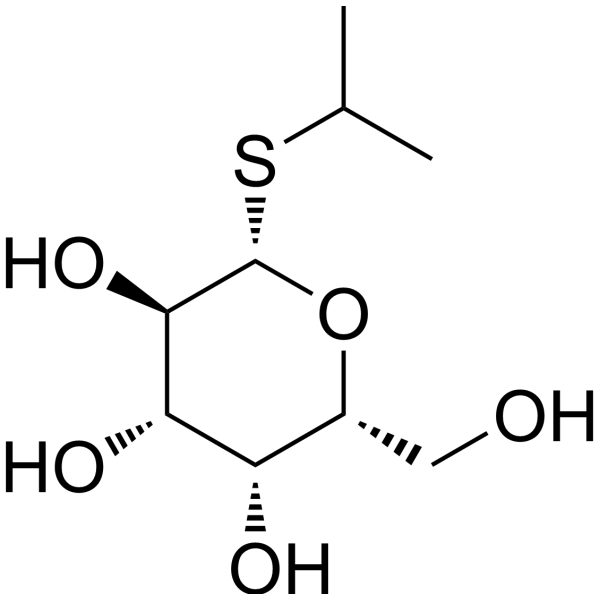
    IPTG
    30+ Cited Publications

    Isopropyl β-D-thiogalactoside

    Biochemical Assay Reagents Others
    IPTG is a molecular mimic of allolactose, a lactose metabolite that triggers transcription of the lac operon, and it is therefore used to induce protein expression where the gene is under the control of the lac operator.
    IPTG
  • HY-B2123
    Lactose
    3 Publications Verification

    Environmental Pollutants Endogenous Metabolite Interleukin Related ERK NF-κB Inflammation/Immunology
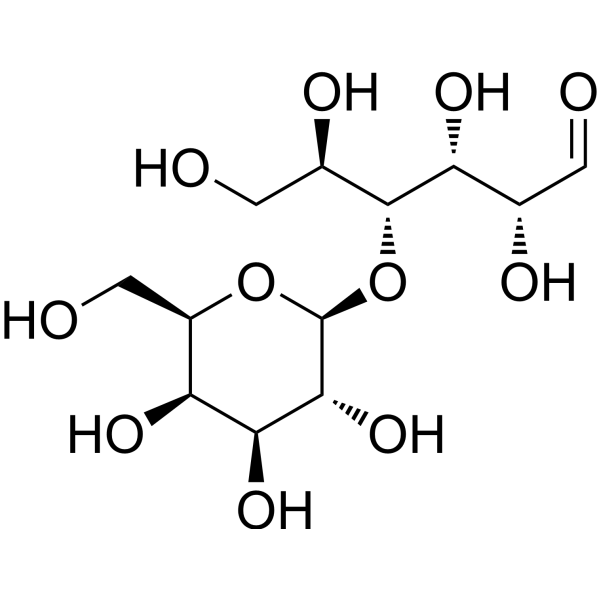
    Lactose is a β-galactoside consisting of galactose and glucose residues, the main carbohydrate in mammalian breast milk. Lactose, a macronutrient and an inducer of host innate immune responses, possesses immune modulatory functions .
    Lactose
  • HY-P2869

    EC 3.2.1.23; GAL

    Glycosidase Metabolic Disease
    β-Galactosidase, E. coli (EC 3.2.1.23; GAL) is a glycoside hydrolase that hydrolyzes the β-glycosidic bonds formed between galactose and its organic moieties. β-Galactosidase, E. coli can hydrolyze lactose to form glucose and galactose, and enter glycolysis; it can also catalyze the transgalactosylation of lactose into allolactose; allolactose can be cracked into monosaccharides .
    β-Galactosidase, E. coli
  • HY-N10528
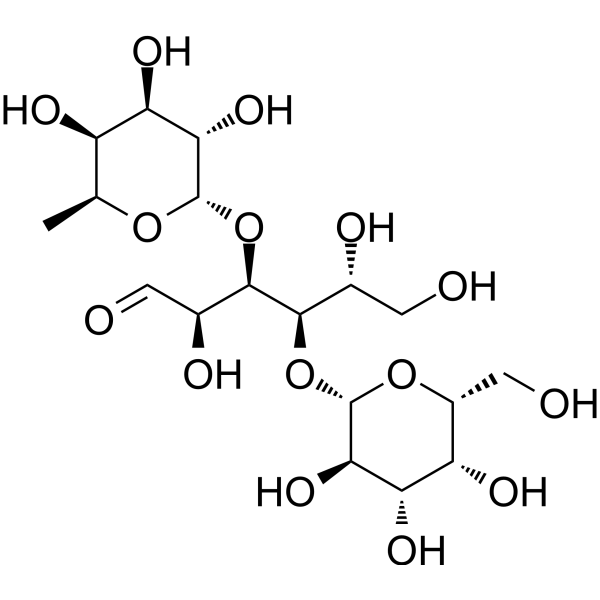
    3-Fucosyllactose
    1 Publications Verification

    3-Fucosyl-D-lactose

    Bacterial Enterovirus Infection Neurological Disease Inflammation/Immunology
    3-Fucosyllactose (3-Fucosyl-D-lactose) is one of the major fucosylated oligosaccharides found in human breast milk. 3-Fucosyllactose shows prebiotic, immunomodulator, neonatal brain development, and antimicrobial function .
    3-Fucosyllactose
  • HY-W087904

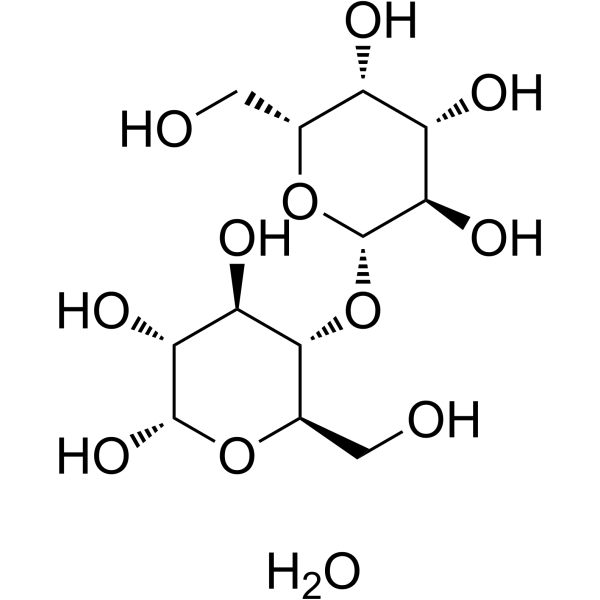
    α-D-lactose hydrate

    Endogenous Metabolite Biochemical Assay Reagents Others
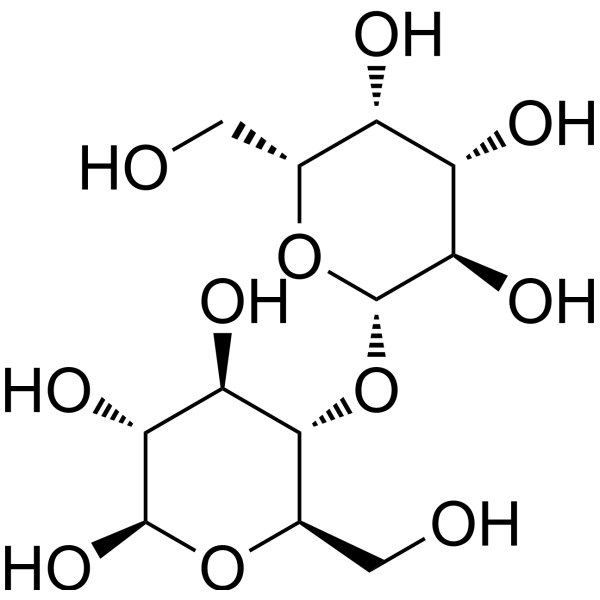
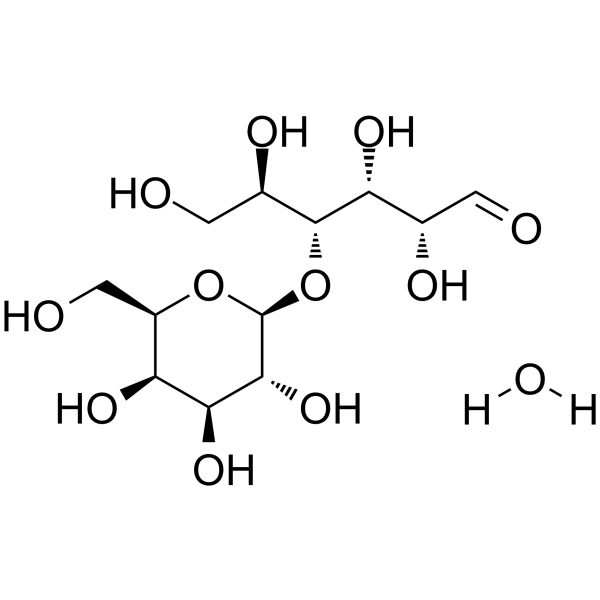
    α-Lactose hydrate (α-D-Lactose (hydrate)) is the primary carbohydrate in the milk of most mammals. α-Lactose hydrate consists of glucose and galactose and exists in two isomeric forms, α and β. α-Lactose hydrate has numerous applications in the food and pharmaceutical industries, such as serving as a bulking or agglomerating agent, and a diluent for pigments, flavors or enzymes .
    α-Lactose hydrate
  • HY-W015954

    Endogenous Metabolite Calcium Channel Bacterial Infection Metabolic Disease
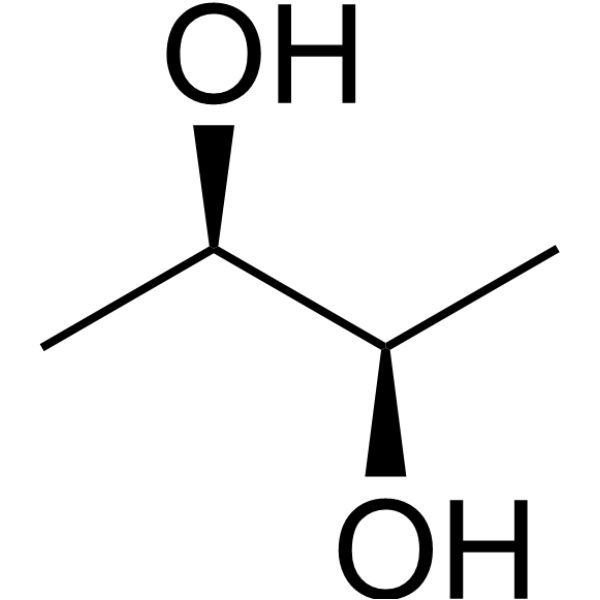
    (2R,3R)-Butane-2,3-diol is a non-covalent, reversible agonist targeting lanthanum (La 3+)-sensitive calcium channels in bacteria (e.g., Escherichia coli) with an EC50 of approximately 25 mM. (2R,3R)-Butane-2,3-diol binds to calcium channel proteins or related complexes, induces channel opening, promotes extracellular calcium influx, and triggers intracellular calcium transients, which may regulate bacterial physiological activities such as growth, metabolism, and signal transduction. (2R,3R)-Butane-2,3-diol mediates bacterial-host cell signaling interactions and affects the metabolic balance of intestinal microorganisms, and can be used to study lactose intolerance and other related diseases .
    (2R,3R)-Butane-2,3-diol
  • HY-P3185

    Biochemical Assay Reagents Metabolic Disease
    Beta-galactose dehydrogenase is a selective catalyst for β-galactose. Under pH 8.6 conditions, beta-galactose dehydrogenase catalyzes the oxidation of β-galactose, produced by the hydrolysis of lactose by β-galactosidase, with nicotinamide adenine dinucleotide (NAD) to produce reduced nicotinamide adenine dinucleotide (NADH). Beta-galactose dehydrogenase specifically mediates this oxidation reaction for the quantitative detection of the substrate, used in the analysis of lactose concentration in samples such as breast milk .
    beta-Galactose dehydrogenase
  • HY-N2514

    α-D-lactose

    Others Others
    α-Lactose (α-D-Lactose) is the major sugar present in milk. Lactose exists in the form of two anomers, α and β. The α form normally crystallizes as a monohydrate .
    α-Lactose
  • HY-NP009

    Bacterial Infection Neurological Disease
    α-Lactalbumin is a globular whey protein that exists in milk. α-Lactalbumin binds Ca 2+, Mg 2+, Mn 2+, Na +, K + and Zn 2+ ions; among these, Ca 2+ binding enhances protein stability, while Zn 2+ binding reduces stability and induces aggregation. α-Lactalbumin forms amyloid fibrils, amorphous aggregates, nanoparticles and nanotubes depending on external conditions. α-Lactalbumin exhibits bactericidal and antiviral activities. α-Lactalbumin has anxiolytic and antidepressant activities, and its effects are enhanced under stress conditions .
    α-Lactalbumin
  • HY-B1673

    Environmental Pollutants Bacterial Infection Cancer
    D-Lactose monohydrate is a sugar. D-Lactose monohydrate can be utilized by most bacteria. D-Lactose monohydrate promotes the growth of tobacco B6S3 tumor tissue. D-Lactose monohydrate is used in the research of the growth mechanism of plant tumor tissues and the sugar utilization of bacteria .
    D-Lactose monohydrate
  • HY-112747

    LPI; PE (soy)

    Phospholipase Infection
    Soy PE (LPI) is the most abundant phospholipid in prokaryotes and the second most abundant found in the membrane of mammalian, plant, and yeast cells, comprising approximately 25% of total mammalian phospholipids. In the brain, phosphatidylethanolamine comprises almost half of the total phospholipids. It is synthesized mainly through the cytidine diphosphate-ethanolamine and phosphatidylserine decarboxylation pathways, which occur in the endoplasmic reticulum (ER) and mitochondrial membranes, respectively. It is a precursor in the synthesis of phosphatidylcholine and arachidonoyl ethanolamide and is a source of ethanolamine used in various cellular functions. In E.coli, phosphatidylethanolamine deficiency prevents proper assembly of lactose permease, suggesting a role as a lipid chaperone. It is a cofactor in the propagation of prions in vitro and can convert recombinant mammalian proteins into infectious molecules even in the absence of RNA. This product contains phosphatidylethanolamine molecular species with variable fatty acyl chain lengths at the sn-1 and sn-2 positions .
    Soy PE
  • HY-W150340

    Galectin Biochemical Assay Reagents Cancer
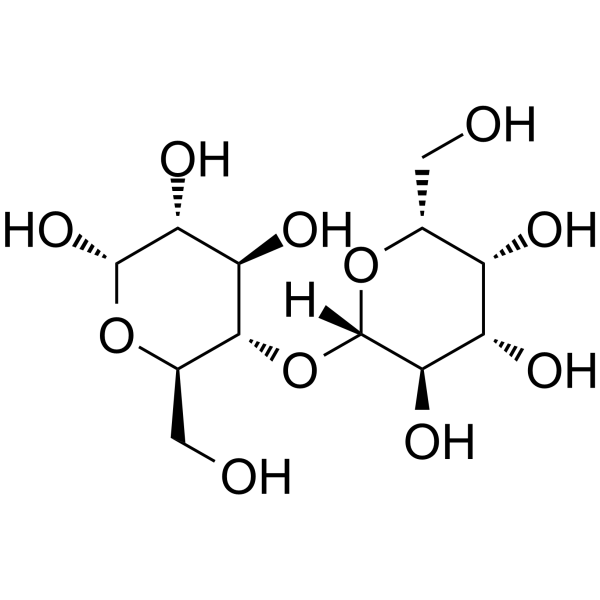
    β-Lactose is a disaccharide commonly found in milk and dairy products. It consists of two monosaccharides, glucose and galactose, linked by β-glycosidic bonds. β-Lactose has various applications in the food industry, especially as a sweetener and bulking agent. Furthermore, it can be used as a substrate for enzymes involved in lactose metabolism and as a model compound for studying carbohydrate-protein interactions.
    β-Lactose
  • HY-P3186A

    GDH-NAD

    Endogenous Metabolite Metabolic Disease
    NAD-dependent glucose dehydrogenase (GDH-NAD) is an oxidoreductase that uses NAD + as a coenzyme, specifically catalyzes the dehydrogenation of glucose to gluconolactone, and reduces NAD + to NADH. NAD-dependent glucose dehydrogenase exhibits favorable substrate selectivity and stability, and is not affected by oxygen .
    NAD-dependent Glucose dehydrogenase
  • HY-B2123R

    Reference Standards Endogenous Metabolite Interleukin Related ERK NF-κB Inflammation/Immunology
    Lactose (Standard) is the analytical standard of Lactose. This product is intended for research and analytical applications. Lactose is a β-galactoside consisting of galactose and glucose residues, the main carbohydrate in mammalian breast milk. Lactose, a macronutrient and an inducer of host innate immune responses, possesses immune modulatory functions .
    Lactose (Standard)
  • HY-156905

    Biochemical Assay Reagents Others
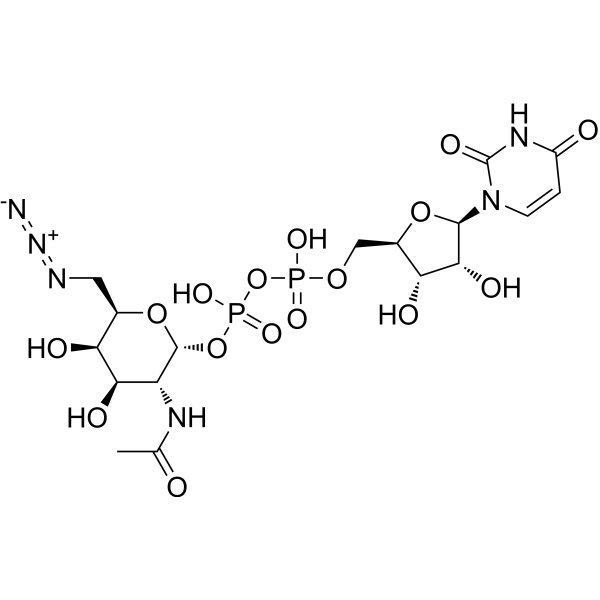
    6-Azido-N-acetylgalactosamine-UDP (Compound 5) is a 6-azido-modified nucleotide sugar. It acts as an active sugar donor in lactose glycosylation catalyzed by beta-1,3-N-Acetylhexaminyltransferase (LgtA). Azido-modified nucleotide sugars are strategically used in copper-free click chemistry to modify the N-glycan core structure of IgG .
    6-Azido-N-acetylgalactosamine-UDP
  • HY-137249

    Biochemical Assay Reagents Others
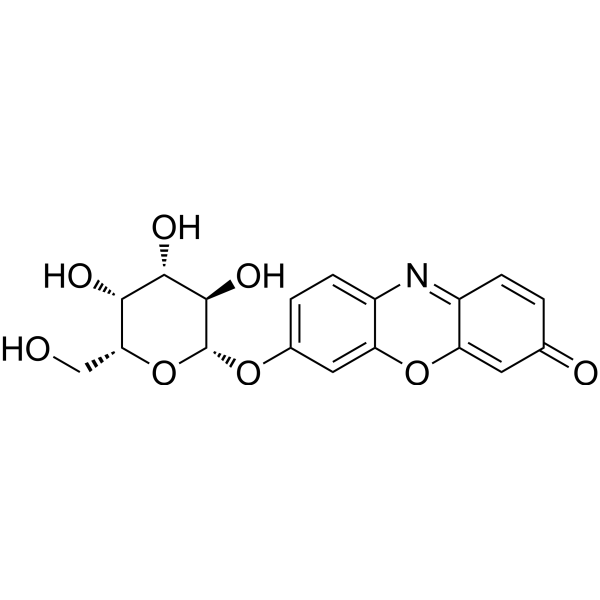
    Resorufin-β-D-galactopyranoside is a commonly used substrate in various biochemical assays to measure the activity of β-galactosidase, an important enzyme involved in lactose metabolism and regulation of gene expression. Resorufin-β-D-galactopyranoside has unique chemical properties and can be hydrolyzed by β-galactosidase to form a red fluorescent product called resorufin. This makes it a useful tool for detecting and quantifying β-galactosidase activity in biological samples such as bacteria or mammalian cells.
    Resorufin-β-D-galactopyranoside
  • HY-B1673R

    Reference Standards Bacterial Infection Cancer
    D-Lactose monohydrate (Standard) is the analytical standard of D-Lactose monohydrate (HY-B1673). This product is intended for research and analytical applications. D-Lactose monohydrate is a sugar. D-Lactose monohydrate can be utilized by most bacteria. D-Lactose monohydrate promotes the growth of tobacco B6S3 tumor tissue. D-Lactose monohydrate is used in the research of the growth mechanism of plant tumor tissues and the sugar utilization of bacteria .
    D-Lactose monohydrate (Standard)
  • HY-W779009

    Bacterial Others
    [1-13Cglc]Lactose monohydrate is an isotopic labeling drug .
    [1-13Cglc]Lactose monohydrate
  • HY-B1610K

    Biochemical Assay Reagents Others
    Sodium Citrate Buffer, 0.5M, pH 5.5 is a metal chelator and buffering agent. Sodium Citrate Buffer, 0.5M, pH 5.5 requires oxygen to participate in the oxidation process to reduce pink defects in cooked ground turkey, and it does not function via heme iron chelation or iron complex interaction. When mixed with 50% (by vol.) 1,3-dimethylimidazolium methyl sulfate, Sodium Citrate Buffer, 0.5M, pH 5.5 can serve as an aqueous buffering medium to maintain the catalytic efficiency of the hyperthermophilic β-glycosidase CelB for lactose hydrolysis at 80°C, while also acting as a reaction medium for CelB-catalyzed lactose hydrolysis and galactosyltransferase assays .
    Sodium Citrate Buffer, 0.5M, pH 5.5
  • HY-157353

    MAC

    Biochemical Assay Reagents Others Cancer
    MacConkey Agar (MAC) can be used for selective isolation and culture of intestinal pathogens. The composition of 1 liter of MacConkey Agar (MAC) is: 20.0g peptone, 10.0 g lactose, 1.5 g Bile salt number three, 5.0 g sodium chloride, 0.03g Neutral red, 0.001 g Crystal viol and 15.0 g agar .
    MacConkey Agar
  • HY-W008864

    β-Octaacetyllactose

    Fungal Infection
    Lactose octaacetate shows mild to moderate antifungal activity against some fungi, but it has low or no activity against bacteria and yeast. Lactose octaacetate shows low cytotoxicity to MDBK cells, Hep-2 and MDCK cells. Lactose octaacetate has antiviral activity against PV-1 .
    Lactose octaacetate
  • HY-W145535

    Biochemical Assay Reagents Endogenous Metabolite Others
    Sialyl Lewis X-Lactose is a biochemical reagent that can be used as a biological material or organic compound for life science related research.
    Sialyl lewis x-lactose
  • HY-P2869I

    Glycosidase Metabolic Disease
    β-Galactosidase, Sweet almond is a glycoside hydrolase that hydrolyzes the β-glycosidic bonds formed between galactose and its organic moieties. β-Galactosidase, Sweet almond can hydrolyze lactose to form glucose and galactose, and enter glycolysis; it can also catalyze the transgalactosylation of lactose into allolactose; allolactose can be cracked into monosaccharides .
    β-Galactosidase, Sweet almond
  • HY-W087904R

    α-D-lactose hydrate (Standard)

    Endogenous Metabolite Reference Standards Others
    α-Lactose (hydrate) (Standard) is the analytical standard of α-Lactose (hydrate). This product is intended for research and analytical applications. α-Lactose (hydrate) (α-D-Lactose (hydrate)) is the principal carbohydrate in the milk of most mammals. α-Lactose (hydrate) consists of glucose and galactose and exists in the form of two anomers, α and β. α-Lactose (hydrate) has many uses in the food and pharmaceutical industries, such as a free-flowing or agglomerating agent, a diluent for pigments, flavors, or enzymes .
    α-Lactose hydrate (Standard)
  • HY-W015954R

    Reference Standards Endogenous Metabolite Calcium Channel Bacterial Infection Metabolic Disease
    (2R,3R)-Butane-2,3-diol (Standard) is the analytical standard of (2R,3R)-Butane-2,3-diol (HY-W015954). This product is intended for research and analytical applications. (2R,3R)-Butane-2,3-diol is a non-covalent, reversible agonist targeting lanthanum (La 3+)-sensitive calcium channels in bacteria (e.g., Escherichia coli) with an EC50 of approximately 25 mM. (2R,3R)-Butane-2,3-diol binds to calcium channel proteins or related complexes, induces channel opening, promotes extracellular calcium influx, and triggers intracellular calcium transients, which may regulate bacterial physiological activities such as growth, metabolism, and signal transduction. (2R,3R)-Butane-2,3-diol mediates bacterial-host cell signaling interactions and affects the metabolic balance of intestinal microorganisms, and can be used to study lactose intolerance and other related diseases .
    (2R,3R)-Butane-2,3-diol (Standard)
  • HY-157349

    BGLB

    Biochemical Assay Reagents Others
    Brilliant Green Lactose Bile Broth can be used for confirmatory testing of coliform bacteria. The ingredients of Blood Enrichment Medium include tryptone, lactose, ox bile powder, and brilliant green .
    Brilliant Green Lactose Bile Broth
  • HY-116055

    3-O-β-D-Galactopyranosyl-sn-glycerol

    Biochemical Assay Reagents Others
    (2R)-Glycerol-O-β-D-galactopyranoside (3-O-β-D-Galactopyranosyl-sn-glycerol) is a good substrate for all three components of the lac operon, i.e. β-galactosidase, the lactose transporter and thiogalactoside transacetylase .
    (2R)-Glycerol-O-β-D-galactopyranoside
  • HY-E70044

    Glycosyltransferase Metabolic Disease
    beta-1, 3-N-Acetylhexaminyltransferase (LgtA) is a glycosyltransferase, is often used in biochemical studies. beta-1, 3-N-Acetylhexaminyltransferase (LgtA) catalyzes the transfer of N-acetylglucosamine from UDP-GlcNAc to N-acetyllactosamine and lactose .
    beta-1, 3-N-Acetylhexaminyltransferase (LgtA)
  • HY-W768291

    Isotope-Labeled Compounds Others
    [1-13Cgal]Lactose (monohydrate) is a labelled Lactose Monohydrate.
    [1-13Cgal]Lactose monohydrate
  • HY-W768296

    Isotope-Labeled Compounds Biochemical Assay Reagents Metabolic Disease
    D-Lactose monohydrate- 13C12 is the 13C-labeled D-Lactose (hydrate) (HY-W115740). D-Lactose monohydrate is a type of lactose. D-Lactose is composed of D-galactose and D-glucose. D-Lactose monohydrate can be used as sweetener or excipient .
    D-Lactose monohydrate-13C12
  • HY-W768295

    Isotope-Labeled Compounds Biochemical Assay Reagents Metabolic Disease
    D-Lactose monohydrate- 13C6 is the 13C-labeled D-Lactose (hydrate) (HY-W115740). D-Lactose monohydrate is a type of lactose. D-Lactose is composed of D-galactose and D-glucose. D-Lactose monohydrate can be used as sweetener or excipient .
    D-Lactose monohydrate-13C6
  • HY-137064

    iGluR Neurological Disease
    Memantine lactose adduct is a lactose adduct of Memantine (HY-B0591) and an intermediate in the synthesis of adamantane amine antibiotics .
    Memantine lactose adduct
  • HY-157381

    Biochemical Assay Reagents Others
    China Blue Lactose Agar is a weakly selective medium used for the selective isolation of intestinal pathogenic bacteria.
    China Blue Lactose Agar
  • HY-171456

    Drug Derivative Metabolic Disease
    PD-224378 is the lactam form of glycosylamine (β-anomer) formed by the Maillard reaction between pregabalin and lactose .
    PD-224378
  • HY-N15237

    Allyl β-D-lactose

    Biochemical Assay Reagents Others
    Allyl β-lactoside (Allyl β-D-lactose) is a lactoside, which can be generated by incubating lactose and allyl alcohol with cellulase preparation, and can be used as a starting material for the synthesis of glycopolymers .
    Allyl β-lactoside
  • HY-W341713

    Drug Intermediate Others
    Hepta-O-acetyl-α-D-lactosyl bromide (Compound 4) is a brominated lactoside. Hepta-O-acetyl-α-D-lactosyl bromide is a synthetic substrate for perfluoroalkyl-labeled lactose lipids .
    Hepta-O-acetyl-α-D-lactosyl bromide
  • HY-W698571

    4-O-(3-O-Sulfo-β-D-galactopyranosyl)-D-glucose

    Biochemical Assay Reagents Others
    Lactose-3'-sulfate (4-O-(3-O-Sulfo-β-D-galactopyranosyl)-D-glucose) is a class of biochemical reagents used in glycobiology research. Glycobiology studies the structure, synthesis, biology, and evolution of sugars. It involves carbohydrate chemistry, enzymology of glycan formation and degradation, protein-glycan recognition, and the role of glycans in biological systems. This field is closely related to basic research, biomedicine, and biotechnology .
    Lactose-3'-sulfate
  • HY-167578

    Biochemical Assay Reagents Others
    Hepta-o-acetyl-lactose-1-o-trichloroacetimidate is a class of biochemical reagents used in glycobiology research. Glycobiology studies the structure, synthesis, biology and evolution of sugars. It involves carbohydrate chemistry, enzymology of glycan formation and degradation, protein-Glycan recognition and the role of glycans in biological systems. This field is closely related to basic research, biomedicine and biotechnology.
    Hepta-o-acetyl-lactose-1-o-trichloroacetimidate
  • HY-113162R

    Reference Standards Endogenous Metabolite Metabolic Disease Cancer
    α-Lactose (hydrate) (Standard) is the analytical standard of α-Lactose (hydrate). This product is intended for research and analytical applications. α-Lactose (hydrate) (α-D-Lactose (hydrate)) is the principal carbohydrate in the milk of most mammals. α-Lactose (hydrate) consists of glucose and galactose and exists in the form of two anomers, α and β. α-Lactose (hydrate) has many uses in the food and pharmaceutical industries, such as a free-flowing or agglomerating agent, a diluent for pigments, flavors, or enzymes .
    Bovinic acid (Standard)
  • HY-157350

    VRBA

    Biochemical Assay Reagents Others
    Violet Red Bile Agar can be used for solid plate detection of coliforms (GB, SN standards). Violet Red Bile Agar ingredients include peptone, yeast powder, sodium chloride, lactose, bile salts, crystal violet, neutral red, agar .
    Violet Red Bile Agar
  • HY-157364

    Levine EMB Agar

    Biochemical Assay Reagents Others
    Levine Eosin-Methylene Blue Agar Medium (Levine EMB Agar) is a weakly selective medium for the isolation of intestinal pathogens, especially E. coli. The composition of 1 liter of Levine Eosin-Methylene Blue Agar Medium: 10.0 g Peptone, 10.0 g lactose, 2.0 g dipotassium hydrogen phosphate, 15.0 g agar, 0.4 g eosin, 0.065 g methylene blue .
    Levine Eosin-Methylene Blue Agar Medium
  • HY-E70885

    BgaA

    Glycosidase Others
    Beta-galactosidase A (BgaA) is a hydrolytic enzyme that hydrolyzes Lactose (HY-B2123) .
    Beta-galactosidase A
  • HY-P2869J

    Biochemical Assay Reagents Metabolic Disease
    β-Galactosidase, Kluyveromyces lactis is a hydrolase enzyme that catalyzes the hydrolysis of β-galactosides into monosaccharides. SubstRates of different β-galactosidases include ganglioside GM1, lactosylceramides, lactose, and various glycoproteins.
    β-Galactosidase, Kluyveromyces lactis
  • HY-156905A

    Biochemical Assay Reagents Cancer
    6-Azido-N-acetylgalactosamine-UDP diammonium (compound 5) is an active sugar donor in the beta-1, 3-N-Acetylhexaminyltransferase (LgtA)-catalyzed glycosylation of lactose .
    6-Azido-N-acetylgalactosamine-UDP diammonium
  • HY-E70890

    Glycosidase Metabolic Disease
    β-Galactosidase Mutein, E. coli is a hydrolase enzyme that catalyzes the hydrolysis of β-galactosides into monosaccharides. Substrates of different β-galactosidases include ganglioside GM1, lactosylceramides, lactose, and various glycoproteins.
    β-Galactosidase Mutein, E. coli
  • HY-E71027

    Biochemical Assay Reagents Metabolic Disease
    β-Galactosidase-biotin labeled, Escherichia coli is a hydrolase enzyme that catalyzes the hydrolysis of β-galactosides into monosaccharides. SubstRates of different β-galactosidases include ganglioside GM1, lactosylceramides, lactose, and various glycoproteins.
    β-Galactosidase-biotin labeled, Escherichia coli
  • HY-E71301

    Biochemical Assay Reagents Others
    The terminal β-D-galactose residues of glycoprotein oligosaccharides, as well as lactose, can both serve as acceptors for β-Galactoside α-2,6-sialyltransferase (EC 2.4.99.1).
    β-Galactoside α-2,6-sialyltransferase
  • HY-E71299

    Glycosidase Others
    β-Galactosidase 42A, Bifidobacterium longum (EC 3.2.1.23) is a hydrolase enzyme that catalyzes the hydrolysis of β-galactosides into monosaccharides. Substrates of different β-galactosidases include ganglioside GM1, lactosylceramides, lactose, and various glycoproteins.
    β-Galactosidase 42A, Bifidobacterium longum
  • HY-E71299B

    Glycosidase Others
    β-Galactosidase 42A, Thermotoga maritima (EC 3.2.1.23) is a hydrolase enzyme that catalyzes the hydrolysis of β-galactosides into monosaccharides. Substrates of different β-galactosidases include ganglioside GM1, lactosylceramides, lactose, and various glycoproteins.
    β-Galactosidase 42A, Thermotoga maritima
  • HY-E71297

    Glycosidase Others
    β-Galactosidase 2A, Bacteroides thetaiotaomicron (EC 3.2.1.23) is a hydrolase enzyme that catalyzes the hydrolysis of β-galactosides into monosaccharides. Substrates of different β-galactosidases include ganglioside GM1, lactosylceramides, lactose, and various glycoproteins.
    β-Galactosidase 2A, Bacteroides thetaiotaomicron

Inquiry Online

Your information is safe with us. * Required Fields.

Salutation


Country or Region *

Applicant Name *


Organization Name *

Department *


Email Address *


Product Name *

Cat. No.


Requested quantity *

Phone Number *


Remarks

Inquiry Online

Inquiry Information

Product Name:
Cat. No.:
Quantity:
MCE Japan Authorized Agent: