
1. Search Result
Search Result
Results for "

lipid biosynthesis

" in MedChemExpress (MCE) Product Catalog:

70

Inhibitors & Agonists

3

Screening-Bibliotheken

3

Biochemical Assay Reagents

2

Peptides

9

Natural
Products

9

Isotope-Labeled Compounds

7

Oligonucleotides

Art. -Nr. Produktname Target Forschungsgebiete Chemical Structure
  • HY-F0003
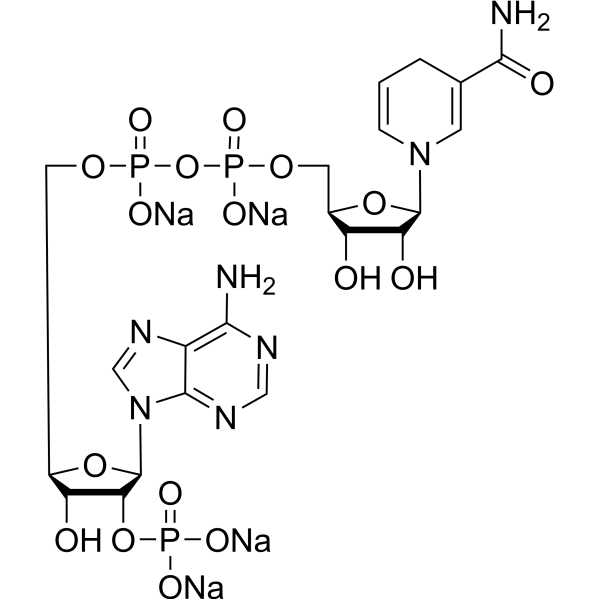
    NADPH tetrasodium salt
    Maximum Cited Publications
    18 Publications Verification

    Ferroptosis Endogenous Metabolite Metabolic Disease Cancer
    NADPH tetrasodium salt functions as an important cofactor in a variety of metabolic and biosynthetic pathways. NADPH tetrasodium salt is an endogenous inhibitor of ferroptosis. NADPH tetrasodium salt plays a vital role in the biosynthesis of agents, chiral alcohols, fatty acids and biopolymers, while also being required for lipid biosynthesis, biomass formation, and cell replication .
    NADPH tetrasodium salt
  • HY-125818
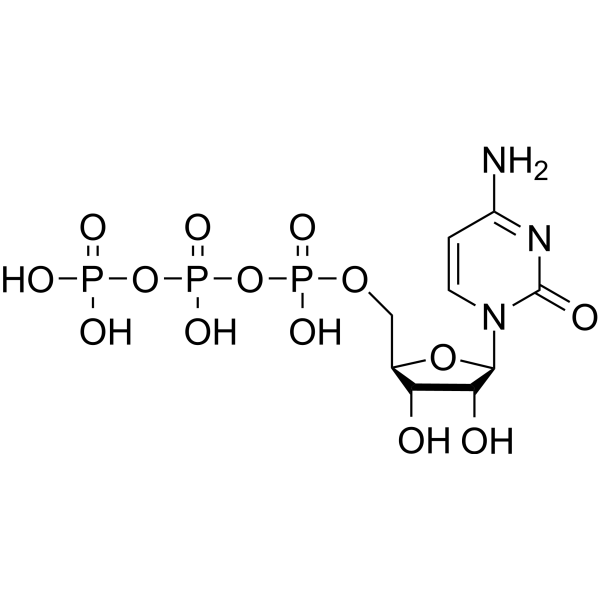
    Cytidine-5'-triphosphate
    3 Publications Verification

    Cytidine triphosphate; 5'-CTP

    DNA/RNA Synthesis Nucleoside Antimetabolite/Analog Endogenous Metabolite Metabolic Disease
    Cytidine 5′-triphosphate (Cytidine triphosphate; 5'-CTP) is a nucleoside triphosphate and serves as a building block for nucleotides and nucleic acids, lipid biosynthesis. Cytidine triphosphate synthase can catalyze the formation of cytidine 5′-triphosphate from uridine 5′-triphosphate (UTP). Cytidine 5′-triphosphate is an essential biomolecule in the de novo pyrimidine biosynthetic pathway in T. gondii .
    Cytidine-5'-triphosphate
  • HY-103251

    LpxC-4

    Antibiotic Bacterial Infection
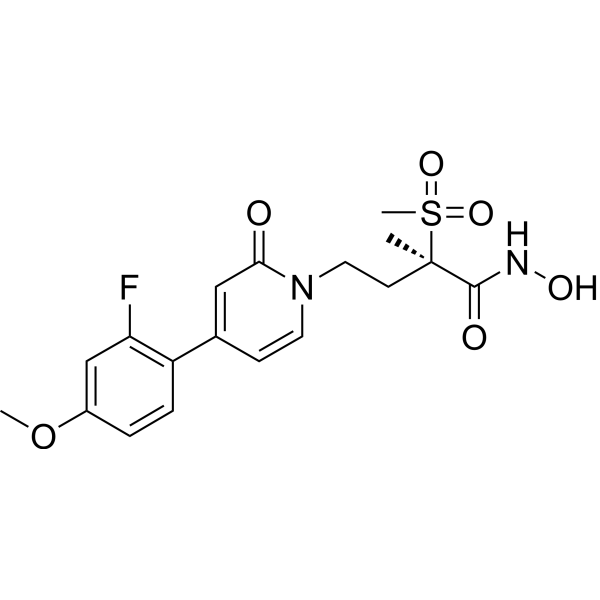
    PF-5081090 (LpxC-4) is a potent LpxC inhibitor, is a rapidly bactericidal with broad-spectrum activity. PF-5081090 serves as a regulator of lipid A biosynthesis in Gram-negative pathogens .
    PF-5081090
  • HY-113131

    DHAP

    Endogenous Metabolite Biochemical Assay Reagents Metabolic Disease
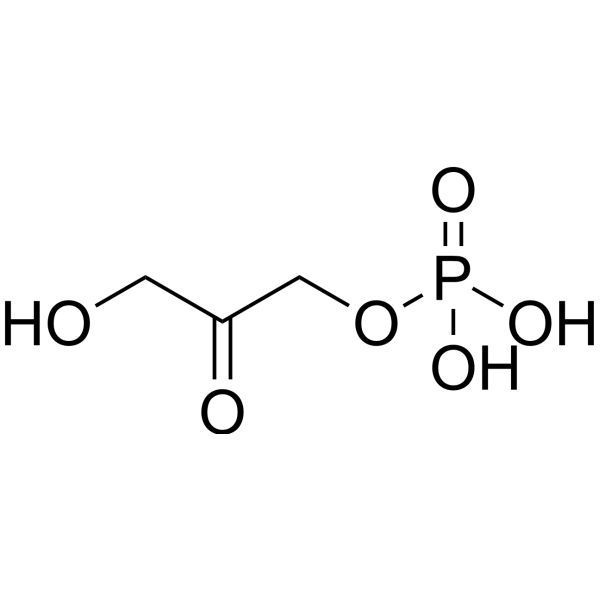
    Dihydroxyacetone phosphate (DHPA), a derivative of Dihydroxyacetone (DHA), is an important intermediate that participates in key pathways including glycolysis, lipid biosynthesis, and the plant Calvin cycle. Dihydroxyacetone phosphate can be used as a substrate and metabolic marker in biochemical research .
    Dihydroxyacetone phosphate
  • HY-W015924

    Endogenous Metabolite Metabolic Disease
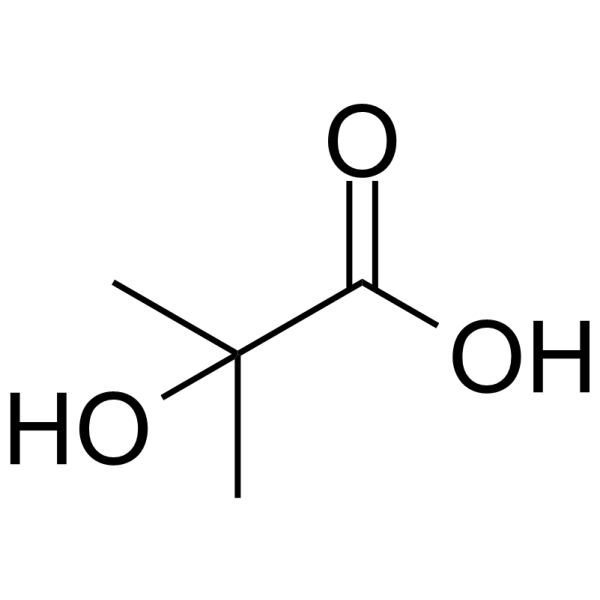
    2-Hydroxyisobutyric acid (2-HIBA) is a selective modulator of the Insulin/IGF-1 pathway and the p38 MAPK pathway, which reduces reactive oxygen species (ROS) and fat accumulation in Caenorhabditis elegans. 2-Hydroxyisobutyric acid promotes β-oxidation and inhibits fatty acid synthesis by upregulating SKN-1/NRF2 and downregulating SREBP-1c transcription factors. 2-Hydroxyisobutyric acid has anti-aging and lipid-lowering effects, and can be used to study metabolic diseases such as obesity and diabetes. 2-Hydroxyisobutyric acid is also a renewable precursor of methacrylate through 2-HIB-CoA mutase-mediated biosynthesis[1][2].
    2-Hydroxyisobutyric acid
  • HY-P3029
    Phospholipase A2
    1 Publications Verification

    PLA2

    Phospholipase Cardiovascular Disease Inflammation/Immunology
    Phospholipase A2 (PLA2) is a calcium-dependent, heat-stable enzyme that catalyzes the hydrolysis of glycerophospholipids at the sn-2 position of cellular membranes, thereby releasing Arachidonic Acid (AA) (HY-109590). Phospholipase A2 is a key mediator in the biosynthesis of pro-inflammatory lipid mediators, critically involved in inflammatory processes. Phospholipase A2 can be used for cardiovascular and inflammatory diseases research .
    Phospholipase A2
  • HY-E70009

    ACO

    Glutathione Peroxidase Others
    Acyl-CoA oxidase (ACO) is a peroxisomal catalyst. Acyl-CoA oxidase acts as a key rate-limiting enzyme in the process of peroxisomal fatty acid β-oxidation. Acyl-CoA oxidase participates in lipid catabolism and phytohormone biosynthesis pathways .
    Acyl-CoA oxidase
  • HY-W269593
    Perfluorodecanoic acid
    1 Publications Verification

    PFDA

    Caspase Interleukin Related Metabolic Disease
    Perfluorodecanoic acid (PFDA) is an orally active perfluoroalkyl substance. Perfluorodecanoic acid causes dysfunction of rat fetal Leydig cells via endoplasmic reticulum stress-mediated changes in lipid components. Perfluorodecanoic acid reduces testosterone biosynthesis in rat R2C Leydig cells by inducing endoplasmic reticulum stress. Perfluorodecanoic acid can be used in studies related to fetal Leydig cell dysfunction .
    Perfluorodecanoic acid
  • HY-164561
    TASIN-30
    1 Publications Verification

    Emopamil Binding Protein Ferroptosis Apoptosis Cancer
    TASIN-30 is a selective EBP inhibitor with an EC50 of 0.097 μM. TASIN-30 blocks the production of 7-dehydrocholesterol (7-DHC) and downstream cholesterol biosynthesis processes. TASIN-30 depletes downstream sterols, disrupts the integrity of lipid rafts in tumor cells, accelerates intracellular cholesterol consumption, and inhibits tumor cell proliferation. TASIN-30 induces ferroptosis and apoptosis by reducing 7-DHC levels and increasing phospholipid peroxidation. TASIN-30 achieves tumor suppression in nude mice with osteosarcoma. TASIN-30 can be used in cancer-related research such as colorectal cancer and osteosarcoma .
    TASIN-30
  • HY-14925
    Lapaquistat
    2 Publications Verification

    T-91485

    Endogenous Metabolite Drug Metabolite Metabolic Disease
    Lapaquistat (T-91485), a cholesterol biosynthesis inhibitor, is the active metabolite of Lapaquistat acetate (HY-16274). Lapaquistat can decrease statin-induced myotoxicity in lipid-lowering therapy .
    Lapaquistat
  • HY-113131A

    DHAP hemimagnesium hydrate

    Endogenous Metabolite Biochemical Assay Reagents Metabolic Disease
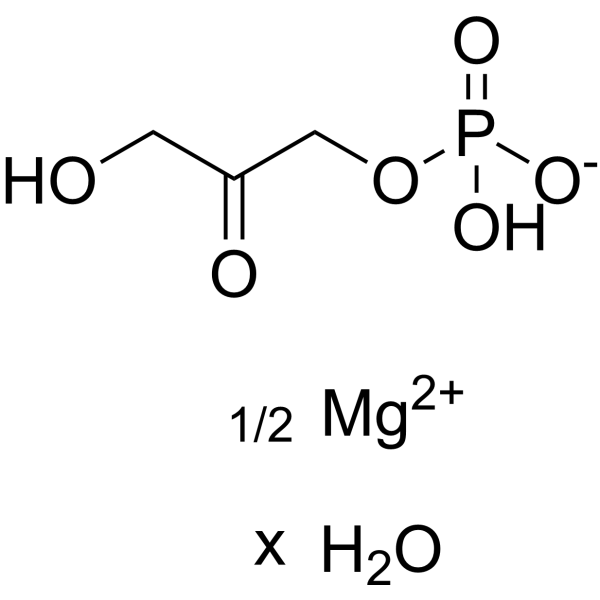
    Dihydroxyacetone phosphate (DHPA) hemimagnesium hydrate, a derivative of Dihydroxyacetone (DHA), is an important intermediate that participates in key pathways including glycolysis, lipid biosynthesis, and the plant Calvin cycle. Dihydroxyacetone phosphate hemimagnesium hydrate can be used as a substrate and metabolic marker in biochemical research .
    Dihydroxyacetone phosphate hemimagnesium hydrate
  • HY-B1189

    Dicrotalic acid; 3-Hydroxy-3-methylglutaric acid

    HMG-CoA Reductase (HMGCR) Autophagy Endogenous Metabolite Cardiovascular Disease Metabolic Disease
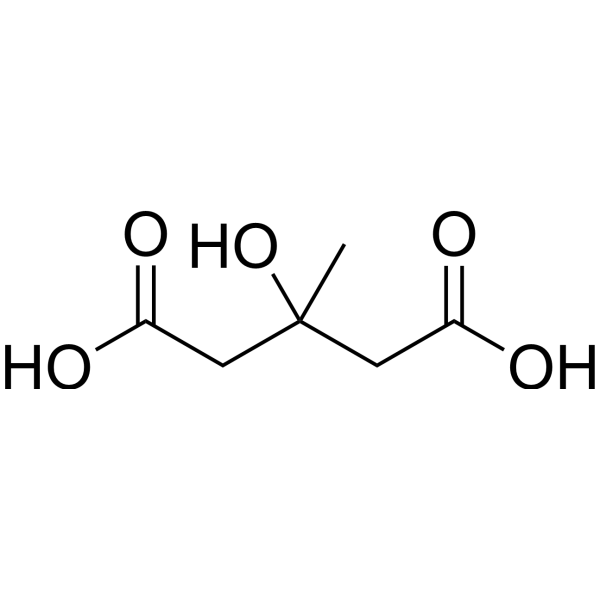
    Meglutol is a lipid-lowering agent. Meglutol can reduces cholesterol, triglycerides, serum β-lipoprotein, and phospholipids, and inhibits the activity of HMG-CoA reductase (a rate-limiting enzyme in cholesterol biosynthesis). Meglutol can induce significant lipid oxidative damage in brain tissue. It is promising for research in the field of cardiovascular diseases and metabolic diseases .
    Meglutol
  • HY-A0087
    Octocrylene
    2 Publications Verification

    Environmental Pollutants PPAR Estrogen Receptor/ERR Biochemical Assay Reagents Cytochrome P450 Others
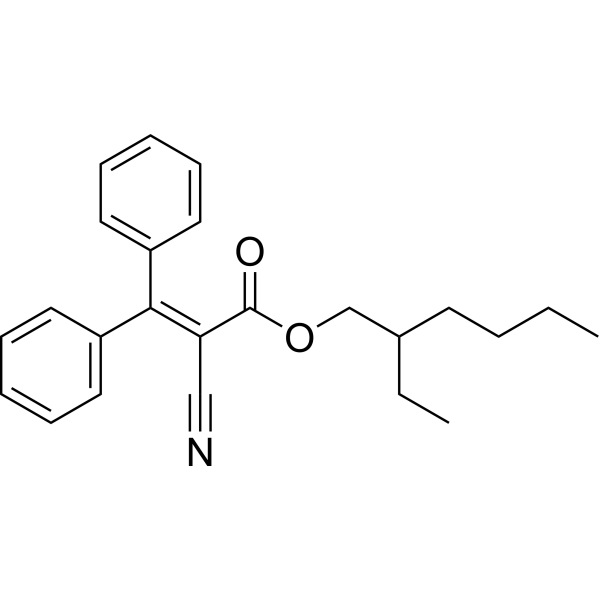
    Octocrylene is an organic ultraviolet (UV) filter that absorbs mainly UVB radiation and shorter UVA wavelengths. Octocrylene acts as a partial agonist of PPARγ, which alters the gene transcription profile of lipid metabolism enzymes. In addition, Octocrylene is cytotoxic and genotoxic to human skin fibroblasts and mediates the biosynthesis of estrogens such as estriol in zebrafish larvae, while affecting antioxidant pathways including glutathione transferase and peroxisomes .
    Octocrylene
  • HY-B0826

    BAJ-2740

    Environmental Pollutants Parasite Infection
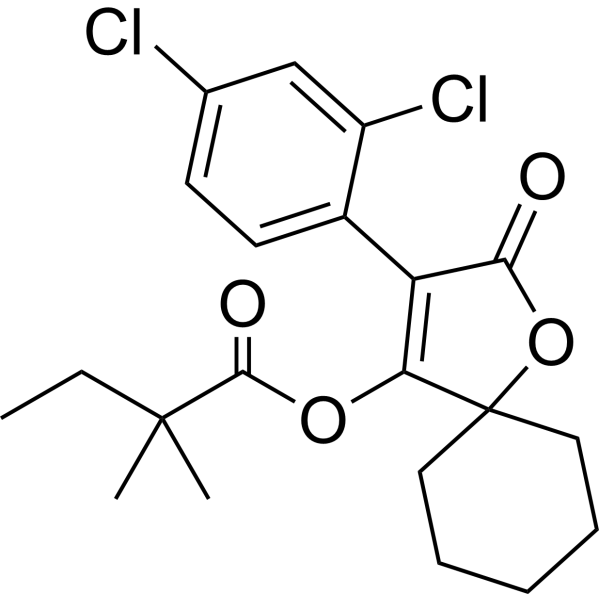
    Spirodiclofen (BAJ-2740) is a broad spectrum acaricide acting via lipid biosynthesis inhibition (LBI) with no cross resistance to currently available acaricides and with additional insecticidal properties.
    Spirodiclofen
  • HY-F0003A
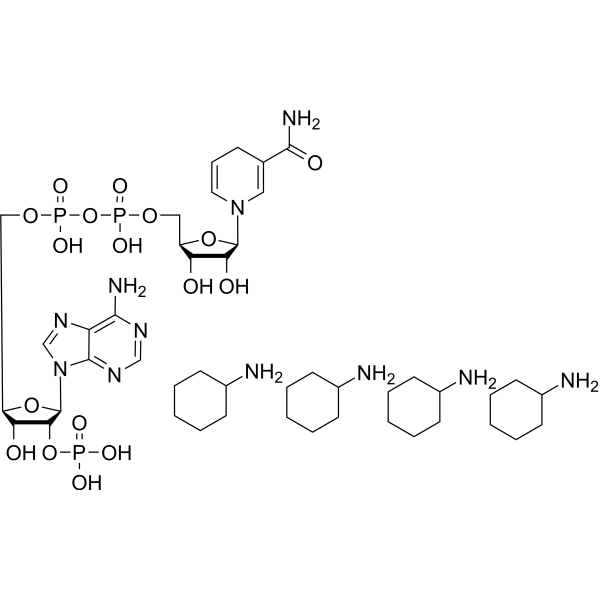
    NADPH tetracyclohexanamine
    Maximum Cited Publications
    18 Publications Verification

    Ferroptosis Endogenous Metabolite Metabolic Disease Cancer
    NADPH tetracyclohexanamine functions as an important cofactor in a variety of metabolic and biosynthetic pathways. NADPH tetracyclohexanamine is an endogenous inhibitor of ferroptosis. NADPH tetracyclohexanamine plays a vital role in the biosynthesis of agents, chiral alcohols, fatty acids and biopolymers, while also being required for lipid biosynthesis, biomass formation, and cell replication .
    NADPH tetracyclohexanamine
  • HY-W013100
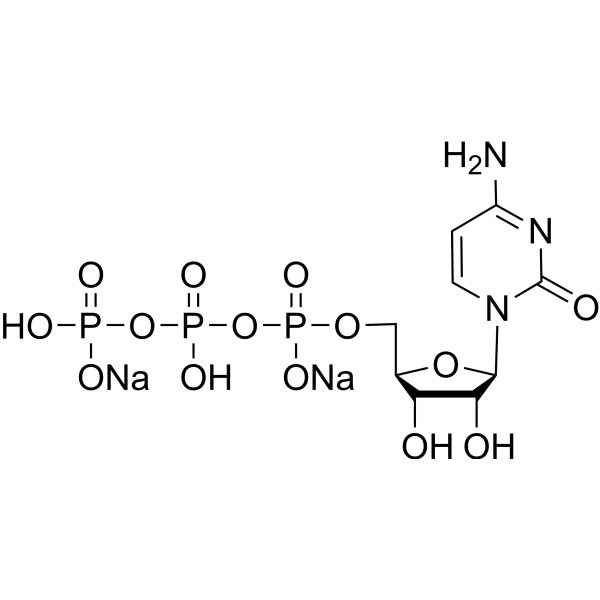
    Cytidine-5'-triphosphate disodium
    3 Publications Verification

    Cytidine triphosphate disodium; 5'-CTP disodium

    DNA/RNA Synthesis Nucleoside Antimetabolite/Analog Endogenous Metabolite Metabolic Disease
    Cytidine-5'-triphosphate (Cytidine triphosphate; 5'-CTP) disodium is a nucleoside triphosphate, that is invovled in biosynthesis of DNA, RNA and lipid. Cytidine triphosphate synthase can catalyze the formation of cytidine 5′-triphosphate from uridine 5′-triphosphate (UTP). Cytidine 5′-triphosphate disodium is an essential biomolecule in the de novo pyrimidine biosynthetic pathway in T. gondii .
    Cytidine-5'-triphosphate disodium
  • HY-B1016

    AR-12008

    PDGFR Phosphodiesterase (PDE) Prostaglandin Receptor Cardiovascular Disease Neurological Disease
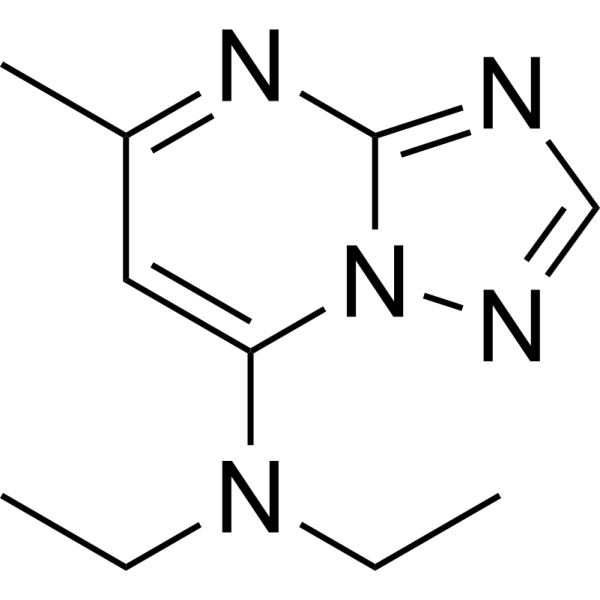
    Trapidil (AR-12008) is an orally active vasodilator and antiplatelet agent. Trapidil antagonizes platelet-derived growth factor (PDGF), inhibits phosphodiesterase, thromboxane A2 synthesis and pro-inflammatory cytokine production. Trapidil promotes prostacyclin biosynthesis, reduces lipid peroxidation, regulates nitric oxide metabolism, and inhibits cell proliferation and migration. Trapidil exerts tissue-protective effects, regulates bone turnover, and inhibits pyroptosis via the GPX3/Nrf2 pathway. Trapidil is applicable to research related to renal ischemia-reperfusion injury, chronic stable angina, restenosis, meningioma, diabetic cardiomyopathy and peripheral nerve crush injury .
    Trapidil
  • HY-127146

    Antibiotic Bacterial Infection
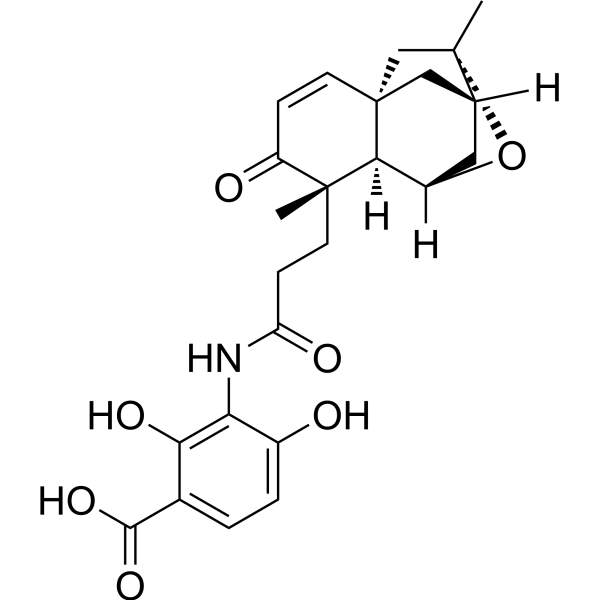
    Platensimycin is an antibiotic produced by S. platensis that inhibits gram-positive bacteria by selectively inhibiting cellular lipid biosynthesis (IC50=0.1 μM). Platensimycin targets the β-ketoacyl-acyl-carrier-protein synthase I/II, FabF/B, an enzyme that participates in the biosynthesis of fatty acids (IC50s=48 nM and 160 nM for S.aureus and E.coli enzymes, respectively). Platensimycin is a promising agent for overcoming antibiotic resistance.
    Platensimycin
  • HY-43515

    Endogenous Metabolite Metabolic Disease
    ESI1 is a small molecule epigenetic silencing inhibitor. ESI1 can trigger the formation of nuclear condensates of key lipid metabolism regulators SREBP1/2, concentrating transcriptional co-activators to drive lipid/cholesterol biosynthesis. ESI1 can promote myelin regeneration in demyelinated animal models and facilitate de novo myelination on regenerating CNS axons, reversing age-related declines in cognitive abilities .
    ESI1
  • HY-113131B

    DHAP dilithium

    Biochemical Assay Reagents Endogenous Metabolite Metabolic Disease
    Dihydroxyacetone phosphate (DHPA) dilithium, a derivative of Dihydroxyacetone (DHA), is an important intermediate that participates in key pathways including glycolysis, lipid biosynthesis, and the plant Calvin cycle. Dihydroxyacetone phosphate dilithium can be used as a substrate and metabolic marker in biochemical research .
    Dihydroxyacetone phosphate dilithium
  • HY-F0003R

    Reference Standards Ferroptosis Endogenous Metabolite Metabolic Disease Cancer
    NADPH tetrasodium salt (Standard) is the analytical standard of NADPH tetrasodium salt (HY-F0003). This product is intended for research and analytical applications. NADPH tetrasodium salt functions as an important cofactor in a variety of metabolic and biosynthetic pathways. NADPH tetrasodium salt is an endogenous inhibitor of ferroptosis. NADPH tetrasodium salt plays a vital role in the biosynthesis of agents, chiral alcohols, fatty acids and biopolymers, while also being required for lipid biosynthesis, biomass formation, and cell replication.
    NADPH tetrasodium salt (Standard)
  • HY-126912A

    Biochemical Assay Reagents Endogenous Metabolite Others
    Lauroyl coenzyme A lithium salt is an intermediary in fatty acid synthesis or metabolism, formed by combining long-chain fatty acids (or lauric acid) with coenzyme A. Lauroyl coenzyme A lithium salt is involved in lipid biosynthesis and fatty acid transport, in which coenzyme A acts as a transport molecule to help move and target specific compounds.
    Lauroyl coenzyme A lithium
  • HY-W587753

    Antibiotic Bacterial Infection
    Bacitracin A is an antibiotic, which exhibits antibacterial activity against gram-positive bacteria. Bacitracin A forms complex with long-chain polyisoprenyl pyrophosphates in presence of metal ions, dephosphorylates the lipid carrier intermediate Css-bactoprenyl pyrophosphate, inhibits thus the bacterial cell wall biosynthesis .
    Bacitracin A
  • HY-176557

    Deubiquitinase Ferroptosis Reactive Oxygen Species (ROS) Glutathione Peroxidase Autophagy Cancer
    NCI677397 is a USP24 inhibitor. NCI677397 increases lipid ROS, activates cholesterol and fatty acid biosynthesis, degrades ABC transporters, GPX4 and DHFR through the autophagy pathway, decreases the level of P-gp and ultimately leads to ferroptosis in drug-resistant cancer cells. NCI677397 can be used for the study of lung caner and brain cancer .
    NCI677397
  • HY-136376

    Environmental Pollutants Herbicide Others
    Mefenpyr-diethyl is a pyrazoline-type herbicide safener that functions to enhance lipid biosynthesis. Mefenpyr-diethyl effectively prevents herbicide-induced phytotoxic damage caused by herbicides such as fenoxaprop-p-ethyl (HY-B2013) and mesosulfuron-methyl (HY-126987) by protecting cereal crops including wheat. Mefenpyr-diethyl significantly increases lipid content in wheat either when applied alone or in combination with the herbicide fenoxaprop-p-ethyl. The mechanism of action of Mefenpyr-diethyl does not involve the induction of glutathione S-transferase (GST) activity in wheat .
    Mefenpyr-diethyl
  • HY-P2200

    BMY-29304

    HIV Antibiotic Infection Inflammation/Immunology
    Siamycin I (BMY-29304), a 21-residue tricyclic peptide, is a secondary metabolite in actinomycetes. Siamycin I is a HIV fusion inhibitor with ED50s of 0.05 to 5.7 μM for acute HIV type 1 (HIV-1) and HIV-2 infections. Siamycin I inhibits the gelatinase and gelatinase biosynthesis-activating pheromone (GBAP) signaling via the FsrC-FsrA two-component regulatory system in a noncompetitive manner. Siamycin I suppresses the expression of both fsrBDC and gelE-sprE transcripts. Siamycin I, a lasso peptide, interacts with lipid II and inhibits cell wall biosynthesis. Siamycin I, an antibiotic, has the potential for enterococcal infections research .
    Siamycin I
  • HY-115448

    Bacterial Infection
    Bio-AMS is a potent bacterial biotin protein ligase inhibitor. Bio-AMS possesses selective activity against Mycobacterium tuberculosis (Mtb) and arrests fatty acid and lipid biosynthesis .
    Bio-AMS
  • HY-114591

    BSN 2060

    Environmental Pollutants Drug Derivative Acetyl-CoA Carboxylase Infection
    Spiromesifen (BSN 2060) is a broad-spectrum tetrachloro acid derivative acaricide. Spiromesifen reduces lipid biosynthesis via inhibition of acetyl-CoA carboxylase, and has no cross-resistance to any resistant mite or whitefly populations .
    Spiromesifen
  • HY-W015924R

    Reference Standards Endogenous Metabolite Metabolic Disease
    2-Hydroxyisobutyric acid (Standard) is the analytical standard of 2-Hydroxyisobutyric acid. This product is intended for research and analytical applications. 2-Hydroxyisobutyric acid (2-HIBA) is a selective modulator of the Insulin/IGF-1 pathway and the p38 MAPK pathway, which reduces reactive oxygen species (ROS) and fat accumulation in Caenorhabditis elegans. 2-Hydroxyisobutyric acid promotes β-oxidation and inhibits fatty acid synthesis by upregulating SKN-1/NRF2 and downregulating SREBP-1c transcription factors. 2-Hydroxyisobutyric acid has anti-aging and lipid-lowering effects, and can be used to study metabolic diseases such as obesity and diabetes. 2-Hydroxyisobutyric acid is also a renewable precursor of methacrylate through 2-HIB-CoA mutase-mediated biosynthesis[1][2].
    2-Hydroxyisobutyric acid (Standard)
  • HY-125818S3

    Cytidine triphosphate-13C9 dilithium; 5'-CTP-13C9 dilithium

    Isotope-Labeled Compounds DNA/RNA Synthesis Nucleoside Antimetabolite/Analog Endogenous Metabolite Metabolic Disease
    Cytidine-5'-triphosphate- 13C9 (Cytidine triphosphate- 13C9 dilithium; 5'-CTP- 13C9) dilithium is 13C-labeled Cytidine-5'-triphosphate (HY-125818). Cytidine 5′-triphosphate (Cytidine triphosphate; 5'-CTP) is a nucleoside triphosphate and serves as a building block for nucleotides and nucleic acids, lipid biosynthesis. Cytidine triphosphate synthase can catalyze the formation of cytidine 5′-triphosphate from uridine 5′-triphosphate (UTP). Cytidine 5′-triphosphate is an essential biomolecule in the de novo pyrimidine biosynthetic pathway in T. gondii.
    Cytidine-5'-triphosphate-13C9 dilithium
  • HY-23199

    Acyltransferase Metabolic Disease
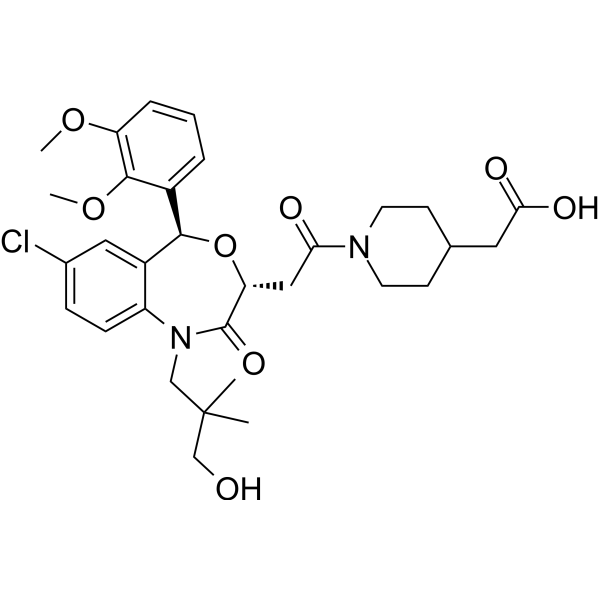
    H2-003 is a diacylglycerol acyltransferase DGAT2 inhibitor with an IC50 value of 7.4 μM against human targets. H2-003 reduces triacylglycerol biosynthesis and inhibits lipid droplet formation. H2-003 can be used in studies related to hepatic steatosis and insulin resistance .
    H2-003
  • HY-115448A

    Bacterial Infection
    Bio-AMS (TFA) is a potent bacterial biotin protein ligase inhibitor. Bio-AMS (TFA) possesses selective activity against Mycobacterium tuberculosis (Mtb) and arrests fatty acid and lipid biosynthesis .
    Bio-AMS TFA
  • HY-120253

    BY-108330

    Environmental Pollutants Insecticide SOD Glutathione Peroxidase Carboxylesterase (CES) Infection Metabolic Disease
    Spirotetramat (BY-108330) is an orally active Insecticide and lipid biosynthesis inhibitor. Spirotetramat regulates the activities of superoxide dismutase (SOD) and glutathione peroxidase (GSH-Px), with short-term exposure increasing their activities and long-term exposure altering their activities. Spirotetramat induces the activity and mRNA expression of carboxylesterase (CarE). Spirotetramat induces oxidative stress and lipid peroxidation in tadpoles. Spirotetramat is toxic to amphibian tadpoles and exhibits sublethal/non-lethal toxicity to amphibians. Spirotetramat causes death in immature psyllids, aphids, scale insects, mealybugs, whiteflies and thrips, and shows a high lethal rate against Cacopsylla pyri nymphs. Spirotetramat reduces the fecundity of Aphis gossypii. Spirotetramat induces tolerance in the offspring of exposed Aphis gossypii, and acts on Myzus persicae, Bemisia tabaci and Tetranychus urticae .
    Spirotetramat
  • HY-W013100R

    Cytidine triphosphate disodium (Standard); 5'-CTP disodium (Standard)

    Reference Standards DNA/RNA Synthesis Nucleoside Antimetabolite/Analog Endogenous Metabolite Metabolic Disease
    Cytidine-5'-triphosphate (Cytidine triphosphate) (Standard) disodium is the analytical standard of Cytidine-5'-triphosphate disodium (HY-W013100). This product is intended for research and analytical applications. Cytidine-5'-triphosphate (Cytidine triphosphate; 5'-CTP) disodium is a nucleoside triphosphate, that is invovled in biosynthesis of DNA, RNA and lipid. Cytidine triphosphate synthase can catalyze the formation of cytidine 5′-triphosphate from uridine 5′-triphosphate (UTP). Cytidine 5′-triphosphate disodium is an essential biomolecule in the de novo pyrimidine biosynthetic pathway in T. gondii.
    Cytidine-5'-triphosphate disodium (Standard)
  • HY-125818B

    Cytidine triphosphate sodium hydrate; 5'-CTP sodium hydrate

    DNA/RNA Synthesis Metabolic Disease
    Cytidine-5'-triphosphate sodium hydrate (Cytidine triphosphate sodium hydrate; 5'-CTP sodium hydrate) is the sodium hydrate form of Cytidine-5'-triphosphate (HY-125818). Cytidine-5'-triphosphate sodium hydrate is a nucleoside triphosphate, that is invovled in biosynthesis of DNA, RNA and lipid .
    Cytidine-5'-triphosphate sodium hydrate
  • HY-115884

    Bacterial Infection Inflammation/Immunology
    PptT-IN-3 (compound 5p) is a potent inhibitor of with phosphopantetheinyl phosphoryl transferase (PptT) an IC50 of 3.5 μM. Phosphopantetheinyl transferase, an essential enzyme that plays a critical role in the biosynthesis of cellular lipids and virulence factors in Mycobacterium tuberculosis. PptT-IN-3 has the potential for the research of tuberculosis .
    PptT-IN-3
  • HY-121855

    Glycerol 1-monoelaidate; α-Monoelaidin

    Biochemical Assay Reagents Others
    Monoeladin is an ester derivative of glycerin and oleic acid, which are commonly found in various vegetable and animal fats. Monoeladin has unique chemical properties that make it an important intermediate in the biosynthesis of other lipid molecules, especially in the formation of triglycerides and phospholipids. It also plays a role in food science as a partial replacement for saturated fat, which has been linked to an increased risk of heart disease.
    1-Monoelaidin
  • HY-178717

    Fungal Infection
    WML-01 is a fungicide with EC50s of 0.079, 0.72 and 2.02 μg/mL against F. graminearum, F. fujikuroi and S. sclerotiorum. WML-01 disrupts the cell membrane of F. graminearum and induces deposition of lipid droplets. WML-01 inhibits Deoxynivalenol (DON) (HY-N6684) biosynthesis with no cross-resistance and strongly suppresses ribosomal subunit assembly, impairing protein synthesis. WML-01 effectively controls the fusarium head blight (FHB) epidemic .
    WML-01
  • HY-B1016R

    AR-12008 (Standard)

    Reference Standards PDGFR Phosphodiesterase (PDE) Prostaglandin Receptor Cardiovascular Disease Cancer
    Trapidil (Standard) (AR-12008 (Standard)) is the analytical standard of Trapidil (HY-B1016R). This product is intended for research and analytical applications. Trapidil (AR-12008) is an orally active vasodilator and antiplatelet agent. Trapidil antagonizes platelet-derived growth factor (PDGF), inhibits phosphodiesterase, thromboxane A2 synthesis and pro-inflammatory cytokine production. Trapidil promotes prostacyclin biosynthesis, reduces lipid peroxidation, regulates nitric oxide metabolism, and inhibits cell proliferation and migration. Trapidil exerts tissue-protective effects, regulates bone turnover, and inhibits pyroptosis via the GPX3/Nrf2 pathway. Trapidil is applicable to research related to renal ischemia-reperfusion injury, chronic stable angina, restenosis, meningioma, diabetic cardiomyopathy and peripheral nerve crush injury.
    Trapidil (Standard)
  • HY-103251R

    LpxC-4 (Standard)

    Reference Standards Antibiotic Bacterial Infection
    Cefalonium (dihydrate) (Standard) is the analytical standard of Cefalonium (dihydrate). This product is intended for research and analytical applications. Cefalonium dihydrate is a cephalosporin antibiotic. Cefalonium (dihydrate) is effective against Staphylococcus aureus. Cefalonium (dihydrate) has anti-inflammatory and antibacterial activities .
    PF-5081090 (Standard)
  • HY-149657

    Fatty Acid Synthase (FASN) Metabolic Disease
    SREBP/SCAP-IN-1(compound 10b) is a selectiveSREBP/SCAPinhibitor .
    SREBP/SCAP-IN-1
  • HY-149658

    Fatty Acid Synthase (FASN) Metabolic Disease
    SREBP/SCAP-IN-2(compound 13) is a selectiveSREBP/SCAPinhibitor .
    SREBP/SCAP-IN-2
  • HY-114591S

    Isotope-Labeled Compounds Others
    Spiromesifen-d9 is a deuterated labeled Spiromesifen . Spiromesifen (BSN 2060) is a broad-spectrum tetrachloro acid derivative acaricide. Spiromesifen can interfere with lipid biosynthesis, and has no cross-resistance to any resistant mite or whitefly populations .
    Spiromesifen-d9
  • HY-B0826R

    BAJ-2740 (Standard)

    Reference Standards Parasite Infection
    Spirodiclofen (BAJ-2740) (Standard) is the analytical standard of Spirodiclofen. This product is intended for research and analytical applications. Spirodiclofen is a broad spectrum acaricide acting via lipid biosynthesis inhibition (LBI) with no cross resistance to currently available acaricides and with additional insecticidal properties.
    Spirodiclofen (Standard)
  • HY-114591R

    BSN 2060 (Standard)

    Acetyl-CoA Carboxylase Reference Standards Infection
    Spiromesifen (Standard) is the analytical standard of Spiromesifen. Spiromesifen (BSN 2060) is a broad-spectrum tetrachloro acid derivative acaricide. Spiromesifen reduces lipid biosynthesis via inhibition of acetyl-CoA carboxylase, and has no cross-resistance to any resistant mite or whitefly populations .
    Spiromesifen (Standard)
  • HY-136441

    Bacterial Infection
    Triclosan-methyl is a transformation product of triclosan. Triclosan is a bactericide in personal care products such as toothpaste, shampoos, and soaps. Triclosan is also a stabilizing agent in a multitude of detergents and cosmetics .
    Triclosan-methyl
  • HY-B1189R

    Dicrotalic acid (Standard); 3-Hydroxy-3-methylglutaric acid (Standard)

    HMG-CoA Reductase (HMGCR) Autophagy Endogenous Metabolite Reference Standards Cardiovascular Disease Metabolic Disease
    Meglutol (Standard) is the analytical standard of Meglutol. This product is intended for research and analytical applications. Meglutol is a lipid-lowering agent. Meglutol can reduces cholesterol, triglycerides, serum β-lipoprotein, and phospholipids, and inhibits the activity of HMG-CoA reductase (a rate-limiting enzyme in cholesterol biosynthesis). Meglutol can induce significant lipid oxidative damage in brain tissue. It is promising for research in the field of cardiovascular diseases and metabolic diseases .
    Meglutol (Standard)
  • HY-118843

    Potassium Channel Infection
    Lombazole is an antimicrobial compound with activity that inhibits cell membrane synthesis. Lombazole had little effect on K+ permeability in S. aureus. Lombazole inhibited only de novo synthesis of cell enclosure in S. aureus, and this effect occurred before growth was affected. The main effect of lombazole was through inhibition of lipid synthesis. Lombazole may have an effect on key steps in lipid biosynthesis, as inferred from the lack of changes in lipid patterns after treatment. Lombazole also inhibited the sterol C-14 demethylation step in Candida albicans .
    Lombazole
  • HY-E70256

    Lauroyl coenzyme A triammonium; S-Dodecanoate-CoA triammonium; S-Dodecanoate-CoA triammonium

    Biochemical Assay Reagents Endogenous Metabolite Others
    12:0 Coenzyme A (Lauroyl coenzyme A triammonium) is an intermediary in fatty acid synthesis or metabolism, formed by combining long-chain fatty acids (or lauric acid) with coenzyme A. 12:0 Coenzyme A is involved in lipid biosynthesis and fatty acid transport, in which coenzyme A acts as a transport molecule to help move and target specific compounds .
    12:0 Coenzyme A triammonium
  • HY-115883

    Bacterial Infection Inflammation/Immunology
    PptT-IN-2 (compound 5k) is a potent inhibitor of with phosphopantetheinyl phosphoryl transferase (PptT) an IC50 of 2.5 μM. Phosphopantetheinyl transferase, an essential enzyme that plays a critical role in the biosynthesis of cellular lipids and virulence factors in Mycobacterium tuberculosis. PptT-IN-2 has the potential for the research of tuberculosis .
    PptT-IN-2

Online-Anfrage

Your information is safe with us. * Required Fields.

Anrede


Country or Region *

Name des Antragstellers *


Name der Organisation *

Department *


E-Mail-Addresse *


Produktname *

Art. -Nr.


Requested quantity *

Telefonnummer *


Bemerkungen

Online-Anfrage

Inquiry Information

Produktname:
Art. -Nr.:
Menge:
MCE Japan Authorized Agent:

