


1. Search Result
Search Result
Results for "

lytic

" in MedChemExpress (MCE) Product Catalog:

23

Inhibitors & Agonists

1

Screening Libraries

7

Peptides

2

Inhibitory Antibodies

6

Natural
Products

1

Oligonucleotides

Cat. No. Product Name Target Research Areas Chemical Structure
  • HY-P990116

    Osteopontin Inflammation/Immunology
    Anti-Mouse osteopontin/SPP1 Antibody (103D6) is a mouse-derived anti-mouse osteopontin/SPP1 IgG2c κ type antibody inhibitor. Anti-Mouse osteopontin/SPP1 Antibody (103D6) increases cytotoxic T lymphocyte lytic activity and suppresses colon tumor growth. Anti-Mouse osteopontin/SPP1 Antibody (103D6) ameliorates liver injury in common bile duct ligation (CBDL)-induced primary sclerosing cholangitis mice models .
    Anti-Mouse osteopontin/SPP1 Antibody (103D6)
  • HY-P9961

    GSK1841157; OMB-157

    CD20 Cancer
    Ofatumumab is a fully human anti-CD20 monoclonal antibody that induces antibody-dependent cell-mediated cytotoxicity (ADCC) and complement-dependent cytotoxicity (CDC) in CD20-expressing B lymphocytes. Ofatumumab has strong lytic activity against CD20-positive B lymphocytes and eliminates CD20-positive tumor cells through ADCC and CDC. Ofatumumab is particularly effective against drug-resistant cells with low CD20 expression and can be applied to the research of chronic lymphocytic leukemia (CLL) .
    Ofatumumab
  • HY-N0763
    Angelicin
    10+ Cited Publications

    Isopsoralen

    Apoptosis Virus Protease NF-κB p38 MAPK JNK Caspase Infection Inflammation/Immunology Cancer
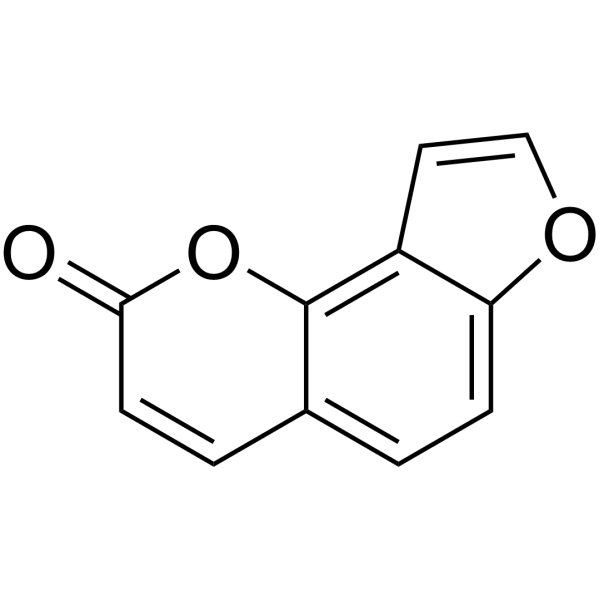
    Angelicin is a furanocoumarin compound that functions as an inhibitor of NF-κB and MAPK signaling pathways, exhibiting anti-inflammatory, antiviral, and antitumor activities. It suppresses the lytic replication of γ-herpesviruses, such as MHV-68, early during viral infection, potentially inhibiting RTA gene expression (IC50=28.95 μM). Angelicin also mitigates inflammation by inhibiting the phosphorylation and nuclear translocation of NF-κB, and the phosphorylation of p38 and JNK. Furthermore, it induces apoptosis in neuroblastoma cells by downregulating anti-apoptotic proteins like Bcl-2, Bcl-xL, and Mcl-1, while activating caspase-9 and caspase-3.
    Angelicin
  • HY-P4121

    Potassium Channel Inflammation/Immunology Cancer
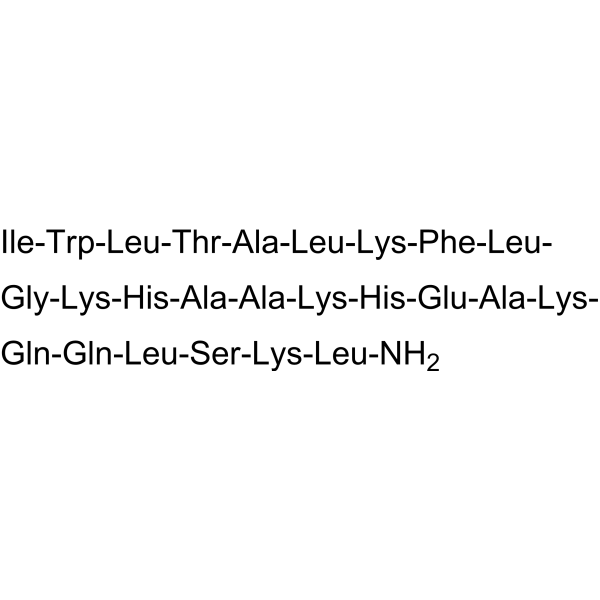
    L17E is an attenuated cationic amphiphilic lytic (ACAL) peptide that can be used to deliver a variety of macromolecules, including proteins, antibodies, and DNA nanostructures. L17E inserts and cleaves the membrane structure through electrostatic interaction, enabling intracellular escape. The efficiency of L17E-mediated delivery is strongly correlated with the expression level of KCNN4 (the gene encoding the calcium-activated potassium channel KCa3.1). L17E also promotes the cellular uptake of macromolecules by inducing micropinocytosis. L17E can be further optimized and improved through dimerization strategies and in combination with other delivery systems, such as nuclear localization signal peptides and cell membrane-coated nanoparticles .
    L17E
  • HY-B2117

    Epoxide Hydrolase EBV Infection Neurological Disease
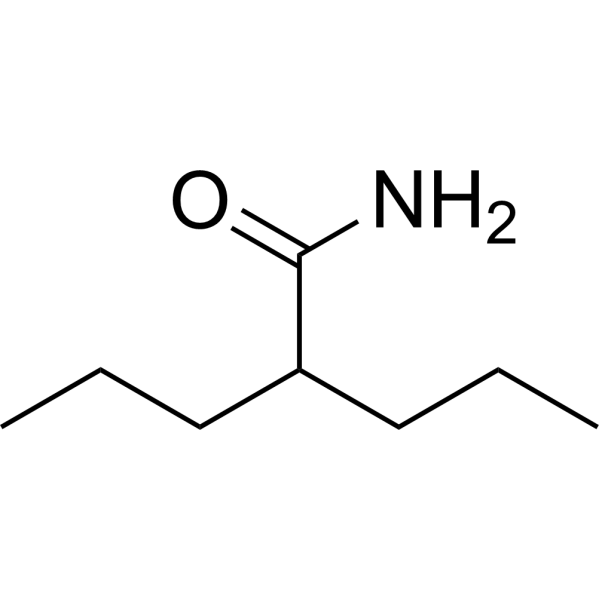
    Valpromide is an amide derivative of Valproic acid (HY-10585) and an orally active epoxide hydrolase inhibitor that can cross the blood-brain barrier. Valpromide has antiepileptic, anticonvulsant, and antipsychotic effects. Valpromide also exhibits antiviral activity and can inhibit the reactivation of the EBV lytic cycle .
    Valpromide
  • HY-103249

    Reutericycline

    Bacterial Infection Metabolic Disease
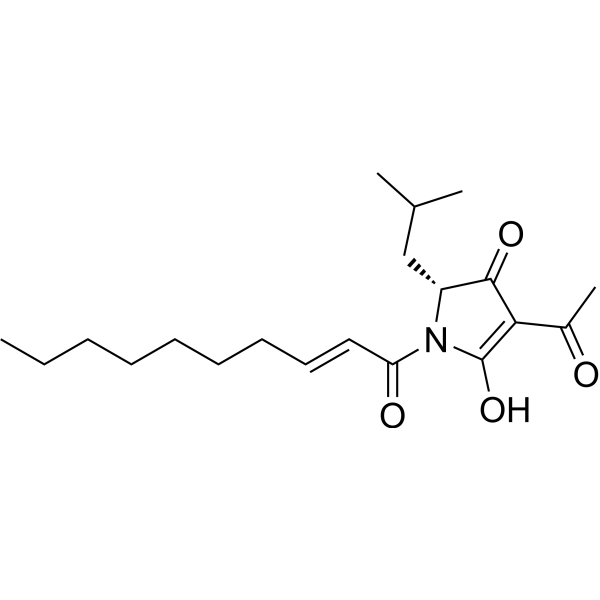
    Reutericyclin (Reutericycline) is an orally active antibacterial and anti-obesity agent that selectively inhibits Gram-positive bacteria. By selectively dissipating transmembrane potential, Reutericyclin exerts non-lytic bactericidal or bacteriostatic activity against pathogens such as Clostridium difficile and Staphylococcus aureus, and rapidly kills vegetative cells and spores of Clostridium difficile. Reutericyclin possesses favorable properties including resistance to enzymatic hydrolysis, iron-chelating function, and poor absorption by colonic epithelium. Reutericyclin not only eradicates staphylococcal biofilms and inhibits drug-resistant strains, but also counteracts Risperidone (HY-11018)-induced weight gain by inducing changes in gut microbiota composition and restoring energy utilization efficiency. Reutericyclin can be used in research related to Clostridium difficile infection, Risperidone-induced weight gain, and staphylococcal superficial skin infections .
    Reutericyclin
  • HY-P5475

    EBV Others
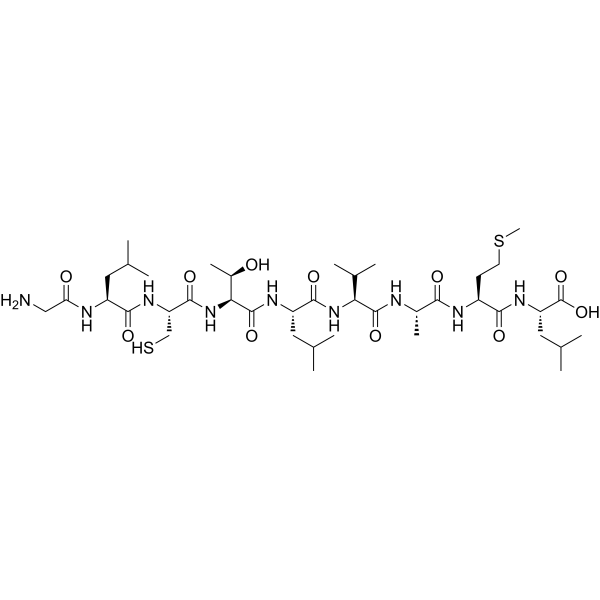
    BMLF1 (280–288) is a biological active peptide. (HLA A2.1-restricted epitope from Epstein-Barr Virus lytic protein BMLF1 (280-288).)
    BMLF1 (280–288)
  • HY-176879

    Drug Derivative Bacterial Infection
    NHS-PEG2000-Mannose is an NHS-PEG-Mannose containing PEG2000. NHS-PEG-Mannose is a D-mannose derivative and linker. NHS-PEG-Mannose can bind to phage coat proteins via amino-carboxyl reaction to form mannose-modified phage (Man-phage) .
    NHS-PEG2000-Mannose
  • HY-P10841

    Amino Acid Derivatives Cancer
    CyPep-1 is a novel cationic lytic peptide with antitumor activity. CyPep-1 is highly cytotoxic by interacting with the negatively charged cell membrane of cancer cells. CyPep-1 has strong cytolytic activity on cancer cells both in vivo and in vitro, and can be used in the study of solid tumors .
    CyPep-1
  • HY-149577

    EBV Cancer
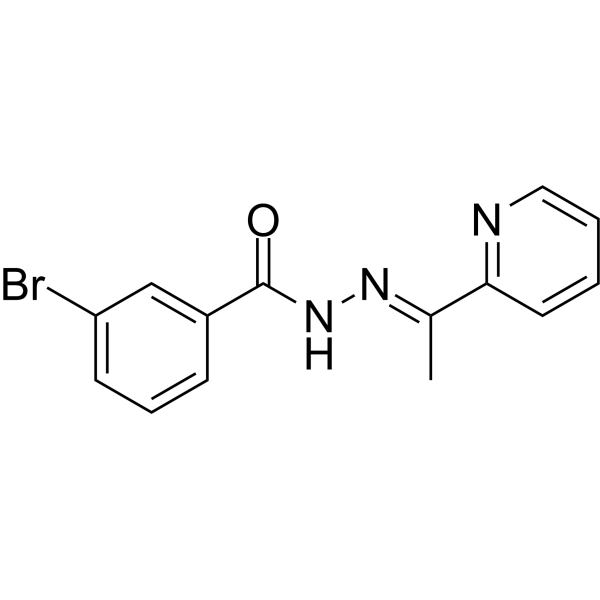
    Epstein-Barr virus (EBV) lytic cycle inducer-1 Dp44mT (compound C7) is an iron-chelatoe-like compound. Dp44mT cooperates with HDAC inhibitor Romidespin (HY-15149) and SAHA to induce EBV lytic cycle. Dp44mT reactivates EBV lytic cycle by activating the ERK1/2-autophagy axis in epithelial cancers .
    EBV lytic cycle inducer-1
  • HY-N11546

    Cytochrome P450 Bacterial Fungal Infection Cancer
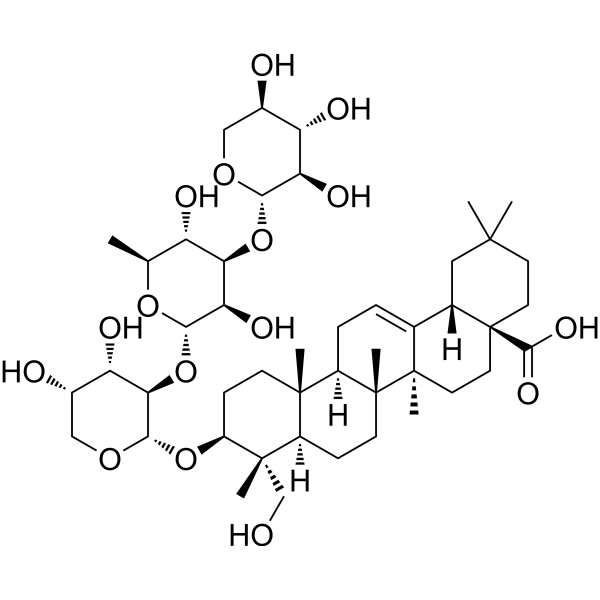
    Sapindoside B is a substance with hepatoprotective activity, and also acts as a cytochrome P-450 (cytochrome P-450) inhibitor, antibacterial agent and membrane-disrupting agent. Sapindoside B reversibly inhibits the content of cytochrome P-450 in liver microsomes, suppresses the phenobarbital-induced increase in enzyme content, reduces the production of active metabolites mediated by cytochrome P-450, and alleviates hepatotoxic injury. Sapindoside B binds to Cutibacterium acnes lipase, reduces lipase activity, inhibits biofilm formation, and decreases bacterial adhesion. Sapindoside B exhibits cytotoxicity against human cancer, liver cancer, leukemia and glioblastoma cells. Sapindoside B inhibits mycelial growth of phytopathogenic fungal strains, possesses antibacterial activity against dermatophytes, and also has hemolytic/membrane-lytic activity. Sapindoside B can be used in research related to liver injury, Cutibacterium acnes biofilm-associated infections, gastric cancer, carcinoma, promyelocytic leukemia, glioblastoma, apple scab and grape gray mold .
    Sapindoside B
  • HY-P1911

    EBV Infection
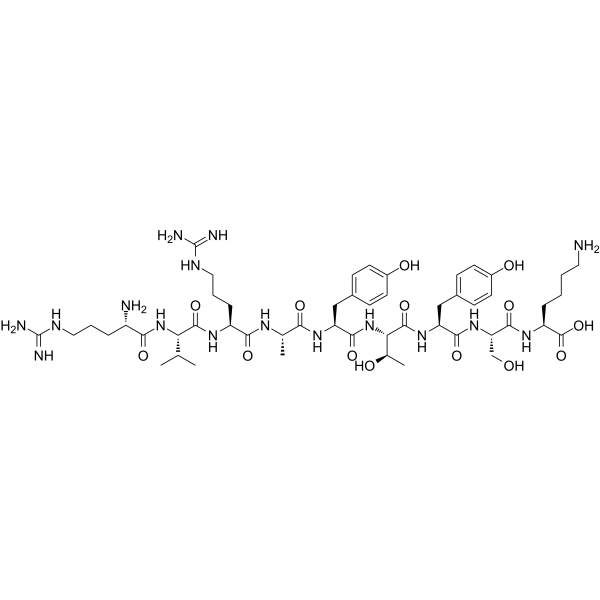
    CEF27, Epstein-Barr Virus BRLF-1 lytic 148-156 corresponding to amino acids 148-156 of the BRLF1 protein. BRLF1 is a transcriptional activator that binds directly to a GC-rich motif present in some Epstein-Barr virus (EBV) lytic gene promoters .
    CEF27, Epstein-Barr Virus BRLF-1 lytic (148-156)
  • HY-W747311

    Antibiotic Bacterial Penicillin-binding protein (PBP) Infection
    Ritipenem is a penicillin antibiotic, that targets penicillin-binding protein with good affinity (IC50 in levels of ng/mL), and exhibits antibacterial properties. Ritipenem exhibits antiviral activity against Haemophilus influenzae .
    Ritipenem
  • HY-P1751

    Bacterial Infection
    Ceratotoxins B is antibacterial peptide produced by the sexually mature females of Ceratitis capitata. Lytic and antibacterial activity .
    Ceratotoxin B
  • HY-W748023

    Fungal Inflammation/Immunology
    Cryptosporiopsin A, a polyketide with antifungal activity, exhibits motility inhibitory and lytic activities against zoospores of the grapevine downy mildew pathogen Plasmopara viticola .
    Cryptosporiopsin A
  • HY-174788

    mRNA Others
    HHV-1 UL48 mRNA encodes the UL48 protein of human herpesvirus 1 (HHV-1). UL48 is a tanscriptional activator of immediate-early (IE) gene products (alpha genes). It acts as a key activator of lytic infection by initiating the lytic program through the assembly of the transcriptional regulatory VP16-induced complex composed of VP16 and two cellular factors, HCFC1 and POU2F 1.
    HHV-1 UL48 mRNA
  • HY-B2117R

    Reference Standards Epoxide Hydrolase EBV Infection Neurological Disease
    Valpromide (Standard) is the analytical standard of Valpromide (HY-B2117). This product is intended for research and analytical applications. Valpromide is an amide derivative of Valproic acid (HY-10585) and an orally active epoxide hydrolase inhibitor that can cross the blood-brain barrier. Valpromide has antiepileptic, anticonvulsant, and antipsychotic effects. Valpromide also exhibits antiviral activity and can inhibit the reactivation of the EBV lytic cycle .
    Valpromide (Standard)
  • HY-E71241

    Biochemical Assay Reagents Others
    α-Lytic endopeptidase (EC 3.4.21.12) belongs to the peptidase family S1 (trypsin family).
    α-Lytic endopeptidase
  • HY-E71309

    Biochemical Assay Reagents Others
    β-Lytic metalloendopeptidase (EC 3.4.24.32) digests bacterial cell walls. Type example of peptidase family M23.
    β-Lytic metalloendopeptidase
  • HY-E70893

    Endogenous Metabolite Metabolic Disease
    α-Lytic Protease is an alternative specificity protease for proteomics applications, whose wild-type (WT) version cleaves after T, A, S, and V residues. α-Lytic Protease M190A Mutant has different cleavage specificities, and cleaves after M, F, and L residues. Both the WT and M190A forms of aLP geneRate peptides of similar average length as trypsin.
    α-Lytic Protease M190A Mutant
  • HY-183552

    HIF/HIF Prolyl-Hydroxylase EBV Drug Intermediate Infection Cancer
    mCPX is a prodrug of the antifungal agent Ciclopirox olamine (CPX) (HY-B0450A). CPX exhibits bacteriostatic and iron-chelating activities, while mCPX enhances the iron stability of CPX. mCPX inherits the core mechanism pathway of CPX and can induce EBV lytic reactivation in EBV + gastric cancer cells via the hypoxia pathway (HIF‑1α). mCPX is applicable to research related to EBV-positive gastric cancer .
    mCPX
  • HY-N9865

    Others Infection
    cis-Martynoside is a phenylpropanoid glycoside. Cis-Martynoside, in a mixture with trans-Martynoside, effectively inhibits the early activation of the lytic cycle of Epstein-Barr virus (EBV) and reduces the expression of Rta protein. cis-Martynoside can be used in research on EBV infection .
    cis-Martynoside
  • HY-W989139

    Apoptosis Inflammation/Immunology Cancer
    Perforin-IN-3 is a specific perforin inhibitor that blocks perforin-mediated lytic pore formation and subsequent cell lysis. Perforin-IN-3 potently inhibits the killing effect of NK cells on target cells such as leukemia cells, without interfering with FasL- or TRAIL-mediated cell death pathways. Perforin-IN-3 has no effect on pneumolysin and can be used to study autoimmune diseases, allograft rejection, graft-versus-host disease, and familial hemophagocytic lymphohistiocytosis .
    Perforin-IN-3

Inquiry Online

Your information is safe with us. * Required Fields.

Salutation


Country or Region *

Applicant Name *


Organization Name *

Department *


Email Address *


Product Name *

Cat. No.


Requested quantity *

Phone Number *


Remarks

Inquiry Online

Inquiry Information

Product Name:
Cat. No.:
Quantity:
MCE Japan Authorized Agent:

