

1. Search Result
Search Result
Results for "

methylmalonic

" in MedChemExpress (MCE) Product Catalog:

22

Inhibitors & Agonists

14

Peptides

8

Natural
Products

5

Isotope-Labeled Compounds

Cat. No. Product Name Target Research Areas Chemical Structure
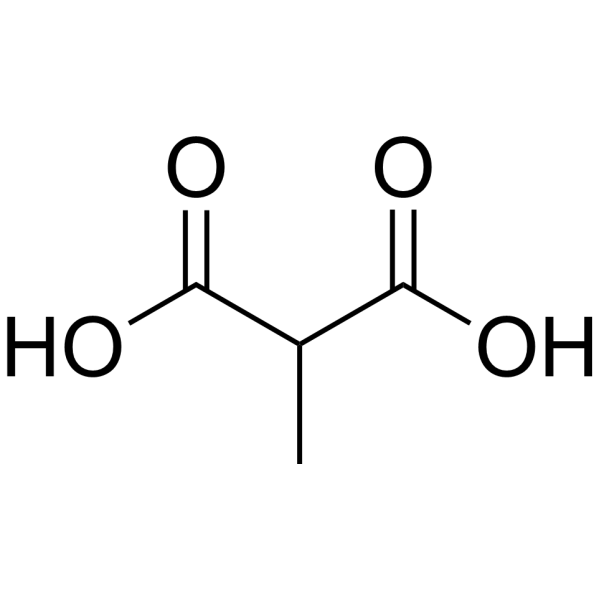
  • HY-103395
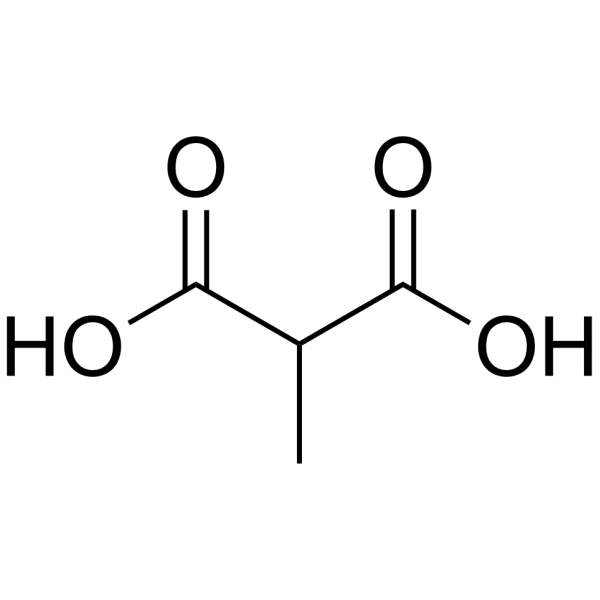
    Methylmalonic acid
    3 Publications Verification

    Methylpropanedioic acid; Methylmalonate

    Endogenous Metabolite Cancer
    Methylmalonic acid (Methylmalonate) is an indicator of Vitamin B-12 deficiency in cancer.
    Methylmalonic acid
  • HY-134124

    Reactive Oxygen Species (ROS) Metabolic Disease
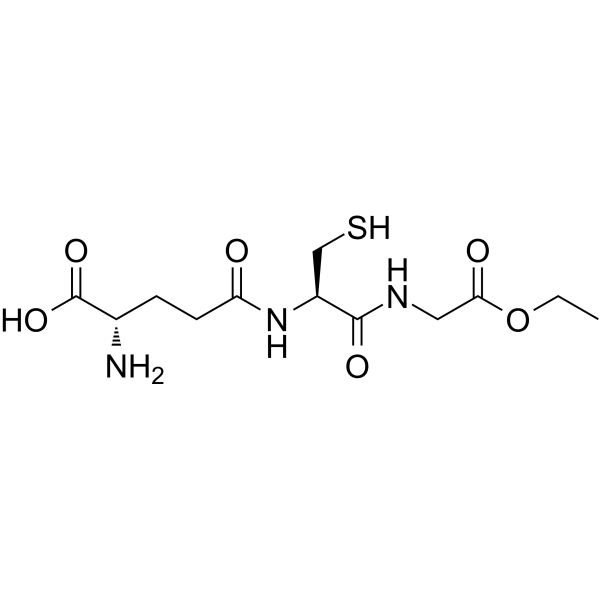
    Glutathione ethyl ester is a cell-permeable GSH donor and provides an efficient supply of GSH to the oocyte. Glutathione ethyl ester shows positive effect on the in vitro production of embryos by enhancement of the antioxidative defense .
    Glutathione ethyl ester
  • HY-P10272

    PTG-300

    Ferroportin Others
    Rusfertide is a peptide mimetic of natural hepcidin, which targets and degrades ferroportin, reduces serum iron and transferrin-saturation, and thus regulates the production of red blood cells. Rusfertide ameliorates the polycythemia vera, β-thalassemia and hereditary hemochromatosis .
    Rusfertide
  • HY-A0248A
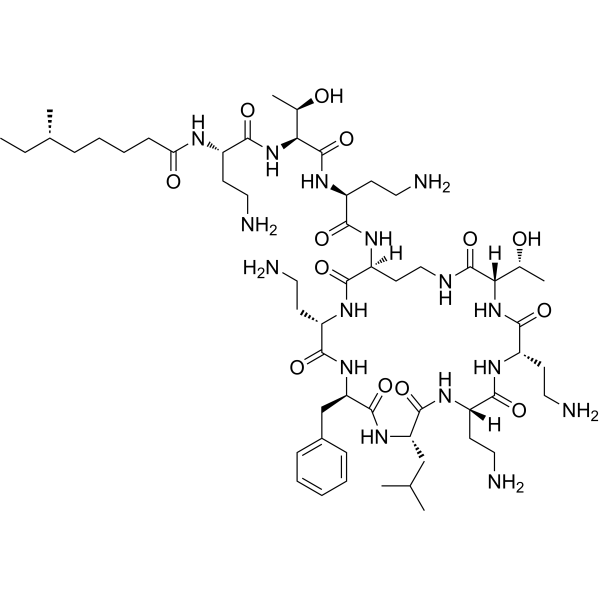
    Polymyxin B1
    1 Publications Verification

    Bacterial Infection
    Polymyxin B1 is a potent antimicrobial lipopeptide first derived from Bacilus polymyxa. Polymyxin B1 is the major component in Polymyxin B (HY-A0248). Polymyxin B1 can induce lysis of bacterial cells through interaction with their membranes. Polymyxin B1 has the potential for multidrug-resistant Gram-negative bacterial infections treatment .
    Polymyxin B1
  • HY-113371

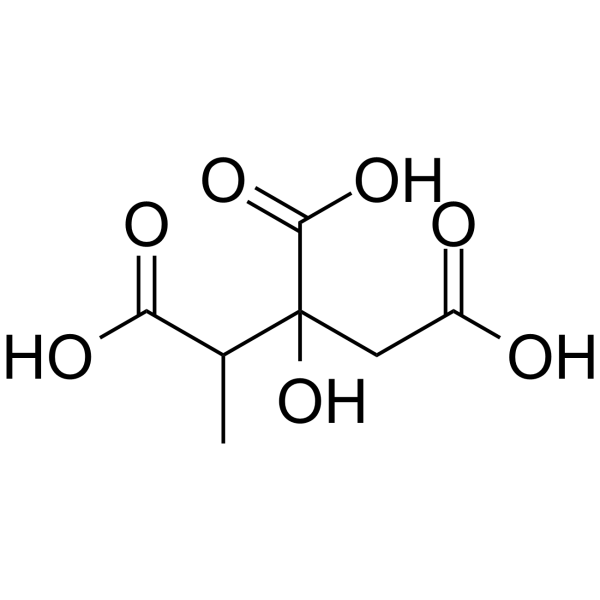
    Methylcitric acid

    Endogenous Metabolite Metabolic Disease
    2-Methylcitric acid (Methylcitric acid) is an endogenous metabolite in the 2-methylcitric acid cycle. 2-Methylcitric acid accumulates in methylmalonic and propionic acidemias and acts as a marker metabolite. 2-Methylcitric acid markedly inhibits ADP-stimulated and uncoupled respiration in mitochondria supported by glutamate .
    2-Methylcitric acid
  • HY-P1108A
    Astressin 2B TFA
    1 Publications Verification

    CRFR Neurological Disease Inflammation/Immunology
    Astressin 2B TFA is a blood-brain barrier-impermeable, highly selective CRFR2 antagonist (rCRFR2, IC50=0.57 nM). Astressin 2B TFA blocks the protective effects mediated by CRFR2, thereby exacerbating indomethacin (HY-14397)-induced hemorrhagic intestinal injury in rats. Astressin 2B TFA reverses the protective effects of Urocortin 1 against intestinal hypermotility, bacterial invasion and upregulation of inflammatory mediators. Astressin 2B TFA also blocks the anxiogenic effect of Urocortin 2 and attenuates stress-induced anxiety-related behaviors. In the Clostridioides difficile toxin A (C. difficile toxin A)-mediated enteritis model, Astressin 2B TFA mimics the phenotype of CRFR2-deficient mice, significantly exacerbating intestinal epithelial damage, edema, neutrophil migration and the expression of multiple proinflammatory cytokines. Astressin 2B TFA is an important tool molecule for investigating the intestinal protective mechanisms of CRFR2 .
    Astressin 2B TFA
  • HY-P1108
    Astressin 2B
    1 Publications Verification

    CRFR Neurological Disease Inflammation/Immunology
    Astressin 2B is a blood-brain barrier-impermeable, highly selective CRFR2 antagonist (rCRFR2, IC50=0.57 nM). Astressin 2B blocks the protective effects mediated by CRFR2, thereby exacerbating indomethacin (HY-14397)-induced hemorrhagic intestinal injury in rats. Astressin 2B reverses the protective effects of Urocortin 1 against intestinal hypermotility, bacterial invasion and upregulation of inflammatory mediators. Astressin 2B also blocks the anxiogenic effect of Urocortin 2 and attenuates stress-induced anxiety-related behaviors. In the Clostridioides difficile toxin A (C. difficile toxin A)-mediated enteritis model, Astressin 2B mimics the phenotype of CRFR2-deficient mice, significantly exacerbating intestinal epithelial damage, edema, neutrophil migration and the expression of multiple proinflammatory cytokines. Astressin 2B is an important tool molecule for investigating the intestinal protective mechanisms of CRFR2 .
    Astressin 2B
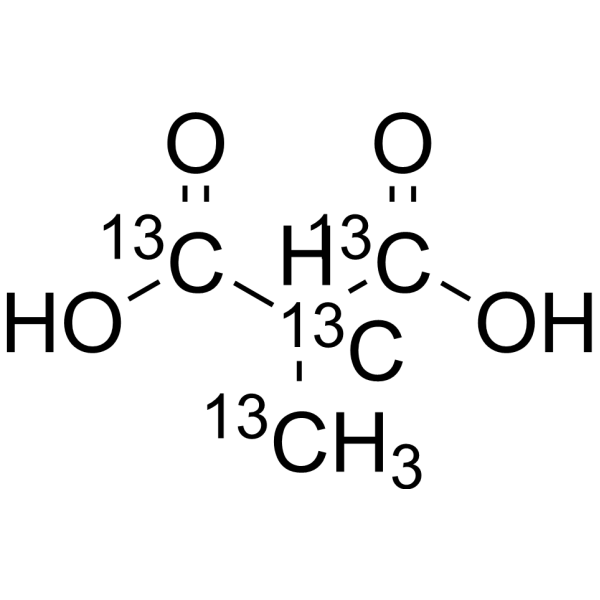
  • HY-103395S1

    Endogenous Metabolite Cancer
    Methylmalonic acid- 13C4 is the 13C labeled Methylmalonic acid . Methylmalonic acid (Methylmalonate) is an indicator of Vitamin B-12 deficiency in cancer .
    Methylmalonic acid-13C4
  • HY-103395R

    Methylpropanedioic acid (Standard); Methylmalonate (Standard)

    Reference Standards Endogenous Metabolite Cancer
    Methylmalonic acid (Standard) is the analytical standard of Methylmalonic acid. This product is intended for research and analytical applications. Methylmalonic acid (Methylmalonate) is an indicator of Vitamin B-12 deficiency in cancer.
    Methylmalonic acid (Standard)
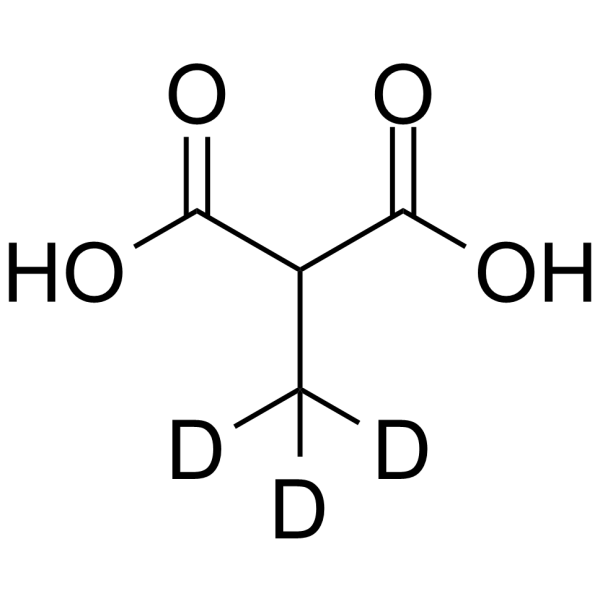
  • HY-103395S

    Methylpropanedioic acid-d3; Methylmalonate-d3

    Endogenous Metabolite Cancer
    Methylmalonic acid-d3 is the deuterium labeled Methylmalonic acid. Methylmalonic acid (Methylmalonate) is an indicator of Vitamin B-12 deficiency in cancer .
    Methylmalonic acid-d3
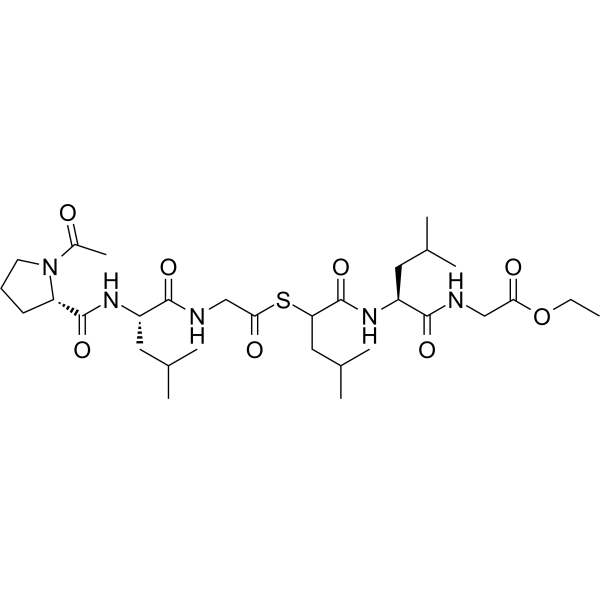
  • HY-P10143

    Ac-Pro-Leu-Gly-[(S)-2-mercapto-4-methyl-pentanoyl]-Leu-Gly-OEt

    MMP Others
    MMP-2/MMP-9 Substrate (Ac-Pro-Leu-Gly-[(S)-2-mercapto-4-methyl-pentanoyl]-Leu-Gly-OEt) is a synthetic chromogenic polypeptide substrate whose core structure mimics the cleavage sites of MMP-2 and MMP-9 (gelatinase A and B) in collagen. After being hydrolyzed by collagenase, MMP-2/MMP-9 Substrate reacts with 4,4'-dithiodipyridine or Ellman's Reagent via its thiol fragment to produce a product with ultraviolet absorption properties .
    MMP-2/MMP-9 Substrate
  • HY-A0248AS

    Isotope-Labeled Compounds Bacterial Infection
    Polymyxin B1-d7 TFA is the deuterium labeled Polymyxin B1 TFA (HY-A0248A). Polymyxin B1 is a potent antimicrobial lipopeptide first derived from Bacilus polymyxa. Polymyxin B1 is the major component in Polymyxin B (HY-A0248). Polymyxin B1 can induce lysis of bacterial cells through interaction with their membranes. Polymyxin B1 has the potential for multidrug-resistant Gram-negative bacterial infections treatment .
    Polymyxin B1-d7 TFA
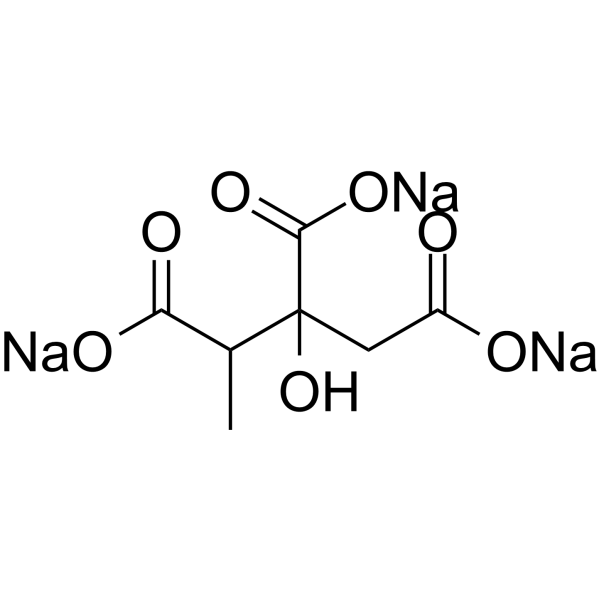
  • HY-113371A

    Methylcitric acid trisodium

    Endogenous Metabolite Metabolic Disease
    2-Methylcitric acid trisodium (Methylcitric acid trisodium) is an endogenous metabolite in the 2-methylcitric acid cycle. 2-Methylcitric acid trisodium accumulates in methylmalonic and propionic acidemias and acts as a marker metabolite. 2-Methylcitric acid trisodium markedly inhibits ADP-stimulated and uncoupled respiration in mitochondria supported by glutamate .
    2-Methylcitric acid trisodium
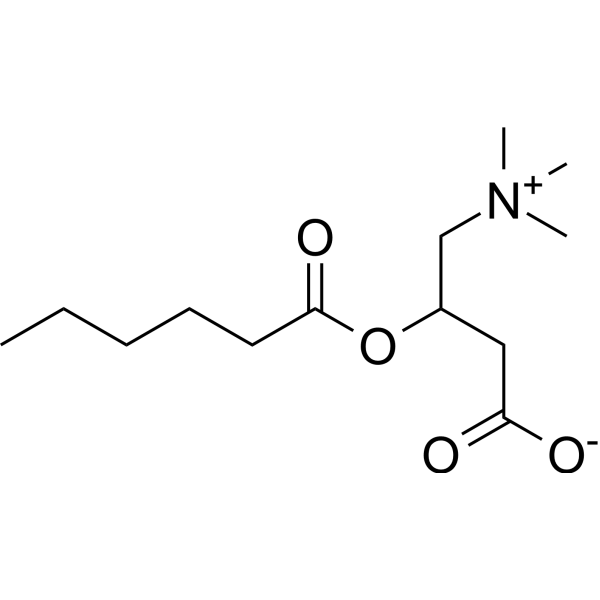
  • HY-113406

    DL-Hexanoylcarnitine

    Others Inflammation/Immunology
    (±)-Hexanoylcarnitine exists in human urine and plasma. (±)-Hexanoylcarnitine can be used as a plasma detection indicator in patients with methylmalonic aciduria, propionic acidemia, and medium-chain acyl-CoA dehydrogenase deficiency .
    (±)-Hexanoylcarnitine
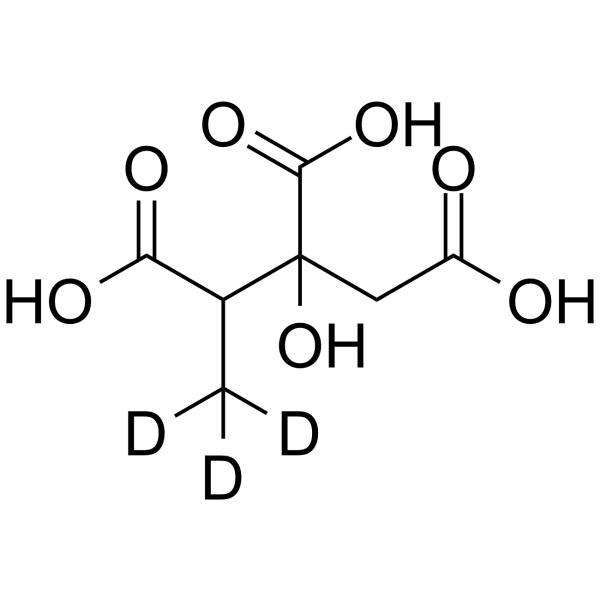
  • HY-113371S

    Methylcitric acid-d3

    Endogenous Metabolite Metabolic Disease
    2-Methylcitric acid-d3 is the deuterium labeled 2-Methylcitric acid. 2-Methylcitric acid (Methylcitric acid) is an endogenous metabolite in the 2-methylcitric acid cycle. 2-Methylcitric acid accumulates in methylmalonic and propionic acidemias and acts as a marker metabolite. 2-Methylcitric acid markedly inhibits ADP-stimulated and uncoupled respiration in mitochondria supported by glutamate .
    2-Methylcitric acid-d3
  • HY-158161

    Amino acid Transporter Metabolic Disease
    SLC6A19-IN-1 is a potent and highly selective inhibitor and transport corrector of human SLC6A19 (IC50=47 nM). Furthermore, at a concentration of 35 μM, SLC6A19-IN-1 exhibits no activity against SLC1A5, SLC7A5, or SLC6A8. SLC6A19-IN-1 is applicable to research on phenylketonuria (PKU) and hyperphenylalaninemia. SLC6A19-IN-1 is also suitable for studies related to various metabolic disorders, including tyrosinemia, maple syrup urine disease, urea cycle disorders, and hyperammonemia .
    SLC6A19-IN-1
  • HY-P10563

    BHV-1100

    CD38 Cancer
    Noraramtide (BHV-1100) is an antibody recruitment molecule. Noraramtide can specifically bind to CD38 molecules to recruit natural killer (NK) cells. Noraramtide enhances the ability of NK cells to kill tumor cells through antibody-dependent cellular cytotoxicity (ADCC). This mechanism allows NK cells to more effectively recognize and eliminate tumor cells while avoiding mutual killing between NK cells. Noraramtide can be used for the study of autologous cancer immunity .
    Noraramtide
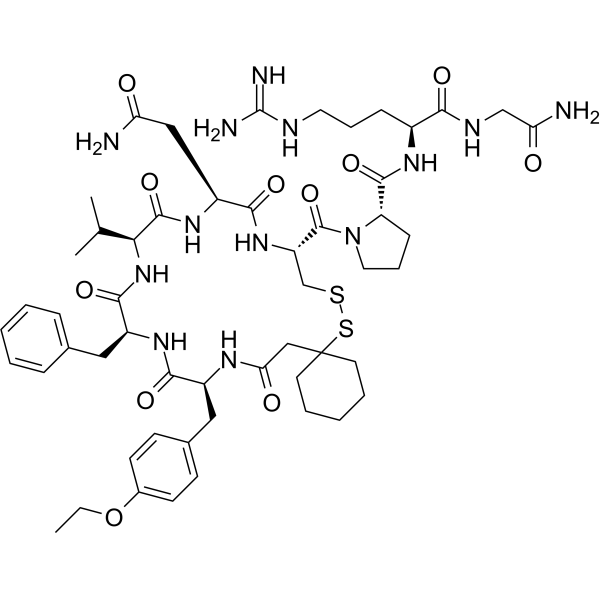
  • HY-P3066

    d(CH2)5Tyr(Et)VAVP

    Vasopressin Receptor Metabolic Disease
    SKF 100398 (d(CH2)5Tyr(Et)VAVP), an arginine vasopressin (AVP) analogue, is a specific antagonist of the antidiuretic effect of exogenous and endogenous AVP .
    SKF 100398
  • HY-P10828

    Virus Protease Infection Inflammation/Immunology
    MAPI is a polypeptide irreversible 3C cysteine protease (SV3CP) inhibitor. MAPI inhibits SV3CP by covalently binding its C-terminal Michael-acceptor extension to the active site thiol of SV3CP Cys 139. MAPI is promising for research of noroviruses infection .
    MAPI
  • HY-P2592

    Cholecystokinin Receptor Others
    Ro 23-7014 is an appetite suppressant. Ro 23-7014 is an analog of cholecystokinin (CCK-7) .
    Ro 23-7014
  • HY-125628

    Endogenous Metabolite Infection
    Kahalalide A is an anti-mycobacterial compound with antimicrobial activity. Kahalalide A is derived from the marine mollusk Elysia rufescens. Kahalalide A has attracted extensive attention in natural product research due to its potential medicinal value .
    Kahalalide A
  • HY-A0248AS1

    Isotope-Labeled Compounds Bacterial Infection
    Polymyxin B1-D-Leu-d7 TFA is the deuterium labeled Polymyxin B1 (HY-A0248A). Polymyxin B1 is a potent antimicrobial lipopeptide first derived from Bacilus polymyxa. Polymyxin B1 is the major component in Polymyxin B (HY-A0248). Polymyxin B1 can induce lysis of bacterial cells through interaction with their membranes. Polymyxin B1 has the potential for multidrug-resistant Gram-negative bacterial infections treatment .
    Polymyxin B1-D-Leu-d7 TFA

Inquiry Online

Your information is safe with us. * Required Fields.

Salutation


Country or Region *

Applicant Name *


Organization Name *

Department *


Email Address *


Product Name *

Cat. No.


Requested quantity *

Phone Number *


Remarks

Inquiry Online

Inquiry Information

Product Name:
Cat. No.:
Quantity:
MCE Japan Authorized Agent:

