
1. Search Result
Search Result
Results for "

model substrate

" in MedChemExpress (MCE) Product Catalog:

64

Inhibitors & Agonists

2

Fluorescent Dye

9

Biochemical Assay Reagents

5

Peptides

10

Natural
Products

3

Isotope-Labeled Compounds

1

Click Chemistry

1

Oligonucleotides

Targets Recommended:
Cat. No. Product Name Target Research Areas Chemical Structure
  • HY-W008719
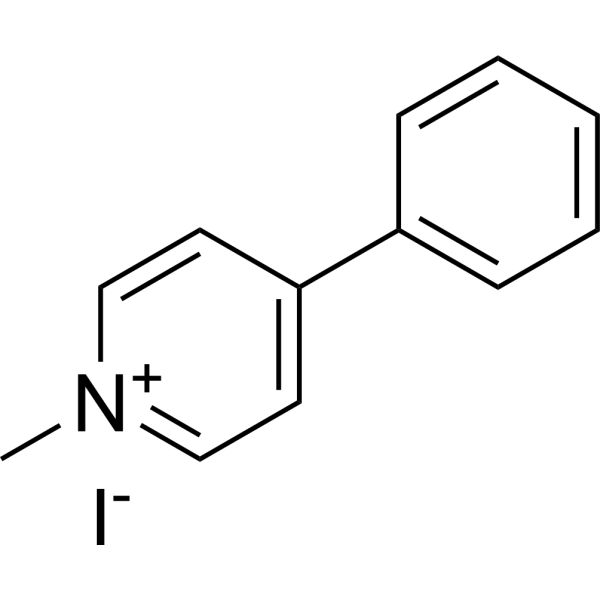
    MPP+ iodide
    Maximum Cited Publications
    34 Publications Verification

    Mitochondrial Metabolism Neurological Disease
    MPP+ iodide, a toxic metabolite of the neurotoxin MPTP, causes symptom of Parkinson's disease in animal models by selectively destroying dopaminergic neurons in substantia nigra. MPP+ iodide is taken up by the dopamine transporter into dopaminergic neurons where it exerts its neurotoxic action on mitochondria by affecting complex I of the respiratory chain. MPP+ iodide is also a high affinity substrate for the serotonin transporter (SERT) .
    MPP+ iodide
  • HY-162001
    INX-315
    5+ Cited Publications

    CDK Cancer
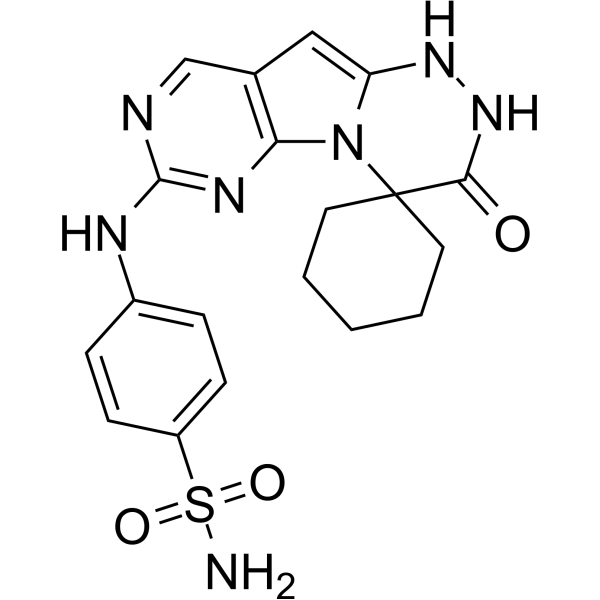
    INX-315 is an orally active and selective CDK2 inhibitor that induces cell cycle arrest in the G1 phase. INX-315 reduces CDK2 substrate phosphorylation and inhibits tumor growth in a dose-dependent manner in xenograft mouse models. INX-315 may be used in cancer research .
    INX-315
  • HY-N1420
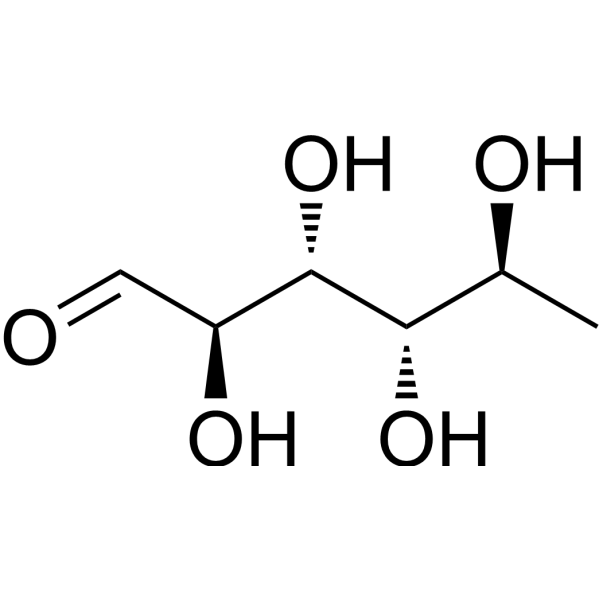
    Rhamnose
    1 Publications Verification

    L-Rhamnose

    Environmental Pollutants Endogenous Metabolite PKA MMP Interleukin Related Infection Metabolic Disease Cancer
    Rhamnose (L-Rhamnose ) is an orally active deoxysugar. Rhamnose can inhibit levels of pro-inflammatory interleukin and matrix metalloproteinases (MMPs) in skin aging models. Rhamnose can promote the phosphorylation levels of PKA substrates and HSL in SVF-derived adipocytes, stimulating PKA signaling. Rhamnose can act against obesity in mice by stimulating fat dopamine receptors and inducing thermogenesis. Rhamnose shows anti-aging effects. Rhamnose monohydrate can be used in the study of Ehrlich’s solid tumors and sarcomas .
    Rhamnose
  • HY-N10574
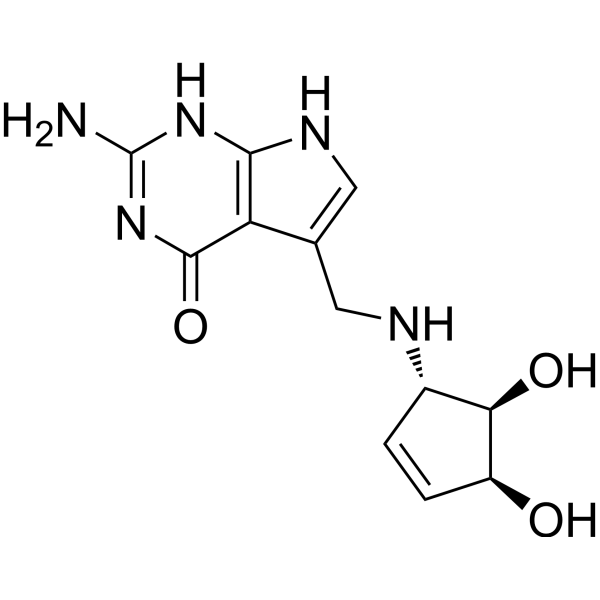
    Queuine
    1 Publications Verification

    Bacterial Metabolic Disease Cancer
    Queuine is a selective substrate for tRNA guanine transglycosylase (TGT) and can be incorporated into eukaryotic tRNA. Queuine promotes tRNA modification, affecting mitochondrial function and Warburg metabolic phenotype. If Queuine is deficient, aerobic glycolysis can be enhanced, oxidative phosphorylation can be inhibited, and Warburg metabolism can be promoted, accompanied by increased ammonia and lactate production and increased lactate dehydrogenase activity. Queuine can be used for autoimmune diseases (such as experimental models of multiple sclerosis) and cancer metabolic regulation, and its deficiency is associated with low tRNA modification in tumor cells .
    Queuine
  • HY-153321
    Bexobrutideg
    1 Publications Verification

    NX-5948; BTK-IN-24

    PROTACs Btk Inflammation/Immunology Cancer
    Bexobrutideg (NX-5948) is an orally active chimeric targeting molecule (CTM) that induces specific BTK protein degradation by the cereblon E3 ligase (CRBN) complex without degradation of other cereblon neo-substrates. Bexobrutideg mediates potent anti-inflammatory activity via BTK degradation with resultant inhibition of B cell activation. Bexobrutideg exhibits potent tumor growth inhibition in TMD8 xenograft models that contain either wild-type BTK or BTKi-resistant mutations. Bexobrutideg is efficacious in a mouse collageninduced arthritis (CIA) model. Bexobrutideg can cross the blood brain barrier (BBB). Bexobrutideg is a PROTAC composed of the ligand for target protein, a linker, and a cereblon E3 ligase (CRBN) complex (Red: BTK ligand (HY-170324); Blue: CRBN ligand (HY-171893); Black: linker) .
    Bexobrutideg
  • HY-W012241

    Endogenous Metabolite PROTAC Linkers Metabolic Disease
    Dodecanedioic acid is an orally active straight-chain dicarboxylic acid. As an alternative energy substrate between lipids and carbohydrates, Dodecanedioic acid can be rapidly oxidized during exercise, reducing muscle fatigue without stimulating insulin secretion. Dodecanedioic acid also exhibits blood glucose-lowering activity in non-insulin-dependent diabetes mellitus .
    Dodecanedioic acid
  • HY-101117
    EED226
    10+ Cited Publications

    Histone Methyltransferase Cancer
    EED226 is a polycomb repressive complex 2 (PRC2) inhibitor, which binds to the K27me3-pocket on embryonic ectoderm development (EED) and shows strong antitumor activity in xenograft mice model . EED226 is a potent, selective, and orally bioavailable EED inhibitor . EED226 inhibits PRC2 with an IC50 of 23.4 nM when the H3K27me0 peptide is used as a substrate in the in vitro enzymatic assays .
    EED226
  • HY-14895

    CM346

    Parasite Monoamine Oxidase Sigma Receptor P-glycoprotein Infection Cardiovascular Disease Neurological Disease
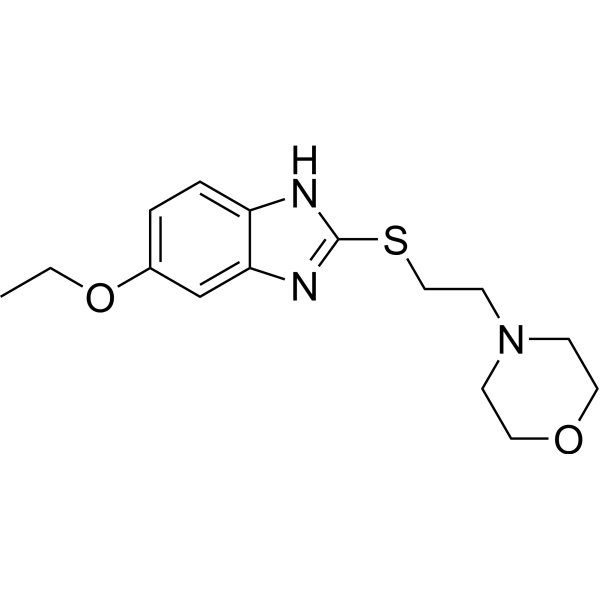
    Fabomotizole (CM346) is an insecticide with anxiolytic, antianxiety, and neuroprotective activities and a substrate of p-glycoprotein. Fabomotizole inhibits the ST-segment depression induced by isoproterenol in a rat model of acute subendocardial ischemia. Fabomotizole also inhibits Giardia lamblia and has the potential to inhibit giardiasis. Fabomotizole also targets Sigma1R, NRH:quinone reductase 2 (NQO2), and MAO-A to exert anxiolytic effects .
    Fabomotizole
  • HY-N1420A
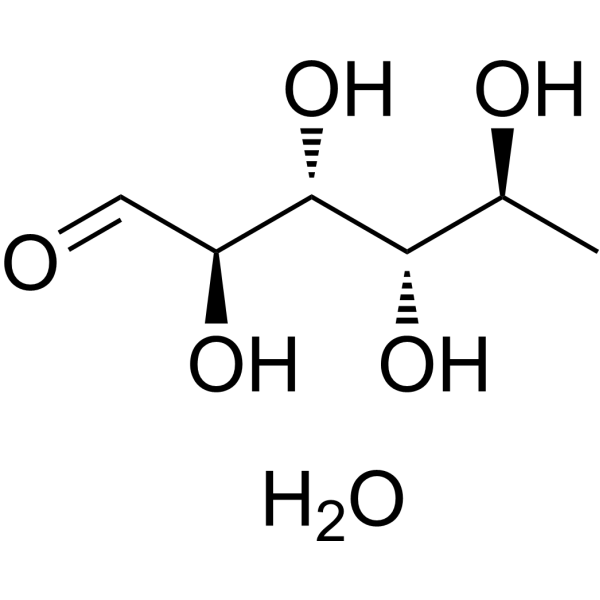
    Rhamnose monohydrate
    1 Publications Verification

    L-Rhamnose monohydrate

    Endogenous Metabolite MMP Interleukin Related PKA Infection Metabolic Disease Cancer
    Rhamnose monohydrate (L-Rhamnose monohydrate) is an orally active deoxysugar. Rhamnose monohydrate can inhibit levels of pro-inflammatory interleukin and matrix metalloproteinases (MMPs) in skin aging models. Rhamnose can promote the phosphorylation levels of PKA substrates and HSL in SVF-derived adipocytes, stimulating PKA signaling. Rhamnose monohydrate can act against obesity in mice by stimulating fat dopamine receptors and inducing thermogenesis. Rhamnose monohydrate shows anti-aging effects. Rhamnose monohydrate can be used in the study of Ehrlich’s solid tumors and sarcomas .
    Rhamnose monohydrate
  • HY-162874

    STING IFNAR Cancer
    diABZI-V/C-DBCO is a STING agonist with an EC50 of 1.47 nM. diABZI-V/C-DBCO activates the STING pathway, induces the production of IFN-I, and stimulates the secretion of IFN-β. diABZI-V/C-DBCO serves as a substrate for cathepsin B, and releases active diABZI-amine via cathepsin B-mediated cleavage. In an orthotopic mouse model of breast cancer, diABZI-V/C-DBCO increases serum IFN-β levels and the frequency of granzyme B + CD8 + T cells. diABZI-V/C-DBCO is applicable to research related to triple-negative breast cancer .
    diABZI-V/C-DBCO
  • HY-W099580

    n-Hexadecane; Cetane

    Environmental Pollutants Others
    Hexadecane (n-Hexadecane; Cetane) is a long-chain n-alkane, oil component, and model hydrophobic compound. Hexadecane acts as a substrate for microbial degradation.Hexadecane induces microbial biosurfactant and bioemulsifier synthesis .
    Hexadecane
  • HY-161779

    Molecular Glues Epigenetic Reader Domain Apoptosis Cancer
    PLX-3618 is a molecular glue, that degrades BRD4 with DC50 of 12.2 nM. PLX-3618 promotes polyubiquitination and subsequent proteasomal degradation of BRD4 by recruiting of the E3 ligase substrate receptor, DCAF11. PLX-3618 inhibits the proliferation of various cancer cells, induces apoptosis in AML cells. PLX-3618 exhibits antitumor activity against AML in mouse models .
    PLX-3618
  • HY-G0017
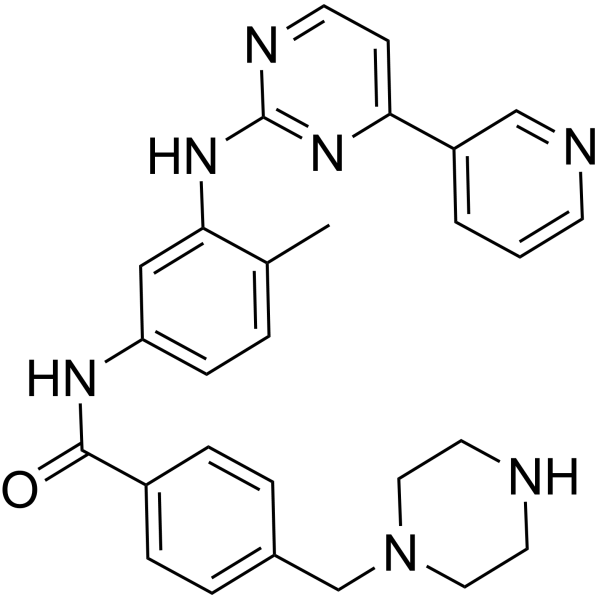
    N-Desmethyl imatinib
    1 Publications Verification

    Norimatinib; Imatinib metabolite N-Desmethyl imatinib; CGP 74588

    Drug Metabolite P-glycoprotein Apoptosis Neurological Disease Cancer
    N‑Desmethyl imatinib (Norimatinib) is an active metabolite of Imatinib (HY-15463), a selective c‑Abl inhibitor, and a substrate of P‑glycoprotein. N-Desmethyl imatinib binds to the c-Abl catalytic domain to prevent substrate phosphorylation, inhibits c-Abl-mediated α-synuclein activation and downstream inflammatory signaling pathways. N-Desmethyl imatinib induces apoptosis in K562 human leukemia cells. N-Desmethyl imatinib shows significantly elevated plasma levels in gastrointestinal stromal tumor (GIST) models with mild SARS-CoV-2 infection. N-Desmethyl imatinib can be used for the research of Parkinson’s disease, gastrointestinal stromal tumor, and chronic myeloid leukemia .
    N-Desmethyl imatinib
  • HY-176763

    Sec61 Cancer
    KZR-261 is a Sec61 translocase inhibitor. KZR-261 binds directly to the Sec61 channel, thereby inhibiting the biosynthesis of certain Sec61 substrate proteins, including oncogenic factors. KZR-261 activates the endoplasmic reticulum stress response. KZR-261 exhibits broad in vitro anticancer activity. KZR-261 shows antitumor efficacy in mouse models of cancer. KZR-261 can be used for the research of multiple myeloma, colorectal cancer, small cell lung cancer, pancreatic cancer, prostate cancer, non-Hodgkin's lymphoma, and mantle cell lymphoma .
    KZR-261
  • HY-P6028A

    N-myristoyltransferase Others
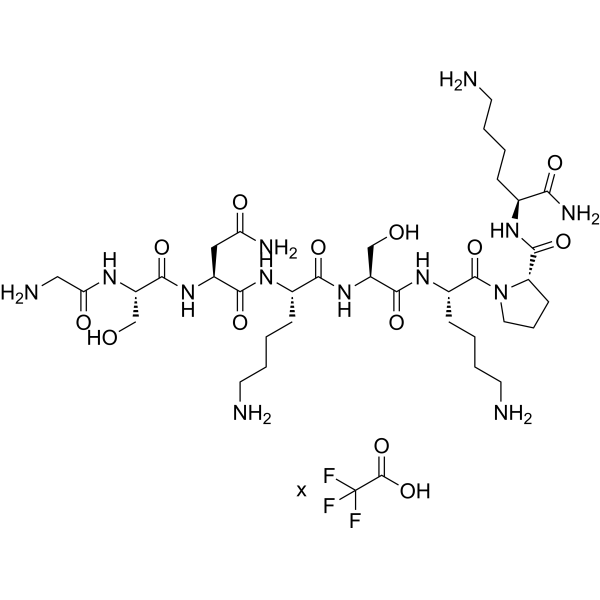
    GSNKSKPK-NH2 TFA is a synthetic model peptide based on the c-Src N-terminal sequence and model peptide substrate for human NMT1 and NMT2.GSNKSKPK-NH2 TFA facilitates in vitro assays measuring transfer of myristate or X10 fatty acid moieties .
    GSNKSKPK-NH2 TFA
  • HY-W099580S1

    n-Hexadecane-d34; Cetane-d34

    Isotope-Labeled Compounds Bacterial Others
    Hexadecane-d34 (n-Hexadecane-d34) is the deuterium labeled Hexadecane (HY-W099580). Hexadecane (n-Hexadecane) is a saturated hydrocarbon of alkanes or paraffins and can be used as an organic solvent. Hexadecane is a component of petroleum, belongs to hydrophobic substrates, and is a model substance for studying bacterial degradation of hydrophobic compounds .
    Hexadecane-d34
  • HY-162919

    CDK Apoptosis c-Myc Cancer
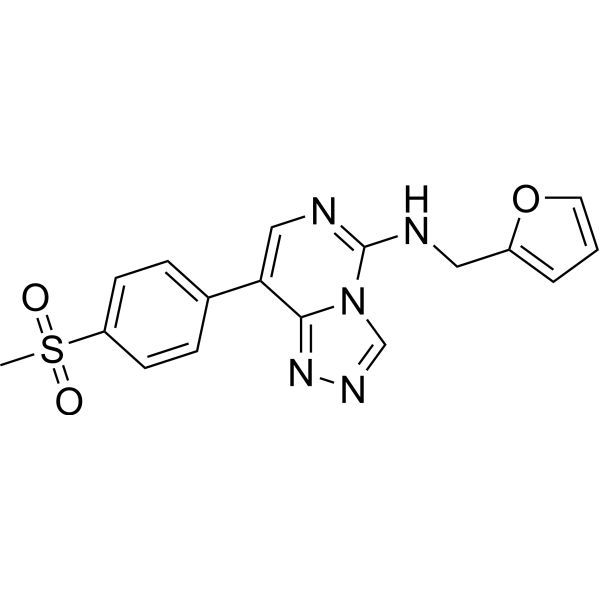
    YK-2168 is a potent and selective CDK9 inhibitor with an IC50 of 5.9 nM. YK-2168 inhibits phosphorylation of the CDK9 substrate pS2-RNA Pol II C-terminal domain. YK-2168 induces apoptosis in tumor cells, suppresses expression of CDK9-regulated genes including MYC and Mcl1, and inhibits tumor growth in CDX mice models. YK-2168 can be used for the research of cancer, such as leukemia .
    YK-2168
  • HY-112624H

    Dextran 2; Dextran D2; Dextran T2(MW 1600-2400)

    Biochemical Assay Reagents Others
    Dextran T2 (Dextran 2; Dextran T2(MW 1600-2400)) is a natural high molecular weight polysaccharide, the glycosidic bonds in its structure can be recognized by endo-dextranase and exo-dextranase. Dextran T2 (MW 2,000) breaks the glycosidic bonds in the enzymatic hydrolysis mechanism, releasing products such as D-glucose, Isomaltose (IM2), and Isomaltotriose (IM3). Dextran T2 (MW 2,000) can be used as a model substrate to characterize the catalytic properties of dextranase (such as optimal pH, temperature and product specificity), and to study enzymatic mechanism research and polysaccharide degradation pathways in glycobiology. The Dextran series of compounds are also a natural polysaccharide drug carrier, which can be connected to drugs through covalent bonding methods such as ester bonds, amide bonds or click chemistry, or self-assembled to form carriers such as nanoparticles and hydrogels. Dextran is biodegradable and biocompatible, and can achieve targeted delivery and controlled release of drugs. Dextran derivatives can prolong drug half-life, increase local concentration and reduce immune clearance activity .
    Dextran T2 (MW 2,000)
  • HY-162275

    Histone Demethylase Histone Methyltransferase STAT Cancer
    JMJD1C-IN-1 is an orally active and selective inhibitor of JMJD1C (IC50 = 0.59 μM, Kd = 1.96 μM). JMJD1C-IN-1 inhibits the binding of JMJD1C to H3K9me2 peptide substrate in the HTRF assay (IC50 = 1.47 μM). JMJD1C-IN-1 disrupts intratumoral regulatory T (Treg) cell fitness by dual mechanisms: promoting H3K9me2 accumulation to downregulate PD1 expression and reducing STAT3 demethylation to enhance STAT3 activation. JMJD1C-IN-1 demonstrates dose-dependent antitumor efficacy in multiple mouse tumor models (MCA205 fibrosarcoma, B16-F10 melanoma, LLC lung cancer, Hepa1-6 hepatocellular carcinoma, CT26 colorectal cancer). JMJD1C-IN-1 can be used for the study of tumor immunotherapy by selectively targeting intratumoral Treg cells .
    JMJD1C-IN-1
  • HY-160971

    DNA/RNA Synthesis Others
    Ribonucleic Acid, Transfer from Brewing yeast is tRNA, which is isolated from brewer yeast. Ribonucleic Acid, Transfer from Brewing yeast is arranged in a cloverleaf model in total sequence. Ribonucleic Acid, Transfer from Brewing yeast is utilized as a substrate in reactions with participant of tRNAs .
    Ribonucleic Acid, Transfer from Brewing yeast
  • HY-W150340

    Galectin Biochemical Assay Reagents Cancer
    β-Lactose is a disaccharide commonly found in milk and dairy products. It consists of two monosaccharides, glucose and galactose, linked by β-glycosidic bonds. β-Lactose has various applications in the food industry, especially as a sweetener and bulking agent. Furthermore, it can be used as a substrate for enzymes involved in lactose metabolism and as a model compound for studying carbohydrate-protein interactions.
    β-Lactose
  • HY-W005485

    2,3,4,6-Tetra-O-benzyl-D-glucono-1,5-lactone

    Biochemical Assay Reagents Others
    Tetra-O-benzyl-δ-D-Gluconolactone (2,3,4,6-Tetra-O-benzyl-D-glucono-1,5-lactone) is a 1,5-sugar lactone and protected D-glucono-1,5-lactone, which serves as a synthetic intermediate in the field of carbohydrate chemistry. Tetra-O-benzyl-δ-D-Gluconolactone acts as a model substrate for zinc-mediated Barbier allylation, crotylation and propargylation reactions .
    Tetra-O-benzyl-δ-D-Gluconolactone
  • HY-172158
    ALKBH5-IN-5
    1 Publications Verification

    Anaplastic lymphoma kinase (ALK) Caspase Cancer
    ALKBH5-IN-5 is a highly selective ALKBH5 (IC50 = 0.62 μM, Kd = 804 nM). ALKBH5-IN-5 disrupts ALKBH5 binding to m 6A-RNA and 6mA-DNA substrates. ALKBH5-IN-5 promotes differentiation, induces apoptosis, cause G2-M phase arrest and exerts strong antiproliferative effects in cancer cells. ALKBH5-IN-5 reduces TACC3 and MYC protein levels and increases cleaved caspase-3 levels. ALKBH5-IN-5 exerts antitumor activity in tumor xenograft mice models. ALKBH5-IN-5 can be used for the research of acute myeloid leukemia .
    ALKBH5-IN-5
  • HY-N10574A
    Queuine dihydrochloride
    1 Publications Verification

    Others Metabolic Disease Cancer
    Queuine dihydrochloride is a selective substrate for tRNA guanine transglycosylase (TGT) and can be incorporated into eukaryotic tRNA. Queuine dihydrochloride promotes tRNA modification, affecting mitochondrial function and Warburg metabolic phenotype. If Queuine dihydrochloride is deficient, aerobic glycolysis can be enhanced, oxidative phosphorylation can be inhibited, and Warburg metabolism can be promoted, accompanied by increased ammonia and lactate production and increased lactate dehydrogenase activity. Queuine dihydrochloride can be used for autoimmune diseases (such as experimental models of multiple sclerosis) and cancer metabolic regulation, and its deficiency is associated with low tRNA modification in tumor cells .
    Queuine dihydrochloride
  • HY-112817

    8-Oxo-Deoxyguanosine triphosphate

    Apoptosis Cardiovascular Disease Neurological Disease Cancer
    8-Oxo-dGTP (8-Oxo-Deoxyguanosine triphosphate) is an oxidized guanine nucleotide formed by ROS-mediated oxidative modification of dGTP, and it also serves as a key substrate for 8-oxo-dGTP pyrophosphohydrolases (such as hMTH1 and E. coli MutT). 8-Oxo-dGTP acts as a DNA mutagen, inserts into nascent DNA and pairs with adenine and cytosine, inducing A:T to C:G transversion mutations. Furthermore, 8-Oxo-dGTP causes oxidative DNA base modification, strand breakage and S-phase arrest, and ultimately triggers AIF-mediated apoptosis and promotes spontaneous carcinogenesis in mth1-deficient mice. Accumulation of 8-Oxo-dGTP in cells induces genomic instability, but it exhibits a tumor-suppressive effect that reduces tumor incidence in mouse models instead. 8-Oxo-dGTP is widely used in studies related to spontaneous carcinogenesis, Parkinson's disease, Alzheimer's disease, heart failure and tumor mechanisms .
    8-Oxo-dGTP
  • HY-W039915

    Glycosidase Others
    Allyl α-D-galactopyranoside is an α-galactoside and acceptor/donor substrate for transgalactosylation reactions. Allyl α-D-galactopyranoside acts as an acceptor substrate in α-galactosidase-catalyzed transgalactosylation, and serves as a donor substrate to form longer α-galactosyl-containing oligosaccharides. Allyl α-D-galactopyranoside serves as a model compound for investigating the catalytic mechanism and substrate specificity of glycoside hydrolases and glycosyltransferases .
    Allyl α-D-galactopyranoside
  • HY-N1420AR

    L-Rhamnose monohydrate (Standard)

    Reference Standards Endogenous Metabolite MMP Interleukin Related PKA Infection Metabolic Disease Cancer
    Rhamnose monohydrate (Standard) is the analytical standard of Rhamnose monohydrate (HY-N1420A). Rhamnose monohydrate (L-Rhamnose monohydrate) is an orally active deoxysugar. Rhamnose monohydrate can inhibit levels of pro-inflammatory interleukin and matrix metalloproteinases (MMPs) in skin aging models. Rhamnose can promote the phosphorylation levels of PKA substrates and HSL in SVF-derived adipocytes, stimulating PKA signaling. Rhamnose monohydrate can act against obesity in mice by stimulating fat dopamine receptors and inducing thermogenesis. Rhamnose monohydrate shows anti-aging effects. Rhamnose monohydrate can be used in the study of Ehrlich’s solid tumors and sarcomas .
    Rhamnose monohydrate (Standard)
  • HY-W008719S

    Mitochondrial Metabolism Neurological Disease
    MPP+-d3 (iodide) is deuterium labeled MPP+ (iodide). MPP+ iodide, a toxic metabolite of the neurotoxin MPTP, causes symptom of Parkinson's disease in animal models by selectively destroying dopaminergic neurons in substantia nigra. MPP+ iodide is taken up by the dopamine transporter into dopaminergic neurons where it exerts its neurotoxic action on mitochondria by affecting complex I of the respiratory chain. MPP+ iodide is also a high affinity substrate for the serotonin transporter (SERT) .
    MPP+-d3iodide
  • HY-32746

    Biochemical Assay Reagents Others
    5-Bromo-2-fluoropyridine is a biochemical reagent that can be used as a biological material or organic compound for life science related research. 5-Bromo-2-fluoropyridine easily reacts with amines to synthesize halogenated pyridine and pyrimidine. 5-Bromo-2-fluoropyridine can be used as a model substrate to explore their efficiency and selectivity through successive SNAr substitution reactions and transition-metal-catalyzed cross-coupling reaction without an intervening purification step .
    5-Bromo-2-fluoropyridine
  • HY-W055845

    Biochemical Assay Reagents Others
    4-Methylbenzamide oxime is a model of benzamide oxime and can be used as a substrate for mitochondrial amidoxime reducing component (mARC) catalytic enzyme reduction .
    4-Methylbenzamide oxime
  • HY-P6028

    N-myristoyltransferase Others
    GSNKSKPK-NH2 is a synthetic model peptide based on the c-Src N-terminal sequence and model peptide substrate for human NMT1 and NMT2.GSNKSKPK-NH2 facilitates in vitro assays measuring transfer of myristate or X10 fatty acid moieties .
    GSNKSKPK-NH2
  • HY-W008919

    N-Alpha,N-epsilon-di-Boc-L-lysine 4-nitrophenyl ester

    Amino Acid Derivatives Others
    Boc-Lys(Boc)-Onp (N-Alpha,N-epsilon-di-Boc-L-lysine 4-nitrophenyl ester) is a lysine with a Boc protecting group. Boc-Lys(Boc)-Onp was used as a substrate for a catalyst model to study its enzymatic hydrolysis reaction catalyzed by a copper(II) complex .
    Boc-Lys(Boc)-Onp
  • HY-10819

    Antifolate Cancer
    AG2034 is an inhibitor of glycinamide ribonucleotide formyltransferase (GARFT), with a Ki of 28 nM against human GARFT, and it binds with high affinity to the folate receptor (Kd of 0.0042 nM). Additionally, AG2034 is a substrate for rat liver folylpolyglutamate synthetase, with a Km of 6.4 µM. AG2034 inhibits the growth of L1210 and CCRF-CEM cells, with IC50 values of 4 nM and 2.9 nM, respectively, and it has demonstrated antitumor activity in xenograft models such as 6C3HED .
    AG2034
  • HY-178777

    PROTACs BCL6 Cancer
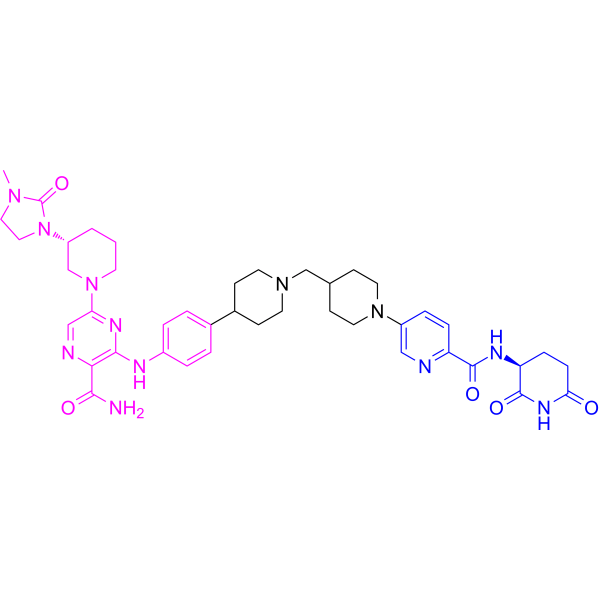
    BCL6-760 is an orally active BCL-6 PROTAC degrader with an EC50 of 0.8 nM. BCL6-760 only degrades BCL6 and has no effect on other CRBN substrates. BCL6-760 demonstrates significant efficacy in the orthotopic xenograft mouse model of OCI-LY-1 tumors. BCL6-760 can be used in the research of diffuse Large B-cell Lymphoma (DLBCL) (Pink: BCL-6 ligand (HY-179317); Blue: CRBN ligand (HY-179305); Black: Linker) .
    BCL6-760
  • HY-118570

    Biochemical Assay Reagents Neurological Disease
    5-Oxoprolyltryptophan is a model substrate for investigating the increase of serotonin at the cerebral level .
    5-Oxoprolyltryptophan
  • HY-149812

    Bacterial Parasite Infection
    Efflux pump-IN-4 is an AcrB efflux pump inhibitor, with ability to potentiate the effect of antibiotics. Efflux pump-IN-4 inhibits Nile Red (a known substrate of AcrB) efflux. Efflux pump-IN-4 does not disrupts the bacterial outer membrane nor display toxicity in a nematode model .
    AcrB-IN-4
  • HY-149426

    Sirtuin Inflammation/Immunology
    SIRT5 inhibitor 7 (compound 58) is a substrate-competitive and selective SIRT5 inhibitor with anti-inflammatory activity. SIRT5 inhibitor 7 has renal protective effects and regulates protein succinylation and the release of pro-inflammatory cytokines. SIRT5 inhibitor 7 has in vivo activity in AKI mouse models of lipopolysaccharide (LPS) and cecal ligation/perforation (CLP)-induced sepsis-related acute kidney injury .
    SIRT5 inhibitor 7
  • HY-W099563

    Biochemical Assay Reagents Others
    4-Nitrophenyl stearate, which is an ester formed by the condensation of stearic acid and 4-nitrophenol, is commonly used as a substrate for enzymatic assays, where the hydrolysis of ester bonds by esterase and lipase can be measured by absorbance or ratio In addition, 4-Nitrophenyl stearate has been used as a model compound to study the enzymatic activity and selectivity of lipases and esterases from various sources. The long hydrophobic tail of the molecule makes it suitable for use in lipophilic Good solubility in the environment makes it a useful probe for studying lipid metabolism.
    4-Nitrophenyl stearate
  • HY-161838

    ATM/ATR Cancer
    ICT10336 is a hypoxia-responsive prodrug of ATR inhibitor, AZD6738 (HY-19323). ICT10336 is hypoxia-activated and specifically releases AZD6738 only in hypoxic conditions in vitro. This can inhibit ATR activation (T1989 and S428 phosphorylation) and subsequently abrogate HIF1a-mediated adaptation of hypoxic cancers cells, thus selectively inducing cell death in 2D and 3D cancer models. ICT10336 is a metabolic substrate of CYPOR activity.
    ICT10336
  • HY-153321A

    (R,R)-NX-5948; (R,R)-BTK-IN-24

    Drug Isomer PROTACs Btk Inflammation/Immunology Cancer
    (R,R)-Bexobrutideg is the (R,R)-enantiomer of Bexobrutideg (HY-153321). Bexobrutideg (NX-5948) is an orally active PROTAC that induces specific BTK protein degradation via a cereblon E3 ligase (CRBN) complex without degrading other cereblon neo substrates. Bexobrutideg mediates potent anti-inflammatory activity through BTK degradation, thereby inhibiting B cell activation. Bexobrutideg exhibits potent tumor growth inhibition in TMD8 xenograft models containing wild-type BTK or BTKi resistance mutations. Bexobrutideg is effective in a mouse model of collagen-induced arthritis (CIA). Bexobrutideg can cross the blood-brain barrier. NX-5948 consists of a target protein ligand, a linker, and a VHL E3 ubiquitin ligase (Red: BTK ligand (HY-170324); Blue: CRBN ligand (HY-171893); Black: linker) .
    (R,R)-Bexobrutideg
  • HY-P11297

    Angiotensin-converting Enzyme (ACE) Cardiovascular Disease
    AC-SDKP-NH2 is a substrate peptide of Angiotensin converting enzyme (ACE). AC-SDKP-NH2 has anti-inflammatory and anti-fibrotic activities. AC-SDKP-NH2 directly acts on tissues and prevents or reverses them from excessive fibrosis, but fails to reduce blood pressure and left ventricular hypertrophy (LVH). AC-SDKP-NH2 attenuates inflammation and cell differentiation, proliferation and migration, therefore reducing fibrosis in the heart, vessels and kidneys in mice model. AC-SDKP-NH2 can be used for cardiovascular diseases such as hypertension research .
    AC-SDKP-NH2
  • HY-162460

    ERK Cancer
    ERK1/2 inhibitor 10 (Compound 36c) is a potent ERK1 and ERK2 inhibitor (IC50: 0.11 and 0.08 nM respectively). ERK1/2 inhibitor 10 inhibits ERK1/2 and blocks the phosphorylation expression of their downstream substrates p90RSK and c-Myc. ERK1/2 inhibitor 10 induces cell apoptosis and incomplete autophagy-related cell death. ERK1/2 inhibitor 10 shows potent antitumor efficacy against triple-negative breast cancer and colorectal cancer models harboring BRAF and RAS mutations .
    ERK1/2 inhibitor 10
  • HY-N3197

    (+)-Neostenine

    P-glycoprotein Cancer
    Neostenine is a stenine-type Stemona alkaloid, with antitussive activity. Neostenine is also a substrate of P-glycoprotein with high absorptive permeability in Caco-2 monolayer model. Neostenine also shows oral activity for intestinal application .
    Neostenine
  • HY-168143

    Histone Methyltransferase Cancer
    YD1342 is a prodrug of YD1130, which exhibits potent inhibitory effects on cellular substrate methylation, breast cancer cell clonogenicity, and tumor growth in animal models, exceeding or matching known PRMT4-specific inhibitors. .
    YD1342
  • HY-149810

    Bacterial Parasite Infection
    AcrB-IN-2 is an AcrB efflux pump inhibitor, with ability to potentiate the effect of antibiotics. AcrB-IN-22 inhibits Nile Red (a known substrate of AcrB) efflux.AcrB-IN-2 does not disrupts the bacterial outer membrane nor display toxicity in a nematode model .
    AcrB-IN-2
  • HY-149811

    Bacterial Parasite Infection
    Efflux pump-IN-3 is an AcrB efflux pump inhibitor, with ability to potentiate the effect of antibiotics. Efflux pump-IN-3 inhibits Nile Red (a known substrate of AcrB) efflux. Efflux pump-IN-3 does not disrupts the bacterial outer membrane nor display toxicity in a nematode model .
    AcrB-IN-3
  • HY-W099580R

    n-Hexadecane (Standard); Cetane (Standard)

    Reference Standards Biochemical Assay Reagents Others
    Hexadecane (Standard) (n-Hexadecane (Standard)) is the analytical standard of Hexadecane (HY-W099580). This product is intended for research and analytical applications. Hexadecane (n-Hexadecane) is a saturated hydrocarbon of alkanes or paraffins and can be used as an organic solvent. Hexadecane is a component of petroleum, belongs to hydrophobic substrates, and is a model substance for studying bacterial degradation of hydrophobic compounds .
    Hexadecane (Standard)
  • HY-162882

    Xanthine Oxidase Reactive Oxygen Species (ROS) Metabolic Disease
    CC15009 is a xanthine oxidoreductase (XOR) inhibitor, with an IC50 value of 0.237 nM. CC15009 can inhibit the oxidative subtype of XOR, thereby reducing the production of the byproduct ROS and exhibiting antioxidant activity. CC15009 has demonstrated a good dose-dependent uric acid-lowering effect in two different mouse models of hyperuricemia induced by XOR substrates .
    CC15009
  • HY-W099580S

    n-Hexadecane-1,2-13C2; Cetane-1,2-13C2

    Isotope-Labeled Compounds Bacterial Others
    Hexadecane-1,2- 13C2 (n-Hexadecane-1,2- 13C2) is the 13C labeled Hexadecane (HY-W099580). Hexadecane (n-Hexadecane) is a saturated hydrocarbon of alkanes or paraffins and can be used as an organic solvent. Hexadecane is a component of petroleum, belongs to hydrophobic substrates, and is a model substance for studying bacterial degradation of hydrophobic compounds .
    Hexadecane-1,2-13C2
  • HY-W014109

    (E)-5-(2-Bromovinyl)uracil; BVU

    DNA/RNA Synthesis Infection
    (E)-5-(2-Bromovinyl)uracil (BVU) is a pyrimidine base and an inactive metabolite of the antiviral agents sorivudine and (E)-5-(2-bromovinyl)-2'-deoxyuridine (BVDU) that may be regenerated to BVDU in vivo. BVU irreversibly inactivates dihydropyrimidine dehydrogenase (DPD) in an NADPH-dependent manner. It enhances the efficacy of the chemotherapeutic agent and DPD substrate 5-fluorouracil (HY-90006) in a P388 murine leukemia model when administered at a dose of 200 μmol/kg, increasing survival time.
    (E)-5-(2-Bromovinyl)pyrimidine-2,4(1H,3H)-dione

Inquiry Online

Your information is safe with us. * Required Fields.

Salutation


Country or Region *

Applicant Name *


Organization Name *

Department *


Email Address *


Product Name *

Cat. No.


Requested quantity *

Phone Number *


Remarks

Inquiry Online

Inquiry Information

Product Name:
Cat. No.:
Quantity:
MCE Japan Authorized Agent:

