From 11:00 pm to 12:00 pm EST ( 8:00 pm to 9:00 pm PST ) on January 6th, the website will be under maintenance. We are sorry for the inconvenience. Please arrange your schedule properly.
Actinine is a metabolic and pro-atherogenic intermediate with oral activity. Actinine acts as a substrate for the yeaW/X microbial enzyme complex to generate trimethylamine (TMA). Actinine accelerates atherosclerosis development in a gut microbe-dependent manner. Actinine can be used for the research of atherosclerosis .
Feruloylputrescine is an oral active phenolamide found in citrus plants and formed through the decarboxylation of L-Arginine. Feruloylputrescine inhibits monooxygenase (cntA) and reductase (cntB) and trimethylamine production. Feruloylputrescine can be used for cardiovascular diseases research .
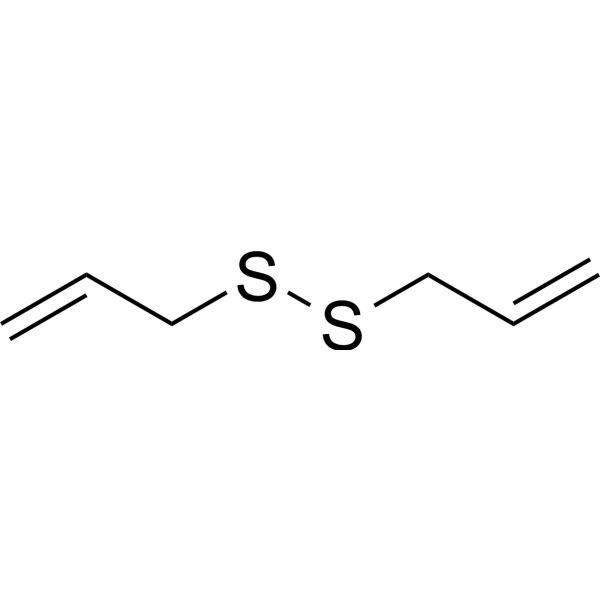
Diallyl disulfide, an active compound in garlic oil, is an orally active human squalene monooxygenase inhibitor with an IC50 of 400 μM for squalene epoxidation. Diallyl disulfide exhibits obvious anti-inflammatory, anti-oxidative, antidepressant and anti-tumor activities .
Thiacetazone (Thioacetazone) is a thiourea-containing antitubercular agent and is an orally active antibiotic. Thiacetazone has antibacterial action, which inhibits growth of Mycobacterium tuberculosis H37Rv with a MIC value of 0.1 μg/mL .
Allylthiourea can selectively inhibit the oxidation of ammonia. Allylthiourea is commonly used to inhibit nitrification by targeting ammonia monooxygenase and chelating copper in the active site to suppress its activity. Allylthiourea also exhibits anticancer activity, showing cytotoxicity against the MCF-7 cell line with an IC50 of 5.22 mM. Allylthiourea can be utilized in research related to micropollutant biodegradability and cancer studies .
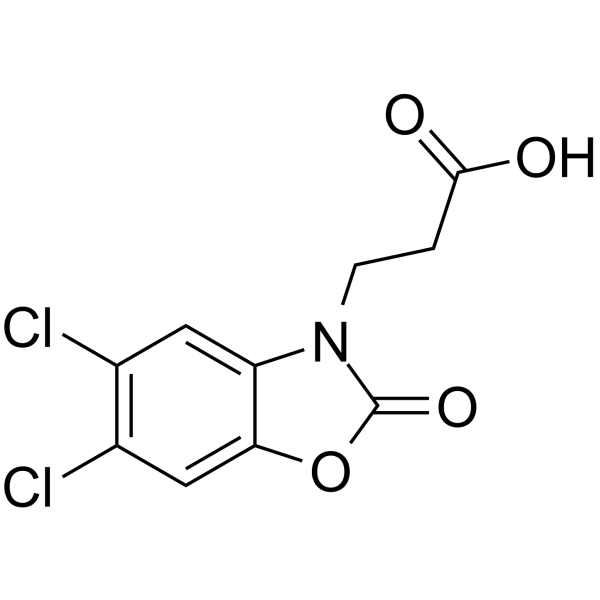
UPF-648 is a potent kynurenine 3-monooxygenase (KMO) inhibitor; exhibits highly active at 1 uM (81 ± 10% KMO inhibition); ineffective at blocking KAT activity.
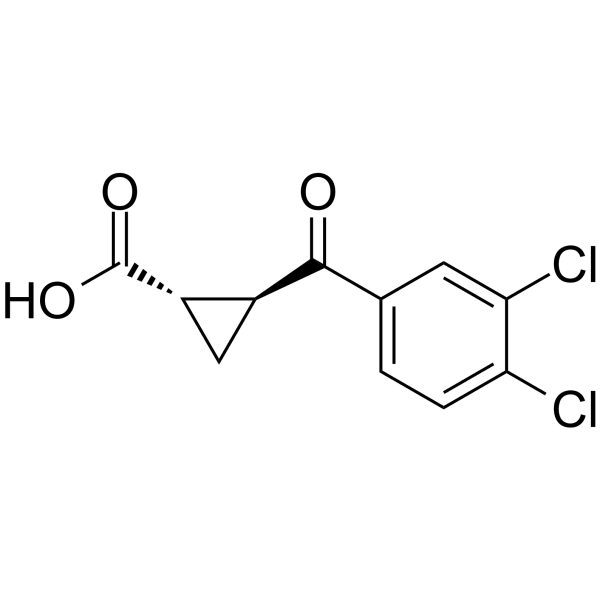
GSK180 is a selective, competitive, and potent inhibitor of kynurenine-3-monooxygenase(KMO), a key enzyme of tryptophan metabolism (IC50, ~6 nM), but shows negligible activity against other enzymes on the tryptophan pathway. GSK180 rapidly changes levels of kynurenine pathway metabolites, and acts as a useful tool to probe the therapeutic potential of KMO inhibition .
GSK 366 is a type II kynurenine-3-monooxygenase (KMO) inhibitor with IC50 values of 2.3 nM and 0.7 nM for human KMO and P. fluorescens-KMO (Pf-KMO). GSK 366 binds to KMO’s substrate site, prevents productive NADPH association, substrate binding, and FAD hydroperoxy species formation. GSK 366 does not stimulate hydrogen peroxide (H2O2) production and reduces H2O2 levels. GSK 366 can be used for the researches of inflammation and neurological disease, such as acute pancreatitis multiple organ dysfunction syndrome and Alzheimer’s disease .
Tetramethylthiuram monosulfide (TMTM) is an orally active microsomalmonooxygenases inhibitor. Tetramethylthiuram monosulfide is used as an accelerator and activator in the processing of natural rubber and butyl rubber. Tetramethylthiuram monosulfide reduces palmitic acid incorporation into microsomal phospholipids, disrupts microsomal membrane integrity, and impairs electron transport during oxygenation. Tetramethylthiuram monosulfide can be used for the research of fungal infection, bacterial infection and allergic contact dermatitis .
Cannflavin A can be isolated from Cannabis sativa L.. Cannflavin A has anti-cancer, neuroprotective and anti-inflammatory activity. Cannflavin A inhibits Aβ1-42 aggregation. Cannflavin A also inhibits kynurenine-3-monooxygenase (KMO) (IC50 = 29.4 μM). Cannflavin A activates apoptosis via caspase-3 cleavage. Cannflavin A exerts anti-inflammatory effects by inhibiting pro-inflammatory enzymes, including prostaglandin E2 and cytochrome c oxidases I and II in PC12 cell line .
Glucoraphenin potassium is an orally effective glucosinolate. Glucoraphenin potassium can be isolated from radish sprouts. Glucoraphenin potassium enhances the enzymatic activity of Glutathione S-transferase. Glucoraphenin potassium enhances the activity of cytochrome P450-related monooxygenase .
Precocene II (Ageratochromene) is a plant larva hormone antagonists that inhibits the biosynthesis of juvenile hormone. Precocene II inhibits corpora allata function and downregulates juvenile hormone levels, while exerting multiple effects including inducing precocious metamorphosis, forming macropterous morphs, inhibiting ovarian growth, producing cytotoxicity, disrupting insect development, and causing sterility and kidney damage. Precocene II blocks normal nymphal development, causes renal tubular damage and increases blood urea nitrogen levels, and also blocks juvenile hormone biosynthesis in vitro. Precocene II undergoes oxidative metabolism catalyzed by NADPH-dependent monooxygenase to generate a variety of metabolites. Precocene II can be applied in studies related to insect growth regulation and nephrotoxicity .
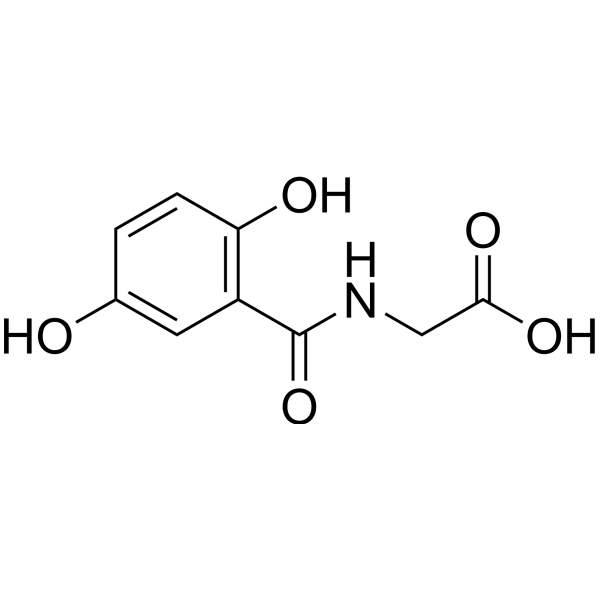
Gentisuric acid, a metabolite of Aspirin (HY-14654), is a substrate of α-amidating monooxygenase (PAM). Gentisuric acid prevents DNA-damage by Mitomycin C (HY-13316) .
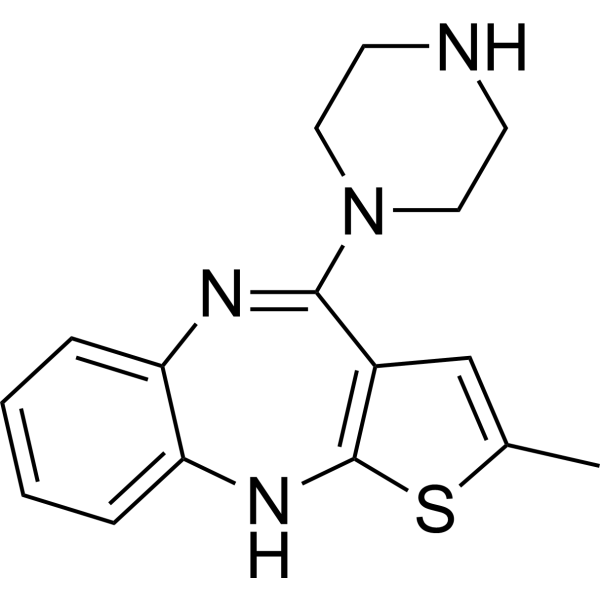
N-Desmethylolanzapine is an antipsychotic drug.
The formation of N-Desmethylolanzapine correlates with the level and activity
of human liver flavin-containing monooxygenase (FMO3). N-Desmethylolanzapine
can be used in the study of antipsychotic drugs .
ANI-7 is an activator of aryl hydrocarbon receptor (AhR) pathway. ANI-7 inhibits the growth of multiple cancer cells, and potently and selectively inhibits the growth of MCF-7 breast cancer cells with a GI50 of 0.56 μM. ANI-7 induces CYP1-metabolizing mono-oxygenases by activating AhR pathway, and also induces DNA damage, checkpoint Kinase 2 (Chk2) activation, S-phase cell cycle arrest, and cell death in sensitive breast cancer cell lines .
Idramantone (Kemantane, 5-Hydroxy-2-adamantanone) is an Adamantane derivative. Idramantone is an immunostimulant. Idramantone is a versatile starting material for the synthesis of various adamantine deivatives. Idramantone can be produced using P450cam monooxygenase coupled with NADH regeneration as an oxidation biocatalyst. Idramantone can be studied in research on bronchial pathology .
Dipropyl disulfide is oxidized to dipropyl thiosulfinate (DPDSO) by rat microsomes. Both flavincontaining monooxygenases (FMO) and cytochrome P450 enzymes (CYPs) are involved in dipropyl disulfide oxidation. Dipropyl disulfide forms two metabolites: propylglutathione sulfide conjugate and propylthiol .
Propiolamide is a monooxygenase (MMO) system activator and glutathione peroxidase 4 (GPX4) inhibitor. Propiolamide induces ROS production through interaction with the MMO system. Propiolamide promotes the accumulation of intracellular cytotoxic lipid peroxides and induces ferroptosis. Propiolamide induces programmed cell death via the apoptosis pathway. Propiolamide can be used in cancer research .
Formate- 13C (sodium) is the 13C labeled Sodium formate.Sodium formate is a biochemical assay reagent. Sodium formate can react with zinc sources (such as ZnCl2) on the surface of alpha alumina support to form a zinc oxide layer. Sodium formate acts as a deprotonating agent, promoting the deprotonation of ligands (such as 2-methylimidazole) at high temperatures. Sodium formate provides the required reducing force in the catalytic oxidation of methane to methanol by methane monooxygenase (sMMO) and inhibits further oxidation of methanol .
Sodium formate- 13C,d1 is the deuterium and 13C labeled Sodium formate.Sodium formate is a biochemical assay reagent. Sodium formate can react with zinc sources (such as ZnCl2) on the surface of alpha alumina support to form a zinc oxide layer. Sodium formate acts as a deprotonating agent, promoting the deprotonation of ligands (such as 2-methylimidazole) at high temperatures. Sodium formate provides the required reducing force in the catalytic oxidation of methane to methanol by methane monooxygenase (sMMO) and inhibits further oxidation of methanol .
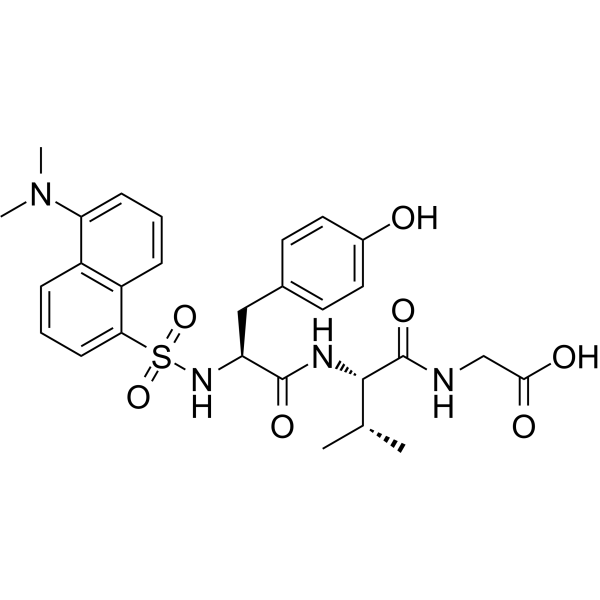
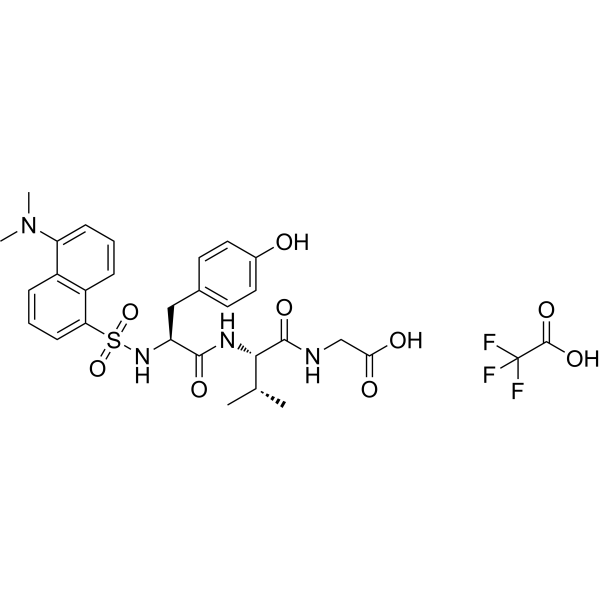
Dansyl-Tyr-Val-Gly TFA is a substrate of peptidylglycine monooxygenase (PHM), with a KD of 22 μM for PHM. Dansyl-Tyr-Val-Gly TFA can be used to investigate the catalytic mechanism, kinetics and inactivation characteristics of PHM .
Feruloylputrescine is an oral active phenolamide found in citrus plants and formed through the decarboxylation of L-Arginine. Feruloylputrescine inhibits monooxygenase (cntA) and reductase (cntB) and trimethylamine production. Feruloylputrescine can be used for cardiovascular diseases research .
Benzobarbital is an active low-toxicity inductor of the liver monooxygenase system. Benzobarbital raises cytochrome P-450 concentration. Benzobarbital can be used in the research of post-ischemic liver disease .
Cytochrome P450 is a family of monooxygenase enzymes that catalyzes the conversion of fatty acids to terminal alkenes using hydrogen peroxide as a cosubstrate. Cytochrome P450 as membrane-bound hemoproteins, plays important roles in the detoxification of drugs, cellular metabolism, and homeostasis .
Seneciphylline (Standard) is the analytical standard of Seneciphylline. This product is intended for research and analytical applications. Seneciphylline is a toxic pyrrolizidine alkaloid in Gynura japonica . Seneciphylline significantly increases the activities of epoxide hydrase and glutathione-S-transferase but causes reduction of cytochrome P-450 and related monooxygenase activities .
Tyrosine 3-monooxygenase (Tyrosine hydroxylase) is a rate-limiting enzyme in catecholamine biosynthesis and belongs to the family of aromatic amino acid hydroxylases. Tyrosine 3-monooxygenase catalyzes the initial and rate-limiting step in the biosynthetic pathway of catecholamines, including dopamine, noradrenaline, and adrenaline .
Gentisuric acid (Standard) is the analytical standard of Gentisuric acid. This product is intended for research and analytical applications. Gentisuric acid, a metabolite of Aspirin (HY-14654), is a substrate of α-amidating monooxygenase (PAM). Gentisuric acid prevents DNA-damage by Mitomycin C (HY-13316)[1][2].
H-Met-Val-OH is a dipeptide containing free N-terminal methionine. H-Met-Val-OH exhibits activity against cDNA expressing Flavin-containing monooxygenase (FMO) 1 and FMO3. H-Met-Val-OH has potential applications in the growth of neuritis .
Diallyl disulfide (Standard) is the analytical standard of Diallyl disulfide. This product is intended for research and analytical applications. Diallyl disulfide, an active compound in garlic oil, is an orally active human squalene monooxygenase inhibitor with an IC50 of 400 μM for squalene epoxidation. Diallyl disulfide exhibits obvious anti-inflammatory, anti-oxidative, antidepressant and anti-tumor activities .
UPF-648 sodium salt is an effective inhibitor of kynurenine 3-monooxygenase (KMO), achieving approximately 81% inhibition at a concentration of 1uM, with no inhibitory effect on kynurenine aminotransferase (KAT).
18-HETE (compound 3) is a monooxygenase metabolite of cytochrome P450 (CYP450).18- HETE consists of arachidonic acid bearing a hydroxy substituent at position 18 .
Dipropyl disulfide is oxidized to dipropyl thiosulfinate (DPDSO) by rat microsomes. Both flavincontaining monooxygenases (FMO) and cytochrome P450 enzymes (CYPs) are involved in dipropyl disulfide oxidation. Dipropyl disulfide forms two metabolites: propylglutathione sulfide conjugate and propylthiol .
Cannflavin A (Standard) is the analytical standard of Cannflavin A. This product is intended for research and analytical applications. Cannflavin A can be isolated from Cannabis sativa L.. Cannflavin A has anti-cancer, neuroprotective and anti-inflammatory activity. Cannflavin A inhibits Aβ1-42 aggregation. Cannflavin A also inhibits kynurenine-3-monooxygenase (KMO) (IC50 = 29.4 μM). Cannflavin A activates apoptosis via caspase-3 cleavage. Cannflavin A exerts anti-inflammatory effects by inhibiting pro-inflammatory enzymes, including prostaglandin E2 and cytochrome c oxidases I and II in PC12 cell line .
Salicylate hydroxylase, Microorganism (EC 1.14.13.1) is a flavin-dependent monooxygenase. Salicylate hydroxylase, Microorganism catalyzes the decarboxylative hydroxylation of salicylate into catechol in the naphthalene degradation pathway in Pseudomonas putida G7. Salicylate hydroxylase, Microorganism has potential biocatalytic applications .
7-Deoxyloganin serves as a biosynthetic precursor of Loganin (HY-N0512). 7-Deoxyloganin undergoes hydroxylation catalyzed by 7-deoxyloganin 7-hydroxylase, a cytochrome P450-dependent monooxygenase, to produce Loganin .
Thiacetazone (Standard) is the analytical standard of Thiacetazone. This product is intended for research and analytical applications. Thiacetazone (Thioacetazone) is a thiourea-containing antitubercular agent and is an orally active antibiotic. Thiacetazone has antibacterial action, which inhibits growth of Mycobacterium tuberculosis H37Rv with a MIC value of 0.1 μg/mL[1].
N-Desmethylolanzapine-d8 hydrochloride (N-Demethylolanzapine-d8 hydrochloride) is the deuterium labeled N-Desmethylolanzapine (HY-W009247). N-Desmethylolanzapine is an antipsychotic drug. The formation of N-Desmethylolanzapine correlates with the level and activity of human liver flavin-containing monooxygenase (FMO3). N-Desmethylolanzapine can be used in the study of antipsychotic drugs .
E-α-Bisabolene is a non-cyclic sesquiterpene. E-α-Bisabolene holds a central position in the metabolic network of Phanerochaete chrysosporium. E-α-Bisabolene can be utilized by white-rot fungi for the biosynthesis of secondary metabolites .
Sodium formate-d is the deuterium labeled Sodium formate.Sodium formate is a biochemical assay reagent. Sodium formate can react with zinc sources (such as ZnCl2) on the surface of alpha alumina support to form a zinc oxide layer. Sodium formate acts as a deprotonating agent, promoting the deprotonation of ligands (such as 2-methylimidazole) at high temperatures. Sodium formate provides the required reducing force in the catalytic oxidation of methane to methanol by methane monooxygenase (sMMO) and inhibits further oxidation of methanol .
Allylthiourea (Standard) is the analytical standard of Allylthiourea. This product is intended for research and analytical applications. Allylthiourea can selectively inhibit the oxidation of ammonia. Allylthiourea is commonly used to inhibit nitrification by targeting ammonia monooxygenase and chelating copper in the active site to suppress its activity. Allylthiourea also exhibits anticancer activity, showing cytotoxicity against the MCF-7 cell line with an IC50 of 5.22 mM. Allylthiourea can be utilized in research related to micropollutant biodegradability and cancer studies [4].
Dopamine β-monooxygenase, Human (EC 1.14.17.1) is a copper-containing monooxygenase that converts dopamine into norepinephrine in noradrenergic neurons, adrenergic neurons, and adrenacentrocytes.
Cyclohexanone Monooxygenase, Acinetobacter sp. (EC 1.14.13.22) is a versatile oxygenation catalyst. Cyclohexanone Monooxygenase, Acinetobacter sp. (EC 1.14.13.22) uses the bound FAD-4a-OOH oxygenating intermediate to initiate transfer of oxygen to electrophilic substrate sites. Cyclohexanone Monooxygenase, Acinetobacter sp. (EC 1.14.13.22) is also capable of oxygenating at nitrogen, trivalent phosphorus, and boron sites in boronic acids.
β-Amyrin 28-monooxygenase (EC 1.14.13.201), found in plants, is involved in the biosynthesis of oleanane-type triterpenoids, such as ginsenoside Ro. The enzyme from Medicago trunculata (CYP716A12) can also convert α-amyrin and lupeol to ursolic acid and betulinic acid, respectively.
1,8-Cineole 2-endo-monooxygenase (EC 1.14.13.156) is a heme-thiolate protein (P-450) which uses a flavodoxin-like redox partner to reduce the heme iron.
1,8-Cineole 2-exo-monooxygenase (EC 1.14.13.157) is a heme thiol protein (P-450) that catalyzes the oxidation of a variety of structurally unrelated compounds, including steroids, fatty acids, and exogenous substances.
m-Chlorohippuric acid (3-Chlorohippuric acid) is a substituted hippurate and substrate for peptidylglycine α-hydroxylating monooxygenase (PHM). m-Chlorohippuric acid can be used in research on cancer, rheumatoid arthritis, depression, and pesticides .
N-Desmethylolanzapine (Standard) is the analytical standard of N-Desmethylolanzapine. This product is intended for research and analytical applications. N-Desmethylolanzapine is an antipsychotic drug.
The formation of N-Desmethylolanzapine correlates with the level and activity
of human liver flavin-containing monooxygenase (FMO3). N-Desmethylolanzapine
can be used in the study of antipsychotic drugs .
CHDI-340246 is an orally active kynurenine monooxygenase (KMO) inhibitor. CHDI-340246 blocks KMO activity, alters the metabolic flux of the kynurenine pathway, inhibits the production of 3-hydroxykynurenine and quinolinic acid, elevates the levels of kynurenine and kynurenic acid, and restores electrophysiological abnormalities in transgenic mouse models of Huntington's disease. CHDI-340246 can be used in studies related to Huntington's disease .
2-Phenylphenol sodium is a phenolic disinfectant and toxic agent with bactericidal, fungicidal and growth-inhibiting activities. 2-Phenylphenol sodium serves as a post-harvest agricultural fungicide and food preservative. At specific concentrations, 2-Phenylphenol sodium inhibits the growth of E. coli strains, while at high concentrations, 2-Phenylphenol sodium completely blocks their proliferation. 2-Phenylphenol sodium acts as a substrate for biocatalytic conversion, and is converted to 3-phenylcatechol by 2-hydroxybiphenyl 3-monooxygenase in recombinant E. coli. 2-Phenylphenol sodium also undergoes electrochemical oxidation in phosphate buffer solution .
m-Terphenyl is a non-chlorinated trisphenyl compound and is commonly used as the basic structure for industrial raw materials (such as plastic additives). In liver enzyme induction experiments, m-Terphenyl exhibits weak activity and is unable to significantly activate the cytochrome P-450-dependent monooxygenase system .
Precocene II (Standard) is the analytical standard of Precocene II (HY-122940). This product is intended for research and analytical applications. Precocene II (Ageratochromene) is a plant larva hormone antagonists that inhibits the biosynthesis of juvenile hormone. Precocene II inhibits corpora allata function and downregulates juvenile hormone levels, while exerting multiple effects including inducing precocious metamorphosis, forming macropterous morphs, inhibiting ovarian growth, producing cytotoxicity, disrupting insect development, and causing sterility and kidney damage. Precocene II blocks normal nymphal development, causes renal tubular damage and increases blood urea nitrogen levels, and also blocks juvenile hormone biosynthesis in vitro. Precocene II undergoes oxidative metabolism catalyzed by NADPH-dependent monooxygenase to generate a variety of metabolites. Precocene II can be applied in studies related to insect growth regulation and nephrotoxicity .
C5F2-HCB is a CYP-mediated inhibitor of the biosynthesis of arachidonic acid epoxygenase product (±) 14,15-EET (HY-150084), with an IC50 of 3.1 μM. C5F2-HCB inhibits EET-driven oxidative phosphorylation (OXPHOS) associated with tumor hypoxia, converting an immunologically "cold" tumor microenvironment into a "hot" one. C5F2-HCB reverses the immune-excluded tumor microenvironment in ER +HER2 − breast cancer allograft models. C5F2-HCB can be used in research related to ER +HER2 − breast cancer .
Zeta-Cypermethrin is a type II pyrethroid insecticide. Zeta-Cypermethrin primarily acts on voltage-gated sodium channels in nerve cells, causing delayed channel closure, persistent nerve excitation and convulsions. In Drosophila, Zeta-Cypermethrin rapidly induces extremely high metabolic resistance that can be screened, and exhibits in vitro genotoxicity to human peripheral blood lymphocytes .
Dansyl-Tyr-Val-Gly is a substrate of peptidylglycine monooxygenase (PHM), with a KD of 22 μM for PHM. Dansyl-Tyr-Val-Gly can be used to investigate the catalytic mechanism, kinetics and inactivation characteristics of PHM .
H-Met-Val-OH is a dipeptide containing free N-terminal methionine. H-Met-Val-OH exhibits activity against cDNA expressing Flavin-containing monooxygenase (FMO) 1 and FMO3. H-Met-Val-OH has potential applications in the growth of neuritis .
Actinine is a metabolic and pro-atherogenic intermediate with oral activity. Actinine acts as a substrate for the yeaW/X microbial enzyme complex to generate trimethylamine (TMA). Actinine accelerates atherosclerosis development in a gut microbe-dependent manner. Actinine can be used for the research of atherosclerosis .
Feruloylputrescine is an oral active phenolamide found in citrus plants and formed through the decarboxylation of L-Arginine. Feruloylputrescine inhibits monooxygenase (cntA) and reductase (cntB) and trimethylamine production. Feruloylputrescine can be used for cardiovascular diseases research .
Diallyl disulfide, an active compound in garlic oil, is an orally active human squalene monooxygenase inhibitor with an IC50 of 400 μM for squalene epoxidation. Diallyl disulfide exhibits obvious anti-inflammatory, anti-oxidative, antidepressant and anti-tumor activities .
Cannflavin A can be isolated from Cannabis sativa L.. Cannflavin A has anti-cancer, neuroprotective and anti-inflammatory activity. Cannflavin A inhibits Aβ1-42 aggregation. Cannflavin A also inhibits kynurenine-3-monooxygenase (KMO) (IC50 = 29.4 μM). Cannflavin A activates apoptosis via caspase-3 cleavage. Cannflavin A exerts anti-inflammatory effects by inhibiting pro-inflammatory enzymes, including prostaglandin E2 and cytochrome c oxidases I and II in PC12 cell line .
Precocene II (Ageratochromene) is a plant larva hormone antagonists that inhibits the biosynthesis of juvenile hormone. Precocene II inhibits corpora allata function and downregulates juvenile hormone levels, while exerting multiple effects including inducing precocious metamorphosis, forming macropterous morphs, inhibiting ovarian growth, producing cytotoxicity, disrupting insect development, and causing sterility and kidney damage. Precocene II blocks normal nymphal development, causes renal tubular damage and increases blood urea nitrogen levels, and also blocks juvenile hormone biosynthesis in vitro. Precocene II undergoes oxidative metabolism catalyzed by NADPH-dependent monooxygenase to generate a variety of metabolites. Precocene II can be applied in studies related to insect growth regulation and nephrotoxicity .
Feruloylputrescine is an oral active phenolamide found in citrus plants and formed through the decarboxylation of L-Arginine. Feruloylputrescine inhibits monooxygenase (cntA) and reductase (cntB) and trimethylamine production. Feruloylputrescine can be used for cardiovascular diseases research .
Cytochrome P450 is a family of monooxygenase enzymes that catalyzes the conversion of fatty acids to terminal alkenes using hydrogen peroxide as a cosubstrate. Cytochrome P450 as membrane-bound hemoproteins, plays important roles in the detoxification of drugs, cellular metabolism, and homeostasis .
Seneciphylline (Standard) is the analytical standard of Seneciphylline. This product is intended for research and analytical applications. Seneciphylline is a toxic pyrrolizidine alkaloid in Gynura japonica . Seneciphylline significantly increases the activities of epoxide hydrase and glutathione-S-transferase but causes reduction of cytochrome P-450 and related monooxygenase activities .
Diallyl disulfide (Standard) is the analytical standard of Diallyl disulfide. This product is intended for research and analytical applications. Diallyl disulfide, an active compound in garlic oil, is an orally active human squalene monooxygenase inhibitor with an IC50 of 400 μM for squalene epoxidation. Diallyl disulfide exhibits obvious anti-inflammatory, anti-oxidative, antidepressant and anti-tumor activities .
Cannflavin A (Standard) is the analytical standard of Cannflavin A. This product is intended for research and analytical applications. Cannflavin A can be isolated from Cannabis sativa L.. Cannflavin A has anti-cancer, neuroprotective and anti-inflammatory activity. Cannflavin A inhibits Aβ1-42 aggregation. Cannflavin A also inhibits kynurenine-3-monooxygenase (KMO) (IC50 = 29.4 μM). Cannflavin A activates apoptosis via caspase-3 cleavage. Cannflavin A exerts anti-inflammatory effects by inhibiting pro-inflammatory enzymes, including prostaglandin E2 and cytochrome c oxidases I and II in PC12 cell line .
7-Deoxyloganin serves as a biosynthetic precursor of Loganin (HY-N0512). 7-Deoxyloganin undergoes hydroxylation catalyzed by 7-deoxyloganin 7-hydroxylase, a cytochrome P450-dependent monooxygenase, to produce Loganin .
E-α-Bisabolene is a non-cyclic sesquiterpene. E-α-Bisabolene holds a central position in the metabolic network of Phanerochaete chrysosporium. E-α-Bisabolene can be utilized by white-rot fungi for the biosynthesis of secondary metabolites .
Precocene II (Standard) is the analytical standard of Precocene II (HY-122940). This product is intended for research and analytical applications. Precocene II (Ageratochromene) is a plant larva hormone antagonists that inhibits the biosynthesis of juvenile hormone. Precocene II inhibits corpora allata function and downregulates juvenile hormone levels, while exerting multiple effects including inducing precocious metamorphosis, forming macropterous morphs, inhibiting ovarian growth, producing cytotoxicity, disrupting insect development, and causing sterility and kidney damage. Precocene II blocks normal nymphal development, causes renal tubular damage and increases blood urea nitrogen levels, and also blocks juvenile hormone biosynthesis in vitro. Precocene II undergoes oxidative metabolism catalyzed by NADPH-dependent monooxygenase to generate a variety of metabolites. Precocene II can be applied in studies related to insect growth regulation and nephrotoxicity .
Cyclopentanone monooxygenase Protein, Rhodococcus sp. S2-17 is the recombinant Cyclopentanone monooxygenase protein, expressed by E. coli, with tag free.
Cyclopentanone monooxygenase Protein, Rhodococcus sp. S2-17 (His) is the recombinant Cyclopentanone monooxygenase protein, expressed by E. coli, with N-6*His labeled tag.
TPH2 Protein, an isozyme of tryptophan hydroxylase, is a member of the pterin-dependent aromatic acid hydroxylase family. TPH2 is selectively expressed only in the serotonergic neurons of the raphe nuclei and is a rate-limiting enzyme in the brain serotonin synthesis pathway. TPH2 plays a more prominent role in the 5-HT synthesis in the brain. Moreover, it is a key factor in maintaining normal serotonin transfer in the central nervous system. TPH2 Protein, Human (His) is the recombinant human-derived TPH2 protein, expressed by E. coli , with N-6*His labeled tag.
TYR/Tyrosinase Protein, Mouse (Cell-Free, His) is the recombinant mouse-derived TYR/Tyrosinase protein, expressed by E. coli Cell-free, with N-10*His labeled tag., has molecular weight of 61.3 kDa.
The PAM protein is a bifunctional enzyme that coordinates the α-amidation process, which is critical for the biosynthesis of neuropeptides and endocrine peptides. The peptidyl α-hydroxylating monooxygenase (PHM) domain hydroxylates the C-terminal glycine, and the peptidylglycine amide glycolate lyase (PAL) domain cleaves the NC-α bond, producing α-amidated peptides. PAM Protein, Human (HEK293, Fc) is the recombinant human-derived PAM protein, expressed by HEK293 , with C-hFc labeled tag.
The PAM protein is a bifunctional enzyme that coordinates the α-amidation process, which is critical for the biosynthesis of neuropeptides and endocrine peptides. The peptidyl α-hydroxylating monooxygenase (PHM) domain hydroxylates the C-terminal glycine, and the peptidylglycine amide glycolate lyase (PAL) domain cleaves the NC-α bond, producing α-amidated peptides. PAM Protein, Human (HEK293, His) is the recombinant human-derived PAM protein, expressed by HEK293 , with C-His labeled tag.
Tyrosine hydroxylase is a key enzyme in the biosynthesis of catecholamines, catalyzing the conversion of L-tyrosine into L-dopa, which is the rate-limiting step in the synthesis of dopamine, norepinephrine, and epinephrine. Tyrosine is hydroxylated using tetrahydrobiopterin and oxygen. Tyrosine Hydroxylase Protein, Human (sf9, His) is the recombinant human-derived Tyrosine Hydroxylase protein, expressed by Sf9 insect cells , with N-His labeled tag.
Tyrosine hydroxylase protein is a key catalyst in the biosynthesis of catecholamines, including dopamine, norepinephrine, and epinephrine, and oversees the conversion of L-tyrosine to L-dihydroxyphenylalanine (L-Dopa) , which is the critical and rate-limiting step pathway in synthesis.Tyrosine Hydroxylase Protein, Mouse (sf9, His) is the recombinant mouse-derived Tyrosine Hydroxylase protein, expressed by sf9 insect cells , with N-His labeled tag.
Tyrosine hydroxylase protein is a key catalyst in the biosynthesis of catecholamines, including dopamine, norepinephrine, and epinephrine, and oversees the conversion of L-tyrosine to L-dihydroxyphenylalanine (L-Dopa) , which is the critical and rate-limiting step pathway in synthesis.Tyrosine Hydroxylase Protein, Mouse (sf9, His) is the recombinant mouse-derived Tyrosine Hydroxylase protein, expressed by Sf9 insect cells , with N-His labeled tag.
CYP21A2 Protein, a cytochrome P450 monooxygenase, crucially hydroxylates progesterone and 17alpha-hydroxyprogesterone at C-21, yielding vital intermediates for mineralocorticoid and glucocorticoid biosynthesis in adrenal steroidogenesis. This enzymatic process involves molecular oxygen, with NADPH providing essential electrons via cytochrome P450 reductase (CPR). CYP21A2 plays a pivotal role in regulating adrenal cortex hormone production. CYP21A2 Protein, Human (P.pastoris, His) is the recombinant human-derived CYP21A2 protein, expressed by P. pastoris , with N-6*His labeled tag.
The CYP102A1 protein acts as a fatty acid monooxygenase, catalyzing the hydroxylation of fatty acids at various positions. The protein also exhibits NADPH-dependent reductase activity, promoting electron transfer within its domain. CYP102A1 Protein, Priestia megaterium (P. pastoris, His) is the recombinant CYP102A1 protein, expressed by P. pastoris , with C-6*His labeled tag.
The kshB protein significantly degrades cholesterol by catalyzing the introduction of the 9a-hydroxyl moiety into 1,4-androstadiene-3,17-dione (ADD), resulting in the 9OHADD intermediate. It is spontaneously converted to HSA through the cleavage of the B ring and aromatization of the A ring. kshB Protein, Mycobacterium tuberculosis is the recombinant kshB protein, expressed by E. coli , with tag free.
The kshB protein significantly degrades cholesterol by catalyzing the introduction of the 9a-hydroxyl moiety into 1,4-androstadiene-3,17-dione (ADD), resulting in the 9OHADD intermediate. It is spontaneously converted to HSA through the cleavage of the B ring and aromatization of the A ring. kshB Protein, Mycobacterium tuberculosis (His) is the recombinant kshB protein, expressed by E. coli , with N-6*His labeled tag.
Formate- 13C (sodium) is the 13C labeled Sodium formate.Sodium formate is a biochemical assay reagent. Sodium formate can react with zinc sources (such as ZnCl2) on the surface of alpha alumina support to form a zinc oxide layer. Sodium formate acts as a deprotonating agent, promoting the deprotonation of ligands (such as 2-methylimidazole) at high temperatures. Sodium formate provides the required reducing force in the catalytic oxidation of methane to methanol by methane monooxygenase (sMMO) and inhibits further oxidation of methanol .
Sodium formate- 13C,d1 is the deuterium and 13C labeled Sodium formate.Sodium formate is a biochemical assay reagent. Sodium formate can react with zinc sources (such as ZnCl2) on the surface of alpha alumina support to form a zinc oxide layer. Sodium formate acts as a deprotonating agent, promoting the deprotonation of ligands (such as 2-methylimidazole) at high temperatures. Sodium formate provides the required reducing force in the catalytic oxidation of methane to methanol by methane monooxygenase (sMMO) and inhibits further oxidation of methanol .
N-Desmethylolanzapine-d8 hydrochloride (N-Demethylolanzapine-d8 hydrochloride) is the deuterium labeled N-Desmethylolanzapine (HY-W009247). N-Desmethylolanzapine is an antipsychotic drug. The formation of N-Desmethylolanzapine correlates with the level and activity of human liver flavin-containing monooxygenase (FMO3). N-Desmethylolanzapine can be used in the study of antipsychotic drugs .
Sodium formate-d is the deuterium labeled Sodium formate.Sodium formate is a biochemical assay reagent. Sodium formate can react with zinc sources (such as ZnCl2) on the surface of alpha alumina support to form a zinc oxide layer. Sodium formate acts as a deprotonating agent, promoting the deprotonation of ligands (such as 2-methylimidazole) at high temperatures. Sodium formate provides the required reducing force in the catalytic oxidation of methane to methanol by methane monooxygenase (sMMO) and inhibits further oxidation of methanol .
14-3-3 protein eta; 1433F_HUMAN; Brain protein 14-3-3; eta isoform; HGNC:12853; Protein AS1; Tyrosine 3/tryptophan 5 monooxygenase activation protein eta polypeptide; YWHA 1; YWHA1; Ywhah.
WB
Human, Mouse, Rat
14-3-3 eta Antibody (YA838) is a Mouse-derived and non-conjugated IgG monoclonal antibody, targeting to 14-3-3 eta.
14-3-3 protein eta; 1433F_HUMAN; Brain protein 14-3-3; eta isoform; HGNC:12853; Protein AS1; Tyrosine 3/tryptophan 5 monooxygenase activation protein eta polypeptide; YWHA 1; YWHA1; Ywhah.
WB
Human, Mouse, Rat
14-3-3 eta Antibody (YA838) is a Mouse-derived and non-conjugated IgG monoclonal antibody, targeting to 14-3-3 eta.
Western blot analysis of extracts from THP-1(lane 2(20μg), Jurkat (lane 3(20μg) and NIH3T3(lane 4(20μg) using FOXO1A (HY-P80132) Rabbit mAb. Proteins were transferred
to a PVDF membrane and blocked with 5% non-fat milk in TBST for 2 hour at room temperature. The primary antibody (1/1000) and Loading control antibody (Beta Actin, HY-P80438, 1/10000) was
used in 5% non-fat milk in TBST at 4°C overnight. Goat Anti-Mouse/Rabbit IgG-HRP Secondary Antibody (1/10000) was used for 1 hour at room temperature.
Western blot analysis of extracts from THP-1(lane 2(20μg), Jurkat (lane 3(20μg) and NIH3T3(lane 4(20μg) using FOXO1A (HY-P80132) Rabbit mAb. Proteins were transferred
to a PVDF membrane and blocked with 5% non-fat milk in TBST for 2 hour at room temperature. The primary antibody (1/1000) and Loading control antibody (Beta Actin, HY-P80438, 1/10000) was
used in 5% non-fat milk in TBST at 4°C overnight. Goat Anti-Mouse/Rabbit IgG-HRP Secondary Antibody (1/10000) was used for 1 hour at room temperature.
Western blot analysis of extracts from THP-1(lane 2(20μg), Jurkat (lane 3(20μg) and NIH3T3(lane 4(20μg) using FOXO1A (HY-P80132) Rabbit mAb. Proteins were transferred
to a PVDF membrane and blocked with 5% non-fat milk in TBST for 2 hour at room temperature. The primary antibody (1/1000) and Loading control antibody (Beta Actin, HY-P80438, 1/10000) was
used in 5% non-fat milk in TBST at 4°C overnight. Goat Anti-Mouse/Rabbit IgG-HRP Secondary Antibody (1/10000) was used for 1 hour at room temperature.
Western blot analysis of extracts from THP-1(lane 2(20μg), Jurkat (lane 3(20μg) and NIH3T3(lane 4(20μg) using FOXO1A (HY-P80132) Rabbit mAb. Proteins were transferred
to a PVDF membrane and blocked with 5% non-fat milk in TBST for 2 hour at room temperature. The primary antibody (1/1000) and Loading control antibody (Beta Actin, HY-P80438, 1/10000) was
MedchemExpress Validation 03
Western blot analysis of extracts from THP-1(lane 2(20μg), Jurkat (lane 3(20μg) and NIH3T3(lane 4(20μg) using FOXO1A (HY-P80132) Rabbit mAb. Proteins were transferred
MedchemExpress Validation 04
Western blot analysis of extracts from THP-1(lane 2(20μg), Jurkat (lane 3(20μg) and NIH3T3(lane 4(20μg) using FOXO1A (HY-P80132) Rabbit mAb. Proteins were transferred
to a PVDF membrane and blocked with 5% non-fat milk in TBST for 2 hour at room temperature. The primary antibody (1/1000) and Loading control antibody (Beta Actin, HY-P80438, 1/10000) was
used in 5% non-fat milk in TBST at 4°C overnight. Goat Anti-Mouse/Rabbit IgG-HRP Secondary Antibody (1/10000) was used for 1 hour at room temperature.
MedchemExpress Validation
Western blot analysis of extracts from THP-1(lane 2(20μg), Jurkat (lane 3(20μg) and NIH3T3(lane 4(20μg) using FOXO1A (HY-P80132) Rabbit mAb. Proteins were transferred
to a PVDF membrane and blocked with 5% non-fat milk in TBST for 2 hour at room temperature. The primary antibody (1/1000) and Loading control antibody (Beta Actin, HY-P80438, 1/10000) was
used in 5% non-fat milk in TBST at 4°C overnight. Goat Anti-Mouse/Rabbit IgG-HRP Secondary Antibody (1/10000) was used for 1 hour at room temperature.
Western blot analysis of extracts from THP-1(lane 2(20μg), Jurkat (lane 3(20μg) and NIH3T3(lane 4(20μg) using FOXO1A (HY-P80132) Rabbit mAb. Proteins were transferred
to a PVDF membrane and blocked with 5% non-fat milk in TBST for 2 hour at room temperature. The primary antibody (1/1000) and Loading control antibody (Beta Actin, HY-P80438, 1/10000) was
used in 5% non-fat milk in TBST at 4°C overnight. Goat Anti-Mouse/Rabbit IgG-HRP Secondary Antibody (1/10000) was used for 1 hour at room temperature.
MedchemExpress Validation
Western blot analysis of extracts from THP-1(lane 2(20μg), Jurkat (lane 3(20μg) and NIH3T3(lane 4(20μg) using FOXO1A (HY-P80132) Rabbit mAb. Proteins were transferred
to a PVDF membrane and blocked with 5% non-fat milk in TBST for 2 hour at room temperature. The primary antibody (1/1000) and Loading control antibody (Beta Actin, HY-P80438, 1/10000) was
used in 5% non-fat milk in TBST at 4°C overnight. Goat Anti-Mouse/Rabbit IgG-HRP Secondary Antibody (1/10000) was used for 1 hour at room temperature.
MedchemExpress Validation
Western blot analysis of extracts from THP-1(lane 2(20μg), Jurkat (lane 3(20μg) and NIH3T3(lane 4(20μg) using FOXO1A (HY-P80132) Rabbit mAb. Proteins were transferred
to a PVDF membrane and blocked with 5% non-fat milk in TBST for 2 hour at room temperature. The primary antibody (1/1000) and Loading control antibody (Beta Actin, HY-P80438, 1/10000) was
used in 5% non-fat milk in TBST at 4°C overnight. Goat Anti-Mouse/Rabbit IgG-HRP Secondary Antibody (1/10000) was used for 1 hour at room temperature.
MedchemExpress Validation
Western blot analysis of extracts from THP-1(lane 2(20μg), Jurkat (lane 3(20μg) and NIH3T3(lane 4(20μg) using FOXO1A (HY-P80132) Rabbit mAb. Proteins were transferred
to a PVDF membrane and blocked with 5% non-fat milk in TBST for 2 hour at room temperature. The primary antibody (1/1000) and Loading control antibody (Beta Actin, HY-P80438, 1/10000) was
used in 5% non-fat milk in TBST at 4°C overnight. Goat Anti-Mouse/Rabbit IgG-HRP Secondary Antibody (1/10000) was used for 1 hour at room temperature.
MedchemExpress Validation
Western blot analysis of extracts from THP-1(lane 2(20μg), Jurkat (lane 3(20μg) and NIH3T3(lane 4(20μg) using FOXO1A (HY-P80132) Rabbit mAb. Proteins were transferred
to a PVDF membrane and blocked with 5% non-fat milk in TBST for 2 hour at room temperature. The primary antibody (1/1000) and Loading control antibody (Beta Actin, HY-P80438, 1/10000) was
used in 5% non-fat milk in TBST at 4°C overnight. Goat Anti-Mouse/Rabbit IgG-HRP Secondary Antibody (1/10000) was used for 1 hour at room temperature.
MedchemExpress Validation
Western blot analysis of extracts from THP-1(lane 2(20μg), Jurkat (lane 3(20μg) and NIH3T3(lane 4(20μg) using FOXO1A (HY-P80132) Rabbit mAb. Proteins were transferred
to a PVDF membrane and blocked with 5% non-fat milk in TBST for 2 hour at room temperature. The primary antibody (1/1000) and Loading control antibody (Beta Actin, HY-P80438, 1/10000) was
used in 5% non-fat milk in TBST at 4°C overnight. Goat Anti-Mouse/Rabbit IgG-HRP Secondary Antibody (1/10000) was used for 1 hour at room temperature.
MedchemExpress Validation
Western blot analysis of extracts from THP-1(lane 2(20μg), Jurkat (lane 3(20μg) and NIH3T3(lane 4(20μg) using FOXO1A (HY-P80132) Rabbit mAb. Proteins were transferred
to a PVDF membrane and blocked with 5% non-fat milk in TBST for 2 hour at room temperature. The primary antibody (1/1000) and Loading control antibody (Beta Actin, HY-P80438, 1/10000) was
used in 5% non-fat milk in TBST at 4°C overnight. Goat Anti-Mouse/Rabbit IgG-HRP Secondary Antibody (1/10000) was used for 1 hour at room temperature.
MedChemExpress values your privacy and your trust is important to us. We use cookies to enhance your website experience. Some cookies are necessary to run the website.
Privacy and Cookie Policy

