
1. Search Result
Search Result
Results for "

multiple receptors

" in MedChemExpress (MCE) Product Catalog:

224

Inhibitors & Agonists

6

Screening Libraries

13

Peptides

18

Inhibitory Antibodies

20

Natural
Products

11

Isotope-Labeled Compounds

2

Oligonucleotides

Cat. No. Product Name Target Research Areas Chemical Structure
  • HY-14650
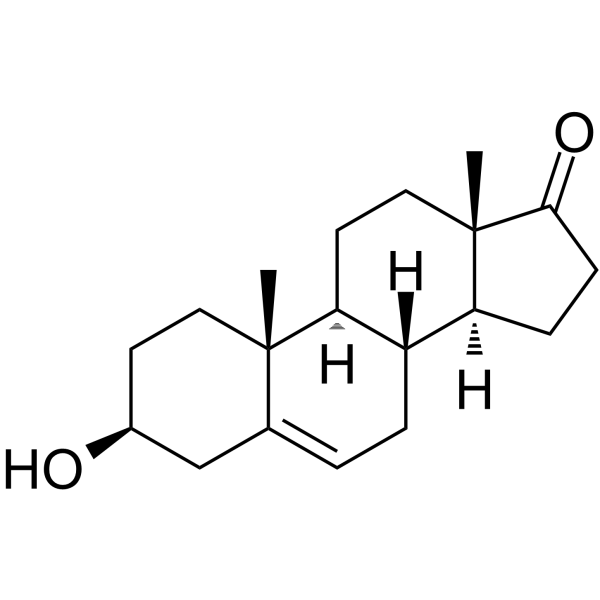
    DHEA
    Maximum Cited Publications
    50 Publications Verification

    Prasterone; Dehydroisoandrosterone; Dehydroepiandrosterone

    Environmental Pollutants Endogenous Metabolite Androgen Receptor Cardiovascular Disease Endocrinology Cancer
    DHEA (Prasterone) is one of the most abundant steroid hormones. DHEA (Prasterone) mediates its action via multiple signaling pathways involving specific membrane receptors and via transformation into androgen and estrogen derivatives (e.g., androgens, estrogens, 7α and 7β DHEA, and 7α and 7β epiandrosterone derivatives) acting through their specific receptors.
    DHEA
  • HY-N0127
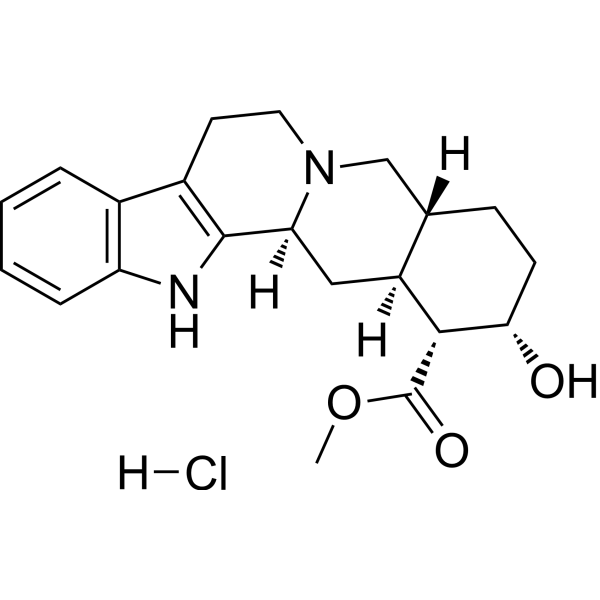
    Yohimbine Hydrochloride
    15+ Cited Publications

    Adrenergic Receptor Endocrinology
    Yohimbine hydrochloride is an alpha-2 renal adenomatase receptor inhibitor, blocking pre- and post-contact alpha-2 renal adenomatase receptors, causing the release of renal adenoma and multiple sclerosis.
    Yohimbine Hydrochloride
  • HY-12288
    Ozanimod
    4 Publications Verification

    RPC-1063

    LPL Receptor Neurological Disease Inflammation/Immunology
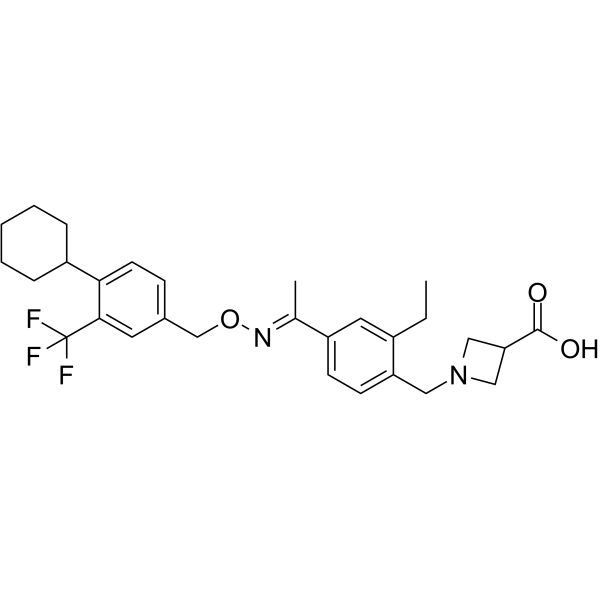
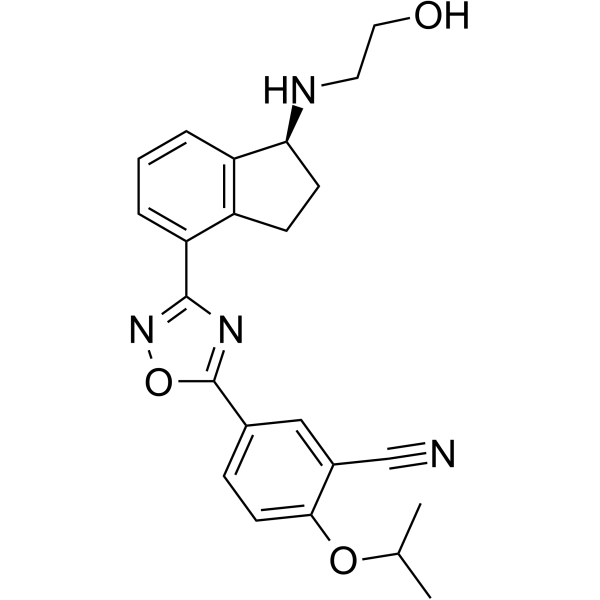
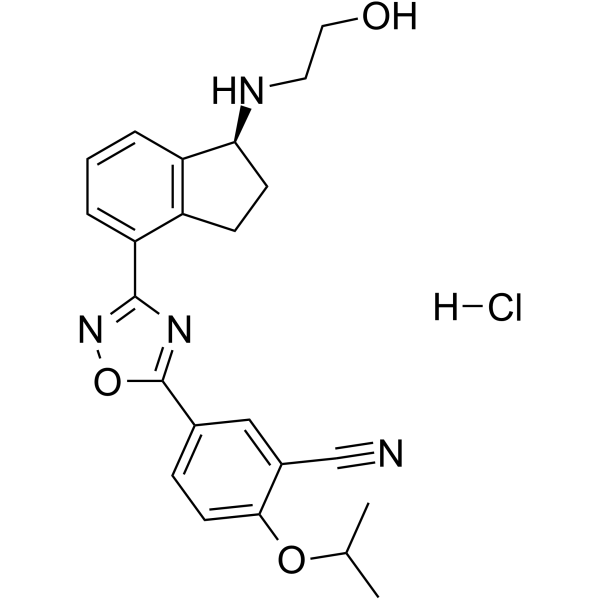
    Ozanimod (RPC-1063) is a CNS-penetrant sphingosine 1-phosphate (S1P) receptor modulator that binds with high affinity selectively to S1P receptor subtypes 1 (S1P1) and 5 (S1P5). Ozanimod has modulate effect for hS1P1 and hS1P5 receptor with EC50s of 1.03 nM and 8.6 nM, respectively. Ozanimod can be used for the research of relapsing multiple sclerosis (MS) .
    Ozanimod
  • HY-B0022
    Flutamide
    10+ Cited Publications

    SCH 13521

    Androgen Receptor Cancer
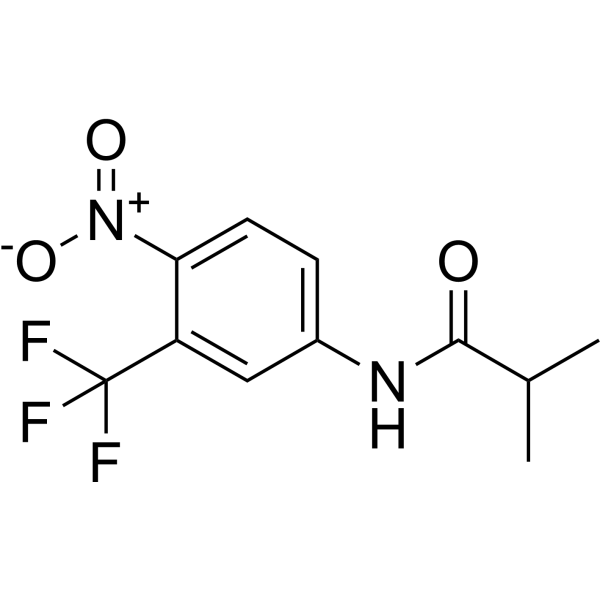
    Flutamide is an Androgen Receptor antagonist with Ki=55 nM. Flutamide inhibits prostate cancer progression and has synergistic effects with Docetaxel (HY-B0011). Flutamide also has the potential to protect against hyperthermia-induced multiple organ dysfunction syndrome .
    Flutamide
  • HY-B0298A
    Clemastine fumarate
    10+ Cited Publications

    HS-592 fumarate; Meclastine fumarate

    Histamine Receptor Apoptosis mAChR Pyroptosis Keap1-Nrf2 p62 Autophagy mTOR IKK Neurological Disease Metabolic Disease
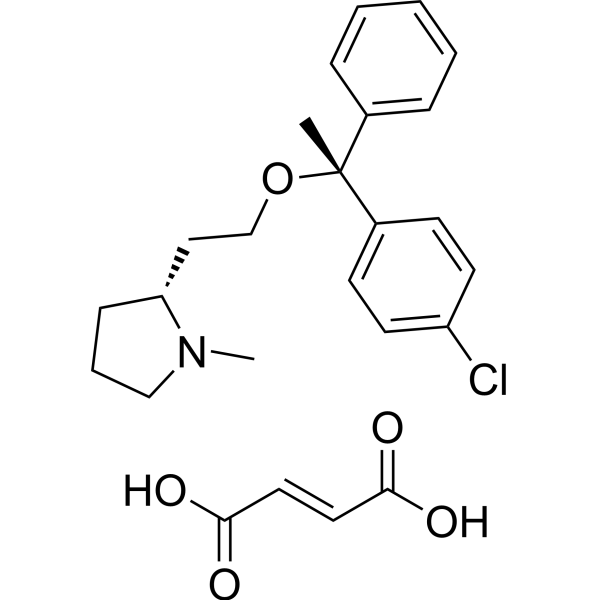
    Clemastine (HS-592; Meclastine) fumarate is an orally active, blood-brain barrier-permeable H1 histamine receptor (H1 histamine receptor) antagonist with potent antiallergic effects. Clemastine fumarate also antagonizes muscarinic acetylcholine receptors (mAChR), particularly the M1 and M4 subtypes. In addition to antihistamine effects, Clemastine fumarate exhibits multiple pharmacological activities, especially in promoting central nervous system remyelination, activating autophagy and pyroptosis, exerting anti-apoptotic and neuroprotective effects, and suppressing inflammation .
    Clemastine fumarate
  • HY-12355
    Siponimod
    5+ Cited Publications

    BAF-312

    LPL Receptor Neurological Disease Inflammation/Immunology
    Siponimod (BAF-312) is an orally active and selective sphingosine-1-phosphate (S1P) receptor modulator. Siponimod is selective for S1P1 and S1P5 over S1P2, S1P3, and S1P4, with EC50s of 0.4, 0.98, >10000, >1000, and 750 nM, respectively. Siponimod can be used for multiple sclerosis (MS) research - .
    Siponimod
  • HY-B2132
    Tryptamine
    1 Publications Verification

    3-(2-Aminoethyl)indole~2-(3-Indolyl)ethylamine

    Endogenous Metabolite 5-HT Receptor Aryl Hydrocarbon Receptor Neurological Disease Metabolic Disease
    Tryptamine is a selective, blood-brain-penetrating 5-HT4 receptor agonist (EC50=1-3 mM) and an endogenous ligand of the aryl hydrocarbon receptor (AHR) (Kd=10-50 nM). Tryptamine promotes intestinal anion secretion and fluid transport by activating G protein-coupled receptors (GPCRs) and accelerates gastrointestinal motility. Tryptamine regulates Th17/Treg balance to inhibit neuroinflammation, competitively binds to 5-HT receptors to regulate central nervous system activity, and participates in temperature regulation and spinal reflex regulation as a neuromodulator. Tryptamine can be used to study intestinal motility disorders such as functional constipation, and has shown significant efficacy in multiple sclerosis models .
    Tryptamine
  • HY-12044
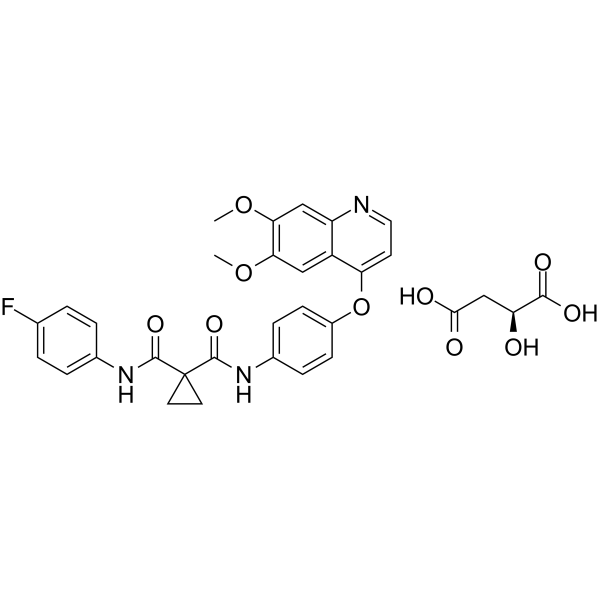
    Cabozantinib S-malate
    Maximum Cited Publications
    56 Publications Verification

    XL184 S-malate; BMS-907351 S-malate

    VEGFR Apoptosis Cancer
    Cabozantinib S-malate (XL184 S-malate) is a potent multiple receptor tyrosine kinases inhibitor that inhibits VEGFR2, c-Met, Kit, Axl and Flt3 with IC50s of 0.035, 1.3, 4.6, 7 and 11.3 nM, respectively.
    Cabozantinib S-malate
  • HY-P9980
    Belantamab
    2 Publications Verification

    GSK2857914

    ADC Antibody TNF Receptor Cancer
    Belantamab (GSK2857916) is a humanized IgG1 anti-BCMA/TNFRSF17 monoclonal antibody. Belantamab is linked to MMAF (HY-15579) through a non-cleavable ADC linker to synthesize the antibody-active molecule conjugate (ADC) Belantamab mafodotin (HY-P3239). After binding to BCMA on the surface of tumor cells, Belantamab mafodotin enters the cell through receptor-mediated endocytosis. After entering the cell, Belantamab mafodotin releases MMAF, blocks cell division by inhibiting tubulin polymerization, arrests the cell cycle and induces cell apoptosis. Belantamab can be used for the study of multiple myeloma, especially relapsed/refractory multiple myeloma .
    Belantamab
  • HY-110252

    Opioid Receptor Neurological Disease Inflammation/Immunology
    Salvinorin B is a selective and brain-penetrant kappa opioid receptor (KOPr) agonist with an EC50 of 248 nM and Ki of 2.95 μM. Salvinorin B activates downstream signaling pathways by binding to KOPr, inhibits pain transmission and reduces inflammatory response. Salvinorin B can be used for the researches of inflammation, immunology and neurological disease, such as neuropathic pain, multiple sclerosis and anxiety .
    Salvinorin B
  • HY-P9976
    Isatuximab
    1 Publications Verification

    ch38SB19; hu38SB19; SAR-650984

    CD38 Apoptosis Cancer
    Isatuximab is a monoclonal antibody targeting the transmembrane receptor and ectoenzyme CD38, a protein highly expressed on hematological malignant cells, including those in multiple myeloma (MM). Isatuximab has antitumor activity via multiple biological mechanisms, including antibody-dependent cellular-mediated cytotoxicity, complement-dependent cytotoxicity, antibody-dependent cellular phagocytosis, and direct induction of apoptosis without crosslinking. Isatuximab also directly inhibits CD38 ectoenzyme activity, which is implicated in many cellular functions .
    Isatuximab
  • HY-12288A
    Ozanimod hydrochloride
    4 Publications Verification

    RPC-1063 hydrochloride

    LPL Receptor Neurological Disease Inflammation/Immunology
    Ozanimod (RPC-1063) hydrochloride, a sphingosine 1-phosphate (S1P) receptor modulator that binds with high affinity selectively to S1P receptor subtypes 1 (S1P1) and 5 (S1P5). Ozanimod hydrochloride has modulate effect for hS1P1 and hS1P5 receptor with EC50s of 1.03 nM and 8.6 nM, respectively. Ozanimod hydrochloride can be used for the research of relapsing multiple sclerosis (MS) .
    Ozanimod hydrochloride
  • HY-P9965

    HuLuc 63; PDL 063; BMS 901608

    Transmembrane Glycoprotein Cancer
    Elotuzumab (HuLuc 63) is an IgG1 monoclonal antibody targeting the SLAMF7 receptor. Elotuzumab exerts antitumor activity by activating natural killer cells and inducing antibody-dependent cell-mediated cytotoxicity. Elotuzumab can be combined with Lenalidomide (HY-A0003), Dexamethasone (HY-14648), etc., for the research of tumors such as multiple myeloma .
    Elotuzumab
  • HY-101238
    Agmatine sulfate
    1 Publications Verification

    Imidazoline Receptor NO Synthase Endogenous Metabolite Neurological Disease Cancer
    Agmatine sulfate exerts modulatory action at multiple molecular targets, such as neurotransmitter systems, ion channels and nitric oxide synthesis. It is an endogenous agonist at imidazoline receptor and a NO synthase inhibitor.
    Agmatine sulfate
  • HY-14543
    Sertindole
    3 Publications Verification

    Lu 23-174

    5-HT Receptor Dopamine Receptor Adrenergic Receptor Autophagy Neurological Disease Cancer
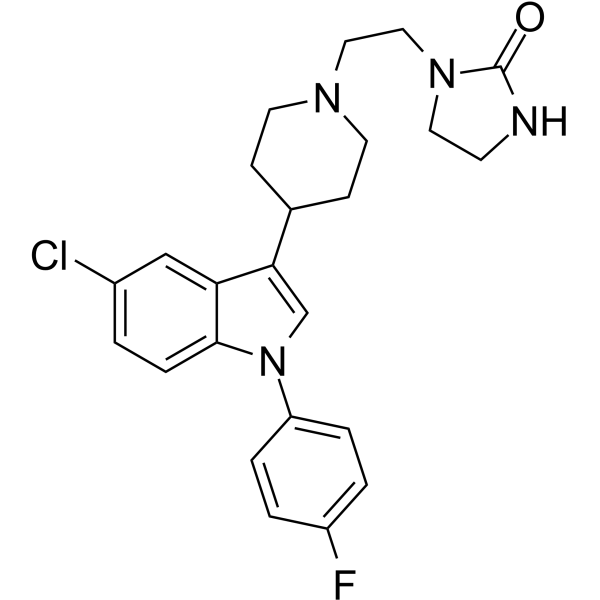
    Sertindole (Lu 23-174) is an orally active 5-HT2A, 5-HT2C, dopamine D2, and αl-adrenergic receptors antagonist. Sertindole shows antipsychotic activity and anti-proliferative activity to multiple cancer cells .
    Sertindole
  • HY-P991155

    JNJ-79635322; JNJ-5322

    CD3 TNF Receptor Cancer
    Ramantamig (JNJ-79635322) is a humanized monoclonal antibody targeting human CD3ε, GPRC5D, and TNFRSF17 (BCMA). Ramantamig binds to BCMA and GPRC5D on multiple myeloma cells, binds to CD3ε on T cells, forms immunological synapses, and enables T-cell-mediated cytotoxicity. Ramantamig activates T cells concomitantly with inducing myeloma cell cytotoxicity, with no nonspecific T-cell activation in the absence of target myeloma cells. Ramantamig carries mutations to reduce interaction with Fc receptors and disrupt protein A binding of monomeric and homodimerized chains. Ramantamig can be used for the research of multiple myeloma .
    Ramantamig
  • HY-B1165

    p38 MAPK Checkpoint Kinase (Chk) Histamine Receptor 5-HT Receptor CDK PARP Apoptosis Cancer
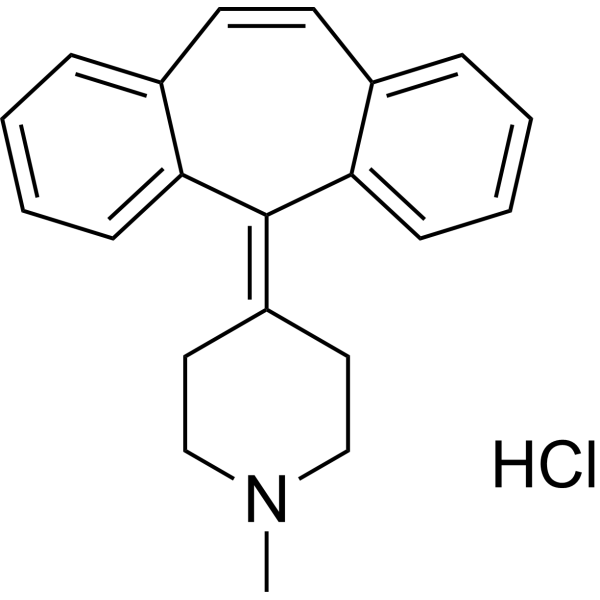
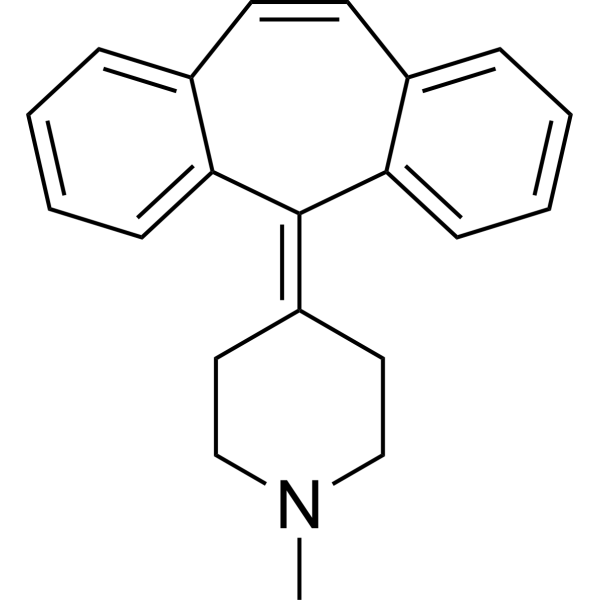
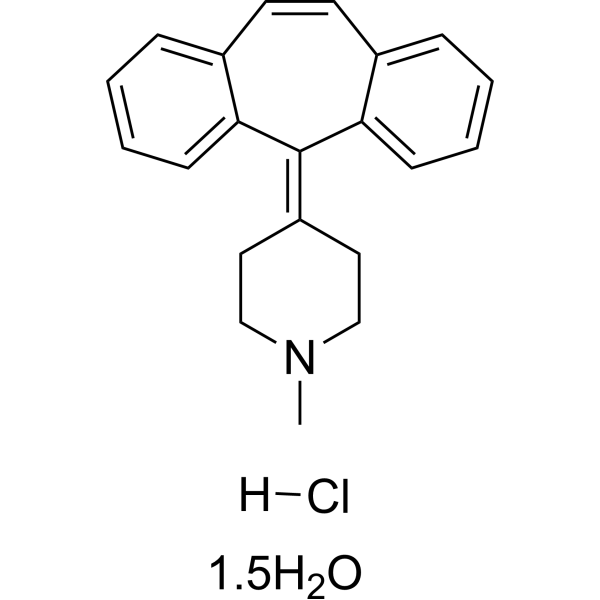
    Cyproheptadine hydrochloride sesquihydrate acts as a p38 MAP kinase activator, CHK2 activator, histamine H1 receptor inhibitor and serotonin receptor inhibitor. Cyproheptadine hydrochloride sesquihydrate mediates cell cycle arrest via G1 phase arrest, G1/S transition arrest, G0/G1 phase arrest, reduced expression of cyclins D1/D2/D3, upregulated expression of HBP1, p16, p21, p27, and decreased phosphorylation of retinoblastoma protein. Cyproheptadine hydrochloride sesquihydrate induces Apoptosis by increasing PARP and cleaved PARP, as well as activating the mitochondrial caspase pathway. Cyproheptadine hydrochloride sesquihydrate inhibits tumor growth with extremely low toxicity to normal cells. Cyproheptadine hydrochloride sesquihydrate can be used in research related to hepatocellular carcinoma, multiple myeloma and acute myeloid leukemia .
    Cyproheptadine (hydrochloride sesquihydrate)
  • HY-10017
    SCH 546738
    15+ Cited Publications

    CXCR Inflammation/Immunology Endocrinology
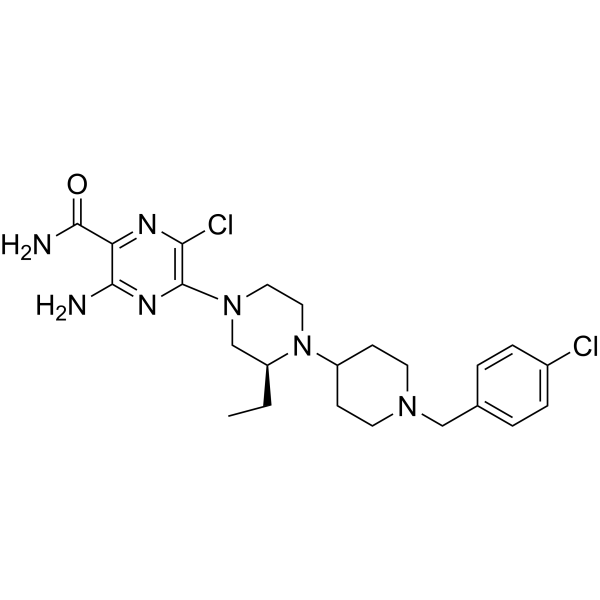
    SCH 546738 is a potent, orally active and non-competitive CXCR3 antagonist, the affinity constant (Ki) of SCH 546738 binding to human CXCR3 receptor is determined to be 0.4 nM in multiple experiments.
    SCH 546738
  • HY-15381
    Fingolimod phosphate
    1 Publications Verification

    FTY720 phosphate

    LPL Receptor Infection Neurological Disease Inflammation/Immunology
    Fingolimod phosphate (FTY720 phosphate) is an orally active sphingosine 1-phosphate (S1P) receptor agonist. Fingolimod phosphate can promote the neuroprotective effects of microglia. Fingolimod phosphate can be used for the research of multiple sclerosis and neurologic diseases .
    Fingolimod phosphate
  • HY-17390A
    Loxapine succinate
    1 Publications Verification

    5-HT Receptor Dopamine Receptor Infection Neurological Disease
    Loxapine succinate is an orally active dopamine inhibitor, 5-HT receptor antagonist and also a dibenzoxazepine anti-psychotic agent. Loxapine can also suppresses bacterial efflux pump activity and inhibit intracellular multiple-antibiotic-resistant Salmonella enterica serovar Typhimurium in macrophages .
    Loxapine succinate
  • HY-B0298
    Clemastine
    10+ Cited Publications

    HS-592; Meclastine

    Histamine Receptor mAChR Autophagy Apoptosis Keap1-Nrf2 p62 mTOR Pyroptosis IKK Cardiovascular Disease Neurological Disease Inflammation/Immunology
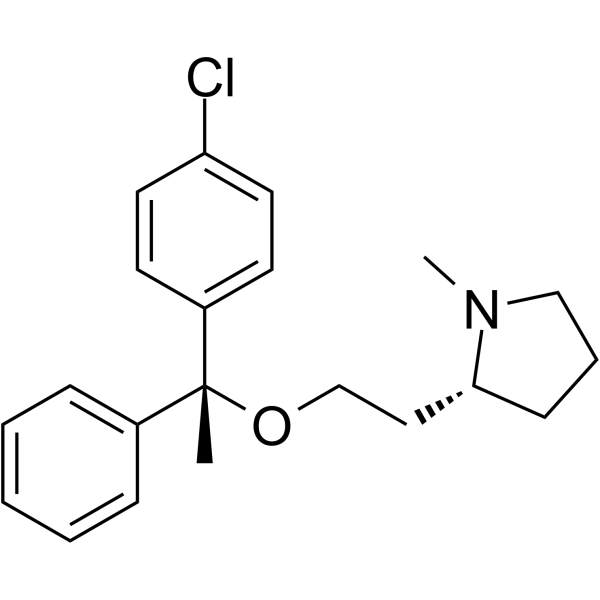
    Clemastine (HS-592; Meclastine) is an orally active, blood-brain barrier-permeable H1 histamine receptor (H1 histamine receptor) antagonist with potent antiallergic effects. Clemastine also antagonizes muscarinic acetylcholine receptors (mAChR), particularly the M1 and M4 subtypes. In addition to antihistamine effects, Clemastine exhibits multiple pharmacological activities, especially in promoting central nervous system remyelination, activating autophagy and pyroptosis, exerting anti-apoptotic and neuroprotective effects, and suppressing inflammation .
    Clemastine
  • HY-16716
    Basmisanil
    1 Publications Verification

    RG1662; RO5186582

    GABA Receptor Neurological Disease
    Basmisanil (RG1662) is a highly selective orally active α subunit-containing GABAA receptors (GABAAα5) negative allosteric modulator (NAMs). Basmisanil can inhibit GABAA-α5 with a Ki value of 5 nM and IC50 value of 8 nM, respectively. Basmisanil can be used for the research of multiple cognitive and psychiatric disorders .
    Basmisanil
  • HY-P99934
    Eftozanermin alfa
    1 Publications Verification

    ABBV-621

    Apoptosis Caspase TNF Receptor Cancer
    Eftozanermin alfa (ABBV-621) is a tumor necrosis factor-related apoptosis-inducing ligand receptor (TRAIL-R) agonist. Eftozanermin alfa is a fusion protein consisting of a mutant immunoglobulin G1-Fc linked to 2 single-chain trimers of TRAIL. Eftozanermin alfa induces apoptosis in tumor cells by activation of death receptors (DR4 receptor and DR5 receptor) with Kds of 780 nM and 635 nM. Eftozanermin alfa can be used for the research of multiple solid and heme malignancies .
    Eftozanermin alfa
  • HY-13016S

    XL184-d6; BMS-907351-d6

    VEGFR c-Met/HGFR c-Kit TAM Receptor FLT3 Apoptosis Cancer
    Cabozantinib-d6 is the deuterium labeled Cabozantinib. Cabozantinib is a potent multiple receptor tyrosine kinases (RTKs) inhibitor that inhibits VEGFR2, c-Met, Kit, Axl and Flt3 with IC50s of 0.035, 1.3, 4.6, 7 and 11.3 nM, respectively .
    Cabozantinib-d6
  • HY-B1435

    Thymoxamine hydrochloride

    Adrenergic Receptor Cardiovascular Disease Neurological Disease Metabolic Disease
    Moxisylyte (Thymoxamine) hydrochloride is a selective α1A-adrenergic receptor antagonist. Moxisylyte hydrochloride competitively antagonizes the activation mediated by norepinephrine. Moxisylyte hydrochloride relaxes penile cavernous smooth muscle and aids erectile function. Moxisylyte hydrochloride is applicable to research related to erectile dysfunction and multiple system atrophy .
    Moxisylyte hydrochloride
  • HY-P9976A
    Isatuximab (anti-CD38)
    1 Publications Verification

    CD38 Apoptosis Cancer
    Isatuximab (anti-CD38) is a monoclonal antibody that targets the transmembrane receptor and extracellular enzyme CD38, a protein highly expressed in hematological malignancies, including multiple myeloma. Isatuximab (anti-CD38) exhibits anti-tumor activity through multiple biological mechanisms, including antibody-dependent cell-mediated cytotoxicity, complement-dependent cytotoxicity, antibody-dependent cell phagocytosis, and non-crosslinking direct induction of apoptosis. Isatuximab (anti-CD38) also directly inhibits the extracellular enzyme activity of CD38, which is related to many cellular functions .
    Isatuximab (anti-CD38)
  • HY-156649

    CR6086

    Prostaglandin Receptor Interleukin Related MMP PD-1/PD-L1 Cardiovascular Disease Inflammation/Immunology Cancer
    Vorbipiprant (CR6086) is an orally active EP4 receptor antagonist with high selectivity for the human EP4 receptor (Ki: 16.6 nM). Vorbipiprant has immunomodulatory, anti-inflammatory, antitumor, and anti-angiogenic activities. Vorbipiprant can inhibit the expression of multiple pro-inflammatory cytokines and the activation of immune cells, and convert "cold" tumors unresponsive to immune checkpoint inhibitors into "hot" tumors. Vorbipiprant is used in the research of diseases such as rheumatoid arthritis and colon cancer .
    Vorbipiprant
  • HY-W344044
    Levomepromazine maleate
    1 Publications Verification

    Methotrimeprazine maleate

    Cytochrome P450 Calcium Channel Histamine Receptor Autophagy Dopamine Receptor Enterovirus 5-HT Receptor Infection Neurological Disease Inflammation/Immunology
    Levomepromazine maleate (Methotrimeprazine maleate) is an N-substituted phenylthiazine antipsychotic sedative that blocks multiple receptors. Levomepromazine maleate is a potent inhibitor of CYP2D6 and is useful in the study of schizophreni .
    Levomepromazine maleate
  • HY-142817
    GRK6/Aurora A-IN-1
    3 Publications Verification

    G Protein-coupled Receptor Kinase (GRK) Aurora Kinase Cancer
    GRK6/Aurora A-IN-1 is a dual inhibitor of G protein-coupled receptor kinase 6 (GRK6)/Aurora A, with IC50 values of 120 nM and 11 nM, respectively. GRK6 is a key kinase required for the survival of multiple myeloma (MM) cells. GRK6-IN-2 has the potential for research on multiple myeloma .
    GRK6/Aurora A-IN-1
  • HY-19511
    GSK2018682
    1 Publications Verification

    LPL Receptor Inflammation/Immunology
    GSK2018682 is an agonist for S1P1 and S1P5 receptor with pEC50s of 7.7 and 7.2, respectively, and has no agonist activity towards human S1P2, S1P3, or S1P4. GSK2018682 is used in the research of multiple sclerosis.
    GSK2018682
  • HY-122153

    Cannabinoid Receptor Cardiovascular Disease Inflammation/Immunology
    VSN-16 is a cannabinoid receptor agonist with vasodilatory activity. VSN-16 can be used for the study of multiple sclerosis .
    VSN-16
  • HY-164566

    Dynamin Mitochondrial Metabolism Neurological Disease
    POSH-IN-2 (MIDI), a mitochondrial division inhibitor, is a DRP1 inhibitor that potently blocks mitochondrial fragmentation induced by cellular stresses and genetic mitochondrial lesions. POSH-IN-2 covalently interacts with DRP1-C367 to target DRP1 interaction with multiple receptors .
    POSH-IN-2
  • HY-103137
    Zacopride hydrochloride
    1 Publications Verification

    5-HT Receptor Cardiovascular Disease Neurological Disease
    Zacopride hydrochloride is an orally active 5-HT3 receptor (Ki of 0.38 nM) antagonist and 5-HT4 receptor (Ki of 373 nM) agonist. Zacopride hydrochloride exhibits multiple activities, such as regulating gastrointestinal motility, affecting cardiac function, and exerting anxiolytic and antiemetic effects. Zacopride hydrochloride is currently mainly used in the research of gastrointestinal diseases, cardiovascular diseases, and psychiatric diseases such as anxiety .
    Zacopride hydrochloride
  • HY-12355A
    Siponimod hemifumarate
    5+ Cited Publications

    BAF-312 hemifumarate

    LPL Receptor Neurological Disease Inflammation/Immunology
    Siponimod (BAF-312) hemifumarate is a potent and selective sphingosine-1-phosphate (S1P) receptor modulator. Siponimod hemifumarate is selective for S1P1 and S1P5 receptors over S1P2, S1P3, and S1P4 (EC50s of 0.39, 0.98, >10000, >1000, and 750 nM, respectively). Siponimod hemifumarate can be used for multiple sclerosis (MS) research .
    Siponimod hemifumarate
  • HY-P99381
    XmAb 5592
    1 Publications Verification

    Transmembrane Glycoprotein Cancer
    XmAb 5592 is a humanized, Fc-engineered anti-HM1.24 antibody with enhanced binding to FcγRIIIa and FcγRIIa receptors, augments HM1.24-specific multiple myeloma (MM) cells lysis in vitro via antibody-dependent cellular cytotoxicity (ADCC) and antibody dependent cellular phagocytosis (ADCP) .
    XmAb 5592
  • HY-A0275

    Amezinium metilsulfate; Lu-1631

    Adrenergic Receptor Cardiovascular Disease Endocrinology
    Amezinium metilsulfate has multiple mechanisms, including stimulation of alpha and beta-1 receptors and inhibition ofnoradrenaline and tyramine uptake.
    Amezinium methylsulfate
  • HY-13016S1

    XL184-d4; BMS-907351-d4

    VEGFR c-Met/HGFR c-Kit TAM Receptor FLT3 Apoptosis Cancer
    Cabozantinib-d4 is deuterium labeled Cabozantinib. Cabozantinib is a potent multiple receptor tyrosine kinases (RTKs) inhibitor that inhibits VEGFR2, c-Met, Kit, Axl and Flt3 with IC50s of 0.035, 1.3, 4.6, 7 and 11.3 nM, respectively.
    Cabozantinib-d4
  • HY-Q04764

    Thyroid Hormone Receptor Apoptosis Cancer
    TI17 is an inhibitor of the thyroid hormone receptor-interacting protein Trip13 and has anticancer activity. TI17 effectively inhibits multiple myeloma (MM) cell proliferation and induces cell cycle arrest and apoptosis. Trip13 is an AAA-ATPase that mediates double-strand break (DSB) repair; TI17 inhibits Trip13 function and increases DNA damage .
    TI17
  • HY-101238R

    Reference Standards Imidazoline Receptor NO Synthase Endogenous Metabolite Neurological Disease Cancer
    Agmatine (sulfate) (Standard) is the analytical standard of Agmatine (sulfate). This product is intended for research and analytical applications. Agmatine sulfate exerts modulatory action at multiple molecular targets, such as neurotransmitter systems, ion channels and nitric oxide synthesis. It is an endogenous agonist at imidazoline receptor and a NO synthase inhibitor.
    Agmatine sulfate (Standard)
  • HY-174340

    Nuclear Hormone Receptor 4A/NR4A Neurological Disease
    Nurr1 agonist 13 (Compound 1) is a potent nuclear receptor related 1 (Nurr1, NR4A2) agonist with an EC50 value of 0.06 μM. Nurr1 agonist 13 is promising for research of neurodegenerative diseases such as Parkinson's disease, Alzheimer's disease, and multiple sclerosis .
    Nurr1 agonist 13
  • HY-171754

    Antibody-Drug Conjugates (ADCs) Cancer
    LM-305 is an anti-G protein-coupled receptor class 5 member D (GPRC5D) antibody-drug conjugate (ADC). LM-305 consists of Anti-GPRC5D Antibody (HY-P991197) and VcMMAE (HY-15575). LM-305 exhibits potent cytotoxicity against multiple myeloma cells (NCI-H929 and MM.1R) with IC50 values ranging from 0.1 to 0.3 nM. LM-305 can be used in the study of GPRC5D-related relapsed and refractory multiple myeloma (RRMM) .
    LM-305
  • HY-115766

    nAChR Neurological Disease
    Anabaseine, a brain-penetrant occurring alkaloid toxin, is potent agonist of multiple nicotinic acetylcholine receptors (AChRs). Anabaseine stimulates the neuromuscular α12β1γδ or α12β1γɛ and α7 AChRs. Anabaseine is also a weak partial agonist at α4β2 nAChRs .
    Anabaseine
  • HY-141901S1

    Prasterone-d5; Dehydroisoandrosterone-d5; Dehydroepiandrosterone-d5

    Isotope-Labeled Compounds Endogenous Metabolite Androgen Receptor Cardiovascular Disease Endocrinology Cancer
    DHEA-d5 (Prasterone-d5; Dehydroisoandrosterone-d5; Dehydroepiandrosterone-d5) is the deuterium labeled DHEA (HY-14650). DHEA (Prasterone) is one of the most abundant steroid hormones. DHEA (Prasterone) mediates its action via multiple signaling pathways involving specific membrane receptors and via transformation into androgen and estrogen derivatives (e.g., androgens, estrogens, 7α and 7β DHEA, and 7α and 7β epiandrosterone derivatives) acting through their specific receptors.
    DHEA-d5
  • HY-101238S

    Isotope-Labeled Compounds Imidazoline Receptor NO Synthase Endogenous Metabolite Neurological Disease Cancer
    Agmatine-d8 sulfate is a deuterium labeled Agmatine sulfate (HY-101238). Agmatine sulfate exerts modulatory action at multiple molecular targets, such as neurotransmitter systems, ion channels and nitric oxide synthesis. It is an endogenous agonist at imidazoline receptor and a NO synthase inhibitor .
    Agmatine-d8 sulfate
  • HY-17390AR

    Reference Standards 5-HT Receptor Dopamine Receptor Infection Neurological Disease
    Loxapine (succinate) (Standard) is the analytical standard of Loxapine (succinate). This product is intended for research and analytical applications. Loxapine succinate is an orally active dopamine inhibitor, 5-HT receptor antagonist and also a dibenzoxazepine anti-psychotic agent. Loxapine can also suppresses bacterial efflux pump activity and inhibit intracellular multiple-antibiotic-resistant Salmonella enterica serovar Typhimurium in macrophages .
    Loxapine succinate (Standard)
  • HY-16622

    LPL Receptor Cardiovascular Disease
    GSK1842799 is an orally active selective S1P1 receptor agonist prodrug. GSK1842799 is promising for research of multiple sclerosis .
    GSK1842799
  • HY-12288R

    RPC-1063 (Standard)

    Reference Standards LPL Receptor Neurological Disease Inflammation/Immunology
    Ozanimod (Standard) is the analytical standard of Ozanimod. This product is intended for research and analytical applications. Ozanimod (RPC-1063), a sphingosine 1-phosphate (S1P) receptor modulator that binds with high affinity selectively to S1P receptor subtypes 1 (S1P1) and 5 (S1P5). Ozanimod has modulate effect for hS1P1 and hS1P5 receptor with EC50s of 1.03 nM and 8.6 nM, respectively. Ozanimod can be used for the research of relapsing multiple sclerosis (MS) .
    Ozanimod (Standard)
  • HY-12355R

    BAF-312 (Standard)

    Reference Standards LPL Receptor Neurological Disease Inflammation/Immunology
    Siponimod (Standard) is the analytical standard of Siponimod. This product is intended for research and analytical applications. Siponimod (BAF-312) is an orally active and selective sphingosine-1-phosphate (S1P) receptor modulator. Siponimod is selective for S1P1 and S1P5 over S1P2, S1P3, and S1P4, with EC50s of 0.4, 0.98, >10000, >1000, and 750 nM, respectively. Siponimod can be used for multiple sclerosis (MS) research - .
    Siponimod (Standard)
  • HY-117046

    5-HT Receptor Histamine Receptor Adrenergic Receptor Neurological Disease
    AVN-101 is a potent, brain-penetrant and orally active 5-HT7 receptor antagonist (Ki of 153 pM), with slightly lesser potency toward 5-HT6, 5-HT2A, and 5HT-2C receptors (Ki values of 2.04 nM, 1.56  nM, and 1.17  nM, respectively). AVN-101 also exhibits a rather high affinity toward histamine H1 (Ki of 0.58 nM) and adrenergic α2A, α2B, and α2C (Ki= 0.41-3.6 nM) receptors. AVN-101 can be studied in such diseases as general anxiety disorders, depression, schizophrenia, Alzheimer’s disease, and multiple sclerosis .
    AVN-101
  • HY-176731

    P2X Receptor Neurological Disease
    MSK-9 is a positive allosteric modulator of the P2X4 receptor with dual activities of enhancing ion conductance and delaying receptor inactivation. MSK-9 stabilizes the open state of the P2X4 receptor through rigid 3-piperidinyl and hydrophobic menthyl substituents. MSK-9 can be used in the study of multiple sclerosis (MS) .
    MSK-9

Inquiry Online

Your information is safe with us. * Required Fields.

Salutation


Country or Region *

Applicant Name *


Organization Name *

Department *


Email Address *


Product Name *

Cat. No.


Requested quantity *

Phone Number *


Remarks

Inquiry Online

Inquiry Information

Product Name:
Cat. No.:
Quantity:
MCE Japan Authorized Agent:

