
1. Search Result
Search Result
Results for "

neuroinflammatory

" in MedChemExpress (MCE) Product Catalog:

102

Inhibitors & Agonists

4

Peptides

2

Inhibitory Antibodies

29

Natural
Products

6

Isotope-Labeled Compounds

1

Oligonucleotides

Cat. No. Product Name Target Research Areas Chemical Structure
  • HY-B0696A

    NO050328 hydrochloride; NO328 hydrochloride; TGB hydrochloride

    GABA Receptor Neurological Disease
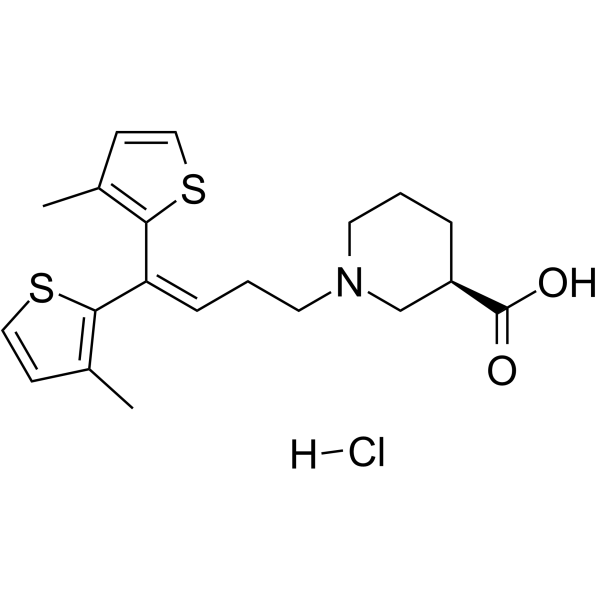
    Tiagabine hydrochloride (NO050328; NO328; TGB) is an orally active, highly selective, and reversible GAT-1 inhibitor and anticonvulsant that crosses the blood-brain barrier. By blocking the reuptake of GABA in neurons and glial cells, tiagabine increases extracellular GABA levels to enhance inhibitory signal transduction, thereby exerting multiple activities such as anticonvulsant, neuroprotective, and antioxidant effects. Tiagabine hydrochloride exhibits linear pharmacokinetic properties. Although it is metabolized by CYP3A and has a high protein binding rate, it carries a low risk of cognitive impairment. Tiagabine hydrochloride is widely used in research on related diseases including epilepsy (including refractory partial seizures), alcohol withdrawal symptoms, and Huntington's disease .
    Tiagabine hydrochloride
  • HY-N0664
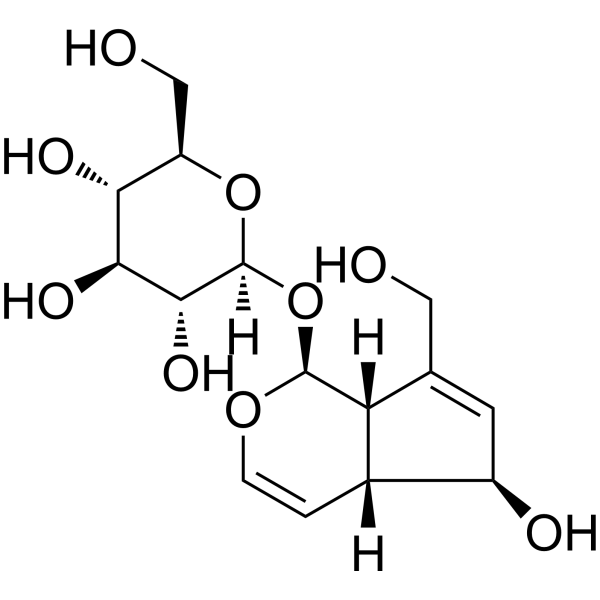
    Aucubin
    Maximum Cited Publications
    10 Publications Verification

    Bacterial Infection Neurological Disease Metabolic Disease Inflammation/Immunology Cancer
    Aucubin is an iridoid glycoside component that acn be found in E. ulmoides. Aucubin can cross the blood-brain barrier (BBB) and has anti-anxiety, antidepressive and anti-neuroinflammatory effects. Aucubin has many biological activities, such as antioxidant, anti-aging, anti-inflammatory, antimicrobial, anti-fibrotic, anti-cancer, hepatoprotective, neuroprotective and osteoprotective effects .
    Aucubin
  • HY-P99025
    Lebrikizumab
    1 Publications Verification

    TNX-650; MILR1444A; RG3637

    Interleukin Related Neurological Disease Inflammation/Immunology
    Lebrikizumab (TNX-650) is an IgG4 humanized anti-interleukin-13 (IL-13) mAb with anti-itch effects that specifically binds to IL-13 in a non-receptor binding domain and inhibits its function. Lebrikizumab inhibits the IL-13 driven Th2 inflammatory response and blocks the signaling of IL-4Rα/IL-13Rα1. Lebrikizumab can be used for the research of asthma, atopic dermatitis and neuroinflammatory diseases .
    Lebrikizumab
  • HY-W019670
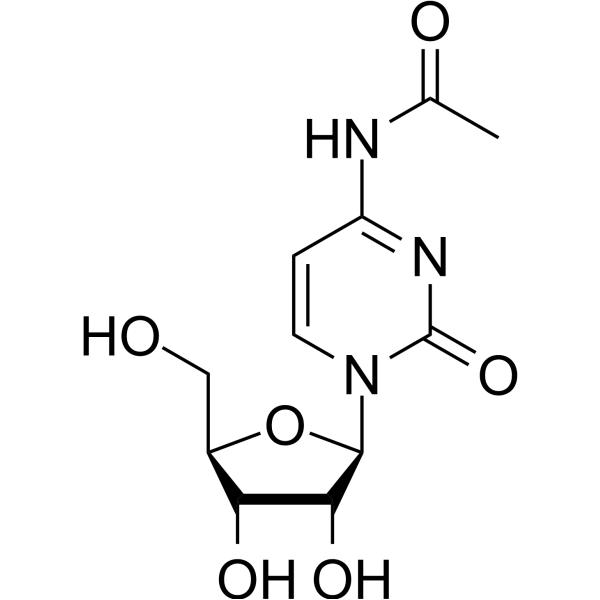
    N4-Acetylcytidine
    1 Publications Verification

    Endogenous Metabolite Histone Acetyltransferase Enterovirus NOD-like Receptor (NLR) Infection Neurological Disease Metabolic Disease Inflammation/Immunology Cancer
    N4-acetylcytidine (N4A) is an endogenous nucleoside metabolite from the degradation of tRNA. N4-Acetylcytidine is formed by N-acetyltransferase 10 and other enzymes. N4-acetylcytidine might sustain NLRP3 inflammasome activation via induction of HMGB1 expression and releasee. N4-Acetylcytidine modifies mRNA, tRNA and rRNA, affecting their stability, translation efficiency (such as enterovirus 71 RNA). N4-Acetylcytidine is used in the study of cancer, neuroinflammatory diseases, viral infections and obesity .
    N4-Acetylcytidine
  • HY-156438

    NT-0796

    NOD-like Receptor (NLR) Interleukin Related Neurological Disease
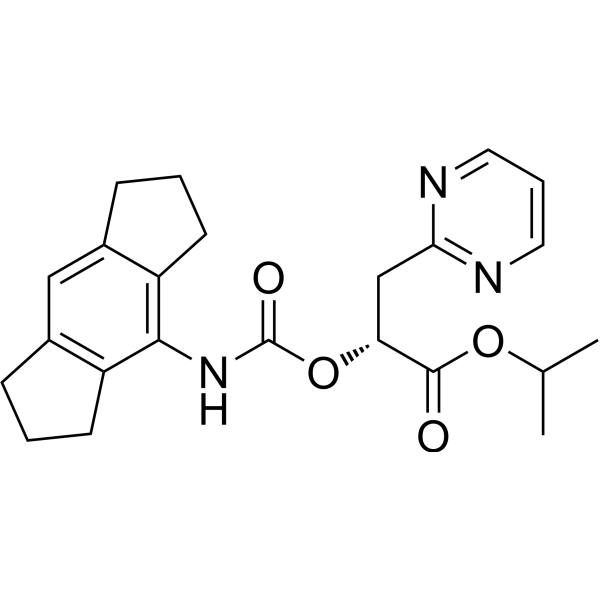
    Ruvonoflast (NT-0796) is an orally active, selective and CNS-penetrant NLRP3 inflammasome inhibitor. Ruvonoflast inhibits IL-1β release in human PBMC cells with an IC50 value of 0.32 nM. Ruvonoflast is an isopropyl ester that undergoes intracellular conversion to Ruvonoflast, the carboxylic acid active species. Ruvonoflast reverses high fat diet-induced obesity, systemic inflammation and astrogliosis in the diet-induced obesity mouse model. Ruvonoflast is promising for research of neurodegenerative disorders, including Alzheimer’s disease, Parkinson’s disease, multiple sclerosis, and amyotrophic lateral sclerosis .
    Ruvonoflast
  • HY-117727

    MIN-102; Hydroxypioglitazone

    PPAR Neurological Disease Metabolic Disease Inflammation/Immunology
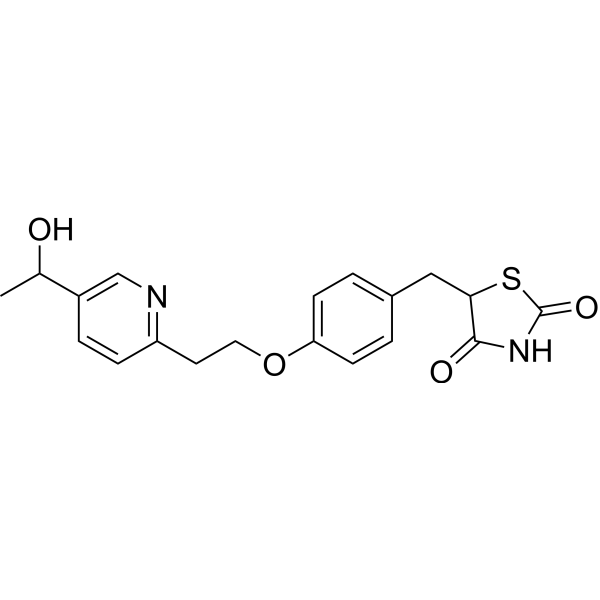
    Leriglitazone (MIN-102; Hydroxypioglitazone) is an orally active and a BBB-penetrable PPARγ agonist with an EC50 of 9 μM. Leriglitazone, as a regulator of mitochondrial function, has neuroprotective, anti-inflammatory and antioxidant effects. Leriglitazone can be used in the study of neuroinflammatory and neurodegenerative diseases .
    Leriglitazone
  • HY-B0197A
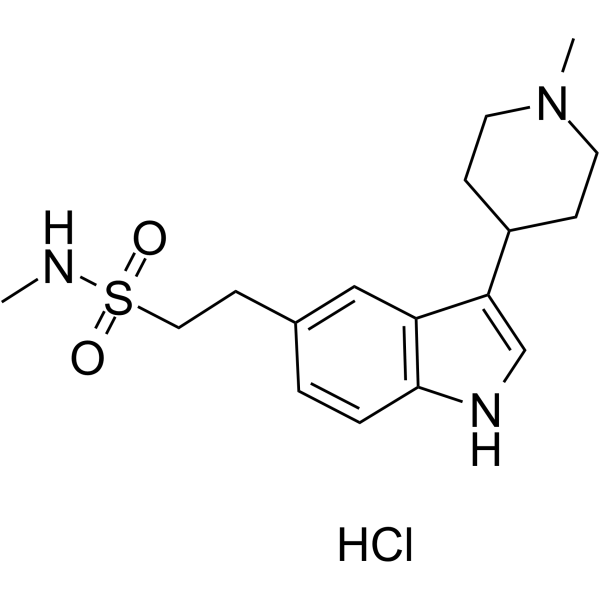
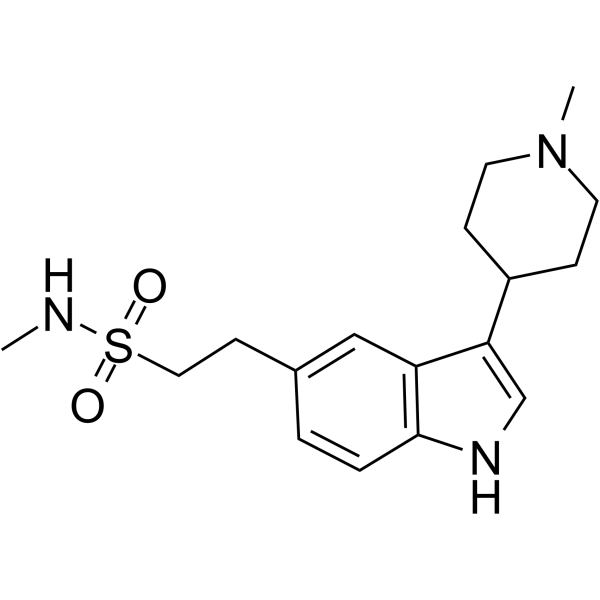
    Naratriptan hydrochloride
    2 Publications Verification

    GR-85548A hydrochloride

    5-HT Receptor Cardiovascular Disease Neurological Disease Inflammation/Immunology
    Naratriptan (GR-85548A) hydrochloride is a selective 5-HT1B/1D receptor agonist. Naratriptan hydrochloride is peripherally active and has good oral bioavailability, inducing cranial artery vasoconstriction by activating 5-HT1B/1D receptors (EC50=0.11 μM for dog basilar artery). Naratriptan hydrochloride also inhibits trigeminal nerve-mediated dural neurogenic plasma extravasation and reduces sterile inflammation. Naratriptan hydrochloride is mainly used in the research of acute migraine, targeting cranial vascular and neuroinflammatory mechanisms .
    Naratriptan hydrochloride
  • HY-N0231
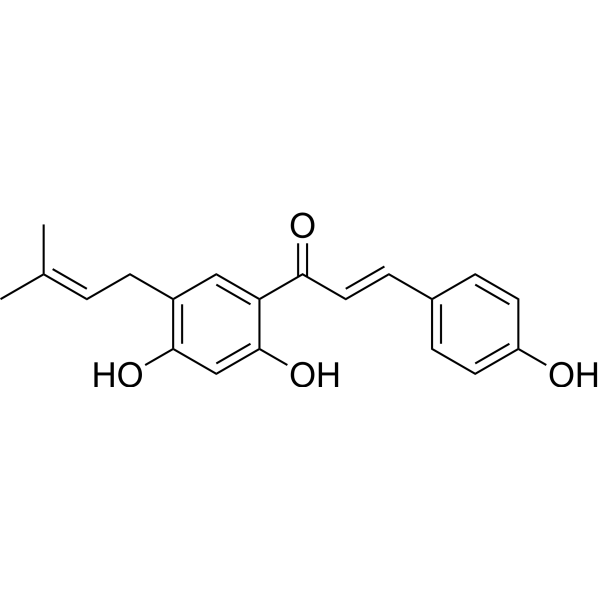
    Bavachalcone
    2 Publications Verification

    Broussochalcone B

    Bacterial Antibiotic NF-κB PERK Akt Autophagy Apoptosis Infection Neurological Disease Inflammation/Immunology Cancer
    Bavachalcone is a potent inducer of apoptosis. Bavachalcone exerts anticancer activity by promoting autophagy and apoptosis in HepG2 cells. Bavachalcone acts as an anti-neuroinflammatory and antidepressant through the NF-κB pathway. Bavachalcone inhibits osteoclasts by interfering with ERK and Akt signaling pathways and the expression of c-Fos and NFATc1. Bavachalcone exhibits a significant inhibitory effect on baculovirus-expressed BACE-1 in vitro .
    Bavachalcone
  • HY-145580

    UCB0599; (R)-NPT200-11

    α-synuclein Neurological Disease
    Minzasolmin (UCB0599; (R)-NPT200-11) is an orally active, blood-brain-permeable α-synuclein (α-Syn) inhibitor that selectively binds to α-Syn misfolded intermediates (such as oligomers) and inhibits aggregation and fibril formation by regulating their conformational stability. Minzasolmin can reduce the generation of pathological oligomers and block neurotoxic signaling, thereby reducing the abnormal accumulation of α-Syn in the brain. Minzasolmin significantly improved motor deficits, reduced neuroinflammatory markers, and α-Syn-related pathological deposition in transgenic mouse models .
    Minzasolmin
  • HY-W009081

    Free Fatty Acid Receptor Neurological Disease
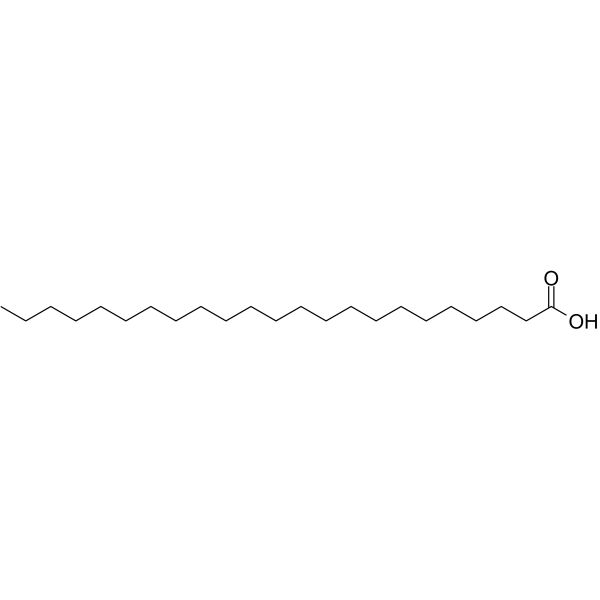
    Tricosanoic acid is an endogenous agonist of long-chain saturated fatty acids and free fatty acid receptor FFAR1, which can activate hair growth. Tricosanoic acid (C23:0) has the activity of improving cognitive function by regulating neuronal membrane fluidity, inhibiting neuroinflammatory response, participating in myelination and neuronal energy metabolism. Tricosanoic acid expression levels are low in the prefrontal cortex of Alzheimer's disease (AD) models; while better cognitive performance corresponds to higher serum concentration levels. Tricosanoic acid can be used as a biomarker for diseases related to cognitive decline .
    Tricosanoic acid
  • HY-N2038

    Phosphodiesterase (PDE) Neurological Disease Cancer
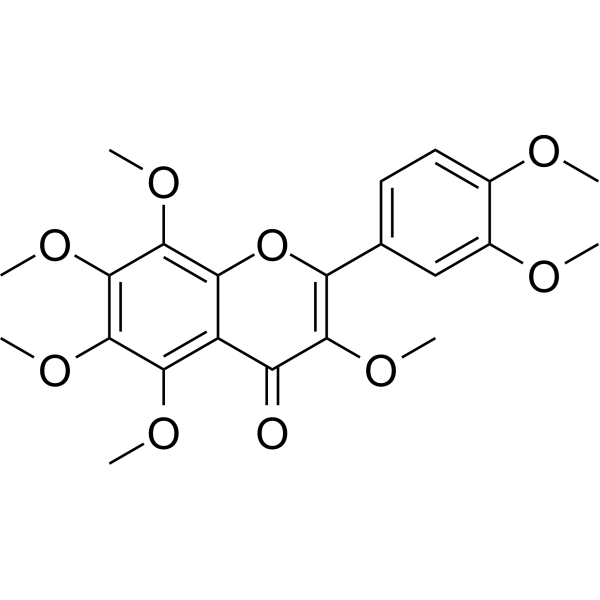
    3,5,6,7,8,3',4'-Heptemthoxyflavone, a flavonoid from satsuma peel, is an orally available CREB activator with anti-tumor and anti-neuroinflammatory activity. 3,5,6,7,8,3',4'-Heptemthoxyflavone inhibits collagenase activity and increases the content of type I procollagen in human dermal fibroblast neoblast (HDFn) cells. 3,5,6,7,8,3',4'-Heptemthoxyflavone induces brain-derived neurotrophic factor (BDNF) expression through the cAMP/ERK/CREB signaling pathway and reduces phosphodiesterase activity in C6 glioma .
    3,​5,​6,​7,​8,​3',​4'-​Heptemthoxyflavone
  • HY-Y0148

    NSC 15139; 10-HDAA

    Parasite Autophagy NF-κB Interleukin Related NO Synthase MDM-2/p53 TNF Receptor RANKL/RANK Caspase Infection Neurological Disease Inflammation/Immunology
    10-Hydroxydecanoic acid (10-HDAA) is a saturated fatty acid derived from 10-hydroxy-trans-2-decenoic acid, which can be isolated from royal jelly. 10-Hydroxydecanoic acid exhibits various biological activities, including anti-inflammatory, insecticidal, anti-malarial, and anti-Leishmania properties, as well as enhancing antigen-specific immune responses. The anti-inflammatory effects of 10-Hydroxydecanoic acid are primarily mediated by inhibiting the activation of NF-κB and the translation of interferon regulatory factor 1 (IRF-1), which reduces the production of interleukin 6 (IL-6) and nitric oxide (NO) in inflammatory cells. Additionally, 10-Hydroxydecanoic acid alleviates neuroinflammatory responses through the p53-autophagy pathway and the p53-NLRP3 pathway. Finally, 10-Hydroxydecanoic acid enhances antigen-specific immune responses by promoting the effective uptake of antigens by microfold cells .
    10-Hydroxydecanoic acid
  • HY-127109

    KDS2010

    Monoamine Oxidase Neurological Disease Cancer
    Tisolagiline (KDS2010) is the selective, reversible and orally active inhibitor for MAO-B with an IC50 of 8 nM. Tisolagiline exhibits neuroprotective and anti-neuroinflammatory activities .
    Tisolagiline
  • HY-113772

    NF-κB ERK JNK p38 MAPK Neurological Disease Inflammation/Immunology
    Inflachromene, a microglial inhibitor, binds to HMGB1 and HMGB2 and exerts anti-inflammatory effects. Inflachromene effectively downregulates proinflammatory functions of HMGB and reduces neuronal damage. Inflachromene can be used for the research of neuroinflammatory disorders .
    Inflachromene
  • HY-139667
    PKM2-IN-3
    1 Publications Verification

    Pyruvate Kinase Neurological Disease
    PKM2-IN-3 is an inhibitor of PKM2 kinase with an IC50 value of 4.1 μM. PKM2-IN-3 exhibits an anti-neuroinflammatory effect by inhibiting PKM2-mediated glycolysis and NLRP3 activation .
    PKM2-IN-3
  • HY-117727A

    MIN-102 hydrochloride; Hydroxypioglitazone hydrochloride

    PPAR Neurological Disease Metabolic Disease Inflammation/Immunology
    Leriglitazone (MIN-102; Hydroxypioglitazone) hydrochloride is an orally active and a BBB-penetrable PPARγ agonist with an EC50 of 9 μM. Leriglitazone hydrochloride, as a regulator of mitochondrial function, has neuroprotective, anti-inflammatory and antioxidant effects. Leriglitazone hydrochloride can be used in the study of neuroinflammatory and neurodegenerative diseases .
    Leriglitazone hydrochloride
  • HY-132814

    ATH-1017

    c-Met/HGFR Neurological Disease
    Fosgonimeton (ATH-1017) is a hepatocyte growth factor receptor (c-Met/HGFR) agonist. Fosgonimeton has neuroprotective effects in both LPS (HY-D1056) -induced neuroinflammation and Aβ-induced AD models .
    Fosgonimeton
  • HY-126066

    Drug Isomer NO Synthase NF-κB TNF Receptor Interleukin Related IFNAR COX CD20 CDK Bcl-2 Family Apoptosis Akt p38 MAPK GSK-3 Neurological Disease Inflammation/Immunology Cancer
    (-)-Syringaresinol is an orally active isomer of syringaresinol (HY-N8307) found in Annona Montana. (-)-Syringaresinol exhibits antioxidant, anti-inflammatory, and anticancer activities. (-)-Syringaresinol can alleviate ulcerative colitis via the PI3K-Akt/MAPK/Wnt signaling pathway. (-)-Syringaresinol inhibits HL-60 cell proliferation by arresting the G1 phase and inducing apoptosis. (-)-Syringaresinol inhibits LPS (HY-D1056)-induced microglial activation by downregulating the NF-κB p65 signaling pathway and its interaction with ERβ, exerting anti-neuroinflammatory effects .
    (-)-Syringaresinol
  • HY-107682

    nAChR Neurological Disease Inflammation/Immunology
    TQS is a α7 nicotinic acetylcholine receptor (nAChR) positive allosteric modulator. TQS can be used for the research of neuroinflammatory pain .
    TQS
  • HY-146195
    MAPK-IN-1
    4 Publications Verification

    Toll-like Receptor (TLR) p38 MAPK JNK ERK Cholinesterase (ChE) Neurological Disease Inflammation/Immunology
    MAPK-IN-1 (Compound 2) is a MAPK signaling pathway inhibitor. MAPK-IN-1 exhibits AChE inhibitory activity with an IC50 of 23.84 μM. MAPK-IN-1 shows anti-neuroinflammatory and neuroprotective activity and can be used for Alzheimer's disease research .
    MAPK-IN-1
  • HY-150206

    NOD-like Receptor (NLR) Neurological Disease Inflammation/Immunology
    NLRP3-IN-13 (Compound C77 in reference patent) is a selective and potent NLRP3 inhibitor (IC50: 2.1 μM). NLRP3-IN-13 inhibits NLRP3 andNLRC4 inflammasomes, and inhibits NLRP3-mediated IL-1β production. NLRP3-IN-13 also inhibits NLRP3 ATPase activity. NLRP3-IN-13 can be used in the research of neuroinflammatory disorders .
    NLRP3-IN-13
  • HY-N3979
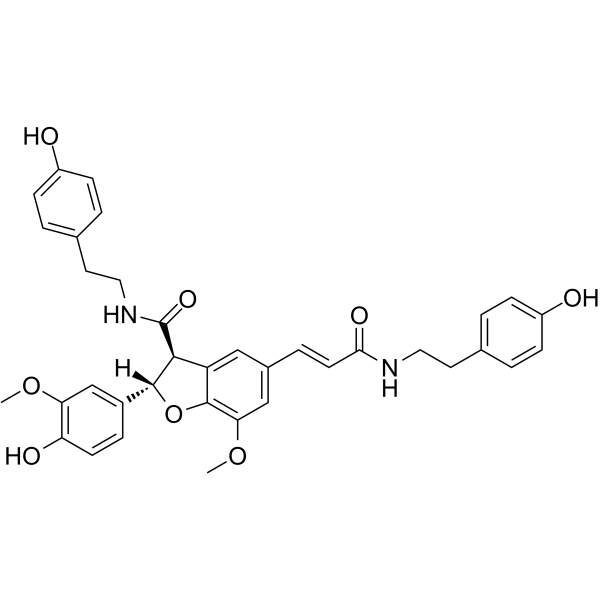
    Grossamide
    1 Publications Verification

    Toll-like Receptor (TLR) NF-κB Interleukin Related TNF Receptor MyD88 Neurological Disease Inflammation/Immunology
    Grossamide is a natural product that can be isolated from fructus cannabis, the dried fruit of Cannabis sativa L.. Grossamide has anti-neuroinflammatory effects .
    Grossamide
  • HY-B0197

    GR-85548A

    5-HT Receptor Cardiovascular Disease Neurological Disease Inflammation/Immunology
    Naratriptan is an orally active and selective 5-HT1B/1D receptor agonist. Naratriptan is peripherally active and has good oral bioavailability, inducing cranial artery vasoconstriction by activating 5-HT1B/1D receptors (EC50=0.11 μM for dog basilar artery). Naratriptan also inhibits trigeminal nerve-mediated dural neurogenic plasma extravasation and reduces sterile inflammation. Naratriptan is mainly used in the research of acute migraine, targeting cranial vascular and neuroinflammatory mechanisms .
    Naratriptan
  • HY-171656

    Glycosidase NF-κB COX STAT ERK p38 MAPK Apoptosis CDK Survivin Bcl-2 Family Neurological Disease Inflammation/Immunology Cancer
    G721-0282 is an orally active CHI3L1 inhibitor. G721-0282 can reduce the expression of inflammatory proteins and cytokines. G721-0282 inhibits the activation of the NF-κB signaling pathway. G721-0282 inhibits neuroinflammation and reduces anxious behavior. G721-0282 significantly inhibits the proliferation of osteosarcoma (OS) cells by suppressing the STAT3 signaling pathway. G721-0282 induces OS cell apoptosis by upregulating pro-apoptotic protein levels and downregulating anti-apoptotic protein levels. G721-0282 can be used for researches on neuroinflammatory conditions and cancer .
    G721-0282
  • HY-W753593

    Isotope-Labeled Compounds Enterovirus NOD-like Receptor (NLR) Histone Acetyltransferase Endogenous Metabolite Infection Neurological Disease Metabolic Disease Inflammation/Immunology Cancer
    N4-Acetylcytidine- 13C5 is the 13C-labeled N4-Acetylcytidine (HY-W019670). N4-acetylcytidine (N4A) is an endogenous nucleoside metabolite from the degradation of tRNA. N4-Acetylcytidine is formed by N-acetyltransferase 10 and other enzymes. N4-acetylcytidine might sustain NLRP3 inflammasome activation via induction of HMGB1 expression and releasee. N4-Acetylcytidine modifies mRNA, tRNA and rRNA, affecting their stability, translation efficiency (such as enterovirus 71 RNA). N4-Acetylcytidine is used in the study of cancer, neuroinflammatory diseases, viral infections and obesity .
    N4-Acetylcytidine-13C5
  • HY-126241

    Aldehyde Dehydrogenase (ALDH) Inflammation/Immunology
    RV01 is an analogue of resveratrol, inhibits DNA damage, reduces acetaldehyde dehydrogenase 2 (ALDH2) mRNA expression induced by ethanol, and exhibits hydroxyl radical scavenging activity . RV01 decreases iNOS expression, with anti-neuroinflammatory activity .
    RV01
  • HY-144765
    NF-κB-IN-4
    1 Publications Verification

    NF-κB Apoptosis Neurological Disease Metabolic Disease Inflammation/Immunology Cancer
    NF-κB-IN-4 (compound 17) is a potent NF-κB pathway inhibitor with blood brain barrier (BBB) permeability. NF-κB-IN-4 exhibits potential anti-neuroinflammatory activity with low toxicity. NF-κB-IN-4 can block the activation and phosphorylation of IκBα, reduce expression of NLRP3, and thus inhibit NF-κB activation. NF-κB-IN-4 can be used for neuroinflammation related diseases research .
    NF-κB-IN-4
  • HY-162359

    IRAK Neurological Disease Inflammation/Immunology
    BIO-7488 is an orally active, selective and blood-brain barrier permeable IRAK4 inhibitor, with an IC50 value of 0.5 nM. BIO-7488 inhibits the production of pro-inflammatory cytokines (IL-1β, TNFα, IL-6) and demonstrates anti-inflammatory effects in both LPS (HY-D1056) and distal hypoxic-middle cerebral artery occlusion (DH-MCAO) ischemic stroke model. BIO-7488 can be used for the study of neuroinflammatory-related diseases, particularly ischemic stroke .
    BIO-7488
  • HY-W019670R

    Reference Standards Endogenous Metabolite Histone Acetyltransferase Enterovirus NOD-like Receptor (NLR) Infection Neurological Disease Metabolic Disease Inflammation/Immunology Cancer
    N4-acetylcytidine (N4A) is an endogenous nucleoside metabolite from the degradation of tRNA. N4-Acetylcytidine is formed by N-acetyltransferase 10 and other enzymes. N4-acetylcytidine might sustain NLRP3 inflammasome activation via induction of HMGB1 expression and releasee. N4-Acetylcytidine modifies mRNA, tRNA and rRNA, affecting their stability, translation efficiency (such as enterovirus 71 RNA). N4-Acetylcytidine is used in the study of cancer, neuroinflammatory diseases, viral infections and obesity .
    N4-Acetylcytidine (Standard)
  • HY-122961

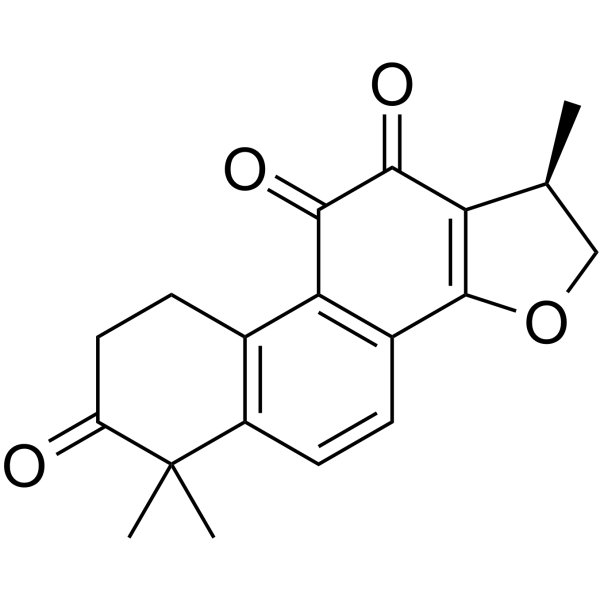
    1,2-Didehydromiltirone

    NF-κB p38 MAPK Inflammation/Immunology
    Dehydromiltirone (1,2-Didehydromiltirone) is a diterpenoid quinone with an anti-inflammatory effect. Dehydromiltirone prevents liver injury by modifying the MAPK and NF-κB signaling pathways, reducing neuroinflammatory responses, and inhibiting platelet aggregation. Dehydromiltirone can be used for osteoporosis research .
    Dehydromiltirone
  • HY-N2182

    Others Inflammation/Immunology
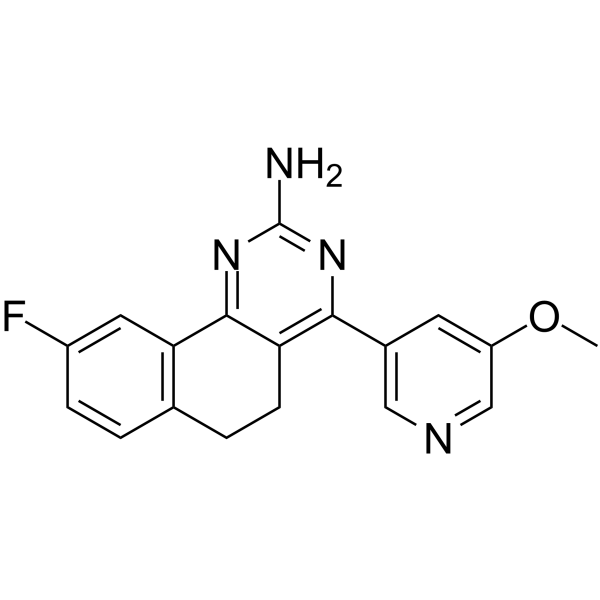
    Episyringaresinol 4'-O-β-D-glncopyranoside (compound 22), isolated from Alhagi sparsifolia Shap, is a natural potential neuroinflammatory inhibitor .
    Episyringaresinol 4'-O-β-D-glncopyranoside
  • HY-N3915

    NO Synthase Neurological Disease Inflammation/Immunology
    Futoquinol is a neolignan isolated from the dried aerial parts of Piper kadsura (Piperaceae). Futoquinol potently inhibits NO production in microglia cells. Futoquinol has anti-neuroinflammatory activities .
    Futoquinol
  • HY-127109A

    KDS2010 monomethylsulfate

    Monoamine Oxidase Neurological Disease Cancer
    Tisolagiline methylsulfate (KDS2010) is the selective, reversible and orally active inhibitor for MAO-B with an IC50 of 8 nM. Tisolagiline methylsulfate exhibits neuroprotective and anti-neuroinflammatory activities .
    Tisolagiline monomethylsulfate
  • HY-155850

    Pyruvate Kinase Neurological Disease
    CIAC001 is a Pyruvate Kinase PKM2 inhibitor with anti-neuroinflammatory activity. CIAC001 inhibits LPS-induced proinflammatory nitric oxide (NO) production and protects immunologically active BV-2 cells (IC50=2.5 μM). CIAC001 also has anti-neuroinflammation in mouse models and inhibits chronic morphine-induced addiction .
    CIAC001
  • HY-177531

    Liposome mRNA Neurological Disease Inflammation/Immunology Cancer
    S-Ac7-DOG is a cationic lipid with biodegradability, low immunogenicity and high nucleic acid transfection capacity, which is commonly used to construct lipid nanoparticles for nucleic acid molecule delivery. S-Ac7-DOG can bind to mRNA, microRNA and self-amplifying RNA through electrostatic interaction. Lipid nanoparticles formed by S-Ac7-DOG enter cells via an energy-dependent endocytic pathway, release nucleic acid cargos, induce antigen-specific CD8 + T cell responses, promote the generation of precursor memory T cells, and regulate neuroinflammatory pathways. S-Ac7-DOG can be used in the research of retinal diseases, neuroinflammation and cancer .
    S-Ac7-DOg
  • HY-127109B

    KDS2010 methylsulfate

    Monoamine Oxidase Neurological Disease
    Tisolagiline (KDS2010) methylsulfate is the selective, reversible and orally active inhibitor for MAO-B with an IC50 of 8 nM. Tisolagiline methylsulfate exhibits neuroprotective and anti-neuroinflammatory activities .
    Tisolagiline methylsulfate
  • HY-125251

    Phosphodiesterase (PDE) Neurological Disease Inflammation/Immunology
    D159153 is a highly selective phosphodiesterase 4 (PDE4) inhibitor. D159153 is promising for research of asthma, chronic obstructive pulmonary disease (COPD), and neuroinflammatory disorders .
    D159153
  • HY-155126

    Reactive Oxygen Species (ROS) Neurological Disease
    LZWL02003 is an anti-neuroinflammatory agent. LZWL02003 has protective effect on MPP +-induced neuronal damage, and reduces the expression of ROS. LZWL02003 improves cognition, memory, learning, and athletic ability in a Rotenone (HY-B1756)-induced PD rat model. LZWL02003 can be used for research of neurodegenerative disease .
    LZWL02003
  • HY-117710B

    Cholinesterase (ChE) Amyloid-β ERK TNF Receptor Interleukin Related Neurological Disease
    AD-35 is an orally active anti-Alzheimer's disease (AD) agent with moderate AChE inhibitory activity and metal ion chelating ability. AD-35 exhibits IC50 values for AChE and BuChE of 793 nM and 31428 nM, respectively. AD-35 can form chelates with Cu²⁺ and Fe³⁺, but its chelating ability for Zn²⁺ is relatively weak. AD-35 can inhibit aggregation and disassemble the formed Aβ aggregates, and inhibit Aβ-induced ERK phosphorylation. AD-35 inhibits neuroinflammation in AD rat models and demonstrates a strong effect in improving cognitive function .
    AD-35
  • HY-159944

    PPAR Neurological Disease Metabolic Disease Inflammation/Immunology
    PPARγ agonist 14 (compound 3) is a PPARy agonist (EC50=2.4 μM) with anti-diabetic activity. PPARγ agonist 14 can improve intracellular glucose uptake, promote insulin release, and lower blood sugar. In addition, PPARγ agonist 14 also improves mitochondrial function, reduces oxidative stress, and inhibits inflammatory factors. PPARγ agonist 14 can be used in the study of neurodegenerative diseases, neuroinflammatory diseases, and other diseases .
    PPARγ agonist 14
  • HY-175655

    p38 MAPK Cholinesterase (ChE) Interleukin Related Neurological Disease Inflammation/Immunology
    BChE/p38-α MAPK-IN-1 is a selective dual inhibitor of hBChE (IC50 = 772 nM) and p38α MAPK (IC50 = 191 nM). BChE/p38-α MAPK-IN-1 reduces the production of pro-inflammatory cytokines (IL-1β, IL-6, IL-8, TNF-α) in cells. BChE/p38-α MAPK-IN-1 improves Scopolamine (HY-N0296)-induced cognitive impairment, as well as alleviates LPS (HY-D1056)-induced spatial learning impairment and exerts anti-neuroinflammatory effects in mice. BChE/p38-α MAPK-IN-1 can be used for the study of Alzheimer’s disease (AD) by targeting both cholinergic deficit and neuroinflammation .
    BChE/p38-α MAPK-IN-1
  • HY-172977

    Cathepsin NO Synthase TNF Receptor Neurological Disease Inflammation/Immunology
    FGA139 is a cysteine proteases inhibitor with IC50 values of 4.98/3.14 μM for cathepsin B/L. FGA139 reduces LPS-induced NO production in RAW264.7 cells and tumor necrosis factor (TNFα) levels in microglia, and has anti-oxidative stress and anti-inflammatory activities. FGA139 promotes the secretion of neuroprotective metabolites purine and linoleic acid by LPS-stimulated microglia. FGA139 can be used in neuroinflammatory diseases research .
    FGA139
  • HY-150563

    Monoamine Oxidase Amyloid-β Neurological Disease Inflammation/Immunology
    Neuroinflammatory-IN-2 is a potent anti-neuroinflammatory agent with an IC50 value of 10.30 μM for MAO-B, and 96.33% inhibition of 1-42 aggregation at 25 μM. Neuroinflammatory-IN-2 has neuroprotective activity in H2O2-induced PC-12 cell injury. Neuroinflammatory-IN-2 also has biometal chelating abilities, antioxidant activity, anti-neuroinflammatory activity and appropriate BBB permeability. Neuroinflammatory-IN-2 can be used for researching Alzheimer’s disease .
    Neuroinflammatory-IN-2
  • HY-175666

    Cannabinoid Receptor Reactive Oxygen Species (ROS) Caspase p38 MAPK Arrestin Neurological Disease Inflammation/Immunology
    ISAM-CG557 is a selective CB2R agonist, with a Ki of 54.6 nM. ISAM-CG557 reduces intracellular ROS levels and caspase activity. ISAM-CG557 exhibits significant MAPK bias and moderate G-protein bias, with CB2R EC50s of 0.60 nM (cAMP), 60.9 nM (β-arrestin) and 0.03 nM (MAPK). ISAM-CG557 exerts potent anti-inflammatory effects by reducing pro-inflammatory cytokines and increasing anti-inflammatory cytokines in cells. ISAM-CG557 can be used for the study of neuroinflammatory and neurodegenerative disorders .
    ISAM-CG557
  • HY-N1818

    3-Deoxysappanone B

    p38 MAPK Neurological Disease Inflammation/Immunology
    Deoxysappanone B (3-Deoxysappanone B) is a homoisoflavone compound isolated from Caesalpinia sappan L (Lignum Sappan). Deoxysappanone B has anti-neuroinflammatory and neuroprotective effects and inhibits the production of neuroinflammatory mediators by blocking the IκB kinase (IKK)-NF-κB and p38/ERK MAPK pathways. Deoxysappanone B can be used in disease studies of neuritis and inflammation-related neurological damage .
    Deoxysappanone B
  • HY-178356

    Cholinesterase (ChE) nAChR Interleukin Related TNF Receptor Neurological Disease Inflammation/Immunology
    BChE-IN-44 is a potent, brain-penetrant, highly selective BChE inhibitor [equine BChE IC50 = 18.00 pM, human BChE IC50 = 1.50 nM]. BChE-IN-44 shows neuroprotective effects against the Aβ1-42-induced injury model and inhibitory effects on Aβ1-42 self-aggregation. BChE-IN-44 reduces the levels of inflammatory factors (NO, IL-6, and TNF-α) in Lipopolysaccharides (HY-D1056)-induced BV2 cells. BChE-IN-44 can significantly ameliorate Scopolamine (HY-N0296)-induced cognition impairment. BChE-IN-44 exhibits capacity in the regulation of BChE and acetylcholine levels in the mouse hippocampus. BChE-IN-44 can be used for the study of Alzheimer’s disease (AD) .
    BChE-IN-44
  • HY-152088

    Microtubule/Tubulin Neurological Disease Inflammation/Immunology Cancer
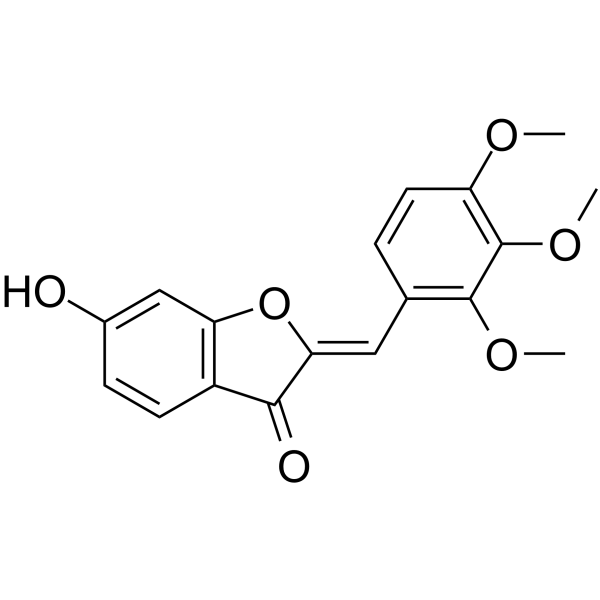
    Neuroinflammatory-IN-3, a tubulin inhibitor, is an anti-neuroinflammatory agent. Neuroinflammatory-IN-3 is a potent antitumor agent that functions by the inhibition of tubulin polymerization[1] .
    Neuroinflammatory-IN-3
  • HY-202233

    TBN

    Drug Derivative Neurological Disease Inflammation/Immunology
    Tetramethylpyrazine nitrone is a nitrone derivative of tetramethylpyrazine. Tetramethylpyrazine nitrone is an active ingredient from Ligusticum wallichii Franchat. Tetramethylpyrazine nitrone is a potent scavenger of free radicals with neuroprotective activitys in both rat and monkey models of ischemis stroke. Tetramethylpyrazine nitrone can suppress over-expression of neuroinflammatory marker vimentin .
    Tetramethylpyrazine nitrone
  • HY-138050

    (-)-Nyasol; (Z)-Hinokiresinol; cis-Hinokiresinol

    NO Synthase Bacterial Fungal Parasite Leukotriene Receptor Infection Inflammation/Immunology
    Nyasol ((-)-Nyasol) is an active compound that has antifungal, antibacterial, antileishmanial, hyaluronidase inhibition activities. Nyasol inhibits LTB4 binding to human neutrophils. Nyasol suppresses neuroinflammatory response through the inhibition of I-κB degradation in LPS (HY-D1056)-stimulated BV-2 microglial cells .
    Nyasol
  • HY-N12249

    Amyloid-β TMV Infection Neurological Disease Inflammation/Immunology
    7-Deoxy-trans-dihydronarciclasine, an alkaloid, is a tobacco mosaic virus (TMV) inhibitor (IC50: 1.80 μM). 7-Deoxy-trans-dihydronarciclasine is an anti-neuroinflammatory agent. 7-Deoxy-trans-dihydronarciclasine decreases the and APP levels in the cerebral cortex of Tg2576 mice .
    7-Deoxy-trans-dihydronarciclasine

Inquiry Online

Your information is safe with us. * Required Fields.

Salutation


Country or Region *

Applicant Name *


Organization Name *

Department *


Email Address *


Product Name *

Cat. No.


Requested quantity *

Phone Number *


Remarks

Inquiry Online

Inquiry Information

Product Name:
Cat. No.:
Quantity:
MCE Japan Authorized Agent:

