

1. Search Result
Search Result
Results for "

neuropathy

" in MedChemExpress (MCE) Product Catalog:

131

Inhibitors & Agonists

1

Biochemical Assay Reagents

6

Peptides

8

Inhibitory Antibodies

25

Natural
Products

7

Isotope-Labeled Compounds

1

Antibodies

3

Oligonucleotides

Cat. No. Product Name Target Research Areas Chemical Structure
  • HY-P9970
    Infliximab
    25+ Cited Publications

    Avakine; CT-P13; SB2; TA-650

    TNF Receptor Neurological Disease Metabolic Disease Inflammation/Immunology Cancer
    Infliximab (Avakine) is a chimeric monoclonal IgG1 antibody that specifically binds to TNF-α. Infliximab prevents the interaction of TNF-α with TNF-α receptor (TNFR1 and TNFR2). Infliximab has the potential for autoimmune, chronic inflammatory diseases and diabetic neuropathy research .
    The component ratio of this product is Active ingredient : Excipients = 9 : 47.
    Infliximab
  • HY-66009
    Epalrestat
    5+ Cited Publications

    ONO2235

    Aldose Reductase Metabolic Disease Inflammation/Immunology Cancer
    Epalrestat is an orally active aldose reductase inhibitor that acts on diabetic neuropathy .
    Epalrestat
  • HY-113402
    Gamma-glutamylcysteine
    4 Publications Verification

    γ-Glu-Cys

    Endogenous Metabolite Interleukin Related TNF Receptor AMPK Sirtuin STAT PI3K NF-κB JAK p38 MAPK JNK Akt Apoptosis Ferroptosis Cardiovascular Disease Neurological Disease Inflammation/Immunology
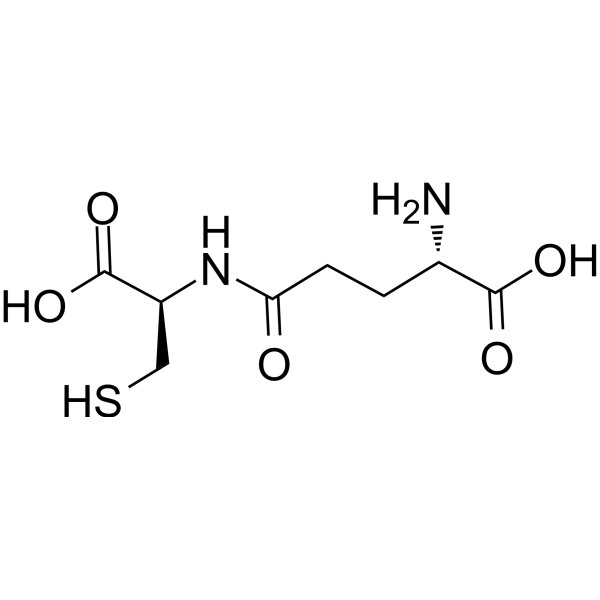
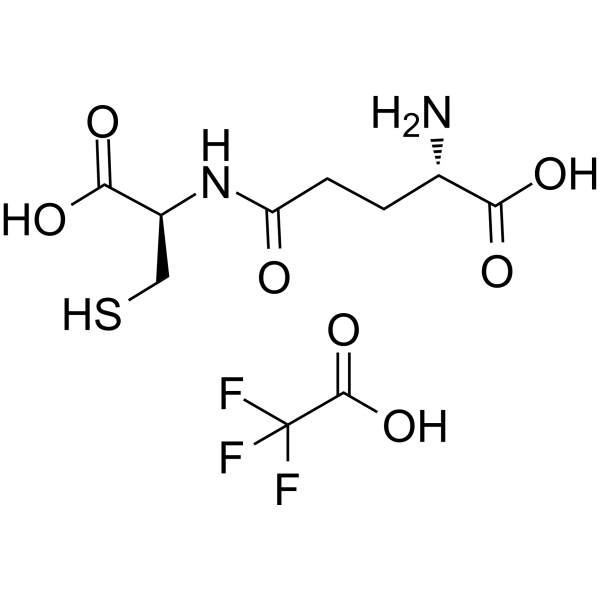
    Gamma-glutamylcysteine (γ-Glu-Cys) is an orally active, blood-brain barrier permeable dipeptide . Gamma-glutamylcysteine activates AMPK, SIRT1, IL-4/STAT6, AC/cAMP/PI3K, IGF-1R/IRS1/PI3K, and Nrf2 signaling pathways; it inhibits NF-κB, JAK1/STAT1/3, MAPKs, cadmium-induced p38 MAPK, JNK, and PI3K/Akt signaling pathways. Gamma-glutamylcysteine regulates macrophage polarization, modulates the trafficking of CD36 and GLUT4, induces glutathione synthesis, improves metabolic dysfunction, reduces lipid deposition, ameliorates glucose homeostasis, inhibits apoptosis (Apoptosis), stabilizes mitochondria, suppresses lipid peroxidation, iron accumulation and ferroptosis (Ferroptosis), reduces ds-HMGB1 levels, reverses mechanical hyperalgesia, and alleviates hepatic lipid droplet formation. Gamma-glutamylcysteine is applicable to research related to inflammatory bowel disease, type 2 diabetes, cadmium-induced neurotoxicity, Alzheimer's disease, cerebral ischemia/reperfusion injury, neuropathy, and alcoholic liver disease .
    Gamma-glutamylcysteine
  • HY-13630
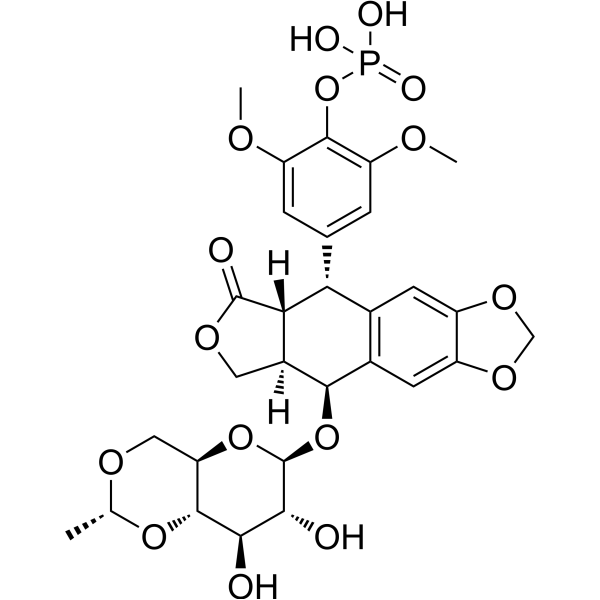
    Etoposide phosphate
    Maximum Cited Publications
    174 Publications Verification

    BMY-40481

    Topoisomerase Bacterial Autophagy Apoptosis Infection Neurological Disease Cancer
    Etoposide phosphate (BMY-40481) is a potent anti-cancer chemotherapy agent and a selective topoisomerase II inhibitor to prevent re-ligation of DNA strands. Etoposide phosphate is the phosphate ester proagent of etoposide and is considered as active equivalent to Etoposide. Etoposide phosphate induces cell cycle arrest, apoptosis, and autophagy.
    Etoposide phosphate
  • HY-B0535A
    Ethambutol dihydrochloride
    4 Publications Verification

    Emb dihydrochloride

    Bacterial Antibiotic Infection
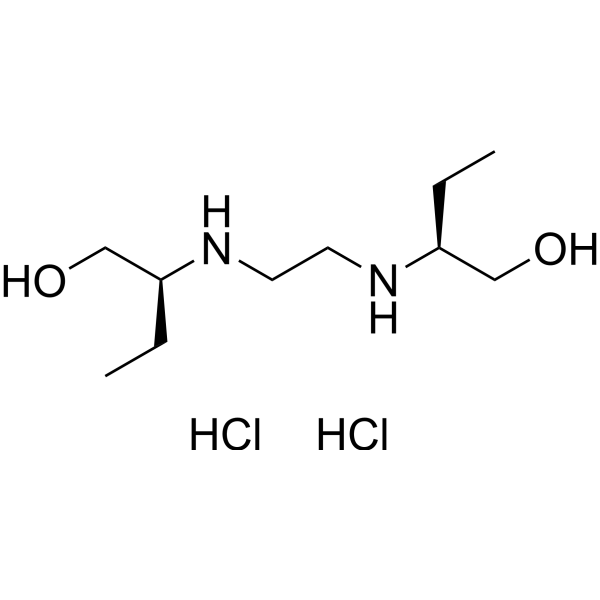
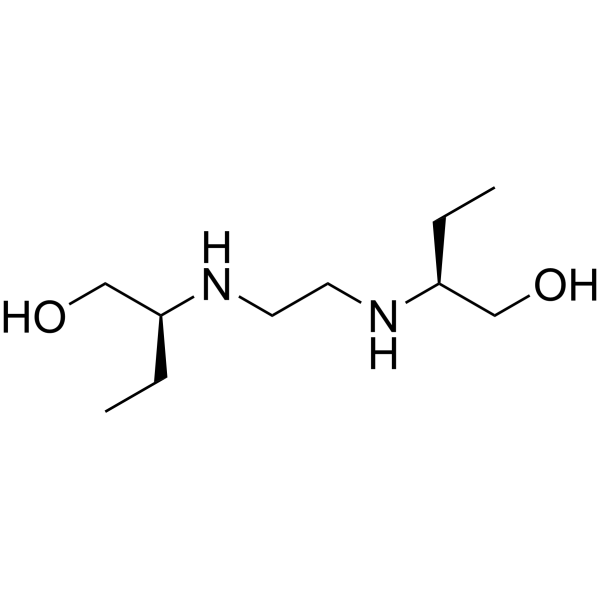
    Ethambutol dihydrochloride is an antimycobacterial compound that prevents cell wall formation by inhibiting arabinosyltransferase activity. Ethambutol dihydrochloride can be used to establish animal models of hyperuricemia and optic neuropathy.
    Ethambutol dihydrochloride
  • HY-B0415
    Fluocinolone (Acetonide)
    1 Publications Verification

    Glucocorticoid Receptor Wnt Inflammation/Immunology Endocrinology
    Fluocinolone is a glucocorticoid glucocorticoid receptor agonist. Fluocinolone is effective in preventing both lipid accumulation and inflammation. Fluocinolone can promote the proliferation of DPCs and has the potential role in repairing injured pulp tissues. Fluocinolone can be used to study the prevention of chemotherapy-induced peripheral neuropathy caused by Paclitaxel (HY-B0015) .
    Fluocinolone (Acetonide)
  • HY-P9914
    Eculizumab
    4 Publications Verification

    Anti-Human C5, Humanized Antibody; h5G1.1

    Complement System Cardiovascular Disease Neurological Disease
    Eculizumab (Anti-Human C5, Humanized Antibody) is a long-acting humanized monoclonal antibody targeted against complement C5. Eculizumab inhibits the cleavage of C5 into C5a and C5b and inhibits deployment of the terminal complement system including the formation of membrane attack complex (MAC). Eculizumab prevents anti-ganglioside antibody-mediated neuropathy in mice. Eculizumab can be used in hemolysis studies .
    Eculizumab
  • HY-12883
    PF 05089771
    4 Publications Verification

    Sodium Channel Neurological Disease
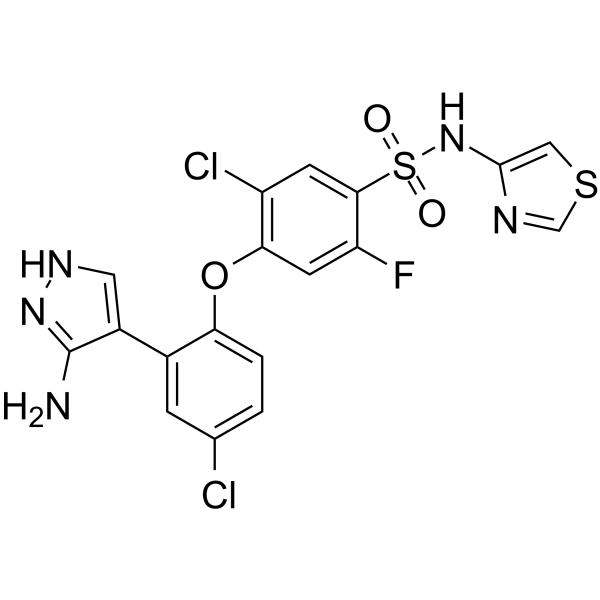
    PF 05089771 is a potent, orally active and selective arylsulfonamide Nav1.7 inhibitor, with IC50 values of 11 nM, 12 nM, 13 nM, 171 nM and 8 nM for hNav1.7, cynNav1.7, dogNav1.7, ratNav1.7, and musNav1.7, respectively. PF 05089771 is under the study for pain and diabetic neuropathy .
    PF 05089771
  • HY-B0985
    Phenazopyridine hydrochloride
    2 Publications Verification

    TRP Channel Neurological Disease
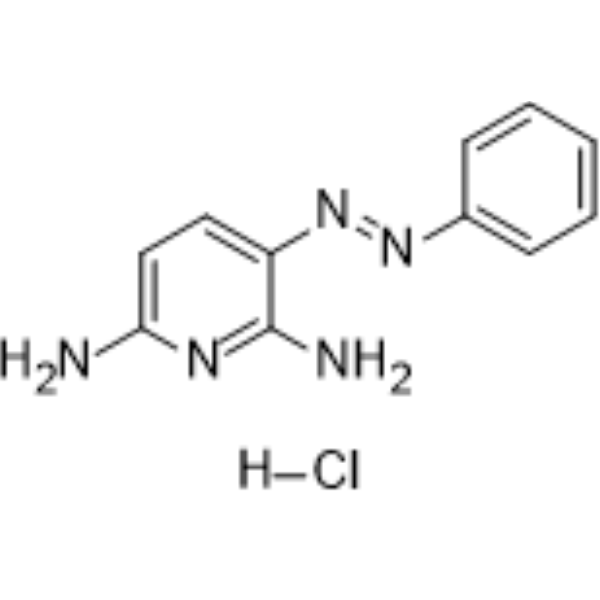
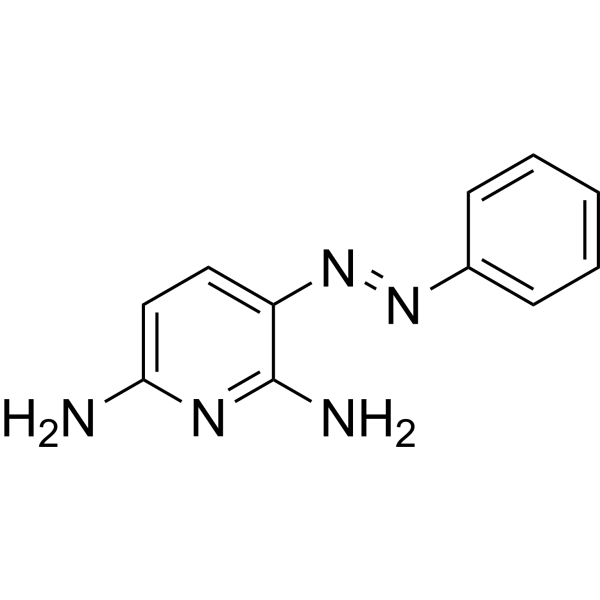
    Phenazopyridine hydrochlorideis a competitive SARM1 inhibitor, with IC50 145 μM. Phenazopyridine hydrochlorideis a TRPM8 antagonist. Phenazopyridine hydrochloride has a local anesthetic/analgesic effect. Phenazopyridine hydrochlorideis used to relieve painful symptoms of conditions such as cystitis and urethritis. Phenazopyridine hydrochloridecan promote neuronal differentiation and can also be used in the study of traumatic brain injury, peripheral neuropathy and neurodegenerative diseases .
    Phenazopyridine hydrochloride
  • HY-B0535
    Ethambutol
    4 Publications Verification

    Bacterial Antibiotic Infection
    Ethambutol is an antimycobacterial compound that prevents cell wall formation by inhibiting arabinosyltransferase activity. Ethambutol can be used to establish animal models of hyperuricemia and optic neuropathy.
    Ethambutol
  • HY-124754

    BTRX-335140; CYM-53093

    Opioid Receptor Neurological Disease Metabolic Disease
    Navacaprant (BTRX-335140) is a selective and orally active κ opioid receptor (KOR) antagonist, has antagonist activity for κOR, μOR and δOR with IC50 values of 0.8 nM, 110 nM, and 6500 nM, respectively. Navacaprant endows with favorable in vitro ADMET and in vivo pharmacokinetic profiles and medication-like duration of action in rats. Navacaprant distributes well into the CNS and can be used for the research of neuropathy .
    Navacaprant
  • HY-P9970A

    Avakine (Anti-TNF-α); CT-P13 (Anti-TNF-α)

    TNF Receptor Neurological Disease Metabolic Disease Inflammation/Immunology Cancer
    Infliximab (Anti-TNF-α) (Avakine (Anti-TNF-α)) is a chimeric monoclonal IgG1 antibody that specifically binds to TNF-α. Infliximab (Anti-TNF-α) prevents the interaction of TNF-α with TNF-α receptor (TNFR1 and TNFR2). Infliximab (Anti-TNF-α) has the potential for autoimmune, chronic inflammatory diseases and diabetic neuropathy research .
    Infliximab (Anti-TNF-α)
  • HY-142240

    HSK16149

    Calcium Channel Neurological Disease
    Crisugabalin is an orally active, selective ligand for the α2δ subunit of voltage-gated calcium channels, with a target IC50 of 3.96 nM in rats. Crisugabalin inhibits the binding of [ 3H]gabapentin to the α2δ subunit, reduces calcium influx, decreases neuronal excitability, and impairs nociceptive transmission. Crisugabalin alleviates mechanical allodynia, neuropathic pain and inflammatory pain in rats, and reduces phase II pain behaviors. Crisugabalin can be used in research related to chronic pain, neuropathic pain, diabetic neuropathy, fibromyalgia, inflammatory pain, diabetic peripheral neuropathy and postherpetic neuralgia.
    Crisugabalin
  • HY-N0478
    Neoline
    1 Publications Verification

    Bullatine B

    Others Neurological Disease
    Neoline (Bullatine B) is the active ingredient of the active ingredient (PA), which can be used to cure the disease. Neoline Flow Suppression Nav1.7 Electrical Flow Control (VGSC), improve diabetes mechanical pain sensitivity. Neoline has a list of compounds that can be used, research on its use, and the quality of its processing during processing in pain .
    Neoline
  • HY-N0837
    Veratramine
    1 Publications Verification

    NSC17821; NSC23880

    PI3K Akt mTOR Autophagy Apoptosis Neurological Disease Metabolic Disease Inflammation/Immunology Cancer
    Veratramine (NSC17821; NSC23880) is an orally active inhibitor of the PI3K/Akt/mTOR signaling pathway and a SIGMAR1 modulator. Veratramine induces autophagic apoptosis of tumor cells, arrests the cell cycle at the G0/G1 phase, and inhibits epithelial-mesenchymal transition (EMT)-related proteins to reduce tumor migration. Veratramine reduces spinal cord and sciatic nerve pathological damage in a neuropathy model by inhibiting SIGMAR1 binding to NMDAR and phosphorylation of NMDAR Ser896. Veratramine has anti-tumor proliferation, apoptosis induction, anti-inflammatory and neuroprotective activities, and can be used in the study of cancers such as liver cancer and osteosarcoma, as well as diabetic peripheral neuropathy .
    Veratramine
  • HY-W012788
    Maltol
    2 Publications Verification

    Environmental Pollutants Endogenous Metabolite Apoptosis Infection Neurological Disease
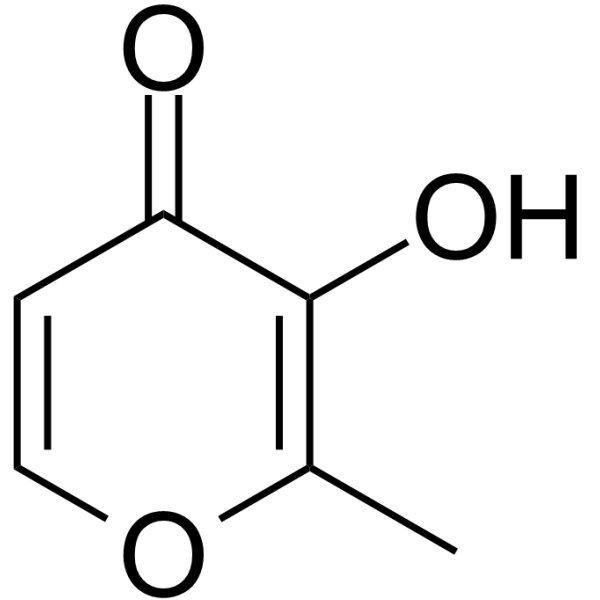
    Maltol, a type of aromatic compound, is an antioxidant agent. Maltol enhances neural function by mitigating oxidative stress and cell apoptosis. Maltol is an inhibitor of oxidative damage in nerve cells and is effective in preventing diabetic peripheral neuropathy (DPN). Maltol is used extensively as a safe flavoring agent and food preservative. Maltol is a metal ion chelator that can be used in the field of catalysis, cosmetics, and medicine .
    Maltol
  • HY-113402A
    Gamma-glutamylcysteine TFA
    4 Publications Verification

    γ-Glu-Cys TFA

    Interleukin Related TNF Receptor Endogenous Metabolite AMPK Sirtuin STAT PI3K NF-κB JAK p38 MAPK JNK Akt Apoptosis Ferroptosis Cardiovascular Disease Neurological Disease Inflammation/Immunology
    Gamma-glutamylcysteine TFA (γ-Glu-Cys TFA) is an orally active, blood-brain barrier permeable dipeptide . Gamma-glutamylcysteine TFA activates AMPK, SIRT1, IL-4/STAT6, AC/cAMP/PI3K, IGF-1R/IRS1/PI3K, and Nrf2 signaling pathways; it inhibits NF-κB, JAK1/STAT1/3, MAPKs, cadmium-induced p38 MAPK, JNK, and PI3K/Akt signaling pathways. Gamma-glutamylcysteine TFA regulates macrophage polarization, modulates the trafficking of CD36 and GLUT4, induces glutathione synthesis, improves metabolic dysfunction, reduces lipid deposition, ameliorates glucose homeostasis, inhibits apoptosis (Apoptosis), stabilizes mitochondria, suppresses lipid peroxidation, iron accumulation and ferroptosis (Ferroptosis), reduces ds-HMGB1 levels, reverses mechanical hyperalgesia, and alleviates hepatic lipid droplet formation. Gamma-glutamylcysteine TFA is applicable to research related to inflammatory bowel disease, type 2 diabetes, cadmium-induced neurotoxicity, Alzheimer's disease, cerebral ischemia/reperfusion injury, neuropathy, and alcoholic liver disease .
    Gamma-glutamylcysteine TFA
  • HY-129380
    Fructosyl-lysine
    1 Publications Verification

    Fructoselysine

    Endogenous Metabolite Metabolic Disease
    Fructosyl-lysine (Fructoselysine) is an amadori glycation product from the reaction of glucose and lysine by the Maillard reaction. Fructosyl-lysine is the precursor to glucosepane, a lysine–arginine protein cross-link that can be an indicator in diabetes?detection .
    Fructosyl-lysine
  • HY-P991127

    DNTH103

    Complement System Inflammation/Immunology
    Claseprubart (DNTH103) is an inhibitor targeting C1s of the complement system and an inhibitor of the C1 component of the complement cascade. Claseprubart is in phase 2 clinical evaluation. Claseprubart has application potential in research related to multifocal motor neuropathy and generalized myasthenia gravis .
    Claseprubart
  • HY-123607

    Ephrin Receptor Neurological Disease Cancer
    UniPR129 is a potent and orally active Eph/ephrin antagonist. UniPR129 can inhibit EphA2-ephrin-A1 interaction with an IC50 of 945 nM and a Ki of 370 nM. UniPR129 can inhibit angiogenesis and show antitumor and neuroprotective effect. UniPR129 can be used for the researches of cancer and neurological disease, such as colorectal cancer and optic neuropathy .
    UniPR129
  • HY-14550
    TP-10
    2 Publications Verification

    Phosphodiesterase (PDE) Cardiovascular Disease Neurological Disease
    TP-10 is a selective PDE10A inhibitor with an IC50 value of 0.8 nM. TP-10 shows an antioxidant activity with IC50s of 31.72 and 16.04 μg/ml for DPPH and CUPRAC, respectively. TP-10 can be used for the research of neuropathy .
    TP-10
  • HY-A0081
    Fluphenazine dihydrochloride
    3 Publications Verification

    Dopamine Receptor SARS-CoV Sodium Channel Neurological Disease Cancer
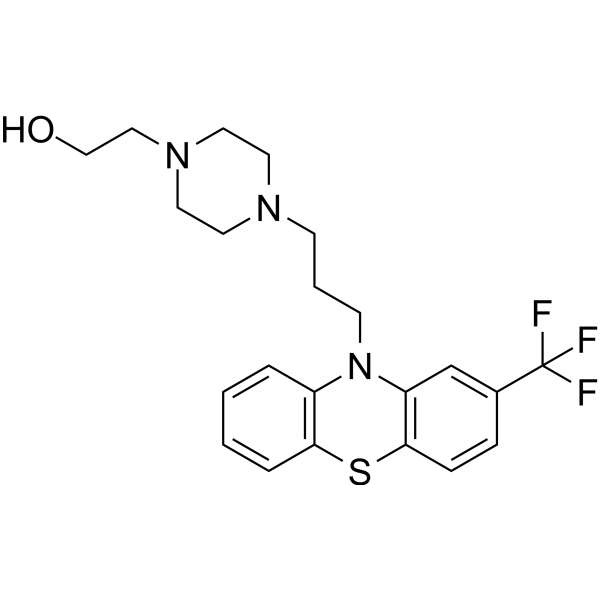
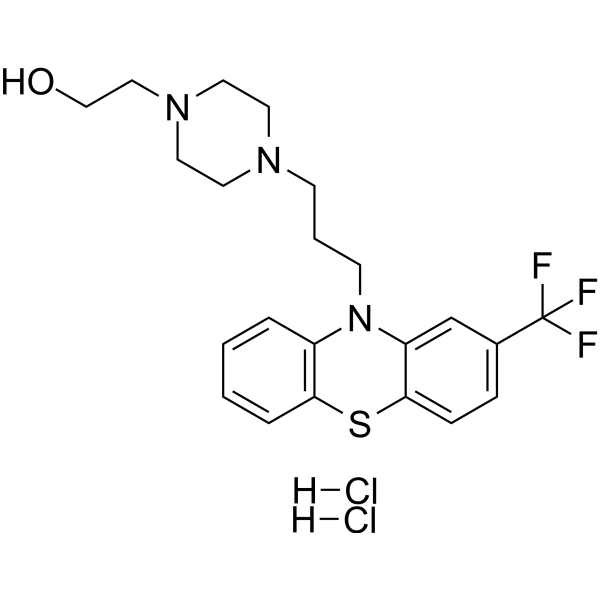
    Fluphenazine dihydrochloride is a potent, orally active phenothiazine-based dopamine receptor antagonist. Fluphenazine dihydrochloride blocks neuronal voltage-gated sodium channels. Fluphenazine dihydrochloride acts primarily through antagonism of postsynaptic dopamine-2 receptors in mesolimbic, nigrostriatal, and tuberoinfundibular neural pathways. Fluphenazine dihydrochloride can antagonize Methylphenidate-induced stereotyped gnawing and inhibit climbing behaviour in mice. Fluphenazine dihydrochloride can be used for researching psychosis and painful peripheral neuropathy associated with diabetes and has potential to inhibit SARS-CoV-2 .
    Fluphenazine dihydrochloride
  • HY-101096

    MK-8998; CX-8998; JZP385

    Calcium Channel Neurological Disease Cancer
    Suvecaltamide (MK-8998) is a selective T-type calcium channel inhibitor with oral efficacy. Suvecaltamide exhibits no cytotoxicity in myeloma cell lines and does not affect the antitumor efficacy of Bortezomib (BTZ). Suvecaltamide reverses BTZ-induced peripheral neuropathy (CIPN) in mouse and rat models, and helps inhibit myeloma growth .
    Suvecaltamide
  • HY-111791
    ACY-1083
    1 Publications Verification

    HDAC Cancer
    ACY-1083 is a selective and brain-penetrating HDAC6 inhibitor with an IC50 of 3 nM and is 260-fold more selective for HDAC6 than all other classes of HDAC isoforms. ACY-1083 effectively reverses chemotherapy-induced peripheral neuropathy .
    ACY-1083
  • HY-B1239
    Drofenine hydrochloride
    1 Publications Verification

    Hexahydroadiphenine hydrochloride

    Cholinesterase (ChE) Potassium Channel Amyloid-β TRP Channel Tau Protein NOD-like Receptor (NLR) JNK NF-κB IKK Neurological Disease Metabolic Disease Inflammation/Immunology
    Drofenine (Cycloadiphene; Hexahydroadiphenine) hydrochloride is an brain-penetrant antispasmodic agent. Drofenine hydrochloride is a Kv2.1 channel inhibitor with human IC50 of 9.53 μM. Drofenine hydrochloride is a butyrylcholinesterase (BChE) inhibitor with Ki of 0.003 mM, and is a TRPV3 activator. Drofenine hydrochloride blocks Kv2.1-dependent potassium efflux, inhibits Kv2.1/JNK/NF-κB and IkBa/NF-kB signaling, suppresses Kv2.1 mRNA/protein expression. Drofenine suppresses oligomeric -induced microglial NLRP3 inflammasome activation and neuronal Tau hyperphosphorylation, improves cognitive impairment, promotes neurite outgrowth. Drofenine hydrochloride induces calcium influx in keratinocytes and exert cytotoxicity against keratinocytes. Drofenine hydrochloride ameliorates diabetic peripheral neuropathy -like pathology. Drofenine hydrochloride can be used for the researches of Alzheimer's disease, diabetic peripheral neuropathy and smooth muscle spasm .
    Drofenine hydrochloride
  • HY-171846

    TRP Channel Neurological Disease Inflammation/Immunology
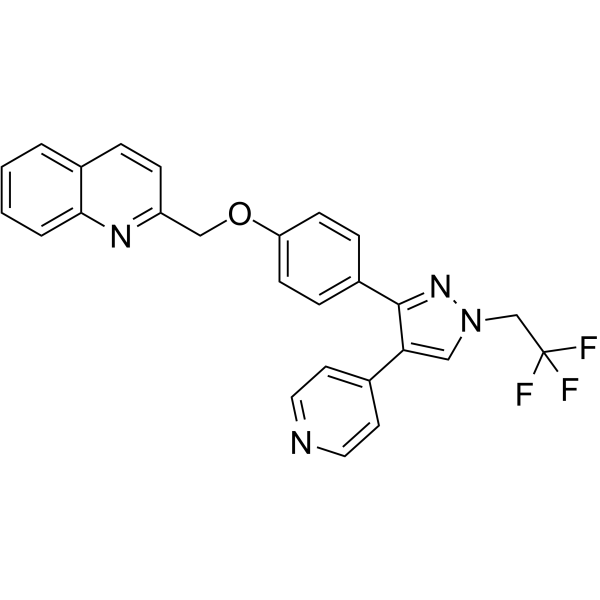
    LY3526318 is an orally active, selective TRPA1 antagonist (IC50=5-6μM). LY3526318 blocks TRPA1 channels, inhibits pain signal transduction mediated by the channel, and exerts analgesic activity. LY3526318 is mainly used in the research of chronic pain-related fields, such as diabetic peripheral neuropathy, chronic low back pain, and pain caused by osteoarthritis .
    LY3526318
  • HY-122671

    Anion Exchangers Neurological Disease
    OB-1 is a stomatin-like protein-3 (STOML3) oligomerization blocker. OB-1 is an effective inhibitor of the self-association of Stomatin, STOML1 and STOML2, but not podocin .
    OB-1
  • HY-119980
    Fluphenazine
    3 Publications Verification

    Sodium Channel Dopamine Receptor SARS-CoV Infection Neurological Disease Cancer
    Fluphenazine is a potent, orally active phenothiazine-based dopamine receptor antagonist. Fluphenazine blocks neuronal voltage-gated sodium channels. Fluphenazine acts primarily through antagonism of postsynaptic dopamine-2 receptors in mesolimbic, nigrostriatal, and tuberoinfundibular neural pathways. Fluphenazine can antagonize Methylphenidate-induced stereotyped gnawing and inhibit climbing behaviour in mice. Fluphenazine can be used for researching psychosis and painful peripheral neuropathy associated with diabetes and has potential to inhibit SARS-CoV-2 .
    Fluphenazine
  • HY-105416
    Calphostin C
    2 Publications Verification

    UCN-1028C

    Antibiotic PKC Apoptosis Metabolic Disease Cancer
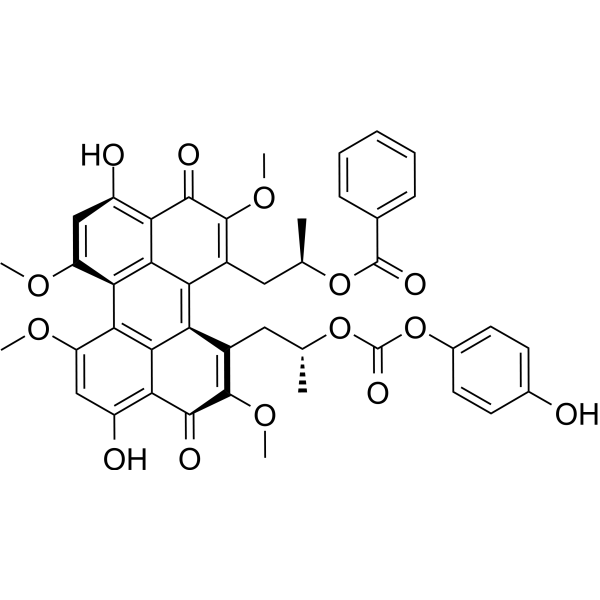
    Calphostin C is a highly selective PKC inhibitor (IC50=0.05 μM) and tumor apoptosis inducer. Calphostin C competitively binds to PKC and inhibits PKC-mediated phosphorylation signal transduction. Calphostin C restores Na+/K+ ATPase activity in the sciatic nerve of diabetic mice and improves neuropathy. Calphostin C can be used in the study of anti-tumor and diabetic complications .
    Calphostin C
  • HY-148948

    NAMPT Neurological Disease
    NAMPT activator-3, a NAT derivative, is a NAMPT activator with an EC50 of 2.6 μM and a KD of 132 nM. NAMPT activator-3 effectively protects cultured cells from FK866 (HY-50876)-mediated toxicity. NAMPT activator-3 exhibits strong neuroprotective efficacy in a chemotherapy-induced peripheral neuropathy (CIPN) mouse model without any overt toxicity .
    Nampt activator-3
  • HY-124619

    EAAT HIV Neurological Disease
    GPI-1046 is an orally active, antibiotic-free immunophilin ligand that reduces ethanol intake by upregulating glutamate transporter 1 (GLT1) in the prefrontal cortex (PFC) and nucleus accumbens core (NAc-core). GPI-1046 improves human immunodeficiency virus (HIV)-associated sensory neuropathy (HIV-SN) by attenuating store-operated calcium (SOC) entry. GPI-1046 has neuroprotective activity .
    GPI-1046
  • HY-129380A
    Fructosyl-lysine dihydrochloride
    1 Publications Verification

    Fructoselysine dihydrochloride

    Endogenous Metabolite Metabolic Disease
    Fructosyl-lysine (Fructoselysine) dihydrochloride is an amadori glycation product from the reaction of glucose and lysine by the Maillard reaction. Fructosyl-lysine dihydrochloride is the precursor to glucosepane, a lysine–arginine protein cross-link that can be an indicator in diabetes detection .
    Fructosyl-lysine dihydrochloride
  • HY-106856

    NT-11624

    iGluR Cancer
    Dimiracetam is an orally active compound, with anti-neuropathic activity. Dimiracetam inhibits hypersensitivity and neurological alterations, and inhibits Sorafenib (HY-10201)-induced neuropathy in cold stimulation rat models .
    Dimiracetam
  • HY-116239
    Zenarestat
    1 Publications Verification

    Aldose Reductase Neurological Disease Metabolic Disease
    Zenarestat is a potent and orally active aldose reductase inhibitor. Zenarestat improves diabetic peripheral neuropathy in Zucker diabetic fatty rats .
    Zenarestat
  • HY-B0985A
    Phenazopyridine
    2 Publications Verification

    TRP Channel Neurological Disease
    Phenazopyridine is a competitive SARM1 inhibitor, with IC50 145 μM. Phenazopyridine is a TRPM8 antagonist. Phenazopyridine has a local anesthetic/analgesic effect. Phenazopyridine is used to relieve painful symptoms of conditions such as cystitis and urethritis. Phenazopyridine can promote neuronal differentiation and can also be used in the study of traumatic brain injury, peripheral neuropathy and neurodegenerative diseases .
    Phenazopyridine
  • HY-156103

    Huntingtin Neurological Disease
    mHTT-IN-2 (compound 27) is a potent inhibitor (EC50=0.066 μM) of mutant huntingtin (mHTT). mHTT-IN-2 reduces canonical splicing of HTT RNA exons [49-50] and is a splicing regulator of the huntingtin (HTT) gene. mHTT-IN-2 exhibits inhibitory activity in vitro and in vivo in human HD stem cells and mouse BACHD models. mHTT-IN-2 may be used in the study of branaplam-related peripheral neuropathy .
    mHTT-IN-2
  • HY-P2325

    Biochemical Assay Reagents ROCK Neurological Disease Metabolic Disease
    Exoenzyme C3, clostridium botulinum, is a mono-ADP-ribosylating enzyme. Exoenzyme C3, clostridium botulinum specifically modifies RhoA, B, and C by transferring ADP-ribose to them, thereby inactivating these GTPases. Exoenzyme C3, clostridium botulinum can induce neuronal axonal and dendritic growth, inhibit macrophage migration, and regulate cytoskeletal dynamics. Exoenzyme C3, clostridium botulinum can be used in the research of spinal cord injury and diabetic painful neuropathy .
    Exoenzyme C3, clostridium botulinum
  • HY-N16556

    Others Neurological Disease
    2',4',6'-Trihydroxydihydrochalcone 4'-O-glucoside (Compound 45) is a phenolic compound. 2',4',6'-Trihydroxydihydrochalcone 4'-O-glucoside can be isolated from Shorea roxburghii. 2',4',6'-Trihydroxydihydrochalcone 4'-O-glucoside can be used in the research of Cyclophosphamide (HY-17420)-induced peripheral neuropathy .
    2',4',6'-Trihydroxydihydrochalcone 4'-O-glucoside
  • HY-122963

    Adenosine Receptor Metabolic Disease
    Danshenol B is a diterpenoid. Danshenol B has strong aldose reductase (AR) inhibitory activity with IC50 value of 0.042μM. Danshenol B can be used for the research of diabetic related complication resulted by metabolic abnormality, such as cataracts, retinopathy, neuropathy, and nephropathy .
    Danshenol B
  • HY-155089

    MAP3K Neurological Disease
    IACS-52825 is a potent and selective DLK inhibitor with Kd of 1.3 nM, useful for the study of chemotherapy-induced peripheral neuropathy .
    IACS-52825
  • HY-66009R

    ONO2235 (Standard)

    Reference Standards Aldose Reductase Metabolic Disease Inflammation/Immunology Cancer
    Epalrestat (Standard) is the analytical standard of Epalrestat. This product is intended for research and analytical applications. Epalrestat is an orally active aldose reductase inhibitor that acts on diabetic neuropathy .
    Epalrestat (Standard)
  • HY-161918

    Toll-like Receptor (TLR) Neurological Disease
    SARM1-IN-3 (Example 30) is a SARM1 inhibitor. SARM1-IN-3 can be used in the study of chemotherapy induced peripheral neuropathy (CIPN) .
    SARM1-IN-3
  • HY-N0837R

    NSC17821 (Standard); NSC23880 (Standard)

    Reference Standards PI3K Akt mTOR Autophagy Apoptosis Neurological Disease Metabolic Disease Cancer
    Veratramine (NSC17821; NSC23880) (Standard) is the analytical standard of Veratramine (HY-N0837). This product is intended for research and analytical applications. Veratramine (NSC17821; NSC23880) is an orally active inhibitor of the PI3K/Akt/mTOR signaling pathway and a SIGMAR1 modulator. Veratramine induces autophagic apoptosis of tumor cells, arrests the cell cycle at the G0/G1 phase, and inhibits epithelial-mesenchymal transition (EMT)-related proteins to reduce tumor migration. Veratramine reduces spinal cord and sciatic nerve pathological damage in a neuropathy model by inhibiting SIGMAR1 binding to NMDAR and phosphorylation of NMDAR Ser896. Veratramine has anti-tumor proliferation, apoptosis induction, anti-inflammatory and neuroprotective activities, and can be used in the study of cancers such as liver cancer and osteosarcoma, as well as diabetic peripheral neuropathy .
    Veratramine (Standard)
  • HY-173276

    Toll-like Receptor (TLR) Neurological Disease
    SARM1-IN-4 (Compound 7) is an orally active SARM1 inhibitor. After being orally administered at a dose of 50 mg/kg in a mouse model, it can reduce the level of plasma neurofilament light chain (NfL). SARM1-IN-4 prevents programmed axonal degeneration by inhibiting the NAD+ hydrolase activity of SARM1, and it can be used in research related to neurodegenerative diseases and neurological disorders (such as multiple sclerosis, amyotrophic lateral sclerosis, Parkinson's disease, and peripheral neuropathies, etc.).
    SARM1-IN-4
  • HY-123239

    GPR55 Neurological Disease
    KLS-13019 is an orally active GPR55 receptor antagonist and a structural analogue of cannabidiol (CBD). It can prevent and reverse chemotherapy-induced peripheral neuropathy (CIPN) in a dose-dependent manner in rats .
    KLS-13019
  • HY-P10358

    Calcium Channel Neurological Disease
    TAT-CBD3A6K, is a modified TAT-CBD3 peptide. TAT-CBD3A6K reduces T- and R-type voltage-dependent calcium currents in dorsal root ganglion (DRG) neurons. TAT-CBD3A6K shows anti-nociceptive effects in a model of AIDS-induced peripheral neuropathy by preventing CRMP-2-mediated enhancement of T- and R-type calcium channel function .
    TAT-CBD3A6K
  • HY-147750

    Phosphodiesterase (PDE) Neurological Disease Cancer
    TDP1 Inhibitor-2 (compound 5) is a potent inhibitor for TDP1 (tyrosyl-DNA phosphodiesterase 1), with an IC50 of 99 nM. TDP1 Inhibitor-2 also can inhibit SCAN1 (spinocerebellar ataxia syndrome with axonal neuropathy), with an IC50 of 3.5 μM .
    TDP1 Inhibitor-2
  • HY-P11272

    FTX-101

    VEGFR Neurological Disease
    Tasronetide (FTX-101) is a highly selective inhibitor toward the NRP1/Plexin-A1 receptor system, and displays no significant activity on other targets. Tasronetide intercalates within the transmembrane domains of Plexin-A1 and NRP1 of oligodendrocytes, interferes with the heterodimerization of the co-receptor system, effectively disrupts the NRP1/Plexin-A1 receptor complex and mitigates the inhibitory influence of Sema3A on oligodendrocyte migration and differentiation, thereby facilitating increased myelin sheathing around axons. Tasronetide is designed to enhance the recruitment and maturation of oligodendrocyte precursors and can be used for Chronic Op c Neuropathy research .
    Tasronetide
  • HY-158820
    Cosdosiran
    1 Publications Verification

    QPI-1007

    Small Interfering RNA (siRNA) Caspase Cardiovascular Disease
    Cosdosiran is a chemically modified siRNA designed to temporarily inhibit expression of the caspase 2 protein and can be used for the study of nonarteritic anterior ischemic optic neuropathy and other optic neuropathies such as glaucoma that result in the death of retinal ganglion cells.
    Cosdosiran
  • HY-109156

    GABA Receptor Metabolic Disease
    Pregabalin arenacarbil is a proagent of Pregabalin.Pregabalin is an analog of gamma-aminobutyric acid (GABA) for the research of post herpetic neuralgia, peripheral diabetic neuropathy,fibromyalgia and epilepsy .
    Pregabalin arenacarbil

Inquiry Online

Your information is safe with us. * Required Fields.

Salutation


Country or Region *

Applicant Name *


Organization Name *

Department *


Email Address *


Product Name *

Cat. No.


Requested quantity *

Phone Number *


Remarks

Inquiry Online

Inquiry Information

Product Name:
Cat. No.:
Quantity:
MCE Japan Authorized Agent:

