
Search Result
Results for "
oligopeptide
" in MedChemExpress (MCE) Product Catalog:
5
Biochemical Assay Reagents
| Cat. No. |
Product Name |
Target |
Research Areas |
Chemical Structure |
-
- HY-16969
-
Dihexa
Maximum Cited Publications
6 Publications Verification
PNB-0408; N-hexanoic-Try-Ile-(6)-amino hexanoic amide; Hexanoyl-Tyr-Ile-Ahx-NH2
|
c-Met/HGFR
|
Neurological Disease
|
|
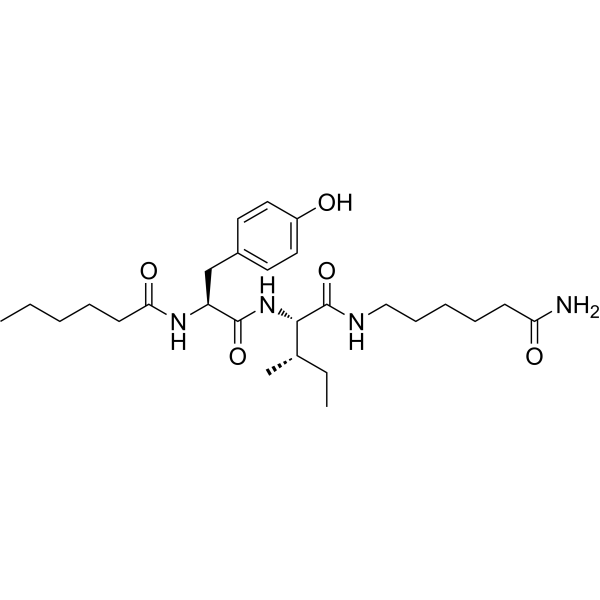
Dihexa, an oligopeptide drug, is an orally active and blood-brain barrier-permeable angiotensin IV analog. Dihexa binds to hepatocyte growth factor (HGF) with high affinity (Kd=65 pM) and potentiates its activity at its receptor, c-Met. Dihexa exhibits excellent antidementia activity and improves cognitive function in animal models. Dihexa may have therapeutic potential as a treatment Alzheimer’s disease .
|
-
-
- HY-P10294
-
|
|
Amyloid-β
|
Others
|
|
Oligopeptide P11-4 is an α-peptide that can be self-assembled into β-sheet amyloids with a hydrogel appearance at low pH. Oligopeptide P11-4 can be used in biomimetic mineralization, enamel regeneration and oral care agent .
|
-
-
- HY-P5255
-
|
|
Bacterial
|
Infection
Inflammation/Immunology
|
|
Oligopeptide-10 is a bioactive peptide with antimicrobial activity. Oligopeptide-10 exhibits broad-spectrum bactericidal effects against Gram-positive bacteria including Propionibacterium acnes and Staphylococcus aureus. Oligopeptide-10 targets lipoteichoic acid (LTA) on the surface of bacterial cell membranes, induces bacterial osmotic imbalance by disrupting the integrity of bacterial membranes, and reduces the release of pro-inflammatory cytokines induced by bacteria. Oligopeptide-10 possesses skin-protective activity. Oligopeptide-10 can be applied in research related to acne vulgaris, dandruff, seborrheic dermatitis, and tinea pedis .
|
-
-
- HY-106279
-
|
|
GnRH Receptor
|
Inflammation/Immunology
|
|
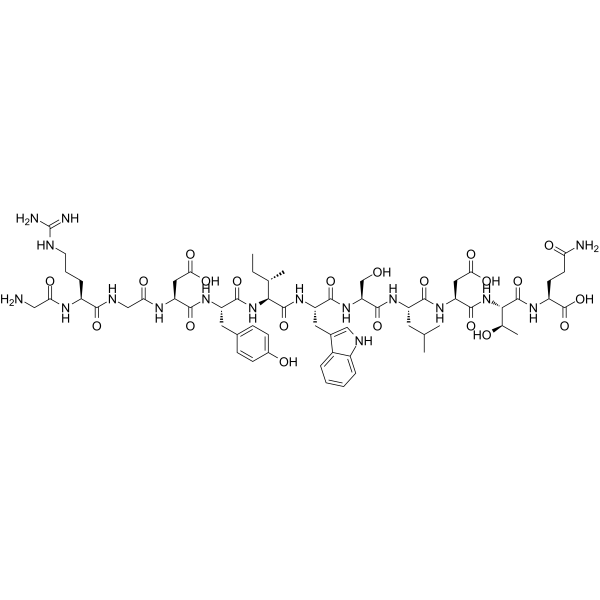
EA-230 is a synthetic oligopeptide originally derived from beta-human chorionic gonadotropin (beta-hCG) lysates. EA-230 has anti-inflammatory effects and can be used for the research of sepsis .
|
-
-
- HY-W010162
-
|
L-Alanyl-L-alanine; Ala-Ala
|
Amino Acid Derivatives
|
Others
|
H-Ala-Ala-OH is a substrate of human intestinal oligopeptide transporter (PEPT1/SLC15A1), with an IC50 of 0.25 mM and an EC50 of 0.08 mM against human PEPT1. When used as a dipeptide linker in antibody-drug conjugates (ADCs) loaded with glucocorticoid receptor regulator payloads, H-Ala-Ala-OH enables efficient intracellular payload release .
|
-
-
- HY-P5251
-
-
-
- HY-W142467
-
-
-
- HY-N10477
-
|
L-γ-Glutamyl-L-arginine; γ-Glu-Arg
|
Amino Acid Derivatives
|
Others
|
|
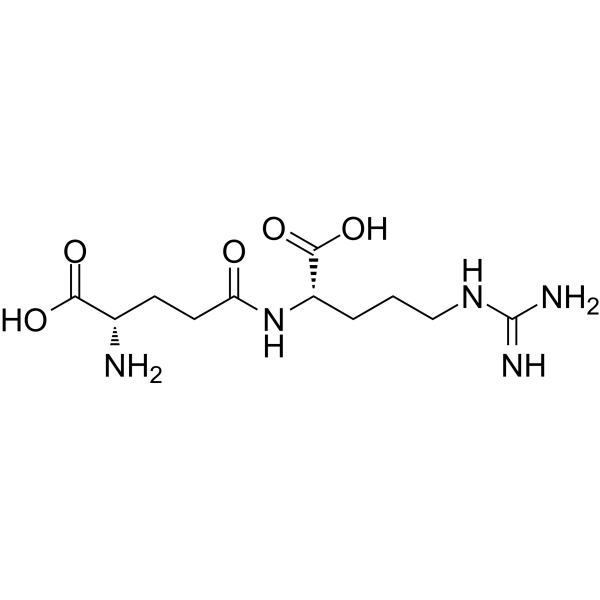
gamma-Glutamylarginine (L-γ-Glutamyl-L-arginine), an γ-glutamic acid oligopeptide, can be isolated from Panax ginseng .
|
-
-
- HY-D1154
-
|
|
Fluorescent Dye
|
Others
|
|
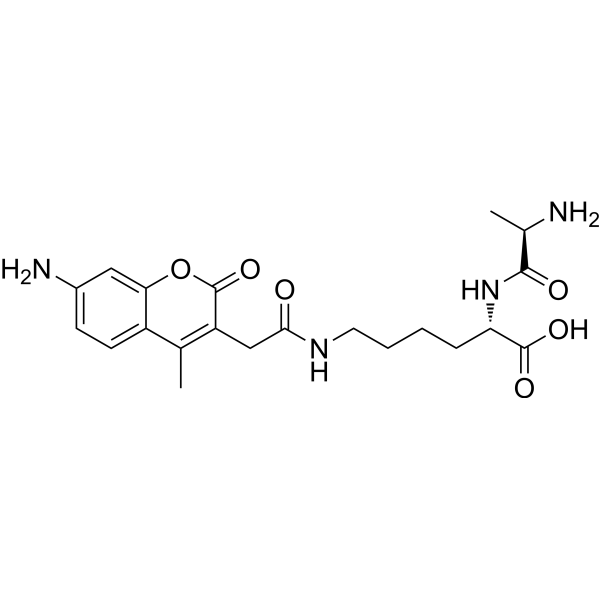
β-Ala-Lys (AMCA) is a fluorescently labeled substrate of oligopeptide transporters . β-Ala-Lys (AMCA) acts as a substrate for a variety of bacterial proton-coupled oligopeptide transporters, and is used to label the activity of oligopeptide transporters. Excitation/emission wavelength: 340 nM/460 nM .
|
-
-
- HY-126584
-
|
Val-Val
|
Drug Intermediate
Oligopeptide Cotransporter
|
Others
|
|
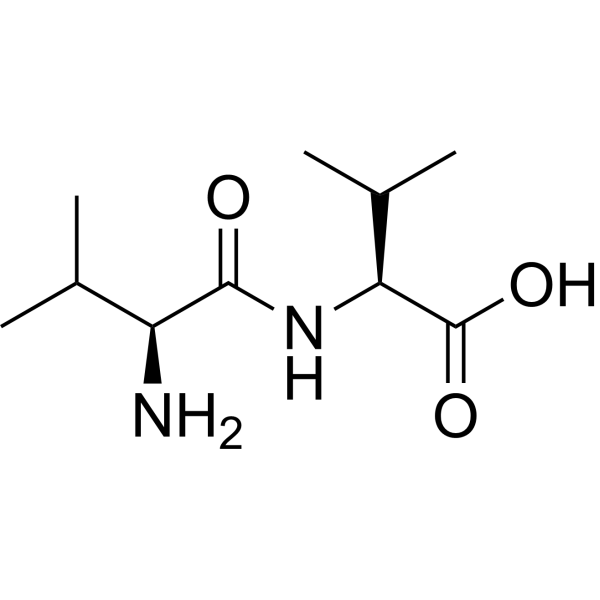
H-Val-Val-OH (Val-Val) is a stereochemistry-dependent substrate and inhibitor of apical oligopeptide transporters. H-Val-Val-OH undergoes apical intracellular accumulation in human intestinal cells via carrier-mediated transport, and inhibits the uptake of Cephalexin (HY-B0200) through interaction with transporters. Substitution of L-valine with D-valine in H-Val-Val-OH abolishes its binding ability to apical oligopeptide transporters .
|
-
-
- HY-111956B
-
|
|
Fluorescent Dye
|
Cancer
|
|
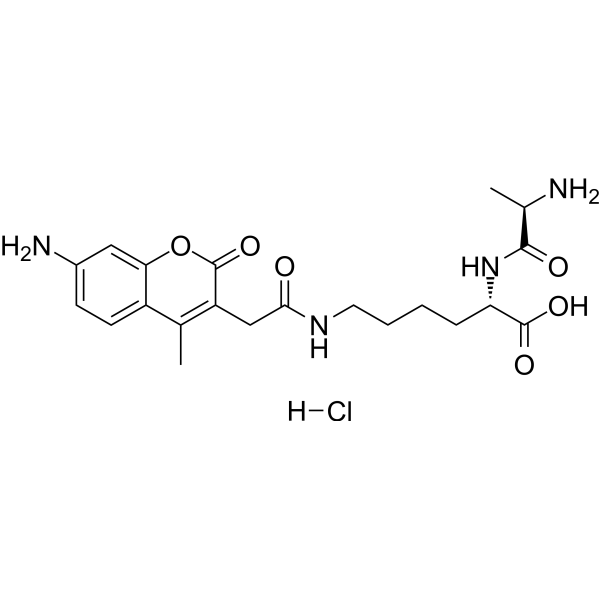
D-Ala-Lys-AMCA hydrochloride is a known proton-coupled oligopeptide transporter 1 (PEPT1) substrate that emits blue fluorescence. D-Ala-Lys-AMCA hydrochloride may be transported into liver cancer cells and Caco-2 cells based on fluorescence analysis. D-Ala-Lys-AMCA hydrochloride can be used for characterizing PEPT1-specific substrates or inhibitors (Ex/Em = 390/480 nm) .
|
-
-
- HY-P0096
-
|
|
Tyrosinase
Sirtuin
|
Inflammation/Immunology
Endocrinology
|
|
Decapeptide-12, a small oligopeptide, is a tyrosinase inhibitor that interacts with C-terminal residue of tyrosinase (Kd: 61.1 μM). Decapeptide-12 is a competitive inhibitor of mushroom tyrosinase (IC50: 40 μM). Decapeptide-12 also increases transcription of SIRT. Decapeptide-12 reduces melanin content in melanocytes. Decapeptide-12 is used for the research of melanogenesis, senescence, inflammation .
|
-
-
- HY-172275A
-
|
|
Liposome
|
Inflammation/Immunology
|
|
DSPE-PEG2000-pPB is a PEG compound which composed of DSPE and a cyclic oligopeptide (pPB). pPB has a strong binding affinity with PDGFRβ, which is overexpressed on activated hepatic stellate cells (HSC). DSPE-PEG2000-pPB can be used for drug delivery .
|
-
-
- HY-111956
-
|
|
Fluorescent Dye
|
Cancer
|
|
D-Ala-Lys-AMCA is a known proton-coupled oligopeptide transporter 1 (PEPT1) substrate that emits blue fluorescence. D-Ala-Lys-AMCA may be transported into liver cancer cells and Caco-2 cells based on fluorescence analysis. D-Ala-Lys-AMCA can be used for characterizing PEPT1-specific substrates or inhibitors (Ex/Em = 390/480 nm) .
|
-
-
- HY-P5256
-
|
|
Bacterial
|
Others
|
|
Oligopeptide-20 is a bioactive peptide with skin repair effect and has been reported used as a cosmetic ingredient .
|
-
-
- HY-P4160
-
|
THG113.31; ILGHXDYK
|
Prostaglandin Receptor
|
Endocrinology
|
|
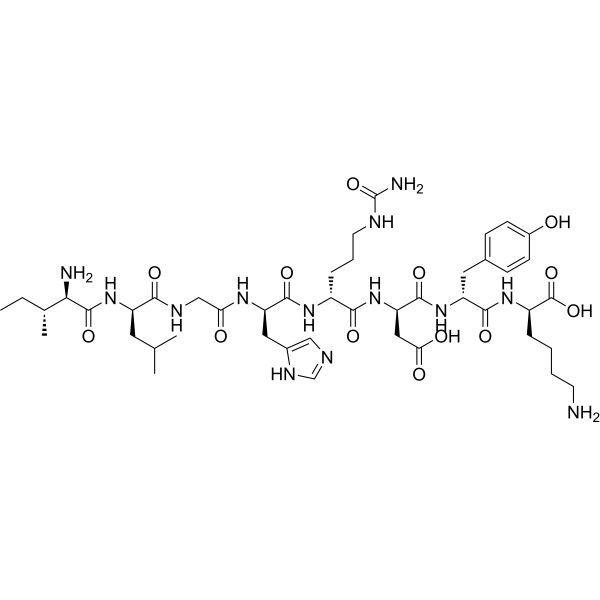
PDC31 (THG113.31; ILGHXDYK) is an allosteric and non-competitive inhibitor of FP Prostaglandin Receptor. PDC31 is the D-amino acid-based oligopeptide, is used for smooth muscle contractile agent. PDC31 decreases the strength and duration of uterine contractions in vivo, which can be used for research of preterm labor and primary dysmenorrhea (PD). PDC31 also enhances Ca 2+-dependent large-conductance K +-channel in human myometrial cells .
|
-
-
- HY-P5258
-
|
|
EGFR
|
Metabolic Disease
|
|
Oligopeptide-41 is a bioactive peptide with promotion of hair growth effect and has been reported used as a cosmetic ingredient .
|
-
-
- HY-P3497A
-
|
|
Amino Acid Derivatives
|
Others
|
|
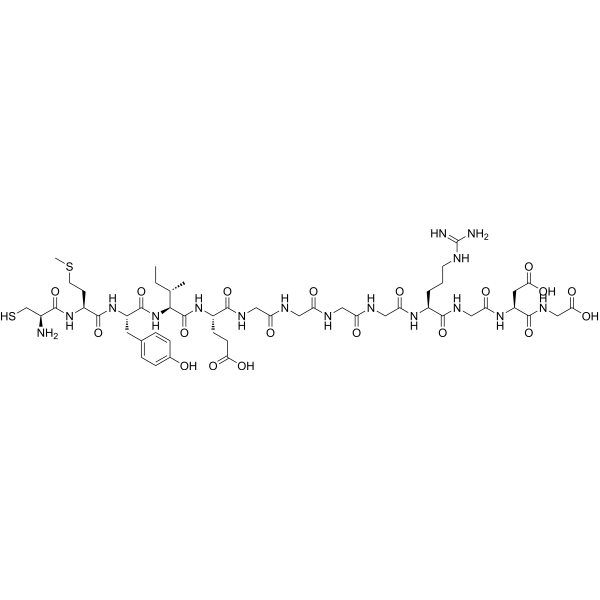
Fmoc-Cys-Asp10 (TFA) is a non-releasable oligopeptide linker, involves in the synthesis of releasable oligopeptide linker. Releasable oligopeptide linker can be used to deliver agent to a bone fracture-homing oligopeptide and reduces fractured femur healing times .
|
-
-
- HY-P4599
-
|
|
Biochemical Assay Reagents
|
Others
|
H-His-His-OH is an oligopeptide. H-His-His-OH can chelate with Ruthenium (II). H-His-His-OH inhibits the hydrolysis of metal ions at pH 7.4 .
|
-
-
- HY-P11501
-
|
|
Amyloid-β
Biochemical Assay Reagents
|
Neurological Disease
|
|
AAKLVFF is an oligopeptide capable of self-assembling into nanotubes. AAKLVFF can be derived from the
core section of β-amyloid. AAKLVFF becomes the first methanol compatible LC alignment medium for residual dipolar coupling measurement .
|
-
-
- HY-P11334
-
|
|
Aminopeptidase
Phosphatase
Angiotensin-converting Enzyme (ACE)
DNA/RNA Synthesis
|
Cancer
|
|
Cyanostatin B, a cyanobacterial lipopeptide, is a leucine aminopeptidase M (LAP) inhibitor (IC50 = 12 ng/mL). Cyanostatin B is a weak inhibitor of protein phosphatase (PP2A) and also exhibits weak inhibitory activity against angiotensin-converting enzyme (ACE), with an IC50 value of 130 μg/mL. Cyanostatin B demonstrates both cytotoxic and genotoxic effects on human hepatocytes, although non-toxic to Artemia salina. Cyanostatin B inhibits the proliferation of HepG2 cells, induces DNA single-strand breaks, and causes genomic instability. .
|
-
-
- HY-P0148
-
|
Hexaglycine
|
Bacterial
|
Others
|
|
Gly6 (Hexaglycine) is a linear glycine oligopeptide with six glycines .
|
-
-
- HY-P10992
-
|
|
PI3K
Akt
mTOR
Caspase
Apoptosis
Bcl-2 Family
|
Cancer
|
|
YVPGP is an oligopeptide exacted from Anthopleura anjunae. YVPGP has a significant antitumor activity by mediating PI3K/AKT/mTOR signaling pathway. YVPGP arrests DU-145 cells in the S phase and induces apoptosis via mitochondrial and death receptor pathways (caspase3, 7, 8, 9). YVPGP effectively inhibits tumor growth in DU-145 xenografts mice model, promising for prostate cancer research .
|
-
-
- HY-126770
-
|
|
Fungal
|
Infection
|
|
Rhizocticin A is an antifungal phosphono-oligopeptide against Ascodesmis, Plicaria, Rhizoctonia with MIC of 3.5 μg/mL. Rhizocticin A produces toxic L-2-Amino-5-phospho-3-cis-pentenoic acid (L-APPA), which may interfere with cell metabolism .
|
-
-
- HY-P10765
-
|
|
Peptide-Drug Conjugates (PDCs)
Topoisomerase
|
Cancer
|
|
DTS-108 is a prodrug of SN38 (HY-13704) (a Topoisomerase I inhibitor). DTS-108 is a conjugate generated by linking SN38 to a human oligopeptide via an esterase sensitive cross-linker. DTS-108 exhibits anti-tumor activity against colorectal, lung, and mammary cancer .
|
-
-
- HY-P1704
-
|
11-Demethylcyclosporin A
|
Biochemical Assay Reagents
|
Infection
|
|
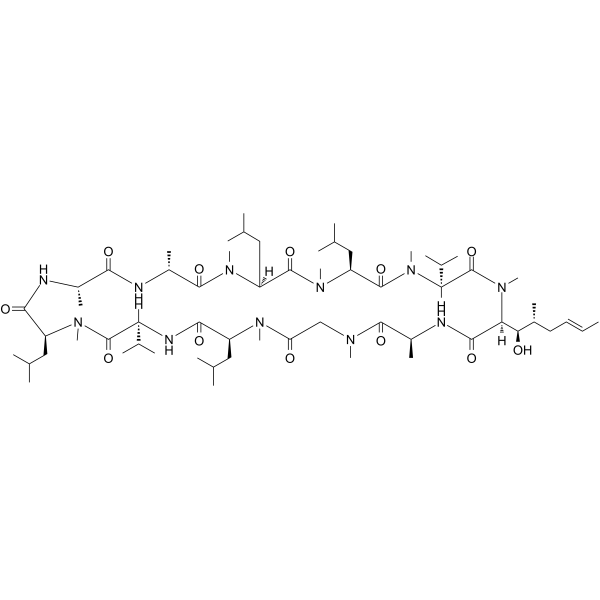
Cyclosporin E (11-Demethylcyclosporin A) is a cyclic oligopeptide that can be isolated from fungi such as TTrichoderma polysporum and other imperfect fungi. Cyclosporin E belongs to the Cyclosporins family. Cyclosporin E can be used for studying the structure-activity relationships and molecular dynamic properties of cyclosporin compounds. As a structural control compound, Cyclosporin E holds significant research value in the fields of medicinal chemistry and biophysics .
|
-
-
- HY-120756
-
-
-
- HY-120455
-
-
-
- HY-P5768
-
|
|
Biochemical Assay Reagents
|
Others
|
|
2× ST-tag II is an oligopeptide that can link proteins and dsDNA molecules in an efficient, rapid and specific manner. 2× ST-tag II is a peptide ligand of ST Tactin (STN). 2× ST-tag II specifically binds to ST Tactin. 2× ST-tag II can be used to construct DNA-protein hybrids .
|
-
-
- HY-P3729
-
-
-
- HY-P5768A
-
|
|
Biochemical Assay Reagents
|
Cancer
|
|
2× ST-tag II TFA is an oligopeptide that can link proteins and dsDNA molecules in an efficient, rapid and specific manner. 2× ST-tag II is a peptide ligand of ST Tactin (STN). 2× ST-tag II TFA specifically binds to ST Tactin. 2× ST-tag II TFA can be used to construct DNA-protein hybrids .
|
-
-
- HY-P3497
-
|
|
Amino Acid Derivatives
|
Others
|
|
Fmoc-Cys-Asp10 is a non-releasable oligopeptide linker, involves in the synthesis of releasable oligopeptide linker. Releasable oligopeptide linker can be used to deliver agent to a bone fracture-homing oligopeptide and reduces fractured femur healing times .
|
-
-
- HY-W142467R
-
-
-
- HY-P4488
-
|
|
Dipeptidyl Peptidase
|
Others
|
|
H-Pro-Pro-Gln-OH is a oligopeptide with excellent dipeptidyl peptidase-IV (DPP-IV) inhibitory activity .
|
-
-
- HY-119982
-
|
Cicloral
|
Bacterial
|
Metabolic Disease
|
|
Cyclamide (Cicloral), an oligopeptide, can be produced by cyanobacteria algae strains. Cyclamide can be used for the research of diabetes mellitus .
|
-
-
- HY-172275B
-
|
|
Liposome
|
Inflammation/Immunology
|
|
DSPE-PEG5000-pPB is a PEG compound which composed of DSPE and a cyclic oligopeptide (pPB). pPB has a strong binding affinity with PDGFRβ, which is overexpressed on activated hepatic stellate cells (HSC). DSPE-PEG5000-pPB can be used for drug delivery .
|
-
-
- HY-111956A
-
|
|
Fluorescent Dye
|
Cancer
|
|
D-Ala-Lys-AMCA TFA is a known proton-coupled oligopeptide transporter 1 (PEPT1) substrate that emits blue fluorescence. D-Ala-Lys-AMCA TFA may be transported into liver cancer cells and Caco-2 cells based on fluorescence analysis. D-Ala-Lys-AMCA TFA can be used for characterizing PEPT1-specific substrates or inhibitors (Ex/Em = 390/480 nm) .
|
-
-
- HY-129407
-
|
Ala-ala-phe-chloromethylketone tfa; N-Ala-Ala-Phe-CMK; Tripeptidyl Peptidase inhibitor II
|
Proteasome
|
Infection
|
|
AAF-CMK TFA (Ala-ala-phe-chloromethylketone tfa; N-Ala-Ala-Phe-CMK) is a subtilisin-type serine peptidase that removes tripeptides from the free NH2 termini of oligopeptides. AAF-CMK TFA is an irreversible inhibitor of TPPII and is typically used at concentrations of 10-100 μM. It does not significantly interfere with the chymotrypsin-like activity of the proteasome. AAF-CMK also inhibits bleomycin hydrolase and puromycin-sensitive aminopeptidase when used at a concentration of 50 μM.
|
-
-
- HY-P4599B
-
|
|
Biochemical Assay Reagents
|
Others
|
|
H-His-His-OH acetate is an oligopeptide. H-His-His-OH acetate can chelate with Ruthenium (II). H-His-His-OH inhibits the hydrolysis of metal ions at pH 7.4 .
|
-
-
- HY-P11367
-
|
|
Fluorescent Dye
Ser/Thr Protease
|
Infection
Metabolic Disease
|
|
Boc-Ala-Gly-Pro-Arg-AMC is a synthetic fluorescent substrate, widely used for the detection of protease activity. Boc-Ala-Gly-Pro-Arg-AMC can be used to detect the activity of serine proteases and the oligopeptide enzyme B of Trypanosoma brucei .
|
-
-
- HY-P11692
-
|
|
Drug Intermediate
|
Others
|
|
Fmoc-Aeg-OtBu is an intermediate in solid-phase peptide synthesis, and serves as a building block for introducing pseudoproline motifs or backbone modifications .
|
-
-
- HY-E70971
-
|
|
Aminopeptidase
|
Metabolic Disease
|
|
Aminopeptidase M, Porcine (EC 3.4.11.2), is a metalloproteinase that hydrolyzes almost all N-terminal amino acids of unsubstituted oligopeptides. It does not cleave X-Pro bonds or N-terminal blocked amino acids. Aminopeptidase M can be used for peptide sequence analysis.
|
-
-
- HY-107130R
-
|
GM604 (Standard)
|
Others
Reference Standards
|
Neurological Disease
|
|
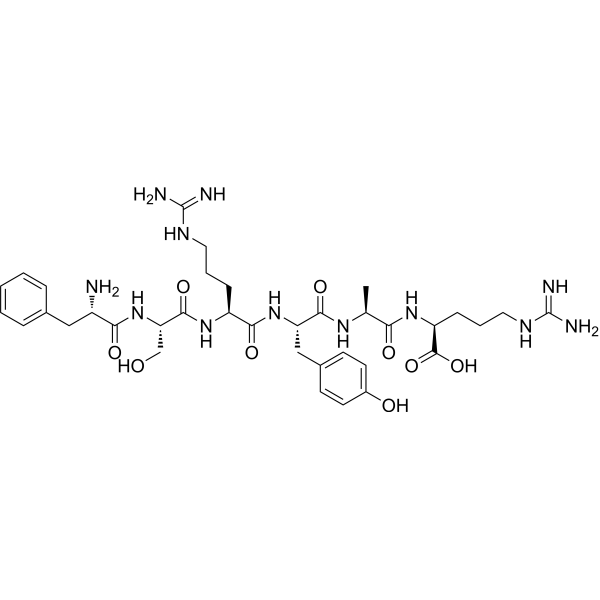
Alirinetide (Standard) (GM604 (Standard)) is the analytical standard of Alirinetide (HY-107130). This product is intended for research and analytical applications. Alirinetide (GM604) is an oligopeptide containing 6 amino acids. Alirinetide can cross the blood-brain barrier and can be used for the research of multiple neurodegenerative diseases .
|
-
-
- HY-172275
-
|
|
Liposome
|
Inflammation/Immunology
|
|
DSPE-PEG1000-pPB is a PEG compound which composed of DSPE and a cyclic oligopeptide (pPB). pPB has a strong binding affinity with PDGFRβ, which is overexpressed on activated hepatic stellate cells (HSC). DSPE-PEG1000-pPB can be used for drug delivery .
|
-
-
- HY-172275C
-
|
|
Liposome
|
Inflammation/Immunology
|
|
DSPE-PEG3400-pPB is a PEG compound which composed of DSPE and a cyclic oligopeptide (pPB). pPB has a strong binding affinity with PDGFRβ, which is overexpressed on activated hepatic stellate cells (HSC). DSPE-PEG3400-pPB can be used for drug delivery .
|
-
-
- HY-P11626
-
|
|
Collagen
|
Metabolic Disease
|
|
Cyclo(Ala-Hyp) is an orally effective collagen-derived hydroxyproline-containing cyclic dipeptide that can be isolated from the culture supernatant of Lactobacillus plantarum. Cyclo(Ala-Hyp) has an AUC0-6h of 2.350 μg/mL·h, significantly higher than traditional collagen oligopeptides. Cyclo(Ala-Hyp) can be used in research related to liver and kidney function protection, skin care, and joint health.
|
-
-
- HY-D3210
-
|
|
Fluorescent Dye
|
Inflammation/Immunology
|
|
DCM-KPV is a fluorescent probe targeting the human intestinal oligopeptide transporter PEPT1/SLC15A1 receptor (λex=480 nm, λem=620-670 nm). DCM-KPV specifically binds to PepT1 via its KPV domain and mediates receptor-targeted internalization, thus effectively accumulating in the cytoplasm and nucleus of cells overexpressing this receptor. DCM-KPV has the advantages of long emission wavelength, high emission efficiency, low photobleaching, and negligible cytotoxicity. DCM-KPV maintains stable fluorescence intensity under continuous illumination, exhibiting extremely high live cell compatibility. DCM-KPV can specifically accumulate at colonic inflammatory sites through the intestinal mucosa, enabling direct non-invasive visual differentiation between chronic and acute ulcerative colitis groups and the normal group .
|
-
-
- HY-P1609
-
|
|
Renin
Enteropeptidase
|
Cardiovascular Disease
|
|
CP-69799 is an azahomostatine-containing oligopeptide transition-state analogue inhibitor with a hog renin IC50 of 6e-9 M, human plasma renin IC50 of 3e-7 M and Ki of 0.310 μM, and endothiapepsin Ki of 0.27 μM. CP-69799 binds endothiapepsin’s active site cleft in extended conformation, fills S4 to S3' pockets, displaces native solvent molecules, induces domain rotation, and reduces thermal mobility of endothiapepsin’s flap and helix regions. CP-69799 acts as a transition-state analogue inhibitor of hog renin and human plasma renin. CP-69799 contains a polar lysine residue at the P2' position, with a nitrogen atom replacing the P1' Cα atom of the hydroxyethylene dipeptide isostere. CP-69799 can be used for the research of hypertension .
|
-
| Cat. No. |
Product Name |
Type |
-
- HY-D1154
-
|
|
Fluorescent Dye
|
|
β-Ala-Lys (AMCA) is a fluorescently labeled substrate of oligopeptide transporters . β-Ala-Lys (AMCA) acts as a substrate for a variety of bacterial proton-coupled oligopeptide transporters, and is used to label the activity of oligopeptide transporters. Excitation/emission wavelength: 340 nM/460 nM .
|
-
- HY-111956B
-
|
|
Fluorescent Dye
|
|
D-Ala-Lys-AMCA hydrochloride is a known proton-coupled oligopeptide transporter 1 (PEPT1) substrate that emits blue fluorescence. D-Ala-Lys-AMCA hydrochloride may be transported into liver cancer cells and Caco-2 cells based on fluorescence analysis. D-Ala-Lys-AMCA hydrochloride can be used for characterizing PEPT1-specific substrates or inhibitors (Ex/Em = 390/480 nm) .
|
-
- HY-111956
-
|
|
Fluorescent Dye
|
|
D-Ala-Lys-AMCA is a known proton-coupled oligopeptide transporter 1 (PEPT1) substrate that emits blue fluorescence. D-Ala-Lys-AMCA may be transported into liver cancer cells and Caco-2 cells based on fluorescence analysis. D-Ala-Lys-AMCA can be used for characterizing PEPT1-specific substrates or inhibitors (Ex/Em = 390/480 nm) .
|
-
- HY-111956A
-
|
|
Fluorescent Dye
|
|
D-Ala-Lys-AMCA TFA is a known proton-coupled oligopeptide transporter 1 (PEPT1) substrate that emits blue fluorescence. D-Ala-Lys-AMCA TFA may be transported into liver cancer cells and Caco-2 cells based on fluorescence analysis. D-Ala-Lys-AMCA TFA can be used for characterizing PEPT1-specific substrates or inhibitors (Ex/Em = 390/480 nm) .
|
-
- HY-D3210
-
|
|
Fluorescent Dye
|
|
DCM-KPV is a fluorescent probe targeting the human intestinal oligopeptide transporter PEPT1/SLC15A1 receptor (λex=480 nm, λem=620-670 nm). DCM-KPV specifically binds to PepT1 via its KPV domain and mediates receptor-targeted internalization, thus effectively accumulating in the cytoplasm and nucleus of cells overexpressing this receptor. DCM-KPV has the advantages of long emission wavelength, high emission efficiency, low photobleaching, and negligible cytotoxicity. DCM-KPV maintains stable fluorescence intensity under continuous illumination, exhibiting extremely high live cell compatibility. DCM-KPV can specifically accumulate at colonic inflammatory sites through the intestinal mucosa, enabling direct non-invasive visual differentiation between chronic and acute ulcerative colitis groups and the normal group .
|
| Cat. No. |
Product Name |
Type |
-
- HY-W010162
-
|
L-Alanyl-L-alanine; Ala-Ala
|
Biochemical Assay Reagents
|
H-Ala-Ala-OH is a substrate of human intestinal oligopeptide transporter (PEPT1/SLC15A1), with an IC50 of 0.25 mM and an EC50 of 0.08 mM against human PEPT1. When used as a dipeptide linker in antibody-drug conjugates (ADCs) loaded with glucocorticoid receptor regulator payloads, H-Ala-Ala-OH enables efficient intracellular payload release .
|
-
- HY-172275A
-
|
|
Biochemical Assay Reagents
|
|
DSPE-PEG2000-pPB is a PEG compound which composed of DSPE and a cyclic oligopeptide (pPB). pPB has a strong binding affinity with PDGFRβ, which is overexpressed on activated hepatic stellate cells (HSC). DSPE-PEG2000-pPB can be used for drug delivery .
|
-
- HY-172275B
-
|
|
Biochemical Assay Reagents
|
|
DSPE-PEG5000-pPB is a PEG compound which composed of DSPE and a cyclic oligopeptide (pPB). pPB has a strong binding affinity with PDGFRβ, which is overexpressed on activated hepatic stellate cells (HSC). DSPE-PEG5000-pPB can be used for drug delivery .
|
-
- HY-172275
-
|
|
Biochemical Assay Reagents
|
|
DSPE-PEG1000-pPB is a PEG compound which composed of DSPE and a cyclic oligopeptide (pPB). pPB has a strong binding affinity with PDGFRβ, which is overexpressed on activated hepatic stellate cells (HSC). DSPE-PEG1000-pPB can be used for drug delivery .
|
-
- HY-172275C
-
|
|
Biochemical Assay Reagents
|
|
DSPE-PEG3400-pPB is a PEG compound which composed of DSPE and a cyclic oligopeptide (pPB). pPB has a strong binding affinity with PDGFRβ, which is overexpressed on activated hepatic stellate cells (HSC). DSPE-PEG3400-pPB can be used for drug delivery .
|
| Cat. No. |
Product Name |
Target |
Research Area |
-
- HY-P10294
-
|
|
Amyloid-β
|
Others
|
|
Oligopeptide P11-4 is an α-peptide that can be self-assembled into β-sheet amyloids with a hydrogel appearance at low pH. Oligopeptide P11-4 can be used in biomimetic mineralization, enamel regeneration and oral care agent .
|
-
- HY-P5255
-
|
|
Bacterial
|
Infection
Inflammation/Immunology
|
|
Oligopeptide-10 is a bioactive peptide with antimicrobial activity. Oligopeptide-10 exhibits broad-spectrum bactericidal effects against Gram-positive bacteria including Propionibacterium acnes and Staphylococcus aureus. Oligopeptide-10 targets lipoteichoic acid (LTA) on the surface of bacterial cell membranes, induces bacterial osmotic imbalance by disrupting the integrity of bacterial membranes, and reduces the release of pro-inflammatory cytokines induced by bacteria. Oligopeptide-10 possesses skin-protective activity. Oligopeptide-10 can be applied in research related to acne vulgaris, dandruff, seborrheic dermatitis, and tinea pedis .
|
-
- HY-106279
-
|
|
GnRH Receptor
|
Inflammation/Immunology
|
|
EA-230 is a synthetic oligopeptide originally derived from beta-human chorionic gonadotropin (beta-hCG) lysates. EA-230 has anti-inflammatory effects and can be used for the research of sepsis .
|
-
- HY-107130
-
|
GM604
|
Peptides
|
Neurological Disease
|
|
Alirinetide (GM604) is an oligopeptide containing 6 amino acids. Alirinetide can cross the blood-brain barrier and can be used for the research of multiple neurodegenerative diseases .
|
-
- HY-P5251
-
-
- HY-W142467
-
-
- HY-126584
-
|
Val-Val
|
Drug Intermediate
Oligopeptide Cotransporter
|
Others
|
|
H-Val-Val-OH (Val-Val) is a stereochemistry-dependent substrate and inhibitor of apical oligopeptide transporters. H-Val-Val-OH undergoes apical intracellular accumulation in human intestinal cells via carrier-mediated transport, and inhibits the uptake of Cephalexin (HY-B0200) through interaction with transporters. Substitution of L-valine with D-valine in H-Val-Val-OH abolishes its binding ability to apical oligopeptide transporters .
|
-
- HY-111956B
-
|
|
Fluorescent Dye
|
Cancer
|
|
D-Ala-Lys-AMCA hydrochloride is a known proton-coupled oligopeptide transporter 1 (PEPT1) substrate that emits blue fluorescence. D-Ala-Lys-AMCA hydrochloride may be transported into liver cancer cells and Caco-2 cells based on fluorescence analysis. D-Ala-Lys-AMCA hydrochloride can be used for characterizing PEPT1-specific substrates or inhibitors (Ex/Em = 390/480 nm) .
|
-
- HY-P0096
-
|
|
Tyrosinase
Sirtuin
|
Inflammation/Immunology
Endocrinology
|
|
Decapeptide-12, a small oligopeptide, is a tyrosinase inhibitor that interacts with C-terminal residue of tyrosinase (Kd: 61.1 μM). Decapeptide-12 is a competitive inhibitor of mushroom tyrosinase (IC50: 40 μM). Decapeptide-12 also increases transcription of SIRT. Decapeptide-12 reduces melanin content in melanocytes. Decapeptide-12 is used for the research of melanogenesis, senescence, inflammation .
|
-
- HY-P5259
-
|
|
Peptides
|
Metabolic Disease
|
|
Oligopeptide-6 is a bioactive peptide with moisturizing effect and has been reported used as a cosmetic ingredient .
|
-
- HY-P5257
-
|
CG-EDP3
|
Peptides
|
Others
|
|
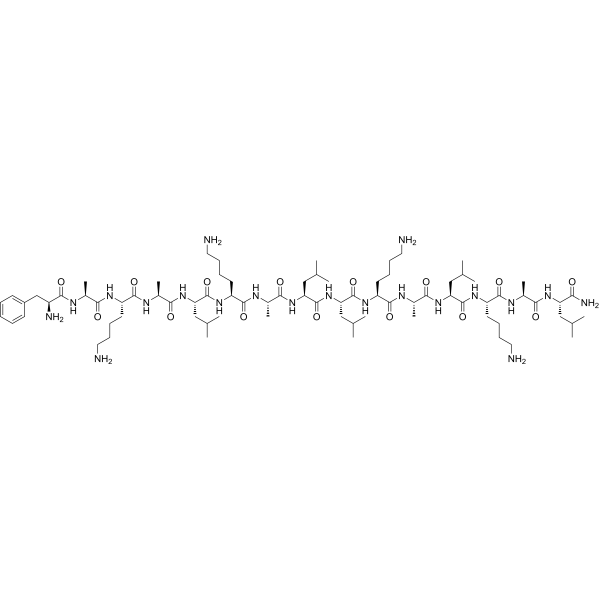
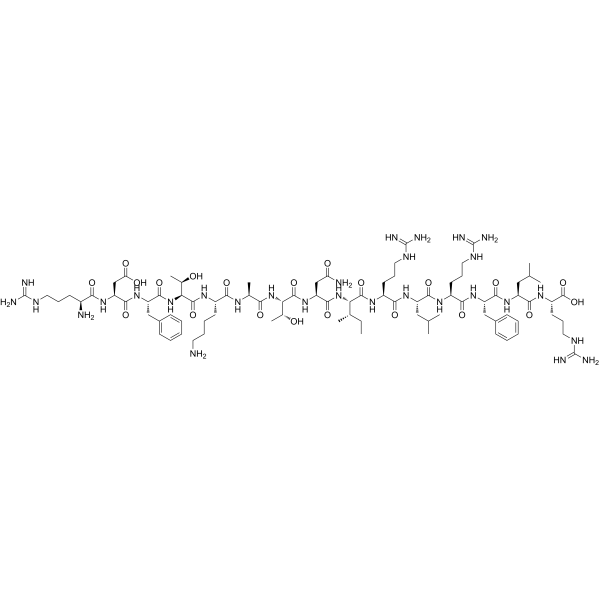
Oligopeptide-24 (CG-EDP3) is a 13 amino acids biomimetic peptide with skin repair effect. Oligopeptide-24 upregulates expression of elastin and hyaluronic acid, and increases fibroblast activity. Oligopeptide-24 can be used in cosmetics as an anti-wrinkle and firming agent .
|
-
- HY-P1973
-
|
|
Peptides
|
Inflammation/Immunology
|
|
Cyclosporin B is a group of nonpolar cyclic oligopeptides with immunosuppressive activity. Cyclosporin B is used for the prevention of graft rejection in organ transplantation .
|
-
- HY-111956
-
|
|
Fluorescent Dye
|
Cancer
|
|
D-Ala-Lys-AMCA is a known proton-coupled oligopeptide transporter 1 (PEPT1) substrate that emits blue fluorescence. D-Ala-Lys-AMCA may be transported into liver cancer cells and Caco-2 cells based on fluorescence analysis. D-Ala-Lys-AMCA can be used for characterizing PEPT1-specific substrates or inhibitors (Ex/Em = 390/480 nm) .
|
-
- HY-P5256
-
|
|
Bacterial
|
Others
|
|
Oligopeptide-20 is a bioactive peptide with skin repair effect and has been reported used as a cosmetic ingredient .
|
-
- HY-P4160
-
|
THG113.31; ILGHXDYK
|
Prostaglandin Receptor
|
Endocrinology
|
|
PDC31 (THG113.31; ILGHXDYK) is an allosteric and non-competitive inhibitor of FP Prostaglandin Receptor. PDC31 is the D-amino acid-based oligopeptide, is used for smooth muscle contractile agent. PDC31 decreases the strength and duration of uterine contractions in vivo, which can be used for research of preterm labor and primary dysmenorrhea (PD). PDC31 also enhances Ca 2+-dependent large-conductance K +-channel in human myometrial cells .
|
-
- HY-P5258
-
|
|
EGFR
|
Metabolic Disease
|
|
Oligopeptide-41 is a bioactive peptide with promotion of hair growth effect and has been reported used as a cosmetic ingredient .
|
-
- HY-P5260
-
|
|
Peptides
|
Metabolic Disease
|
|
Oligopeptide-74 is a bioactive peptide with promotion of hair growth effect and has been reported used as a cosmetic ingredient .
|
-
- HY-P3422
-
|
Ala-Lys-Ala; H-Ala-Lys-Ala-OH
|
Peptides
|
Cancer
|
|
NH2-AKA-COOH is a oligopeptide compoused of Ala-Lys-Ala.
|
-
- HY-P3497A
-
|
|
Amino Acid Derivatives
|
Others
|
|
Fmoc-Cys-Asp10 (TFA) is a non-releasable oligopeptide linker, involves in the synthesis of releasable oligopeptide linker. Releasable oligopeptide linker can be used to deliver agent to a bone fracture-homing oligopeptide and reduces fractured femur healing times .
|
-
- HY-W142467A
-
|
|
Peptides
|
Others
|
|
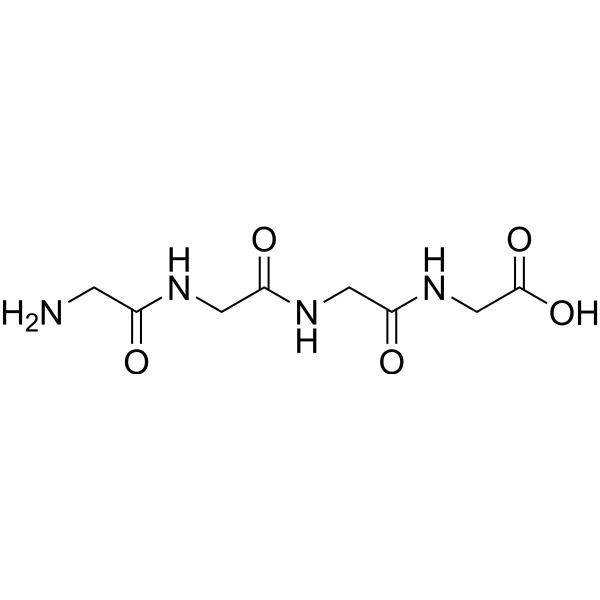
Tetraglycine hydrochloride is a oligopeptide composed of four glycine monomers .
|
-
- HY-P4599
-
|
|
Biochemical Assay Reagents
|
Others
|
H-His-His-OH is an oligopeptide. H-His-His-OH can chelate with Ruthenium (II). H-His-His-OH inhibits the hydrolysis of metal ions at pH 7.4 .
|
-
- HY-P11501
-
|
|
Amyloid-β
Biochemical Assay Reagents
|
Neurological Disease
|
|
AAKLVFF is an oligopeptide capable of self-assembling into nanotubes. AAKLVFF can be derived from the
core section of β-amyloid. AAKLVFF becomes the first methanol compatible LC alignment medium for residual dipolar coupling measurement .
|
-
- HY-P11334
-
|
|
Aminopeptidase
Phosphatase
Angiotensin-converting Enzyme (ACE)
DNA/RNA Synthesis
|
Cancer
|
|
Cyanostatin B, a cyanobacterial lipopeptide, is a leucine aminopeptidase M (LAP) inhibitor (IC50 = 12 ng/mL). Cyanostatin B is a weak inhibitor of protein phosphatase (PP2A) and also exhibits weak inhibitory activity against angiotensin-converting enzyme (ACE), with an IC50 value of 130 μg/mL. Cyanostatin B demonstrates both cytotoxic and genotoxic effects on human hepatocytes, although non-toxic to Artemia salina. Cyanostatin B inhibits the proliferation of HepG2 cells, induces DNA single-strand breaks, and causes genomic instability. .
|
-
- HY-P0148
-
|
Hexaglycine
|
Bacterial
|
Others
|
|
Gly6 (Hexaglycine) is a linear glycine oligopeptide with six glycines .
|
-
- HY-P10992
-
|
|
PI3K
Akt
mTOR
Caspase
Apoptosis
Bcl-2 Family
|
Cancer
|
|
YVPGP is an oligopeptide exacted from Anthopleura anjunae. YVPGP has a significant antitumor activity by mediating PI3K/AKT/mTOR signaling pathway. YVPGP arrests DU-145 cells in the S phase and induces apoptosis via mitochondrial and death receptor pathways (caspase3, 7, 8, 9). YVPGP effectively inhibits tumor growth in DU-145 xenografts mice model, promising for prostate cancer research .
|
-
- HY-P10765
-
|
|
Peptide-Drug Conjugates (PDCs)
Topoisomerase
|
Cancer
|
|
DTS-108 is a prodrug of SN38 (HY-13704) (a Topoisomerase I inhibitor). DTS-108 is a conjugate generated by linking SN38 to a human oligopeptide via an esterase sensitive cross-linker. DTS-108 exhibits anti-tumor activity against colorectal, lung, and mammary cancer .
|
-
- HY-P1704
-
|
11-Demethylcyclosporin A
|
Biochemical Assay Reagents
|
Infection
|
|
Cyclosporin E (11-Demethylcyclosporin A) is a cyclic oligopeptide that can be isolated from fungi such as TTrichoderma polysporum and other imperfect fungi. Cyclosporin E belongs to the Cyclosporins family. Cyclosporin E can be used for studying the structure-activity relationships and molecular dynamic properties of cyclosporin compounds. As a structural control compound, Cyclosporin E holds significant research value in the fields of medicinal chemistry and biophysics .
|
-
- HY-P3421
-
|
|
Peptides
|
Cancer
|
|
NH2-SSK-COOH is a oligopeptide compoused of Ser-Ser-Lys.
|
-
- HY-P0148A
-
|
Hexaglycine hydrochloride
|
Peptides
|
Others
|
|
Gly6 hydrochloride (Hexaglycine hydrochloride) is a linear glycine oligopeptide with six glycines .
|
-
- HY-P2634
-
|
|
Peptides
|
Metabolic Disease
|
|
Acetyl pentapeptide-1 is a pentapeptide. Acetyl pentapeptide-1 combined with other oligopeptides can enhance the skin barrier function.
|
-
- HY-P5768
-
|
|
Biochemical Assay Reagents
|
Others
|
|
2× ST-tag II is an oligopeptide that can link proteins and dsDNA molecules in an efficient, rapid and specific manner. 2× ST-tag II is a peptide ligand of ST Tactin (STN). 2× ST-tag II specifically binds to ST Tactin. 2× ST-tag II can be used to construct DNA-protein hybrids .
|
-
- HY-P3729
-
-
- HY-P5768A
-
|
|
Biochemical Assay Reagents
|
Cancer
|
|
2× ST-tag II TFA is an oligopeptide that can link proteins and dsDNA molecules in an efficient, rapid and specific manner. 2× ST-tag II is a peptide ligand of ST Tactin (STN). 2× ST-tag II TFA specifically binds to ST Tactin. 2× ST-tag II TFA can be used to construct DNA-protein hybrids .
|
-
- HY-P3497
-
|
|
Amino Acid Derivatives
|
Others
|
|
Fmoc-Cys-Asp10 is a non-releasable oligopeptide linker, involves in the synthesis of releasable oligopeptide linker. Releasable oligopeptide linker can be used to deliver agent to a bone fracture-homing oligopeptide and reduces fractured femur healing times .
|
-
- HY-W142467R
-
-
- HY-P4488
-
|
|
Dipeptidyl Peptidase
|
Others
|
|
H-Pro-Pro-Gln-OH is a oligopeptide with excellent dipeptidyl peptidase-IV (DPP-IV) inhibitory activity .
|
-
- HY-111956A
-
|
|
Fluorescent Dye
|
Cancer
|
|
D-Ala-Lys-AMCA TFA is a known proton-coupled oligopeptide transporter 1 (PEPT1) substrate that emits blue fluorescence. D-Ala-Lys-AMCA TFA may be transported into liver cancer cells and Caco-2 cells based on fluorescence analysis. D-Ala-Lys-AMCA TFA can be used for characterizing PEPT1-specific substrates or inhibitors (Ex/Em = 390/480 nm) .
|
-
- HY-P3420
-
|
|
Peptides
|
Cancer
|
|
NH2-ASK-COOH is a oligopeptide compoused of Ala-Ser-Lys.
|
-
- HY-P3423
-
|
|
Peptides
|
Cancer
|
|
NH2-KAA-COOH is a oligopeptide compoused of Lys-Ala-Ala.
|
-
- HY-P4599B
-
|
|
Biochemical Assay Reagents
|
Others
|
|
H-His-His-OH acetate is an oligopeptide. H-His-His-OH acetate can chelate with Ruthenium (II). H-His-His-OH inhibits the hydrolysis of metal ions at pH 7.4 .
|
-
- HY-P11367
-
|
|
Fluorescent Dye
Ser/Thr Protease
|
Infection
Metabolic Disease
|
|
Boc-Ala-Gly-Pro-Arg-AMC is a synthetic fluorescent substrate, widely used for the detection of protease activity. Boc-Ala-Gly-Pro-Arg-AMC can be used to detect the activity of serine proteases and the oligopeptide enzyme B of Trypanosoma brucei .
|
-
- HY-P11692
-
|
|
Drug Intermediate
|
Others
|
|
Fmoc-Aeg-OtBu is an intermediate in solid-phase peptide synthesis, and serves as a building block for introducing pseudoproline motifs or backbone modifications .
|
-
- HY-107130R
-
|
GM604 (Standard)
|
Peptides
Reference Standards
|
Neurological Disease
|
|
Alirinetide (Standard) (GM604 (Standard)) is the analytical standard of Alirinetide (HY-107130). This product is intended for research and analytical applications. Alirinetide (GM604) is an oligopeptide containing 6 amino acids. Alirinetide can cross the blood-brain barrier and can be used for the research of multiple neurodegenerative diseases .
|
-
- HY-P11626
-
|
|
Collagen
|
Metabolic Disease
|
|
Cyclo(Ala-Hyp) is an orally effective collagen-derived hydroxyproline-containing cyclic dipeptide that can be isolated from the culture supernatant of Lactobacillus plantarum. Cyclo(Ala-Hyp) has an AUC0-6h of 2.350 μg/mL·h, significantly higher than traditional collagen oligopeptides. Cyclo(Ala-Hyp) can be used in research related to liver and kidney function protection, skin care, and joint health.
|
-
- HY-P1609
-
|
|
Renin
Enteropeptidase
|
Cardiovascular Disease
|
|
CP-69799 is an azahomostatine-containing oligopeptide transition-state analogue inhibitor with a hog renin IC50 of 6e-9 M, human plasma renin IC50 of 3e-7 M and Ki of 0.310 μM, and endothiapepsin Ki of 0.27 μM. CP-69799 binds endothiapepsin’s active site cleft in extended conformation, fills S4 to S3' pockets, displaces native solvent molecules, induces domain rotation, and reduces thermal mobility of endothiapepsin’s flap and helix regions. CP-69799 acts as a transition-state analogue inhibitor of hog renin and human plasma renin. CP-69799 contains a polar lysine residue at the P2' position, with a nitrogen atom replacing the P1' Cα atom of the hydroxyethylene dipeptide isostere. CP-69799 can be used for the research of hypertension .
|
| Cat. No. |
Product Name |
Category |
Target |
Chemical Structure |
-
- HY-N10477
-
-
-
- HY-126770
-
-
-
- HY-P1704
-
|
11-Demethylcyclosporin A
|
Microorganisms
Cyclopeptides
Source Classification
|
Biochemical Assay Reagents
|
|
Cyclosporin E (11-Demethylcyclosporin A) is a cyclic oligopeptide that can be isolated from fungi such as TTrichoderma polysporum and other imperfect fungi. Cyclosporin E belongs to the Cyclosporins family. Cyclosporin E can be used for studying the structure-activity relationships and molecular dynamic properties of cyclosporin compounds. As a structural control compound, Cyclosporin E holds significant research value in the fields of medicinal chemistry and biophysics .
|
-
| Cat. No. |
Compare |
Product Name |
Species |
Source |
Image |
Compare Products
|
| Products |
|
| Cat. No. |
|
| Species |
|
| Source |
|
| Tag |
|
| Accession |
|
| Gene ID |
|
| Molecular Weight |
|
| Purity |
|
| Endotoxin Level |
|
| Biological Activity |
|
| Appearance |
|
| Formulation |
|
| Storage & Stability |
|
| Shipping |
|
| Free Sample |
Yes
No
|
| Size |
* This product has been "discontinued".
Optimized version of product available:
|
| Cat. No. |
Product Name |
|
Classification |
-
- HY-172275A
-
|
|
|
Pegylated Lipids
|
|
DSPE-PEG2000-pPB is a PEG compound which composed of DSPE and a cyclic oligopeptide (pPB). pPB has a strong binding affinity with PDGFRβ, which is overexpressed on activated hepatic stellate cells (HSC). DSPE-PEG2000-pPB can be used for drug delivery .
|
-
- HY-172275B
-
|
|
|
Pegylated Lipids
|
|
DSPE-PEG5000-pPB is a PEG compound which composed of DSPE and a cyclic oligopeptide (pPB). pPB has a strong binding affinity with PDGFRβ, which is overexpressed on activated hepatic stellate cells (HSC). DSPE-PEG5000-pPB can be used for drug delivery .
|
-
- HY-172275
-
|
|
|
Pegylated Lipids
|
|
DSPE-PEG1000-pPB is a PEG compound which composed of DSPE and a cyclic oligopeptide (pPB). pPB has a strong binding affinity with PDGFRβ, which is overexpressed on activated hepatic stellate cells (HSC). DSPE-PEG1000-pPB can be used for drug delivery .
|
-
- HY-172275C
-
|
|
|
Pegylated Lipids
|
|
DSPE-PEG3400-pPB is a PEG compound which composed of DSPE and a cyclic oligopeptide (pPB). pPB has a strong binding affinity with PDGFRβ, which is overexpressed on activated hepatic stellate cells (HSC). DSPE-PEG3400-pPB can be used for drug delivery .
|
Your information is safe with us. * Required Fields.
Inquiry Information
- Product Name:
- Cat. No.:
- Quantity:
- MCE Japan Authorized Agent:

