Search Result
Results for "
oncogenic KRAS
" in MedChemExpress (MCE) Product Catalog:
1
Isotope-Labeled Compounds
| Cat. No. |
Product Name |
Target |
Research Areas |
Chemical Structure |
-
- HY-148439
-
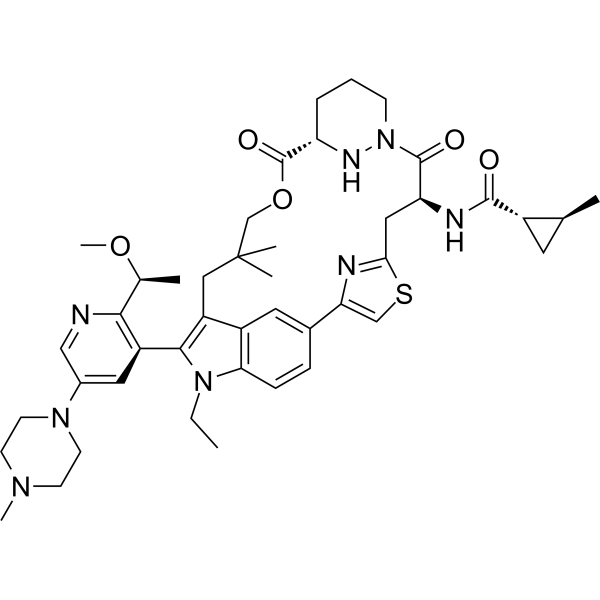
Daraxonrasib
Maximum Cited Publications
10 Publications Verification
RMC-6236; RAS-IN-2
|
Ras
PERK
|
Cancer
|
|
Daraxonrasib (RMC-6236) is an orally active, non-covalent RAS (ON) inhibitor. Daraxonrasib disrupts the interaction of wild-type or mutant RAS proteins with the RAS binding domain of BRAF, with EC50 values ranging from 28-220 nM for wild-type KRAS, NRAS, HRAS, and multiple oncogenic RAS variants. Daraxonrasib inhibits pERK. Daraxonrasib has anti-tumor activity against KRAS mutant tumors .
|
-
-
- HY-145928
-
|
GDC-6036
|
Ras
|
Cancer
|
|
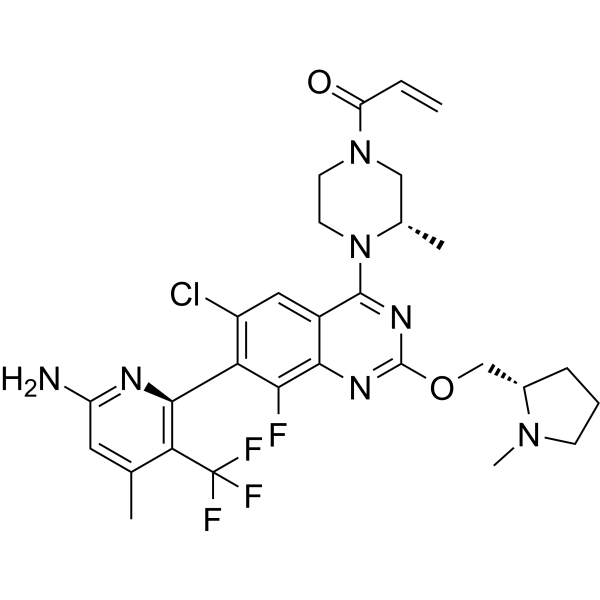
Divarasib (GDC-6036) is an orally active, selective KRAS G12C inhibitor with an IC50 of <0.01 μM. Divarasib covalently binds Cys12 in GDP-bound KRAS G12C, occupies the switch II pocket, blocks GTP binding and SOS-mediated reactivation, and inhibits oncogenic KRAS signaling. Divarasib induces tumor shrinkage and robust tumor growth inhibition in KRAS G12C-positive models and cancer cells. Divarasib can be used for the research of non-small cell lung cancer, colorectal adenocarcinoma, pancreatic ductal adenocarcinoma, and other KRAS G12C-mutated solid tumors .
|
-
-
- HY-157228
-
|
|
PROTACs
Ras
|
Cancer
|
|
ACBI3 (compound 7), a chemical probe, is a PROTAC targeting KRAS. ACBI3 is composed of PROTAC target protein ligand pan-KRAS degrader 1 (HY-162960) (red part), E3 ligase ligand E3 ligase Ligand 43 (HY-401613) (blue part) and PROTAC Linker 1-Bromo-4-(ethynyloxy)butane (HY-169992) (black part), among which the conjugate of E3 ubiquitin ligase ligand + Linker is E3 Ligase Ligand-linker Conjugate 143 (HY-169995). ACBI3 achieves in vivo degradation of oncogenic KRAS, resulting in durable pathway modulation and tumor regressions in KRAS mutant xenograft mouse models .
|
-
-
- HY-15872A
-
|
|
Farnesyl Transferase
Apoptosis
Ras
|
Infection
Cancer
|
|
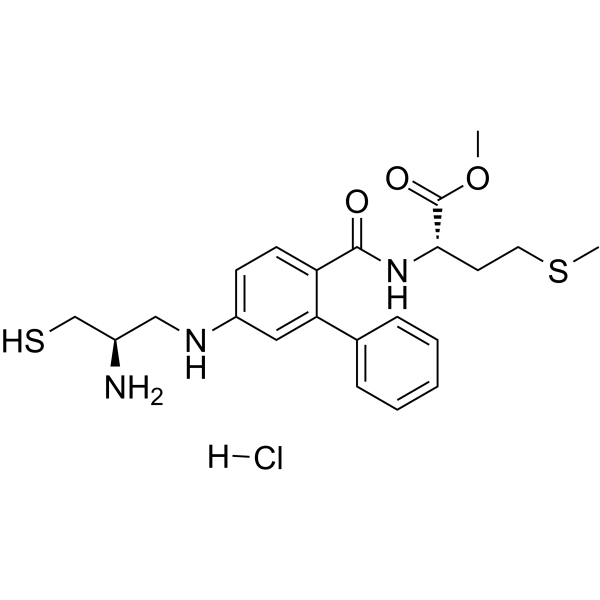
FTI-277 hydrochloride is an inhibitor of farnesyl transferase (FTase); a highly potent Ras CAAX peptidomimetic which antagonizes both H- and K-Ras oncogenic signaling. FTI-277 hydrochloride can inhibit hepatitis delta virus (HDV) infection.
|
-
-
- HY-176786
-
|
|
PROTACs
Ras
Apoptosis
PERK
p38 MAPK
Caspase
TNF Receptor
|
Cancer
|
|
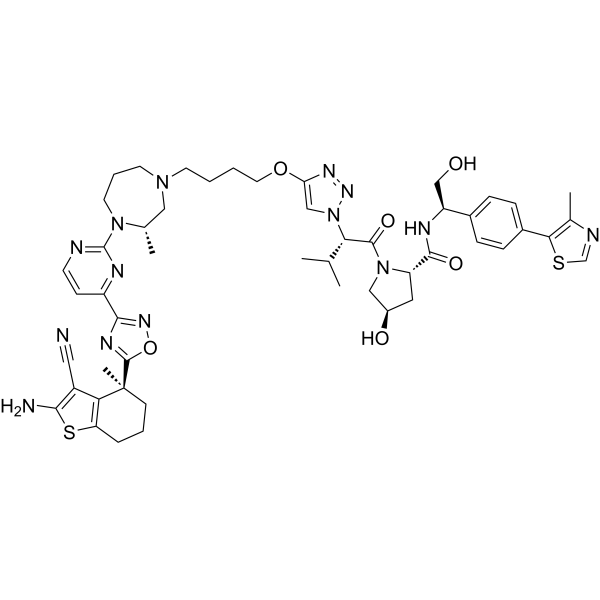
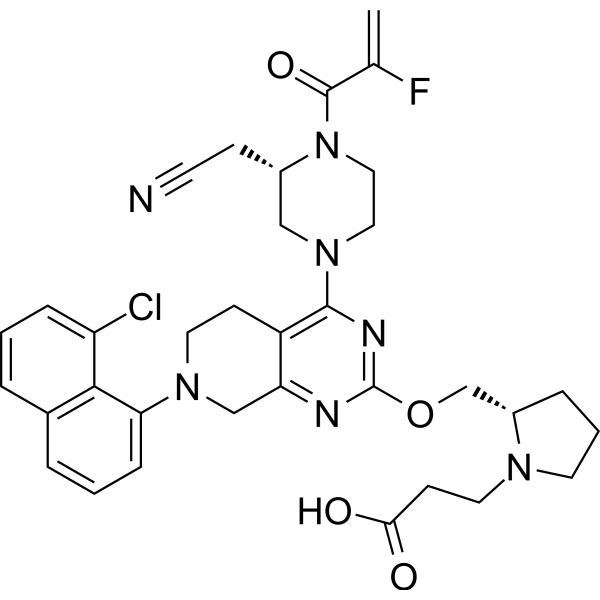
MCB-36 is a VHL-recruiting pan-KRAS PROTAC degrader without affecting KRAS transcription. MCB-36 exhibits minimal effects on HRAS and NRAS protein levels. MCB-36 binds to the GDP-loaded state of G12D, G12C, G12V, and wild-type KRAS with high affinities Kd ≈ 1 pM). MCB-36 decreases p-ERK levels, leading to cell apoptosis. MCB-36 effectively suppress KRAS G12C inhibitor-resistant cancer cells and remodel the tumor immune microenvironment. MCB-36 can be used for the study of colorectal cancer and lung cancer (Pink: Target protein ligand; Blue: E3 ligand (HY-112078); Black: Linker (HY-W091879)) .
|
-
-
- HY-B0984
-
|
|
Calcium Channel
Ras
STING
Autophagy
|
Infection
Cardiovascular Disease
Cancer
|
|
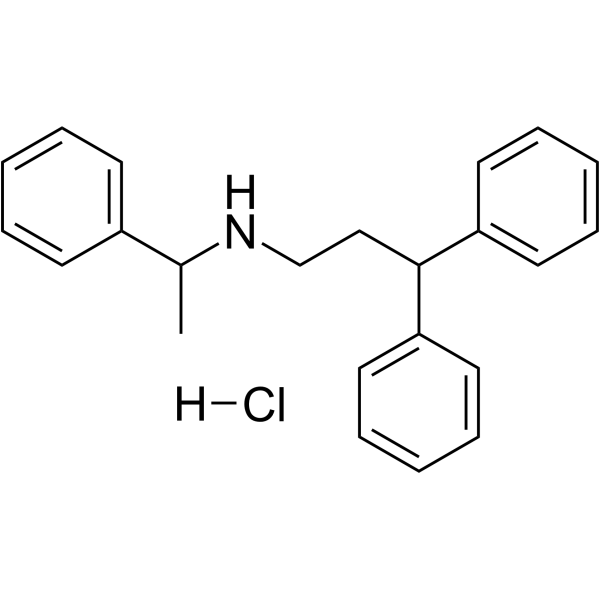
Fendiline hydrochloride, a diphenylalkylamine type of antianginal agent, is an L-type calcium channel blocker (IC50 of 17 µM). Fendiline hydrochloride is also a selective K-Ras inhibitor, and has no effect on H-Ras and N-Ras. Fendiline hydrochloride inhibits K-Ras plasma membrane localization (IC50 of 9.64 μM), inhibits K-Ras signal output and blocks the proliferation of pancreatic, colon, lung, and endometrial cancer cell lines expressing oncogenic mutant K-Ras. Fendiline hydrochloride is a STING agonist and is able to inhibit the growth of multiple refractory cold tumors (MC38, CT26 and B16F10) .
|
-
-
- HY-B0984A
-
|
|
Calcium Channel
Ras
STING
Autophagy
|
Infection
Cardiovascular Disease
Cancer
|
|
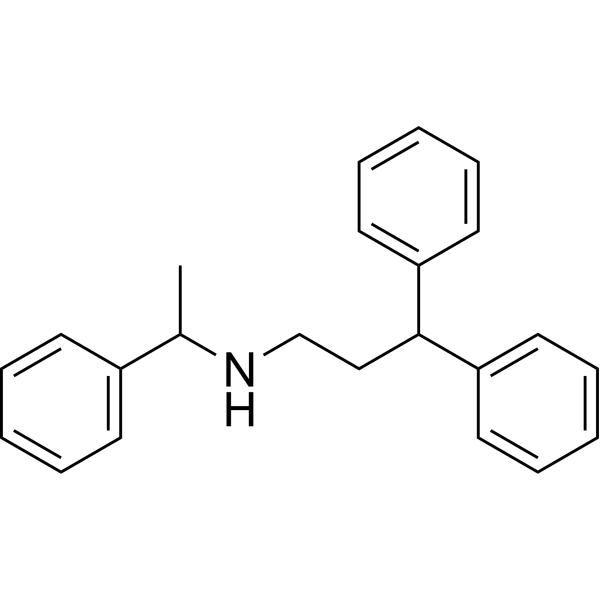
Fendiline, a diphenylalkylamine type of antianginal agent, is an L-type calcium channel blocker (IC50 of 17 µM). Fendiline is also a selective K-Ras inhibitor, and has no effect on H-Ras and N-Ras. Fendiline inhibits K-Ras plasma membrane localization (IC50 of 9.64 μM), inhibits K-Ras signal output and blocks the proliferation of pancreatic, colon, lung, and endometrial cancer cell lines expressing oncogenic mutant K-Ras. Fendiline is a STING agonist and is able to inhibit the growth of multiple refractory cold tumors (MC38, CT26 and B16F10) .
|
-
-
- HY-176785S
-
|
|
Ras
Apoptosis
p38 MAPK
Caspase
TNF Receptor
|
Cancer
|
|
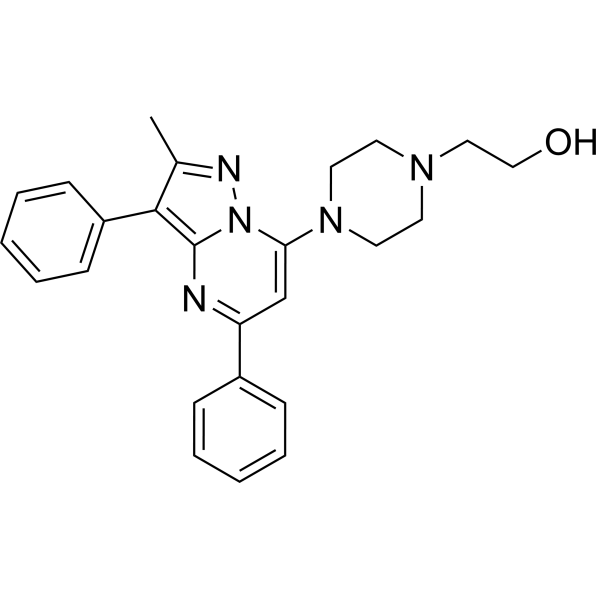
MCB-294 is a dual-state pan-KRAS inhibitor that selectively inhibits KRAS over NRAS and HRAS. MCB-294 capable of binding both the active (GTP-bound) and inactive (GDP-bound) forms of KRAS with Kds of approximately 1 pM and 10 nM, respectively. MCB-294 broadly impairs the growth of hTERT-HPNE cells expressing G12D, G12C, G12V, G12S, G13D, and wild-type KRAS, with IC50s of approximately 700 nM. MCB-294 induces irreversible apoptosis in KRAS-mutated tumors. MCB-294 effectively suppress KRAS G12C inhibitor-resistant cancer cells and remodel the tumor immune microenvironment. MCB-294 can be used for the study of pancreatic cancer, colorectal cancer and lung cancer .
|
-
-
- HY-122914
-
|
|
Ras
|
Cancer
|
|
KRAS inhibitor-3 is an inhibitor of KRAS inhibitor. KRAS inhibitor-3 binds to WT and oncogenic KRAS mutants with high affinity (KD: 0.28 μM for KRAS WT, 0.63 μM for KRAS G12C, 0.37 μM for KRAS G12D, 0.74 μM for KRAS Q61H). KRAS inhibitor-3 also disrupts interaction of KRAS with Raf .
|
-
-
- HY-151523
-
|
|
Ras
|
Cancer
|
|
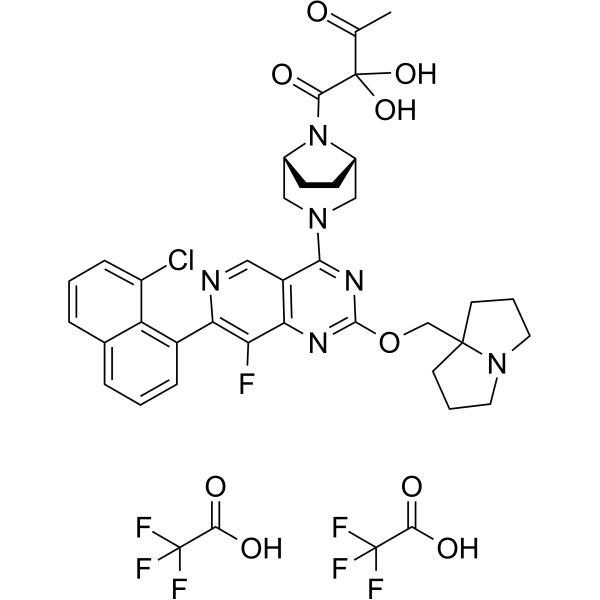
KRas G12R inhibitor 1 is a covalent inhibitor targeting the common oncogenic mutant KRas G12R with selectivity for the mutant arginine. KRas G12R inhibitor 1 possesses an α,β-diketoamide and exploits strong nucleophilicity of the mutant cysteine and irreversibly binds in the Switch II region of KRas. KRas G12R inhibitor 1 can be researched for K-Ras (G12R)-driven cancer such as pancreatic ductal adenocarcinoma (PDAC) .
|
-
-
- HY-139402
-
|
|
Ras
|
Cancer
|
|
MRTX849 acid, a derivative of MRTX849, can be used in the synthesis of PROTAC LC-2 (HY-137516). LC-2 is a potent and first-in-class PROTAC capable of degrading endogenous KRAS G12C (DC50s between 0.25 and 0.76 μM) .
|
-
-
- HY-B0984R
-
|
|
Calcium Channel
Ras
STING
Autophagy
Reference Standards
|
Infection
Cardiovascular Disease
Cancer
|
|
Fendiline (hydrochloride) (Standard) is the analytical standard of Fendiline (hydrochloride). This product is intended for research and analytical applications. Fendiline hydrochloride, a diphenylalkylamine type of antianginal agent, is an L-type calcium channel blocker (IC50 of 17 µM). Fendiline hydrochloride is also a selective K-Ras inhibitor, and has no effect on H-Ras and N-Ras. Fendiline hydrochloride inhibits K-Ras plasma membrane localization (IC50 of 9.64 μM), inhibits K-Ras signal output and blocks the proliferation of pancreatic, colon, lung, and endometrial cancer cell lines expressing oncogenic mutant K-Ras. Fendiline hydrochloride is a STING agonist and is able to inhibit the growth of multiple refractory cold tumors (MC38, CT26 and B16F10) .
|
-
-
- HY-115489
-
|
|
Ras
|
Cancer
|
|
GGTI-286, a potent and cell-permeable GGTase I inhibitor, is 25-fold more potent (IC50=2 μM) than the corresponding methyl ester of FTI-276 (HY-15873A). GGTI-286 selectively inhibits geranylgeranylation of Rap1A over farnesylation of H-Ras in NIH3T3 cells (IC50s=2 and >30 μM, respectively). GGTI-286 also potently inhibits oncogenic K-Ras4B stimulation with an IC50 of 1 μM .
|
-
-
- HY-115489A
-
|
|
Protein Prenyltransferase
|
Cancer
|
|
GGTI-286 TFA, a potent and cell-permeable GGTase I inhibitor, is 25-fold more potent (IC50=2 μM) than the corresponding methyl ester of FTI-276 (HY-15873A). GGTI-286 TFA selectively inhibits geranylgeranylation of Rap1A over farnesylation of H-Ras in NIH3T3 cells (IC50s=2 and >30 μM, respectively). GGTI-286 TFA also potently inhibits oncogenic K-Ras4B stimulation with an IC50 of 1 μM .
|
-
-
- HY-145928B
-
|
GDC-6036 adipate
|
Ras
|
Cancer
|
|
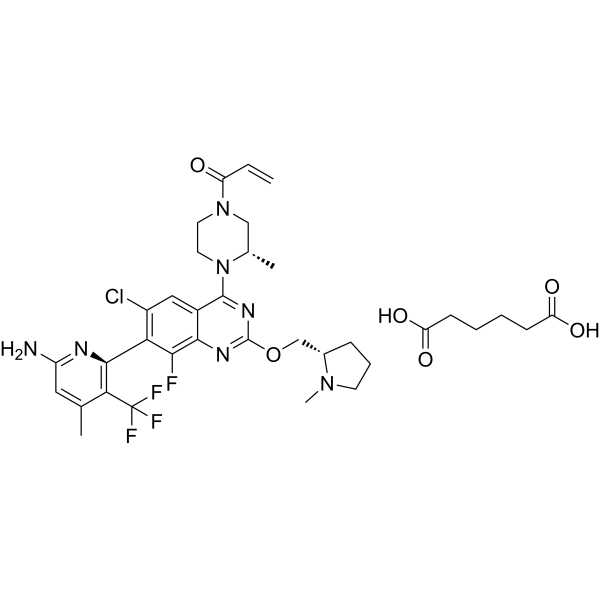
Divarasib (GDC-6036) adipate is an orally active, selective KRASG12C inhibitor with an IC50 of <0.01 μM. Divarasib adipate covalently binds Cys12 in GDP-bound KRASG12C, occupies the switch II pocket, blocks GTP binding and SOS-mediated reactivation, and inhibits oncogenic KRAS signaling. Divarasib adipate induces tumor shrinkage and robust tumor growth inhibition in KRASG12C-positive models and cancer cells. Divarasib adipate can be used for the research of non-small cell lung cancer, colorectal adenocarcinoma, pancreatic ductal adenocarcinoma, and other KRASG12C-mutated solid tumors .
|
-
-
- HY-108436
-
|
|
Phosphodiesterase (PDE)
|
Cancer
|
|
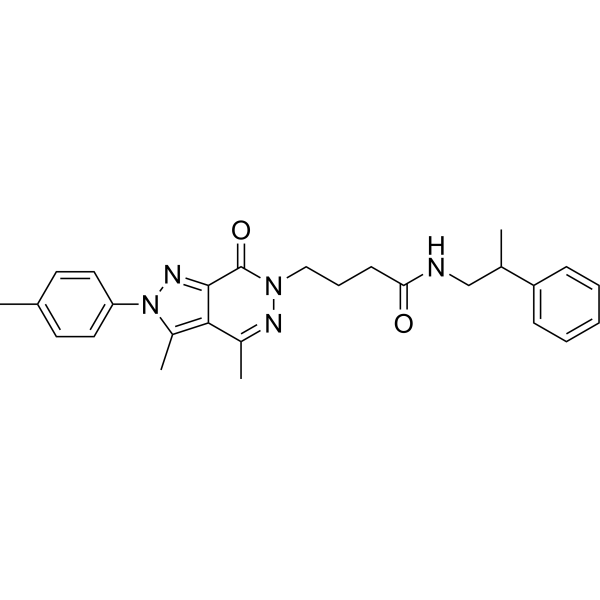
Deltazinone 1, a pyrazolopyridazinone, is a highly selective PDEδ inhibitor with a KD of 8 nM. Deltazinone 1 inhibits the PDEδ-Ras interaction. Deltazinone 1 shows a dose-dependent inhibitory response on proliferation in oncogenic KRas-dependent cell lines .
|
-
-
- HY-P10436
-
|
|
Raf
|
Cancer
|
|
Braftide is an allosteric inhibitor for BRAF kinase by targeting the dimer interface of BRAF kinase and inhibiting the formation of BRAF dimers. Braftide inhibits wild-type BRAF and oncogenic BRAF G469A with IC50 of 364 nM and 172 nM, respectively. Braftide inhibits MAPK signaling pathway, inhibits proliferation of KRAS mutant tumor cells (EC50 is 7.1 and 6.6 μM, for HCT116 and HCT-15), in combination of TAT sequence. Braftide can be used for cancer research .
|
-
-
- HY-P11355A
-
|
|
Amino Acid Derivatives
|
Cancer
|
|
KRAS WT Peptide TFA is the trifluoroacetate salt of KRAS WT Peptide (HY-P11355). KRAS WT Peptide is the normal sequence peptide of the Kirsten rat sarcoma virus (KRAS) gene without oncogenic mutations. KRAS WT Peptide can be used for the study of evaluating the specificity and safety of KRAS-targeted immunotherapies .
|
-
-
- HY-P11356
-
|
|
IFNAR
|
Cancer
|
|
KRAS G12V Peptide is a specific peptide derived from the Kirsten rat sarcoma virus (KRAS) gene carrying the G12V oncogenic mutation. KRAS G12V Peptide induces responses like IFN-γ secretion and cytotoxicity. KRAS G12V Peptide can be used for the study of immune responses against KRAS G12V-mutant tumors .
|
-
-
- HY-P11357A
-
|
|
IFNAR
|
Cancer
|
|
KRAS G12C Peptide TFA is the trifluoroacetate salt of KRAS G12C Peptide (HY-P11357). KRAS G12C Peptide is a specific peptide derived from the Kirsten rat sarcoma virus (KRAS) gene carrying the G12C oncogenic mutation. KRAS G12C Peptide induces responses like IFN-γ secretion and cytotoxicity. KRAS G12C Peptide can be used for the study of immune responses against KRAS G12C-mutant tumors .
|
-
-
- HY-P11356A
-
|
|
IFNAR
|
Cancer
|
|
KRAS G12V Peptide TFA is the trifluoroacetate salt of KRAS G12V Peptide (HY-P11355). KRAS G12V Peptide is a specific peptide derived from the Kirsten rat sarcoma virus (KRAS) gene carrying the G12V oncogenic mutation. KRAS G12V Peptide induces responses like IFN-γ secretion and cytotoxicity. KRAS G12V Peptide can be used for the study of immune responses against KRAS G12V-mutant tumors .
|
-
-
- HY-116428
-
|
|
Farnesyl Transferase
Ras
TGF-β Receptor
Apoptosis
|
Cancer
|
|
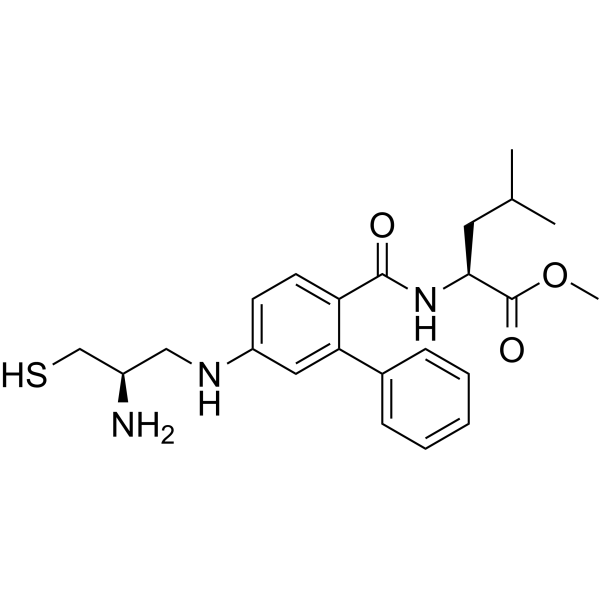
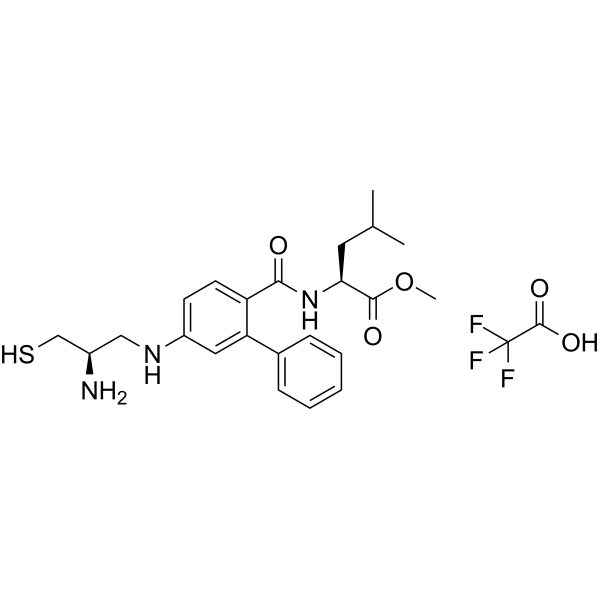
L-744832 is a farnesyl transferase inhibitor. L-744832 effectively inhibits the farnesylation of H-Ras and N-Ras, but has little effect on K-Ras treatment. L-744832 not only directly targets the oncogenic pathway by inhibiting Ras farnesylation, but also enhances radiosensitivity by restoring TGF-β signaling through epigenetic reprogramming. L-744832 can induce cell cycle arrest and apoptosis. L-744832 can be used in combination therapy studies for Ras-driven tumors such as pancreatic cancer .
|
-
-
- HY-P11357
-
|
|
IFNAR
|
Cancer
|
|
KRAS G12C Peptide is a specific peptide derived from the Kirsten rat sarcoma virus (KRAS) gene carrying the G12C oncogenic mutation. KRAS G12C Peptide induces responses like IFN-γ secretion and cytotoxicity. KRAS G12C Peptide can be used for the study of immune responses against KRAS G12C-mutant tumors .
|
-
-
- HY-151287
-
|
|
Ras
|
Cancer
|
|
KRAS inhibitor-20 is a small molecular inhibitor of KRas G12C, the oncogenic mutant. KRAS inhibitor-20 inhibits KRas G12C with the IC50 value <10 nM .
|
-
-
- HY-120885
-
|
|
Ras
|
Cancer
|
|
(+)-Oxanthromicin (Compound 1) mislocalizes the oncogenic mutant K-Ras from the plasma membrane of intact Madin-Darby canine kidney (MDCK) cells, and exhibits thereby antitumor efficacy .
|
-
-
- HY-137971
-
|
|
Ras
|
Cancer
|
|
(±)-Spiro-oxanthromicin A (Compound 4), a polyketide, is a K-Ras inhibitor with an IC50 of 26.7 μM. (±)-Spiro-oxanthromicin A can be isolated from soil-derived Streptomyces sp. (±)-Spiro-oxanthromicin A can mislocalize oncogenic mutant K-Ras from the plasma membrane of intact MDCK cells. (±)-Spiro-oxanthromicin A can be used for cancers research .
|
-
-
- HY-117935
-
|
|
Ras
|
Cancer
|
|
GGTI-286 hydrochloride, a potent GGTase I inhibitor, is 25-fold more potent (IC50=2 μM) than the corresponding methyl ester of FTI-276 (HY-15873A). GGTI-286 hydrochloride selectively inhibits geranylgeranylation of Rap1A over farnesylation of H-Ras in NIH3T3 cells (IC50s =2 and >30 μM, respectively). GGTI-286 hydrochloride also potently inhibits oncogenic K-Ras4B stimulation with an IC50 of 1 μM .
|
-
-
- HY-183625
-
|
|
Ras
|
Cancer
|
|
PCA-IN-1 is a polyisoprenylated cysteinyl amide (PCA) inhibitor that acts on multiple KRAS mutant subtypes. PCA-IN-1 dissociates KRAS4B from its transport chaperones, prevents its localization to the plasma membrane, and blocks downstream oncogenic signaling pathways. PCA-IN-1 inhibits colony formation of KRAS-mutant lung cancer cells, induces sustained long-term growth inhibition, and suppresses cell migration. PCA-IN-1 is applicable to the research of KRAS-mutant lung cancer .
|
-
-
- HY-181883
-
|
|
Ras
Raf
PI3K
p38 MAPK
|
Cancer
|
|
KRAS-IN-55 is a pan-KRAS inhibitor with IC50 values of 4.3, 9.6 and 1.6 nM against KRAS G12C, KRAS G12D and KRAS G12V, respectively. KRAS-IN-55 induces the formation of a new binding pocket on KRAS, thereby forming a high-affinity ternary complex with cyclophilin A (CYPA), inhibiting the interactions of KRAS with downstream effectors RAF and PI3K, and blocking oncogenic MAPK and PI3K signaling pathways. KRAS-IN-55 is applicable to cancer research such as colorectal cancer and non-small cell lung cancer .
|
-
-
- HY-182883
-
|
|
Ras
|
Cancer
|
|
KRASG12C IN-20 is an orally potent KRAS G12C inhibitor with an EC50 of 3.9 nM. KRASG12C IN-20 covalently modifies KRAS G12C in its inactive GDP-bound state and locks it to block oncogenic signal transduction. KRASG12C IN-20 exhibits significant activity in lung adenocarcinoma xenograft models. KRASG12C IN-20 can be used for research related to lung adenocarcinoma .
|
-
-
- HY-134505
-
|
|
Ras
Phospholipase
ERK
Akt
|
Cancer
|
|
Avicin G is a sphingomyelinase inhibitor and plasma membrane disruptor. Avicin G inhibits the enzymatic activities of neutral sphingomyelinases (SMPD2/3) and acid sphingomyelinase (SMPD1), elevates intracellular sphingomyelin levels, and alters the distribution of sphingomyelin. Avicin G interferes with the lateral segregation of GTP- and GDP-bound H-Ras, inhibits the signal output of oncogenic K-Ras and H-Ras, reduces the phosphorylation of ERK and Akt, increases lysosomal pH, and inhibits the endocytic recycling of epidermal growth factor receptor. Avicin G can be used in research related to pancreatic ductal adenocarcinoma and non-small cell lung cancer .
|
-
| Cat. No. |
Product Name |
Target |
Research Area |
-
- HY-P10436
-
|
|
Raf
|
Cancer
|
|
Braftide is an allosteric inhibitor for BRAF kinase by targeting the dimer interface of BRAF kinase and inhibiting the formation of BRAF dimers. Braftide inhibits wild-type BRAF and oncogenic BRAF G469A with IC50 of 364 nM and 172 nM, respectively. Braftide inhibits MAPK signaling pathway, inhibits proliferation of KRAS mutant tumor cells (EC50 is 7.1 and 6.6 μM, for HCT116 and HCT-15), in combination of TAT sequence. Braftide can be used for cancer research .
|
-
- HY-P11355A
-
|
|
Amino Acid Derivatives
|
Cancer
|
|
KRAS WT Peptide TFA is the trifluoroacetate salt of KRAS WT Peptide (HY-P11355). KRAS WT Peptide is the normal sequence peptide of the Kirsten rat sarcoma virus (KRAS) gene without oncogenic mutations. KRAS WT Peptide can be used for the study of evaluating the specificity and safety of KRAS-targeted immunotherapies .
|
-
- HY-P11356
-
|
|
IFNAR
|
Cancer
|
|
KRAS G12V Peptide is a specific peptide derived from the Kirsten rat sarcoma virus (KRAS) gene carrying the G12V oncogenic mutation. KRAS G12V Peptide induces responses like IFN-γ secretion and cytotoxicity. KRAS G12V Peptide can be used for the study of immune responses against KRAS G12V-mutant tumors .
|
-
- HY-P11357A
-
|
|
IFNAR
|
Cancer
|
|
KRAS G12C Peptide TFA is the trifluoroacetate salt of KRAS G12C Peptide (HY-P11357). KRAS G12C Peptide is a specific peptide derived from the Kirsten rat sarcoma virus (KRAS) gene carrying the G12C oncogenic mutation. KRAS G12C Peptide induces responses like IFN-γ secretion and cytotoxicity. KRAS G12C Peptide can be used for the study of immune responses against KRAS G12C-mutant tumors .
|
-
- HY-P11356A
-
|
|
IFNAR
|
Cancer
|
|
KRAS G12V Peptide TFA is the trifluoroacetate salt of KRAS G12V Peptide (HY-P11355). KRAS G12V Peptide is a specific peptide derived from the Kirsten rat sarcoma virus (KRAS) gene carrying the G12V oncogenic mutation. KRAS G12V Peptide induces responses like IFN-γ secretion and cytotoxicity. KRAS G12V Peptide can be used for the study of immune responses against KRAS G12V-mutant tumors .
|
-
- HY-P11355
-
|
|
Peptides
|
Cancer
|
|
KRAS WT Peptide is the normal sequence peptide of the Kirsten rat sarcoma virus (KRAS) gene without oncogenic mutations. KRAS WT Peptide can be used for the study of evaluating the specificity and safety of KRAS-targeted immunotherapies .
|
-
- HY-P11357
-
|
|
IFNAR
|
Cancer
|
|
KRAS G12C Peptide is a specific peptide derived from the Kirsten rat sarcoma virus (KRAS) gene carrying the G12C oncogenic mutation. KRAS G12C Peptide induces responses like IFN-γ secretion and cytotoxicity. KRAS G12C Peptide can be used for the study of immune responses against KRAS G12C-mutant tumors .
|
| Cat. No. |
Product Name |
Category |
Target |
Chemical Structure |
-
- HY-120885
-
-
-
- HY-137971
-
|
|
Microorganisms
Ketones, Aldehydes, Acids
Source Classification
|
Ras
|
|
(±)-Spiro-oxanthromicin A (Compound 4), a polyketide, is a K-Ras inhibitor with an IC50 of 26.7 μM. (±)-Spiro-oxanthromicin A can be isolated from soil-derived Streptomyces sp. (±)-Spiro-oxanthromicin A can mislocalize oncogenic mutant K-Ras from the plasma membrane of intact MDCK cells. (±)-Spiro-oxanthromicin A can be used for cancers research .
|
-
-
- HY-134505
-
|
|
Structural Classification
Acacia victoriae Benth.
Terpenoids
Plants
Pentacyclic Triterpenoids
Fabaceae
Source Classification
|
Ras
Phospholipase
ERK
Akt
|
|
Avicin G is a sphingomyelinase inhibitor and plasma membrane disruptor. Avicin G inhibits the enzymatic activities of neutral sphingomyelinases (SMPD2/3) and acid sphingomyelinase (SMPD1), elevates intracellular sphingomyelin levels, and alters the distribution of sphingomyelin. Avicin G interferes with the lateral segregation of GTP- and GDP-bound H-Ras, inhibits the signal output of oncogenic K-Ras and H-Ras, reduces the phosphorylation of ERK and Akt, increases lysosomal pH, and inhibits the endocytic recycling of epidermal growth factor receptor. Avicin G can be used in research related to pancreatic ductal adenocarcinoma and non-small cell lung cancer .
|
-
| Cat. No. |
Product Name |
Chemical Structure |
-
- HY-176785S
-
|
|
|
MCB-294 is a dual-state pan-KRAS inhibitor that selectively inhibits KRAS over NRAS and HRAS. MCB-294 capable of binding both the active (GTP-bound) and inactive (GDP-bound) forms of KRAS with Kds of approximately 1 pM and 10 nM, respectively. MCB-294 broadly impairs the growth of hTERT-HPNE cells expressing G12D, G12C, G12V, G12S, G13D, and wild-type KRAS, with IC50s of approximately 700 nM. MCB-294 induces irreversible apoptosis in KRAS-mutated tumors. MCB-294 effectively suppress KRAS G12C inhibitor-resistant cancer cells and remodel the tumor immune microenvironment. MCB-294 can be used for the study of pancreatic cancer, colorectal cancer and lung cancer .
|
-
| Cat. No. |
Product Name |
|
Classification |
-
- HY-176786
-
|
|
|
Alkynes
|
|
MCB-36 is a VHL-recruiting pan-KRAS PROTAC degrader without affecting KRAS transcription. MCB-36 exhibits minimal effects on HRAS and NRAS protein levels. MCB-36 binds to the GDP-loaded state of G12D, G12C, G12V, and wild-type KRAS with high affinities Kd ≈ 1 pM). MCB-36 decreases p-ERK levels, leading to cell apoptosis. MCB-36 effectively suppress KRAS G12C inhibitor-resistant cancer cells and remodel the tumor immune microenvironment. MCB-36 can be used for the study of colorectal cancer and lung cancer (Pink: Target protein ligand; Blue: E3 ligand (HY-112078); Black: Linker (HY-W091879)) .
|
-
- HY-176785S
-
|
|
|
Alkynes
|
|
MCB-294 is a dual-state pan-KRAS inhibitor that selectively inhibits KRAS over NRAS and HRAS. MCB-294 capable of binding both the active (GTP-bound) and inactive (GDP-bound) forms of KRAS with Kds of approximately 1 pM and 10 nM, respectively. MCB-294 broadly impairs the growth of hTERT-HPNE cells expressing G12D, G12C, G12V, G12S, G13D, and wild-type KRAS, with IC50s of approximately 700 nM. MCB-294 induces irreversible apoptosis in KRAS-mutated tumors. MCB-294 effectively suppress KRAS G12C inhibitor-resistant cancer cells and remodel the tumor immune microenvironment. MCB-294 can be used for the study of pancreatic cancer, colorectal cancer and lung cancer .
|
Your information is safe with us. * Required Fields.
Inquiry Information
- Product Name:
- Cat. No.:
- Quantity:
- MCE Japan Authorized Agent:

