Search Result
Results for "
oxidizable substrate
" in MedChemExpress (MCE) Product Catalog:
3
Biochemical Assay Reagents
3
Isotope-Labeled Compounds
| Cat. No. |
Product Name |
Target |
Research Areas |
Chemical Structure |
-
- HY-B0445A
-
|
β-DPN sodium; β-NAD sodium; β-Nicotinamide Adenine Dinucleotide sodium
|
Endogenous Metabolite
|
Metabolic Disease
|
|
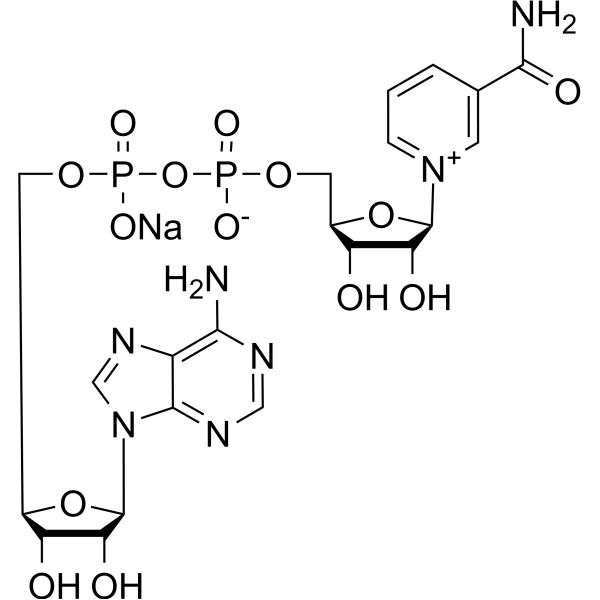
NAD sodium is an orally effective cofactor and homeostatic regulator. NAD sodium can be reduced to β-nicotinamide adenine dinucleotide (NADH) during coupling with reactions that oxidize organic substrates. NAD sodium can be converted to β-nicotinamide adenine dinucleotide (NADH) and passes to the inside of mitochondria, which indirectly generates ATP. NAD sodium can be used for the research of non-alcoholic fatty liver disease, obesity, and glucose intolerance .
|
-
-
- HY-13817
-
|
|
Deubiquitinase
Autophagy
Apoptosis
|
Cardiovascular Disease
Neurological Disease
Endocrinology
Cancer
|
|
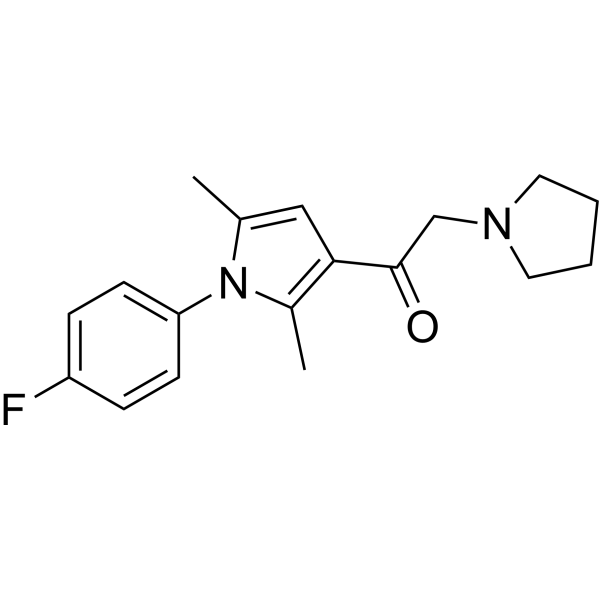
IU1 is a selective, reversible USP14 inhibitor with an IC50 of 4-5 μM. IU1 binds USP14’s catalytic cleft to block deubiquitinase activity. IU1 induces calpain-dependent Tau cleavage, causes ATP deficits, reduces E1~Ub thioester levels and 26S proteasome assembly. IU1 enhances 26S proteasome chymotrypsin-like activity, modulates LC3B-dependent autophagy flux, reduces cancer cell proliferation and migration, and blocks G0/G1 to S phase cell cycle transition in follicular thyroid cancer cells. IU1 activates autophagy-lysosomal and ubiquitin-proteasome pathways, triggers apoptosis, and reduces cervical cancer cell growth. IU1 enhances degradation of proteasome substrates linked to neurodegenerative disease, accelerates oxidized protein degradation, and increases oxidative stress resistance. IU1 can be used for the research of Alzheimer’s disease, follicular thyroid cancer, ischemic stroke, cervical cancer, and neurodegenerative disease .
|
-
-
- HY-W012241
-
|
|
Endogenous Metabolite
PROTAC Linkers
|
Metabolic Disease
|
|
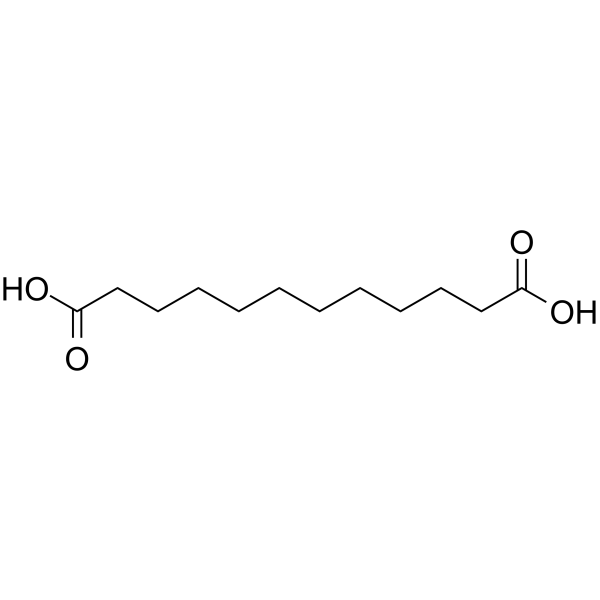
Dodecanedioic acid is an orally active straight-chain dicarboxylic acid. As an alternative energy substrate between lipids and carbohydrates, Dodecanedioic acid can be rapidly oxidized during exercise, reducing muscle fatigue without stimulating insulin secretion. Dodecanedioic acid also exhibits blood glucose-lowering activity in non-insulin-dependent diabetes mellitus .
|
-
-
- HY-137276
-
|
Bluo-Gal
|
Fluorescent Dye
Glycosidase
|
Others
|
|
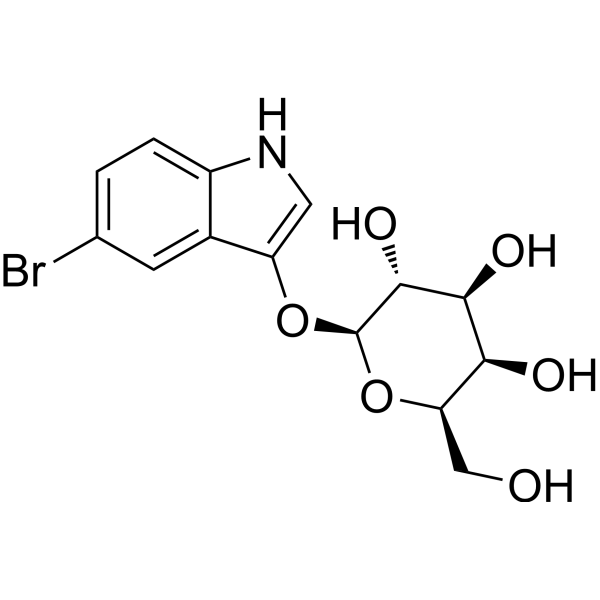
5-Bromo-3-indolyl β-D-galactopyranoside (Bluo-Gal) is a chromogenic substrate for β-galactosidase. 5-Bromo-3-indolyl β-D-galactopyranoside is hydrolyzed by the enzyme to generate a 5-bromoindole intermediate, which is further oxidized to form an insoluble blue precipitate. 5-Bromo-3-indolyl β-D-galactopyranoside can specifically recognize bacterial β-galactosidases (such as the product of the Escherichia coli lacZ gene) and reacts at pH 7.4, making it suitable for light and electron microscopic observations. 5-Bromo-3-indolyl β-D-galactopyranoside can be used in histochemical detection of reporter gene expression in transgenic organisms, such as the localization analysis of β-galactosidase activity in mouse embryos or muscle tissues .
|
-
-
- HY-W012145
-
|
|
Others
|
Metabolic Disease
|
|
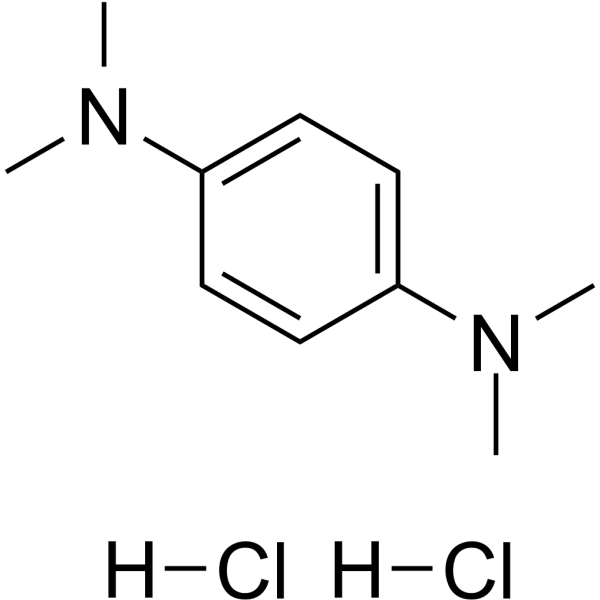
TMPD dihydrochloride, a readily oxidizable compound, is an enzymatically convert redox active substrate molecule. TMPD dihydrochloride is also an electron donor and serves as a reducing cosubstrate for heme peroxidases . TMPD dihydrochloride is also a complex IV substrate .
|
-
-
- HY-113404
-
|
|
Tyrosinase
Dopamine Receptor
|
Neurological Disease
|
|
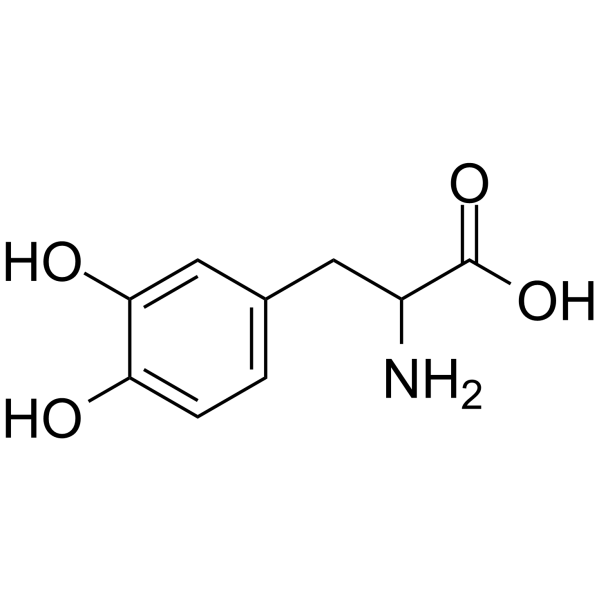
DL-Dopa is a dopamine precursor. It serves as a substrate for Mushroom Tyrosinase, which oxidizes it to dopaquinone, an intermediate in the DOPA-melanin polymerization process, and this reaction can be detected at 475 nm. DL-Dopa also forms synergistic hydrophobic and π-π stacking interactions with cationic surfactants. Its binding to cetylpyridinium chloride (HY-B1464) is stronger and exhibits better thermodynamic stability than its binding to benzalkonium chloride (HY-B2232). DL-Dopa can compensate for dopamine depletion in the brain and is applicable to research related to Parkinson's disease .
|
-
-
- HY-138616
-
|
2'-Deoxyguanosine-5'-triphosphate
|
DNA/RNA Synthesis
Nucleoside Antimetabolite/Analog
|
Inflammation/Immunology
|
|
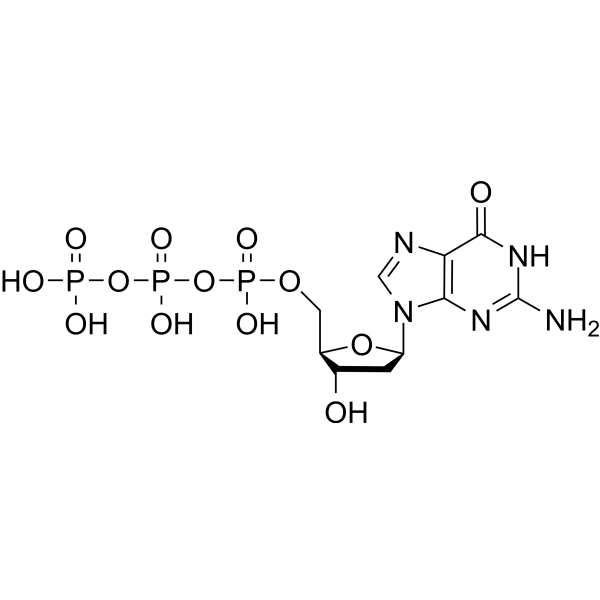
dGTP (2'-Deoxyguanosine-5'-triphosphate) is one of the precursors for DNA synthesis, and serves as a direct substrate for DNA replication and repair. dGTP is prone to oxidative damage; under the action of reactive oxygen species and other factors, dGTP is oxidized to form 8-oxo-dGTP .
|
-
-
- HY-W002251
-
|
|
Biochemical Assay Reagents
|
Others
|
|
Benzo[b]thiophene-3-carbaldehyde is a 3-formyl-substituted benzo[b]thiophene derivative that acts as an oxidizable substrate to convert to benzo[b]thiophene-3-carboxylic acid under liquid-phase conditions. Compared with analogs such as benzaldehyde and thiophene-2-carbaldehyde, Benzo[b]thiophene-3-carbaldehyde has lower oxidation difficulty, and can significantly increase the reaction rate in the presence of initiators (such as Na +Br - or DBA). Benzo[b]thiophene-3-carbaldehyde also serves as a key starting material for the synthesis of compounds including heteroaryl chalcones .
|
-
-
- HY-112817
-
|
8-Oxo-Deoxyguanosine triphosphate
|
Apoptosis
|
Cardiovascular Disease
Neurological Disease
Cancer
|
|
8-Oxo-dGTP (8-Oxo-Deoxyguanosine triphosphate) is an oxidized guanine nucleotide formed by ROS-mediated oxidative modification of dGTP, and it also serves as a key substrate for 8-oxo-dGTP pyrophosphohydrolases (such as hMTH1 and E. coli MutT). 8-Oxo-dGTP acts as a DNA mutagen, inserts into nascent DNA and pairs with adenine and cytosine, inducing A:T to C:G transversion mutations. Furthermore, 8-Oxo-dGTP causes oxidative DNA base modification, strand breakage and S-phase arrest, and ultimately triggers AIF-mediated apoptosis and promotes spontaneous carcinogenesis in mth1-deficient mice. Accumulation of 8-Oxo-dGTP in cells induces genomic instability, but it exhibits a tumor-suppressive effect that reduces tumor incidence in mouse models instead. 8-Oxo-dGTP is widely used in studies related to spontaneous carcinogenesis, Parkinson's disease, Alzheimer's disease, heart failure and tumor mechanisms .
|
-
-
- HY-W012241S1
-
|
|
Isotope-Labeled Compounds
Endogenous Metabolite
|
Metabolic Disease
|
|
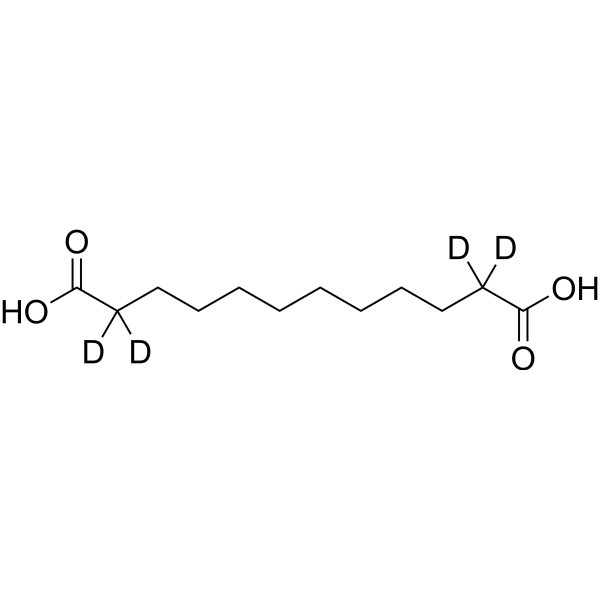
Dodecanedioic acid-d4 is the deuterium labeled Dodecanedioic acid (HY-W012241). Dodecanedioic acid is an orally active straight-chain dicarboxylic acid. As an alternative energy substrate between lipids and carbohydrates, Dodecanedioic acid can be rapidly oxidized during exercise, reducing muscle fatigue without stimulating insulin secretion. Dodecanedioic acid also exhibits blood glucose-lowering activity in non-insulin-dependent diabetes mellitus .
|
-
-
- HY-B0445AR
-
|
β-DPN sodium (Standard); β-NAD sodium (Standard); β-Nicotinamide Adenine Dinucleotide sodium (Standard)
|
Endogenous Metabolite
Reference Standards
|
Metabolic Disease
|
|
NAD sodium (Standard) is the analytical standard of NAD sodium. This product is intended for research and analytical applications. NAD (β-Nicotinamide Adenine Dinucleotide) sodium is an analogue of NAD. NAD sodium can be reduced to β-nicotinamide adenine dinucleotide (NADH) during coupling with reactions which oxidize organic substrates. NAD sodium can be converted to β-nicotinamide adenine dinucleotide (NADH) and passes to the inside of mitochondria that indirectly generates ATP .
|
-
-
- HY-W012241R
-
|
|
Reference Standards
Endogenous Metabolite
|
Metabolic Disease
|
|
Dodecanedioic acid (Standard) is the analytical standard of Dodecanedioic acid (HY-W012241). This product is intended for research and analytical applications. Dodecanedioic acid is an orally active straight-chain dicarboxylic acid. As an alternative energy substrate between lipids and carbohydrates, Dodecanedioic acid can be rapidly oxidized during exercise, reducing muscle fatigue without stimulating insulin secretion. Dodecanedioic acid also exhibits blood glucose-lowering activity in non-insulin-dependent diabetes mellitus .
|
-
-
- HY-131597
-
|
8-Hydroxyguanosine triphosphate
|
Reactive Oxygen Species (ROS)
|
Infection
Cancer
|
|
8-Oxo-GTP is an oxidized guanine nucleotide, produced by reactive oxygen species (ROS). 8-Oxo-GTP serves as a substrate for MutT protein, GTP cyclohydrolase II, Mycobacterium tuberculosis MutT1, and Mycobacterium tuberculosis Rv1700, which hydrolyze it to corresponding nucleoside monophosphates or diphosphates. 8-Oxo-GTP causes detrimental effects including mutations and mistranslation when incorporated into nucleic acids. 8-Oxo-GTP can be used for the research of cancer and tuberculosis .
|
-
-
- HY-D1740
-
|
DHTM Ros
|
Fluorescent Dye
|
Others
|
|
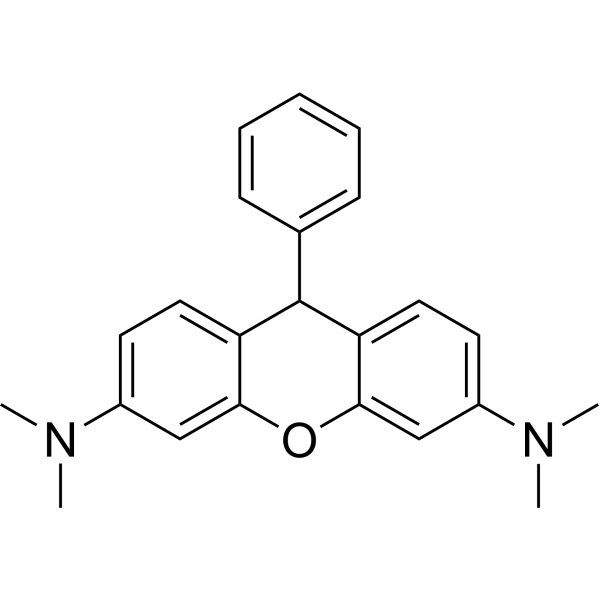
Dihydrotetramethylrosamine (DHTM Ros) is a fluorogenic substrate for peroxidase that oxidizes to fluorescent tetramethylrosamine chloride.
|
-
-
- HY-W012241S
-
|
|
Isotope-Labeled Compounds
Endogenous Metabolite
|
Metabolic Disease
|
|
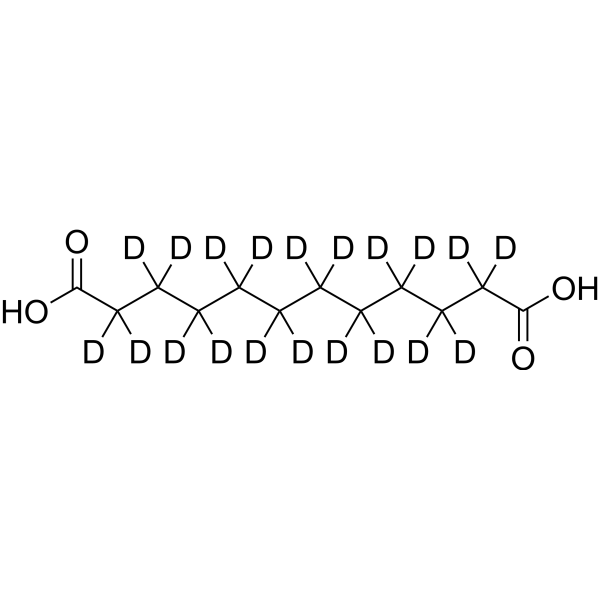
Dodecanedioic acid-d20 is the deuterium labeled Dodecanedioic acid (HY-W012241). Dodecanedioic acid is an orally active straight-chain dicarboxylic acid. As an alternative energy substrate between lipids and carbohydrates, Dodecanedioic acid can be rapidly oxidized during exercise, reducing muscle fatigue without stimulating insulin secretion. Dodecanedioic acid also exhibits blood glucose-lowering activity in non-insulin-dependent diabetes mellitus .
|
-
-
- HY-W777762
-
|
|
Isotope-Labeled Compounds
Endogenous Metabolite
|
Metabolic Disease
|
|
Dodecanedioic Acid- 13C12 is the 13C-labeled Dodecanedioic acid (HY-W012241). Dodecanedioic acid is an orally active straight-chain dicarboxylic acid. As an alternative energy substrate between lipids and carbohydrates, Dodecanedioic acid can be rapidly oxidized during exercise, reducing muscle fatigue without stimulating insulin secretion. Dodecanedioic acid also exhibits blood glucose-lowering activity in non-insulin-dependent diabetes mellitus .
|
-
-
- HY-W009458
-
|
3-IP sodium
|
Phosphatase
|
Metabolic Disease
|
|
3-Indoxyl phosphate (3-IP) is a chromogenic and electrochemical substrate for alkaline phosphatase. Upon enzymatic cleavage by alkaline phosphatase, 3-indoxyl is released and subsequently oxidized to produce water-insoluble indigo, which can be quantified by colorimetric detection at 660 nm as a measure of alkaline phosphatase activity. 3-Indoxyl phosphate can also be converted to water-soluble leucoindigo by reduction of indigo in alkaline solution by sodium dithionite, which can be quantified by colorimetric detection at 415 nm or voltametric detection as a measure of alkaline phosphatase activity.2 3-Indoxyl phosphate has been used in ELISAs.
|
-
-
- HY-W751921
-
|
|
Insecticide
|
Others
|
|
Chlorethoxyfos is an organophosphate insecticide. Chlorethoxyfos undergoes oxidation to form its oxon in chlorinated laboratory water .
|
-
-
- HY-112817A
-
|
8-Oxo-Deoxyguanosine triphosphate trisodium
|
Apoptosis
|
Others
|
|
8-Oxo-dGTP (8-Oxo-Deoxyguanosine triphosphate) trisodium solution (100mM) is an oxidized guanine nucleotide formed by ROS-mediated oxidative modification of dGTP, and it also serves as a key substrate for 8-oxo-dGTP pyrophosphohydrolases (such as hMTH1 and E. coli MutT). 8-Oxo-dGTP trisodium solution (100mM) acts as a DNA mutagen, inserts into nascent DNA and pairs with adenine and cytosine, inducing A:T to C:G transversion mutations. Furthermore, 8-Oxo-dGTP trisodium solution (100mM) causes oxidative DNA base modification, strand breakage and S-phase arrest, and ultimately triggers AIF-mediated apoptosis and promotes spontaneous carcinogenesis in mth1-deficient mice. Accumulation of 8-Oxo-dGTP trisodium solution (100mM) in cells induces genomic instability, but it exhibits a tumor-suppressive effect that reduces tumor incidence in mouse models instead. 8-Oxo-dGTP trisodium solution (100mM) is widely used in studies related to spontaneous carcinogenesis, Parkinson's disease, Alzheimer's disease, heart failure and tumor mechanisms .
|
-
| Cat. No. |
Product Name |
Type |
-
- HY-D1740
-
|
DHTM Ros
|
Fluorescent Dyes
|
|
Dihydrotetramethylrosamine (DHTM Ros) is a fluorogenic substrate for peroxidase that oxidizes to fluorescent tetramethylrosamine chloride.
|
-
- HY-W009458
-
|
3-IP sodium
|
Fluorescent Dyes
|
|
3-Indoxyl phosphate (3-IP) is a chromogenic and electrochemical substrate for alkaline phosphatase. Upon enzymatic cleavage by alkaline phosphatase, 3-indoxyl is released and subsequently oxidized to produce water-insoluble indigo, which can be quantified by colorimetric detection at 660 nm as a measure of alkaline phosphatase activity. 3-Indoxyl phosphate can also be converted to water-soluble leucoindigo by reduction of indigo in alkaline solution by sodium dithionite, which can be quantified by colorimetric detection at 415 nm or voltametric detection as a measure of alkaline phosphatase activity.2 3-Indoxyl phosphate has been used in ELISAs.
|
| Cat. No. |
Product Name |
Type |
-
- HY-B0445A
-
|
β-DPN sodium; β-NAD sodium; β-Nicotinamide Adenine Dinucleotide sodium
|
Biochemical Assay Reagents
|
|
NAD sodium is an orally effective cofactor and homeostatic regulator. NAD sodium can be reduced to β-nicotinamide adenine dinucleotide (NADH) during coupling with reactions that oxidize organic substrates. NAD sodium can be converted to β-nicotinamide adenine dinucleotide (NADH) and passes to the inside of mitochondria, which indirectly generates ATP. NAD sodium can be used for the research of non-alcoholic fatty liver disease, obesity, and glucose intolerance .
|
-
- HY-W002251
-
|
|
Biochemical Assay Reagents
|
|
Benzo[b]thiophene-3-carbaldehyde is a 3-formyl-substituted benzo[b]thiophene derivative that acts as an oxidizable substrate to convert to benzo[b]thiophene-3-carboxylic acid under liquid-phase conditions. Compared with analogs such as benzaldehyde and thiophene-2-carbaldehyde, Benzo[b]thiophene-3-carbaldehyde has lower oxidation difficulty, and can significantly increase the reaction rate in the presence of initiators (such as Na +Br - or DBA). Benzo[b]thiophene-3-carbaldehyde also serves as a key starting material for the synthesis of compounds including heteroaryl chalcones .
|
-
- HY-B0445AR
-
|
β-DPN sodium (Standard); β-NAD sodium (Standard); β-Nicotinamide Adenine Dinucleotide sodium (Standard)
|
Biochemical Assay Reagents
|
|
NAD sodium (Standard) is the analytical standard of NAD sodium. This product is intended for research and analytical applications. NAD (β-Nicotinamide Adenine Dinucleotide) sodium is an analogue of NAD. NAD sodium can be reduced to β-nicotinamide adenine dinucleotide (NADH) during coupling with reactions which oxidize organic substrates. NAD sodium can be converted to β-nicotinamide adenine dinucleotide (NADH) and passes to the inside of mitochondria that indirectly generates ATP .
|
| Cat. No. |
Product Name |
Category |
Target |
Chemical Structure |
-
- HY-W012241
-
-
-
- HY-113404
-
-
-
- HY-138616
-
-
-
- HY-112817
-
|
8-Oxo-Deoxyguanosine triphosphate
|
Microorganisms
Source Classification
|
Apoptosis
|
|
8-Oxo-dGTP (8-Oxo-Deoxyguanosine triphosphate) is an oxidized guanine nucleotide formed by ROS-mediated oxidative modification of dGTP, and it also serves as a key substrate for 8-oxo-dGTP pyrophosphohydrolases (such as hMTH1 and E. coli MutT). 8-Oxo-dGTP acts as a DNA mutagen, inserts into nascent DNA and pairs with adenine and cytosine, inducing A:T to C:G transversion mutations. Furthermore, 8-Oxo-dGTP causes oxidative DNA base modification, strand breakage and S-phase arrest, and ultimately triggers AIF-mediated apoptosis and promotes spontaneous carcinogenesis in mth1-deficient mice. Accumulation of 8-Oxo-dGTP in cells induces genomic instability, but it exhibits a tumor-suppressive effect that reduces tumor incidence in mouse models instead. 8-Oxo-dGTP is widely used in studies related to spontaneous carcinogenesis, Parkinson's disease, Alzheimer's disease, heart failure and tumor mechanisms .
|
-
-
- HY-W012241R
-
|
|
Structural Classification
Ketones, Aldehydes, Acids
Endogenous metabolite
Source Classification
|
Reference Standards
Endogenous Metabolite
|
|
Dodecanedioic acid (Standard) is the analytical standard of Dodecanedioic acid (HY-W012241). This product is intended for research and analytical applications. Dodecanedioic acid is an orally active straight-chain dicarboxylic acid. As an alternative energy substrate between lipids and carbohydrates, Dodecanedioic acid can be rapidly oxidized during exercise, reducing muscle fatigue without stimulating insulin secretion. Dodecanedioic acid also exhibits blood glucose-lowering activity in non-insulin-dependent diabetes mellitus .
|
-
-
- HY-131597
-
|
8-Hydroxyguanosine triphosphate
|
Source Classification
|
Reactive Oxygen Species (ROS)
|
|
8-Oxo-GTP is an oxidized guanine nucleotide, produced by reactive oxygen species (ROS). 8-Oxo-GTP serves as a substrate for MutT protein, GTP cyclohydrolase II, Mycobacterium tuberculosis MutT1, and Mycobacterium tuberculosis Rv1700, which hydrolyze it to corresponding nucleoside monophosphates or diphosphates. 8-Oxo-GTP causes detrimental effects including mutations and mistranslation when incorporated into nucleic acids. 8-Oxo-GTP can be used for the research of cancer and tuberculosis .
|
-
| Cat. No. |
Product Name |
Chemical Structure |
-
- HY-W012241S1
-
|
|
|
Dodecanedioic acid-d4 is the deuterium labeled Dodecanedioic acid (HY-W012241). Dodecanedioic acid is an orally active straight-chain dicarboxylic acid. As an alternative energy substrate between lipids and carbohydrates, Dodecanedioic acid can be rapidly oxidized during exercise, reducing muscle fatigue without stimulating insulin secretion. Dodecanedioic acid also exhibits blood glucose-lowering activity in non-insulin-dependent diabetes mellitus .
|
-
-
- HY-W012241S
-
|
|
|
Dodecanedioic acid-d20 is the deuterium labeled Dodecanedioic acid (HY-W012241). Dodecanedioic acid is an orally active straight-chain dicarboxylic acid. As an alternative energy substrate between lipids and carbohydrates, Dodecanedioic acid can be rapidly oxidized during exercise, reducing muscle fatigue without stimulating insulin secretion. Dodecanedioic acid also exhibits blood glucose-lowering activity in non-insulin-dependent diabetes mellitus .
|
-
-
- HY-W777762
-
|
|
|
Dodecanedioic Acid- 13C12 is the 13C-labeled Dodecanedioic acid (HY-W012241). Dodecanedioic acid is an orally active straight-chain dicarboxylic acid. As an alternative energy substrate between lipids and carbohydrates, Dodecanedioic acid can be rapidly oxidized during exercise, reducing muscle fatigue without stimulating insulin secretion. Dodecanedioic acid also exhibits blood glucose-lowering activity in non-insulin-dependent diabetes mellitus .
|
-
| Cat. No. |
Product Name |
|
Classification |
-
- HY-138616
-
|
2'-Deoxyguanosine-5'-triphosphate
|
|
Nucleotide Analogs
|
|
dGTP (2'-Deoxyguanosine-5'-triphosphate) is one of the precursors for DNA synthesis, and serves as a direct substrate for DNA replication and repair. dGTP is prone to oxidative damage; under the action of reactive oxygen species and other factors, dGTP is oxidized to form 8-oxo-dGTP .
|
-
- HY-112817A
-
|
8-Oxo-Deoxyguanosine triphosphate trisodium
|
|
Nucleotide Analogs
Guanine Nucleotide
|
|
8-Oxo-dGTP (8-Oxo-Deoxyguanosine triphosphate) trisodium solution (100mM) is an oxidized guanine nucleotide formed by ROS-mediated oxidative modification of dGTP, and it also serves as a key substrate for 8-oxo-dGTP pyrophosphohydrolases (such as hMTH1 and E. coli MutT). 8-Oxo-dGTP trisodium solution (100mM) acts as a DNA mutagen, inserts into nascent DNA and pairs with adenine and cytosine, inducing A:T to C:G transversion mutations. Furthermore, 8-Oxo-dGTP trisodium solution (100mM) causes oxidative DNA base modification, strand breakage and S-phase arrest, and ultimately triggers AIF-mediated apoptosis and promotes spontaneous carcinogenesis in mth1-deficient mice. Accumulation of 8-Oxo-dGTP trisodium solution (100mM) in cells induces genomic instability, but it exhibits a tumor-suppressive effect that reduces tumor incidence in mouse models instead. 8-Oxo-dGTP trisodium solution (100mM) is widely used in studies related to spontaneous carcinogenesis, Parkinson's disease, Alzheimer's disease, heart failure and tumor mechanisms .
|
Your information is safe with us. * Required Fields.
Inquiry Information
- Product Name:
- Cat. No.:
- Quantity:
- MCE Japan Authorized Agent: