
1. Search Result
Search Result
Results for "

pain model

" in MedChemExpress (MCE) Product Catalog:

180

Inhibitors & Agonists

1

Screening Libraries

18

Peptides

13

Natural
Products

2

Isotope-Labeled Compounds

2

Oligonucleotides

Cat. No. Product Name Target Research Areas Chemical Structure
  • HY-D0849
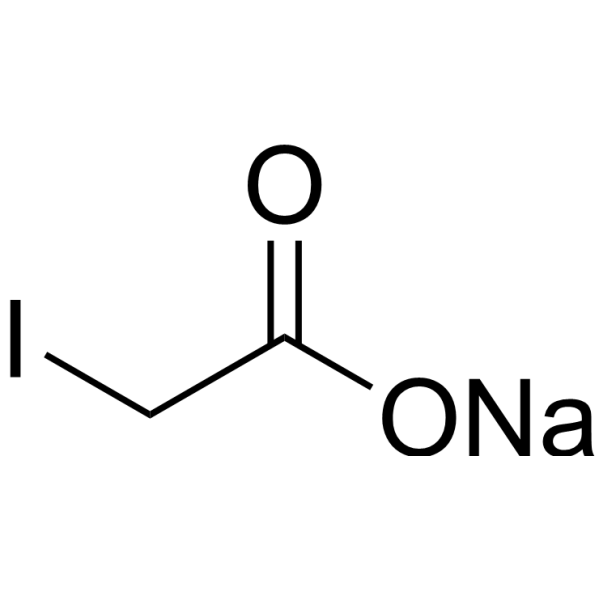
    Sodium iodoacetate
    2 Publications Verification

    Iodoacetic acid sodium salt

    Biochemical Assay Reagents Metabolic Disease Inflammation/Immunology
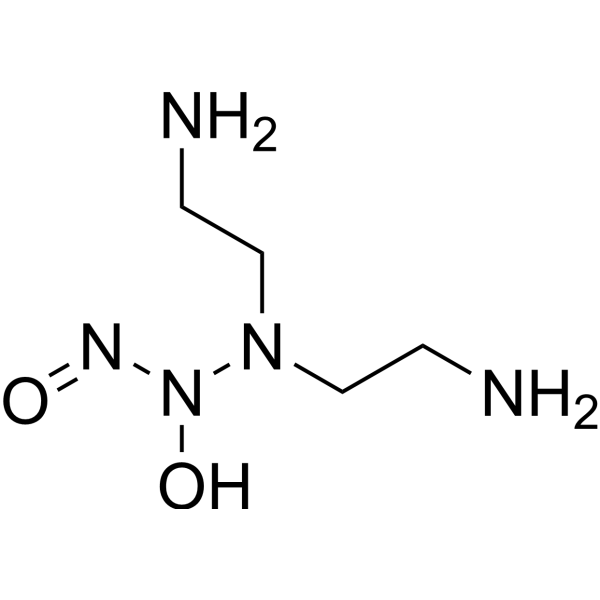
    Sodium iodoacetate is a specific inhibitor of GAPDH and has glycolysis inhibitory activity. In addition, sodium iodoacetate can induce osteoarthritis and related pain models in experimental animals .
    Sodium iodoacetate
  • HY-17444

    PPAR Metabolic Disease Cancer
    Tesaglitazar is a dual-target PPARα/γ agonist with an EC50 of 13.4 μM for rat PPARα and 3.6 μM for human PPARα. Tesaglitazar affects lipid and glucose metabolism by activating PPARα and PPARγ receptors, and has the potential to improve blood sugar and relieve pain. Tesaglitazar can be used to induce in vivo tumor models and can be used in the study of type 2 diabetes, dyslipidemia, and neuropathic pain .
    Tesaglitazar
  • HY-156815

    Orphan GPCR Neurological Disease Inflammation/Immunology
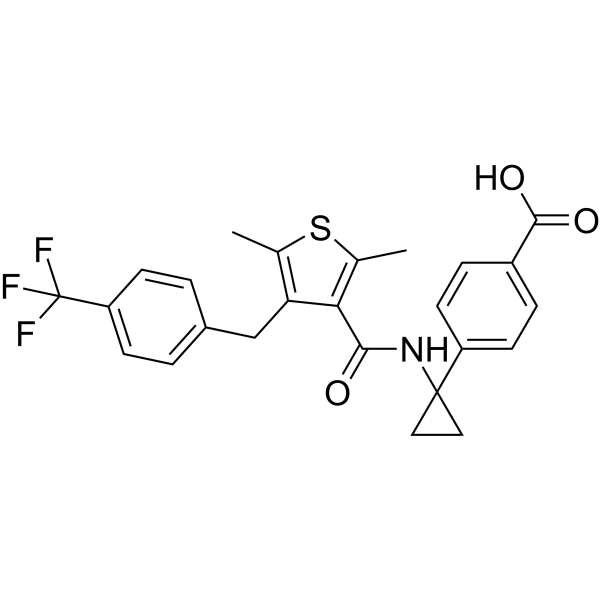
    YL-365 is a potent and selective GPR34 antagonist with an IC50 of 17 nM. YL-365 binds to a portion of the orthosteric binding pocket of GPR34 and induces allosteric changes that stabilize the receptor in an inactive conformation. YL-365 down-regulates expression of the proinflammatory gene iNOS in M1 microglia and suppresses proinflammatory responses. YL-365 reduces mechanical allodynia in a dose-dependent manner in a mouse model of neuropathic pain. YL-365 can be used for the research of neuropathic pain .
    YL-365
  • HY-69019
    7-Nitroindazole
    1 Publications Verification

    NO Synthase Cardiovascular Disease Neurological Disease
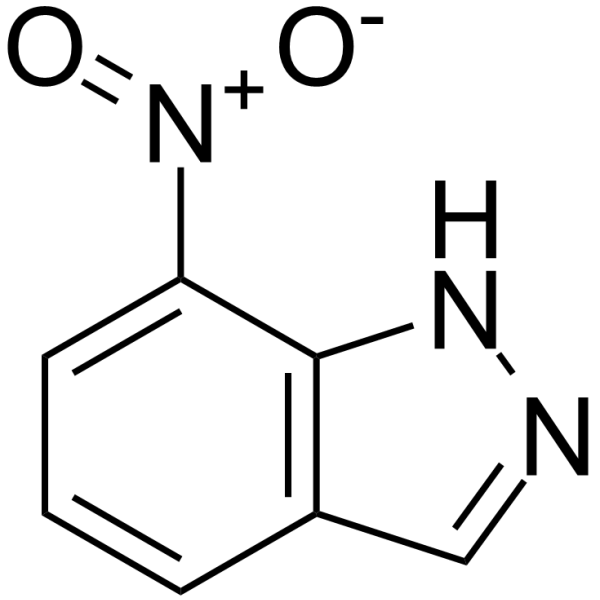
    7-Nitroindazole is a selective and BBB-penetrable inhibitor of nitric oxide synthase (NOS) (IC50 = 0.47 μM in mouse cerebellum). 7-Nitroindazole does not affect blood pressure or endothelium-dependent relaxation while inhibiting nNOS in experimental animals. 7-Nitroindazole has anti-injurious and neuroprotective properties, and can be studied in research for neurological diseases such as Parkinson’s disease .
    7-Nitroindazole
  • HY-P1241
    BAM(8-22)
    1 Publications Verification

    Mas-related G-protein-coupled Receptor (MRGPR) Neurological Disease Inflammation/Immunology
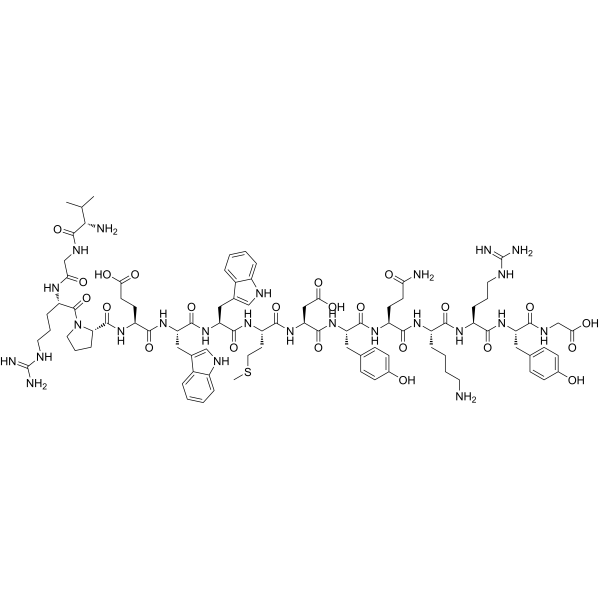
    BAM(8-22), a proteolytically cleaved product of proenkephalin A and sensory neuron-specific receptor (SNSR) agonist, is a potent activator of Mas-related G-protein-coupled receptors (Mrgprs), MrgprC11 and hMrgprX1. BAM(8-22) induces scratching in mice in an Mrgpr-dependent manner. In addition, BAM(8-22) has an analgesic effect and can also inhibit the activation of microglia .
    BAM(8-22)
  • HY-120546
    Ulixacaltamide
    1 Publications Verification

    Z944; PRAX-944

    Calcium Channel Neurological Disease Inflammation/Immunology
    Ulixacaltamide (Z944) is an orally available T-type calcium channel antagonist that can slow the progression of epilepsy. Ulixacaltamide effectively reduces tremor in a normal alkaline tremor animal model. Ulixacaltamide reverses thermal hyperalgesia and mediates pain relief .
    Ulixacaltamide
  • HY-N2258
    Poncirin
    4 Publications Verification

    Apoptosis Inflammation/Immunology
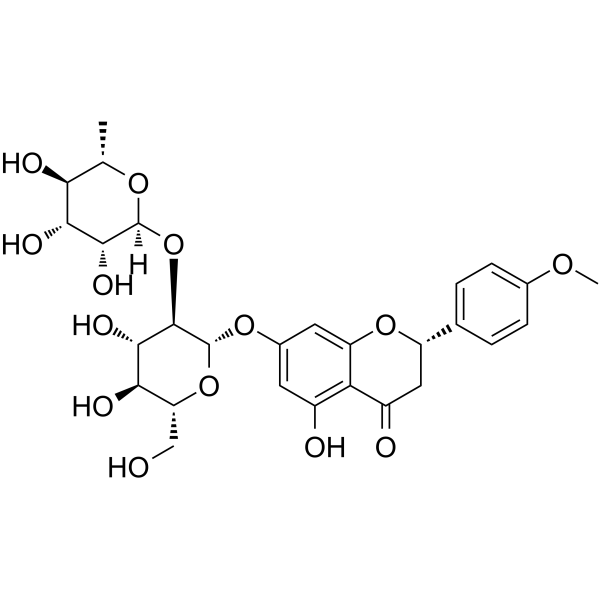
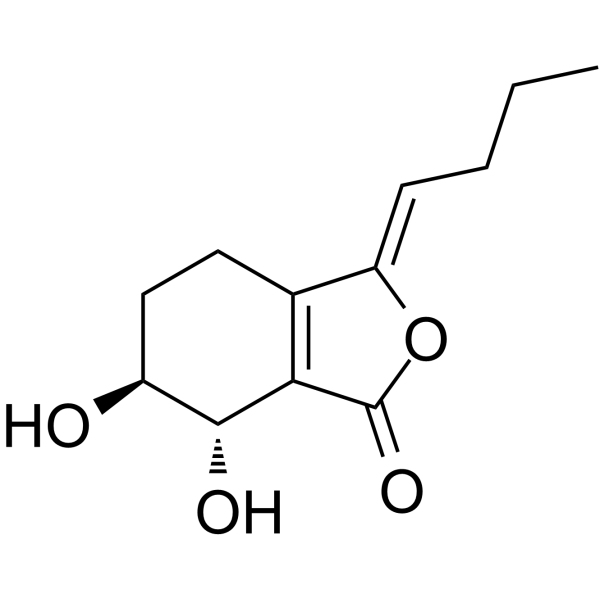
    Poncirin is isolated from Poncirus trifoliata with anti-inflammory activites. Poncirin significantly reduces mechanical hyperalgesia and allodynia in Complete Freund’s Adjuvant (CFA)-induced inflammatory pain models .
    Poncirin
  • HY-15451
    MDA 19
    2 Publications Verification

    BZO-HEXOXIZID

    Cannabinoid Receptor Neurological Disease
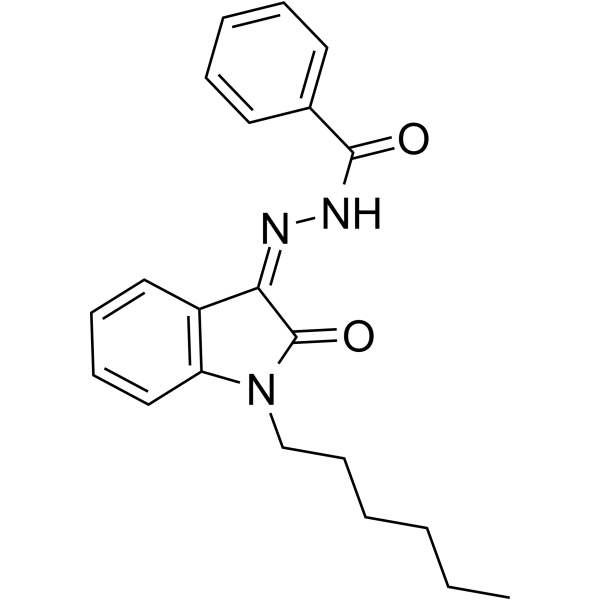
    MDA 19 is a potent and selective agonist of human cannabinoid receptor 2 (CB2), with a Ki of 43.3 nM. MDA 19 has antiallodynic effects in a rat model of neuropathic pain and does not affect rat locomotor activity .
    MDA 19
  • HY-139347

    LY3556050; CNTX-0290

    Somatostatin Receptor Neurological Disease
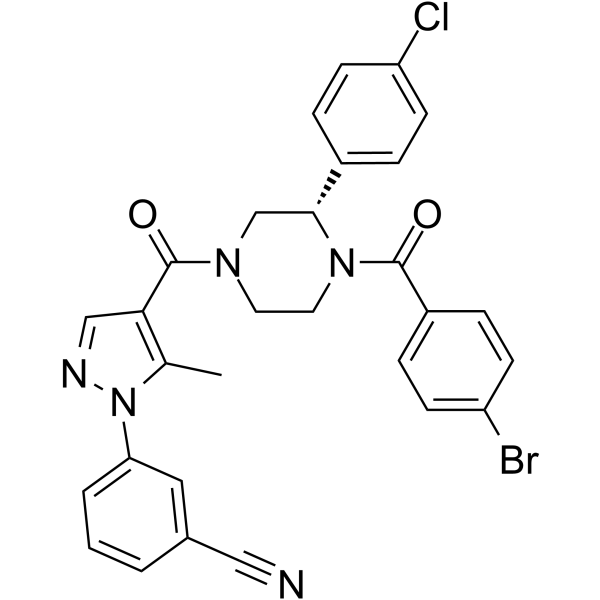
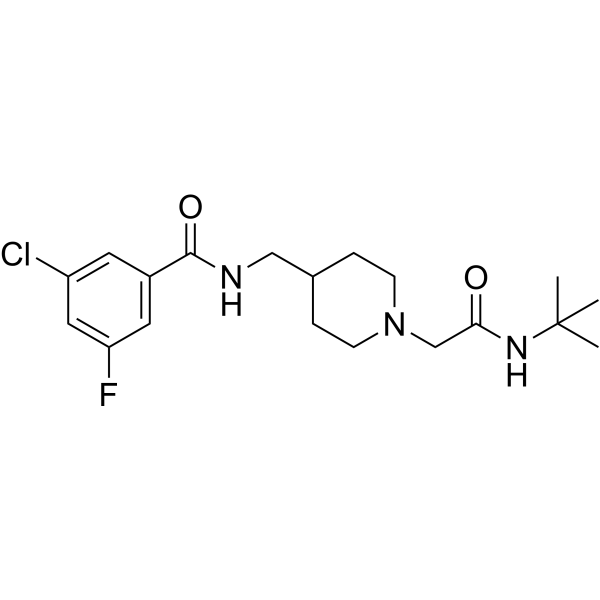
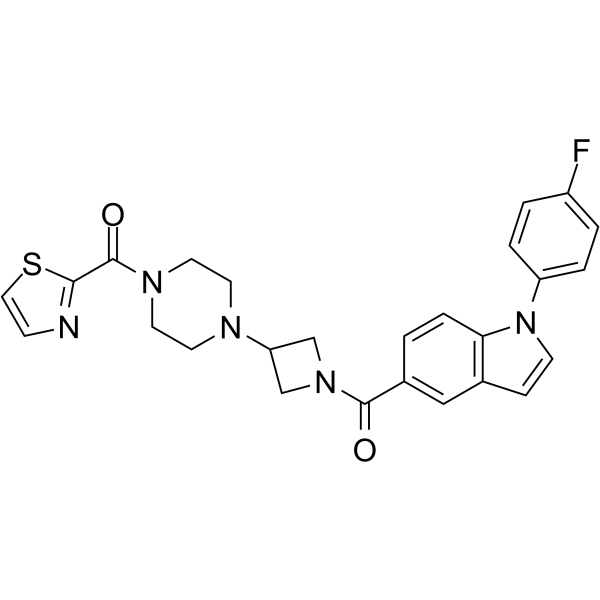
    Mazisotine (CNTX-0290) is an orally active, non-opioid somatostatin receptor 4 (SSTR4) agonist with an EC50 of 4.7 nM. Mazisotine exerts significant analgesic effects in various nociceptive (inflammatory, osteoarthritic) and neuropathic pain models. Mazisotine can be used for pain research .
    Mazisotine
  • HY-106199
    Adenosine A1 receptor activator T62
    1 Publications Verification

    Adenosine Receptor Neurological Disease Inflammation/Immunology
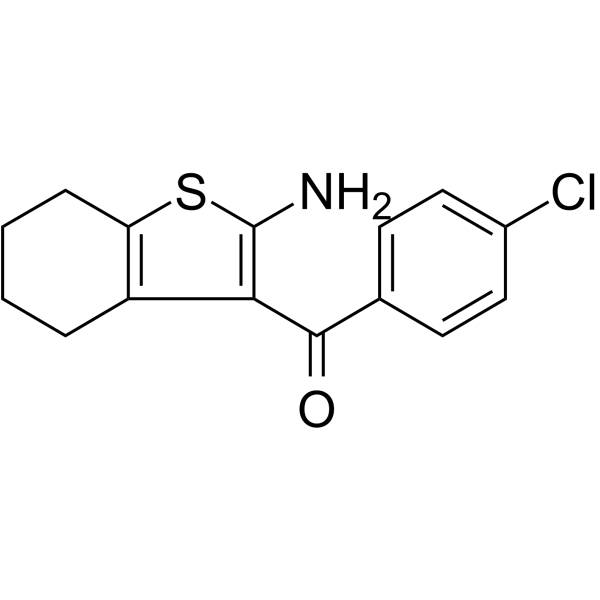
    Adenosine A1 receptor activator T62 is an allosteric enhancer of adenosine A1 receptor. Adenosine A1 receptor activator T62 produces antinociception in animal models of acute pain and also reduces hypersensitivity in models of inflammatory and nerve-injury pain .
    Adenosine A1 receptor activator T62
  • HY-N3710

    Kumujian G; O-Methylpicrasidine I

    JAK Apoptosis Neurological Disease Cancer
    Dehydrocrenatidine, a natural alkaloid, is a specific JAK inhibitor. Dehydrocrenatidine inhibits voltage-gated sodium channels and ameliorates mechanic allodia in a rat model of neuropathic pain .
    Dehydrocrenatidine
  • HY-133130
    JNJ-42226314
    1 Publications Verification

    MAGL Neurological Disease
    JNJ-42226314, a chemical probe, is a competitive, highly selective and reversible non-covalent monoacylglycerol lipase (MAGL) inhibitor. JNJ-42226314 demonstrates dose-dependent enhancement of the major endocannabinoid 2-arachidonoylglycerol (2-AG) as well as efficacy in models of neuropathic and inflammatory pain .
    JNJ-42226314
  • HY-110199

    TRP Channel Neurological Disease
    TC-I 2014 (compound 5) is a potent and orally active Benzimidazole-containing transient receptor potential melastatin 8 (TRPM8) antagonist, with IC50 values of 0.8 nM, 3.0 nM and 4.4 nM for canine, human and rat channels respectively. TC-I 2014 exhibits antiallodynic properties in pain models .
    TC-I 2014
  • HY-155417

    Orphan GPCR ERK Neurological Disease
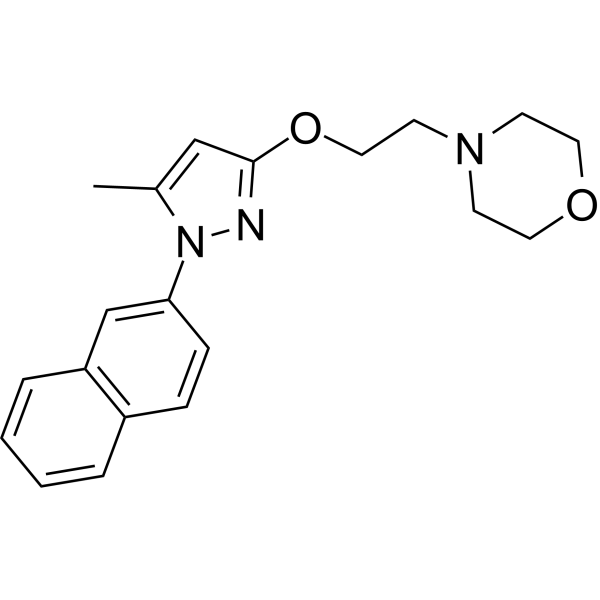
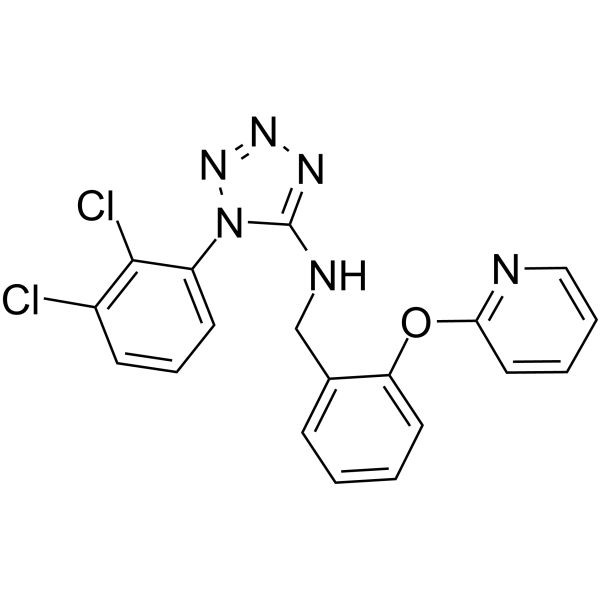
    GPR34 receptor antagonist 3 (Compound 5e) is a class of GRP34 antagonists, IC50 is 0.680 μM. GPR34 receptor antagonist 3 inhibited ERK1/2 phosphorylation induced by lysophosphatidylserine in a dose-dependent way without obvious cytotoxicity. GPR34 receptor antagonist 3 shows antisensory activity in mouse neuropathic pain model .
    GPR34 receptor antagonist 3
  • HY-119033

    MAGL Inflammation/Immunology
    MGL-IN-1 is a potent and selective irreversible MGL (β-lactam-based monoacylglycerol lipase) inhibitor. MGL-IN-1 alleviates symptoms in a MS model in vivo and exhibits analgesic effects in an acute inflammatory pain model in vivo. MGL-IN-1 displays high membrane permeability and brain penetrant .
    MGL-IN-1
  • HY-131004

    Cannabinoid Receptor Neurological Disease
    CB2R PAM is an orally active cannabinoid type-2 receptors (CB2Rs) positive allosteric modulator. CB2R PAM displays antinociceptive activity in vivo in an experimental mouse model of neuropathic pain .
    CB2R PAM
  • HY-P1091

    Cannabinoid Receptor Neurological Disease
    Hemopressin is a nonapeptide derived from the α1-chain of hemoglobin, is originally isolated from rat brain homogenates. Hemopressin is orally active, selective and inverse agonist of CB1 cannabinoid receptors. Hemopressin exerts antinociceptive action in inflammatory pain models .
    Hemopressin (human, mouse)
  • HY-111996

    Potassium Channel Neurological Disease Inflammation/Immunology
    Kv3 activator-1 is a Kv3 family voltage-gated potassium channel activator. Kv3 activator-1 reverses mechanical hyperalgesia in rat models of neuropathic and inflammatory pain, with rapid onset and long-lasting, dose-related effects. Kv3 activator-1 can be used for the research of pain .
    Kv3 activator-1
  • HY-111029A

    GlyT Others
    ALX-1393 TFA, a selective GlyT2 inhibitor, has an antinociceptive effect on thermal, mechanical, and chemical stimulations in a rat acute pain model .
    ALX-1393 TFA
  • HY-A0235

    Stakane

    COX Neurological Disease
    Antrafenine (Stakane) is a non-narcotic analgesic. Antrafenine demonstrates central analgesic effects in acetic acid writhing test and mouse hot plate test experiments. Antrafenine significantly alleviates the pain of osteoarthritis. Antrafenine exhibits mild anti-inflammatory activity in a rat toe edema model. Antrafenine can be used in pain and anti-inflammatory research .
    Antrafenine
  • HY-101546A

    (+)-Cavidine

    p38 MAPK ERK Interleukin Related Neurological Disease Inflammation/Immunology
    Cavidine ((+)-Cavidine) is an analgesic and anti-inflammatory agent. Cavidine can be isolated from Corydalis ternata f. yanhusuo (Y.H.Chou & Chun C.Hsu) Y.C.Zhu. Cavidine reduces the expression of inflammatory factors IL-1β, IL-6 and TNF-α, and inhibits calcium ion influx. Cavidine inhibits the phosphorylation of p38 and ERK1/2. Cavidine increases mechanical and thermal pain thresholds in chronic pain models. Cavidine can be used for the research of chronic pain .
    Cavidine
  • HY-P1090

    Cannabinoid Receptor Neurological Disease
    Hemopressin(rat) is a nonapeptide derived from the α1-chain of hemoglobin, is originally isolated from rat brain homogenates. Hemopressin(rat) is orally active, selective and inverse agonist of CB1 cannabinoid receptors. Hemopressin(rat) exerts antinociceptive action in inflammatory pain models .
    Hemopressin(rat)
  • HY-175231

    5-HT Receptor Neurological Disease
    ST171 is a bitopic 5-HT1AR agonist with an Ki of 0.41  nM. ST171 selectively activates Gi/o signaling pathway and inhibits 5-HT1AR-mediated cAMP accumulation without Gs activation and marginal β-arrestin recruitment. T171 reduces hypersensitivity in chronic neuropathic and inflammatory pain mice model. ST171 can be used for pain research .
    ST171
  • HY-111029

    GlyT Neurological Disease
    ALX-1393, a selective GlyT2 inhibitor, has an antinociceptive effect on thermal, mechanical, and chemical stimulations in a rat acute pain model .
    ALX-1393
  • HY-118952

    Sodium Channel Neurological Disease
    PF-06456384 is a highly potent and selective NaV1.7 inhibitor with an IC50 of 0.01 nM. PF-06456384 has the potential for formalin pain model research .
    PF-06456384
  • HY-145830

    Adenylate Cyclase Neurological Disease
    AC1-IN-1 is a potent and selective Adenylyl cyclase type 1 (AC1) inhibitor with an IC50 of 0.54 μM. AC1-IN-1 displays modest antiallodynic effects in a mouse model of inflammatory pain .
    AC1-IN-1
  • HY-142701

    Somatostatin Receptor Neurological Disease
    SSTR4 agonist 4 is a potent agonist of SSTR4. SSTR4 is expressed at relatively high levels in the hippocampus and neocortex, memory and learning regions, and Alzheimer's disease pathology. SSTR4 agonists are potent in rodent models of pain associated with acute and chronic associated anti-peripheral nociceptive and anti-inflammatory activity. SSTR4 agonist 4 has the potential for the research of pain (extracted from patent WO2021233428A1, compound 14) .
    SSTR4 agonist 4
  • HY-W987949

    Others Neurological Disease
    Z-4105 is an orally active nootropic agent. Z-4105 reverses the amnesic effects of electroconvulsive shock (ECS) and methylazoxymethanol acetate (MAM), and improves learning and memory functions. Z-4105 enhances the activity of the brain cholinergic system without affecting other neurotransmitter systems. Z-4105 significantly alleviates neuropathic pain in rats. Z-4105 can be used in the research of neuropathic pain and brain dysfunction .
    Z-4105
  • HY-107561

    Histamine Receptor Inflammation/Immunology
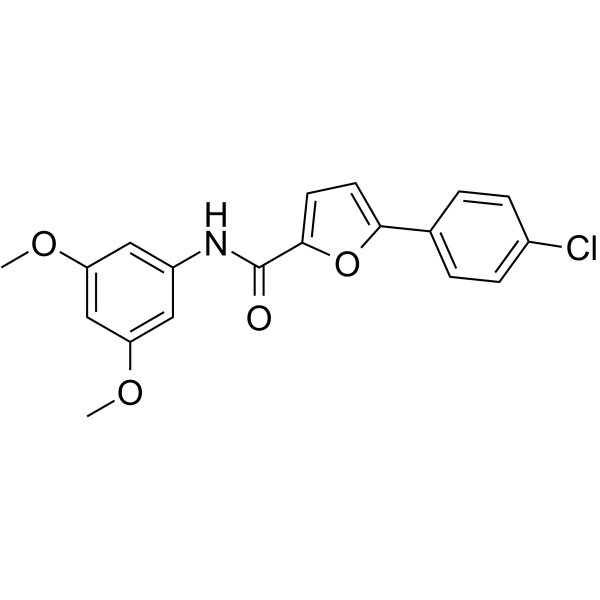
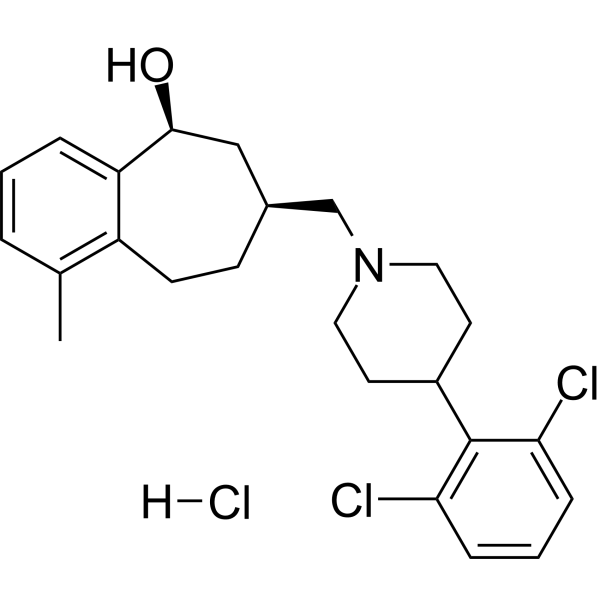
    A-943931 (Compound 10) is a histamine H4 receptor antagonists. A-943931 has improved pharmacotropic and in vivo efficacy in models of pain and inflammation. A-943931 can be used in vivo anti-inflammatory and anti-nociception research .
    A-943931 hydrochloride
  • HY-10635

    TRP Channel Inflammation/Immunology Cancer
    ABT-102 is a potent and highly selective Vanilloid Receptor (TRPV1) receptor antagonist. ABT-102 potently and reversibly increases heat pain thresholds and reduced painfulness of suprathreshold oral/cutaneous heat. ABT-102 reduces nociceptive responses of animals in models of inflammatory, bone cancer, postoperative, and osteoarthritic pain .
    ABT-102
  • HY-124277

    TRP Channel Neurological Disease
    ADM 12 is a highly selective transient receptor potential ankyrin 1 (TRPA1) channel antagonist. ADM 12 blocks nitroglycerin (NTG)-induced trigeminal hyperalgesia in animal models, reducing expression of pain-related genes (c-Fos, TRPA1) and neuropeptides (CGRP, SP). ADM_12 is promising for research of migraine and neuropathic pain .
    ADM 12
  • HY-169430

    PGE synthase
    AGU654 (Compound 44) is a selective mPGES-1 inhibitor with an IC50 of 2.9 nM against mPGES-1. AGU654 inhibits mPGES-1 to block the pathway converting arachidonic acid into prostaglandin E2 (PGE2) by COX-1/2, thereby alleviating inflammatory responses, pain, and fever. In activated human monocyte-derived macrophages and human whole blood models, AGU654 selectively suppresses bacterial exotoxin-induced PGE2 production while preserving the production of other prostaglandins. In guinea pig models, AGU654 significantly alleviates fever, inflammation, and inflammatory pain, exhibiting excellent anti-inflammatory, analgesic, and antipyretic effects. AGU654 holds promise as a strategy for studying inflammatory diseases and pain .
    AGU654
  • HY-138693

    FAAH Neurological Disease
    ST4070 is a potent, orally active, and selective reversible fatty acid amide hydrolase (FAAH) inhibitor. ST4070 increases endocannabinoid (eCB) brain levels and counteracts neuropathic pain in animal models. ST4070 enhances the endogenous eCB tone in specific brain regions engaged in emotional control, and induces remarkable anxiolytic-like behaviours in rodents. ST4070 can be used for neuropathic pain and anxiety disorders research .
    ST4070
  • HY-112567

    Adenosine Receptor Neurological Disease
    TRR469 is a positive allosteric modulator of the A1 adenosine receptor (A1AR). TRR469 significantly increases the affinity of 2-chloro N(6)-cyclopentyladenosine (CCPA) for A₁AR, increasing the number of receptors recognized by the agonist radioligand [³H]-CCPA. TRR469 shows significant effects in both anxiety and pain models. TRR469 can be used to study anxiety disorders and pain management .
    TRR469
  • HY-120496

    ASP3662

    11β-HSD Neurological Disease Metabolic Disease
    Clofutriben (ASP3662) is a selective, orally active and brain-penetrant 11β-hydroxysteroid dehydrogenase type 1 (11β-HSD1) inhibitor with Ki values of 5.3 nM (human), 2.6 nM (mouse), and 23 nM (rat). Clofutriben inhibits conversion of inactive glucocorticoids to active glucocorticoids, reducing intracellular glucocorticoid exposure. Clofutriben ameliorates neuropathic pain, and restores muscle pressure thresholds in rodent models, while lacking effects in inflammatory pain .
    Clofutriben
  • HY-167862

    Endogenous Metabolite Neurological Disease
    UCM-05194 is a selective LPA1 receptor agonist with activity to improve neuropathic pain. UCM-05194 is a LPA1 agonist that exhibits potent and selective properties in its pharmacologically similar properties. UCM-05194 triggers LPA1-mediated cellular effects and leads to internalization of the receptor, resulting in functional inactivation in primary sensory neurons. UCM-05194 effectively reduces pain perception in in vivo models. UCM-05194 can be used to conduct research on progressive systemic diseases .
    UCM-05194
  • HY-P5900

    m3-HwTx-IV

    Sodium Channel Neurological Disease
    m3-Huwentoxin IV (m3-HwTx-IV) is a potent NaV inhibitor with IC50s of 3.3, 6.8, 7.2, 8.4, 11.9 and 369 nM against hNaV1.7, hNaV1.6, hNaV1.3, hNaV1.1, hNaV1.2 and hNaV1.4, respectively in QPatch assay. m3-Huwentoxin IV dose-dependently suppresses spontaneous pain induced by the NaV1.7 activator OD1 in a rodent pain model .
    m3-Huwentoxin IV
  • HY-172903

    Sodium Channel Neurological Disease Inflammation/Immunology
    Nav1.8-IN-16 (Compound (R)-40) is an orally active and selective hNaV 1.8 inhibitor (IC50: 5.9 nM). Nav1.8-IN-16 exerts analgesic effects by blocking NaV1.8 channels without significantly affecting other NaV subtypes or hERG channels. Nav1.8-IN-16 exhibits dose-dependent analgesic effects in postoperative pain and inflammatory pain models and can be used in pain-related research .
    Nav1.8-IN-16
  • HY-159931

    AAK1 Neurological Disease
    HW161023 (compound 5) is an orally active AP2-associated protein kinase 1 (AAK1) inhibitor with IC50 values of 5.4 nM and 11.9 μM aganist of AAK1and hERG, respectively. HW161023 inhibits the pain in chronic constriction injury of the sciatic nerve rat model .
    HW161023
  • HY-137610A

    P2X Receptor P2Y Receptor Neurological Disease
    TNP-ATP is an antagonist of purinergic P2Y1, P2X3, and P2X2/3 receptors (IC50 = 6, 0.9, and 7 nM, respectively, in HEK293 cells expressing human receptors). TNP-ATP reduces acetate-induced calcium flux in 1321N1 cells expressing P2X3 and P2X2/3 receptors (IC50 = 100 and 62 nM, respectively). TNP-ATP dose-dependently attenuates acetate-induced abdominal contractions in a mouse visceral pain model (ED50 = 6.35 µmol/kg) [1][2].
    TNP-ATP tetrasodium
  • HY-19500

    COX Others
    SC-75416 is a selective cyclooxygenase-2 inhibitor. Its pharmacokinetic/pharmacodynamic (PK/PD) model was used for development and clinical trial simulation to design a study protocol to verify its analgesic effect in a post-oral surgery pain model. The simulation results showed that 360 mg of SC-75416 may provide better pain relief than 400 mg of ibuprofen. The actual clinical trial results confirmed this hypothesis, and 360 mg of SC-75416 was indeed superior to 400 mg of ibuprofen in pain relief. The PK/PD model of SC-75416 showed good predictive performance and successfully predicted its clinical effect. These research results show that SC-75416, as a new selective COX-2 inhibitor, has potential clinical application value in the management of post-oral surgery pain.
    SC-75416
  • HY-113608

    Adenosine Receptor Neurological Disease
    VCP171 is a potent adenosine A1 receptor (A1R) positive allosteric modulator (PAM). VCP171 is effective at decreasing excitatory synaptic currents in Lamina II of neuropathic pain model. VCP171 can be used for researching neuropathic pain .
    VCP171
  • HY-W344115

    5-HT Receptor Dopamine Transporter Adrenergic Receptor Neurological Disease
    Bicifadine is an orally active serotonin/norepinephrine/dopamine triple reuptake inhibitor. Bicifadine is an effective antinociceptive in several models of acute, persistent, and chronic pain .
    Bicifadine
  • HY-16525

    Monoamine Transporter Adrenergic Receptor Neurological Disease
    XEN-2174 is a noradrenaline transporter (NET) inhibitor. XEN-2174 inhibits the reuptake of noradrenaline through non-competitive inhibition, increasing the concentration of noradrenaline in the synaptic cleft, thereby activating α2-adrenergic receptor at the spinal level and exerting analgesic effects. XEN-2174 exhibits long-lasting analgesic effects in models of neuropathic pain and postoperative pain in rats. XEN-2174 can be used in pain research .
    XEN-2174
  • HY-119912

    Stakane dihydrochloride

    COX Neurological Disease Inflammation/Immunology
    Antrafenine (Stakane) dihydrochloride is a non-narcotic analgesic. Antrafenine dihydrochloride demonstrates central analgesic effects in acetic acid writhing test and mouse hot plate test experiments. Antrafenine dihydrochloride significantly alleviates osteoarthritis pain. Antrafenine dihydrochloride exhibits mild anti-inflammatory activity in a rat toe edema model. Antrafenine dihydrochloride can be used for pain and anti-inflammatory research .
    Antrafenine dihydrochloride
  • HY-161682

    GPR84 Neurological Disease
    GPR84 antagonist 9 (compound 320) is an orally active GPR84 antagonist with the IC50 of 0.012 μM. GPR84 antagonist 9 can be used for study of inflammatory-driven pain diseases .
    GPR84 antagonist 9
  • HY-177691

    Prostaglandin Receptor Neurological Disease Inflammation/Immunology
    CCI17464 is a selective, orally active EP4 partial agonist with a pKi of 7.1. CCI17464 can be used in a Freund's complete adjuvant (FCA) acute rat inflammatory pain model and shows complete reversal of allergic reactions .
    CCI17464
  • HY-P5907

    Opioid Receptor Neurological Disease
    Helianorphin-19 is a potent and selective κ-opioid receptor (KOR) activator with a Ki of 21 nM and an EC50 of 45 nM. Helianorphin-19 exhibits strong KOR-specific peripheral analgesic activity in a mouse model of chronic visceral pain .
    Helianorphin-19
  • HY-135495

    Sodium Channel Histamine Receptor Inflammation/Immunology
    AM-0466 is a sodium channel inhibitor with nanomolar levels of NaV1.7 inhibitory activity. AM-0466 exhibits potent pharmacodynamic activity in a NaV1.7-dependent histamine-induced itch model. AM-0466 also showed significant analgesic effects in capsaicin-induced pain models. After optimizing its pharmacokinetic properties, AM-0466 was advanced into in vivo targeting and efficacy models for testing .
    AM-0466
  • HY-176063

    TRP Channel Opioid Receptor Neurological Disease
    TRPV1 antagonist 11 (compound 2ac) is a potent TRPV1 antagonist with an IC50 of 29.3 nM. TRPV1 antagonist 11 is a potent μ-opioid receptor (MOR) agonist with a Ki of 60.3 nM. TRPV1 antagonist 11, a pyrimidine piperazine, exhibits pain relieving effects by antagonizing TRPV1 and stimulating MOR. TRPV1 antagonist 11 shows a potent, dose-dependent anti-nociceptive effect in a Formalin-induced pain model in mice .
    TRPV1 antagonist 11

Inquiry Online

Your information is safe with us. * Required Fields.

Salutation


Country or Region *

Applicant Name *


Organization Name *

Department *


Email Address *


Product Name *

Cat. No.


Requested quantity *

Phone Number *


Remarks

Inquiry Online

Inquiry Information

Product Name:
Cat. No.:
Quantity:
MCE Japan Authorized Agent:

