1. Search Result
Search Result
Results for "

phase-II

" in MedChemExpress (MCE) Product Catalog:

20

Inhibitors & Agonists

7

Natural
Products

Cat. No. Product Name Target Research Areas Chemical Structure
  • HY-142240

    HSK16149

    Calcium Channel Neurological Disease
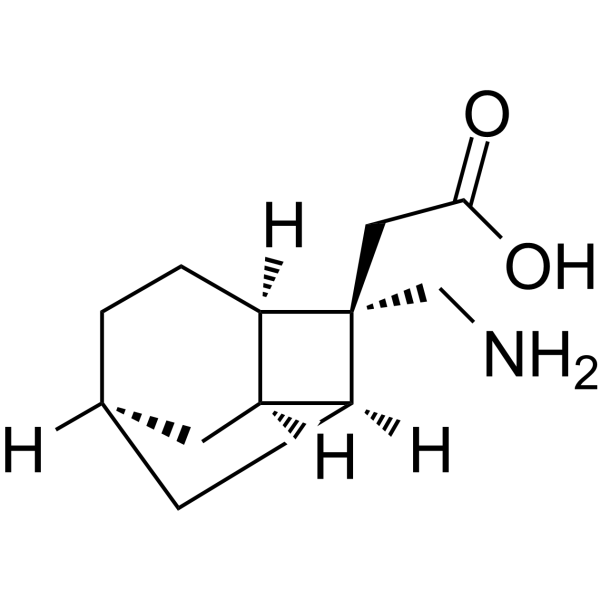
    Crisugabalin is an orally active, selective ligand for the α2δ subunit of voltage-gated calcium channels, with a target IC50 of 3.96 nM in rats. Crisugabalin inhibits the binding of [ 3H]gabapentin to the α2δ subunit, reduces calcium influx, decreases neuronal excitability, and impairs nociceptive transmission. Crisugabalin alleviates mechanical allodynia, neuropathic pain and inflammatory pain in rats, and reduces phase II pain behaviors. Crisugabalin can be used in research related to chronic pain, neuropathic pain, diabetic neuropathy, fibromyalgia, inflammatory pain, diabetic peripheral neuropathy and postherpetic neuralgia.
    Crisugabalin
  • HY-13755A
    (R)-Sulforaphane
    2 Publications Verification

    L-Sulforaphane

    Keap1-Nrf2 Bcl-2 Family Caspase Reactive Oxygen Species (ROS) NF-κB Inflammation/Immunology Cancer
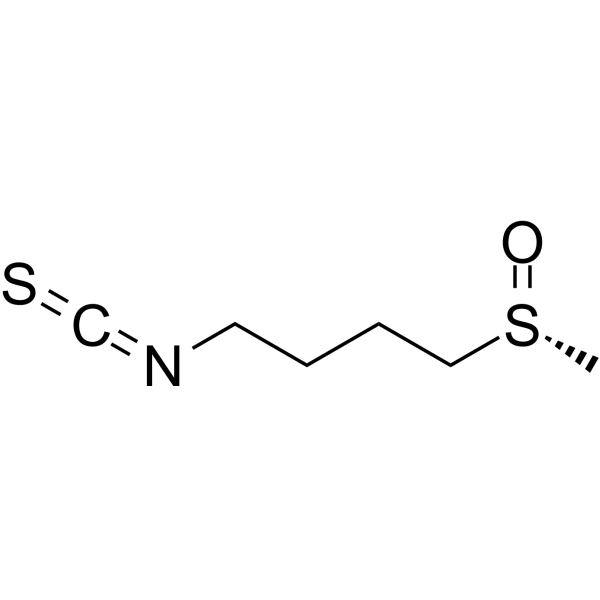
    (R)-Sulforaphane (L-Sulforaphane) is a orally active, potent inducer of the Keap1/Nrf2/ARE pathway, exhibiting antioxidant and anticancer activities. (R)-Sulforaphane primarily functions by upregulating phase II detoxifying enzymes in cells, aiding in the removal of carcinogens and combating oxidative stress. (R)-Sulforaphane is capable of modulating gene expression, influencing various signaling pathways, including Nrf2, NF-κB, and AP-1. (R)-Sulforaphane can be used in studies of tumor biology, antioxidant defense mechanisms, as well as inflammation and immune responses .
    (R)-Sulforaphane
  • HY-137967

    Genistein 7-O-glucuronide

    Drug Metabolite Metabolic Disease
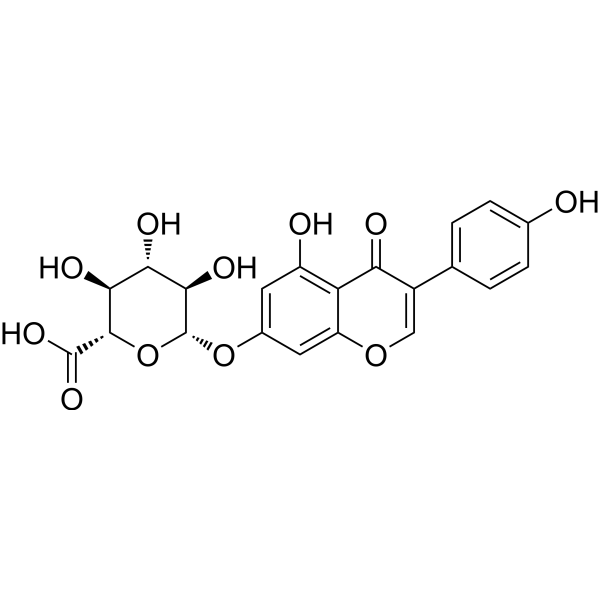
    Genistein 7-β-D-Glucuronide (Genistein 7-O-glucuronide) is the primary phase II metabolite of Genistein (HY-14596) in human and rat hepatocytes. Genistein 7-β-D-Glucuronide undergoes distinct deconjugation in different functional assays. Genistein 7-β-D-Glucuronide is produced via hepatic microsomal glucuronidation and shows a mild age-related increase in intrinsic clearance in male F344 rats. Genistein 7-β-D-Glucuronide can be used for research on metabolism .
    Genistein 7-β-D-Glucuronide
  • HY-P2961

    Glutathione S-transferase Cancer
    Glutathione S-transferase is a phase II metabolic enzyme consisting of three superfamilies: cytosolic, mitochondrial, and microsomal. Glutathione S-transferase possesses various catalytic activities such as catalytic detoxification and thiol transfer, as well as chaperone function. GSTP1, a subtype of Glutathione S-transferase, is highly expressed in malignant tissues and serves as a tumor marker .
    Glutathione S-transferase
  • HY-16997A
    Itacitinib adipate
    20+ Cited Publications

    JAK Cancer
    Itacitinib adipate is an orally bioavailable and selective JAK1 inhibitor which has been tested for efficacy and safety in a phase II trial in myelofibrosis.
    Itacitinib adipate
  • HY-N1902R

    Reference Standards Keap1-Nrf2 Endogenous Metabolite Metabolic Disease
    4-Hydroxyphenylacetic acid (Standard) is the analytical standard of 4-Hydroxyphenylacetic acid. This product is intended for research and analytical applications. 4-hydroxyphenylacetic acid, a major microbiota-derived metabolite of polyphenols, is involved in the antioxidative action. 4-hydroxyphenylacetic acid induces expression of Nrf2 . IC50 & Target:Nrf2 In Vivo: 4-Hydroxyphenylacetic acid (6, 12, or 25 mg/kg) increases Nrf2 translocation to the nucleus and enhances the activity of phase II and antioxidant enzymes. The protein levels of nuclear Nrf2 are increased by 170% and 230% in pre-treated 12 and 25 mg/kg 4-Hydroxyphenylacetic acid groups, respectively, compared with the control group.The 4-Hydroxyphenylacetic acid pretreatment at a final dose of 25 mg/kg markedly and selectively up-regulated the target genes of phase II enzymes and resulted in higher up-regulation than that of the control group by 270%, 400%, and 500% or UGT1A1, UGT1A9, and SULT2A1, respectively. 4-Hydroxyphenylacetic acid also suppresses the expression of CYP2E1 .
    4-Hydroxyphenylacetic acid (Standard)
  • HY-W721119

    p38 MAPK Autophagy Inflammation/Immunology Cancer
    7-Methylsulfinylheptyl isothiocyanate is an activator for MAPK signaling pathway, which downregulates the melanogenesis related proteins and suppresses the melanin synthesis in B16-F1 cells. 7-Methylsulfinylheptyl isothiocyanate induces autophagy. 7-Methylsulfinylheptyl isothiocyanate is an inducer for phase II enzyme, which exhibits chemoprotective effect against carcinogen. 7-Methylsulfinylheptyl isothiocyanate can be used as cosmetic ingredient for skin whitening and anti-inflammation .
    7-Methylsulfinylheptyl isothiocyanate
  • HY-130046

    16-epi-Estriol; 16β,17β-Estriol

    UGT Bacterial Infection Inflammation/Immunology
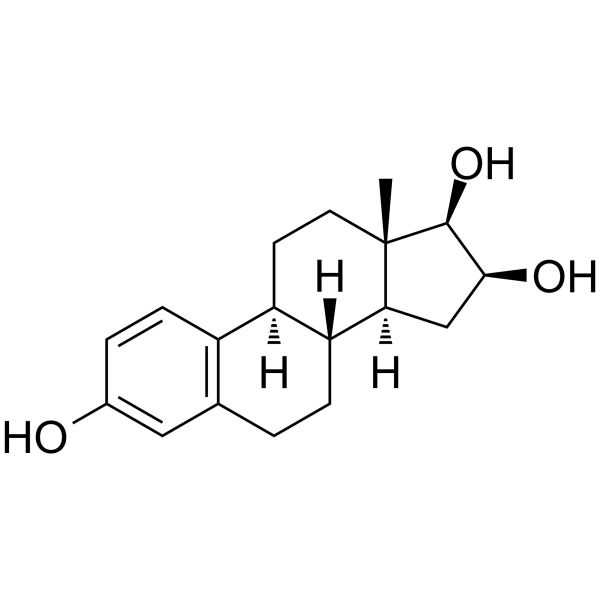
    16-Epiestriol (16-epi-Estriol; 16β,17β-Estriol) is a natural stereoisomer of estriol and an anti-inflammatory agent that targets UGT. The Ki values of 16-Epiestriol against human UGT1A10 and UGT2B7 are 98.1 μM and 162 μM, respectively. As a glucuronidation substrate, 16-Epiestriol can be modified at the 3-OH, 16-OH and 17-OH sites by various UGT enzymes; in liver microsomes, the modification mainly occurs at the 16-OH and 17-OH sites, while reactions take place at all three sites in intestinal microsomes. 16-Epiestriol acts on the phase II inflammatory process by blocking edema mediated by prostaglandins and leukocyte infiltration. It lacks glycogenic activity or any effect on blood glucose levels, and serves as an important candidate molecule in the research of inflammatory diseases .
    16-Epiestriol
  • HY-115772

    Quinone Reductase Cancer
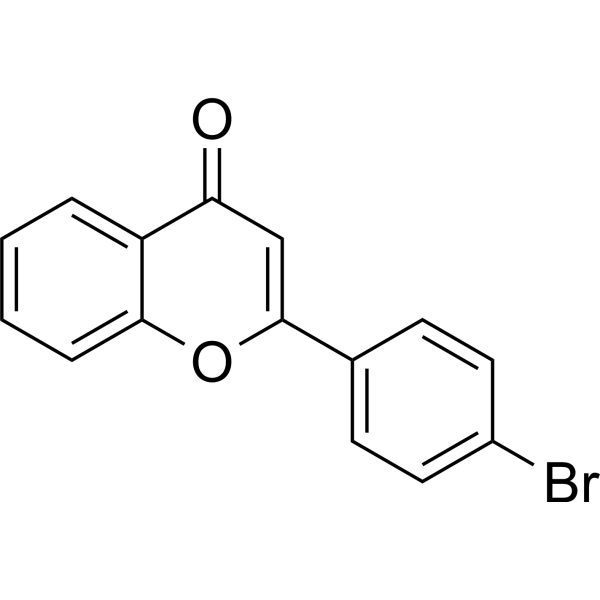
    4′-Bromoflavone, a cancer chemopreventive agent, is a potent phase II detoxification enzymes inducer .
    4′-Bromoflavone
  • HY-N10344

    Cytochrome P450 Quinone Reductase Cancer
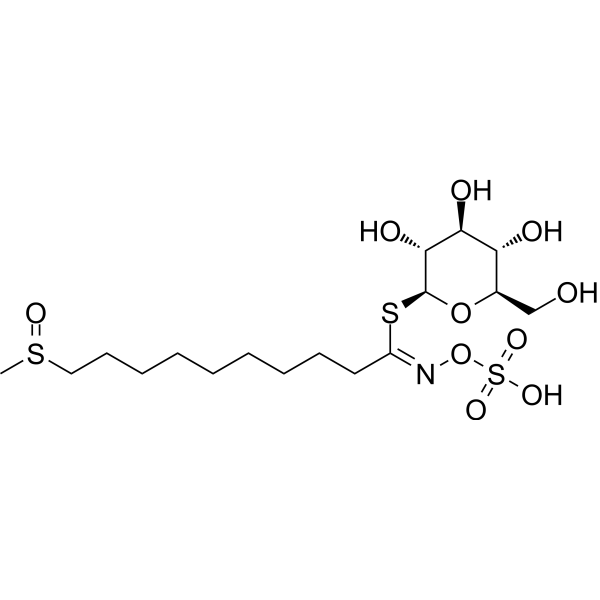
    Glucoarabin is a bioactive glucosinolate. In Hepa1c1c7 cells, hydrolyzed Glucoarabin (hGSL 9) upregulates the phase II detoxification enzyme quinone reductase (NQO1), with no effect on cytochrome P450 (CYP) 1A1 activity .
    Glucoarabin
  • HY-N6802

    Keap1-Nrf2 Cancer
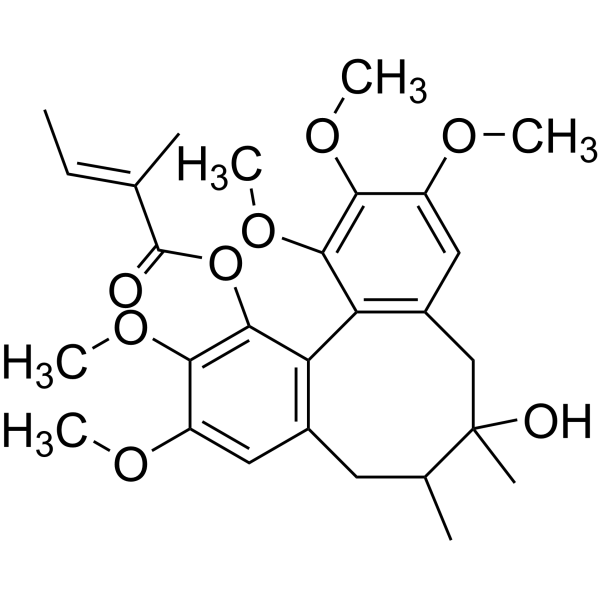
    Tigloylgomisin H is a lignan isolated from the fruits of S. chinensis, can induce quinone reductase (QR) activity in Hepa1c1c7 mouse hepatocarcinoma cells. Tigloylgomisin H functions as a monofunctional inducer that specifically upregulates phase II detoxification enzyme NQO1 through the NF-E2-related factor 2 (Nrf2)-ARE pathway, thus represents a potential liver cancer prevention agent .
    Tigloylgomisin H
  • HY-14955A

    (Rac)-MB06322; (Rac)-CS-917

    Others Others
    (Rac)-Managlinat dialanetil ((Rac)-MB06322) is a compound for the inhibition of type 2 diabetes that is in Phase II clinical trials and works by inhibiting gluconeogenesis.
    (Rac)-Managlinat dialanetil
  • HY-172338

    CHZ-N-Glc

    Endogenous Metabolite Others
    Chlorzoxazone-N-glucuronide is a phase II metabolite of the skeletal muscle relaxant – Chlorzoxazone. Chlorzoxazone-N-glucuronide can be synthesized via glucuronidation of chlorozoxazone by UGT1A9 .
    Chlorzoxazone-N-glucuronide
  • HY-116029

    Tolmetin glucuronide

    Drug Metabolite Inflammation/Immunology Cancer
    Tolmetin β-D-Glucuronide (Tolmetin glucuronide) is the major phase II metabolite of Tolmetin (HY-B1799) .
    Tolmetin β-D-Glucuronide
  • HY-133078

    Cytochrome P450 Cancer
    Thienyldecyl isothiocyanate is an analog of thienylbutyl isothiocyanate that, like many isothiocyanates, demonstrates antiproliferative activity against cancer cells presumably by modulation of xenobiotic-metabolizing enzymes, such as by inhibition of cytochrome P450, and/or by induction of phase II detoxifying enzymes.
    Thienyldecyl Isothiocyanate
  • HY-N14116

    Apoptosis Reactive Oxygen Species (ROS) Cancer
    Garlic oil contains various organosulfur compounds with anticancer activities. Garlic oil can significantly activate apoptosis in lung tissue induced by NNK (HY-126477). Furthermore, Garlic oil can markedly reduce NNK-induced DNA damage and prevent the occurrence of lung cancer by inducing the expression of phase II drug-metabolizing enzymes (HO-1, NQO-1, and GSTA1) .
    Garlic oil
  • HY-P2961A

    Glutathione S-transferase Metabolic Disease
    Glutathione-S-Transferase, Rat (EC 2.5.1.18) comprises a family of eukaryotic and prokaryotic phase II metabolic isozymes best known for their ability to catalyze the conjugation of the reduced form of glutathione (GSH) to xenobiotic substrates for the purpose of detoxification.
    Glutathione-S-Transferase, Rat
  • HY-W309310

    Histamine Receptor Endogenous Metabolite Inflammation/Immunology
    Etofesalamide is a nonsteroidal antiinflammatory agent. Etofesalamide has major phase II metabolites of glucoside and riboside conjugations (such as etofesalamide-2-glucuronide) in filamentous fungi. Etofesalamide can be used for allergic and autoimmune skin diseases like toacne, psoriasis and sensitization dermatitis research .
    Etofesalamide
  • HY-130046R

    16-epi-Estriol (Standard); 16β,17β-Estriol (Standard)

    Endogenous Metabolite Reference Standards Bacterial Infection Inflammation/Immunology
    16-Epiestriol (Standard) is the analytical standard of 16-Epiestriol (HY-130046). This product is intended for research and analytical applications. 16-Epiestriol (16-epi-Estriol; 16β,17β-Estriol) is a natural stereoisomer of estriol and an anti-inflammatory agent that targets UGT. The Ki values of 16-Epiestriol against human UGT1A10 and UGT2B7 are 98.1 μM and 162 μM, respectively. As a glucuronidation substrate, 16-Epiestriol can be modified at the 3-OH, 16-OH and 17-OH sites by various UGT enzymes; in liver microsomes, the modification mainly occurs at the 16-OH and 17-OH sites, while reactions take place at all three sites in intestinal microsomes. 16-Epiestriol acts on the phase II inflammatory process by blocking edema mediated by prostaglandins and leukocyte infiltration. It lacks glycogenic activity or any effect on blood glucose levels, and serves as an important candidate molecule in the research of inflammatory diseases .
    16-Epiestriol (Standard)
  • HY-N2423B

    (E/Z)-Allyl-glucosinolate free base; (E/Z)-2-Propenyl-glucosinolate free base

    NF-κB p38 MAPK Apoptosis Cardiovascular Disease Infection Inflammation/Immunology Cancer
    (E/Z)-Sinigrin ((E/Z)-Allyl-glucosinolate; (E/Z)-2-Propenyl-glucosinolate) free base is an orally active aliphatic thioglucoside anti-leukemia compound. Allyl isothiocyanate, produced by the hydrolysis of (E/Z)-sinigrin free base by myrosinase, has an IC50 of 2.71 μM against HL60 leukemia cells. The hydrolysis products of (E/Z)-sinigrin free base can further activate apoptosis pathways, inhibit NF-κB and MAPK signaling pathways, and induce phase II metabolic enzyme activity, thus exhibiting anti-cancer, anti-inflammatory, antibacterial, antioxidant, and wound healing activities. (E/Z)-Sinigrin free base can be used in research on cancer, inflammation-related diseases (such as atherosclerosis), and infectious diseases. (E/Z)-Sinigrin free base can be naturally extracted from the seeds of Brassica nigra, Brassica juncea, and other Brassicaceae plants such as broccoli and Brussels sprouts. Methyl pechueloate is a guaiane-type sesquiterpene ester compound and a potential precursor of xerantholide. It is useful in the structural elucidation and biosynthetic pathway studies of sesquiterpenoids. Methyl pechueloate can be naturally extracted from the aerial parts of Pechuel-Loeschea leibnitziae (Kuntze) O. Hoffm .
    (E/Z)-Sinigrin free base

Inquiry Online

Your information is safe with us. * Required Fields.

Salutation


Country or Region *

Applicant Name *


Organization Name *

Department *


Email Address *


Product Name *

Cat. No.


Requested quantity *

Phone Number *


Remarks

Inquiry Online

Inquiry Information

Product Name:
Cat. No.:
Quantity:
MCE Japan Authorized Agent:

