1. Search Result
Search Result
Results for "

phenolic acids

" in MedChemExpress (MCE) Product Catalog:

38

Inhibitors & Agonists

7

Screening Libraries

3

Biochemical Assay Reagents

31

Natural
Products

1

Oligonucleotides

Cat. No. Product Name Target Research Areas Chemical Structure
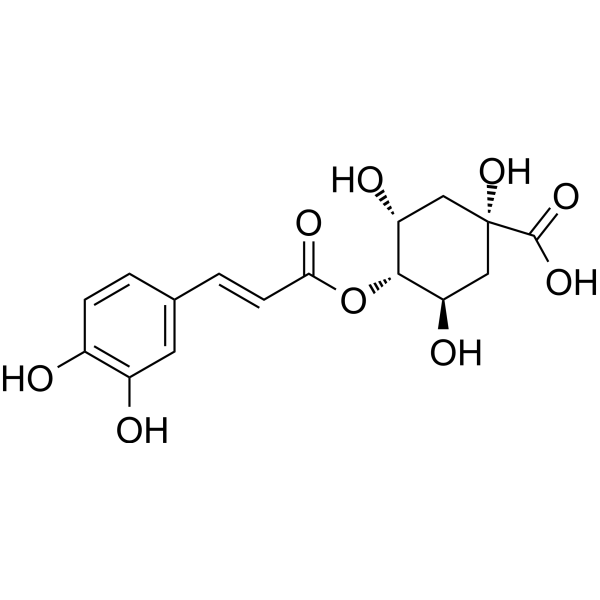
  • HY-N0787
    Cryptochlorogenic acid
    4 Publications Verification

    4-Caffeoylquinic acid; 4-O-Caffeoylquinic acid

    Endogenous Metabolite NF-κB Keap1-Nrf2 mTOR HIF/HIF Prolyl-Hydroxylase Inflammation/Immunology
    Cryptochlorogenic acid (4-Caffeoylquinic acid) is a naturally occurring phenolic acid compound with oral effectiveness, anti-inflammatory, antioxidant and anti-cardiac hypertrophy effects. Alleviating LPS (HY-D1056) and ISO (HY-B0468) by regulating proinflammatory factor expression, inhibiting NF-κB activity, promoting Nrf2 nuclear transfer, and regulating PI3Kα/Akt/ mTOR / HIF-1α signaling pathway Induced physiological stress response .
    Cryptochlorogenic acid
  • HY-E70529

    DNA/RNA Synthesis Bacterial Infection
    Ribonucleoside vanadyl complexes are a class of potent RNase and Taq polymerase inhibitors. Ribonucleoside vanadyl complexes protect RNA during RNA isolation by inhibiting ribonucleases, and also reduce the viability of bacteria and eukaryotic cells by interfering with ribosomal subunit assembly. Ribonucleoside vanadyl complexes block PCR and reverse transcription reactions templated by viral nucleic acids and enhance the effects of antibiotics against Staphylococcus aureus, but do not directly inhibit protein synthesis. Ribonucleoside vanadyl complexes can be effectively removed by phenol-chloroform extraction, thus enabling subsequent PCR analysis. Ribonucleoside vanadyl complexes can be applied in research related to chronic hepatitis C (HCV) and Staphylococcus aureus infection .
    Ribonucleoside vanadyl complexes
  • HY-118693

    Dianthramide P

    Drug Derivative Inflammation/Immunology
    Avenanthramide D is a phenolic acids found in the Avena sativa L.. Avenanthramide D is promising for research of inflammation .
    Avenanthramide D
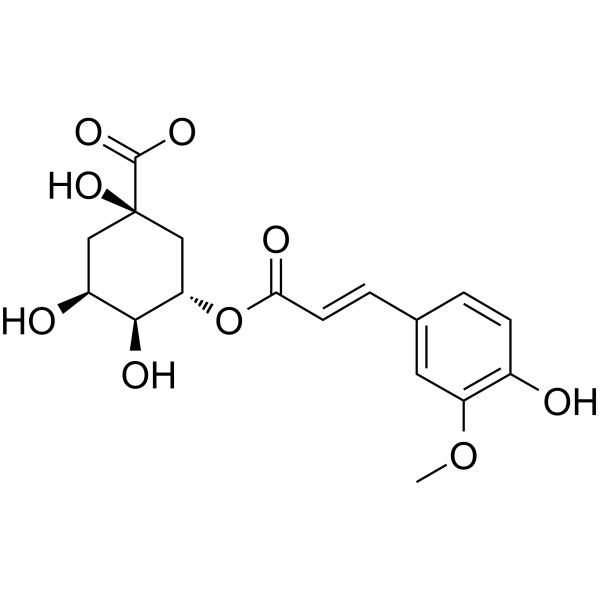
  • HY-N6599

    3-O-Feruloylquinic acid

    Interleukin Related COX NO Synthase NF-κB Inflammation/Immunology
    3-Feruloylquinic acid (3-O-Feruloylquinic acid), a derivative of quinic acid-bound phenolic acid, shows antioxidant and anti-inflammatory activities .
    3-Feruloylquinic acid
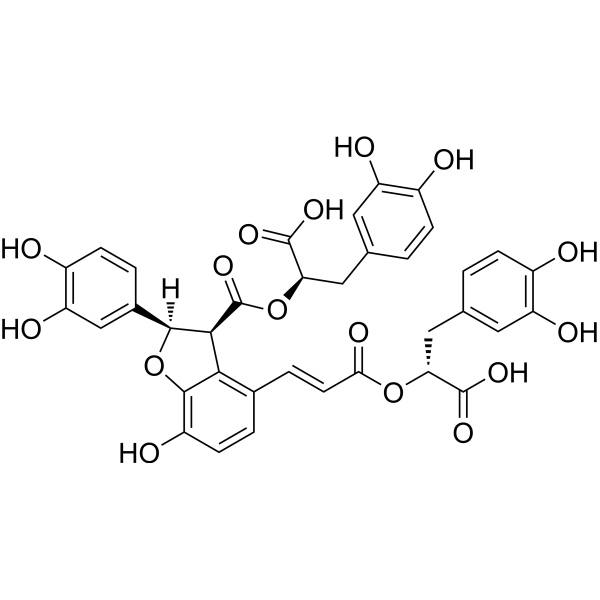
  • HY-N7880

    Reactive Oxygen Species (ROS) Cancer
    Salvianolic acid Y is a phenolic acid with the same planar structure as Salvianolic acid B. Salvianolic acid Y rescues cell injury by H2O2 .
    Salvianolic acid Y
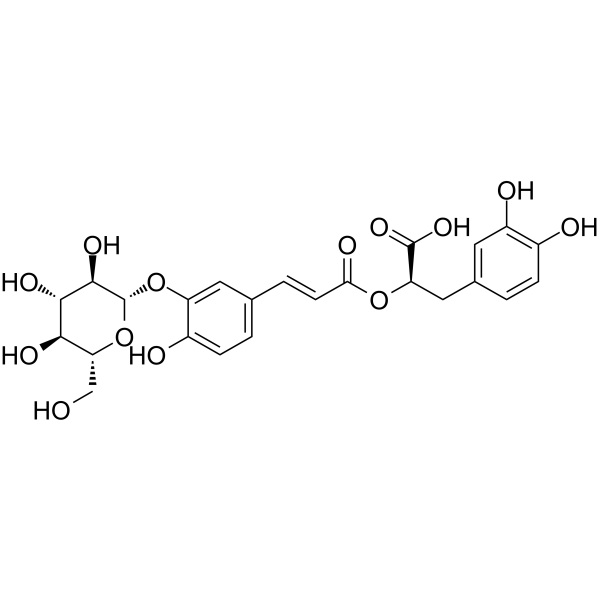
  • HY-N3010

    Others Inflammation/Immunology
    Salviaflaside is a main bioactive component of Spica Prunellae .
    Salviaflaside
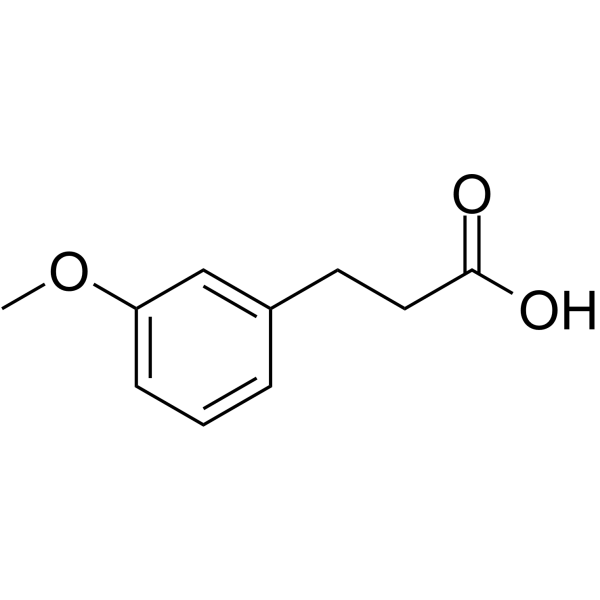
  • HY-W016482

    Endogenous Metabolite Metabolic Disease
    3-(3-Methoxyphenyl) propionic acid is an organic acid and endogenous metabolite. 3-(3-Methoxyphenyl) propionic acid is excreted in urine .
    3-(3-Methoxyphenyl)propionic acid
  • HY-W016993

    Amylases Others
    2,3,4-Trihydroxybenzoic acid is an internal standard in separation of phenolic acids by HPLC.
    2,3,4-Trihydroxybenzoic acid
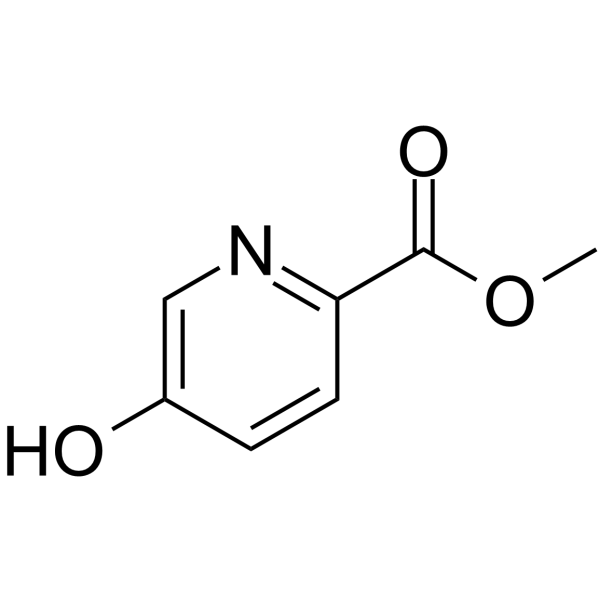
  • HY-W005963

    NO Synthase Inflammation/Immunology
    Methyl 5-hydroxypyridine-2-carboxylate is a phenolic acid that can found in the stems of Mahonia fortune. Methyl 5-hydroxypyridine-2-carboxylate exhibits NO inhibitory effects in vitro .
    Methyl 5-hydroxypyridine-2-carboxylate
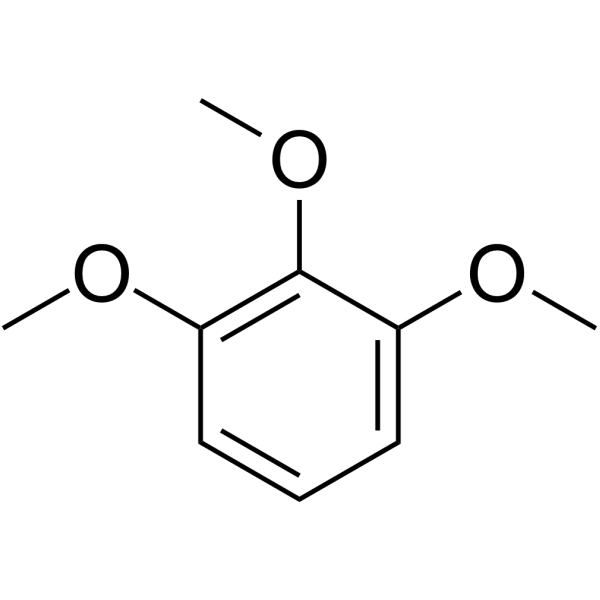
  • HY-W017092

    Drug Intermediate Others
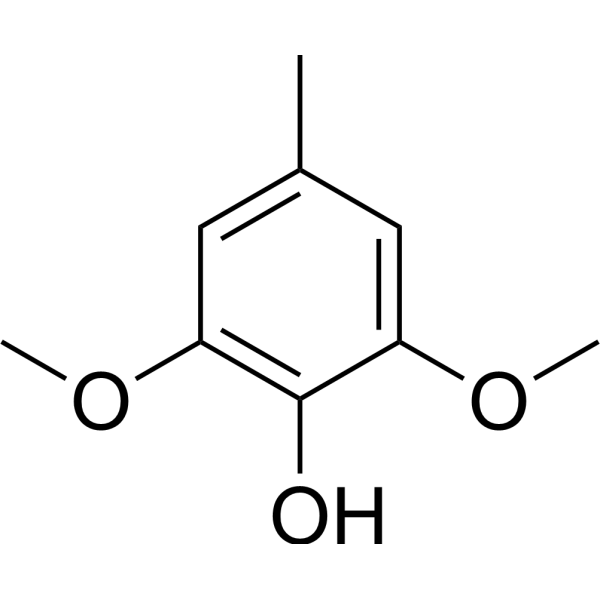
    1,2,3-Trimethoxybenzene is a model compound of lignin. 1,2,3-Trimethoxybenzene can potentially serve as a biomarker for certain foods due to its presence in tea. 1,2,3-Trimethoxybenzene can be used as a drug intermediate for synthesizing 2,6-dimethoxy-1,4-benzoquinone (HY-N1677) .
    1,2,3-Trimethoxybenzene
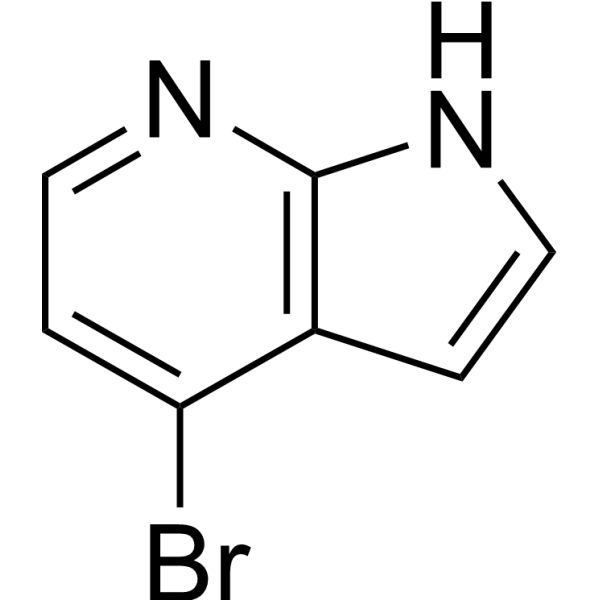
  • HY-30014
    4-Bromo-7-azaindole
    1 Publications Verification

    Drug Intermediate Others
    4-Bromo-7-azaindole is a brominated derivative of 7-azaindole. 4-Bromo-7-azaindole serves as a substrate for palladium-catalyzed C-N and C-O cross-coupling reactions, reacting with amides, amines, amino acid esters and phenols .
    4-Bromo-7-azaindole
  • HY-W009993

    Parasite Infection Metabolic Disease
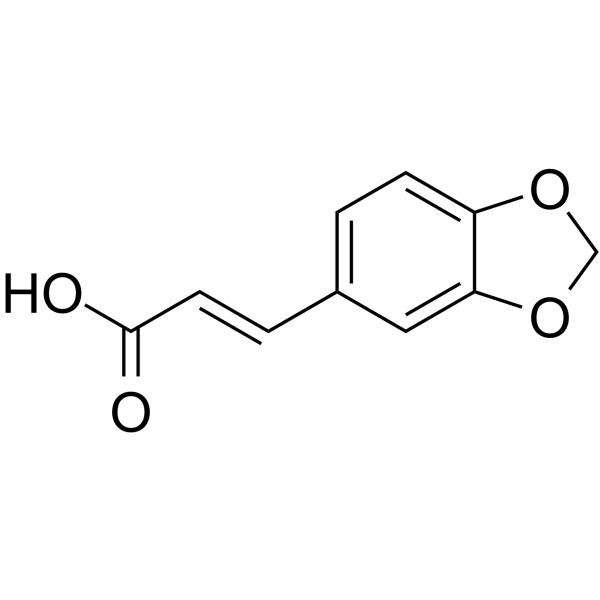
    3,4-Methylenedioxycinnamic acid is an inhibitor of the 4-hydroxycinnamoyl-CoA ligase (4CL) with a Ki of 100 μM. 3,4-Methylenedioxycinnamic acid exhibits the Km value for the substrate ferulic acid of 4CL is 8.4 μM.3,4-Methylenedioxycinnamic acid increases the formation of soluble phenolics in particular of vanillic acid. 3,4-Methylenedioxycinnamic acid demonstrates larvicidal activity .
    3,4-Methylenedioxycinnamic acid
  • HY-W016993R

    Biochemical Assay Reagents Reference Standards Others
    2,3,4-Trihydroxybenzoic acid is an internal standard in separation of phenolic acids by HPLC.
    2,3,4-Trihydroxybenzoic acid (Standard)
  • HY-N8624

    Bacterial Others
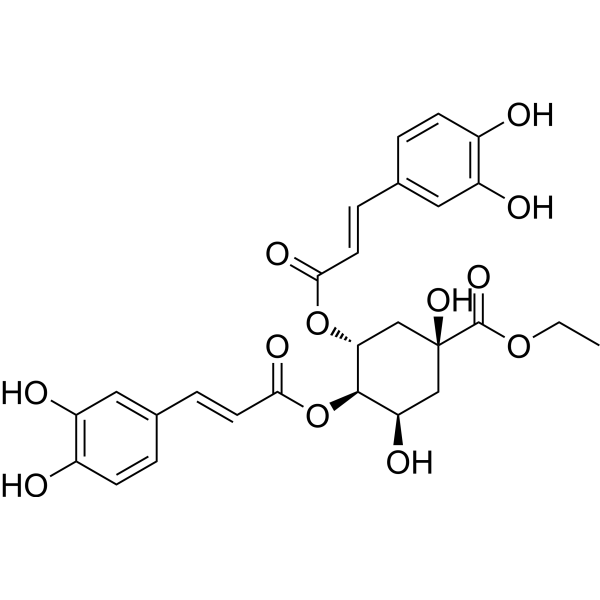
    Ethyl 3,4-dicaffeoylquinate is a phenolic acid isolated from G. divaricata. G. divaricata is one of the famous traditional Chinese herbs, usually used for bronchitis, tuberculosis, twisted knot cough, rheumatism, diabetes, etc .
    Ethyl 3,4-dicaffeoylquinate
  • HY-N0787R

    4-Caffeoylquinic acid (Standard); 4-O-Caffeoylquinic acid (Standard)

    Reference Standards Endogenous Metabolite NF-κB Keap1-Nrf2 mTOR HIF/HIF Prolyl-Hydroxylase Inflammation/Immunology
    Cryptochlorogenic acid (Standard) is the analytical standard of Cryptochlorogenic acid. This product is intended for research and analytical applications. Cryptochlorogenic acid is a natural product.
    Cryptochlorogenic acid (Standard)
  • HY-107965

    Safflower seed oil (from Carthamus tinctorius seed)

    Biochemical Assay Reagents Inflammation/Immunology
    Safflower oil (from Carthamus tinctorius seed) is rich in unsaturated fatty acids such as linoleic acid and oleic acid, as well as tocopherols and phenolic compounds, and exhibits antioxidant, anti-aging and blood lipid-regulating effects. Safflower oil (from Carthamus tinctorius seed) inhibits the activities of collagenase and elastase, and exerts antioxidant activity by scavenging free radicals. Linoleic acid in safflower oil (from Carthamus tinctorius seed) reduces blood cholesterol levels. Safflower oil (from Carthamus tinctorius seed) can be applied to research in fields such as skin aging, atherosclerosis, edible oil processing and industrial raw material development .
    Safflower oil (from Carthamus tinctorius seed)
  • HY-W010221

    Trimethylanilinium hydroxide (ca. 8.5% in Methanol)

    Biochemical Assay Reagents Others
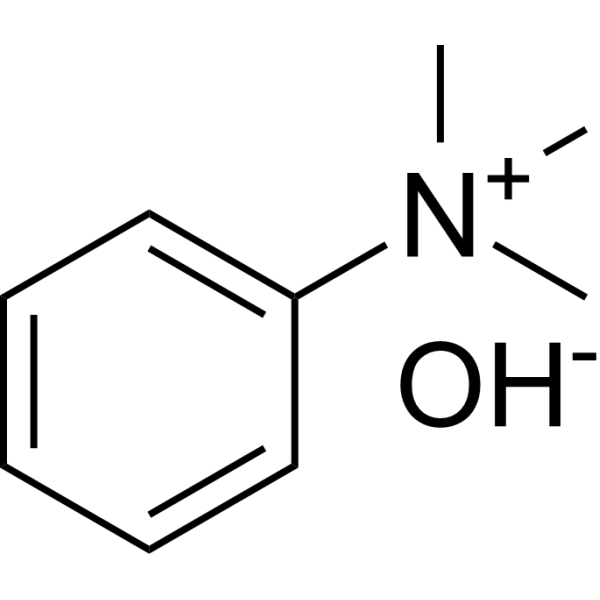
    Phenyltrimethylammonium hydroxide (Trimethylanilinium hydroxide (ca. 8.5% in Methanol)) is a derivatization reagent. Phenyltrimethylammonium hydroxide converts phenolic compounds including pentachlorophenol herbicides into methyl ethers .
    Phenyltrimethylammonium hydroxide
  • HY-N12216

    Others Others
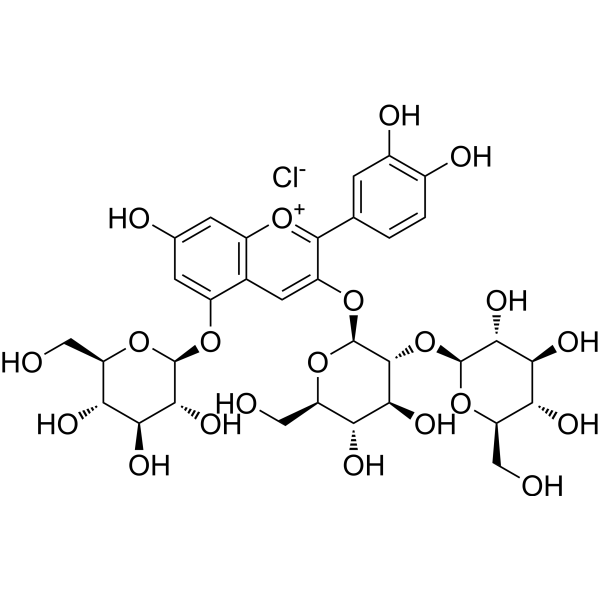
    Cyanidin 3-sophoroside-5-glucoside is the main anthocyanin in purple-fleshed sweet potato and affects the antioxidant activity of purple-fleshed sweet potato .
    Cyanidin 3-sophoroside-5-glucoside
  • HY-N5057

    Others Cardiovascular Disease
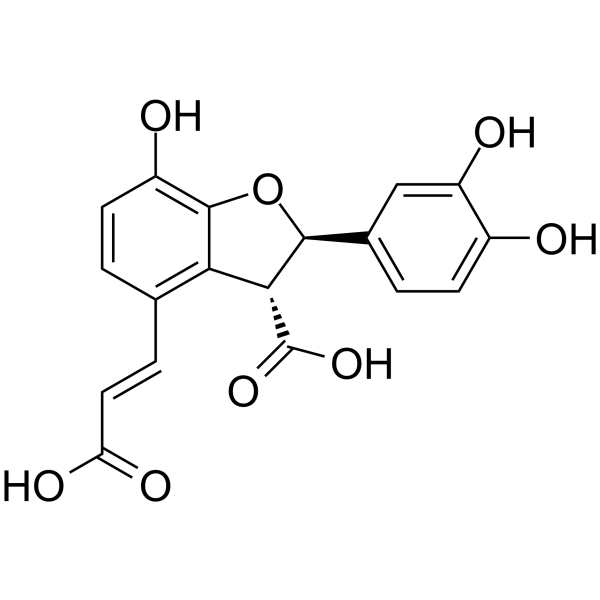
    Przewalskinic acid A is a phenolic acid found in the Salvia przewalskii Maxim herb. Phenolic acids show potent antioxidant activities and potential effects in protecting against brain and heart damage caused by ischemia reperfusion .
    Przewalskinic acid A
  • HY-N15285

    Others Metabolic Disease
    Protocatechuic acid 4-glucoside is a glycosylated phenolic acid. Protocatechuic acid 4-glucoside exhibits antioxidant activity and can alleviate atherosclerotic lesions in rats fed a high-fat diet. Protocatechuic acid 4-glucoside can be used for the study of metabolism-related diseases .
    Protocatechuic acid 4-glucoside
  • HY-N3010R

    Reference Standards Others Inflammation/Immunology
    Salviaflaside (Standard) is the analytical standard of Salviaflaside. This product is intended for research and analytical applications. Salviaflaside is a main bioactive component of Spica Prunellae .
    Salviaflaside (Standard)
  • HY-113972A

    Drug Isomer Inflammation/Immunology
    (E/Z)-Methyl mycophenolate is a racemic compound of (Z)-Methyl mycophenolate and (E)-Methyl mycophenolate isomers. Methyl mycophenolate is a methyl ester of mycophenolic acid. Methyl mycophenolate can be used to synthesize mycophenolic acid β-D-glucuronide and phenolic glycosides .
    (E/Z)-Methyl mycophenolate
  • HY-162297

    Drug Metabolite Others
    4-(Sulfooxy)benzoic acid is a sulfated phenolic acid found in C. elegans. 4-(Sulfooxy)benzoic acid is a metabolite of ethyl para-hydroxybenzoate and several flavonoids .
    4-(Sulfooxy)benzoic acid
  • HY-N19074

    Bacterial Infection Inflammation/Immunology
    Psidium guajava extract is rich in flavonoids (such as quercetin and kaempferol), tannins, vitamin C, carotenoids, and phenolic acids, which give it antioxidant, anti-inflammatory, antibacterial, and antiviral properties.
    Psidium guajava extract
  • HY-N18770

    Bacterial Infection Inflammation/Immunology
    Bambusa arundinacea extract is rich in various bioactive compounds, including flavonoids, phenolic acids, and lignans. Bambusa arundinacea extract possesses antioxidant, anti-inflammatory, and antibacterial properties.
    Bambusa arundinacea extract
  • HY-N18765

    Bacterial Infection Inflammation/Immunology
    Dragons blood extract contains a variety of bioactive compounds, including alkaloids, flavonoids, phenolic acids, and chalcone derivatives, which have antibacterial, anti-inflammatory, antioxidant, and wound-healing effects.
    Dragons blood extract
  • HY-W005963R

    NO Synthase Reference Standards Inflammation/Immunology
    Methyl 5-hydroxypyridine-2-carboxylate (Standard) is the analytical standard of Methyl 5-hydroxypyridine-2-carboxylate (HY-W005963). This product is intended for research and analytical applications. Methyl 5-hydroxypyridine-2-carboxylate is a phenolic acid that can found in the stems of Mahonia fortune. Methyl 5-hydroxypyridine-2-carboxylate exhibits NO inhibitory effects in vitro .
    Methyl 5-hydroxypyridine-2-carboxylate (Standard)
  • HY-N19072

    Bacterial Infection Inflammation/Immunology
    Murraya koenigii extract is derived from the leaves of the Murraya koenigii tree. Its active ingredients include alkaloids, flavonoids, terpenoids, and phenolic acids, which give it antioxidant, anti-inflammatory, and antibacterial properties.
    Murraya koenigii extract
  • HY-N17111

    Others Others
    1,7-Di-O-Galloyl-D-sedoheptulose is a phenolic acid that can be found in pomegranate arils .
    1,7-Di-O-Galloyl-D-sedoheptulose
  • HY-N18777

    Bacterial Infection Inflammation/Immunology
    Moringa oleifera extract contains a variety of active ingredients, including vitamins (A, C, E and various B vitamins), minerals (calcium, iron, potassium, magnesium), flavonoids, phenolic acids and alkaloids, which have antioxidant, anti-inflammatory, antibacterial and antiviral properties.
    Moringa oleifera extract
  • HY-N19066

    Others Metabolic Disease
    Cissus quadrangularis extract contains a variety of bioactive compounds, such as flavonoids, phenolic acids, carotenoids, triterpenoids, vitamins, 3-ketosteroids, minerals, and sterols. Cissus quadrangularis extract can promote fracture healing, reduce bone loss, and increase bone density.
    Cissus quadrangularis extract
  • HY-N19063

    Bacterial Infection Inflammation/Immunology
    Cassia alata extract contains anthraquinones (including hypericic acid), flavonoids, phenolic compounds, fatty acids, natural sterols, terpenoids, and saponins, among other bioactive compounds. Cassia alata extract possesses antifungal, antibacterial, and anti-inflammatory properties and can be used in research on skin diseases such as tinea, eczema, and fungal infections.
    Cassia alata extract
  • HY-N18751

    Bacterial Inflammation/Immunology
    Aegle marmelos extract, derived from the Aegle marmelos plant, is rich in various bioactive compounds, such as coumarins (e.g., ligustin, ligustin, ligustin, psoralen, scopolamine, and umbelliferone), flavonoids, phenolic acids, and terpenoids. Aegle marmelos extract possesses anti-inflammatory, antibacterial, antioxidant, antiviral, antifungal, antitumor, and antidiabetic properties.
    Aegle marmelos extract
  • HY-N18300

    Others Others
    Protocatechuic acid-2-glucoside (compound 6) is a phenolic acid glycoside. Protocatechuic acid-2-glucoside can be found in the rhizome and radix of Millettia speciosa Champ .
    Protocatechuic acid-2-glucoside
  • HY-W009993R

    Parasite Reference Standards Infection Metabolic Disease
    3,4-Methylenedioxycinnamic acid (Standard) is the analytical standard of 3,4-Methylenedioxycinnamic acid (HY-W009993). This product is intended for research and analytical applications. 3,4-Methylenedioxycinnamic acid is an inhibitor of the 4-hydroxycinnamoyl-CoA ligase (4CL) with a Ki of 100 μM. 3,4-Methylenedioxycinnamic acid exhibits the Km value for the substrate ferulic acid of 4CL is 8.4 μM.3,4-Methylenedioxycinnamic acid increases the formation of soluble phenolics in particular of vanillic acid. 3,4-Methylenedioxycinnamic acid demonstrates larvicidal activity .
    3,4-Methylenedioxycinnamic acid (Standard)
  • HY-N18750

    Bacterial Cardiovascular Disease Infection Inflammation/Immunology
    Celery Extract, derived from celery seeds (Apium graveolens), is a natural extract rich in bioactive compounds such as flavonoids, phenolic acids, and volatile oils. It is known for its antihypertensive, anti-inflammatory, antimicrobial, and antioxidant properties. This extract has been used in traditional medicine to manage hypertension and inflammation, and modern research supports its potential health benefits. In addition to its medicinal uses, Celery Extract is also utilized in the food industry for flavor enhancement and in cosmetics for its skin-protecting and soothing effects. While generally safe, a patch test is recommended to avoid potential allergic reactions.
    Celery extract
  • HY-W802310

    Drug Derivative Others
    2,5-Dihydroxycinnamic acid is a phenolic acid. 2,5-Dihydroxycinnamic acid can be found in the leaves of Grevillea robusta A. Cunn .
    2,5-Dihydroxycinnamic acid
  • HY-N18656

    Bacterial Infection
    Terminalia chebula extract, derived from the fruit of the Terminalia chebula tree. Rich in bioactive compounds such as tannins, flavonoids, phenols, and organic acids like gallic acid and ellagic acid, this extract demonstrates a wide range of pharmacological activities. It acts as a natural laxative, supports digestive health, and exhibits potent antioxidant, anti-inflammatory, and antibacterial properties, effectively targeting various pathogenic bacteria, including Helicobacter pylori, Staphylococcus aureus, and Escherichia coli. Terminalia Chebula Extract also shows significant hepatoprotective effects, shielding the liver from damage through antioxidant and anti-inflammatory mechanisms. It has nephroprotective properties, alleviating renal dysfunction and enhancing kidney health by modulating inflammatory pathways. Additionally, the extract demonstrates neuroprotective activity, reducing neuronal damage and improving memory function. It has potential anti-diabetic effects, enhancing glucose uptake and reducing oxidative stress.
    Terminalia chebula extract

Inquiry Online

Your information is safe with us. * Required Fields.

Salutation


Country or Region *

Applicant Name *


Organization Name *

Department *


Email Address *


Product Name *

Cat. No.


Requested quantity *

Phone Number *


Remarks

Inquiry Online

Inquiry Information

Product Name:
Cat. No.:
Quantity:
MCE Japan Authorized Agent:

