
1. Search Result
Search Result
Results for "

phenotypic

" in MedChemExpress (MCE) Product Catalog:

26

Inhibitors & Agonists

6

Screening Libraries

1

Peptides

2

Inhibitory Antibodies

5

Natural
Products

Cat. No. Product Name Target Research Areas Chemical Structure
  • HY-101026
    CCT251236
    4 Publications Verification

    HSP Cancer
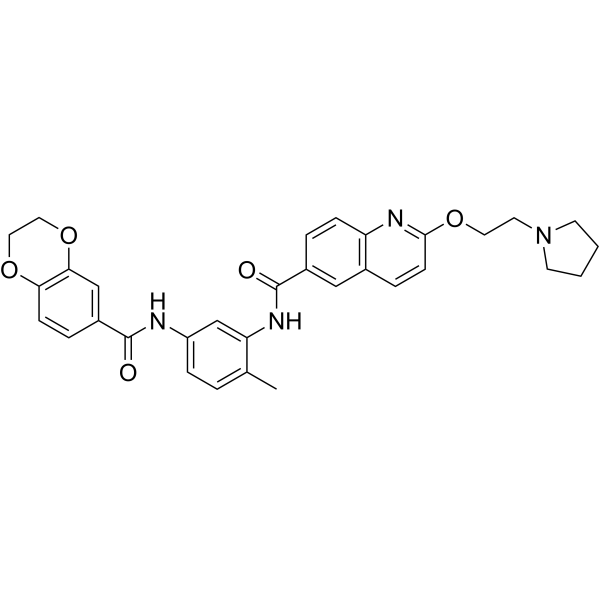
    CCT251236 is an orally available pirin ligand from a heat shock transcription factor 1 (hsf1) phenotypic screen with an IC50 of 19 nM for inhibition of HSF1-mediated HSP72 induction.
    CCT251236
  • HY-149874
    BMS-502
    1 Publications Verification

    DGK Inflammation/Immunology Cancer
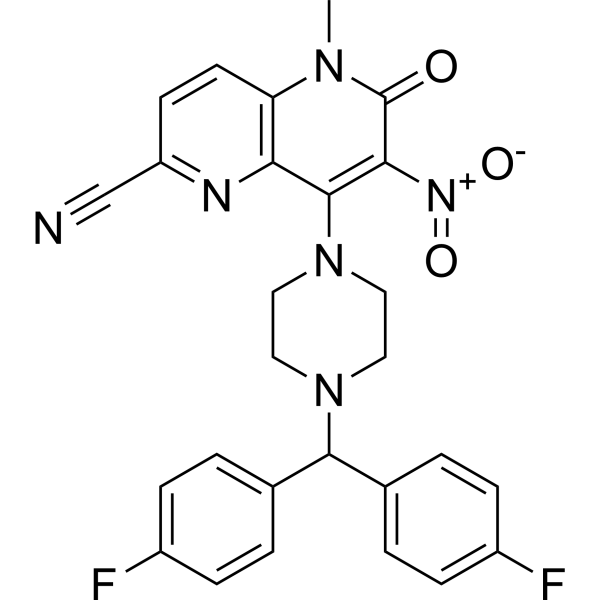
    BMS-502 (Compound 22) is a potent dual inhibitor of diacylglycerol kinase (DGK) α and ζ with IC50 of 4.6 nM and 2.1 nM. BMS-502 enhanced T cell immune responses in mice. BMS-502 can be used in tumor immunity related research .
    BMS-502
  • HY-P99236
    Bexmarilimab
    1 Publications Verification

    FP-1305

    Transmembrane Glycoprotein Inflammation/Immunology Cancer
    Bexmarilimab (FP-1305) is a potent humanized anti-CLEVER-1 IgG4 antibody with an IC50 value of 4.51 nM. Bexmarilimab is capable of inducing a phenotypic M2 to M1 immune switch of tumor-associated macrophages. Bexmarilimab can promote antigen presentation and pro-inflammatory cytokine secretion. Bexmarilimab can induce B-cell and T-cell activation. Bexmarilimab can be used in researches of immunology and cancer, such as colorectal carcinoma .
    Bexmarilimab
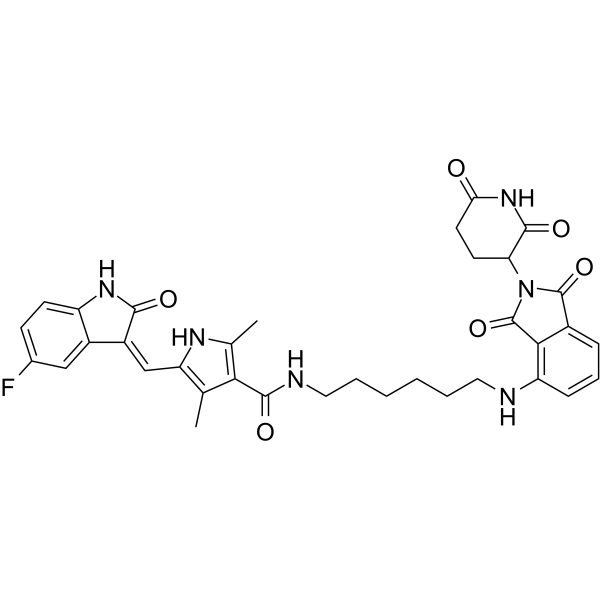
  • HY-11095

    mGluR CaSR PI3K Akt mTOR Autophagy Apoptosis Bcl-2 Family Caspase Cardiovascular Disease Neurological Disease
    NPS 2390 is an allosteric antagonist of calcium-sensing receptor (CaSR) and mGluR1/5. NPS 2390 inhibits the PI3K/Akt/mTOR signaling pathway, reduces hypoxia-induced intracellular calcium elevation, decreases the expression of autophagy (autophagy) proteins, regulates the expression of phenotypic marker proteins, and inhibits the proliferation of pulmonary artery smooth muscle cells. NPS 2390 attenuates the endogenous apoptosis (apoptosis) pathway, increases the expression level of Bcl-2, downregulates the expression levels of Bax, cytochrome c and caspase-3, alleviates cerebral edema and improves neurological function in rat models. NPS 2390 can be used in studies related to hypoxic pulmonary hypertension, traumatic brain injury, stroke and pain .
    NPS 2390
  • HY-P991444

    NTPDase ATP Synthase Inflammation/Immunology Cancer
    IPH5201 is a selective CD39 inhibitor and a humanized IgG1 monoclonal antibody. IPH5201 selectively binds to and inhibits the enzymatic activity of both membrane-bound and soluble CD39, blocking ATP hydrolysis. IPH5201 enhances the phenotypic maturation and activation of dendritic cells and macrophages. IPH5201 potentiates the anti-tumor effect of Oxaliplatin (HY-17371). IPH5201 shows preliminary evidence of disease stabilization in advanced solid tumor models when used as a single agent or in combination with Durvalumab (HY-P9919). IPH5201 can be used for the research of advanced solid tumors .
    IPH5201
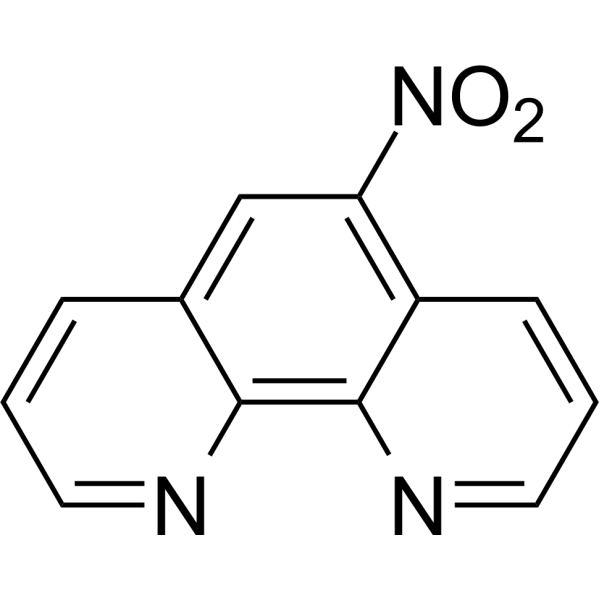
  • HY-W004570

    5-NP

    Endogenous Metabolite Infection
    5-Nitro-1,10-phenanthroline (5-NP), is a o-Phenanthroline (HY-W004544) derivative, as a mediator of glucose oxidase (GOX) with antituberculous activity. 5-Nitro-1,10-phenanthroline can be applied as redox mediators for oxidases and is suitable for the development of reagent-less biosensors and biofuel cells .
    5-Nitro-1,10-phenanthroline
  • HY-175668

    Potassium Channel Neurological Disease
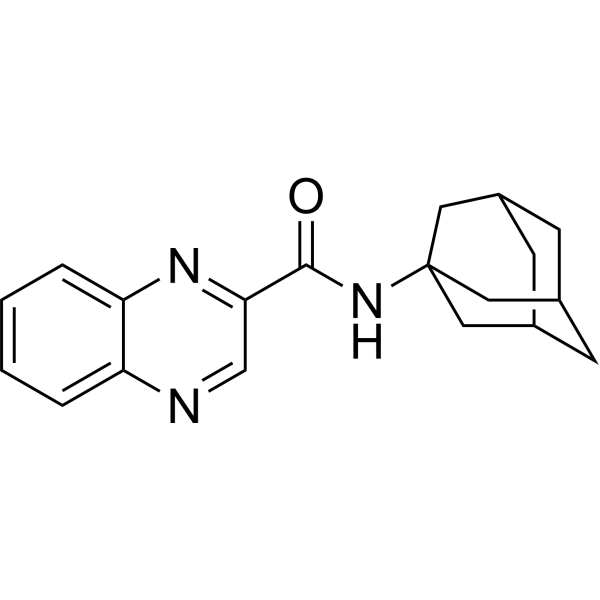
    IDOR-1104-0086 is an orally active Kv7 potassium channel opener with an EC50 of 210 nM that can cross blood-brain barrier. IDOR-1104-0086 displays strong selectivity against the hERG channel with an IC20 of 25 μM. IDOR-1104-0086 exhibits efficacy in two rodent models of epilepsy and a favorable tolerability profile. IDOR-1104-0086 can used for the study of epilepsy .
    IDOR-1104-0086
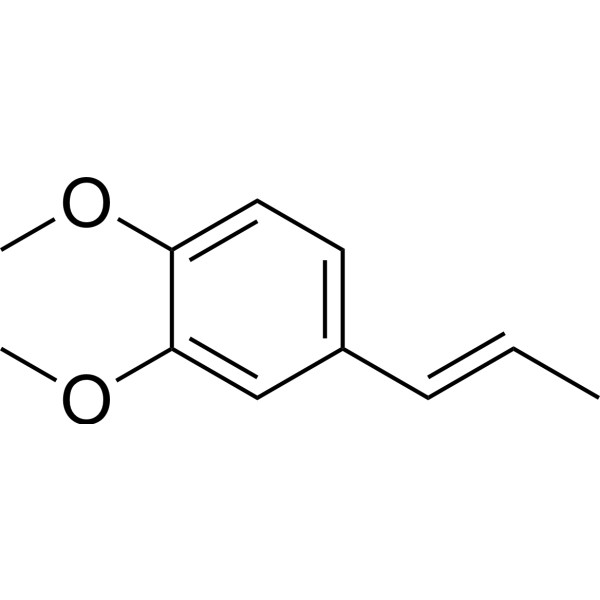
  • HY-N2439

    Environmental Pollutants Pyroptosis SOD Quinone Reductase Keap1-Nrf2 NF-κB Cardiovascular Disease
    Methyl isoeugenol is an orally active, blood-brain barrier-permeable isoeugenol-type eugenol analog. Methyl isoeugenol promotes the nuclear translocation of Nrf2, upregulates the expressions of HO-1, NQO1 and SOD, and reduces the expression level of MDA. Methyl isoeugenol decreases the nuclear translocation of NF-κB. Methyl isoeugenol inhibits NLRP3 inflammasome-mediated pyroptosis. Methyl isoeugenol reduces cerebral infarction volume and regulates the M1/M2 phenotypic balance of microglia. Methyl isoeugenol can be used for the research of cerebral ischemia-reperfusion injury .
    Methyl isoeugenol
  • HY-178012

    IRAK TNF Receptor Inflammation/Immunology
    GLPG4471 is a selective and orally active IRAK4 inhibitor with an IC50 of 1.7 nM. GLPG4471 exhibits potent inhibition of cytokine (TNFα and IFNα) secretion in cellular and whole blood phenotypic assays. GLPG4471 displays significant activity in a mouse model of collagen-induced arthritis. GLPG4471 can be used for the study of arthritis .
    GLPG4471
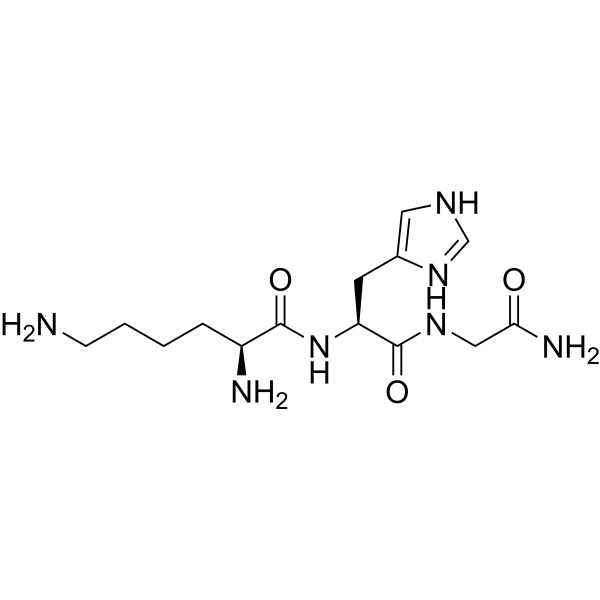
  • HY-125153

    Influenza Virus Others
    Bursin is a peptide that can be isolated from the bursa of Fabricius of chicken. Bursin induces the phenotypic differentiation of mammalian and avian B precursor cells. Bursin also increases cyclic guanosine monophosphate in cells of the human B-cell line Daudi, its derivatives are able to protect against infection by amplifying the immune response induced by H9N2 .
    Bursin
  • HY-142655

    Farnesyl Transferase Infection
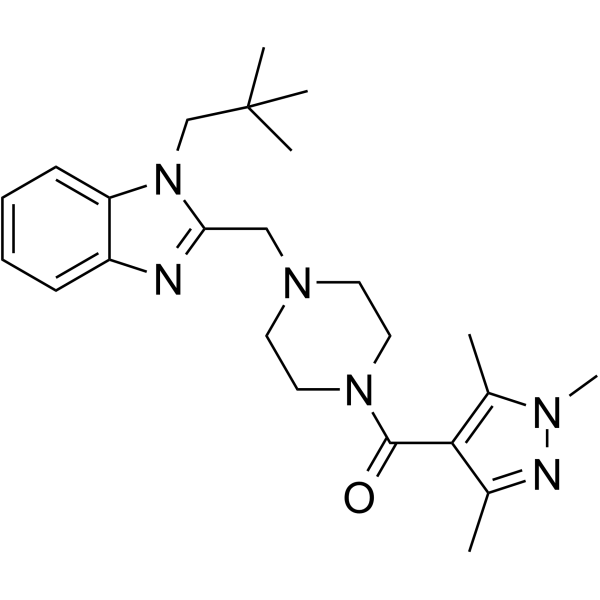
    Ftase inhibitor III is an anion-dependent Farnesyltransferase inhibitor from a phenotypic screen.
    Ftase inhibitor III
  • HY-122989

    DYRK Inflammation/Immunology
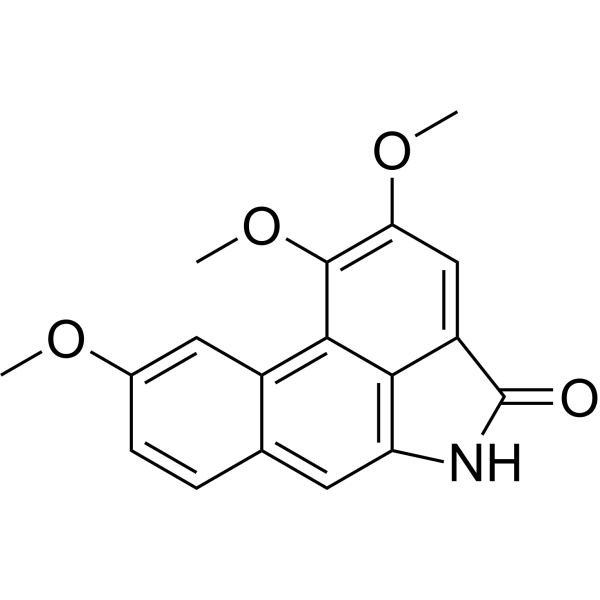
    Aristolactam BIII is a potent DYRK1A inhibitor and inhibits the kinase activity of DYRK1A in vitro (IC50= 9.67 nM. Aristolactam BIII rescues the proliferative defects of DYRK1A transgenic (TG) mouse-derived fibroblasts and neurological and phenotypic defects of DS-like Drosophila models .
    Aristolactam BIII
  • HY-125153A

    Others Endocrinology
    Bursin triacetate is a peptide that can be isolated from the bursa of Fabricius in chickens. It promotes the phenotypic differentiation of B precursor cells in both mammals and birds. Bursin triacetate increases cyclic guanosine monophosphate levels in the human B-cell line Daudi .
    Bursin triacetate
  • HY-139863

    Bacterial Infection
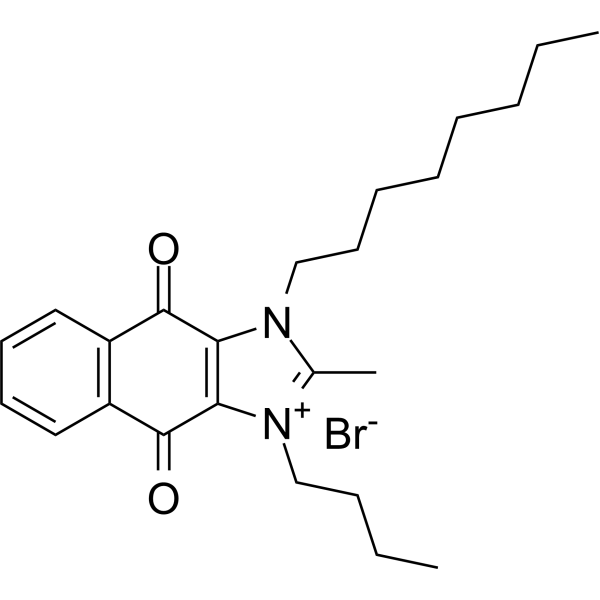
    Antibacterial agent 62 is a novel redox cycling antituberculosis chemotype with potent bactericidal activity against growing and nutrient-starved phenotypically drug-resistant nongrowing bacteria.
    Antibacterial agent 62
  • HY-W048303

    Antibiotic Infection Cancer
    L-Azatyrosine is an antitumor antibiotic isolated from Streptomyces chibaensis. L-Azatyrosine can restore normal phenotypic behavior to transformed cells bearing oncogenic Ras genes .
    L-Azatyrosine
  • HY-116557

    Biochemical Assay Reagents Others
    JCP-265 is a compound used for in vivo phenotypic screening of small molecule libraries, which has the activity of screening molecules that regulate cell function. JCP-265 uses molecular cell barcoding technology to directly screen small molecule libraries in vivo for studying complex physiological processes, such as screening compounds related to targets in pancreatic cancer metastasis seeding studies.
    JCP-265
  • HY-176936

    Tau Protein Neurological Disease
    Tau-aggregation-IN-5 is a Tau-aggregation inhibitor (EC50 = 0.31 μM). Tau-aggregation-IN-5 targets P4HB covalently and activates mild ER stress. Tau-aggregation-IN-4 can be used for the study of neurodegenerative disorders such as Alzheimer’s and Pick’s diseases .
    Tau-aggregation-IN-5
  • HY-176238

    Apoptosis Metabolic Disease Cancer
    CX116 is an orally active anti-inflammatory agent. CX116 exerts its effects by inhibiting the inflammatory response, reducing oxidative stress, protecting mitochondrial function, and counteracting apoptosis. CX116 bears acceptable toxicity, and can significantly protect renal tissue from Cisplatin (HY-17394)-induced damage. CX116 can be used for the study of Cisplatin-induced acute kidney injury (cis-AKI) .
    CX116
  • HY-178927

    Tau Protein Neurological Disease
    Tau-aggregation-IN-4 is a Tau-aggregation inhibitor (EC50 = 2.99 μM). Tau-aggregation-IN-4 can be used for the study of neurodegenerative disorders such as Alzheimer’s and Pick’s diseases .
    Tau-aggregation-IN-4
  • HY-175290

    Arf Family GTPase Cancer
    Arf1-GEFs-IN-1 is a potent and orally active ADP-ribosylation factor 1- guanine nucleotide exchange factors (Arf1-GEFs) inhibitor with an IC50 value of 40.85 μM against CT26 cells. Arf1-GEFs-IN-1 primarily mediates tumor regression by triggering anti-tumor immune responses, rather than through direct cytotoxicity. Arf1-GEFs-IN-1 effectively promotes CCL5 expression, demonstrates excellent in vivo efficacy. Arf1-GEFs-IN-1 can be used for the study of colon cancer .
    Arf1-GEFs-IN-1
  • HY-101026R

    HSP Reference Standards Cancer
    CCT251236 (Standard) is the analytical standard of CCT251236 (HY-101026). This product is intended for research and analytical applications. CCT251236 is an orally available pirin ligand from a heat shock transcription factor 1 (hsf1) phenotypic screen with an IC50 of 19 nM for inhibition of HSF1-mediated HSP72 induction.
    CCT251236 (Standard)
  • HY-180796

    Pyruvate Kinase Cardiovascular Disease
    PKM2 agonist-1 (Compound D16) is a highly effective, allosteric PKM2 agonist with an AC50 value of 77 nM. PKM2 agonist-1 inhibits Ang II-induced smooth muscle cell phenotypic switching. PKM2 agonist-1 effectively prevents aortic dissection and results in reduced mortality .
    PKM2 agonist-1
  • HY-180779

    Ras Neurological Disease
    SR-1815 is a small molecule multi-kinase inhibitor. SR-1815, through mechanisms such as splicing regulation effectively restores the SynGAP protein to normal levels in the disease model with Syngap1 haploinsufficiency, thereby correcting the functional abnormalities at the synaptic and neuronal network levels caused by the deficiency of this gene. SR-1815 can be used for the study of brain diseases .
    SR-1815
  • HY-124714

    Kallikrein Cancer
    DKFZ-251 is a kininogenase-related peptidase KLK6 inhibitor (IC50=0.47 μM), and also exhibits certain inhibitory activity against KLK5 and KLK7 (IC50 values are 1.1 nM and 73 nM, respectively). DKFZ-251 transiently acylates the catalytic serine of KLK6 to form a long-lived acyl-enzyme complex that inhibits enzyme function. DKFZ-251 is a phenotypic modulator that alters cell proliferation capacity and regulates epithelial-mesenchymal transition (EMT). DKFZ-251 can be used in research related to head and neck cancer .
    DKFZ-251
  • HY-W004570R

    5-NP (Standard)

    Endogenous Metabolite Reference Standards Infection
    5-Nitro-1,10-phenanthroline (Standard) (5-NP (Standard)) is the analytical standard of 5-Nitro-1,10-phenanthroline (HY-W004570). This product is intended for research and analytical applications. 5-Nitro-1,10-phenanthroline (5-NP), is a o-Phenanthroline (HY-W004544) derivative, as a mediator of glucose oxidase (GOX) with antituberculous activity. 5-Nitro-1,10-phenanthroline can be applied as redox mediators for oxidases and is suitable for the development of reagent-less biosensors and biofuel cells .
    5-Nitro-1,10-phenanthroline (Standard)
  • HY-10540

    AEB071 acetate

    PKC NF-κB Inflammation/Immunology
    Sotrastaurin (AEB071) acetate is a selective, orally active PKC inhibitor. Sotrastaurin acetate inactivates NF-κB by inhibiting PKC α, β, θ, γ subtypes, thereby reducing the transcription levels of immune response-related genes. Sotrastaurin acetate effectively inhibits alloreactive T cell proliferation, conventional T cell activation, as well as the production of pro-inflammatory cytokines and B lymphocytes. Sotrastaurin acetate also maintains the functional and phenotypic stability of regulatory T cells, enhances Foxp3 expression and restores the balance of helper T lymphocytes. Sotrastaurin acetate can prolong the survival time of allografts, and alleviate inflammatory responses and myasthenic symptoms by reducing anti-AChR antibody levels. Sotrastaurin acetate is widely used in studies related to kidney transplantation, psoriasis and myasthenia gravis .
    Sotrastaurin acetate

Inquiry Online

Your information is safe with us. * Required Fields.

Salutation


Country or Region *

Applicant Name *


Organization Name *

Department *


Email Address *


Product Name *

Cat. No.


Requested quantity *

Phone Number *


Remarks

Inquiry Online

Inquiry Information

Product Name:
Cat. No.:
Quantity:
MCE Japan Authorized Agent:

