


Search Result
Results for "
pituitary cells
" in MedChemExpress (MCE) Product Catalog:
1
Biochemical Assay Reagents
3
Isotope-Labeled Compounds
| Cat. No. |
Product Name |
Target |
Research Areas |
Chemical Structure |
-
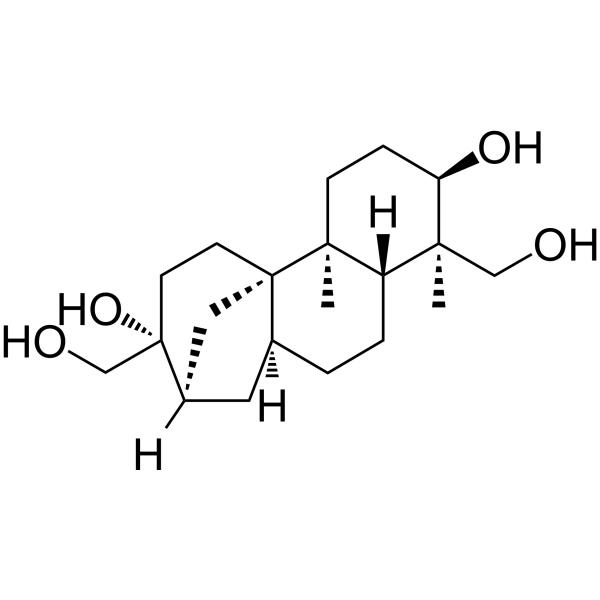
- HY-N6733
-
|
|
DNA/RNA Synthesis
HSV
Apoptosis
Antibiotic
Orthopoxvirus
|
Infection
Inflammation/Immunology
|
|
Aphidicolin is an inhibitor of DNA polymerase α and δ, prevents mitotic cell division by interfering DNA polymerase activity. Aphidicolin is an antibiotic produced by mold Cephalosporium aphidicola, inhibits cellular deoxyribonucleic acid synthesis and the growth of herpes simplex virus. Aphidicolin exhibits anti-orthopoxvirus activity and potentiates apoptosis induced by arabinosyl nucleosides in a human promyelocytic leukemia cell line .
|
-
-
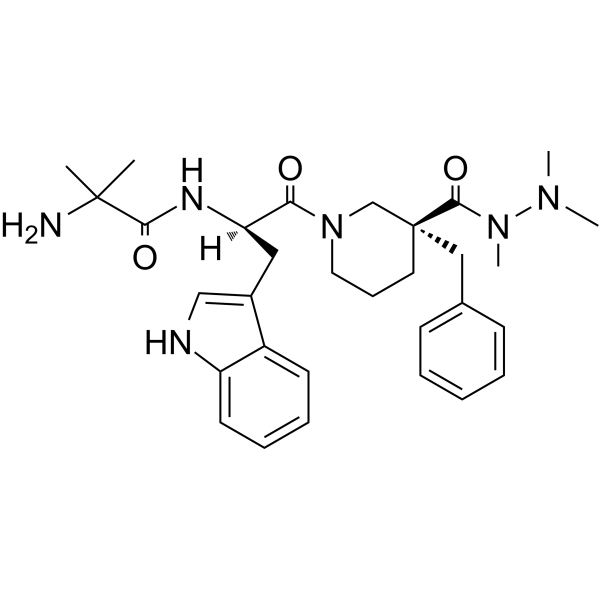
- HY-14734
-
|
RC-1291; ONO-7643
|
GHSR
|
Endocrinology
Cancer
|
|
Anamorelin (RC-1291) is an orally active Ghrelin receptor agonist with an EC50 of 0.74 nM. Anamorelin can promote appetite, increase body weight, and stimulate the secretion of growth hormone and insulin-like growth factor-1. Anamorelin can be used in the research of anorexia and cancer cachexia .
|
-
-
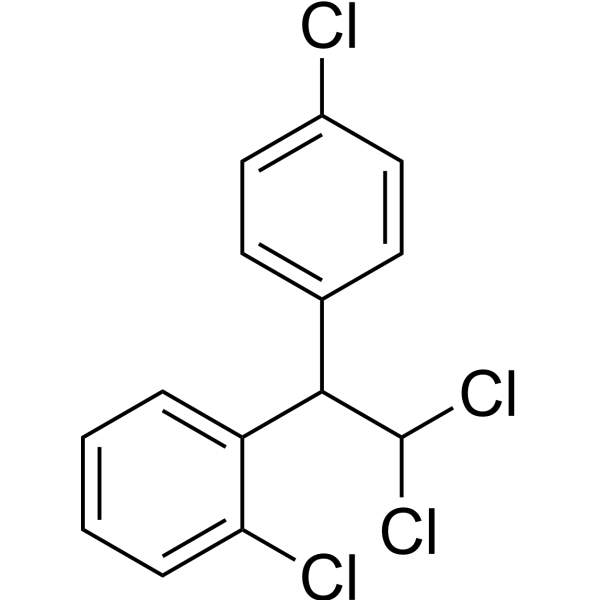
- HY-13690
-
|
2,4′-DDD; o,p'-DDD
|
Apoptosis
|
Cancer
|
|
Mitotane (2,4′-DDD), an isomer of DDD and derivative of dichlorodiphenyltrichloroethane (DDT), is an antineoplastic agent, can be used to research adrenocortical carcinoma. Mitotane exert its adrenocorticolytic effect at least in part through lipotoxicity induced by intracellular free cholesterol (FC) accumulation. Mitotane can have direct pituitary effects on corticotroph cells. Mitotane can induce CYP3A4 gene expression via steroid and xenobiotic receptor (SXR) activation, and has agent-agent interactions .
|
-
-
- HY-107916
-
|
TSH; Pretiron
|
TSH Receptor
PKC
Apoptosis
|
Metabolic Disease
Inflammation/Immunology
Endocrinology
Cancer
|
|
Thyrotropin (TSH, Pretiron) is a thyroid-stimulating hormone produced by thyrotrope cells in the anterior pituitary gland. Thyrotropin regulates the endocrine function of the thyroid. Thyrotropin induces transcriptional regulation of TH-gatekeeper genes in tanycytes through the Tshr/Gαq/PKC pathway. Thyrotropin prevents Apoptosis. Thyrotropin has an association of low levels with increased bone remodeling, reduced bone mass and a high fracture risk in mice. Thyrotropin is promising for research of skeletal remodeling, hyperthyroidism .
|
-
-
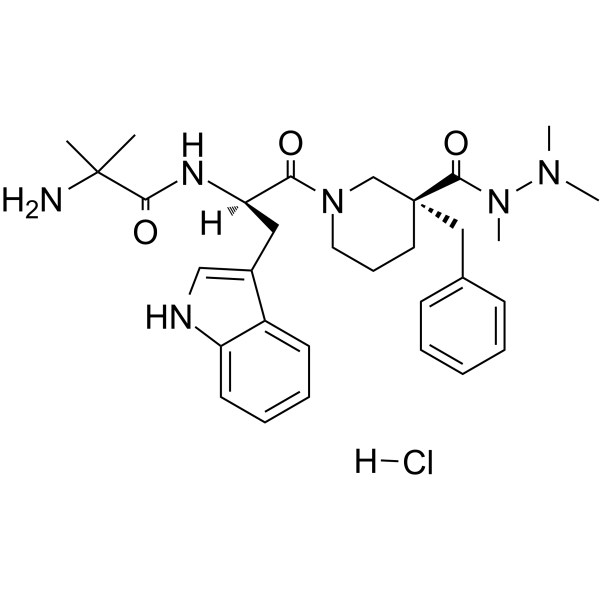
- HY-14734A
-
|
RC-1291 hydrochloride; ONO-7643 hydrochloride
|
GHSR
|
Endocrinology
Cancer
|
|
Anamorelin (RC-1291) hydrochloride is an orally active Ghrelin receptor agonist with an EC50 of 0.74 nM. Anamorelin hydrochloride can promote appetite, increase body weight, and stimulate the secretion of growth hormone and insulin-like growth factor-1. Anamorelin hydrochloride can be used in the research of anorexia and cancer cachexia .
|
-
-
- HY-P3206
-
|
Thymulin; Thymic factor
|
ERK
|
Neurological Disease
Inflammation/Immunology
Endocrinology
|
|
Serum thymic factor (Thymulin) is a zinc-dependent immunomodulatory peptide hormone, which can be produced by the thymic epithelial cells. Serum thymic factor stimulates the release of hormones from the pituitary gland, exhibits hypophysiotropic activity. Serum thymic factor protects rats from Cephaloridine (HY-B2072)-induced nephrotoxicity by inhibiting ERK activation. Serum thymic factor exhibits anti-diabetic, anti-inflammatory and analgesic effects. Serum thymic factor can be used in research about endocrine, reproductive, neurodegenerative and inflammatory diseases .
|
-
-
- HY-B1162
-
|
Benzophenone-4
|
Environmental Pollutants
Biochemical Assay Reagents
|
Metabolic Disease
|
|
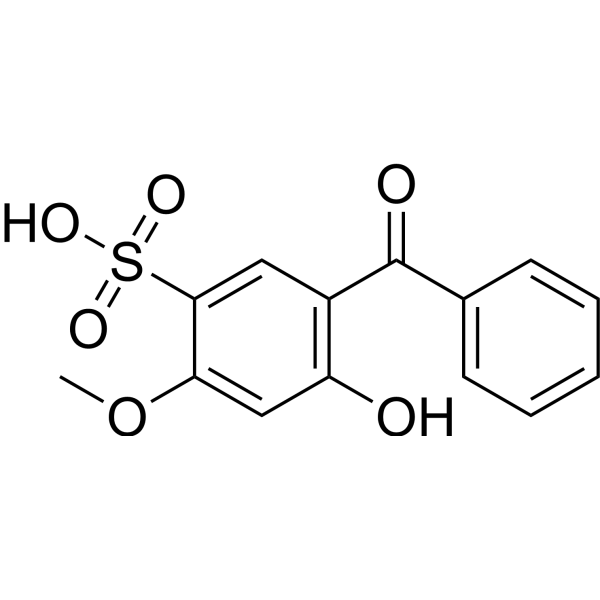
Sulisobenzone (Benzophenone-4) is a benzophenone-type UV filter. Sulisobenzone can act as a endocrine disrupting compound. Sulisobenzone disrupts energy metabolism, nucleotide synthesis, oxidative stress response, and endocrine function. Sulisobenzone thyroid hormone biosynthesis and induces oxidative stress .
|
-
-
- HY-NP199
-
|
|
Reactive Oxygen Species (ROS)
|
Inflammation/Immunology
|
|
Bovine pituitary extract is a bovine pituitary extract that can be used as a mitogenic supplement in serum-free growth media. Bovine pituitary extract is rich in growth factors. Bovine pituitary extract not only promotes the proliferation of corneal keratinocytes and maintains their phenotype, but also exerts significant antioxidant stress protective effects on human prostate epithelial cells .
|
-
-
- HY-P1959
-
-
-
- HY-P1959A
-
|
BIM 23014 acetate
|
Somatostatin Receptor
|
Endocrinology
Cancer
|
|
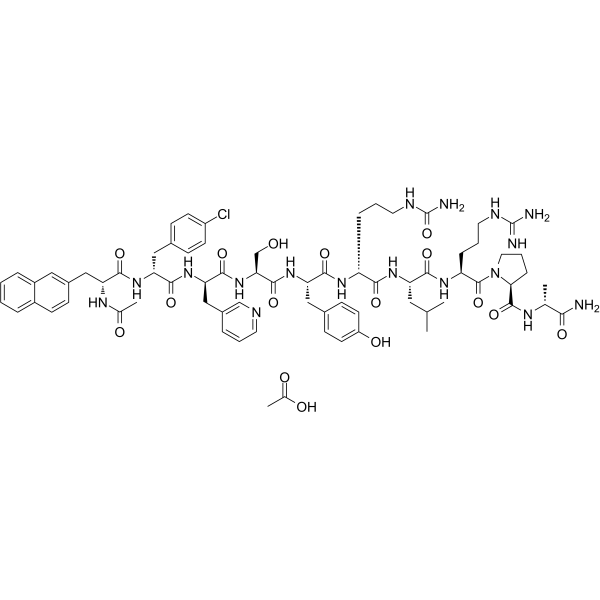
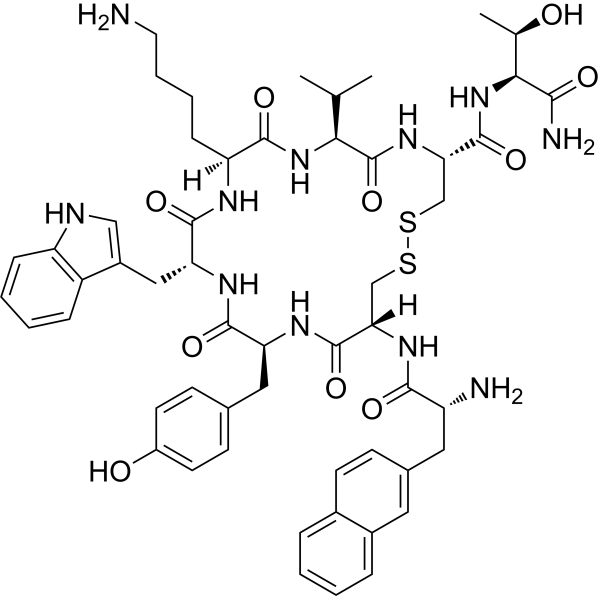
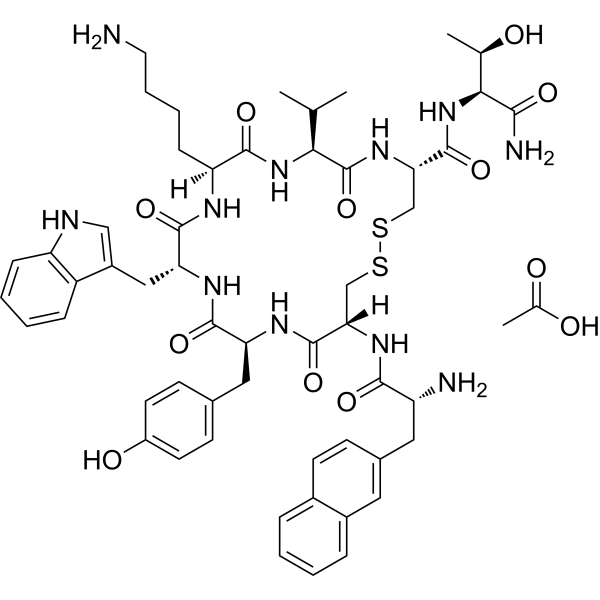
Lanreotide (BIM 23014) acetate is a somatostatin analogue with antineoplastic activity. Lanreotide acetate can be used for the research of carcinoid syndrome .
|
-
-
- HY-132184
-
|
5,6-EET; (±)5,6-EpETrE
|
Adrenergic Receptor
Calcium Channel
|
Endocrinology
|
|
5,6-Epoxyeicosatrienoic acid (5,6-EET; (±)5,6-EpETrE) is a fully racemic version of the enantiomeric forms biosynthesized from arachidonic acid by cytochrome P450 enzymes. In solution, 5,6-Epoxyeicosatrienoic acid degrades into 5,6-DiHET and 5,6-δ-lactone, which can be converted to 5,6-DiHET and quantified by GC-MS. In neuroendocrine cells, such as the anterior pituitary and pancreatic islets, 5,6-Epoxyeicosatrienoic acid has been implicated in the mobilization of calcium and hormone secretion. 5,6-Epoxyeicosatrienoic acid is an inhibitor of T-type voltage-gated calcium channels (Cav3) that inhibits isoforms Cav3.1, Cav3.2 (IC50=0.54 μM), and Cav3. and decreases nifedipine-resistant phenylephrine-induced vasoconstriction in isolated mouse mesenteric arteries via Cav3.2 blockade when used at a concentration of 3 μM. In addition, it is a substrate of COX-1 and COX-2.
|
-
-
- HY-P5589
-
|
PlnA
|
Bacterial
Reactive Oxygen Species (ROS)
|
Infection
Inflammation/Immunology
|
|
Plantaricin A is an antimicrobial peptide that can be derived from Lactobacillus plantarum. Plantaricin A has a synergistic effect with Ciprofloxacin. Plantaricin A shows anti-microbial activity. Plantaricin A increases the membrane potential of S. aureus and the level of intracellular ROS. Plantaricin A inhibits the function of the efflux pump by binding it and altering the structure of MepA, NorA, and LmrS. Plantaricin A significantly relieves inflammation, and promotes wound healing. Plantaricin A permeabilizes cancerous rat pituitary cells [1][2].
|
-
-
- HY-107648
-
|
|
mAChR
|
Neurological Disease
Inflammation/Immunology
|
|
McN-A-343 is a selective M1 muscarinic agonist that stimulates muscarinic transmission in sympathetic ganglia. McN-A-343 produces a significant inhibitory effect on Muscarine (HY-121404)-evoked catecholamine secretion from the isolated perfused rat adrenal gland. McN-A-343 is involved in the regulation of neuronal firing and activates enteroendocrine L cells to release glucagon-like peptide 1 (GLP-1) and modulates the secretion of α-melanocyte stimulating hormone (α-MSH) from the pituitary gland in the central nervous system. McN-A-343 reduces colonic inflammation and oxidative stress in Acetic acid (HY-Y0319)-induced ulcerative colitis (UC) mice. McN-A-343 can be used for the study of ulcerative colitis .
|
-
-
- HY-P0246
-
-
-
- HY-P0089A
-
|
Growth Hormone Releasing Factor human TFA; Somatorelin (1-44) amide (human) TFA
|
GHR
|
Endocrinology
|
|
Human growth hormone-releasing factor TFA (Growth Hormone Releasing Factor human TFA) is a hypothalamic polypeptide and stimulates GH production and release by binding to the GHRH Receptor (GHRHR) on cells in the anterior pituitary .
|
-
-
- HY-P1174
-
|
|
GnRH Receptor
|
Endocrinology
|
|
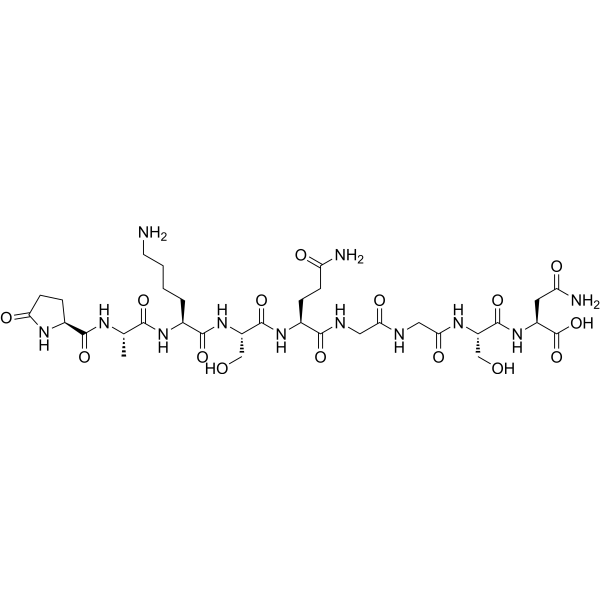
GnRH Associated Peptide (GAP) (1-13), human is an amino acid peptide fragment derived from GnRH. GAP can increase the secretion of luteinizing hormone (LH) and follicle-stimulating hormone (FSH) in rat anterior pituitary cells. GAP also inhibit the secretion of prolactin .
|
-
-
- HY-P5189A
-
|
|
Endogenous Metabolite
Cholinesterase (ChE)
|
Others
|
|
His-D-beta-Nal-Ala-Trp-D-Phe-Lys-NH2 TFA, is a growth hormone releasing peptide, as well as a metabolite of GHRP-1. GHRP-1, or Ala-His-D-beta Nal-Ala-Trp-D-Phe-Lys-NH2, has the effect of promoting the release of growth hormone (GH). GHRP-1 increases GH release and increases [Ca2+]i levels in static monolayer cells of rat pituitary gland, but does not affect cAMP levels .
|
-
-
- HY-P3206A
-
|
Thymulin acetate; Thymic factor acetate
|
ERK
|
Neurological Disease
Inflammation/Immunology
Endocrinology
|
|
Serum thymic factor acetate (Thymulin acetate) is the acetate salt form of Serum thymic factor (HY-P3206). Serum thymic factor acetate is a zinc-dependent immunomodulatory peptide hormone, which can be produced by the thymic epithelial cells. Serum thymic factor acetate stimulates the release of hormones from the pituitary gland, exhibits hypophysiotropic activity. Serum thymic factor acetate protects rats from Cephaloridine (HY-B2072)-induced nephrotoxicity by inhibiting ERK activation. Serum thymic factor acetate exhibits anti-diabetic, anti-inflammatory and analgesic effects. Serum thymic factor acetate can be used in research about endocrine, reproductive, neurodegenerative and inflammatory diseases .
|
-
-
- HY-B1341
-
|
Enidrel; SC-4642; NSC 15432
|
Endogenous Metabolite
Progesterone Receptor
|
Cancer
|
|
Norethynodrel (Enidrel; SC-4642) is an orally active progestogen analog that reduces estrogen-like effects and enhances progestogen-like responses in endometrial stromal cells. Norethynodrel also promotes cell maturation and predecidual cell formation by inducing organelle hyperplasia and glycogen accumulation. Norethynodrel competitively inhibits drug-metabolizing enzymes in rat liver microsomes, thereby prolonging Pentobarbital sleep time, while exhibiting multiple effects including reduced body weight gain, attenuated heart rate elevation and ovulation inhibition. In mouse models, Norethynodrel significantly increases the incidence of mammary adenocarcinoma, cervical cancer and pituitary tumors. Norethynodrel can be used for mechanism research on related diseases such as mammary adenocarcinoma, cervical cancer, ovarian tubular adenoma and pituitary adenoma .
|
-
-
- HY-P2281A
-
|
Atrial natriuretic peptide (1-28) TFA
|
Endogenous Metabolite
|
Cardiovascular Disease
Metabolic Disease
|
|
Atrial natriuretic factor (1-28) (human, porcine) TFA exhibits blood pressure lowering activity by increasing sodium and urine excretion. Atrial natriuretic factor (1-28) (human, porcine) TFA inhibits the release of pituitary adrenocorticotropic hormone (ACTH) and beta-endorphin through inhibition of pro-opiomelanocortin (POMC) expression. Atrial natriuretic factor (1-28) (human, porcine) TFA increases cGMP levels in RMIC cells with an IC50 of 1.2 nM .
|
-
-
- HY-P11341
-
|
|
Kisspeptin Receptor
|
Endocrinology
|
|
Kisspeptin antagonist p271 is a Kisspeptin antagonist with cell-penetrating ability. Kisspeptin antagonist p271 can block the binding of endogenous Kisspeptin to GPR54 on pituitary somatotropes, thereby relieving the inhibition of growth hormone secretion. Kisspeptin antagonist p271 can specifically and significantly stimulate growth hormone secretion, while inhibiting luteinizing hormone without affecting prolactin or cortisol. Kisspeptin antagonist p271 can be used in the research of diseases related to insufficient growth hormone secretion .
|
-
-
- HY-N10520
-
-
-
- HY-13559
-
|
Azaspirane ; SKF 106615-12; SKF 106615A12
|
STAT
Apoptosis
Autophagy
Reactive Oxygen Species (ROS)
Caspase
Bcl-2 Family
p62
Atg8/LC3
PARP
NF-κB
PERK
JAK
|
Cardiovascular Disease
Inflammation/Immunology
Cancer
|
|
Atiprimod (Azaspirane) is a STAT3 inhibitor with antitumor, anti-inflammatory, and anti-angiogenic activities. Atiprimod blocks the signaling pathways of IL-6 and VEGF by inhibiting the phosphorylation of signal transducer and activator of STAT3. Atiprimod blocks the JAK-STAT signaling pathway by inhibiting the phosphorylation of JAK2 and JAK3. Atiprimod also inhibits cell proliferation, induces cell cycle arrest, and induces autophagy and apoptosis. Atiprimod triggers persistent ER stress-mediated apoptosis in breast cancer cells by activating the PERK/eIF2α/ATF4/CHOP axis and inhibiting the nuclear translocation of STAT3/NF-κB. Atiprimod shows great anti-tumor activities in tumor xenograft mouse models. Atiprimod can be used for the study of pituitary adenoma, breast cancer, multiple myeloma and acute myeloid leukemia (AML) .
|
-
-
- HY-B0035B
-
|
Sulfadimidine 100 µg/mL in acetonitrile; Sulfadimerazine 100 µg/mL in acetonitrile
|
Antibiotic
Bacterial
|
Infection
|
|
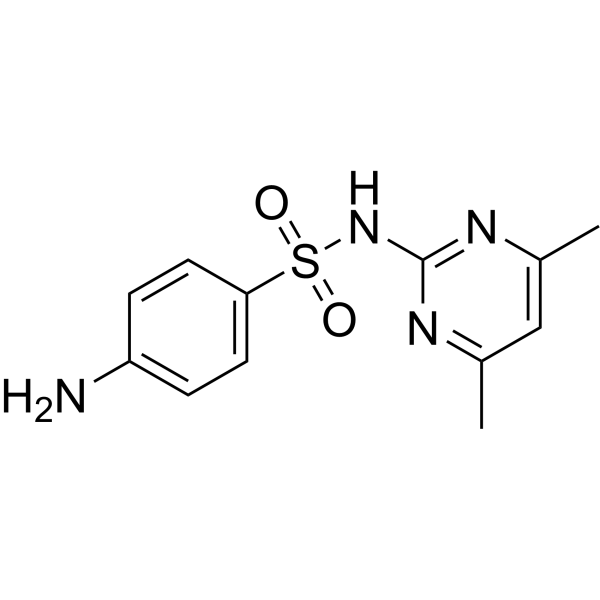
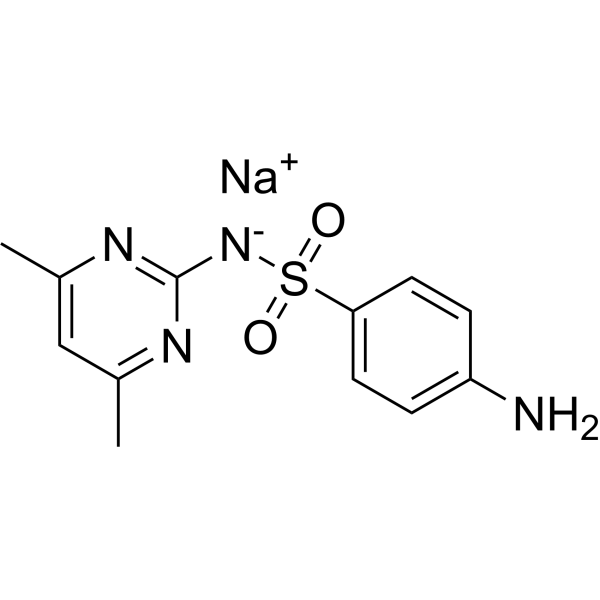
Sulfamethazine (Sulfadimidine) 100 µg/mL in acetonitrile is a brain-penetrant sulfonamide antibiotic. Sulfamethazine 100 µg/mL in acetonitrile inhibits bacterial growth by blocking the synthesis of folic acid. Sulfamethazine 100 µg/mL in acetonitrile can be used for research on bacterial infections .
|
-
-
- HY-108592
-
|
|
Potassium Channel
|
Cardiovascular Disease
Neurological Disease
|
|
UCL 2077 is a potassium channel and slow afterhyperpolarization (sAHP) inhibitor. UCL 2077 selectively blocks sAHP channels without affecting L-type Ca 2+ currents. UCL 2077 blocks KCNQ1- and KCNQ2-containing K + channels, decreases erg current amplitude, increases erg deactivation rate. UCL 2077 can be used for the research of hippocampus-dependent memory retrieval deficit and cardiac arrhythmias .
|
-
-
- HY-P0089
-
|
Growth Hormone Releasing Factor human; Somatorelin (1-44) amide (human)
|
GHR
|
Endocrinology
|
|
Human growth hormone-releasing factor (Growth Hormone Releasing Factor human) is a hypothalamic polypeptide and stimulates GH production and release by binding to the GHRH Receptor (GHRHR) on cells in the anterior pituitary .
|
-
-
- HY-13690R
-
|
2,4′-DDD (Standard); o,p'-DDD (Standard)
|
Reference Standards
Apoptosis
|
Cancer
|
|
Mitotane (Standard) is the analytical standard of Mitotane. This product is intended for research and analytical applications. Mitotane (2,4′-DDD), an isomer of DDD and derivative of dichlorodiphenyltrichloroethane (DDT), is an antineoplastic agent, can be used to research adrenocortical carcinoma. Mitotane exert its adrenocorticolytic effect at least in part through lipotoxicity induced by intracellular free cholesterol (FC) accumulation. Mitotane can have direct pituitary effects on corticotroph cells. Mitotane can induce CYP3A4 gene expression via steroid and xenobiotic receptor (SXR) activation, and has agent-agent interactions .
|
-
-
- HY-15242
-
|
CP 424391
|
GHSR
|
Endocrinology
|
|
Capromorelin (CP 424391) is a pyrazolinone-piperidine dipeptide. Capromorelin is an orally active and potent growth hormone secretagogue (GHS) (hGHS-R1a Ki=7 nM, rat pituicyte EC50=3 nM) .
|
-
-
- HY-120287
-
|
|
Somatostatin Receptor
|
Endocrinology
|
|
L-054522 is an agonist for somatostatin receptor subtype 2 with Kd of 0.01 nM. L-054522 inhibits growth hormone release from rat primary pituitary cell (IC50=0.05 nM) and glucagon and insulin release from isolated mouse pancreatic islet cell (IC50=0.05 nM and 12 nM) .
|
-
-
- HY-N6733R
-
|
|
Reference Standards
DNA/RNA Synthesis
HSV
Apoptosis
Antibiotic
Orthopoxvirus
|
Infection
Inflammation/Immunology
|
|
Aphidicolin (Standard) is the analytical standard of Aphidicolin. This product is intended for research and analytical applications. Aphidicolin is an inhibitor of DNA polymerase α and δ, prevents mitotic cell division by interfering DNA polymerase activity. Aphidicolin is an antibiotic produced by mold Cephalosporium aphidicola, inhibits cellular deoxyribonucleic acid synthesis and the growth of herpes simplex virus. Aphidicolin exhibits anti-orthopoxvirus activity and potentiates apoptosis induced by arabinosyl nucleosides in a human promyelocytic leukemia cell line .
|
-
-
- HY-13690S1
-
|
2,4′-DDD-13C6; o,p'-DDD-13C6
|
Apoptosis
|
Cancer
|
|
Mitotane- 13C6 is the 13C labeled Mitotane . Mitotane (2,4′-DDD), an isomer of DDD and derivative of dichlorodiphenyltrichloroethane (DDT), is an antineoplastic agent, can be used to research adrenocortical carcinoma. Mitotane exert its adrenocorticolytic effect at least in part through lipotoxicity induced by intracellular free cholesterol (FC) accumulation. Mitotane can have direct pituitary effects on corticotroph cells. Mitotane can induce CYP3A4 gene expression via steroid and xenobiotic receptor (SXR) activation, and has agent-agent interactions .
|
-
-
- HY-13690S3
-
|
2,4′-DDD-13C12; o,p'-DDD-13C12
|
Isotope-Labeled Compounds
Apoptosis
|
Cancer
|
|
Mitotane- 13C12 (2,4′-DDD- 13C12) is 13C labeled Mitotane. Mitotane (2,4′-DDD), an isomer of DDD and derivative of dichlorodiphenyltrichloroethane (DDT), is an antineoplastic agent, can be used to research adrenocortical carcinoma. Mitotane exert its adrenocorticolytic effect at least in part through lipotoxicity induced by intracellular free cholesterol (FC) accumulation. Mitotane can have direct pituitary effects on corticotroph cells. Mitotane can induce CYP3A4 gene expression via steroid and xenobiotic receptor (SXR) activation, and has agent-agent interactions .
|
-
-
- HY-13559A
-
|
Azaspirane dimaleate; SKF 106615-12 dimaleate; SKF 106615A12 dimaleate
|
STAT
Apoptosis
Caspase
Interleukin Related
Autophagy
Reactive Oxygen Species (ROS)
Atg8/LC3
p62
JAK
|
Cardiovascular Disease
Inflammation/Immunology
Cancer
|
|
Atiprimod (Azaspirane) (dimaleate) is a STAT3 inhibitor with antitumor, anti-inflammatory, and anti-angiogenic activities. Atiprimod blocks the signaling pathways of IL-6 and VEGF by inhibiting the phosphorylation of signal transducer and activator of STAT3. Atiprimod blocks the JAK-STAT signaling pathway by inhibiting the phosphorylation of JAK2 and JAK3. Atiprimod also inhibits cell proliferation, induces cell cycle arrest, and induces autophagy and apoptosis. Atiprimod triggers persistent ER stress-mediated apoptosis in breast cancer cells by activating the PERK/eIF2α/ATF4/CHOP axis and inhibiting the nuclear translocation of STAT3/NF-κB. Atiprimod shows great anti-tumor activities in tumor xenograft mouse models. Atiprimod can be used for the study of pituitary adenoma, breast cancer, multiple myeloma and acute myeloid leukemia (AML) .
|
-
-
- HY-110102
-
|
Azaspirane hydrochloride; SKF 106615-12 hydrochloride; SKF 106615
|
JAK
STAT
Apoptosis
Autophagy
Reactive Oxygen Species (ROS)
Caspase
Atg8/LC3
p62
|
Cardiovascular Disease
Inflammation/Immunology
Cancer
|
|
Atiprimod (Azaspirane) hydrochloride is a STAT3 inhibitor with antitumor, anti-inflammatory, and anti-angiogenic activities. Atiprimod blocks the signaling pathways of IL-6 and VEGF by inhibiting the phosphorylation of signal transducer and activator of STAT3. Atiprimod blocks the JAK-STAT signaling pathway by inhibiting the phosphorylation of JAK2 and JAK3. Atiprimod also inhibits cell proliferation, induces cell cycle arrest, and induces autophagy and apoptosis. Atiprimod triggers persistent ER stress-mediated apoptosis in breast cancer cells by activating the PERK/eIF2α/ATF4/CHOP axis and inhibiting the nuclear translocation of STAT3/NF-κB. Atiprimod shows great anti-tumor activities in tumor xenograft mouse models. Atiprimod can be used for the study of pituitary adenoma, breast cancer, multiple myeloma and acute myeloid leukemia (AML) .
|
-
-
- HY-P4012
-
|
|
Vasopressin Receptor
|
Endocrinology
|
|
[Asu1,6-Arg8]Vasopressin is an vasopressin agonist which potentiates cyclic AMP accumulation and ACTH release induced by corticotropin-releasing factor (CRF) in rat anterior pituitary cells in culture .
|
-
-
- HY-14734B
-
|
RC-1291 Fumarate; ONO-7643 Fumarate
|
GHSR
|
Endocrinology
Cancer
|
|
Anamorelin (RC-1291) Fumarate is an orally active Ghrelin receptor agonist with an EC50 of 0.74 nM. Anamorelin Fumarate can promote appetite, increase body weight, and stimulate the secretion of growth hormone and insulin-like growth factor-1. Anamorelin Fumarate can be used in the research of anorexia and cancer cachexia .
|
-
-
- HY-P1959B
-
|
BIM 23014 diTFA
|
Somatostatin Receptor
|
Endocrinology
Cancer
|
|
Lanreotide (BIM 23014) diTFA is a somatostatin analogue with antineoplastic activity. Lanreotide diTFA can be used for the research of carcinoid syndrome .
|
-
-
- HY-174782
-
|
|
mRNA
|
Inflammation/Immunology
|
|
Human ACVR2B mRNA encodes the human activin A receptor type 2B (ACVR2B) protein, a receptor that transduces the activin signal from the cell surface to the cytoplasm and is thus regulating many physiological and pathological processes including neuronal differentiation and neuronal survival, hair follicle development and cycling, FSH production by the pituitary gland, wound healing, extracellular matrix production, immunosuppression and carcinogenesis.
|
-
-
- HY-P10617
-
|
|
Endogenous Metabolite
|
Cardiovascular Disease
|
|
Salusin-β is an endogenous bioactive peptide with significant hemodynamic and mitogenic activity. Salusin-β can stimulate the proliferation of quiescent vascular smooth muscle cells (VSMCs) and fibroblasts, leading to a rapid and significant decrease in blood pressure and heart rate. In addition, Salusin-β can stimulate the release of arginine vasopressin from the pituitary gland in rats. This makes Salusin-β have important application potential in cardiovascular disease research .
|
-
-
- HY-P2281
-
|
Atrial natriuretic peptide (1-28)
|
Endogenous Metabolite
|
Cardiovascular Disease
Metabolic Disease
|
|
Atrial natriuretic factor (1-28) (human, porcine) exhibits blood pressure lowering activity by increasing sodium and urine excretion. Atrial natriuretic factor (1-28) (human, porcine) inhibits the release of pituitary adrenocorticotropic hormone (ACTH) and beta-endorphin through inhibition of pro-opiomelanocortin (POMC) expression. Atrial natriuretic factor (1-28) (human, porcine) increases cGMP levels in RMIC cells with an IC50 of 1.2 nM .
|
-
-
- HY-13690S2
-
|
2,4′-DDD-d8; o,p'-DDD-d8
|
Apoptosis
|
Cancer
|
|
Mitotane-d8 is the deuterium labeled Mitotane . Mitotane (2,4′-DDD), an isomer of DDD and derivative of dichlorodiphenyltrichloroethane (DDT), is an antineoplastic agent, can be used to research adrenocortical carcinoma. Mitotane exert its adrenocorticolytic effect at least in part through lipotoxicity induced by intracellular free cholesterol (FC) accumulation. Mitotane can have direct pituitary effects on corticotroph cells. Mitotane can induce CYP3A4 gene expression via steroid and xenobiotic receptor (SXR) activation, and has agent-agent interactions .
|
-
-
- HY-N19667
-
|
|
Calcium Channel
|
Neurological Disease
Inflammation/Immunology
|
|
8-[2-(3-Methylbutroxy)-3-hydroxy-3-methylbutoxy]psoralen (Compound 12), a furanocoumarin found in the roots of A. archangelica L. archangelica, is an calcium antagonist. 8-[2-(3-Methylbutroxy)-3-hydroxy-3-methylbutoxy]psoralen blocks depolarization-induced calcium uptake in pituitary cells. 8-[2-(3-Methylbutroxy)-3-hydroxy-3-methylbutoxy]psoralen can be used for research on anti-inflammatory and analgesic activities .
|
-
-
- HY-105636
-
|
ICI 33828; Methallibure
|
Drug Derivative
GnRH Receptor
|
Endocrinology
|
|
Methallibure (ICI 33828) is a dithiocarbamoylhydrazine derivative and gonadotropic function blocker. Methallibure can block the action of pituitary gonadotropins in teleost fishes and inhibit germ cell maturation. Methallibure does not affect the histological structure of the thyroid gland but reduces the nuclear volume of thyroid epithelial cells. Methallibure can be used in the research of endocrine diseases .
|
-
-
- HY-120247
-
|
|
Vasopressin Receptor
P-glycoprotein
|
Others
|
|
TASP0434299 (Compound 10) is a labeled ligand for the vasopressin V1b receptor. TASP0434299 exhibits high binding affinity for human and murine V1B receptors, with IC50 values of 0.526 nM and 0.641 nM, respectively, and shows potent antagonistic activity against the human V1B receptor with an IC50 of 0.639 nM. TASP0434299 is a substrate for human and rhesus monkey P-glycoprotein, resulting in low brain uptake in rhesus monkeys. TASP0434299 binds to V1B receptors in rat and monkey pituitary tissues in a saturable and specific manner both in vitro and in vivo. When radiolabeled with tritium or 11C, TASP0434299 serves as a prototype V1B receptor radiotracer to visualize V1B receptor in the pituitary gland of anesthetized monkeys via positron emission tomography .
|
-
-
- HY-119247
-
|
|
CRFR
|
Neurological Disease
|
|
NBI 30545 is a blood-brain barrier permeable CRF1R antagonist with a Ki value of 3.4 nM for the human receptor. NBI 30545 inhibits CRF-stimulated intracellular cAMP accumulation and ACTH release. NBI 30545 can be used in the research of depression, anxiety disorders and stress-related diseases .
|
-
-
- HY-182351
-
|
|
Calcium Channel
|
Neurological Disease
|
|
ONO-2921 is an orally active and selective N-type calcium channel blocker. ONO-2921 functionally blocks N-type calcium channels. ONO-2921 reduces paw withdrawal responses during persistent nociception and hyperalgesia to heat in neuropathic pain models. ONO-2921 can be used for research on neuropathic pain and nociceptive pain .
|
-
| Cat. No. |
Product Name |
Type |
-
- HY-NP199
-
|
|
Biochemical Assay Reagents
|
|
Bovine pituitary extract is a bovine pituitary extract that can be used as a mitogenic supplement in serum-free growth media. Bovine pituitary extract is rich in growth factors. Bovine pituitary extract not only promotes the proliferation of corneal keratinocytes and maintains their phenotype, but also exerts significant antioxidant stress protective effects on human prostate epithelial cells .
|
| Cat. No. |
Product Name |
Target |
Research Area |
-
- HY-P3206
-
|
Thymulin; Thymic factor
|
ERK
|
Neurological Disease
Inflammation/Immunology
Endocrinology
|
|
Serum thymic factor (Thymulin) is a zinc-dependent immunomodulatory peptide hormone, which can be produced by the thymic epithelial cells. Serum thymic factor stimulates the release of hormones from the pituitary gland, exhibits hypophysiotropic activity. Serum thymic factor protects rats from Cephaloridine (HY-B2072)-induced nephrotoxicity by inhibiting ERK activation. Serum thymic factor exhibits anti-diabetic, anti-inflammatory and analgesic effects. Serum thymic factor can be used in research about endocrine, reproductive, neurodegenerative and inflammatory diseases .
|
-
- HY-P1959
-
-
- HY-P1959A
-
|
BIM 23014 acetate
|
Somatostatin Receptor
|
Endocrinology
Cancer
|
|
Lanreotide (BIM 23014) acetate is a somatostatin analogue with antineoplastic activity. Lanreotide acetate can be used for the research of carcinoid syndrome .
|
-
- HY-P5589
-
|
PlnA
|
Bacterial
Reactive Oxygen Species (ROS)
|
Infection
Inflammation/Immunology
|
|
Plantaricin A is an antimicrobial peptide that can be derived from Lactobacillus plantarum. Plantaricin A has a synergistic effect with Ciprofloxacin. Plantaricin A shows anti-microbial activity. Plantaricin A increases the membrane potential of S. aureus and the level of intracellular ROS. Plantaricin A inhibits the function of the efflux pump by binding it and altering the structure of MepA, NorA, and LmrS. Plantaricin A significantly relieves inflammation, and promotes wound healing. Plantaricin A permeabilizes cancerous rat pituitary cells [1][2].
|
-
- HY-P0246
-
-
- HY-P0089A
-
|
Growth Hormone Releasing Factor human TFA; Somatorelin (1-44) amide (human) TFA
|
GHR
|
Endocrinology
|
|
Human growth hormone-releasing factor TFA (Growth Hormone Releasing Factor human TFA) is a hypothalamic polypeptide and stimulates GH production and release by binding to the GHRH Receptor (GHRHR) on cells in the anterior pituitary .
|
-
- HY-P1174
-
|
|
GnRH Receptor
|
Endocrinology
|
|
GnRH Associated Peptide (GAP) (1-13), human is an amino acid peptide fragment derived from GnRH. GAP can increase the secretion of luteinizing hormone (LH) and follicle-stimulating hormone (FSH) in rat anterior pituitary cells. GAP also inhibit the secretion of prolactin .
|
-
- HY-P5189A
-
|
|
Endogenous Metabolite
Cholinesterase (ChE)
|
Others
|
|
His-D-beta-Nal-Ala-Trp-D-Phe-Lys-NH2 TFA, is a growth hormone releasing peptide, as well as a metabolite of GHRP-1. GHRP-1, or Ala-His-D-beta Nal-Ala-Trp-D-Phe-Lys-NH2, has the effect of promoting the release of growth hormone (GH). GHRP-1 increases GH release and increases [Ca2+]i levels in static monolayer cells of rat pituitary gland, but does not affect cAMP levels .
|
-
- HY-P3206A
-
|
Thymulin acetate; Thymic factor acetate
|
ERK
|
Neurological Disease
Inflammation/Immunology
Endocrinology
|
|
Serum thymic factor acetate (Thymulin acetate) is the acetate salt form of Serum thymic factor (HY-P3206). Serum thymic factor acetate is a zinc-dependent immunomodulatory peptide hormone, which can be produced by the thymic epithelial cells. Serum thymic factor acetate stimulates the release of hormones from the pituitary gland, exhibits hypophysiotropic activity. Serum thymic factor acetate protects rats from Cephaloridine (HY-B2072)-induced nephrotoxicity by inhibiting ERK activation. Serum thymic factor acetate exhibits anti-diabetic, anti-inflammatory and analgesic effects. Serum thymic factor acetate can be used in research about endocrine, reproductive, neurodegenerative and inflammatory diseases .
|
-
- HY-P2281A
-
|
Atrial natriuretic peptide (1-28) TFA
|
Endogenous Metabolite
|
Cardiovascular Disease
Metabolic Disease
|
|
Atrial natriuretic factor (1-28) (human, porcine) TFA exhibits blood pressure lowering activity by increasing sodium and urine excretion. Atrial natriuretic factor (1-28) (human, porcine) TFA inhibits the release of pituitary adrenocorticotropic hormone (ACTH) and beta-endorphin through inhibition of pro-opiomelanocortin (POMC) expression. Atrial natriuretic factor (1-28) (human, porcine) TFA increases cGMP levels in RMIC cells with an IC50 of 1.2 nM .
|
-
- HY-P11341
-
|
|
Kisspeptin Receptor
|
Endocrinology
|
|
Kisspeptin antagonist p271 is a Kisspeptin antagonist with cell-penetrating ability. Kisspeptin antagonist p271 can block the binding of endogenous Kisspeptin to GPR54 on pituitary somatotropes, thereby relieving the inhibition of growth hormone secretion. Kisspeptin antagonist p271 can specifically and significantly stimulate growth hormone secretion, while inhibiting luteinizing hormone without affecting prolactin or cortisol. Kisspeptin antagonist p271 can be used in the research of diseases related to insufficient growth hormone secretion .
|
-
- HY-P0089
-
|
Growth Hormone Releasing Factor human; Somatorelin (1-44) amide (human)
|
GHR
|
Endocrinology
|
|
Human growth hormone-releasing factor (Growth Hormone Releasing Factor human) is a hypothalamic polypeptide and stimulates GH production and release by binding to the GHRH Receptor (GHRHR) on cells in the anterior pituitary .
|
-
- HY-P4012
-
|
|
Vasopressin Receptor
|
Endocrinology
|
|
[Asu1,6-Arg8]Vasopressin is an vasopressin agonist which potentiates cyclic AMP accumulation and ACTH release induced by corticotropin-releasing factor (CRF) in rat anterior pituitary cells in culture .
|
-
- HY-P1959B
-
|
BIM 23014 diTFA
|
Somatostatin Receptor
|
Endocrinology
Cancer
|
|
Lanreotide (BIM 23014) diTFA is a somatostatin analogue with antineoplastic activity. Lanreotide diTFA can be used for the research of carcinoid syndrome .
|
-
- HY-P10617
-
|
|
Endogenous Metabolite
|
Cardiovascular Disease
|
|
Salusin-β is an endogenous bioactive peptide with significant hemodynamic and mitogenic activity. Salusin-β can stimulate the proliferation of quiescent vascular smooth muscle cells (VSMCs) and fibroblasts, leading to a rapid and significant decrease in blood pressure and heart rate. In addition, Salusin-β can stimulate the release of arginine vasopressin from the pituitary gland in rats. This makes Salusin-β have important application potential in cardiovascular disease research .
|
-
- HY-P2281
-
|
Atrial natriuretic peptide (1-28)
|
Endogenous Metabolite
|
Cardiovascular Disease
Metabolic Disease
|
|
Atrial natriuretic factor (1-28) (human, porcine) exhibits blood pressure lowering activity by increasing sodium and urine excretion. Atrial natriuretic factor (1-28) (human, porcine) inhibits the release of pituitary adrenocorticotropic hormone (ACTH) and beta-endorphin through inhibition of pro-opiomelanocortin (POMC) expression. Atrial natriuretic factor (1-28) (human, porcine) increases cGMP levels in RMIC cells with an IC50 of 1.2 nM .
|
| Cat. No. |
Product Name |
Category |
Target |
Chemical Structure |
| Cat. No. |
Product Name |
Chemical Structure |
-
- HY-13690S1
-
|
|
|
Mitotane- 13C6 is the 13C labeled Mitotane . Mitotane (2,4′-DDD), an isomer of DDD and derivative of dichlorodiphenyltrichloroethane (DDT), is an antineoplastic agent, can be used to research adrenocortical carcinoma. Mitotane exert its adrenocorticolytic effect at least in part through lipotoxicity induced by intracellular free cholesterol (FC) accumulation. Mitotane can have direct pituitary effects on corticotroph cells. Mitotane can induce CYP3A4 gene expression via steroid and xenobiotic receptor (SXR) activation, and has agent-agent interactions .
|
-
-
- HY-13690S3
-
|
|
|
Mitotane- 13C12 (2,4′-DDD- 13C12) is 13C labeled Mitotane. Mitotane (2,4′-DDD), an isomer of DDD and derivative of dichlorodiphenyltrichloroethane (DDT), is an antineoplastic agent, can be used to research adrenocortical carcinoma. Mitotane exert its adrenocorticolytic effect at least in part through lipotoxicity induced by intracellular free cholesterol (FC) accumulation. Mitotane can have direct pituitary effects on corticotroph cells. Mitotane can induce CYP3A4 gene expression via steroid and xenobiotic receptor (SXR) activation, and has agent-agent interactions .
|
-
-
- HY-13690S2
-
|
|
|
Mitotane-d8 is the deuterium labeled Mitotane . Mitotane (2,4′-DDD), an isomer of DDD and derivative of dichlorodiphenyltrichloroethane (DDT), is an antineoplastic agent, can be used to research adrenocortical carcinoma. Mitotane exert its adrenocorticolytic effect at least in part through lipotoxicity induced by intracellular free cholesterol (FC) accumulation. Mitotane can have direct pituitary effects on corticotroph cells. Mitotane can induce CYP3A4 gene expression via steroid and xenobiotic receptor (SXR) activation, and has agent-agent interactions .
|
-
| Cat. No. |
Product Name |
|
Classification |
-
- HY-B1341
-
|
Enidrel; SC-4642; NSC 15432
|
|
Alkynes
|
|
Norethynodrel (Enidrel; SC-4642) is an orally active progestogen analog that reduces estrogen-like effects and enhances progestogen-like responses in endometrial stromal cells. Norethynodrel also promotes cell maturation and predecidual cell formation by inducing organelle hyperplasia and glycogen accumulation. Norethynodrel competitively inhibits drug-metabolizing enzymes in rat liver microsomes, thereby prolonging Pentobarbital sleep time, while exhibiting multiple effects including reduced body weight gain, attenuated heart rate elevation and ovulation inhibition. In mouse models, Norethynodrel significantly increases the incidence of mammary adenocarcinoma, cervical cancer and pituitary tumors. Norethynodrel can be used for mechanism research on related diseases such as mammary adenocarcinoma, cervical cancer, ovarian tubular adenoma and pituitary adenoma .
|
| Cat. No. |
Product Name |
|
Classification |
-
- HY-174782
-
|
|
|
mRNA
|
|
Human ACVR2B mRNA encodes the human activin A receptor type 2B (ACVR2B) protein, a receptor that transduces the activin signal from the cell surface to the cytoplasm and is thus regulating many physiological and pathological processes including neuronal differentiation and neuronal survival, hair follicle development and cycling, FSH production by the pituitary gland, wound healing, extracellular matrix production, immunosuppression and carcinogenesis.
|
Your information is safe with us. * Required Fields.
Inquiry Information
- Product Name:
- Cat. No.:
- Quantity:
- MCE Japan Authorized Agent:

