
1. Search Result
Search Result
Results for "

principal

" in MedChemExpress (MCE) Product Catalog:

50

Inhibitors & Agonists

3

Screening Libraries

1

Fluorescent Dyes

1

Biochemical Assay Reagents

2

Peptides

2

Inhibitory Antibodies

17

Natural
Products

9

Isotope-Labeled Compounds

1

Oligonucleotides

Cat. No. Product Name Target Research Areas Chemical Structure
  • HY-19610
    α-Amanitin
    Maximum Cited Publications
    48 Publications Verification

    α-Amatoxin

    DNA/RNA Synthesis ADC Payload Cancer
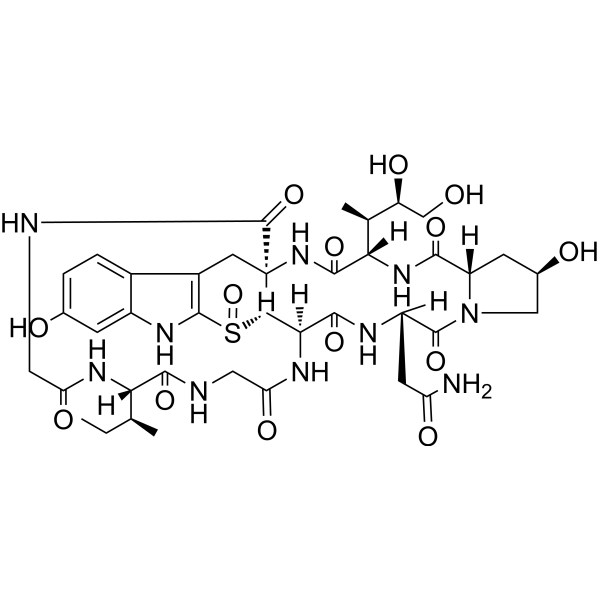
    α-Amanitin is the principal toxin of several deadly poisonous mushrooms, exerting its toxic function by inhibiting RNA-polymerase II.
    α-Amanitin
  • HY-N1067
    Xanthohumol
    Maximum Cited Publications
    16 Publications Verification

    COX Acyltransferase Apoptosis HSV CMV Influenza Virus Infection Cancer
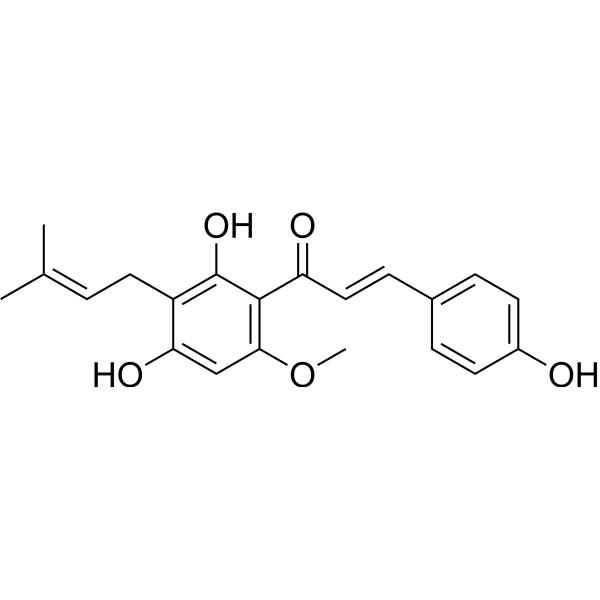
    Xanthohumol is one of the principal flavonoids isolated from hops, the inhibitor of diacylglycerol acetyltransferase (DGAT), COX-1 and COX-2, and shows anti-cancer and anti-angiogenic activities. Xanthohumol also has antiviral activity against bovine viral diarrhea virus (BVDV), rhinovirus, HSV-1, HSV-2 and cytomegalovirus (CMV).
    Xanthohumol
  • HY-10019
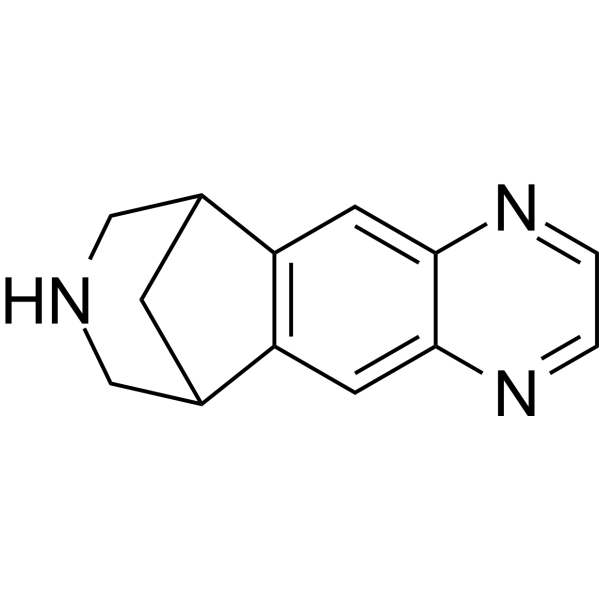
    Varenicline
    1 Publications Verification

    CP 526555

    nAChR Neurological Disease Inflammation/Immunology Cancer
    Varenicline (CP 526555) is an orally active partial agonist of α4β2 nicotinic acetylcholine receptor (α4β2 nAChR, IC50 = 250 nM), which is the principal mediator of nicotine dependence. Varenicline is also a partial agonist of α6β2 nAChR and a full agonist of α7β2 nAChR. Varenicline blocks the direct agonist effects of nicotine on nAChR while stimulates nAChR in a more moderate way, being widely used as an aid of smoking cessation .
    Varenicline
  • HY-Y0068
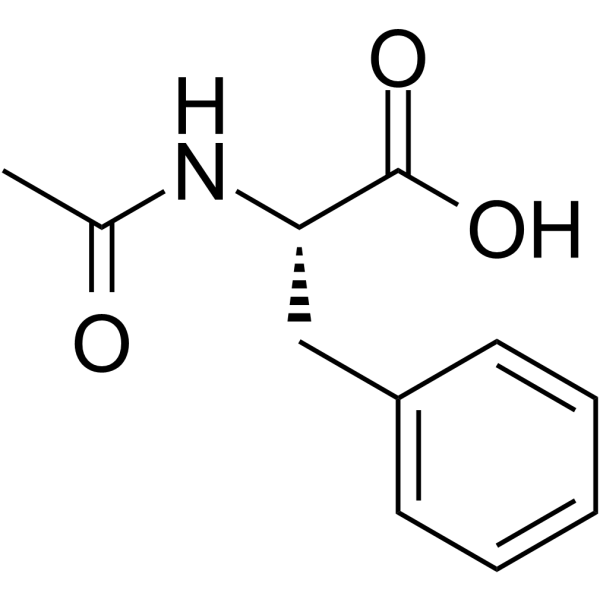
    N-Acetyl-L-phenylalanine
    1 Publications Verification

    N-Acetylphenylalanine

    Endogenous Metabolite Endocrinology
    N-Acetyl-L-phenylalanine (N-Acetylphenylalanine) is a principal acylamino acid. N-Acetyl-L-phenylalanine can be synthesized from L-phenylalanine and acetyl-CoA. N-Acetyl-L-phenylalanine can be used in kidney research .
    N-Acetyl-L-phenylalanine
  • HY-10021
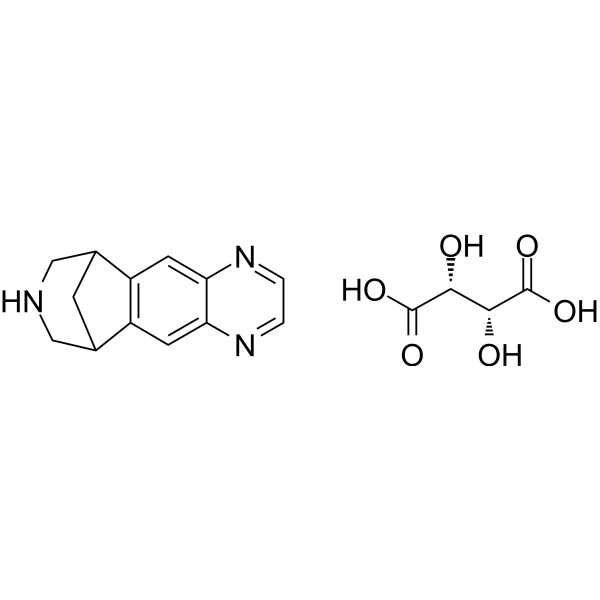
    Varenicline Tartrate
    1 Publications Verification

    CP 526555-18

    nAChR ERK p38 MAPK Others Neurological Disease Cancer
    Varenicline (CP 526555) is an orally active partial agonist of α4β2 nicotinic acetylcholine receptor (α4β2 nAChR, IC50 = 250 nM), which is the principal mediator of nicotine dependence. Varenicline is also a partial agonist of α6β2 nAChR and a full agonist of α6β2 nAChR. Varenicline blocks the direct agonist effects of nicotine on nAChR while stimulates nAChR in a more moderate way, being widely used as an aid of smoking cessation .
    Varenicline Tartrate
  • HY-100542
    D-α-Hydroxyglutaric acid disodium
    4 Publications Verification

    Disodium (R)-2-hydroxyglutarate

    Reactive Oxygen Species (ROS) ATP Synthase mTOR Endogenous Metabolite Neurological Disease Inflammation/Immunology Cancer
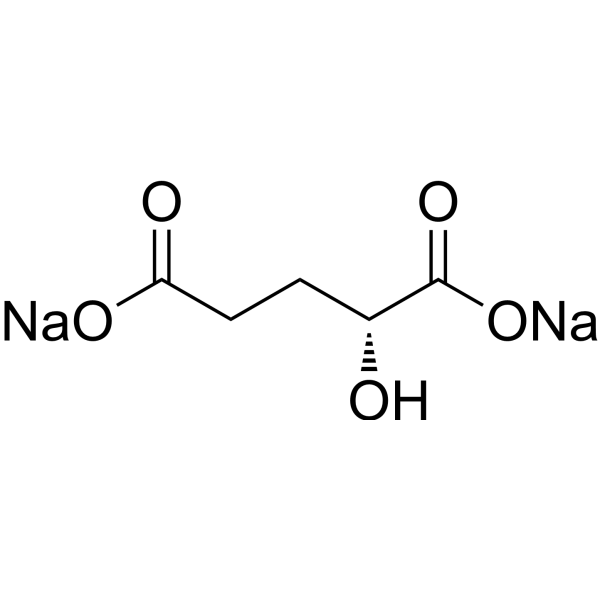
    D-α-Hydroxyglutaric acid disodium (Disodium (R)-2-hydroxyglutarate) is the principal metabolite accumulating in neurometabolic disease D-2-hydroxyglutaric aciduria. D-α-Hydroxyglutaric acid disodium is a weak competitive antagonist of α-ketoglutarate (α-KG) and inhibits multiple α-KG-dependent dioxygenases with a Ki of 10.87 mM. D-α-Hydroxyglutaric acid disodium increases reactive oxygen species (ROS) production. D-α-Hydroxyglutaric acid disodium binds and inhibits ATP synthase and inhibits mTOR signaling .
    D-α-Hydroxyglutaric acid disodium
  • HY-113038
    D-α-Hydroxyglutaric acid
    4 Publications Verification

    (R)-2-Hydroxyglutarate; (R)-2-Hydroxyglutaric acid; (R)-2-Hydroxypentanedioic acid

    Reactive Oxygen Species (ROS) ATP Synthase mTOR Endogenous Metabolite Neurological Disease Inflammation/Immunology Cancer
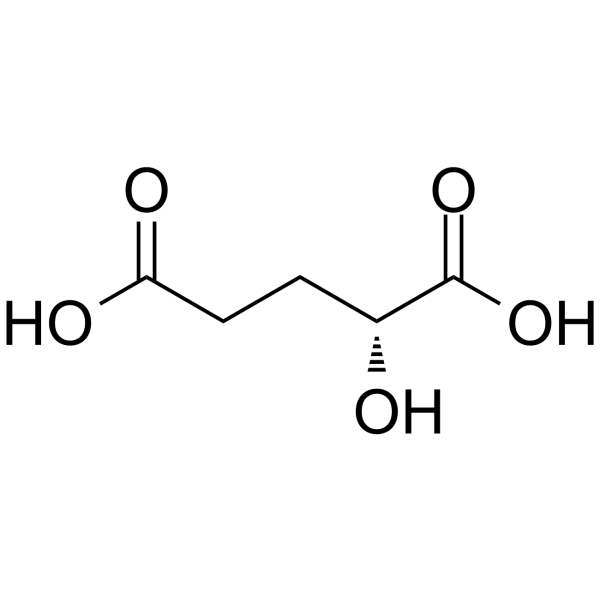
    D-α-Hydroxyglutaric acid ((R)-2-Hydroxyglutarate) is the principal metabolite accumulating in neurometabolic disease D-2-hydroxyglutaric aciduria. D-α-Hydroxyglutaric acid is a weak competitive antagonist of α-ketoglutarate (α-KG) and inhibits multiple α-KG-dependent dioxygenases with a Ki of 10.87 mM. D-α-Hydroxyglutaric acid increases reactive oxygen species (ROS) production. D-α-Hydroxyglutaric acid binds and inhibits ATP synthase and inhibits mTOR signaling .
    D-α-Hydroxyglutaric acid
  • HY-N6948
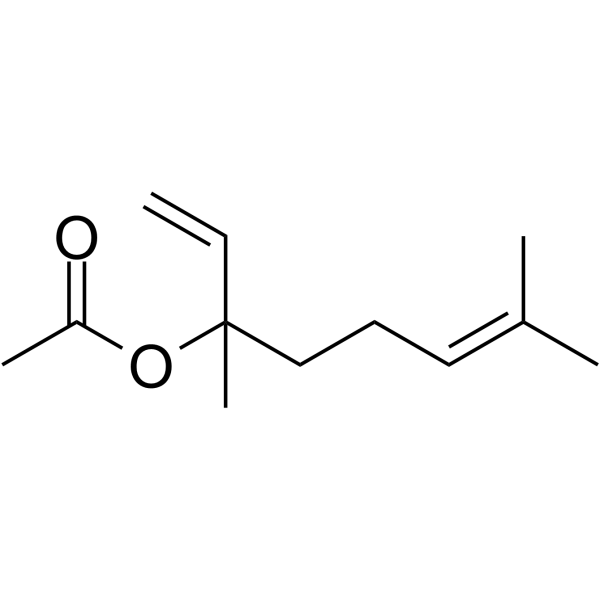
    Linalyl acetate
    1 Publications Verification

    Environmental Pollutants Lactate Dehydrogenase Cardiovascular Disease Neurological Disease Metabolic Disease Inflammation/Immunology
    Linalyl acetate is the principal components of many plant essential oils. Linalyl acetate exhibits anti-anxiety, anti-inflammatory, anti-diabetic, anti-stress, and cardiovascular-regulatory effects. Linalyl acetate is orally active .
    Linalyl acetate
  • HY-133026

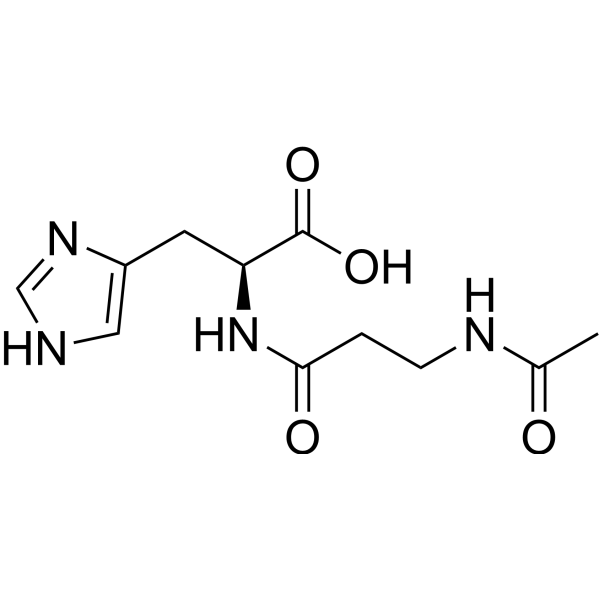
    N-Acetyl-L-carnosine

    Drug Intermediate Endogenous Metabolite Inflammation/Immunology
    N-Acetylcarnosine, a natural histidine-containing dipeptide, is a source of pharmacological principal L-carnosine. N-Acetylcarnosine is a potent ophthalmic agent in human cataracts .
    N-Acetylcarnosine
  • HY-W002198
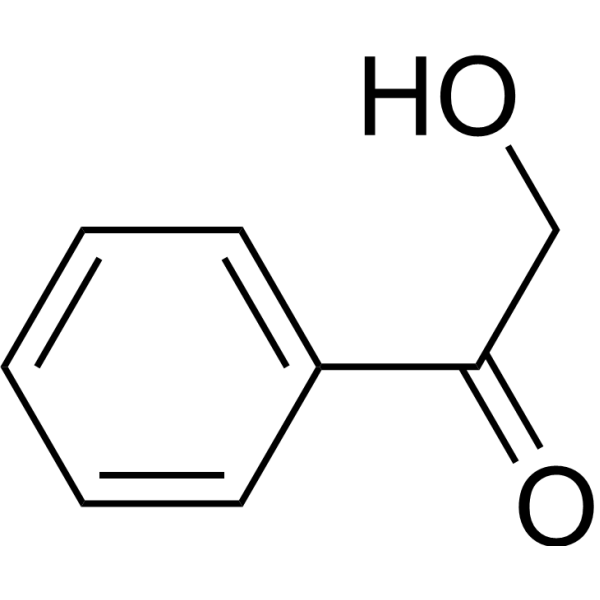
    2-Hydroxyacetophenone
    1 Publications Verification

    Phenacyl alcohol

    HIV SARS-CoV Infection
    2-Hydroxyacetophenone is a principal root volatile of the Carissa edulis. 2-Hydroxyacetophenone can be used as biulding block .
    2-Hydroxyacetophenone
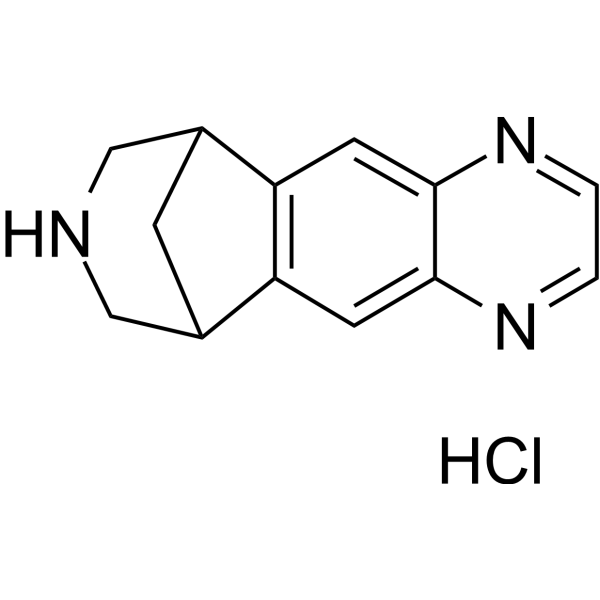
  • HY-10020

    CP 526555 hydrochloride

    nAChR Neurological Disease Inflammation/Immunology Cancer
    Varenicline (CP 526555) is an orally active partial agonist of α4β2 nicotinic acetylcholine receptor (α4β2 nAChR, IC50 = 250 nM), which is the principal mediator of nicotine dependence. Varenicline is also a partial agonist of α6β2 nAChR and a full agonist of α6β2 nAChR. Varenicline blocks the direct agonist effects of nicotine on nAChR while stimulates nAChR in a more moderate way, being widely used as an aid of smoking cessation .
    Varenicline Hydrochloride
  • HY-W145520

    Biochemical Assay Reagents Others
    Amylopectin is a branched glucan polymer and one of the two principal components of starch, found in botanical sources including corn, amaranth, and potato .
    Amylopectin
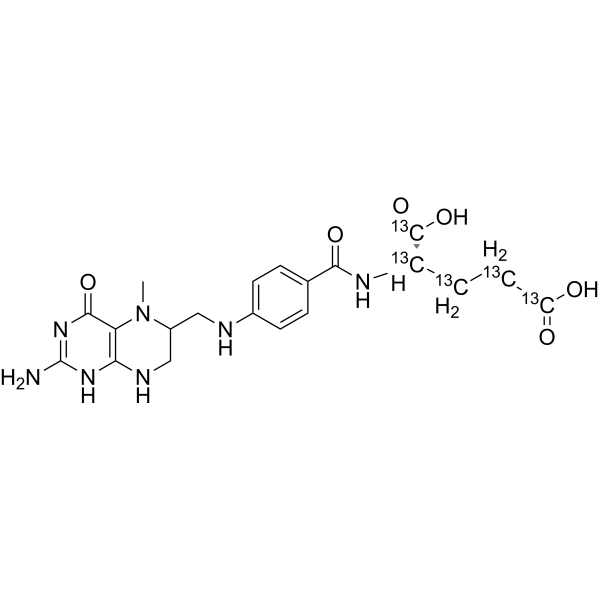
  • HY-113046S

    5-Methyl THF-13C5; 5-MTHF-13C,d5

    Endogenous Metabolite Metabolic Disease
    5-Methyltetrahydrofolic acid- 13C5 is the 13C-labeled 5-Methyltetrahydrofolic acid. 5-Methyltetrahydrofolic acid (5-Methyl THF) is a biologically active form of folic acid. 5-Methyltetrahydrofolic acid is a methylated derivate of tetrahydrofolate. 5-Methyltetrahydrofolic acid is the predominant natural dietary folate and the principal form of folate in plasma and cerebrospinal fluid .
    5-Methyltetrahydrofolic acid-13C5
  • HY-D0214R

    Reference Standards Influenza Virus Others
    Acid Red 94 sodium (Standard) is the analytical standard of Acid Red 94 sodium. This product is intended for research and analytical applications. Acid Red 94 sodium, a synthetic fluorescein derivative, and is a crimson-coloured dye with the principal component being 4,5,6,7-tetrachloro-2,4,5,7-tetraiodo fluorescein. Acid Red 94 sodium has been widely used as an ophthalmic diagnostic agents, and can detect desiccated or damaged cells on the ocular surface. Acid Red 94 sodium exhibits antiviral activities .
    Acid Red 94 sodium (Standard)
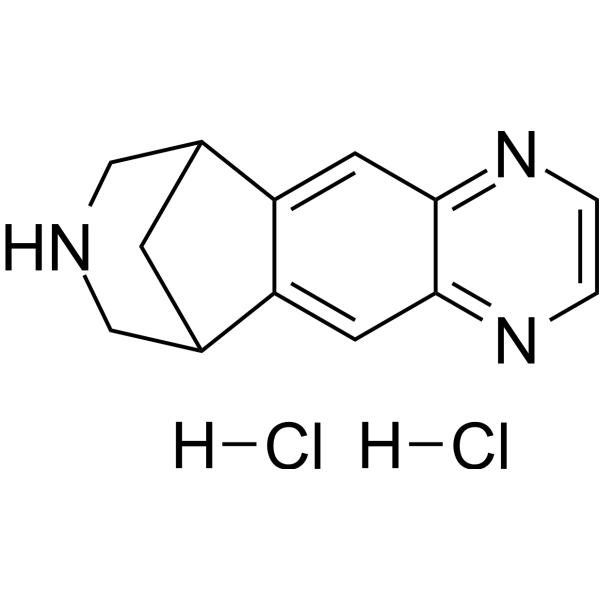
  • HY-10019A

    CP 526555 dihydrochloride

    nAChR Neurological Disease Inflammation/Immunology Cancer
    Varenicline (CP 526555-18) is an orally active partial agonist of α4β2 nicotinic acetylcholine receptor (α4β2 nAChR, IC50 = 250 nM), which is the principal mediator of nicotine dependence. Varenicline is also a partial agonist of α6β2 nAChR and a full agonist of α7β2 nAChR. Varenicline blocks the direct agonist effects of nicotine on nAChR while stimulates nAChR in a more moderate way, being widely used as an aid of smoking cessation .
    Varenicline dihydrochloride
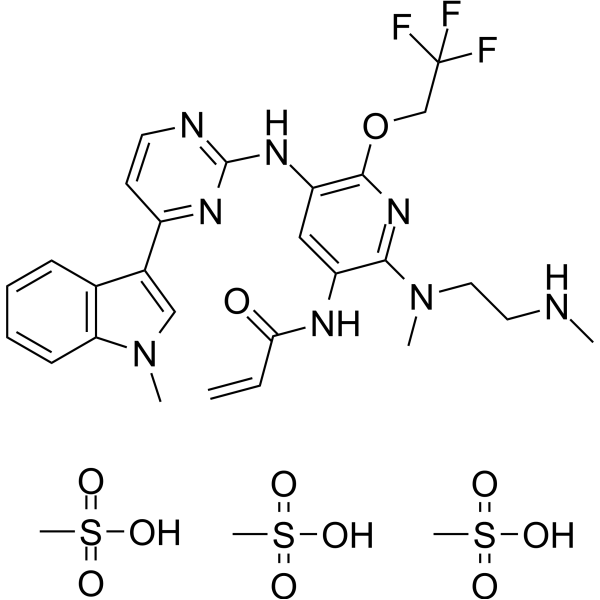
  • HY-138627A

    EGFR Drug Metabolite Cancer
    AST5902 trimesylate is the principal metabolite of Alflutinib (AST2818) both in vitro and in vivo. AST5902 trimesylate exerts antineoplastic activity. Alflutinib is an EGFR inhibitor .
    AST5902  trimesylate
  • HY-W654003

    Disodium (R)-2-hydroxyglutarate-d5

    Reactive Oxygen Species (ROS) Neurological Disease Inflammation/Immunology Cancer
    D-α-Hydroxyglutaric acid-d5 disodium (Disodium (R)-2-hydroxyglutarate-d5) is the deuterium labeled D-α-Hydroxyglutaric acid disodium (HY-100542). D-α-Hydroxyglutaric acid disodium (Disodium (R)-2-hydroxyglutarate) is the principal metabolite accumulating in neurometabolic disease D-2-hydroxyglutaric aciduria. D-α-Hydroxyglutaric acid disodium is a weak competitive antagonist of α-ketoglutarate (α-KG) and inhibits multiple α-KG-dependent dioxygenases with a Ki of 10.87 mM. D-α-Hydroxyglutaric acid disodium increases reactive oxygen species (ROS) production. D-α-Hydroxyglutaric acid disodium binds and inhibits ATP synthase and inhibits mTOR signaling .
    D-α-Hydroxyglutaric acid-d5 disodium
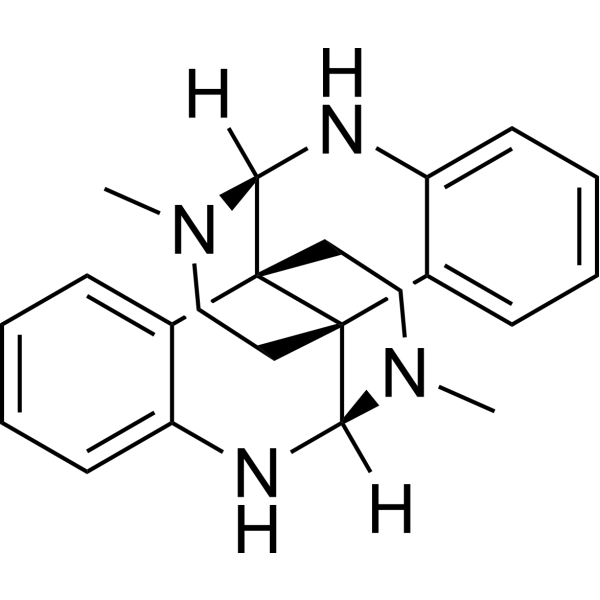
  • HY-N5121
    Calycanthine
    1 Publications Verification

    Endogenous Metabolite Neurological Disease
    Calycanthine, the principal alkaloid of the order Calycanthaceae, has been isolated from a species of the genus Psychotria, and is a central nervous system toxin, causing convulsions .
    Calycanthine
  • HY-133848

    OK-135

    Insecticide Infection
    Alanycarb (OK-135) is a broad-spectrum oxime carbamate insecticide with contact and oral toxicity. Alanycarb is effective against a wide variety of insect pests and is a pro-insecticide. The principal active molecule produced by the biological modification of Alanycarb within target organisms is methomyl .
    Alanycarb
  • HY-145287

    DNA/RNA Synthesis Parasite Infection
    S-MGB-234 is a minor groove binder of Animal African Trypanosomiasis (AAT). S-MGB-234 displays excellent in vitro activities against the principal causative organisms of AAT; Trypanosoma congolense, and Trypanosoma vivax. S-MGB-234 does not show cross-resistance with the current diamidine agents and are not internalized via the transporters used by diamidines .
    S-MGB-234
  • HY-N1067R

    Reference Standards COX Acyltransferase Apoptosis HSV CMV Influenza Virus Infection Cancer
    Xanthohumol (Standard) is the analytical standard of Xanthohumol. This product is intended for research and analytical applications. Xanthohumol is one of the principal flavonoids isolated from hops, the inhibitor of diacylglycerol acetyltransferase (DGAT), COX-1 and COX-2, and shows anti-cancer and anti-angiogenic activities. Xanthohumol also has antiviral activity against bovine viral diarrhea virus (BVDV), rhinovirus, HSV-1, HSV-2 and cytomegalovirus (CMV).
    Xanthohumol (Standard)
  • HY-W087904R

    α-D-Lactose hydrate (Standard)

    Endogenous Metabolite Reference Standards Others
    α-Lactose (hydrate) (Standard) is the analytical standard of α-Lactose (hydrate). This product is intended for research and analytical applications. α-Lactose (hydrate) (α-D-Lactose (hydrate)) is the principal carbohydrate in the milk of most mammals. α-Lactose (hydrate) consists of glucose and galactose and exists in the form of two anomers, α and β. α-Lactose (hydrate) has many uses in the food and pharmaceutical industries, such as a free-flowing or agglomerating agent, a diluent for pigments, flavors, or enzymes .
    α-Lactose hydrate (Standard)
  • HY-10021R

    CP 526555-18 (Standard)

    Reference Standards nAChR ERK p38 MAPK Others Neurological Disease
    Varenicline (Tartrate) (Standard) is the analytical standard of Varenicline (Tartrate). This product is intended for research and analytical applications. Varenicline (CP 526555) is an orally active partial agonist of α4β2 nicotinic acetylcholine receptor (α4β2 nAChR, IC50 = 250 nM), which is the principal mediator of nicotine dependence. Varenicline is also a partial agonist of α6β2 nAChR and a full agonist of α6β2 nAChR. Varenicline blocks the direct agonist effects of nicotine on nAChR while stimulates nAChR in a more moderate way, being widely used as an aid of smoking cessation .
    Varenicline Tartrate (Standard)
  • HY-133026R

    N-Acetyl-L-carnosine (Standard)

    Drug Intermediate Endogenous Metabolite Reference Standards Inflammation/Immunology
    N-Acetylcarnosine (Standard) is the analytical standard of N-Acetylcarnosine. This product is intended for research and analytical applications. N-Acetylcarnosine, a natural histidine-containing dipeptide, is a source of pharmacological principal L-carnosine. N-Acetylcarnosine is a potent ophthalmic agent in human cataracts .
    N-Acetylcarnosine (Standard)
  • HY-N1921R

    Reference Standards Others Inflammation/Immunology
    Edpetiline (Standard) is the analytical standard of Edpetiline. This product is intended for research and analytical applications. Edpetiline is a principal alkaloid from P. eduardi. Edpetiline has significant antiinflammatory effects .
    Edpetiline (Standard)
  • HY-N10100

    Others Others
    Epiglobulol is a natural product that can be isolated from Atalantia buxifolia. Epiglobulol is a principal components of essential oil which has significant contact toxicity against three stored-product insects .
    Epiglobulol
  • HY-B1121S

    Glucocorticoid Receptor Inflammation/Immunology Endocrinology
    Flunisolide-d6 is the deuterium labeled Flunisolide. Flunisolide is a corticosteroid often used to treat allergic rhinitis.The principal mechanism of action of Flunisolide is to activate glucocorticoid receptors, meaning it has an anti-inflammatory action.
    Flunisolide-d6
  • HY-Y0068R

    N-Acetylphenylalanine (Standard)

    Reference Standards Endogenous Metabolite Others
    N-Acetyl-L-phenylalanine (Standard) is the analytical standard of N-Acetyl-L-phenylalanine. This product is intended for research and analytical applications. N-Acetyl-L-phenylalanine (N-Acetylphenylalanine), the principal acylamino acid in Escherichia coli, is synthesized from L-phenylalanine and acetyl-CoA .
    N-Acetyl-L-phenylalanine (Standard)
  • HY-138627AR

    Reference Standards EGFR Drug Metabolite Cancer
    AST5902 (trimesylate) (Standard) is the analytical standard of AST5902 (trimesylate). This product is intended for research and analytical applications. AST5902 trimesylate is the principal metabolite of Alflutinib (AST2818) both in vitro and in vivo. AST5902 trimesylate exerts antineoplastic activity. Alflutinib is an EGFR inhibitor[1].
    AST5902  trimesylate (Standard)
  • HY-N6948R

    Reference Standards Lactate Dehydrogenase Cardiovascular Disease Neurological Disease Metabolic Disease Inflammation/Immunology
    Linalyl acetate (Standard) is the analytical standard of Linalyl acetate. This product is intended for research and analytical applications. Linalyl acetate is the principal components of many plant essential oils. Linalyl acetate exhibits anti-anxiety, anti-inflammatory, anti-diabetic, anti-stress, and cardiovascular-regulatory effects. Linalyl acetate is orally active .
    Linalyl acetate (Standard)
  • HY-138627B

    EGFR Drug Metabolite Cancer
    AST5902 mesylate is a principal metabolite of Alflutinib, exhibiting significant antineoplastic activity. AST5902 mesylate contributes to the overall pharmacological effects in the treatment of non-small cell lung cancer. AST5902 mesylate is involved in the response to activating EGFR mutations and can help overcome EGFR T790M drug-resistant mutations.
    AST5902 mesylate
  • HY-N6948S

    Isotope-Labeled Compounds Lactate Dehydrogenase Cardiovascular Disease Neurological Disease Metabolic Disease Inflammation/Immunology
    Linalyl acetate-d6 is deuterated labeled Linalyl acetate (HY-N6948). Linalyl acetate is the principal components of many plant essential oils. Linalyl acetate exhibits anti-anxiety, anti-inflammatory, anti-diabetic, anti-stress, and cardiovascular-regulatory effects. Linalyl acetate is orally active .
    Linalyl acetate-d6
  • HY-W011340

    Drug Metabolite Endogenous Metabolite Inflammation/Immunology
    5-Hydroxy flunixin, the principal metabolite of Flunixin (HY-121046), retains the Flunixin's anti-inflammatory properties and plays a significant role in mitigating pain and inflammation in various veterinary applications. It assists in alleviating conditions such as colic in horses, musculoskeletal disorders, and infectious diseases in cattle, while also supporting the management of mastitis-metritis-agalactia syndrome in sows.
    5-Hydroxy flunixin
  • HY-174523

    mRNA Inflammation/Immunology
    Human TLR5 mRNA encodes the human toll like receptor 5 (TLR5) protein, a member of the Toll-like receptor (TLR) family which plays a fundamental role in pathogen recognition and activation of innate immunity. TLR5 recognizes bacterial flagellin, the principal component of bacterial flagella and a virulence factor. The activation of this receptor mobilizes the nuclear factor NF-kappaB, which in turn activates a host of inflammatory-related target genes.
    Human TLR5 mRNA
  • HY-E70618

    E1/E2/E3 Enzyme Cancer
    Ubiquitin Conjugating enzyme E2C (EC 2.3.2.24) is a member of the E2 ubiquitin-conjugating enzyme family, and it is the principal regulator of pathways for protein degradation in eukaryotes. Ubiquitin Conjugating enzyme E2C is involved in the tumorigenesis of various malignancies. Ubiquitin Conjugating enzyme E2C is also involved in mitotic cyclin disruption, affecting cell cycle progression. Ubiquitin Conjugating enzyme E2C is a prognostic indicator for cholangiocarcinoma .
    Ubiquitin Conjugating enzyme E2C
  • HY-W011340R

    Endogenous Metabolite Reference Standards Inflammation/Immunology
    5-Hydroxy flunixin (Standard) is the analytical standard of 5-Hydroxy flunixin. This product is intended for research and analytical applications. 5-Hydroxy flunixin, the principal metabolite of Flunixin (HY-121046), retains the Flunixin's anti-inflammatory properties and plays a significant role in mitigating pain and inflammation in various veterinary applications. It assists in alleviating conditions such as colic in horses, musculoskeletal disorders, and infectious diseases in cattle, while also supporting the management of mastitis-metritis-agalactia syndrome in sows.
    5-Hydroxy flunixin (Standard)
  • HY-113162R

    Reference Standards Endogenous Metabolite Metabolic Disease Cancer
    α-Lactose (hydrate) (Standard) is the analytical standard of α-Lactose (hydrate). This product is intended for research and analytical applications. α-Lactose (hydrate) (α-D-Lactose (hydrate)) is the principal carbohydrate in the milk of most mammals. α-Lactose (hydrate) consists of glucose and galactose and exists in the form of two anomers, α and β. α-Lactose (hydrate) has many uses in the food and pharmaceutical industries, such as a free-flowing or agglomerating agent, a diluent for pigments, flavors, or enzymes .
    Bovinic acid (Standard)
  • HY-W779800

    Isotope-Labeled Compounds Endogenous Metabolite Reactive Oxygen Species (ROS) mTOR ATP Synthase Neurological Disease
    D-α-Hydroxyglutaric acid- 13C5 disodium is the 13C-labeled D-α-Hydroxyglutaric acid (HY-113038). D-α-Hydroxyglutaric acid ((R)-2-Hydroxyglutarate) is the principal metabolite accumulating in neurometabolic disease D-2-hydroxyglutaric aciduria. D-α-Hydroxyglutaric acid is a weak competitive antagonist of α-ketoglutarate (α-KG) and inhibits multiple α-KG-dependent dioxygenases with a Ki of 10.87 mM. D-α-Hydroxyglutaric acid increases reactive oxygen species (ROS) production. D-α-Hydroxyglutaric acid binds and inhibits ATP synthase and inhibits mTOR signaling .
    D-α-Hydroxyglutaric acid-13C5 disodium
  • HY-100542R

    Disodium (R)-2-hydroxyglutarate (Standard)

    Reference Standards Reactive Oxygen Species (ROS) ATP Synthase mTOR Endogenous Metabolite Neurological Disease Inflammation/Immunology Cancer
    D-α-Hydroxyglutaric acid (disodium) (Standard) is the analytical standard of D-α-Hydroxyglutaric acid (disodium). This product is intended for research and analytical applications. D-α-Hydroxyglutaric acid disodium (Disodium (R)-2-hydroxyglutarate) is the principal metabolite accumulating in neurometabolic disease D-2-hydroxyglutaric aciduria. D-α-Hydroxyglutaric acid disodium is a weak competitive antagonist of α-ketoglutarate (α-KG) and inhibits multiple α-KG-dependent dioxygenases with a Ki of 10.87 mM. D-α-Hydroxyglutaric acid disodium increases reactive oxygen species (ROS) production. D-α-Hydroxyglutaric acid disodium binds and inhibits ATP synthase and inhibits mTOR signaling .
    D-α-Hydroxyglutaric acid disodium (Standard)
  • HY-10019R

    CP 526555 (Standard)

    Reference Standards nAChR Neurological Disease Inflammation/Immunology Cancer
    Varenicline (Standard) is the analytical standard of Varenicline. This product is intended for research and analytical applications. Varenicline (CP 526555) is an orally active partial agonist of α4β2 nicotinic acetylcholine receptor (α4β2 nAChR, IC50 = 250 nM), which is the principal mediator of nicotine dependence. Varenicline is also a partial agonist of α6β2 nAChR and a full agonist of α7β2 nAChR. Varenicline blocks the direct agonist effects of nicotine on nAChR while stimulates nAChR in a more moderate way, being widely used as an aid of smoking cessation .
    Varenicline (Standard)
  • HY-10019AR

    CP 526555 dihydrochloride (Standard)

    Reference Standards nAChR Neurological Disease Inflammation/Immunology Cancer
    Varenicline (dihydrochloride) (Standard) is the analytical standard of Varenicline (dihydrochloride). This product is intended for research and analytical applications. Varenicline (CP 526555-18) is an orally active partial agonist of α4β2 nicotinic acetylcholine receptor (α4β2 nAChR, IC50 = 250 nM), which is the principal mediator of nicotine dependence. Varenicline is also a partial agonist of α6β2 nAChR and a full agonist of α7β2 nAChR. Varenicline blocks the direct agonist effects of nicotine on nAChR while stimulates nAChR in a more moderate way, being widely used as an aid of smoking cessation .
    Varenicline dihydrochloride (Standard)
  • HY-10020R

    CP 526555 hydrochloride (Standard)

    Reference Standards nAChR Neurological Disease Inflammation/Immunology Cancer
    Varenicline (Hydrochloride) (Standard) is the analytical standard of Varenicline (Hydrochloride). This product is intended for research and analytical applications. Varenicline (CP 526555) is an orally active partial agonist of α4β2 nicotinic acetylcholine receptor (α4β2 nAChR, IC50 = 250 nM), which is the principal mediator of nicotine dependence. Varenicline is also a partial agonist of α6β2 nAChR and a full agonist of α6β2 nAChR. Varenicline blocks the direct agonist effects of nicotine on nAChR while stimulates nAChR in a more moderate way, being widely used as an aid of smoking cessation .
    Varenicline Hydrochloride (Standard)
  • HY-10019S2

    CP 526555-13C,15N

    Isotope-Labeled Compounds nAChR Neurological Disease Inflammation/Immunology Cancer
    Varenicline- 13C 15N (CP 526555- 13C 15N) is 13C and 15N labeled Varenicline. Varenicline (CP 526555) is an orally active partial agonist of α4β2 nicotinic acetylcholine receptor (α4β2 nAChR, IC50 = 250 nM), which is the principal mediator of nicotine dependence. Varenicline is also a partial agonist of α6β2 nAChR and a full agonist of α7β2 nAChR. Varenicline blocks the direct agonist effects of nicotine on nAChR while stimulates nAChR in a more moderate way, being widely used as an aid of smoking cessation .
    Varenicline-13C15N
  • HY-10019S1

    CP 526555-15N,13C,d2

    nAChR Isotope-Labeled Compounds Neurological Disease Inflammation/Immunology Cancer
    Varenicline- 15N, 13C,d2 is 15N and deuterated labeled Varenicline (HY-10019). Varenicline (CP 526555) is an orally active partial agonist of α4β2 nicotinic acetylcholine receptor (α4β2 nAChR, IC50=250 nM), which is the principal mediator of nicotine dependence. Varenicline is also a partial agonist of α6β2 nAChR and a full agonist of α7β2 nAChR. Varenicline blocks the direct agonist effects of nicotine on nAChR while stimulates nAChR in a more moderate way, being widely used as an aid of smoking cessation .
    Varenicline-15N,13C,d2
  • HY-10020S

    CP 526555-15N3 Hydrochloride

    nAChR Isotope-Labeled Compounds Neurological Disease Inflammation/Immunology Cancer
    Varenicline-15N3 Hydrochloride (CP 526555-15N3 Hydrochloride) is the 15N labeled isotope of Varenicline hydrochloride (HY-10020). Varenicline (CP 526555) is an orally active partial agonist of α4β2 nicotinic acetylcholine receptor (α4β2 nAChR, IC50 = 250 nM), which is the principal mediator of nicotine dependence. Varenicline is also a partial agonist of α6β2 nAChR and a full agonist of α6β2 nAChR. Varenicline blocks the direct agonist effects of nicotine on nAChR while stimulates nAChR in a more moderate way, being widely used as an aid of smoking cessation .
    Varenicline-15N3 hydrochloride
  • HY-W002198R

    Phenacyl alcohol (Standard)

    Reference Standards HIV SARS-CoV Infection
    2-Hydroxyacetophenone is a principal root volatile of the Carissa edulis. 2-Hydroxyacetophenone can be used as biulding block .
    2-Hydroxyacetophenone (Standard)
  • HY-P991821

    TNF Receptor Inflammation/Immunology
    Anti-Mouse CD120a Antibody (55R-170) reacts with the mouse CD120a. CD120a is the principal receptor through which many of the pro-inflammatory activities of TNF-alpha are mediated. Recommend Isotype Controls: Polyclonal Armenian hamster IgG, Isotype Control (HY-P990305) .
    Anti-Mouse CD120a Antibody (55R-170)
  • HY-Y0068S

    N-Acetylphenylalanine-13C2

    Isotope-Labeled Compounds Endogenous Metabolite Metabolic Disease
    N-Acetyl-L-phenylalanine- 13C2 (N-Acetylphenylalanine- 13C2) is the 13C-labeled N-Acetyl-L-phenylalanine (HY-Y0068). N-Acetyl-L-phenylalanine (N-Acetylphenylalanine) is a principal acylamino acid. N-Acetyl-L-phenylalanine can be synthesized from L-phenylalanine and acetyl-CoA. N-Acetyl-L-phenylalanine can be used in kidney research.
    N-Acetyl-L-phenylalanine-13C2
  • HY-183648

    Endogenous Metabolite Others
    N-Acetyl-S-(3-hydroxy-1-methylpropyl)-L-cysteine (3HMPMA) is a mercapturic acid and biomarker for crotonaldehyde exposure. N-Acetyl-S-(3-hydroxy-1-methylpropyl)-L-cysteine helps distinguish smokers from non-smokers .
    N-Acetyl-S-(3-hydroxy-1-methylpropyl)-L-cysteine
  • HY-P991744

    CXCR Cancer
    Anti-Mouse CXCR4 Antibody is a monoclonal antibody that specifically recognizes murine CXCR4 (C-X-C chemokine receptor 4), also known as fusin or CD184. CXCR4 is a seven-transmembrane G protein–coupled receptor whose principal endogenous ligand is CXCL12 (stromal cell–derived factor-1α, SDF-1α) and is widely expressed in hematopoietic cells, endothelial cells, neurons, as well as embryonic and adult stem cells. The CXCR4–CXCL12 signaling axis activates multiple downstream pathways, including ERK1/2, Ras, p38 MAPK, PLC/MAPK, and SAPK/JNK, thereby regulating cell survival, proliferation, migration, and stemness maintenance. Aberrant overexpression of CXCR4 is closely associated with poor prognosis and metastasis in various cancers, with CXCR4-positive tumor cells preferentially home to CXCL12-rich tissues such as the liver, bone marrow, lung, and lymph nodes. Accordingly, CXCR4 and its CXCL12-related antagonists emerge as attractive targets for experimental anticancer therapy. Anti-Mouse CXCR4 Antibody is generated using a cell-based immunization and screening strategy and exhibits high affinity for both endogenous and exogenous murine CXCR4. Anti-Mouse CXCR4 Antibody can be used for thestudy of chronic lymphocytic leukemia and multiple myeloma .
    Anti-Mouse CXCR4 Antibody (Cx4Mab-1)

Inquiry Online

Your information is safe with us. * Required Fields.

Salutation


Country or Region *

Applicant Name *


Organization Name *

Department *


Email Address *


Product Name *

Cat. No.


Requested quantity *

Phone Number *


Remarks

Inquiry Online

Inquiry Information

Product Name:
Cat. No.:
Quantity:
MCE Japan Authorized Agent:

