



1. Search Result
Search Result
Results for "

respiratory effects

" in MedChemExpress (MCE) Product Catalog:

79

Inhibitors & Agonists

1

Screening Libraries

2

Biochemical Assay Reagents

7

Peptides

2

Inhibitory Antibodies

12

Natural
Products

7

Isotope-Labeled Compounds

Targets Recommended:
Cat. No. Product Name Target Research Areas Chemical Structure
  • HY-B0627
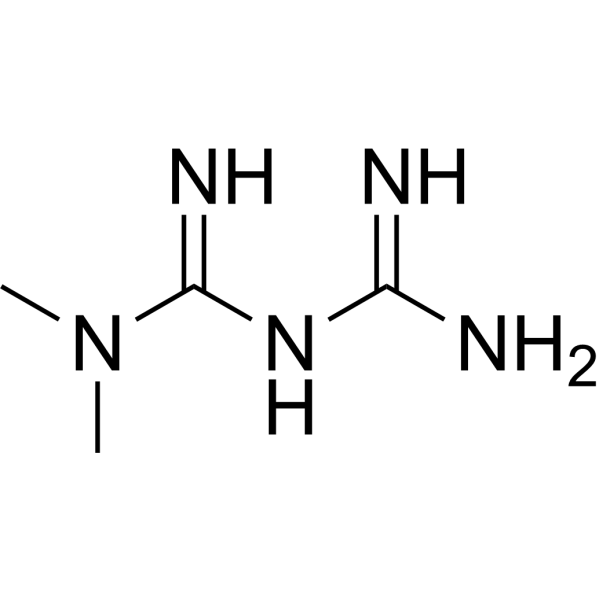
    Metformin
    Maximum Cited Publications
    196 Publications Verification

    1,1-Dimethylbiguanide

    AMPK Autophagy Mitophagy Apoptosis mTOR Cardiovascular Disease Infection Neurological Disease Metabolic Disease Inflammation/Immunology Cancer
    Metformin (1,1-Dimethylbiguanide) inhibits the mitochondrial respiratory chain in the liver, leading to AMPK activation and enhancing insulin sensitivity, and can be used in the study of type 2 diabetes. Metformin exerts central glucose-lowering effects by inhibiting Ras-related protein 1 (Rap1) in SF1 hypothalamic neurons. Metformin also inhibits liver oxidative stress, nitrosative stress, inflammation, and apoptosis caused by liver ischemia/reperfusion injury. In addition, Metformin regulates the expression of autophagy-related proteins by activating AMPK and inhibiting the mTOR signaling pathway, thereby inducing tumor cell autophagy and inhibiting the growth of renal cell carcinoma in vitro and in vivo .
    Metformin
  • HY-17471A
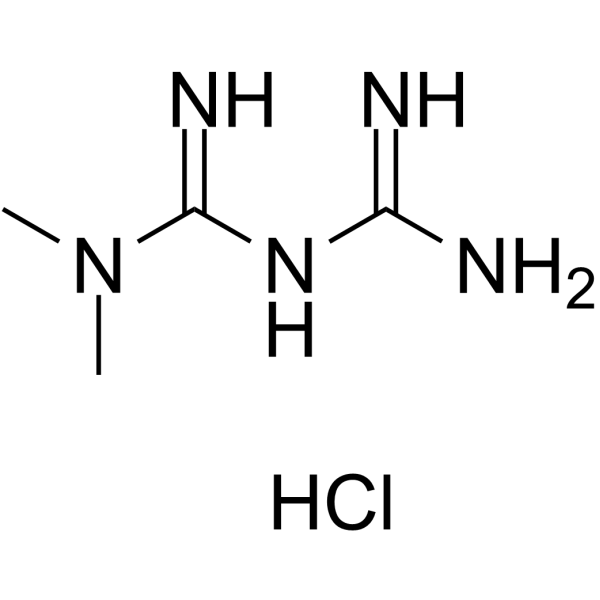
    Metformin hydrochloride
    Maximum Cited Publications
    196 Publications Verification

    1,1-Dimethylbiguanide hydrochloride

    AMPK Autophagy Mitophagy Apoptosis mTOR Cardiovascular Disease Infection Neurological Disease Metabolic Disease Inflammation/Immunology Cancer
    Metformin (1,1-Dimethylbiguanide) hydrochloride inhibits the mitochondrial respiratory chain in the liver, leading to AMPK activation and enhancing insulin sensitivity, and can be used in the study of type 2 diabetes. Metformin hydrochloride exerts central glucose-lowering effects by inhibiting Ras-related protein 1 (Rap1) in SF1 hypothalamic neurons. Metformin hydrochloride also inhibits liver oxidative stress, nitrosative stress, inflammation, and apoptosis caused by liver ischemia/reperfusion injury. In addition, Metformin hydrochloride regulates the expression of autophagy-related proteins by activating AMPK and inhibiting the mTOR signaling pathway, thereby inducing tumor cell autophagy and inhibiting the growth of renal cell carcinoma in vitro and in vivo .
    Metformin hydrochloride
  • HY-N6972
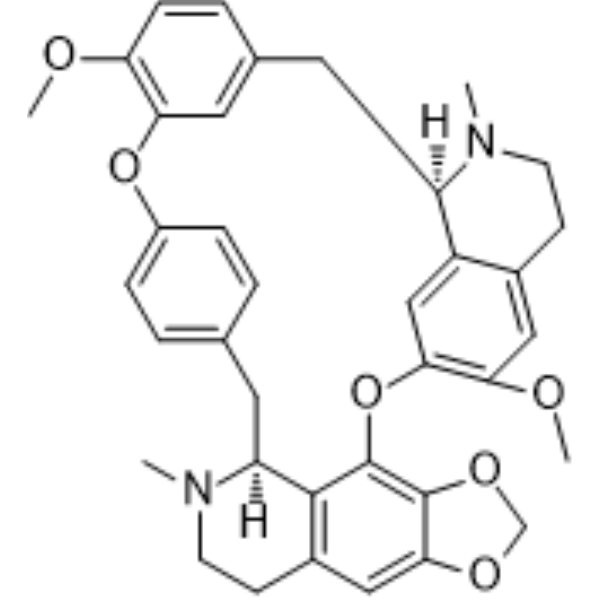
    Cepharanthine
    10+ Cited Publications

    Autophagy SARS-CoV Cytochrome P450 Apoptosis Parasite Infection Inflammation/Immunology Cancer
    Cepharanthine is a natural product that can be isolated from the plant Stephania cephalantha Hayata. Cepharanthine has anti-severe acute respiratory syndrome coronavirus 2 (anti-SARS-CoV-2) activities. Cepharanthine has good effective in suppressing viral proliferation (half maximal (50%) inhibitory concentration (IC50) and 90% inhibitory concentration (IC90) values of 1.90 and 4.46 μM . Cepharanthine can also effectively reverses P-gp-mediated multidrug resistance in K562 cells and increase enhances the sensitivity of anticancer agents in xenograft mice model . Cepharanthine shows inhibitory effects of human liver cytochrome P450 enzymes CYP3A4, CYP2E1 and CYP2C9. Cepharanthine has antitumor, anti-inflammatory and antinociceptive effects .
    Cepharanthine
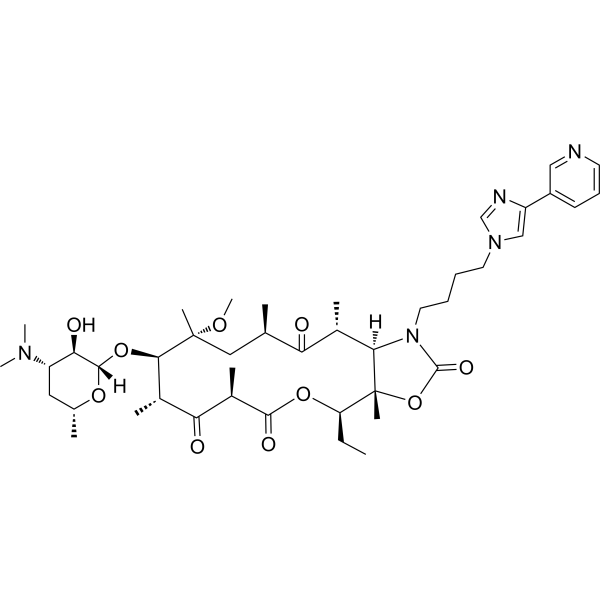
  • HY-A0062
    Telithromycin
    5 Publications Verification

    HMR3647; RU66647

    Bacterial Antibiotic Infection Inflammation/Immunology
    Telithromycin (HMR3647) is a novel ketolide antibiotic that structurally resembles macrolides. Telithromycin belongs to the ketolide family that is characterized by a keto group at position 3 of the macrolide ring and is active against bacteria causing community-acquired pneumonia, acute exacerbation of chronic bronchitis, and acute sinusitis. Telithromycin also has similar immunomodulatory effects as macrolides. Telithromycin can be used for the research of respiratory infections including bronchial asthma .
    Telithromycin
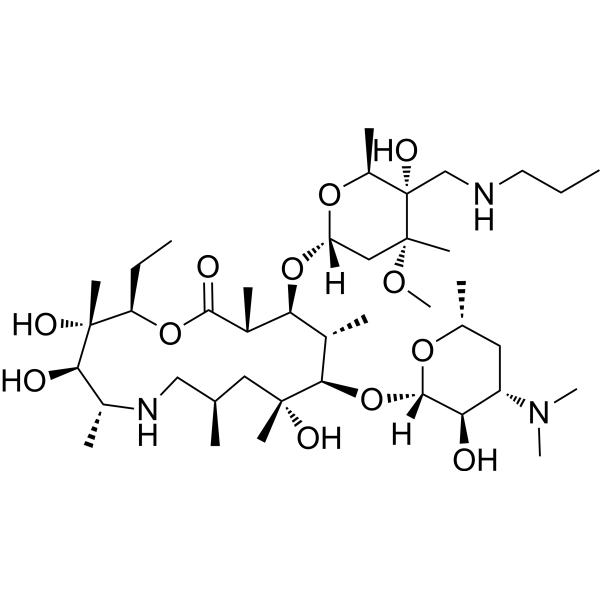
  • HY-15662
    Tulathromycin A
    2 Publications Verification

    Tulathromycin; CP 472295

    Antibiotic Bacterial Infection
    Tulathromycin A (Tulathromycin), a macrolide antibiotic, inhibits protein synthesis (IC50=0.26 µM) by targeting bacterial ribosome. Tulathromycin A is used for the research of respiratory disease in cattle and swine. Immunomodulatory effects .
    Tulathromycin A
  • HY-P0012
    Aviptadil
    2 Publications Verification

    Vasoactive Intestinal Peptide (human, rat, mouse, rabbit, canine, porcine)

    SARS-CoV Infection Inflammation/Immunology
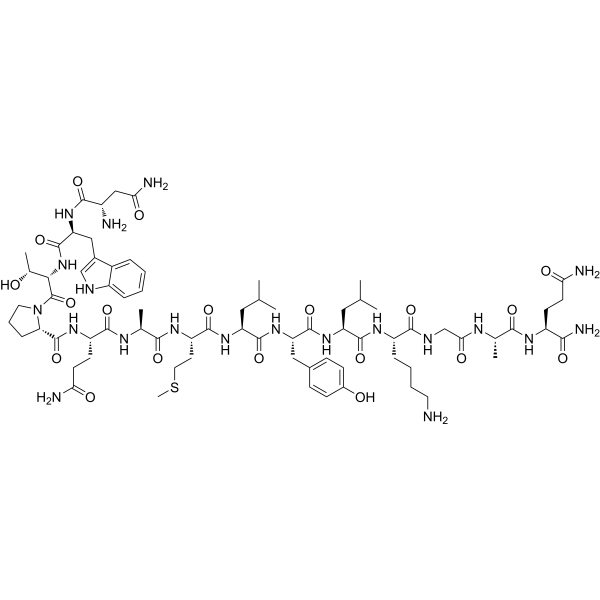
    Aviptadil is an analog vasoactive intestinal polypeptide (VIP) with potent vasodilatory effects. Aviptadil induces pulmonary vasodilation and inhibits vascular SMCs proliferation, platelet aggregation. Aviptadil can be used for the research of pulmonary fibrosis, pulmonary arterial hypertension (PAH) and SARS-CoV-2 caused respiratory failure, et al .
    Aviptadil
  • HY-U00434
    3BDO
    20+ Cited Publications

    mTOR Autophagy Apoptosis Infection Inflammation/Immunology
    3BDO is a IFITM3 modulator and mTOR activator with antiviral and autophagy-inhibiting effects. 3BDO exhibits inhibitory activity against porcine coronaviruses. 3BDO increases the protein abundance of IFITM3, inhibits virus-cell membrane fusion, and blocks viral entry. 3BDO inhibits the entry of transmissible gastroenteritis virus, porcine epidemic diarrhea virus, and porcine respiratory coronavirus into host cells. 3BDO can be used for research on porcine coronavirus infection .
    3BDO
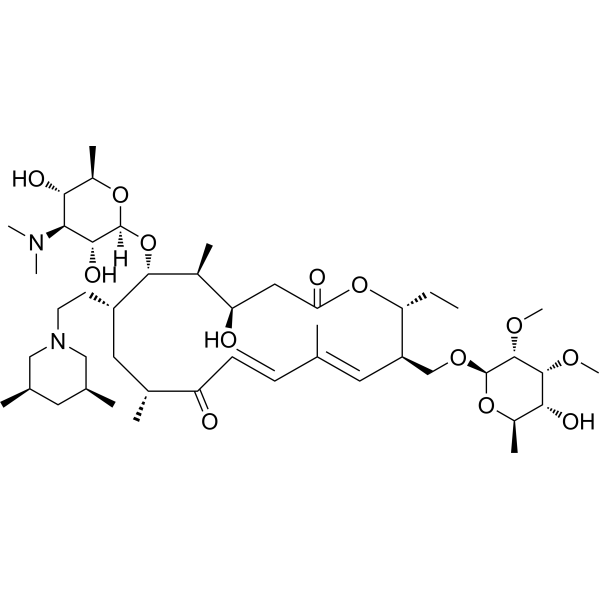
  • HY-B0905
    Tilmicosin
    5 Publications Verification

    LY-177370; EL-870

    Bacterial Antibiotic Apoptosis Calcium Channel Infection Inflammation/Immunology
    Tilmicosin (LY-177370) is an orally active calcium channel antagonist and macrolide antibiotic with antimicrobial activity. Tilmicosin mainly acts on the 50S subunit of bacterial ribosomes, inhibiting protein synthesis. Tilmicosin is effective in the treatment of respiratory diseases in livestock such as cattle, sheep and pigs. In addition, Tilmicosin has immunomodulatory and anti-inflammatory effects .
    Tilmicosin
  • HY-112624J

    Dextran 4; Dextran D4; Dextran T4(MW 3200-4800)

    Bacterial Others
    Dextran 4,000 is a mucus rheology modifier. The dextran molecules in Dextran 4,000 can reduce the cross-link density of mucus through osmotic effects and hydrogen bond substitution, and reduce viscoelasticity and improve the mucociliary/cough clearance index by destroying the DNA-mucin network structure in mucus. Dextran 4,000 has the ability to improve the rheological properties and clearance ability of cystic fibrosis (CF) sputum, and can be used in the study of inhalation therapy or aerosol delivery of mucostatic respiratory diseases. The Dextran series of compounds are also natural polysaccharide drug carriers that can be connected to drugs through covalent bonding methods such as ester bonds, amide bonds or click chemistry, or self-assembled to form carriers such as nanoparticles and hydrogels. Dextran is biodegradable and biocompatible, and can achieve targeted delivery and controlled release of drugs. Dextran derivatives can prolong the half-life of drugs, increase local concentrations, and reduce the activity of immune clearance .
    Dextran T4 (MW 4,000)
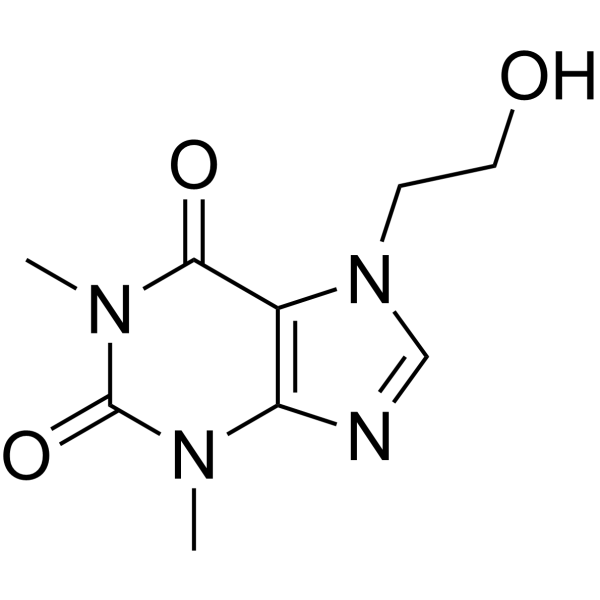
  • HY-B1209

    7-(β-Hydroxyethyl)theophylline

    Phosphodiesterase (PDE) Cardiovascular Disease Inflammation/Immunology
    Etofylline (7-(β-Hydroxyethyl) theophylline) is an oral bronchodilator with anti-inflammatory effects. Etofylline inhibits phosphodiesterase and prevents the degradation of cAMP (cyclic adenosine monophosphate), leading to smooth muscle relaxation, reducing inflammatory responses and improving respiratory function. Etofylline affects the development of zebrafish embryos .
    Etofylline
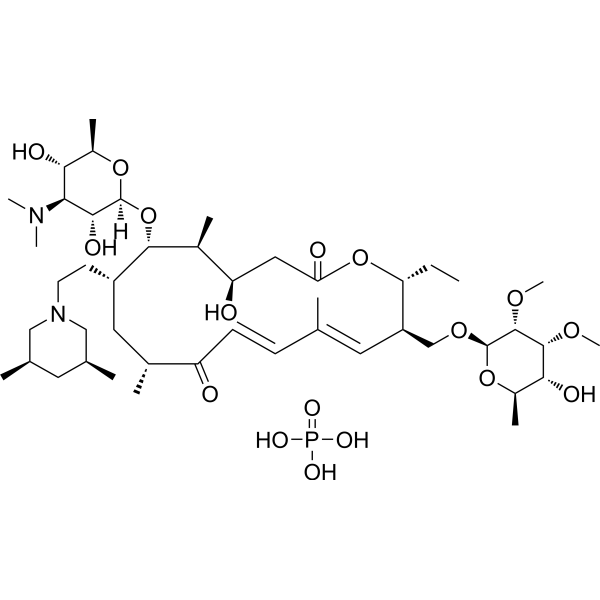
  • HY-B0905A
    Tilmicosin phosphate
    5 Publications Verification

    LY-177370 phosphate; EL-870 phosphate

    Bacterial Antibiotic Apoptosis NO Synthase COX Infection Inflammation/Immunology
    Tilmicosin (LY-177370) phosphate is an orally active calcium channel antagonist and macrolide antibiotic with antimicrobial activity. Tilmicosin phosphate mainly acts on the 50S subunit of bacterial ribosomes, inhibiting protein synthesis. Tilmicosin phosphate is effective in the treatment of respiratory diseases in livestock such as cattle, sheep and pigs. In addition, Tilmicosin phosphate has immunomodulatory and anti-inflammatory effects .
    Tilmicosin phosphate
  • HY-P99810

    AVTX-002; AEVI 002; SAR 252067; CERC-002; MDGN-002

    SARS-CoV Infection Inflammation/Immunology
    Quisovalimab (AVTX-002) is a human-derived monoclonal antibody against LIGHT (TNFSF14). Quisovalimab binds to LIGHT, blocks the signal transduction activity of LIGHT, reduces circulating LIGHT levels and attenuates pro-inflammatory effects. Quisovalimab can be used in research related to Crohn's disease, COVID-19-associated pneumonia and acute respiratory distress syndrome comorbidity .
    Quisovalimab
  • HY-N6715

    Influenza Virus Bacterial Enterovirus Photosystem II Infection Cancer
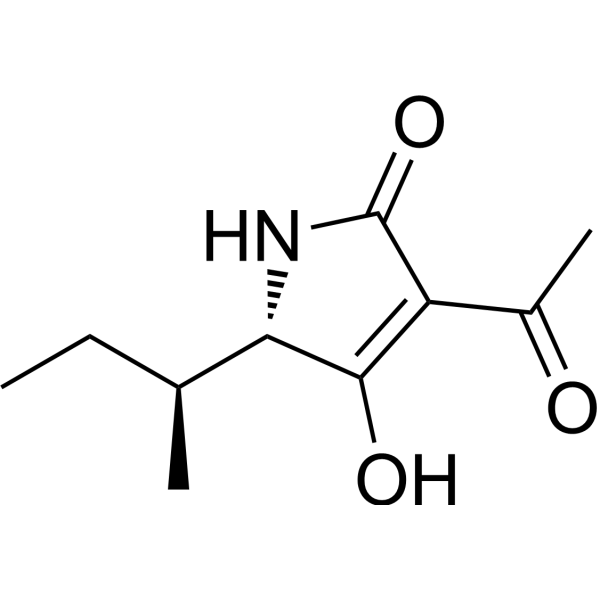
    Tenuazonic acid is a nonhost-selective mycotoxin belonging to the tetramic acids family. Tenuazonic acid inhibits protein biosynthesis on ribosomes by suppressing the release of new protein. Tenuazonic acid is acutely toxic, and oral LD50 is set between 81-186 mg/kg in rats and mice. Tenuazonic acid blocks electron transport beyond the primary quinone receptor (QA) by interacting with the D1 protein and is a photosystem II (PSII) inhibitor. In addition, Tenuazonic acid has antiviral effects on measles virus, enterovirus, respiratory virus and so on. Tenuazonic acid has an inhibitory effect on skin cancer .
    Tenuazonic acid
  • HY-145404
    Mitragynine pseudoindoxyl
    1 Publications Verification

    Opioid Receptor Metabolic Disease
    Mitragynine pseudoindoxyl is a potent orally active agonist of the μ-opioid receptor (MOR-1, Ki=0.8 nM) and an antagonist of the δ-opioid receptor (DOR-1, Ki=3.0 nM). Mitragynine pseudoindoxyl has moderate affinity for the κ-opioid receptor (KOR-1, Ki=24 nM) and does not recruit β-arrestin-2, acting through G protein-mediated signaling pathways without β-arrestin-2-related activation. Mitragynine pseudoindoxyl produces potent analgesic activity through a mixed μ-agonist/δ-antagonist mechanism, with low side effects such as physical dependence, respiratory depression, and constipation, and no rewarding or aversive behaviors. Mitragynine pseudoindoxyl reduces hyperactivity, inhibits GI transit, and enhances characteristics, making it a potential analgesic .
    Mitragynine pseudoindoxyl
  • HY-N0677A
    Kalii Dehydrographolidi Succinas
    1 Publications Verification

    Potassium dehydroandrographolide succinate

    Antibiotic Infection Inflammation/Immunology
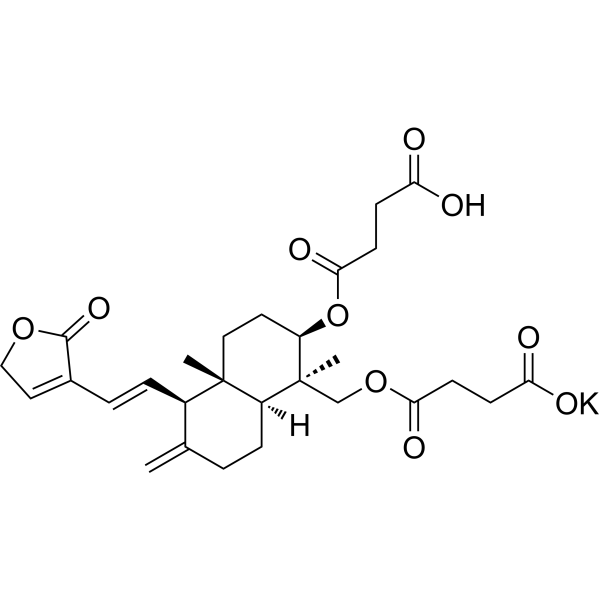
    Kalii Dehydrographolidi Succinas (Potassium dehydroandrographolide succinate) is an antibiotic. Kalii Dehydrographolidi Succinas exerts immunostimulatory, anti-infective and anti-inflammatory effects . Kalii Dehydrographolidi Succinas shows potential for research on viral pneumonia and viral upper respiratory tract infections .
    Kalii Dehydrographolidi Succinas
  • HY-171844

    iGluR Neurological Disease Inflammation/Immunology
    CX1739 is an orally active, blood-brain barrier permeable, low-efficacy AMPA-glutamate receptor (AMPAR) potentiator. CX1739 enhances excitatory neurotransmission by potentiating glutamate-induced excitatory currents and promoting in vivo long-term potentiation. CX1739 eliminates amphetamine-induced locomotor activity, reverses opioid-, pentobarbital- and ethanol-induced respiratory depression, and exerts pro-cognitive effects in animals. CX1739 impairs motor function recovery and increases the risk of post-injury complications. CX1739 can be used in research related to attention-deficit/hyperactivity disorder, dementia, respiratory depression and spinal cord injury .
    CX1739
  • HY-B1113
    Diazinon
    2 Publications Verification

    Dimpylate

    Environmental Pollutants Parasite Infection
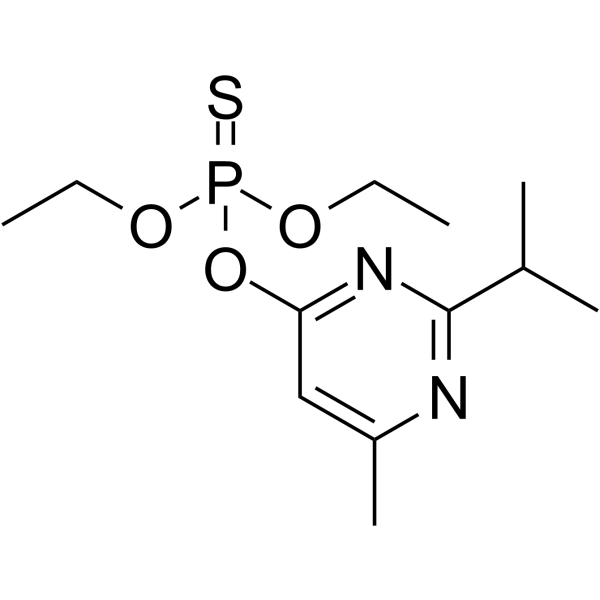
    Diazinon is an orally active, irreversible AChE inhibitor and insecticide that can be absorbed through the digestive system, skin or respiratory tract. Diazinon inhibits AChE, leading to accumulation of acetylcholine, which in turn overstimulates ACh receptors and affects the nervous system. Diazinon also produces reactive oxygen species (ROS), which induce oxidative stress in various tissues. Diazinon is mainly used in the agricultural field as an insecticide and may have potential effects on human and animal health .
    Diazinon
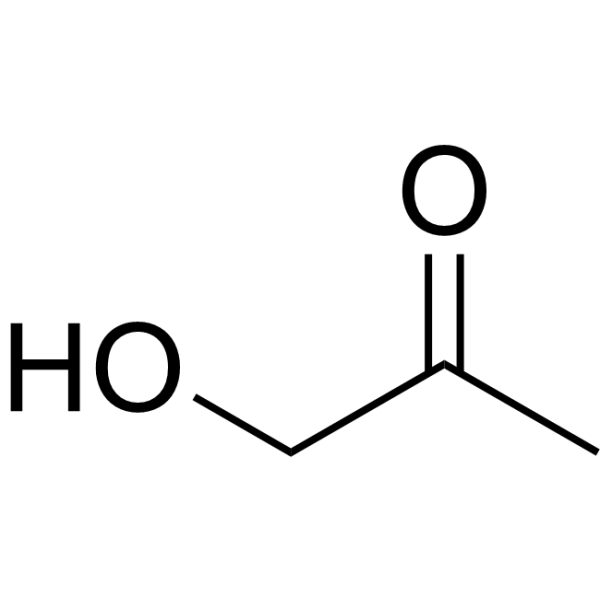
  • HY-Y1366

    Mitochondrial Metabolism Reactive Oxygen Species (ROS) Arp2/3 Complex Apoptosis Inflammation/Immunology
    Hydroxyacetone is a toxic compound. Hydroxyacetone can be isolated from e-cigarette aerosols. Hydroxyacetone reduces the activity of cellular Mitochondrial reductase (with an IC50 of 5.53 mg/mL for mitochondrial reductase in BEAS-2B cells) and increases ROS levels. Hydroxyacetone induces mitochondrial stress and oxidative damage. Hydroxyacetone induces destabilization of F-actin. At high concentrations, Hydroxyacetone promotes cell rounding and Apoptotic body formation. Hydroxyacetone exerts toxic effects on cells including airway epithelial cells and possesses respiratory toxicity potential .\n


    Hydroxyacetone
  • HY-P990094

    CSL311

    c-Fms Inflammation/Immunology
    Trabikibart (CSL311) is a specific inhibitor targeting the βc receptor (CSF2RB) that inhibits signal transduction mediated by GM-CSF, IL-5, and IL-3. Trabikibart exhibits significant anti-inflammatory and anti-edema effects, reduces myeloid cell infiltration, and inhibits inflammatory cell survival. Trabikibart also possesses antiviral immune functions, which alleviate pulmonary inflammation, reverse airway dysfunction and fibrosis, and thereby restore impaired pulmonary function. Trabikibart can be used in research on related diseases such as acute respiratory distress syndrome, viral pneumonia, asthma, and chronic rhinosinusitis with nasal polyps .
    Trabikibart
  • HY-P1723
    Spexin
    2 Publications Verification

    Neuropeptide Q

    Neuropeptide Y Receptor Apoptosis Ferroptosis Autophagy Cardiovascular Disease Neurological Disease
    Spexin (Neuropeptide Q) is a selective agonist of galanin receptors GAL2 and GAL3, and is a conserved peptide that functions as a neurotransmitter/neuromodulator and endocrine factor. Spexin can function through both central and peripheral actions. Spexin upregulates Beclin 1 to inhibit ferroptosis induced by excessive autophagy, reduces the uptake of long-chain fatty acids by adipocytes, and regulates energy metabolism by increasing lipid oxidation (e.g., reducing the respiratory exchange ratio in rodents). Spexin improves cardiac function in the Doxorubicin hydrochloride (HY-15142)-induced cardiotoxicity model, protects mitochondrial membrane potential, and reduces iron accumulation and lipid peroxidation. Spexin can be used to study obesity and its related metabolic disorders, cardiovascular diseases (e.g., cardioprotection), and side effects of tumor chemotherapy .
    Spexin
  • HY-17471AR

    1,1-Dimethylbiguanide hydrochloride (Standard)

    Reference Standards AMPK Autophagy Mitophagy Apoptosis mTOR Cardiovascular Disease Metabolic Disease Cancer
    Metformin hydrochloride (Standard) is the analytical standard of Metformin hydrochloride (HY-17471A). This product is intended for research and analytical applications. Metformin (1,1-Dimethylbiguanide) hydrochloride inhibits the mitochondrial respiratory chain in the liver, leading to AMPK activation and enhancing insulin sensitivity, and can be used in the study of type 2 diabetes. Metformin hydrochloride exerts central glucose-lowering effects by inhibiting Ras-related protein 1 (Rap1) in SF1 hypothalamic neurons. Metformin hydrochloride also inhibits liver oxidative stress, nitrosative stress, inflammation, and apoptosis caused by liver ischemia/reperfusion injury. In addition, Metformin hydrochloride regulates the expression of autophagy-related proteins by activating AMPK and inhibiting the mTOR signaling pathway, thereby inducing tumor cell autophagy and inhibiting the growth of renal cell carcinoma in vitro and in vivo .
    Metformin hydrochloride (Standard)
  • HY-W002199

    6:2 FTOH; 1H,1H,2H,2H-Perfluoro-1-octanol; 2-(Perfluorohexyl)ethanol

    Bacterial Apoptosis ERK TNF Receptor Infection Neurological Disease
    6:2 Fluorotelomer alcohol (6:2 FTOH) is an orally active, blood-brain barrier-permeable modulator of cyclin D1 and ETS1. 6:2 Fluorotelomer alcohol downregulates cyclin D1 expression, upregulates ETS1 via the TNF-α/ERK 1/2 pathway, impairs mitochondrial membrane potential and respiratory function, increases reactive oxygen species levels, disrupts calcium homeostasis and activates endoplasmic reticulum stress markers, and induces cell proliferation inhibition and endothelial-mesenchymal transition. Furthermore, 6:2 Fluorotelomer alcohol induces morphological abnormalities in zebrafish embryos and liver developmental damage, while disrupting the brain immune microenvironment in mice, causing systemic toxicity and delayed pup maturation in CD-1 mice. 6:2 Fluorotelomer alcohol also induces cortical neuron apoptosis, glial cell activation, synaptic abnormalities, colonic barrier damage, intestinal dysbiosis and autism spectrum disorder-like symptoms in mice. 6:2 Fluorotelomer alcohol shows no mutagenic, clastogenic, primary skin/eye irritation or skin sensitizing effects, exhibits no selective reproductive toxicity in CD-1 mice, and is classified as GHS Category 4 for acute oral toxicity. 6:2 Fluorotelomer alcohol can be used in studies of neurodevelopmental disorders and autism spectrum disorders .
    6:2 Fluorotelomer alcohol
  • HY-B1042

    SKF-9976 citrate; AF-438 citrate

    Cytochrome P450 Inflammation/Immunology
    Oxolamine citrate (SKF-9976 citrate) is an orally active antitussive. Oxolamine citrate can inhibit CYP2B1/2. Oxolamine citrate has anti-inflammatory effects on the respiratory organs of guinea pigs. Oxolamine citrate increases the AUC of Warfarin (HY-B0687) and prolongs its terminal half-life. Oxolamine citrate can be used in respiratory disease research .
    Oxolamine citrate
  • HY-B1032

    (±)-Dropropizine; UCB-196

    Histamine Receptor Neurological Disease
    Dropropizine ((±)-Dropropizine; UCB-196) is an orally effective, peripherally selective antitussive that inhibits the activity of peripheral receptors and afferent nerves in the respiratory tract. Dropropizine acts on the cough reflex pathway, does not pass the blood-brain barrier, and has no central nervous system side effects. Dropropizine mainly regulates the level of sensory neuropeptides and inhibits the afferent signal transmission of the cough reflex, thereby alleviating the symptoms of dry cough, and has both mild local anesthetic and antihistamine activity. Dropropizine is mainly used for symptomatic research on dry cough caused by respiratory diseases .
    Dropropizine
  • HY-P0012A
    Aviptadil acetate
    2 Publications Verification

    Vasoactive Intestinal Peptide acetate salt (human, rat, mouse, rabbit, canine, porcine)

    SARS-CoV Infection Inflammation/Immunology
    Aviptadil acetate is an analog vasoactive intestinal polypeptide (VIP) with potent vasodilatory effects. Aviptadil acetate induces pulmonary vasodilation and inhibits vascular SMCs proliferation, platelet aggregation. Aviptadil acetate can be used for the research of pulmonary fibrosis, pulmonary arterial hypertension (PAH) and SARS-CoV-2 caused respiratory failure, et al .
    Aviptadil acetate
  • HY-12716A

    Adrenergic Receptor ERK p38 MAPK Dopamine Receptor Cardiovascular Disease Neurological Disease
    BRL-44408 maleate is a selective, blood-brain barrier-permeable α2A-adrenergic receptor antagonist with a Ki value of 8.56 nM against human targets. BRL-44408 maleate exhibits activities such as antidepressant, analgesic effects and attenuation of sepsis-induced acute lung injury by regulating the release of neurotransmitters such as norepinephrine and dopamine, or inhibiting signaling pathways including ERK1/2, p38MAPK and p65. BRL-44408 maleate can be used in studies related to acute respiratory distress syndrome, depression and visceral pain .
    BRL-44408 maleate
  • HY-162386

    Cuproptosis Mitochondrial Metabolism Cancer
    UM4118 is a potent copper-selective non-genotoxic copper ionophore that induces cuproptosis in acute myeloid leukemia cells. UM4118 exhibits stronger activity against SF3B1G12C mutant acute myeloid leukemia cells. UM4118 transports extracellular copper into cells, elevates intracellular and mitochondrial copper levels, and triggers lipoylated DLAT aggregation, proteotoxic stress, iron-sulfur cluster protein depletion, reduced lipoylated protein levels, and maximal mitochondrial respiratory damage. UM4118 cytotoxicity can be enhanced by supplementation with extracellular copper, abolished by copper chelation, and shows synthetic lethal effects in the absence of iron-sulfur cluster biosynthesis/transport genes. UM4118 can be used for the study of acute myeloid leukemia .
    UM4118
  • HY-107345

    Ombolan

    Prostaglandin Receptor Inflammation/Immunology
    Droxicam (Ombolan) is a non-steroidal anti-inflammatory agent, with strong analgesic activity. Droxicam acts by inhibiting PGE2 varies, and is characterised by being a pro-drug of Piroxicam (HY-B0253). Droxicam is well tolerated with slight side effects in the said mucosa. Droxicam does not show cardiovascular or respiratory effects in cats, and inhibits peritoneal capillary permeability in mouse .
    Droxicam
  • HY-B0627S

    1,1-Dimethylbiguanide-d6

    Isotope-Labeled Compounds AMPK Autophagy Mitophagy Apoptosis mTOR Cardiovascular Disease Cancer
    Metformin-d6 (1,1-Dimethylbiguanide-d6) is a deuterated labeled Metformin (HY-B0627). Metformin (1,1-Dimethylbiguanide) inhibits the mitochondrial respiratory chain in the liver, leading to AMPK activation and enhancing insulin sensitivity, and can be used in the study of type 2 diabetes. Metformin exerts central glucose-lowering effects by inhibiting Ras-related protein 1 (Rap1) in SF1 hypothalamic neurons. Metformin also inhibits liver oxidative stress, nitrosative stress, inflammation, and apoptosis caused by liver ischemia/reperfusion injury. In addition, Metformin regulates the expression of autophagy-related proteins by activating AMPK and inhibiting the mTOR signaling pathway, thereby inducing tumor cell autophagy and inhibiting the growth of renal cell carcinoma in vitro and in vivo .
    Metformin-d6
  • HY-P3870

    Opioid Receptor Neurological Disease
    DALDA is a potent and highly selective μ-opioid receptor agonist with a Ki of 1.69 nM. DALDA shows antinociceptive and respiratory effects .
    DALDA
  • HY-112847B

    (E/Z)-Sulfo-N-succinimidyl oleate sodium

    Transmembrane Glycoprotein Mitochondrial Metabolism Drug Isomer Inflammation/Immunology
    (E/Z)-Sulfosuccinimidyl oleate sodium is the racemate of (E)-Sulfosuccinimidyl oleate sodium and (Z)-Sulfosuccinimidyl oleate sodium. Sulfosuccinimidyl oleate sodium (Sulfo-N-succinimidyl oleate sodium) is a long-chain fatty acid that inhibits fatty acid transport into cells. Sulfosuccinimidyl oleate sodium is a potent and irreversible inhibitor of the mitochondrial respiratory chain. Sulfosuccinimidyl oleate sodium binds to the CD36 receptor on the surface of microglial cells. Sulfosuccinimidyl oleate sodium exhibits anti-inflammatory effects .
    (E/Z)-Sulfosuccinimidyl oleate sodium
  • HY-N9279

    Monocrotaline pyrrole; MCTP; 3,8-Didehydromonocrotaline

    Endogenous Metabolite Cardiovascular Disease Cancer
    Dehydromonocrotaline is a mitochondrial respiratory chain complex I NADH oxidase inhibitor, with a IC50 of 62.06 μM and a Ki of 8.1 μM in rats. Dehydromonocrotaline exerts non-competitive inhibitory effects by modifying cysteine thiol groups on complex I, and does not bind to the NADH-binding site. Dehydromonocrotaline dissipates mitochondrial membrane potential and reduces ATP levels. Dehydromonocrotaline can be used in studies related to hepatotoxicity, pulmonary hypertension and liver tumors .
    Dehydromonocrotaline
  • HY-W653921

    Isotope-Labeled Compounds Enterovirus Photosystem II Influenza Virus Bacterial Infection Cancer
    Tenuazonic acid-d13 is deuterium labeled Tenuazonic acid. Tenuazonic acid is a nonhost-selective mycotoxin belonging to the tetramic acids family. Tenuazonic acid inhibits protein biosynthesis on ribosomes by suppressing the release of new protein. Tenuazonic acid is acutely toxic, and oral LD50 is set between 81-186 mg/kg in rats and mice. Tenuazonic acid blocks electron transport beyond the primary quinone receptor (QA) by interacting with the D1 protein and is a photosystem II (PSII) inhibitor. In addition, Tenuazonic acid has antiviral effects on measles virus, enterovirus, respiratory virus and so on. Tenuazonic acid has an inhibitory effect on skin cancer .
    Tenuazonic acid-d13
  • HY-P3870A

    Opioid Receptor Neurological Disease
    DALDA acetate is a potent and highly selective μ-opioid receptor agonist with a Ki of 1.69 nM. DALDA acetate shows antinociceptive and respiratory effects .
    DALDA acetate
  • HY-N9610

    Ubiquinone 30

    Endogenous Metabolite Inflammation/Immunology
    Coenzyme Q6 (Ubiquinone 30) is an isoprenylated benzoquinone lipid. Coenzyme Q6 exhibits functions in respiratory electron transport and as a lipid antioxidant. Coenzyme Q6 also has antioxidant effects, which can prevent the production of free radicals and oxidative damage .
    Coenzyme Q6
  • HY-N7372

    Apoptosis Infection Inflammation/Immunology
    Licoisoflavanone is an orally active isoflavane-based immunomodulator with multiple activities including antiviral, anti-inflammatory, cytoprotective and cancer cell apoptosis-inducing effects. Licoisoflavanone can be isolated from the roots and rhizomes of Glycyrrhiza uralensis Fisch. Licoisoflavanone not only enhances the body's immunity, but also effectively prevents acute respiratory distress syndrome and multiple organ damage by alleviating cytokine storm, thereby reducing the degree of inflammation. In rats, Licoisoflavanone undergoes multiple metabolic transformation processes such as glucuronidation, hydroxylation, sulfation, methylation and dehydrogenation. Licoisoflavanone has become an important candidate molecule for research on COVID-19 and related inflammatory diseases .
    Licoisoflavanone
  • HY-101050

    MDL 72422

    5-HT Receptor Cardiovascular Disease
    Tropanserin is a serotoninergic active compound, as well as a 5HT3 receptor antagonist. Tropanserin modulates Cardio-respiratory reflex effects of an exogenous serotonin challenge .
    Tropanserin
  • HY-13570B

    Glucocorticoid Receptor Others
    Betamethasone acetate is a glucocorticoid with prenatal application for preventing respiratory distress syndrome (RDS) in premature infants. Betamethasone acetate exhibits dose-dependent effects on somatic and brain development in offspring when administered prenatally to pregnant rats. Betamethasone acetate can be used for the study of antenatal intervention .
    Betamethasone acetate
  • HY-B0905R

    LY-177370 (Standard); EL-870 (Standard)

    Reference Standards Bacterial Antibiotic Apoptosis Calcium Channel Infection Inflammation/Immunology
    Tilmicosin (Standard) is the analytical standard of Tilmicosin. This product is intended for research and analytical applications. Tilmicosin (LY-177370) is an orally active calcium channel antagonist and macrolide antibiotic with antimicrobial activity. Tilmicosin mainly acts on the 50S subunit of bacterial ribosomes, inhibiting protein synthesis. Tilmicosin is effective in the treatment of respiratory diseases in livestock such as cattle, sheep and pigs. In addition, Tilmicosin has immunomodulatory and anti-inflammatory effects .
    Tilmicosin (Standard)
  • HY-12716

    Adrenergic Receptor p38 MAPK Dopamine Receptor ERK Cardiovascular Disease Neurological Disease
    BRL-44408 is a selective, blood-brain barrier-permeable α2A-adrenergic receptor antagonist with a Ki value of 8.56 nM against human targets. BRL-44408 exhibits activities such as antidepressant, analgesic effects and attenuation of sepsis-induced acute lung injury by regulating the release of neurotransmitters such as norepinephrine and dopamine, or inhibiting signaling pathways including ERK1/2, p38MAPK and p65. BRL-44408 can be used in studies related to acute respiratory distress syndrome, depression and visceral pain .
    BRL-44408
  • HY-W075176

    Insecticide Infection
    Transfluthrin is an insecticide with extremely low acute toxicity to vertebrates. It acts as a mosquito repellent, exerts mosquito control effects via electric heating fumigators, and is widely used in studies related to malaria, bancroftian filariasis and mosquito-borne infectious diseases. Transfluthrin may also induce adverse reactions such as pulmonary sensory irritation, sensitization, genotoxicity and respiratory depression, and can increase the concentrations and activities of CYP2E1 and CYP3A2 in rat brains. Transfluthrin can be removed from wastewater through biodegradation and activated sludge adsorption, and can be degraded by microorganisms such as *Azovibrio* and *Tauera* .
    Transfluthrin
  • HY-145158

    Bacterial Antibiotic Drug Derivative Beta-lactamase Infection
    Temocillin is a derivative of Ticarcillin (HY-100577) and a β-lactamase-resistant Antibiotic. Temocillin blocks water molecules from entering the active sites of Ambler class A and class C serine-dependent β-lactamases, resisting hydrolysis by these enzymes. Temocillin exhibits antibacterial activity against Enterobacteriaceae and Neisseria gonorrhoeae. Temocillin shows antagonistic effects against some isolated strains when used in combination with Ticarcillin (HY-100577) or Cefazolin (HY-B1892). Temocillin can be used in research related to sepsis, urinary tract infections, and lower respiratory tract infections .
    Temocillin
  • HY-N6715R

    Reference Standards Influenza Virus Bacterial Enterovirus Photosystem II Infection Cancer
    Tenuazonic acid (Standard) is the analytical standard of Tenuazonic acid. This product is intended for research and analytical applications. Tenuazonic acid is a nonhost-selective mycotoxin belonging to the tetramic acids family. Tenuazonic acid inhibits protein biosynthesis on ribosomes by suppressing the release of new protein. Tenuazonic acid is acutely toxic, and oral LD50 is set between 81-186 mg/kg in rats and mice. Tenuazonic acid blocks electron transport beyond the primary quinone receptor (QA) by interacting with the D1 protein and is a photosystem II (PSII) inhibitor. In addition, Tenuazonic acid has antiviral effects on measles virus, enterovirus, respiratory virus and so on. Tenuazonic acid has an inhibitory effect on skin cancer .
    Tenuazonic acid (Standard)
  • HY-B1032A

    (R)-Dropropizine

    Histamine Receptor Neurological Disease
    (+)-Dropropizine ((R)-Dropropizine), an isomer of Dropropizine (HY-B1032), is an orally active histamine receptor inhibitor with anti-allergic effects. (+)-Dropropizine reduces a cough by modulation of neuropeptides involved in the cough reflex and by interfering with stimulus activation of peripheral endings of sensory nerves. (+)-Dropropizine is promising for research of dry cough caused by respiratory diseases .
    (+)-Dropropizine
  • HY-15662R

    Tulathromycin (Standard); CP 472295 (Standard)

    Reference Standards Antibiotic Bacterial Infection
    Tulathromycin A (Standard) is the analytical standard of Tulathromycin A. This product is intended for research and analytical applications. Tulathromycin A (Tulathromycin), a macrolide antibiotic, inhibits protein synthesis (IC50=0.26 μM) by targeting bacterial ribosome. Tulathromycin A is used for the research of respiratory disease in cattle and swine. Immunomodulatory effects .
    Tulathromycin A (Standard)
  • HY-163667

    Opioid Receptor Neurological Disease
    Atoxifent is a potent μ-opioid receptor agonist (EC50=0.39 nM). These receptors are found in brain regions that control pain, emotions, habitual learning, and cognition. Atoxifent exhibits strong analgesic effects and a lower risk of respiratory depression. Atoxifent can be used for research in opioid pharmacology and signal transduction .
    Atoxifent
  • HY-149267

    STING SARS-CoV Infection
    STING agonist-30 is a potent STING agonist. STING agonist-30 exhibits STING-dependent immune activation. STING agonist-30 has extensive inhibitory effects on various viruses, including the herpes simplex virus (HSV), rotavirus, and severe acute respiratory syndrome coronavirus 2 (SARS-CoV-2) .
    STING agonist-30
  • HY-B0905S

    LY-177370-d3; EL-870-d3

    Isotope-Labeled Compounds Bacterial Antibiotic Apoptosis NO Synthase COX Infection Inflammation/Immunology
    Tilmicosin-d3 is the deuterium labeled Tilmicosin. Tilmicosin (LY-177370) is an orally active calcium channel antagonist and macrolide antibiotic with antimicrobial activity. Tilmicosin mainly acts on the 50S subunit of bacterial ribosomes, inhibiting protein synthesis. Tilmicosin is effective in the treatment of respiratory diseases in livestock such as cattle, sheep and pigs. In addition, Tilmicosin has immunomodulatory and anti-inflammatory effects .
    Tilmicosin-d3
  • HY-N6715S

    Influenza Virus Bacterial Isotope-Labeled Compounds Infection
    Tenuazonic acid- 13C10 is 13C labeled Tenuazonic acid (HY-N6715). Tenuazonic acid is a nonhost-selective mycotoxin belonging to the tetramic acids family. Tenuazonic acid inhibits protein biosynthesis on ribosomes by suppressing the release of new protein. Tenuazonic acid is acutely toxic, and oral LD50 is set between 81-186 mg/kg in rats and mice. Tenuazonic acid blocks electron transport beyond the primary quinone receptor (QA) by interacting with the D1 protein and is a photosystem II (PSII) inhibitor. In addition, Tenuazonic acid has antiviral effects on measles virus, enterovirus, respiratory virus and so on. Tenuazonic acid has an inhibitory effect on skin cancer .
    Tenuazonic acid-13C10
  • HY-N6972R

    Autophagy Reference Standards SARS-CoV Cytochrome P450 Apoptosis Parasite Infection Inflammation/Immunology Cancer
    Cepharanthine (Standard) is the analytical standard of Cepharanthine. This product is intended for research and analytical applications. Cepharanthine is a natural product that can be isolated from the plant Stephania?cephalantha?Hayata. Cepharanthine has anti-severe acute respiratory syndrome coronavirus 2 (anti-SARS-CoV-2) activities. Cepharanthine has good effective in suppressing viral proliferation (half maximal (50%) inhibitory concentration (IC50) and 90% inhibitory concentration (IC90) values of 1.90 and 4.46?μM . Cepharanthine can also effectively reverses P-gp-mediated multidrug resistance in K562 cells and increase enhances the sensitivity of anticancer agents in xenograft mice model . Cepharanthine shows inhibitory effects of human liver cytochrome P450 enzymes CYP3A4, CYP2E1 and CYP2C9. Cepharanthine has antitumor, anti-inflammatory and antinociceptive effects .
    Cepharanthine (Standard)

Inquiry Online

Your information is safe with us. * Required Fields.

Salutation


Country or Region *

Applicant Name *


Organization Name *

Department *


Email Address *


Product Name *

Cat. No.


Requested quantity *

Phone Number *


Remarks

Inquiry Online

Inquiry Information

Product Name:
Cat. No.:
Quantity:
MCE Japan Authorized Agent:

