1. Search Result
Search Result
Results for "

rutin

" in MedChemExpress (MCE) Product Catalog:

13

Inhibitors & Agonists

12

Natural
Products

1

Isotope-Labeled Compounds

Cat. No. Product Name Target Research Areas Chemical Structure
  • HY-N0148
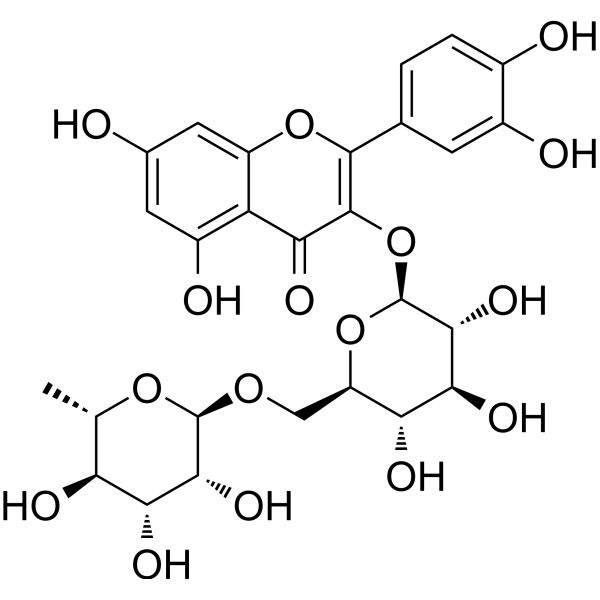
    Rutin
    Maximum Cited Publications
    30 Publications Verification

    Rutoside; Quercetin 3-O-rutinoside

    Amyloid-β Autophagy Apoptosis Endogenous Metabolite Inflammation/Immunology Cancer
    Rutin (Rutoside) is a flavonoid found in many plants and shows a wide range of biological activities including anti-inflammatory, antidiabetic, antioxidant, neuroprotective, nephroprotective, hepatoprotective and reducing Aβ oligomer activities. Rutin is also a CBR1 inhibitor, which can cross the blood brain barrier. Rutin attenuates vancomycin-induced renal tubular cell apoptosis via suppression of apoptosis, mitochondrial dysfunction, and oxidative stress .
    Rutin
  • HY-N0139
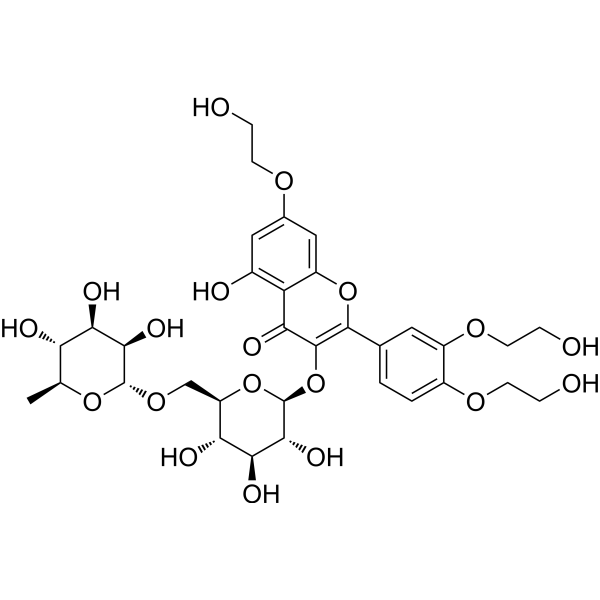
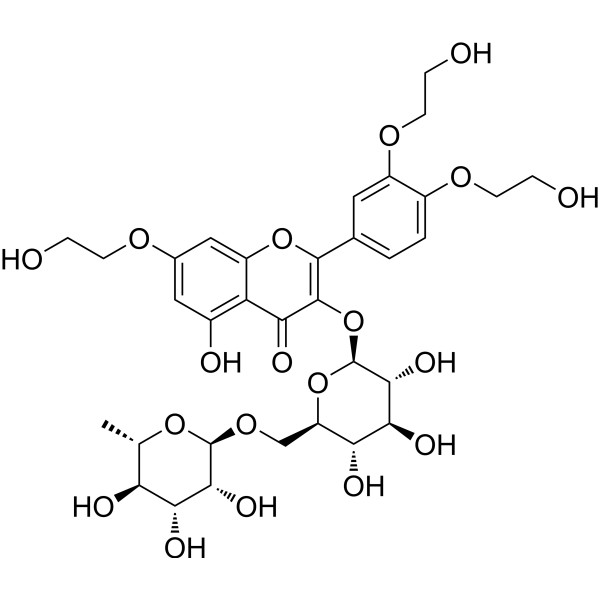
    Troxerutin
    3 Publications Verification

    Trihydroxyethylrutin

    NOD-like Receptor (NLR) Neurological Disease Metabolic Disease Inflammation/Immunology Cancer
    Troxerutin, also known as vitamin P4, is a tri-hydroxyethylated derivative of natural bioflavonoid rutins which can inhibit the production of reactive oxygen species (ROS) and depress ER stress-mediated NOD activation.
    Troxerutin
  • HY-N0148A
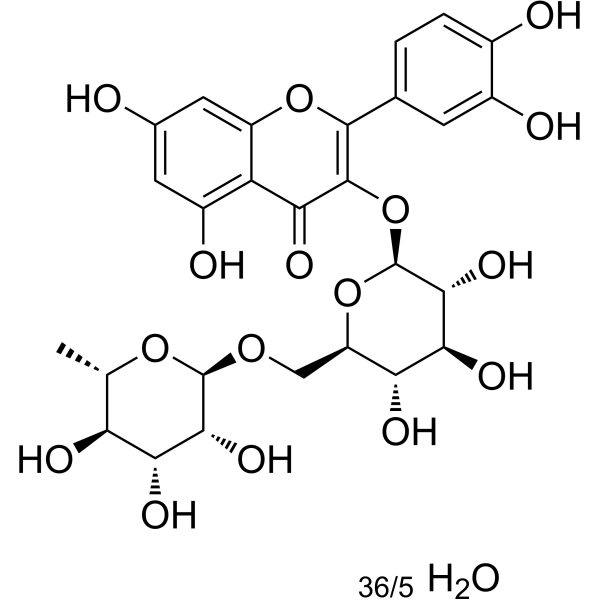
    Rutin hydrate
    Maximum Cited Publications
    30 Publications Verification

    Rutoside hydrate; Quercetin 3-O-rutinoside hydrate

    Amyloid-β Autophagy Apoptosis Endogenous Metabolite Neurological Disease Cancer
    Rutin (Rutoside) hydrate is a flavonoid found in many plants and shows a wide range of biological activities including anti-inflammatory, antidiabetic, antioxidant, neuroprotective, nephroprotective, hepatoprotective and reducing Aβ oligomer activities. Rutin hydrate can cross the blood brain barrier. Rutin hydrate attenuates vancomycin-induced renal tubular cell apoptosis via suppression of apoptosis, mitochondrial dysfunction, and oxidative stress .
    Rutin hydrate
  • HY-W013075
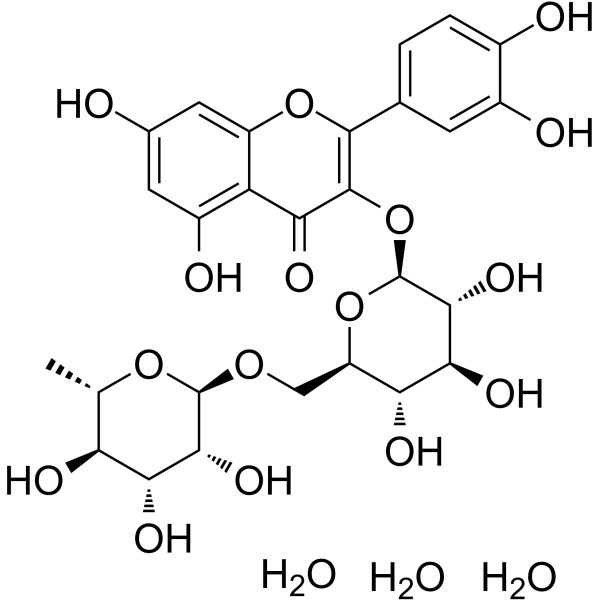
    Rutin trihydrate
    Maximum Cited Publications
    30 Publications Verification

    Rutoside trihydrate; Quercetin 3-O-rutinoside trihydrate

    Apoptosis Endogenous Metabolite Neurological Disease Cancer
    Rutin (Rutoside) trihydrate is a multifunctional natural flavonoid glycoside. Rutin trihydrate has been demonstrating excellent antioxidant, anti-inflammatory, anti-diabetic, and anti-carcinogenic properties. Cardioprotective and neuroprotective activities .
    Rutin trihydrate
  • HY-N0148R

    Rutoside (Standard); Quercetin 3-O-rutinoside (Standard)

    Reference Standards Amyloid-β Autophagy Apoptosis Endogenous Metabolite Inflammation/Immunology Cancer
    Rutin (Standard) is the analytical standard of Rutin. This product is intended for research and analytical applications. Rutin (Rutoside) is a flavonoid found in many plants and shows a wide range of biological activities including anti-inflammatory, antidiabetic, antioxidant, neuroprotective, nephroprotective, hepatoprotective and reducing Aβ oligomer activities. Rutin is also a CBR1 inhibitor, which can cross the blood brain barrier. Rutin attenuates vancomycin-induced renal tubular cell apoptosis via suppression of apoptosis, mitochondrial dysfunction, and oxidative stress .
    Rutin (Standard)
  • HY-16592R

    BFA (Standard); Cyanein (Standard); Decumbin (Standard)

    Reference Standards Autophagy Mitophagy HSV Antibiotic Bacterial Infection Cancer
    Brefeldin A (Standard) (BFA (Standard)) is the analytical standard of Rutin. This product is intended for research and analytical applications. Brefeldin A (BFA) is a lactone antibiotic and a specific inhibitor of protein trafficking. Brefeldin A blocks the transport of secreted and membrane proteins from endoplasmic reticulum to Golgi apparatus. Brefeldin A is also an autophagy and mitophagy inhibitor. Brefeldin A inhibits HSV-1 and has anti-cancer activity.
    Brefeldin A (Standard)
  • HY-W740884

    Isotope-Labeled Compounds Amyloid-β Autophagy Apoptosis Endogenous Metabolite Others
    Rutin-d3 is a deuterated labeled Rutin-d3 .
    Rutin-d3
  • HY-N0139R

    Trihydroxyethylrutin (Standard)

    Reference Standards NOD-like Receptor (NLR) Neurological Disease Metabolic Disease Inflammation/Immunology Cancer
    Troxerutin (Standard) is the analytical standard of Troxerutin. This product is intended for research and analytical applications. Troxerutin, also known as vitamin P4, is a tri-hydroxyethylated derivative of natural bioflavonoid rutins which can inhibit the production of reactive oxygen species (ROS) and depress ER stress-mediated NOD activation.
    Troxerutin (Standard)
  • HY-N0148AR

    Rutoside hydrate (Standard); Quercetin 3-O-rutinoside hydrate (Standard)

    Amyloid-β Autophagy Apoptosis Endogenous Metabolite Reference Standards Neurological Disease Cancer
    Rutin (hydrate) (Standard) is the analytical standard of Rutin (hydrate). This product is intended for research and analytical applications. Rutin (Rutoside) hydrate is a flavonoid found in many plants and shows a wide range of biological activities including anti-inflammatory, antidiabetic, antioxidant, neuroprotective, nephroprotective, hepatoprotective and reducing Aβ oligomer activities. Rutin hydrate can cross the blood brain barrier. Rutin hydrate attenuates vancomycin-induced renal tubular cell apoptosis via suppression of apoptosis, mitochondrial dysfunction, and oxidative stress .
    Rutin hydrate (Standard)
  • HY-N3874

    Others Others
    Ethyl rutinoside is a short-chain alkyl glycoside synthesized by rutin-degrading enzymes from tartary buckwheat (Fagopyrum tataricum Gaertner) seeds .
    Ethyl rutinoside
  • HY-N18759

    Others Others
    The main active ingredient of Viola Tricolor Extract is rutin, which is a water-soluble plant cosmetic raw material.
    Viola tricolor extract
  • HY-N19047

    Others Others
    Saussurea Involucrata Extract is the active ingredient obtained from the Compositae plant snow lotus, and the main active ingredient is rutin. It has a variety of beauty effects.
    Saussurea involucrata extract
  • HY-N17258

    Insecticide Infection
    Quercetin 3-O-(2G-β-D-xylopyranosylrutinoside) is an oviposition inhibitory factor. Quercetin 3-O-(2G-β-D-xylopyranosylrutinoside) can be isolated from the leaves of Orixa japonica. When presented together with the oviposition stimulant from Citrus unshiu (Satsuma mandarin), Quercetin 3-O-(2G-β-D-xylopyranosylrutinoside) inhibits oviposition by gravid female Papilio xuthus (Asian swallowtail) .
    Quercetin 3-O-(2G-β-D-xylopyranosylrutinoside)

Inquiry Online

Your information is safe with us. * Required Fields.

Salutation


Country or Region *

Applicant Name *


Organization Name *

Department *


Email Address *


Product Name *

Cat. No.


Requested quantity *

Phone Number *


Remarks

Inquiry Online

Inquiry Information

Product Name:
Cat. No.:
Quantity:
MCE Japan Authorized Agent:

