


1. Search Result
Search Result
Results for "

sclerosing

" in MedChemExpress (MCE) Product Catalog:

30

Inhibitors & Agonists

4

Peptides

2

Inhibitory Antibodies

7

Natural
Products

4

Isotope-Labeled Compounds

Cat. No. Product Name Target Research Areas Chemical Structure
  • HY-N2334
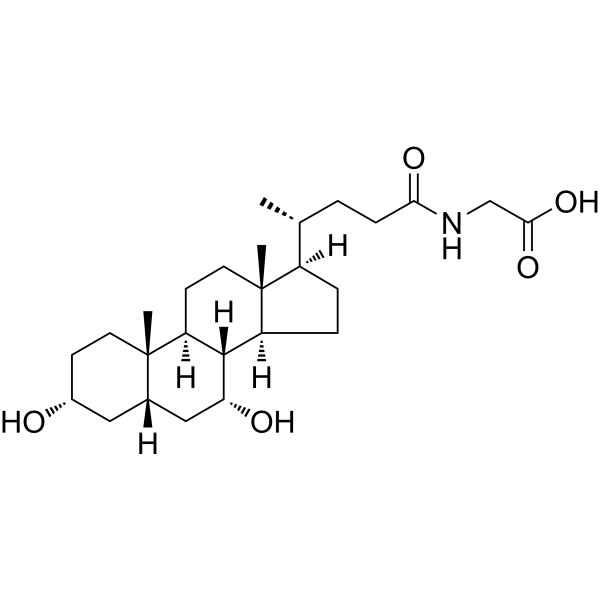
    Glycochenodeoxycholic acid
    5 Publications Verification

    Chenodeoxycholylglycine

    Endogenous Metabolite Apoptosis STAT BCL6 Interleukin Related Caspase Metabolic Disease Cancer
    Glycochenodeoxycholic acid (Chenodeoxycholylglycine) is a relatively toxic bile salt generated in the liver from chenodeoxycholic acid and glycine. Glycochenodeoxycholic acid inhibits Autophagosome formation and impairs lysosomal function by inhibiting lysosomal proteolysis and increasing lysosomal pH in human normal liver cells, leading to the Apoptosis of human hepatocyte cells. Glycochenodeoxycholic acid induces stemness and chemoresistance via activating STAT3 signaling pathway in hepatocellular carcinoma cells (HCC). Glycochenodeoxycholic acid is promising for research in the field of cholestasis desease, hepatocellular carcinoma and primary sclerosing cholangitis (PSC) .
    Glycochenodeoxycholic acid
  • HY-N2334A
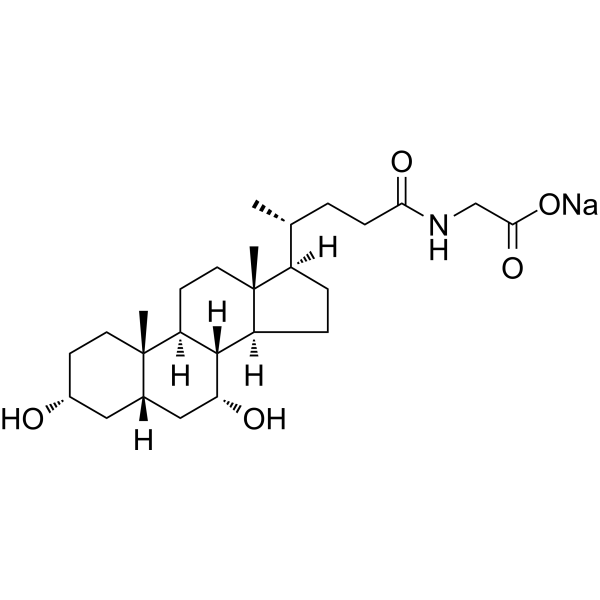
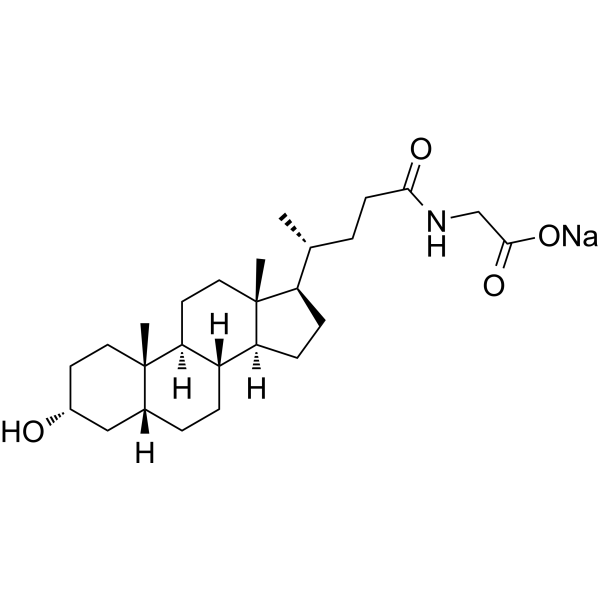
    Glycochenodeoxycholic acid sodium salt
    5 Publications Verification

    Chenodeoxycholylglycine sodium salt; Sodium glycochenodeoxycholate

    Endogenous Metabolite Apoptosis STAT BCL6 Interleukin Related Caspase Metabolic Disease Cancer
    Glycochenodeoxycholic acid sodium salt (Sodium glycochenodeoxycholate) is a relatively toxic bile salt generated in the liver from chenodeoxycholic acid and glycine. Glycochenodeoxycholic acid sodium salt inhibits Autophagosome formation and impairs lysosomal function by inhibiting lysosomal proteolysis and increasing lysosomal pH in human normal liver cells, leading to the Apoptosis of human hepatocyte cells. Glycochenodeoxycholic acid sodium salt induces stemness and chemoresistance via activating STAT3 signaling pathway in hepatocellular carcinoma cells (HCC). Glycochenodeoxycholic acid sodium salt is promising for research in the field of cholestasis desease, hepatocellular carcinoma and primary sclerosing cholangitis (PSC) .
    Glycochenodeoxycholic acid sodium salt
  • HY-116374
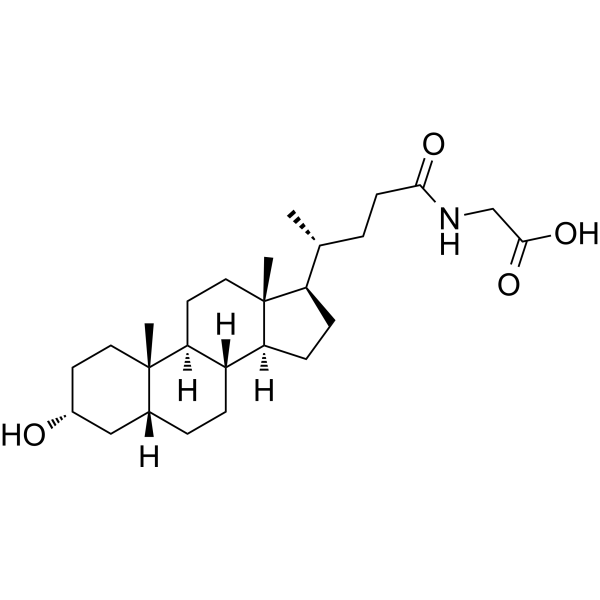
    Glycolithocholic acid
    2 Publications Verification

    Lithocholylglycine

    Endogenous Metabolite Inflammation/Immunology
    Glycolithocholic acid (Lithocholylglycine), an endogenous metabolite, is a glycine-conjugated secondary bile acid. Glycolithocholic acid can be used to diagnose ulcerative colitis (UC), non-alcoholic steatohepatitis (NASH) and primary sclerosing cholangitis (PSC) .
    Glycolithocholic acid
  • HY-109083
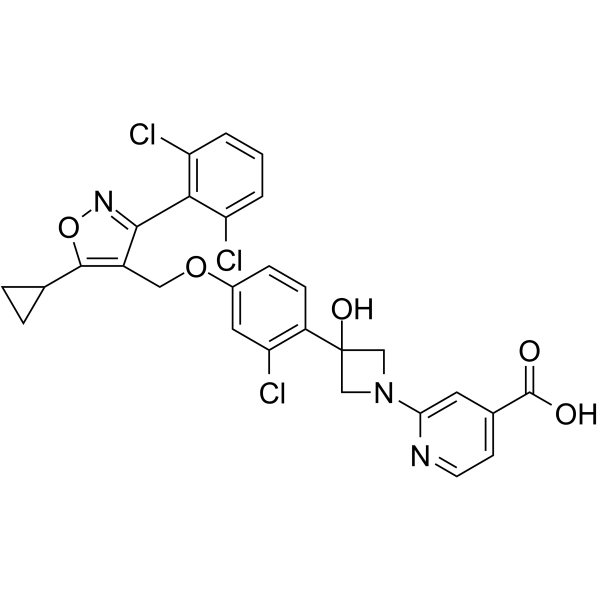
    Cilofexor
    Maximum Cited Publications
    10 Publications Verification

    GS-9674

    FXR Autophagy Inflammation/Immunology
    Cilofexor (GS-9674) is a potent, selective and orally active nonsteroidal FXR agonist with an EC50 of 43 nM. Cilofexor has anti-inflammatory and antifibrotic effects. Cilofexor has the potential for primary sclerosing cholangitis (PSC) and nonalcoholic steatohepatitis (NASH) research .
    Cilofexor
  • HY-P1624
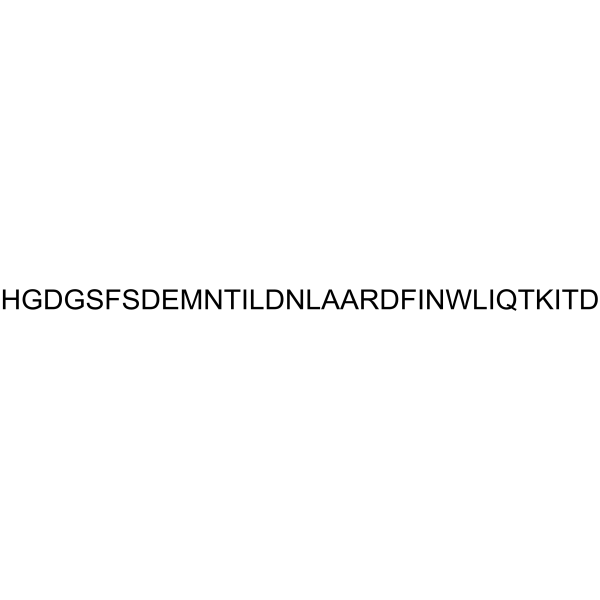
    Teduglutide
    2 Publications Verification

    ALX-0600

    Nuclear Hormone Receptor 4A/NR4A FXR Inflammation/Immunology
    Teduglutide (ALX-0600) is an analog of human glucagon like peptide-2 (GLP-2). Teduglutide can activate the expression of nuclear receptor subfamily 4 group a member 1 (NR4a1)/nur77 and intestinal FXR signaling in human hepatic stellate cells, thereby improving liver inflammation and fibrosis in mice with sclerosing cholangitis. Teduglutide can alleviate intestinal dysfunction in mice, improve lung injury, alleviate obesity related neuroinflammation and cell apoptosis .
    Teduglutide
  • HY-B2106

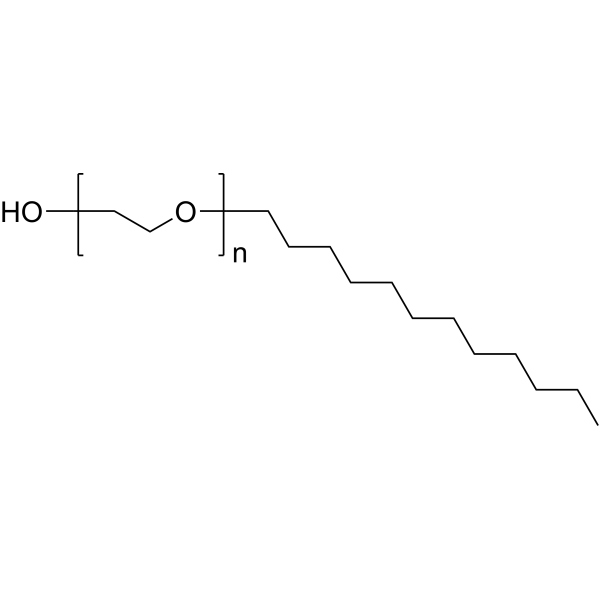
    Polyoxyethylene lauryl ether; Polyoxyethyleneglycol Dodecyl Ether

    Environmental Pollutants Biochemical Assay Reagents Cardiovascular Disease Cancer
    Polidocanol is a sclerosing agent used successfully to treat extremity and esophageal varices and telangiectasias.
    Polidocanol,Hydroxyl Value 40-60 mgKOH/g
  • HY-P990116

    Osteopontin Inflammation/Immunology
    Anti-Mouse osteopontin/SPP1 Antibody (103D6) is a mouse-derived anti-mouse osteopontin/SPP1 IgG2c κ type antibody inhibitor. Anti-Mouse osteopontin/SPP1 Antibody (103D6) increases cytotoxic T lymphocyte lytic activity and suppresses colon tumor growth. Anti-Mouse osteopontin/SPP1 Antibody (103D6) ameliorates liver injury in common bile duct ligation (CBDL)-induced primary sclerosing cholangitis mice models .
    Anti-Mouse osteopontin/SPP1 Antibody (103D6)
  • HY-160929

    CS-0159

    FXR Inflammation/Immunology
    Linafexor (CS-0159) is a FXR agonist and bile acid homeostasis modulator. Linafexor exerts its effects by activating FXR, a regulator of liver function. Linafexor is applicable to research related to primary sclerosing cholangitis (PSC). Linafexor is also suitable for research in the field of metabolic dysfunction-associated steatohepatitis (MASH) .
    Linafexor
  • HY-P99047

    AB 0024; GS 6624

    Monoamine Oxidase Cardiovascular Disease Inflammation/Immunology
    Simtuzumab (AB 0024; GS 6624) is a monoclonal antibody directed against Lysyl oxidase like-2 (LOXL2). Simtuzumab non-competitively blocks collagen cross-linking, reduces LOXL2 protein expression and attenuates extracellular matrix changes. Simtuzumab reduces myocardial fibrosis and prevents cardiac dysfunction. Simtuzumab lowers Myh7 and Nppa gene expression, reduces contraction heterogeneity, and cuts COL1A1 deposition. Simtuzumab can be used for the research of LMNA mutation-induced dilated cardiomyopathy, idiopathic pulmonary fibrosis, and primary sclerosing cholangitis .
    Simtuzumab
  • HY-W195048

    Environmental Pollutants Biochemical Assay Reagents Cardiovascular Disease
    Tetradecyl sulfate sodium, a detergent sclerosant, is widely used to research for esophageal varices and varicose veins .
    Tetradecyl sulfate sodium
  • HY-118594

    Ferrochelatase Metabolic Disease
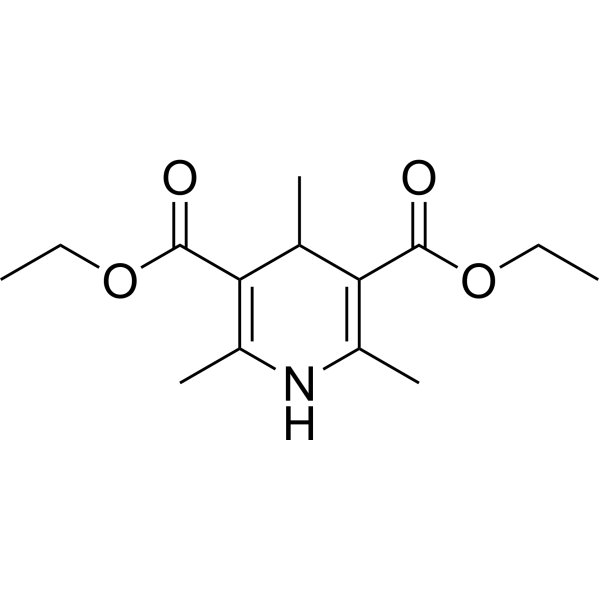
    Diethyl 2,4,6-trimethyl-1,4-dihydropyridine-3,5-dicarboxylate is an orally active porphyrin inducer and ferrochelatase inhibitor. Diethyl 2,4,6-trimethyl-1,4-dihydropyridine-3,5-dicarboxylate can induce small bile duct obstruction in mice, resulting in blocked bile excretion and causing cholestasis. Long-term use of Diethyl 2,4,6-trimethyl-1,4-dihydropyridine-3,5-dicarboxylate can cause damage to bile duct epithelial cells, inflammatory responses, and liver fibrosis. Diethyl 2,4,6-trimethyl-1,4-dihydropyridine-3,5-dicarboxylate can be used to simulate the pathological features of cholestatic liver diseases such as sclerosing cholangitis (PSC) .
    Diethyl 2,4,6-trimethyl-1,4-dihydropyridine-3,5-dicarboxylate
  • HY-116374A
    Glycolithocholic acid sodium
    2 Publications Verification

    Lithocholylglycine sodium

    Endogenous Metabolite Metabolic Disease
    Glycolithocholic acid (Lithocholylglycine) sodium is the sodium salt of Glycolithocholic acid. Glycolithocholic acid is a glycine-conjugated secondary bile acid. Glycolithocholic acid can be used to diagnose ulcerative colitis (UC), non-alcoholic steatohepatitis (NASH) and primary sclerosing cholangitis (PSC) .
    Glycolithocholic acid sodium
  • HY-148795

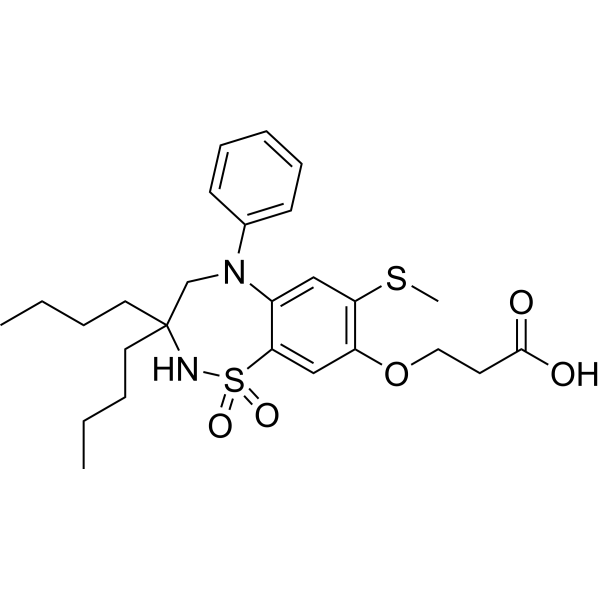
    Apical Sodium-Dependent Bile Acid Transporter Metabolic Disease
    Ritivixibat is an apical sodium-dependent bile acid transporter (ASBT/IBAT) inhibitor. Ritivixibat blocks ASBT/IBAT function, thereby reducing bile acid reabsorption, regulating bile acid homeostasis and alleviating liver injury. Ritivixibat protects cholangiocytes from damage caused by cytotoxic bile acids. Ritivixibat is applicable to research related to primary sclerosing cholangitis .
    Ritivixibat
  • HY-N2334R

    Chenodeoxycholylglycine (Standard)

    Reference Standards Endogenous Metabolite Apoptosis STAT BCL6 Interleukin Related Caspase Metabolic Disease Cancer
    Glycochenodeoxycholic acid (Standard) is the analytical standard of Glycochenodeoxycholic acid. This product is intended for research and analytical applications. Glycochenodeoxycholic acid (Chenodeoxycholylglycine) is a relatively toxic bile salt generated in the liver from chenodeoxycholic acid and glycine. Glycochenodeoxycholic acid inhibits Autophagosome formation and impairs lysosomal function by inhibiting lysosomal proteolysis and increasing lysosomal pH in human normal liver cells, leading to the Apoptosis of human hepatocyte cells. Glycochenodeoxycholic acid induces stemness and chemoresistance via activating STAT3 signaling pathway in hepatocellular carcinoma cells (HCC). Glycochenodeoxycholic acid is promising for research in the field of cholestasis desease, hepatocellular carcinoma and primary sclerosing cholangitis (PSC)[1][2][3][4].
    Glycochenodeoxycholic acid (Standard)
  • HY-N2334AR

    Chenodeoxycholylglycine sodium salt (Standard); Sodium glycochenodeoxycholate (Standard)

    Reference Standards Endogenous Metabolite Apoptosis STAT BCL6 Interleukin Related Caspase Metabolic Disease Cancer
    Glycochenodeoxycholic acid sodium salt (Standard) is the analytical standard of Glycochenodeoxycholic acid sodium salt. This product is intended for research and analytical applications. Glycochenodeoxycholic acid sodium salt (Sodium glycochenodeoxycholate) is a relatively toxic bile salt generated in the liver from chenodeoxycholic acid and glycine. Glycochenodeoxycholic acid sodium salt inhibits Autophagosome formation and impairs lysosomal function by inhibiting lysosomal proteolysis and increasing lysosomal pH in human normal liver cells, leading to the Apoptosis of human hepatocyte cells. Glycochenodeoxycholic acid sodium salt induces stemness and chemoresistance via activating STAT3 signaling pathway in hepatocellular carcinoma cells (HCC). Glycochenodeoxycholic acid sodium salt is promising for research in the field of cholestasis desease, hepatocellular carcinoma and primary sclerosing cholangitis (PSC) .
    Glycochenodeoxycholic acid sodium salt (Standard)
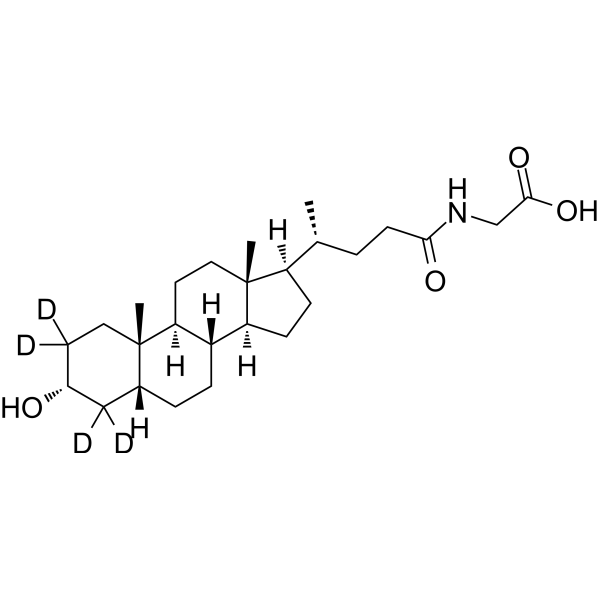
  • HY-116374S

    Isotope-Labeled Compounds Endogenous Metabolite Metabolic Disease Inflammation/Immunology
    Glycolithocholic acid-d4 is the deuterium labeled Glycolithocholic acid. Glycolithocholic acid, an endogenous metabolite, is a glycine-conjugated secondary bile acid and can be used to diagnose ulcerative colitis (UC), non-alcoholic steatohepatitis (NASH) and primary sclerosing cholangitis (PSC) .
    Glycolithocholic acid-d4
  • HY-116374R

    Lithocholylglycine (Standard)

    Endogenous Metabolite Reference Standards Inflammation/Immunology
    Glycolithocholic acid (Standard) is the analytical standard of Glycolithocholic acid. This product is intended for research and analytical applications. Glycolithocholic acid (Lithocholylglycine), an endogenous metabolite, is a glycine-conjugated secondary bile acid. Glycolithocholic acid can be used to diagnose ulcerative colitis (UC), non-alcoholic steatohepatitis (NASH) and primary sclerosing cholangitis (PSC) .
    Glycolithocholic acid (Standard)
  • HY-W195048R

    Biochemical Assay Reagents Reference Standards Cardiovascular Disease
    Tetradecyl sulfate sodium, a detergent sclerosant, is widely used to research for esophageal varices and varicose veins .
    Tetradecyl sulfate sodium (Standard)
  • HY-P1624S1

    ALX-0600-Leu(13C6,15N) sodium

    Isotope-Labeled Compounds Nuclear Hormone Receptor 4A/NR4A FXR Inflammation/Immunology
    Teduglutide-Leu( 13C6, 15N) (ALX-0600-Leu( 13C6, 15N)) sodium is the 13C- and 15N-labeled Teduglutide (HY-P1624). Teduglutide (ALX-0600) is an analog of human glucagon like peptide-2 (GLP-2). Teduglutide can activate the expression of nuclear receptor subfamily 4 group a member 1 (NR4a1)/nur77 and intestinal FXR signaling in human hepatic stellate cells, thereby improving liver inflammation and fibrosis in mice with sclerosing cholangitis. Teduglutide can alleviate intestinal dysfunction in mice, improve lung injury, alleviate obesity related neuroinflammation and cell apoptosis .
    Teduglutide-Leu(13C6,15N) sodium
  • HY-137561A

    PLN-74809 hydrochloride

    Integrin Inflammation/Immunology
    Bexotegrast hydrochloride (PLN-74809 hydrochloride) is a small molecule dual selective inhibitor with activity targeting αVβ1 and αVβ6. Bexotegrast hydrochloride is used for idiopathic pulmonary fibrosis (IPF) and primary sclerosing cholangitis (PSC). Bexotegrast hydrochloride inhibits the activation of TGF-β1 by blocking the function of these integrins, thereby preventing the growth of fibrous tissue in the lungs and bile ducts .
    Bexotegrast hydrochloride
  • HY-P1624A

    ALX-0600 TFA

    Nuclear Hormone Receptor 4A/NR4A FXR Inflammation/Immunology
    Teduglutide TFA is a dipeptidyl peptidase IV resistant glucagon-like peptide 2 (GLP-2) analogue. Teduglutide TFA can activate the expression of nuclear receptor subfamily 4 group a member 1 (NR4a1)/nur77 and intestinal FXR signaling in human hepatic stellate cells, thereby improving liver inflammation and fibrosis in mice with sclerosing cholangitis. Teduglutide TFA can alleviate intestinal dysfunction in mice, improve lung injury, alleviate obesity related neuroinflammation and cell apoptosis .
    Teduglutide TFA
  • HY-150787

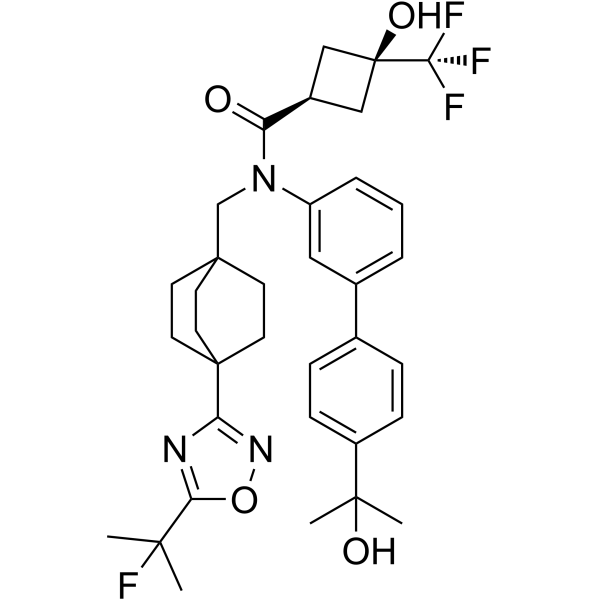
    FXR Cytochrome P450 Metabolic Disease
    BMS-986339 is an orally active, potent FXR agonist. BMS-986339 forms H-bond with His298 and ASN287 residues. BMS-986339 can be used in the research of primary biliary cirrhosis (PBC), primary sclerosing cholangitis (PSC), and nonalcoholic steatohepatitis (NASH), anti-fibrosis .
    BMS-986339
  • HY-W750488

    Lithocholylglycine-d5

    Isotope-Labeled Compounds Endogenous Metabolite Inflammation/Immunology
    Glycolithocholic acid-d5 (Lithocholylglycine-d5) is the deuterium labeled Glycolithocholic acid (HY-116374). Glycolithocholic acid (Lithocholylglycine), an endogenous metabolite, is a glycine-conjugated secondary bile acid. Glycolithocholic acid can be used to diagnose ulcerative colitis (UC), non-alcoholic steatohepatitis (NASH) and primary sclerosing cholangitis (PSC) .
    Glycolithocholic acid-d5
  • HY-109083A

    GS-9674 tromethamine

    Autophagy FXR Metabolic Disease
    Cilofexor tromethamine (GS-9674 tromethamine) is a nonsteroidal farnesene oxide receptor agonist with activity in improving markers of cholestasis and liver injury. Cilofexor tromethamine was shown to be well tolerated in patients without cirrhosis and resulted in significant improvements in liver biochemical parameters and cholestatic markers. Cilofexor tromethamine offers a potential inhibitory option for the management of primary sclerosing cholangitis .
    Cilofexor tromethamine
  • HY-138813R

    SU-12662 hydrochloride (Standard)

    Reference Standards Drug Metabolite Cancer
    Glycochenodeoxycholic acid sodium salt (Standard) is the analytical standard of Glycochenodeoxycholic acid sodium salt. This product is intended for research and analytical applications. Glycochenodeoxycholic acid sodium salt (Sodium glycochenodeoxycholate) is a relatively toxic bile salt generated in the liver from chenodeoxycholic acid and glycine. Glycochenodeoxycholic acid sodium salt inhibits Autophagosome formation and impairs lysosomal function by inhibiting lysosomal proteolysis and increasing lysosomal pH in human normal liver cells, leading to the Apoptosis of human hepatocyte cells. Glycochenodeoxycholic acid sodium salt induces stemness and chemoresistance via activating STAT3 signaling pathway in hepatocellular carcinoma cells (HCC). Glycochenodeoxycholic acid sodium salt is promising for research in the field of cholestasis desease, hepatocellular carcinoma and primary sclerosing cholangitis (PSC) .
    N-Desethyl Sunitinib hydrochloride (Standard)
  • HY-P1624S

    ALX-0600-Ala(13C3,15N) sodium

    Isotope-Labeled Compounds Nuclear Hormone Receptor 4A/NR4A FXR Inflammation/Immunology
    Teduglutide-Ala( 13C3, 15N) (ALX-0600-Ala( 13C3, 15N)) sodium is the 13C- and 15N-labeled Teduglutide (HY-P1624). Teduglutide (ALX-0600) is an analog of human glucagon like peptide-2 (GLP-2). Teduglutide can activate the expression of nuclear receptor subfamily 4 group a member 1 (NR4a1)/nur77 and intestinal FXR signaling in human hepatic stellate cells, thereby improving liver inflammation and fibrosis in mice with sclerosing cholangitis. Teduglutide can alleviate intestinal dysfunction in mice, improve lung injury, alleviate obesity related neuroinflammation and cell apoptosis .
    Teduglutide-Ala(13C3,15N) sodium
  • HY-118594R

    Reference Standards Ferrochelatase Metabolic Disease
    Diethyl 2,4,6-trimethyl-1,4-dihydropyridine-3,5-dicarboxylate (Standard) is the analytical standard of Diethyl 2,4,6-trimethyl-1,4-dihydropyridine-3,5-dicarboxylate (HY-118594). This product is intended for research and analytical applications. Diethyl 2,4,6-trimethyl-1,4-dihydropyridine-3,5-dicarboxylate is an orally active porphyrin inducer and ferrochelatase inhibitor. Diethyl 2,4,6-trimethyl-1,4-dihydropyridine-3,5-dicarboxylate can induce small bile duct obstruction in mice, resulting in blocked bile excretion and causing cholestasis. Long-term use of Diethyl 2,4,6-trimethyl-1,4-dihydropyridine-3,5-dicarboxylate can cause damage to bile duct epithelial cells, inflammatory responses, and liver fibrosis. Diethyl 2,4,6-trimethyl-1,4-dihydropyridine-3,5-dicarboxylate can be used to simulate the pathological features of cholestatic liver diseases such as sclerosing cholangitis (PSC).
    Diethyl 2,4,6-trimethyl-1,4-dihydropyridine-3,5-dicarboxylate (Standard)
  • HY-180131

    ASB17061

    Proteasome Inflammation/Immunology
    INVA8001 (ASB17061) is a highly selective and orally active chymase inhibitor with IC50 values for human chymase and mouse mast cell proteinase 4 (mMCP-4) of 0.02 and 0.03 μM, respectively. INVA8001 exhibits IC50 values for bovine α-chymotrypsin and human cathesin G of 3.4 and 32.1 μM, respectively, and it shows over 1000-fold selectivity for other related serine proteases. INVA8001 inhibits mast cells in a mouse primary sclerosing cholangitis (PSC) model, improves bile duct pathology, and alleviates bile stasis, demonstrating anti-inflammatory and anti-fibrotic effects .
    INVA8001
  • HY-182804

    Salt-inducible Kinase (SIK) Inflammation/Immunology
    SIK2/3-IN-3 (Example 15) is a potent, selective SIK2/3 inhibitor that exhibits preferential inhibitory activity against SIK2 (IC50 = 10.3 nM) and SIK3 (IC50 = 0.8 nM) over SIK1 (IC50 = 801 nM). SIK2/3-IN-3 can be used for the study of inflammatory diseases .
    SIK2/3-IN-3
  • HY-W777236

    Drug Metabolite Others
    N-Acetyl serotonin β-D-glucuronide is a glucuronidated metabolite of N-acetylserotonin (HY-107854) and a probe metabolite for UGT1A6 activity assays.N-Acetyl serotonin β-D-glucuronide forms from N-acetyl serotonin via glucuronidation catalyzed by a UGT enzyme .
    N-Acetyl serotonin β-D-glucuronide

Inquiry Online

Your information is safe with us. * Required Fields.

Salutation


Country or Region *

Applicant Name *


Organization Name *

Department *


Email Address *


Product Name *

Cat. No.


Requested quantity *

Phone Number *


Remarks

Inquiry Online

Inquiry Information

Product Name:
Cat. No.:
Quantity:
MCE Japan Authorized Agent:

