Search Result
Results for "
slices
" in MedChemExpress (MCE) Product Catalog:
1
Biochemical Assay Reagents
| Cat. No. |
Product Name |
Target |
Research Areas |
Chemical Structure |
-
- HY-P1388
-
|
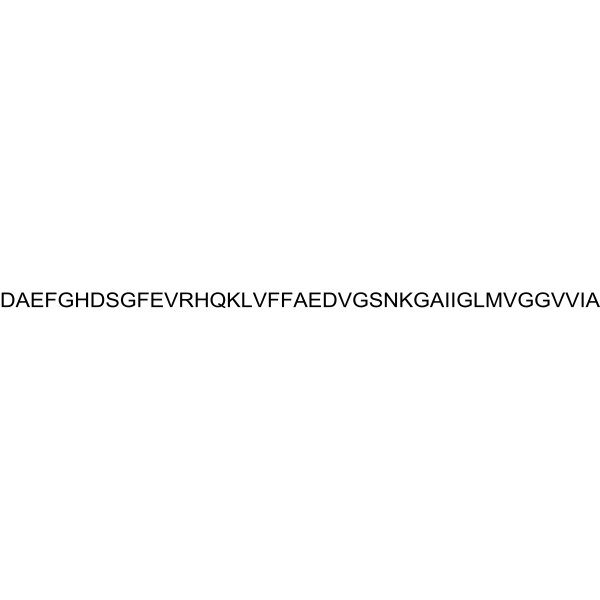
Amyloid β-peptide (1-42) (rat/mouse)
|
Amyloid-β
|
Neurological Disease
|
|
β-Amyloid (1-42), (rat/mouse) is a 42-aa peptide, shows cytotoxic effect on acute hippocampal slices, and used in the research of Alzheimer's disease.
|
-
-
- HY-101878
-
|
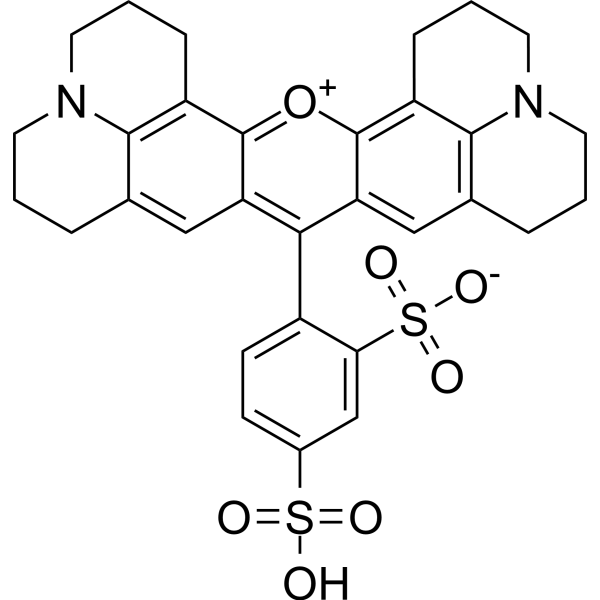
Sulforhodamine 101; SR101
|
Fluorescent Dye
|
Neurological Disease
|
|
Texas Red (Sulforhodamine 101) is an amphoteric rhodamine red fluorescent dye (excitation/emission: 586/605 nm). Texas Red is used extensively for investigating neuronal morphology and acts as acell type-selective fluorescent marker of astrocytes bothin vivoand in slice preparations .
|
-
-
- HY-106161
-
|
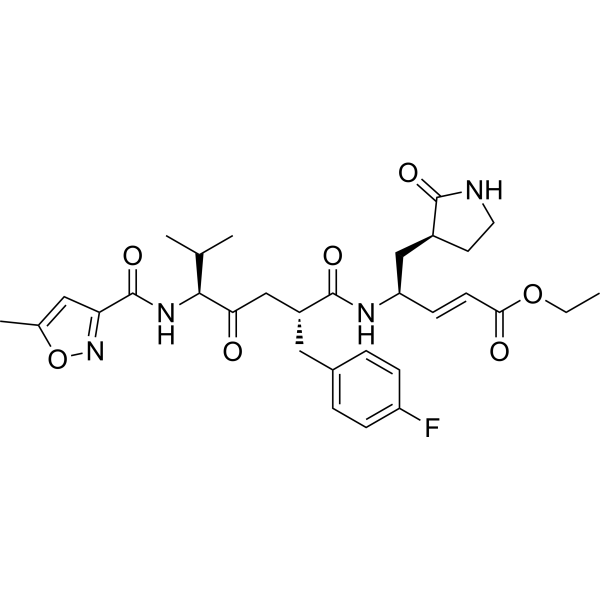
AG7088
|
Virus Protease
Enterovirus
|
Infection
Inflammation/Immunology
|
|
Rupintrivirvr (AG7088), an antiviral agent, is a potent, selective and irreversible inhibitor of human rhinovirus (HRV) 3C protease. Rupintrivirvr inhibits replication of a panel of 48 different HRV serotypes in H1-HeLA and MRC-5 cell protection assays, with a mean EC50 of 0.023 μM. Rupintrivirvr shows immune-modulatory effect .
|
-
-
- HY-14197A
-
|
|
Monoamine Oxidase
|
Metabolic Disease
|
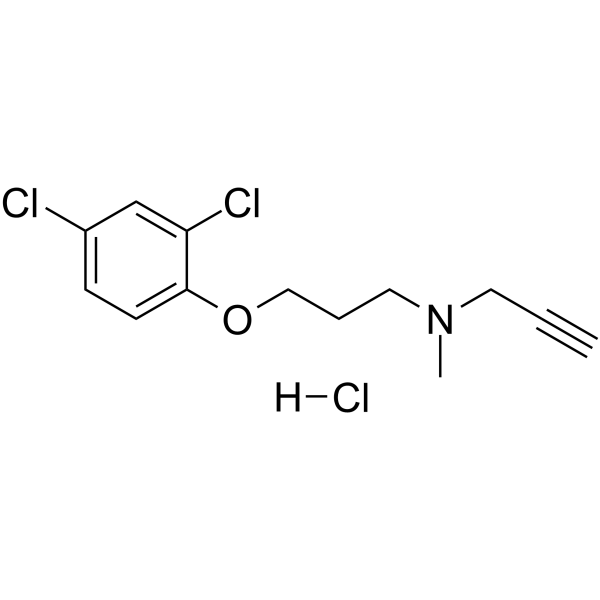
Clorgyline hydrochloride is an irreversible and selective inhibitor of monoamine oxidase A (MAO-A) that is used in scientific research, structurally related to Pargyline (HY-A0091A). Clorgyline hydrochloride has little effect on the amounts of conjugated dopamine (DA) present in superfusate of slices from rat striatum. Clorgyline hydrochloride contains an Alkyne group and can undergo copper-catalyzed azide-alkyne cycloaddition (CuAAc) with molecules containing Azide groups .
|
-
-
- HY-10932
-
|
Ro 13-5057
|
nAChR
iGluR
|
Neurological Disease
|
|
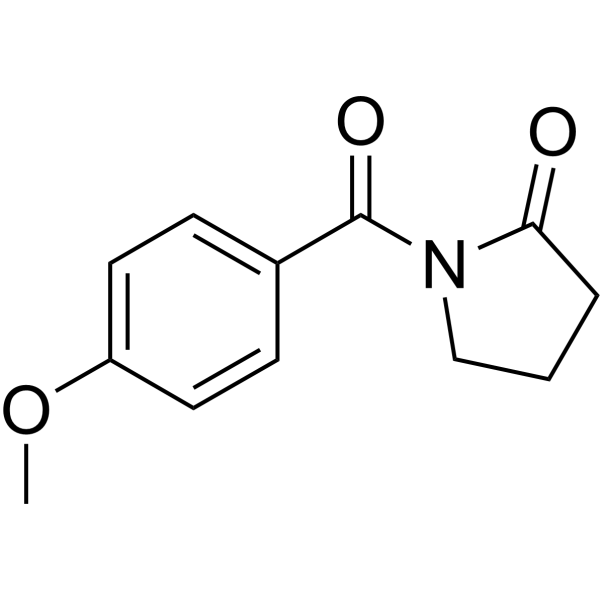
Aniracetam (Ro 13-5057) is an orally active neuroprotective agent, possessing nootropics effects. Aniracetam potentiates the ionotropic quisqualate (iQA) responses in the CA1 region of rat hippocampal slices. Aniracetam also potentiates the excitatory post synaptic potentials (EPSPs) in Schaffer collateral-commissural synapses. Aniracetam can prevents the CO2-induced impairment of acquisition in hypercapnia model rats. Aniracetam can be used to research cerebral dysfunctional disorders .
|
-
-
- HY-B0696
-
|
NO050328; NO328; TGB
|
GABA Receptor
|
Neurological Disease
|
|
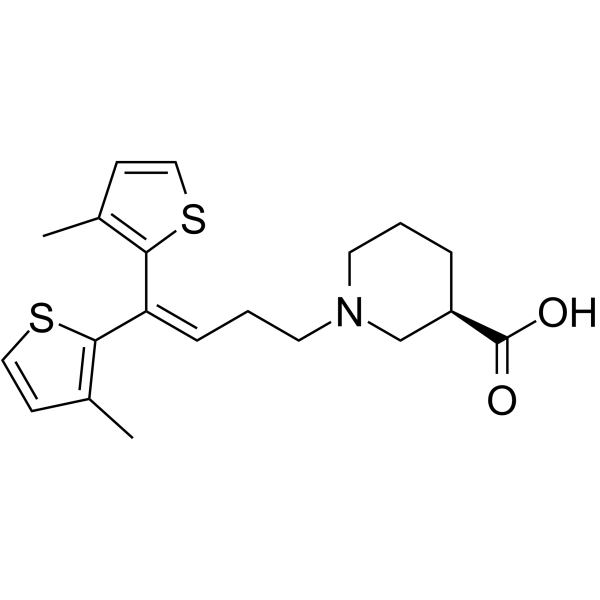
Tiagabine (NO050328; NO328; TGB) is an orally active, highly selective, and reversible GAT-1 inhibitor and anticonvulsant that crosses the blood-brain barrier. By blocking the reuptake of GABA in neurons and glial cells, tiagabine increases extracellular GABA levels to enhance inhibitory signal transduction, thereby exerting multiple activities such as anticonvulsant, neuroprotective, and antioxidant effects. Tiagabine exhibits linear pharmacokinetic properties. Although it is metabolized by CYP3A and has a high protein binding rate, it carries a low risk of cognitive impairment. Tiagabine is widely used in research on related diseases including epilepsy (including refractory partial seizures), alcohol withdrawal symptoms, and Huntington's disease .
|
-
-
- HY-P0221C
-
|
|
PACAP Receptor
|
Metabolic Disease
|
|
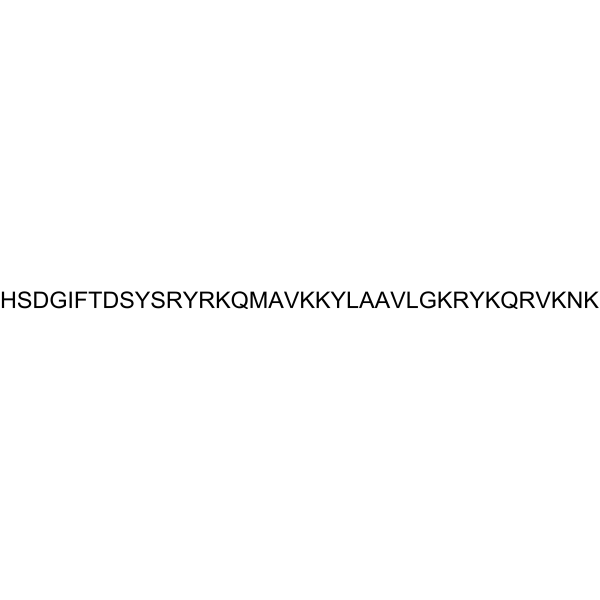
PACAP (1-38) free acid is a desamido-PACAP (1-38), human, ovine, rat (HY-P0221). PACAP (1-38) free acid can activate the human PAC1 receptor. PACAP (1-38) free acid induces cyclic AMP (cAMP) generation in both NS-1 neuroendocrine cells and non-neuroendocrine HEK293 cells .
|
-
-
- HY-148226
-
|
|
Apoptosis
Reactive Oxygen Species (ROS)
|
Cardiovascular Disease
|
|
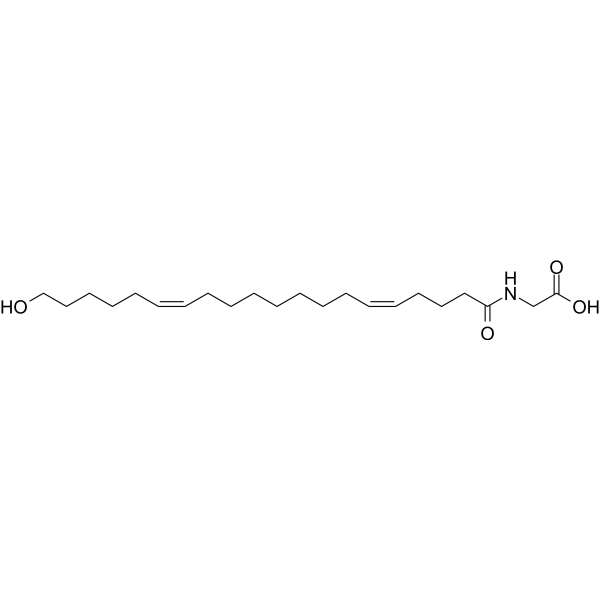
20-5,14-HEDGE is a 20-HETE analog. 20-5,14-HEDGE induces cell death in organotypic hippocampal slice cultures (OHSCs). 20-5,14-HEDGE enhances ROS production and reduces hypoxia-reoxygenation (HR)-induced apoptosis in ex vivo rat lung slices. 20-5,14-HEDGE protects against lung ischemic reperfusion injury in rats. 20-5,14-HEDGE can be used for the study of pulmonary vascular signaling and lung injury-related research .
|
-
-
- HY-117771
-
DO34
5 Publications Verification
|
DAGL
|
Neurological Disease
Metabolic Disease
|
|
DO34 is a selective DAGL inhibitor, with an IC50 of 6 nM for DAGLα conversion of SAG to 2-AG. DO34 blocks de novo 2-AG synthesis, and suppresses tonic CB1 receptor activation. DO34 blocks depolarization-induced suppression of excitation and inhibition in the cerebellum and hippocampus. DO34 regulates feeding behavior and locomotor activity in mice. DO34 abolishes AM251-mediated enhancement of parallel fiber-evoked excitatory postsynaptic currents in cerebellar slices from MAGL global knockout mice. DO34 can be used for the research of energy balance disorder and neuroinflammation .
|
-
-
- HY-W345885
-
|
|
β-glucuronidase
|
Metabolic Disease
|
Saccharic acid is a competitive and potent inhibitor of β-glucuronidase. Saccharic acid inhibits glucuronide synthesis. Saccharic acid as an efficient iron chelate to enhance photo-Fenton degradation of organic contaminants .
|
-
-
- HY-W067716
-
|
(S)-Spinacine
|
GABA Receptor
|
Neurological Disease
|
|
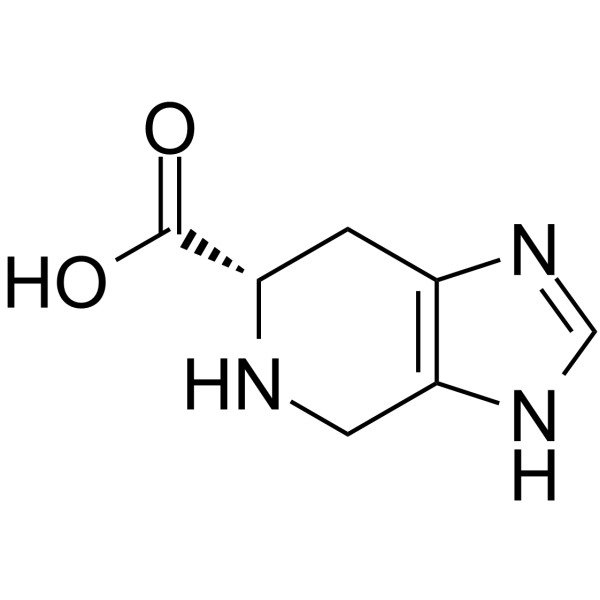
Spinacine ((S)-Spinacine) is a GABA uptake inhibitor. Spinacine enhances synaptic GABA effects via inhibition of gamma-aminobutyric acid uptake in cerebral cortex slices. Spinacine inhibits reflex responses of ventral roots in isolated spinal cord. Spinacine inhibits motor activity and reduces approaches to water dispensers in conflict situations. Spinacine raises pain sensitivity threshold via subarachnoidal injection .
|
-
-
- HY-125931
-
|
DM232
|
iGluR
|
Neurological Disease
Inflammation/Immunology
|
|
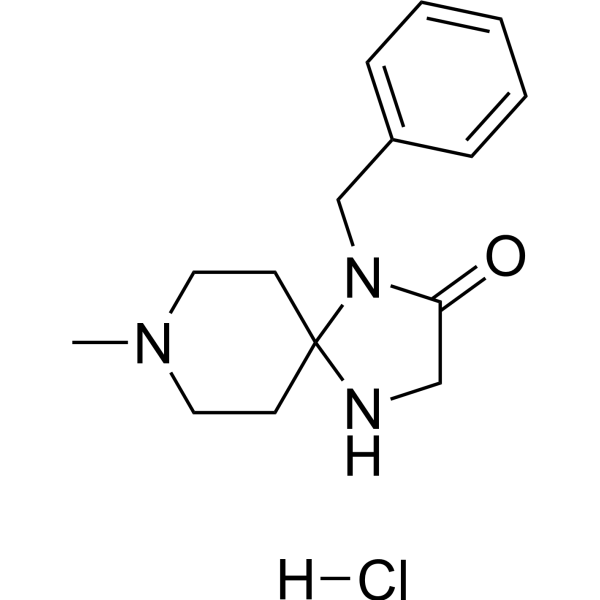
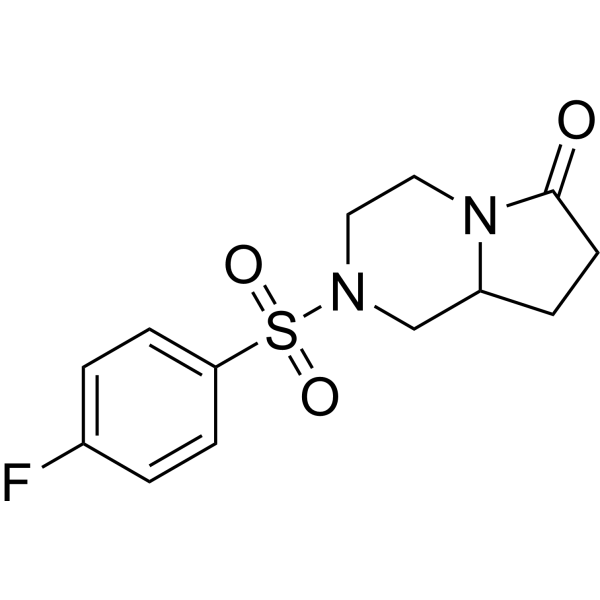
Unifiram (DM232) is a AMPA receptor activator and cognitive enhancer. Unifiram activates the AMPA-mediated neurotransmission system. Unifiram reverses NBQX-induced amnesia in the passive avoidance test in mice. Unifiram reverses the antagonistic effect of kynurenic acid on NMDA-mediated [ 3H]NA release in rat hippocampal slices. Unifiram enhances excitatory synaptic transmission in the rat hippocampus in vitro. Unifiram can be used in studies related to amnesia and cognitive dysfunction, including age-related memory decline, neurodegenerative diseases such as Alzheimer's disease or Parkinson's disease, multiple sclerosis, schizophrenia, and attention deficit hyperactivity disorder .
|
-
-
- HY-P1388A
-
|
Amyloid β-peptide (1-42) (rat/mouse) TFA
|
Amyloid-β
|
Neurological Disease
|
|
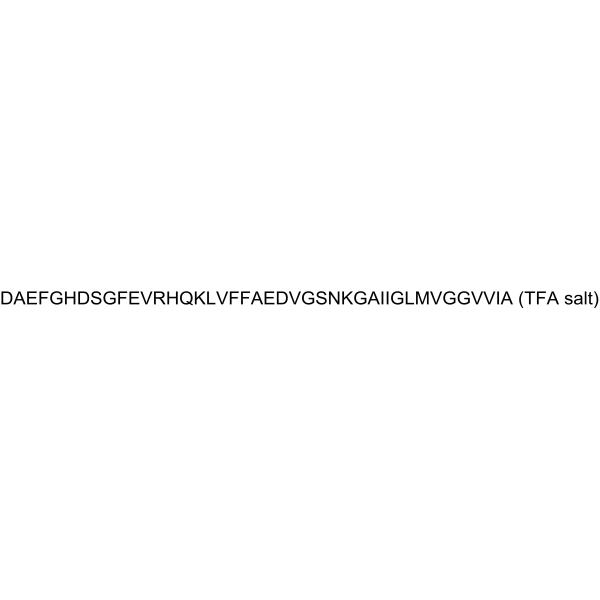
β-Amyloid (1-42), (rat/mouse) TFA is a 42-aa peptide, shows cytotoxic effect on acute hippocampal slices, and used in the research of Alzheimer's disease.
|
-
-
- HY-D2709
-
|
|
Fluorescent Dye
|
Others
|
|
Cy3 Dextran (MW 20000) is a fluorescent labeling reagent that combines Cy3 (HY-D0822) fluorescent dye and Dextran (HY-112624). The Cy3 fluorophore is commonly used in applications such as immunolabeling, nucleic acid labeling, fluorescence microscopy, and flow cytometry. Dextran has an inhibitory effect on thrombocyte aggregation and coagulation factors and is used as a plasma volume expander (Ex/Em = 550/570 nm) .
|
-
-
- HY-P3688A
-
|
Aβ (1-38) TFA; Aβ38 TFA
|
Amyloid-β
|
Neurological Disease
|
|
β-Amyloid (1-38) (Aβ (1-38)) TFA is a β-Amyloid (Aβ) peptide. β-Amyloid (1-38) TFA interferes with the conversion of Aβ(1-42) to a β-sheet-rich aggregate. β-Amyloid (1-38)TFA reverses the negative impact of Aβ(1-42) on long-term potentiation in acute hippocampal slices and on membrane conductance in primary neurons, and mitigates an Aβ(1-42) phenotype in Caenorhabditis elegans .
|
-
-
- HY-B2091
-
|
|
Antibiotic
Bacterial
|
Infection
|
|
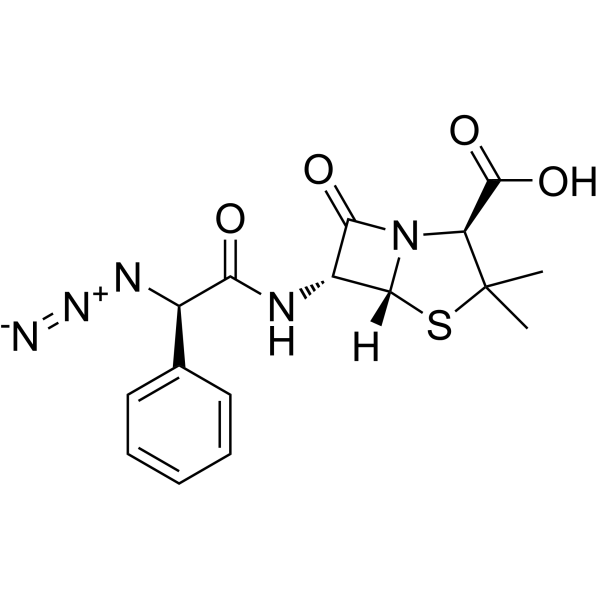
Azidocillin, a semi-synthetic Penicillin, is an orally active β-lactam antibiotic. Azidocillin bears an azide functionality and retains on-target activity within bacteria. Azidocillin can be used to research osteitis caused by dental surgery, otitis media, enterococcal septicemia and other bacterial infectious diseases . Azidocillin is a click chemistry reagent, it contains an Azide group and can undergo copper-catalyzed azide-alkyne cycloaddition reaction (CuAAc) with molecules containing Alkyne groups. It can also undergo strain-promoted alkyne-azide cycloaddition (SPAAC) reactions with molecules containing DBCO or BCN groups.
|
-
-
- HY-P2259
-
|
|
iGluR
HIV Integrase
Adenosine Receptor
|
Cardiovascular Disease
Neurological Disease
|
|
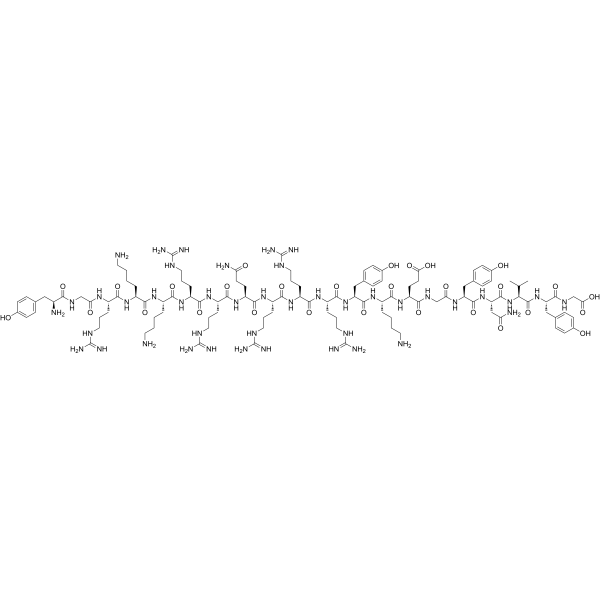
TAT-GluA2 3Y is a blood-brain barrier-permeable AMPA receptor inhibitory peptide that crosses cell membranes via the HIV-1 TAT protein domain. TAT-GluA2 3Y blocks the endocytosis of AMPA receptors, including the internalization of GluA1/GluA2 subunits, by disrupting interactions with the AP2, Brag2 and Syt3-GluA2 complexes, while also inhibiting long-term depression. TAT-GluA2 3Y blocks hypoxia-mediated AMPAR internalization, alleviates A1R-induced persistent synaptic inhibition, and reduces cerebral ischemic volume, neurological deficits and spatial memory deficits. TAT-GluA2 3Y blocks the effect of NLRP3 deficiency on fear generalization, inhibits amphetamine-induced behavioral/neurochemical sensitization, weakens the unconditioned stimulus-conditioned stimulus association of morphine, and promotes the extinction of morphine CPP. TAT-GluA2 3Y can be used in studies related to fear generalization, ischemic stroke, hypoxia, drug addiction and opioid addiction .
|
-
-
- HY-163455
-
|
|
HCN Channel
|
Neurological Disease
|
|
pan-HCN-IN-1 (Compound J&J12e) is an inhibitor for hyperpolarization-activated and cyclic-nucleotide-gated 1 (HCN1) ion channel, with IC50 of 58 nM. pan-HCN-IN-1 reduces the voltage sag response and enhances EPSP summation in ex vivo rats brain slices .
|
-
-
- HY-117764
-
|
|
mGluR
|
Neurological Disease
|
|
LSP4-2022 is a potent and brain-penetrant mGlu4-selective orthosteric agonist, with an EC50 of 0.11 μM. LSP4-2022 inhibits neurotransmission in cerebellar slices from wild-type but not mGlu4 receptor-knockout mice. LSP4-2022 shows pro-depressant activity .
|
-
-
- HY-12294A
-
|
NVP-AAM077 tetrasodium hydrate
|
Apoptosis
Caspase
iGluR
|
Neurological Disease
|
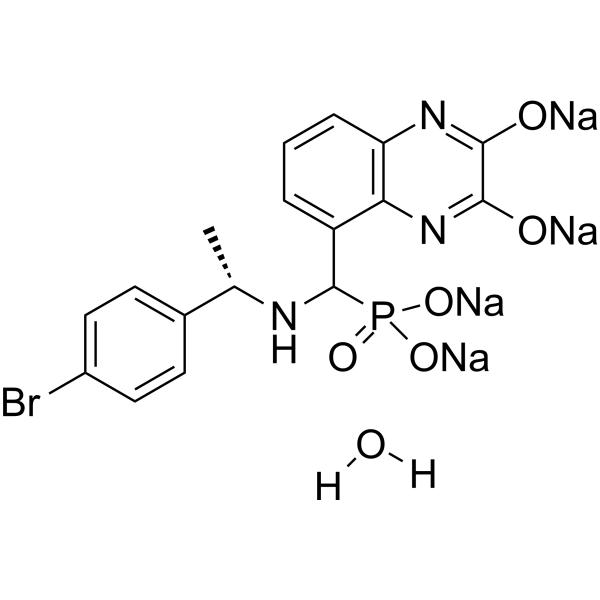
PEAQX tetrasodium hydrate (NVP-AAM077 tetrasodium hydrate) is a tetrasodium hydrate of PEAQX (HY-12294). PEAQX tetrasodium hydrate is an orally active and selective NMDA antagonist, with IC50 values of 270 nM and 29.6 μM for hNMDAR 1A/2A and hNMDAR 1A/2B, respectively. PEAQX tetrasodium hydrate can promote the activation of caspase-3 and induce cell apoptosis in cortical striatal slice cultures .
|
-
-
- HY-139142B
-
|
PTI-125 hydrochloride
|
mTOR
iGluR
Amyloid-β
Tau Protein
|
Neurological Disease
Metabolic Disease
Inflammation/Immunology
Cancer
|
|
Simufilam hydrochloride (PTI-125 hydrochloride) is an orally active FLNA modulator. Simufilam hydrochloride restores NMDAR signaling and Arc expression. Simufilam hydrochloride inhibits overactive mTOR signaling by restoring the normal conformation of FLNA, improves insulin sensitivity, reduces Aβ42-induced neuroinflammation and tau protein hyperphosphorylation. Simufilam hydrochloride can be used for research of Alzheimer's disease .
|
-
-
- HY-P2612
-
|
|
TNF Receptor
RANKL/RANK
Apoptosis
|
Inflammation/Immunology
|
|
WP9QY is an inhibitor targeting TNFα and RANKL, which blocks the TNFα-TNFR1 interaction and inhibits TNFα-mediated apoptosis, cytotoxicity and bone destruction. WP9QY inhibits osteoclastogenesis and promotes osteoblast differentiation, induces chondrocyte proliferation and glycosaminoglycan production, and synergizes with TGF-β3 to promote chondrogenesis. WP9QY effectively repairs full-thickness articular cartilage defects in rabbits via intra-articular injection, and inhibits methylmercury-induced reduction of NeuN-positive cells in mouse brain slices. WP9QY can be applied to the research of diseases related to methylmercury-induced neuronal death, cartilage injury, osteoarthritis and bone loss .
|
-
-
- HY-103465
-
|
|
Monoamine Transporter
|
Others
|
|
FFN511 is a potent fluorescent false neurotransmitters (FFNs) that targets neuronal vesicular monoamine transporter 2 (VMA T2). FFN511 inhibits serotonin binding to VMA T2-containing membranes with an IC50 of 1 µM. FFN511 directly images the dynamics of release during exocytosis, can be used to label dopamine terminals in live cortical-striatalacute slices .
|
-
-
- HY-D2155
-
|
|
Fluorescent Dye
|
Others
|
|
Texas red-X 4-succinimidyl ester is a derivative of Texas Red (HY-101878), an amphoteric rhodamine red fluorescent dye. Texas Red is widely used to study neuronal morphology and as a cell type-selective fluorescent marker for astrocytes, both in vivo and in slice preparations.
|
-
-
- HY-12294
-
|
NVP-AAM077
|
Caspase
Apoptosis
iGluR
|
Neurological Disease
|
PEAQX (NVP-AAM077) is an orally active and selective NMDA antagonist, with IC50 values of 270 nM and 29.6 μM for hNMDAR 1A/2A and hNMDAR 1A/2B, respectively. PEAQX can promote the activation of caspase-3 and induce cell apoptosis in cortical striatal slice cultures .
|
-
-
- HY-100743
-
|
2-Amino-4-phosphonobutyric acid
|
mGluR
|
Neurological Disease
Metabolic Disease
|
|
DL-AP4 (2-Amino-4-phosphonobutyric acid) is a glutamate antagonist. DL-AP4 behaves as a competitive inhibitor of glutamate binding with an apparent Kd of 66 μM. DL-AP4 can be used for the research of central nervous system and visual system .
|
-
-
- HY-106865
-
|
|
Dopamine Receptor
Adrenergic Receptor
|
Cardiovascular Disease
|
|
Mivazerol is a selective α2-adrenoceptor agonist. Mivazerol decreases the spontaneous release of serotonin (5-HT) and significantly inhibits the immobilization stress-induced enhancement of norepinephrine (NE), dopamine (DA) and dihydroxyphenylacetic acid (DOPAC). Mivazerol inhibits intrathecal release of glutamate evoked by halothane withdrawal in rats, and exerts neuroprotective effects in forebrain ischemia rats. Mivazerol can be used for myocardial ischemia research .
|
-
-
- HY-117771A
-
|
|
DAGL
|
Neurological Disease
Metabolic Disease
|
|
DO34 analog is a structural analog of DO34 (HY-117771). DO34 is a selective DAGL inhibitor, with an IC50 of 6 nM for DAGLα conversion of SAG to 2-AG. DO34 can be used for the research of energy balance disorder and neuroinflammation .
|
-
-
- HY-DY1056
-
|
|
Fluorescent Dye
|
Neurological Disease
|
Texas Red (Sulforhodamine 101) (solution) is an amphoteric rhodamine red fluorescent dye (excitation/emission: 586/605 nm). Texas Red is used extensively for investigating neuronal morphology and acts as acell type-selective fluorescent marker of astrocytes bothin vivoand in slice preparations . Solvent and concentration: DMSO: 10 mM The 1 mL volume is defined as the base specification. All larger sizes correspond to incremental volumes of this base.
|
-
-
- HY-112828
-
|
|
DAGL
|
Neurological Disease
Metabolic Disease
Inflammation/Immunology
|
|
LEI105 is a potent, highly selective and reversible dual diacylglycerol lipase (DAGL)-α/DAGL-β inhibitor. LEI105 reduces 2-arachidonoylglycerol levels in Neuro2A cells. LEI105 also reduces cannabinoid CB1-receptor-mediated short-term synaptic plasticity in a mouse hippocampal slice model. LEI105 is promising for research of diseases, such as obesity, related metabolic disorders and neuroinflammation .
|
-
-
- HY-139142A
-
|
PTI-125 dihydrochloride
|
Tau Protein
Amyloid-β
mTOR
iGluR
|
Neurological Disease
|
|
Simufilam dihydrochloride (PTI-125 dihydrochloride) is an orally active FLNA modulator. Simufilam dihydrochloride restores NMDAR signaling and Arc expression. Simufilam dihydrochloride inhibits overactive mTOR signaling by restoring the normal conformation of FLNA, improves insulin sensitivity, reduces Aβ42-induced neuroinflammation and tau protein hyperphosphorylation. Simufilam dihydrochloride can be used for research of Alzheimer's disease .
|
-
-
- HY-125172
-
|
Polyglutamine Aggregation inhibitor III
|
Huntingtin
|
Others
|
|
C2-8 is an inhibitor of polyglutamine (polyQ) aggregation (IC50s=25 and 0.05 μM for recombinant HDQ51 and in PC12 cells, respectively). It also inhibits polyQ aggregation in organotypic hippocampal slice cultures isolated from R6/2 transgenic mice and reduces neurodegeneration in a dose-dependent manner in a Drosophila model of Huntington's disease. C2-8 (100 and 200 mg/kg) reduces huntingtin aggregate size, reduces neuronal atrophy, and improves motor performance in a rotarod test in the R6/2 transgenic mouse model of Huntington's disease.
|
-
-
- HY-137172
-
|
|
Sodium Channel
|
Others
|
|
ETH 157 is a neutral sodium-selective carrier. ETH 157 exhibits sufficient Na +/K + selectivity and enhanced Na +/Ca 2+ selectivity, making it suitable for the detection of extracellular Na + activity .
|
-
-
- HY-119615
-
|
|
Adrenergic Receptor
|
Neurological Disease
Endocrinology
|
|
Mezilamine is a potent antidopaminergic agent. Mezilamine induces a concentration dependent increase in the electrically stimulated overflow of 3H-noradrenaline from rat cortical slices, without affecting the basal overflow. Mezilamine acts as a presynaptic α-adrenoceptor antagonist and a postsynaptic α-adrenoceptor agonist .
|
-
-
- HY-124985
-
|
|
mGluR
|
Neurological Disease
|
|
VU6010608 is a blood-brain barrier-crossing mGlu7 negative allosteric modulator (IC50 = 0.76 μM). VU6010608 can block long-term enhancement (LTP) of SC-CA1 synapses in mouse brain slices induced by high-frequency stimulation. VU6010608 can be used for research on neurological diseases .
|
-
-
- HY-B0399A
-
|
DL-Carnitine; DL-Levocarnitine
|
Mitochondrial Metabolism
|
Metabolic Disease
|
|
(±)-Carnitine (DL-Carnitine) is an orally effective racemic mixture of L-Carnitine (HY-B0399) and D-Carnitine. (±)-Carnitine elevates the mitochondrial NAD +/NADH ratio in the presence of 1,3-butanediol (HY-77490A). (±)-Carnitine does not increase glucose and urea production from L-glutamine, but stimulates propionate gluconeogenesis in rat renal cortical slices, and significantly reduces hepatic ketone body levels in rats fed a diet containing 30% high fat plus 20% 1,3-butanediol .
|
-
-
- HY-P3688
-
|
Aβ (1-38); Aβ38
|
Amyloid-β
|
Neurological Disease
|
|
β-Amyloid (1-38) (Aβ (1-38)) is a β-Amyloid (Aβ) peptide. β-Amyloid (1-38) interferes with the conversion of Aβ(1-42) to a β-sheet-rich aggregate. β-Amyloid (1-38) reverses the negative impact of Aβ(1-42) on long-term potentiation in acute hippocampal slices and on membrane conductance in primary neurons, and mitigates an Aβ(1-42) phenotype in Caenorhabditis elegans .
|
-
-
- HY-144635
-
|
|
Monoamine Oxidase
Keap1-Nrf2
Reactive Oxygen Species (ROS)
|
Neurological Disease
|
|
Nrf2-ARE/hMAO-B/QR2 modulator 1 is a Resveratrol-based multitarget-directed ligands with IC50s of 8.05, 9.83 and 0.57 μM for hMAO-B, NRF2 and QR2. Nrf2-ARE/hMAO-B/QR2 modulator 1 has neuroprotection, decreasing ROS production in okadaic acid-treated mice hippocampal slices . Nrf2-ARE/hMAO-B/QR2 modulator 1 is a click chemistry reagent, it contains an Alkyne group and can undergo copper-catalyzed azide-alkyne cycloaddition (CuAAc) with molecules containing Azide groups.
|
-
-
- HY-W342930
-
|
Acid Red 17
|
Biochemical Assay Reagents
|
Others
|
|
Bordeaux Red (Acid Red 17) is a redox indicator that can be used for cytoplasm staining, such as spleen, testis, and liver slice staining. Bordeaux Red is a kind of biological materials or organic compounds that are widely used in life science research .
|
-
-
- HY-103188
-
|
|
Adenosine Receptor
|
Neurological Disease
|
|
PD81723 is an adenosine receptor binding enhancer. PD81723 enhances the inhibition of exogenous adenosine in a dose-dependent manner in hippocampal brain sections .
|
-
-
- HY-W067716R
-
|
(S)-Spinacine (Standard)
|
Reference Standards
GABA Receptor
|
Neurological Disease
|
|
Spinacine (Standard) is the analytical standard of Spinacine (HY-W067716). This product is intended for research and analytical applications. Spinacine ((S)-Spinacine) is a GABA uptake inhibitor. Spinacine enhances synaptic GABA effects via inhibition of gamma-aminobutyric acid uptake in cerebral cortex slices. Spinacine inhibits reflex responses of ventral roots in isolated spinal cord. Spinacine inhibits motor activity and reduces approaches to water dispensers in conflict situations. Spinacine raises pain sensitivity threshold via subarachnoidal injection .
|
-
-
- HY-10932R
-
|
Ro 13-5057 (Standard)
|
Reference Standards
nAChR
iGluR
|
Neurological Disease
|
|
Aniracetam (Standard) is the analytical standard of Aniracetam. This product is intended for research and analytical applications. Aniracetam (Ro 13-5057) is an orally active neuroprotective agent, possessing nootropics effects. Aniracetam potentiates the ionotropic quisqualate (iQA) responses in the CA1 region of rat hippocampal slices. Aniracetam also potentiates the excitatory post synaptic potentials (EPSPs) in Schaffer collateral-commissural synapses. Aniracetam can prevents the CO2-induced impairment of acquisition in hypercapnia model rats. Aniracetam can be used to research cerebral dysfunctional disorders .
|
-
-
- HY-12701A
-
|
U-99194A; PNU-99194A maleate; JPC-211 maleate
|
Dopamine Receptor
|
Neurological Disease
|
|
U-99194 (PNU-99194) maleate is a selective, potent dopamine D3 receptor antagonist (Ki =160 nM). U-99194 maleate inhibits the activation of D3 receptor mediated by endogenously released dopamine or exogenous D3 agonists. U-99194 maleate abrogates the IPSC-suppressive effect of the D3 agonist PD 128907 in rat hippocampal slices. U-99194 maleate significantly suppresses Nicotine (HY-127019)-induced tremor in mice. U-99194 maleate can be used for the study of dopamine D3 receptor-mediated motor disorders, particularly kinetic tremors .
|
-
-
- HY-103465B
-
|
|
Monoamine Transporter
|
Others
|
|
FFN511 (hydrochloride) is a potent fluorescent false neurotransmitters (FFNs) that targets neuronal vesicular monoamine transporter 2 (VMA T2). FFN511 (hydrochloride) inhibits serotonin binding to VMA T2-containing membranes with an IC50 of 1 µM. FFN511 (hydrochloride) directly images the dynamics of release during exocytosis, can be used to label dopamine terminals in live cortical-striatalacute slices .
|
-
-
- HY-P1987
-
|
|
Calcium Channel
|
Neurological Disease
|
|
Mast cell degranulating peptide (28-49) is a depolarizing agent from bee venom, it can raise the content of cGMP level in mouse cerebellar slices .
|
-
-
- HY-12294B
-
|
(Rac)-NVP-AAM077
|
iGluR
Caspase
Apoptosis
|
Neurological Disease
|
|
(Rac)-PEAQX is a NMDA receptor agonist. (Rac)-PEAQX can promote the activation of caspase-3 and induce cell apoptosis in cortical striatal slice cultures .
|
-
-
- HY-155524
-
|
|
Apoptosis
|
Cancer
|
|
Anticancer agent 134 (compound 6a) is a environment-sensitive fluorescent probe and an apoptosis inducer, making a distinction between the tumor and normal tissues. Anticancer agent 134 localizes to the nuclear bodies in tumor slices .
|
-
-
- HY-171979
-
|
|
iGluR
|
Neurological Disease
|
|
Fluorolintane exhibits high affinity for N-methyl-D-aspartate (NMDA) receptors with a Ki of 87.92 nM. Fluorolintane inhibits prepulse inhibition in rats. Fluorolintane also inhibits NMDA receptor-induced field excitatory postsynaptic potentials in rat hippocampal slices .
|
-
-
- HY-120688
-
|
|
5-HT Receptor
|
Neurological Disease
|
|
L-772405 is a selective 5-HT1D receptor agonist with the Ki values of 318, 29 and > 1000 nM aganist guinea pig 5-HT1B receptor, guinea pig 5-HT1D receptor and rat 5-HT rransporter, respectively. L-772405 decreases the potassium-induced outflow of 5-HT with an IC50 value of 240 nM .
|
-
-
- HY-168771
-
|
γDGG TFA; γ-D-Glutamylglycine TFA
|
iGluR
|
Neurological Disease
|
|
gamma-DGG TFA is the antagonist for excitatory amino acid, that blocks NMDA-(HY-17551), Kainate-(HY-N2309) and Quisqualate-(HY-12597) induced depolarization, and antagonises the excitatory postsynaptic potential (e.p.s.p.) in rat hippocampal slices .
|
-
- HY-113802
-
|
|
Histamine Receptor
|
Neurological Disease
|
|
VUF 8328 is a potent histamine H(3) receptor agonist. VUF 8328 inhibits the electrically-evoked [ 3H]-no-radrenaline release from rat cortical slices. VUF 8328 is promising for research of central nervous system disorders .
|
-
- HY-D1426
-
|
|
Fluorescent Dye
|
Neurological Disease
|
|
Di-12-ANEPPQ is a fast-responding membrane potential dye. Di-12-ANEPPQ, the lipophilic dye, shows cell-specific loading and Golgi-like staining patterns with minimal background fluorescence in the slices of neocortex and hippocampus .
|
-
- HY-107605
-
|
|
iGluR
|
Neurological Disease
|
|
UBP296 is a potent and selective antagonist of GLUK5-containing kainate receptor in the spinal cord. UBP296 reversibly blocks ATPA-induced depressions of synaptic transmission, and affects AMPA receptor-mediated synaptic transmission directly in rat hippocampal slices .
|
-
- HY-120506
-
|
|
Bradykinin Receptor
|
Others
|
|
L-366811 is a compound with bradykinin agonist activity, with activity to stimulate phosphatidylinositol turnover and induce uterine contraction. L-366811 stimulates phosphatidylinositol turnover in rat uterine slices and induces rat uterine contraction in vitro, with moderate affinity for the [3H]BK binding site.
|
-
- HY-107761
-
|
|
Neurotensin Receptor
|
Neurological Disease
|
|
JMV 390-1 (Compound 6a) is a potent multipeptidase inhibitor. JMV 390-1 behaves as a full inhibitor of the major neurotensin (NT)/neuromedin N (NN) degrading enzymes in vitro with IC50 values from 30 to 60 nM. JMV 390-1 increases endogenous recovery of NT and NN from slices of mice hypothalamus depolarized with potassium .
|
-
- HY-158235
-
|
|
Tyrosinase
|
Others
|
|
Tyrosinase-IN-27 (compound 6f) is a tyrosinase (TYR) inhibitor (IC50: 0.88 μM) that statically quenches TYR. Tyrosinase-IN-27 increases the hydrophobicity of the enzyme microenvironment by binding to TYR, reducing the content of α-helices in the enzyme and changing its secondary structure. Tyrosinase-IN-27 can be used in the food industry to effectively inhibit the browning of lotus root slices. .
|
-
- HY-118758
-
|
γ-Kainic acid-glutamic acid
|
Sodium Channel
|
Neurological Disease
|
|
γ-Kainylglutamic acid (γ-Kainic acid-glutamic acid), a dipeptide derived from kainic and L-Glutamic acids, is a selective antagonist of amino acid induced neuroexcitation with anticonvulsant properties. γ-Kainylglutamic acid inhibits the stimulation of Na + fluxes induced in brain slices by the neuroexcitant N-methyl-D-aspartic acid. γ-Kainylglutamic acid is also effective in protecting mice from picrotoxin-induced convulsions with an EC50 value of 0.17 μmol .
|
-
- HY-159584
-
|
|
iGluR
|
Neurological Disease
|
|
LBG20304 (compound 2s) is a ligand for the homologous GluK5 receptor (IC50: 432 nM), more than 40-fold selective over the homologous GluK1-3 isoforms. Low doses of LBG20304 (<10 μM) have no agonist or antagonist functional response at heterologous GluK2/5 receptors, and at high doses (>10 μM), it exhibits low agonist activity in neuronal slices (rat) .
|
-
- HY-106076
-
|
Eclazolast; CHBZ
|
Histamine Receptor
|
Inflammation/Immunology
|
|
REV 2871 (Eclazolast; CHBZ) is a potent and oral activity antiallergic agent. REV 2871 also is an irreversibility histamine release (HR) inhibitor .
|
-
- HY-14197AR
-
|
|
Monoamine Oxidase
Reference Standards
|
Metabolic Disease
|
Clorgyline hydrochloride (Standard) is the analytical standard of Clorgyline hydrochloride. This product is intended for research and analytical applications. Clorgyline hydrochloride is an irreversible and selective inhibitor of monoamine oxidase A (MAO-A) that is used in scientific research, structurally related to Pargyline (HY-A0091A). Clorgyline hydrochloride has little effect on the amounts of conjugated dopamine (DA) present in superfusate of slices from rat striatum. Clorgyline hydrochloride contains an Alkyne group and can undergo copper-catalyzed azide-alkyne cycloaddition (CuAAc) with molecules containing Azide groups .
|
-
- HY-P0221B
-
|
|
PACAP Receptor
|
Endocrinology
|
|
PACAP (1-38) free acid TFA is an endogenous neuropeptide. PACAP (1-38) free acid TFA potently stimulates antral motility and somatostatin secretion, inhibits the secretion of gastrin and stimulates the release of vasoactive intestinal polypeptide, gastrin releasing peptide and substance P. PACAP (1-38) free acid TFA also enhances N-methyl-D-aspartate receptor function and expression of brain-derived neurotrophic factor through RACK1 .
|
-
- HY-103331
-
-
- HY-P1424A
-
|
|
Potassium Channel
|
Neurological Disease
|
|
Lei-Dab7 TFA is a high affinity, selective KCa2.2 (SK2) channel blocker (Kd=3.8 nM). Lei-Dab7 TFA exhibits >200-fold selectivity for KCa2.2 over KCa2.1, KCa2.3, KCa3.1, Kv and Kir2.1. Lei-Dab7 TFA increases theta-burst responses and increases LTP in rat hippocampal slices in vitro.
|
-
- HY-13325
-
|
|
Drug Derivative
Amyloid-β
|
Neurological Disease
|
|
Aβ aggregation modulator-1 is a stimulator of amyloid-β (Aβ) fibrillogenesis. Aβ aggregation modulator-1 binds hydrophobic residues in Aβ peptides and stabilizes β-sheet-rich protofibrils and fibrils. Aβ aggregation modulator-1 accelerates Aβ polymerization and reduces concentrations of small, toxic Aβ oligomers in heterogeneous aggregation reactions. Aβ aggregation modulator-1 suppresses long-term potentiation (LTP) inhibition by Aβ oligomers in hippocampal brain slices. Aβ aggregation modulator-1 can be used for the study of Alzheimer's disease (AD) .
|
-
- HY-12701
-
|
U-99194A free base; PNU-99194A; JPC-211
|
Dopamine Receptor
|
Neurological Disease
|
|
U-99194 (PNU-99194) is a selective, potent dopamine D3 receptor antagonist. U-99194 inhibits the activation of D3 receptor mediated by endogenously released dopamine or exogenous D3 agonists. U-99194 abrogates the IPSC-suppressive effect of the D3 agonist PD 128907 in rat hippocampal slices. U-99194 significantly suppresses Nicotine (HY-127019)-induced tremor in mice. U-99194 can be used for the study of dopamine D3 receptor-mediated motor disorders, particularly kinetic tremors .
|
-
- HY-138232
-
|
LTNAM
|
Aminopeptidase
|
Neurological Disease
|
|
Lys-psi(CH2NH)-Trp(Nps)-OMe is a lysine-tryptophan (Nps) pseudodipeptide analog. It is obtained by replacing the peptide bond in the Lys-Trp(Nps) molecule with an aminomethylene bond and has analgesic activity. Lys-psi(CH2NH)-Trp(Nps)-OMe induces a dose-dependent and naloxone-reversible analgesia after intracerebroventricular administration in mice, and its analgesic effect lasts longer than that of the original compound. It protects methionine enkephalin from degradation in rat striatal slices and binds to low-dose opioid peptides to produce analgesia. Lys-psi(CH2NH)-Trp(Nps)-OMe effectively inhibits brain aminopeptidase activity both in vitro and in vivo. The enhanced resistance of this pseudodipeptide to proteolysis may explain its prolonged analgesic activity.
|
-
- HY-100743R
-
|
2-Amino-4-phosphonobutyric acid (Standard)
|
mGluR
Reference Standards
|
Neurological Disease
Metabolic Disease
|
|
DL-AP4 (Standard) is the analytical standard of DL-AP4. This product is intended for research and analytical applications. DL-AP4 (2-Amino-4-phosphonobutyric acid) is a glutamate antagonist. DL-AP4 behaves as a competitive inhibitor of glutamate binding with an apparent Kd of 66 μM. DL-AP4 can be used for the research of central nervous system and visual system .
|
-
- HY-131885
-
|
|
GABA Receptor
|
Neurological Disease
|
|
RuBi-Glutamate hexafluorophosphate sodium is a neuronal activator. RuBi-Glutamate hexafluorophosphate sodium photocleaves to release glutamate upon one- or two-photon excitation, activating glutamate receptors in cortical pyramidal neurons. RuBi-Glutamate hexafluorophosphate sodium reduces peak amplitude of evoked GABAergic inhibitory postsynaptic currents in its caged form. RuBi-Glutamate hexafluorophosphate sodium can be used for the research of Huntington's disease .
|
-
- HY-121364
-
|
|
Histamine Receptor
Fluorescent Dye
|
Others
|
|
Bodilisant is a histamine H3 receptor (hH3R) ligand and imaging/labeling agent, with a Ki value of 6.51 nM for hH3R. Bodilisant binds to hH3R to produce strong green fluorescence, localizes to the extracellular membrane without internalization, and generates clear, displaceable fluorescent labeling of hH3R in native human brain tissues. Bodilisant serves as a pharmacological tool to visualize the distribution of hH3R via fluorescence confocal laser scanning microscopy .
|
-
- HY-103465R
-
|
|
Reference Standards
Monoamine Transporter
|
Others
|
|
FFN511 (Standard) is the analytical standard of FFN511 (HY-103465). This product is intended for research and analytical applications. FFN511 is a potent fluorescent false neurotransmitters (FFNs) that targets neuronal vesicular monoamine transporter 2 (VMA T2). FFN511 inhibits serotonin binding to VMA T2-containing membranes with an IC50 of 1 μM. FFN511 directly images the dynamics of release during exocytosis, can be used to label dopamine terminals in live cortical-striatalacute slices .
|
-
- HY-P991869
-
|
AQmabAM; rAb-53
|
Aquaporin
|
Neurological Disease
|
|
Aquaporumab (AQmabAM) is an engineered human monoclonal IgG antibody. Aquaporumab is a selective inhibitor of aquaporin 4 (AQP4), binding tightly to AQP4 and competitively displacing AQP4-IgG from serum [1][2]. Aquaporumab significantly reduces neuromyelitis optica lesions in spinal cord slice cultures and in mice receiving intracerebral injection of AQP4-IgG and complement [1][2]. Aquaporumab can be used for research on neuromyelitis optica spectrum disorders [1][2]."}
|
-
- HY-119990
-
-
- HY-149796
-
|
|
Adrenergic Receptor
|
Cardiovascular Disease
|
|
Tazolol is a specific β-adrenergic antagonist (IC50: 700 nM for (-) isoproterenol-elicited accumulation of cyclic AMP in rat cortical slices). Tazolol produces a significant and sustained increase in cardiac output and stroke volume. Tazolol can be used in the research of heart failure .
|
-
- HY-121413
-
|
|
Endogenous Metabolite
|
Others
|
|
Clinolamide is an N-cyclohexyl linoleamide. In a rat cholesterol metabolism study, feeding it at a dose of 0.3% for 21 days had no significant effect on serum, liver or kidney cholesterol levels, but had different effects on cholesterol synthesis in liver slices under different substrates and concentrations.
|
-
- HY-101878R
-
|
Sulforhodamine 101 (Standard); SR101 (Standard)
|
Fluorescent Dye
Reference Standards
|
Neurological Disease
|
|
Texas Red (Standard) is the analytical standard of Texas Red (HY-101878). This product is intended for research and analytical applications. Texas Red (Sulforhodamine 101) is an amphoteric rhodamine red fluorescent dye (excitation/emission: 586/605 nm). Texas Red is used extensively for investigating neuronal morphology and acts as acell type-selective fluorescent marker of astrocytes bothin vivoand in slice preparations .
|
-
- HY-P2593
-
|
|
Neurokinin Receptor
|
Neurological Disease
|
|
L-659874 is a selective NK2 receptor antagonist with an IC50 value of 0.49 μM in hamsters. L-659874 inhibits NK2 receptor-mediated hydrolysis of inositol phospholipids. L-659874 could be used for research on the correlation between pain signal transduction and smooth muscle responses. .
|
-
- HY-106161R
-
|
AG7088 (Standard)
|
Reference Standards
Virus Protease
Enterovirus
|
Infection
Inflammation/Immunology
|
|
Rupintrivir (Standard) is the analytical standard of Rupintrivir (HY-106161). This product is intended for research and analytical applications. Rupintrivirvr (AG7088), an antiviral agent, is a potent, selective and irreversible inhibitor of human rhinovirus (HRV) 3C protease. Rupintrivirvr inhibits replication of a panel of 48 different HRV serotypes in H1-HeLA and MRC-5 cell protection assays, with a mean EC50 of 0.023 μM. Rupintrivirvr shows immune-modulatory effect .
|
-
- HY-116260
-
|
|
Cholecystokinin Receptor
|
Neurological Disease
Inflammation/Immunology
|
|
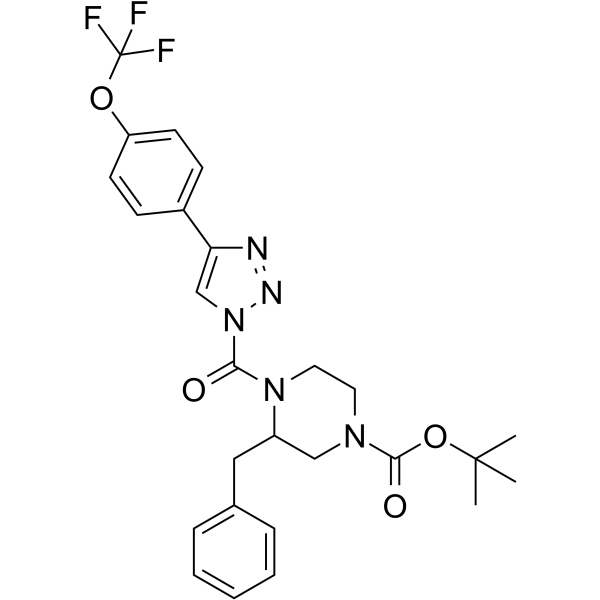
RP-69758 is a potent and selective non-peptide cholecystokinin-B (CCKB)/gastrin receptor antagonist. RP-69758 exhibits >200-fold selectivity for CCKB over CCKA receptors. RP-69758 antagonizes CCK-8-induced neuronal firing in rat hippocampal slices. RP-69758 inhibits Pentagastrin (HY-A0261)-induced gastric acid secretion in the rat. RP-69758 can be used for neurological disorders and gastrointestinal disease research .
|
-
- HY-182410
-
|
|
iGluR
|
Neurological Disease
|
|
EGIS-9637 is a non-competitive AMPA antagonist and acylated dihydro-2,3-benzodiazepine class member .
|
-
- HY-204388
-
|
|
iGluR
Calcium Channel
|
Neurological Disease
|
|
TAK-137 is an AMPA receptor potentiator with weak agonistic effect. TAK-137 binds to the AMPA receptor ligand binding domain in a glutamate-dependent manner. TAK-137 potentiates AMPA-induced currents and Ca 2+ influx. TAK-137 can be used for the research of neurological disease .
|
-
- HY-182944
-
|
|
GABA Receptor
|
Neurological Disease
|
|
GATT-44 is a blood-brain barrier-permeable, selective GABA transporter 1 (GAT-1) ligand with an IC50 of 126 nM. GATT-44 shows selectivity for GAT-2, GAT-3 and BGT-1 subtypes, and undergoes copper-mediated 18F-radiofluorination. The radiolabeled GATT-44 ([ 18F]GATT-44) exhibits brain uptake, metabolic stability and high GAT-1 binding specificity in non-human primates. GATT-44 is applicable for research on neurodegenerative and neuropsychiatric diseases .
|
-
- HY-N19001
-
|
|
Drug Metabolite
|
Metabolic Disease
|
|
(rac)-5-Hydroxykynurenine is a urinary metabolite. (rac)-5-Hydroxykynurenine is generated via indole ring oxidative cleavage of 5-hydroxytryptophan (HY-N0122) catalyzed by indoleamine 2,3-dioxygenase .
|
-
- HY-165397
-
|
|
PKC
|
Cardiovascular Disease
|
|
NA 0345 is a PKC inhibitor with IC50 values of 70 nM and 110 nM in the presence and absence of 12-O-tetradecanoyl-13-acetate, respectively. NA 0345 inhibits PKC and selectively suppresses the positive inotropic effect mediated by α1-adrenergic receptors .
|
-
- HY-186094
-
|
|
Drug Derivative
Drug Intermediate
|
Neurological Disease
|
|
(S,S)-Demethyl-reboxetine is a key phenolic precursor for the preparation of the PET tracer (S,S)-[ 11C]-MeNER. (S,S)-Demethyl-reboxetine is also the demethylated derivative of Reboxetine (HY-14560). Efficient synthesis of the norepinephrine transporter (NET)-targeted tracer is achieved through 11C methylation of (S,S)-Demethyl-reboxetine. (S,S)-Demethyl-reboxetine serves as a core raw material for the synthesis of radiopharmaceuticals related to NET imaging .
|
-
- HY-181629A
-
|
|
Aryl Hydrocarbon Receptor
Apoptosis
Caspase
Cytochrome P450
|
Cancer
|
|
ZSTK3744 hydrochloride is an aryl hydrocarbon receptor (AhR) agonist. ZSTK3744 hydrochloride directly binds to AhR, upregulates the expression of AhR target genes including CYP1A1, CYP1B1 and TIPARP, and mediates cell growth inhibitory activity in triple-negative breast cancer cells. ZSTK3744 hydrochloride induces apoptosis in triple-negative breast cancer cells. ZSTK3744 hydrochloride exhibits anti-tumor activity and can be used in the research of chemoresistant triple-negative breast cancer .
|
-
- HY-114613
-
|
|
Amyloid-β
α-synuclein
CGRP Receptor
Amylin Receptor
|
Neurological Disease
Inflammation/Immunology
|
|
D-Trp-Aib is a dipeptide and amyloid-β inhibitor with a Kd of 29.6 nM. D-Trp-Aib triggers formation of non-toxic, non-β-sheet, amorphous amyloid β clusters from misfolded amyloid β monomers and toxic amyloid β oligomers, and reduces toxic amyloid β1-42 deposits. D-Trp-Aib inhibits amyloid fibril formation of α‑synuclein, IAPP and calcitonin. D-Trp-Aib can be used for the research of Alzheimer's disease .
|
-
- HY-182571
-
|
|
Chloride Channel
|
Neurological Disease
|
|
AK-42 is a selective CLC-2 chloride channel inhibitor with human IC50 of 17 nM and rat IC50 of 14 nM. AK-42 binds to an extracellular vestibule above the channel pore, inhibits CLC-2 currents acutely and reversibly, including with auxiliary subunit GlialCAM coexpression. AK-42 acts as a selective tool compound for acute CLC-2 function modulation to probe CLC-2 neurophysiology. AK-42 can be used for the research of leukodystrophy and idiopathic generalized epilepsies .
|
-
- HY-118646A
-
|
|
nAChR
TNF Receptor
|
Neurological Disease
Inflammation/Immunology
|
|
NS-6740 hydrochloride is a partial agonist of α7 nicotinic acetylcholine receptor (α7 nAChR) with an IC50 of 3 nM. NS-6740 hydrochloride also acts as a potent modulator of the cholinergic anti-inflammatory pathway. NS-6740 hydrochloride alters the signaling pattern of α7 in an ion channel-independent manner, thereby reducing synaptic function. NS-6740 hydrochloride induces the desensitized state of α7 nAChR. NS-6740 hydrochloride generates robust nAChR-mediated currents. NS-6740 hydrochloride reduces LPS (HY-D1056)-induced TNF-α release from microglia. NS-6740 hydrochloride can be used in the research of neuroinflammation and neuropathic pain .
|
-
- HY-182548
-
|
|
GABA Receptor
Sodium Channel
iGluR
|
Cardiovascular Disease
Neurological Disease
|
|
BTS 72664 is a broad-spectrum, non-sedating, orally effective anticonvulsant. Its anticonvulsant effect mainly arises from enhancing GABAA receptor (GABAA receptor)-mediated chloride channel currents, while it exerts weak blocking effects on Na + channels (Ki = 350 μM) and NMDA receptors (NMDA receptor) (IC50 = 43 μM). BTS 72664 prevents the elevation of extracellular glutamate, glycine and serine concentrations in neurons, reduces cerebral infarct size, promotes functional recovery, prevents multiple types of epileptic seizures, and has low sedative potential. BTS 72664 can be used for the research of epilepsy, stroke and migraine .
|
-
- HY-15080
-
|
LY 293606
|
iGluR
|
Cardiovascular Disease
Neurological Disease
|
|
GYKI 53405 is a non-competitive, orally active AMPA receptor antagonist. GYKI 53405 shows no significant binding affinity for GABAA, GABAB or benzodiazepine receptors. GYKI 53405 increases self-grooming behavior, induces wet dog-like shakes, reduces spontaneous activity, produces anxiolytic-like behavior, reverses the anxiogenic effect induced by mCPP, inhibits locomotor activity, suppresses sound-induced and maximal electroshock-induced seizures, prolongs survival in global cerebral ischemia models, and exhibits sustained anticonvulsant effects at doses below the sedation threshold. GYKI 53405 can be used in research related to absence epilepsy, anxiety disorders and global cerebral ischemia .
|
-
- HY-P11700
-
|
|
MHC
|
Inflammation/Immunology
|
|
AAPDARETA is a mutated MHC-associated peptide with reduced binding affinity to H-2D b MHC molecules. AAPDARETA activates subsets of mouse main olfactory epithelium sensory neurons and induces Ca 2+ transients .
|
-
- HY-182456
-
|
|
KMO
|
Neurological Disease
|
|
CHDI-340246 is an orally active kynurenine monooxygenase (KMO) inhibitor. CHDI-340246 blocks KMO activity, alters the metabolic flux of the kynurenine pathway, inhibits the production of 3-hydroxykynurenine and quinolinic acid, elevates the levels of kynurenine and kynurenic acid, and restores electrophysiological abnormalities in transgenic mouse models of Huntington's disease. CHDI-340246 can be used in studies related to Huntington's disease .
|
-
- HY-164295A
-
|
|
Drug Derivative
|
Cardiovascular Disease
Neurological Disease
|
|
U-78517 dihydrochloride, a Trolox (HY-101445) analog, is a potent antioxidant. U-78517 dihydrochloride inhibits DCVC (HY-19717)-induced lipid peroxidation, scavenges DPPH, oxygen- and nitrogen-based free radicals. U-78517 dihydrochloride attenuates hypoxic injury in iaolated cardiac myocytes. U-78517 dihydrochloride can be used for the research of hypoxic injury, cerebral ischemia, and cardiovascular disease .
|
-
| Cat. No. |
Product Name |
Type |
-
- HY-101878
-
|
Sulforhodamine 101; SR101
|
Fluorescent Dyes
|
|
Texas Red (Sulforhodamine 101) is an amphoteric rhodamine red fluorescent dye (excitation/emission: 586/605 nm). Texas Red is used extensively for investigating neuronal morphology and acts as acell type-selective fluorescent marker of astrocytes bothin vivoand in slice preparations .
|
-
- HY-D2709
-
|
|
Fluorescent Dyes
|
|
Cy3 Dextran (MW 20000) is a fluorescent labeling reagent that combines Cy3 (HY-D0822) fluorescent dye and Dextran (HY-112624). The Cy3 fluorophore is commonly used in applications such as immunolabeling, nucleic acid labeling, fluorescence microscopy, and flow cytometry. Dextran has an inhibitory effect on thrombocyte aggregation and coagulation factors and is used as a plasma volume expander (Ex/Em = 550/570 nm) .
|
-
- HY-D2155
-
|
|
Fluorescent Dyes
|
|
Texas red-X 4-succinimidyl ester is a derivative of Texas Red (HY-101878), an amphoteric rhodamine red fluorescent dye. Texas Red is widely used to study neuronal morphology and as a cell type-selective fluorescent marker for astrocytes, both in vivo and in slice preparations.
|
-
- HY-DY1056
-
|
|
Fluorescent Dyes
|
Texas Red (Sulforhodamine 101) (solution) is an amphoteric rhodamine red fluorescent dye (excitation/emission: 586/605 nm). Texas Red is used extensively for investigating neuronal morphology and acts as acell type-selective fluorescent marker of astrocytes bothin vivoand in slice preparations . Solvent and concentration: DMSO: 10 mM The 1 mL volume is defined as the base specification. All larger sizes correspond to incremental volumes of this base.
|
-
- HY-D1426
-
|
|
Fluorescent Dyes
|
|
Di-12-ANEPPQ is a fast-responding membrane potential dye. Di-12-ANEPPQ, the lipophilic dye, shows cell-specific loading and Golgi-like staining patterns with minimal background fluorescence in the slices of neocortex and hippocampus .
|
-
- HY-101878R
-
|
Sulforhodamine 101 (Standard); SR101 (Standard)
|
Fluorescent Dyes
|
|
Texas Red (Standard) is the analytical standard of Texas Red (HY-101878). This product is intended for research and analytical applications. Texas Red (Sulforhodamine 101) is an amphoteric rhodamine red fluorescent dye (excitation/emission: 586/605 nm). Texas Red is used extensively for investigating neuronal morphology and acts as acell type-selective fluorescent marker of astrocytes bothin vivoand in slice preparations .
|
| Cat. No. |
Product Name |
Type |
-
- HY-W342930
-
|
Acid Red 17
|
Biochemical Assay Reagents
|
|
Bordeaux Red (Acid Red 17) is a redox indicator that can be used for cytoplasm staining, such as spleen, testis, and liver slice staining. Bordeaux Red is a kind of biological materials or organic compounds that are widely used in life science research .
|
| Cat. No. |
Product Name |
Target |
Research Area |
-
- HY-P1388
-
|
Amyloid β-peptide (1-42) (rat/mouse)
|
Amyloid-β
|
Neurological Disease
|
|
β-Amyloid (1-42), (rat/mouse) is a 42-aa peptide, shows cytotoxic effect on acute hippocampal slices, and used in the research of Alzheimer's disease.
|
-
- HY-P0221C
-
|
|
PACAP Receptor
|
Metabolic Disease
|
|
PACAP (1-38) free acid is a desamido-PACAP (1-38), human, ovine, rat (HY-P0221). PACAP (1-38) free acid can activate the human PAC1 receptor. PACAP (1-38) free acid induces cyclic AMP (cAMP) generation in both NS-1 neuroendocrine cells and non-neuroendocrine HEK293 cells .
|
-
- HY-P1388A
-
|
Amyloid β-peptide (1-42) (rat/mouse) TFA
|
Amyloid-β
|
Neurological Disease
|
|
β-Amyloid (1-42), (rat/mouse) TFA is a 42-aa peptide, shows cytotoxic effect on acute hippocampal slices, and used in the research of Alzheimer's disease.
|
-
- HY-P3688A
-
|
Aβ (1-38) TFA; Aβ38 TFA
|
Amyloid-β
|
Neurological Disease
|
|
β-Amyloid (1-38) (Aβ (1-38)) TFA is a β-Amyloid (Aβ) peptide. β-Amyloid (1-38) TFA interferes with the conversion of Aβ(1-42) to a β-sheet-rich aggregate. β-Amyloid (1-38)TFA reverses the negative impact of Aβ(1-42) on long-term potentiation in acute hippocampal slices and on membrane conductance in primary neurons, and mitigates an Aβ(1-42) phenotype in Caenorhabditis elegans .
|
-
- HY-P2259
-
|
|
iGluR
HIV Integrase
Adenosine Receptor
|
Cardiovascular Disease
Neurological Disease
|
|
TAT-GluA2 3Y is a blood-brain barrier-permeable AMPA receptor inhibitory peptide that crosses cell membranes via the HIV-1 TAT protein domain. TAT-GluA2 3Y blocks the endocytosis of AMPA receptors, including the internalization of GluA1/GluA2 subunits, by disrupting interactions with the AP2, Brag2 and Syt3-GluA2 complexes, while also inhibiting long-term depression. TAT-GluA2 3Y blocks hypoxia-mediated AMPAR internalization, alleviates A1R-induced persistent synaptic inhibition, and reduces cerebral ischemic volume, neurological deficits and spatial memory deficits. TAT-GluA2 3Y blocks the effect of NLRP3 deficiency on fear generalization, inhibits amphetamine-induced behavioral/neurochemical sensitization, weakens the unconditioned stimulus-conditioned stimulus association of morphine, and promotes the extinction of morphine CPP. TAT-GluA2 3Y can be used in studies related to fear generalization, ischemic stroke, hypoxia, drug addiction and opioid addiction .
|
-
- HY-P2612
-
|
|
TNF Receptor
RANKL/RANK
Apoptosis
|
Inflammation/Immunology
|
|
WP9QY is an inhibitor targeting TNFα and RANKL, which blocks the TNFα-TNFR1 interaction and inhibits TNFα-mediated apoptosis, cytotoxicity and bone destruction. WP9QY inhibits osteoclastogenesis and promotes osteoblast differentiation, induces chondrocyte proliferation and glycosaminoglycan production, and synergizes with TGF-β3 to promote chondrogenesis. WP9QY effectively repairs full-thickness articular cartilage defects in rabbits via intra-articular injection, and inhibits methylmercury-induced reduction of NeuN-positive cells in mouse brain slices. WP9QY can be applied to the research of diseases related to methylmercury-induced neuronal death, cartilage injury, osteoarthritis and bone loss .
|
-
- HY-P3688
-
|
Aβ (1-38); Aβ38
|
Amyloid-β
|
Neurological Disease
|
|
β-Amyloid (1-38) (Aβ (1-38)) is a β-Amyloid (Aβ) peptide. β-Amyloid (1-38) interferes with the conversion of Aβ(1-42) to a β-sheet-rich aggregate. β-Amyloid (1-38) reverses the negative impact of Aβ(1-42) on long-term potentiation in acute hippocampal slices and on membrane conductance in primary neurons, and mitigates an Aβ(1-42) phenotype in Caenorhabditis elegans .
|
-
- HY-P1987
-
|
|
Calcium Channel
|
Neurological Disease
|
|
Mast cell degranulating peptide (28-49) is a depolarizing agent from bee venom, it can raise the content of cGMP level in mouse cerebellar slices .
|
-
- HY-P0221B
-
|
|
PACAP Receptor
|
Endocrinology
|
|
PACAP (1-38) free acid TFA is an endogenous neuropeptide. PACAP (1-38) free acid TFA potently stimulates antral motility and somatostatin secretion, inhibits the secretion of gastrin and stimulates the release of vasoactive intestinal polypeptide, gastrin releasing peptide and substance P. PACAP (1-38) free acid TFA also enhances N-methyl-D-aspartate receptor function and expression of brain-derived neurotrophic factor through RACK1 .
|
-
- HY-P1424A
-
|
|
Potassium Channel
|
Neurological Disease
|
|
Lei-Dab7 TFA is a high affinity, selective KCa2.2 (SK2) channel blocker (Kd=3.8 nM). Lei-Dab7 TFA exhibits >200-fold selectivity for KCa2.2 over KCa2.1, KCa2.3, KCa3.1, Kv and Kir2.1. Lei-Dab7 TFA increases theta-burst responses and increases LTP in rat hippocampal slices in vitro.
|
-
- HY-P2593
-
|
|
Neurokinin Receptor
|
Neurological Disease
|
|
L-659874 is a selective NK2 receptor antagonist with an IC50 value of 0.49 μM in hamsters. L-659874 inhibits NK2 receptor-mediated hydrolysis of inositol phospholipids. L-659874 could be used for research on the correlation between pain signal transduction and smooth muscle responses. .
|
-
- HY-P11700
-
|
|
MHC
|
Inflammation/Immunology
|
|
AAPDARETA is a mutated MHC-associated peptide with reduced binding affinity to H-2D b MHC molecules. AAPDARETA activates subsets of mouse main olfactory epithelium sensory neurons and induces Ca 2+ transients .
|
| Cat. No. |
Product Name |
Target |
Research Area |
Image |
-
- HY-P991869
-
|
AQmabAM; rAb-53
|
Aquaporin
|
Neurological Disease
|
|
Aquaporumab (AQmabAM) is an engineered human monoclonal IgG antibody. Aquaporumab is a selective inhibitor of aquaporin 4 (AQP4), binding tightly to AQP4 and competitively displacing AQP4-IgG from serum [1][2]. Aquaporumab significantly reduces neuromyelitis optica lesions in spinal cord slice cultures and in mice receiving intracerebral injection of AQP4-IgG and complement [1][2]. Aquaporumab can be used for research on neuromyelitis optica spectrum disorders [1][2]."}
|
-
(5)
| Cat. No. |
Product Name |
Category |
Target |
Chemical Structure |
| Cat. No. |
Product Name |
|
Classification |
-
- HY-14197A
-
|
|
|
Alkynes
|
Clorgyline hydrochloride is an irreversible and selective inhibitor of monoamine oxidase A (MAO-A) that is used in scientific research, structurally related to Pargyline (HY-A0091A). Clorgyline hydrochloride has little effect on the amounts of conjugated dopamine (DA) present in superfusate of slices from rat striatum. Clorgyline hydrochloride contains an Alkyne group and can undergo copper-catalyzed azide-alkyne cycloaddition (CuAAc) with molecules containing Azide groups .
|
-
- HY-B2091
-
|
|
|
Azide
|
|
Azidocillin, a semi-synthetic Penicillin, is an orally active β-lactam antibiotic. Azidocillin bears an azide functionality and retains on-target activity within bacteria. Azidocillin can be used to research osteitis caused by dental surgery, otitis media, enterococcal septicemia and other bacterial infectious diseases . Azidocillin is a click chemistry reagent, it contains an Azide group and can undergo copper-catalyzed azide-alkyne cycloaddition reaction (CuAAc) with molecules containing Alkyne groups. It can also undergo strain-promoted alkyne-azide cycloaddition (SPAAC) reactions with molecules containing DBCO or BCN groups.
|
-
- HY-144635
-
|
|
|
Alkynes
|
|
Nrf2-ARE/hMAO-B/QR2 modulator 1 is a Resveratrol-based multitarget-directed ligands with IC50s of 8.05, 9.83 and 0.57 μM for hMAO-B, NRF2 and QR2. Nrf2-ARE/hMAO-B/QR2 modulator 1 has neuroprotection, decreasing ROS production in okadaic acid-treated mice hippocampal slices . Nrf2-ARE/hMAO-B/QR2 modulator 1 is a click chemistry reagent, it contains an Alkyne group and can undergo copper-catalyzed azide-alkyne cycloaddition (CuAAc) with molecules containing Azide groups.
|
-
- HY-159584
-
|
|
|
Azide
|
|
LBG20304 (compound 2s) is a ligand for the homologous GluK5 receptor (IC50: 432 nM), more than 40-fold selective over the homologous GluK1-3 isoforms. Low doses of LBG20304 (<10 μM) have no agonist or antagonist functional response at heterologous GluK2/5 receptors, and at high doses (>10 μM), it exhibits low agonist activity in neuronal slices (rat) .
|
Your information is safe with us. * Required Fields.
Inquiry Information
- Product Name:
- Cat. No.:
- Quantity:
- MCE Japan Authorized Agent:

