



Texas Red
Based on 8 publication(s) in Google Scholar
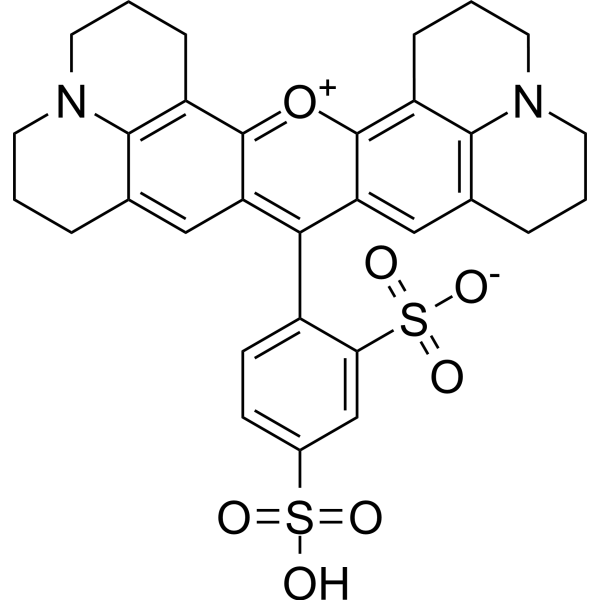
Texas Red (Sulforhodamine 101) is an amphoteric rhodamine red fluorescent dye (excitation/emission: 586/605 nm). Texas Red is used extensively for investigating neuronal morphology and acts as acell type-selective fluorescent marker of astrocytes bothin vivoand in slice preparations.
For research use only. We do not sell to patients.
- Purity : 99.72%
- CAS No.: 60311-02-6
- Formula: C31H30N2O7S2
- Molecular Weight:606.71
-
Storage:
-20°C, protect from light
* The compound is unstable in solutions, freshly prepared is recommended.

To place orders, for customer services and technical support, please contact: MedChemExpress USA
Tel: 609-228-6898 E-mail: [email protected] [email protected]


-
 Biological Activity
-
Chemical Information
-
Solvent & Solubility
- Purity & Documentation
- References
-
 Help & FAQs


-
HY-66019
FITCFluorochrome -
HY-Y0016
Rhodamine BFluorescent Dye -
HY-D0924
Cy5.5Fluorescent Dye -
HY-D0822
CY3Fluorescent Dye -
HY-10219
RapamycinmTOR Inhibitor -

HY-125857
Cytochrome CMulti-functional Enzyme -
HY-D0825
CY7Fluorescent Dye -
HY-101840
EIPATRPP3 Channel Inhibitor -
HY-15575
VcMMAEDrug-Linker Conjugate for ADC -
HY-15886
Mdivi-1Drp1 Inhibitor -
HY-16658B
Z-VAD-FMKPan-Caspase Inhibitor -
HY-D0821
CY5Reactive Dye
Publications Citing Use of MedChemExpress (MCE) Texas Red
More- Nat Neurosci. 2026 Jun;29(6):1369-1385. [Abstract]
- Neuron. 2022 Sep 21;110(18):2984-2999.e8. [Abstract]
- Adv Healthc Mater. 2026 Mar 27:e05843. [Abstract]
- Proc Natl Acad Sci U S A. 2026 Apr 14;123(15):e2527879123. [Abstract]
- RSC Adv. 2026 Apr 8;16(21):18745-18756. [Abstract]
- Glia. 2021 Feb;69(2):281-295. [Abstract]
- Neuropharmacology. 2022 Oct 1:217:109191. [Abstract]
- J Biomed Res. 2022 Aug 10;36(5):358-367. [Abstract]
 Customer Validation & Images

-
Bio/Physico-chemical Assay
-
Bio/Physico-chemical Assay
-
Cell Imaging/Staining
-
Bio/Physico-chemical Assay
-
Cell Imaging/Staining


Biological Activity
Description
In Vitro
Guidelines (The following is our recommended protocol. This protocol is provided for reference only and should be modified according to your specific needs).
Texas Red (Sulforhodamine 101) can be used as an astrocyte marker for hippocampal slices staining with red fluorescence[3].
For cell staining.
1. Stain hippocampal slices with Texas Red (5 μM; 35 min; 34°C) in carbogenated Artificial CerebroSpinal Fluid (ACSF).
2. Return hippocampal slices to dye-free ACSF for at least 30 min before imaging.
3. Use a confocal laser scanning microscopy (Zeiss LSM 880) for image.
MedChemExpress (MCE) has not independently confirmed the accuracy of these methods. They are for reference only.
In Vivo
MedChemExpress (MCE) has not independently confirmed the accuracy of these methods. They are for reference only.
Emission (Em)
605
Excitation (Ex)
586
Dyeing Example


Chemical Information
-
CAS No. 60311-02-6
-
Appearance Solid
-
Molecular Weight 606.71
-
Formula C31H30N2O7S2
-
Color Green to dark green
-
SMILES
O=S(C1=CC=C(C(C2=CC3=C4N(CCC3)CCCC4=C2[O+]=C56)=C5C=C7CCCN8CCCC6=C87)C(S(=O)([O-])=O)=C1)(O)=O
-
Synonyms
Sulforhodamine 101; SR101
-
Shipping
Room temperature in continental US; may vary elsewhere.
-
Storage
-20°C, protect from light
* The compound is unstable in solutions, freshly prepared is recommended.


Publications (8)
-
Journal Impact Factor
-
Most Recent
-
Nat Neurosci
Amyloid-β-driven glymphatic dysfunction in Alzheimer's disease model mice is driven by Ca2+-mediated increases in astrocytic cholesterol. [Abstract]2026 Jun;29(6):1369-1385. PMID: 41986732 -
Neuron
Astrocytic Piezo1-mediated mechanotransduction determines adult neurogenesis and cognitive functions. [Abstract]2022 Sep 21;110(18):2984-2999.e8. PMID: 35963237
Texas Red purchased from MedChemExpress. Usage Cited in: Neuron. 2022 Sep 21;110(18):2984-2999.e8. [Abstract]
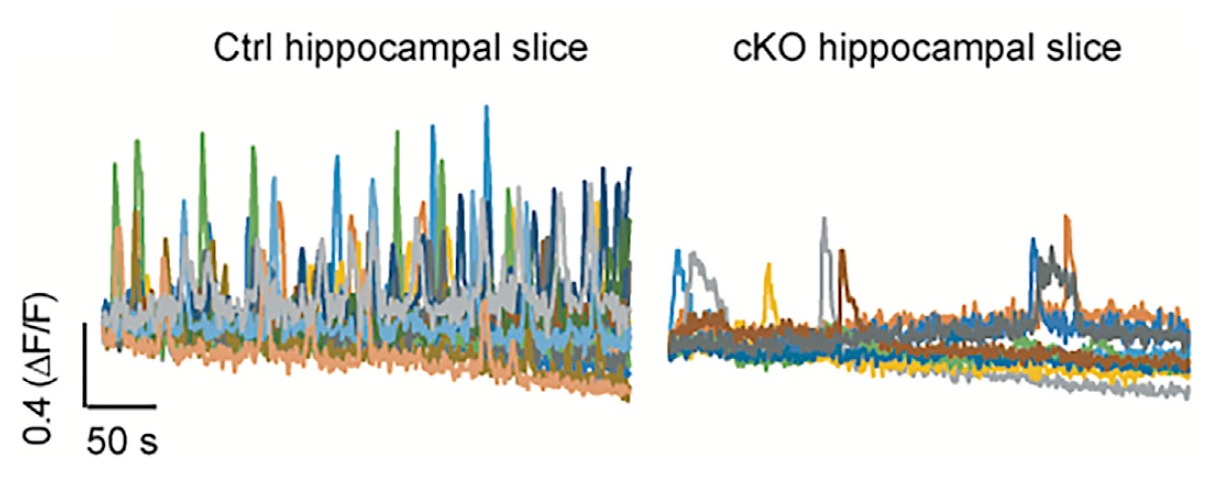
The astrocyte-specific dye Texas Red (Sulforhodamine 101; SR101) (1 μM; 15 min; 37 ℃) was used for two-photon Ca2+ imaging of hippocampal slices.
-
Adv Healthc Mater
Spiky Nanoparticle-Gel Composite for Efficient Intravesical Botulinum Toxin A Delivery and Treatment of Overactive Bladder. [Abstract]2026 Mar 27:e05843. PMID: 41889245 -
Proc Natl Acad Sci U S A
2026 Apr 14;123(15):e2527879123. PMID: 41941627 -
RSC Adv
2026 Apr 8;16(21):18745-18756. PMID: 41959546 -
Glia
Astroglial N-myc downstream-regulated gene 2 protects the brain from cerebral edema induced by stroke. [Abstract]2021 Feb;69(2):281-295. PMID: 32652708
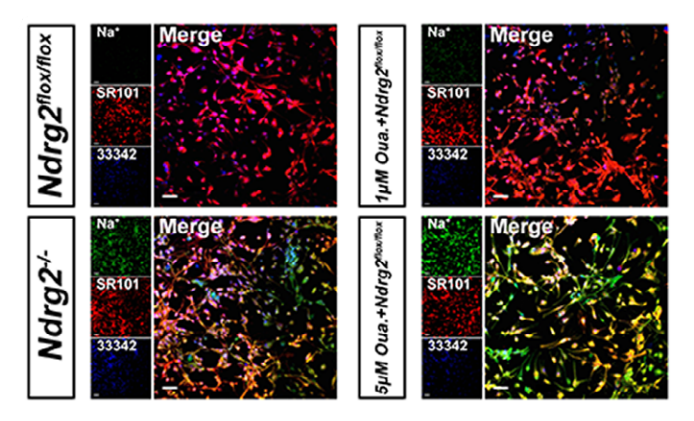
Texas Red purchased from MedChemExpress. Usage Cited in: Glia. 2021 Feb;69(2):281-295. [Abstract]
Representative fluorescence images showed Na+-insensitive fluorescent dye Texas Red (Sulforhodamine 101; SR101) (1 μM; 30 min; 37 ℃) trapped inside astroglial cytoplasm and counterstained with Hoechst 33342.
-
Neuropharmacology
Malfunction of astrocyte and cholinergic input is involved in postoperative impairment of hippocampal synaptic plasticity and cognitive function. [Abstract]2022 Oct 1:217:109191. PMID: 35835213
Texas Red purchased from MedChemExpress. Usage Cited in: Neuropharmacology. 2022 Oct 1:217:109191. [Abstract]
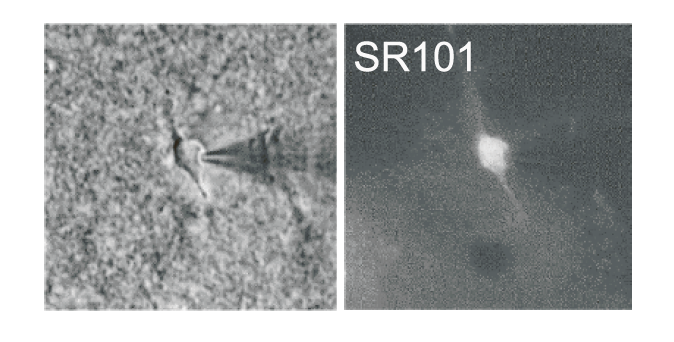
Example image of a patch-clamp recorded astrocyte labeled with Texas Red (Sulforhodamine 101; SR101) (5 μM; 35 min; 34 ℃) in the alveus of the hippocampal CA1 region.
Texas Red purchased from MedChemExpress. Usage Cited in: Neuropharmacology. 2022 Oct 1:217:109191. [Abstract]
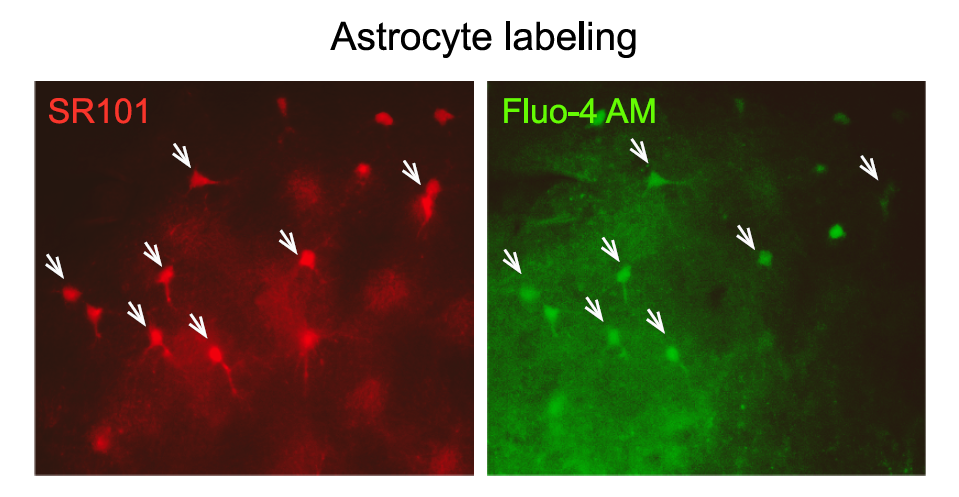
Example images of astrocytes in hippocampal slices labeled with Texas Red (Sulforhodamine 101; SR101) (5 μM; 35 min; 34 ℃) and filled with Fluo-4, a calcium indicator. Arrows indicate astrocytes co-labeled with Texas Red (Sulforhodamine 101; SR101) and Fluo-4.
-
J Biomed Res
2022 Aug 10;36(5):358-367. PMID: 36130733
Texas Red purchased from MedChemExpress. Usage Cited in: J Biomed Res. 2022 Aug 10;36(5):358-367. [Abstract]
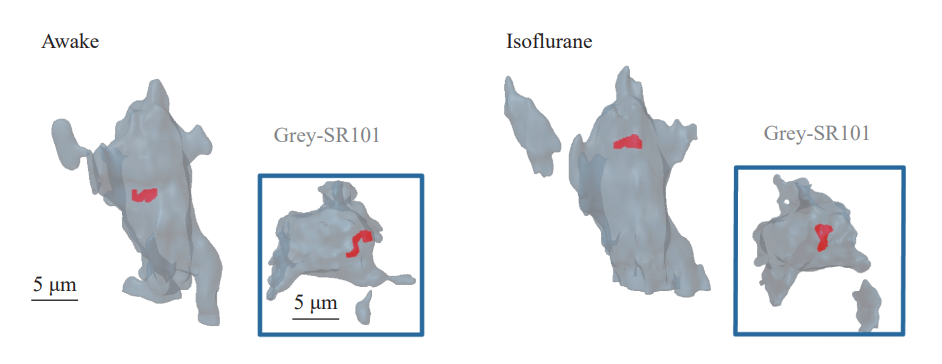
The trajectory of astrocytic Ca2+ signal-weighted centroid from C57BL/6J mice. The grey cellular surface was reconstructed from Texas Red (Sulforhodamine 101; SR101) (5 mM; i.v.; 1 h) labeling. The overlapped red trace was the projection of signal centroid.


Solvent & Solubility
In Vitro:
DMSO : 31.82 mg/mL (52.45 mM; Need ultrasonic; Hygroscopic DMSO has a significant impact on the solubility of product, please use newly opened DMSO)
H2O : 8.33 mg/mL (13.73 mM; Need ultrasonic)
Please refer to the solubility information to select the appropriate solvent. The compound is unstable in solutions, freshly prepared is recommended.
* Note: If you choose water as the stock solution, please dilute it to the working solution, then filter and sterilize it with a 0.22 μm filter before use.
Please refer to the solubility information to select the appropriate solvent. The compound is unstable in solutions, freshly prepared is recommended.
* Note: If you choose water as the stock solution, please dilute it to the working solution, then filter and sterilize it with a 0.22 μm filter before use.
Concentration (start) × Volume (start) = Concentration (final) × Volume (final)


Purity & Documentation
-
Data Sheet (285 KB)
-
SDS (394 KB)
- English - EN (394 KB)
- Français - FR (394 KB)
- Deutsch - DE (394 KB)
- Norwegian - NO (394 KB)
- Español - ES (394 KB)
- Swedish - SV (394 KB)
- Italian - IT (394 KB)
- Korean - KR (394 KB)
- Portuguese - PT (394 KB)
-
Handling Instructions (2659 KB)
References
[1]. Axel Nimmerjahn, et al. Sulforhodamine 101 as a specific marker of astroglia in the neocortex in vivo. Nat Methods. 2004 Oct;1(1):31-7. [Content Brief]
[2]. J Kang, et al. Sulforhodamine 101 induces long-term potentiation of intrinsic excitability and synaptic efficacy in hippocampal CA1 pyramidal neurons. Neuroscience. 2010 Sep 15;169(4):1601-9. [Content Brief]
[3]. Wang T, et al. Malfunction of astrocyte and cholinergic input is involved in postoperative impairment of hippocampal synaptic plasticity and cognitive function. Neuropharmacology. 2022 Oct 1;217:109191. [Content Brief]


Complete Stock Solution Preparation Table
Please refer to the solubility information to select the appropriate solvent. The compound is unstable in solutions, freshly prepared is recommended.
| Optional Solvent | Concentration Solvent Mass | 1 mg | 5 mg | 10 mg | 25 mg |
|---|---|---|---|---|---|
| H2O / DMSO | 1 mM | 1.6482 mL | 8.2412 mL | 16.4823 mL | 41.2058 mL |
| 5 mM | 0.3296 mL | 1.6482 mL | 3.2965 mL | 8.2412 mL | |
| 10 mM | 0.1648 mL | 0.8241 mL | 1.6482 mL | 4.1206 mL | |
| DMSO | 15 mM | 0.1099 mL | 0.5494 mL | 1.0988 mL | 2.7471 mL |
| 20 mM | 0.0824 mL | 0.4121 mL | 0.8241 mL | 2.0603 mL | |
| 25 mM | 0.0659 mL | 0.3296 mL | 0.6593 mL | 1.6482 mL | |
| 30 mM | 0.0549 mL | 0.2747 mL | 0.5494 mL | 1.3735 mL | |
| 40 mM | 0.0412 mL | 0.2060 mL | 0.4121 mL | 1.0301 mL | |
| 50 mM | 0.0330 mL | 0.1648 mL | 0.3296 mL | 0.8241 mL |
* Note: If you choose water as the stock solution, please dilute it to the working solution, then filter and sterilize it with a 0.22 μm filter before use.


Texas Red Related Classifications
HY-101878 Related Classifications
 Powered by Bioz