
1. Search Result
Search Result
Results for "

splice modulator

" in MedChemExpress (MCE) Product Catalog:

33

Inhibitors & Agonists

1

Screening Libraries

3

Natural
Products

6

Oligonucleotides

Cat. No. Product Name Target Research Areas Chemical Structure
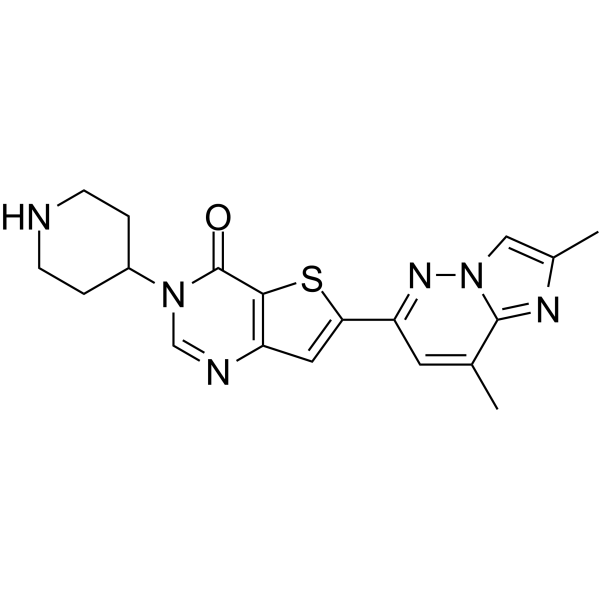
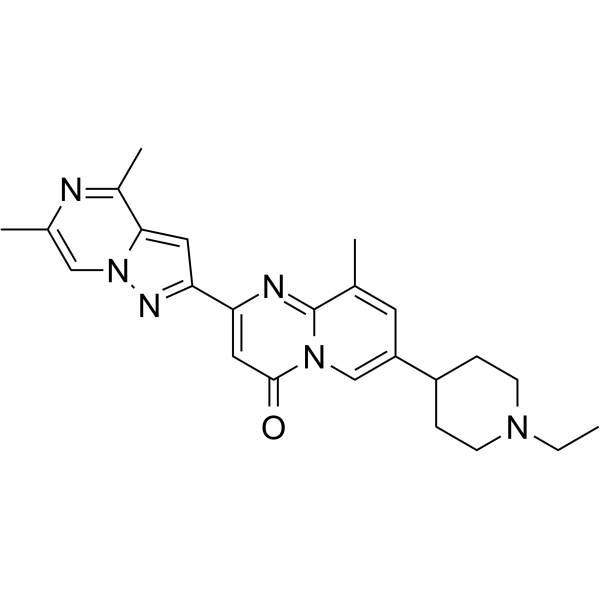
  • HY-19620
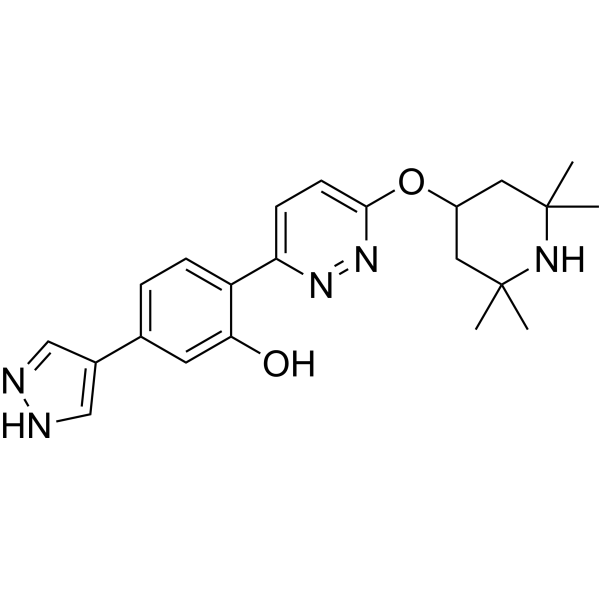
    Branaplam
    Maximum Cited Publications
    15 Publications Verification

    LMI070; NVS-SM1

    DNA/RNA Synthesis Potassium Channel Cancer
    Branaplam (LMI070; NVS-SM1) is a highly potent, selective and orally active survival motor neuron-2 (SMN2) splicing modulator with an EC50 of 20 nM for SMN. Branaplam inhibits human-ether-a-go-go-related gene (hERG) with an IC50 of 6.3 μM. Branaplam elevates full-length SMN protein and extends survival in a severe spinal muscular atrophy (SMA) mouse model .
    Branaplam
  • HY-N2360
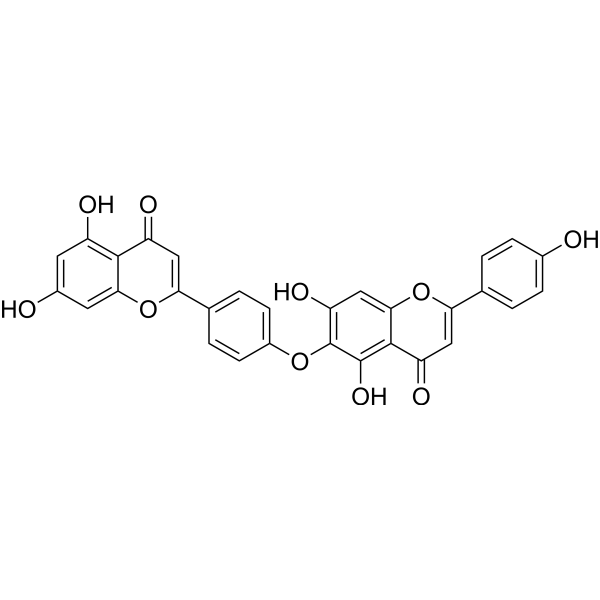
    Hinokiflavone
    5+ Cited Publications

    E1/E2/E3 Enzyme Apoptosis MMP ClpP Infection Inflammation/Immunology Cancer
    Hinokiflavone is a novel modulator of pre-mRNA splicing activity extracted from plants with anti-inflammatory, anti-tumor and antiviral activities. Hinokiflavone is also a potent inhibitor for matrix metalloproteinases (MMPs). Hinokiflavone attenuates the virulence of Methicillin (HY-121544)-resistant staphylococcus aureus by inhibiting caseinolytic protease P (ClpP) with an IC50 value of 34.36 mg/mL. Hinokiflavone induces apoptosis via the reactive oxygen species-mitochondria-mediated apoptotic pathway and inhibits tumor cell migration and invasion. Hinokiflavone is a SUMO protease inhibitor against sentrin-specific protease 1 (SENP1) activity .
    Hinokiflavone
  • HY-14571
    E7820
    5 Publications Verification

    ER68203-00

    Molecular Glues Integrin Infection Metabolic Disease Cancer
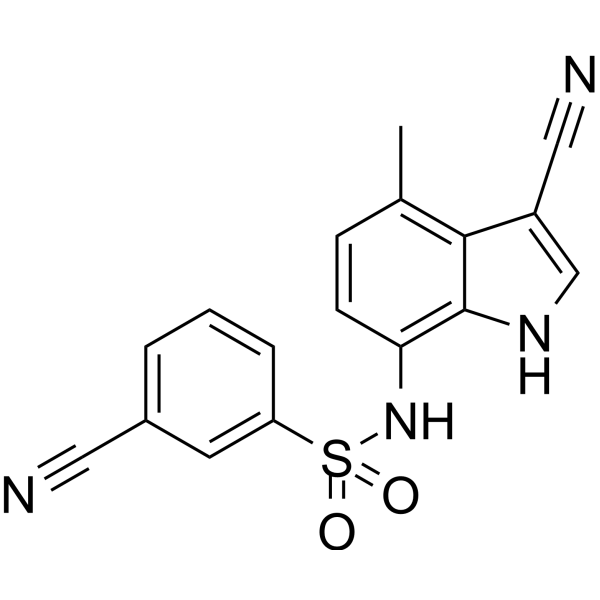
    E7820 (ER68203-00), an orally active aromatic sulfonamide derivative, is a molecular glue that induces the targeted degradation of splicing factor RBM39 by recruiting the E3 ubiquitin ligase CUL4-RBX1-DDB1-DCAF15 (CRL4 DCAF15). E7820 is an angiogenesis inhibitor suppressing an expression of integrin alpha2 subunit on endothelium. E7820 inhibits rat aorta angiogenesis with an IC50 of 0.11 μg/ml. E7820 modulates α-1, α-2, α-3, and α-5 integrin mRNA expression. E7820 can be used for the study of acute myeloid leukemia (AML) .
    E7820
  • HY-111517

    Apoptosis SF3B1 Cancer
    H3B-8800 is a potent and orally active SF3B splicing modulator. H3B-8800 direct interaction with the SF3b complex and shows anti-cancer activity. H3B-8800 has the potential for the research of acute myeloid leukemia (AML) with SF3B1 mutant .
    H3B-8800
  • HY-19620A
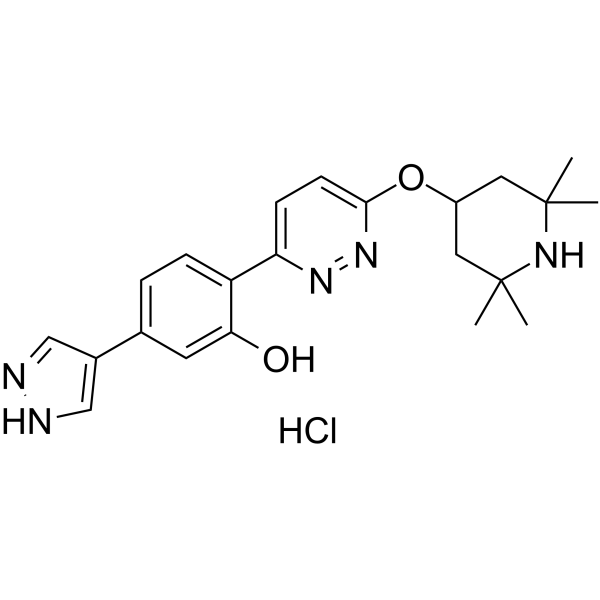
    Branaplam hydrochloride
    Maximum Cited Publications
    15 Publications Verification

    LMI070 hydrochloride; NVS-SM1 hydrochloride

    DNA/RNA Synthesis Potassium Channel Cancer
    Branaplam (LMI070; NVS-SM1) hydrochloride is a highly potent, selective and orally active survival motor neuron-2 (SMN2) splicing modulator with an EC50 of 20 nM for SMN. Branaplam hydrochloride inhibits human-ether-a-go-go-related gene (hERG) with an IC50 of 6.3 μM. Branaplam hydrochloride elevates full-length SMN protein and extends survival in a severe spinal muscular atrophy (SMA) mouse model .
    Branaplam hydrochloride
  • HY-N15135

    Interleukin Related Toll-like Receptor (TLR) Fungal Metabolic Disease
    Arabinoxylan Medium viscosity is an orally active Dectin-1 splice variant modulator, glucose absorption inhibitor, and chyme viscosity enhancer. Arabinoxylan Medium viscosity inhibits particulate β-glucan-induced Dectin-1A activation and mildly suppresses Dectin-1B activation. In human dendritic cells stimulated with particulate β-glucan, Arabinoxylan Medium viscosity reduces the production of IL-10 and TNF-α, and increases the production of IL-4 and IL-23. Arabinoxylan Medium viscosity also supports antifungal immune responses without activating TLR2, TLR4 or TLR5, and does not induce cytokine production when used to stimulate human dendritic cells alone. Arabinoxylan Medium viscosity increases small intestinal chyme viscosity, gets degraded in the large intestine to produce short-chain fatty acids, reduces glucose absorption and insulin response, and improves glucose homeostasis. Arabinoxylan Medium viscosity supports microbial fermentation and the growth of beneficial microbiota in the gastrointestinal tract, prevents bile acid reabsorption, and delays starch digestion. Arabinoxylan Medium viscosity can be used in research related to type 2 diabetes, impaired glucose tolerance, and metabolic syndrome .
    Arabinoxylan (Medium viscosity)
  • HY-147149

    DNA/RNA Synthesis Neurological Disease
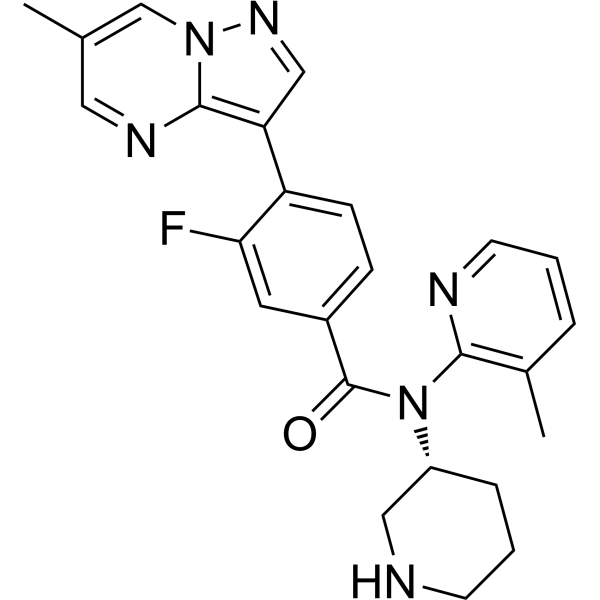
    BPN-15477 is a potent SMC (splicing modulator compound) that restores correct splicing of ELP1 (Elongator complex protein 1) exon 20. BPN-15477 corrects splicing of the ELP1 transcript, significantly increases the level of functional protein in vivo in all tissues, including brain. BPN-15477 can be used for frontotemporal dementia research .
    BPN-15477
  • HY-150248

    DNA/RNA Synthesis Others
    RNA splicing modulator 3 (compound 236) is a RNA splicing modulator, with an AC50 value of <100 nM .
    RNA splicing modulator 3
  • HY-112633

    DNA/RNA Synthesis Others
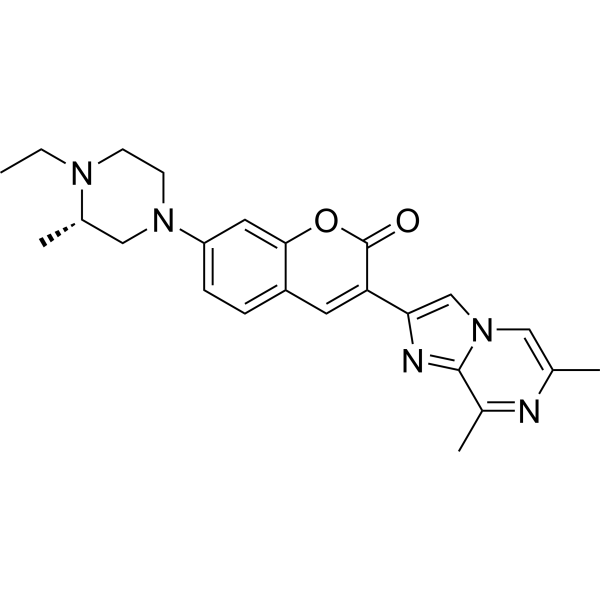
    SMN-C3 is an orally active SMN2 splicing modulator and has the potential to treat spinal muscular atrophy (SMA).
    SMN-C3
  • HY-148772

    DNA/RNA Synthesis Neurological Disease
    PTC258 is a specific and orally active splicing modulator of Elongator complex protein 1 gene (ELP1). PTC258 increases the expression of ELP1 in vitro and in vivo. PTC258 is well tolerated in mouse model .
    PTC258
  • HY-170935

    SRPK PARP Caspase Apoptosis Autophagy Cancer
    SRSF1-IN-1 is a SRSF1 inhibitor. SRSF1-IN-1 inhibits SRSF1 expression, thereby modulating the splicing of Bcl-x pre-mRNA. SRSF1-IN-1 inhibits the proliferation of various cancer cells. SRSF1-IN-1 induces apoptosis in gastric cancer cells, reduces Bcl-xl expression, and upregulates cleaved PARP and caspase 3. SRSF1-IN-1 induces autophagy and promotes cell death. SRSF1-IN-1 exhibits anti-tumor activity in a mouse gastric cancer xenograft model. SRSF1-IN-1 can be used for the research of various cancers including liver cancer, gastric cancer, breast cancer, colon cancer, glioma, and melanoma .
    SRSF1-IN-1
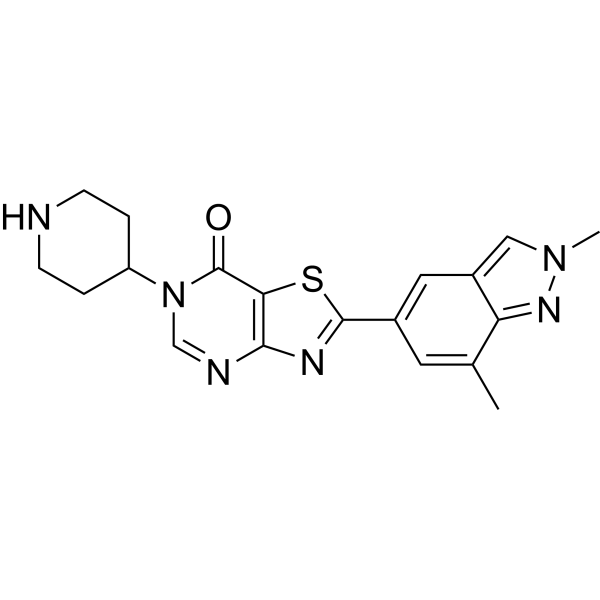
  • HY-177360

    DNA/RNA Synthesis Neurological Disease Cancer
    RNA splicing modulator-4 is an RNA splicing modulator. RNA splicing modulator-4 controls the inclusion or exclusion of specific exons in precursor mRNA (pre-mRNA) by regulating alternative splicing events, thereby altering the coding sequence and function of mature mRNA. RNA splicing modulator-4 shows promise for research into neurodegenerative diseases (such as Huntington's disease) and cancers .
    RNA splicing modulator-4
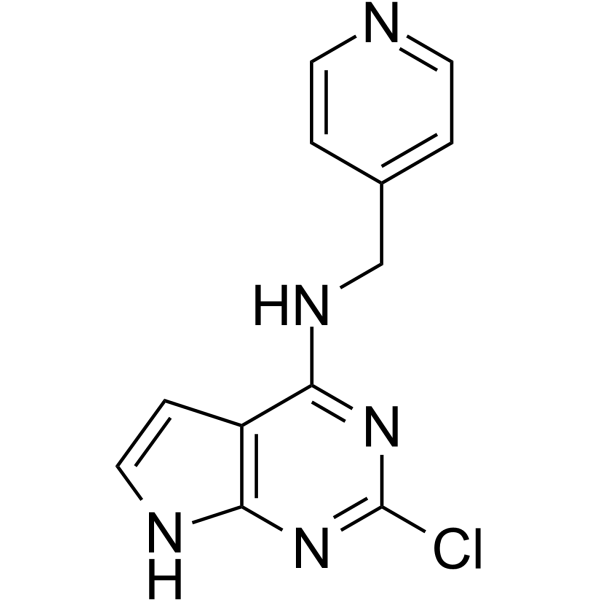
  • HY-150246

    DNA/RNA Synthesis Others
    RNA splicing modulator 1 (compound 233) is a RNA splicing modulator, with an AC50 value of <100 nM .
    RNA splicing modulator 1
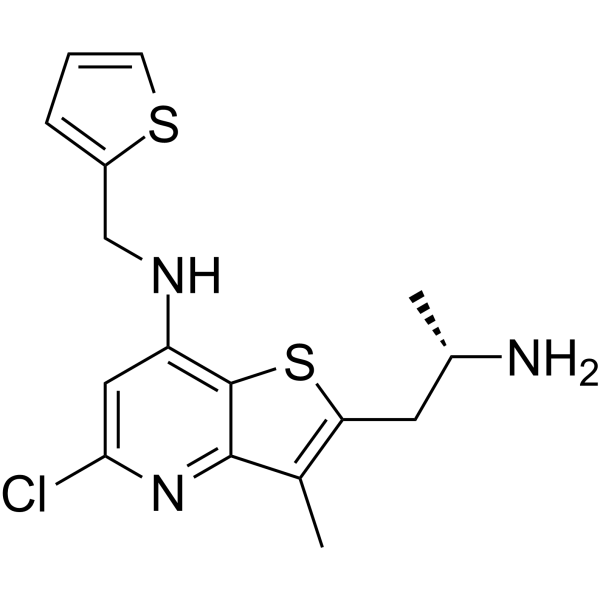
  • HY-144399

    Transmembrane Glycoprotein Neurological Disease
    CD33 splicing modulator 1 (Compound 1) is a CD33 splicing modulator. CD33/Siglec 3 is a myeloid lineage cell surface receptor that is known to regulate microglia activity. CD33 splicing modulator 1 increases exon 2 skipping in cellular mRNA pools. CD33 splicing modulator 1 has the potential for the research of neurodegenerative disease including Alzheimer's disease .
    CD33 splicing modulator 1
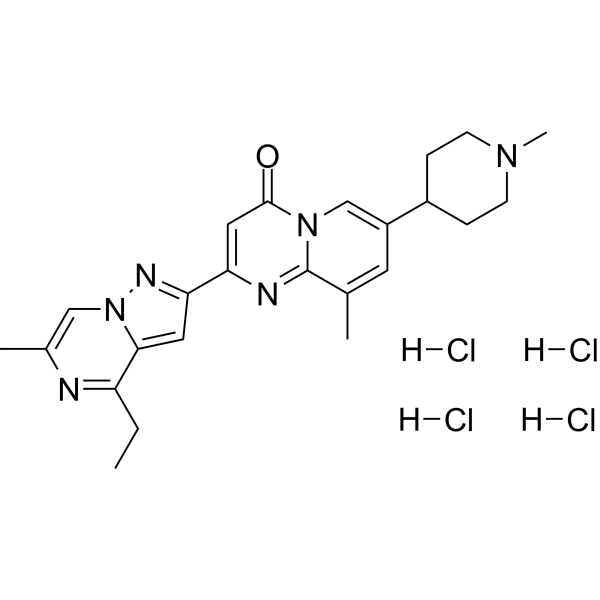
  • HY-101792A
    RG7800 tetrahydrochloride
    5 Publications Verification

    RO6885247 tetrahydrochloride

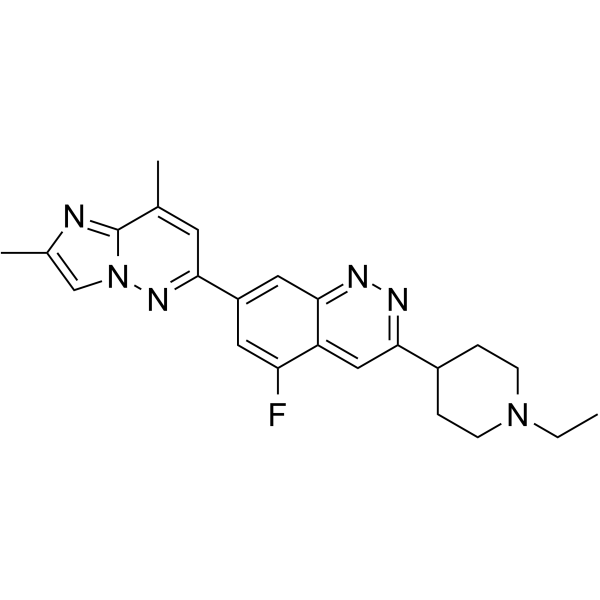
    DNA/RNA Synthesis Neurological Disease
    RG7800 hydrochloride is an orally active SMN2 splicing modulator, with EC1.5xs of 23 nM and 87 nM for SMN2 splicing and SMN protein; RG7800 hydrochloride has the potential to treat spinal muscular atrophy.
    RG7800 tetrahydrochloride
  • HY-124648

    DNA/RNA Synthesis Inflammation/Immunology
    SMN-C2, an analog of RG-7916, is a selective modulator of SMN2 gene splicing that acts by binding SMN2 pre-mRNA, thereby increasing far upstream element binding protein 1 (FUBP1) and KH-spliced RNA binding Protein affinity regulator protein (KHSRP) to the SMN2 pre-mRNA complex. SMN-C2 can be used in spinal muscular atrophy (SMA) research .
    SMN-C2
  • HY-147412

    QR-421a

    Nucleoside Antimetabolite/Analog DNA/RNA Synthesis Neurological Disease
    Ultevursen (QR-421a) is a splice-modulating antisense oligonucleotide targeting exon 13 of the USH2A gene, which restores the functional expression of Usherin protein by inducing exon skipping. Ultevursen binds to USH2A pre-mRNA and modulates the splicing process to specifically skip exon 13 carrying the pathogenic mutation c.2299delG, generating an in-frame transcript and a truncated yet functionally normal protein. Ultevursen exhibits concentration-dependent exon skipping activity in human cells and retinal organoid models, and restores Usherin expression and retinal function in zebrafish and gene-edited mouse models. Ultevursen can be used for related research on type 2 Usher syndrome and non-syndromic retinitis pigmentosa .
    Ultevursen
  • HY-114461B

    Drug Derivative DNA/RNA Synthesis Cancer
    (3S,17S)-FD-895 a FD-895 (HY-114461) analogue, is a spliceosome modulator. (3S,17S)-FD-895 inhibits cancer cell growth and exhibits gene-selective splice modulatory activity. (3S,17S)-FD-895 can be used for the research of colorectal carcinoma .
    (3S,17S)-FD-895
  • HY-143792

    Huntingtin P-glycoprotein Neurological Disease
    HTT-D3 is an orally active, blood-brain barrier penetrant splicing modulator of huntingtin (HTT). HTT-D3 promotes the inclusion of a pseudo-exon containing a premature termination codon into HTT pre-mRNA, triggers nonsense-mediated mRNA degradation and reduces HTT protein levels. HTT-D3 induces dose-dependent, comparable reductions in mutant HTT protein in both the brain and peripheral tissues of transgenic mouse models. HTT-D3 can be used for the research of Huntington's disease .
    HTT-D3
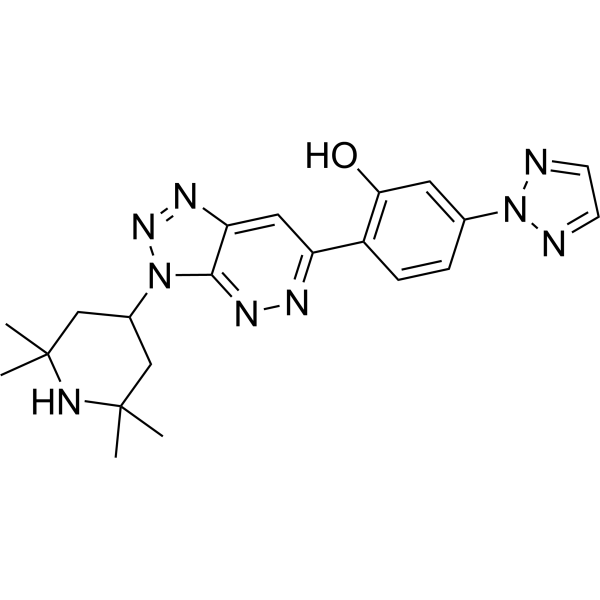
  • HY-174215

    Tau Protein Neurological Disease
    TAU-IN-3 (Compound 2) is an orally active TAU inhibitor. TAU-IN-3 inhibits the expression of MAPT exon 10 DDPAC mutant gene in HeLa cells (IC50: 0.6 µM). TAU-IN-3 reduces the 4R/3R MAPT mRNA ratio in HeLa cells transfected with WT or DDPAC minigenes. TAU-IN-3 inhibits the insertion of endogenous MAPT exon 10 and the production of 4R tau protein in cells. TAU-IN-3 modulates tau splicing in htau mice and improves the associated behavioral phenotypes. TAU-IN-3 can be used to study neurodegenerative diseases .
    TAU-IN-3
  • HY-144399A

    Transmembrane Glycoprotein Neurological Disease
    CD33 splicing modulator 1 (Compound 1) hydrochloride is a CD33 splicing modulator. CD33/Siglec 3 is a myeloid cell surface receptor known to regulate microglial activity. CD33 splicing modulator 1 hydrochloride increases exon 2 skipping in the cellular mRNA pool and can be used to study neurodegenerative diseases including Alzheimer's disease .
    CD33 splicing modulator 1 hydrochloride
  • HY-114461

    DNA/RNA Synthesis Apoptosis Cancer
    FD-895 is a spliceosome modulator derived from a polyketide natural product, targeting the SF3b subunit of the spliceosome. FD-895 possesses core biological activities for regulating RNA splicing (intron retention, alternative splicing) and inducing apoptosis of cancer cells. FD-895 can be used for the research of cancer, such as chronic lymphocytic leukemia (CLL) .
    FD-895
  • HY-125201

    CDK Inflammation/Immunology
    Indazole 1 is a potent CDC2-like kinase 2 (CLK2) inhibitor (IC50=12.3 nM). Indazole 1 inhibits the phosphorylation of SR proteins (e.g., SRSF1, SRSF3) and modulates alternative splicing of Wnt signaling-related genes. Indazole 1 is promising for research of osteoarthritis .
    Indazole 1
  • HY-N2360R

    Reference Standards E1/E2/E3 Enzyme Apoptosis MMP ClpP Infection Inflammation/Immunology Cancer
    Hinokiflavone is a novel modulator of pre-mRNA splicing activity extracted from plants with anti-inflammatory, anti-tumor and antiviral activities. Hinokiflavone is also a potent inhibitor for matrix metalloproteinases (MMPs). Hinokiflavone attenuates the virulence of Methicillin (HY-121544)-resistant staphylococcus aureus by inhibiting caseinolytic protease P (ClpP) with an IC50 value of 34.36 mg/mL. Hinokiflavone induces apoptosis via the reactive oxygen species-mitochondria-mediated apoptotic pathway and inhibits tumor cell migration and invasion. Hinokiflavone is a SUMO protease inhibitor against sentrin-specific protease 1 (SENP1) activity .
    Hinokiflavone (Standard)
  • HY-150247

    DNA/RNA Synthesis Others
    RNA splicing modulator 2 (compound 256) is a RNA splicing modulator .
    RNA splicing modulator 2
  • HY-148828

    iGluR Neurological Disease
    LSP-GR3 is a novel chemically-modified RNA oligonucleotides, called splice modulating oligomers (SMOs), which potently and specifically modulate GluR alternative splicing to GluR3-flip expression throughout the CNS.
    LSP-GR3
  • HY-148828A

    iGluR Neurological Disease
    LSP-GR3 sodium is a novel chemically-modified RNA oligonucleotides, called splice modulating oligomers (SMOs), which potently and specifically modulate GluR alternative splicing to GluR3-flip expression throughout the CNS.
    LSP-GR3 sodium
  • HY-179117

    DNA/RNA Synthesis Infection
    RNA splicing modulator 5 (compound 22) is a small molecule probe that can specifically target the K-turn region of U4/U6 snRNA. RNA splicing modulator 5 can stabilize RNA structure in vitro and inhibit its binding to Snu13 protein (IC50 = 3.2 μM) .
    RNA splicing modulator 5
  • HY-W278073

    DNA/RNA Synthesis Fungal Infection Cancer
    RNA splicing modulator 6 (Compound c7) is a RNA splicing modulator. RNA splicing modulator 6 induces changes in pre-mRNA splicing. RNA splicing modulator 6 causes accumulation of unspliced RNA in the Hs-Hsh155 strain. RNA splicing modulator 6 reduces proliferation of chronic myeloid leukemia cells harboring the cancer-associated SRSF2 P95H mutation .
    RNA splicing modulator 6
  • HY-147412E

    Fluorescent Dye Neurological Disease
    Cy3 labled Ultevursen sodium is a Cy3 labled Ultevursen sodium (HY-147412A). Ultevursen sodium (QR-421a) is a splice-modulating antisense oligonucleotide targeting exon 13 of the USH2A gene, which restores the functional expression of Usherin protein by inducing exon skipping. Ultevursen sodium binds to USH2A pre-mRNA and modulates the splicing process to specifically skip exon 13 carrying the pathogenic mutation c.2299delG, generating an in-frame transcript and a truncated yet functionally normal protein. Ultevursen sodium exhibits concentration-dependent exon skipping activity in human cells and retinal organoid models, and restores Usherin expression and retinal function in zebrafish and gene-edited mouse models. Ultevursen sodium can be used for related research on type 2 Usher syndrome and non-syndromic retinitis pigmentosa .
    Cy3 labled Ultevursen sodium
  • HY-147412D

    Fluorescent Dye Neurological Disease
    FAM labled Ultevursen sodiumis a FAM labled Ultevursen sodium (HY-147412A). Ultevursen sodium (QR-421a) is a splice-modulating antisense oligonucleotide targeting exon 13 of the USH2A gene, which restores the functional expression of Usherin protein by inducing exon skipping. Ultevursen sodium binds to USH2A pre-mRNA and modulates the splicing process to specifically skip exon 13 carrying the pathogenic mutation c.2299delG, generating an in-frame transcript and a truncated yet functionally normal protein. Ultevursen sodium exhibits concentration-dependent exon skipping activity in human cells and retinal organoid models, and restores Usherin expression and retinal function in zebrafish and gene-edited mouse models. Ultevursen sodium can be used for related research on type 2 Usher syndrome and non-syndromic retinitis pigmentosa .
    FAM labled Ultevursen sodium
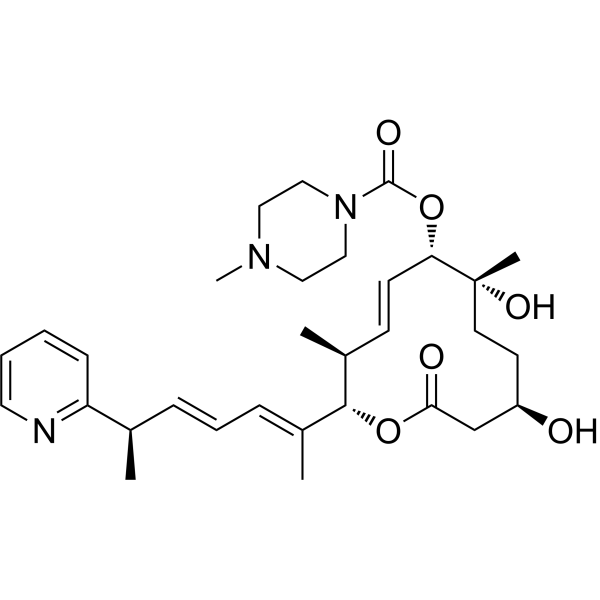
  • HY-139499

    DNA/RNA Synthesis Cancer
    Sudemycin D6 is a pre-mRNA splicing modulator with potent antitumour activity. Sudemycin D6 changes splice site usage of the DUSP11 and SRRM1 pre-mRNA. Sudemycin D6 reduces survival and alters cell cycle in haematopoietic cells expressing mutant U2AF1. Sudemycin D6 attenuates mutant U2AF1-induced haematopoietic progenitor cell expansion in U2AF1(S34F) transgenic mice. Sudemycin D6 can be used for cancer research .
    Sudemycin D6
  • HY-114461A

    Drug Derivative Cancer
    (16R,17S)-FD-895, a similar compound to FD-895 (HY-114461), is a potent in vivo splice regulatory agent. (16R,17S)-FD-895 retains the similar anti-proliferative activity as FD-895. (16R,17S)-FD-895 can be used for research on colon cancer .
    (16R,17S)-FD-895

Inquiry Online

Your information is safe with us. * Required Fields.

Salutation


Country or Region *

Applicant Name *


Organization Name *

Department *


Email Address *


Product Name *

Cat. No.


Requested quantity *

Phone Number *


Remarks

Inquiry Online

Inquiry Information

Product Name:
Cat. No.:
Quantity:
MCE Japan Authorized Agent:

