
1. Search Result
Search Result
Results for "

stable pH

" in MedChemExpress (MCE) Product Catalog:

79

Inhibitors & Agonists

23

Fluorescent Dyes

30

Biochemical Assay Reagents

15

MCE Kits

2

Natural
Products

1

Isotope-Labeled Compounds

1

Click Chemistry

3

Oligonucleotides

Targets Recommended:
Cat. No. Product Name Target Research Areas Chemical Structure
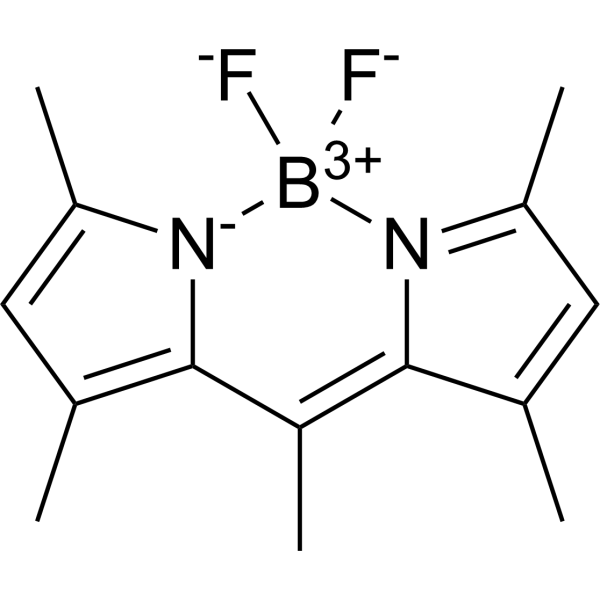
  • HY-W090090
    BODIPY 493/503
    Maximum Cited Publications
    104 Publications Verification

    Pyrromethene 546

    Fluorescent Dye Others
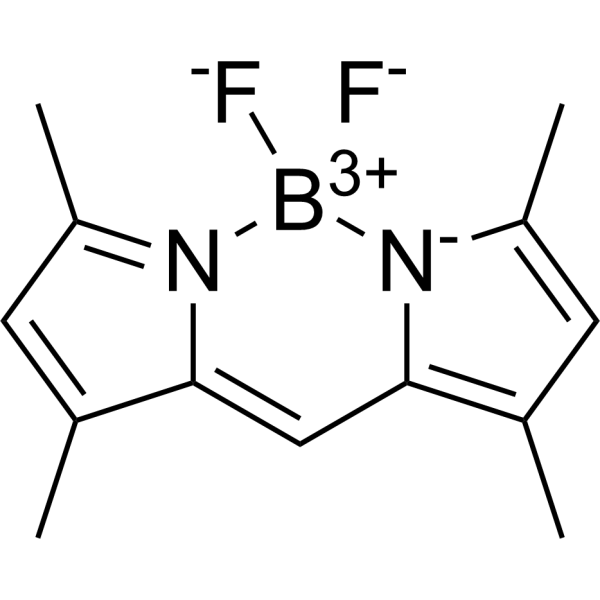
    BODIPY493/503 is a BODIPY dye. BODIPY dye is a small molecule dye with strong ultraviolet absorption ability, its fluorescence peak is relatively sharp, and the quantum yield is high. They are relatively insensitive to the polarity and pH of the environment and are relatively stable under different physiological conditions. Due to its structural asymmetry, BODIPY derives a variety of structural products. BODIPY lipid droplet dyes can well pass through the cell membrane into the cell, and localize the neutral lipids in the cell to specifically stain the lipid droplets, which can be used for labeling of live cells and fixed cells . Maximum excitation/emission wavelength: 493/503 nm .
    BODIPY 493/503
  • HY-110210

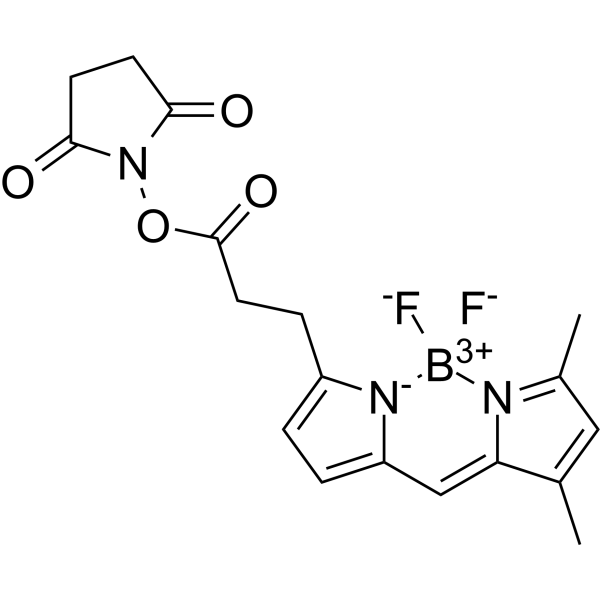
    BODIPY FL,SE

    Fluorescent Dye Others
    BODIPY FL NHS ester (BODIPY FL, SE) is a cell membranes-penatrable amine-reactive fluorescent probe. The maximum excitation/emission wavelength of the BODIPY-FL NHS ester are 502/511 nm, respectively. BODIPY-FL NHS ester has high stability and is insensitive to the polarity, pH and type of solvent, and can maintain stable fluorescence properties under different environmental conditions. BODIPY-FL NHS ester can be used for the synthesis of protease substrates, live cell imaging, protein labeling and immunoassay .
    BODIPY-FL NHS ester
  • HY-P1748

    EC 3.4.24.27; TML

    Endogenous Metabolite Infection
    Thermolysin, Bacillus thermoproteolyticus rokko (EC 3.4.24.27) (TML) is a thermostable neutral metalloproteinase enzyme secreted by the Gram-positive bacteria Bacillus thermoproteolyticus. Thermolysin catalyzes the hydrolysis of peptide bonds containing hydrophobic residues .

    Optimal pH: 8.0. Considerably stable from pH 5 to 9.5.
    Optimal temperature : 70 °C
    Thermolysin, Bacillus thermoproteolyticus rokko
  • HY-D0227F

    Tris HCl (≥99%, reagent grade); Tris hydrochloride (≥99%, reagent grade)

    Biochemical Assay Reagents Others
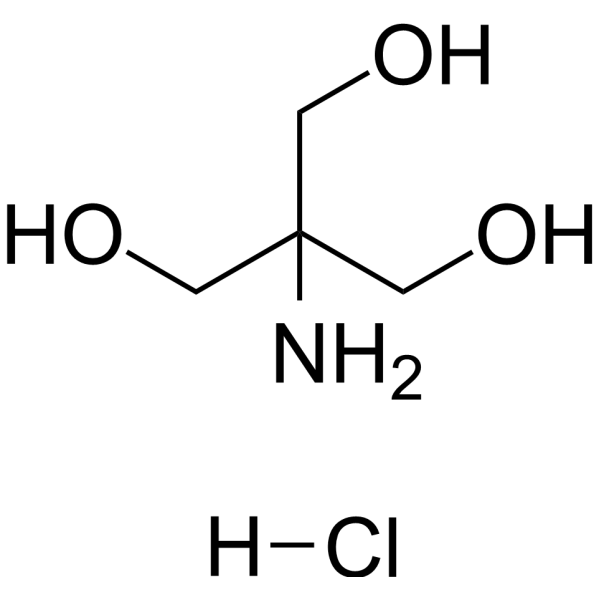
    THAM hydrochloride (≥99%, reagent grade), also known as Tris-HCl, is a buffer commonly used in various biochemical and molecular biology applications to maintain a stable pH environment. Tris-HCl has unique chemical properties that allow it to resist changes in pH when acidic or basic substances are added, which makes it useful for stabilizing biological samples or reagents. It is commonly used in electrophoresis and protein purification procedures.
    THAM hydrochloride (≥99%, reagent grade)
  • HY-D1237
    BODIPY 505/515
    2 Publications Verification

    Fluorescent Dye Metabolic Disease
    BODIPY505/515 is a BODIPY dye. BODIPY dye is a small molecule dye with strong ultraviolet absorption ability, its fluorescence peak is relatively sharp, and the quantum yield is high. They are relatively insensitive to the polarity and pH of the environment and are relatively stable under different physiological conditions. Due to its structural asymmetry, BODIPY derives a variety of structural products. BODIPY lipid droplet dyes can well pass through the cell membrane into the cell, and localize the neutral lipids in the cell to specifically stain the lipid droplets, which can be used for labeling of live cells and fixed cells . Maximum excitation/emission wavelength: 505/515 nm .
    BODIPY 505/515
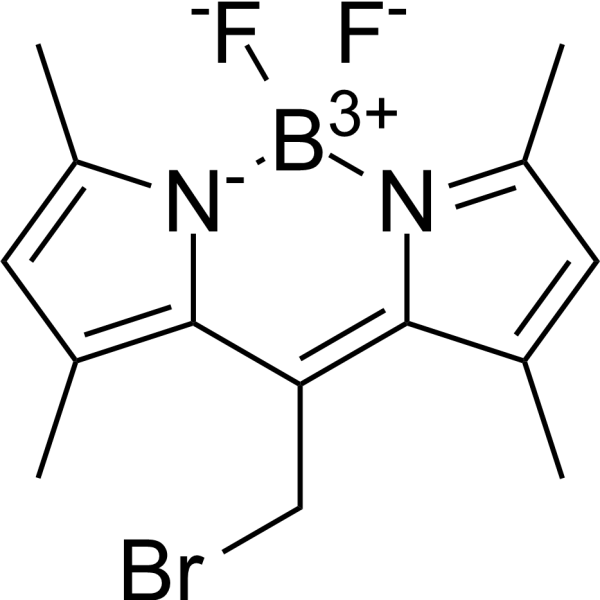
  • HY-D1614
    BODIPY 493/503 methyl bromide
    15+ Cited Publications

    Fluorescent Dye Others
    BODIPY493/503 methyl bromide is a BODIPY dye. BODIPY dye is a small molecule dye with strong ultraviolet absorption ability, its fluorescence peak is relatively sharp, and the quantum yield is high. They are relatively insensitive to the polarity and pH of the environment and are relatively stable under different physiological conditions. Due to its structural asymmetry, BODIPY derives a variety of structural products. BODIPY lipid droplet dyes can well pass through the cell membrane into the cell, and localize the neutral lipids in the cell to specifically stain the lipid droplets, which can be used for labeling of live cells and fixed cells . Maximum excitation/emission wavelength: 493/503 nm .
    BODIPY 493/503 methyl bromide
  • HY-D1106

    Fluorescent Dye Cancer
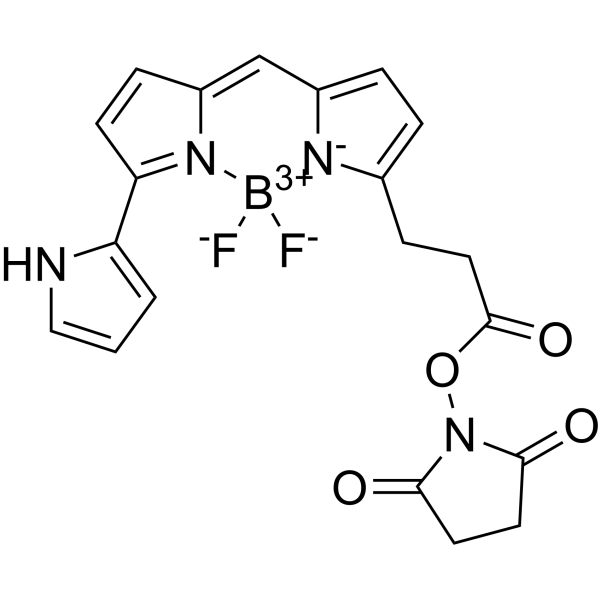
    BODIPY dye is a small molecule dye with strong ultraviolet absorption ability, its fluorescence peak is relatively sharp, and the quantum yield is high. They are relatively insensitive to the polarity and pH of the environment and are relatively stable under different physiological conditions . Due to its structural asymmetry, BODIPY derives a variety of structural products. BODIPY lipid droplet dyes can well pass through the cell membrane into the cell, and localize the neutral lipids in the cell to specifically stain the lipid droplets, which can be used for labeling of live cells and fixed cells .
    Py-BODIPY-NHS ester
  • HY-138226
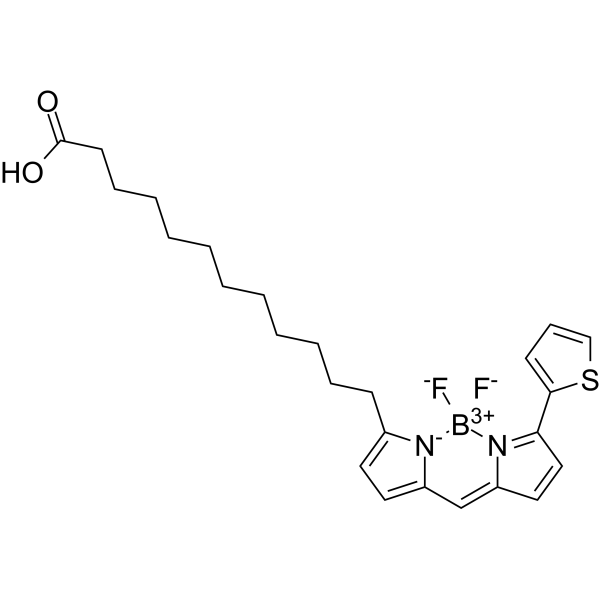
    BODIPY 558/568 C12
    4 Publications Verification

    Fluorescent Dye Others
    BODIPY 558/568 C12 is a BODIPY dye. BODIPY dye is a small molecule dye with strong ultraviolet absorption ability, its fluorescence peak is relatively sharp, and the quantum yield is high. They are relatively insensitive to the polarity and pH of the environment and are relatively stable under different physiological conditions. Due to its structural asymmetry, BODIPY derives a variety of structural products. BODIPY lipid droplet dyes can well pass through the cell membrane into the cell, and localize the neutral lipids in the cell to specifically stain the lipid droplets, which can be used for labeling of live cells and fixed cells . Maximum excitation/emission wavelength: 558/568 nm .
    BODIPY 558/568 C12
  • HY-129457
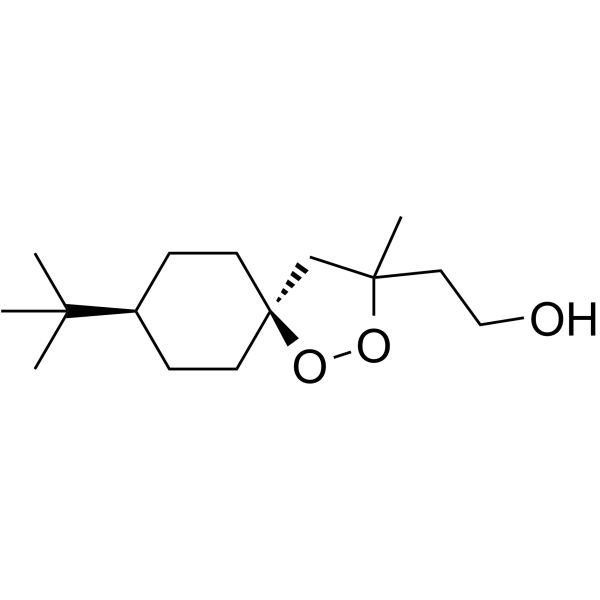
    FINO2
    10+ Cited Publications

    Ferroptosis Cancer
    FINO2 is a potent ferroptosis inducer. FINO2 inhibits GPX4 activity. FINO2 is a stable oxidant that oxidizes ferrous iron and stable at varying pH levels. FINO2 causes widespread lipid peroxidation .
    FINO2
  • HY-W008034

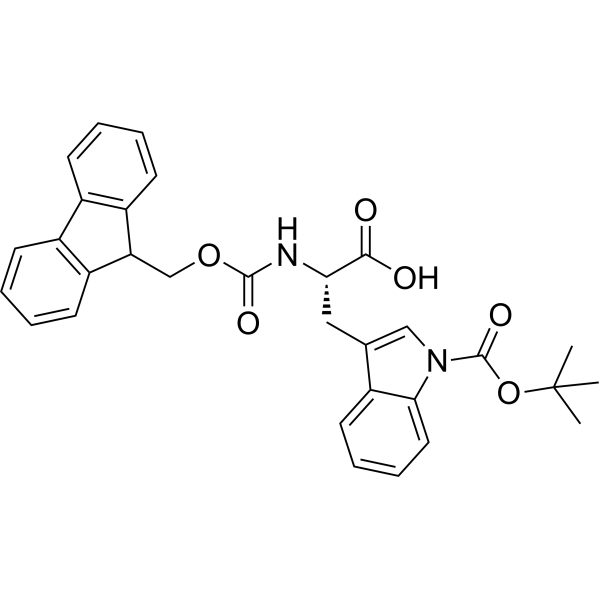
    Fmoc-L-Trp(Boc)-OH

    Amino Acid Derivatives Cancer
    Fmoc-Trp(Boc)-OH (Fmoc-L-Trp(Boc)-OH) is an amino acid derivative with protective groups. Fmoc-Trp(Boc)-OH can self-assemble into stable and pH-responsive spherical nanoparticles, which can load and release bioactive molecules, with good biocompatibility and high cell uptake rate. Fmoc-Trp(Boc)-OH can be used in research on drug delivery .
    Fmoc-Trp(Boc)-OH
  • HY-W014837

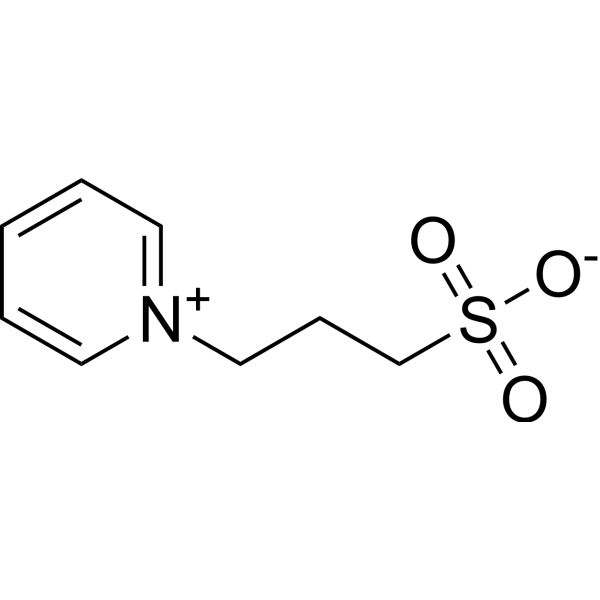
    3-(1-Pyridinio)-1-propanesulfonate

    Biochemical Assay Reagents Others
    NDSB-201 consists of a pyridine group attached to a propane chain, which in turn is attached to a sulfonate group. This compound is commonly used as a buffer in biochemical and biological research, especially in electrophoretic applications. It maintains a stable pH in aqueous solutions and has low UV absorption, making it suitable for use in the UV spectrum. Furthermore, due to its ability to form stable complexes with DNA and other biomolecules, 3-(pyridin-1-ium-1-yl)propane-1-sulfonate has been investigated for its potential in drug delivery and genetic research.
    NDSB-201
  • HY-D0031

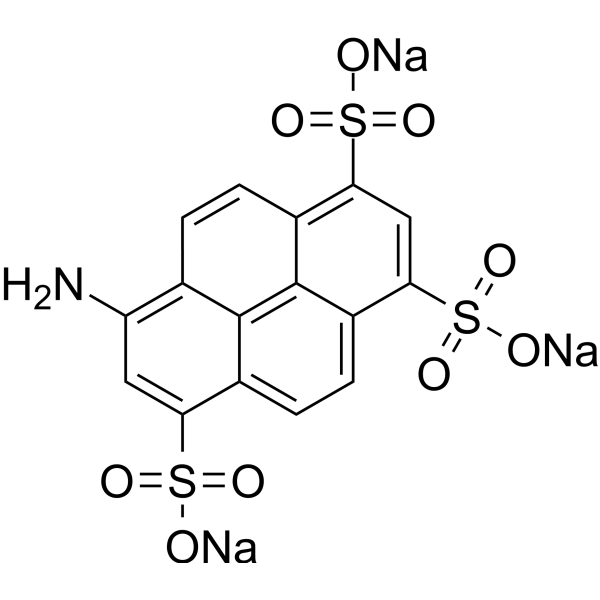
    APTS

    Fluorescent Dye Others
    8-Aminopyrene-1,3,6-trisulfonic acid trisodium (APTS) is an anionic fluorescent dye (excitation/emission: 425/503 nm in pH 7.4 PBS). The fluorescence intensity of 8-Aminopyrene-1,3,6-trisulfonic acid trisodium remains stable at pH 4-10. 8-Aminopyrene-1,3,6-trisulfonic acid trisodium retains its fluorescence properties when immobilized in a hydrogel by copolymerization. 8-Aminopyrene-1,3,6-trisulfonic acid trisodium can be used for glucose sensing .
    8-Aminopyrene-1,3,6-trisulfonic acid trisodium
  • HY-150086
    Copper Fluor-4
    3 Publications Verification

    CF4

    Fluorescent Dye Others
    Copper Fluor-4 (CF4) is a Cu +-specific fluorescent probe based on a rhodol dye scaffold. Copper Fluor-4 has high copper selectivity with a Kd value of 2.9×10 −13 M, particularly over zinc and iron, as well as abundant cellular alkali and alkaline earth metals. Copper Fluor-4 is stable in a physiologically relevant pH regime between 6 and 8 (wavelengths of 415 nm for excitation and 660 nm for emission) .
    Copper Fluor-4
  • HY-DY1004

    Fluorescent Dye Others
    BODIPY 493/503 (solution) is a BODIPY dye. BODIPY dye is a small molecule dye with strong ultraviolet absorption ability, its fluorescence peak is relatively sharp, and the quantum yield is high. They are relatively insensitive to the polarity and pH of the environment and are relatively stable under different physiological conditions. Due to its structural asymmetry, BODIPY derives a variety of structural products. BODIPY lipid droplet dyes can well pass through the cell membrane into the cell, and localize the neutral lipids in the cell to specifically stain the lipid droplets, which can be used for labeling of live cells and fixed cells . Maximum excitation/emission wavelength: 493/503 nm.
    Solvent and concentration: DMSO: 5 mM.
    BODIPY 493/503 (solution)
  • HY-W694629

    Biochemical Assay Reagents Others
    Triethylammonium bicarbonate is a biochemical reagent that can be used to prepare buffer solutions that maintains the stable pH environment required for processes such as enzyme-catalyzed reactions .
    Triethylammonium bicarbonate buffer (1.0M pH 8.5)
  • HY-160113

    Biochemical Assay Reagents Others
    Sodium phosphate buffer 0.02 M, pH 6.9 is a commonly used aqueous biological buffer that maintains a stable pH value. Sodium phosphate buffer 0.02 M, pH 6.9 is often used in enzyme activity assays, such as α-amylase assays. Sodium phosphate buffer 0.02 M, pH 6.9 is prepared by mixing disodium hydrogen phosphate (Na2HPO4) (HY-B2243) and sodium dihydrogen phosphate (NaH2PO4) (HY-Y0308) to a total concentration of 0.02 M .
    Sodium phosphate buffer 0.02 M, pH 6.9
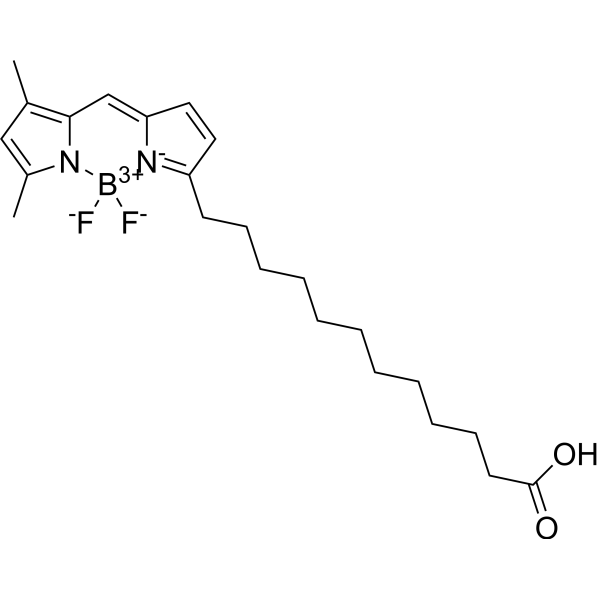
  • HY-D1570

    Fluorescent Dye Others
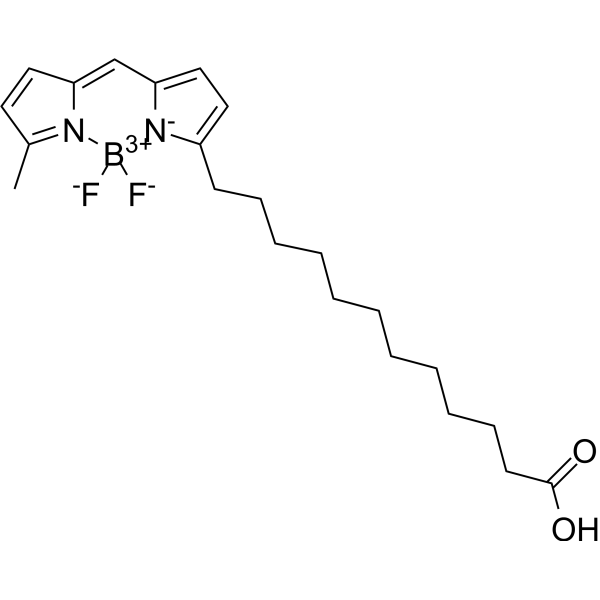
    BODIPYFL C12 is a BODIPY dye. BODIPY dye is a small molecule dye with strong ultraviolet absorption ability, its fluorescence peak is relatively sharp, and the quantum yield is high. They are relatively insensitive to the polarity and pH of the environment and are relatively stable under different physiological conditions. Due to its structural asymmetry, BODIPY derives a variety of structural products. BODIPY lipid droplet dyes can well pass through the cell membrane into the cell, and localize the neutral lipids in the cell to specifically stain the lipid droplets, which can be used for labeling of live cells and fixed cells . Maximum excitation/emission wavelength: 480/508 nm .
    BODIPY FL C12
  • HY-D1617
    BODIPY 500/510 C1, C12
    2 Publications Verification

    Fluorescent Dye Others
    BODIPY 500/510 C1, C12 is a BODIPY dye. BODIPY dye is a small molecule dye with strong ultraviolet absorption ability, its fluorescence peak is relatively sharp, and the quantum yield is high. They are relatively insensitive to the polarity and pH of the environment and are relatively stable under different physiological conditions. Due to its structural asymmetry, BODIPY derives a variety of structural products. BODIPY lipid droplet dyes can well pass through the cell membrane into the cell, and localize the neutral lipids in the cell to specifically stain the lipid droplets, which can be used for labeling of live cells and fixed cells . Maximum excitation/emission wavelength: 500/510 nm . Protect from light, stored at -20°C.
    BODIPY 500/510 C1, C12
  • HY-W923198

    Methacryloyloxy fluorescein

    Fluorescent Dye Others
    Fluorescein O-methacrylate (Methacryloyloxy fluorescein) is a pH-responsive fluorescent monomeric dye. Fluorescein O-methacrylate exhibits pH-responsive fluorescence properties: its fluorescence is activated under alkaline conditions and quenched under neutral or acidic conditions; reversible switching of fluorescence is achievable by adjusting the pH of the solution. Fluorescein O-methacrylate can be used as a monomer for the synthesis of amphiphilic fluorescein polymers. These polymers can self-assemble into stable polymer nanoparticles with enhanced aqueous-phase fluorescence, and also enable the conjugation of nanoparticles with amine-containing biomolecules to support sensitive optical detection of biomarkers (Ex/Em = 490/520 nm) .
    Fluorescein O-methacrylate
  • HY-D0077

    Oregon green 488

    Fluorescent Dye Others
    2',7'-Difluorofluorescein (Oregon green 488) is a fluorescein derivative and a pH-sensitive fluorescent probe (pKa ~4.7). Upon excitation at 488 nm, 2',7'-Difluorofluorescein exhibits pH-sensitive fluorescence intensity through the formation of dianions, while its pH sensitivity decreases under excitation at 450 nm, allowing its use in ratiometric pH analysis. 2',7'-Difluorofluorescein can be used for the quantitative analysis of pH values in the range of 2-7 in submicron aerosol particles. 2',7'-Difluorofluorescein undergoes buffer-mediated and buffer-free excited-state proton transfer between different protonated forms, and its cationic form undergoes rapid excited-state deprotonation. 2',7'-Difluorofluorescein is resistant to photodegradation, maintains stable absorption and fluorescence properties within the physiological pH range, and serves as a fluorescent protein label, a component of Ca 2+ indicators, a fluorescent imaging agent, and an anisotropy probe .
    2',7'-Difluorofluorescein
  • HY-W250149

    Biochemical Assay Reagents Cancer
    Chlorophosphonazo III is a cell membrane-permeable contrast agent and spectrophotometric reagent. Chlorophosphonazo III forms stable 1:1 complexes with intracellular calcium, magnesium, uranium, titanium, zirconium, thorium, scandium, equivalent actinides and protactinium. Chlorophosphonazo III generates photoacoustic signals correlated with Ca 2+ concentrations, which is applicable for imaging 3D tumor cell cultures and tumor spheroids. Chlorophosphonazo III exhibits no cytotoxicity, can be used for spectrophotometric detection of target ions, and the absorbance of its complexes remains stable for up to one week within the pH range of 2.2 to 7.0 .
    Chlorophosphonazo III
  • HY-D0202

    Fluorescent Dye Others
    Arsenazo III is an azo derivative of chromotropic acid, a metal chrome dye, a chelating agent, and a cation complexing agent. Arsenazo III forms stable 1:1 complexes with Ca 2+, Mg 2+, Sr 2+, Ba 2+, K +, and Na +, and its binding affinity for Ca 2+ depends on pH, alkali metal cation concentration, and buffer parameters. Arsenazo III serves as a colorimetric indicator for micromolar ionized Ca 2+ in cells .
    Arsenazo III
  • HY-W133967

    Environmental Pollutants Biochemical Assay Reagents Inflammation/Immunology
    Calcium alginate is a biopolymer that can be used for developing oral agent-delivery systems . Calcium alginate is a pH sensitive hydrogel stable in acidic media and soluble in basic media .
    Calcium alginate
  • HY-179669I

    Biochemical Assay Reagents Others
    1M Tris-HCl Buffer, pH 8.8 is a buffer solution commonly used in various biochemical and molecular biological applications to maintain a stable pH environment. The pH value of Tris-HCl changes with temperature; generally, the pH decreases by 0.03 units for every degree Celsius increase in temperature. The pH values indicated on the product are the pH values of the Tris-HCl buffer solution at 25°C.
    1.5M Tris-HCl Buffer, pH 8.8
  • HY-179669C

    Biochemical Assay Reagents Others
    1M Tris-HCl Buffer, pH 7.6 is a buffer solution commonly used in various biochemical and molecular biological applications to maintain a stable pH environment. The pH value of Tris-HCl changes with temperature; generally, the pH decreases by 0.03 units for every degree Celsius increase in temperature. The pH values indicated on the product are the pH values of the Tris-HCl buffer solution at 25°C.
    1M Tris-HCl Buffer, pH 7.6
  • HY-179669

    Biochemical Assay Reagents Others
    1M Tris-HCl Buffer, pH 6.8 is a buffer solution commonly used in various biochemical and molecular biological applications to maintain a stable pH environment. The pH value of Tris-HCl changes with temperature; generally, the pH decreases by 0.03 units for every degree Celsius increase in temperature. The pH values indicated on the product are the pH values of the Tris-HCl buffer solution at 25°C.
    1M Tris-HCl Buffer, pH 6.8
  • HY-DY1061

    Fluorescent Dye Others
    BODIPY 558/568 C12 (solution) is a BODIPY dye. BODIPY dye is a small molecule dye with strong ultraviolet absorption ability, its fluorescence peak is relatively sharp, and the quantum yield is high. They are relatively insensitive to the polarity and pH of the environment and are relatively stable under different physiological conditions. Due to its structural asymmetry, BODIPY derives a variety of structural products. BODIPY lipid droplet dyes can well pass through the cell membrane into the cell, and localize the neutral lipids in the cell to specifically stain the lipid droplets, which can be used for labeling of live cells and fixed cells . Maximum excitation/emission wavelength: 558/568 nm .
    Solvent and concentration: DMSO: 2 mM
    BODIPY 558/568 C12 (solution)
  • HY-160113E

    Biochemical Assay Reagents Others
    Sodium phosphate buffer 0.1M, pH 8.0 is an aqueous sodium phosphate buffer with a concentration of 0.1M and a pH value of 8.0. Sodium phosphate buffer 0.1M, pH 8.0 can be used for the preparation of hydrated micellar membranes, the construction of pH-sensitive nanocarriers, and the maintenance of stable environmental conditions for pH-cleavable PEG-Hz-PE micelles. Sodium phosphate buffer 0.1M, pH 8.0 can also serve as a universal solvent, reaction medium and eluent, and is widely applied in experimental processes such as antibody thiolation, nanoparticle purification and cross-linking reactions .
    Sodium phosphate buffer 0.1M, pH 8.0
  • HY-DN7075F

    Fluorescent Dye Metabolic Disease
    FITC-inulin is a FITC (HY-66019)-labeled inulin (Ex/Em=488/525 nm). FITC-inulin serves as an accurate and stable marker for in vivo renal function assessment. FITC-inulin exhibits pH-dependent fluorescence .
    FITC-inulin
  • HY-167545

    POPE

    Liposome Biochemical Assay Reagents Others
    1-Palmitoyl-2-oleoylphosphatidylethanolamine (POPE) is a PE-based synthetic phospholipid that can intercalate with other amphiphilic molecules to form stable bilayers at physiological pH. 1-Palmitoyl-2-oleoylphosphatidylethanolamine can be used in drug delivery research .
    1-Palmitoyl-2-oleoylphosphatidylethanolamine
  • HY-164071

    CM-Dextran

    Drug Derivative Others
    Carboxymethyl Dextran (CM-Dextran) is a dextran derivative and a biocompatible coating for superparamagnetic iron oxide nanoparticles. When coated on the surface of superparamagnetic nanoparticles, Carboxymethyl Dextran forms stable particles across all pH values and NaCl concentrations. Carboxymethyl Dextran can be used to prepare materials for magnetic resonance molecular imaging .
    Carboxymethyl Dextran
  • HY-Y1422E

    Biochemical Assay Reagents Lipase Others
    Lipase, Aspergillus niger (Immobilized) is an immobilized triacylglycerol acyl hydrolase and biocatalyst. Lipase, Aspergillus niger (Immobilized) broadly catalyzes the hydrolysis of glycerol-long-chain fatty acid esters, exhibits positional selectivity for the 1,3-positions of glycerol, but shows low hydrolysis efficiency for castor oil. Lipase, Aspergillus niger (Immobilized) displays optimal activity at 45°C and pH 7.0, and remains stable at temperatures up to 60°C and over a broad pH range of 2.0-9.0. Lipase, Aspergillus niger (Immobilized) is activated by Ca 2+ and Mg 2+, but inhibited by Mn 2+, Fe 2+ and Zn 2+ .
    Lipase,Aspergillusniger (Immobilized)
  • HY-179669A

    Biochemical Assay Reagents Others
    1M Tris-HCl Buffer, pH 7.0 is a buffer solution commonly used in various biochemical and molecular biological applications to maintain a stable pH environment. The pH value of Tris-HCl changes with temperature; generally, the pH decreases by 0.03 units for every degree Celsius increase in temperature. The pH values indicated on the product are the pH values of the Tris-HCl buffer solution at 25°C.
    1M Tris-HCl Buffer, pH 7.0
  • HY-179669E

    Biochemical Assay Reagents Others
    1M Tris-HCl Buffer, pH 8.0 is a buffer solution commonly used in various biochemical and molecular biological applications to maintain a stable pH environment. The pH value of Tris-HCl changes with temperature; generally, the pH decreases by 0.03 units for every degree Celsius increase in temperature. The pH values indicated on the product are the pH values of the Tris-HCl buffer solution at 25°C.
    1M Tris-HCl Buffer, pH 8.0
  • HY-W440995

    Liposome Cancer
    DOPE-PEG2000-Mal is a phospholipid polyPEG which can be used to prepare liposomes or nanoparticles. It is also reactive with thiol at pH 6.5 tp 7.5 to form a stable thioether bond.
    DOPE-PEG2000-Mal
  • HY-148949A

    Kallikrein Others
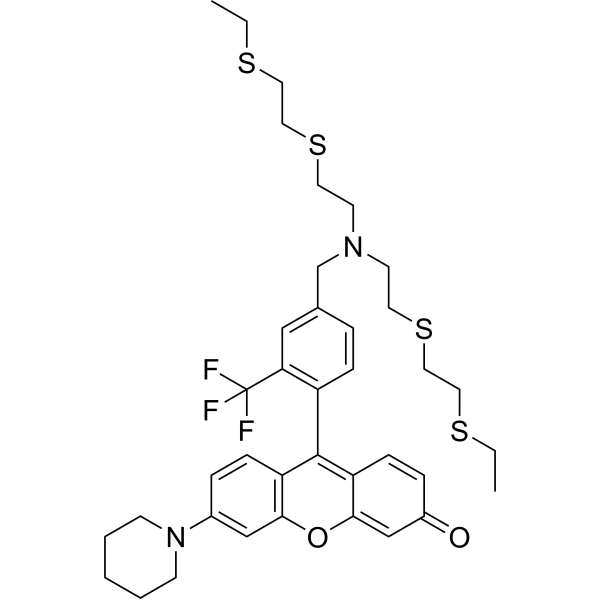
    Kallikrein 5-IN-2 TFA is the TFA salt form of Kallikrein 5-IN-2 (HY-148949). Kallikrein 5-IN-2 TFA is a selective inhibitor for kallikrein 5 (KLK5) with pIC50 of 7.1. Kallikrein 5-IN-2 TFA is non-phototoxic (100 μg/mL) and non-irritant. Kallikrein 5-IN-2 is stable at pH 4-pH 8 under non-oxidative condition. Kallikrein 5-IN-2 is potent in ameliorating the Netherton syndrome .
    Kallikrein 5-IN-2 TFA
  • HY-179669J

    Biochemical Assay Reagents Others
    1M Tris-HCl Buffer, pH 6.8 is a buffer solution commonly used in various biochemical and molecular biological applications to maintain a stable pH environment. The pH value of Tris-HCl changes with temperature; generally, the pH decreases by 0.03 units for every degree Celsius increase in temperature. The pH values ??indicated on the product are the pH values ??of the Tris-HCl buffer solution at 25°C.
    1.5M Tris-HCl Buffer, pH 6.8
  • HY-179669H

    Biochemical Assay Reagents Others
    1M Tris-HCl Buffer, pH 8.8 is a buffer solution commonly used in various biochemical and molecular biological applications to maintain a stable pH environment. The pH value of Tris-HCl changes with temperature; generally, the pH decreases by 0.03 units for every degree Celsius increase in temperature. The pH values indicated on the product are the pH values of the Tris-HCl buffer solution at 25°C.
    1M Tris-HCl Buffer, pH 8.8
  • HY-W800701

    Biochemical Assay Reagents Others
    BP Fluor 546 DBCO is an azide-reactive probe that can be used for imaging azide-tagged biomolecules via a copper-free click reaction. The DBCO moiety reacts with azides to form a stable triazole and does not require a Cu-catalyst or elevated temperatures. In applications where the presence of copper is a concern, BP Fluor 546 DBCO is an ideal alternative to copper-requiring fluorescent alkynes. BP Fluor 546 is a water-soluble, pH-insensitive (from pH 4-10), orange-fluorescent dye with absorption and emission maxima at 554 and 570 nm, respectively. It can be used with the 488 nm and 532 nm laser lines. BP Fluor 546 dye conjugates to a variety of antibodies, peptides, proteins, tracers, and amplification substrates, which are often used for generating stable signals in imaging and flow cytometry.
    BP Fluor 546 DBCO
  • HY-158255

    Biochemical Assay Reagents Others
    mPEG-PLGA (2000-80000) (LA/GA 50:50) is a copolymer, which consists of hydrophilic mPEG and biodegradable PLGA (molar ratio is 50:50) with a molecular weight of 2000 (mPEG) + 80000 (PLGA). mPEG-PLGA (2000-80000) (LA/GA 50:50) forms nanoparticles or microparticles, which is stable in aqueous solution at different pH values and elevated temperatures as well as in serum. mPEG-PLGA (2000-80000) (LA/GA 50:50) is utilized as carrier material in drug delivery systems .
    mPEG-PLGA (2000-80000) (LA/GA 50:50)
  • HY-W009708

    Mucin Others
    Bis (2-methyl-3-furyl) disulfide is a meat-characteristic aroma compound that binds to oral mucins. Bis (2-methyl-3-furyl) disulfide interacts with oral mucins via hydrogen bonding, hydrophobic interactions and van der Waals forces to form stable spontaneous 1:1 complexes, and the interaction strength varies with pH. Bis (2-methyl-3-furyl) disulfide contributes to the production of unique meat aroma and flavor, and its binding to oral mucins alters aroma perception .
    Bis(2-methyl-3-furyl)disulfide
  • HY-D2956

    CLIP-GLA-NHS

    Biochemical Assay Reagents Others
    BC-GLA-NHS (CLIP-GLA-NHS) is a NHS-labeled CLIP tag, which is an amine-reactive crosslinker and can achieve site-specific protein labeling. The NHS ester of BC-GLA-NHS reacts with the primary amine of the target molecule (such as antibodies, quantum dots) in a pH 7.5-8.5 buffer solution to form a stable amide bond. After coupling, the BC molecule undergoes a nucleophilic substitution reaction with the active site (Cys) of the CLIP-tagged fusion protein, releasing benzylcytosine and forming an irreversible thioether bond, achieving covalent labeling. BC-GLA-NHS can be used for click chemistry labeling .
    BC-GLA-NHS
  • HY-116033

    Ser/Thr Protease Inflammation/Immunology
    BMS-363131 is a selective inhibitor for tryptase, with an IC50 <1.7 nM. BMS-363131 is hydrolytic stable at pH=7 and pH=9. BMS-363131 attenuates the astham in a guinea pig model .
    BMS-363131
  • HY-D2745

    Fluorescent Dye Others
    BP Fluor 594 NHS ester is the most popular tool for modifying proteins or antibodies through the primary amines (Lys), amine-modified oligonucleotides, and other amine-containing biomolecules with BP Fluor 594 label. The labeling occurs most efficiently at pH 7-9 and forms a stable, covalent amide bond. BP Fluor 594 dye can be used for proteins labeling at high molar ratios without significant self-quenching, enabling brighter conjugates and more sensitive detection. BP Fluor 594 is bright, water-soluble, and pH-insensitive from pH 4 to pH 10 red-fluorescent dye with absorption and emission maxima at 590 and 617 nm, respectively. It can be used with the 561 nm and 594 nm laser lines. BP Fluor 594 dye conjugated to a variety of antibodies, peptides, proteins, tracers, and amplification substrates often used for generation of stable signal in imaging and flow cytometry.
    BP Fluor 594 NHS ester
  • HY-E70331

    Endogenous Metabolite Others
    Acid Stable Protease is a biocatalyst and a key enzyme in new biocatalyst technology. Enzyme engineering focuses on enhancing enzyme reaction kinetics, substrate selectivity, and activity under harsh conditions such as low or high pH. By introducing stimulus responsiveness to these enzyme modifications, dynamic control of activity is also possible .
    Acid Stable Protease
  • HY-105213

    MC-352

    Antibiotic Bacterial Infection
    YM-17K (MC-352) is a macrolide antibiotic. YM-17K exhibits antimicrobial activity against Gram-positive bacteria, Gram-negative bacteria, and anaerobic bacteria. YM-17K exhibits stable activity in serum and is less affected by pH values .
    YM-17K
  • HY-133847

    Laurylamidopropyldimethylamine oxide

    Endogenous Metabolite Others
    LAPAO (Laurylamidopropyldimethylamine oxide) is an amphoteric surfactant with good biocompatibility and surface activity. LAPAO can be used as a detergent and foam enhancer for personal care and household cleaning products. LAPAO is stable at different pH values and can effectively remove dirt and grease. LAPAO also has a conditioning effect and is suitable for use in skin care and hair care products .
    LAPAO
  • HY-179668A

    Biochemical Assay Reagents Others
    10x TE buffer, pH 8.0 is weakly alkaline and protects the bases of DNA. DNA is relatively stable in TE and is not easily damaged in terms of integrity or prone to ring opening and breakage. 1x TE buffer, pH 8.0 composition concentration: 100 mM Tris-HCl, 10 mM EDTA, pH 8.0.
    10x TE buffer, pH 8.0
  • HY-D2738

    Fluorescent Dye Others
    BP Fluor 532 NHS ester is an amine reactive, yellow-emitting dye routinely used to label proteins or antibodies through primary amines (Lys), amine-modified oligonucleotides, and other amine-containing biomolecules. The labeling occurs most efficiently at pH 7-9 and forms a stable, covalent amide bond. BP Fluor 532 is a bright yellow-fluorescent dye with pH insensitive emission from pH 4 to pH 10. The excitation of BP Fluor 532 is ideally suited for the frequency-doubled Nd:YAG laser line. BP Fluor 532 can be conjugated to a variety of antibodies, peptides, proteins, tracers, and amplification substrates, and is often used for the generation of stable signals in imaging and flow cytometry.
    BP Fluor 532 NHS ester
  • HY-W702290

    Endogenous Metabolite Others
    2-Methyldecanenitrile is a compound with biological activity for fragrance applications. 2-Methyldecanenitrile exhibits a rich peach aroma with frankincense undertones in perfume compositions. 2-Methyldecanenitrile is stable across the entire pH range, enabling it to create a stable fruity effect at low concentrations in any application .
    2-Methyldecanenitrile

Inquiry Online

Your information is safe with us. * Required Fields.

Salutation


Country or Region *

Applicant Name *


Organization Name *

Department *


Email Address *


Product Name *

Cat. No.


Requested quantity *

Phone Number *


Remarks

Inquiry Online

Inquiry Information

Product Name:
Cat. No.:
Quantity:
MCE Japan Authorized Agent:

