
1. Search Result
Search Result
Results for "

superoxide radical

" in MedChemExpress (MCE) Product Catalog:

88

Inhibitors & Agonists

3

Fluorescent Dyes

4

Biochemical Assay Reagents

1

Peptides

32

Natural
Products

5

Isotope-Labeled Compounds

1

Click Chemistry

Targets Recommended:
Cat. No. Product Name Target Research Areas Chemical Structure
  • HY-N0828
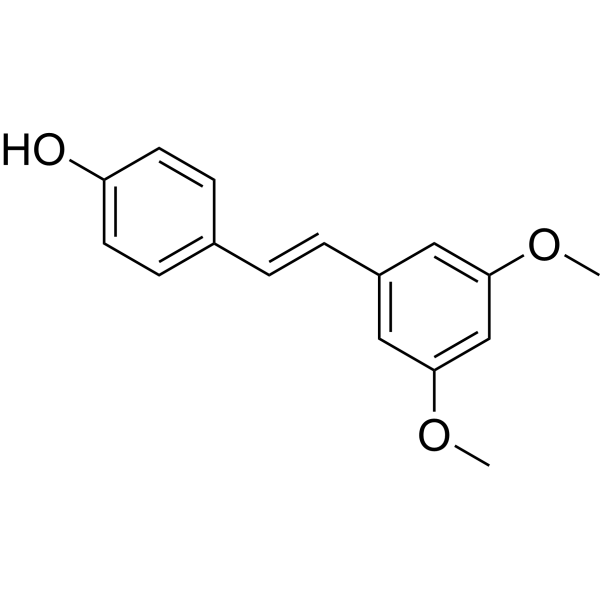
    Pterostilbene
    Maximum Cited Publications
    10 Publications Verification

    Autophagy Inflammation/Immunology Cancer
    Pterostilbene is a stilbenoid isolated from blueberries and Pterocarpus marsupium . Shows anti-oxidant, anti-inflammatory, anti-carcinogenic, anti-diabetic and anti-obesity properties . Pterostilbene blocks ROS production , also exhibits inhibitory activity against various free radicals such as DPPH, ABTS, hydroxyl, superoxide and hydrogen peroxide .
    Pterostilbene
  • HY-W001187
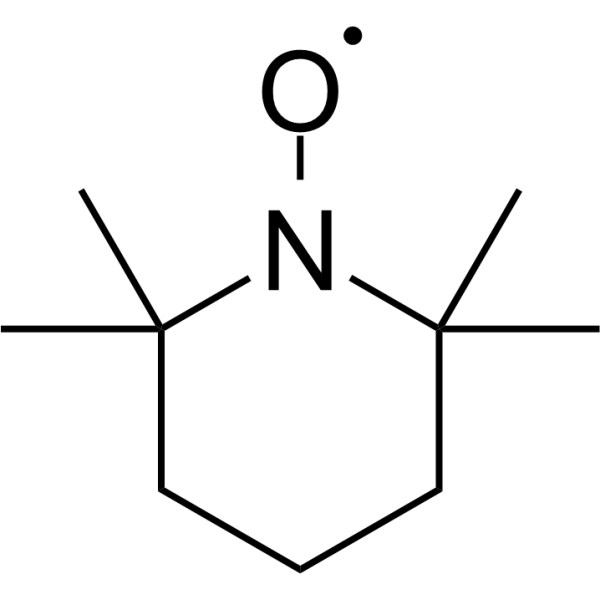
    Tempo
    10+ Cited Publications

    Mitochondrial Metabolism DNA/RNA Synthesis Reactive Oxygen Species (ROS) Cancer
    Tempo is a nitric oxide radical and a selective scavenger of ROS in mitochondria. Tempo is also an organocatalyst that disproportionates superoxide and oxidizes primary alcohols to aldehydes in a catalytic cycle. Tempo has mutagenic and antioxidant effects and can induceDNA strand breaks. Tempo also exerts cytotoxic and mutagenic properties in mouse lymphoma cells .
    Tempo
  • HY-B0581
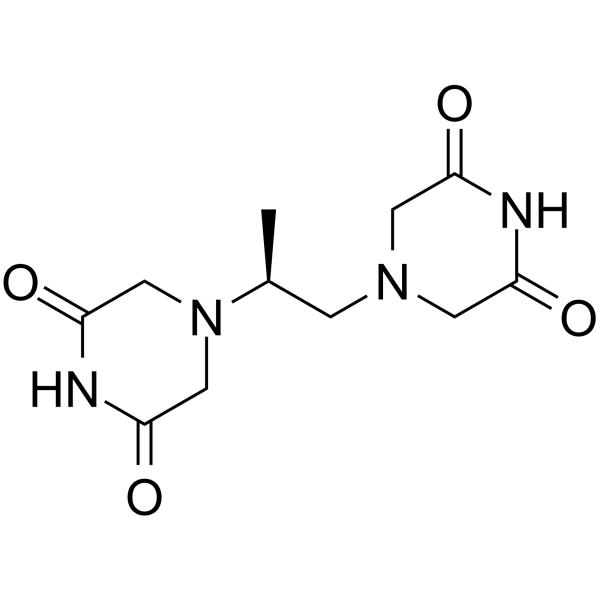
    Dexrazoxane
    Maximum Cited Publications
    19 Publications Verification

    ICRF-187; ADR-529; NSC-169780

    Ferroptosis Apoptosis Cardiovascular Disease Neurological Disease Inflammation/Immunology Cancer
    Dexrazoxane, as an intracellular iron chelating agent, reduces the formation of superoxide radicals and has cardioprotective, anti-inflammatory, antioxidant, anti-tumor and neuroprotective activities. Dexrazoxane inhibits ferroptosis of H9c2 cells by inhibiting HMGB1. Dexrazoxane induces DNA damage and apoptosis in human fibrosarcoma cells .
    Dexrazoxane
  • HY-N7075
    Inulin
    4 Publications Verification

    Endogenous Metabolite Infection Neurological Disease Metabolic Disease Cancer
    Inulin is an orally active prebiotic targeting the intestinal microbiota, selectively promoting the proliferation and activity of beneficial bacteria such as bifidobacteria and lactic acid bacteria, and playing a role in regulating the intestinal microecology. The functions of Inulin include: Fermentation by probiotics in the colon to produce short-chain fatty acids (such as butyrate and propionate), lowering the intestinal pH and inhibiting the overgrowth of harmful bacteria; Enhancing the intestinal barrier function and reducing endotoxin translocation; Directly scavenging free radicals (such as superoxide free radicals, hydroxyl free radicals) and activating antioxidant enzymes (SOD, CAT) to reduce oxidative stress. Inulin can also be used in the study of intestinal diseases (constipation, IBD), metabolic syndrome (diabetes, obesity) and liver damage by regulating glucose and lipid metabolism (such as reducing triglycerides, improving insulin sensitivity) and immune response (enhancing NK cell activity, inhibiting inflammatory factors)[1][2][3][4].
    Inulin
  • HY-N0499
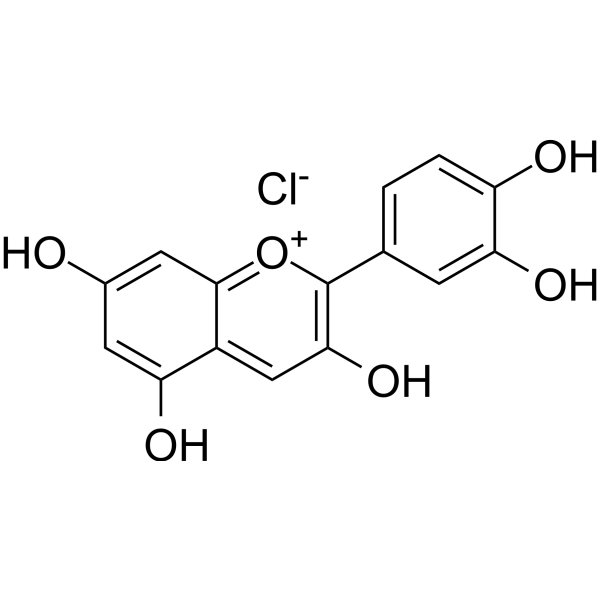
    Cyanidin Chloride
    4 Publications Verification

    IdB 1027

    Prostaglandin Receptor Inflammation/Immunology
    Cyanidin Chloride (IdB 1027) is an orally active antioxidant and enzyme inhibitor. Cyanidin Chloride has IC50 values of 90 μM and 60 μM against PGHS-1 and PGHS-2, respectively. Cyanidin Chloride exhibits excellent antioxidant and anti-inflammatory activities, scavenges free radicals, inhibits lipid peroxidation, and protects DNA from cleavage. Cyanidin Chloride can be used in the research of inflammatory diseases .
    Cyanidin Chloride
  • HY-N1579
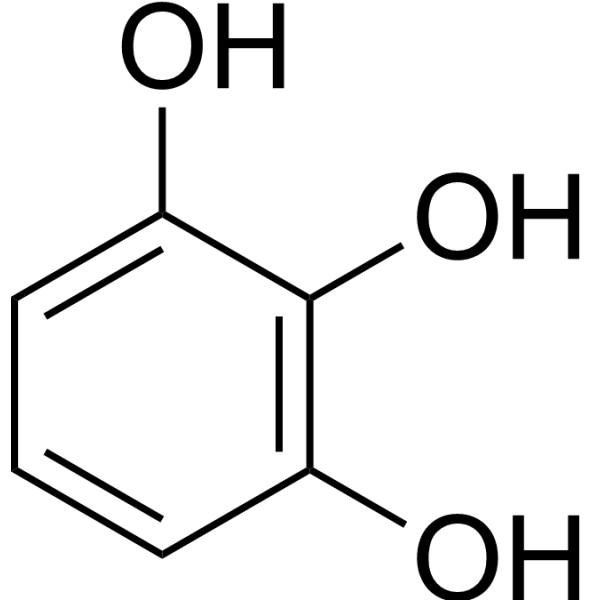
    Pyrogallol
    4 Publications Verification

    Endogenous Metabolite Fungal Apoptosis Infection
    Pyrogallol is a polyphenol compound, which has anti-fungal and anti-psoriatic properties. Pyrogallol is a reductant that is able to generate free radicals, in particular superoxide anions.
    Pyrogallol
  • HY-129064

    SOD

    SOD Inflammation/Immunology Cancer
    Superoxide dismutase, Porcine erythrocytes (SOD) is the only antioxidant enzyme that scavenges the superoxide anion by converting this free radical to oxygen and hydrogen peroxide, thus preventing peroxynitrite production and further damage. Superoxide dismutase, Porcine erythrocytes is extensively researched and used in anti-inflammatory, antitumor, radiation protection, and antisenility applications .
    Superoxide dismutase, Porcine erythrocytes
  • HY-D0720
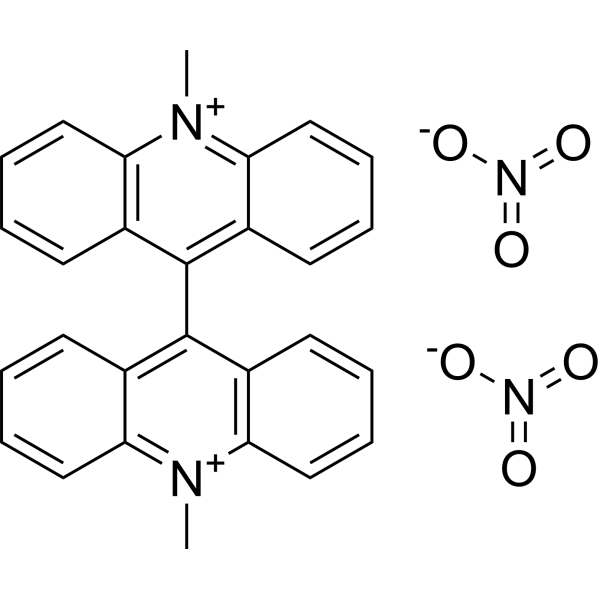
    Lucigenin
    5+ Cited Publications

    NSC-151912; L-6868

    Fluorescent Dye Reactive Oxygen Species (ROS) Others
    Lucigenin is a chemiluminescence probe. Lucigenin can be used to detect the production of endogenous superoxide anion radical (O 2-). Lucigenin is extremely sensitive to chloride ions, while it combined with chloride ions, the fluorescence will be quenched. Lucigenin also can be used as a chloride indicator. Ex/Em=455/505 nm .
    Lucigenin
  • HY-121137
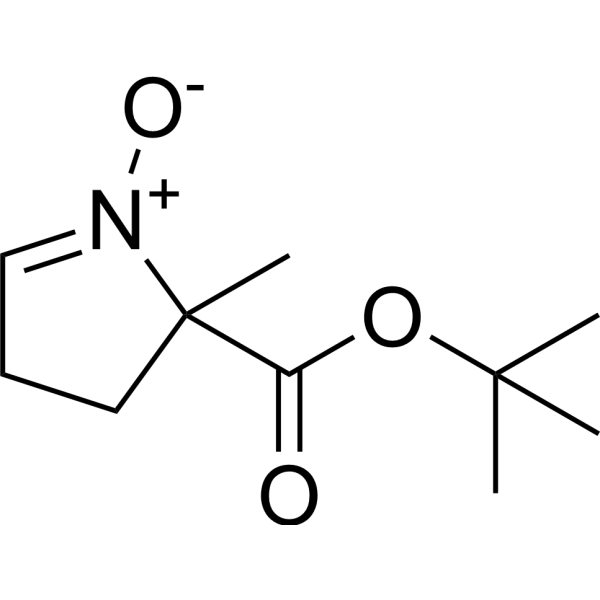
    BMPO
    1 Publications Verification

    BocMPO

    Reactive Oxygen Species (ROS) Others
    BMPO (BocMPO) is a cell-permeable superior spin trap with favorable chemical and spectroscopic features. BMPO (BocMPO) can be used for detecting thiyl radicals, hydroxyl radicals, superoxide anions and glutathiyl radicals .
    BMPO
  • HY-D0261
    Tiron
    1 Publications Verification

    Biochemical Assay Reagents Apoptosis Metabolic Disease Inflammation/Immunology Cancer
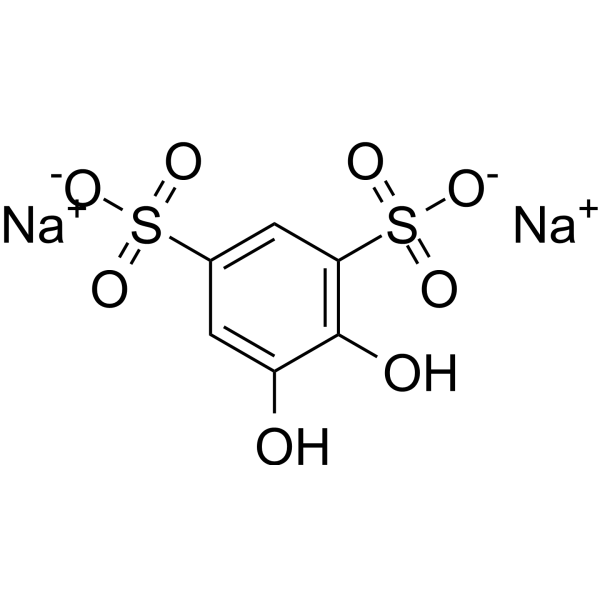
    Tiron is a non-toxic chelator of a variety of metals. Tiron is cell permeable analog of vitamin E and function as hydroxyl radical and superoxide scavenger. Tiron is an orally active antioxidant. Tiron can be used to alleviate acute metal overload in animals .
    Tiron
  • HY-N13022
    Humic acid
    1 Publications Verification

    Environmental Pollutants Bacterial SOD Inflammation/Immunology Cancer
    Humic acid is an important component of organic matter in soil and water, and serves as a plant regulator. Humic acid has multiple reactive activities such as surface adsorption, ion exchange, and complexation. Humic acid can enhance pyrene degradation by Mycobacterium NJS-1. Humic acid can inhibit the activity of superoxide dismutase and scavenge hydroxyl radicals. Humic acid is also toxic to CEM cells .
    Humic acid
  • HY-100594
    EUK-134
    1 Publications Verification

    NF-κB Cardiovascular Disease
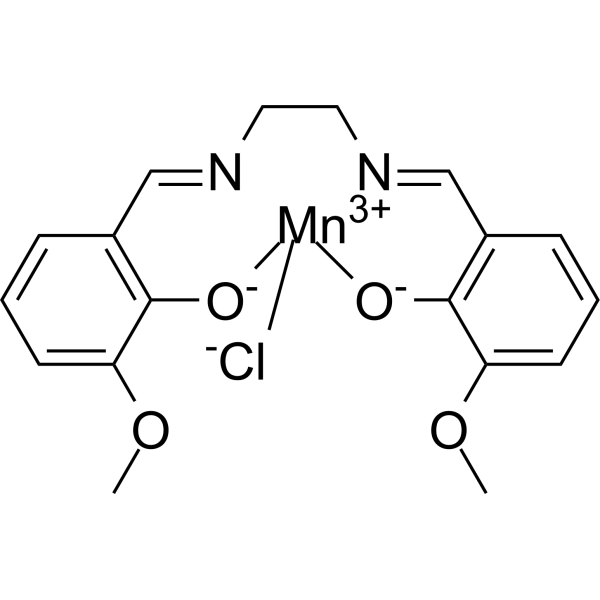
    EUK-134, a synthetic superoxide dismutase and catalase mimetic, protects rat kidneys from ischemia-reperfusion-induced damage. EUK-134 is a superoxide dismutase (SOD) mimetics (SODm) with catalase activity. EUK-134 is a mitoprotective antioxidant. EUK-134 reduces the expression of NF-κB, MDA level, and protein carbonylation in H9C2 cells .
    EUK-134
  • HY-N0448
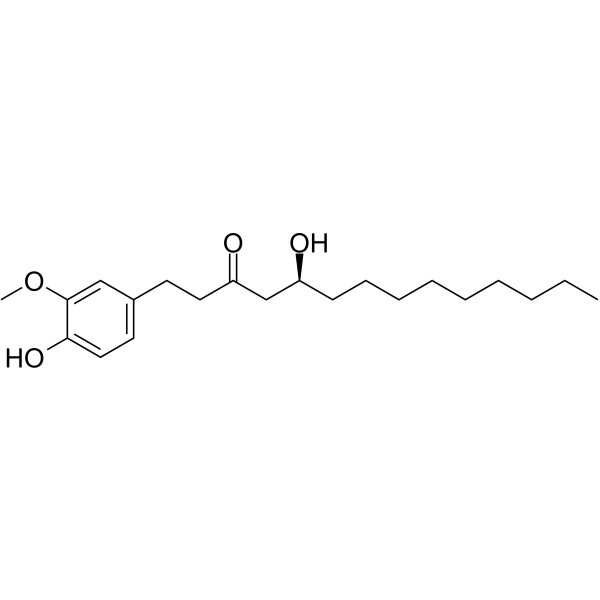
    10-Gingerol
    4 Publications Verification

    AMPK Reactive Oxygen Species (ROS) Akt PI3K Interleukin Related TNF Receptor Apoptosis Neurological Disease Inflammation/Immunology Cancer
    10-Gingerol is an AMPK agonist, which is found in the ginger oleoresin from fresh rhizome with anti-inflammatory, antioxidant and anti-proliferative activities. 10-Gingerol suppresses neointimal hyperplasia and inhibits vascular smooth muscle cell proliferation. 10-Gingerol exhibits substantial scavenging activities with an IC50 value of 10.47 μM against DPPH radical, an IC50 value of 1.68 μM against superoxide radical and an IC50 value of 1.35 μM against hydroxyl radical. 10-Gingerol inhibits the proliferation of MDA-MB-231 tumor cell line with an IC50 of 12.1 μM. 10-Gingerol suppresses the proliferation, migration, invasion, and induced apoptosis through targeting the PI3K/Akt signaling pathway in MDA-MB-231/IR cells. 10-Gingerol can be used in research on various common cancers such as ovarian cancer and colon cancer, as well as colitis and neurodegenerative diseases .
    10-Gingerol
  • HY-W002004

    4-Amino-2,2,6,6-tetramethylpiperidine-1-oxyl

    Biochemical Assay Reagents Inflammation/Immunology
    4-Amino-TEMPO (4-Amino-2,2,6,6-tetramethylpiperidine-1-oxyl) is a stable nitroxide radical and N-nucleophile based on TEMPO. 4-Amino-TEMPO has superoxide dismutase-mimetic activity, can protect cells from oxidative damage, and has radioprotective effects. 4-Amino-TEMPO is widely used in fields such as biomedicine, materials science, and industrial production. 4-Amino-TEMPO can be used as a spin label to detect free radicals, an oxidation catalyst in industrial production, and an antioxidant stabilizer for polymers, among others .
    4-Amino-TEMPO
  • HY-N4084

    Apoptosis Cancer
    Thonningianin A, an ellagitannin, is isolated from the methanolic extract of the African medicinal herb, Thonningia sanguinea. The antioxidant properties of Th A involve radical scavenging, anti-superoxide formation and metal chelation. Anti-cancer activities .
    Thonningianin A
  • HY-135152

    Reactive Oxygen Species (ROS) Cancer
    CYPMPO is a spin-trapping reagent. CYPMPO, a cyclic DEPMPO-type nitrone, is evaluated for spin-trapping capabilities toward hydroxyl and superoxide radicals. anti-oxidant and anti-tumor?activity .
    CYPMPO
  • HY-122984
    Diquat dibromide
    3 Publications Verification

    Environmental Pollutants Herbicide Autophagy Reactive Oxygen Species (ROS) Mitochondrial Metabolism Neurological Disease Endocrinology
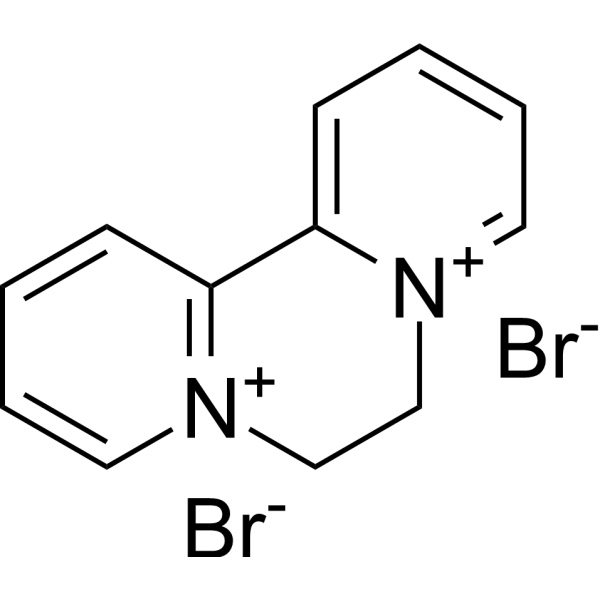
    Diquat dibromide is a comprehensive herbicide. Diquat dibromide increases the production of ROS and triggers mitochondrial Autophagy. Diquat dibromide generates free radicals such as superoxide anions through redox cycles, which induce oxidative stress. Diquat dibromide is cytotoxic, reproductive, and neurotoxic. Diquat dibromide is used in cotton, soybean, and other crops to combat noxious weeds .
    Diquat dibromide
  • HY-N0627

    LDLR Others
    Kaempferol-7-O-β-D-glucopyranoside is a flavonoid glycoside. Kaempferol-7-O-β-D-glucopyranoside exists in the root bark of Cudrania tricuspidata. Kaempferol-7-O-β-D-glucopyranoside inhibits Cu 2+-induced lipid peroxidation of low-density lipoprotein. Kaempferol-7-O-β-D-glucopyranoside possesses antioxidant activity and scavenges DPPH free radicals .
    Kaempferol-7-O-β-D-glucopyranoside
  • HY-D0961

    Fluorescent Dye Wnt β-catenin Neurological Disease Inflammation/Immunology Cancer
    Gallocyanine chloride is a synthetic blue dyestuff that can be used as a potential agent for the research of Alzheimer's disease and related neurodegenerative tauopathies. Gallocyanine chloride inhibits DKK1/LRP6 interaction (IC50=6.38 μM), activates Wnt signaling pathway, and causes β-catenin accumulation. Gallocyanine chloride exhibits anti-metastasis, anti-inflammatory and anti-fibrosis activities. Gallocyanine chloride can be used as a fluorescent probe for detection of superoxide anion radicals .
    Gallocyanine chloride
  • HY-23033
    Tempone-H
    1 Publications Verification

    Biochemical Assay Reagents Neurological Disease
    Tempone-H may be used as a spin trap in chemical and biological systems to quantify peroxynitrite and superoxide radical formation. Ferric and cupric ions are effective oxidants of Tempone-H .
    Tempone-H
  • HY-121388

    (+)-Ledol

    Fungal Infection
    Ledol ((+)-Ledol) is an antifungal agent isolated from the volatile oil components of Rhododendron tomentosum. Ledol also acts as an expectorant and antitussive, while it can cause adverse reactions such as dizziness, nausea and vomiting .
    Ledol
  • HY-W115721

    Sodium rhodizonate dibasic

    Reactive Oxygen Species (ROS) DNA/RNA Synthesis Others
    Rhodizonic acid disodium (Sodium rhodizonate dibasic) is a transition metal-dependent pro-oxidant and lead detection agent that induces reactive oxygen species generation, DNA damage, and inhibits Aconitase activity. Rhodizonic acid disodium generates superoxide anion radicals in an iron (II)-dependent manner, leading to aconitase inactivation. Rhodizonic acid disodium also triggers hydroxyl radical-mediated DNA strand breaks and 8-OHdG formation via copper ion reduction. Rhodizonic acid disodium reacts with lead to form a scarlet precipitate, with the color intensity proportional to lead content, enabling qualitative or quantitative analysis of lead. Rhodizonic acid disodium can also be used for real-time visualization of the dynamic process of lead sequestration in the plant rhizosphere and evaluation of the effects of environmental factors such as soil type on the stability of lead-sequestering structures .
    Rhodizonic acid disodium
  • HY-136372
    Diquat dibromide hydrate
    3 Publications Verification

    Herbicide Reactive Oxygen Species (ROS) Mitochondrial Metabolism Mitophagy Neurological Disease Metabolic Disease Inflammation/Immunology
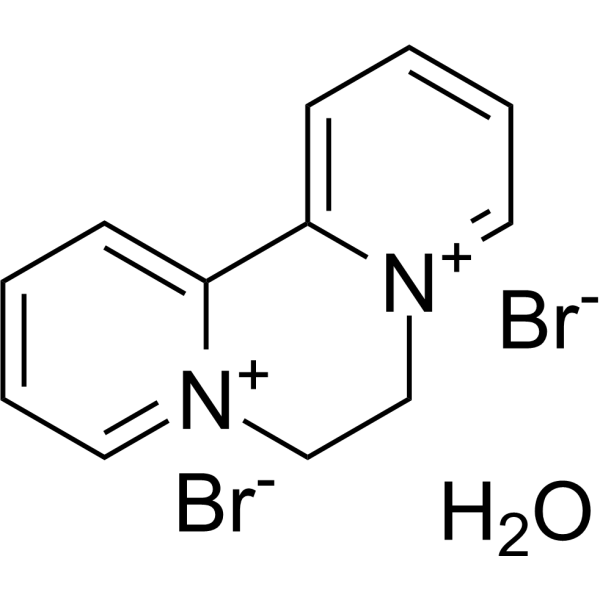
    Diquat dibromide hydrate is a comprehensive herbicide. Diquat dibromide hydrate increases the production of ROS and triggers mitophagy. Diquat dibromide hydrate generates free radicals such as superoxide anions through redox cycles, which induce oxidative stress. Diquat dibromide hydrate is cytotoxic, reproductive, and neurotoxic. Diquat dibromide hydrate is used in cotton, soybean, and other crops to combat noxious weeds .
    Diquat dibromide hydrate
  • HY-W050000
    OR-1855
    1 Publications Verification

    Drug Metabolite Reactive Oxygen Species (ROS) ERK p38 MAPK Cardiovascular Disease Inflammation/Immunology
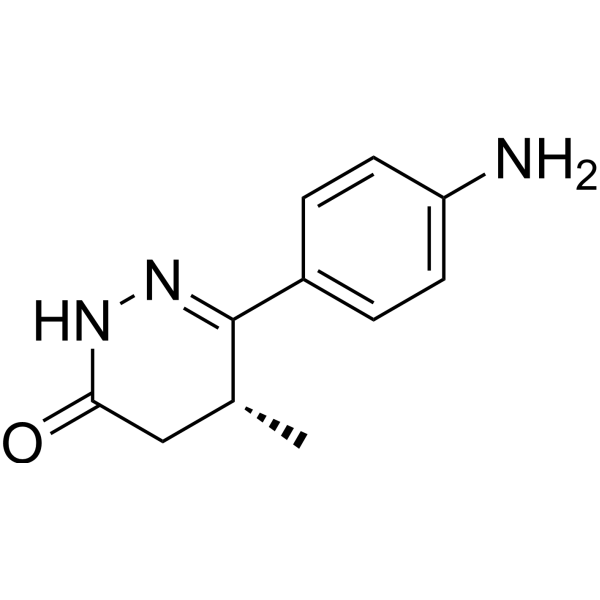
    OR-1855, an active metabolite of Levosimendan (HY-14286), has effect on myometrial contractility. OR-1855 exerts anti-inflammatory effects by inhibiting IL-1β-induced ROS formation and NAD(P)H oxidase-dependent superoxide radical generation in HUVECs. OR-1855 inhibits IL-1β-induced phosphorylation p38 MAPK, ERK1/2, c-Jun and JNK in HUVECs. OR-1855 can be used for the study of inflammation .
    OR-1855
  • HY-N3847

    Eriodictyol 7-O-β-D-glucoside

    Keap1-Nrf2 Neurological Disease
    Eriodictyol-7-O-glucoside (Eriodictyol 7-O-β-D-glucoside), a flavonoid, is an Nrf2 activator. Eriodictyol-7-O-glucoside exhibits significant scavenging effects on both hydroxyl radicals and superoxide anions, with IC50 values of 0.28 mM and 0.30 mM, respectively. Eriodictyol-7-O-glucoside increases the nuclear localization of Nrf2 and induces the expression of the Nrf2/ARE-dependent genes. Eriodictyol-7-O-glucoside provides protection against oxygen and glucose deprivation (OGD)-induced oxidative insult. Eriodictyol-7-O-glucoside demonstrates neuroprotective efficacy in a rat model of focal cerebral ischemia (MCAO). Eriodictyol-7-O-glucoside can be used for the study of stroke .
    Eriodictyol-7-O-glucoside
  • HY-130015
    HKSOX-1 (5/6-mixture)
    2 Publications Verification

    Reactive Oxygen Species (ROS) Others
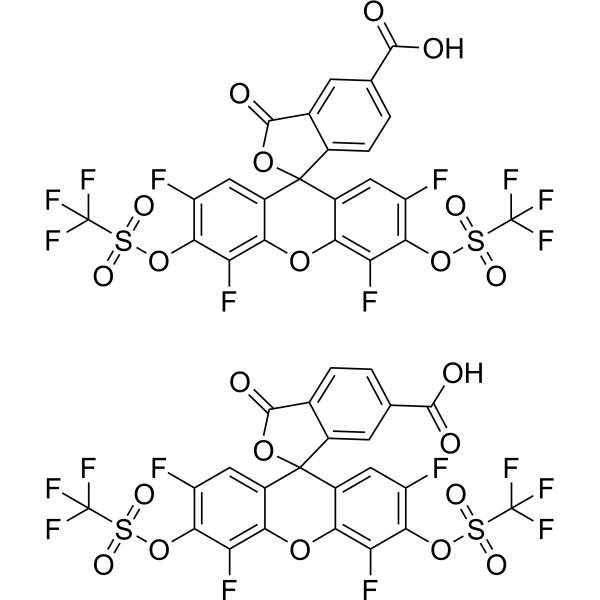
    HKSOX-1 (5/6-mixture) is a fluorescent probe which is used for imaging and detection of endogenous superoxide in live cells and in vivo. HKSOX-1 (5/6-mixture) exhibits excellent selectivity and sensitivity towards superoxide anion radical (Ex/Em = 509/534 nm) .
    HKSOX-1 (5/6-mixture)
  • HY-130017

    Reactive Oxygen Species (ROS) Others
    HKSOX-1r (5/6-mixture) is a fluorescent probe which is used for imaging and detection of endogenous superoxide in live cells and in vivo. HKSOX-1r (5/6-mixture) exhibits excellent selectivity and sensitivity towards superoxide anion radical .
    HKSOX-1r (5/6-mixture)
  • HY-B2162B

    Chondroitin polysulfate sodium (from bovine)

    Reactive Oxygen Species (ROS) Endogenous Metabolite Inflammation/Immunology
    Chondroitin sulfate (Chondroitin polysulfate) sodium (from bovine)) is a sulfated linear polysaccharide extracted from bovine sources, belonging to glycosaminoglycans. Chondroitin sulfate sodium (from bovine) inhibits osteoclast-mediated bone resorption and exhibits antioxidant activity, which is negatively correlated with molecular weight. Chondroitin sulfate sodium (from bovine) can be used in studies related to osteoarthritis .
    Chondroitin sulfate sodium (from bovine)
  • HY-129242

    4-Oxo-Tempo

    SOD Others
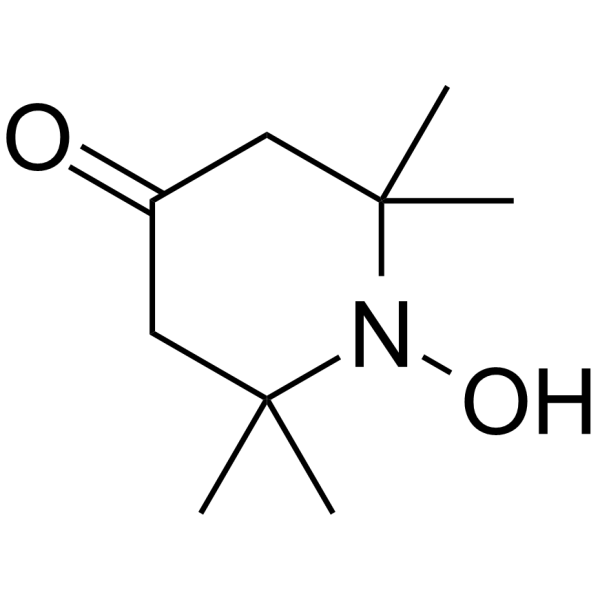
    Tempone (4-Oxo-Tempo) is a stable water-soluble nitro radical. Tempone is widely used as a contrast agent for metabolic activity and hypoxic sensitivity in electron spin resonance spectroscopy, magnetic resonance imaging and dynamic nuclear polarization. Tempone reduces superoxide radicals by mimicking the activity of superoxide dismutase (SOD), thereby reducing the formation of hydroxyl radicals and peroxynitrites. Tempone can be used in the study of ischemia-reperfusion injury and acute renal failure .
    Tempone
  • HY-N0499A

    Prostaglandin Receptor Inflammation/Immunology
    Cyanidin is an orally active antioxidant and enzyme inhibitor. Cyanidin has IC50 values of 90 μM and 60 μM against PGHS-1 and PGHS-2, respectively. Cyanidin exhibits excellent antioxidant and anti-inflammatory activities, scavenges free radicals, inhibits lipid peroxidation, and protects DNA from cleavage. Cyanidin can be used in the research of inflammatory diseases .
    Cyanidin
  • HY-N1579R

    Reference Standards Endogenous Metabolite Fungal Apoptosis Infection
    Pyrogallol (Standard) is the analytical standard of Pyrogallol. This product is intended for research and analytical applications. Pyrogallol is a polyphenol compound, which has anti-fungal and anti-psoriatic properties. Pyrogallol is a reductant that is able to generate free radicals, in particular superoxide anions.
    Pyrogallol (Standard)
  • HY-W196368

    COX SARS-CoV Infection Inflammation/Immunology Cancer
    Thymohydroquinone is a COX-2 inhibitor and anti-SARS-CoV-2 agent that induces cytotoxicity, antiproliferative effects and inhibits tumor growth. Thymohydroquinone cannot scavenge superoxide radicals via σ (hydrogen atom transfer) and π-π attacks with superoxide anions. Thymohydroquinone can be used in research related to squamous cell carcinoma, fibrosarcoma and coronavirus disease 2019 (SARS-CoV-2 infection) .
    Thymohydroquinone
  • HY-155386

    Biochemical Assay Reagents Enterovirus DNA/RNA Synthesis Mitochondrial Metabolism Infection Neurological Disease
    Peroxynitrite sodium is a product of the diffusion-controlled reaction between nitric oxide and superoxide radicals, as well as an oxidant and an antiviral agent. Peroxynitrite sodium inhibits Mitochondrial respiration. Peroxynitrite sodium suppresses the replication of Coxsackievirus, partly by inhibiting viral RNA entry into host cells. Peroxynitrite sodium induces a significant nociceptive response .
    Peroxynitrite sodium
  • HY-W013494R

    Reference Standards Endogenous Metabolite Metabolic Disease Cancer
    L-Carnosine (Standard) is the analytical standard of L-Carnosine. This product is intended for research and analytical applications. L-Carnosine is a dipeptide of the amino acids beta-alanine and histidine and has the potential to suppress many of the biochemical changes that accompany aging. In Vitro: L-Carnosine is a dipeptide of the amino acids beta-alanine and histidine and has the potential to suppress many of the biochemical changes that accompany aging .
    L-Carnosine also exhibits some antioxidant effects. The antioxidant mechanism of L-Carnosine is attributed to its chelating effect against metal ions, superoxide dismutase (SOD)-like activity, and ROS and free radicals scavenging ability .
    L-Carnosine (Standard)
  • HY-N7935

    Reactive Oxygen Species (ROS) Cardiovascular Disease Infection Cancer
    Procyanidin B5 is an antioxidant with a IC50 of 0.1 mM in lipid peroxidation assays using mouse liver homogenates. Procyanidin B5 scavenges superoxide anions and hydroxyl radicals, and inhibits lipid peroxidation. Procyanidin B5 can be used in research related to cardiovascular diseases, cancer, and malaria .
    Procyanidin B5
  • HY-N0828R

    Reference Standards Autophagy Inflammation/Immunology Cancer
    Pterostilbene (Standard) is the analytical standard of Pterostilbene. This product is intended for research and analytical applications. Pterostilbene is a stilbenoid isolated from blueberries and Pterocarpus marsupium . Shows anti-oxidant, anti-inflammatory, anti-carcinogenic, anti-diabetic and anti-obesity properties . Pterostilbene blocks ROS production , also exhibits inhibitory activity against various free radicals such as DPPH, ABTS, hydroxyl, superoxide and hydrogen peroxide .
    Pterostilbene (Standard)
  • HY-N9447
    Norbergenin
    1 Publications Verification

    Reactive Oxygen Species (ROS) Neurological Disease
    Norbergenin, the O-demethyl derivative of bergenin, shows moderate antioxidant activity (IC50 13 μM in DPPH radical scavenging; 32 μM in superoxide anion scavenging) .
    Norbergenin
  • HY-129064B

    SOD Metabolic Disease
    Superoxide dismutase PEG (EC 1.15.1.1) is a mimetic of superoxide dismutase (SOD) and powerful free radical scavenger acts by reducing superoxide anions .
    Superoxide dismutase PEG
  • HY-E70377

    Cu/Zn SOD

    SOD Inflammation/Immunology Cancer
    Cu/Zn Superoxide dismutase (Cu/Zn SOD; SOD1) is a cytosolic copper-zinc dimer form of superoxide dismutase enzyme. Cu/Zn Superoxide dismutase has oxygen radical enzymatic dismutation .
    Cu/Zn Superoxide dismutase
  • HY-W001187S

    DNA/RNA Synthesis Mitochondrial Metabolism Reactive Oxygen Species (ROS) Cancer
    Tempo-d18 is the deuterium labeled Tempo . Tempo is a classic nitroxide radical and is a selective scavenger of ROS that dismutases superoxide in the catalytic cycle. Tempo induces DNA-strand breakage. Tempo can be used as an organocatalyst for the oxidation of primary alcohols to aldehydes. Tempo has mutagenic and antioxidant effects .
    Tempo-d18
  • HY-76632

    Cholinesterase (ChE) SOD Neurological Disease
    4-Hydroxyisophthalic acid activates antioxidant enzymes (such as catalase CAT and superoxide dismutase SOD), scavenges free radicals, and exhibits antioxidant property. 4-Hydroxyisophthalic acid activates AChE and BChE, enhances neuronal function and improves Tau-induced neurobehavioral defects. 4-Hydroxyisophthalic acid improves the cognitive defects, and ameliorates circadian rhythm disorders of fruit flies .
    4-Hydroxyisophthalic acid
  • HY-117085

    Phosphatase TMV Lipoxygenase Cancer
    Lobaric acid is a depsipeptide metabolite isolated from Stereocaulon lichen with antioxidant, antiproliferative, antiviral and enzyme inhibitory activities. Lobaric acid scavenges superoxide free radicals (IC50=97.9 μM) and inhibits cancer cell proliferation (EC50 of 15.2-63.9 μg/mL against leukemia, colorectal, gastric, breast, ovarian, prostate, pancreatic and lung cancer cell lines). Lobaric acid inhibits protein tyrosine phosphatase 1B (PTP1B; IC50=0.87 μM for human recombinant enzyme) and 12(S)-HETE produced by 12(S)-lipoxygenase (IC50=28.5 μM). Lobaric acid (250 μM) also reduced pathological changes in tobacco leaves infected with tobacco mosaic virus (TMV).
    Lobaric acid
  • HY-150175

    Fluorescent Dye Inflammation/Immunology
    HKSOX-1 and its derivatives (HKSOX-1r and HKSOX-1m) are novel fluorescent probes designed for highly sensitive and selective detection of the superoxide anion radical (O2 •−) in cellular environments. These probes utilize an aryl trifluoromethanesulfonate group that undergoes O2 •−-mediated cleavage, releasing a free phenol and emitting fluorescence. They demonstrate excellent specificity and sensitivity across various pH ranges, withstand interference from strong oxidants and reductants typical in cellular contexts. HKSOX-1r, optimized for cellular retention, has been effectively employed in diverse assays including confocal imaging, flow cytometry, and zebrafish embryo studies, highlighting its utility in investigating O2 •− roles in inflammation, mitochondrial stress, and other physiological processes .
    HKSOX-1
  • HY-N9895

    Others Infection Inflammation/Immunology
    3,5-Dicaffeoyl-epi-quinic acid can be extracted from Chrysanthemum morifolium. 3,5-Dicaffeoyl-epi-quinic acid has antioxidant activities. 3,5-Dicaffeoyl-epi-quinic acid can scavenge DPPH radical and superoxide anion radical, with IC50s of 5.6 and 2.9 μg/mL respectively .
    3,5-Dicaffeoyl-epi-quinic acid
  • HY-N9097

    Reactive Oxygen Species (ROS) SOD Glutathione Peroxidase PKC NADPH Oxidase Metabolic Disease Inflammation/Immunology
    Niazirin is an orally active antioxidant. Niazirin can be isolated from Moringa oleifera Lam. Niazirin reduces the production levels of ROS and MDA, while increasing the levels of superoxide dismutase SOD and glutathione peroxidase GPx. Niazirin also abolishes high glucose-induced PKCζ activation and inhibits Nox4 protein expression. Niazirin exhibits excellent free radical scavenging activity. Niazirin significantly inhibits high glucose-induced proliferation of vascular smooth muscle cells. Niazirin can be used in the research of diabetic atherosclerosis .
    Niazirin
  • HY-178943

    Cholinesterase (ChE) Cannabinoid Receptor Aldehyde Dehydrogenase (ALDH) Caspase Apoptosis Neurological Disease
    Neuroprotective agent 15 (Compound 3e) is a neuroprotective agent. Neuroprotective agent 15 is a selective butyrylcholinesterase (BChE) inhibitor, with IC50 values of 2.6 and 114.3 μM for BChE and AChE respectively. Neuroprotective agent 15 has cannabinoid CB2 receptor (CB2 receptor) agonistic activity. Neuroprotective agent 15 can reduce cell death, LDH release and Caspase-3/7 activity, and inhibit apoptosis. Neuroprotective agent 15 can reduce the formation of superoxide free radicals, maintain cell morphology, and significantly lower oxidative stress levels. Neuroprotective agent 15 can be used in the research of neurodegenerative diseases, such as Alzheimer's disease and Parkinson's disease .
    Neuroprotective agent 15
  • HY-N16406

    SOD Metabolic Disease
    Auroglaucin is a potent antioxidant. Auroglaucin shows 1,1-diphenyl-2-picrylhydrazyl (DPPH) radical scavenging capacity and superoxide radical scavenging activity with EC50 value of 74.6, 12.3 µM, respectively. Auroglaucin shows low activity for inhibiting the autoxidation of docosahexaenoic acid (DHA) .
    Auroglaucin
  • HY-W001187R

    Mitochondrial Metabolism DNA/RNA Synthesis Reactive Oxygen Species (ROS) Reference Standards Cancer
    Tempo (Standard) is the analytical standard of Tempo. This product is intended for research and analytical applications. Tempo is a nitric oxide radical and a selective scavenger of ROS in mitochondria. Tempo is also an organocatalyst that disproportionates superoxide and oxidizes primary alcohols to aldehydes in a catalytic cycle. Tempo has mutagenic and antioxidant effects and can induceDNA strand breaks. Tempo also exerts cytotoxic and mutagenic properties in mouse lymphoma cells [4].
    Tempo (Standard)
  • HY-N0448R

    Reference Standards Others Neurological Disease Inflammation/Immunology Cancer
    10-Gingerol (Standard) is the analytical standard of 10-Gingerol (HY-N0448). This product is intended for research and analytical applications. 10-Gingerol is an AMPK agonist, which is found in the ginger oleoresin from fresh rhizome with anti-inflammatory, antioxidant and anti-proliferative activities. 10-Gingerol suppresses neointimal hyperplasia and inhibits vascular smooth muscle cell proliferation. 10-Gingerol exhibits substantial scavenging activities with an IC50 value of 10.47 μM against DPPH radical, an IC50 value of 1.68 μM against superoxide radical and an IC50 value of 1.35 μM against hydroxyl radical. 10-Gingerol inhibits the proliferation of MDA-MB-231 tumor cell line with an IC50 of 12.1 μM. 10-Gingerol suppresses the proliferation, migration, invasion, and induced apoptosis through targeting the PI3K/Akt signaling pathway in MDA-MB-231/IR cells. 10-Gingerol is promising for research of ulcerative colitis .
    10-Gingerol (Standard)
  • HY-W002004S1

    4-Amino-2,2,6,6-tetramethylpiperidine-1-oxyl-d17

    Isotope-Labeled Compounds Biochemical Assay Reagents Inflammation/Immunology
    4-Amino-TEMPO-d17 (4-Amino-2,2,6,6-tetramethylpiperidine-1-oxyl-d17) is the deuterium labeled 4-Amino-TEMPO (HY-W002004). 4-Amino-TEMPO (4-Amino-2,2,6,6-tetramethylpiperidine-1-oxyl) is a stable nitroxide radical and N-nucleophile based on TEMPO. 4-Amino-TEMPO has superoxide dismutase-mimetic activity, can protect cells from oxidative damage, and has radioprotective effects. 4-Amino-TEMPO is widely used in fields such as biomedicine, materials science, and industrial production. 4-Amino-TEMPO can be used as a spin label to detect free radicals, an oxidation catalyst in industrial production, and an antioxidant stabilizer for polymers, among others .
    4-Amino-TEMPO-d17

Inquiry Online

Your information is safe with us. * Required Fields.

Salutation


Country or Region *

Applicant Name *


Organization Name *

Department *


Email Address *


Product Name *

Cat. No.


Requested quantity *

Phone Number *


Remarks

Inquiry Online

Inquiry Information

Product Name:
Cat. No.:
Quantity:
MCE Japan Authorized Agent:

