Search Result
Results for "
surfactant activity
" in MedChemExpress (MCE) Product Catalog:
13
Biochemical Assay Reagents
2
Isotope-Labeled Compounds
| Cat. No. |
Product Name |
Target |
Research Areas |
Chemical Structure |
-
- HY-N0420
-
|
Wormwood acid
|
Environmental Pollutants
Endogenous Metabolite
|
Neurological Disease
|
|
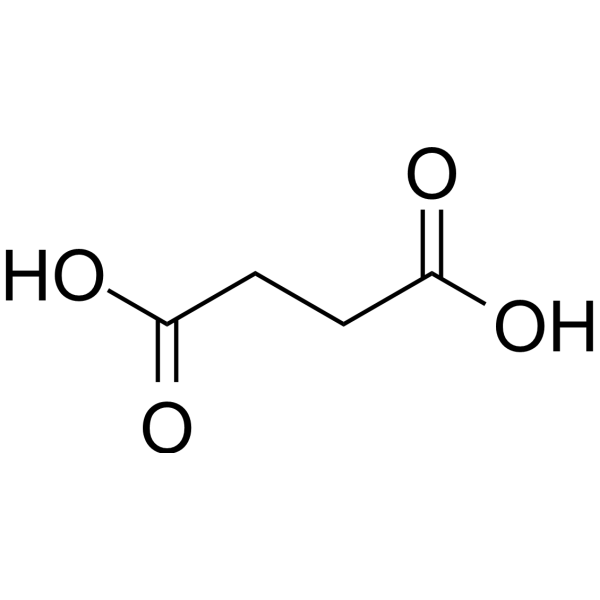
Succinic acid is an anti-anxiety agent with oral activity. Disodium succinate is the salt form of Succinic acid. Succinic acid is an intermediate product of the tricarboxylic acid cycle. Succinic acid is an important platform chemical. Succinic acid can be used as surfactant, additive, ion chelating agent, flavoring agent and other applications in chemical, pharmaceutical and food fields .
|
-
-
- HY-15435
-
CHAPS
4 Publications Verification
|
Exosomes
Biochemical Assay Reagents
|
Others
|
|
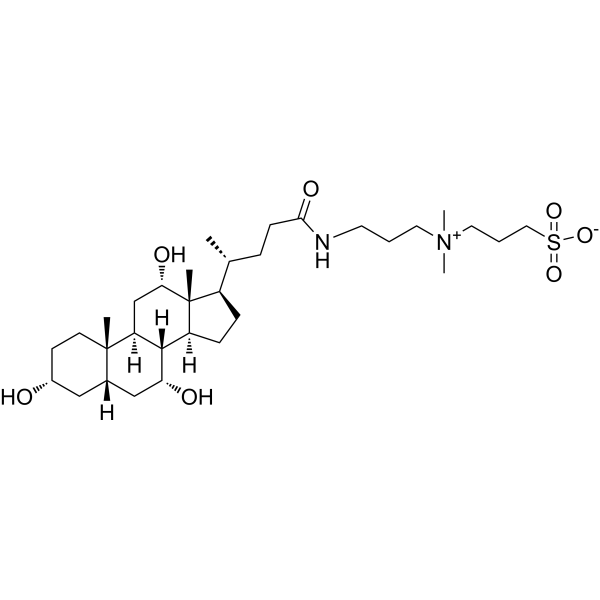
CHAPS is a cholic acid-derived, sulfobetaine-type zwitterionic detergent and micelle-forming agent. CHAPS exhibits properties of weak cationic or nonionic surfactants in different solution systems, undergoes micellization, and forms small, loose hydrophilic aggregates that are temperature-dependent. CHAPS stabilizes mononucleosomes under different ionic strengths, reduces nucleosome sequence specificity, promotes sliding of histone cores along DNA, solubilizes Tamm-Horsfall protein to reduce its interference with urinary exosome isolation, and maintains vesicle structure and the activity of related proteins at the same time. CHAPS is used to recover native folded fusion proteins, enhance the binding capacity of GST fusion proteins, and restore GST enzyme activity. However, CHAPS cannot refold proteins denatured by urea, guanidine hydrochloride or heat, nor can it construct the structure of intrinsically disordered proteins. CHAPS is commonly used in research on the separation and purification of membrane proteins .
|
-
-
- HY-D1005A
-
-
-
- HY-W015410
-
|
|
Endogenous Metabolite
|
Inflammation/Immunology
|
|
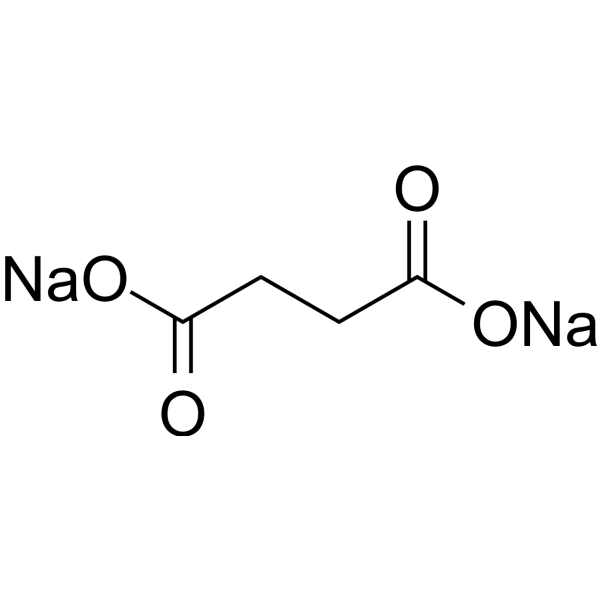
Disodium succinate is an anti-anxiety agent with oral activity. Disodium succinate is the salt form of Succinic acid. Disodium succinate is an intermediate product of the tricarboxylic acid cycle. Disodium succinate is an important platform chemical. Disodium succinate can be used as surfactant, additive, ion chelating agent, flavoring agent and other applications in chemical, pharmaceutical and food fields .
|
-
-
- HY-D1005H
-
-
-
- HY-W141881
-
|
|
Environmental Pollutants
Biochemical Assay Reagents
HSV
|
Infection
|
|
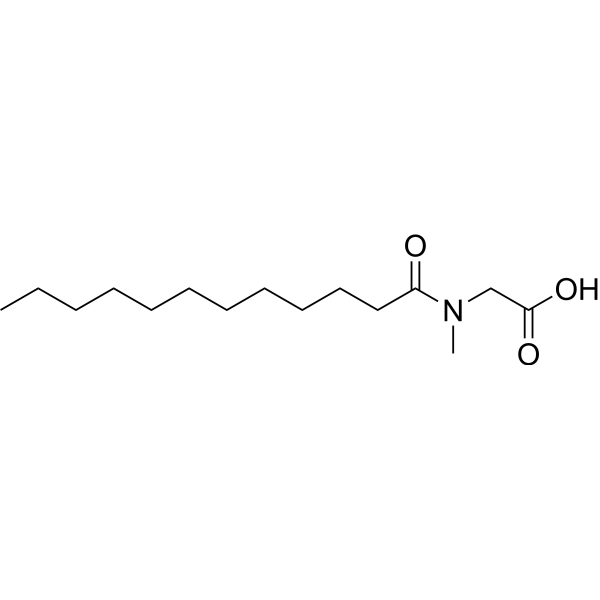
N-lauroylsarcosine is an anionic surfactant. N-lauroylsarcosine has antiviral activity against HSV-2 strain 333 and HSV-1 strain F. N-lauroylsarcosine synergistically increases skin permeability with 25-50% ethanol. N-lauroylsarcosine can be used to study HSV-2 infection .
|
-
-
- HY-B1467
-
|
|
Potassium Channel
Bacterial
Parasite
Phosphatase
|
Infection
Inflammation/Immunology
|
|
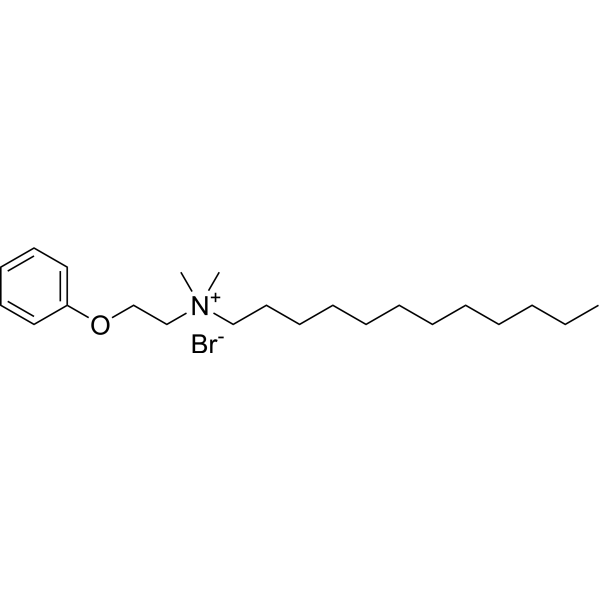
Domiphen bromide is a cationic active quaternary ammonium salt and also an inhibitor of HERG channels (IC50: 9 nM), aminopeptidase-like enzymes, Escherichia coli alkaline phosphatase, and α-chymotrypsin. Domiphen bromide has multiple activities such as antibacterial, antimalarial, and disinfectant properties, and it is also a synergist of Colistin (HY-113678). Domiphen bromide can be used as a chemical preservative and a cationic surfactant, and it can also be used in the research of bacterial infectious diseases such as pharyngitis, thrush, and oral ulcers .
|
-
-
- HY-137371
-
|
|
Bacterial
Apoptosis
Antibiotic
|
Infection
Cancer
|
|
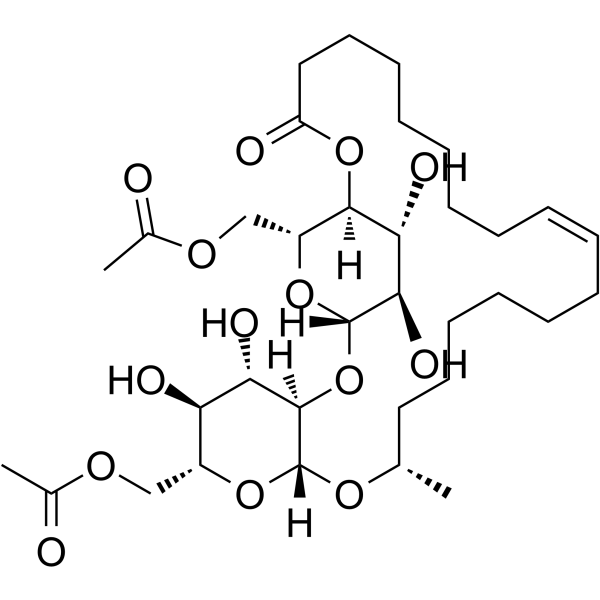
Lactonic sophorolipid is an apoptosis inducer and antimicrobial surfactant with antitumor activity. Lactonic sophorolipid regulates Bax/Bcl-gene expression through caspase-3/9 and induces apoptosis in tumor cells. Lactonic sophorolipid can disrupt cell membrane permeability and exert antibacterial effects (MIC for oral pathogens is 100-400 μg/mL). Lactonic sophorolipid promotes mitochondrial membrane potential depolarization, activates the intrinsic apoptotic pathway, and can synergize with antibiotics to enhance the antibacterial effect. Lactonic sophorolipid can be used in liver cancer research and the development of oral hygiene antibacterial agents[1][2][3].
|
-
-
- HY-B1027
-
|
Nonoxynol; Nonoxinol
|
Environmental Pollutants
Biochemical Assay Reagents
|
Others
|
|
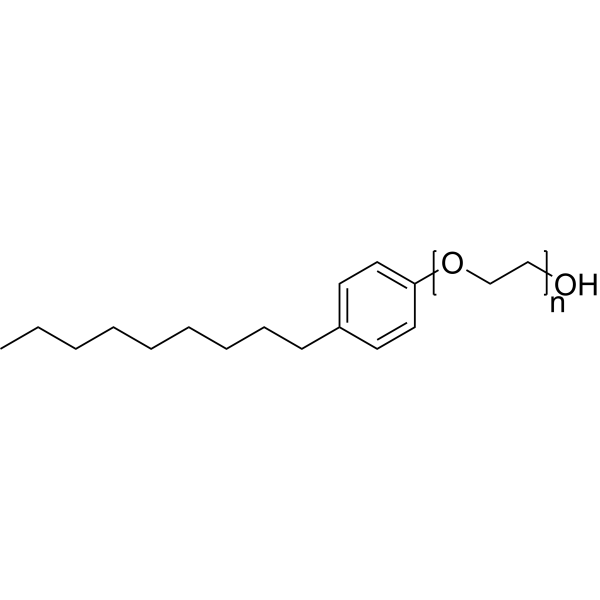
4-Nonylphenol polyethoxylate (Nonoxynol) is a non-ionic surfactant. 4-Nonylphenol polyethoxylate forms degradation products including 4-nonylphenol and short ethoxyl chain polyethoxylates. 4-Nonylphenol polyethoxylate generates degradation products that exhibit estrogenic activity, persist in aquatic environments, and bioaccumulate in the food chain .
|
-
-
- HY-107789
-
|
|
HSV
|
Infection
Inflammation/Immunology
|
|
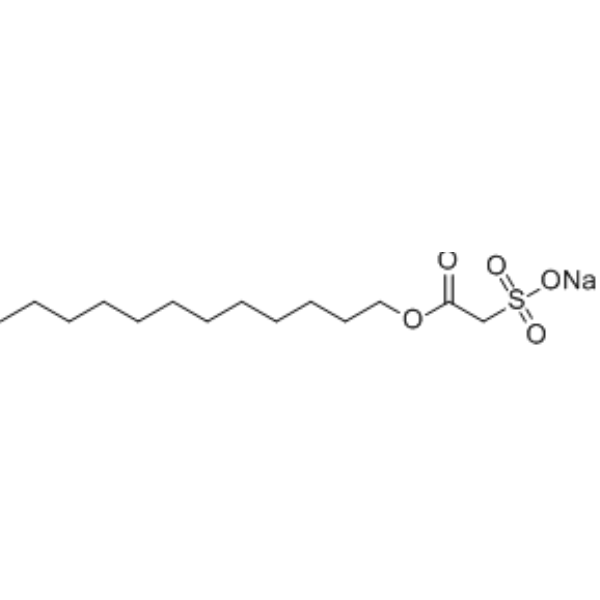
Sodium lauryl sulfoacetate is a solid anionic surfactant of plant origin. Sodium lauryl sulfoacetate is an immunoadjuvant with antiimmunosuppressive effects. Sodium lauryl sulfoacetate has antiviral activity .
|
-
-
- HY-W591476
-
|
mPEG1000-SH
|
Biochemical Assay Reagents
|
Others
|
|
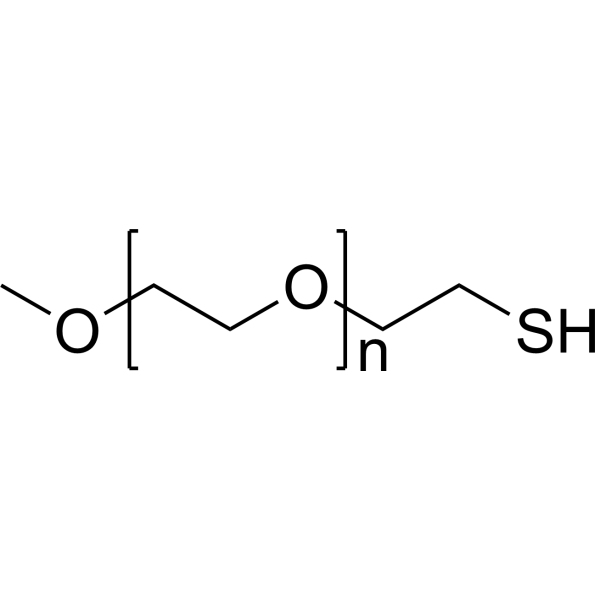
m-PEG1000-thiol is a surface modifier that can modify DNA thiolation and is used in the synthesis of gold nanorods (AuNR). m-PEG1000-thiol can load thiolated DNA onto AuNR, form a covalent bond with the surface of gold nanoparticles through the thiol group, and stabilize the nanoparticles by the steric hindrance effect of the polyethylene glycol chain, preventing aggregation and enhancing its biocompatibility. m-PEG1000-thiol can also provide a platform for the subsequent coupling of biomolecules (such as DNA, antibodies) by replacing surfactants (such as CTAB) on the surface of nanoparticles, thereby exerting its activity in promoting the functionalization of nanomaterials [2].
|
-
-
- HY-15435A
-
|
|
Biochemical Assay Reagents
Exosomes
|
Others
|
|
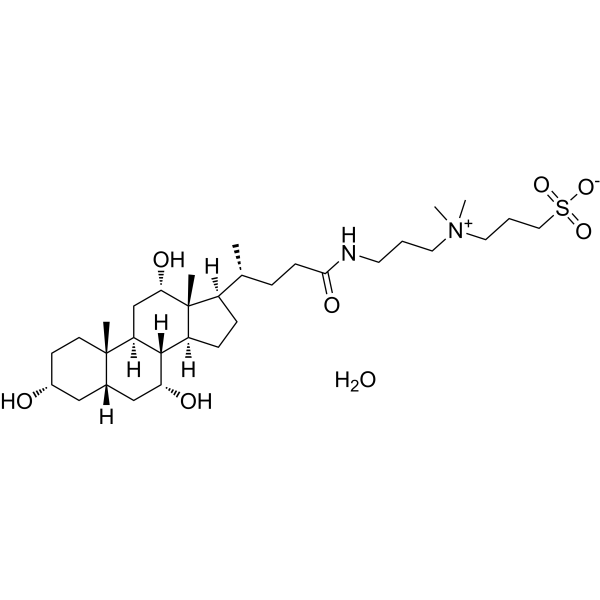
CHAPS hydrate is a cholic acid-derived, sulfobetaine-type zwitterionic detergent and micelle-forming agent. CHAPS hydrate exhibits properties of weak cationic or nonionic surfactants in different solution systems, undergoes micellization, and forms small, loose hydrophilic aggregates that are temperature-dependent. CHAPS hydrate stabilizes mononucleosomes under different ionic strengths, reduces nucleosome sequence specificity, promotes sliding of histone cores along DNA, solubilizes Tamm‑Horsfall protein to reduce its interference with urinary exosome isolation, and maintains vesicle structure and the activity of related proteins at the same time. CHAPS hydrate is used to recover native folded fusion proteins, enhance the binding capacity of GST fusion proteins, and restore GST enzyme activity. However, CHAPS hydrate cannot refold proteins denatured by urea, guanidine hydrochloride or heat, nor can it construct the structure of intrinsically disordered proteins. CHAPS hydrate is commonly used in research on the separation and purification of membrane proteins .
|
-
-
- HY-W004295
-
|
|
Biochemical Assay Reagents
|
Inflammation/Immunology
|
|
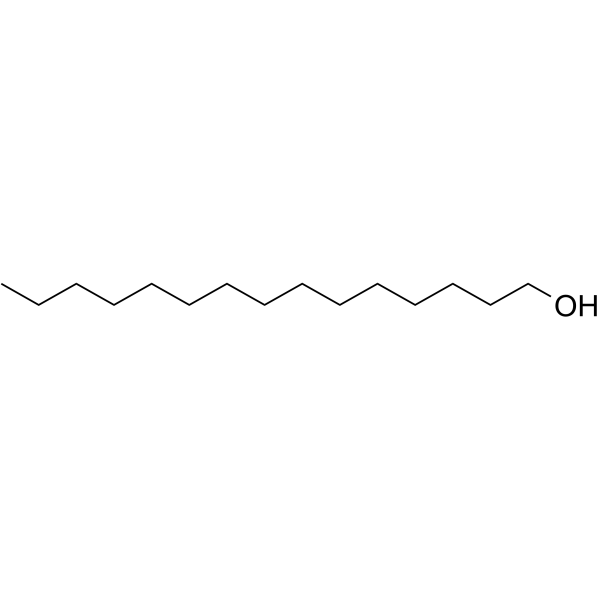
1-Pentadecanol is a long-chain fatty alcohol. 1-Pentadecanol has anti-comedone activity. 1-Pentadecanol has moisturizing and hydrating properties and can be applied to skin care products. 1-Pentadecanol can be used in the production of surfactants, emulsifiers and lubricants .
|
-
-
- HY-P4371
-
|
|
Biochemical Assay Reagents
|
Inflammation/Immunology
|
|
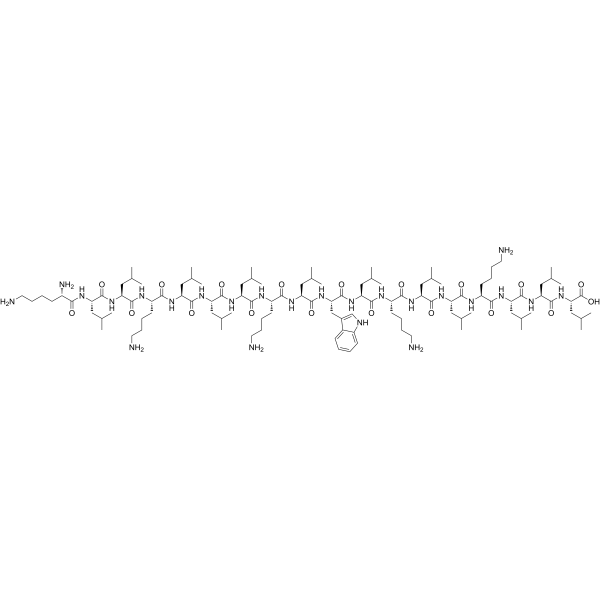
Hel 13-5 is a monomeric, lipophilic, basic amphipathic α-helical synthetic peptide composed of 18 amino acid residues. Hel 13-5 is designed as a substitute for proteins in artificial pulmonary surfactants, and it mimics the interaction between the N-terminal fragment of human pulmonary surfactant protein B and lipids. Hel 13-5 can bind to phospholipids for the development of pulmonary surfactant model systems. Hel 13-5 can be used in studies related to respiratory distress syndrome .
|
-
-
- HY-137910
-
|
|
Environmental Pollutants
HPPD
Herbicide
|
Infection
|
|
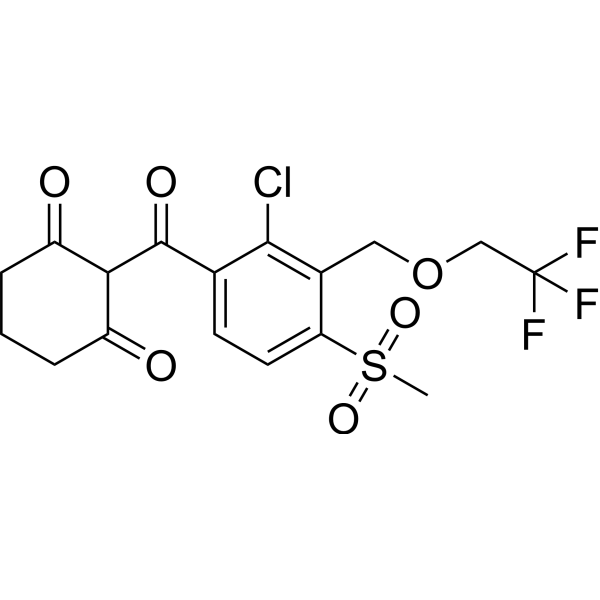
Tembotrione is a herbicide belonging to the HPPD (dioxygenase) inhibitor class with crop selectivity. Tembotrione effectively controls a variety of weeds including broadleaf and gramineous species by disrupting carotenoid synthesis, which leads to chlorophyll degradation and leaf whitening. Mixing Tembotrione with isoxaflutole or adding surfactants optimizes its efficacy and reduces phytotoxicity, with no residual impact on subsequent cruciferous crops, thus helping to increase maize grain yield. The activity of Tembotrione decreases under drought conditions, and under specific conditions (such as double-dose treatment), it may cause reversible yellowing and even yield reduction in crops such as poppy .
|
-
-
- HY-115062
-
|
|
Phospholipase
NADPH Oxidase
p38 MAPK
Akt
NF-κB
AP-1
Reactive Oxygen Species (ROS)
|
Cardiovascular Disease
Inflammation/Immunology
Cancer
|
|
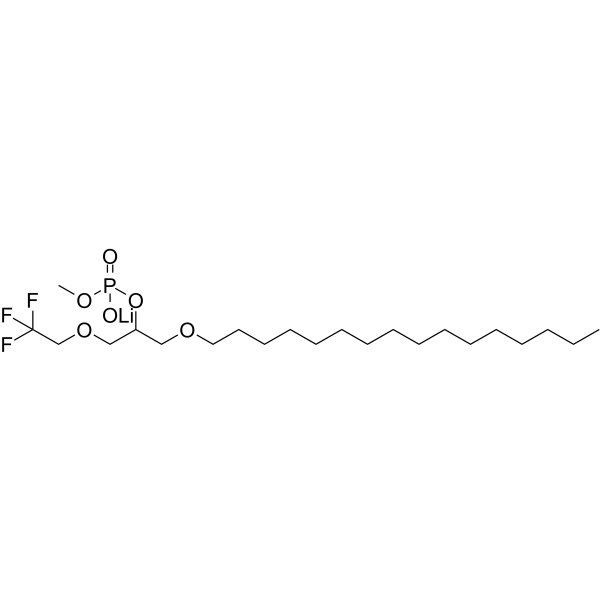
MJ-33 lithium salt is a competitive phospholipase A2 (PLA2) inhibitor with an IC50 of 0.3 μM. MJ-33 lithium salt inhibits NOX2 activation and reduces ROS production by blocking the PLA2 activity of Prdx6. MJ-33 lithium salt effectively inhibits the activity of acidic PLA2 (pH 4.0) and reduces the degradation of alveolar surfactant phosphatidylcholine (PC), but exerts no effect on alkaline PLA2 (pH 8.5). MJ-33 lithium salt significantly alleviates lung oxidative injury induced by ischemia-reperfusion (I/R). MJ-33 lithium salt significantly inhibits the invasion, migration and adhesion abilities of prostate cancer cells by suppressing the MAPK, AKT, NF-κB and AP-1 signaling pathways. MJ-33 lithium salt can be used for the research of ROS-related diseases and prostate cancer .
|
-
-
- HY-W094516
-
|
Wormwood acid disodium hexahydrate
|
Endogenous Metabolite
|
Neurological Disease
Inflammation/Immunology
|
|
Disodium succinate hexahydrate (Wormwood acid disodium hexahydrate) is an anti-anxiety agent with oral activity. Disodium succinate hexahydrate is an intermediate product of the tricarboxylic acid cycle. Disodium succinate hexahydrate is an important platform chemical. Disodium succinate hexahydrate can be used as surfactant, additive, ion chelating agent, flavoring agent and other applications in chemical, pharmaceutical and food fields .
|
-
-
- HY-N0420R
-
|
Wormwood acid (Standard)
|
Reference Standards
Endogenous Metabolite
|
Neurological Disease
|
|
Succinic acid (Standard) is the analytical standard of Succinic acid. This product is intended for research and analytical applications. Succinic acid is an anti-anxiety agent with oral activity. Disodium succinate is the salt form of Succinic acid. Succinic acid is an intermediate product of the tricarboxylic acid cycle. Succinic acid is an important platform chemical. Succinic acid can be used as surfactant, additive, ion chelating agent, flavoring agent and other applications in chemical, pharmaceutical and food fields .
|
-
-
- HY-W284558
-
|
|
Biochemical Assay Reagents
|
Others
|
|
Sodium hexadecyl sulfate is a long-chain anionic surfactant. Sodium hexadecyl sulfate can act as an interface-regulating substance to form a soft layer on the surface of carbon nanotubes, guide proteins to adsorb in the correct orientation with active sites facing outward through electrostatic interactions, and significantly enhance the activity of immobilized enzymes. Sodium hexadecyl sulfate can replace or supplement SDS (HY-Y0316) in capillary gel electrophoresis (CGE) .
|
-
-
- HY-D0876
-
|
|
Biochemical Assay Reagents
|
Others
|
|
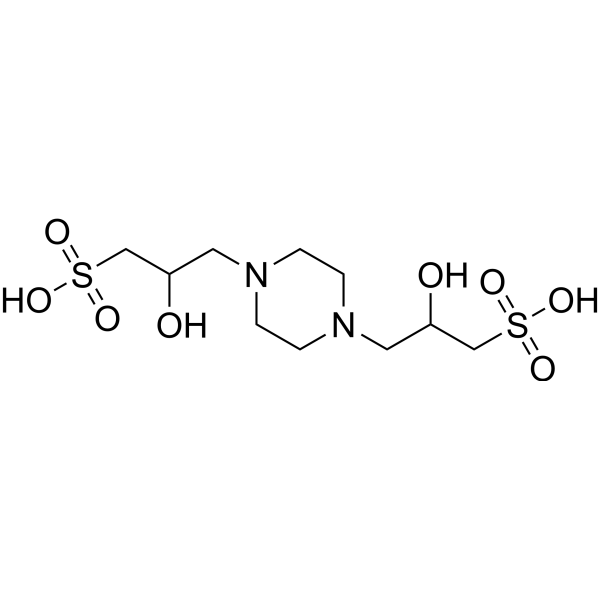
POPSO is a zwitterionic buffer, increases osmolality and shows marked inhibition of anion uniport. POPSO inhibits chloride uniport with an IC50 value of 24 mM. POPSO enhances copper uptake and toxicity in alga, impairs mitochondrial inner membrane. The working pH range of POPSO sesquisodium salt is 7.2-8.5 .
|
-
-
- HY-D0872
-
|
|
Biochemical Assay Reagents
|
Others
|
|
DIPSO is a biological zwitterionic buffer with the useful pH range from 7.0 to 8.2. DIPSO can interfere meiotic regulation in mouse oocytes. DIPSO also has surfactant activity at 10 mM .
|
-
-
- HY-W127474
-
|
|
Biochemical Assay Reagents
|
Others
|
|
Ethyl pentadecanoate is an organic compound that is commonly used as a flavoring and food additive, and can also be used in industrial manufacturing, such as the production of lubricants and surfactants. In addition, Ethyl pentadecanoate has biological activities such as antibacterial, insecticidal and antiseptic.
|
-
-
- HY-Y1890B
-
|
|
Biochemical Assay Reagents
|
Others
|
|
Cremophor EL-10 is a nonionic polyoxyethylene castor oil surfactant with multiple functions including organic solubilizer, mixed zinc anode corrosion inhibitor and dendrite growth inhibitor. By forming a physical barrier to block electrolyte contact and constructing oriented hydration channels to reduce the desolvation energy barrier of Zn 2+ , Cremophor EL-10 achieves a corrosion inhibition efficiency of over 99%. Cremophor EL-10 exerts no significant effects on the mitochondrial activity and cell viability of epithelial cells, making it suitable for in vitro drug delivery and biopharmaceutical research at concentrations ≤10% v/v. However, Cremophor EL-10 may induce sustained non-endothelium-dependent contraction in rat aortic rings and exert concentration-dependent inhibitory effects on acetylcholine-induced endothelium-dependent relaxation responses .
|
-
-
- HY-W612975
-
|
|
Parasite
|
Others
|
|
4-Dodecylmorpholine (DMP) is a surfactant with antimalarial activity. It can be used as a hydrophilic enzyme detergent and is commonly used as an extraction collector in reverse foam preparation processes .
|
-
-
- HY-122407
-
|
Cetyltrimethylammonium hydroxide
|
Biochemical Assay Reagents
|
Others
|
|
Hexadecyltrimethylammonium hydroxide, a quaternary ammonium compound, is commonly used as an emulsifier, detergent, and surfactant in various industrial processes, especially in the production of cosmetics, pharmaceuticals, and textiles. Hexadecyltrimethylammonium hydroxide has unique chemical properties that make it an active ingredient in many applications requiring strong surface activity and solubility.
|
-
-
- HY-133847
-
|
Laurylamidopropyldimethylamine oxide
|
Endogenous Metabolite
|
Others
|
|
LAPAO (Laurylamidopropyldimethylamine oxide) is an amphoteric surfactant with good biocompatibility and surface activity. LAPAO can be used as a detergent and foam enhancer for personal care and household cleaning products. LAPAO is stable at different pH values and can effectively remove dirt and grease. LAPAO also has a conditioning effect and is suitable for use in skin care and hair care products .
|
-
-
- HY-136271
-
|
|
Phospholipase
NADPH Oxidase
p38 MAPK
Akt
NF-κB
AP-1
Reactive Oxygen Species (ROS)
|
Cardiovascular Disease
Inflammation/Immunology
Cancer
|
|
MJ-33 is a competitive phospholipase A₂ (PLA₂) inhibitor with an IC50 of 0.3 μM. MJ-33 inhibits the activation of NOX2 by blocking the PLA₂ activity of Prdx6, thereby reducing the production of ROS. MJ-33 effectively inhibits the activity of acidic PLA₂ (pH 4.0), reduces the degradation of pulmonary surfactant phosphatidylcholine (PC), but has no effect on alkaline PLA₂ (pH 8.5). MJ-33 significantly alleviates lung oxidative damage induced by ischemia-reperfusion (I/R). MJ-33 significantly inhibits the invasive, migratory and adhesive abilities of prostate cancer cells by suppressing the MAPK, AKT, NF-κB and AP-1 signaling pathways. MJ-33 can be used to study ROS-related diseases and prostate cancer .
|
-
-
- HY-W338581
-
|
|
Estrogen Receptor/ERR
|
Others
|
|
4-tert-Octylphenol monoethoxylate is an alkylphenolethoxylate (APE) and a degradation product of non-ionic surfactants (such as 4-tert-octylphenol polyethoxylate). 4-tert-Octylphenol monoethoxylate also possesses non-steroidal estrogenic activity. Additionally, 4-tert-Octylphenol monoethoxylate has been found in wastewater effluent .
|
-
-
- HY-167816
-
|
21:0 PC
|
Bacterial
|
|
|
1,2-Diheneicosanoyl-sn-glycero-3-phosphocholine (21:0 PC) is a surfactant with antibacterial activity. 1,2-Diheneicosanoyl-sn-glycero-3-phosphocholine can act in mucus to help prevent the spread of pathogens. 1,2-Diheneicosanoyl-sn-glycero-3-phosphocholine plays a protective role in biofilms, maintaining the health of organisms.
|
-
-
- HY-P2098
-
|
|
Antibiotic
Bacterial
Fungal
|
Infection
|
|
Alamethicin F 50 is an antibiotic. Alamethicin F 50 is composed of membrane-active peptide, containing 75% Alamethicin F 50/5 and 10% Alamethicin F 50/7. Alamethicin F 50 is exhibits antifungal and antibacterial activity by disrupting the integrity of microbial cell membranes, resulting in leakage of cell contents and death of the microorganisms. Alamethicin F 50 is able to reduce the surface tension of water, which can be used as a surfactant or detergent .
|
-
-
- HY-W015410R
-
|
|
Reference Standards
Endogenous Metabolite
|
Inflammation/Immunology
|
|
Disodium succinate (Standard) is the analytical standard of Disodium succinate. This product is intended for research and analytical applications. Disodium succinate is an anti-anxiety agent with oral activity. Disodium succinate is the salt form of Succinic acid. Disodium succinate is an intermediate product of the tricarboxylic acid cycle. Disodium succinate is an important platform chemical. Disodium succinate can be used as surfactant, additive, ion chelating agent, flavoring agent and other applications in chemical, pharmaceutical and food fields .
|
-
-
- HY-W284558S
-
|
|
Isotope-Labeled Compounds
Biochemical Assay Reagents
|
Others
|
|
Sodium hexadecyl sulfate-d33 is the deuterium labeled Sodium hexadecyl sulfate. Sodium hexadecyl sulfate is a long-chain anionic surfactant. Sodium hexadecyl sulfate can act as an interface-regulating substance to form a soft layer on the surface of carbon nanotubes, guide proteins to adsorb in the correct orientation with active sites facing outward through electrostatic interactions, and significantly enhance the activity of immobilized enzymes. Sodium hexadecyl sulfate can replace or supplement SDS (HY-Y0316) in capillary gel electrophoresis (CGE) .
|
-
-
- HY-W777582
-
|
|
Isotope-Labeled Compounds
|
Others
|
|
4-tert-Octylphenol monoethoxylate- 13C6 is the 13C labeled isotope of 4-tert-Octylphenol monoethoxylate (HY-W777582) . 4-tert-Octylphenol monoethoxylate is an alkylphenolethoxylate (APE) and a degradation product of non-ionic surfactants (such as 4-tert-octylphenol polyethoxylate). 4-tert-Octylphenol monoethoxylate also possesses non-steroidal estrogenic activity. Additionally, 4-tert-Octylphenol monoethoxylate has been found in wastewater effluent .
|
-
-
- HY-157718
-
|
|
Biochemical Assay Reagents
|
|
|
1,2-Di-O-(9Z-octadecenyl)-sn-glycero-3-phosphocholine is a surfactant that has the activity of promoting liposome formation. 1,2-Di-O-(9Z-octadecenyl)-sn-glycero-3-phosphocholine can effectively study the biological effects of ceramide and ceramide phosphate. 1,2-Di-O-(9Z-octadecenyl)-sn-glycero-3-phosphocholine shows important application in the determination of phospholipase A activity of lecithin-cholesterol acyltransferase in ether matrix.
|
-
-
- HY-B1467R
-
|
|
Reference Standards
Potassium Channel
Bacterial
Parasite
Phosphorylase
|
Infection
Inflammation/Immunology
|
|
Domiphen bromide (Standard) is the analytical standard of Domiphen bromide (HY-B1467). This product is intended for research and analytical applications. Domiphen bromide is a cationic active quaternary ammonium salt and also an inhibitor of HERG channels (IC50: 9 nM), aminopeptidase-like enzymes, Escherichia coli alkaline phosphatase, and α-chymotrypsin. Domiphen bromide has multiple activities such as antibacterial, antimalarial, and disinfectant properties, and it is also a synergist of Colistin (HY-113678). Domiphen bromide can be used as a chemical preservative and a cationic surfactant, and it can also be used in the research of bacterial infectious diseases such as pharyngitis, thrush, and oral ulcers.
|
-
-
- HY-137910R
-
|
|
Reference Standards
Herbicide
HPPD
|
Others
|
|
Tembotrione (Standard) is the analytical standard of Tembotrione. This product is intended for research and analytical applications. Tembotrione is a drug that may reduce the
productivity of carrots. Tembotrione has the activity of reducing carrot stem
mass. Tembotrione can be used to study the total productivity of carrot
. Tembotrione is a herbicide belonging to the HPPD (dioxygenase) inhibitor class with crop selectivity. Tembotrione effectively controls a variety of weeds including broadleaf and gramineous species by disrupting carotenoid synthesis, which leads to chlorophyll degradation and leaf whitening. Mixing Tembotrione with isoxaflutole or adding surfactants optimizes its efficacy and reduces phytotoxicity, with no residual impact on subsequent cruciferous crops, thus helping to increase maize grain yield. The activity of Tembotrione decreases under drought conditions, and under specific conditions (such as double-dose treatment), it may cause reversible yellowing and even yield reduction in crops such as poppy .
|
-
-
- HY-W654567
-
|
|
Biochemical Assay Reagents
Bacterial
|
Infection
|
|
N,N-Dimethyl-N-(3-(trimethoxysilyl)propyl)tetradecan-1-aminium chloride is a cationic surfactant of the silylated quaternary ammonium salt type, possessing dual functions of antibacterial activity and silane coupling. N,N-Dimethyl-N-(3-(trimethoxysilyl)propyl)tetradecan-1-aminium chloride can be used as a cationic silane coupling agent, antibacterial surface treatment agent, and disinfectant.
|
-
-
- HY-W004295R
-
|
|
Reference Standards
Others
|
Inflammation/Immunology
|
|
1-Pentadecanol (Standard) is the analytical standard of 1-Pentadecanol. This product is intended for research and analytical applications. 1-Pentadecanol is a long-chain fatty alcohol. 1-Pentadecanol has anti-comedone activity. 1-Pentadecanol has moisturizing and hydrating properties and can be applied to skin care products. 1-Pentadecanol can be used in the production of surfactants, emulsifiers and lubricants.
|
-
-
- HY-W683900A
-
|
|
Biochemical Assay Reagents
|
Others
|
|
(S)-3-Hydroxy-2-palmitamidopropanoic acid (sodium) (Compound C16Ser) is a serinate surfactants. (S)-3-Hydroxy-2-palmitamidopropanoic acid (sodium) can be used to study the effect of fatty acyl chain length on the foam properties. (S)-3-Hydroxy-2-palmitamidopropanoic acid (sodium) has the longer acyl chain, which enhances the intermolecular interaction, thereby facilitating a compact adsorption film at the interface. (S)-3-Hydroxy-2-palmitamidopropanoic acid (sodium) exhibits higher interfacial activity and forms more stable interfacial films under stronger intermolecular interaction .
|
-
| Cat. No. |
Product Name |
Type |
-
- HY-D1005A
-
|
PEG-PPG-PEG, 8800 (Average Mn)
|
Biochemical Assay Reagents
|
|
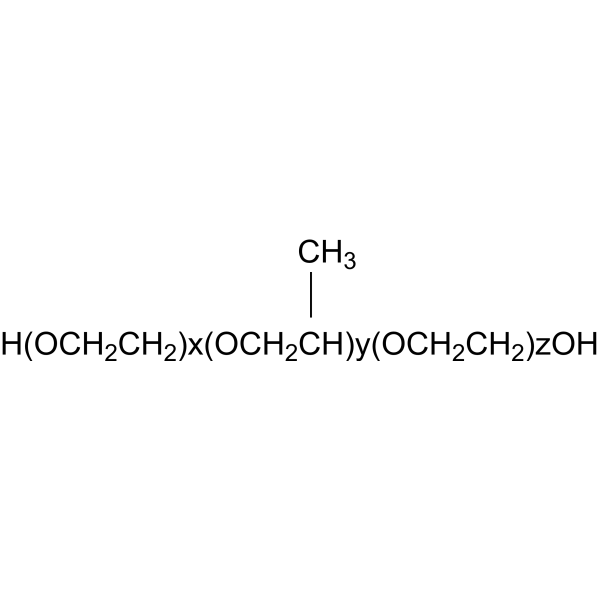
Poloxamer 188 is a nonionic linear copolymer with surfactant properties. Poloxamer 188 exhibits anti-thrombotic, anti-inflammatory, and cytoprotective activities in various tissue injury models. Poloxamer 188 can be used for drug delivery .
|
-
- HY-D1005H
-
|
PEG-PPG-PEG, 8400(Average Mn)
|
Biochemical Assay Reagents
|
|
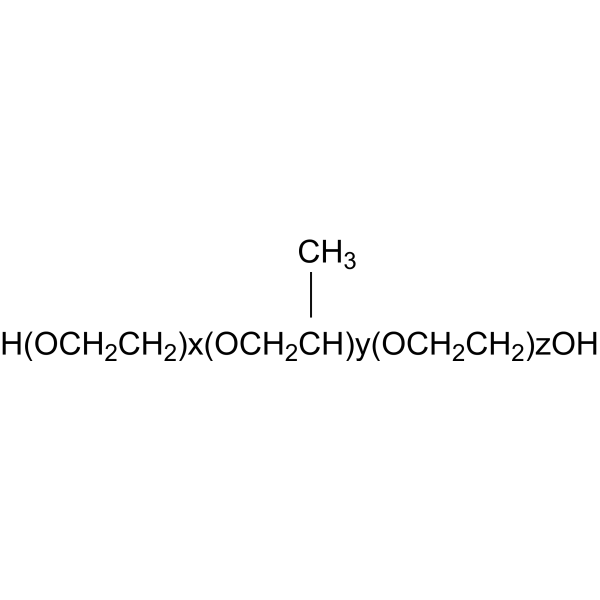
Poloxamer 188 is a nonionic linear copolymer with surfactant properties. Poloxamer 188 exhibits anti-thrombotic, anti-inflammatory, and cytoprotective activities in various tissue injury models .
|
-
- HY-W591476
-
|
mPEG1000-SH
|
Biochemical Assay Reagents
|
|
m-PEG1000-thiol is a surface modifier that can modify DNA thiolation and is used in the synthesis of gold nanorods (AuNR). m-PEG1000-thiol can load thiolated DNA onto AuNR, form a covalent bond with the surface of gold nanoparticles through the thiol group, and stabilize the nanoparticles by the steric hindrance effect of the polyethylene glycol chain, preventing aggregation and enhancing its biocompatibility. m-PEG1000-thiol can also provide a platform for the subsequent coupling of biomolecules (such as DNA, antibodies) by replacing surfactants (such as CTAB) on the surface of nanoparticles, thereby exerting its activity in promoting the functionalization of nanomaterials [2].
|
-
- HY-15435A
-
|
|
Biochemical Assay Reagents
|
|
CHAPS hydrate is a cholic acid-derived, sulfobetaine-type zwitterionic detergent and micelle-forming agent. CHAPS hydrate exhibits properties of weak cationic or nonionic surfactants in different solution systems, undergoes micellization, and forms small, loose hydrophilic aggregates that are temperature-dependent. CHAPS hydrate stabilizes mononucleosomes under different ionic strengths, reduces nucleosome sequence specificity, promotes sliding of histone cores along DNA, solubilizes Tamm‑Horsfall protein to reduce its interference with urinary exosome isolation, and maintains vesicle structure and the activity of related proteins at the same time. CHAPS hydrate is used to recover native folded fusion proteins, enhance the binding capacity of GST fusion proteins, and restore GST enzyme activity. However, CHAPS hydrate cannot refold proteins denatured by urea, guanidine hydrochloride or heat, nor can it construct the structure of intrinsically disordered proteins. CHAPS hydrate is commonly used in research on the separation and purification of membrane proteins .
|
-
- HY-W094516
-
|
Wormwood acid disodium hexahydrate
|
Biochemical Assay Reagents
|
|
Disodium succinate hexahydrate (Wormwood acid disodium hexahydrate) is an anti-anxiety agent with oral activity. Disodium succinate hexahydrate is an intermediate product of the tricarboxylic acid cycle. Disodium succinate hexahydrate is an important platform chemical. Disodium succinate hexahydrate can be used as surfactant, additive, ion chelating agent, flavoring agent and other applications in chemical, pharmaceutical and food fields .
|
-
- HY-W284558
-
|
|
Biochemical Assay Reagents
|
|
Sodium hexadecyl sulfate is a long-chain anionic surfactant. Sodium hexadecyl sulfate can act as an interface-regulating substance to form a soft layer on the surface of carbon nanotubes, guide proteins to adsorb in the correct orientation with active sites facing outward through electrostatic interactions, and significantly enhance the activity of immobilized enzymes. Sodium hexadecyl sulfate can replace or supplement SDS (HY-Y0316) in capillary gel electrophoresis (CGE) .
|
-
- HY-D0876
-
|
|
Biochemical Assay Reagents
|
|
POPSO is a zwitterionic buffer, increases osmolality and shows marked inhibition of anion uniport. POPSO inhibits chloride uniport with an IC50 value of 24 mM. POPSO enhances copper uptake and toxicity in alga, impairs mitochondrial inner membrane. The working pH range of POPSO sesquisodium salt is 7.2-8.5 .
|
-
- HY-D0872
-
|
|
Biochemical Assay Reagents
|
|
DIPSO is a biological zwitterionic buffer with the useful pH range from 7.0 to 8.2. DIPSO can interfere meiotic regulation in mouse oocytes. DIPSO also has surfactant activity at 10 mM .
|
-
- HY-W127474
-
|
|
Biochemical Assay Reagents
|
|
Ethyl pentadecanoate is an organic compound that is commonly used as a flavoring and food additive, and can also be used in industrial manufacturing, such as the production of lubricants and surfactants. In addition, Ethyl pentadecanoate has biological activities such as antibacterial, insecticidal and antiseptic.
|
-
- HY-Y1890B
-
|
|
Biochemical Assay Reagents
|
|
Cremophor EL-10 is a nonionic polyoxyethylene castor oil surfactant with multiple functions including organic solubilizer, mixed zinc anode corrosion inhibitor and dendrite growth inhibitor. By forming a physical barrier to block electrolyte contact and constructing oriented hydration channels to reduce the desolvation energy barrier of Zn 2+ , Cremophor EL-10 achieves a corrosion inhibition efficiency of over 99%. Cremophor EL-10 exerts no significant effects on the mitochondrial activity and cell viability of epithelial cells, making it suitable for in vitro drug delivery and biopharmaceutical research at concentrations ≤10% v/v. However, Cremophor EL-10 may induce sustained non-endothelium-dependent contraction in rat aortic rings and exert concentration-dependent inhibitory effects on acetylcholine-induced endothelium-dependent relaxation responses .
|
-
- HY-122407
-
|
Cetyltrimethylammonium hydroxide
|
Biochemical Assay Reagents
|
|
Hexadecyltrimethylammonium hydroxide, a quaternary ammonium compound, is commonly used as an emulsifier, detergent, and surfactant in various industrial processes, especially in the production of cosmetics, pharmaceuticals, and textiles. Hexadecyltrimethylammonium hydroxide has unique chemical properties that make it an active ingredient in many applications requiring strong surface activity and solubility.
|
-
- HY-167816
-
|
21:0 PC
|
Biochemical Assay Reagents
|
|
1,2-Diheneicosanoyl-sn-glycero-3-phosphocholine (21:0 PC) is a surfactant with antibacterial activity. 1,2-Diheneicosanoyl-sn-glycero-3-phosphocholine can act in mucus to help prevent the spread of pathogens. 1,2-Diheneicosanoyl-sn-glycero-3-phosphocholine plays a protective role in biofilms, maintaining the health of organisms.
|
-
- HY-157718
-
|
|
Biochemical Assay Reagents
|
|
1,2-Di-O-(9Z-octadecenyl)-sn-glycero-3-phosphocholine is a surfactant that has the activity of promoting liposome formation. 1,2-Di-O-(9Z-octadecenyl)-sn-glycero-3-phosphocholine can effectively study the biological effects of ceramide and ceramide phosphate. 1,2-Di-O-(9Z-octadecenyl)-sn-glycero-3-phosphocholine shows important application in the determination of phospholipase A activity of lecithin-cholesterol acyltransferase in ether matrix.
|
| Cat. No. |
Product Name |
Target |
Research Area |
-
- HY-W141881
-
|
|
Environmental Pollutants
Biochemical Assay Reagents
HSV
|
Infection
|
|
N-lauroylsarcosine is an anionic surfactant. N-lauroylsarcosine has antiviral activity against HSV-2 strain 333 and HSV-1 strain F. N-lauroylsarcosine synergistically increases skin permeability with 25-50% ethanol. N-lauroylsarcosine can be used to study HSV-2 infection .
|
-
- HY-P4371
-
|
|
Biochemical Assay Reagents
|
Inflammation/Immunology
|
|
Hel 13-5 is a monomeric, lipophilic, basic amphipathic α-helical synthetic peptide composed of 18 amino acid residues. Hel 13-5 is designed as a substitute for proteins in artificial pulmonary surfactants, and it mimics the interaction between the N-terminal fragment of human pulmonary surfactant protein B and lipids. Hel 13-5 can bind to phospholipids for the development of pulmonary surfactant model systems. Hel 13-5 can be used in studies related to respiratory distress syndrome .
|
-
- HY-P2098
-
|
|
Antibiotic
Bacterial
Fungal
|
Infection
|
|
Alamethicin F 50 is an antibiotic. Alamethicin F 50 is composed of membrane-active peptide, containing 75% Alamethicin F 50/5 and 10% Alamethicin F 50/7. Alamethicin F 50 is exhibits antifungal and antibacterial activity by disrupting the integrity of microbial cell membranes, resulting in leakage of cell contents and death of the microorganisms. Alamethicin F 50 is able to reduce the surface tension of water, which can be used as a surfactant or detergent .
|
| Cat. No. |
Product Name |
Category |
Target |
Chemical Structure |
| Cat. No. |
Product Name |
Chemical Structure |
-
- HY-W284558S
-
|
|
|
Sodium hexadecyl sulfate-d33 is the deuterium labeled Sodium hexadecyl sulfate. Sodium hexadecyl sulfate is a long-chain anionic surfactant. Sodium hexadecyl sulfate can act as an interface-regulating substance to form a soft layer on the surface of carbon nanotubes, guide proteins to adsorb in the correct orientation with active sites facing outward through electrostatic interactions, and significantly enhance the activity of immobilized enzymes. Sodium hexadecyl sulfate can replace or supplement SDS (HY-Y0316) in capillary gel electrophoresis (CGE) .
|
-
-
- HY-W777582
-
|
|
|
4-tert-Octylphenol monoethoxylate- 13C6 is the 13C labeled isotope of 4-tert-Octylphenol monoethoxylate (HY-W777582) . 4-tert-Octylphenol monoethoxylate is an alkylphenolethoxylate (APE) and a degradation product of non-ionic surfactants (such as 4-tert-octylphenol polyethoxylate). 4-tert-Octylphenol monoethoxylate also possesses non-steroidal estrogenic activity. Additionally, 4-tert-Octylphenol monoethoxylate has been found in wastewater effluent .
|
-
| Cat. No. |
Product Name |
|
Classification |
-
- HY-N0420
-
|
Wormwood acid
|
|
Cosolvents
pH Modifiers
|
|
Succinic acid is an anti-anxiety agent with oral activity. Disodium succinate is the salt form of Succinic acid. Succinic acid is an intermediate product of the tricarboxylic acid cycle. Succinic acid is an important platform chemical. Succinic acid can be used as surfactant, additive, ion chelating agent, flavoring agent and other applications in chemical, pharmaceutical and food fields .
|
-
- HY-D1005A
-
|
PEG-PPG-PEG, 8800 (Average Mn)
|
|
Emulsifiers
Solubilizing Agents
|
|
Poloxamer 188 is a nonionic linear copolymer with surfactant properties. Poloxamer 188 exhibits anti-thrombotic, anti-inflammatory, and cytoprotective activities in various tissue injury models. Poloxamer 188 can be used for drug delivery .
|
-
- HY-D1005H
-
|
PEG-PPG-PEG, 8400(Average Mn)
|
|
Polymers
|
|
Poloxamer 188 is a nonionic linear copolymer with surfactant properties. Poloxamer 188 exhibits anti-thrombotic, anti-inflammatory, and cytoprotective activities in various tissue injury models .
|
-
- HY-W591476
-
|
mPEG1000-SH
|
|
Polymers
|
|
m-PEG1000-thiol is a surface modifier that can modify DNA thiolation and is used in the synthesis of gold nanorods (AuNR). m-PEG1000-thiol can load thiolated DNA onto AuNR, form a covalent bond with the surface of gold nanoparticles through the thiol group, and stabilize the nanoparticles by the steric hindrance effect of the polyethylene glycol chain, preventing aggregation and enhancing its biocompatibility. m-PEG1000-thiol can also provide a platform for the subsequent coupling of biomolecules (such as DNA, antibodies) by replacing surfactants (such as CTAB) on the surface of nanoparticles, thereby exerting its activity in promoting the functionalization of nanomaterials [2].
|
-
- HY-157718
-
|
|
|
Phospholipids
|
|
1,2-Di-O-(9Z-octadecenyl)-sn-glycero-3-phosphocholine is a surfactant that has the activity of promoting liposome formation. 1,2-Di-O-(9Z-octadecenyl)-sn-glycero-3-phosphocholine can effectively study the biological effects of ceramide and ceramide phosphate. 1,2-Di-O-(9Z-octadecenyl)-sn-glycero-3-phosphocholine shows important application in the determination of phospholipase A activity of lecithin-cholesterol acyltransferase in ether matrix.
|
Your information is safe with us. * Required Fields.
Inquiry Information
- Product Name:
- Cat. No.:
- Quantity:
- MCE Japan Authorized Agent:

