72 Results for "

tonic

" in MedChemExpress (MCE) Product Catalog:
Products (72)

72 Results for "tonic" in MCE Product Catalog:

43
43 Publications Verification
Cat. No.: HY-137790
CAS No.: 38641-83-7
Purity:  99.35%
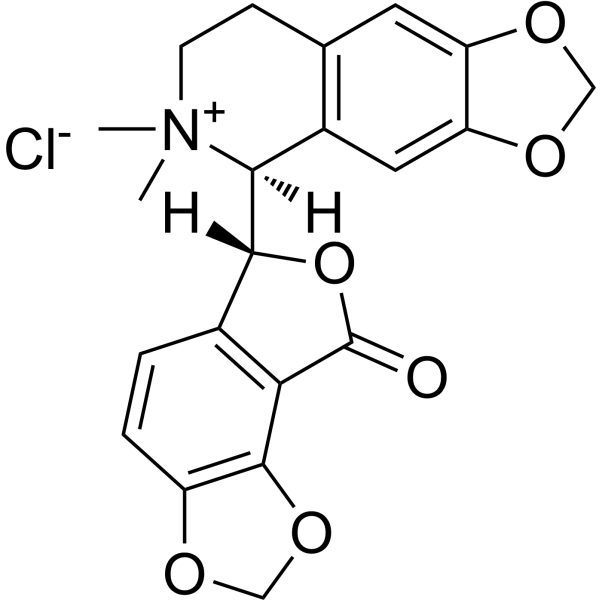
Synonyms: (-)-Bicuculline methochloride
Target:  

GABA Receptor

Research Areas:  

Neurological Disease

Bicuculline ((+)-Bicuculline; d-Bicuculline) methochloride is a selective GABAA receptor antagonist with an IC50 value of 3 μM. Bicuculline methochloride induces clonic tonic convulsions in mammals and can also be used to block Ca 2+ activated potassium channels. Bicuculline methochloride can be used in studies of epilepsy and other related psychiatric disorders .
loading...
    loading...
5
5 Cited Publications
Cat. No.: HY-117771
CAS No.: 1848233-58-8
Purity:  99.30%
Target:  

DAGL

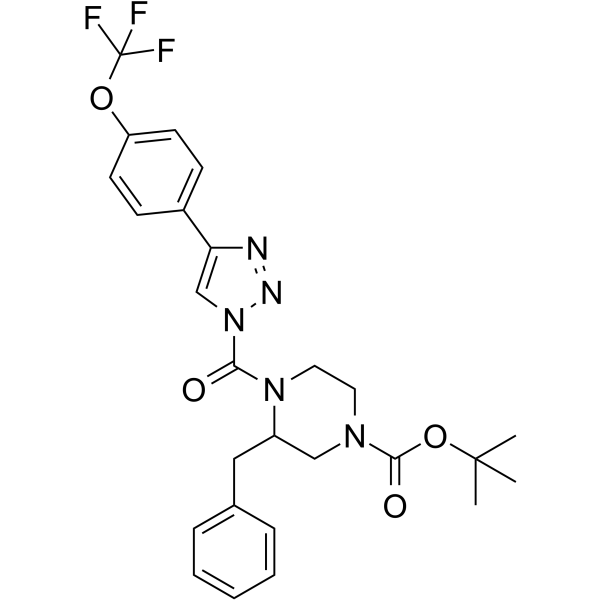
DO34 is a selective DAGL inhibitor, with an IC50 of 6 nM for DAGLα conversion of SAG to 2-AG. DO34 blocks de novo 2-AG synthesis, and suppresses tonic CB1 receptor activation. DO34 blocks depolarization-induced suppression of excitation and inhibition in the cerebellum and hippocampus. DO34 regulates feeding behavior and locomotor activity in mice. DO34 abolishes AM251-mediated enhancement of parallel fiber-evoked excitatory postsynaptic currents in cerebellar slices from MAGL global knockout mice. DO34 can be used for the research of energy balance disorder and neuroinflammation .
loading...
    loading...
3
3 Cited Publications
Cat. No.: HY-100714
CAS No.: 76326-31-3
Purity:  ≥98.0%
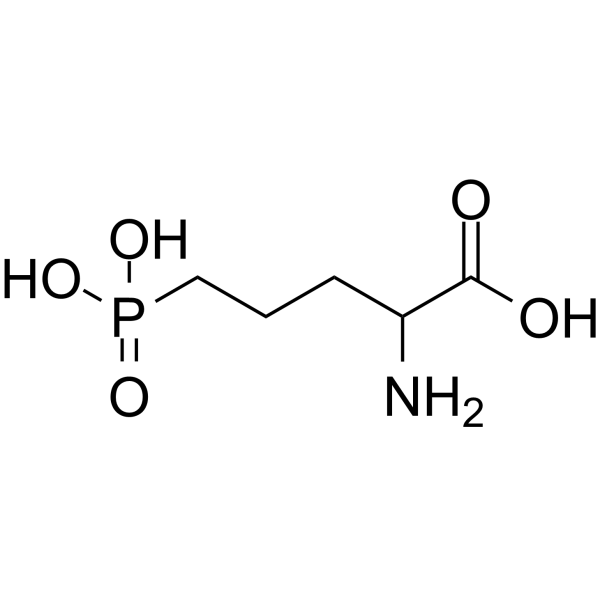
Synonyms: 2-APV; DL-2-Amino-5-phosphonovaleric acid
Target:  

iGluR

DL-AP5 (2-APV) is a competitive NMDA (N-methyl-D-aspartate) receptor antagonist. DL-AP5 shows significantly antinociceptive activity. DL-AP5 specifically blocks on channels in the rabbit retina .
loading...
    loading...
3
3 Cited Publications
Cat. No.: HY-100714C
CAS No.: 1303993-72-7
Purity:  99.20%
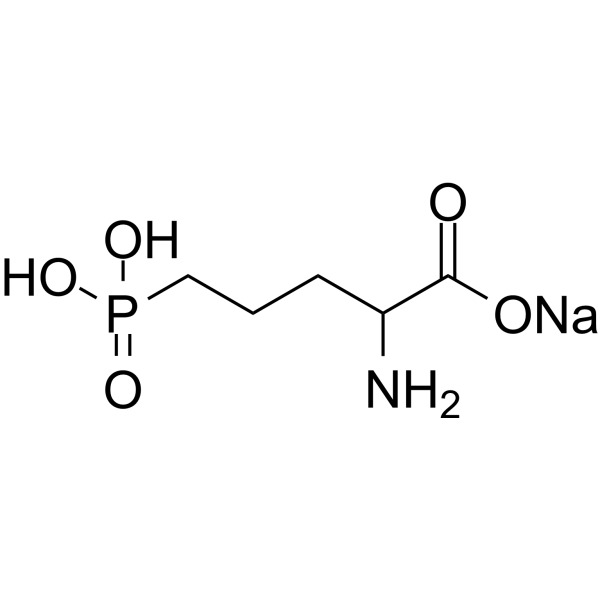
Synonyms: 2-APV sodium; DL-2-Amino-5-phosphonovaleric acid sodium
Target:  

iGluR

DL-AP5 (2-APV) sodium is a competitive NMDA (N-methyl-D-aspartate) receptor antagonist. DL-AP5 sodium shows significantly antinociceptive activity. DL-AP5 sodium specifically blocks on channels in the rabbit retina .
loading...
    loading...
2
2 Cited Publications
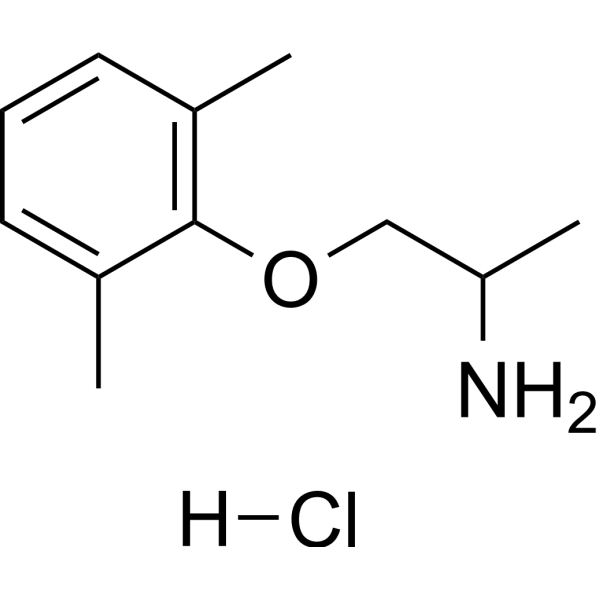
Cat. No.: HY-A0093
CAS No.: 5370-01-4
Synonyms: KOE-1173 hydrochloride
Mexiletine is an orally effective antiarrhythmic agent which has also been found to be effective for myotonia and neuropathic pain. Mexiletine exerts its efficacy through blocking sodium channels (IC50 : 75±8 μM for tonic block, 23.6±2.8 μM for use-dependent block), therefore can be used for cardiovascular and neurological research .
loading...
    loading...
2
2 Cited Publications
Cat. No.: HY-119521
CAS No.: 31828-71-4
Purity:  99.92%
Synonyms: KOE-1173
Mexiletine is an orally effective antiarrhythmic agent which has also been found to be effective for myotonia and neuropathic pain. Mexiletine exerts its efficacy through blocking sodium channels (IC50 : 75±8 μM for tonic block, 23.6±2.8 μM for use-dependent block), therefore can be used for cardiovascular and neurological research .
loading...
    loading...
1
1 Cited Publications
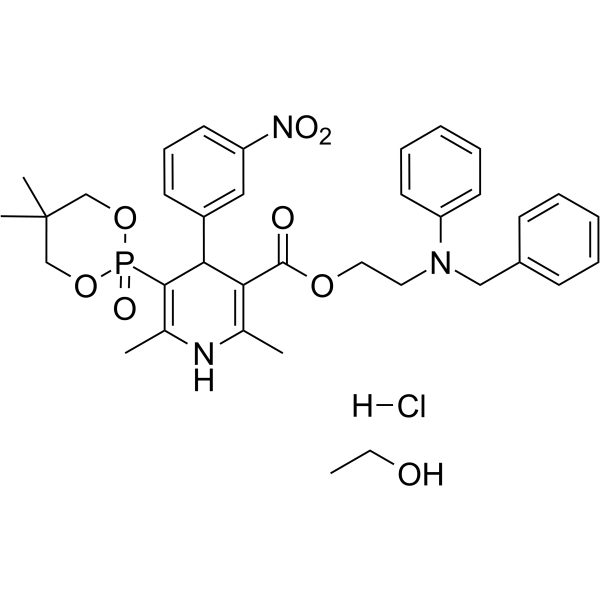
Cat. No.: HY-12502A
CAS No.: 111011-76-8
Purity:  99.28%
Synonyms: NZ-105 hydrochloride monoethanolate; (±)-Efonidipine hydrochloride monoethanolate
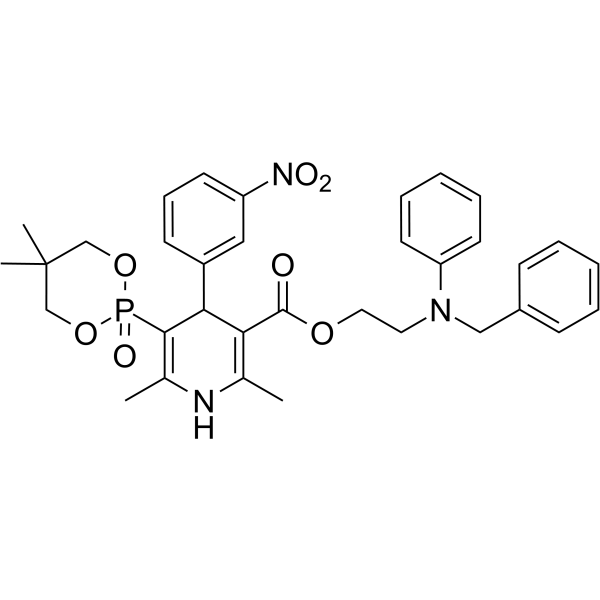
Efonidipine (NZ-105) hydrochloride monoethanolate is an orally active dual L-type and T-type calcium channel blocker (CCB) with IC50 values of 1.8 and 350 nM, respectively. Efonidipine hydrochloride monoethanolate inhibits SARS-CoV-2 main protease. Efonidipine hydrochloride monoethanolate modulates adrenal steroidogenesis by increasing the expression of steroidogenic acute regulatory protein (StAR), dbcAMP-or angiotensin II-induced StAR mRNA expression and DHEA-S production, while suppressing the biosynthesis of aldosterone and cortisol. Efonidipine hydrochloride monoethanolate reduces plasma aldosterone levels in vivo. Efonidipine hydrochloride monoethanolate improves cardiac function in heart failure models by inhibiting T-type calcium channels (via both tonic and use-dependent blockade), independently of blood pressure reduction. Efonidipine hydrochloride monoethanolate can be used for research in hypertension, heart failure, and disorders involving dysregulated steroid hormone synthesis .
loading...
    loading...
1
1 Cited Publications
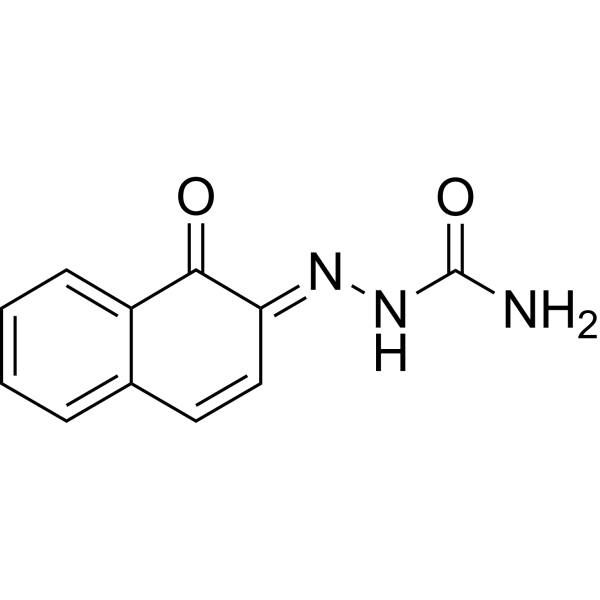
Cat. No.: HY-108011
CAS No.: 15687-37-3
Purity:  ≥99.0%
Research Areas:  

Cardiovascular Disease

Naftazone is a naphthoquinone derivative, it can be used for the research of venous insufciency. Naftazone protects blood vessels, increases venous tonicity and capillary resistance, and improves lymphatic and venous circulation .
loading...
    loading...
1
1 Cited Publications
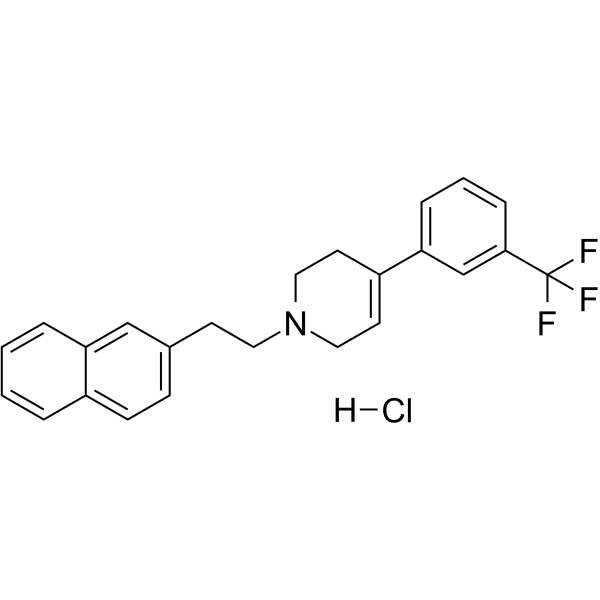
Cat. No.: HY-14604
CAS No.: 90494-79-4
Purity:  98.57%
Synonyms: SR57746A; SR57746 hydrochloride
Xaliproden (SR57746) hydrochloride (SR57746A) is an orally active, highly selective 5-HT1A receptor agonist. Xaliproden hydrochloride activates pertussis toxin-sensitive G protein-coupled signaling cascades, as well as the PKC, ERK1/ERK2, Akt and p21 Ras/MEK-1 pathways. Xaliproden hydrochloride also downregulates the JNK/p66/c-Jun signaling pathway, induces phosphorylation of the shc adaptor protein, regulates extracellular dopamine and 5-HT levels, and induces [ 35S]GTPγS labeling in rat brain structures rich in 5-HT1A receptors. Xaliproden hydrochloride exerts neurotrophic, neuroprotective, renoprotective, anti-inflammatory, anti-apoptotic, anti-fibrotic and analgesic effects. Xaliproden hydrochloride also enhances NGF-induced neurite outgrowth, promotes motor neuron survival, attenuates renal tubular injury and inhibits chemotherapy-induced mechanical allodynia, without activating or altering NGF-induced TrkA receptor activation. Xaliproden hydrochloride can be used in the research of motor neuron disease, diabetic nephropathy, chemotherapy-induced peripheral neuropathy, amyotrophic lateral sclerosis, Alzheimer's disease, acute tonic nociceptive pain, inflammatory pain, depression and anxiety .
loading...
    loading...
1
1 Cited Publications
Cat. No.: HY-12502
CAS No.: 111011-63-3
Purity:  99.88%
Synonyms: NZ-105; (±)-Efonidipine
Efonidipine (NZ-105) is an orally active dual L-type and T-type calcium channel blocker (CCB) with IC50 values of 1.8 and 350 nM, respectively. Efonidipine inhibits SARS-CoV-2 main protease. Efonidipine modulates adrenal steroidogenesis by increasing the expression of steroidogenic acute regulatory protein (StAR), dbcAMP-or angiotensin II-induced StAR mRNA expression and DHEA-S production, while suppressing the biosynthesis of aldosterone and cortisol. Efonidipine reduces plasma aldosterone levels in vivo. Efonidipine improves cardiac function in heart failure models by inhibiting T-type calcium channels (via both tonic and use-dependent blockade), independently of blood pressure reduction. Efonidipine can be used for research in hypertension, heart failure, and disorders involving dysregulated steroid hormone synthesis .
loading...
    loading...
Cat. No.: HY-32067
CAS No.: 827-61-2
Synonyms: Quinuclidin-3-yl acetate
Target:  

mAChR

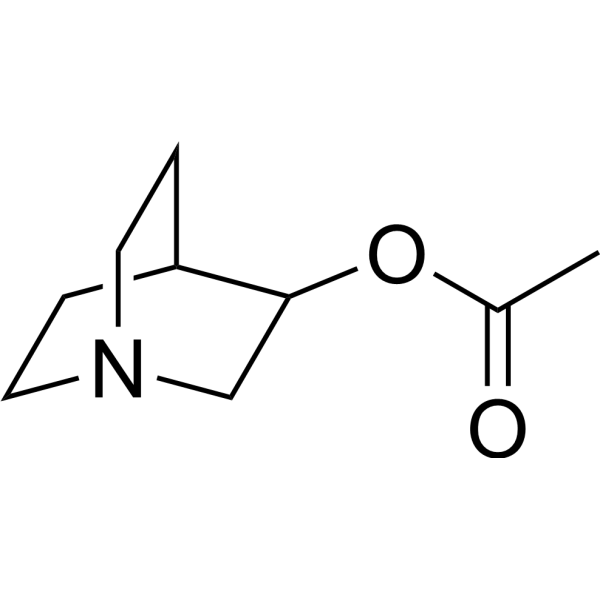
Aceclidine (Quinuclidin-3-yl acetate) is a modulator of M3 muscarinic acetylcholine receptor and a M1 receptor agonist (EC50: 40 μM). Aceclidine is a cycloplegic agent, a surfactant, a tonicity adjustor and optionally a viscosity enhancer and an antioxidant. Aceclidine has the potential for the research of disorders such as refractive errors of the eye, xerostomia, Sjogren's syndrome, glaucoma, conjunctivitis, lacrimal gland disease, and esotropia .
loading...
    loading...
Cat. No.: HY-32067A
CAS No.: 6109-70-2
Synonyms: Quinuclidin-3-yl acetate hydrochloride
Target:  

mAChR

Research Areas:  

Neurological Disease

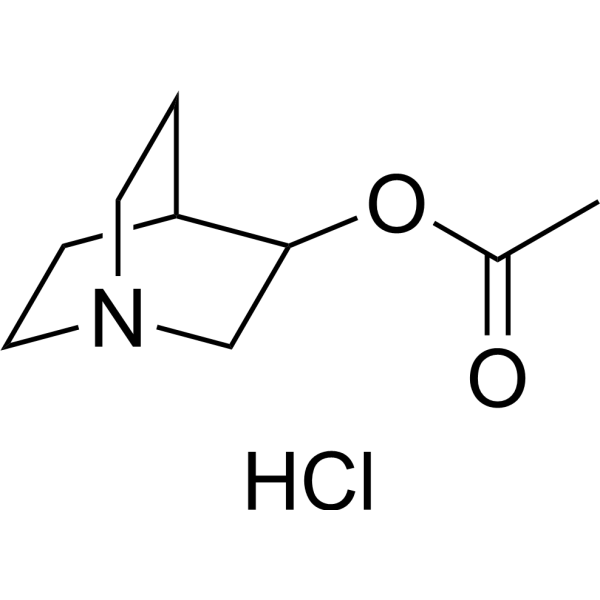
Aceclidine (Quinuclidin-3-yl acetate) hydrochloride is a modulator of M3 muscarinic acetylcholine receptor and a M1 receptor agonist (EC50: 40 μM). Aceclidine hydrochloride is a cycloplegic agent, a surfactant, a tonicity adjustor and optionally a viscosity enhancer and an antioxidant. Aceclidine hydrochloride has the potential for the research of disorders such as refractive errors of the eye, xerostomia, Sjogren's syndrome, glaucoma, conjunctivitis, lacrimal gland disease, and esotropia .
loading...
    loading...
Cat. No.: HY-Y0121
CAS No.: 103-36-6
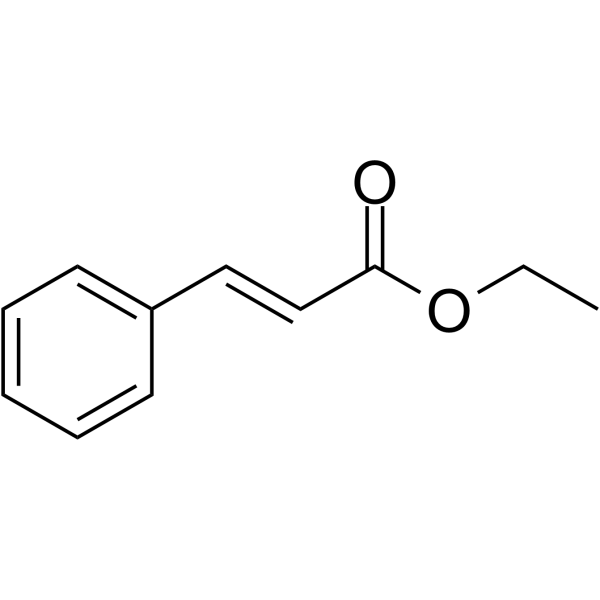
Ethyl cinnamate, an orally active chemical constituent of the rhizome of Kaempferia galanga, exhibits anti-cancer, nematocidal, sedative and vasorelaxant activities. Ethyl cinnamate is a fragrance ingredient used as a food flavor and additive for cosmetic products. Ethyl cinnamate is also an excellent clearing reagent for mammalian tissues. Ethyl cinnamate suppresses tumor growth through anti-angiogenesis by attenuating VEGFR2 signal pathway in colorectal cancer. Ethyl cinnamate inhibits the tonic contractions induced by high K+ and phenylephrine (PE) with respective IC50 values of 0.30 mM and 0.38 mM in rat aorta .
loading...
    loading...
Cat. No.: HY-P1278
CAS No.: 137593-52-3
Target:  

Neurokinin Receptor

Research Areas:  

Neurological Disease Endocrinology

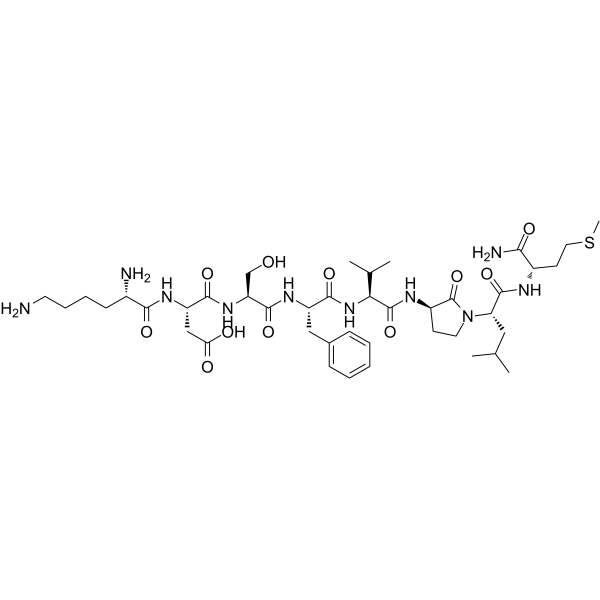
GR 64349 is a selective neurokinin 2 (NK2) receptor agonist. GR 64349 selectively activates the NK-2 receptor subtype. GR 64349 activates tonic and rhythmic bladder contractions of the micturition reflex. GR 64349 acetate does not inhibit rhythmic bladder contraction activation induced by normal saline. GR 64349 induces inward currents .
loading...
    loading...
Cat. No.: HY-W017500
CAS No.: 17833-53-3
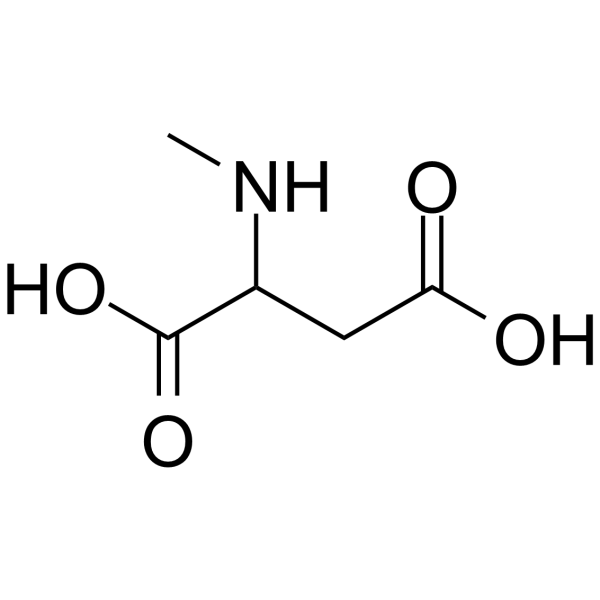
N-Methyl-DL-aspartic acid acts as an agonist for N-methyl-D-aspartic acid receptors and D-isomer-specific aspartate receptors. N-Methyl-DL-aspartic acid activates hypothalamic neurons that regulate gonadotropin-releasing hormone secretion, and stimulates prepubertal male rhesus monkeys to produce sustained intermittent gonadotropin-releasing hormone secretion and pulsatile luteinizing hormone secretion. N-Methyl-DL-aspartic acid activates excitatory effects mediated by N-methyl-D-aspartic acid receptors. N-Methyl-DL-aspartic acid exhibits convulsant effects, inducing clonic convulsions with loss of righting reflex, generalized tonic-clonic seizures or persistent clonic seizures. N-Methyl-DL-aspartic acid causes precocious puberty. N-Methyl-DL-aspartic acid can be used in studies related to convulsions and seizures .
loading...
    loading...
Cat. No.: HY-108300
CAS No.: 16777-42-7
Purity:  99.92%
Target:  

Adrenergic Receptor

Research Areas:  

Cardiovascular Disease

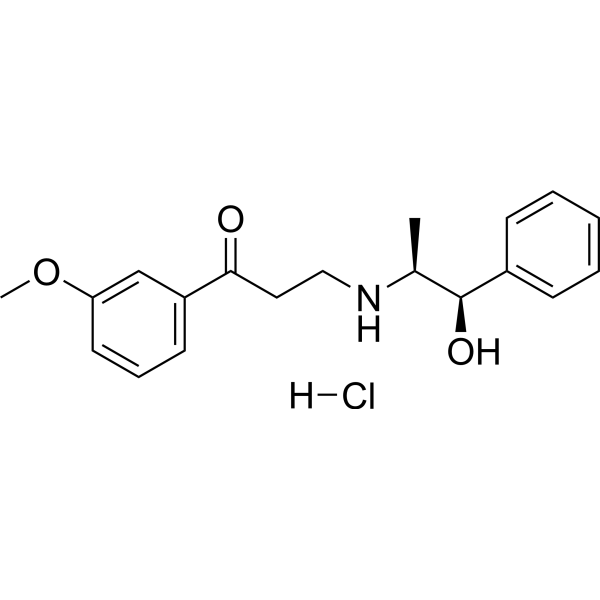
Oxyfedrine hydrochloride, a vasodilator, is an orally active β-adrenoreceptor agonist. Oxyfedrine decreases the tonicity of coronary vessels. Oxyfedrine hydrochloride can be used in the research of cardiovascular disease .
loading...
    loading...
Cat. No.: HY-B1870
CAS No.: 108-62-3
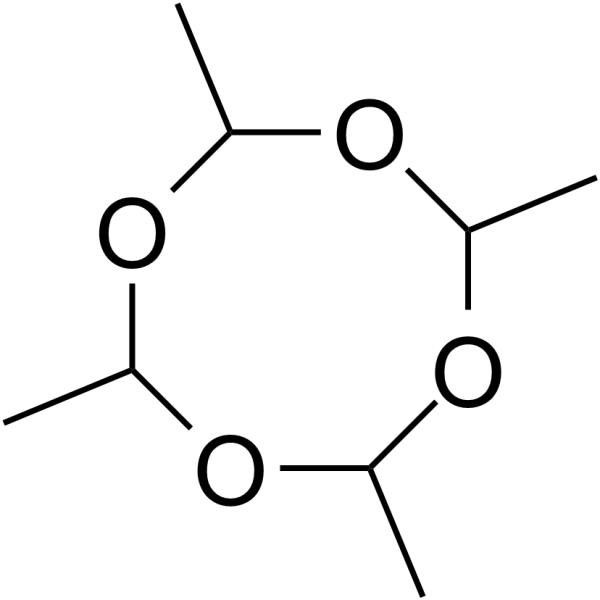
Metaldehyde is an orally active molluscicide. Metaldehyde acts as a feeding inhibitor. Metaldehyde disrupts the feeding cycle, impairs righting ability, delays fecal excretion, induces toxic symptoms in slugs, reduces the concentrations of neurotransmitters (Noradrenaline, 5-HT (HY-B1473A)) in the mouse brain, and induces lethal clonic-tonic convulsions in mice .
loading...
    loading...
Cat. No.: HY-117771A
CAS No.: 2098969-71-0
Purity:  98.42%
Target:  

DAGL

DO34 analog is a structural analog of DO34 (HY-117771). DO34 is a selective DAGL inhibitor, with an IC50 of 6 nM for DAGLα conversion of SAG to 2-AG. DO34 blocks de novo 2-AG synthesis, and suppresses tonic CB1 receptor activation. DO34 blocks depolarization-induced suppression of excitation and inhibition in the cerebellum and hippocampus. DO34 regulates feeding behavior and locomotor activity in mice. DO34 abolishes AM251-mediated enhancement of parallel fiber-evoked excitatory postsynaptic currents in cerebellar slices from MAGL global knockout mice. DO34 can be used for the research of energy balance disorder and neuroinflammation .
loading...
    loading...
Cat. No.: HY-N2238
CAS No.: 889678-62-0
Dipsanoside A is a novel tetrairidoid glucoside from Dipsacus asper. Dipsacus asper Wall., a perennial plant widespread in China, has been used in traditional Chinese medicine for hundreds of years as a tonic for refreshment, as a fissiparism promoter of the osseous cells, and as an embryo security agent, etc .
loading...
    loading...
Cat. No.: HY-100783B
CAS No.: 66016-70-4
Synonyms: (+)-Bicuculline methobromide
Target:  

GABA Receptor

Research Areas:  

Neurological Disease

Bicuculline methobromide is a selective GABAA Receptor antagonist with an IC50 value of 3 μM. Bicuculline methobromide induces clonic tonic convulsions in mammals and can also be used to block Ca 2+ activated potassium channels. Bicuculline methobromide can be used in studies of epilepsy and other related psychiatric disorders .
loading...
    loading...

