
Search Result
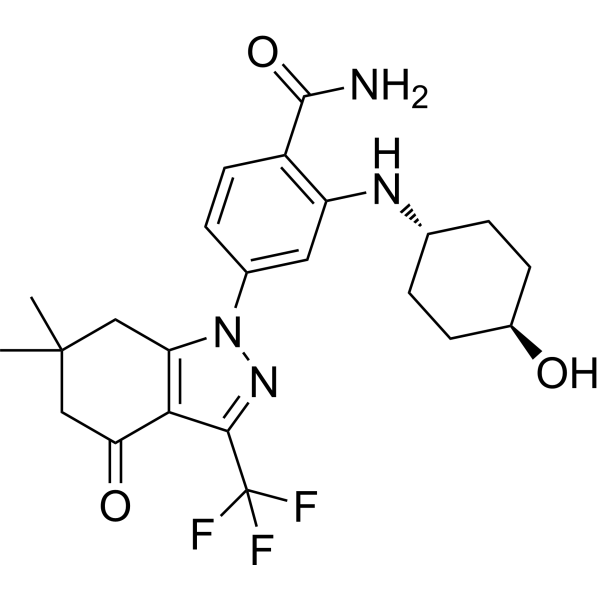
Results for "
trapping
" in MedChemExpress (MCE) Product Catalog:
4
Biochemical Assay Reagents
6
Isotope-Labeled Compounds
| Cat. No. |
Product Name |
Target |
Research Areas |
Chemical Structure |
-
- HY-10586
-
-
-
- HY-107690
-
-
-
- HY-P0078
-
|
PAR-1 agonist peptide; Thrombin Receptor Activator Peptide 6
|
Protease Activated Receptor (PAR)
|
Inflammation/Immunology
|
|
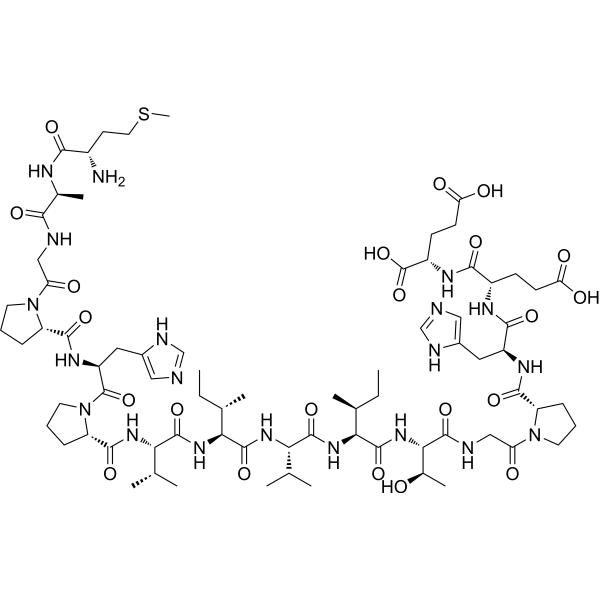
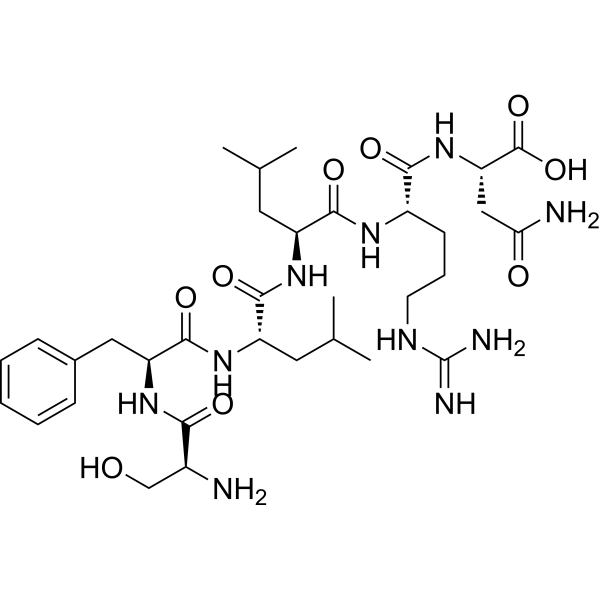
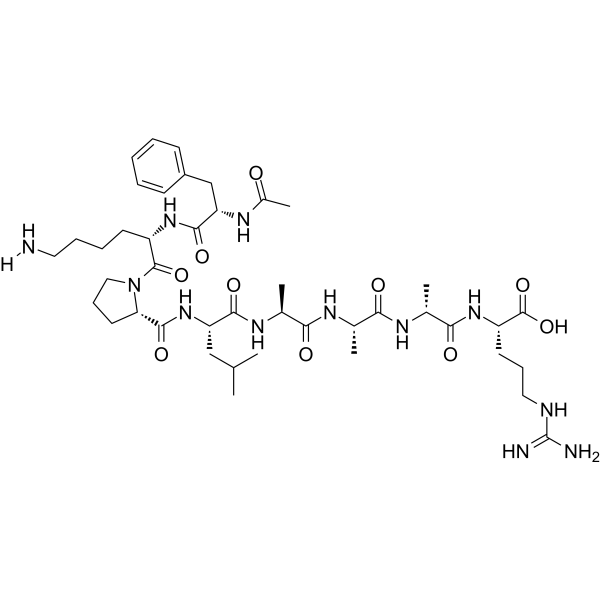
TRAP-6 (PAR-1 agonist peptide), a peptide fragment, is a selective protease activating receptor 1 (PAR1) agonist. TRAP-6 activates human platelets via the thrombin receptor. TRAP-6 shows no activity at PAR4 .
|
-
-
- HY-10119
-
|
SCH 530348
|
Protease Activated Receptor (PAR)
|
Cardiovascular Disease
|
|
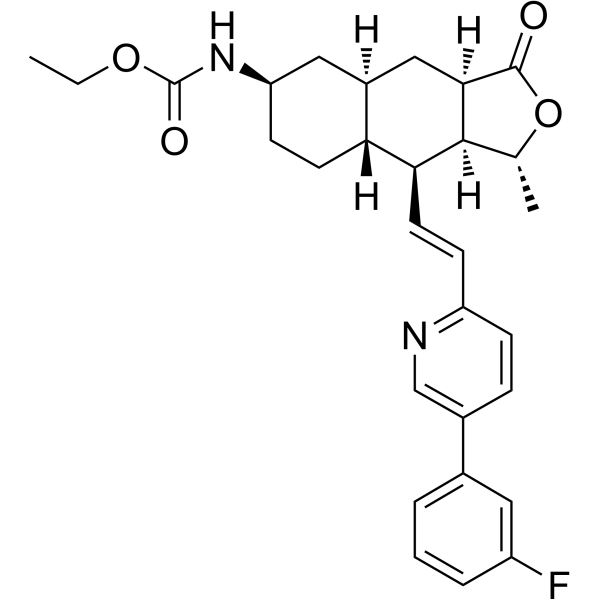
Vorapaxar (SCH 530348), an antiplatelet agent, is a selective, orally active, and competitive thrombin receptor protease-activated receptor (PAR-1) antagonist (Ki=8.1 nM). Vorapaxar (SCH 530348) inhibits thrombin receptor-activating peptide (TRAP)-induced platelet aggregation in a dose-dependent manner .
|
-
-
- HY-108801A
-
|
|
VEGFR
|
Cardiovascular Disease
Metabolic Disease
Cancer
|
|
Aflibercept (VEGF Trap) is a soluble decoy VEGFR constructed by fusing the Ig domains of VEGFR1 and VEGFR2 with the Fc region of human IgG1. Aflibercept inhibits VEGF signaling by reducing VEGF-regulated processes. Aflibercept can be used for thr research of age-related macular degeneration (AMD) and cardiovascular disease .
|
-
-
- HY-111674
-
-
-
- HY-P1026
-
-
-
- HY-121137
-
BMPO
1 Publications Verification
BocMPO
|
Reactive Oxygen Species (ROS)
|
Others
|
|
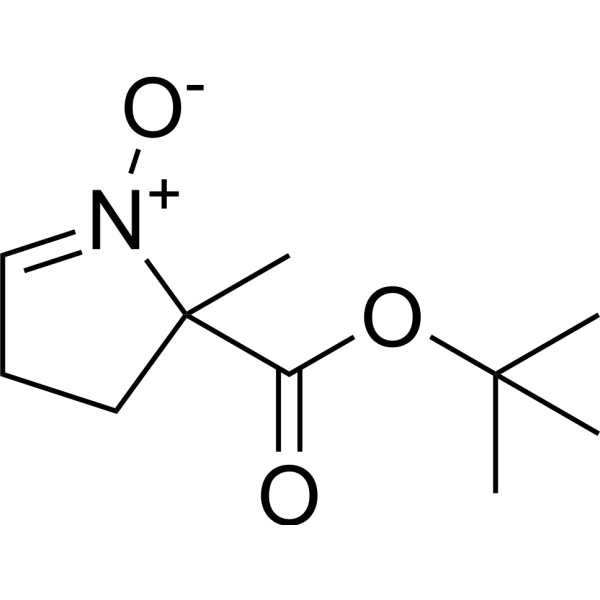
BMPO (BocMPO) is a cell-permeable superior spin trap with favorable chemical and spectroscopic features. BMPO (BocMPO) can be used for detecting thiyl radicals, hydroxyl radicals, superoxide anions and glutathiyl radicals .
|
-
-
- HY-P99590A
-
|
RAP-011
|
TGF-β Receptor
TGF-beta/Smad
|
Cardiovascular Disease
Metabolic Disease
|
|
Sotatercept (mIgG2a) (RAP-011), the murine homolog of Sotatercept (ACE-011) (HY-P99590), is a soluble activin receptor type IIA (ActRIIA) ligand trap. Sotatercept (mIgG2a) inhibits the binding of activin A and other members of the TGF-β superfamily (such as Activin A/B, GDF11 and BMP9/10) to their receptors by combining and neutralizing them, thereby regulating cell proliferation and differentiation. Sotatercept (mIgG2a) mainly inhibits the SMAD2/3 signaling pathway, and can be used in various diseases such as chronic kidney disease. Sotatercept (mIgG2a) reduces the expression of erythropoietic hepcidin (ERFE), regulates iron metabolism, and promotes red blood cell production. Sotatercept (mIgG2a) has a dual effect of promoting bone formation (anabolic) and inhibiting bone resorption (catabolic) .
|
-
-
- HY-123606
-
|
|
Protein Arginine Deiminase
MHC
|
Cardiovascular Disease
Inflammation/Immunology
|
|
GSK484 is a PAD4 inhibitor that effectively inhibits protein citrullination and the formation of neutrophil extracellular traps (NETs) by blocking the catalytic activity of PAD4. GSK484 suppresses the production of histone H3, MHC-I expression, CD8 + T cell activation, proliferation and inflammatory cytokine release. GSK484 reduces inflammation and bone destruction in collagen-induced rheumatoid arthritis, alleviates pain and mast cell activation in sickle cell disease, and improves myocardial ischemia-reperfusion injury and experimental colitis. In addition, GSK484 restores intestinal microbial homeostasis by reversing ferroptosis-induced dysbiosis. GSK484 can be used to study the disease mechanisms of rheumatoid arthritis, sickle cell disease, thrombosis, myocardial injury, colitis and other conditions .
|
-
-
- HY-128760
-
COH34
1 Publications Verification
|
Poly(ADP-ribose) Glycohydrolase (PARG)
|
Cancer
|
|
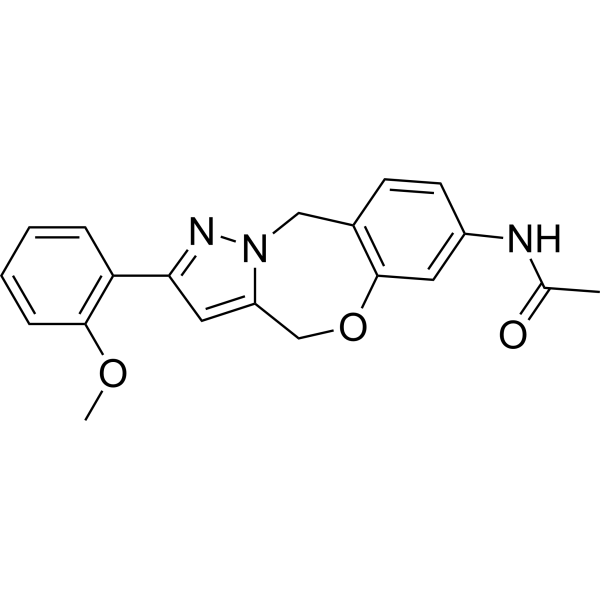
COH34 is a potent and specific poly(ADP-ribose) glycohydrolase (PARG) inhibitor with an IC50 of 0.37 nM. COH34 binds to the catalytic domain of PARG (Kd=0.547 μM), thereby prolonging PARylation at DNA lesions and trapping DNA repair factors .
|
-
-
- HY-10214
-
|
PF-04928473
|
HSP
Autophagy
|
Cancer
|
|
SNX-2112 (PF 04928473) is an orally active Hsp90 inhibitor, with a Kd of 16 nM for Hsp90 and IC50s of 30 nM, 30 nM for Hsp90 α and Hsp90 β, also induces Her-2 degradation, and inhibits Grp94 and Trap-1, with IC50s of 10 nM, 4.275 μM and 0.862 μM, respectively . SNX-2112 (PF 04928473) binds Hsp90 isoforms Hsp90α, Hsp90β and Hsp90b1/Grp94 with Kds of 4 nM, 6 nM and 484 nM, respectively .
|
-
-
- HY-10119A
-
|
SCH 530348 sulfate
|
Protease Activated Receptor (PAR)
|
Cardiovascular Disease
|
|
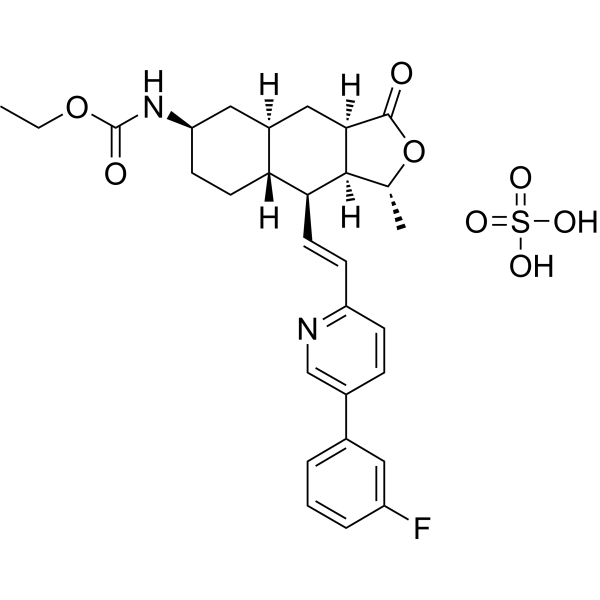
Vorapaxar sulfate (SCH 530348 sulfate), an antiplatelet agent, is a selective, orally active, and competitive thrombin receptor protease-activated receptor (PAR-1) antagonist (Ki=8.1 nM). Vorapaxar sulfate inhibits thrombin receptor-activating peptide (TRAP)-induced platelet aggregation in a dose-dependent manner .
|
-
-
- HY-104044
-
|
BGB-290
|
PARP
|
Cancer
|
|
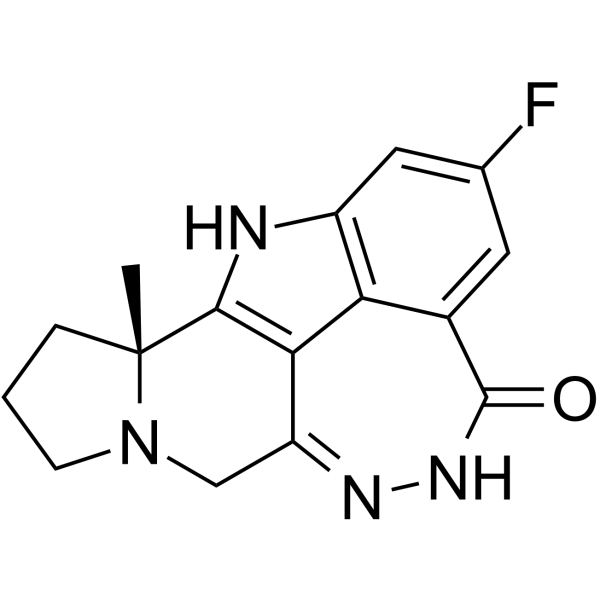
Pamiparib (BGB-290) is an orally active, potent, highly selective PARP inhibitor, with IC50 values of 0.9 nM and 0.5 nM for PARP1 and PARP2, respectively. Pamiparib has potent PARP trapping, and capability to penetrate the brain, and can be used for the research of various cancers including the solid tumor .
|
-
-
- HY-135152
-
|
|
Reactive Oxygen Species (ROS)
|
Cancer
|
|
CYPMPO is a spin-trapping reagent. CYPMPO, a cyclic DEPMPO-type nitrone, is evaluated for spin-trapping capabilities toward hydroxyl and superoxide radicals. anti-oxidant and anti-tumor?activity .
|
-
-
- HY-P4373A
-
|
|
Cathepsin
MMP
|
Inflammation/Immunology
|
|
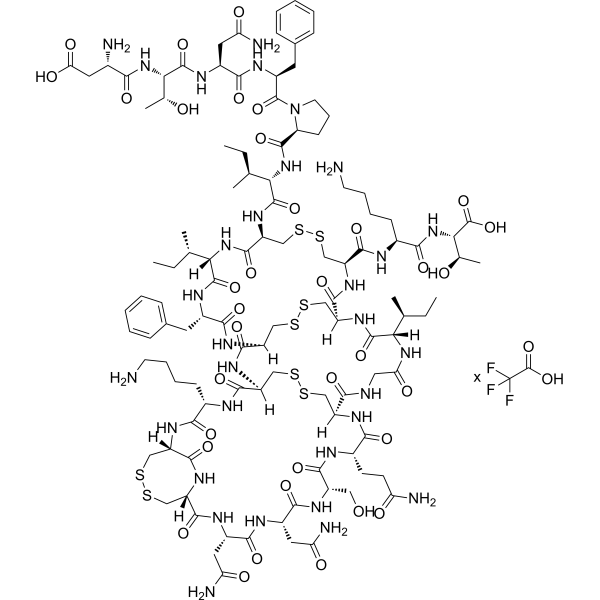
Hepcidin-1 (mouse) TFA is an endogenous peptide hormone involved in the regulation of iron homeostasis. Hepcidin-1 (mouse) TFA upregulates mRNA levels of TRAP, cathepsin K, and MMP-9 and increases TRAP-5b protein secretion. Hepcidin-1 (mouse) TFA downregulates the level of FPN1 protein and increases intracellular iron. Hepcidin-1 (mouse) TFA facilitates osteoclast differentiation .
|
-
-
- HY-N6661
-
|
(-)-Verbenone
|
Environmental Pollutants
Sex Pheromone
|
Infection
Others
|
|
Verbenone is a naturally derived monoterpene ketone and an anti-aggregation pheromone/attractant inhibitor. Verbenone interferes with the responses of Dendroctonus brevicomis and Dendroctonus ponderosae to baited traps. Verbenone can be used in studies related to bark beetle infestations of trees .
|
-
-
- HY-W004292
-
|
Undecyl alcohol
|
Environmental Pollutants
Drug Derivative
Insecticide
|
Infection
|
|
1-Undecanol (Undecyl alcohol) is the main product generated from the degradation of 2-tridecanone by Pseudomonas bacteria isolated from the soil. 1-Undecanol can enhance the attraction of Grapholita molesta to sex pheromone traps .
|
-
-
- HY-126254
-
BI-4924
1 Publications Verification
|
Phosphoglycerate Dehydrogenase (PHGDH)
|
Cancer
|
|
BI-4924 is a lipophilic, highly plasma protein bound selective phosphoglycerate dehydrogenase (PHGDH) inhibitor (IC50=3 nM) with excellent microsomal, as well as hepatocytic stability. Intracellular trapping of BI-4924 disrupts serine biosynthesis with an IC50 of 2200 nM at 72 h .
|
-
-
- HY-125176
-
G907
1 Publications Verification
|
Bacterial
|
Infection
|
|
G907 is a selective antagonist of ATP-binding cassette (ABC) transporter MsbA with anti-microbial activity. G907 inhibits E. coli MsbA with an IC50 value of 18 nM. G907 traps MsbA in an inward-facing, lipopolysaccharide-bound conformation by wedging into an architecturally conserved transmembrane pocket .
|
-
-
- HY-23033
-
|
|
Biochemical Assay Reagents
|
Neurological Disease
|
|
Tempone-H may be used as a spin trap in chemical and biological systems to quantify peroxynitrite and superoxide radical formation. Ferric and cupric ions are effective oxidants of Tempone-H .
|
-
-
- HY-10942
-
|
NVP-BEP800
|
HSP
|
Cancer
|
|
VER-82576 (NVP-BEP800) is a potent, orally available and selective Hsp90 inhibitor, with an IC50 of 58 nM for Hsp90β; VER-82576 also slightly blocks Grp94 and Trap-1, with IC50s of 4.1 and 5.5 μM, respectively.
|
-
-
- HY-15595A
-
|
360 A iodide
|
G-quadruplex
Telomerase
|
Cancer
|
|
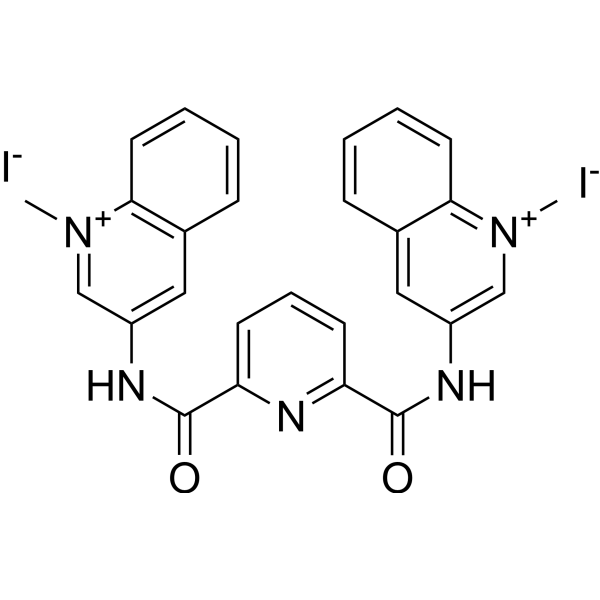
360A iodide is a selective stabilizer of G-quadruplex, and also inhibits telomerase activity with an IC50 of 300 nM for telomerase in TRAP-G4 assay.
|
-
-
- HY-115691
-
|
Styrene-BODIPY; Styrene-Conjugated BODIPY
|
Fluorescent Dye
|
Others
|
|
STY-BODIPY (Styrene-BODIPY; Styrene-Conjugated BODIPY) is a styrene-conjugated fluorescent probe used to measure the activity of radical-trapping antioxidants (RTAs)> .
|
-
-
- HY-130644
-
|
|
PROTACs
PARP
|
Cancer
|
|
iRucaparib-AP6 is a highly efficient and specific PROTAC PARP1 degrader. iRucaparib-AP6, a non-trapping PARP1 degrader, blocks both the catalytic activity and scaffolding effects of PARP1 .
|
-
-
- HY-D1491A
-
|
|
Fluorescent Dye
|
Others
|
|
Fast Red Violet LB Zinc chloride is a stain that stains tartrate-resistant acid phosphatase (TRAP) and Fast Red Violet LB Zinc chloride can be used to stain alkaline phosphatase (ALP) activity .
|
-
-
- HY-P1000
-
-
-
- HY-101131
-
|
DNS-glutathione
|
Biochemical Assay Reagents
|
Others
|
|
Dansyl glutathione is a trapping agent for the quantitative estimation and identification of reactive metabolites.
|
-
-
- HY-100527
-
|
|
Fungal
|
Infection
|
|
AN2718 inhibits fungal growth by blocking protein synthesis using the oxaborole tRNA trapping (OBORT) mechanism.
|
-
-
- HY-P990733
-
|
KER-012
|
TGF-beta/Smad
|
Inflammation/Immunology
|
|
Cibotercept (KER-012) is a novel, modified, investigational activin receptor type IIB (ActRIIB) ligand trap designed to target select TGF-β ligands, including activins A and B, GDFs 8 and 11, to rebalance the defective activin receptor type II signaling observed in PAH .
|
-
-
- HY-P991401
-
|
|
TNF Receptor
|
Inflammation/Immunology
|
|
GSK2862277 is a human monoclonal antibody (mAb) targeting TNFRSF1A. GSK2862277 increases neutrophil extracellular trap formation and alveolar macrophage phagocytosis. GSK2862277 can be used in Acute lung injury and Acute Respiratory Distress Syndrome (ARDS) research. Recommended isotype control: VHH-hFc .
|
-
-
- HY-114713
-
-
-
- HY-155063
-
|
|
HSP
Mitochondrial Metabolism
|
Cancer
|
|
TRAP1-IN-1 (compound 35) is a potent and selective inhibitor of TRAP1,a mitochondrial isoform of Hsp90. TRAP1-IN-1 has >250-fold TRAP1 selectivity over Grp94,and disrupts TRAP1 tetramer stability,induces TRAP1 client protein degradation. TRAP1-IN-1 also inhibits mitochondrial complex I of oxidative phosphorylation OXPHOS,disrupts the mitochondrial membrane potential,and enhances glycolysis metabolism .
|
-
-
- HY-169369
-
|
XJZ-06-462
|
MDM-2/p53
Apoptosis
|
Cancer
|
|
TRAP-1 (XJZ-06-462) is a non-covalent regulated induced proximity targeting chimera (RIPTAC) with JQ-1 carboxylic acid (HY-78695) as its target protein ligand. TRAP-1 forms a ternary complex with p53 Y220C and BRD4, potently activates p53 transcription, and inhibits the growth and proliferation of tumor cells. TRAP-1 upregulates p21 and other p53 target genes in pancreatic cell lines carrying p53 Y220C, and induces cellular senescence and apoptosis. TRAP-1 can be used in cancer research involving p53 Y220C-carrying tumors .
|
-
-
- HY-P2321
-
-
-
- HY-138869
-
|
|
Endogenous Metabolite
|
Cancer
|
|
AubipyOMe serves as a potent inhibitor of tartrate-resistant acid phosphatase (TRAP/ACP5), a metalloenzyme found in activated osteoclasts and macrophages, demonstrating IC50 values of 1.3 μM for TRAP5a and 1.8 μM for TRAP5b, while effectively inhibiting TRAP activity in extracts from murine macrophages and human lung tissue.
|
-
-
- HY-115781
-
DN401
1 Publications Verification
Panvotinib-401; Pan-401
|
HSP
|
Cancer
|
|
DN401 is a potent TRAP1 inhibitor with an IC50 of 79 nM. DN401 shows a weak inhibition of Hsp90 (IC50 of 698 nM). DN401 inactivates mitochondrial TRAP1 and has potent anticancer activities .
|
-
-
- HY-P4373
-
|
|
Cathepsin
MMP
|
Metabolic Disease
|
|
Hepcidin-1 (mouse) is an endogenous peptide hormone involved in the regulation of iron homeostasis. Hepcidin-1 (mouse) upregulates mRNA levels of TRAP, cathepsin K, and MMP-9 and increases TRAP-5b protein secretion. Hepcidin-1 (mouse) downregulates the level of FPN1 protein and increases intracellular iron. Hepcidin-1 (mouse) facilitates osteoclast differentiation .
|
-
-
- HY-15595
-
|
|
G-quadruplex
Telomerase
|
Cancer
|
|
360A is a selective stabilizer of G-quadruplex, and also inhibits telomerase activity with an IC50 of 300 nM for telomerase in TRAP-G4 assay.
|
-
-
- HY-117395
-
|
|
HSP
|
Cancer
|
|
PU-H54, a Grp94-selective inhibitor, can be used for the research of breast cancer. Hsp90 chaperone family, comprised in humans of four paralogs, Hsp90α, Hsp90β, Grp94 and Trap-1, has important roles in malignancy . PU-H54 is a click chemistry reagent, it contains an Alkyne group and can undergo copper-catalyzed azide-alkyne cycloaddition (CuAAc) with molecules containing Azide groups.
|
-
-
- HY-132995
-
|
|
Drug Metabolite
|
Others
|
|
DP-1, a degradation product of SDC-TRAP-0063, is a fragment of Ganetespib. Ganetespib is a heat shock protein 90 (HSP90) inhibitor with anti-tumor activity .
|
-
-
- HY-W996116
-
|
|
Glutathione Peroxidase
|
Cardiovascular Disease
Neurological Disease
Inflammation/Immunology
|
AZM198 is an orally active myeloperoxidase (MPO) inhibitor. AZM198 irreversibly inactivates MPO (IC50=0.015 μM) via covalent binding to the heme prosthetic group, preferentially targets extracellular MPO activity, and reduces neutrophil extracellular trap formation, reactive oxygen species production and degranulation. AZM198 increases the fibrous cap thickness of atherosclerotic plaques, reduces lesion area, ameliorates hepatic steatosis and fibrosis in non-alcoholic steatohepatitis, and alleviates proteinuria and inflammatory infiltration associated with glomerulonephritis. AZM198 also decreases circulating levels of high-sensitivity Cardiac Troponin I and IL-1β, and mitigates endothelial cell injury. Therefore, AZM198 is suitable for research on various MPO-related diseases, including atherosclerotic cardiovascular disease, myocardial infarction, ischemic stroke, non-alcoholic steatohepatitis and crescentic glomerulonephritis .
|
-
-
- HY-120976
-
|
|
Biochemical Assay Reagents
|
Cancer
|
|
cDEPMPO is a potent anticancer proagent. High concentrations of DEPMPO spin-trap the ·OH radical together with aryl radicals arising from one-electron reduced BTO (benzotriazine 1,4-di-N-oxide) compounds .
|
-
-
- HY-108235A
-
|
AZD6765 dihydrochloride; ARL 15896AR
|
iGluR
|
Neurological Disease
|
|
Lanicemine (AZD6765) dihydrochloride is a low-trapping NMDA channel blocker (Ki of 0.56-2.1 μM for NMDA receptor; IC50s of 4-7 μM and 6.4 μM in CHO and Xenopus oocyte cells, respectively). Antidepressant effects .
|
-
-
- HY-124663
-
|
|
Protease Activated Receptor (PAR)
|
Cancer
|
|
CBK289001 is a tartrate-resistant acid phosphatase (TRAP/ACP5) inhibitor. CBK289001 inhibits TRAP 5b MV, TRAP 5b OX and TRAP 5a OX with IC50s of 125 µM, 4.21 µM and 14.2 µM, respectively .
|
-
-
- HY-P4987
-
|
|
Protease Activated Receptor (PAR)
|
Cardiovascular Disease
|
|
TRAP-7 is a thrombin receptor (PAR) activating peptide. TRAP-7 stimulates total inositol phosphate (IP) accumulation and phosphorylation of a specific endogenous substrate for activated PKC. TRAP-7 can be used in cardiovascular disease research .
|
-
-
- HY-P5001
-
-
-
- HY-W873634
-
|
TRAP-Pr
|
Radionuclide-Drug Conjugates (RDCs)
|
Cancer
|
|
TRAP-Pr is a radionuclide conjugate (RDC) that can bind to the radionuclide [68]Ga. RDCs have the ability to specifically target biomolecules and can be used in medical imaging or therapy. TRAP-Pr can be further functionalized with acetone and used in click chemistry CuAAC reactions to conjugate other labeled molecules.
|
-
-
- HY-N7646
-
|
|
Others
|
Others
|
|
Curculigoside B, a phenolic glycoside isolated from Curculigo orchioides, enhances the osteoblast proliferation, decreases the area of bone resorption pit, osteoclastic formation and TRAP activity. Antiosteoporotic and antioxidative activities .
|
-
-
- HY-P5723A
-
|
|
Bacterial
|
Infection
|
|
Api137 TFA is an antimicrobial peptide that interferes with bacterial growth by inhibiting translation. Api137 TFA inhibits protein synthesis by trapping of release factors on the 70S ribosome following hydrolysis of the nascent polypeptide chain .
|
-
- HY-D1491
-
|
|
Fluorescent Dye
|
Others
|
|
Fast Red Violet LB is a dye for staining tartrate resistant acid phosphatase (TRAP). Fast Red Violet LB can be used for alkaline phosphatase (ALP) activity staining .
|
-
- HY-136501
-
|
|
P2Y Receptor
|
Cardiovascular Disease
|
|
MRS2395, an dipivaloyl derivative, is a potent P2Y12 receptor antagonist. MRS2395 inhibits ADP-induced platelet activation with a Ki of 3.6 μM. MRS2395 inhibits cAMP induced by ADP in rat platelets in the presence of PGE1 with an IC50 of 7 µM. MRS2395 enhances platelet dense granule release in response to TRAP-6 .
|
-
- HY-108235
-
|
AZD6765
|
iGluR
|
Neurological Disease
|
|
Lanicemine (AZD6765) is a low-trapping NMDA channel blocker (Ki of 0.56-2.1 μM for NMDA receptor; IC50s of 4-7 μM and 6.4 μM in CHO and Xenopus oocyte cells, respectively). Antidepressant effects .
|
-
- HY-W540861
-
|
|
Biochemical Assay Reagents
|
Others
|
|
3,4-Dichlorophenyl Isothiocyanate is an intermediate in organic synthesis and is used to make other isothiocyanate-containing compounds. 3,4-Dichlorophenyl Isothiocyanate and its derivatives can be used to induce cabbage root flies and test their behavioral responses and trap bait effects .
|
-
- HY-P99823
-
|
TA-46; sFGFR3
|
FGFR
|
Others
|
|
Recifercept (TA-46) is a soluble, recombinant fibroblast growth factor receptor 3 (FGFR3) molecule. Recifercept can be used as a decoy/ligand trap to decrease the amount of fibroblast growth factors that can bind to mutant FGFR3 receptors. Recifercept can be used for the research of achondroplasia .
|
-
- HY-P1536
-
-
- HY-N7314
-
|
|
Syk
|
Inflammation/Immunology
|
|
Asebogenin has antimalarial activity in vitro . Asebogenin can inhibit the phosphorylation of Syk, thereby effectively suppressing platelet activation and the formation of neutrophil extracellular traps .
|
-
- HY-D1759
-
|
|
Fluorescent Dye
|
Others
|
|
Fura-4F AM is a cell-permeant fluorescent calcium indicator. Upon entering the cell, this probe is hydrolyzed by cytosilic esterases and trapped as the active chelator.
|
-
- HY-176709
-
-
- HY-P5723
-
|
|
Bacterial
|
Infection
|
|
Api137 is an antimicrobial peptide that interferes with bacterial growth by inhibiting translation. Api137 inhibits protein synthesis by trapping of release factors on the 70S ribosome following hydrolysis of the nascent polypeptide chain .
|
-
- HY-129214
-
-
- HY-146333
-
|
|
Protease Activated Receptor (PAR)
|
Cardiovascular Disease
|
|
TRAP-6-IN-1 (Compound 8) is a dual collagen and TRAP-6 inhibitor with IC50 values of 17.12 µM and 11.88 µM against collagen and TRAP-6, respectively. TRAP-6-IN-1 inhibits agonist-induced platelet aggregation in a non-competitive manner .
|
-
- HY-155064
-
|
|
HSP
|
Metabolic Disease
|
|
TRAP1-IN-2 (compound 36) is a selective degrader of TRAP1 downstream proteins without affecting Hsp90's cytoplasmic downstream proteins. TRAP1-IN-2 also inhibits OXPHOS and alters cellular glycolysis metabolism. TRAP1-IN-2 destabilizes TRAP1 tetramers and disrupts mitochondrial membrane potential.
|
-
- HY-P5764
-
|
|
Protease Activated Receptor (PAR)
Integrin
MMP
|
Cardiovascular Disease
|
|
TRAP-14 amide, a proteinase activated receptor (PAR)-activating peptide, is a PAR agonist with an EC50 of 24 μM. TRAP-14 amide significantly induces platelet aggregation through ADP- and MMP-2-dependent pathways with Aspirin (HY-14654)-insensitivity. TRAP-14 amide also effectively increases glycoprotein (GP) Ib and GPIIb/IIIa surface expression and ADP release .
|
-
- HY-11052A
-
|
|
Opioid Receptor
|
Neurological Disease
|
|
Trap-101 hydrochloride is a potent, selective and competitive antagonist of NOP receptors over classical opioid receptors. Trap-101 stimulates GTPγ 35S binding to CHOhNOP membranes with pKi values of 8.65, 6.60, 6.14 and <5 for NOP, μ-, κ-, and δ-opioid receptors, respectively. Trap-101 attenuates motor deficits in a rat model of parkinson's disease and can be used for the research of nervous system diseases .
|
-
- HY-P4451
-
-
- HY-P2321A
-
-
- HY-RS14984
-
|
|
Small Interfering RNA (siRNA)
|
Others
|
|
TRAP1 Human Pre-designed siRNA Set A contains three designed siRNAs for TRAP1 gene (Human), as well as a negative control, a positive control, and a FAM-labeled negative control.
|
-
TRAP1 Human Pre-designed siRNA Set A
- HY-155960
-
|
|
Cathepsin
MMP
|
Inflammation/Immunology
|
|
SH491 (Compound 33) is an antiosteoporosis agent. SH491 inhibits RANKL-induced osteoclast differentiation on bone-marrow-derived monocytes (BMMs) (IC50: 11.8 nM). SH491 inhibits the expression of osteoclastogenesis-related marker genes (TRAP, CTSK, MMP-9, and ATPase v0d2) and proteins (TRAP, CTSK, MMP-9) .
|
-
- HY-N8789
-
|
|
Phosphatase
|
Others
|
|
2-Hydroxymethyl-3-hydroxyanthraquinone is an antiosteoporotic compound that inhibits osteoclastic tartrate-resistant acid phosphatase (TRAP) activity .
|
-
- HY-W778834
-
|
|
Sex Pheromone
|
Endocrinology
|
|
(Z)-13-Octadecen-1-ol is an insect sex pheromone used for trapping sugarcane stem borers (Chilo sacchariphagus) .
|
-
- HY-107690R
-
-
- HY-132995A
-
|
|
Drug Metabolite
|
Cancer
|
|
DP-1 hydrochloride, a degradation product of SDC-TRAP-0063, is a fragment of Ganetespib. Ganetespib is a heat shock protein 90 (HSP90) inhibitor with anti-tumor activity .
|
-
- HY-W780784
-
|
|
Insecticide
|
Endocrinology
|
|
(Z,Z)-3,13-Octadecadien-1-ol is an insect sex pheromone used for trapping redwood resin borers (Synanthedon sequoiae (Edwards)) .
|
-
- HY-144830
-
|
|
HSP
|
Cancer
|
|
6BrCaQ is a potent mitochondrial heat shock protein TRAP1 inhibitor, with antiproliferative activity. 6BrCaQ can be used in the synthesis of 6BrCaQ-TPP conjugates .
|
-
- HY-N12934
-
|
|
Others
|
Endocrinology
|
|
Z13,YN11-16:OH (7) is an insect pheromone used for attracting and trapping processionary caterpillars (Thaumetopoea processionea L), effective against oak defoliators .
|
-
- HY-169298
-
|
|
Ferroptosis
|
Cancer
|
|
Ferroptosis-IN-15 (compound 12) is a potent inhibitor of ferroptosis, with the EC50s of 0.76 and 0.67 μM in A375 cells and 786-O cells, respectively.Ferroptosis-IN-15 is a potential iron chelator and radical trapping antioxidant .
|
-
- HY-161517
-
|
|
PARP
|
Cancer
|
|
PARP1-IN-20 (compound 19A10) is a potent inhibitor of PARP1, with the IC50 of 4.62 nM and has similar low PARP-Trapping effect compared with Veliparib (HY-10129), IC50 (MDA-MB-436) >100 μM .
|
-
- HY-114501
-
|
|
Parasite
|
Endocrinology
|
|
Z3-Dodecenyl E2-butenoate is a female sex pheromone produced by the sweet potato weevil, C. formicarius. It has been used to bait and trap male sweet potato weevils to manage population counts in agriculture fields with reduced use of insecticides.
|
-
- HY-108235B
-
|
(Rac)-AZD6765
|
iGluR
|
Neurological Disease
|
|
(Rac)-Lanicemine ((Rac)-AZD6765) is the racemate of Lanicemine. Lanicemine (AZD6765) is a low-trapping NMDA channel blocker (Ki of 0.56-2.1 μM for NMDA receptor; IC50s of 4-7 μM and 6.4 μM in CHO and Xenopus oocyte cells, respectively). Antidepressant effects .
|
-
- HY-146437
-
|
|
Topoisomerase
|
Cancer
|
|
Topoisomerase I inhibitor 6 (Compound 3) is a potent inhibitor of Topoisomerase I. Topoisomerase I inhibitor 6 is able to trap DNA-Top1 cleavage complex and found to be less cytotoxic in non-cancerous cell line. Topoisomerase I inhibitor 6 has the potential for the research of cancer diseases .
|
-
- HY-151999
-
|
|
Ras
|
Cancer
|
|
KRAS G12C inhibitor 65 is a potent and covalent KRAS G12C inhibitor that traps KRAS G12C in the GDP-bound state. KRASG12C IN-1 exhibits potent antitumor activity against KRAS-mutant non-small cell lung cancer .
|
-
- HY-168002
-
|
|
Glutathione Peroxidase
|
Inflammation/Immunology
|
MPO-IN-8 is an orally active myeloperoxidase (MPO) inhibitor. MPO-IN-8 can inhibit the generation of hypochlorous acid in neutrophils and the release of extracellular traps (NETosis). In mice with gouty arthritis, MPO-IN-8 can reduce swelling, lower peroxidase activity, and decrease IL-1β levels .
|
-
- HY-108235C
-
|
(R)-AZD6765
|
iGluR
|
Neurological Disease
|
|
(R)-Lanicemine ((R)-AZD6765) is the less active R-enantiomer of Lanicemine. Lanicemine (AZD6765) is a low-trapping NMDA channel blocker (Ki of 0.56-2.1 μM for NMDA receptor; IC50s of 4-7 μM and 6.4 μM in CHO and Xenopus oocyte cells, respectively). Antidepressant effects .
|
-
- HY-181449
-
-
- HY-114159
-
|
|
GGTase
|
Metabolic Disease
|
|
GGTI-2166 is a geranylgeranyltransferase I (GGTase I) inhibitor. GGTI-2166 blocks geranylgeranylation modification of target proteins. GGTI-2166 inhibits RANKL- or TNF-α-induced pre-osteoclast formation and TRAP activity. GGTI-2166 is applicable to research on osteoclast differentiation .
|
-
- HY-165096
-
|
|
Endogenous Metabolite
|
Others
|
|
(E)-4-Tridecenyl acetate is a sex pheromone produced by female Keiferia lycopersicella and an attractant for male Keiferia lycopersicella moths. (E)-4-Tridecenyl acetate can be used in field traps for monitoring Keiferia lycopersicella presence and spread. (E)-4-Tridecenyl acetate can be used for the research of Keiferia lycopersicella infestation [1] [2].
|
-
- HY-RS23969
-
|
|
Small Interfering RNA (siRNA)
|
Others
|
|
Trap1 Rat Pre-designed siRNA Set A contains three designed siRNAs for Trap1 gene (Rat), as well as a negative control, a positive control, and a FAM-labeled negative control.
|
-
Trap1 Rat Pre-designed siRNA Set A
- HY-RS17512
-
|
|
Small Interfering RNA (siRNA)
|
Others
|
|
Trap1 Mouse Pre-designed siRNA Set A contains three designed siRNAs for Trap1 gene (Mouse), as well as a negative control, a positive control, and a FAM-labeled negative control.
|
-
Trap1 Mouse Pre-designed siRNA Set A
- HY-NP216
-
|
LecB
|
Integrin
Endogenous Metabolite
Bacterial
|
Infection
|
|
PA-IIL (LecB) is a lectin produced by Pseudomonas aeruginosa. PA-IIL binds to glycosylated β1-integrin, fucose-containing glycosphingolipids, fucosylated/mannosylated neutrophil glycoconjugates, and pre-formed neutrophil extracellular traps. PA-IIL disrupts host defenses: it creates favorable conditions for Pseudomonas aeruginosa infection and dissemination by modulating the bactericidal activity of neutrophils, impairing the trafficking and recruitment of immune cells, and compromising the repair capacity of epithelial barriers. PA-IIL can be used in studies related to Pseudomonas aeruginosa infection .
|
-
- HY-180655
-
-
- HY-N13065
-
|
|
Drug Metabolite
|
Others
|
|
Quercetin 4′-glucuronide (Compound P3) is a Quercetin (HY-18085) metabolite. Quercetin 4′-glucuronide can trap free radical .
|
-
- HY-181014
-
|
|
Glucocorticoid Receptor
NF-κB
AP-1
|
Inflammation/Immunology
|
|
Glucocorticoid receptor modulator 5 (Compound D8) is a selective, orally active Glucocorticoid receptor modulator. Glucocorticoid receptor modulator 5 shows extremely high transrepression activity (TRNF-κB IC50 = 0.0009 μM, TRAP-1 IC50 = 0.0005 μM). Glucocorticoid receptor modulator 5 exerts its anti-inflammatory activity by interacting directly with the Glucocorticoid receptor signaling pathway. Glucocorticoid receptor modulator 5 significantly alleviates dermatitis and autoimmune hepatitis .
|
-
- HY-101131R
-
|
DNS-glutathione (Standard)
|
Others
Reference Standards
|
Others
|
|
Dansyl glutathione (Standard) is the analytical standard of Dansyl glutathione (HY-101131). This product is intended for research and analytical applications. Dansyl glutathione is a trapping agent for the quantitative estimation and identification of reactive metabolites.
|
-
- HY-180497
-
|
|
Biochemical Assay Reagents
|
Others
|
|
DBNBS is a radical spin trapper. DBNBS rapidly reacts with the Cys-34 residue in BSA to generate hydroxylamine. DBNBS spin traps the protein-centered radicals generated by porphyrin photooxidation of BSA .
|
-
- HY-N11884
-
|
|
Endogenous Metabolite
|
Inflammation/Immunology
|
|
Ubiquinone Q3 is an isoprenoid-chain ubiquinone homologue found in Saccharomyces cerevisiae, Escherichia coli, and Rhodospirillum rubrum. Ubiquinone Q3 has antioxidant activity and traps lipid peroxyl radicals .
|
-
- HY-122222
-
|
|
PPAR
|
Others
|
|
MRL20 is a PPARγ constitutive and allosteric agonist. MRL20 enhances the interaction between PPARγ and the co-activating peptide of TRAP220, with its EC50 being 10 nM. Even after being covalently blocked in the constitutive pocket by GW9662 (HY-16578) or T0070907 (HY-13202), MRL20 can still strengthen the interaction between PPARγ and TRAP220, with EC50 values of 176 and 440 nM respectively. MRL20 fails to completely inhibit its cell activation effect. MRL20 can be used to study the allosteric regulatory mechanism of PPARγ .
|
-
- HY-182302
-
|
|
Drug Derivative
HSP
|
Cancer
|
|
SMTIN-P01 is a TRAP1 inhibitor that is selective for cytosolic Hsp90 and accumulates in mitochondria. SMTIN-P01 binds to the ATP-binding site of TRAP1 as an ATP mimic, thereby inhibiting ATPase and foldase activities. SMTIN-P01 induces mitochondrial membrane depolarization and proteolytic degradation in cancer cells. SMTIN-P01 exhibits significant cytotoxicity, but shows extremely low toxicity to primary mouse hepatocytes, and does not interfere with SIRT3-related functions or the levels of cytosolic Hsp90 substrates. SMTIN-P01 has important application value in cancer-related research .
|
-
- HY-181548
-
|
|
Ferroptosis
Reactive Oxygen Species (ROS)
|
Cardiovascular Disease
|
|
YL3147 is a ferroptosis inhibitor. YL3147 also acts as a radical-trapping antioxidant that directly prevents the spread of lipid peroxidation and blocks ferroptosis. YL3147 exerts significant cardioprotective effects in mouse cardiomyopathy models. YL3147 can be used in studies related to cardiomyopathy .
|
-
- HY-10214R
-
|
PF-04928473 (Standard)
|
Reference Standards
HSP
Autophagy
|
Cancer
|
|
SNX-2112 (Standard) is the analytical standard of SNX-2112 (HY-10214). This product is intended for research and analytical applications. SNX-2112 (PF 04928473) is an orally active Hsp90 inhibitor, with a Kd of 16 nM for Hsp90 and IC50s of 30 nM, 30 nM for Hsp90 α and Hsp90 β, also induces Her-2 degradation, and inhibits Grp94 and Trap-1, with IC50s of 10 nM, 4.275 μM and 0.862 μM, respectively . SNX-2112 (PF 04928473) binds Hsp90 isoforms Hsp90α, Hsp90β and Hsp90b1/Grp94 with Kds of 4 nM, 6 nM and 484 nM, respectively .
|
-
- HY-108801
-
|
VEGF Trap; VEGF-TRAPR1R2; VEGF-trapR1
|
VEGFR
|
Cardiovascular Disease
Metabolic Disease
Cancer
|
|
Aflibercept (VEGF Trap) is a soluble decoy VEGFR constructed by fusing the Ig domains of VEGFR1 and VEGFR2 with the Fc region of human IgG1. Aflibercept inhibits VEGF signaling by reducing VEGF-regulated processes. Aflibercept can be used for thr research of age-related macular degeneration (AMD) and cardiovascular disease .
|
-
- HY-108235AR
-
|
AZD6765 dihydrochloride (Standard); ARL 15896AR (Standard)
|
Reference Standards
iGluR
|
Neurological Disease
|
|
Lanicemine dihydrochloride (Standard) is the analytical standard of Lanicemine (dihydrochloride) (HY-108235A). This product is intended for research and analytical applications. Lanicemine (AZD6765) dihydrochloride is a low-trapping NMDA channel blocker (Ki of 0.56-2.1 μM for NMDA receptor; IC50s of 4-7 μM and 6.4 μM in CHO and Xenopus oocyte cells, respectively). Antidepressant effects .
|
-
- HY-W741097
-
|
|
Biochemical Assay Reagents
|
Infection
|
|
(Z)-13-Octadecenal is a component of attractants. When used in combination with (Z)-11-octadecenal, (Z)-11-octadecen-1-ol, (Z)-13-octadecen-1-ol, and a mixture of Scirpophaga incertulas, (Z)-13-Octadecenal can trap insects .
|
-
- HY-D2902
-
-
- HY-Y0278
-
-
- HY-144831
-
|
|
HSP
|
Cancer
|
|
6BrCaQ-C10-TPP is a potent mitochondrial heat shock protein TRAP1 inhibitor, with antiproliferative activity in various human cancer cells (IC50=0.008-0.30 μM). 6BrCaQ-C10-TPP can also induces mitochondrial membrane disturbance .
|
-
- HY-138241
-
|
|
Fluorescent Dye
|
Others
|
|
PBD-BODIPY is a probe for the spectrophotometric measurement of autoxidation reactions. Co-autoxidation of the PBD-BODIPY signal carrier and a hydrocarbon co-substrate can be quantified by monitoring loss of absorbance at 591 nm. PBD-BODIPY has been used to measure the activity of radical-trapping antioxidants in cell-free assays. It has also been used as a fluorescent probe for the detection of epoxidation activity.
|
-
- HY-W780790
-
|
|
Sex Pheromone
|
Others
|
|
(Z,Z)-3,13-Octadecadienyl acetate is a compound that can be isolated from the pheromone gland extracts of female S. bicingulata moths. (Z,Z)-3,13-Octadecadienyl acetate is essential for attraction of male S. bicingulata moths. (Z,Z)-3,13-Octadecadienyl acetate can be used as bait to trap male moths .
|
-
- HY-A0004
-
Decitabine
Maximum Cited Publications
168 Publications Verification
5-Aza-2'-deoxycytidine; 5-AZA-CdR; NSC 127716
|
DNA Methyltransferase
Apoptosis
Nucleoside Antimetabolite/Analog
|
Cancer
|
|
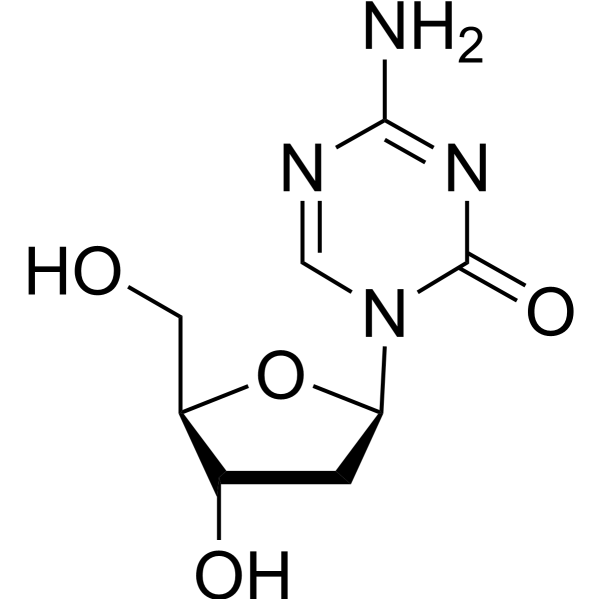
Decitabine (NSC 127716) is an orally active deoxycytidine analogue antimetabolite and a DNA methyltransferase inhibitor. Decitabine incorporates into DNA in place of cytosine can covalently trap DNA methyltransferase to DNA causing irreversible inhibition of the enzyme. Decitabine induces cell G2/M arrest and cell apoptosis. Decitabine has potent anticancer activity .
|
-
- HY-W008820R
-
|
|
Reference Standards
Endogenous Metabolite
|
Metabolic Disease
|
|
Glutaric acid (Standard) is the analytical standard of Glutaric acid. This product is intended for research and analytical applications. Glutaric acid, C5 dicarboxylic acid, is an intermediate during the catabolic pathways of lysine and tryptophan. Glutaric acid affects pericyte contractility and migration. Glutaric acid is an indicator of glutaric aciduria type I .
In Vitro: Glutaric acid (GA) at concentrations of 1 and 2 mM is able to reduce TRAP measurement by up to 28% in a dose-dependent manner (β=0.77; P<0.001). Furthermore, a significantly inverse correlation is also verified between chemiluminescence and TRAP (β=0.81; P<0.001). Glutaric acid does not alter the activities of Cat and SOD, but strongly inhibits (up to 46%) the activity of GPx even at the lower concentration used (0.5 mM). It is observed that the metabolite inhibits this activity in a dose-dependent manner at concentrations as low as 0.05 mM .
|
-
- HY-183957
-
|
|
Drug Isomer
Sex Pheromone
|
Infection
|
|
(Z,E)-7,11-Hexadecadienal is a geometric isomer of Z7,Z11-16:Ald, the core component of the citrus leafminer sex pheromone. (Z,E)-7,11-Hexadecadienal acts as a sex pheromone tropism inhibitor; when mixed with the sex pheromone Z7,Z11-16:Ald, it blocks the tropism of male citrus leafminers towards the sex pheromone component. (Z,E)-7,11-Hexadecadienal can be used in insect resistance-related research .
|
-
- HY-115689
-
|
|
Others
|
Others
|
|
Maohuoside B is a flavonoid, that can be isolated from Epimedium koreanum Nakai .
|
-
- HY-N4117
-
|
|
Bacterial
|
Infection
|
|
Hamamelitannin, a polyphenol extracted from the bark of Hamamelis virginiana, is a quorum-sensing (QS) inhibitor. Hamamelitannin increases antibiotic susceptibility of staphylococcus aureus biofilms by affecting peptidoglycan biosynthesis and eDNA release .
|
-
- HY-186046
-
|
|
Glutathione Peroxidase
|
Cardiovascular Disease
Inflammation/Immunology
|
|
MPO-IN-10 is an orally active, selective, and irreversible inhibitor of myeloperoxidase (MPO), with an IC50 of 0.080 μM against human MPO. MPO-IN-10 exhibits higher selectivity for extracellular MPO over intracellular (neutrophil) MPO. MPO-IN-10 can be used in the study of inflammatory diseases such as vascular disorders .
|
-
- HY-W753500
-
|
|
Others
|
Endocrinology
|
|
(E,E)-9,11-Tetradecadienyl acetate is a female sex pheromone isolated from light-induced isomerization products in female coastal noctuid moths .
|
-
- HY-10119R
-
|
SCH 530348 (Standard)
|
Reference Standards
Protease Activated Receptor (PAR)
|
Cardiovascular Disease
|
|
Vorapaxar (Standard) is the analytical standard of Vorapaxar. This product is intended for research and analytical applications. Vorapaxar (SCH 530348), an antiplatelet agent, is a selective, orally active, and competitive thrombin receptor protease-activated receptor (PAR-1) antagonist (Ki=8.1 nM). Vorapaxar (SCH 530348) inhibits thrombin receptor-activating peptide (TRAP)-induced platelet aggregation in a dose-dependent manner .
|
-
- HY-10119S
-
|
SCH 530348-d5
|
Protease Activated Receptor (PAR)
Isotope-Labeled Compounds
|
Cardiovascular Disease
|
|
Vorapaxar-d5 is deuterated labeled Vorapaxar (HY-10119). Vorapaxar (SCH 530348), an antiplatelet agent, is a selective, orally active, and competitive thrombin receptor protease-activated receptor (PAR-1) antagonist (Ki=8.1 nM). Vorapaxar (SCH 530348) inhibits thrombin receptor-activating peptide (TRAP)-induced platelet aggregation in a dose-dependent manner .
|
-
- HY-Y0278R
-
-
- HY-161431
-
|
|
DNA/RNA Synthesis
|
Cancer
|
|
RTx-152 traps Polθ on DNA and is an allosteric Polθ-pol inhibitor (IC50: 6.2 nM). RTx-152 selectively kills HR-deficient cancer cells, and suppresses PARP inhibitor resistance in multiple genetic backgrounds, including homologous recombination (HR)-proficient cells. RTx-152 selectively kills BRCA2-null cells .
|
-
- HY-145804
-
|
AZD-9574
|
PPAR
|
Neurological Disease
Cancer
|
|
AZD-9574 is a potent and brain penetrant PARP1 inhibitor and shows >8000-fold selectivity for PARP1 compared to PARP2/3/5a/6. AZD-9574 acts by selectively inhibiting and trapping PARP1 at the sites of SSBs. AZD-9574 is an anti-cancer agent and can be used for HRD +?breast cancer and advanced solid malignancies research .
|
-
- HY-107194
-
|
|
FGFR
c-Myc
DNA/RNA Synthesis
Caspase
Reactive Oxygen Species (ROS)
|
Cancer
|
|
NSC12 is an orally active pan-FGF trap. NSC12 inhibits the interaction between FGF2/FGFR. NSC12 suppresses the phosphorylation of FGFR3. NSC12 reduces c-Myc levels, induces DNA damage, triggers the cleavage of Caspase 3, and promotes ROS production. NSC12 exhibits anticancer activity against lung cancer and multiple myeloma .
|
-
- HY-10586R
-
|
Azacitidine (Standard); 5-AzaC (Standard); Ladakamycin (Standard)
|
Organoid
Reference Standards
Nucleoside Antimetabolite/Analog
DNA Methyltransferase
Bacterial
Autophagy
Antibiotic
|
Infection
Cancer
|
|
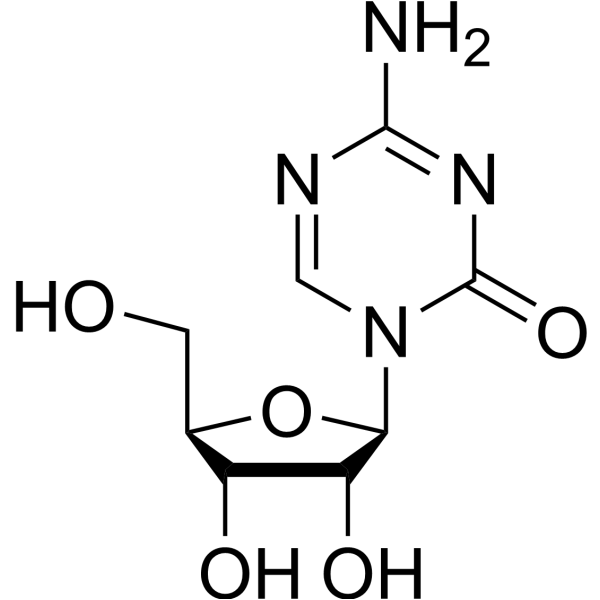
5-Azacytidine (Standard) is the analytical standard of 5-Azacytidine. This product is intended for research and analytical applications. 5-Azacytidine (Azacitidine; 5-AzaC; Ladakamycin) is a nucleoside analogue of cytidine that specifically inhibits DNA methylation. 5-Azacytidine is incorporated into DNA to covalently trap DNA methyltransferases and contributes to reverse epigenetic changes . 5-Azacytidine induces cell autophagy .
|
-
- HY-108235BR
-
|
(Rac)-AZD6765 (Standard)
|
iGluR
Reference Standards
|
Neurological Disease
|
|
(Rac)-Lanicemine (Standard) is the analytical standard of (Rac)-Lanicemine. This product is intended for research and analytical applications. (Rac)-Lanicemine ((Rac)-AZD6765) is the racemate of Lanicemine. Lanicemine (AZD6765) is a low-trapping NMDA channel blocker (Ki of 0.56-2.1 μM for NMDA receptor; IC50s of 4-7 μM and 6.4 μM in CHO and Xenopus oocyte cells, respectively). Antidepressant effects .
|
-
- HY-W004292S1
-
|
Undecyl alcohol-d4
|
Isotope-Labeled Compounds
Drug Derivative
Insecticide
|
Infection
|
|
1-Undecanol-d4 (Undecyl alcohol-d4) is the deuterium labeled 1-Undecanol (HY-W004292). 1-Undecanol (Undecyl alcohol) is the main product generated from the degradation of 2-tridecanone by Pseudomonas bacteria isolated from the soil. 1-Undecanol can enhance the attraction of Grapholita molesta to sex pheromone traps .
|
-
- HY-10119AR
-
|
SCH 530348 sulfate (Standard)
|
Reference Standards
Protease Activated Receptor (PAR)
|
Cardiovascular Disease
|
|
Vorapaxar (sulfate) (Standard) is the analytical standard of Vorapaxar (sulfate). This product is intended for research and analytical applications. Vorapaxar sulfate (SCH 530348 sulfate), an antiplatelet agent, is a selective, orally active, and competitive thrombin receptor protease-activated receptor (PAR-1) antagonist (Ki=8.1 nM). Vorapaxar sulfate inhibits thrombin receptor-activating peptide (TRAP)-induced platelet aggregation in a dose-dependent manner .
|
-
- HY-W004292S
-
|
Undecyl alcohol-d23
|
Isotope-Labeled Compounds
Drug Derivative
Insecticide
|
Infection
|
|
1-Undecanol-d23 (Undecyl alcohol-d23) is the deuterium labeled 1-Undecanol (HY-W004292). 1-Undecanol (Undecyl alcohol) is the main product generated from the degradation of 2-tridecanone by Pseudomonas bacteria isolated from the soil. 1-Undecanol can enhance the attraction of Grapholita molesta to sex pheromone traps .
|
-
- HY-104044R
-
|
BGB-290 (Standard)
|
Reference Standards
PARP
|
Cancer
|
|
Pamiparib (Standard) is the analytical standard of Pamiparib. This product is intended for research and analytical applications. Pamiparib (BGB-290) is an orally active, potent, highly selective PARP inhibitor, with IC50 values of 0.9 nM and 0.5 nM for PARP1 and PARP2, respectively. Pamiparib has potent PARP trapping, and capability to penetrate the brain, and can be used for the research of various cancers including the solid tumor .
|
-
- HY-137655
-
|
|
Protein Arginine Deiminase
|
Cancer
|
|
BMS-P5 is a selective and orally active peptidylarginine deiminase 4 (PAD4) inhibitor with an IC50 of 98 nM. BMS-P5 shows selective for PAD4 over PAD1, PAD2, and PAD3. BMS-P5 blocks multiple myeloma (MM)-induced neutrophil extracellular trap (NET) formation and delays progression of MM in a syngeneic mouse model .
|
-
- HY-W653970
-
-
- HY-156214
-
|
AP1867-PEG2-JQ1; AP-PEG2-JQ1
|
Epigenetic Reader Domain
|
Others
|
|
NICE-01 (AP1867-PEG2-JQ1; AP-PEG2-JQ1) is a bifunctional compound that bind to proteins in separate cellular compartments that can induce nuclear import of cytosolic cargoes, using nuclear-localized bromodomain-containing protein 4 (BRD4) as a “carrier” for co-import and nuclear trapping of cytosolic proteins .
|
-
- HY-W004292R
-
|
Undecyl alcohol (Standard)
|
Drug Derivative
Reference Standards
Insecticide
|
Infection
|
|
1-Undecanol (Standard) (Undecyl alcohol (Standard)) is an analytical reference standard for 1-Undecanol (HY-W004292). This product is used for research and analytical applications. 1-Undecanol (Undecyl alcohol) is the main product generated from the degradation of 2-tridecanone by Pseudomonas bacteria isolated from the soil. 1-Undecanol can enhance the attraction of Grapholita molesta to sex pheromone traps .
|
-
- HY-N0548
-
|
|
Glutathione S-transferase
|
Cancer
|
|
α-Angelica lactone is a naturally occurring anticarcinogen and an vinylogous nucleophile. α-Angelica lactone can give the chiral δ-amino γ,γ-disubstituted butenolide carbonyl derivatives and exhibitselectrophilic trapping at the γ-carbon. α-Angelica lactone exerts strong chemoprotective effects by selective enhancement of glutathione-S-thansferase (GST) and UDP-glucononosyltransferase (UGT) detoxification enzymes .
|
-
- HY-A0004R
-
|
5-Aza-2'-deoxycytidine (Standard); 5-AZA-CdR (Standard); NSC 127716 (Standard)
|
Reference Standards
DNA Methyltransferase
Apoptosis
Nucleoside Antimetabolite/Analog
|
Cancer
|
|
Decitabine (Standard) is the analytical standard of Decitabine. This product is intended for research and analytical applications. Decitabine (NSC 127716) is an orally active deoxycytidine analogue antimetabolite and a DNA methyltransferase inhibitor. Decitabine incorporates into DNA in place of cytosine can covalently trap DNA methyltransferase to DNA causing irreversible inhibition of the enzyme. Decitabine induces cell G2/M arrest and cell apoptosis. Decitabine has potent anticancer activity .
|
-
- HY-P11576
-
|
|
Integrin
Radionuclide-Drug Conjugates (RDCs)
|
Cancer
|
|
Cyclic αvβ6 (Compound c(FRGDLAFp(NMe)K)) is a αvβ6-integrin-specific cyclic nonapeptide. Cyclic αvβ6 can be coupled with 68Ga-labeled monomeric triazacyclononane-triphosphinate (TRAP). Cyclic αvβ6 can be used in PET imaging studies for cancers including head and neck cancer and pancreatic cancer .
|
-
- HY-137655A
-
|
|
Protein Arginine Deiminase
|
Cancer
|
|
BMS-P5 free base is a selective and orally active peptidylarginine deiminase 4 (PAD4) inhibitor with an IC50 of 98 nM. BMS-P5 free base shows selective for PAD4 over PAD1, PAD2, and PAD3. BMS-P5 free base blocks multiple myeloma (MM)-induced neutrophil extracellular trap (NET) formation and delays progression of MM in a syngeneic mouse model .
|
-
- HY-147696
-
|
|
HSP
AMPK
Reactive Oxygen Species (ROS)
|
Cancer
|
|
SMTIN-T140 (compound 6a) is a potent TRAP1 (tumor-necrosis-factor-receptor associated protein 1) inhibitor, with an IC50 of 1.646 μM. SMTIN-T140 shows anticancer activity. SMTIN-T140 leads to mitochondrial dysfunction, increases mitochondrial ROS production and activates AMPK. SMTIN-T140 potently suppressed tumor growth without any noticeable in vivo toxicity in a mouse model xenografted with PC3 prostate cancer cells .
|
-
- HY-A0004S
-
|
5-Aza-2'-deoxycytidine-13C5; 5-AZA-CdR-13C5; NSC 127716-13C5
|
Isotope-Labeled Compounds
DNA Methyltransferase
Nucleoside Antimetabolite/Analog
Apoptosis
|
Cancer
|
|
Decitabine- 13C5 (5-Aza-2'-deoxycytidine- 13C5) is 13C labeled Decitabine. Decitabine (NSC 127716) is an orally active deoxycytidine analogue antimetabolite and a DNA methyltransferase inhibitor. Decitabine incorporates into DNA in place of cytosine can covalently trap DNA methyltransferase to DNA causing irreversible inhibition of the enzyme. Decitabine induces cell G2/M arrest and cell apoptosis. Decitabine has potent anticancer activity .
|
-
- HY-145237
-
BM213
3 Publications Verification
|
Complement System
Apoptosis
Reactive Oxygen Species (ROS)
|
Cancer
|
|
BM213 is a selective C5aR agonist, with an EC50 of 59 nM. BM213 specifically activates the C5a-C5aR1 axis, which in turn promotes neutrophil extracellular trap (NET) formation and exacerbates inflammatory responses. BM213 significantly induces ventricular dilationin, promotes myocardial ROS production, and induces cardiomyocyte apoptosis in rats. BM213 can be used for the study of myocardial ischemia/reperfusion (I/R) injury .
|
-
- HY-182818
-
|
|
p38 MAPK
Keap1-Nrf2
Reactive Oxygen Species (ROS)
|
Metabolic Disease
|
|
SH494 is a p38 MAPK inhibitor and Nrf2 pathway activator. SH494 inhibits RANKL-induced phosphorylation of p38 and disrupts the MAPK cascade associated with osteoclastogenesis. SH494 activates the Nrf2 pathway, upregulates downstream target genes and induces the expression of cytoprotective enzymes. SH494 reduces intracellular ROS accumulation and restores mitochondrial membrane potential (ΔΨm) to normal. SH494 decreases osteoclast activity and alleviates osteoporosis symptoms in ovariectomized mice. SH494 can be used for research on osteoporosis .
|
-
- HY-P99263
-
|
Anti-Human selectin P Recombinant Antibody
|
P-selectin
|
Cardiovascular Disease
|
|
Inclacumab (Anti-Human selectin P Recombinant Antibody) is a human monoclonal IgG4 antibody selectively targets P-selectin with a Kd value of 9.9 nM. Inclacumab inhibits P-selectin glycoprotein ligand 1 (PSGL-1) mimetic peptide bind with P-selectin with an IC50 value of 1.9 μg/mL and strongly inhibits cell adhesion .
|
-
- HY-117401
-
|
|
Fluorescent Dye
|
Others
|
|
5-Dodecanoylaminofluorescein is an amphipathic (amphoteric) fluorescent probe (Ex/Em = 485 nm/515-535 nm), which consists of a hydrophilic fluorescein core and a hydrophobic dodecanoyl group (C12 fatty acid chain) linked by an amide bond. 5-Dodecanoylaminofluorescein is mainly used as an interface-localized radical trapping/indicator probe. Dodecanoylaminofluorescein can be used for the determination of the antioxidant properties of emulsions, or can serve as a lipophilic drug model for the study of passive skin penetration when encapsulated in tyrosine-derived nanospheres .
|
-
- HY-157157
-
|
|
Protein Arginine Deiminase
|
Cancer
|
|
PAD4-IN-3 (compound 4B) is a PAD4 inhibitor with antitumor activity in vitro and in vivo. PAD4-IN-3 was covalently linked to RGD sequence peptide-modified chitosan (K-CRGDV), resulting in an enhanced oxidative stress-responsive nanoagent. K-CRGDV-PAD4-IN-3 can actively target tumors, inhibit PAD4 activity, block the formation of neutrophil extracellular traps (NETs), and improve the tumor immune microenvironment in response to the tumor microenvironment .
|
-
- HY-W591449
-
|
|
Liposome
|
Cancer
|
|
DOPE-PEG2000-Azide is a liposome to simulate biological phospholipid membrane. Liposomes are the main component of vesicles with concentric phospholipid bilayer membranes, which can be used to construct drug delivery systems for anti-cancer and anti-infection fields. Highly polar water-soluble payloads can be trapped in the internal aqueous space of liposomes, while lipophilic payloads can partition into and become part of the lipid bilayer. Especially for delivering antisense oligonucleotides, it can overcome problems such as inefficient cellular uptake and rapid loss in the body .
|
-
- HY-W013159
-
|
5′-dGMP disodium
|
Endogenous Metabolite
Nucleoside Antimetabolite/Analog
|
Metabolic Disease
|
|
2'-Deoxyguanosine 5'-monophosphate (5′-dGMP) disodium is a mononucleotide having guanine as the nucleobase. 2'-Deoxyguanosine 5'-monophosphate disodium is a reactant involved in analysis of self-assembling in solution and nucleation/growth of G-qudruplexes, nucleophilic trapping and reductive alkylation. 2'-Deoxyguanosine 5'-monophosphate disodium can be used as an oxidizable target. 2'-Deoxyguanosine 5'-monophosphate disodium is a nucleic acid guanosine triphosphate (GTP) derivative and is a nucleotide precursor used in DNA synthesis .
|
-
- HY-170959
-
|
|
Ferroptosis
|
Neurological Disease
Metabolic Disease
|
|
NYY-6a is a Ferroptosis inhibitor. NYY-6a shows significant inhibitory activity against RSL3-induced ferroptosis across 786-O and HT-1080 cells with EC50s of 52 and 50 nM, respectively. NYY-6a functions as a radical trapping antioxidant (RTA) with efficacy of diminishing lipid peroxidation comparable to ferrostatin-1 and liproxtatin-1. NYY-6a is potential for ferroptosis related pathologies reasearch .
|
-
- HY-153725
-
|
|
Liposome
|
Cancer
|
|
17:1 Lyso PC is a liposome to simulate biological phospholipid membrane. Liposomes are the main component of vesicles with concentric phospholipid bilayer membranes, which can be used to construct drug delivery systems for anti-cancer and anti-infection fields. Highly polar water-soluble payloads can be trapped in the internal aqueous space of liposomes, while lipophilic payloads can partition into and become part of the lipid bilayer. Especially for delivering antisense oligonucleotides, it can overcome problems such as inefficient cellular uptake and rapid loss in the body .
|
-
- HY-W002438
-
|
|
Biochemical Assay Reagents
Endogenous Metabolite
OAT
Ferroptosis
|
Neurological Disease
Metabolic Disease
|
|
6-Hydroxyindole is an orally active, endogenous long-acting OATP1B1 inhibitor. 6-Hydroxyindole does not alter the cell surface expression or subcellular localization of OATP1B1. 6-Hydroxyindole protects cells against Ferroptosis. 6-Hydroxyindole possesses intrinsic radical-trapping antioxidant activity. 6-Hydroxyindole serves as a component of oxidative hair dyes. 6-Hydroxyindole can be used in research related to renal failure and neurodegenerative diseases .
|
-
- HY-100574A
-
|
|
Protein Arginine Deiminase
Apoptosis
MicroRNA
|
Inflammation/Immunology
Cancer
|
|
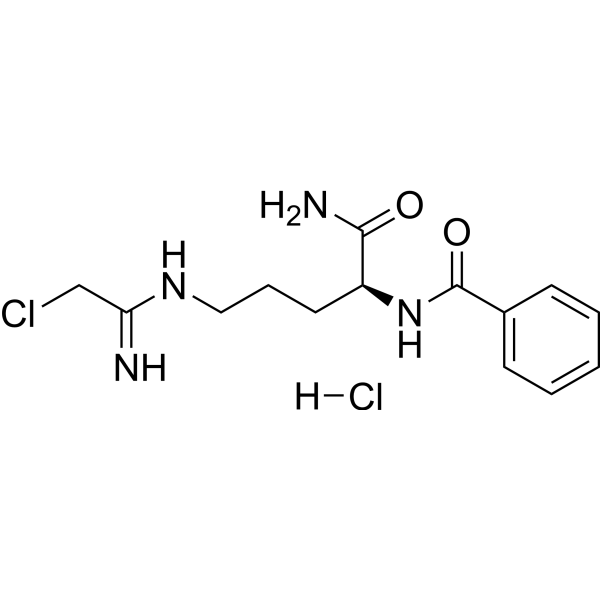
Cl-amidine hydrochloride is an orally active peptidylarginine deminase (PAD) inhibitor, with IC50 values of 0.8 μM, 6.2 μM and 5.9 μM for PAD1, PAD3, and PAD4, respectively. Cl-amidine hydrochloride induces apoptosis in cancer cells. Cl-amidine hydrochloride induces microRNA (miR)-16 (miRNA-16, microRNA-16) expression and causes cell cycle arrest. Cl-Amidine hydrochloride prevents histone 3 citrullination and neutrophil extracellular trap formation, and improves survival in a murine sepsis model .
|
-
- HY-121282B
-
|
Pecazine acetate
|
Apoptosis
MALT1
|
Others
|
|
Mepazine acetate (Pecazine acetate) is a drug that has the activity to inhibit the protease activity of MALT1. Mepazine acetate is often used to study the role of MALT1 in biology. Treatment of mouse bone marrow precursor cells with mepazine acetate strongly inhibited RANK ligand (RANKL)-induced osteoclast formation. Mepazine acetate also inhibited the expression of multiple osteoclast markers such as TRAP, feline hepsin K, and calcitonin. The protective effect of mepazine acetate was not affected by MALT1 deficiency. The mechanism of action of mepazine acetate may involve MALT1-independent mechanisms, and this aspect needs to be considered in future studies .
|
-
- HY-100574
-
|
|
Protein Arginine Deiminase
Apoptosis
MicroRNA
|
Inflammation/Immunology
Cancer
|
|
Cl-amidine is an orally active peptidylarginine deminase (PAD) inhibitor, with IC50 values of 0.8 μM, 6.2 μM and 5.9 μM for PAD1, PAD3, and PAD4, respectively. Cl-amidine induces apoptosis in cancer cells. Cl-amidine induces microRNA (miR)-16 (miRNA-16, microRNA-16) expression and causes cell cycle arrest. Cl-Amidine prevents histone 3 citrullination and neutrophil extracellular trap formation, and improves survival in a murine sepsis model .
|
-
- HY-173172
-
|
|
Eukaryotic Initiation Factor (eIF)
Apoptosis
c-Myc
CDK
|
Cancer
|
|
MG-002 is an orally active eIF4A inhibitor. MG-002 non-productively traps the eukaryotic translation initiation factor 4A (eIF4A) onto RNA, hindering the recruitment and scanning of ribosomes, thereby inhibiting mRNA translation. MG-002 selectively inhibits the growth and metastasis formation of triple-negative breast cancer (TNBC) tumors and induces cell apoptosis. MG-002 significantly inhibits the protein expression of c-MYC and cyclin D1. MG-002 can be used for research on TNBC .
|
-
- HY-N0548R
-
|
|
Glutathione S-transferase
Reference Standards
|
Cancer
|
|
α-Angelica lactone (Standard) is the analytical standard of α-Angelica lactone. This product is intended for research and analytical applications. α-Angelica lactone is a naturally occurring anticarcinogen and an vinylogous nucleophile. α-Angelica lactone can give the chiral δ-amino γ,γ-disubstituted butenolide carbonyl derivatives and exhibitselectrophilic trapping at the γ-carbon. α-Angelica lactone exerts strong chemoprotective effects by selective enhancement of glutathione-S-thansferase (GST) and UDP-glucononosyltransferase (UGT) detoxification enzymes .
|
-
- HY-100574B
-
|
|
Protein Arginine Deiminase
Apoptosis
MicroRNA
|
Inflammation/Immunology
Cancer
|
|
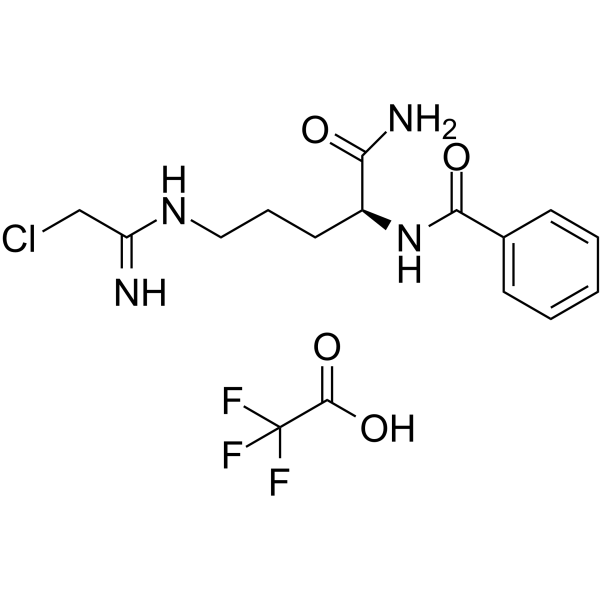
Cl-amidine TFA is an orally active peptidylarginine deminase (PAD) inhibitor, with IC50 values of 0.8 μM, 6.2 μM and 5.9 μM for PAD1, PAD3, and PAD4, respectively. Cl-amidine TFA induces apoptosis in cancer cells. Cl-amidine TFA induces microRNA (miR)-16 (miRNA-16, microRNA-16) expression and causes cell cycle arrest. Cl-Amidine TFA prevents histone 3 citrullination and neutrophil extracellular trap formation, and improves survival in a murine sepsis model .
|
-
- HY-W129199
-
|
Calcium levulinate
|
Drug Intermediate
|
Metabolic Disease
|
|
Calcium 4-Oxopentanoate (levulinic acid calcium) is an effective oral calcium supplement and is commonly used as a food additive. Calcium 4-Oxopentanoate can be reduced in the liver to 4-hydroxypentanoate (HY-W107263), and ethanol enhances this reduction process. Calcium 4-Oxopentanoate can be used for studies on calcium deficiency .
|
-
- HY-134111
-
|
|
Sex Pheromone
|
Others
|
|
(Z)-9-Dodecenyl acetate is a monounsaturated dodecenyl acetate, EAG stimulant and attraction inhibitor. (Z)-9-Dodecenyl acetate elicits electroantennogram (EAG) responses in the antennae of male Choristoneura rosaceana.
|
-
- HY-W271506
-
|
3,3,5,5-Tetramethyl-1-pyrroline 1-oxide
|
Reactive Oxygen Species (ROS)
Apoptosis
|
Inflammation/Immunology
|
|
TMPO (3,3,5,5-Tetramethyl-1-pyrroline 1-oxide) is a spin trap targeting free radicals. TMPO is capable of scavenging superoxide, hydroxyl radicals and inhibits thymocyte apoptosis with EC50 values of 19.1 mM (MPS-induced) to 30.7 mM (Etoposide-induced) for inhibiting DNA fragmentation. TMPO reacts with intracellular free radicals to form stable nitroxide radical products, reducing oxidative stress (e.g., decreasing peroxide levels, maintaining glutathione content) and blocking oxidative events in the apoptotic pathway. TMPO is promising for research of apoptosis in immune cells like thymocytes .
|
-
- HY-100072
-
|
Methyl (2E,4E,6Z)-decatrienoate
|
Others
|
Infection
|
|
(2E,4E,6Z)-Methyl deca-2,4,6-trienoate (Methyl (2E,4E,6Z)-decatrienoate) is the aggregation pheromone of the brown-winged green bug, Plautia stali. (2E,4E,6Z)-Methyl deca-2,4,6-trienoate exposed to daylight in solutions and/or on dispensers used for field trapping can readily isomerize to form complex mixtures of isomers, thus causing a concern about lure stability and longevity .
|
-
- HY-170620
-
|
|
PROTACs
PARP
|
Cancer
|
|
PARP1 PROTAC 180055 (Compound 180055) is a selective PARP1 PROTAC degrader (DC50 in T47D and MDA-MB-231 cell lines is 180 nM and 240 nM, respectively). PARP1 PROTAC 180055 promotes ubiquitination and degradation of PARP1 as well as inhibits PARP1 enzyme activity without a noticeable DNA trapping effect. PARP1 PROTAC 180055 inhibits tumors carrying BRCA mutations with a minor impact on the growth of normal cells (Pink: PARP1 ligand (HY-10617A); Blue: E3 ligase VHL ligand (HY-125845); Black: linker (HY-W014787)) .
|
-
- HY-P99444
-
|
MSTT 1041A; RG 6149
|
Interleukin Related
MDM-2/p53
NF-κB
|
Cardiovascular Disease
Inflammation/Immunology
|
|
Astegolimab (MSTT 1041A; RG 6149) is a human IgG2 monoclonal antibody. Astegolimab blocks IL-33 signaling by targeting the IL-33 receptor ST2. Astegolimab reduces p53 expression, mitigates IL33-upregulated SASP factors such as IL1α, IL6 and MCP1. Astegolimab mitigates IL33-increased p-p65/p65 ratio. Astegolimab blocks CM-induced neutrophil extracellular trap (NET) formation. Astegolimab is used in chronic obstructive pulmonary disease (COPD) and myocardial research .
|
-
- HY-181464
-
|
|
NO Synthase
|
Cardiovascular Disease
|
|
CAY10565 (Compound 3d) is a nitric oxide (NO) donor. CAY10565 releases nitric acid via an acid-catalyzed ring-opening mechanism under acidic conditions. CAY10565 induces vasodilation .
|
-
- HY-N12909
-
|
Z9,E12-14:Ald
|
Others
|
Endocrinology
|
|
(Z,E)-9,12-Tetradecadienal (Z9,E12-14:Ald) is a female pheromone that can induce an electroantennographic response in male antennae, isolated from the sex pheromone extracts of Plodia interpunctella (lepidoptera: pyralidae) .
|
-
- HY-182757
-
|
|
RANKL/RANK
Nuclear Factor of activated T Cells (NFAT)
Cathepsin
|
Metabolic Disease
Inflammation/Immunology
|
|
Y1693 is an orally active RANKL inhibitor with a Kd of 5.03 μM for hRANKL. Y1693 inhibits the activation of the downstream c-fos/NFATc1 signaling pathway by blocking its interaction with RANK. Y1693 significantly inhibits RANKL-induced osteoclast differentiation, F-actin ring formation and bone resorptive activity, while downregulating the mRNA and protein expressions of TRAP, cathepsin K, c-fos and NFATc1. Y1693 shows no obvious cytotoxicity to bone marrow-derived macrophages and osteoclast precursor cells, and exhibits favorable ADME properties. Y1693 improves ovariectomy-induced osteoporosis in mice and reverses ligation-induced periodontal alveolar bone loss. Y1693 is applicable to research related to osteoporosis and periodontal diseases .
|
-
- HY-P10466A
-
|
|
Sec61
SARS-CoV
Interleukin Related
TNF Receptor
IFNAR
|
Infection
Inflammation/Immunology
|
|
KZR-8445 TFA, a cyclic depsipeptide, is a client-selective Sec61 inhibitor. KZR-8445 TFA binds to the fully opened Sec61 lateral gate, blocks lumenal plug domain access, stabilizes lateral gate helices, traps select signal peptides, and disrupts secretory and membrane protein biogenesis. KZR-8445 TFA inhibits pro-inflammatory cytokine secretion in primary immune cells. KZR-8445 TFA inhibits SARS-CoV-2 replication, virus-induced cytotoxicity, and spike protein biogenesis. KZR-8445 TFA blocks disease progression in a mouse model of rheumatoid arthritis. KZR-8445 TFA can be used for the researches of rheumatoid arthritis and SARS-CoV-2 infection .
|
-
- HY-P10466
-
|
|
Sec61
SARS-CoV
Interleukin Related
TNF Receptor
IFNAR
|
Infection
Inflammation/Immunology
|
|
KZR-8445, a cyclic depsipeptide, is a client-selective Sec61 inhibitor. KZR-8445 binds to the fully opened Sec61 lateral gate, blocks lumenal plug domain access, stabilizes lateral gate helices, traps select signal peptides, and disrupts secretory and membrane protein biogenesis. KZR-8445 inhibits pro-inflammatory cytokine secretion in primary immune cells. KZR-8445 inhibits SARS-CoV-2 replication, virus-induced cytotoxicity, and spike protein biogenesis. KZR-8445 blocks disease progression in a mouse model of rheumatoid arthritis. KZR-8445 can be used for the researches of rheumatoid arthritis and SARS-CoV-2 infection .
|
-
- HY-W013159R
-
|
5′-dGMP disodium (Standard)
|
Endogenous Metabolite
Reference Standards
Nucleoside Antimetabolite/Analog
|
Metabolic Disease
|
|
2'-Deoxyguanosine 5'-monophosphate (disodium) (Standard) is the analytical standard of 2'-Deoxyguanosine 5'-monophosphate (disodium) (HY-W013159). This product is intended for research and analytical applications. 2'-Deoxyguanosine 5'-monophosphate (5′-dGMP) disodium is a mononucleotide having guanine as the nucleobase. 2'-Deoxyguanosine 5'-monophosphate disodium is a reactant involved in analysis of self-assembling in solution and nucleation/growth of G-qudruplexes, nucleophilic trapping and reductive alkylation. 2'-Deoxyguanosine 5'-monophosphate disodium can be used as an oxidizable target. 2'-Deoxyguanosine 5'-monophosphate disodium is a nucleic acid guanosine triphosphate (GTP) derivative and is a nucleotide precursor used in DNA synthesis .
|
-
- HY-145996
-
|
|
Biochemical Assay Reagents
|
Cardiovascular Disease
Infection
|
|
STC314 is a histone-neutralizing agent. STC314 inhibits histone-mediated cytotoxicity, blocks histone-induced erythrocyte aggregation, reduces fragility, restores deformability and inhibits histone-induced aggregation and degranulation in human erythrocytes. STC314 reduces histone-mediated tissue damage, thrombocytopenia, anemia, and cell death, and improves survival in preclinical models. STC314 can be used for the research of sepsis, ischemia-reperfusion injury, and deep-vein thrombosis .
|
-
- HY-W013159S
-
|
5′-dGMP-13C10,15N5 disodium
|
Isotope-Labeled Compounds
Endogenous Metabolite
Nucleoside Antimetabolite/Analog
|
Metabolic Disease
|
|
2'-Deoxyguanosine 5'-monophosphate- 13C10, 15N5 (dGMP- 13C10, 15N5) disodium is the 13C and 15N labeled 2'-Deoxyguanosine 5'-monophosphate disodium (HY-W013159). 2'-Deoxyguanosine 5'-monophosphate (5′-dGMP) disodium is a mononucleotide having guanine as the nucleobase. 2'-Deoxyguanosine 5'-monophosphate disodium is a reactant involved in analysis of self-assembling in solution and nucleation/growth of G-qudruplexes, nucleophilic trapping and reductive alkylation. 2'-Deoxyguanosine 5'-monophosphate disodium can be used as an oxidizable target. 2'-Deoxyguanosine 5'-monophosphate disodium is a nucleic acid guanosine triphosphate (GTP) derivative and is a nucleotide precursor used in DNA synthesis .
|
-
- HY-141466
-
|
|
Endogenous Metabolite
Histone Acetyltransferase
|
Infection
Metabolic Disease
Inflammation/Immunology
|
|
Crotonyl-CoA, a high-energy acyl donor, is an intermediate in the fermentation of butyric acid, and in the metabolism of lysine and tryptophan. Crotonyl-CoA is important in the metabolism of fatty acids and amino acids. Crotonyl-CoA acts as a substrate for p300’s histone crotonyltransferase activity, competing with acetyl-CoA for p300-mediated histone acylation reactions. Crotonyl-CoA regulates global and gene-specific histone crotonylation levels in cells, with cellular concentration changes altering histone crotonylation at regulatory elements of activated genes. Crotonyl-CoA serves as the substrate for crotonyl-CoA reductase/carboxylase (CCRC)-catalyzed NADPH-mediated reduction and carbon dioxide trapping to form unusual alkylmalonyl-CoA polyketide synthase extender units. Crotonyl-CoA can be used for the research of LPS-induced inflammatory response .
|
-
- HY-P10868
-
|
RLS-0071
|
Reactive Oxygen Species (ROS)
|
Infection
Inflammation/Immunology
|
|
Pegtarazimod (RLS-0071) is a dual-target anti-inflammatory peptide that exerts its effects by simultaneously regulating the complement system and neutrophil-associated inflammatory pathways. Pegtarazimod reduces ROS production both in vitro and in vivo, and decreases the level of neutrophil elastase, a marker of neutrophil extracellular traps (NETs), in vivo, thereby alleviating inflammatory responses. Pegtarazimod significantly improves the survival rate of mice in multiple in vivo models of acute graft-versus-host disease (aGVHD). Pegtarazimod inhibits the activation of the C1 complex, reduces the herpes zoster-like spread of herpes simplex virus type 1 skin infection, and improves the survival rate of infected mice . Pegtarazimod can be used in research related to acute graft-versus-host disease, acute pulmonary diseases, and skin herpes simplex virus type 1 infection .
|
-
- HY-141466A
-
|
|
Endogenous Metabolite
Histone Acetyltransferase
|
Infection
Metabolic Disease
Inflammation/Immunology
|
|
Crotonyl-CoA tetrasodium, a high-energy acyl donor, is an intermediate in the fermentation of butyric acid, and in the metabolism of lysine and tryptophan. Crotonyl-CoA tetrasodium is important in the metabolism of fatty acids and amino acids. Crotonyl-CoA tetrasodium acts as a substrate for p300’s histone crotonyltransferase activity, competing with acetyl-CoA for p300-mediated histone acylation reactions. Crotonyl-CoA tetrasodium regulates global and gene-specific histone crotonylation levels in cells, with cellular concentration changes altering histone crotonylation at regulatory elements of activated genes. Crotonyl-CoA tetrasodium serves as the substrate for crotonyl-CoA reductase/carboxylase (CCRC)-catalyzed NADPH-mediated reduction and carbon dioxide trapping to form unusual alkylmalonyl-CoA polyketide synthase extender units. Crotonyl-CoA tetrasodium can be used for the research of LPS-induced inflammatory response .
|
-
- HY-166309
-
|
|
Endogenous Metabolite
Histone Acetyltransferase
|
Infection
Metabolic Disease
Inflammation/Immunology
|
|
Crotonyl-CoA tetralithium, a high-energy acyl donor, is an intermediate in the fermentation of butyric acid, and in the metabolism of lysine and tryptophan. Crotonyl-CoA tetralithium is important in the metabolism of fatty acids and amino acids. Crotonyl-CoA tetralithium acts as a substrate for p300’s histone crotonyltransferase activity, competing with acetyl-CoA for p300-mediated histone acylation reactions. Crotonyl-CoA tetralithium regulates global and gene-specific histone crotonylation levels in cells, with cellular concentration changes altering histone crotonylation at regulatory elements of activated genes. Crotonyl-CoA tetralithium serves as the substrate for crotonyl-CoA reductase/carboxylase (CCRC)-catalyzed NADPH-mediated reduction and carbon dioxide trapping to form unusual alkylmalonyl-CoA polyketide synthase extender units. Crotonyl-CoA tetralithium can be used for the research of LPS-induced inflammatory response .
|
-
- HY-W106720
-
|
|
Insecticide
|
Infection
|
|
(E)-11-Tetradecenyl acetate is a monounsaturated 14-carbon acetate insecticide and a component of the sex pheromone of the currant shoot borer. (E)-11-Tetradecenyl acetate triggers strong antennal responses in males and is used in combination with (Z)-11-tetradecenyl acetate to produce an attracting effect. (E)-11-Tetradecenyl acetate has important application value in the sustainable control of pests, and can be used to monitor population dynamics and implement mating disruption. (E)-11-Tetradecenyl acetate is highly species-specific, triggering only extremely weak responses and showing no attracting activity towards Melanotus communis beetles. (E)-11-Tetradecenyl acetate can be used in studies related to the currant shoot borer and targeted pest control .
|
-
- HY-W108424
-
|
|
Sex Pheromone
|
Others
|
|
(Z)-11-Tetradecenyl acetate is a sex pheromone component and attractant for male Euhyponomeutoides albithoracellus. (Z)-11-Tetradecenyl acetate elicits strong, consistent electrophysiological responses in male Euhyponomeutoides albithoracellus antennal receptors. (Z)-11-Tetradecenyl acetate attracts male Euhyponomeutoides albithoracellus when paired with (E)-11-tetradecenyl acetate, with highest attraction at specific E:Z isomer ratios. (Z)-11-Tetradecenyl acetate can be used for the research of sustainable pest control including monitoring and mating disruption .
|
-
- HY-Y1325I
-
|
|
Environmental Pollutants
Biochemical Assay Reagents
Apoptosis
NO Synthase
p38 MAPK
Heme Oxygenase (HO)
Keap1-Nrf2
Wnt
β-catenin
|
Metabolic Disease
Inflammation/Immunology
Cancer
|
|
Sodium acetate trihydrate, 99.5% is a short-chain fatty acid salt with multiple biological activities. Sodium acetate trihydrate, 99.5% serves as a direct precursor of acetyl-CoA, and it extensively affects gene expression by promoting histone acetylation. Sodium acetate trihydrate, 99.5% can activate the p38 MAPK pathway to induce cancer cell apoptosis. Sodium acetate trihydrate, 99.5% can activate the Wnt/β-catenin signaling pathway to stimulate the proliferation and migration of cecal epithelial cells, thereby improving intestinal health. Sodium acetate trihydrate, 99.5% alleviates lead accumulation and oxidative damage by upregulating the testosterone-dependent eNOS/NO/cGMP signaling pathway, as well as activating the Nrf2/HO-1 pathway and its downstream antioxidant enzymes .
|
-
- HY-W099643
-
|
Erucyl alcohol
|
Endogenous Metabolite
|
Others
|
|
Cis-13-docosenol (Erucyl alcohol) is a long-chain alcohol pheromone in insects. Cis-13-docosenol exhibits attractive effects on both male and female adult Holotrichia parallela. Cis-13-docosenol can be used for the monitoring and control of adult Holotrichia parallela .
|
-
- HY-N0353R
-
|
(+)-Curdione (Standard)
|
Reference Standards
Ferroptosis
Apoptosis
Reactive Oxygen Species (ROS)
Autophagy
Glutathione Peroxidase
Keap1-Nrf2
Heme Oxygenase (HO)
TGF-β Receptor
Indoleamine 2,3-Dioxygenase (IDO)
|
Others
|
|
Curdione (Standard) is the analytical standard of Curdione. This product is intended for research and analytical applications. Curdione ((+)-Curdione) is an orally active sesquiterpenoid. Curdione inhibits platelet aggregation. Curdione induces ferroptosis in colorectal cancer via m6A methylation mediated by METTL14 and YTHDF2. Curdione inhibits ferroptosis in Isoproterenol (HY-B0468)-induced myocardial infarction by regulating the Keap1/Trx1/GPX4 signaling pathway, suppressing oxidative stress (ROS) and apoptosis. Curdione ameliorates Doxorubicin (HY-15142)-induced cardiotoxicity by inhibiting oxidative stress (ROS) and activating the Nrf2/HO-1 pathway. Curdione ameliorates sepsis-induced lung injury by inhibiting platelet-mediated neutrophil extracellular trap formation. Curdione ameliorates Bleomycin (HY-17565A)-induced pulmonary fibrosis by inhibiting TGF-β-induced fibroblast-to-myofibroblast differentiation. Curdione exhibits neuroprotective effects against focal cerebral ischemia-reperfusion injury in rats. Curdione exerts antiproliferative effects against human uterine leiomyosarcoma by targeting IDO1. Curdione protects vascular endothelial cells and atherosclerosis by regulating DNMT1-mediated ERBB4 promoter methylation. Curdione inhibits inducible prostaglandin E2 production (IC50 = 1.1 μM) and cyclooxygenase 2 expression .
|
-
- HY-N0353
-
|
(+)-Curdione
|
Ferroptosis
Apoptosis
Reactive Oxygen Species (ROS)
Autophagy
Glutathione Peroxidase
Keap1-Nrf2
Heme Oxygenase (HO)
TGF-β Receptor
Indoleamine 2,3-Dioxygenase (IDO)
|
Cardiovascular Disease
Neurological Disease
Cancer
|
|
Curdione ((+)-Curdione) is an orally active sesquiterpenoid. Curdione inhibits platelet aggregation. Curdione induces ferroptosis in colorectal cancer via m6A methylation mediated by METTL14 and YTHDF2. Curdione inhibits ferroptosis in Isoproterenol (HY-B0468)-induced myocardial infarction by regulating the Keap1/Trx1/GPX4 signaling pathway, suppressing oxidative stress (ROS) and apoptosis. Curdione ameliorates Doxorubicin (HY-15142)-induced cardiotoxicity by inhibiting oxidative stress (ROS) and activating the Nrf2/HO-1 pathway. Curdione ameliorates sepsis-induced lung injury by inhibiting platelet-mediated neutrophil extracellular trap formation. Curdione ameliorates Bleomycin (HY-17565A)-induced pulmonary fibrosis by inhibiting TGF-β-induced fibroblast-to-myofibroblast differentiation. Curdione exhibits neuroprotective effects against focal cerebral ischemia-reperfusion injury in rats. Curdione exerts antiproliferative effects against human uterine leiomyosarcoma by targeting IDO1. Curdione protects vascular endothelial cells and atherosclerosis by regulating DNMT1-mediated ERBB4 promoter methylation. Curdione inhibits inducible prostaglandin E2 production (IC50 = 1.1 μM) and cyclooxygenase 2 expression .
|
-
| Cat. No. |
Product Name |
Type |
-
- HY-115691
-
|
Styrene-BODIPY; Styrene-Conjugated BODIPY
|
Fluorescent Dyes
|
|
STY-BODIPY (Styrene-BODIPY; Styrene-Conjugated BODIPY) is a styrene-conjugated fluorescent probe used to measure the activity of radical-trapping antioxidants (RTAs)> .
|
-
- HY-117401
-
|
|
Fluorescent Dyes
|
|
5-Dodecanoylaminofluorescein is an amphipathic (amphoteric) fluorescent probe (Ex/Em = 485 nm/515-535 nm), which consists of a hydrophilic fluorescein core and a hydrophobic dodecanoyl group (C12 fatty acid chain) linked by an amide bond. 5-Dodecanoylaminofluorescein is mainly used as an interface-localized radical trapping/indicator probe. Dodecanoylaminofluorescein can be used for the determination of the antioxidant properties of emulsions, or can serve as a lipophilic drug model for the study of passive skin penetration when encapsulated in tyrosine-derived nanospheres .
|
-
- HY-D1491
-
|
|
Fluorescent Dyes
|
|
Fast Red Violet LB is a dye for staining tartrate resistant acid phosphatase (TRAP). Fast Red Violet LB can be used for alkaline phosphatase (ALP) activity staining .
|
-
- HY-D1759
-
|
|
Fluorescent Dyes
|
|
Fura-4F AM is a cell-permeant fluorescent calcium indicator. Upon entering the cell, this probe is hydrolyzed by cytosilic esterases and trapped as the active chelator.
|
-
- HY-D2902
-
|
|
Fluorescent Dyes
|
|
SNOTRAP (S-nitrosylation trapping by triaryl phosphine) is a chemical probe for S-nitrosylated (SNO) proteins. SNOTRAP based proteomic pipeline can identify 1181 SNO proteins (1714 SNO sites) in the brain of mouse models. SNOTRAP can be used for nitrosative stress related diseases such as neurodegenerative disease, endotoxic shock, cancer, multiple sclerosis, and sickle cell disease .
|
| Cat. No. |
Product Name |
Type |
-
- HY-Y1325I
-
|
|
Biochemical Assay Reagents
|
|
Sodium acetate trihydrate, 99.5% is a short-chain fatty acid salt with multiple biological activities. Sodium acetate trihydrate, 99.5% serves as a direct precursor of acetyl-CoA, and it extensively affects gene expression by promoting histone acetylation. Sodium acetate trihydrate, 99.5% can activate the p38 MAPK pathway to induce cancer cell apoptosis. Sodium acetate trihydrate, 99.5% can activate the Wnt/β-catenin signaling pathway to stimulate the proliferation and migration of cecal epithelial cells, thereby improving intestinal health. Sodium acetate trihydrate, 99.5% alleviates lead accumulation and oxidative damage by upregulating the testosterone-dependent eNOS/NO/cGMP signaling pathway, as well as activating the Nrf2/HO-1 pathway and its downstream antioxidant enzymes .
|
-
- HY-W002438
-
|
|
Biochemical Assay Reagents
|
|
6-Hydroxyindole is an orally active, endogenous long-acting OATP1B1 inhibitor. 6-Hydroxyindole does not alter the cell surface expression or subcellular localization of OATP1B1. 6-Hydroxyindole protects cells against Ferroptosis. 6-Hydroxyindole possesses intrinsic radical-trapping antioxidant activity. 6-Hydroxyindole serves as a component of oxidative hair dyes. 6-Hydroxyindole can be used in research related to renal failure and neurodegenerative diseases .
|
-
- HY-W099643
-
|
Erucyl alcohol
|
Biochemical Assay Reagents
|
|
Cis-13-docosenol (Erucyl alcohol) is a long-chain alcohol pheromone in insects. Cis-13-docosenol exhibits attractive effects on both male and female adult Holotrichia parallela. Cis-13-docosenol can be used for the monitoring and control of adult Holotrichia parallela .
|
-
- HY-NP216
-
|
LecB
|
Biochemical Assay Reagents
|
|
PA-IIL (LecB) is a lectin produced by Pseudomonas aeruginosa. PA-IIL binds to glycosylated β1-integrin, fucose-containing glycosphingolipids, fucosylated/mannosylated neutrophil glycoconjugates, and pre-formed neutrophil extracellular traps. PA-IIL disrupts host defenses: it creates favorable conditions for Pseudomonas aeruginosa infection and dissemination by modulating the bactericidal activity of neutrophils, impairing the trafficking and recruitment of immune cells, and compromising the repair capacity of epithelial barriers. PA-IIL can be used in studies related to Pseudomonas aeruginosa infection .
|
| Cat. No. |
Product Name |
Target |
Research Area |
-
- HY-P0078
-
|
PAR-1 agonist peptide; Thrombin Receptor Activator Peptide 6
|
Protease Activated Receptor (PAR)
|
Inflammation/Immunology
|
|
TRAP-6 (PAR-1 agonist peptide), a peptide fragment, is a selective protease activating receptor 1 (PAR1) agonist. TRAP-6 activates human platelets via the thrombin receptor. TRAP-6 shows no activity at PAR4 .
|
-
- HY-P1026
-
-
- HY-P4373A
-
|
|
Cathepsin
MMP
|
Inflammation/Immunology
|
|
Hepcidin-1 (mouse) TFA is an endogenous peptide hormone involved in the regulation of iron homeostasis. Hepcidin-1 (mouse) TFA upregulates mRNA levels of TRAP, cathepsin K, and MMP-9 and increases TRAP-5b protein secretion. Hepcidin-1 (mouse) TFA downregulates the level of FPN1 protein and increases intracellular iron. Hepcidin-1 (mouse) TFA facilitates osteoclast differentiation .
|
-
- HY-P1000
-
-
- HY-145237
-
BM213
3 Publications Verification
|
Complement System
Apoptosis
Reactive Oxygen Species (ROS)
|
Cancer
|
|
BM213 is a selective C5aR agonist, with an EC50 of 59 nM. BM213 specifically activates the C5a-C5aR1 axis, which in turn promotes neutrophil extracellular trap (NET) formation and exacerbates inflammatory responses. BM213 significantly induces ventricular dilationin, promotes myocardial ROS production, and induces cardiomyocyte apoptosis in rats. BM213 can be used for the study of myocardial ischemia/reperfusion (I/R) injury .
|
-
- HY-P2321
-
-
- HY-P4373
-
|
|
Cathepsin
MMP
|
Metabolic Disease
|
|
Hepcidin-1 (mouse) is an endogenous peptide hormone involved in the regulation of iron homeostasis. Hepcidin-1 (mouse) upregulates mRNA levels of TRAP, cathepsin K, and MMP-9 and increases TRAP-5b protein secretion. Hepcidin-1 (mouse) downregulates the level of FPN1 protein and increases intracellular iron. Hepcidin-1 (mouse) facilitates osteoclast differentiation .
|
-
- HY-P10868
-
|
RLS-0071
|
Reactive Oxygen Species (ROS)
|
Infection
Inflammation/Immunology
|
|
Pegtarazimod (RLS-0071) is a dual-target anti-inflammatory peptide that exerts its effects by simultaneously regulating the complement system and neutrophil-associated inflammatory pathways. Pegtarazimod reduces ROS production both in vitro and in vivo, and decreases the level of neutrophil elastase, a marker of neutrophil extracellular traps (NETs), in vivo, thereby alleviating inflammatory responses. Pegtarazimod significantly improves the survival rate of mice in multiple in vivo models of acute graft-versus-host disease (aGVHD). Pegtarazimod inhibits the activation of the C1 complex, reduces the herpes zoster-like spread of herpes simplex virus type 1 skin infection, and improves the survival rate of infected mice . Pegtarazimod can be used in research related to acute graft-versus-host disease, acute pulmonary diseases, and skin herpes simplex virus type 1 infection .
|
-
- HY-P4987
-
|
|
Protease Activated Receptor (PAR)
|
Cardiovascular Disease
|
|
TRAP-7 is a thrombin receptor (PAR) activating peptide. TRAP-7 stimulates total inositol phosphate (IP) accumulation and phosphorylation of a specific endogenous substrate for activated PKC. TRAP-7 can be used in cardiovascular disease research .
|
-
- HY-P5001
-
-
- HY-P5723A
-
|
|
Bacterial
|
Infection
|
|
Api137 TFA is an antimicrobial peptide that interferes with bacterial growth by inhibiting translation. Api137 TFA inhibits protein synthesis by trapping of release factors on the 70S ribosome following hydrolysis of the nascent polypeptide chain .
|
-
- HY-P1536
-
-
- HY-P5723
-
|
|
Bacterial
|
Infection
|
|
Api137 is an antimicrobial peptide that interferes with bacterial growth by inhibiting translation. Api137 inhibits protein synthesis by trapping of release factors on the 70S ribosome following hydrolysis of the nascent polypeptide chain .
|
-
- HY-P2517
-
|
|
Peptides
|
Others
|
|
Scrambled TRAP Fragment is a scrambled sequence of TRAP Fragment. Scrambled TRAP Fragment with a random sequence of the amino acids that are the same as the active fragment. Scrambled TRAP Fragment usually used as a negative control.
|
-
- HY-P5764
-
|
|
Protease Activated Receptor (PAR)
Integrin
MMP
|
Cardiovascular Disease
|
|
TRAP-14 amide, a proteinase activated receptor (PAR)-activating peptide, is a PAR agonist with an EC50 of 24 μM. TRAP-14 amide significantly induces platelet aggregation through ADP- and MMP-2-dependent pathways with Aspirin (HY-14654)-insensitivity. TRAP-14 amide also effectively increases glycoprotein (GP) Ib and GPIIb/IIIa surface expression and ADP release .
|
-
- HY-P4451
-
-
- HY-P2321A
-
-
- HY-P11576
-
|
|
Integrin
Radionuclide-Drug Conjugates (RDCs)
|
Cancer
|
|
Cyclic αvβ6 (Compound c(FRGDLAFp(NMe)K)) is a αvβ6-integrin-specific cyclic nonapeptide. Cyclic αvβ6 can be coupled with 68Ga-labeled monomeric triazacyclononane-triphosphinate (TRAP). Cyclic αvβ6 can be used in PET imaging studies for cancers including head and neck cancer and pancreatic cancer .
|
-
- HY-P10466A
-
|
|
Sec61
SARS-CoV
Interleukin Related
TNF Receptor
IFNAR
|
Infection
Inflammation/Immunology
|
|
KZR-8445 TFA, a cyclic depsipeptide, is a client-selective Sec61 inhibitor. KZR-8445 TFA binds to the fully opened Sec61 lateral gate, blocks lumenal plug domain access, stabilizes lateral gate helices, traps select signal peptides, and disrupts secretory and membrane protein biogenesis. KZR-8445 TFA inhibits pro-inflammatory cytokine secretion in primary immune cells. KZR-8445 TFA inhibits SARS-CoV-2 replication, virus-induced cytotoxicity, and spike protein biogenesis. KZR-8445 TFA blocks disease progression in a mouse model of rheumatoid arthritis. KZR-8445 TFA can be used for the researches of rheumatoid arthritis and SARS-CoV-2 infection .
|
-
- HY-P10466
-
|
|
Sec61
SARS-CoV
Interleukin Related
TNF Receptor
IFNAR
|
Infection
Inflammation/Immunology
|
|
KZR-8445, a cyclic depsipeptide, is a client-selective Sec61 inhibitor. KZR-8445 binds to the fully opened Sec61 lateral gate, blocks lumenal plug domain access, stabilizes lateral gate helices, traps select signal peptides, and disrupts secretory and membrane protein biogenesis. KZR-8445 inhibits pro-inflammatory cytokine secretion in primary immune cells. KZR-8445 inhibits SARS-CoV-2 replication, virus-induced cytotoxicity, and spike protein biogenesis. KZR-8445 blocks disease progression in a mouse model of rheumatoid arthritis. KZR-8445 can be used for the researches of rheumatoid arthritis and SARS-CoV-2 infection .
|
| Cat. No. |
Product Name |
Target |
Research Area |
Image |
-
- HY-108801A
-
|
|
VEGFR
|
Cardiovascular Disease
Metabolic Disease
Cancer
|
|
Aflibercept (VEGF Trap) is a soluble decoy VEGFR constructed by fusing the Ig domains of VEGFR1 and VEGFR2 with the Fc region of human IgG1. Aflibercept inhibits VEGF signaling by reducing VEGF-regulated processes. Aflibercept can be used for thr research of age-related macular degeneration (AMD) and cardiovascular disease .
|
-
(5)
-
- HY-108801
-
|
VEGF Trap; VEGF-TRAPR1R2; VEGF-trapR1
|
VEGFR
|
Cardiovascular Disease
Metabolic Disease
Cancer
|
|
Aflibercept (VEGF Trap) is a soluble decoy VEGFR constructed by fusing the Ig domains of VEGFR1 and VEGFR2 with the Fc region of human IgG1. Aflibercept inhibits VEGF signaling by reducing VEGF-regulated processes. Aflibercept can be used for thr research of age-related macular degeneration (AMD) and cardiovascular disease .
|
-
(5)
-
- HY-P99444
-
|
MSTT 1041A; RG 6149
|
Interleukin Related
MDM-2/p53
NF-κB
|
Cardiovascular Disease
Inflammation/Immunology
|
|
Astegolimab (MSTT 1041A; RG 6149) is a human IgG2 monoclonal antibody. Astegolimab blocks IL-33 signaling by targeting the IL-33 receptor ST2. Astegolimab reduces p53 expression, mitigates IL33-upregulated SASP factors such as IL1α, IL6 and MCP1. Astegolimab mitigates IL33-increased p-p65/p65 ratio. Astegolimab blocks CM-induced neutrophil extracellular trap (NET) formation. Astegolimab is used in chronic obstructive pulmonary disease (COPD) and myocardial research .
|
-
(5)
-
- HY-P99590A
-
|
RAP-011
|
TGF-β Receptor
TGF-beta/Smad
|
Cardiovascular Disease
Metabolic Disease
|
|
Sotatercept (mIgG2a) (RAP-011), the murine homolog of Sotatercept (ACE-011) (HY-P99590), is a soluble activin receptor type IIA (ActRIIA) ligand trap. Sotatercept (mIgG2a) inhibits the binding of activin A and other members of the TGF-β superfamily (such as Activin A/B, GDF11 and BMP9/10) to their receptors by combining and neutralizing them, thereby regulating cell proliferation and differentiation. Sotatercept (mIgG2a) mainly inhibits the SMAD2/3 signaling pathway, and can be used in various diseases such as chronic kidney disease. Sotatercept (mIgG2a) reduces the expression of erythropoietic hepcidin (ERFE), regulates iron metabolism, and promotes red blood cell production. Sotatercept (mIgG2a) has a dual effect of promoting bone formation (anabolic) and inhibiting bone resorption (catabolic) .
|
-
(5)
-
- HY-P990733
-
|
KER-012
|
TGF-beta/Smad
|
Inflammation/Immunology
|
|
Cibotercept (KER-012) is a novel, modified, investigational activin receptor type IIB (ActRIIB) ligand trap designed to target select TGF-β ligands, including activins A and B, GDFs 8 and 11, to rebalance the defective activin receptor type II signaling observed in PAH .
|
-
(5)
-
- HY-P991401
-
|
|
TNF Receptor
|
Inflammation/Immunology
|
|
GSK2862277 is a human monoclonal antibody (mAb) targeting TNFRSF1A. GSK2862277 increases neutrophil extracellular trap formation and alveolar macrophage phagocytosis. GSK2862277 can be used in Acute lung injury and Acute Respiratory Distress Syndrome (ARDS) research. Recommended isotype control: VHH-hFc .
|
-
(5)
-
- HY-P99263
-
|
Anti-Human selectin P Recombinant Antibody
|
P-selectin
|
Cardiovascular Disease
|
|
Inclacumab (Anti-Human selectin P Recombinant Antibody) is a human monoclonal IgG4 antibody selectively targets P-selectin with a Kd value of 9.9 nM. Inclacumab inhibits P-selectin glycoprotein ligand 1 (PSGL-1) mimetic peptide bind with P-selectin with an IC50 value of 1.9 μg/mL and strongly inhibits cell adhesion .
|
-
(5)
-
- HY-P99823
-
|
TA-46; sFGFR3
|
FGFR
|
Others
|
|
Recifercept (TA-46) is a soluble, recombinant fibroblast growth factor receptor 3 (FGFR3) molecule. Recifercept can be used as a decoy/ligand trap to decrease the amount of fibroblast growth factors that can bind to mutant FGFR3 receptors. Recifercept can be used for the research of achondroplasia .
|
-
(5)
| Cat. No. |
Product Name |
Category |
Target |
Chemical Structure |
-
- HY-N0548
-
-
-
- HY-N4117
-
-
-
- HY-N0353
-
-
-
- HY-N6661
-
-
-
- HY-W004292
-
-
-
- HY-W013159
-
-
-
- HY-141466
-
|
|
Structural Classification
Natural Products
Classification of Application Fields
Metabolic Disease
Endogenous metabolite
Disease Research Fields
Source Classification
|
Endogenous Metabolite
Histone Acetyltransferase
|
|
Crotonyl-CoA, a high-energy acyl donor, is an intermediate in the fermentation of butyric acid, and in the metabolism of lysine and tryptophan. Crotonyl-CoA is important in the metabolism of fatty acids and amino acids. Crotonyl-CoA acts as a substrate for p300’s histone crotonyltransferase activity, competing with acetyl-CoA for p300-mediated histone acylation reactions. Crotonyl-CoA regulates global and gene-specific histone crotonylation levels in cells, with cellular concentration changes altering histone crotonylation at regulatory elements of activated genes. Crotonyl-CoA serves as the substrate for crotonyl-CoA reductase/carboxylase (CCRC)-catalyzed NADPH-mediated reduction and carbon dioxide trapping to form unusual alkylmalonyl-CoA polyketide synthase extender units. Crotonyl-CoA can be used for the research of LPS-induced inflammatory response .
|
-
-
- HY-W002438
-
-
-
- HY-N7646
-
-
-
- HY-W008820R
-
|
|
Structural Classification
Microorganisms
Ketones, Aldehydes, Acids
Disease markers
Endocrine diseases
Nervous System Disorder
Endogenous metabolite
Source Classification
|
Reference Standards
Endogenous Metabolite
|
|
Glutaric acid (Standard) is the analytical standard of Glutaric acid. This product is intended for research and analytical applications. Glutaric acid, C5 dicarboxylic acid, is an intermediate during the catabolic pathways of lysine and tryptophan. Glutaric acid affects pericyte contractility and migration. Glutaric acid is an indicator of glutaric aciduria type I .
In Vitro: Glutaric acid (GA) at concentrations of 1 and 2 mM is able to reduce TRAP measurement by up to 28% in a dose-dependent manner (β=0.77; P<0.001). Furthermore, a significantly inverse correlation is also verified between chemiluminescence and TRAP (β=0.81; P<0.001). Glutaric acid does not alter the activities of Cat and SOD, but strongly inhibits (up to 46%) the activity of GPx even at the lower concentration used (0.5 mM). It is observed that the metabolite inhibits this activity in a dose-dependent manner at concentrations as low as 0.05 mM .
|
-
-
- HY-115689
-
-
-
- HY-N0548R
-
-
-
- HY-N7314
-
-
-
- HY-N8789
-
-
-
- HY-W778834
-
-
-
- HY-W780784
-
-
-
- HY-N12934
-
-
-
- HY-W004292R
-
-
-
- HY-N0353R
-
|
(+)-Curdione (Standard)
|
Structural Classification
Terpenoids
Sesquiterpenes
Curcuma phaeocaulis Valeton
Plants
Source Classification
Zingiberaceae
|
Reference Standards
Ferroptosis
Apoptosis
Reactive Oxygen Species (ROS)
Autophagy
Glutathione Peroxidase
Keap1-Nrf2
Heme Oxygenase (HO)
TGF-β Receptor
Indoleamine 2,3-Dioxygenase (IDO)
|
|
Curdione (Standard) is the analytical standard of Curdione. This product is intended for research and analytical applications. Curdione ((+)-Curdione) is an orally active sesquiterpenoid. Curdione inhibits platelet aggregation. Curdione induces ferroptosis in colorectal cancer via m6A methylation mediated by METTL14 and YTHDF2. Curdione inhibits ferroptosis in Isoproterenol (HY-B0468)-induced myocardial infarction by regulating the Keap1/Trx1/GPX4 signaling pathway, suppressing oxidative stress (ROS) and apoptosis. Curdione ameliorates Doxorubicin (HY-15142)-induced cardiotoxicity by inhibiting oxidative stress (ROS) and activating the Nrf2/HO-1 pathway. Curdione ameliorates sepsis-induced lung injury by inhibiting platelet-mediated neutrophil extracellular trap formation. Curdione ameliorates Bleomycin (HY-17565A)-induced pulmonary fibrosis by inhibiting TGF-β-induced fibroblast-to-myofibroblast differentiation. Curdione exhibits neuroprotective effects against focal cerebral ischemia-reperfusion injury in rats. Curdione exerts antiproliferative effects against human uterine leiomyosarcoma by targeting IDO1. Curdione protects vascular endothelial cells and atherosclerosis by regulating DNMT1-mediated ERBB4 promoter methylation. Curdione inhibits inducible prostaglandin E2 production (IC50 = 1.1 μM) and cyclooxygenase 2 expression .
|
-
-
- HY-165096
-
-
-
- HY-180655
-
-
-
- HY-N13065
-
-
-
- HY-N11884
-
-
-
- HY-W753500
-
-
-
- HY-N12909
-
|
Z9,E12-14:Ald
|
Natural Products
Animals
Source Classification
|
Others
|
|
(Z,E)-9,12-Tetradecadienal (Z9,E12-14:Ald) is a female pheromone that can induce an electroantennographic response in male antennae, isolated from the sex pheromone extracts of Plodia interpunctella (lepidoptera: pyralidae) .
|
-
-
- HY-W013159R
-
|
5′-dGMP disodium (Standard)
|
Structural Classification
Natural Products
Endogenous metabolite
Source Classification
|
Endogenous Metabolite
Reference Standards
Nucleoside Antimetabolite/Analog
|
|
2'-Deoxyguanosine 5'-monophosphate (disodium) (Standard) is the analytical standard of 2'-Deoxyguanosine 5'-monophosphate (disodium) (HY-W013159). This product is intended for research and analytical applications. 2'-Deoxyguanosine 5'-monophosphate (5′-dGMP) disodium is a mononucleotide having guanine as the nucleobase. 2'-Deoxyguanosine 5'-monophosphate disodium is a reactant involved in analysis of self-assembling in solution and nucleation/growth of G-qudruplexes, nucleophilic trapping and reductive alkylation. 2'-Deoxyguanosine 5'-monophosphate disodium can be used as an oxidizable target. 2'-Deoxyguanosine 5'-monophosphate disodium is a nucleic acid guanosine triphosphate (GTP) derivative and is a nucleotide precursor used in DNA synthesis .
|
-
| Cat. No. |
Product Name |
Chemical Structure |
-
- HY-W004292S
-
|
|
|
1-Undecanol-d23 (Undecyl alcohol-d23) is the deuterium labeled 1-Undecanol (HY-W004292). 1-Undecanol (Undecyl alcohol) is the main product generated from the degradation of 2-tridecanone by Pseudomonas bacteria isolated from the soil. 1-Undecanol can enhance the attraction of Grapholita molesta to sex pheromone traps .
|
-
-
- HY-W013159S
-
|
|
|
2'-Deoxyguanosine 5'-monophosphate- 13C10, 15N5 (dGMP- 13C10, 15N5) disodium is the 13C and 15N labeled 2'-Deoxyguanosine 5'-monophosphate disodium (HY-W013159). 2'-Deoxyguanosine 5'-monophosphate (5′-dGMP) disodium is a mononucleotide having guanine as the nucleobase. 2'-Deoxyguanosine 5'-monophosphate disodium is a reactant involved in analysis of self-assembling in solution and nucleation/growth of G-qudruplexes, nucleophilic trapping and reductive alkylation. 2'-Deoxyguanosine 5'-monophosphate disodium can be used as an oxidizable target. 2'-Deoxyguanosine 5'-monophosphate disodium is a nucleic acid guanosine triphosphate (GTP) derivative and is a nucleotide precursor used in DNA synthesis .
|
-
-
- HY-W653970
-
|
|
|
5-Azacytidine- 15N4 is 13C and 15N labeled 5-Azacytidine. 5-Azacytidine (Azacitidine; 5-AzaC; Ladakamycin) is a nucleoside analogue of cytidine that specifically inhibits DNA methylation. 5-Azacytidine is incorporated into DNA to covalently trap DNA methyltransferases and contributes to reverse epigenetic changes. 5-Azacytidine induces cell autophagy .
|
-
-
- HY-10119S
-
|
|
|
Vorapaxar-d5 is deuterated labeled Vorapaxar (HY-10119). Vorapaxar (SCH 530348), an antiplatelet agent, is a selective, orally active, and competitive thrombin receptor protease-activated receptor (PAR-1) antagonist (Ki=8.1 nM). Vorapaxar (SCH 530348) inhibits thrombin receptor-activating peptide (TRAP)-induced platelet aggregation in a dose-dependent manner .
|
-
-
- HY-W004292S1
-
|
|
|
1-Undecanol-d4 (Undecyl alcohol-d4) is the deuterium labeled 1-Undecanol (HY-W004292). 1-Undecanol (Undecyl alcohol) is the main product generated from the degradation of 2-tridecanone by Pseudomonas bacteria isolated from the soil. 1-Undecanol can enhance the attraction of Grapholita molesta to sex pheromone traps .
|
-
-
- HY-A0004S
-
|
|
|
Decitabine- 13C5 (5-Aza-2'-deoxycytidine- 13C5) is 13C labeled Decitabine. Decitabine (NSC 127716) is an orally active deoxycytidine analogue antimetabolite and a DNA methyltransferase inhibitor. Decitabine incorporates into DNA in place of cytosine can covalently trap DNA methyltransferase to DNA causing irreversible inhibition of the enzyme. Decitabine induces cell G2/M arrest and cell apoptosis. Decitabine has potent anticancer activity .
|
-
| Cat. No. |
Product Name |
|
Classification |
-
- HY-117395
-
|
|
|
Alkynes
|
|
PU-H54, a Grp94-selective inhibitor, can be used for the research of breast cancer. Hsp90 chaperone family, comprised in humans of four paralogs, Hsp90α, Hsp90β, Grp94 and Trap-1, has important roles in malignancy . PU-H54 is a click chemistry reagent, it contains an Alkyne group and can undergo copper-catalyzed azide-alkyne cycloaddition (CuAAc) with molecules containing Azide groups.
|
| Cat. No. |
Product Name |
|
Classification |
-
- HY-W013159
-
|
5′-dGMP disodium
|
|
Nucleotide Analogs
|
|
2'-Deoxyguanosine 5'-monophosphate (5′-dGMP) disodium is a mononucleotide having guanine as the nucleobase. 2'-Deoxyguanosine 5'-monophosphate disodium is a reactant involved in analysis of self-assembling in solution and nucleation/growth of G-qudruplexes, nucleophilic trapping and reductive alkylation. 2'-Deoxyguanosine 5'-monophosphate disodium can be used as an oxidizable target. 2'-Deoxyguanosine 5'-monophosphate disodium is a nucleic acid guanosine triphosphate (GTP) derivative and is a nucleotide precursor used in DNA synthesis .
|
-
- HY-W591449
-
|
|
|
Pegylated Lipids
|
|
DOPE-PEG2000-Azide is a liposome to simulate biological phospholipid membrane. Liposomes are the main component of vesicles with concentric phospholipid bilayer membranes, which can be used to construct drug delivery systems for anti-cancer and anti-infection fields. Highly polar water-soluble payloads can be trapped in the internal aqueous space of liposomes, while lipophilic payloads can partition into and become part of the lipid bilayer. Especially for delivering antisense oligonucleotides, it can overcome problems such as inefficient cellular uptake and rapid loss in the body .
|
-
- HY-RS14984
-
|
|
|
siRNAs
Human Pre-designed siRNA Sets
|
|
TRAP1 Human Pre-designed siRNA Set A contains three designed siRNAs for TRAP1 gene (Human), as well as a negative control, a positive control, and a FAM-labeled negative control.
|
-
- HY-177819
-
|
|
|
Aptamers
|
|
DTA-64 sodium is a aptamer targeted DEK. It significantly reduces joint inflammation in zymosan-induced arthritis mouse model and greatly impairs the ability of neutrophils to form neutrophil extracellular traps (NETs). DEK is a secreted protein abundant
|
-
- HY-RS23969
-
|
|
|
siRNAs
Rat Pre-designed siRNA Sets
|
|
Trap1 Rat Pre-designed siRNA Set A contains three designed siRNAs for Trap1 gene (Rat), as well as a negative control, a positive control, and a FAM-labeled negative control.
|
-
- HY-RS17512
-
|
|
|
siRNAs
Mouse Pre-designed siRNA Sets
|
|
Trap1 Mouse Pre-designed siRNA Set A contains three designed siRNAs for Trap1 gene (Mouse), as well as a negative control, a positive control, and a FAM-labeled negative control.
|
Your information is safe with us. * Required Fields.
Inquiry Information
- Product Name:
- Cat. No.:
- Quantity:
- MCE Japan Authorized Agent:

