

1. Search Result
Search Result
Results for "

uremic

" in MedChemExpress (MCE) Product Catalog:

26

Inhibitors & Agonists

2

Peptides

3

Inhibitory Antibodies

11

Natural
Products

2

Isotope-Labeled Compounds

Cat. No. Product Name Target Research Areas Chemical Structure
  • HY-127105
    Iptacopan
    Maximum Cited Publications
    13 Publications Verification

    LNP023

    Complement System Metabolic Disease Inflammation/Immunology
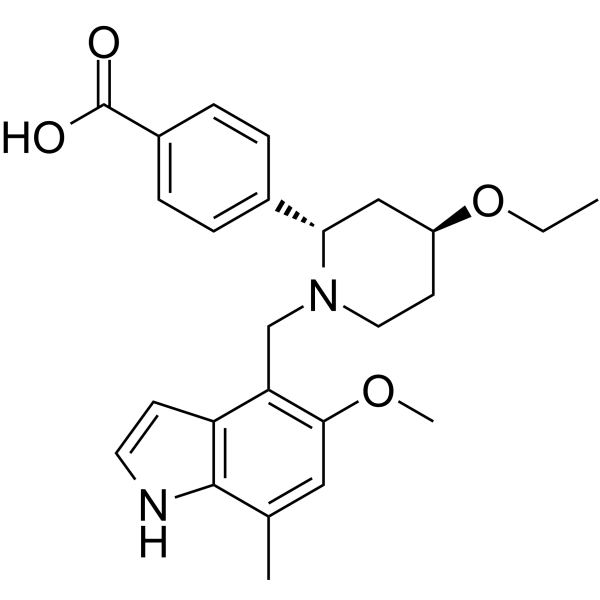
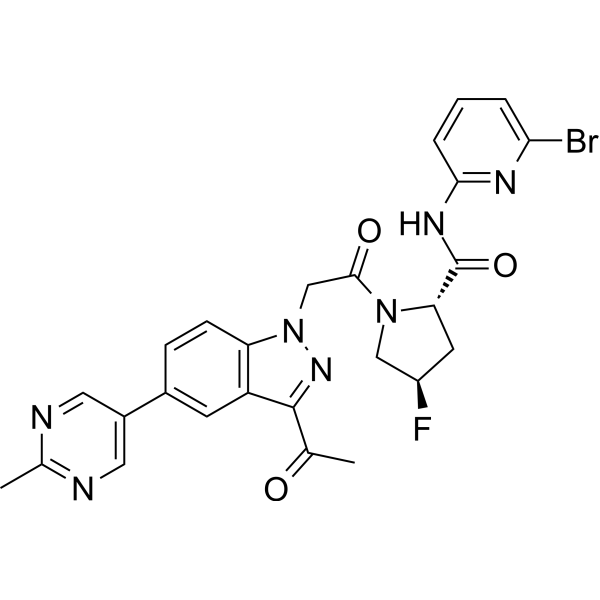
    Iptacopan (LNP023) is an effective and orally-active highly selective factor B inhibitor with an IC50 value of 10 nM and KD of 7.9 nM. Iptacopan exerts a proximal effect in the complement cascade reaction, preventing the destruction (hemolysis) of red blood cells in PNH and the damage of renal cells in IgAN and C3G. Iptacopan can be used for the study of complement-mediated diseases, particularly paroxysmal nocturnal hemoglobinuria (PNH), primary immunoglobulin A nephropathy (IgAN), and complement 3 glomerulopathy (C3G) .
    Iptacopan
  • HY-111431
    p-Cresyl sulfate
    Maximum Cited Publications
    6 Publications Verification

    p-Tolyl sulfate

    JNK p38 MAPK Reactive Oxygen Species (ROS) Metabolic Disease
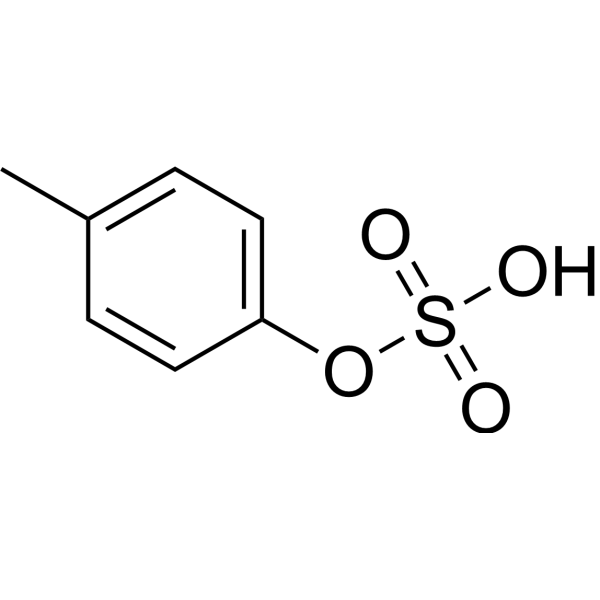
    p-Cresyl sulfate (p-Tolyl sulfate) is a uremic toxin, that can cause renal damage and dysfunction. p-Cresyl sulfate shows antiproliferation activity. p-Cresyl sulfate increases the protein expression of HIF-1α and VHL, decreases the protein expression of HIF-2α. p-Cresyl sulfate induces epithelial-mesenchymal transition (EMT). p-Cresyl sulfate activates the JNK and p38 MAPK signaling pathways .
    p-Cresyl sulfate
  • HY-111431A
    p-Cresyl sulfate potassium
    Maximum Cited Publications
    6 Publications Verification

    p-Tolyl sulfate potassium

    Endogenous Metabolite JNK p38 MAPK Metabolic Disease Inflammation/Immunology
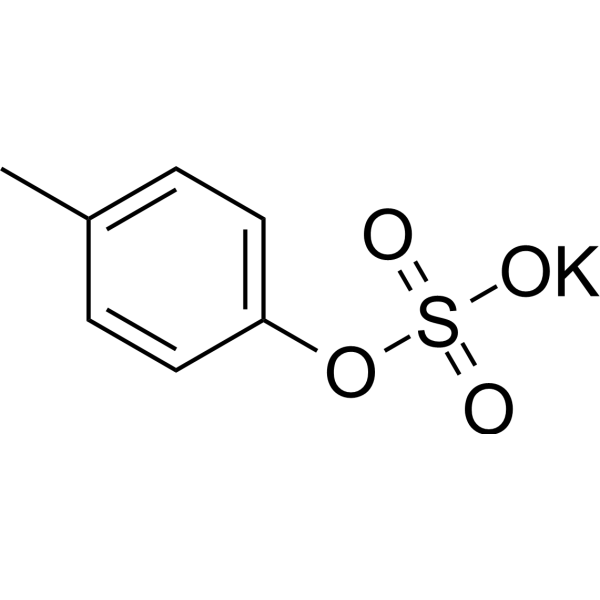
    p-Cresyl sulfate potassium is a uremic toxin that binds to a prototype protein. p-Cresyl sulfate potassium activates the JNK and p38 MAPK signaling pathways. p-Cresyl sulfate potassium has pro-inflammatory activity .
    p-Cresyl sulfate potassium
  • HY-117930
    Danicopan
    4 Publications Verification

    ACH-4471

    Complement System Inflammation/Immunology
    Danicopan (ACH-4471), a selective and orally active small-molecule factor D inhibitor, shows high binding affinity to human Factor D with Kd value of 0.54 nM. Danicopan (ACH-4471) inhibits alternative pathway of complement (APC) activity, has potential to block the alternative pathway of complement in paroxysmal nocturnal hemoglobinuria (PNH) and atypical hemolytic uremic syndrome (aHUS) .
    Danicopan
  • HY-W011910
    Potassium 1H-indol-3-yl sulfate
    1 Publications Verification

    Endogenous Metabolite Aryl Hydrocarbon Receptor Cytochrome P450 UGT Interleukin Related Metabolic Disease
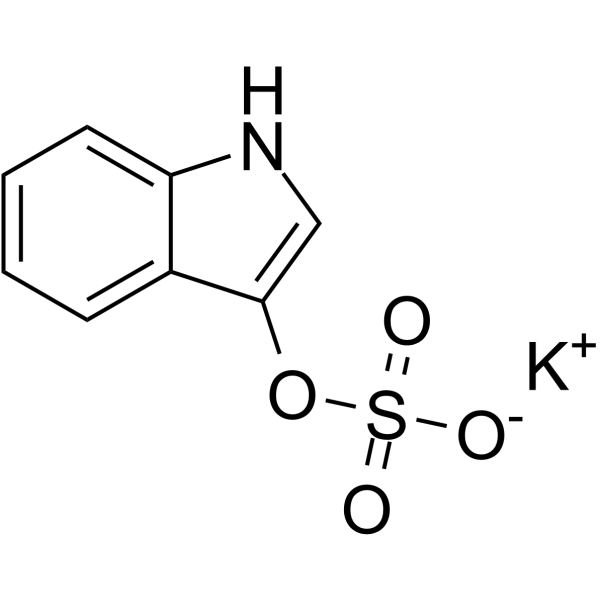
    Potassium 1H-indol-3-yl sulfate is a metabolite of tryptophan, produced by intestinal microorganisms and combined with sulfate in the liver before entering the circulatory system. Potassium 1H-indol-3-yl sulfate is a potent endogenous agonist of the aryl hydrocarbon receptor (AhR) and a urinary toxin. Potassium 1H-indol-3-yl sulfate can be used for research on kidney diseases .
    Potassium 1H-indol-3-yl sulfate
  • HY-127105A
    Iptacopan hydrochloride
    Maximum Cited Publications
    13 Publications Verification

    LNP023 hydrochloride

    Complement System Metabolic Disease Inflammation/Immunology
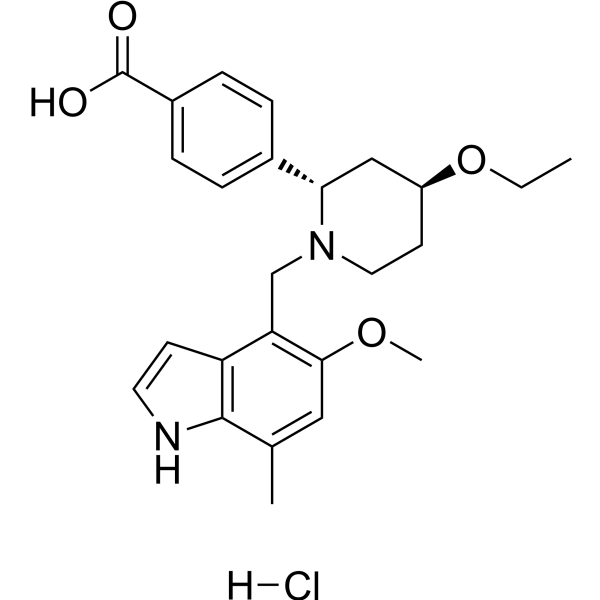
    Iptacopan (LNP023) hydrochloride is an effective and orally-active highly selective factor B inhibitor with an IC50 value of 10 nM and KD of 7.9 nM. Iptacopan hydrochloride exerts a proximal effect in the complement cascade reaction, preventing the destruction (hemolysis) of red blood cells in PNH and the damage of renal cells in IgAN and C3G. Iptacopan hydrochloride can be used for the study of complement-mediated diseases, particularly paroxysmal nocturnal hemoglobinuria (PNH), primary immunoglobulin A nephropathy (IgAN), and complement 3 glomerulopathy (C3G) .
    Iptacopan hydrochloride
  • HY-113432

    2PY

    Endogenous Metabolite PARP Metabolic Disease
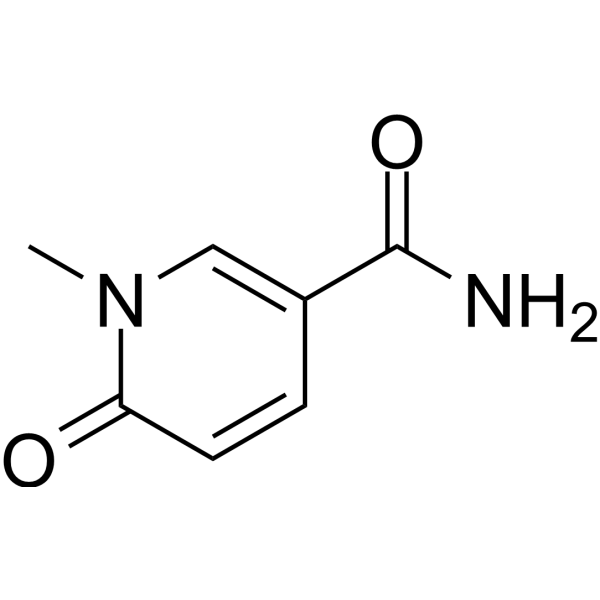
    Nudifloramide (2PY) is one of the end products of nicotinamide-adenine dinucleotide (NAD) degradation. Nudifloramide significantly inhibits poly(ADP-ribose) polymerase (PARP-1) activity in vitro .
    Nudifloramide
  • HY-W014130
    N-Acetyl-L-arginine
    1 Publications Verification

    Ac-Arg-OH

    Endogenous Metabolite Others
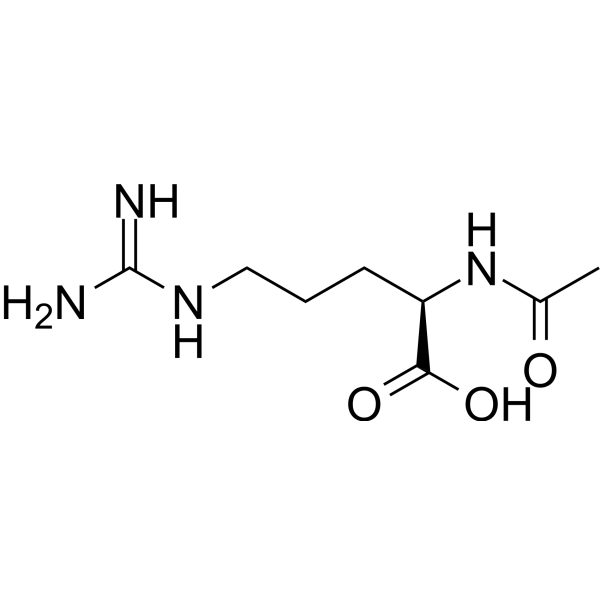
    N-Acetyl-L-arginine (Ac-Arg-OH) is one of the guanidino compounds found elevated in the serum of a hemodialyzed renal insufficient (uremic) pediatric population. N-Acetyl-L-arginine shows synergistic activity with glycine buffer. N-Acetyl-L-arginine suppresses the aggregation of intravenous immunoglobulins with a minimum decrease in transition temperature. N-Acetyl-L-arginine dramatically reduces IL-1 expression in the presence of silicone oil. N-Acetyl-L-arginine also demonstrates colloidal stability .
    N-Acetyl-L-arginine
  • HY-P99365

    ALXN1210

    Complement System Metabolic Disease
    Ravulizumab (ALXN1210) is a humanized monoclonal antibody that specifically binds with high affinity to the human complement protein C5. Ravulizumab can be used for the research of paroxysmal nocturnal hemoglobinuria, atypical hemolytic uremic syndrome, and myasthenia gravis .
    Ravulizumab
  • HY-122009

    Indoxyl-β-D-glucoside

    P-glycoprotein OAT Fluorescent Dye Others
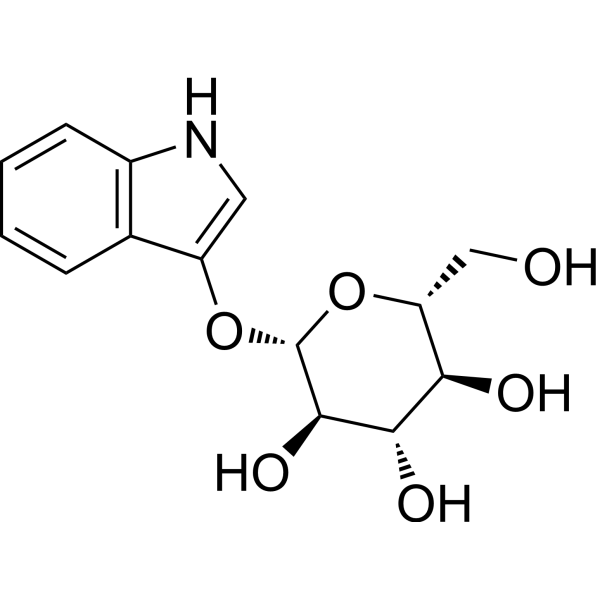
    Indican (Indoxyl-β-D-glucoside), a glycoside of indoxyl, is a precursor of the dyesindigo and indirubin. Indican has a major metabolite, indoxyl sulfate (IS). IS, an uremic toxin, is a substrate/inhibitor of organic anion transporter (OAT) 1, OAT 3 and multidrug resistance-associated protein (MRP) 4 .
    Indican
  • HY-P99050

    BIVV009; IPN-009; TNT009

    Complement System Cardiovascular Disease Inflammation/Immunology
    Sutimlimab is a humanized monoclonal IgG4 antibody. Sutimlimab inhibits complement protein component 1, s subcomponent (C1s). Sutimlimab blocks C3 and C4 activation. Sutimlimab can be used for the research of cold agglutinin disease and complement-mediated hemolytic uremic syndrome .
    Sutimlimab
  • HY-P4823

    Thyroid Hormone Receptor Metabolic Disease
    pTH (1-37) (human) is a fragment of parathyroid hormone (PTH). pTH (1-37) (human) induces the cAMP formation and increases alkaline phosphatase activity. pTH (1-37) (human) increases growth, bone calcium content, and bone mineral density (BMD) in uremic animals. pTH (1-37) (human) has the potential for the research of osteoporosis .
    pTH (1-37) (human)
  • HY-128342
    Complement C5-IN-1
    1 Publications Verification

    Complement System Inflammation/Immunology
    Compound C5-IN-1 (Compound 7) is a selective allosteric inhibitor of complement component protein C5. Compound C5-IN-1 prevents C5 from being cleaved by C5 convertase, inhibits the cleavage of C5 into C5a and C5b, and thus blocks the formation of membrane attack complex (MAC). Compound C5-IN-1 has an IC50 of 0.77 μM and 5 nM in 50% human whole blood and 2% human serum to block MAC deposition induced by zymosan, respectively. Compound C5-IN-1 can be used to study diseases related to complement overactivation, such as paroxysmal nocturnal hemoglobinuria (PNH) and atypical hemolytic uremic syndrome (aHUS) .
    Complement C5-IN-1
  • HY-111431AS

    p-Tolyl sulfate-d7 potassium

    Endogenous Metabolite Metabolic Disease
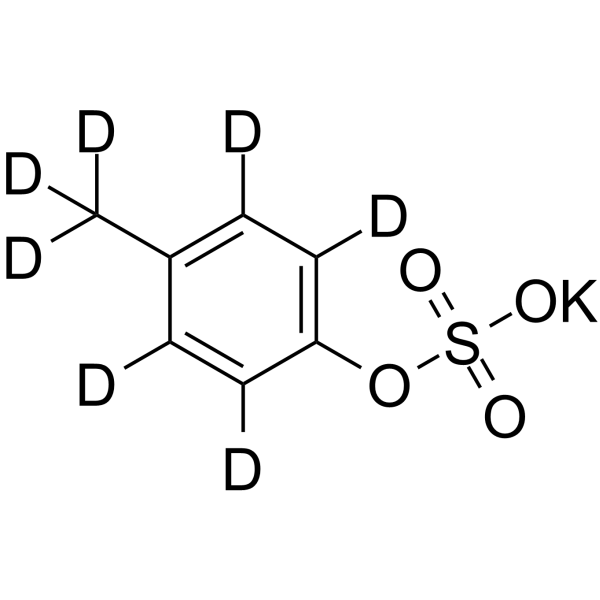
    p-Cresol sulfate-d7 (potassium) is the deuterium labeled p-Cresyl sulfate potassium. p-Methylphenyl potassium sulfate is a prototype protein-bound uremic toxin[1][2].
    p-Cresol sulfate-d7 potassium
  • HY-W416250

    Drug Metabolite Cardiovascular Disease
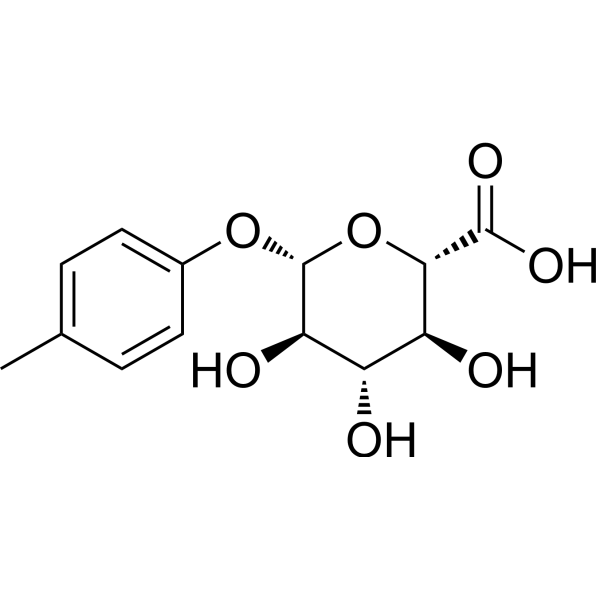
    p-Cresol glucuronide, a metabolite of p-cresol, is a prototype protein-bound uremic toxin. p-Cresol glucuronide is associated with chronic kidney disease (CKD) .
    p-Cresol glucuronide
  • HY-W674241A

    Endogenous Metabolite Apoptosis Bcl-2 Family Reactive Oxygen Species (ROS) Neurological Disease Cancer
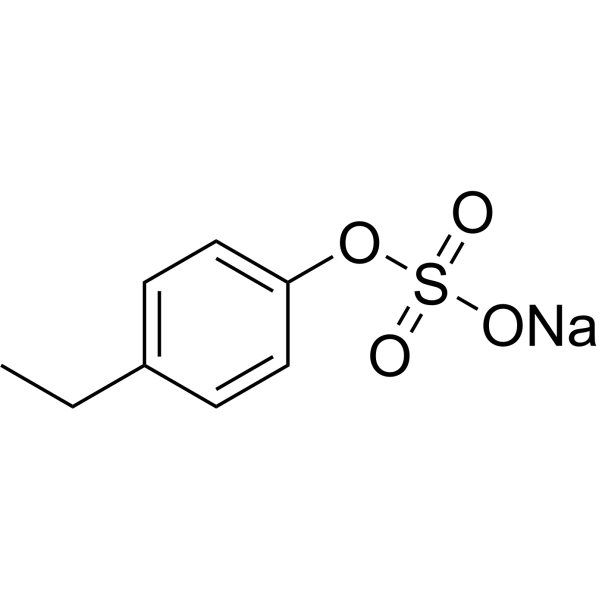
    4-Ethylphenyl sulfate sodium is an orally active and brain-penetrant gut microbial metabolite. 4-Ethylphenyl sulfate sodium downregulates Bcl2 expression, upregulates Bax expression, and induces cancer cell apoptosis via the endogenous apoptotic pathway. 4-Ethylphenyl sulfate sodium induces G2/M cell cycle arrest and reactive oxygen species (ROS) production. 4-Ethylphenyl sulfate sodium impairs oligodendrocyte maturation, reduces oligodendrocyte-neuron interactions, decreases axonal myelination levels, and shifts the oligodendrocyte population toward immature precursor cells. 4-Ethylphenyl sulfate sodium alters brain region-specific neural activity and functional connectivity in mice, and correlates with anxiety-like behaviors in mice .
    4-Ethylphenyl sulfate sodium
  • HY-113432R

    2PY (Standard)

    Reference Standards Endogenous Metabolite PARP Metabolic Disease
    Nudifloramide (Standard) is the analytical standard of Nudifloramide. This product is intended for research and analytical applications. Nudifloramide (2PY) is one of the end products of nicotinamide-adenine dinucleotide (NAD) degradation. Nudifloramide significantly inhibits poly(ADP-ribose) polymerase (PARP-1) activity in vitro .
    Nudifloramide (Standard)
  • HY-111431AR

    p-Tolyl sulfate potassium (Standard)

    JNK p38 MAPK Reactive Oxygen Species (ROS) Reference Standards Metabolic Disease
    p-Cresyl sulfate (potassium) (Standard) is the analytical standard of p-Cresyl sulfate (potassium). This product is intended for research and analytical applications. p-Cresyl sulfate (p-Tolyl sulfate) potassium is a uremic toxin, that can cause renal damage and dysfunction. p-Cresyl sulfate potassium shows antiproliferation activity. p-Cresyl sulfate potassium increases the protein expression of HIF-1α and VHL, decreases the protein expression of HIF-2α. p-Cresyl sulfate potassium induces epithelial-mesenchymal transition (EMT). p-Cresyl sulfate potassium activates the JNK and p38 MAPK signaling pathways .
    p-Cresyl sulfate potassium (Standard)
  • HY-W014130R

    Ac-Arg-OH (Standard)

    Reference Standards Endogenous Metabolite Others
    N-Acetyl-L-arginine (Ac-Arg-OH) is one of the guanidino compounds found elevated in the serum of a hemodialyzed renal insufficient (uremic) pediatric population. N-Acetyl-L-arginine shows synergistic activity with glycine buffer. N-Acetyl-L-arginine suppresses the aggregation of intravenous immunoglobulins with a minimum decrease in transition temperature. N-Acetyl-L-arginine dramatically reduces IL-1 expression in the presence of silicone oil. N-Acetyl-L-arginine also demonstrates colloidal stability .
    N-Acetyl-L-arginine (Standard)
  • HY-200854

    LNP023 hydrochloride hydrate

    Complement System Metabolic Disease Inflammation/Immunology
    Iptacopan (LNP023) hydrochloride hydrate is an effective and orally-active highly selective factor B inhibitor with an IC50 value of 10 nM and KD of 7.9 nM. Iptacopan hydrochloride hydrate exerts a proximal effect in the complement cascade reaction, preventing the destruction (hemolysis) of red blood cells in PNH and the damage of renal cells in IgAN and C3G. Iptacopan hydrochloride hydrate can be used for the study of complement-mediated diseases, particularly paroxysmal nocturnal hemoglobinuria (PNH), primary immunoglobulin A nephropathy (IgAN), and complement 3 glomerulopathy (C3G) .
    Iptacopan hydrochloride hydrate
  • HY-W019720

    Endogenous Metabolite Inflammation/Immunology
    1-Methylguanidine hydrochloride is a uremic toxin, which accumulate in dogs with renal failure and chronic kidney disese. 1-Methylguanidine hydrochloride enhances the oxidative metabolism and induces apoptosis in neutrophils .
    1-Methylguanidine hydrochloride
  • HY-W654121

    p-Tolyl sulfate-d4 potassium

    Isotope-Labeled Compounds Endogenous Metabolite p38 MAPK JNK Inflammation/Immunology
    p-Cresol sulfate-d4 (potassium) is deuterium labeled p-Cresyl sulfate (potassium). p-Cresyl sulfate potassium is a uremic toxin that binds to a prototype protein. p-Cresyl sulfate potassium activates the JNK and p38 MAPK signaling pathways. p-Cresyl sulfate potassium has pro-inflammatory activity .
    p-Cresol sulfate-d4 potassium
  • HY-P11232

    Toll-like Receptor (TLR) Bacterial Infection
    NAB815 is a specific inhibitor of the Stx2a (Kd = 0.01 μM)/TLR4 interaction. NAB815 inhibits the neutrophil/Stx2a interaction (IC50 = 0.057 μg/mL). NAB815 inhibits the formation of Stx2-containing extracellular vesicles (EVs) produced by leukocytes and platelets and reduces their toxic effects in cellular (Vero cells) and animal models (CD-1 mice). NAB815 reduces bacterial loads in the kidneys, urine, and bladders of Escherichia coli-infected mice. NAB815 is useful in the study of hemolytic uremic syndrome (HUS) .
    NAB815
  • HY-180415

    11β-HSD Metabolic Disease
    UE2316 is an orally active and specific 11βHSD1 inhibitor. UE2316 significantly improves glucose tolerance and insulin sensitivity in uremic rats. UE2316 also exacerbates hepatic fibrosis in mice. UE2316 can be used in the research of diseases such as hepatic fibrosis, uremia and diabetes mellitus .
    UE2316
  • HY-P991022

    NM8074

    Complement System Endocrinology
    Ruxoprubart (NM8074) is an inhibitor of complement factor B (Bb subunit). Ruxoprubart selectively binds to active Bb to inhibit the alternative complement pathway without affecting the classical complement pathway. By blocking the activities of AP C3 and C5 convertases, Ruxoprubart effectively inhibits red blood cell hemolysis and reduces C3b deposition, thereby preventing intravascular and extravascular hemolysis. Ruxoprubart can be used in research related to paroxysmal nocturnal hemoglobinuria, atypical hemolytic uremic syndrome, C3 glomerulopathy, and IgA nephropathy .
    Ruxoprubart
  • HY-127105B

    LNP023 TFA

    Complement System Metabolic Disease Inflammation/Immunology
    Iptacopan (LNP023) TFA is an effective and orally-active highly selective factor B inhibitor with an IC50 value of 10 nM and KD of 7.9 nM. Iptacopan TFA exerts a proximal effect in the complement cascade reaction, preventing the destruction (hemolysis) of red blood cells in PNH and the damage of renal cells in IgAN and C3G. Iptacopan TFA can be used for the study of complement-mediated diseases, particularly paroxysmal nocturnal hemoglobinuria (PNH), primary immunoglobulin A nephropathy (IgAN), and complement 3 glomerulopathy (C3G) .
    Iptacopan TFA

Inquiry Online

Your information is safe with us. * Required Fields.

Salutation


Country or Region *

Applicant Name *


Organization Name *

Department *


Email Address *


Product Name *

Cat. No.


Requested quantity *

Phone Number *


Remarks

Inquiry Online

Inquiry Information

Product Name:
Cat. No.:
Quantity:
MCE Japan Authorized Agent:

