1. Search Result
Search Result
Results for "

urine levels

" in MedChemExpress (MCE) Product Catalog:

30

Inhibitors & Agonists

2

Peptides

1

MCE Kits

11

Natural
Products

5

Isotope-Labeled Compounds

Cat. No. Product Name Target Research Areas Chemical Structure
  • HY-113126

    Endogenous Metabolite ATP Synthase Neurological Disease Metabolic Disease
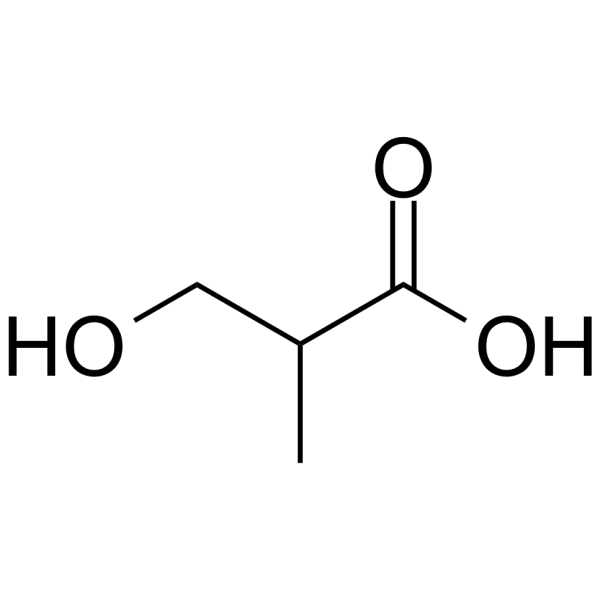
    3-Hydroxyisobutyric acid is an intermediate in the metabolic pathways of L-valine and thymine, and can be found in urine. 3-Hydroxyisobutyric acid is a secreted mediator of endothelial cell fatty acid transport and insulin resistance. 3-Hydroxyisobutyric acid can also inhibit key enzymes of energy metabolism in the cerebral cortex of young rats. The levels of 3-Hydroxyisobutyric acid are closely related to various diseases such as 3-hydroxyisobutyric aciduria, diabetes, and ketoacidosis .
    3-Hydroxyisobutyric acid
  • HY-W040047

    Endogenous Metabolite Metabolic Disease
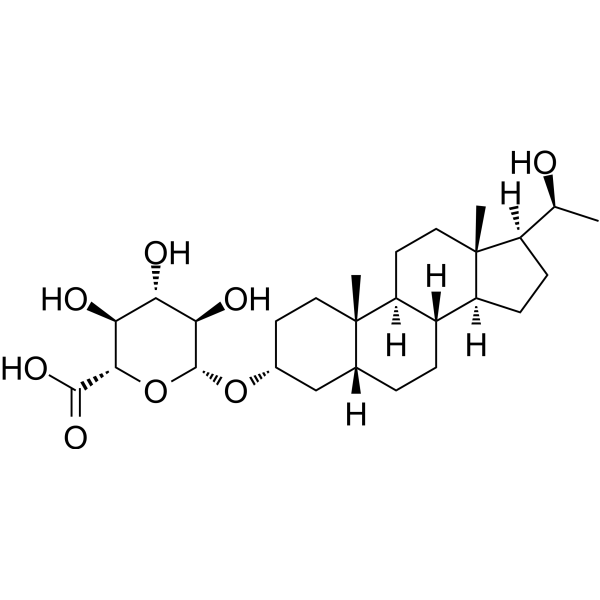
    Pregnanediol 3-glucuronide is the main terminal metabolite of Progesterone (HY-N0437). Pregnanediol 3-glucuronide is the metabolite of Progesterone produced in the liver through hydroxylation and glucuronidation, with high hydrophilicity and easy excretion through urine. A decrease in the level of Pregnanediol 3-glucuronide is associated with an increased risk of thyroid cancer, while an increase is associated with the state of pregnancy. Pregnanediol 3-glucuronide is of great significance in the monitoring of female reproductive health, pregnancy assessment, and the diagnosis of endocrine diseases .
    Pregnanediol 3-glucuronide
  • HY-113139
    1-Methylinosine
    3 Publications Verification

    N1-Methylinosine

    Nucleoside Antimetabolite/Analog Endogenous Metabolite Cancer
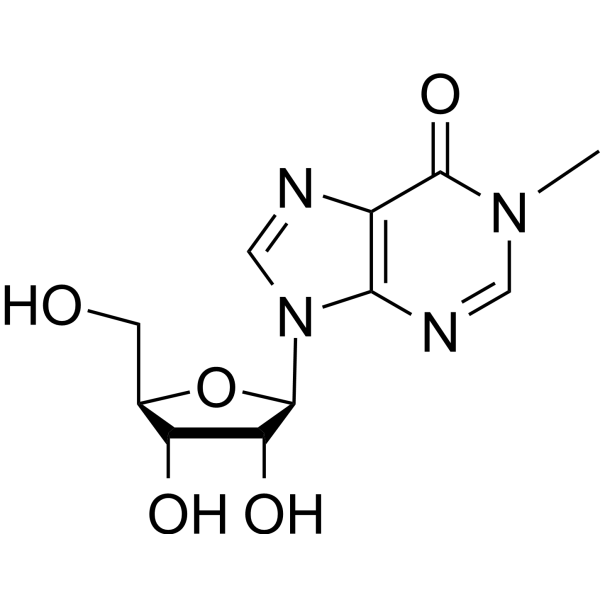
    1-Methylinosine (N1-MetHYlinosine) is a modified nucleotide located at position 37 of eukaryotic tRNA, 3' to the tRNA anticodon. 1-Methylinosine is a minor metabolite of 1-methyladenosine (HY-113081). The level of 1-Methylinosine is significantly elevated in urine samples from breast cancer models .
    1-Methylinosine
  • HY-W015874

    Endogenous Metabolite Metabolic Disease
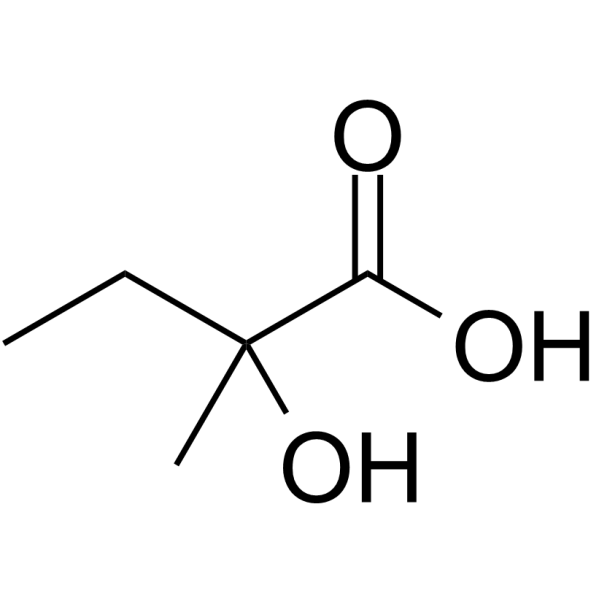
    2-Hydroxy-2-methylbutanoic acid is a branched-chain fatty acid. 2-Hydroxy-2-methylbutanoic acid accumulates at high levels in the culture supernatants of colorectal cancer-associated bacteria. 2-Hydroxy-2-methylbutanoic acid is also present in the urine of patients with 2-hydroxyglutaric aciduria and maple syrup urine disease .
    2-Hydroxy-2-methylbutanoic acid
  • HY-P2893A

    Creatine amidinohydrolase

    Endogenous Metabolite Metabolic Disease
    Creatinase (Recombinant) is a hydrolase responsible for catalyzing the hydrolysis of creatine (HY-W010388) into sarcosine (HY-101037) and urea (HY-Y0271). Creatinase (Recombinant) can be used in conjunction with creatinine deiminase (HY-P2838) and sarcosine oxidase (HY-P2861) in an enzyme cascade reaction to measure creatinine (HY-B0504) levels in blood and urine. Creatinase (Recombinant) is the rate-limiting enzyme in this enzymatic cascade, and the enzymatic quantification of creatinine is an important method for evaluating kidney function .
    Creatinase (Recombinant)
  • HY-112948

    Endogenous Metabolite Metabolic Disease
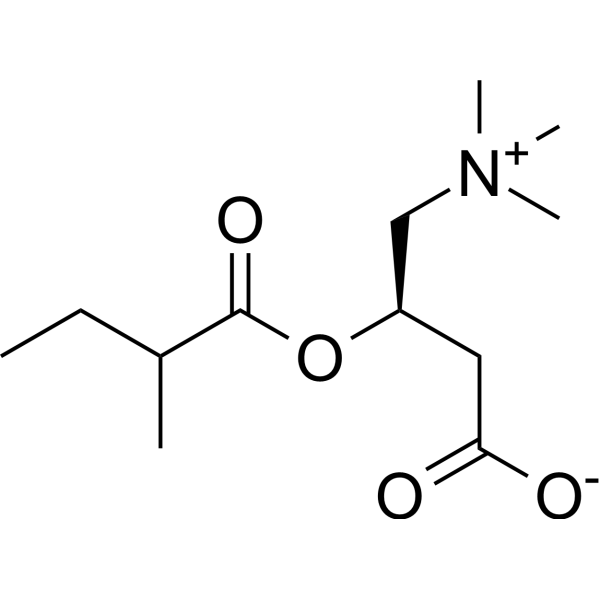
    2-Methylbutyrylcarnitine is a fatty acid metabolite. 2-Methylbutyrylcarnitine is found mainly in the blood and urine of humans and animals and is produced through the pyruvate carboxylation pathway. 2-Methylbutyrylcarnitine exhibits high level in the plasma of subjects with steatohepatitis (NASH) and can be used as an indicator for the diagnosis of metabolic diseases .
    2-Methylbutyrylcarnitine
  • HY-107850S

    NSC 1612-d5; NSC 47462-d5

    Isotope-Labeled Compounds Endogenous Metabolite Metabolic Disease
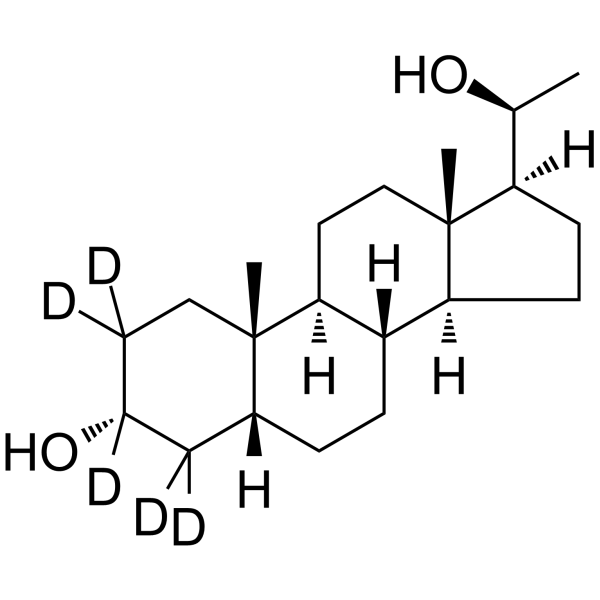
    Pregnanediol-d5 is the deuterium labeled Pregnanediol. Pregnanediol is the major metabolite of progesterone and can be excreted via urine. Pregnanediol offers an indirect way to measure progesterone levels in vivo .
    Pregnanediol-d5
  • HY-113139S

    N1-Methylinosine-d3

    Isotope-Labeled Compounds Endogenous Metabolite Nucleoside Antimetabolite/Analog Cancer
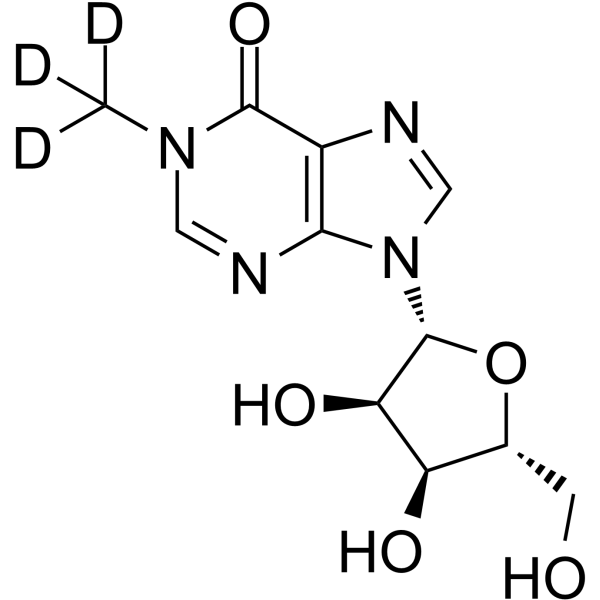
    1-Methylinosine-d3 (N1-MetHYlinosine-d3) is the deuterium labeled 1-Methylinosine. 1-Methylinosine is a modified nucleotide located at position 37 of eukaryotic tRNA, 3' to the tRNA anticodon. 1-Methylinosine is a minor metabolite of 1-methyladenosine (HY-113081). The level of 1-Methylinosine is significantly elevated in urine samples from breast cancer models.
    1-Methylinosine-d3
  • HY-P2281A

    Atrial natriuretic peptide (1-28) TFA

    Endogenous Metabolite Cardiovascular Disease Metabolic Disease
    Atrial natriuretic factor (1-28) (human, porcine) TFA exhibits blood pressure lowering activity by increasing sodium and urine excretion. Atrial natriuretic factor (1-28) (human, porcine) TFA inhibits the release of pituitary adrenocorticotropic hormone (ACTH) and beta-endorphin through inhibition of pro-opiomelanocortin (POMC) expression. Atrial natriuretic factor (1-28) (human, porcine) TFA increases cGMP levels in RMIC cells with an IC50 of 1.2 nM .
    Atrial natriuretic factor (1-28) (human, porcine) TFA
  • HY-N0394R

    Reference Standards Endogenous Metabolite Ferroptosis ROS Kinase Keap1-Nrf2 Metabolic Disease Inflammation/Immunology Cancer
    L-Cystine (Standard) is the analytical standard of L-Cystine. This product is intended for research and analytical applications. L-Cystine, the extracellular form of L-Cysteine (HY-Y0337), is a nutritionally dispensable semiessential sulfur-containing amino acid, occurring in proteins of plants and animals. L-Cystine induces Nrf2 protein elevation in a Keap1 (HY-P75897)-dependent manner and activates Nrf2 transcription factor. L-cystine can elicit cytoprotection by reducing ROS generation and protecting against oxidant- or doxorubicin-induced apoptosis. The reduced reabsorption of L-Cystine in renal tubules and its poor solubility in urine are the important causes of cystine precipitation and cystine crystal formation eventually leading to kidney stones. L-Cystine combined with L-theanine (HY-15121) enhances the production of antigen-specific IgG by increasing glutathione (GSH) levels and T helper 2 (Th2) mediated responses in mice. L-Cystine is promising for research of cystinuria and cystinosis
    L-Cystine (Standard)
  • HY-114652

    2-Amino-α-carboline; AαC

    Endogenous Metabolite Cancer
    AalphaC (AαC) is a potential carcinogen with carcinogenic activity. AalphaC is an important biomarker in tobacco smoke and is associated with tobacco smoke exposure. Urinary concentrations of AalphaC are significantly higher in dedicated smokers than in non-smokers, indicating its importance in monitoring tobacco exposure. AalphaC levels increase significantly with increasing serum nicotine levels, indicating its close relationship with tobacco use. In addition, consuming high-temperature cooked beef significantly increases the amount of AalphaC in urine, while consuming vegetables is associated with a decrease in AalphaC concentrations. Smoking half a pack of cigarettes is associated with a significant increase in the amount of AalphaC, which further confirms the biological activity of AalphaC and its association with dietary habits .
    AalphaC
  • HY-113073

    Endogenous Metabolite Others
    2,4-Dihydroxybutanoic acid is typically absent in normal human urine extracts and is found only in trace amounts in neonates, while cases of succinic semialdehyde dehydrogenase deficiency consistently exhibit elevated levels of this metabolite.
    2,4-Dihydroxybutanoic acid
  • HY-113104

    ADT-G

    Endogenous Metabolite Drug Metabolite Metabolic Disease
    Androsterone glucuronide (ADT-G) is one of the main metabolites of oral testosterone in humans and can be found in urine. The level of Androsterone glucuronide can reflect the absorption and hepatic metabolism of testosterone .
    Androsterone glucuronide
  • HY-W040047S

    Endogenous Metabolite Isotope-Labeled Compounds Endocrinology
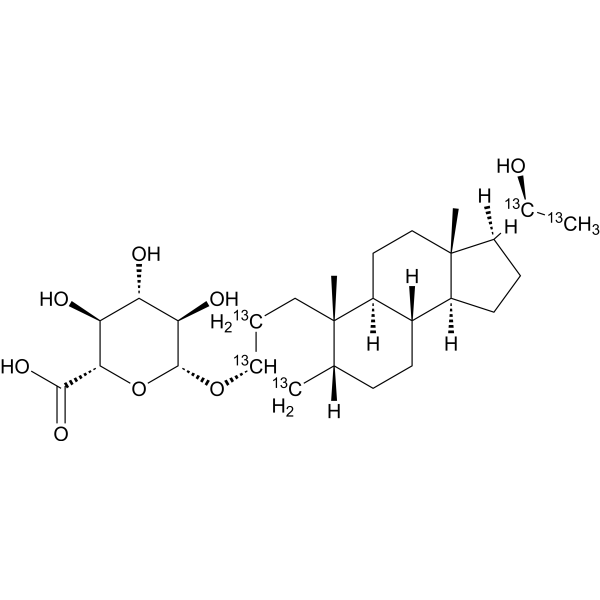
    Pregnanediol 3-glucuronide is the main end-metabolite of Progesterone (HY-N0437). Pregnanediol 3-glucuronide is a metabolite of Progesterone formed by hydroxylation and glucuronidation in the liver, with high hydrophilicity and easy excretion through urine. Pregnanediol 3-glucuronide excretion rate of ≥ 9 μmol/24 h can serve as biochemical evidence of ovulation. Pregnanediol 3-glucuronide reflects the quality of the luteal phase, and a level of < 7 μmol/24 h may indicate anovulation or luteal insufficiency. Pregnanediol 3-glucuronide holds significant importance in monitoring female reproductive health, assessing pregnancy, and diagnosing endocrine disorders.
    Pregnanediol 3-glucuronide-13C5
  • HY-Y0496S

    Isotope-Labeled Compounds Insecticide Others
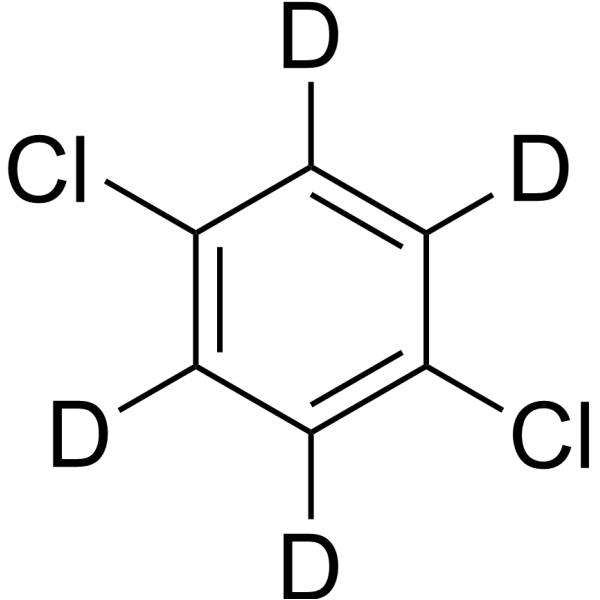
    1,4-Dichlorobenzene-d4 is the deuterium labeled 1,4-Dichlorobenzene. 1,4-Dichlorobenzene is a non-genotoxic, orally active mitogenic/tumor-promoting carcinogen that is also widely used as a dye, resin intermediate, and deodorant, moth repellent/insecticide. 1,4-Dichlorobenzene induces liver tumors in mice and promotes the growth of spontaneous precancerous lesions, but shows no liver tumor-inducing activity in F344 rats. 1,4-Dichlorobenzene increases the levels of white blood cell count, serum alanine aminotransferase and blood urea nitrogen in occupationally exposed populations. 1,4-Dichlorobenzene is metabolized to 2,5-dichlorophenol and excreted in urine, and this metabolite can serve as a biomarker for 1,4-Dichlorobenzene exposure. Due to its specific hepatotoxic characteristics, 1,4-Dichlorobenzene is applicable to liver cancer-related research .
    1,4-Dichlorobenzene-d4
  • HY-N8063

    Endogenous Metabolite Others
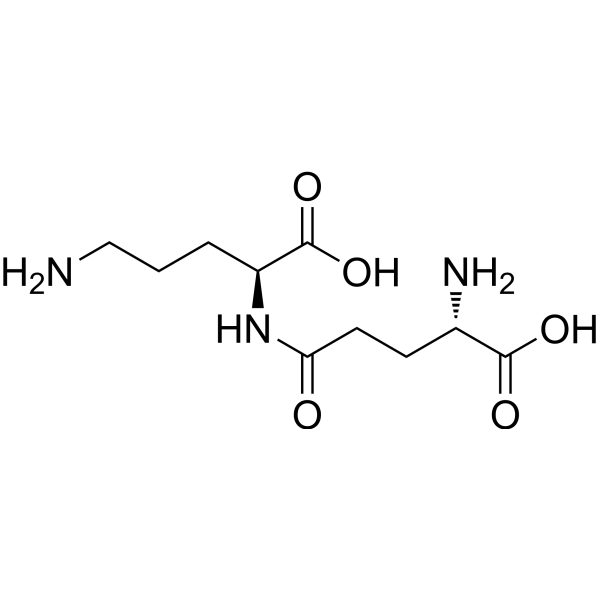
    γ-Glutamylornithine is the urine excreta of patients with HHH syndrome (hyperuricemia, hyperaminemia, and hypercitrullinuria) and rotary atrophy associated with hyperuricemia. Increased levels of endogenous ornithine increase levels of γ-Glutamylornithine in the urine .
    γ-Glutamylornithine
  • HY-N8063R

    Reference Standards Endogenous Metabolite Others
    γ-Glutamylornithine is the urine excreta of patients with HHH syndrome (hyperuricemia, hyperaminemia, and hypercitrullinuria) and rotary atrophy associated with hyperuricemia. Increased levels of endogenous ornithine increase levels of γ-Glutamylornithine in the urine .
    γ-Glutamylornithine (Standard)
  • HY-W015466R

    Reference Standards Endogenous Metabolite Metabolic Disease
    Acetylvaline (Standard) is an analytical standard for acetylvaline (HY-W015466). This product is intended for research and analytical applications. Acetylvaline is an amino acid derivative that belongs to the N-acetylated amino acid family. Acetylvaline is detected in low levels in the urine of healthy individuals, but significant abnormal excretion is observed in the urine of individuals with maple syrup urine disease (MSUD). Acetylvaline can be used to detect MSUD.
    Acetylvaline (Standard)
  • HY-118548

    Drug Metabolite Endocrinology
    Tetranor-PGAM is a tetranor-prostaglandin A metabolite. Tetranor-PGAM is a dehydration product of tetranor-PGEM (HY-114988). Tetranor-PGAM can be measured as a surrogate for tetranor-PGEM levels in urine .
    Tetranor-PGAM
  • HY-W439487

    Nucleoside Antimetabolite/Analog Metabolic Disease
    7,9-Dimethylguanine is a modified nucleotide base that is a product of RNA degradation. The level of 7,9-Dimethylguanine in urine and serum can be used as a scoring indicator for the severity of alcoholic liver disease (ALD).
    7,9-Dimethylguanine
  • HY-107850R

    NSC 1612 (Standard); NSC 47462 (Standard)

    Endogenous Metabolite Reference Standards Metabolic Disease
    Pregnanediol (Standard) is the analytical standard of Pregnanediol. This product is intended for research and analytical applications. Pregnanediol is the major metabolite of progesterone and can be excreted via urine. Pregnanediol offers an indirect way to measure progesterone levels in vivo .
    Pregnanediol (Standard)
  • HY-114598

    SGLT Metabolic Disease
    WAY-123783 is a potent, selective and orally active sodium-dependent glucose cotransporter 2 (SGLT2) inhibitor producing activity after metabolism. WAY-123783 can increase the excretion of sugar in urine and at the same time lower the blood sugar level in db/db mice (ED50 = 9.85 mg/kg). WAY-123783 can be used for the research of metabolic disease, such as diabetes .
    WAY-123783
  • HY-118233

    M 17055

    Chloride Channel Neurological Disease
    Alilusem potassium is a diuretic. In anesthetized dogs undergoing water diuresis, Alilusem potassium effectively decreased free water clearance and increased Na+ and Cl- levels in excreted urine. When combined with Furosemide (HY-B0135) or Hydrochlorothiazid, Alilusem potassium further inhibited free water clearance. Alilusem potassium inhibited the lumen-positive transepithelial voltage and lumen-to-cistern Cl- flux in isolated rabbit cortical thick ascending limbs of Henle .
    Alilusem potassium
  • HY-113126A

    Endogenous Metabolite ATP Synthase Neurological Disease Metabolic Disease
    3-Hydroxyisobutyric acid sodium is an intermediate in the metabolic pathways of L-valine and thymine, and can be found in urine. 3-Hydroxyisobutyric acid sodium is a secreted mediator of endothelial cell fatty acid transport and insulin resistance. 3-Hydroxyisobutyric acid sodium can also inhibit key enzymes of energy metabolism in the cerebral cortex of young rats. The levels of 3-Hydroxyisobutyric acid sodium are closely related to various diseases such as 3-hydroxyisobutyric aciduria, diabetes, and ketoacidosis .
    3-Hydroxyisobutyric acid sodium
  • HY-P2281

    Atrial natriuretic peptide (1-28)

    Endogenous Metabolite Cardiovascular Disease Metabolic Disease
    Atrial natriuretic factor (1-28) (human, porcine) exhibits blood pressure lowering activity by increasing sodium and urine excretion. Atrial natriuretic factor (1-28) (human, porcine) inhibits the release of pituitary adrenocorticotropic hormone (ACTH) and beta-endorphin through inhibition of pro-opiomelanocortin (POMC) expression. Atrial natriuretic factor (1-28) (human, porcine) increases cGMP levels in RMIC cells with an IC50 of 1.2 nM .
    Atrial natriuretic factor (1-28) (human, porcine)
  • HY-129397

    BPG; 2,3-Dinor-11β-PGF2α; 2,3-dinor-11-epi PGF2α

    Prostaglandin Receptor Endocrinology
    2,3-Dinor-11beta-prostaglandin F2alpha (2,3-Dinor-11β-PGF2α) is a metabolite of PGD2. Urinary excretion of 2,3-Dinor-11beta-prostaglandin F2alpha is increased in patients with mast cell activation disease (MCAD) and has been used as a marker of increased PGD2 levels. 2,3-Dinor-11beta-prostaglandin F2alpha levels are also increased in the urine of patients with asthma and are positively correlated with impaired lung function.
    2,3-Dinor-11beta-prostaglandin F2alpha
  • HY-W700491

    2-Amino-α-carboline-15N3; AαC-15N3

    Isotope-Labeled Compounds Endogenous Metabolite Cancer
    AalphaC- 15N3 (2-Amino-α-carboline- 15N3) is 15N labeled AalphaC. AalphaC (AαC) is a potential carcinogen with carcinogenic activity. AalphaC is an important biomarker in tobacco smoke and is associated with tobacco smoke exposure. Urinary concentrations of AalphaC are significantly higher in dedicated smokers than in non-smokers, indicating its importance in monitoring tobacco exposure. AalphaC levels increase significantly with increasing serum nicotine levels, indicating its close relationship with tobacco use. In addition, consuming high-temperature cooked beef significantly increases the amount of AalphaC in urine, while consuming vegetables is associated with a decrease in AalphaC concentrations. Smoking half a pack of cigarettes is associated with a significant increase in the amount of AalphaC, which further confirms the biological activity of AalphaC and its association with dietary habits .
    AalphaC-15N3
  • HY-Y0496R

    Reference Standards Insecticide Others
    1,4-Dichlorobenzene (Standard) is the analytical standard of 1,4-Dichlorobenzene. This product is intended for research and analytical applications. 1,4-Dichlorobenzene is a non-genotoxic, orally active mitogenic/tumor-promoting carcinogen that is also widely used as a dye, resin intermediate, and deodorant, moth repellent/insecticide. 1,4-Dichlorobenzene induces liver tumors in mice and promotes the growth of spontaneous precancerous lesions, but shows no liver tumor-inducing activity in F344 rats. 1,4-Dichlorobenzene increases the levels of white blood cell count, serum alanine aminotransferase and blood urea nitrogen in occupationally exposed populations. 1,4-Dichlorobenzene is metabolized to 2,5-dichlorophenol and excreted in urine, and this metabolite can serve as a biomarker for 1,4-Dichlorobenzene exposure. Due to its specific hepatotoxic characteristics, 1,4-Dichlorobenzene is applicable to liver cancer-related research .
    1,4-Dichlorobenzene (Standard)
  • HY-W072994

    Fungal Insecticide Infection
    Copper naphthenate is an organocopper compound with the properties of a fungicide, preservative, oil-borne protectant, and toxicant. Copper naphthenate increases serum and urine copper levels in exposed populations, causes skin irritation, and induces intraperitoneal toxicity in rats. Copper naphthenate inhibits the growth of decay fungi and molds on moso bamboo, kills the free-living stages of Ichthyophthirius multifiliis, and controls wood-boring insects and termites .
    Copper naphthenate
  • HY-113281

    Endogenous Metabolite Metabolic Disease
    5-Hydroxyhexanoic acid is a normal monohydroxy carboxylic acid degradation product of
    fatty acids with medium chain lengths (particularly hexanoic acid). 5-Hydroxyhexanoic acid functions as a predictor of early renal functional decline in type 2 diabetes with microalbuminuria .
    5-Hydroxyhexanoic acid

Inquiry Online

Your information is safe with us. * Required Fields.

Salutation


Country or Region *

Applicant Name *


Organization Name *

Department *


Email Address *


Product Name *

Cat. No.


Requested quantity *

Phone Number *


Remarks

Inquiry Online

Inquiry Information

Product Name:
Cat. No.:
Quantity:
MCE Japan Authorized Agent:

