91 Results for "

visceral

" in MedChemExpress (MCE) Product Catalog:
Products (91)

91 Results for "visceral" in MCE Product Catalog:

5
5 Cited Publications
Cat. No.: HY-100459
CAS No.: 1627856-64-7
Purity:  98.41%
Target:  

RET

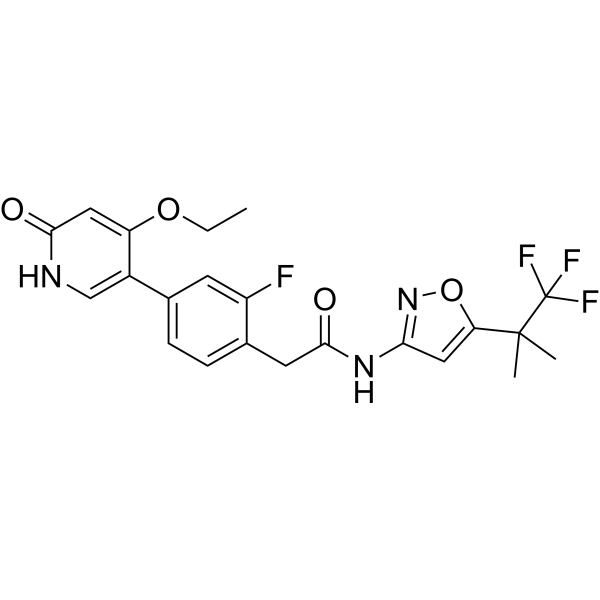
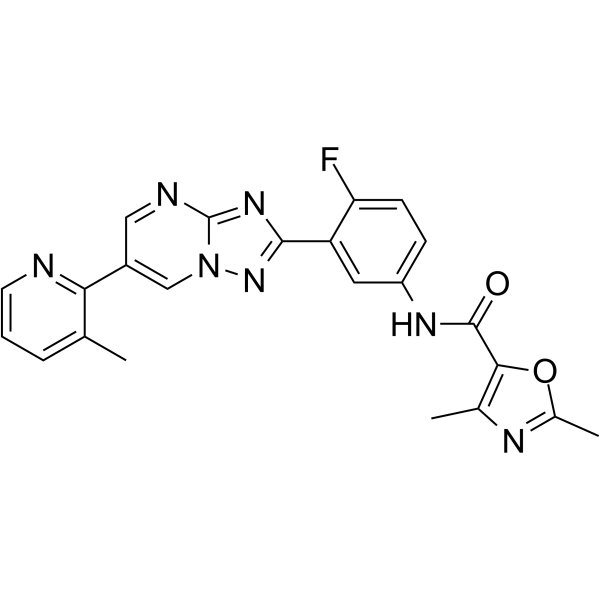
GSK3179106 is an orally active and selective RET kinase inhibitor with IC50s of 0.4 nM, 0.2 nM for human RET and rat RET, respectively. GSK3179106 has the potential for irritable bowel syndrome (IBS) through the attenuation of post-inflammatory and stress-induced visceral hypersensitivity .
loading...
    loading...
1
1 Cited Publications
Cat. No.: HY-108610A
CAS No.: 70641-51-9
Purity:  ≥99.0%
Synonyms: ET-18-OCH3
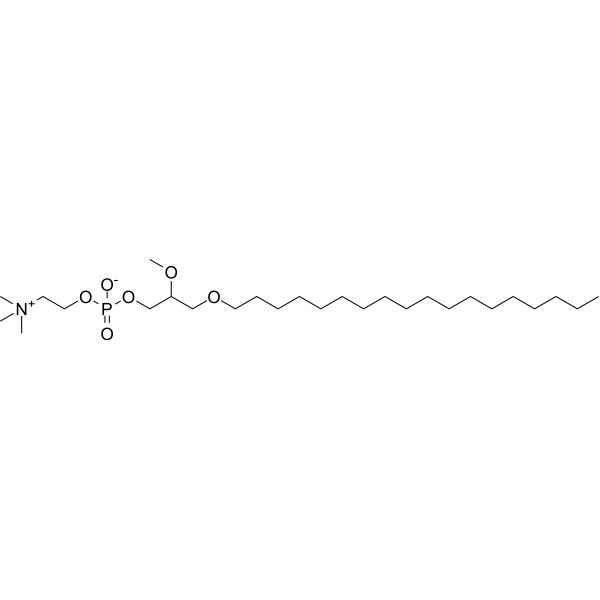
Edelfosine (ET-18-OCH3) is an orally active lipid raft modulator and apoptosis inducer that alters membrane fluidity and preferentially inserts into tumor cell membranes. Edelfosine recruits death receptor ligands (FasL/CD95L, TRAIL) and Bid to lipid rafts to form death-inducing signaling complexes, thereby initiating mitochondria-dependent apoptosis and inducing cytochrome c release. Edelfosine also exerts anti-inflammatory effects, promotes L-Selectin shedding, and causes no gastrointestinal or organ toxicity. In addition, Edelfosine inhibits nucleic acid and protein synthesis in Leishmania donovani and exhibits antiproliferative activity. Edelfosine can be used in research on multiple myeloma, inflammatory bowel diseases (such as ulcerative colitis and Crohn's disease), and visceral leishmaniasis .
loading...
    loading...
1
1 Cited Publications
Cat. No.: HY-N0468
CAS No.: 63279-13-0
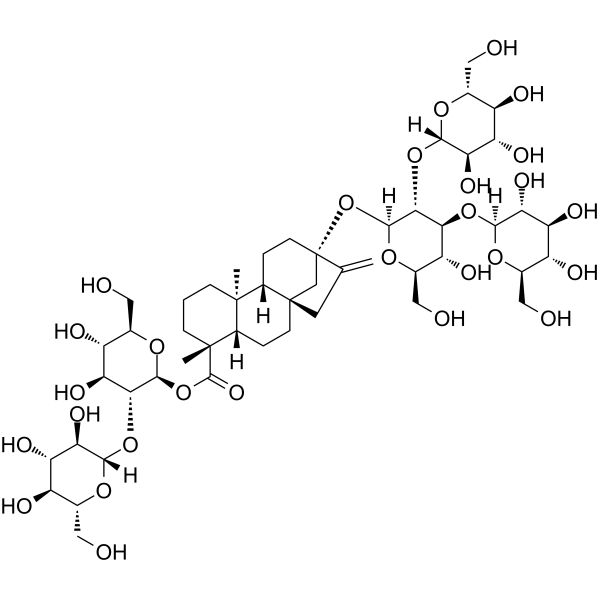
Rebaudioside D is an orally active sweetener that targets and activates FXR, modulates Acetyl-CoA Carboxylase, and inhibits 3-hydroxy-3-methylglutaryl-CoA reductase. Rebaudioside D regulates bile acid homeostasis and lipid metabolism, reduces the synthesis rates of fatty acids and cholesterol, and exerts multiple effects including anti-adipogenesis, hepatoprotection, anti-steatosis, gut microbiota modulation, enhancement of secondary bile acid metabolism, anti-endotoxin activity, regulation of bile acid transport, and inhibition of bile acid efflux. Rebaudioside D also reduces body weight gain, visceral fat accumulation, hepatic triglyceride and cholesterol accumulation, hepatic lipid peroxidation, and decreases the circulating level of lipopolysaccharide-binding protein. Rebaudioside D additionally enhances the secondary bile acid metabolic pathway of intestinal bacteria, upregulates the gene expression of ileal organic solute transporter α, and downregulates the gene expression of hepatic bile salt export pump. Rebaudioside D does not affect glucose homeostasis, alter total caloric intake or fecal energy excretion, induce weight gain, exacerbate obesity, promote hepatic steatosis, impair brown adipose tissue function, nor change skeletal muscle metabolism-related proteins. Rebaudioside D can be used in diet-induced obesity and obesity-related research .
loading...
    loading...
1
1 Cited Publications
Cat. No.: HY-70050C
CAS No.: 122852-69-1
Synonyms: GR 68755C; GR 68755 Hydrochloride; GR 68755X Hydrochloride
Target:  

5-HT Receptor

Research Areas:  

Neurological Disease

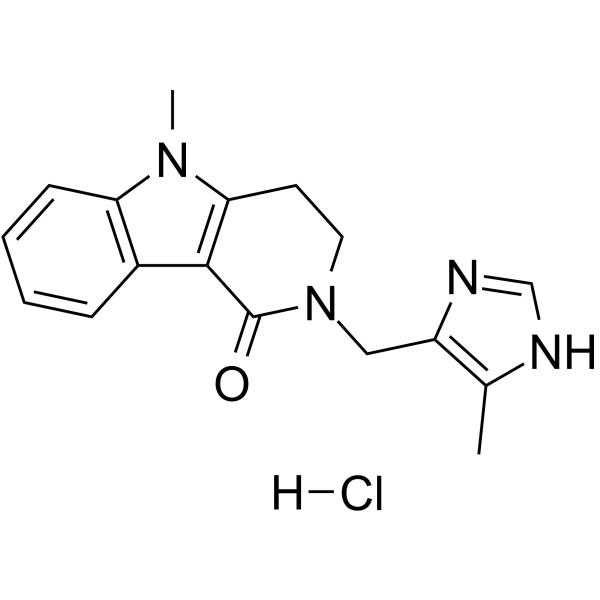
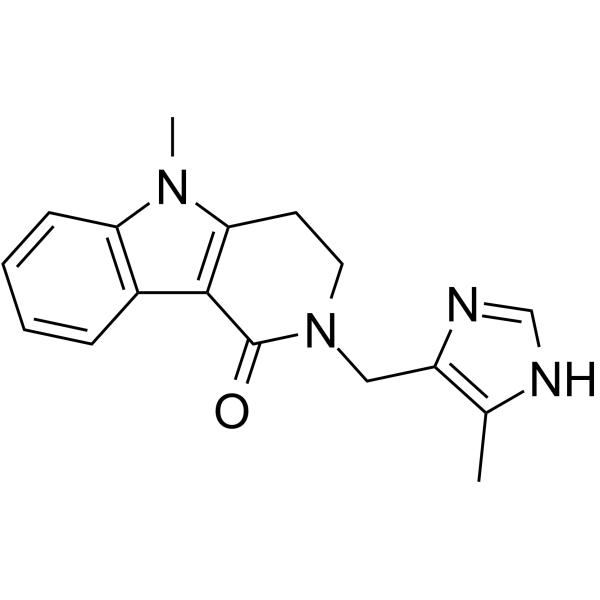
Alosetron Hydrochloride (GR 68755C) is a potent and highly selective serotonin 5-HT3 receptor antagonist. Alosetron Hydrochloride is used for the research of irritable bowel syndrome (IBS). Alosetron blocks the fast 5HT3-mediated depolarisation of guinea-pig myenteric and submucosal neurons, with IC50 at ~55 nM. Alosetron Hydrochloride attenuates the visceral nociceptive effect of rectal distension in conscious or anaesthetised dogs. Anti-inflammatory effects .
loading...
    loading...
1
1 Cited Publications
Cat. No.: HY-70050A
CAS No.: 122852-42-0
Synonyms: GR 68755; GR 68755X
Alosetron (GR 68755) is a potent and highly selective serotonin 5-HT3 receptor antagonist. Alosetron is used for the research of irritable bowel syndrome (IBS). Alosetron blocks the fast 5HT3-mediated depolarisation of guinea-pig myenteric and submucosal neurons, with IC50 at ~55 nM. Alosetron attenuates the visceral nociceptive effect of rectal distension in conscious or anaesthetised dogs. Anti-inflammatory effects .
loading...
    loading...
1
1 Cited Publications
Cat. No.: HY-P4058
CAS No.: 83652-28-2
Synonyms: CGRP free acid
Target:  

CGRP Receptor

Research Areas:  

Neurological Disease

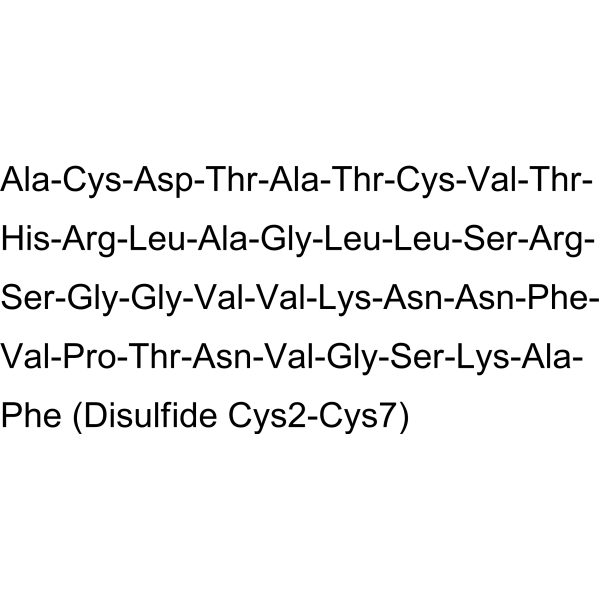
Calcitonin gene-related peptide (CGRP) free acid is a 37-amino acid neuropeptide, which represents the deamidated form of α-CGRP (human) (HY-P1071). Calcitonin gene-related peptide free acid is produced in the central and peripheral nervous systems of rats, and localizes to specific sensory, integrative and motor neuron systems, including those involved in nociception/thermoreception, feeding behavior, olfaction and visceral motor functions .
loading...
    loading...
1
1 Cited Publications
Cat. No.: HY-148236
CAS No.: 2741956-55-6
Purity:  99.74%
Target:  

TRP Channel

Research Areas:  

Inflammation/Immunology

BAY-390, a chemical probe, is a selective, across species active and brain penetrating TRPA1 inhibitor. BAY-390 inhibits hTRPA1 FLIPR, hTRPA1 Ephys, rTRPA1 FLIPR and rDRG Ephys with IC50s of 16, 82, 63 and 35 nM, respectively. BAY-390 can be used for the research of inflammation .
loading...
    loading...
1
1 Cited Publications
Cat. No.: HY-172241
CAS No.: 1436920-57-8
Synonyms: RZL-012; Utenpanium chloride
Research Areas:  

Metabolic Disease

Tapencarium (RZL-012; Utenpanium chloride) is an injectable fat volume-reducing agent. Tapencarium irreversibly impairs cell membrane integrity, increases membrane permeability, induces elevated cytoplasmic calcium, alters mitochondrial membrane potential, and triggers necrosis. Tapencarium induces fat necrosis, inflammatory responses and fibrous tissue formation at the injection site. Tapencarium can be used in research related to submental fat excess and Dercum's disease .
loading...
    loading...
1
1 Cited Publications
Cat. No.: HY-115681
CAS No.: 68682-01-9
Purity:  99.88%
Synonyms: 6-Prenylnaringenin; (±)-6-Prenylnaringenin
Target:  

Calcium Channel

Research Areas:  

Neurological Disease

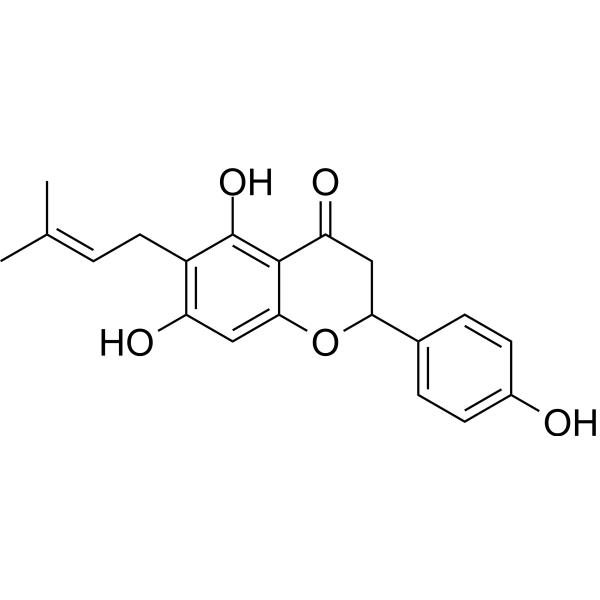
(2R/S)-6-PNG (6-Prenylnaringenin) is a potent and reversible Cav3.2 T-type Ca 2+ channels (T-channels) blocker. (2R/S)-6-PNG can penetrate the blood-brain barrier (BBB). (2R/S)-6-PNG suppresses neuropathic and visceral pain in mice .
loading...
    loading...
Cat. No.: HY-P2847
CAS No.: 330648-32-3
Target:  

CRFR

Research Areas:  

Metabolic Disease Endocrinology

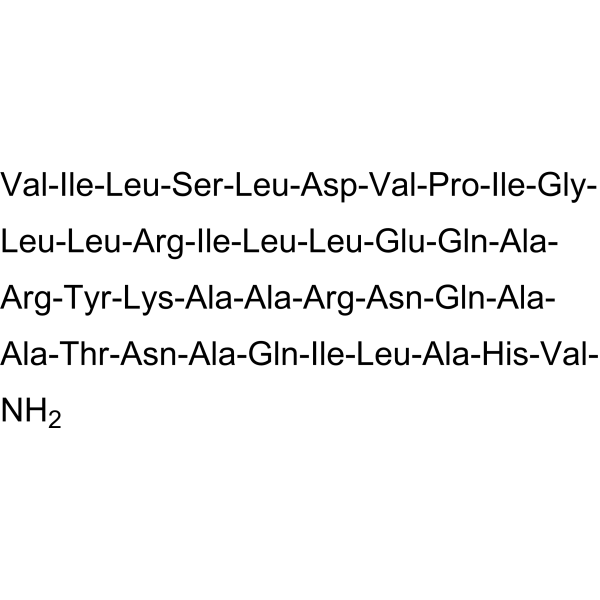
Urocortin II, mouse is a potent and selective endogenous peptide agonist of type-2 corticotropin-releasing factor (CRF2) receptor with Ki values of 0.66 nM and ﹥100 nM for CRFR2 and CRFR1, respectively. Urocortin II, mouse activates CRF2 receptors in a cAMP/PKA- and Ca 2+/CaMKII-dependent manner.Urocortin II, mouse is expressed in discrete areas of the central nervous system, and activates central neurons involved in the processing of visceral sensory information, and in modulating autonomic outflow .
loading...
    loading...
Cat. No.: HY-W077028
CAS No.: 21442-01-3
Research Areas:  

Others

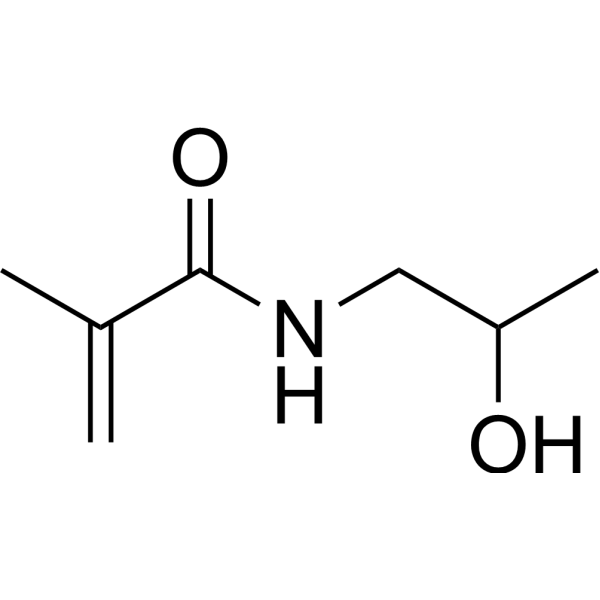
N-(2-Hydroxypropyl)methacrylamide is used to synthesize copolymers for the targeted delivery of antileishmanial agents in Visceral leishmaniasis (VL) .
loading...
    loading...
Cat. No.: HY-18351
CAS No.: 915303-09-2
Synonyms: LMP-400; NSC-724998
Target:  

Topoisomerase

Research Areas:  

Infection Cancer

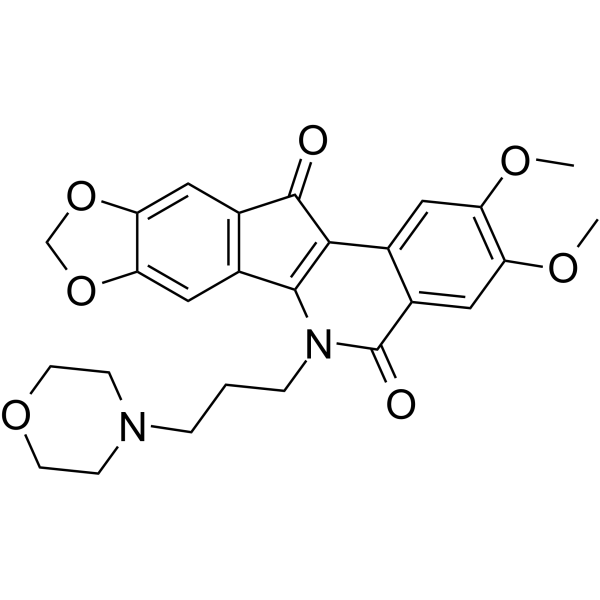
Indotecan (LMP-400), an indenoisoquinoline derivative, is a potent Topoisomerase I inhibitor, with IC50s of 300, 1200, 560 nM for P388, HCT116, MCF-7 cell lines, respectively. Indotecan prevents the relaxation of supercoiled DNA and can be used for the research of visceral leishmaniasis .
loading...
    loading...
Cat. No.: HY-131350
CAS No.: 1799330-15-6
Purity:  99.08%
Synonyms: LXE408
Target:  

Proteasome Parasite

Research Areas:  

Infection Cancer

Galeflaprit (LXE408) is an orally active, non-competitive and kinetoplastid-selective proteasome inhibitor. Galeflaprit has an IC50 of 0.04 μM for L. donovani proteasome and an EC50 of 0.04 μM for L. donovani. Galeflaprit has a low propensity to cross the blood brain barrier. Galeflaprit has the potential for visceral leishmaniasis (VL) research .
loading...
    loading...
Cat. No.: HY-W016813
CAS No.: 4023-65-8
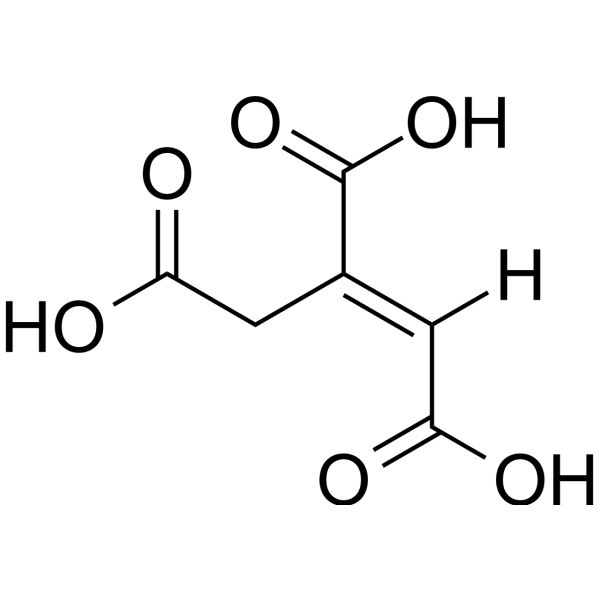
trans-Aconitic acid is an orally active aconitase inhibitor that non-competitively inhibits the conversion of citric acid to cis-aconitic acid and competitively inhibits the conversion of cis-aconitic acid to isocitric acid. trans-Aconitic acid inhibits the growth of Leishmania donovani promastigotes, the transformation of Leishmania donovani amastigotes to promastigotes, and the in vitro proliferation of Leishmania donovani amastigotes within macrophages in vitro. trans-Aconitic acid can be used in research related to visceral leishmaniasis (kala-azar) .
loading...
    loading...
Cat. No.: HY-N2571
CAS No.: 476-69-7
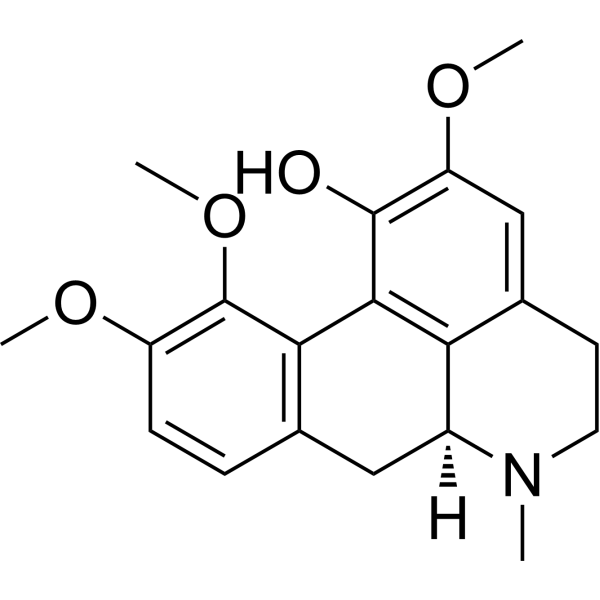
Corydine is a HIV-1 reverse transcriptase inhibitor and μ-opioid receptor (MOR) agonist, with an IC50 of 356.7 μg/mL against HIV-1 reverse transcriptase, an EC50 of 0.51 μM for MOR, and a Ki of 2.82 μM for MOR. Corydine produces antinociceptive effects by inhibiting acetic acid-induced writhing behavior in a MOR-dependent manner. Corydine inhibits the proliferation of cancer cells, mitogen-stimulated lymphocytes and IL-2-dependent cells. Corydine can be used in studies related to human immunodeficiency virus infection, visceral pain, leukemia, melanoma, bladder cancer and colon adenocarcinoma .
loading...
    loading...
Cat. No.: HY-145628
CAS No.: 1121931-70-1
Purity:  99.85%
CM398 is a highly selective, orally active Sigma-2 receptor ligand with a Ki value of 0.43 nM. CM398 ameliorates age-related macular degeneration. CM398 exerts analgesic effects on visceral pain, inflammatory pain and neuropathic pain. CM398 can be used in research related to age-related macular degeneration, neuropathic pain and inflammatory pain .
loading...
    loading...
Cat. No.: HY-121241
CAS No.: 4914-30-1
Purity:  99.90%
Target:  

Parasite

Research Areas:  

Infection

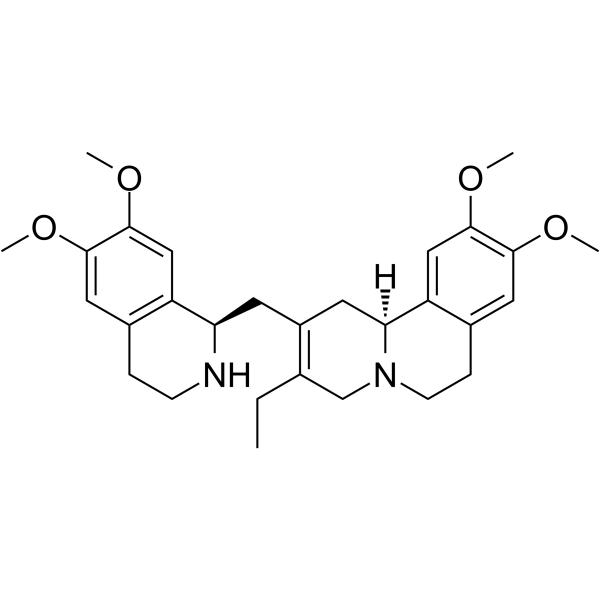
Dehydroemetine is an orally active antiparasitic agent. Dehydroemetine can inhibit parasites such as Entamoeba histolytica, and it can also be used in the research of parasitic diseases like visceral leishmaniasis .
loading...
    loading...
Cat. No.: HY-108667
CAS No.: 61368-63-6
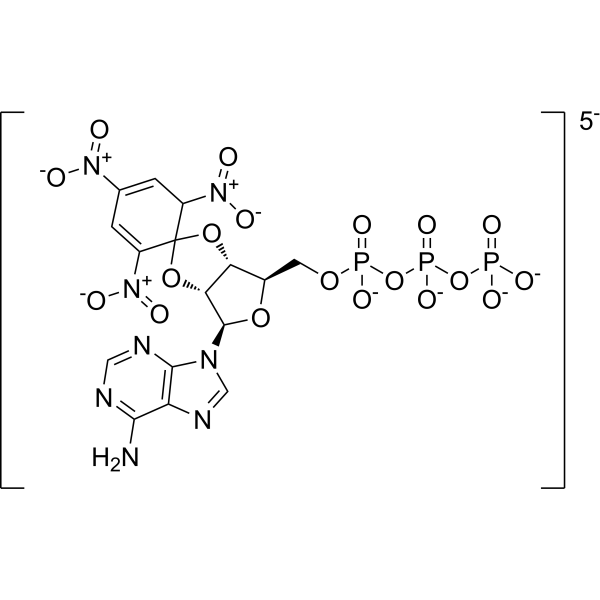
TNP-ATP triethylammonium is a P2X receptor antagonist with an IC50 of 0.010 μM for P2X3 and an IC50 of 0.062 μM for P2X2/3. TNP-ATP triethylammonium acts as an inhibitor of CheA autophosphorylation, with a Ki of 0.7 µM. TNP-ATP triethylammonium blocks the functional activation of P2X1-7 receptors. TNP-ATP triethylammonium attenuates hypoxia-induced IL-1β expression and release. TNP-ATP triethylammonium alleviates visceral pain, and improves hypoxia-induced cognitive impairment, insufficient myelination and neuroinflammation. Binding of TNP-ATP triethylammonium to CheA enhances the fluorescence of the TNP group. TNP-ATP triethylammonium can be used in studies related to visceral pain. NP-ATP triethylammonium can be used in studies related to hypoxia-induced insufficient myelination and cognitive decline .
loading...
    loading...
Cat. No.: HY-W009417
CAS No.: 77-54-3
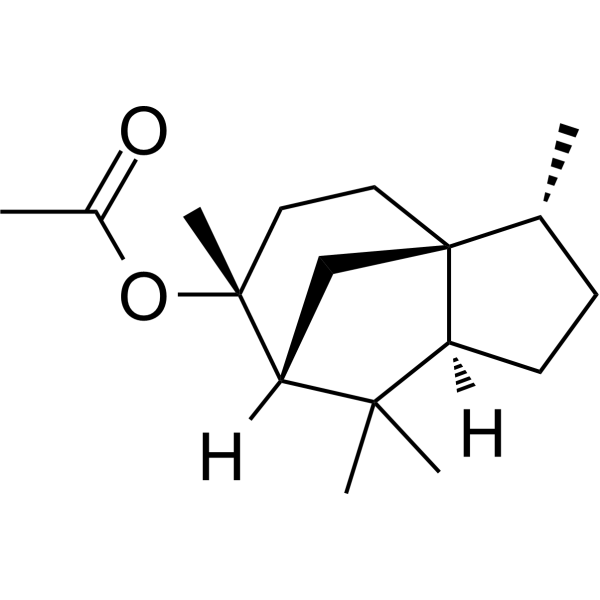
Cedryl acetate is an orally active α-glucosidase inhibitor with an IC50 of 94 μM against yeast α-glucosidase. Cedryl acetate reduces high-fat diet-induced body weight gain, visceral fat pad weight, adipocyte hypertrophy, hepatic lipid accumulation, glucose intolerance, insulin resistance and gluconeogenesis. Cedryl acetate can be used in the research of obesity and obesity-related metabolic syndrome .
loading...
    loading...
Cat. No.: HY-100326
CAS No.: 908570-13-8
Purity:  99.94%
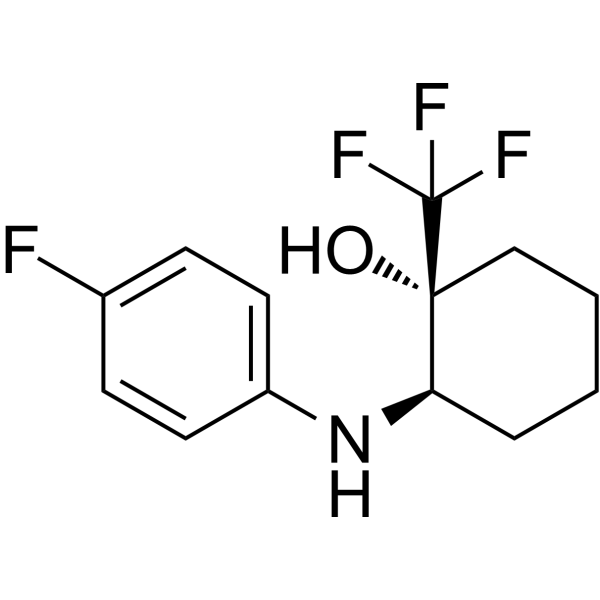
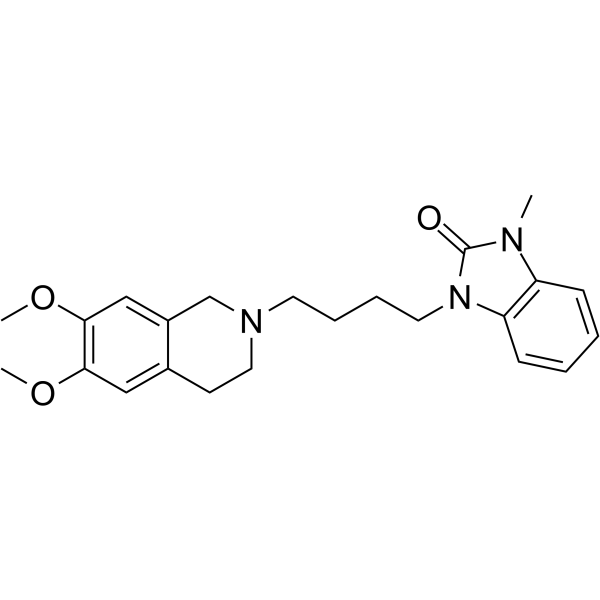
Pde7-in-3 (example 2) is an inhibitor of the phosphodiesterase PDE7 with potential analgesic activity. PDE7-IN-3 can be used to study inflammatory, neuropathic, visceral and nociceptive pain .
loading...
    loading...

