



Ondansetron
Based on 13 publication(s) in Google Scholar
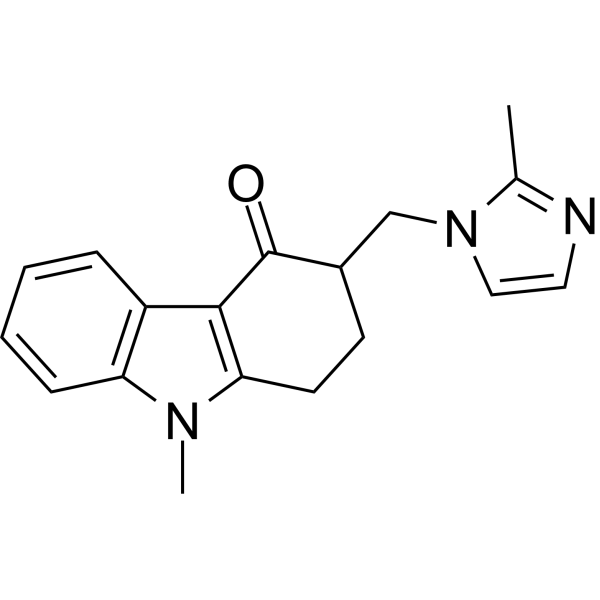
Ondansetron (GR 38032; SN 307) is a highly selective 5-HT3 receptor antagonist with an IC50 value of 103 pM. Ondansetron exerts its antiemetic effect by antagonizing 5-HT receptors located in localized neurons in the peripheral and central nervous systems. Ondansetron can inhibit nausea and vomiting induced by chemotherapy and radiotherapy.
For research use only. We do not sell to patients.
- Purity : 99.40%
- CAS No.: 99614-02-5
- Formula: C18H19N3O
- Molecular Weight:293.36
-
Storage:
4°C, protect from light
* In solvent : -80°C, 6 months; -20°C, 1 month (protect from light)

To place orders, for customer services and technical support, please contact: MedChemExpress USA
Tel: 609-228-6898 E-mail: [email protected] [email protected]


-
 Biological Activity
-
Chemical Information
-
Solvent & Solubility
- Purity & Documentation
- References
-
 Help & FAQs


-
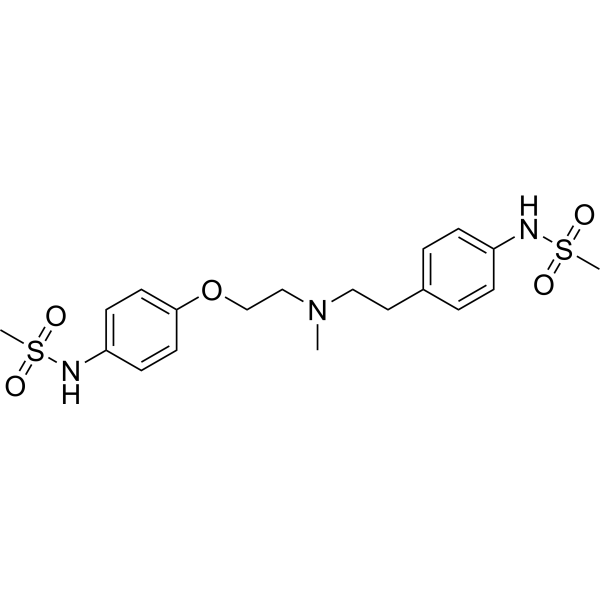
HY-B0232
DofetilideIKr Blocker -
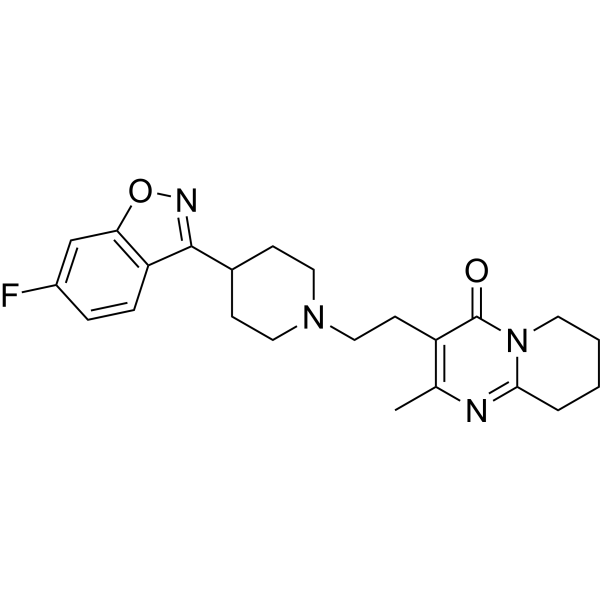
HY-11018
Risperidone5-HT2 Receptor Blocker -
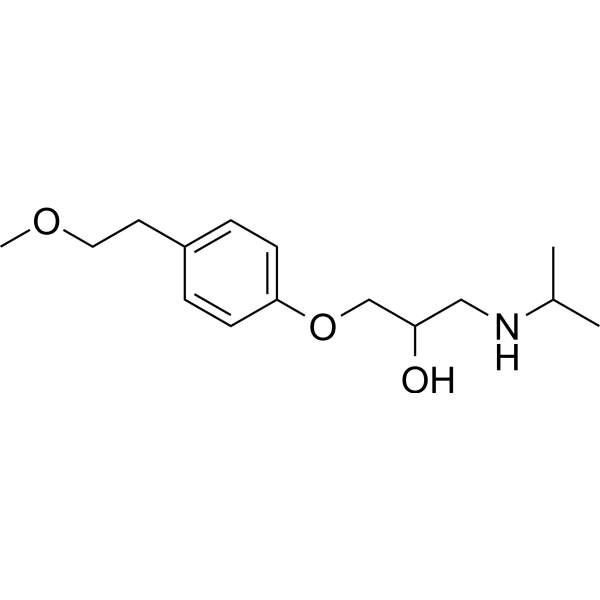
HY-17503
MetoprololBeta1-adrenoceptor Antagonist -
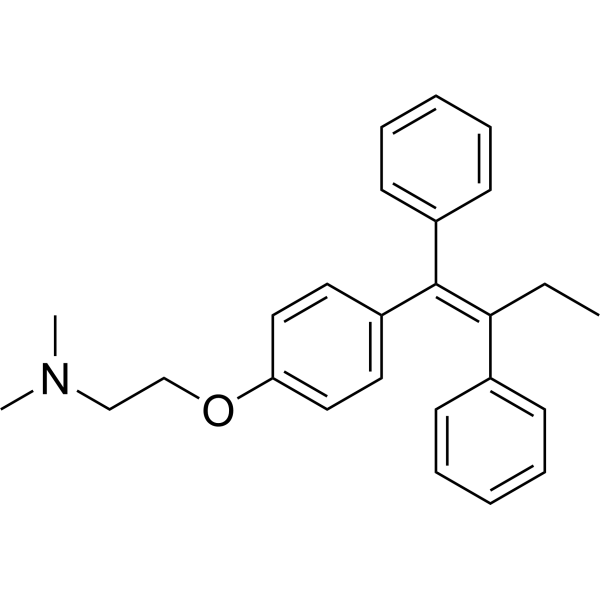
HY-13757A
TamoxifenEstrogen Receptor Modulator -
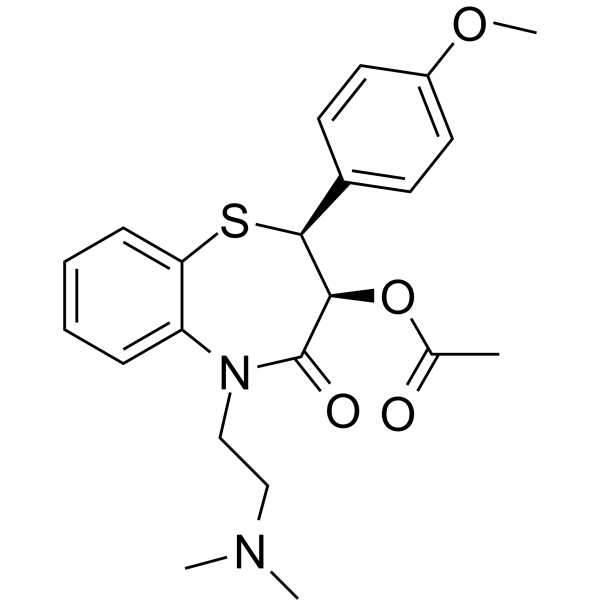
HY-B0632
DiltiazemL-type Calcium Chanel Inhibitor -
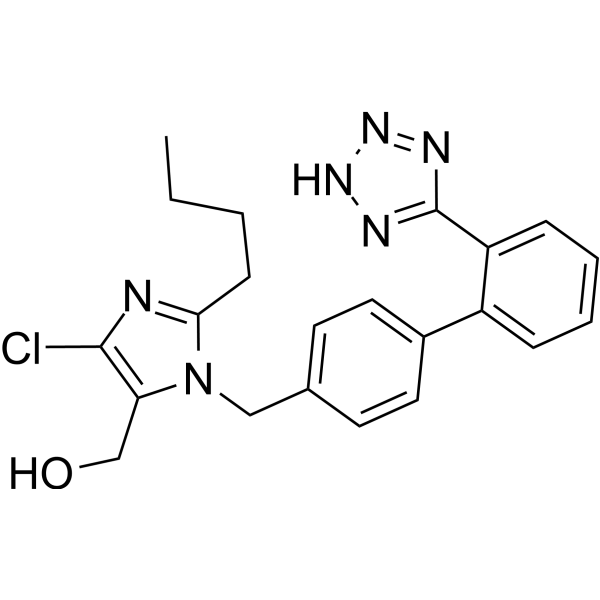
HY-17512
LosartanAngiotensin II Receptor Antagonist -
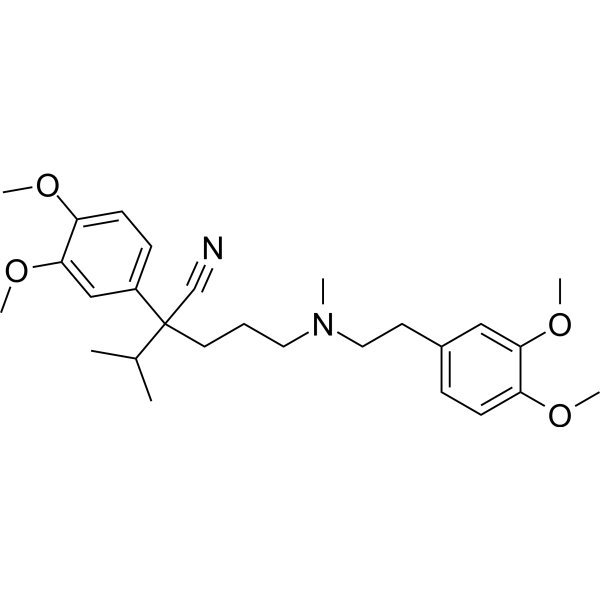
HY-14275
VerapamilCalcium Channel Blocker -
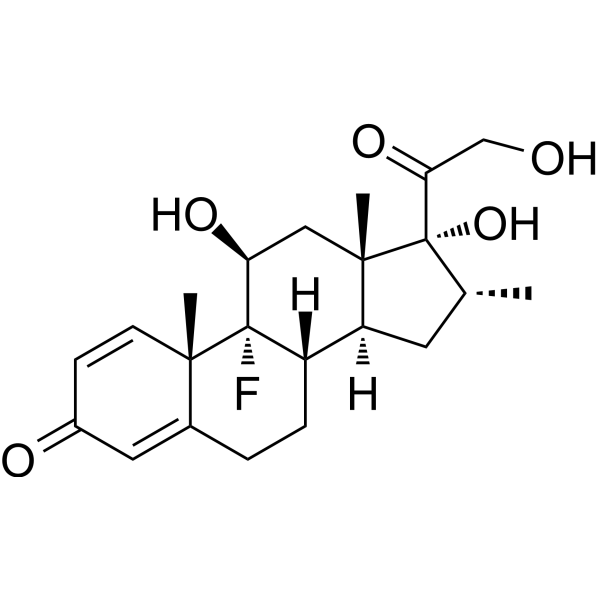
HY-14648
DexamethasoneGR Agonist -
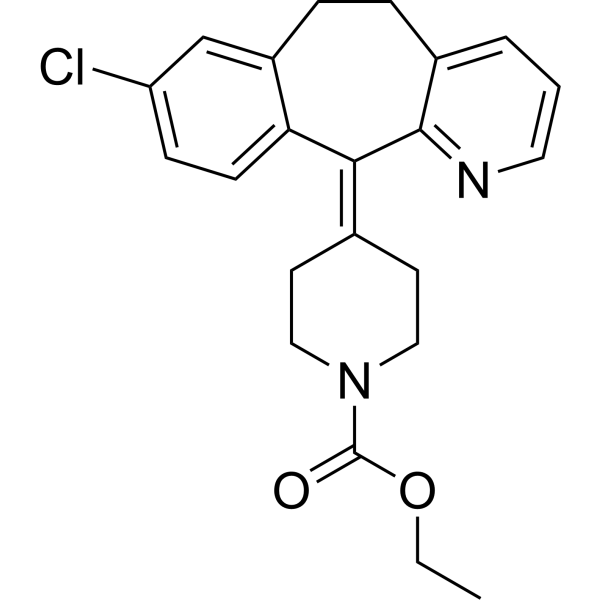
HY-17043
LoratadineInfluenza Virus Inhibitor -
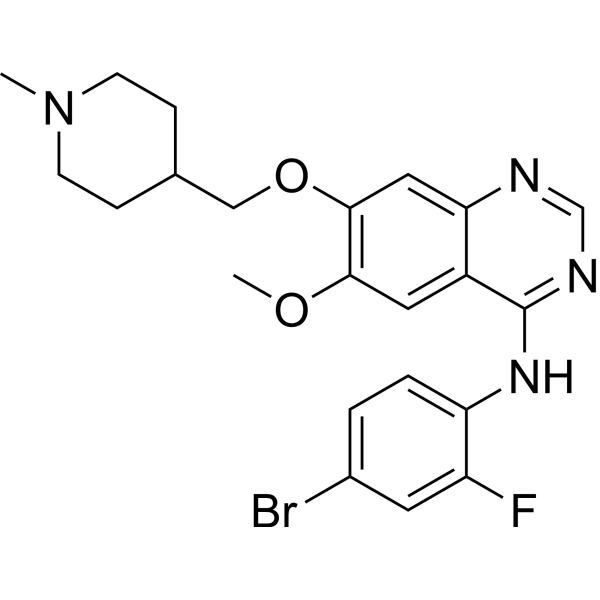
HY-10260
VandetanibVEGFR2/3 Inhibitor -
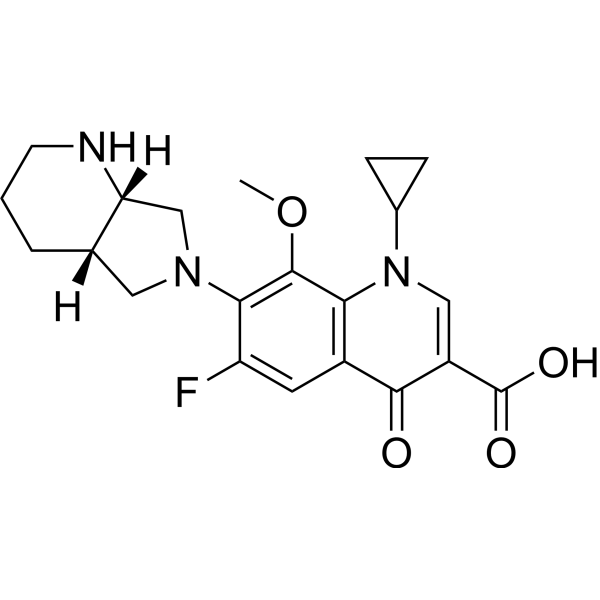
HY-66011A
MoxifloxacinAntibacterial Agent -
HY-15551
E-4031hERG Channels Blocker
Publications Citing Use of MedChemExpress (MCE) Ondansetron
More- Adv Sci (Weinh). 2025 Jul;12(26):e2503739. [Abstract]
- Aging Cell. 2026 Jul;25(7):e70633.
- J Ethnopharmacol. 2024 Apr 6:323:117703. [Abstract]
- Int J Pharm. 2015 Dec 30;496(1):33-41. [Abstract]
- Front Pharmacol. 2024 Aug 21:15:1443169. [Abstract]
- Eur J Pharm Sci. 2023 Aug 1:187:106475. [Abstract]
- Biomedicines. 2026 May 3;14(5):1040. [Abstract]
- Prog Neuropsychopharmacol Biol Psychiatry. 2023 Mar 2:122:110689. [Abstract]
- Drug Metab Dispos. 2026 Jul 14;54(8):100365.
- J Radiat Res Appl Sci. 2023 Dec, 16(4), 100682.
- Biochem Biophys Res Commun. 2025 Oct 30:786:152756. [Abstract]
- SSRN. 2023 Srep 5.
- Patent. US20170319486A1.
 Customer Validation & Images

-
In Vivo Efficacy Study
-
In Vivo Efficacy Study
-
In Vivo Efficacy Study
-
In Vivo Efficacy Study
-
IHC
All 5-HT Receptor Isoforms
More

Biological Activity
Description
IC50 & Target
|
5-HT3 Receptor |
Cellular Effect
|
Cell Line

|
Type | Value | Description | References |
|---|---|---|---|---|
| HEK293 | IC50 |
>300 μM
Compound: ondansetron
|
Inhibition of human OCT1-mediated ASP+ uptake expressed in HEK293 cells after 3 mins by fluorescence assay
Inhibition of human OCT1-mediated ASP+ uptake expressed in HEK293 cells after 3 mins by fluorescence assay
|
[PMID: 23241029] |
| HEK293 | IC50 |
0.03 μM
Compound: ondansetron
|
Inhibition of human MATE1-mediated [14]-metformin uptake expressed in HEK293 cells after 1.5 mins by scintillation counting analysis
Inhibition of human MATE1-mediated [14]-metformin uptake expressed in HEK293 cells after 1.5 mins by scintillation counting analysis
|
[PMID: 23241029] |
| HEK293 | IC50 |
0.16 μM
Compound: ondansetron
|
Inhibition of human MATE1-mediated ASP+ uptake expressed in HEK293 cells after 1.5 mins by fluorescence assay
Inhibition of human MATE1-mediated ASP+ uptake expressed in HEK293 cells after 1.5 mins by fluorescence assay
|
[PMID: 23241029] |
| HEK293 | IC50 |
0.16 μM
Compound: ondansetron
|
Inhibition of human MATE2K-mediated ASP+ uptake expressed in HEK293 cells up to 500 uM after 1.5 mins by fluorescence assay
Inhibition of human MATE2K-mediated ASP+ uptake expressed in HEK293 cells up to 500 uM after 1.5 mins by fluorescence assay
|
[PMID: 23241029] |
| HEK293 | IC50 |
0.3 μM
Compound: ondansetron
|
Inhibition of human MATE2K-mediated ASP+ uptake expressed in HEK293 cells after 1.5 mins by fluorescence assay
Inhibition of human MATE2K-mediated ASP+ uptake expressed in HEK293 cells after 1.5 mins by fluorescence assay
|
[PMID: 23241029] |
| HEK293 | IC50 |
0.4 μM
Compound: Ondansetron
|
Inhibition of human ERG expressed in HEK cells by patch clamp technique
Inhibition of human ERG expressed in HEK cells by patch clamp technique
|
[PMID: 20889341] |
| HEK293 | IC50 |
1.7 μM
Compound: ondansetron
|
Inhibition of human OCT2-mediated ASP+ uptake expressed in HEK293 cells after 3 mins by fluorescence assay
Inhibition of human OCT2-mediated ASP+ uptake expressed in HEK293 cells after 3 mins by fluorescence assay
|
[PMID: 23241029] |
| HEK293 | IC50 |
17.4 μM
Compound: ondansetron
|
Inhibition of human OCT3-mediated ASP+ uptake expressed in HEK293 cells after 3 mins by fluorescence assay
Inhibition of human OCT3-mediated ASP+ uptake expressed in HEK293 cells after 3 mins by fluorescence assay
|
[PMID: 23241029] |
| HEK293 | IC50 |
20.4 μM
Compound: Ondansetrone
|
Inhibition of 4-(4-(dimethylamino)styryl)-N-methylpyridinium uptake at human OCT1 expressed in HEK293 cells by confocal microscopy
Inhibition of 4-(4-(dimethylamino)styryl)-N-methylpyridinium uptake at human OCT1 expressed in HEK293 cells by confocal microscopy
|
[PMID: 18788725] |
| MDCK-II | IC50 |
<0.01 μM
Compound: ondansetron
|
Inhibition of human MATE1-mediated [14]-metformin uptake expressed in polarized MDCK2 cells after 5 mins by liquid scintillation counting analysis
Inhibition of human MATE1-mediated [14]-metformin uptake expressed in polarized MDCK2 cells after 5 mins by liquid scintillation counting analysis
|
[PMID: 23241029] |
| Oocyte | IC50 |
0.09 nM
Compound: 3
|
Antagonist activity at human 5HT3A receptor expressed in xenopus oocytes assessed as inhibition of 5HT-induced effect by electrophysiological method
Antagonist activity at human 5HT3A receptor expressed in xenopus oocytes assessed as inhibition of 5HT-induced effect by electrophysiological method
|
[PMID: 21486038] |
| Oocyte | IC50 |
0.16 nM
Compound: 3
|
Antagonist activity at rat 5HT3A receptor expressed in xenopus oocytes assessed as inhibition of 5HT-induced effect by electrophysiological method
Antagonist activity at rat 5HT3A receptor expressed in xenopus oocytes assessed as inhibition of 5HT-induced effect by electrophysiological method
|
[PMID: 21486038] |
| Oocyte | IC50 |
27 μM
Compound: Ondansetron
|
Antagonism of ACh-evoked responses at human Nicotinic acetylcholine receptor alpha3-beta4 expressed in xenopus oocytes
Antagonism of ACh-evoked responses at human Nicotinic acetylcholine receptor alpha3-beta4 expressed in xenopus oocytes
|
[PMID: 15050614] |
| Oocyte | IC50 |
66 μM
Compound: Ondansetron
|
Antagonism of ACh response at Nicotinic acetylcholine receptor alpha4-beta2 expressed in xenopus oocytes
Antagonism of ACh response at Nicotinic acetylcholine receptor alpha4-beta2 expressed in xenopus oocytes
|
[PMID: 15050614] |
In Vitro
In Vivo
Ondansetron (2 mg/kg; i.p.; six consecutive days) exhibits anti-inflammatory effects in rats through the 5-HT3 receptor[8].
MedChemExpress (MCE) has not independently confirmed the accuracy of these methods. They are for reference only.
-
Animal Model:NSCLC Patients Treated With Chemotherapy[7]
-
Dosage:8 mg
-
Administration:Intraperitoneal Injection (i.p.)
-
Result:Showed TD50 and LD50 doses with 3.7±0.6 mg/kg and 4.6±0.5 mg/kg, respectively.
-
Animal Model:Male Swiss Mice with Colitis[8]
-
Dosage:2 mg/kg
-
Administration:Intraperitoneal Injection (i.p.)
-
Result:Showed dramatic reduction in MPO activity and tumor necrosis factor-alpha, interleukin-6 and interleukin-1 beta.


Chemical Information
-
CAS No. 99614-02-5
-
Appearance Solid
-
Molecular Weight 293.36
-
Formula C18H19N3O
-
Color White to off-white
-
SMILES
O=C1C(CN2C=CN=C2C)CCC(N3C)=C1C4=C3C=CC=C4
-
Synonyms
GR 38032; SN 307
-
Shipping
Room temperature in continental US; may vary elsewhere.
-
Storage
4°C, protect from light
* In solvent : -80°C, 6 months; -20°C, 1 month (protect from light)


Publications (13)
-
Journal Impact Factor
-
Most Recent
-
Adv Sci (Weinh)
The Locus Coeruleus-Periaqueductal Gray GABAergic Projection Regulates Comorbid Pain and Depression. [Abstract]2025 Jul;12(26):e2503739. PMID: 40192524 -
-
J Ethnopharmacol
Phytomedicine Fructus Aurantii-derived two absorbed compounds unlock antidepressant and prokinetic multi-functions via modulating 5-HT3/GHSR. [Abstract]2024 Apr 6:323:117703. PMID: 38185260
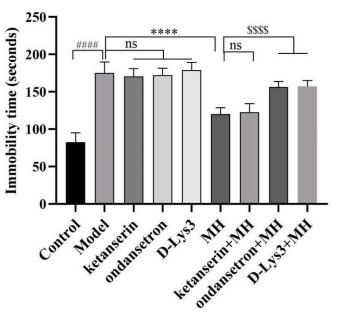
Ondansetron purchased from MedChemExpress. Usage Cited in: J Ethnopharmacol. 2024 Apr 6:323:117703. [Abstract]
Ondansetron (1 mg/kg; IP) had no impact on immobility time compared with the model group in rats.
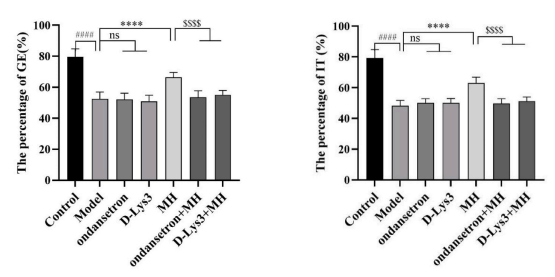
Ondansetron purchased from MedChemExpress. Usage Cited in: J Ethnopharmacol. 2024 Apr 6:323:117703. [Abstract]
Ondansetron (1 mg/kg; IP) alone did not affect GE (gastric emptying) and IT (intestinal transit), overturning the gastrointestinal efficacy of hesperidin (MH).
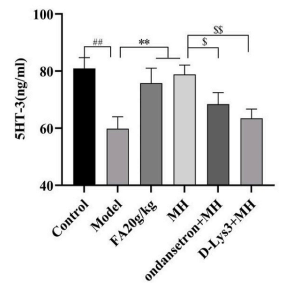
Ondansetron purchased from MedChemExpress. Usage Cited in: J Ethnopharmacol. 2024 Apr 6:323:117703. [Abstract]
Ondansetron (1 mg/kg; IP) reversed the rise in 5-HT3 compared to the hesperidin (MH) group (68.42 ± 4.05 vs 78.85 ± 3.28 ng/mL).
-
Int J Pharm
Formulation and development of pH-independent/dependent sustained release matrix tablets of ondansetron HCl by a continuous twin-screw melt granulation process. [Abstract]2015 Dec 30;496(1):33-41. PMID: 25863118 -
Front Pharmacol
The therapeutic targets and signaling mechanisms of ondansetron in the treatment of critical illness in the ICU. [Abstract]2024 Aug 21:15:1443169. PMID: 39234104 -
Eur J Pharm Sci
Investigating the relevance of CYP2J2 inhibition for drugs known to cause intermediate to high risk torsades de pointes. [Abstract]2023 Aug 1:187:106475. PMID: 37225005 -
Biomedicines
Ferroptosis in Septic Cardiomyopathy Is Alleviated by Ondansetron: The Critical Role of the HTR3A-ATF3 Axis in Mitochondrial and Oxidative Homeostasis. [Abstract]2026 May 3;14(5):1040. PMID: 42193366 -
Prog Neuropsychopharmacol Biol Psychiatry
Baicalein exerts anxiolytic and antinociceptive effects in a mouse model of posttraumatic stress disorder: Involvement of the serotonergic system and spinal delta-opioid receptors. [Abstract]2023 Mar 2:122:110689. PMID: 36462602 -
-
Ondansetron purchased from MedChemExpress. Usage Cited in: J Radiat Res Appl Sci. 2023 Dec, 16(4), 100682.
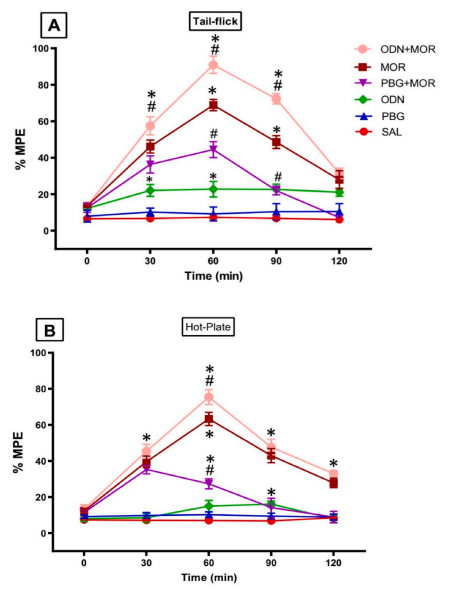
Ondansetron (ODN; 2 mg/kg; subcutaneously; 0-120 min) produced significant analgesia in both the Tail flick (TF) and hot plate (HP) tests compared with saline in rats.
Ondansetron purchased from MedChemExpress. Usage Cited in: J Radiat Res Appl Sci. 2023 Dec, 16(4), 100682.
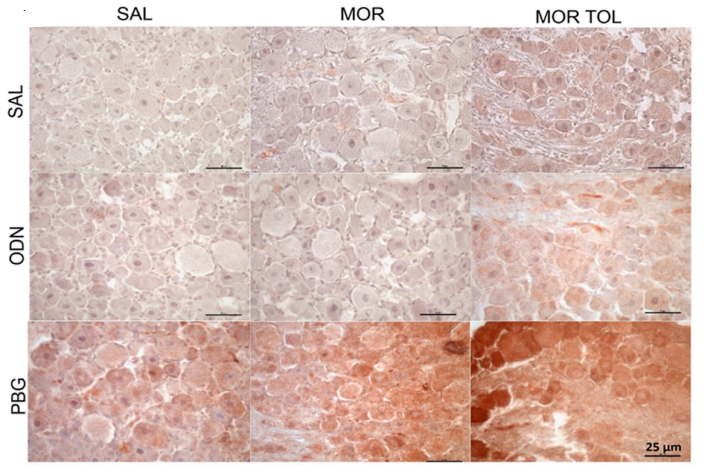
Ondansetron (ODN; 2 mg/kg; subcutaneously) decreased 5-HT3A immunoreactivity in rats dorsal root ganglia.
-
Biochem Biophys Res Commun
Dual-cardiotoxicity evaluation of torsadogenic risk drugs using human iPSC-derived cardiomyocytes. [Abstract]2025 Oct 30:786:152756. PMID: 41043280 -
-


Solvent & Solubility
In Vitro:
DMSO : 10 mg/mL (34.09 mM; Need ultrasonic; Hygroscopic DMSO has a significant impact on the solubility of product, please use newly opened DMSO)
Please refer to the solubility information to select the appropriate solvent. Once prepared, please aliquot and store the solution to prevent product inactivation from repeated freeze-thaw cycles.
Storage method and period of stock solution: -80°C, 6 months; -20°C, 1 month (protect from light). When stored at -80°C, please use it within 6 months. When stored at -20°C, please use it within 1 month.
Please refer to the solubility information to select the appropriate solvent. Once prepared, please aliquot and store the solution to prevent product inactivation from repeated freeze-thaw cycles.
Storage method and period of stock solution: -80°C, 6 months; -20°C, 1 month (protect from light). When stored at -80°C, please use it within 6 months. When stored at -20°C, please use it within 1 month.
Concentration (start) × Volume (start) = Concentration (final) × Volume (final)
In Vivo:
Select the appropriate dissolution method based on your experimental animal and administration route.
- For the following dissolution methods, please ensure to first prepare a clear stock solution using an In Vitro approach and then sequentially add co-solvents:
- To ensure reliable experimental results, the clarified stock solution can be appropriately stored based on storage conditions. As for the working solution for In Vivo experiments, it is recommended to prepare freshly and use it on the same day.
- The percentages shown for the solvents indicate their volumetric ratio in the final prepared solution. If precipitation or phase separation occurs during preparation, heat and/or sonication can be used to aid dissolution.
Add each solvent one by one: 10% DMSO 40% PEG300 5% Tween-80 45% Saline
Solubility: ≥ 1 mg/mL (3.41 mM); Clear solution
This protocol yields a clear solution of ≥ 1 mg/mL (saturation unknown).
Taking 1 mL working solution as an example, add 100 μL DMSO stock solution (10.0 mg/mL) to 400 μL PEG300, and mix evenly; then add 50 μL Tween-80 and mix evenly; then add 450 μL Saline to adjust the volume to 1 mL.
Preparation of Saline: Dissolve 0.9 g sodium chloride in ddH₂O and dilute to 100 mL to obtain a clear Saline solution.
Add each solvent one by one: 10% DMSO 90% (20% SBE-β-CD in Saline)
Solubility: 1 mg/mL (3.41 mM); Suspended solution; Need ultrasonic
This protocol yields a suspended solution of 1 mg/mL. Suspended solution can be used for oral and intraperitoneal injection.
Taking 1 mL working solution as an example, add 100 μL DMSO stock solution (10.0 mg/mL) to 900 μL 20% SBE-β-CD in Saline, and mix evenly.
Preparation of 20% SBE-β-CD in Saline (4°C, storage for one week): 2 g SBE-β-CD powder is dissolved in 10 mL Saline, completely dissolve until clear.
In Vivo Dissolution Calculator
Please enter the basic information of animal experiments:
-
-
-
-
Recommended: Prepare an additional quantity of animals to account for potential losses during experiments.
Please enter your animal formula composition:
-
%DMSO +
Recommended: Keep the proportion of DMSO in working solution below 2% if your animal is weak.
-
%+
-
+%Tween-80 + +
-
%Saline +
The co-solvents required include: DMSO, . All of co-solvents are available by MedChemExpress (MCE). , Tween 80. All of co-solvents are available by MedChemExpress (MCE).
Working solution concentration: 0.22 mg/mL
Method for preparing stock solution: mg drug dissolved in μL DMSO. Stock solution concentration: mg/mL. * In solvent : -80°C, 6 months; -20°C, 1 month (protect from light)
1. Take μL DMSO stock solution;
2. Add μL .
μL , mix evenly;
3. Then add μL Tween 80, mix evenly;
4. Then add μL
Please ensure that the stock solution in the first step is dissolved to a clear state, and add co-solvents in sequence. You can use ultrasonic heating (ultrasonic cleaner, recommended frequency 20-40 kHz), vortexing, etc. to assist dissolution.


Purity & Documentation
-
Data Sheet (283 KB)
-
SDS (786 KB)
- English - EN (786 KB)
- Français - FR (786 KB)
- Deutsch - DE (786 KB)
- Norwegian - NO (786 KB)
- Español - ES (786 KB)
- Swedish - SV (786 KB)
- Italian - IT (786 KB)
- Korean - KR (786 KB)
- Portuguese - PT (786 KB)
-
Handling Instructions (2659 KB)
References
[1]. Brown AM, et al. Ion permeation and conduction in a human recombinant 5-HT3 receptor subunit (h5-HT3A). J Physiol. 1998 Mar 15;507 ( Pt 3):653-65. [Content Brief]
[2]. Barann M, et al. Recombinant human 5-HT3A receptors in outside-out patches of HEK 293 cells: basic properties and barbiturate effects. Naunyn Schmiedebergs Arch Pharmacol. 2000 Sep;362(3):255-65. [Content Brief]
[3]. Wildeboer KM, et al. Ondansetron results in improved auditory gating in DBA/2 mice through a cholinergic mechanism. Brain Res. 2009 Dec 1;1300:41-50. [Content Brief]
[4]. Khedhaier A, et al. Circadian rhythms in toxic effects of the serotonin antagonist ondansetron in mice. Chronobiol Int. 2003 Nov;20(6):1103-16. [Content Brief]
[5]. Umathe SN, et al. The 5-HT3 receptor antagonist, ondansetron, blocks the development and expression of ethanol-induced locomotor sensitization in mice. Behav Pharmacol. 2009 Feb;20(1):78-83. [Content Brief]
[6]. Doggrell SA, et al. Cardiac safety concerns for ondansetron, an antiemetic commonly used for nausea linked to cancer treatment and following anaesthesia. Expert Opin Drug Saf. 2013 May;12(3):421-31. [Content Brief]
[7]. Xin Wang, et al. Effectiveness of Olanzapine Combined with Ondansetron in Prevention of Chemotherapy-Induced Nausea and Vomiting of Non-small Cell Lung Cancer. Cell Biochem Biophys. 2015 Jun;72(2):471-3. [Content Brief]
[8]. Azadeh Motavallian-Naeini, et al. Anti-inflammatory effect of ondansetron through 5-HT3 receptors on TNBS-induced colitis in rat. EXCLI J2012 Feb 22:11:30-44. eCollection 2012. [Content Brief]


Complete Stock Solution Preparation Table
Please refer to the solubility information to select the appropriate solvent. Once prepared, please aliquot and store the solution to prevent product inactivation from repeated freeze-thaw cycles.
Storage method and period of stock solution: -80°C, 6 months; -20°C, 1 month (protect from light). When stored at -80°C, please use it within 6 months. When stored at -20°C, please use it within 1 month.
| Optional Solvent | Concentration Solvent Mass | 1 mg | 5 mg | 10 mg | 25 mg |
|---|---|---|---|---|---|
| DMSO | 1 mM | 3.4088 mL | 17.0439 mL | 34.0878 mL | 85.2195 mL |
| 5 mM | 0.6818 mL | 3.4088 mL | 6.8176 mL | 17.0439 mL | |
| 10 mM | 0.3409 mL | 1.7044 mL | 3.4088 mL | 8.5220 mL | |
| 15 mM | 0.2273 mL | 1.1363 mL | 2.2725 mL | 5.6813 mL | |
| 20 mM | 0.1704 mL | 0.8522 mL | 1.7044 mL | 4.2610 mL | |
| 25 mM | 0.1364 mL | 0.6818 mL | 1.3635 mL | 3.4088 mL | |
| 30 mM | 0.1136 mL | 0.5681 mL | 1.1363 mL | 2.8407 mL |


Ondansetron Related Classifications
HY-B0002B Related Classifications
 Powered by Bioz