



Cholinesterase (ChE)
Cholinesterase (ChE) is a family of enzymes present in the central nervous system, particularly in nervous tissue, muscle and red cells, which catalyze the hydrolysis of the neurotransmitter acetylcholine into choline and acetic acid, a reaction necessary to allow a cholinergic neuron to return to its resting state after activation. It is one of many important enzymes needed for the proper functioning of the nervous systems of humans.
There are two types: acetylcholinesterase (AChE, acetylcholine hydrolase) and butyrylcholinesterase (BChE, acylcholine acylhydrolase), also known as nonspecific cholinesterase or pseudocholinesterase. AChE is primarily found in the blood on red blood cell membranes, in neuromuscular junctions, and in neural synapses, while BChE is produced in the liver and found primarily in plasma. The difference between the two types of cholinesterase is their relative preferences for substrates: AChE hydrolyzes acetylcholine faster while BChE hydrolyzes butyrylcholine faster.
Cholinesterase (ChE) Isoform Specific Products
All Product Categories
-
Cholinesterase (ChE) Inhibitors
(913)
View all products
-
Cholinesterase (ChE) Agonists
(5)
View all products
-
Cholinesterase (ChE) Antagonists
(10)
View all products
-
Cholinesterase (ChE) Activators
(32)
View all products
-
Cholinesterase (ChE) Modulators
(10)
View all products
-
Cholinesterase (ChE) Chemical
(1)
View all products
-
Cholinesterase (ChE) Inducer
(1)
View all products
-
Cholinesterase (ChE) Controls
(6)
View all products
-
Cholinesterase (ChE) Substrates
(2)
View all products
-
Cholinesterase (ChE) Related Products (1062)
Related Products (1062)

-
Antibodies (2)
-
Cholinesterase (ChE) Isoform Comparison
-
RPR121056
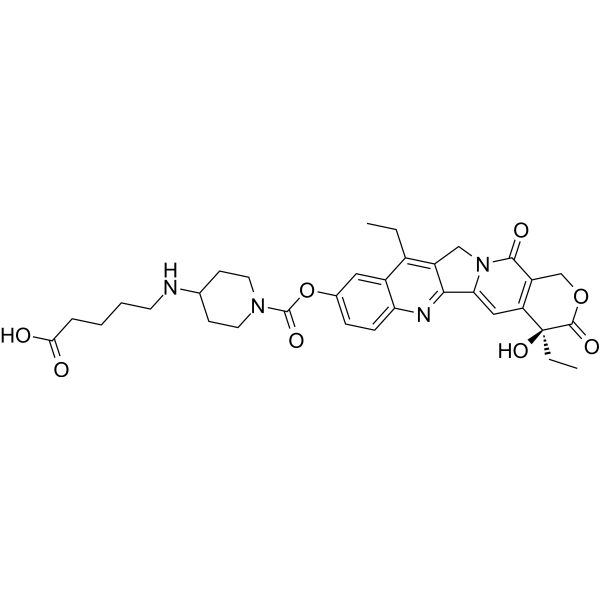 0 ImagesSynonyms: APCRPR121056 (APC) is a metabolite of Irinotecan (CPT-11), which is generated by CYP3A4. Irinotecan (CPT-11) is an antineoplastic agent that inhibits topoisomerase type I, causing cell death, and is widely used in the treatment of colorectal cancer. Irinotecan also directly inhibits AChE.
-
Phenserine
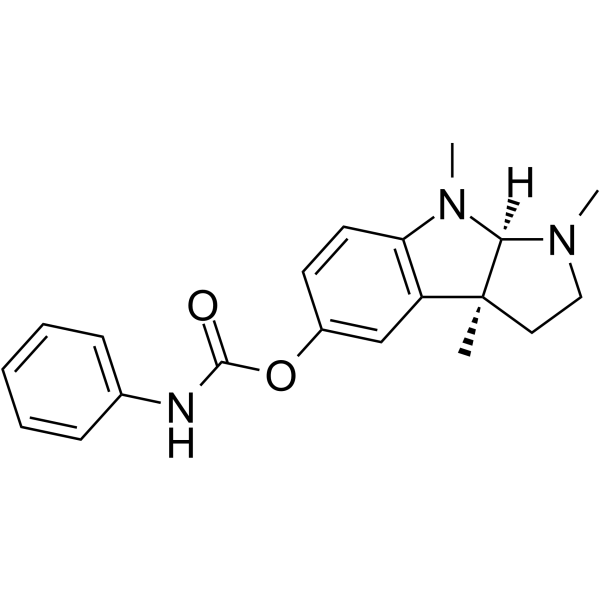 0 ImagesSynonyms: (-)-Eseroline phenylcarbamate; (-)-PhenserinePhenserine ((-)-Eseroline phenylcarbamate) is a derivative of Physostigmine (HY-N6608) and is a potent, noncompetitive, long-acting and selective AChE inhibitor. Phenserine reduces β-amyloid precursor protein (APP) and β-amyloid peptide (Aβ) formation. Phenserine improves cognitive performance and attenuates the progression of Alzheimer's disease.
-
Pyridostigmine-d6 bromide
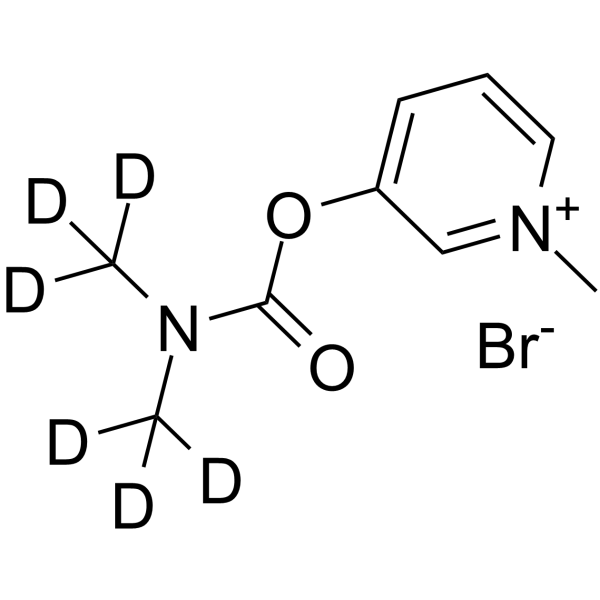 0 ImagesPyridostigmine-d6 (bromide) is the deuterium labeled Pyridostigmine, which is a parasympathomimetic and a reversible cholinesterase inhibitor.
-
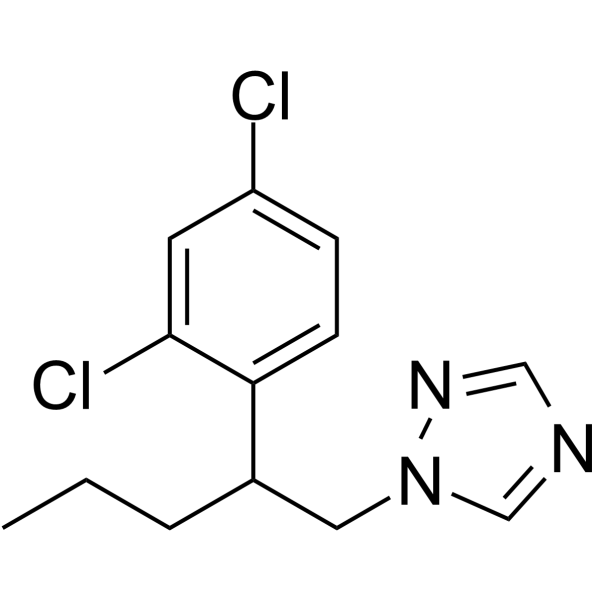
Fosthiazate
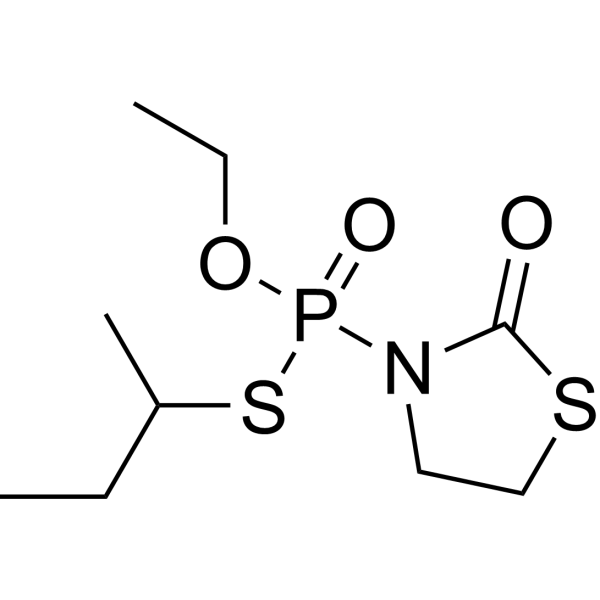 0 ImagesFosthiazate is an inhibitor of acetylcholinesterase (Acetylcholinesterase, AChE). Fosthiazate exhibits significant nematicidal activity and systemic insecticidal activity. Fosthiazate is applicable to studies on plant-parasitic nematodes, root-knot diseases, agricultural pests, as well as the ecotoxicology and environmental behavior of organophosphorus compounds.
-
MAPK-IN-1
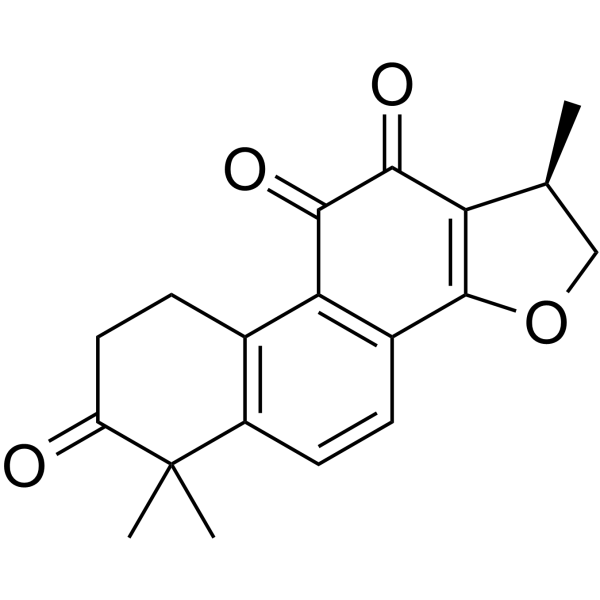 0 ImagesMAPK-IN-1 (Compound 2) is a MAPK signaling pathway inhibitor. MAPK-IN-1 exhibits AChE inhibitory activity with an IC50 of 23.84 μM. MAPK-IN-1 shows anti-neuroinflammatory and neuroprotective activity and can be used for Alzheimer's disease research.
-
L-Citronellol
 0 ImagesSynonyms: (S)-3,7-Dimethyloct-6-en-1-olL-Citronellol ((S)-3,7-Dimethyloct-6-en-1-ol) is a natural product with anti-allergic and neuroprotective effects. L-Citronellol inhibits mast cell activation and the release of inflammatory factors by inhibiting the ERK pathway. L-Citronellol inhibits BACE1/PSEN1 and AChE, reduces TNF-α expression and lipid peroxidation, demonstrating the potential of multi-target anti-Alzheimer's disease (AD).
-
Carbosulfan
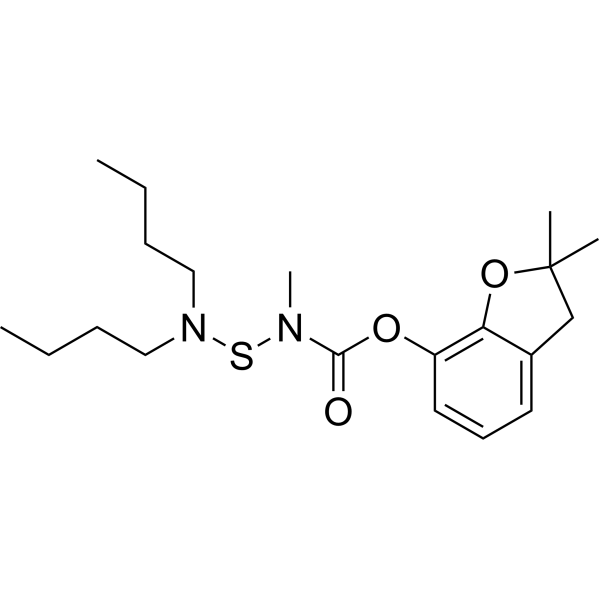 0 ImagesCarbosulfan is an orally active AChE inhibitor that hydrolyzes to Carbofuran in organisms to exert insecticidal effects. Carbosulfan exhibits broad-spectrum insecticidal activity, and it also induces severe oxidative stress by enhancing lipid peroxidation and impairing the antioxidant defense system. Carbosulfan causes reproductive toxicity in male rats and developmental disorders in their offspring. Carbosulfan shows persistence in paddy field environments and potential hazards to non-target organisms, and it is commonly used in studies related to reproductive toxicity and environmental risk assessment.
-
Dihydroactinidiolide
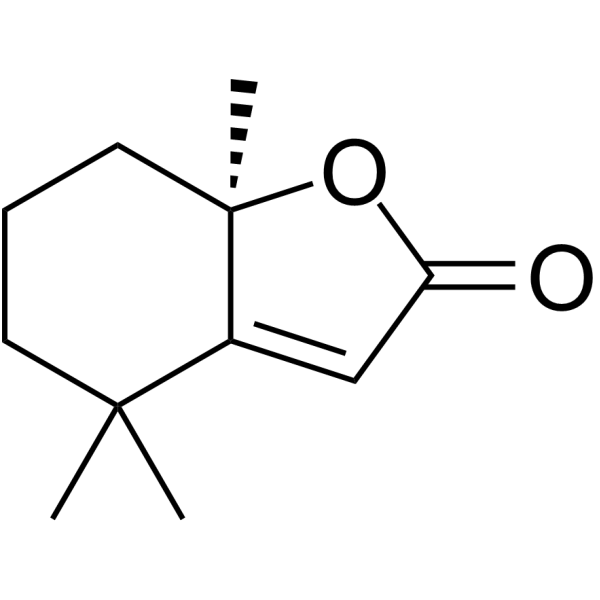 0 ImagesDihydroactinidiolide, existing in plant leaves and fruits, is a potent plant growth inhibitor, a regulator of gene expression and is responsible for photo acclimation in Arabidopsis. Dihydroactinidiolide has antioxidant activity, antibacterial activity, anticancer activity and neuroprotective effect. Dihydroactinidiolide is also an inhibitor of AChE (IC50=34.03 nM) and has scavenging activities for DPPH and (.NO). Dihydroactinidiolide is present in plant leaves and fruits and is a potent plant growth inhibitor, regulator of gene expression, and responsible for light adaptation in Arabidopsis.
-
Sericin
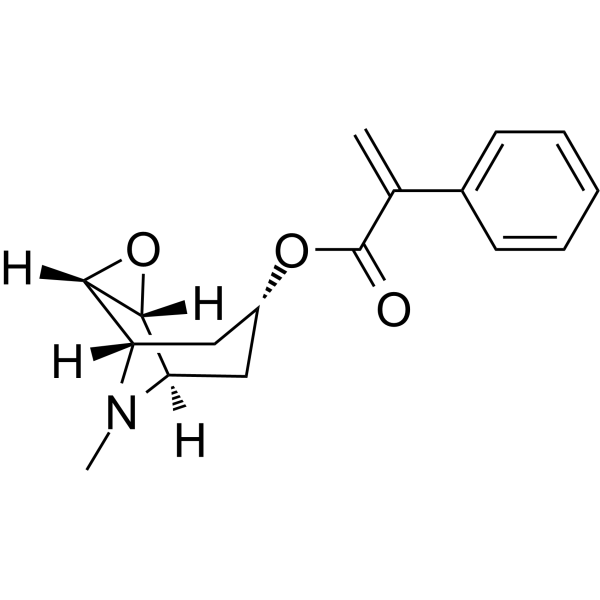
 0 ImagesCat. No.: HY-NP192Sericin is an orally active globular protein produced by silkworm cocoons. Sericin inhibits the expression of COX2, iNOS, TLR4, MAPK and NF-κB; reduces the levels of IL-18, IL-1 and CCL2; antagonizes the activity of AChE; and downregulates the expression of Bcl-2. Sericin enhances the PI3K/AKT-mediated insulin signaling pathway. Sericin inhibits the activity of tyrosinase (Tyrosinase), scavenges ROS, chelates metal ions, and increases the levels of antioxidant enzymes. Sericin induces apoptosis and arrests the cell cycle. Sericin exhibits antibacterial, moisturizing, cardioprotective and anticoagulant properties. Sericin can be used in research related to type 2 diabetes, hyperlipidemia, obesity, Alzheimer's disease, colon cancer, peripheral nerve injury and ischemic myocardial infarction.
-
Pirimiphos-methyl
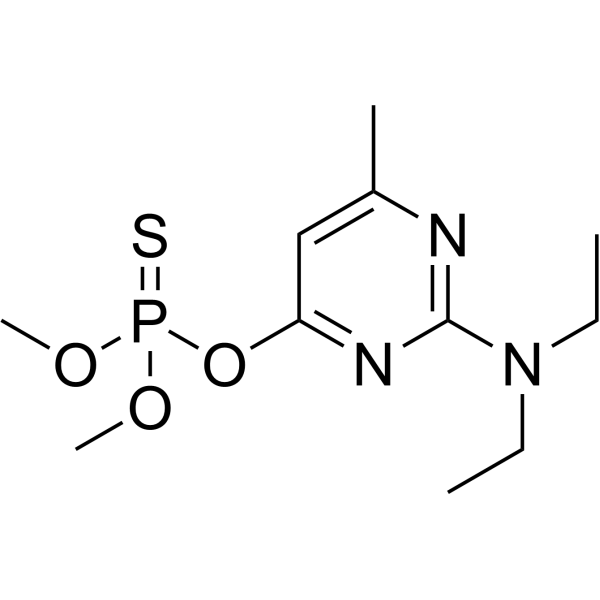 0 ImagesPirimiphos-methyl is an organophosphorus insecticide and acaricide that can inhibit AChE in target organisms. Pirimiphos-methyl is often used for prevention and control of beetles, snout beetles, moths and Ephestia cautella during storage of agricultural grains.
-
(±)-Huperzine A
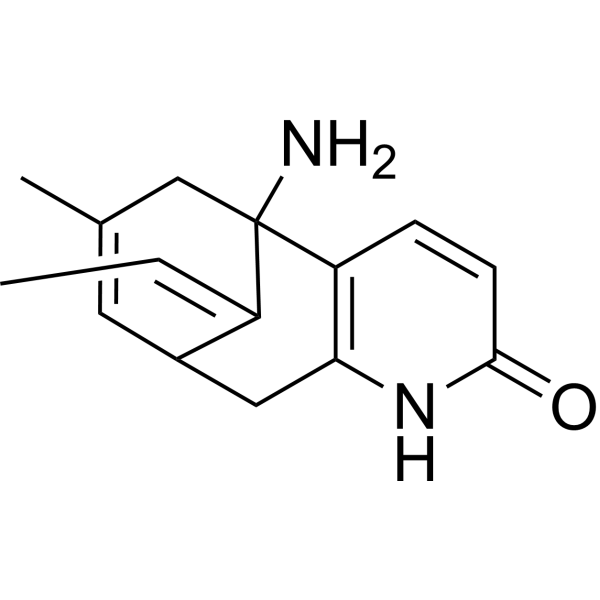 0 Images(±)-Huperzine A is the racemate of (-)-Huperzine A (HY-17387). (-)-Huperzine A is an alkaloid isolated from Huperzia serrata, with neuroprotective activity. (-)-Huperzine A is a potent, highly specific, reversible and blood-brain barrier penetrant inhibitor of acetylcholinesterase (AChE), with an IC50 of 82 nM. (-)-Huperzine A also is non-competitive antagonist of N-methyl-D-aspartate glutamate (NMDA) receptor. (-)-Huperzine A is developed for the research of neurodegenerative diseases, including Alzheimer’s disease.
-
Neoeriocitrin
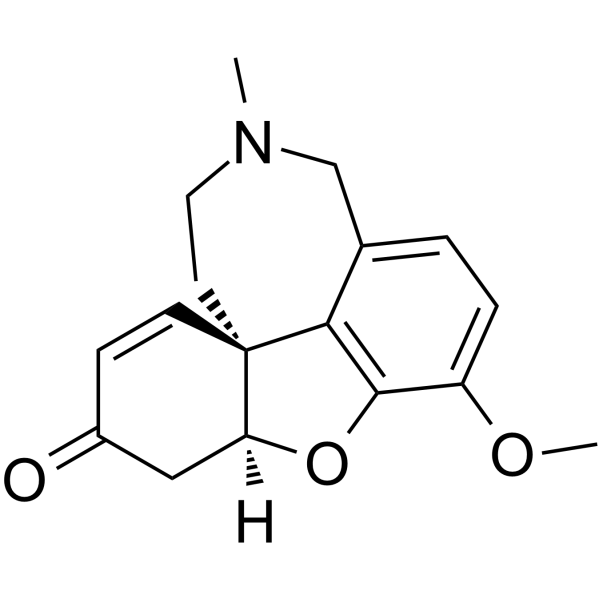
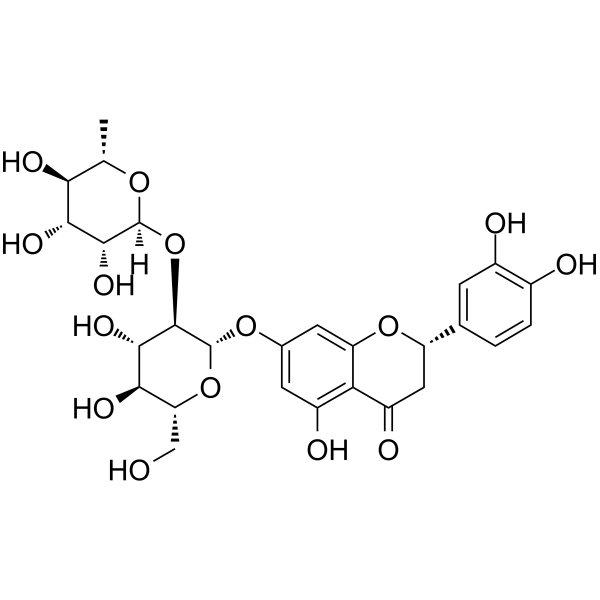 0 ImagesNeoeriocitrin is a Naringin (HY-N0153) analogue found in Drynaria Rhizome. Neoeriocitrin induces cells proliferation, differentiation, up-regulates type I collagen, osteocalcin, and key osteogenic markers, and increases ALP activity. Neoeriocitrin increases expression of Runx2, COL I, OCN and Beclin1. Neoeriocitrin inhibits phosphorylation of P38 mitogen-activated protein kinase, reduces acetylcholinesterase (AChE) activity, and increases choline acetyltransferase (ChAT) activity. Neoeriocitrin reduces apoptosis and induces autophagy. Neoeriocitrin can be used for the researches of osteoporosis and Alzheimer's disease.
-
Aβ1–42 aggregation inhibitor 1
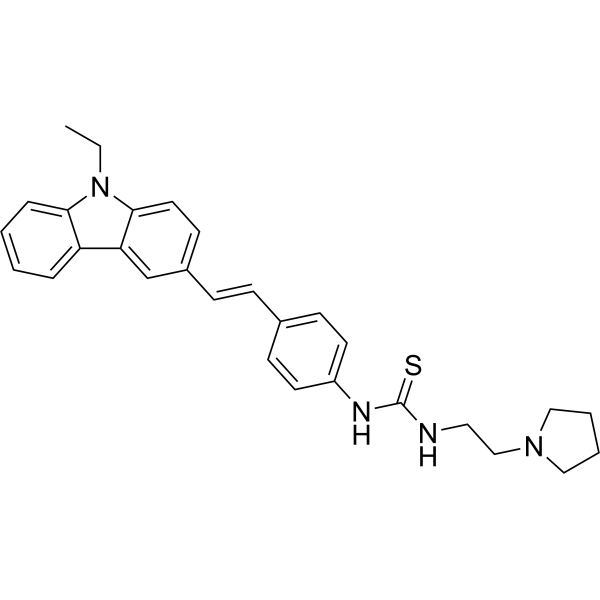 0 ImagesAβ1-42 aggregation inhibitor 1 inhibits AChE (acetylcholinesterase) and BuChE (butyrylcholinesterase) with the IC50 value of 2.64 μM and 1.29 μM, respectively. Aβ1-42 aggregation inhibitor 1 inhibits self-mediated Aβ1-42 aggregation by 51.29% at a concentration of 25 μM. Aβ1-42 aggregation inhibitor 1 has the potential for the research of anti-Alzheimer's disease.
-
Jatrorrhizine hydroxide
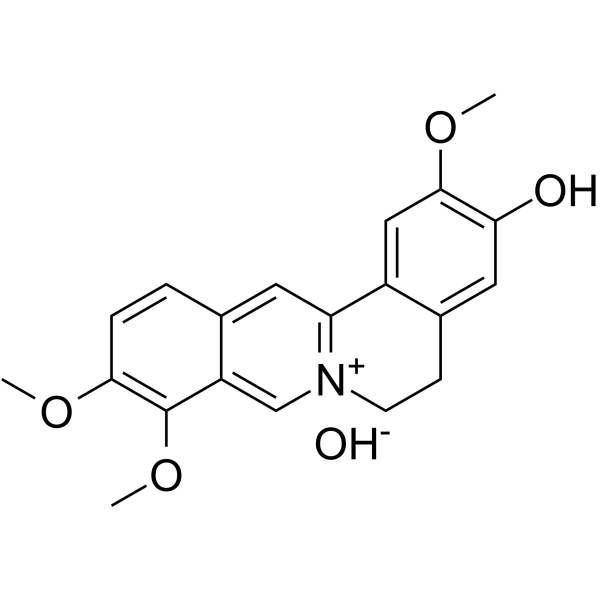 0 ImagesJatrorrhizine hydroxide is an alkaloid isolated from Coptis chinensis with neuroprotective, antimicrobial, antiplasmodial and antioxidant activities. Jatrorrhizine hydroxide is a potent and orally active inhibitor of AChE (IC50=872 nM) over >115-fold selectivity for BuChE. Jatrorrhizine hydroxide reduces uptake of serotonin (5-HT) and norepinephrine (NE) via inhibition of uptake-2 transporters.
-
β-NETA
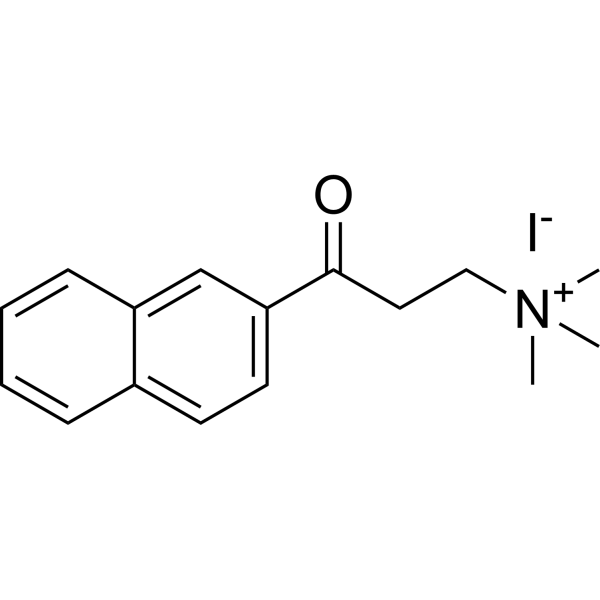 0 Imagesβ-NETA is a potent and noncompetitive choline acetyltransferase (ChA; IC50=76 μM) and cholinesterase (ChE; IC50=40 μM) inhibitor. β-NETA weakly inhibits acetylcholinesterase (AChE; IC50=1 mM).
-
Trimyristin
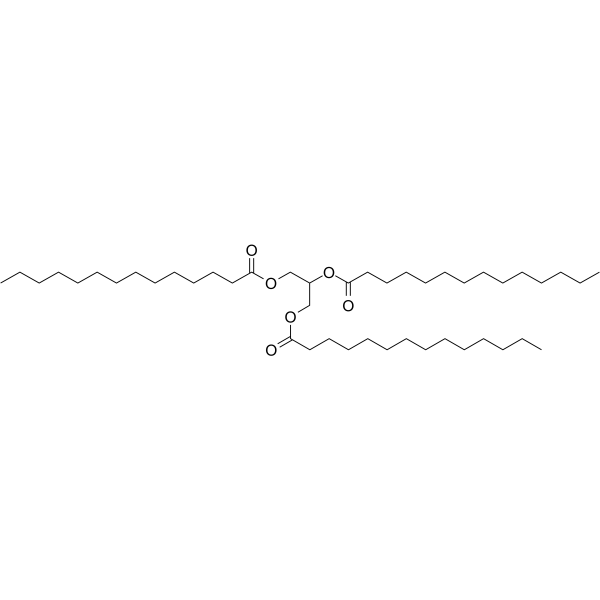 0 ImagesTrimyristin is an orally active compound. Trimyristin can be isolated from the seeds of nutmeg (Myristica fragrans). Trimyristin inhibits the activities of acetylcholinesterase (AChE), ACP and ALP, with IC50 values of 0.11, 0.16 and 0.18 mM, respectively. Trimyristin exerts competitive-noncompetitive inhibition on acetylcholinesterase, uncompetitive inhibition on ACP, and competitive/noncompetitive inhibition on ALP. Trimyristin restores the downregulated acetylcholinesterase concentration in the cerebral cortex of rats exposed to sodium arsenite. Trimyristin can be used in studies related to fascioliasis and neurotoxicity.
-
Dimethyl sulfoxide (GMP Like)
 0 ImagesSynonyms: DMSO (GMP Like)Dimethyl sulfoxide (DMSO) (GMP Like) is the GMP Like class Dimethyl sulfoxide (HY-Y0320C). Dimethyl sulfoxide is an aprotic solvent that can dissolve water-insoluble therapeutic and toxic agents. Dimethyl sulfoxide has a strong affinity for water and has the ability to rapidly penetrate or enhance the penetration of other substances through biological membranes. Dimethyl sulfoxide also has potential free radical scavenging and anticholinesterase effects and may affect coagulation activity. Dimethyl sulfoxide also induces histamine release from mast cells but is thought to have low systemic toxicity.




