



FAK
PTK2 protein tyrosine kinase 2; PTK2; Focal adhesion kinase
FAK (Focal Adhesion Kinase or PTK2) is a non-receptor and non-membrane associated protein tyrosine kinase that is activated at the sites of cell-matrix adhesions and integrin clustering by auto-phosphorylation (at Tyr397), Src, and other tyrosine kinases. FAK mediates integrin-based cell signaling by transferring signals regulating cell migration, adhesion, and survival from the extracellular matrix to the cytoplasm.
FAK is overexpressed in many tumors, including those derived from the head and neck, colon, breast, prostate, liver, and thyroid. Furthermore, FAK overexpression is highly correlated with an invasive phenotype in these tumors. Inhibition of FAK signaling by overexpression of dominant-negative fragments of FAK reduces invasion of glioblastomas and ovarian cancer cells. FAK therefore represents an important target for the development of anti-neoplastic and anti-metastatic drugs.
All Product Categories
-
FAK Related Products (192)
Related Products (192)

-
Antibodies (6)
-
NAMI-A
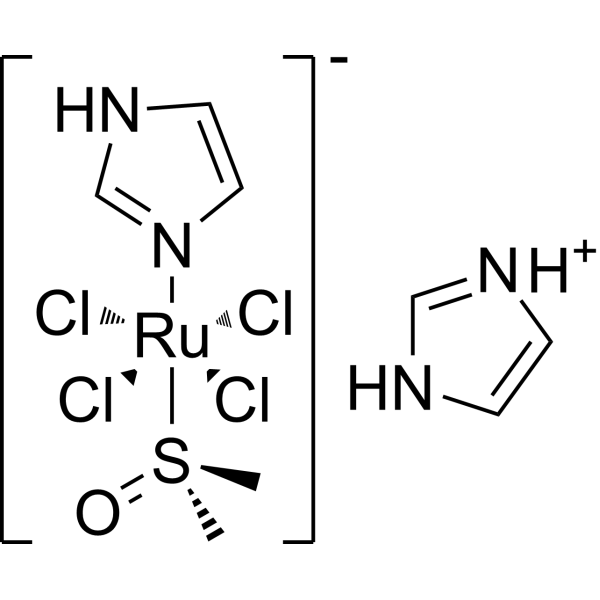 0 ImagesNAMI-A is a ruthenium-based drug characterised by the selective activity against tumour metastases, inhibits the adhesion and migration.
-
PRT062607 acetate
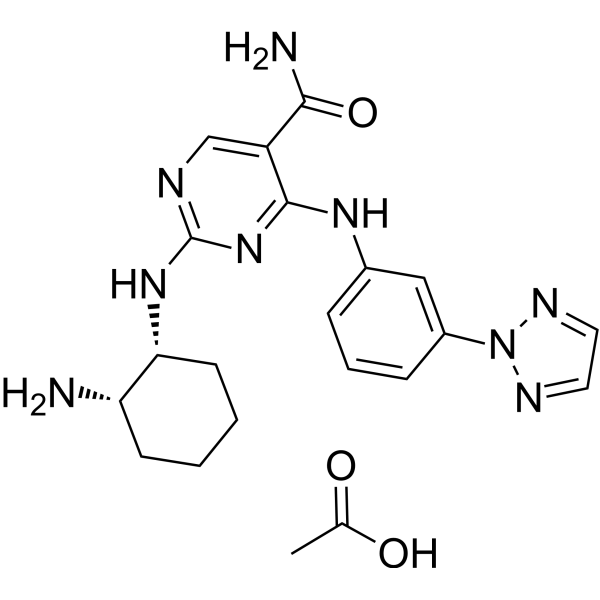 0 ImagesSynonyms: P505-15 acetate; PRT-2607 acetate; BIIB-057 acetate
-
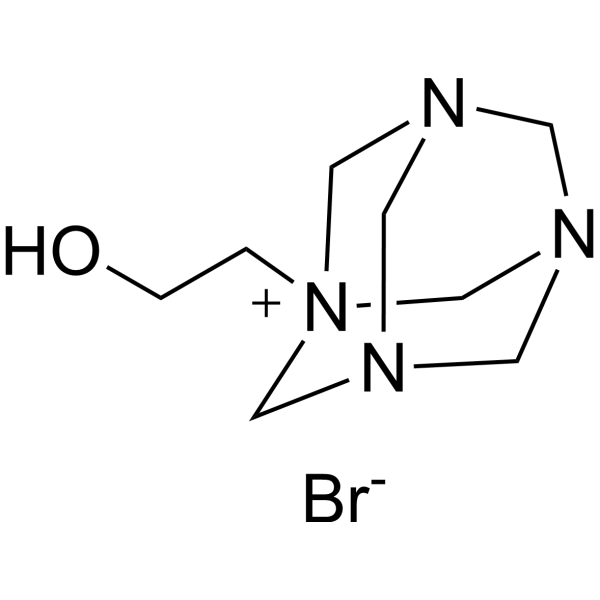
I194496
 0 ImagesI194496 is a potent cystathionine γ-lyase (CSE) inhibitor, with an IC50 of 0.79 mM. I194496 can inhibit the growth of human TNBC cells via the dual targeting PI3K/Akt and Ras/Raf/ERK pathway and suppress the metastasis of human TNBC cells via down-regulating Anxa2/STAT3 and VEGF/FAK/Paxillin signaling pathways.
-
Adhesamine diTFA
 0 ImagesCat. No.: HY-122672ACAS No.: 1201698-09-0Adhesamine diTFA is a dumbbell-shaped molecule that activates the MAPK/FAK pathway. Adhesamine promotes the adhesion and growth of mammalian cells, accelerates the differentiation of primary cultured mouse hippocampal neurons, and enhances their survival rate.
-
T7 Peptide TFA
 0 ImagesCat. No.: HY-P10323APurity: 98.20%Synonyms: Tumstatin (74-98), human TFAT7 Peptide TFA is a protein synthesis inhibitor and anti-angiogenic agent, with a Kd of 10 nM for human transferrin receptor. T7 Peptide TFA inhibits the phosphorylation of focal adhesion kinase, the activation of phosphatidylinositol 3-kinase and Akt, the kinase activity of mTOR, as well as the phosphorylation of 4E-BP1 in endothelial cells. T7 Peptide TFA induces G0/G1 cell cycle arrest, apoptosis and protective autophagy in hepatocellular carcinoma cells, and suppresses tumor growth in mouse models. T7 Peptide TFA is applicable to research related to cancer, glioblastoma, hepatocellular carcinoma and glioma.
-
ALK inhibitor 2
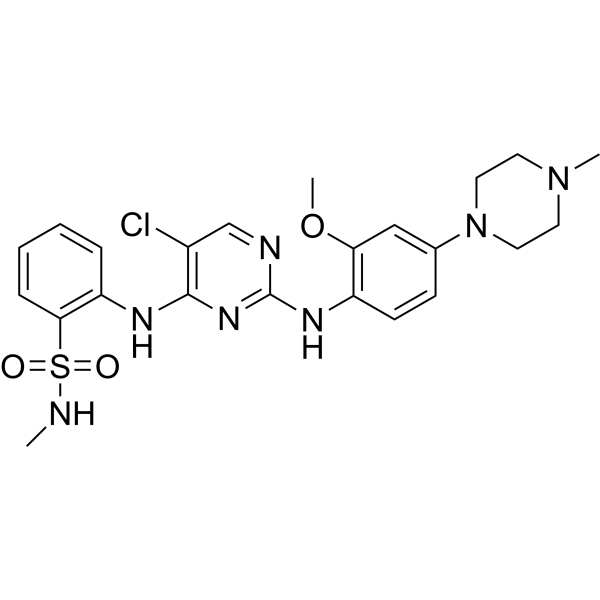 0 ImagesALK inhibitor 2 (compound 18) is a potent pyrimidin ALK inhibitor. ALK inhibitor 2 is a potent inhibitor of testis-specific serine/threonine kinase 2 (TSSK2; IC50=37 nM) and focal adhesion kinase (FAK; IC50=5 nM).
-
Pongamol
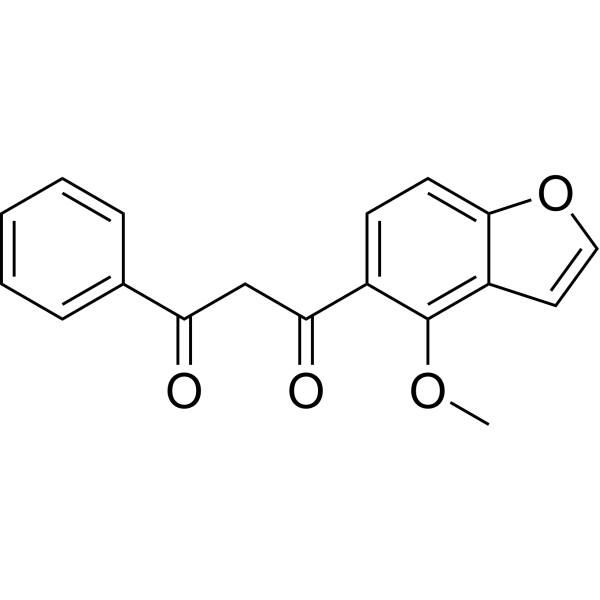 0 ImagesPongamol (Lanceolatin C) is an orally active flavonoid with an IC50 of 75 μM and a Ki of 58 μM against PTPase-1B, and an IC50 of 103.5 μM against intestinal α-Glycosidase. Pongamol reduces the release of IL‑1β, TNF‑α, COX‑2 and iNOS in cells, reverses the nuclear translocation of NF‑κB, and upregulates the levels of Beclin 1 and LC3 Ⅱ/LC3 Ⅰ. Pongamol promotes glucose uptake by increasing the level of GLUT4 on the surface of skeletal muscle cells. Pongamol inhibits epithelial-mesenchymal transition by suppressing the FAK/Akt-mTOR signaling pathway. Pongamol inhibits neuronal cytotoxicity, suppresses cell apoptosis and extends the lifespan of Caenorhabditis elegans by activating the MAPKs/Nrf2 signaling pathway. Pongamol exerts hypoglycemic effects in diabetic mouse models. Pongamol exhibits antibacterial activity. Pongamol alleviates oxidative stress, neuroinflammation, Aβ deposition and excessive phosphorylation of Tau Protein, and restores autophagy function in Alzheimer's disease mouse models by inhibiting the Akt/mTOR signaling pathway. Pongamol is applicable to research related to Alzheimer's disease, type 2 diabetes, non-small cell lung cancer and postprandial hyperglycemia.
-
Conteltinib tetrahydrochloride
 0 ImagesCat. No.: HY-109084APurity: 99.60%Synonyms: CT-707 tetrahydrochlorideConteltinib tetrahydrochloride (CT-707 tetrahydrochloride) is the tetrahydrochloride salt form of Conteltinib (HY-109084). Conteltinib tetrahydrochloride is the inhibitor for FAK (IC50=1.6 nM), ALK, and Pyk2. Conteltinib tetrahydrochloride exhibits a synergistic anti-tumor efficacy with Cabozantinib (HY-13016).
-
FAK-IN-19
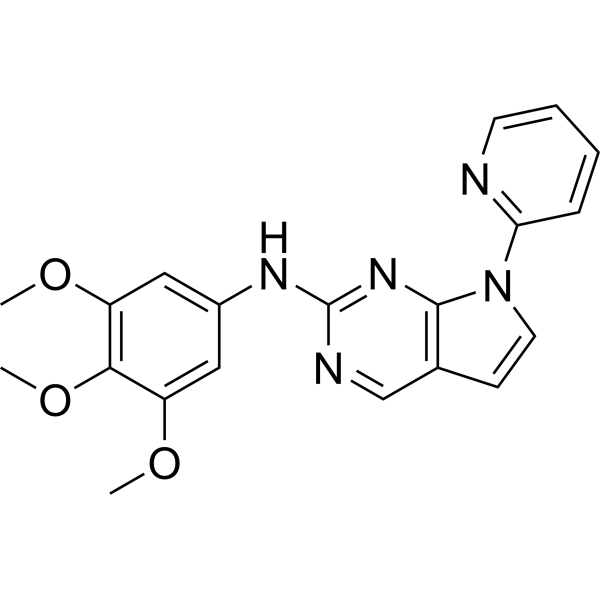 0 ImagesFAK-IN-19 (ligand3) is an inhibitor in a co-crystal structure with FAK. FAK-IN-19 has anticancer effects.
-
FAK inhibitor 2
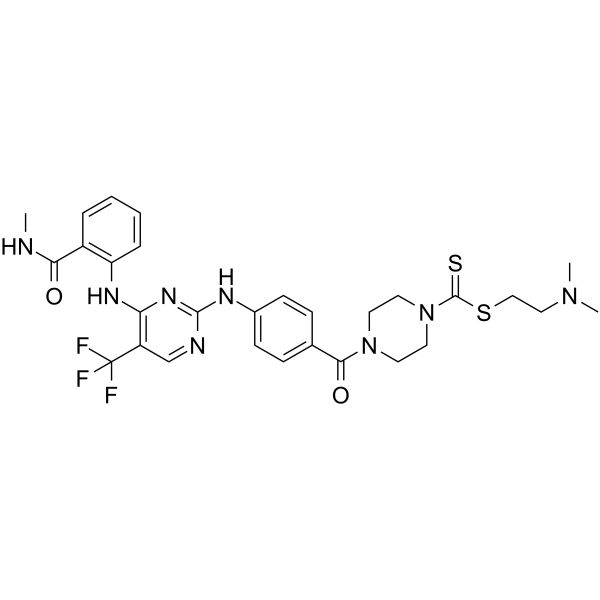 0 ImagesFAK inhibitor 2 is a potent focal adhesion kinase (FAK) inhibitor with an IC50 of 0.07 nM, with antitumor and anti-angiogenesis activities.
-
TG53
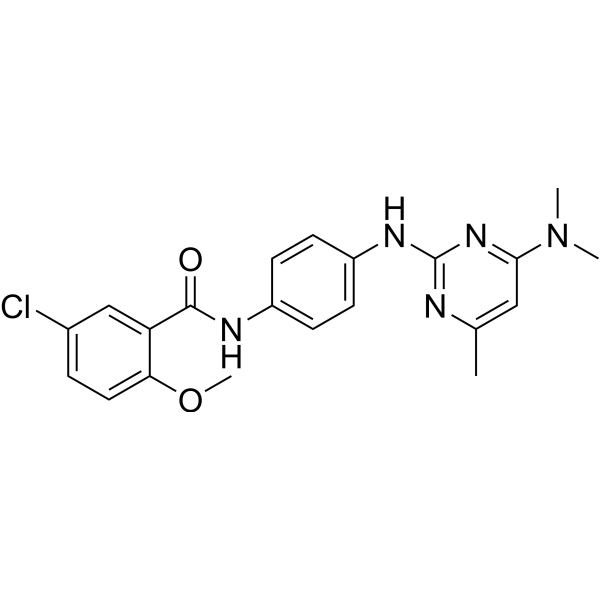 0 ImagesTG53 is a potent inhibitor of tissue transglutaminase (TG2) and fibronectin (FN) protein-protein interaction. TG53 inhibits formation of a complex with integrin β1 and activation of FAK and c-Src during SKOV3 cell attachment onto FN. TG53 can be used for ovarian cancer research.
-
Lewis y tetrasaccharide
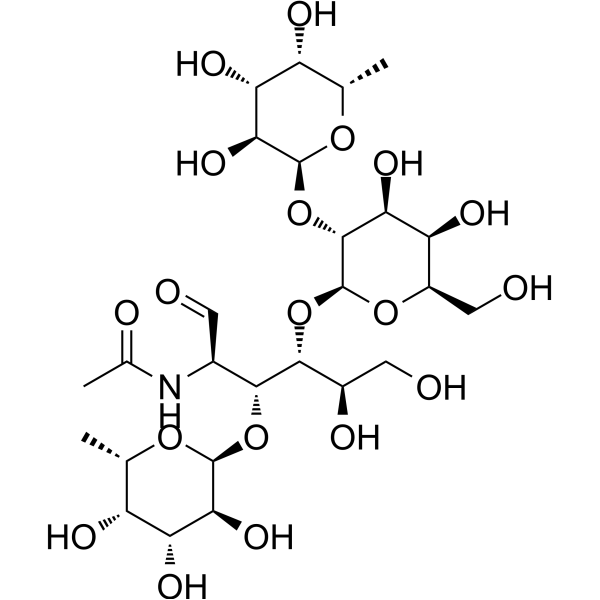 0 ImagesSynonyms: Lewis yLewis Y tetrasaccharide (Lewis Y, LeY) is a tetrasaccharide derivative form of Lewis X trisaccharide (HY-N10534). Lewis Y tetrasaccharide is an antigen associated with malignant ovarian carcinomas metastasis and poor prognosis.
-
MY-1576
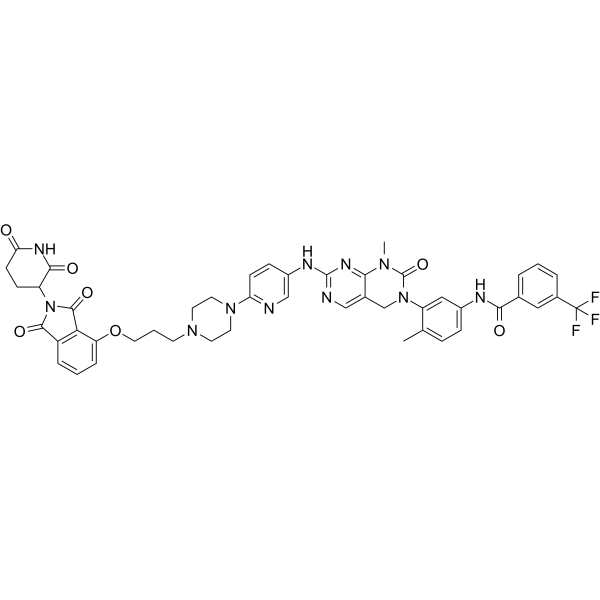
 0 ImagesCat. No.: HY-170936Purity: 99.21%MY-1576 is a FAK inhibitor with an IC50 of 8 nM. MY-1576 can activate the Hippo pathway, thereby blocking the regulation of YAP/TAZ. MY-1576 also effectively inhibits tumor growth in the KYSE30 xenograft mouse model, demonstrating good safety, and effectively downregulates the autophosphorylation of FAK and the levels of YAP/TAZ in vivo.
-
NBM-T-BMX-OS01
 0 ImagesSynonyms: BMXNBM-T-BMX-OS01 (BMX) is a derivative of Osthole (HY-N0054). NBM-T-BMX-OS01 attenuates the phosphorylation levels of ERK and Akt in an AMPK-dependent manner. NBM-T-BMX-OS01 induces oxidative stress through the production of ROS. NBM-T-BMX-OS01 enhances Cisplatin-induced cell proliferation inhibition, colony formation inhibition, apoptosis (apoptosis) and cell cycle arrest. NBM-T-BMX-OS01 inhibits VEGF-induced phosphorylation of VEGFR2 and FAK. NBM-T-BMX-OS01 inhibits VEGF-induced endothelial cell proliferation, migration and tube formation, as well as microvessel sprouting in rat aortic rings and angiogenesis induced by colorectal cancer cells. NBM-T-BMX-OS01 inhibits the growth of subcutaneous colorectal cancer xenografts in nude mice. NBM-T-BMX-OS01 can be used in studies related to lung cancer, colorectal cancer and angiogenesis.
-
Ifebemtinib hydrochloride
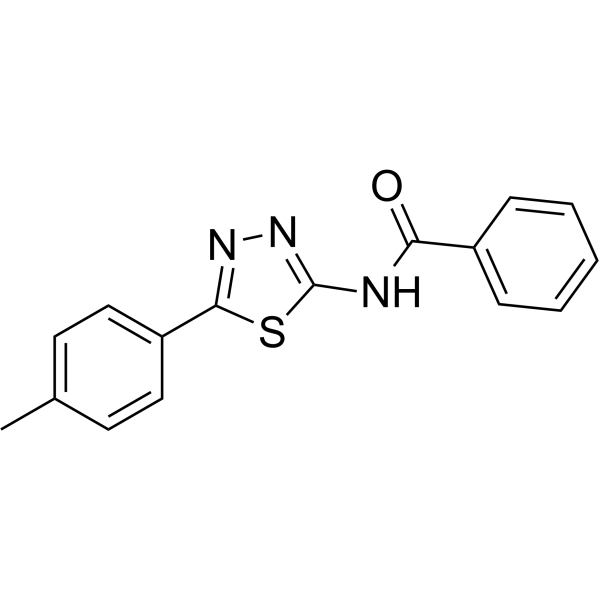
 0 ImagesCat. No.: HY-122844APurity: 99.22%Synonyms: BI-853520 hydrochloride; IN-10018 hydrochloride
-
Demethylzeylasteral (Standard)
 0 ImagesDemethylzeylasteral (Standard) is the analytical standard of Demethylzeylasteral. This product is intended for research and analytical applications. Demethylzeylasteral is an orally active triterpenoid compound isolated from Tripterygium wilfordii, which has functions such as anti-inflammatory, anti-tumor, anti fertility, estrogen metabolism regulation, immune suppression, and immune system regulation .
-
IL13Rα2 D1
 0 ImagesIL13Rα2 D1 is an effective IL-13/IL13Rα2 signaling axis inhibitor. IL13Rα2 D1 can inhibit IL-13-induced cell adhesion, migration, invasion, and proliferation. IL13Rα2 D1 can inhibit FAK, Src, AKT, ERK1/2 phosphorylation, and MMP expression. IL13Rα2 D1 can be used for research on cancers such as colorectal cancer.




