



FAK
PTK2 protein tyrosine kinase 2; PTK2; Focal adhesion kinase
FAK (Focal Adhesion Kinase or PTK2) is a non-receptor and non-membrane associated protein tyrosine kinase that is activated at the sites of cell-matrix adhesions and integrin clustering by auto-phosphorylation (at Tyr397), Src, and other tyrosine kinases. FAK mediates integrin-based cell signaling by transferring signals regulating cell migration, adhesion, and survival from the extracellular matrix to the cytoplasm.
FAK is overexpressed in many tumors, including those derived from the head and neck, colon, breast, prostate, liver, and thyroid. Furthermore, FAK overexpression is highly correlated with an invasive phenotype in these tumors. Inhibition of FAK signaling by overexpression of dominant-negative fragments of FAK reduces invasion of glioblastomas and ovarian cancer cells. FAK therefore represents an important target for the development of anti-neoplastic and anti-metastatic drugs.
All Product Categories
-
FAK Related Products (192)
Related Products (192)

-
Antibodies (6)
-
PST3.1a
 0 ImagesPST3.1a is an orally active and brain-penetrant N-acetylglucosamine glycosyltransferase (MGAT5) inhibitor with a human IC50 of 2 µM. PST3.1a inhibits TGFβR and FAK signaling pathway activity. PST3.1a alters β1,6-GlcNAc N-glycans and microtubule/microfilament integrity, increases OLIG2 expression, and inhibits proliferation, migration, invasiveness, and clonogenic capacities of glioblastoma initiating cells. PST3.1a reduces invasive and proliferative capacity of glioblastoma initiating cells in orthotopic graft models, increases overall survival of orthotopic graft model mice. PST3.1a blunts MGAT5 overexpression, decreases renal fibrosis via collagen 1, collagen 4, and galectin 3 downregulation in a rat chronic kidney disease model. PST3.1a can be used for the research of glioblastoma multiforme and chronic kidney disease.
-
SIAIS164018
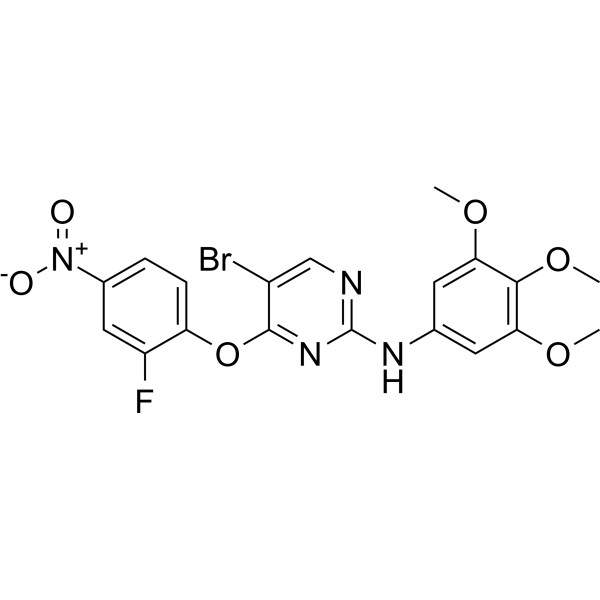
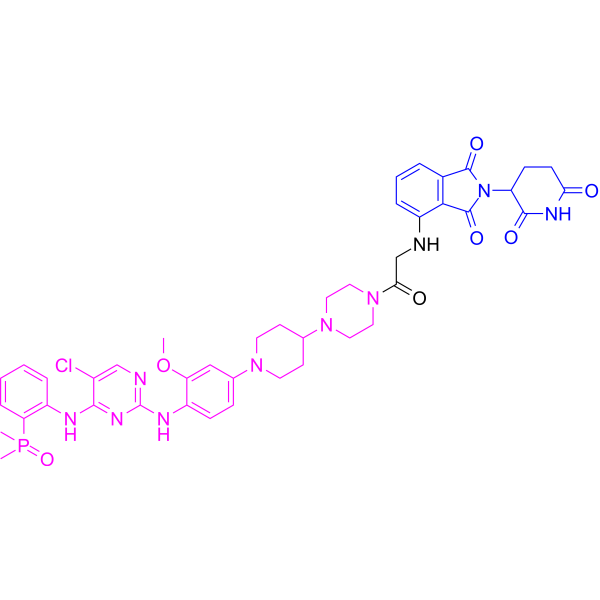 0 ImagesCat. No.: HY-147219CAS No.: 2353492-68-7SIAIS164018 is a multi-kinase (ALK, EGFR, FAK, PYK2, PTK6) PROTAC degrader, with IC50 values of 2.5 nM and 6.6 nM against ALK and ALK (G1202R), respectively. SIAIS164018 promotes the ubiquitination and degradation of ALK, EGFR, FAK, PYK2 and PTK6. SIAIS164018 induces cell cycle arrest at the G1 phase and triggers cell Apoptosis. SIAIS164018 exhibits preferential inhibitory activity against FER kinase. SIAIS164018 can be used in research related to non-small cell lung cancer, ovarian cancer and triple-negative breast cancer.
-
FAK-IN-1
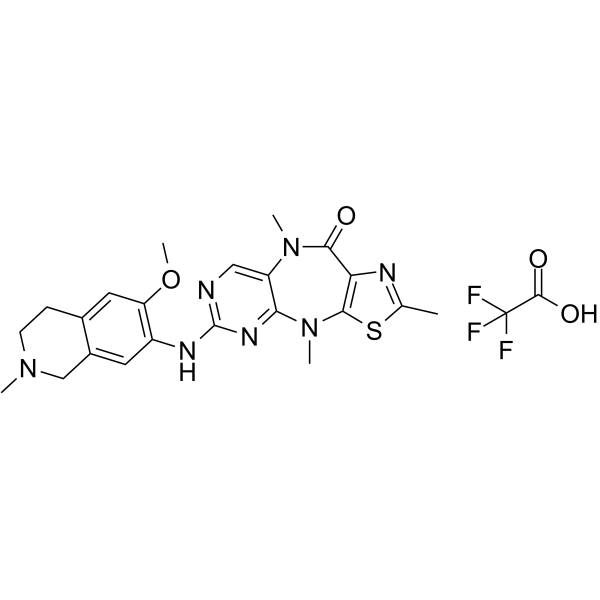 0 ImagesCat. No.: HY-145108CAS No.: 2553215-22-6FAK-IN-1 is a FAK inhibitor with anticancer activities (WO2020231726 (Example 27)).
-
PF-562271 hydrochloride
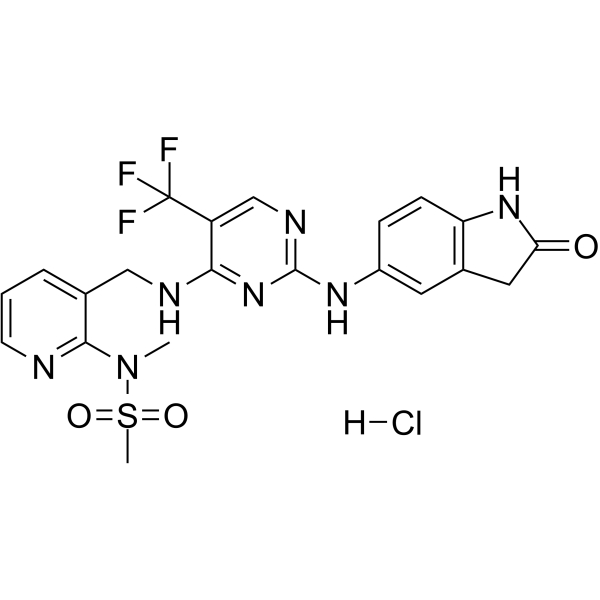 0 ImagesSynonyms: VS-6062hydrochloridePF-562271 hydrochloride (VS-6062 hydrochloride) is an orally active, ATP-competitive, reversible FAK/Pyk2 inhibitor, with an IC50 of 1.5 nM for FAK and 13 nM for Pyk2. PF-562271 hydrochloride induces tumor regression, and inhibits tumor growth, invasion and metastasis. PF-562271 hydrochloride exerts no effect on tumor necrosis, angiogenesis or apoptosis in an orthotopic mouse model of pancreatic ductal adenocarcinoma. When combined with Sunitinib (HY-10255A), PF-562271 hydrochloride reduces tumor vascularization, decreases serum alpha-fetoprotein levels and improves cachexia. PF-562271 hydrochloride can be used in research related to prostate cancer, breast cancer, pancreatic cancer, colon cancer, glioblastoma, lung cancer, pancreatic ductal adenocarcinoma and hepatocellular carcinoma.
-
FAK ligand-2
 0 ImagesCat. No.: HY-151010CAS No.: 2414478-49-0
-
Caudatin (Standard)
 0 ImagesCaudatin (Standard) is the analytical standard of Caudatin (HY-N1983). This product is intended for research and analytical applications. Caudatin is an orally active and brain-penetrant C-21 steroidal found in Cynanchum bungei decne with a variety of biological activities. Caudatin can inhibit cell proliferation, migration, invasion, cause cell phase arrest, induce apoptosis, autophagy, ROS prodution and loss of mitochondrial membrane potential. Caudatin activates PARP, caspase-3, -7, -9, upregulates pro-apoptotic Bad and Bax and downregulates anti-apoptotic Bcl-2 and Bcl-XL. Caudatin suppresses VEGF, FAK phosphorylation, upregulates p21, p27, DR5 protein expression, activates the p38 MAPK, JNK and PPARα/TFEB-mediated autophagy-lysosomal signaling pathways. Caudatin can be used for the research of cancer, inflammation and neurological disease, such as glioma and Alzheimer's disease.
-
ALK inhibitor 1
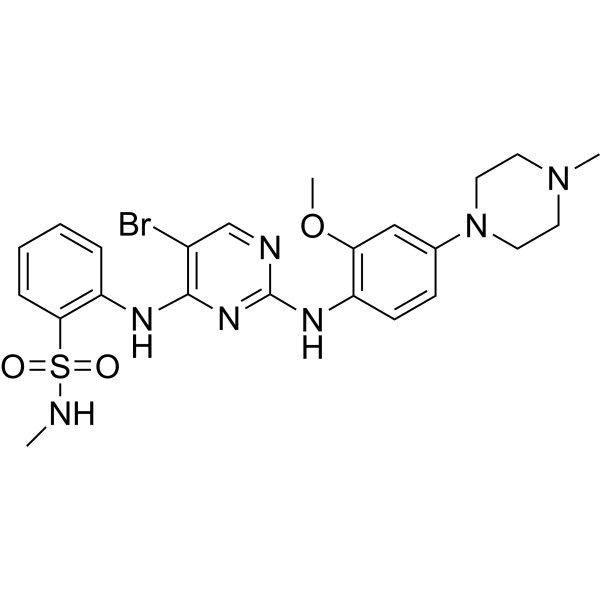 0 ImagesALK inhibitor 1 (compound 17) is a potent pyrimidin ALK inhibitor. ALK inhibitor 1 is a potent inhibitor of testis-specific serine/threonine kinase 2 (TSSK2; IC50=31 nM) and focal adhesion kinase (FAK; IC50=2 nM).

-
Roslin 2 bromide
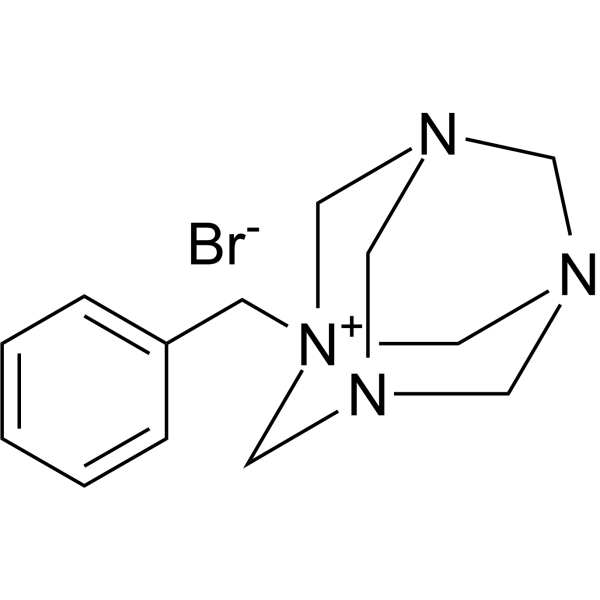 0 ImagesSynonyms: Benzylhexamethylenetetramine bromideRoslin 2 bromide (Benzylhexamethylenetetramine bromide) is a p53 reactivator with anticancer effects. Roslin 2 bromide binds FAK, disrupts the binding of FAK and p53.
-
Adhesamine
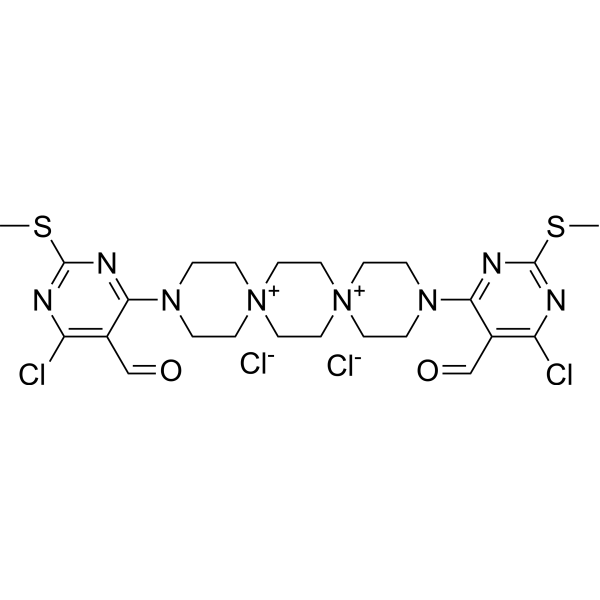 0 ImagesAdhesamine, dumbbell-shaped molecule, activates MAPK/FAK pathway. Adhesamine promotes adhesion and growth of mammalian cells. Adhesamine accelerates the differentiation and improves the survival of mice hippocampal neurons in primary culture.
-
STARD3-IN-1
 0 ImagesSTARD3-IN-1 (Compound VS1) is a STARD3 inhibitor with an IC₅₀ of 35 μM. STARD3 is a protein that is overexpressed in various cancers and is involved in cholesterol transport. STARD3-IN-1 exhibits anti-proliferative activity in breast cancer and colon cancer cells, significantly weakening the clonogenic ability of cancer cells. STARD3-IN-1 increases the protein levels of FAK and pTyr397-FAK. STARD3-IN-1 can be used for research on breast cancer and colon cancer.
-
(Rac)-AAA
 0 ImagesCat. No.: HY-160187ACAS No.: 3055022-23-3(Rac)-AAA is a regulator and inhibitor targeting GPR75. By blocking the 20-HETE-induced downregulation of GPR75 expression, (Rac)-AAA effectively inhibits the activation of key downstream signaling pathways including EGFR, AKT, NF-κB and FAK. (Rac)-AAA reverses 20-HETE-mediated epithelial-mesenchymal transition, which is specifically characterized by downregulating vimentin (vimentin), upregulating E-Cadherin, as well as reducing MMP-2 activity and cancer cell migration ability. (Rac)-AAA also abolishes the 20-HETE-induced upregulation of HIC-5 expression and anchorage-independent growth, and modulates the subcellular localization of PKC-α and phosphorylated AKT. (Rac)-AAA is investigated in androgen-independent prostate cancer (castration-resistant prostate cancer).
-
FAK-IN-20
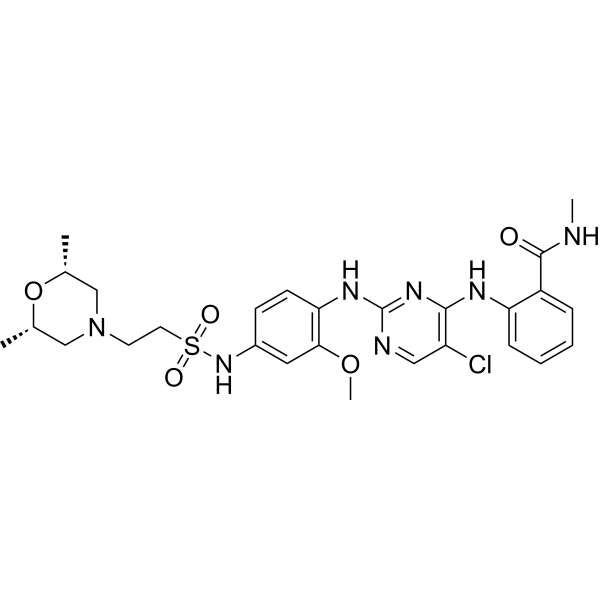 0 ImagesCat. No.: HY-161358CAS No.: 3004967-41-0FAK-IN-20 (Compound 7b) is an inhibitor of FAK with an IC50 value of 0.27 nM. FAK-IN-20 exhibits anticancer activity. FAK-IN-20 can arrest the cell cycle in the G2/M phase and induce cell apoptosis by generating ROS.
-
FAK PROTAC B5
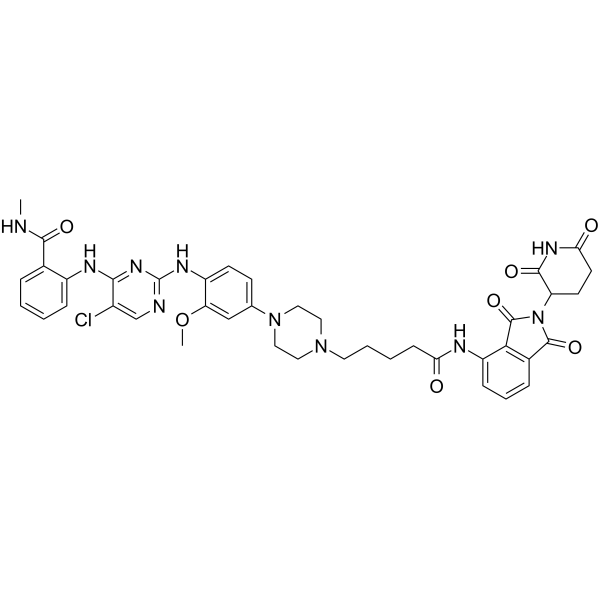 0 ImagesCat. No.: HY-143458CAS No.: 2471525-44-5FAK PROTAC B5 is a FAK PROTAC degrader with an IC50 of 14.9 nM. FAK PROTAC B5 induces FAK degradation via the ubiquitin-proteasome pathway by simultaneously binding to FAK and the CRBN E3 ligase. FAK PROTAC B5 inhibits the proliferation, migration and invasion of cancer cells. FAK PROTAC B5 can be used for the research of non-small cell lung cancer.
-
FAK-IN-23
 0 ImagesCat. No.: HY-171009CAS No.: 2491708-73-5FAK-IN-23 (Compound II) is the inhibitor for focal adhesion kinase (FAK).
-
PHM16
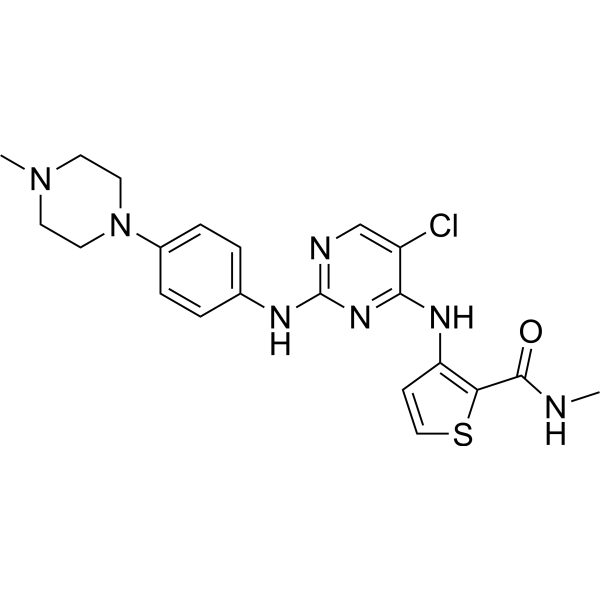
 0 ImagesCat. No.: HY-117595CAS No.: 1448791-29-4PHM16 is an ATP competitive inhibitor of FAK and FGFR2 (IC50: 0.4 μM and 0.37 μM, respectively), with direct potent anti-angiogenic activity.
-
FNIII14
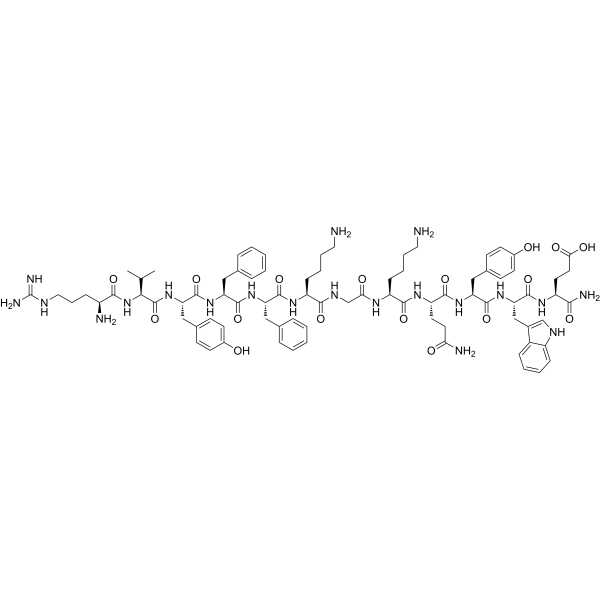
 0 ImagesCat. No.: HY-P10984CAS No.: 206536-96-1FNIII14 is a β1-integrin inhibitory peptide. FNIII14 induces the conformational shift of β1-integrin from the active form to the inactive form, blocks integrin-mediated signaling pathways, disrupts the interaction between VLA-4 and fibronectin, inhibits the phosphorylation of FAK/Akt, suppresses cell adhesion, fibronectin fibril formation and chondrocyte proliferation, induces chondrocyte apoptosis and cartilage degeneration, upregulates the pro-apoptotic protein Bim, and binds to membrane-bound eEF1A. FNIII14 reversibly disrupts cell adhesion without reducing cell viability, accelerates adipocyte differentiation, and loosens tumor matrix architecture to enhance the permeability of nanotherapeutic agents. FNIII14 can be used in research related to neuroblastoma, pancreatic cancer, acute myeloid leukemia, colitis-associated colorectal cancer, osteoarthritis, and atherosclerosis.




