



FAK
PTK2 protein tyrosine kinase 2; PTK2; Focal adhesion kinase
FAK (Focal Adhesion Kinase or PTK2) is a non-receptor and non-membrane associated protein tyrosine kinase that is activated at the sites of cell-matrix adhesions and integrin clustering by auto-phosphorylation (at Tyr397), Src, and other tyrosine kinases. FAK mediates integrin-based cell signaling by transferring signals regulating cell migration, adhesion, and survival from the extracellular matrix to the cytoplasm.
FAK is overexpressed in many tumors, including those derived from the head and neck, colon, breast, prostate, liver, and thyroid. Furthermore, FAK overexpression is highly correlated with an invasive phenotype in these tumors. Inhibition of FAK signaling by overexpression of dominant-negative fragments of FAK reduces invasion of glioblastomas and ovarian cancer cells. FAK therefore represents an important target for the development of anti-neoplastic and anti-metastatic drugs.
All Product Categories
-
FAK Related Products (192)
Related Products (192)

-
Antibodies (6)
-
PRT062607 Hydrochloride
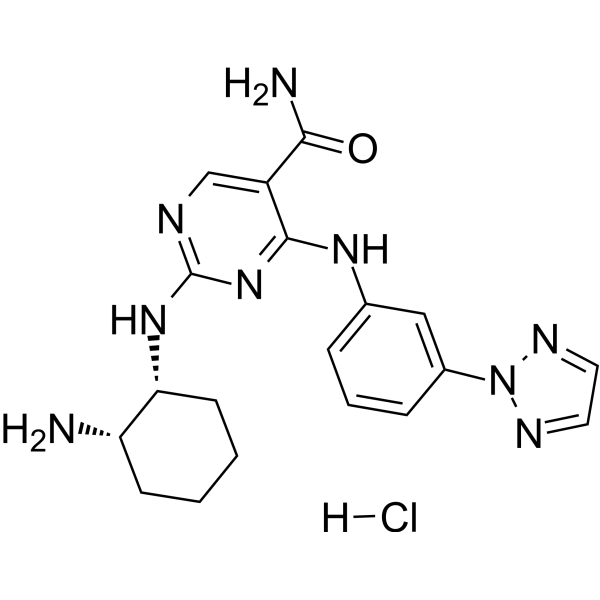 0 ImagesSynonyms: P505-15 Hydrochloride
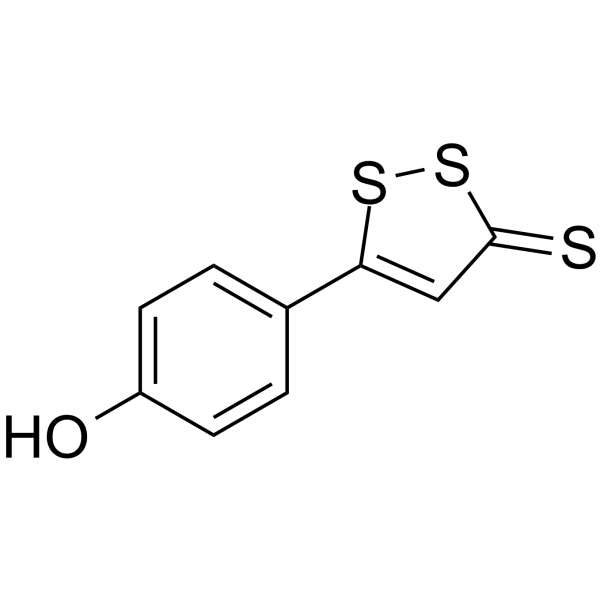
-
NVP-TAE 226
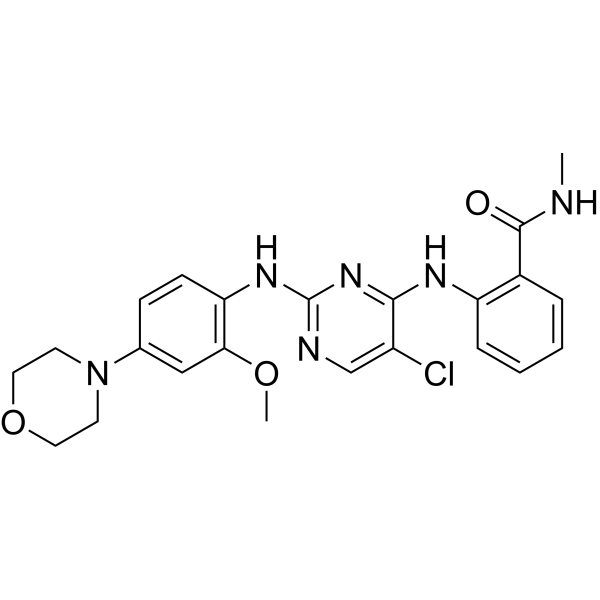 0 ImagesSynonyms: TAE226NVP-TAE 226 (TAE226) is a potent and ATP-competitive dual FAK and IGF-1R inhibitor with IC50s of 5.5 nM and 140 nM, respectively. NVP-TAE 226 (TAE226) also effectively inhibits Pyk2 and insulin receptor (InsR) with IC50s of 3.5 nM and 44 nM, respectively.
-
Squalamine
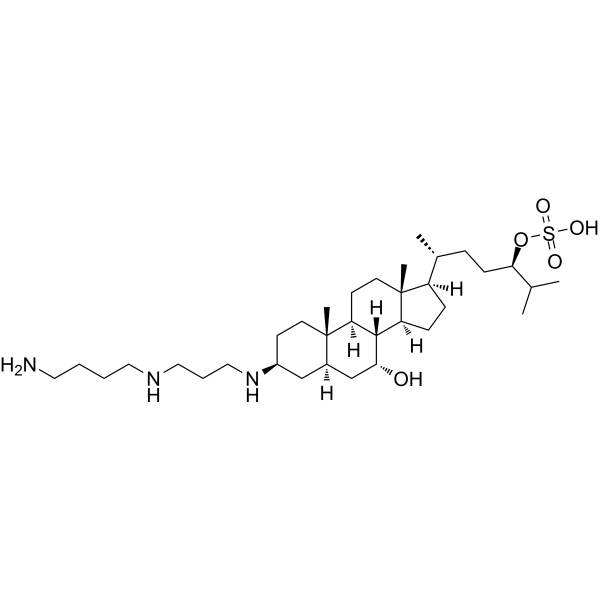 0 ImagesSynonyms: MSI-1256; ENT-01 free acidSqualamine (MSI-1256) is an aminosterol compound with broad-spectrum antiviral activity. Squalamine makes cells less conducive to certain viral replication by altering the electrostatic interactions in the inner membrane of host cells. Squalamine also has antibacterial and antitumor activities. Squalamine has broad-spectrum antibacterial activity against Gram-negative and Gram-positive bacteria, fungi and protozoa. Squalamine inhibits tumor-related angiogenesis and the growth of human breast cancer cells. Squalamine restores the function of enteric nervous system in Parkinson,s disease mouse models.
-
PND-1186 hydrochloride
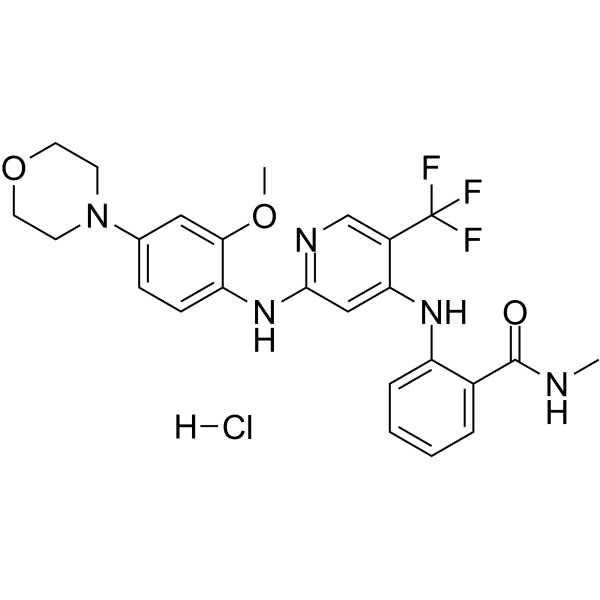 0 ImagesSynonyms: VS-4718 hydrochloride; SR-2516 hydrochloride
-
Polyether F127 Diacrylate
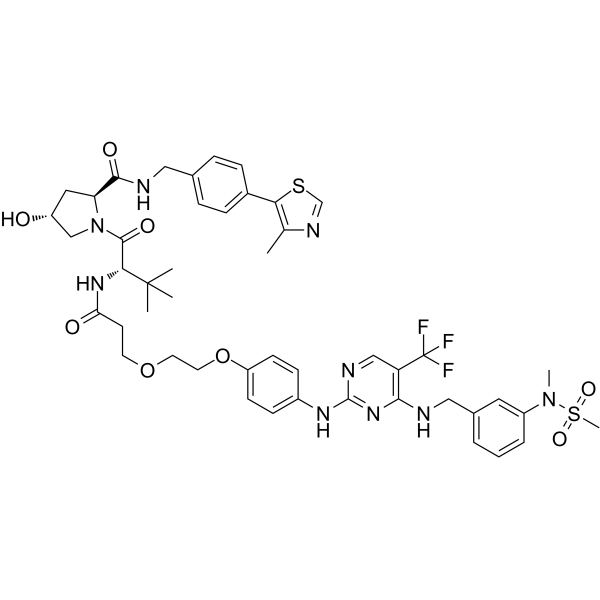
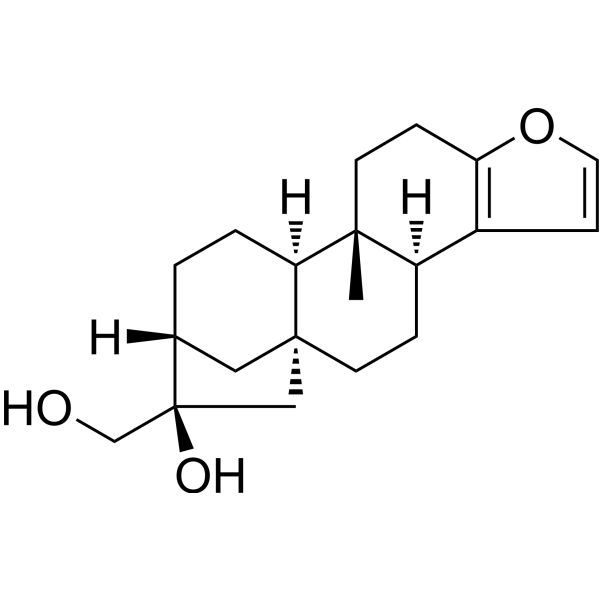
 0 ImagesCat. No.: HY-158231Synonyms: F127DAPolyether F127 Diacrylate (F127DA) is an acrylated polyethylene glycol-polypropylene glycol-polyethylene glycol triblock copolymer. Polyether F127 Diacrylate rapidly crosslinks and cures into a gel under ultraviolet or visible light with the action of a photoinitiator. Polyether F127 Diacrylate exhibits excellent thermogelation properties and favorable biosafety. Polyether F127 Diacrylate can upregulate the Integrin-FAK pathway, enhance collagen production, increase the protein and gene expression levels of COL-1/SCX, and promote fibroblastic differentiation of periodontal ligament stem cells. Polyether F127 Diacrylate promotes periodontal ligament regeneration and reduces abnormal healing in a rat model of delayed replanted teeth. Polyether F127 Diacrylate promotes functional osteochondral regeneration in a rat model of osteoarthritis. Polyether F127 Diacrylate supports adipose tissue survival, rendering it suitable for breast reconstruction applications. Polyether F127 Diacrylate can be used in studies related to periodontal ligament injury, breast defect and osteoarthritis.
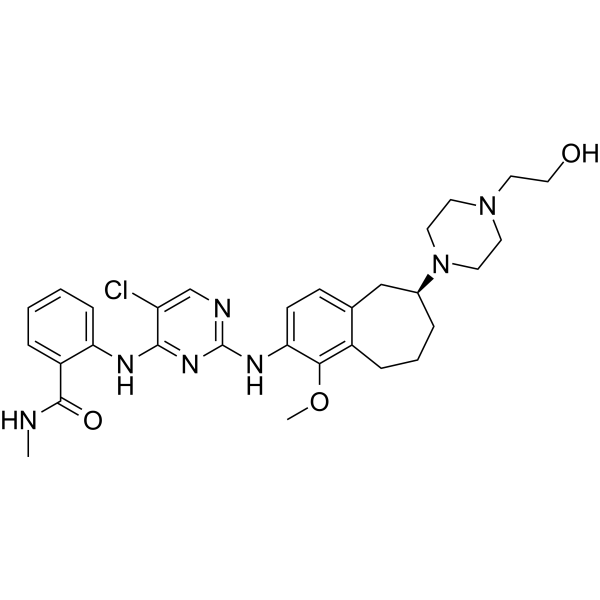
-
BPC 157 acetate
 0 ImagesBPC 157 acetate is an orally active peptide. BPC 157 acetate exhibits multiple activities such as promoting wound healing, tendon healing, neuroprotection, and gastrointestinal protection. BPC 157 acetate can be used in the research of tendon injury, burn, gastric ulcer, and neurological diseases.
-
Ganglioside GM2
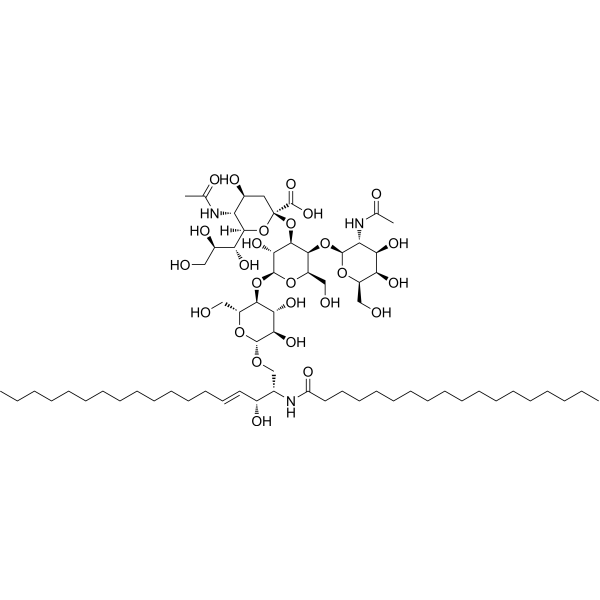 0 ImagesGanglioside GM2 is a human tumor antigen predominantly found in human tumor cells and fetal brain tissue. As a sialylated glycosphingolipid, Ganglioside GM2 is involved in processes such as cell signaling, adhesion, and motility. Ganglioside GM2 abnormal expression and accumulation are associated with tumors and neurodegenerative disorders. Ganglioside GM2 promotes tumor cell migration and invasion by directly binding to the integrin β1 receptor, activating the FAK/Src/Erk-MAPK signaling pathway, and inducing actin cytoskeleton remodeling.
-
VSLRGDTRG acetate
 0 ImagesCat. No.: HY-P10941APurity: 99.38%VSLRGDTRG acetate is a synthetic peptide containing the RGD motif from cadherin 17 (CDH17), which binds to α2β1 integrin and activates its signaling pathway. VSLRGDTRG acetate promotes the high-affinity conformational change of β1 integrin through the RGD motif, enhancing cell adhesion and phosphorylation of FAK and ERK1/2, thereby driving tumor proliferation and metastasis. VSLRGDTRG acetate can be used in research on cancers expressing CDH17, such as colon cancer and pancreatic cancer.
-
Keracyanin chloride
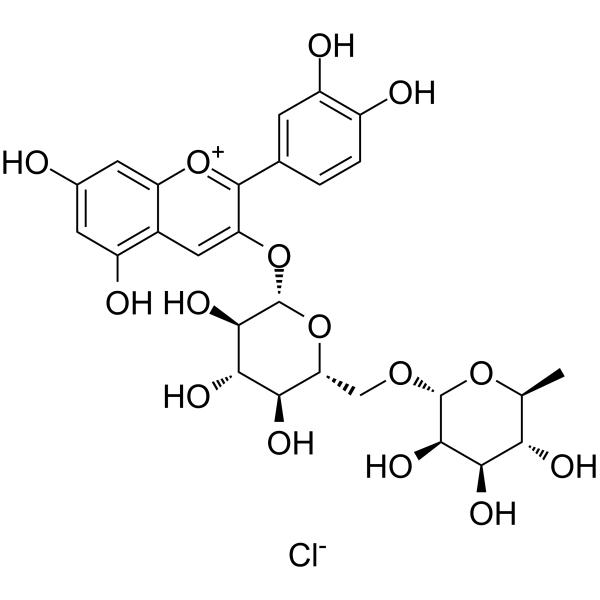 0 ImagesSynonyms: Cyanidin 3-rutinoside chloride; Cyanidin 3-O-rutinoside chloride; Sambucin chlorideKeracyanin chloride inhibits NF-κB/FAK/MAPK signaling pathway. Keracyanin chloride exhibits antioxidant, anti-inflammatory and hypoglycemic effects, and is orally active.
-
JP-153
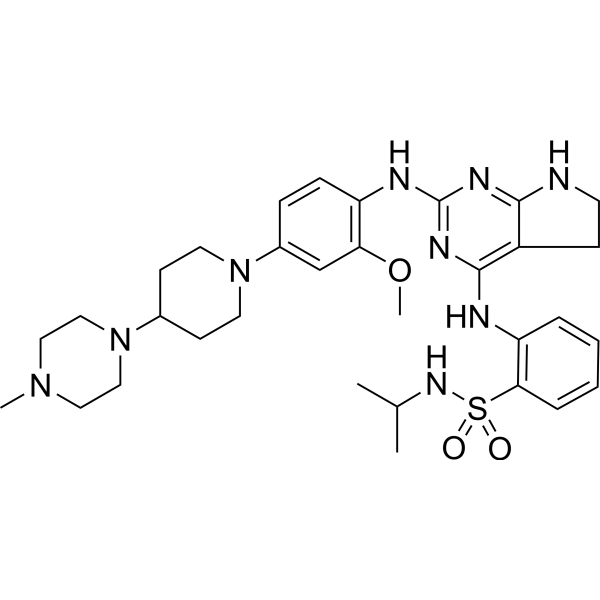
 0 ImagesJP-153 is the Src-FAK-Paxillin signaling inhibitor. JP-153 inhibits Src-dependent phosphorylation of paxillin (Y118) and downstream activation of Akt (S473). JP-153 reduces VEGF-induced migration and proliferation in retinal endothelial cells. JP-153 can be uesd for the study of neovascular eye disease.
-
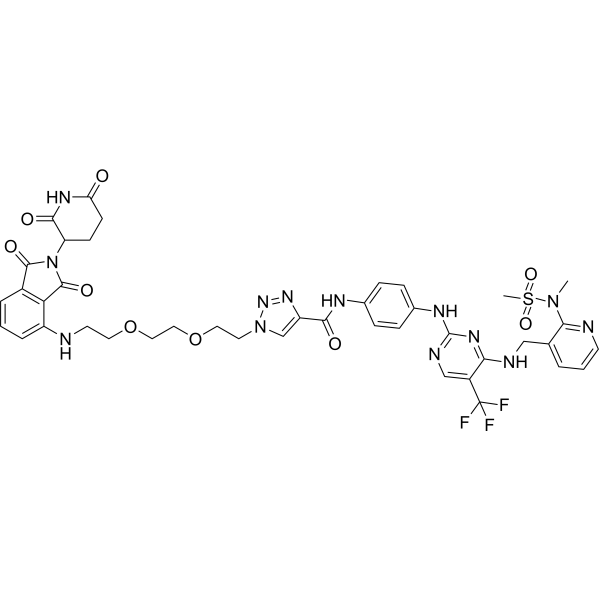
BI-3663
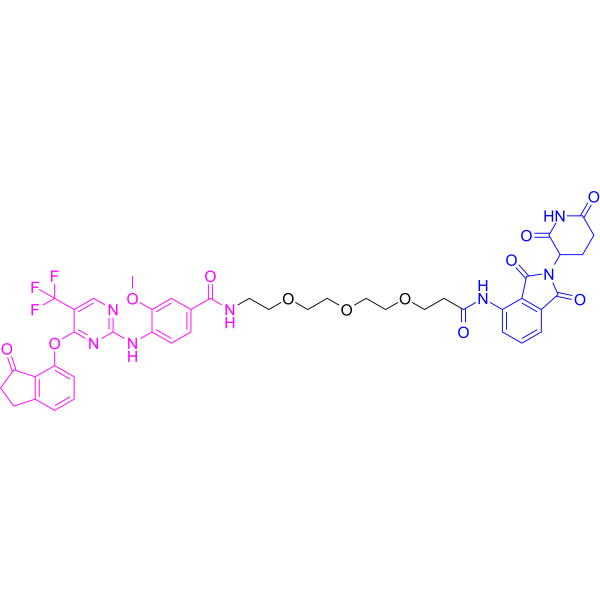 0 ImagesBI-3663 is a highly selective PTK2/FAK PROTAC (DC50 = 30 nM) with a Cereblon E3 ligase ligand capable of degrading PTK2, with an IC50 value of 18 nM. BI-3663 is a PROTAC generated by linking the PTK2/FAK inhibitor BI-4464 (HY-124625) with a Pomalidomide (HY-10984) derivative via a linker. BI-3663 can induce PTK2 degradation at low nanomolar concentrations. BI-3663 has antitumor activity.
-
AT-533
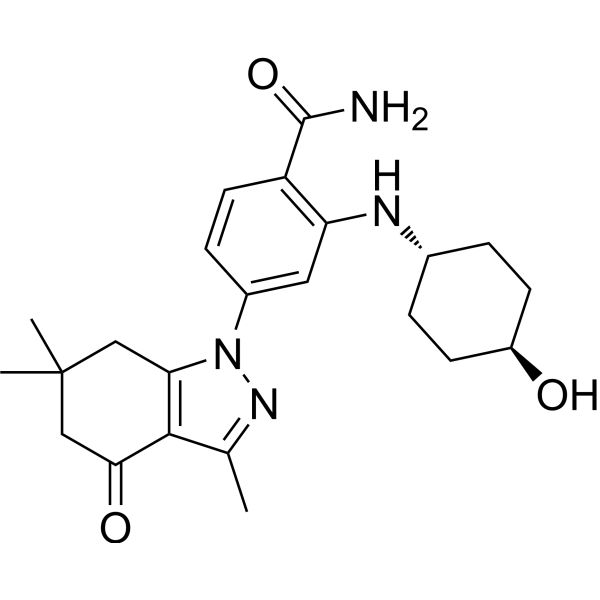 0 ImagesAT-533 is a potent Hsp90 and HSV inhibitor. AT-533 suppresses tumor growth and angiogenesis by blocking the HIF-1α/VEGF/VEGFR-2 signaling pathway. AT-533 also inhibits the activation of the downstream pathways, including Akt/mTOR/p70S6K, Erk1/2 and FAK. AT-533 inhibits the tube formation, cell migration, and invasion of human umbilical vein endothelial cells (HUVECs).
-
BI-4464
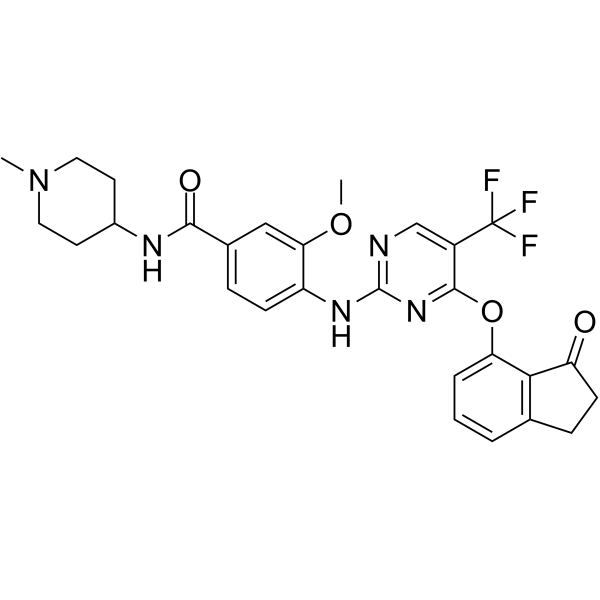 0 ImagesBI-4464 is a highly selective, ATP competitive PTK2/FAK protein kinase inhibitor with an IC50 value of 17 nM. BI-4464 is a FAK (HY-43760) ligand and linker conjugate. BI-4464 can be used to construct proteolysis targeting chimeras (PROTACs), such as PROTAC FAK degrader 4 (HY-178467). PROTAC FAK degrader 4 is a highly potent and selective FAK PROTAC degrader.
-
PDZ1i
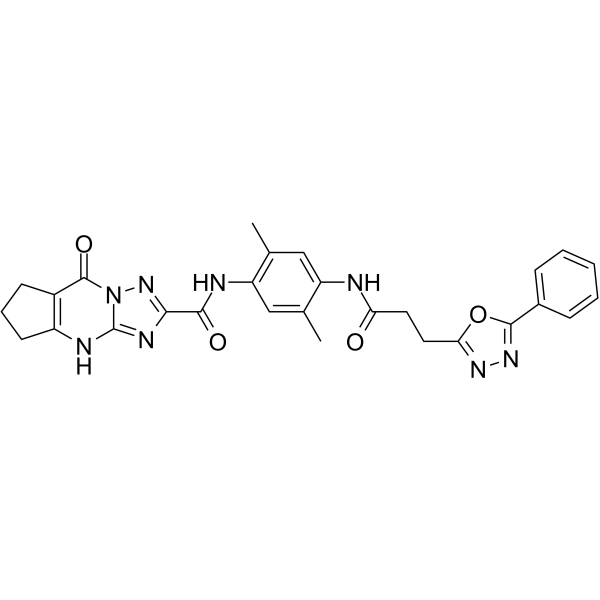 0 ImagesSynonyms: 113B7PDZ1i (113B7) is a inhibitor of MDA-9/Syntenin, with selective binding to the PDZ1 domain. PDZ1i inhibits radiation-induced invasion of glioblastoma (GBM) cells, radiosensitizes GBM cells, and impairs GBM-related signaling pathways (including Src/EphA2, EGFRvIII/FAK, and NF-κB). PDZ1i reduces radiation-induced secretion of invasion-related proteases (MMP-2, MMP-9, ADAM9). PDZ1i shows anti-tumor effects in nude mice bearing intracranial U1242-luc xenografts or GBM xenografts. PDZ1i can be used for the study of glioblastoma (GBM), breast cancer and prostate cancer.




