



HCV
Hepatitis C virus
Hepatitis C virus (HCV) is a positive-strand RNA virus grouped in the genus Hepacivirus within the family Flaviviridae. HCV is classified into at least 6 genotypes (gt), and its error-prone polymerase leads to more than 50 subtypes. The long open reading frame, which encodes the HCV polyprotein, is processed by host and viral proteases and gives rise to three structural proteins (the capsid protein core and envelope glycoproteins E1 and E2) and seven nonstructural (NS) proteins (p7, NS2, NS3, NS4A, NS4B, NS5A, and NS5B). NS2 and p7 are essential for virus assembly but not RNA replication, whereas NS3 to NS5B are involved in a membrane-associated RNA replicase complex (RC). The NS3 protein is composed of a serine protease and an RNA helicase/nucleoside triphosphatase (NTPase), NS4A serves as a cofactor for NS3 serine protease, NS5B is the RNA-dependent RNA polymerase, and NS5A is considered to play key roles in multiple steps of the HCV life cycle.NS5A inhibitors exhibit a rapid inhibition of virus infectivity shortly after administration to HCV-infected cells.
The HCV protein NS5A prevents the apoptosis-enabling loss of intracellular potassium by inhibiting Kv2.1 function and thus blocking hepatocyte cell death.
The HCV RNA-dependent RNA polymerase (RdRp) has long been a prime target for antiviral development because of its critical role in viral replication and the absence of a mammalian homologous enzyme.
The combination of lucidone and alpha interferon, the protease inhibitor Telaprevir, the NS5A inhibitor BMS-790052, or the NS5B polymerase inhibitor PSI-7977, synergistically suppresses HCV RNA replication.
All Product Categories
-
HCV Related Products (403)
Related Products (403)

-
Recombinant Proteins (5)
-
Antibodies (2)
-
Azvudine hydrochloride
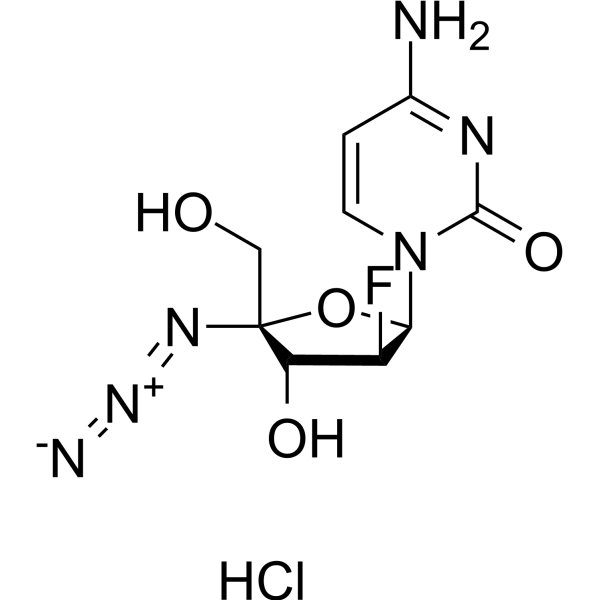 0 ImagesSynonyms: RO-0622 hydrochloride; FNC hydrochlorideAzvudine (RO-0622) hydrochloride is a potent nucleoside reverse transcriptase inhibitor (NRTI), with antiviral activity on HIV, HBV and HCV. Azvudine hydrochloride exerts highly potent inhibition on HIV-1 (EC50s ranging from 0.03 to 6.92 nM) and HIV-2 (EC50s ranging from 0.018 to 0.025 nM). Azvudine hydrochloride inhibits NRTI-resistant viral strains. Azvudine (hydrochloride) is a click chemistry reagent, it contains an Azide group and can undergo copper-catalyzed azide-alkyne cycloaddition reaction (CuAAc) with molecules containing Alkyne groups. It can also undergo strain-promoted alkyne-azide cycloaddition (SPAAC) reactions with molecules containing DBCO or BCN groups.
-
2'-C-Methyladenosine
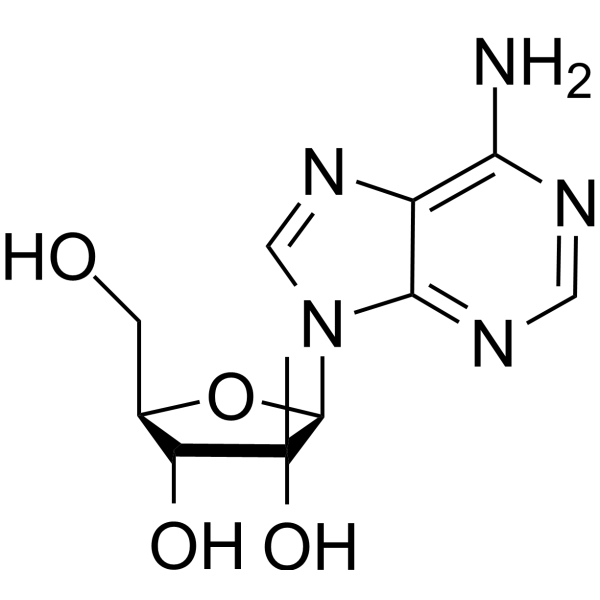 0 Images2'-C-Methyladenosine is an inhibitor of hepatitis C virus (HCV) replication. 2'-C-Methyladenosine inhibits HCV replicon and NS5B-catalyzed RNA synthesis with IC50 values of 0.3μM and 1.9 μM, respectively. 2'-C-Methyladenosine also potently inhibits LRV1 in Leishmania guyanensis (Lgy) and Leishmania braziliensis.
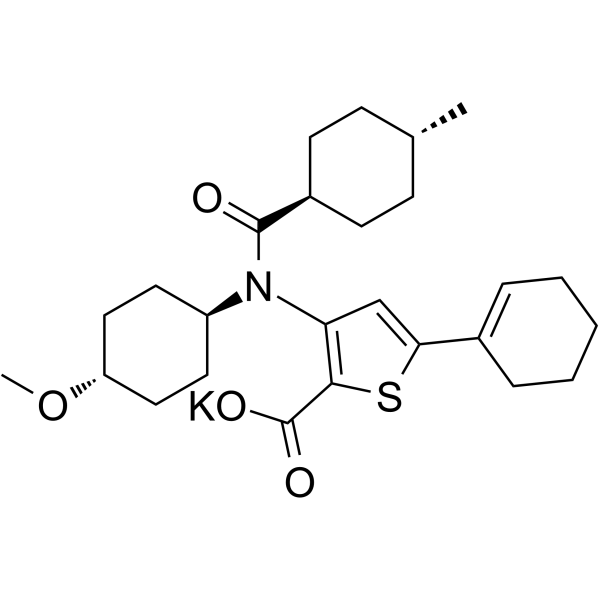
-
Ledipasvir D-tartrate
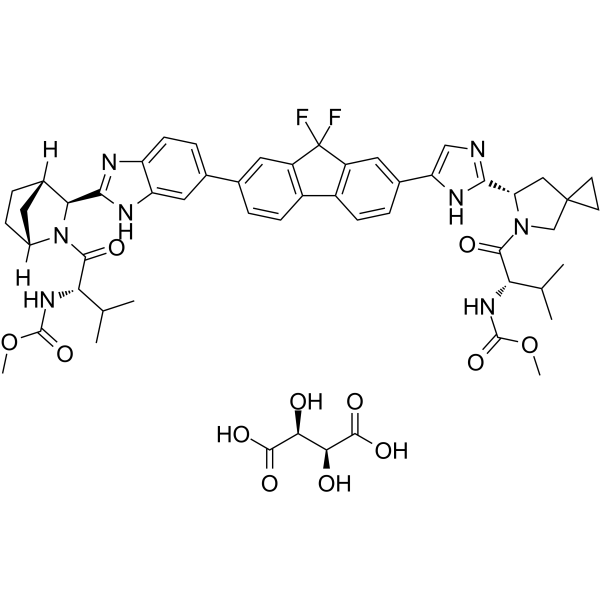 0 ImagesSynonyms: GS-5885 D-tartrateLedipasvir D-tartrate is an inhibitor of the hepatitis C virus NS5A, with EC50 values of 34 pM against GT1a and 4 pM against GT1b replicon.
-
PSI-7409 tetrasodium
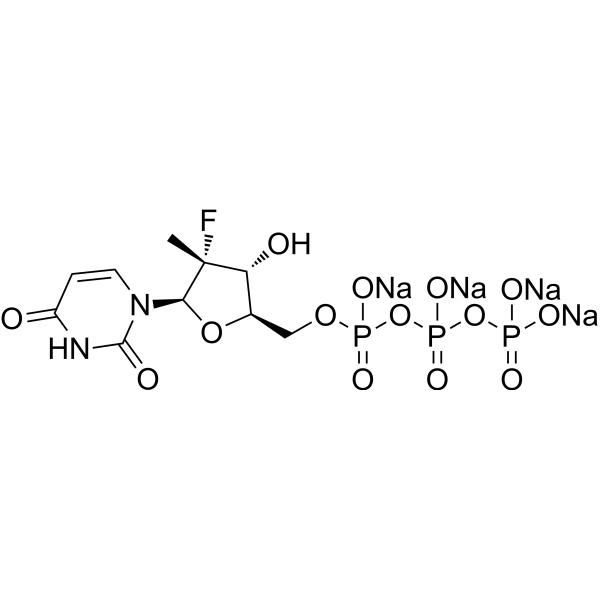 0 ImagesCat. No.: HY-15745ACAS No.: 1621884-22-7PSI-7409 tetrasodium is an active 5'-triphosphate metabolite of sofosbuvir (PSI-7977), inhibiting HCV NS5B polymerases, with IC50s of 1.6, 2.8, 0.7 and 2.6 μM for GT 1b_Con1, GT 2a_JFH1, GT 3a, and GT 4a NS5B polymerases, respectively.
-
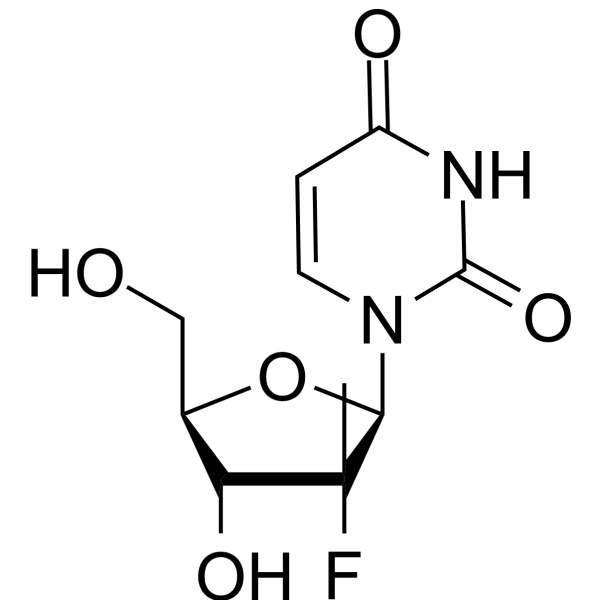
3′-Deoxyuridine
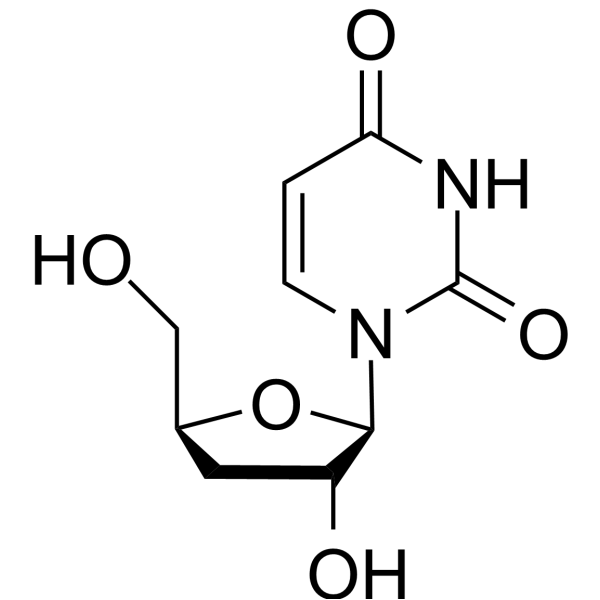 0 Images3′-Deoxyuridine is a 3'-deoxynucleoside analog and a 2',3'-dideoxynucleoside. 3′-Deoxyuridine does not inhibit the replication of HCV-like RNA templates or luciferase levels in human cells at the tested concentrations. 3′-Deoxyuridine serves as a substrate for microbial dideoxyribosylation reactions to generate various 2',3'-dideoxynucleosides, but cannot be converted into 2',3'-dideoxycytidine by resting E. coli AJ 2595 cells. 3′-Deoxyuridine can be formed by the deamination of 3'-deoxycytidine by E. coli BM-11 cytidine deaminase, and can also undergo phosphorolytic cleavage to produce uracil and the corresponding pentose phosphate. 3′-Deoxyuridine has been used in research related to HCV and other relevant fields.
-
Mipomersen
 0 ImagesCat. No.: HY-148647CAS No.: 1000120-98-8Synonyms: ISIS 301012 free baseMipomersen (ISIS 301012 free base) is an antisense oligonucleotide inhibitor of apolipoprotein B (apoB). Mipomersen has anti-HCV effect and reduces the infectivity of the HCV. Mipomersen can be used for the research of homozygous familial hypercholesterolemia (HoFH).
-
Deferiprone (Standard)
 0 ImagesDeferiprone (Standard) is the analytical standard of Deferiprone. This product is intended for research and analytical applications. Deferiprone is a potent, orally active, brain-penetrant, cell-penetrant, skin-permeable, free iron chelating agent. Deferiprone inhibits the proliferation and migration, and stimulates apoptosis in tumor cell. Deferiprone has antianemic, neuroprotective, anti-inflammatory, antioxidant, and antidotal activity. Deferiprone can be used in cancer, cardiovascular disease, infection, inflammation, and neurological disease study.
-
Balapiravir
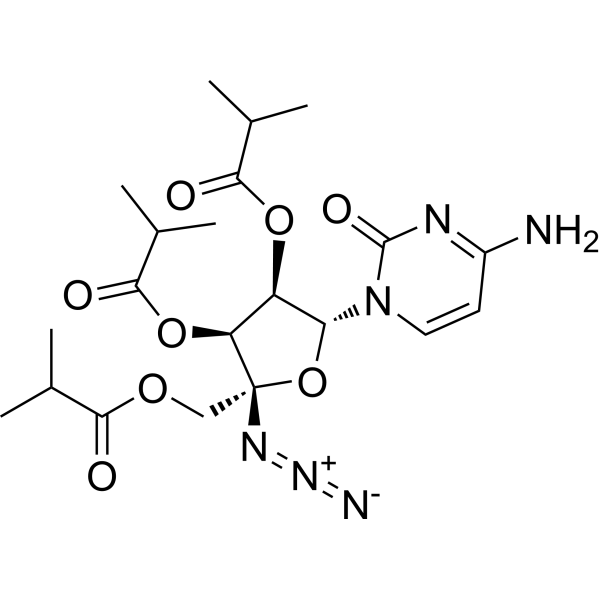 0 ImagesCat. No.: HY-10443CAS No.: 690270-29-2Synonyms: Ro 4588161; R1626Balapiravir (Ro 4588161; R1626) is an orally active proagent of a nucleoside analogue inhibitor of the RNA-dependent RNA polymerase (RdRp) of HCV (R1479; 4'-Azidocytidine). Balapiravir has anti-HCV activity. Balapiravir is a click chemistry reagent, it contains an Azide group and can undergo copper-catalyzed azide-alkyne cycloaddition reaction (CuAAc) with molecules containing Alkyne groups. It can also undergo strain-promoted alkyne-azide cycloaddition (SPAAC) reactions with molecules containing DBCO or BCN groups.
-
Narlaprevir
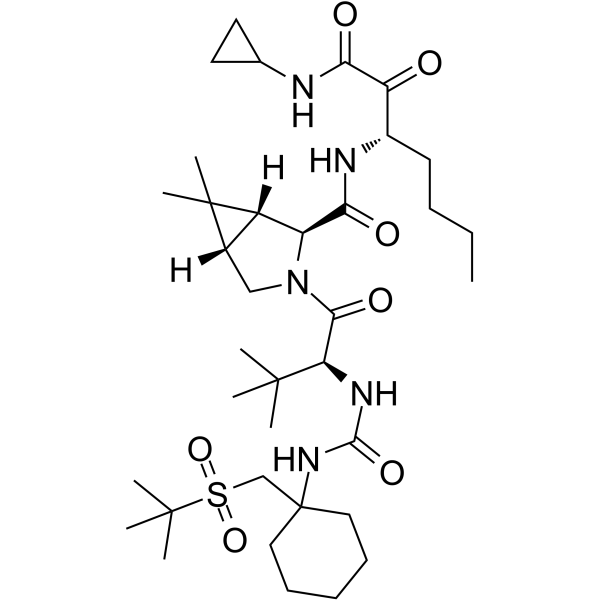 0 ImagesCat. No.: HY-10300CAS No.: 865466-24-6Synonyms: SCH 900518
-
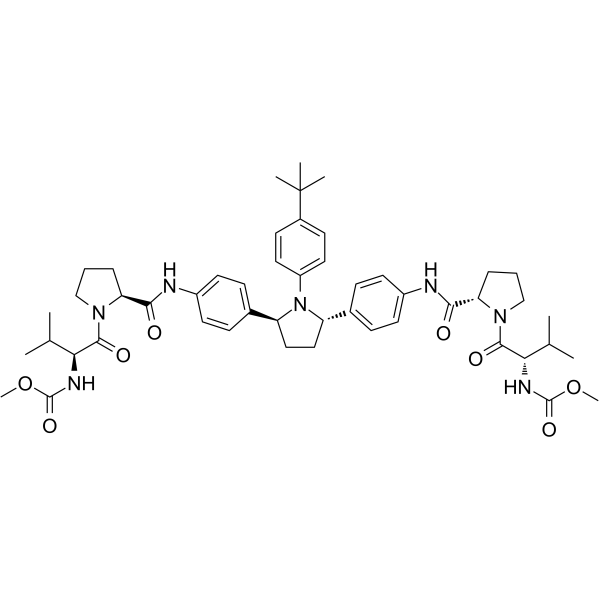
Ravidasvir hydrochloride
 0 ImagesSynonyms: PPI-668 hydrochlorideRavidasvir hydrochloride (PPI-668 hydrochloride) is a pan-genotypic inhibitor for hepatitis C virus (HCV) NS5A protein. Ravidasvir hydrochloride inhibits the replication of HCV, with EC50 of 0.12, 0.01 and 1.14 nM, for HCV gt-1a, gt-1b, and gt-3a replicons, respectively. Ravidasvir hydrochloride exhibits good pharmacokinetic characters in rats.
-
Grazoprevir hydrate
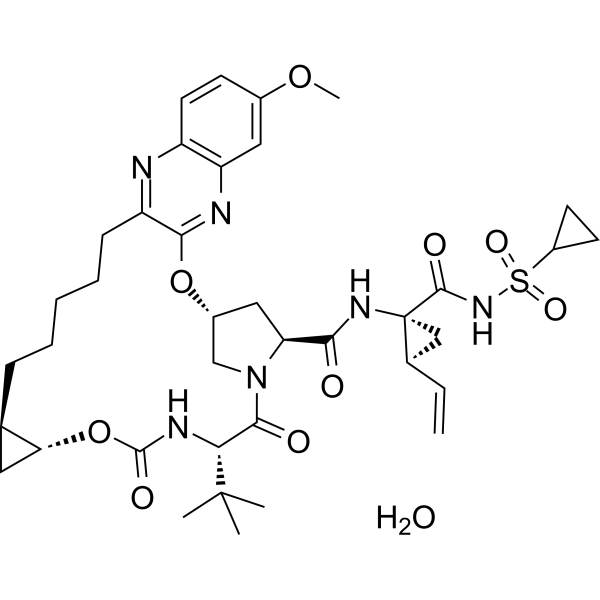 0 ImagesSynonyms: MK-5172 hydrateGrazoprevir hydrate (MK-5172 hydrate) is a selective inhibitor of Hepatitis C virus NS3/4a protease with broad activity across genotypes and resistant variants, with Kis of 0.01 nM (gt1b), 0.01 nM (gt1a), 0.08 nM (gt2a), 0.15 nM (gt2b), 0.90 nM (gt3a), respectively. Grazoprevir hydrate inhibits SARS-CoV-2 3CLpro activity.
-
BMS-986094
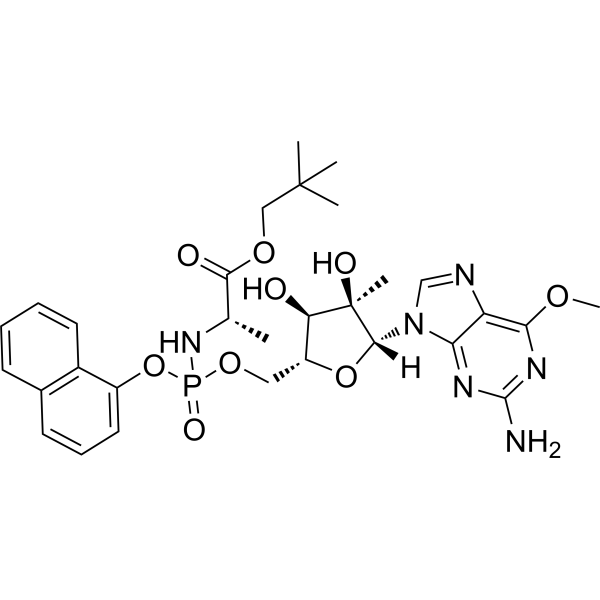 0 ImagesSynonyms: INX-08189
-
Cyclophilin inhibitor 1
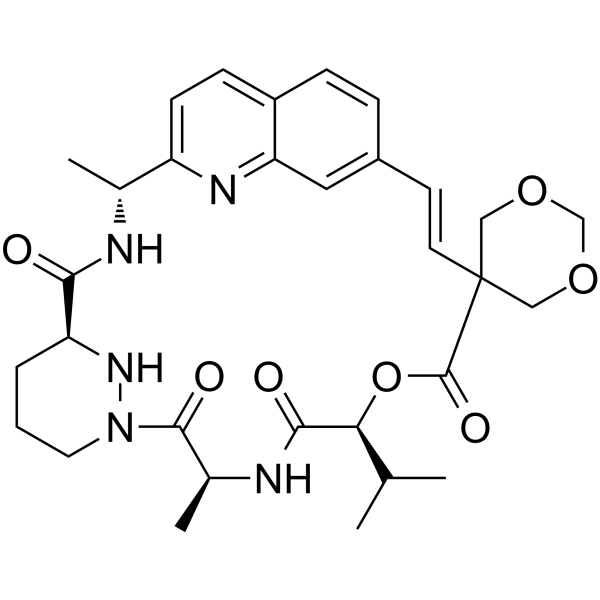 0 ImagesCyclophilin inhibitor 1 is a potent and orally bioavailable cyclophilin A inhibitor, with a Kd of 5 nM, shows effective anti-HCV activity, with an EC50 of 98 nM for HCV 2a.
-
HEP-1
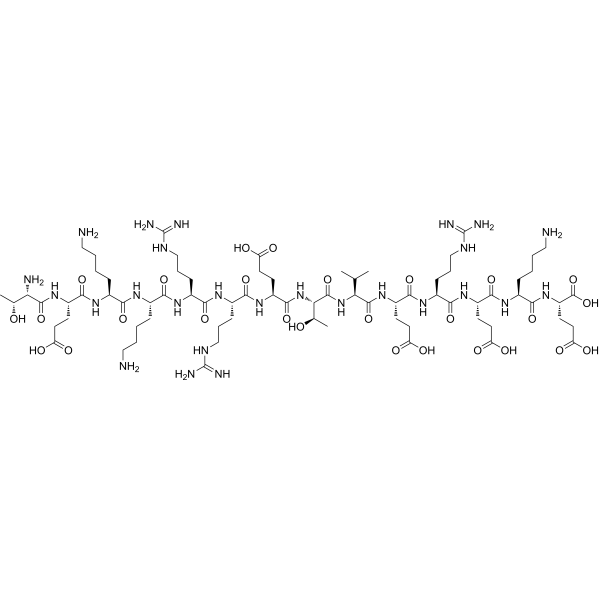 0 ImagesSynonyms: Human ezrin peptide (324-337)HEP-1 (Human ezrin peptide (324 - 337)) is an orally active peptide with antiviral, anti-inflammatory, and immunomodulatory activities. HEP-1 is effective against infections by various viruses such as HIV, HCV, herpes viruses, HPV, and influenza viruses. As an immunomodulator, HEP-1 can enhance the adaptive immunity mediated by B cells and T cells. HEP-1 can also increase the antibody titers after hepatitis B vaccination. HEP-1 can be used in the research of viral infections and inflammation-related diseases.
-
Moroxydine hydrochloride
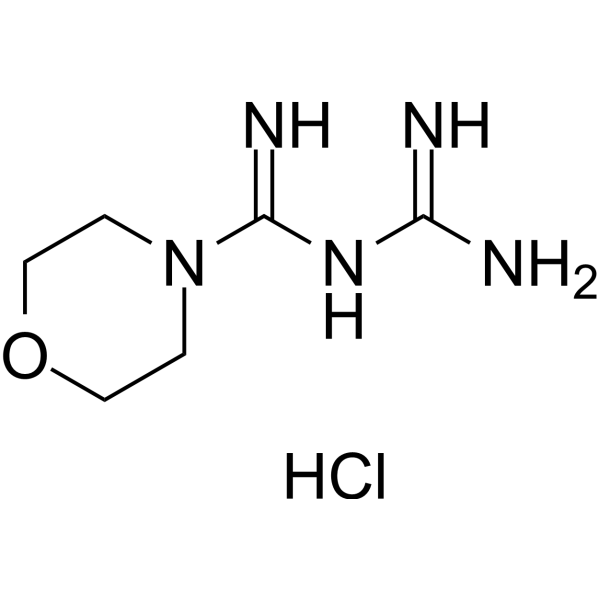 0 ImagesMoroxydine (ABOB) hydrochloride is a broad-spectrum agent with multi-antiviral activities against DNA and RNA viruses, including influenza virus, herpes simplex, varicella zoster, measles, mumps disease, hepatitis C virus, etc. Moroxydine hydrochloride exhibits excellent antiviral activity and shows low cytotoxicity to cells infected by dsRNA viruses (grass carp reovirus, GCRV) and large DNA viruses (giant salamander iridovirus, GSIV). Moroxydine hydrochloride blocks the GCRV-induced cytopathic effects and eliminates nucleocapsids in ctenopharyngodon idella kidney (CIK) cells to keep the normal morphological structure. Moroxydine hydrochloride significantly inhibits the apoptosis, the caspase 3 activity, Bax expression and down-regulates Bcl-2 levels.
-
Celgosivir hydrochloride
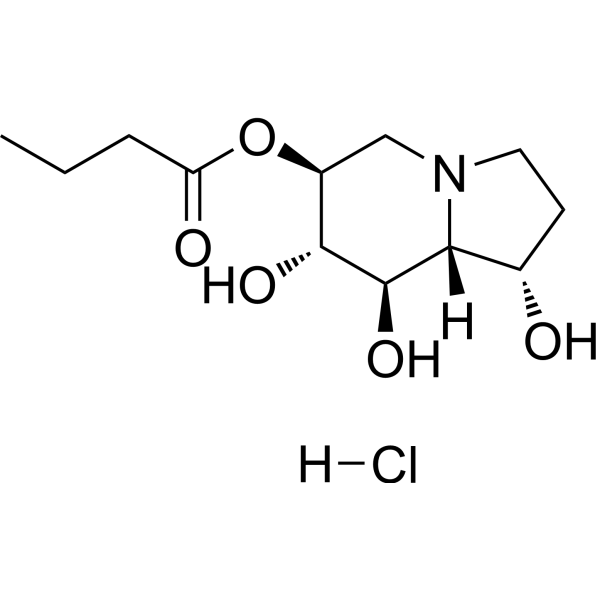 0 ImagesSynonyms: MBI 3253 hydrochloride; MDL 28574 hydrochloride; MX3253 hydrochlorideCelgosivir hydrochloride (MBI 3253 hydrochloride; MDL 28574 hydrochloride; MX3253 hydrochloride) is an α-glucosidase I inhibitor; inhibits bovine viral diarrhoea virus (BVDV) with an IC50 of 1.27 μM in in vitro assay.




