



P2Y12 Receptor
The P2Y12 receptor is an ADP-activated platelet receptor that plays a central role in platelet activation, thrombus formation, hemostasis, and thrombosis[1][2]. Mechanistically, P2Y12 signaling amplifies platelet activation by supporting αIIbβ3 integrin activation and platelet aggregation through a phosphoinositide 3-kinase-dependent pathway[3]. In thrombin-stimulated platelets, autocrine or added ADP stimulates P2Y12 receptors to enhance and prolong Ca2+ mobilization, with PI3Kβ, rather than PI3Kγ, driving prolonged Ca2+ response, procoagulant activity, and coagulation[4]. In disease-related settings, P2Y12 inhibition supports antithrombotic therapy in coronary artery disease, acute coronary syndrome, myocardial infarction, and percutaneous coronary intervention[5][6]. Compared with related platelet activation pathways, P2Y12 can generate P2Y1-independent inside-out signaling, while PAR-1 and PAR-4 platelet responsiveness may persist despite adequate P2Y12 inhibition[3][7]. For experimental and translational applications, clopidogrel, prasugrel, ticagrelor, cangrelor, and novel reversible antagonists provide tools to study ADP-induced platelet aggregation, receptor specificity, pharmacodynamic variability, and thrombotic disease models[5][8][9].
References:
- [1]. Kim S, et al. P2Y12 receptor in platelet activation. Platelets. 2011;22(1):56-60. [Content Brief]
- [2]. Dorsam RT, et al. Central role of the P2Y12 receptor in platelet activation. J Clin Invest. 2004 Feb;113(3):340-5. [Content Brief]
- [3]. Kauffenstein G, et al. The P2Y(12) receptor induces platelet aggregation through weak activation of the alpha(IIb)beta(3) integrin--a phosphoinositide 3-kinase-dependent mechanism. FEBS Lett. 2001 Sep 14;505(2):281-90. [Content Brief]
- [4]. van der Meijden PE, et al. Dual P2Y 12 receptor signaling in thrombin-stimulated platelets--involvement of phosphoinositide 3-kinase beta but not gamma isoform in Ca2+ mobilization and procoagulant activity. FEBS J. 2008 Jan;275(2):371-85. [Content Brief]
- [5]. Vivas D, et al. Platelet P2Y₁₂ receptor inhibition: an update on clinical drug development. Am J Cardiovasc Drugs. 2010;10(4):217-26. [Content Brief]
- [6]. Kunadian V, et al. Aspirin, Platelet P2Y12 Receptor Inhibitors, and Other Oral Antiplatelets: Comparative Pharmacology and Role in Elective PCI. Interv Cardiol Clin. 2013 Oct;2(4):527-535. [Content Brief]
- [7]. Badr Eslam R, et al. Residual platelet activation through protease-activated receptors (PAR)-1 and -4 in patients on P2Y12 inhibitors. Int J Cardiol. 2013 Sep 20;168(1):403-6. [Content Brief]
- [8]. Hasegawa M, et al. Stereoselective inhibition of human platelet aggregation by R-138727, the active metabolite of CS-747 (prasugrel, LY640315), a novel P2Y12 receptor inhibitor. Thromb Haemost. 2005 Sep;94(3):593-8. [Content Brief]
- [9]. Bryant J, et al. Novel P2Y12 adenosine diphosphate receptor antagonists for inhibition of platelet aggregation (I): in vitro effects on platelets. Thromb Res. 2008;122(4):523-32. [Content Brief]
-
P2Y12 Receptor Related Products (34)
Related Products (34)

- 1
- 2
-
Ticagrelor
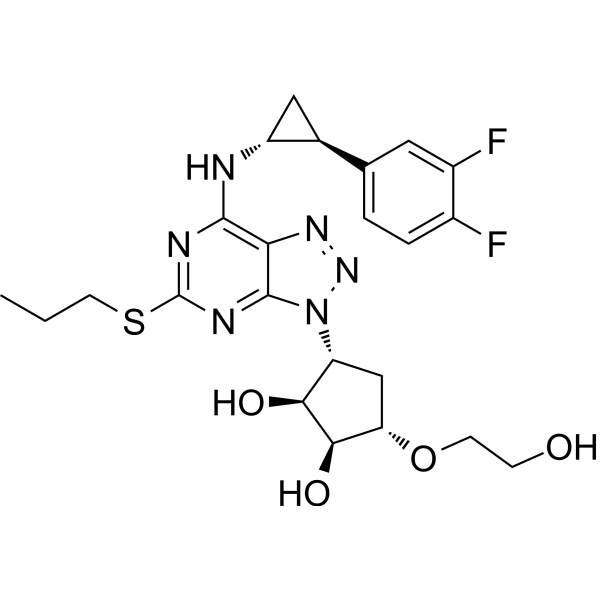 0 ImagesSynonyms: AZD6140; AR-C 126532XXTicagrelor (AZD6140) is a reversible oral P2Y12 receptor antagonist for the treatment of platelet aggregation.
-
Clopidogrel
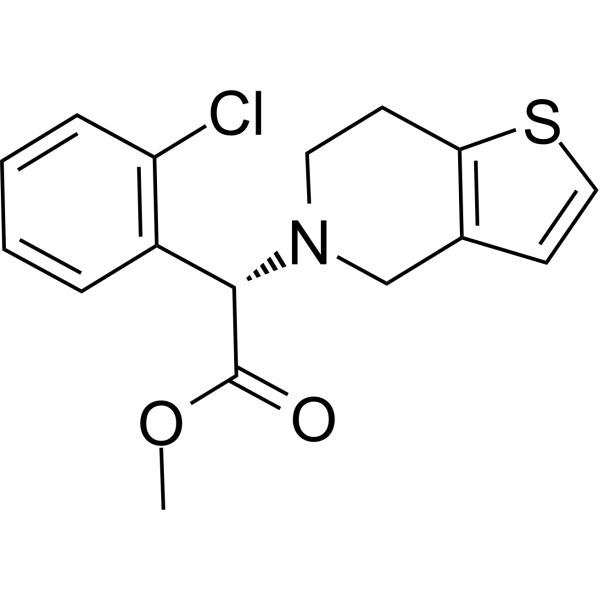 0 ImagesSynonyms: ClopidogrelumClopidogrel is an orally active platelet inhibitor that targets P2Y12 receptor. Clopidogrel is used to inhibit blood clots in coronary artery disease, peripheral vascular disease, and cerebrovascular disease.
-
Cangrelor tetrasodium
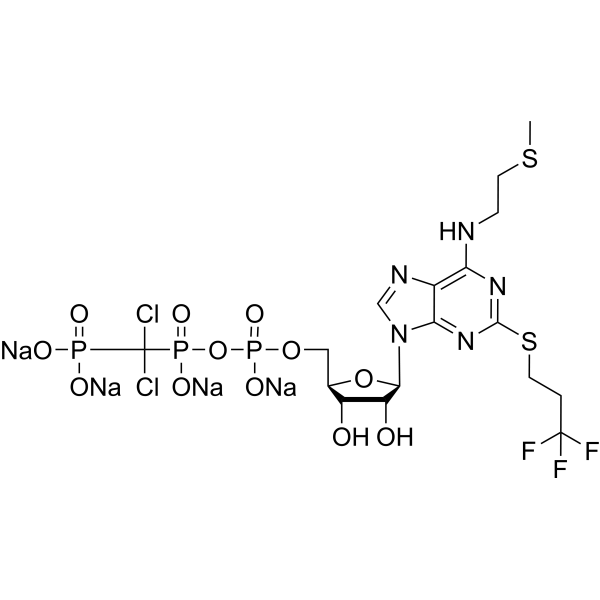 0 ImagesSynonyms: AR-C69931MX tetrasodiumCangrelor tetrasodium, an adenosine triphosphate analogue, is a reversible and selective platelet P2Y12 antagonist, with prompt and potent antiplatelet effects. Cangrelor tetrasodium directly blocks adenosine diphosphate (ADP)-induced activation and aggregation of platelets. Cangrelor tetrasodium is also a nonspecific GPR17 antagonist.
-
PSB-0739
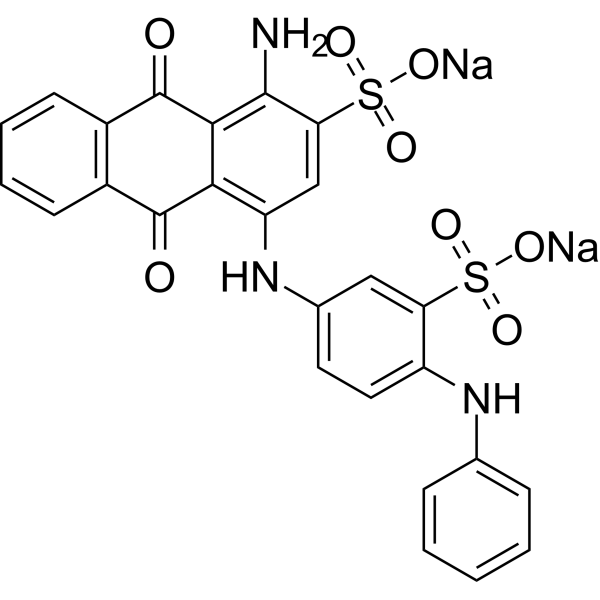 0 ImagesPSB-0739 is a high-affinity potent, competitive, nonselective platelet P2Y12 receptor antagonist with a Ki values of 24.9 nM. The P2Y12 receptor plays a crucial role in platelet aggregation. Antithrombotic effect.
-
Clopidogrel hydrogen sulfate
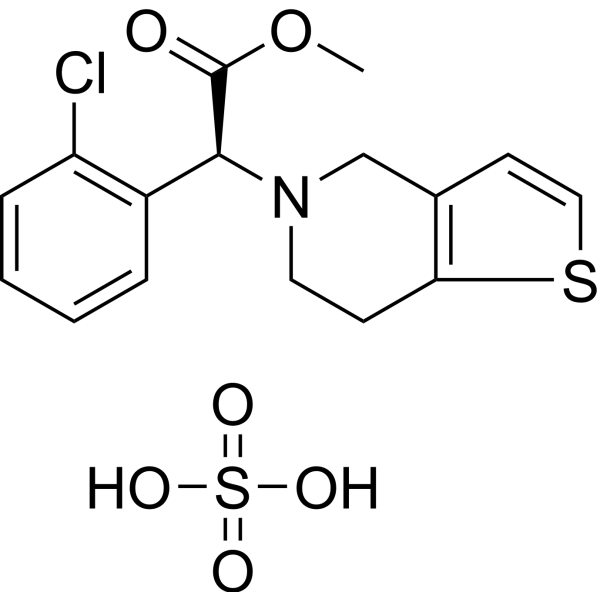 0 ImagesSynonyms: (S)-(+)-Clopidogrel bisulfate; (S)-(+)-Clopidogrel hydrogen sulfateClopidogrel hydrogen sulfate is an antiplatelet agent to prevent blood clots. Clopidogrel hydrogen sulfate inhibits CYP2B6 and CYP2C19 with IC50s of 18.2 nM and 524 nM, respectively. Clopidogrel hydrogen sulfate is a potent antithrombotic agent that inhibits ADP-induced platelet aggregation.Clopidogrel hydrogen sulfate also is an orally active P2Y(12) inhibitor.
-
R-138727
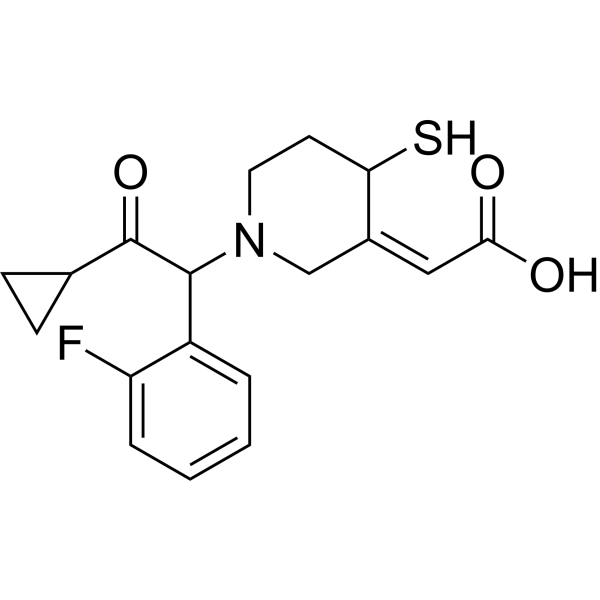 0 ImagesCat. No.: HY-123669CAS No.: 204204-73-9R-138727, the major active metabolite of Prasugrel (HY-15284), is a highly potent and selective irreversible antagonist of the P2Y12 receptor, with an IC50 of 2.5 μM. R-138727 covalently binds to the P2Y12 receptor on the platelet surface, blocking adenosine diphosphate-mediated platelet activation and aggregation. R-138727 can be used to study stroke, cerebral infarction and neurological deficits.
-
Regrelor
 0 ImagesCat. No.: HY-189107CAS No.: 787548-03-2Synonyms: INS50589 free acidRegrelor (INS50589 (free acid)) is a selective, reversible, and competitive P2Y12 receptor antagonist and an adenosine 5′-monophosphate derivative. Regrelor inhibits ADP (HY-W010918)-induced aggregation of human washed platelets with an IC50 of 0.016 μM. Intravenous infusion of Regrelor rapidly and dose-dependently inhibits ADP-induced platelet function, and platelet function gradually recovers after cessation of infusion. Regrelor can be used for research on P2Y12-mediated platelet function and cardiovascular regulation.
-
Selatogrel hydrochloride
 0 ImagesCat. No.: HY-109122ACAS No.: 2210298-04-5Synonyms: ACT-246475 hydrochlorideSelatogrel (ACT-246475) is a reversible and selective P2Y12 receptor antagonist which inhibits platelet aggregation with an IC50 of 8 nM. Selatogrel exhibits antithrombotic efficacy.
-
2-MeS-ADP trisodium
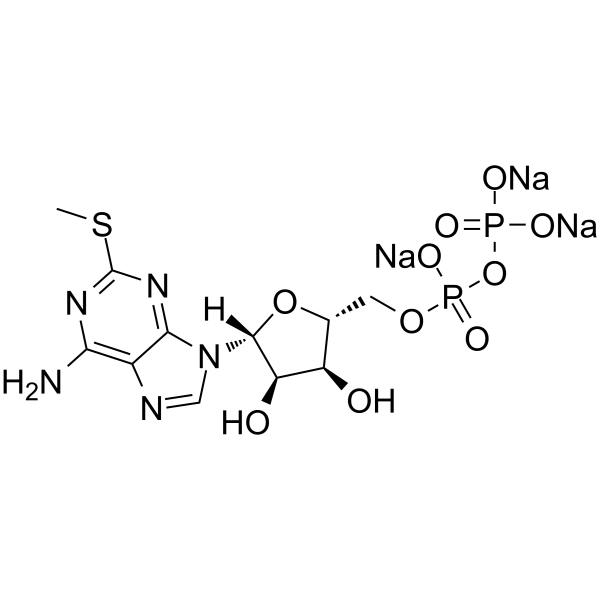 0 ImagesSynonyms: 2-Methylthioadenosine diphosphate trisodium; 2-Methylthio-ADP trisodium2-Methylthioadenosine diphosphate trisodium is a potent purinergic P2Y receptors agonist, with EC50s of 19, 6.2, and 5 nM for human P2Y13, mouse P2Y13 and human P2Y12, respectively. 2-Methylthioadenosine diphosphate trisodium has pEC50s of 8.29 and 5.75 for human P2Y1 and rat P2Y6, respectively. 2-Methylthioadenosine diphosphate trisodium induces platelet aggregation and shape change, and inhibits cyclic AMP accumulation in platelets exposed to prostaglandin E1.
-
ADP-β-S trilithium
 0 ImagesCat. No.: HY-134353BCAS No.: 73536-95-5Synonyms: Adenosine 5'-β-thiodiphosphate trilithiumADP-β-S (Adenosine 5'-(β-thiodiphosphate)) trilithium is a non-hydrolyzable ADP analog and a P2Y12 receptor agonist. ADP-β-S trilithium activates the P2Y12 receptor in microglia, thereby triggering downstream inflammatory signaling pathways. ADP-β-S trilithium activates P2Y purinergic receptors in rat pancreatic β cells and enhances glucose-induced insulin secretion. ADP-β-S trilithium can be used in the research of diseases such as inflammation and diabetes.
-
Prasugrel
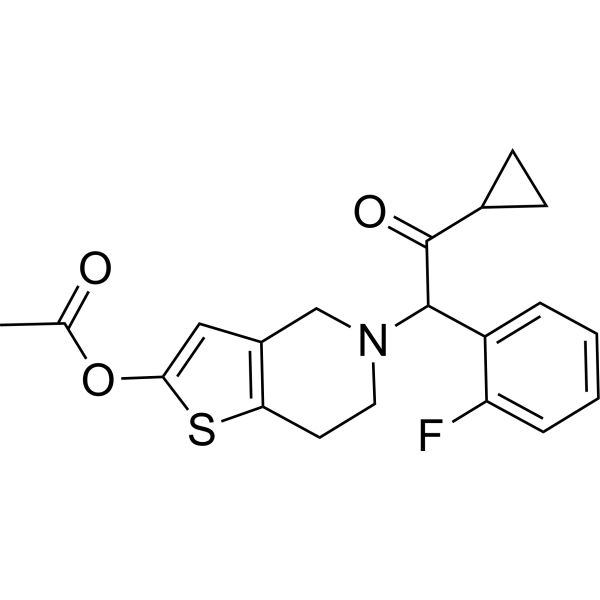 0 ImagesSynonyms: PCR 4099Prasugrel (PCR 4099), a thienopyridine and proagent, inhibits platelet function. Prasugrel is an orally active and potent P2Y12 receptor antagonist, and inhibits ADP-induced platelet aggregation.
-
2-Methylthio-AMP
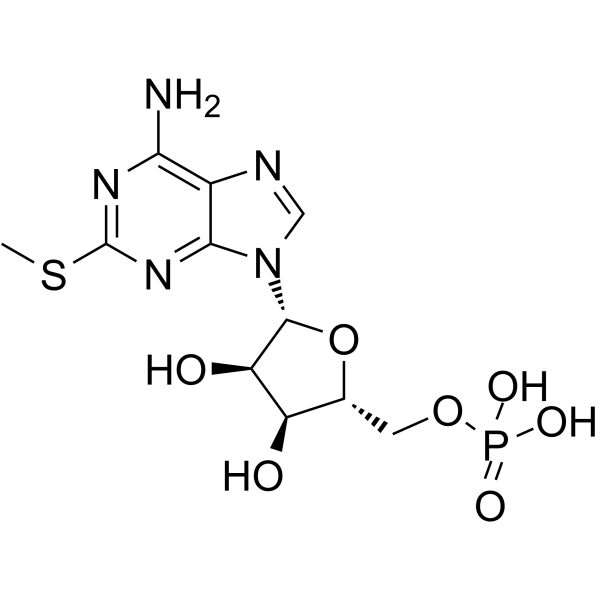 0 ImagesSynonyms: 2-MeSAMP; 2-Methylthioadenosine 5′-monophosphate; 2-Methylthioadenosine 5′-phosphate2-Methylthio-AMP (2-MeSAMP) is a selective and direct P2Y12 antagonist. 2-Methylthio-AMP is an inhibitor of ADP-dependent platelet aggregation.
-
Prasugrel hydrochloride
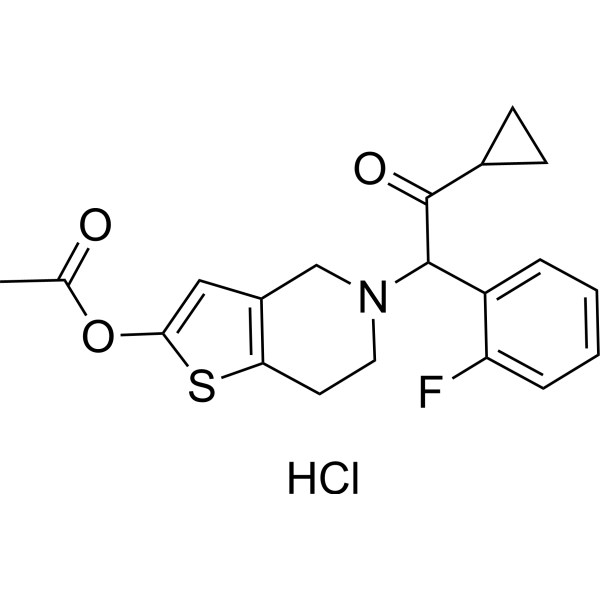 0 ImagesSynonyms: PCR 4099 hydrochloridePrasugrel hydrochloride (PCR 4099 hydrochloride), a thienopyridine and proagent, inhibits platelet function. Prasugrel hydrochloride is an orally active and potent P2Y12 receptor antagonist, and inhibits ADP-induced platelet aggregation.
-
AZD1283
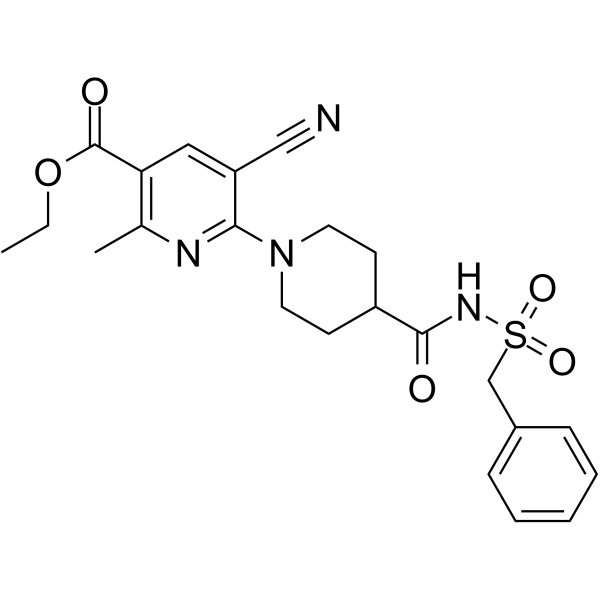 0 ImagesAZD1283 is a potent P2Y12 receptor antagonist with a binding IC50 of 11 nM and a GTPγS IC50 of 25 nM. AZD1283 has excellent antiplatelet aggregation potency. AZD1283 can be used to research thromboembolic disorders.
-
Elinogrel
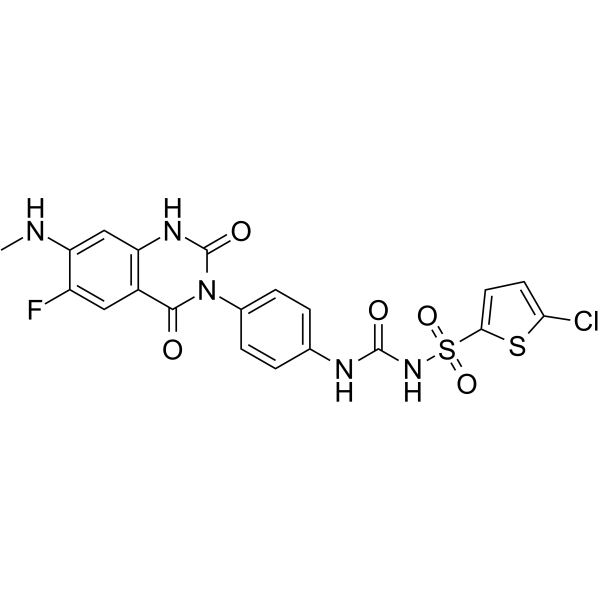 0 ImagesSynonyms: PRT060128Elinogrel (PRT060128) is an orally active, selective, competitive, and reversible direct-acting platelet P2Y12 antagonist (IC50 = 20 nM). Elinogrel blocks ADP-induced signaling by directly and reversibly competing for binding to the platelet P2Y12 receptor. Elinogrel exhibits rapid and potent anti-platelet aggregation and antithrombotic activities. Elinogrel is suitable for research into acute coronary syndrome and antithrombotic.
-
P2Y14R antagonist 1
 0 ImagesP2Y14R antagonist 1 (compound I-17) is a selective P2Y14R antagonist with an IC50 of 0.6 nM. It exhibits potent P2Y14R antagonistic activity, both in vitro and in vivo efficacy, and favorable pharmacokinetic profiles. P2Y14R antagonist 1 reduces the release of inflammatory factors and cell pyroptosis through the NOD-like receptor family pyrin domain-containing 3 (NLRP3)/gasdermin D (GSDMD) signaling pathway. P2Y14R antagonist 1 holds promise for research in the field of acute gouty arthritis.
-
Clopidogrel thiolactone
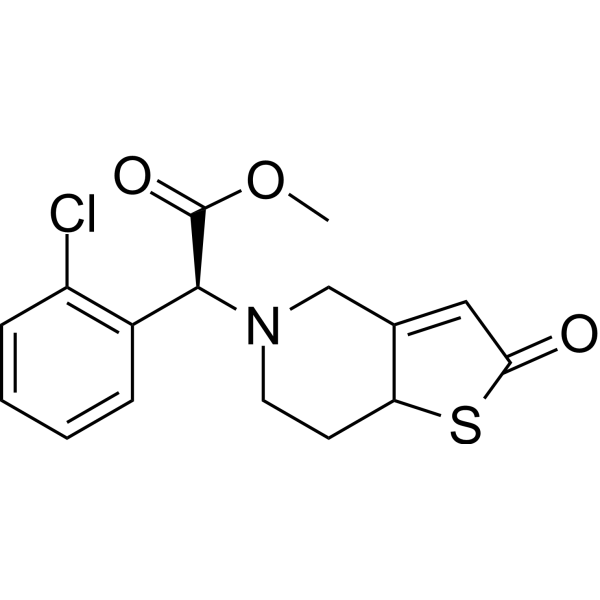 0 ImagesClopidogrel thiolactone is an important intermediate in the metabolism of Clopidogrel (HY-15283). Clopidogrel thiolactone has antiplatelet aggregatione effects. Clopidogrel is a P2Y12 receptor inhibitor that exerts antiplatelet effects.
-
Ticagrelor-d7
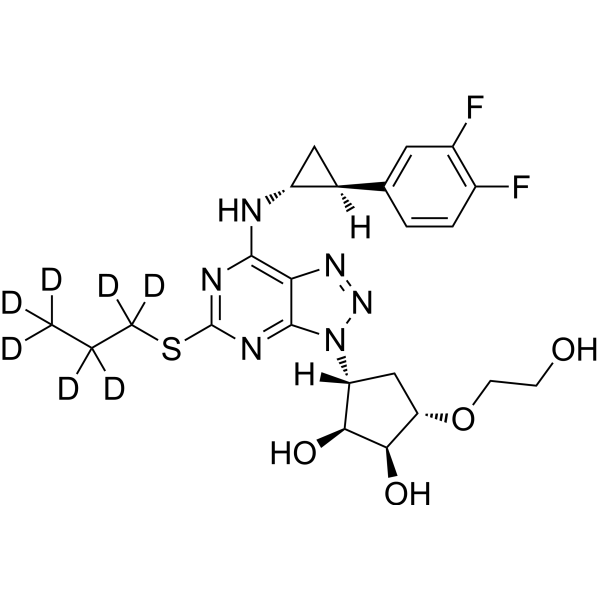 0 ImagesCat. No.: HY-10064SCAS No.: 1265911-55-4Ticagrelor-d7 is the deuterium labeled Ticagrelor. Ticagrelor (AZD6140) is a reversible oral P2Y12 receptor antagonist for the treatment of platelet aggregation.
-
Prasugrel-d3
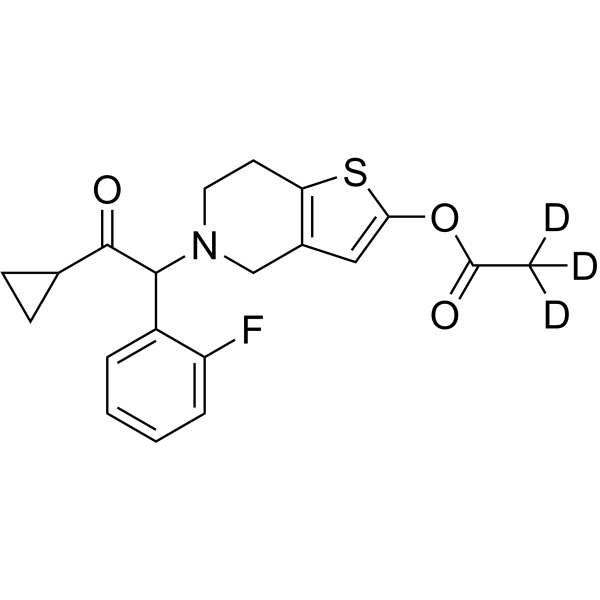 0 ImagesSynonyms: PCR 4099-d3Prasugrel-d3 is the deuterium labeled Prasugrel. Prasugrel (PCR 4099), a thienopyridine and proagent, inhibits platelet function. Prasugrel is an orally active and potent P2Y12 receptor antagonist, and inhibits ADP-induced platelet aggregation.
-
Regrelor disodium
 0 ImagesSynonyms: INS50589Regrelor disodium (INS 50589) is a platelet P2Y12 receptor antagonist. Regrelor disodium is a well-tolerated, reversible ADP competitive antagonist. Regrelor disodium inhibits cell proliferation. Regrelor disodium can be used in inflammation-related research.
- 1
- 2



