



RAR/RXR
Retinoic acid receptors; Retinoid X receptors
The nuclear retinoic acid receptors (RARs) are transcriptional transregulators, which control the expression of specific gene subsets subsequently to ligand binding and to strictly controlled phosphorylation processes. RARs consist of three subtypes, α (NR1B1), β (NR1B2) and γ (NR1B3), encoded by separate genes. RARs function as ligand-dependent transcriptional regulators, heterodimerized with retinoid X receptors (RXRs), which also consist of three types, α NR2B1, β (NR2B2) and γ (NR2B3). RARs play critical roles in a variety of biological processes, including development, reproduction, immunity, organogenesis and homeostasis, as assessed by vitamin A-deficiency (VAD), pharmacological and genetic studies conducted in the mouse.
Retinoid X receptor (RXR) belongs to a family of ligand-activated transcription factors that regulate many aspects of metazoan life. A class of nuclear receptors requires RXR as heterodimerization partner for their function.
RAR/RXR Isoform Specific Products
All Product Categories
-
RAR/RXR Related Products (216)
Related Products (216)

-
Antibodies (1)
-
RAR/RXR Isoform Comparison
-
4-Hydroxyretinoic acid
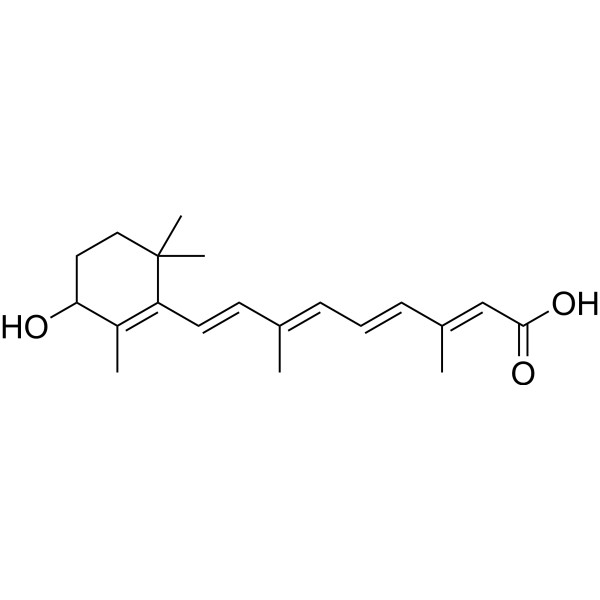 0 ImagesCat. No.: HY-125904CAS No.: 66592-72-14-Hydroxyretinoic acid (4-HRA) is a derivative of Retinoic acid (HY-14649). 4-Hydroxyretinoic acid is formed via the catalysis of retinol by cytochrome P-450 isoenzymes. 4-Hydroxyretinoic acid also serves as a substrate for UDP-glucuronosyltransferase (s) and recombinant UGT2B7. 4-Hydroxyretinoic acid binds to the nuclear receptor RAR (Retinoic Acid Receptor), activates RAR and RXR-alpha, subsequently regulates gene expression and cell differentiation, and induces cancer cell apoptosis (Apoptosis). 4-Hydroxyretinoic acid also participates in multiple physiological processes such as immunoregulation, neuroprotection and antioxidation.
-
2,4-Di-tert-butylphenol (Standard)
 0 ImagesSynonyms: 2,4-DTBP (Standard)2,4-Di-tert-butylphenol (Standard) is the analytical standard of 2,4-Di-tert-butylphenol (HY-W014589). This product is intended for research and analytical applications. 2,4-Di-tert-butylphenol (2,4-DTBP) is an orally active RXRα activator and a human estrogen receptor ligand with anti-inflammatory and antioxidant activities, which can induce apoptosis in tumor cells. 2,4-Di-tert-butylphenol can activate the RXRα subtype in LXRα/RXRα, PPARγ/RXRα, and hormone receptor β/RXRα. 2,4-Di-tert-butylphenol also has antiviral and antifungal activities, and has the potential to inhibit Aβ-induced neurotoxicity. 2,4-Di-tert-butylphenol can be used as an intermediate in the preparation of antioxidants and UV stabilizers, and is also used in the manufacture of pharmaceuticals and fragrances.
-
HX600
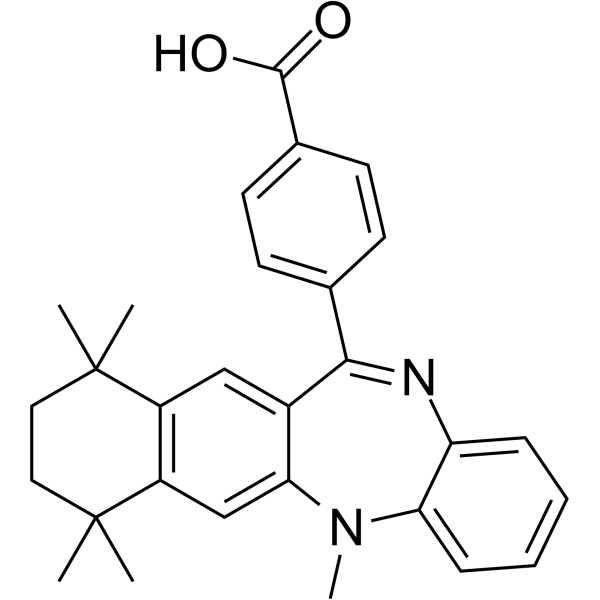 0 ImagesHX600 is a synthetic agonist for RXR (Retinoid X Receptor) heterodimer complex. HX600 prevents ischemia-induced neuronal damage. HX600 has orally bioactivity.
-
β-Apo-13-carotenone
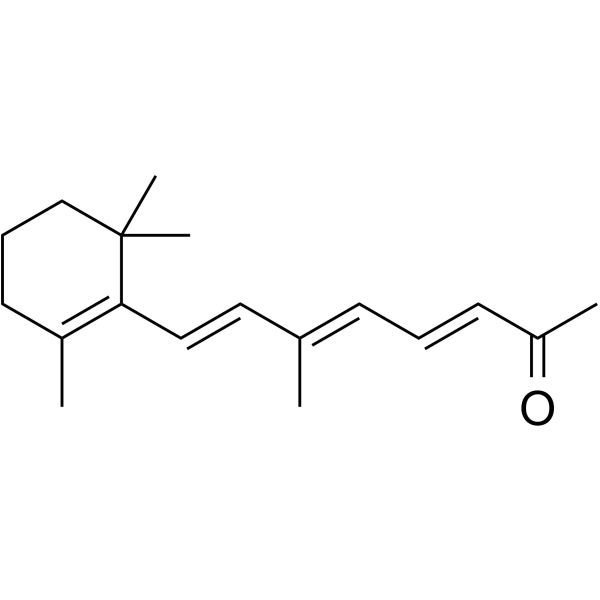 0 ImagesCat. No.: HY-101953CAS No.: 17974-57-1Synonyms: D'Orenoneβ-Apo-13-carotenone (D'Orenone) is a naturally occurring β-apocarotenoid functioned as an antagonist of RXRα.
-
AC-261066
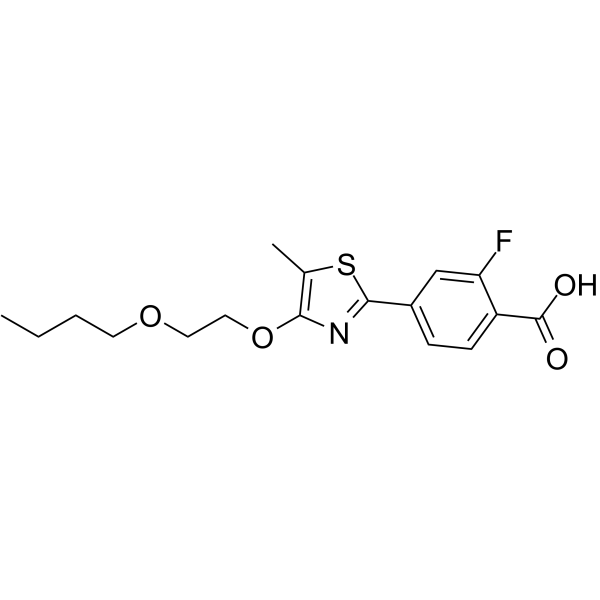 0 ImagesAC-261066 is a potent, orally available and isoform-selective retinoic acid beta2 (RARbeta2) receptor agonist, with a pEC50 of 8.0.
-
BMS961
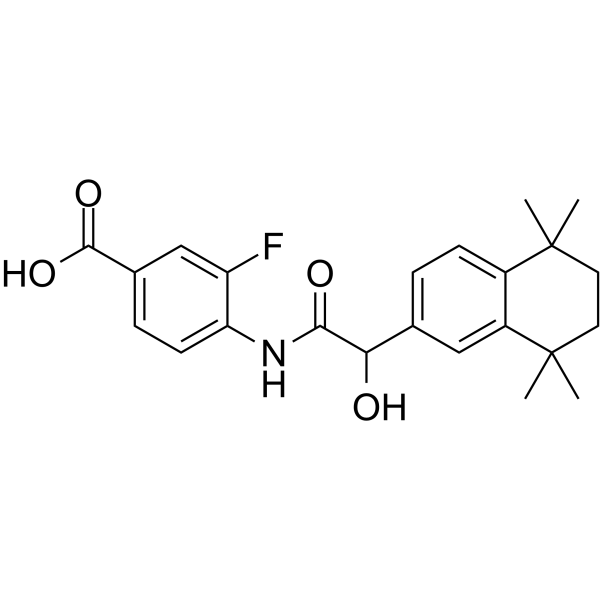 0 ImagesBMS961 is a selective retinoic acid receptor-γ (RARγ) agonist. BMS961 shows anti-inflammatory activity.
-
AGN 194078
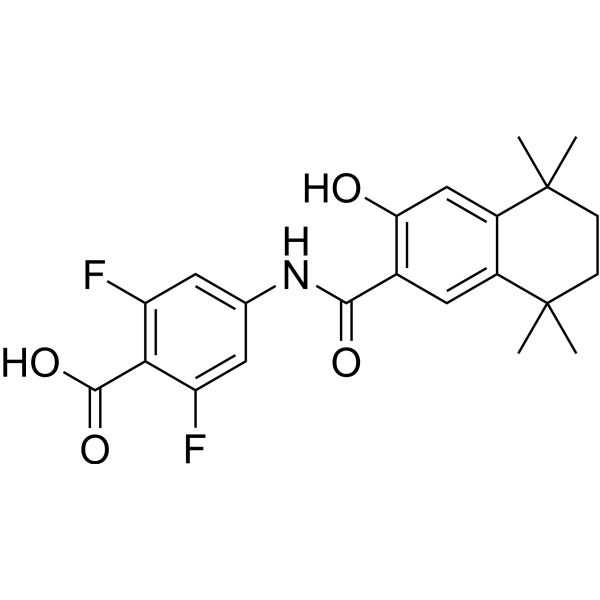 0 ImagesAGN 194078 is a selective RARα agonist with a Kd and EC50 of 3 and 112 nM, respectively.
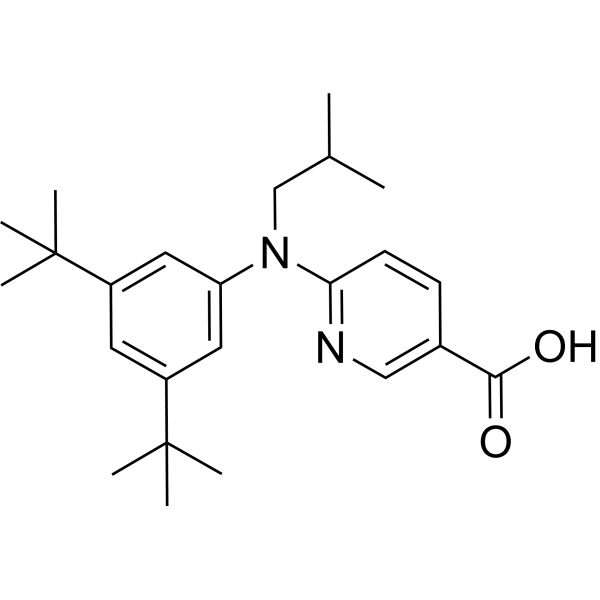
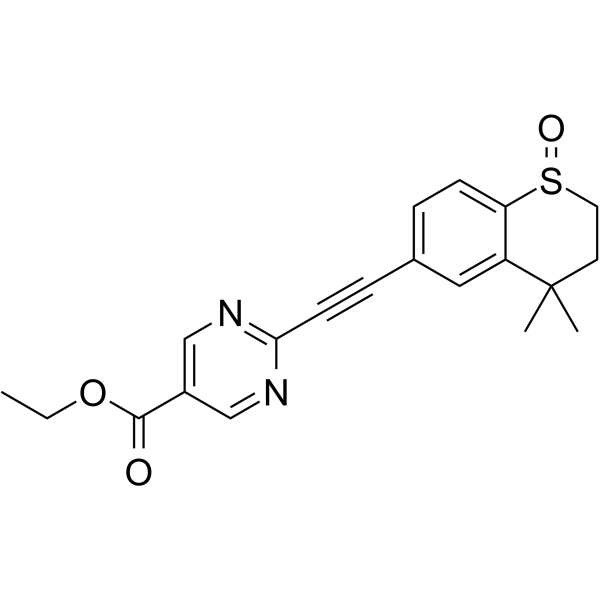
-
(+)-Talarozole
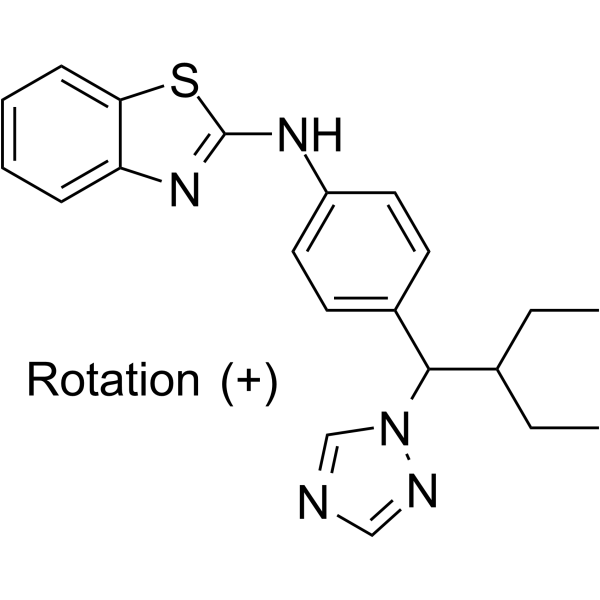 0 Images(+)-Talarozole is a potent inhibitor of retinoic acid metabolism extracted from patent WO 1997049704 A1.
-
XS-060
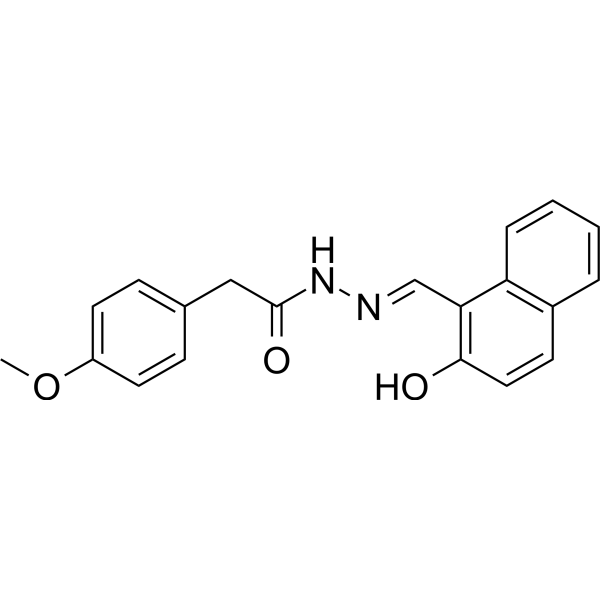 0 ImagesXS-060 is a potent anticancer agent and RXRα antagonist. XS-060 significantly induces RXRα-dependent mitotic arrest by inhibiting pRXRα-PLK1 interaction. XS-060 inhibits p-RXRα interaction with PLK1 but has no effect on RXRα heterodimerization with RARγ. XS-060 inhibits the in situ interaction between p-RXRα and PLK1 at the centrosome.
-
Amsilarotene
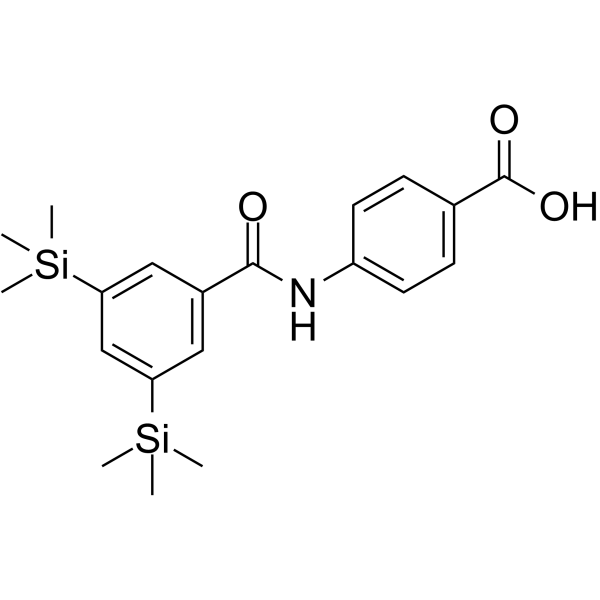 0 ImagesSynonyms: TAC-101; Am 555SAmsilarotene (TAC-101; Am 555S), an orally active synthetic retinoid, has selective affinity for retinoic acid receptor α (RAR-α) binding with Ki of 2.4, 400 nM for RAR-α and RAR-β. Amsilarotene induces the apoptotic of human gastric cancer, hepatocellular carcinoma and ovarian carcinoma cells. Amsilarotene can be used for the research of cancer.
-
AC-55649
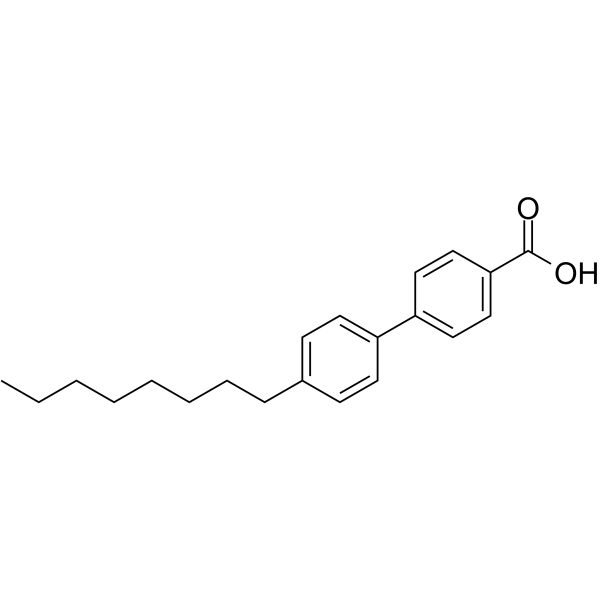 0 ImagesAC-55649 is a potent, highly isoform-selective agonist of human RARβ2 receptor, with a pEC50 of 6.9.
-
K-8012
 0 ImagesK-8012 is a Sulindac (HY-B0008) analog and RXRα antagonist with an IC50 of 9.2 µM. K-8012 inhibits the activation of AKT. K-8012 induces Apoptosis, redirecting the TNFα signaling pathway from survival to death. K-8012 exerts anticancer activity against lung cancer, prostate cancer, and breast cancer. K-8012 can be used in research related to lung cancer, prostate cancer, breast cancer, and hepatocellular carcinoma.
-
9-cis-Retinoic acid-d5
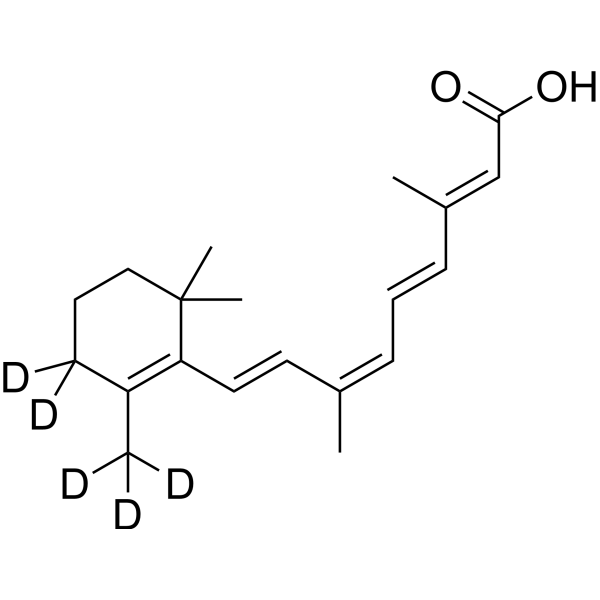 0 ImagesCat. No.: HY-132334SPurity: 99.24%9-cis-Retinoic acid-d5 is the deuterium labeled 9-cis-Retinoic acid. 9-cis-Retinoic acid (ALRT1057), a vitamin A derivative, is a potent RAR/RXR agonist. 9-cis-Retinoic acid induces apoptosis, regulates cell cycle and has anticancer, anti-inflammatory and neuroprotection activities.
-
AGN 192870
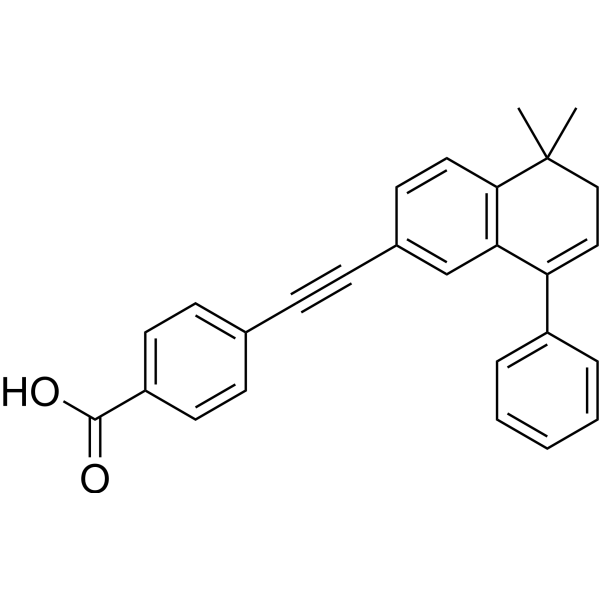 0 ImagesAGN 192870 is a RAR neutral antagonist with Kds of 147, 33, and 42 nM for RARα, RARβ, and RARγ, respectively. AGN 192870 shows IC50s of 87 and 32 nM for RARαand RARγ, respectively. AGN 192870 shows RARβ partial agonism. AGN 192870 is a click chemistry reagent, it contains an Alkyne group and can undergo copper-catalyzed azide-alkyne cycloaddition (CuAAc) with molecules containing Azide groups.
-
ATRA-biotin
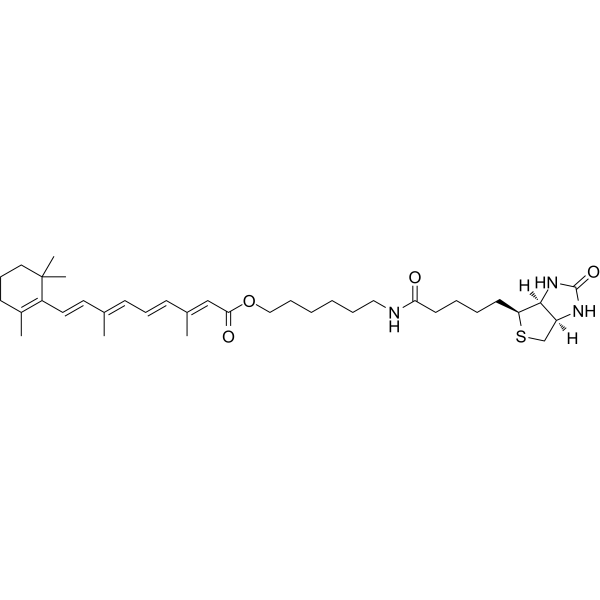 0 ImagesSynonyms: Biotin-ATRA-conjugateATRA-biotin (Biotin-ATRA-conjugate) is a biotin-conjugated ATRA. ATRA-biotin can be used to track ATRA in cells or a given tissue.
-
BMS270394
 0 ImagesBMS270394 is a nuclear retinoic acid receptor (RAR-γ) agonist with the EC50 values of 30 nM and 400 nM for humanRAR-γ and RAR-β, respectively.
-
Oxybenzone-d5
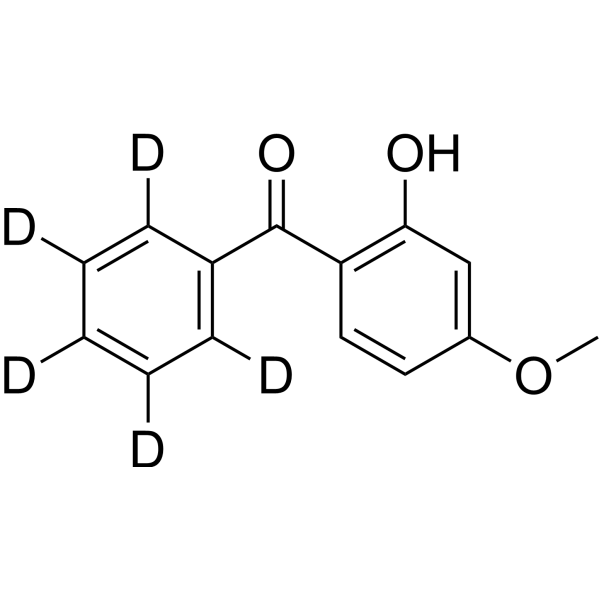 0 ImagesOxybenzone-d5 is the deuterium labeled Oxybenzone. Oxybenzone (Benzophenone 3) is a commonly used UV filter in sun tans and skin protectants. Oxybenzone act as endocrine disrupting chemicals (EDCs) and can pass through the placental and blood-brain barriers. Benzophenone-3 impairs autophagy, alters epigenetic status, and disrupts retinoid X receptor signaling in apoptotic neuronal cells.
-
RARα antagonist 1
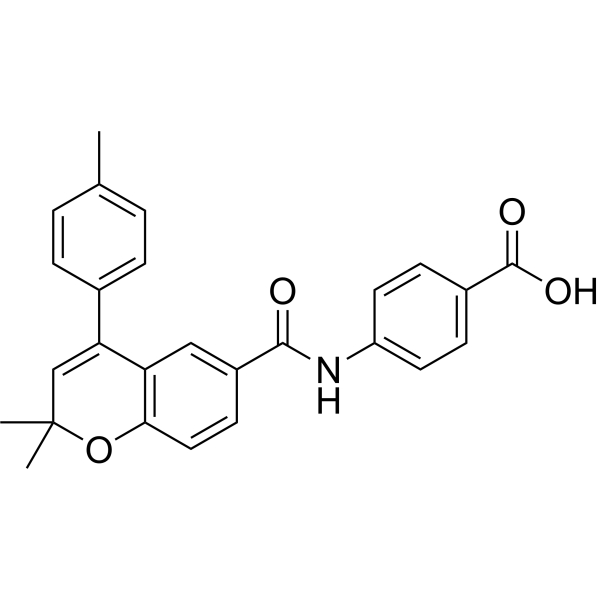 0 ImagesRARα antagonist 1 (compound 21) is an orally active and selective retinoic acid receptor α(RARα) antagonist, with the IC50 of 4.6nM.




