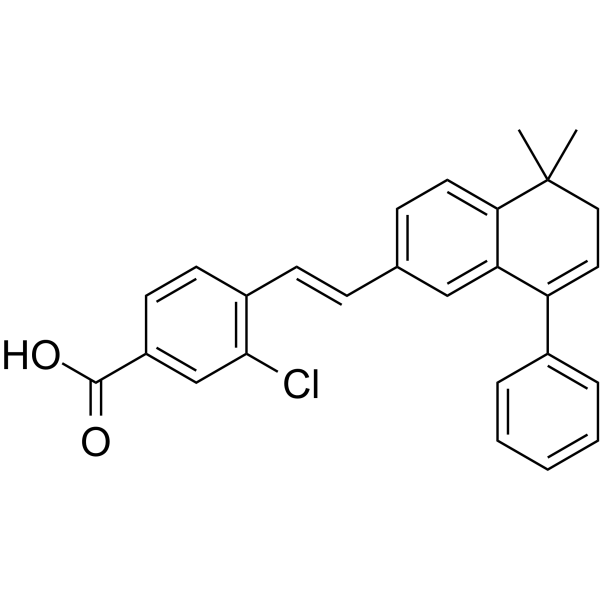
RAR/RXR
Retinoic acid receptors; Retinoid X receptors
The nuclear retinoic acid receptors (RARs) are transcriptional transregulators, which control the expression of specific gene subsets subsequently to ligand binding and to strictly controlled phosphorylation processes. RARs consist of three subtypes, α (NR1B1), β (NR1B2) and γ (NR1B3), encoded by separate genes. RARs function as ligand-dependent transcriptional regulators, heterodimerized with retinoid X receptors (RXRs), which also consist of three types, α NR2B1, β (NR2B2) and γ (NR2B3). RARs play critical roles in a variety of biological processes, including development, reproduction, immunity, organogenesis and homeostasis, as assessed by vitamin A-deficiency (VAD), pharmacological and genetic studies conducted in the mouse.
Retinoid X receptor (RXR) belongs to a family of ligand-activated transcription factors that regulate many aspects of metazoan life. A class of nuclear receptors requires RXR as heterodimerization partner for their function.
RAR/RXR Isoform Specific Products
All Product Categories
-
RAR/RXR Related Products (216)
Related Products (216)

-
Antibodies (1)
-
RAR/RXR Isoform Comparison
-
BMS 753
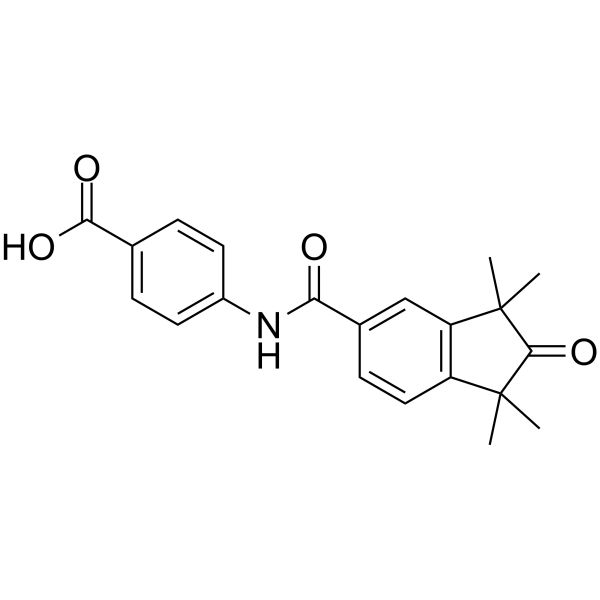 0 ImagesBMS 753 is an isotype-selective retinoic acid receptor α (RARα) agonist, with a Ki of 2 nM.
-
YC-001
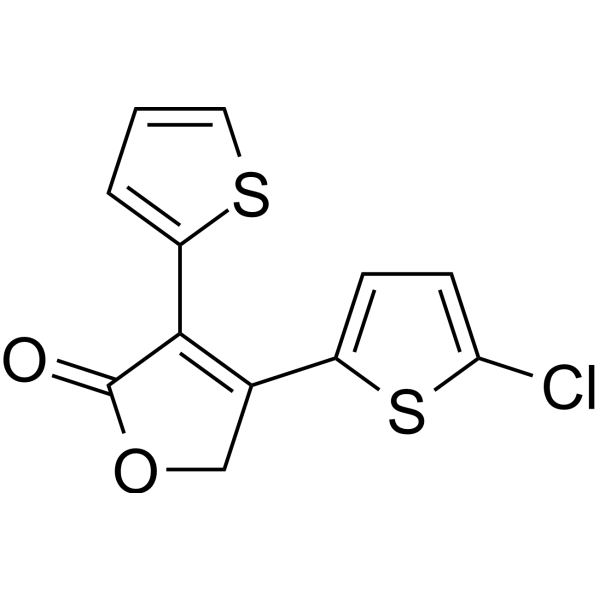 0 ImagesYC-001 is an inverse agonist and antagonist of rod opsin. YC-001 reversibly binds rod opsin and stabilizes the rod opsin structure. YC-001 protects mice from bright light-induced retinal degeneration. YC-001 has the potential for the research of retinal degeneration.
-
AGN-195183
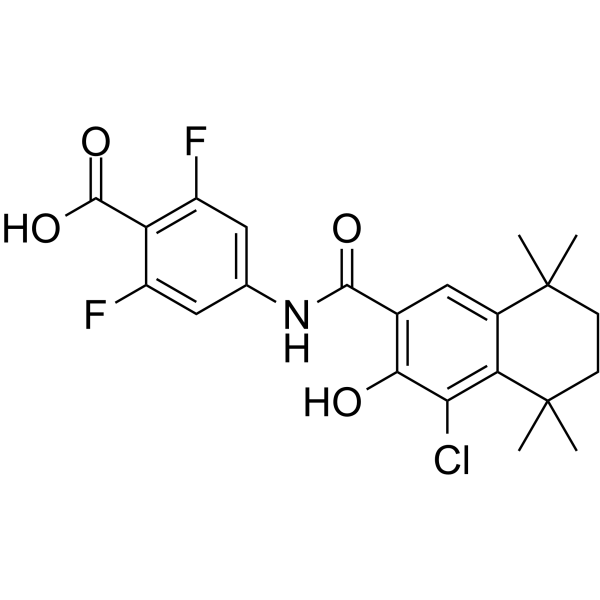 0 ImagesSynonyms: IRX-5183; VTP-195183; NRX-195183AGN-195183 (IRX-5183) is a potent and selective agonist of RARα (Kd=3 nM) with improved binding selectivity relative to AGN 193836. AGN-195183 has no activity on RARβ/γ.
-
Liarozole
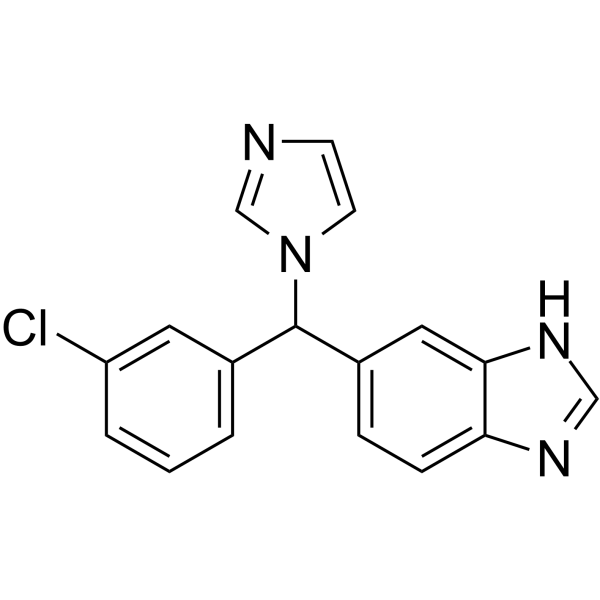 0 ImagesSynonyms: R75251Liarozole (R75251; R85246) is an imidazole derivative and orally active retinoic acid (RA) metabolism-blocking agent (RAMBA). Liarozole inhibits the cytochrome P450 (CYP26)-dependent 4-hydroxylation of retinoic acid (IC50=7 μM), resulting in increased tissue levels of retinoic acid. Liarozole shows antitumoral properties.
-
CD2665
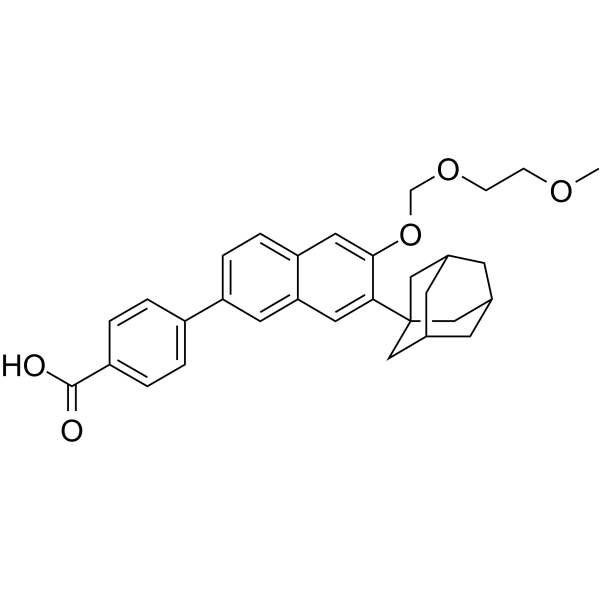 0 ImagesCD2665 is an orally active and selective RAR-β,γ antagonist, with Kd values of 306 nM, 110 nM for RAR-β and RAR-γ, repectively.
-
CD2314
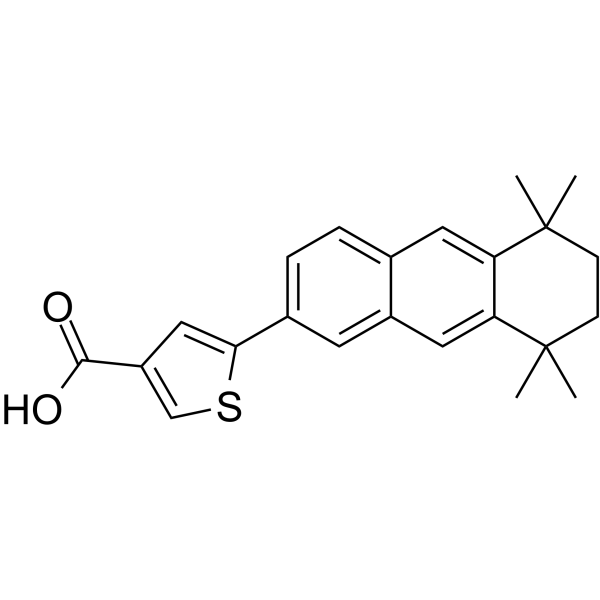 0 ImagesCD2314 is a potent and selective RARβ receptor agonist with a Kd of 195 nM in S91 melanoma cells.
-
2,4-Di-tert-butylphenol
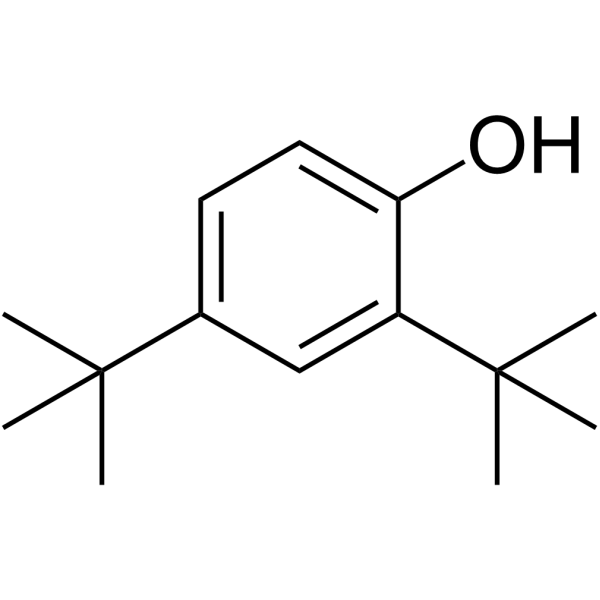 0 ImagesSynonyms: 2,4-DTBP2,4-Di-tert-butylphenol (2,4-DTBP) is an orally active RXRα activator and a human estrogen receptor ligand with anti-inflammatory and antioxidant activities, which can induce apoptosis in tumor cells. 2,4-Di-tert-butylphenol can activate the RXRα subtype in LXRα/RXRα, PPARγ/RXRα, and hormone receptor β/RXRα. 2,4-Di-tert-butylphenol also has antiviral and antifungal activities and has the potential to inhibit Aβ-induced neurotoxicity. 2,4-Di-tert-butylphenol can be used as an intermediate in the preparation of antioxidants and UV stabilizers, and is also used in the manufacture of drugs and fragrances.
-
BMS-195614
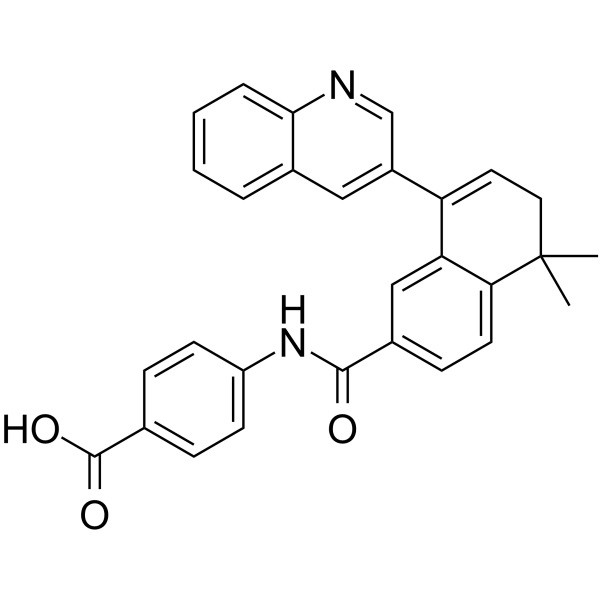 0 ImagesSynonyms: BMS 614BMS-195614 (BMS 614) is an orally active neutral RARα-selective antagonist with a Ki of 2.5 nM. BMS-195614 restores the expression of Bcl2. BMS-195614 inhibits the transactivation of NF-κB, AP-1 and PPAR. BMS-195614 downregulates the expression of IL-6 and VEGF. BMS-195614 reduces blue light-induced phototoxicity and inhibits cell migration. BMS-195614 modulates inflammation and angiogenesis.
-
Tarenflurbil
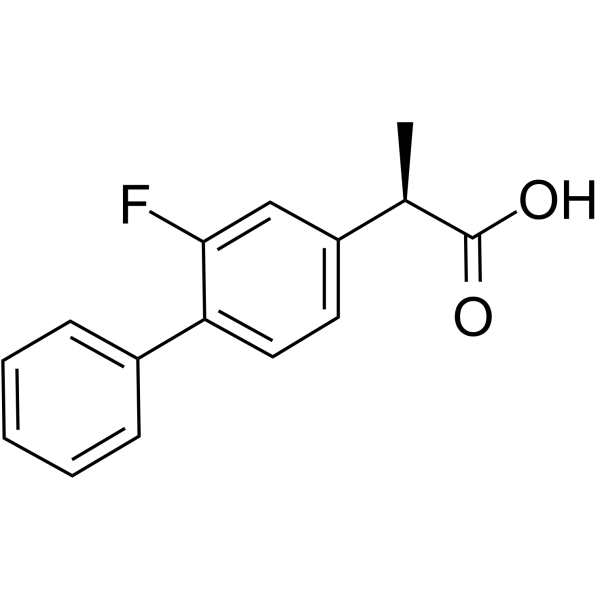 0 ImagesSynonyms: (R)-Flurbiprofen; MPC7869Tarenflurbil ((R)-Flurbiprofen) is the R-enantiomer of the racemate NSAID Flurbiprofen, Tarenflurbil ((R)-Flurbiprofen) inhibits the binding of [3H]9-cis-RA to RXRα LBD with IC50 of 75 μM. Tarenflurbil can be used for Alzheimer's disease research.
-
Retinoic acid-d5
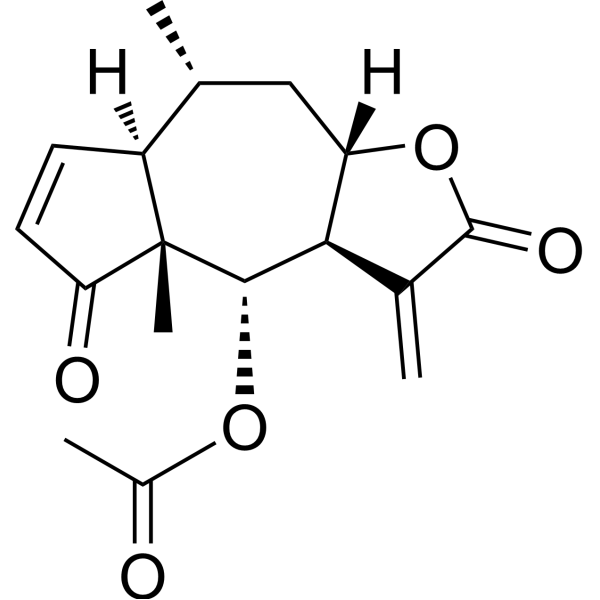
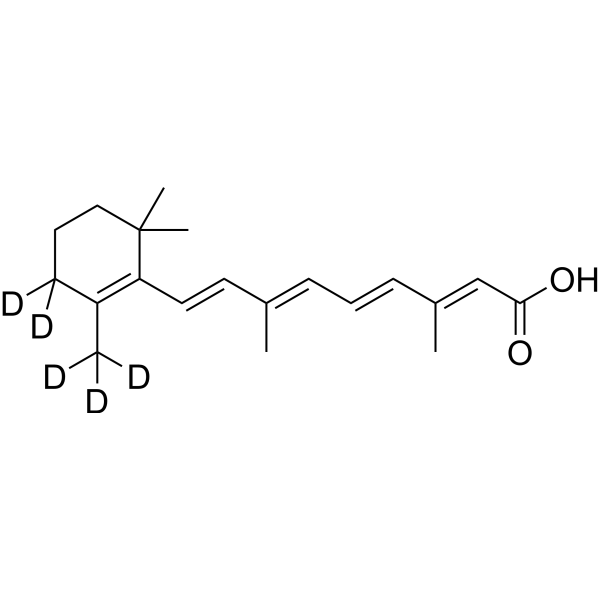 0 ImagesSynonyms: Vitamin A acid-d5; all-trans-Retinoic acid-d5; ATRA-d5Retinoic acid-d5 is the the deuterium labeled Retinoic acid (HY-14649). Retinoic acid is a metabolite of vitamin A that plays important roles in cell growth, differentiation, and organogenesis. Retinoic acid is a natural agonist of RAR nuclear receptors, with IC50s of 14 nM for RARα/β/γ. Retinoic acid bind to PPARβ/δ with Kd of 17 nM. Retinoic acid acts as an inhibitor of transcription factor Nrf2 through activation of retinoic acid receptor alpha.
-
KCL-286
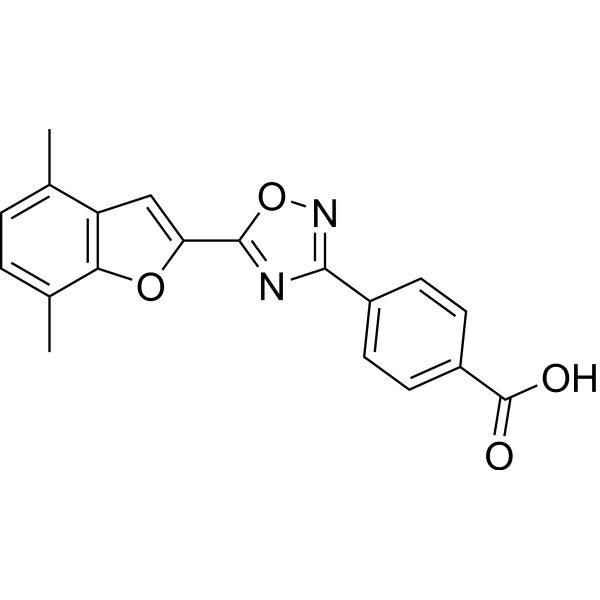 0 ImagesSynonyms: C286KCL-286 (C286) is an orally active and brain-penetrant retinoic acid receptor (RAR) β2 agonist (EC50 = 1.9 nM). KCL-286 targets RARβ2 with good selectivity over RAR α (EC50 = 26 nM) and RAR γ (EC50 = 11 nM). KCL-286 activates RARβ2 in the injured neurons. KCL-286 induces axonal regeneration of both spinal and sensory nerves through the inhibitory environment of the CNS, modulates neuroinflammation and extracellular matrix molecules. KCL-286 can modulate the expression of CSPGs by neuronal secretion of decorin which promotes myelination and aids axonal growth. KCL-286 can be studied in research for area such as spinal cord injury and traumatic nerve injury.
-
PA452
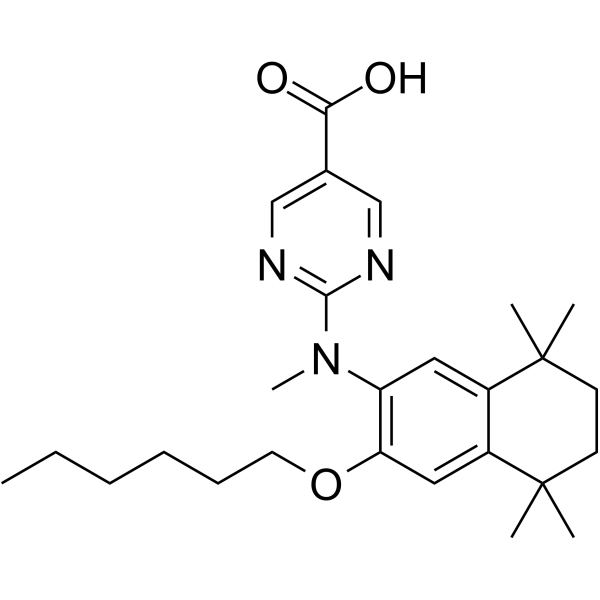 0 ImagesPA452, retinoic X receptor (RXR) specific antagonist, inhibits the effect of Retinoic acid (RA) on Th1/Th2 development.
-
ER 50891
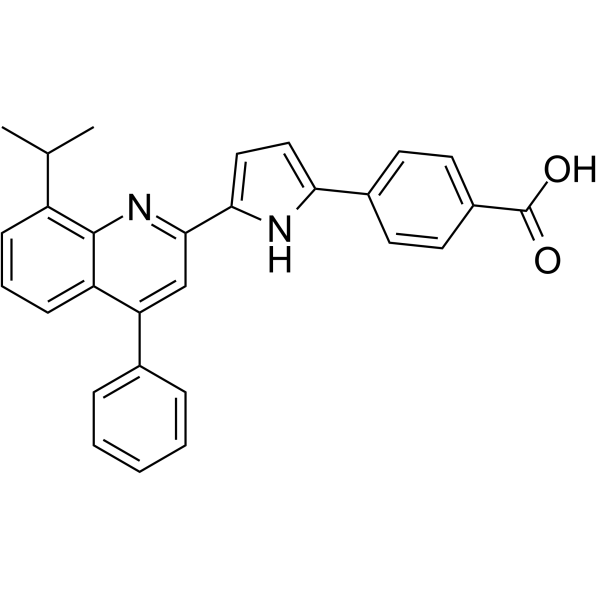 0 ImagesER 50891 is a RARα antagonist. ER 50891 can significantly antagonize the inhibitory effect of all-trans retinoic acid (ATRA) on the total cell metabolic activity and proliferation of MC3T3-E1 preosteoblasts. ER 50891 rescues ATRA-inhibited osteocalcin (OCN) expression and extracellular matrix mineralization, and suppresses alkaline phosphatase (ALP) activity synergistically. ER 50891 can be used for the study of osteoporosis related to ATRA-induced inhibition of osteoblastogenesis.
-
AGN 196996
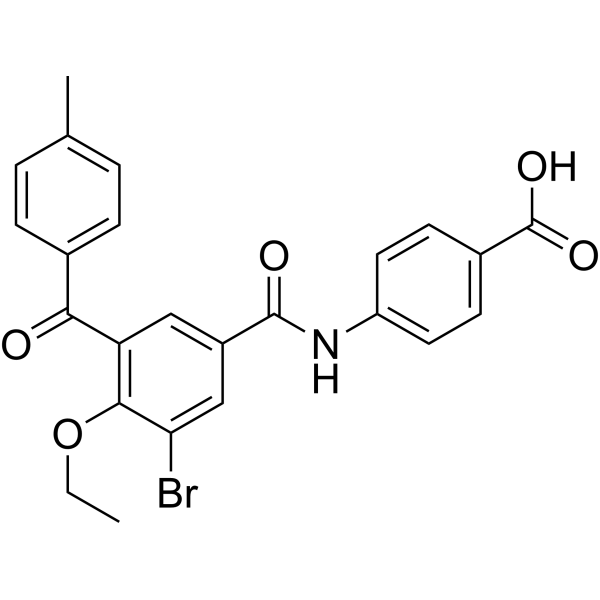 0 ImagesAGN 196996 is a potent and selective RARα antagonist with Ki value of 2 nM; little binding affinity for RARβ(Ki=1087 nM) and RARγ(Ki=8523 nM).
-
Halcinonide
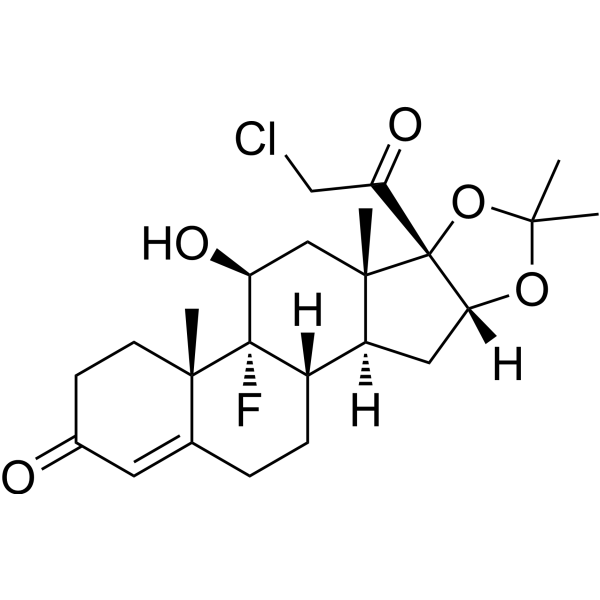 0 ImagesHalcinonide (SQ-18566) is an orally active Smoothened (Smo) agonist. Halcinonide activates the Hedgehog signaling pathway by binding to Smo and promoting its internalization and expression, thereby activating Gli transcription factors. Halcinonide not only stimulates cell proliferation, increases the expression of cyclin D2/CDK6 and inhibits the degradation of caspase-3, but also suppresses Bcl-2/Bax-mediated apoptosis, oxidative stress and inflammatory responses. Halcinonide activates RxRγ to upregulate the expression of myelin genes, thereby reducing cerebral infarction and improving behavioral deficits. Halcinonide has been used in studies related to multiple sclerosis and ischemic stroke.
-
F44-A13
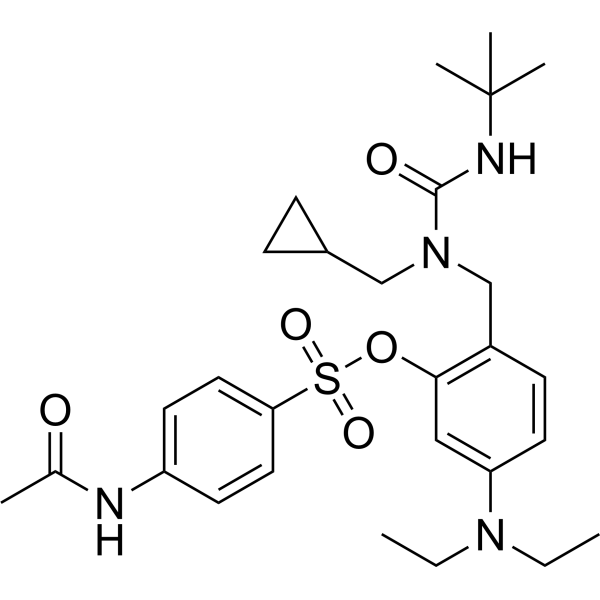 0 ImagesCat. No.: HY-163436CAS No.: 1338190-14-9F44-A13 is an orally active and highly selective farnesoid X receptor (FXR) antagonist with an IC50 value of 1.1 μM. F44-A13 can optimize cholesterol metabolism and reduce its activity by inducing CYP7A1 expression. F44-A13 reduces levels of cholesterol, triglycerides, and low-density lipoprotein cholesterol (LDL-C) in mouse models. F44-A13 can be used in the study of metabolic diseases associated with lipid disorders.
-
AGN 205728
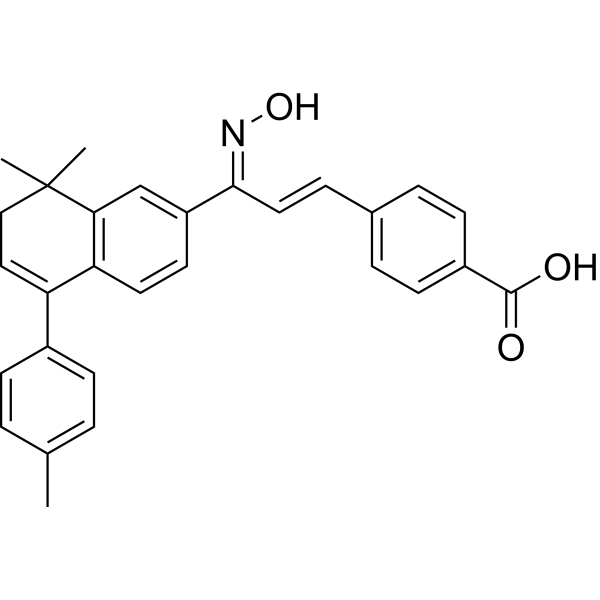 0 ImagesAGN 205728 is a potent and selective RARγ antagonist with Ki/IC95 values of 3 nM/0.6 nM; no inhibiton on RARα and RARβ. AGN 205728 can inhibit abnormal proliferation of leukemia cells.